Vue normale
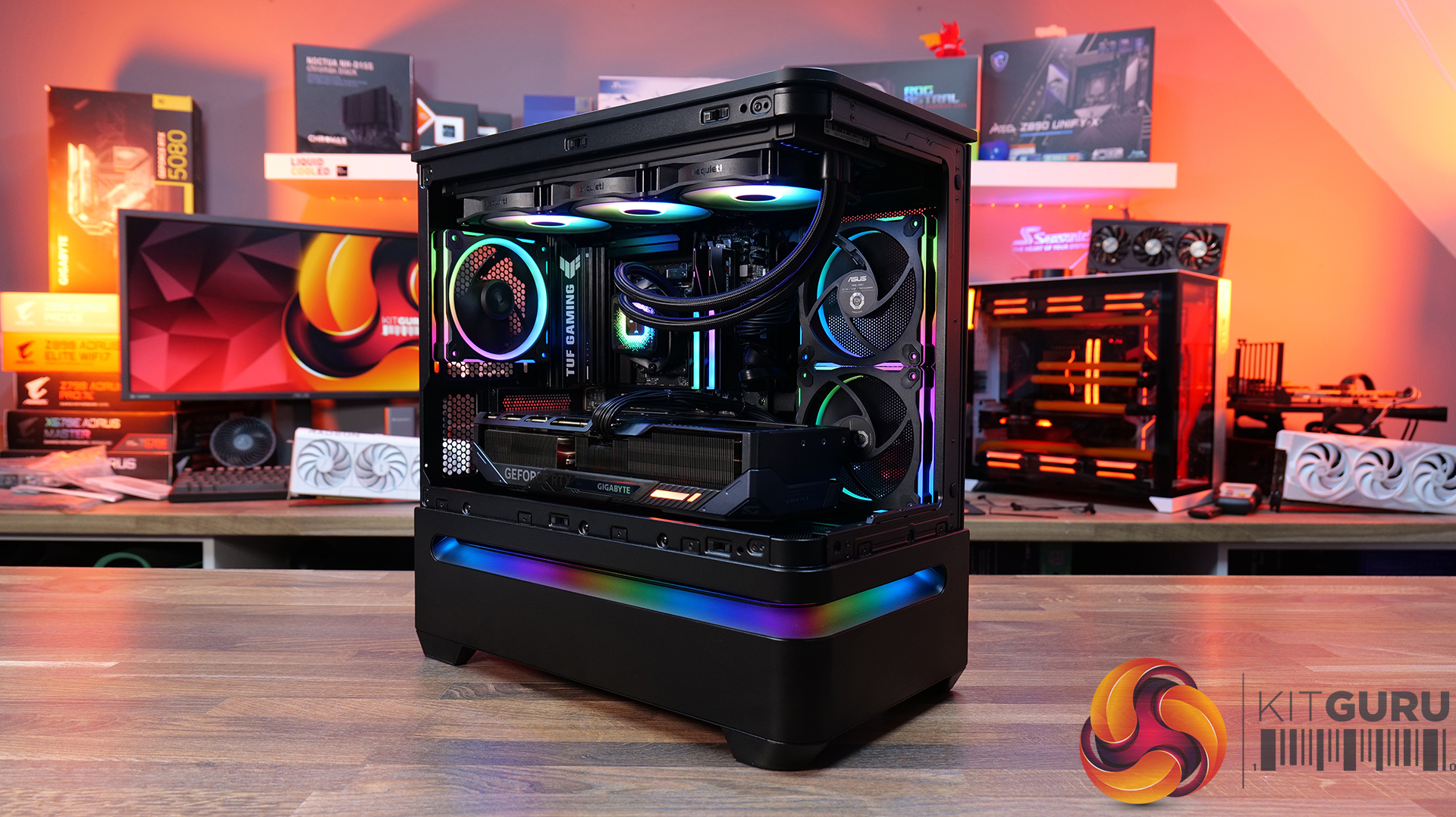
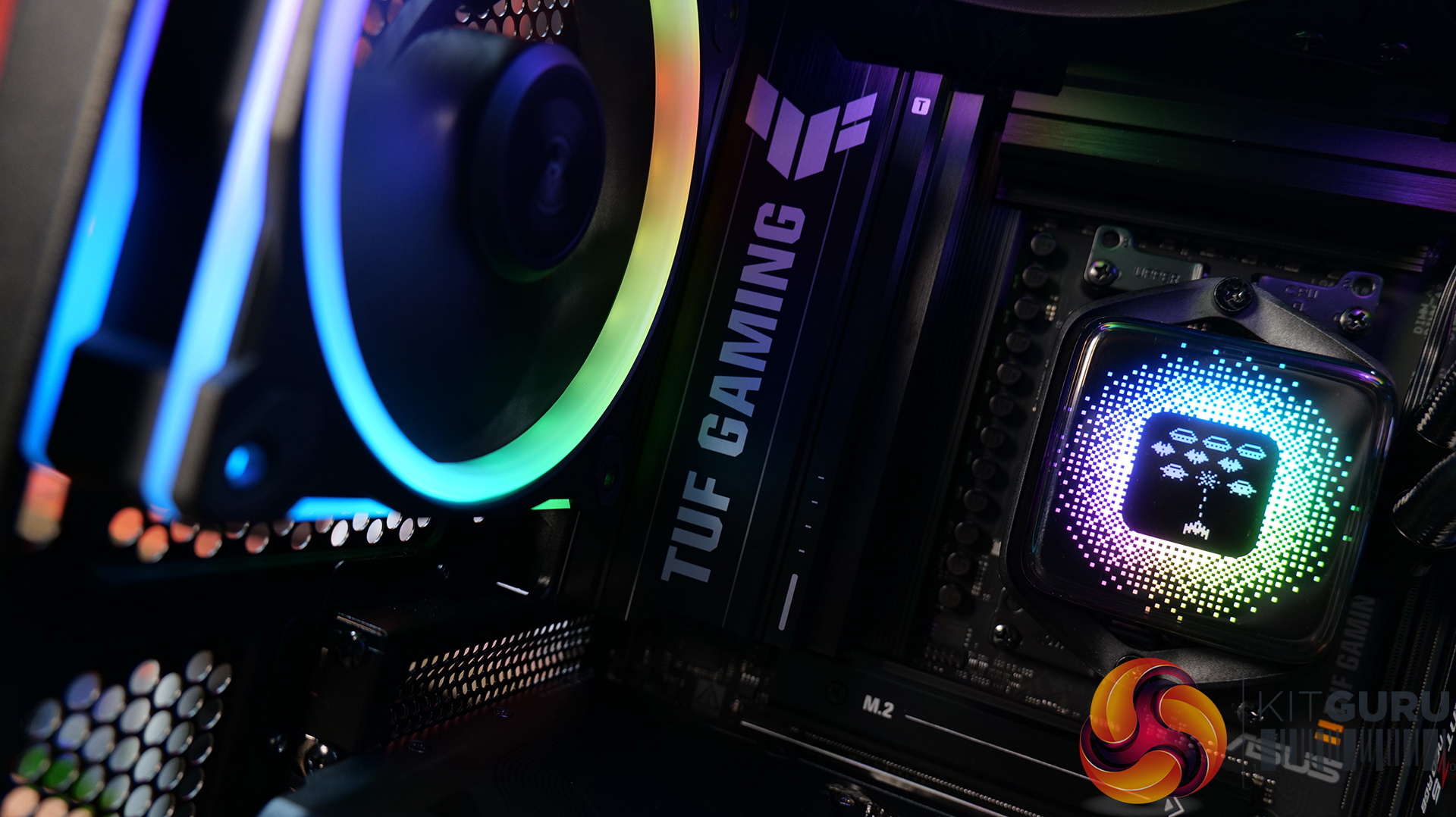
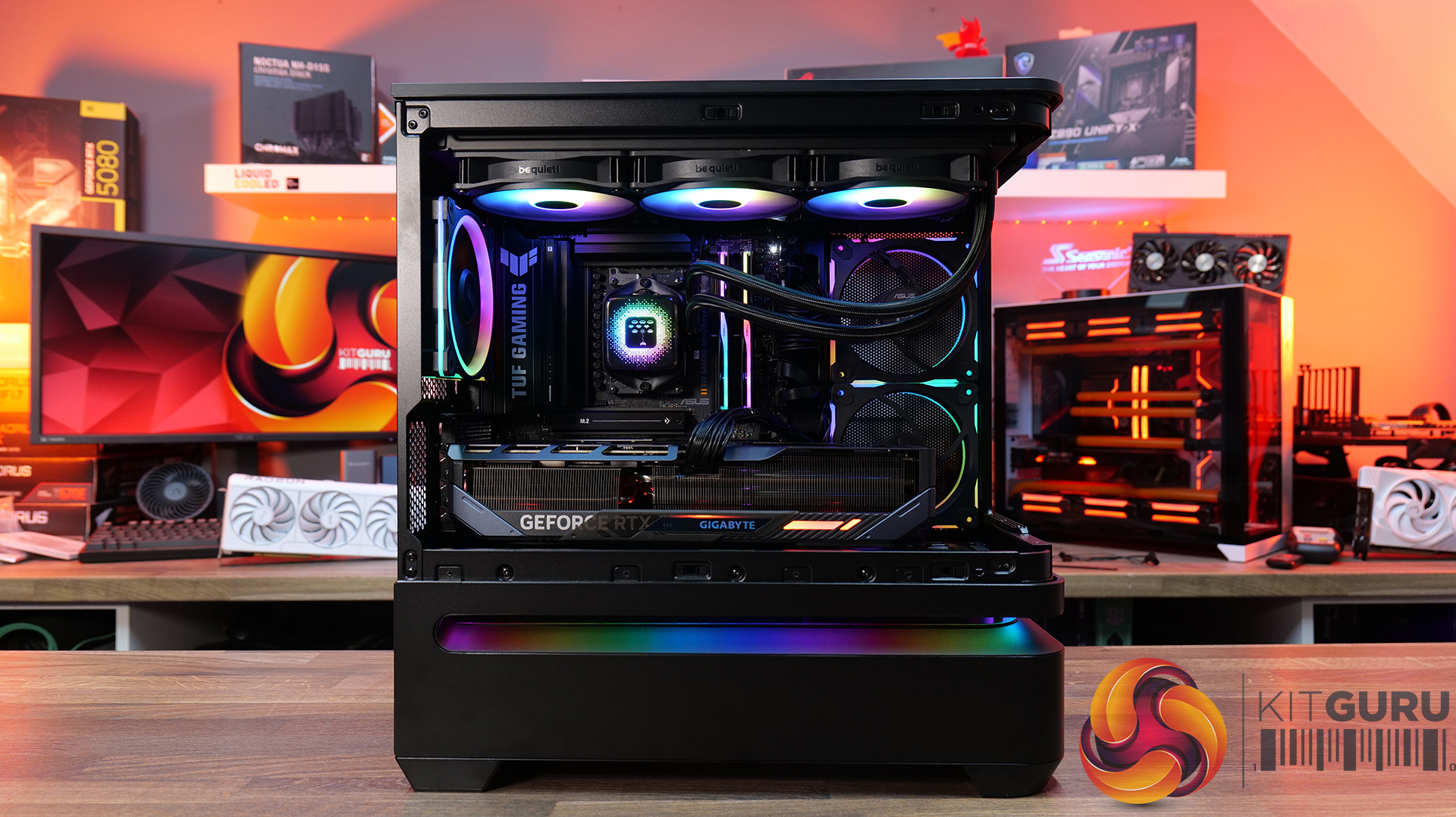
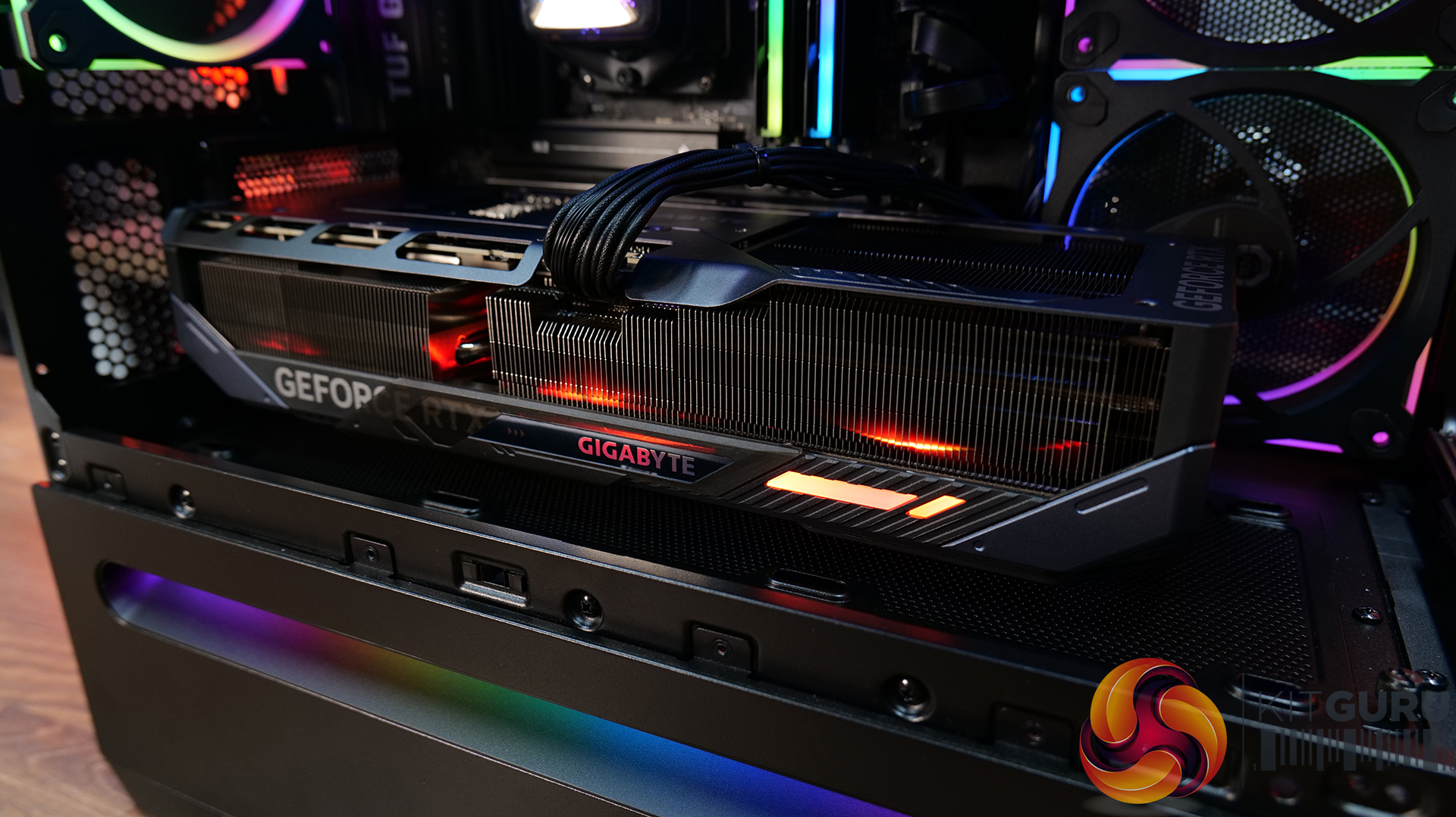
Cougar Poseidon Vistek Pro ARGB 360 Review

18,000 hour-long torture test reveals OLEDs are more reliable than LCDs
The team at RTINGS has been running a multi-year longevity experiment. This grueling torture test has seen 102 televisions pushed to their absolute limits over the last three years. The latest data drop confirms that while the majority of modern displays can survive the 10,000-hour milestone unscathed, a number of units have succumbed to the pressure, with 20 TVs dying completely.
When looking at which manufacturers are delivering long-term durability in this test, LG and TCL have emerged as the frontrunners. Despite the perceived gap in market positioning, both brands showed remarkably low failure rates throughout the testing period. Only a single LG OLED succumbed to a total hardware failure out of nearly two dozen tested units. Similarly, TCL proved that budget-friendly pricing doesn’t always necessitate poor quality control, with only one unit failing right at the finish line of this latest update. It is worth noting that while LG did experience some partial failures, these were largely concentrated in their LCD offerings rather than their premium OLED panels.
However, it's important to note that a necessary caveat to these findings is the inherent sample size limitation. Since RTINGS tests only one unit per model, individual defects can skew the perception of an entire brand. This explains why manufacturers with fewer entries, such as Insignia or Toshiba, currently sit at a 100% failure rate. As such, don't take this as a definitive statement on the quality control standards of every unit leaving the factory floor.
The data also highlights a technical trend: the less complex the backlight system, the more likely the TV is to survive. OLED displays (WOLED and QD-OLED included) proved to be the most resilient precisely because they lack a traditional backlight. On the other hand, edge-lit LED arrays are the most frequent culprits for catastrophic failure. Displays utilizing Full-Array Local Dimming (FALD), such as high-end Mini-LED models, performed significantly better. While about a third of these units still encountered issues, the increased complexity of the backlight management seems to offer better redundancy and thermal protection compared to their direct- and edge-lit counterparts.
In terms of panel technology, IPS displays surprisingly occupied the bottom of the charts, with 15 out of 24 units suffering defects. However, this might not be because of the technology itself, but due to current market trends. Manufacturers rarely pair IPS panels with advanced local dimming solutions, pairing these TVs with cheaper and more fragile backlighting systems.
Another takeaway is that price is no guarantee of longevity. Several flagship, high-cost televisions performed poorly under stress, while some of the most durable units were found in the budget sector. Moreover, repairability remains a major hurdle. Modern assembly techniques make it nearly impossible to service a unit without causing further damage. Of the 20 total failures in the RTINGS lab, only two were successfully repaired, suggesting that for most users, a failure within the warranty period is the only real safety net.
KitGuru says: Were you surprised by the results? Will you consider these findings when you need to buy a TV or a monitor?
The post 18,000 hour-long torture test reveals OLEDs are more reliable than LCDs first appeared on KitGuru.Analyst forecasts further price increases in 2026 due to memory shortages
Market analysts at IDC have updated their outlook for the global memory sector, and the forecast is grim for PC builders and enthusiasts. What began as a tightening of supply is rapidly evolving into a full-blown crisis, with new data suggesting that the PC market could contract significantly in 2026 as component costs continue to skyrocket.
While IDC (via Wccftech) initially predicted in November a manageable 2.4% dip in the PC market for 2026, the analytics firm has now modeled two far more concerning scenarios based on deteriorating DRAM and NAND availability. A moderate outlook suggests a sales decline of 4.9%, while a pessimistic model warns of an 8.9% drop.
![]()
Image credit: IDC
This scenario is being driven by a sharp rise in acquisition costs. Under the moderate scenario, component prices could climb by 4-6%, but if the supply chain fractures further, we could see spikes of up to 8%. The industry giants are already passing these costs down the chain, with reports indicating that Dell and Lenovo are preparing to hike pre-built system prices by as much as 15%. In the DIY space, the situation has become so volatile that modular laptop maker Framework has ceased selling standalone RAM entirely to prevent scalpers from stripping their stock.
The root cause of this meltdown is the industry's pivot to High Bandwidth Memory (HBM) to feed the appetite of AI data centers. Semiconductor manufacturers are reallocating their limited wafer capacity to these high-margin AI chips, leaving traditional consumer memory on the back burner. Despite the shortage, vendors are hesitant to break ground on new fabrication plants, fearing that the current AI explosion might be a bubble that bursts before new facilities can come online.
KitGuru says: Of the three scenarios shown by IDC, which one do you believe 2026 will follow?
The post Analyst forecasts further price increases in 2026 due to memory shortages first appeared on KitGuru.Indie Game Awards strips Clair Obscur: Expedition 33 of titles over GenAI use
Clair Obscur: Expedition 33 is getting awards from all sides, but something unexpected happened to two of them. Although the game was awarded the Debut Game and Game of the Year awards over at the Indie Game Awards on December 18th, Sandfall Interactive’s Clair Obscur: Expedition 33 has been retroactively disqualified from these accolades due to the use of genAI, violating the ceremony's strict eligibility criteria.
The disqualification comes just days after the title secured both awards on December 18th. According to a formal statement from the committee (via Eurogamer), the move was triggered when Sandfall Interactive confirmed the use of generative AI assets on the awards premiere. This disclosure reportedly contradicted earlier declarations made during the submission process, where representatives had allegedly stated that no such tools were used in the creation of the RPG.
![]()
Six One Indie has maintained a public firm position against the integration of generative AI within independent projects, citing it as a core factor in their nomination vetting process. While reports suggest that the AI-generated assets in question were limited to placeholder textures that were subsequently removed after the game's April launch, the organisers clarified that any use of these tools renders a title ineligible. The committee noted that while Clair Obscur: Expedition 33 remains a high-quality production, the breach of regulations left them with no choice but to retract the honours to preserve the integrity of the awards.
As a result of the disqualification, the awards have been passed down to the respective runners-up in each category. The puzzle-adventure title Blue Prince has now been officially named the Indie Game Awards' Game of the Year 2025. Similarly, the Debut Game trophy has been awarded to Sorry We’re Closed, the survival horror title.
Sandfall Interactive has yet to issue a detailed public rebuttal regarding the discrepancy in their submission claims.
KitGuru says: Do you agree with the Indie Game Awards committee decision? What's your take on using genAI in games?
The post Indie Game Awards strips Clair Obscur: Expedition 33 of titles over GenAI use first appeared on KitGuru.Studio Wildcard now expecting to launch Ark 2 in 2028
It has been five years since Studio Wildcard announced Ark 2 but unfortunately, we are still quite a ways off from seeing the game in action. This week, the studio revealed that Ark 2 is now not expected to release until 2028.
When Ark 2 was first announced in late 2020, the launch had been planned for 2023. Then that 2023 release window became 2024 and since then, we've not really had a definitive update. That changed recently with Studio Wildcard revealing its new roadmap, which will see the release calendar filled with new expansions and updates for Ark Survival Ascended, followed by Ark 2 in 2028.
Ark Survival Ascended is the Unreal Engine 5 remake of the original game and the only version to continue getting new content. This month, the game received its first properly new expansion, Lost Colony. In 2026, there will be a major update every quarter. In 2027, there will be another major expansion released.
Apparently, this major expansion, titled Legacy of Santiago, will serve as a trial run for mechanics Studio Wildcard wants to include in Ark 2. If all goes well, then Ark 2 will release in 2028.
KitGuru Says: Do you think Ark 2 will end up releasing in 2028 as planned, or do you think there will be more delays down the line?
The post Studio Wildcard now expecting to launch Ark 2 in 2028 first appeared on KitGuru.Microsoft was reportedly “really happy” with Perfect Dark prior to its cancellation
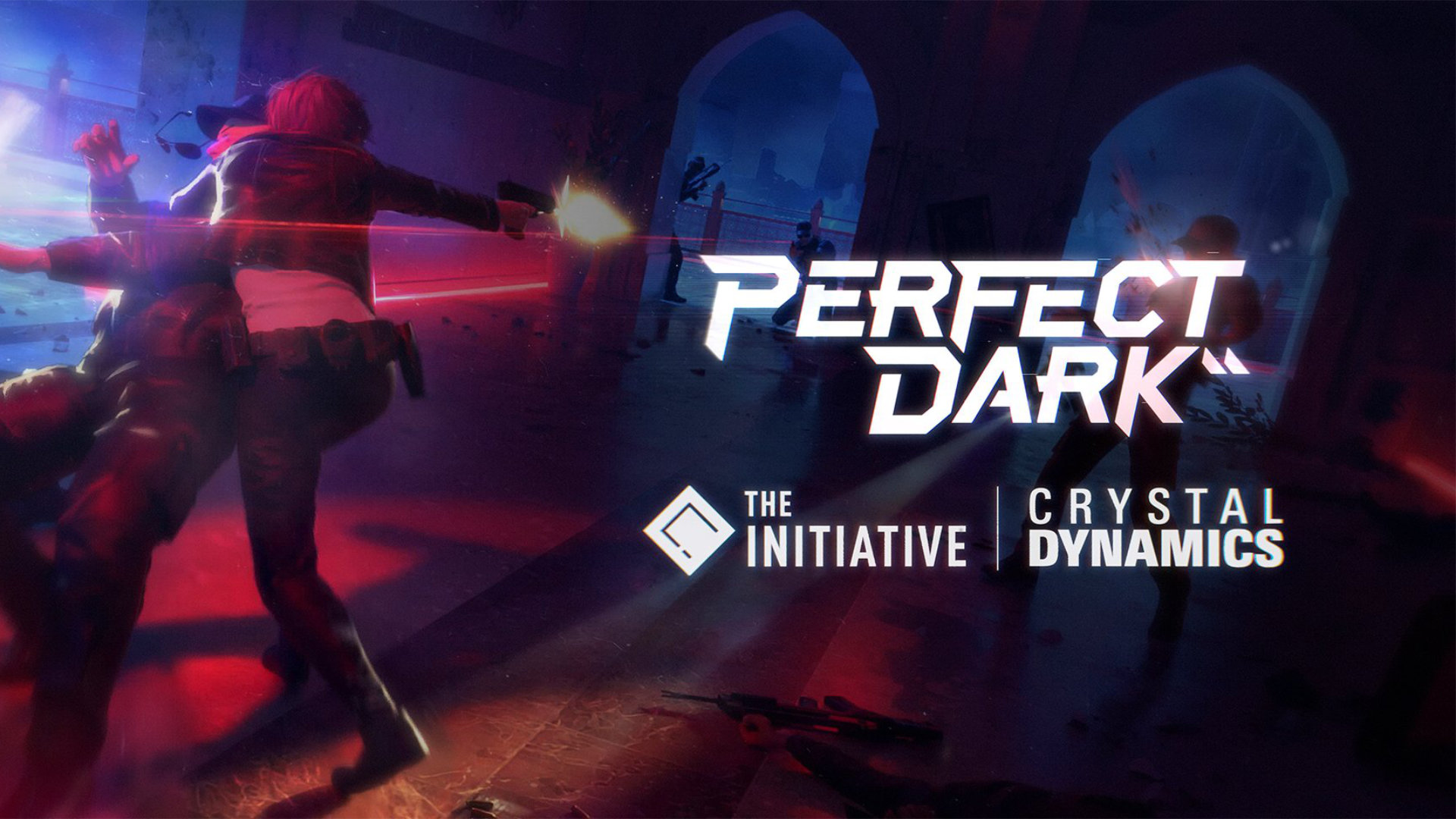
One of the biggest video game projects to have been cancelled in 2025 was Perfect Dark. Announced all the way back in 2020 as a reboot to the classic series, the title struggled with development issues, lay-offs, turnover and much more. That said, up until the game’s surprise cancellation earlier this year, Perfect Dark seemed to be in a much more stable state, with the game’s lead actor now weighing in on the matter.
In an interview conducted by publication TheGamer, Alix Wilton-Regan (the VA for Joanna Dark) spoke on the ill-fated Perfect Dark reboot and their reaction to the news, stating:
“I was as shocked, surprised, and devastated as everyone else was when the funding was pulled, and the studio was closed. I did not see it coming. I was absolutely blindsided when the project was defunded.”
As mentioned, Perfect Dark had been in varying states of development between its announcement in 2020 and cancellation in 2025. According to Wilton-Regan however the project seemed to be finally coming together, revealing:
“We were basically recording bits and bobs throughout '23. We were also doing lots of performance capture for it in '24, and we were even recording more stuff for it in '25. To my knowledge, we were pretty far along. I'd done entire chapters of this universe,” adding that the project had “delivered several milestones that the client was really happy with.”
Based on this, it is quite clear that Microsoft’s decision to cancel Perfect Dark (alongside other in-development projects) was a rather impulsive one which took seemingly everyone by surprise. It remains a shame that we will never see the fruits of The Initiative’s half-a-decade worth of work.
KitGuru says: What do you think of the whole Perfect Dark situation? Why did Microsoft cancel the game? Should they have given the developers a heads-up? Let us know down below.
The post Microsoft was reportedly “really happy” with Perfect Dark prior to its cancellation first appeared on KitGuru.Valve officially ends production on LCD Steam Deck model
The launch of the Steam Deck back in 2022 helped to usher in a new age of PC gaming handhelds. While Valve is shying away from releasing a new version every year, the arrival of the Steam Deck OLED in late 2023 did make the original LCD model feel somewhat outdated. Valve continued to sell both models at the same time, but only the 256GB variant of the LCD Deck was kept available. Finally however, the LCD Steam Deck is being fully discontinued.
In going to the official store page for the Steam Deck, 3 models of the handheld can be purchased: the 256GB LCD model; 512GB OLED model and the 1TB OLED model.
That said, those wanting to purchase the LCD variant are now being met with a message from Valve, which states: “Note: We are no longer producing the Steam Deck LCD 256GB model. Once sold out, it will no longer be available.”
While the LCD Steam Deck did serve well as the cheapest version of the handheld, its drawbacks in comparison to the refreshed OLED model made it a tougher sell as time progressed – with the latter introducing a far better display with HDR; higher refresh rates; improved WIFI; a bigger battery and more.
Still, if you were wanting to get your hands on an LCD Steam Deck, now is your last chance to do so.
KitGuru says: What do you think of the LCD Steam Deck compared to the OLED model? Is it worth the sacrifices? When do you expect we’ll get a proper Steam Deck 2? Let us know down below.
The post Valve officially ends production on LCD Steam Deck model first appeared on KitGuru.ASUS Prime AP202 ARGB Case Review
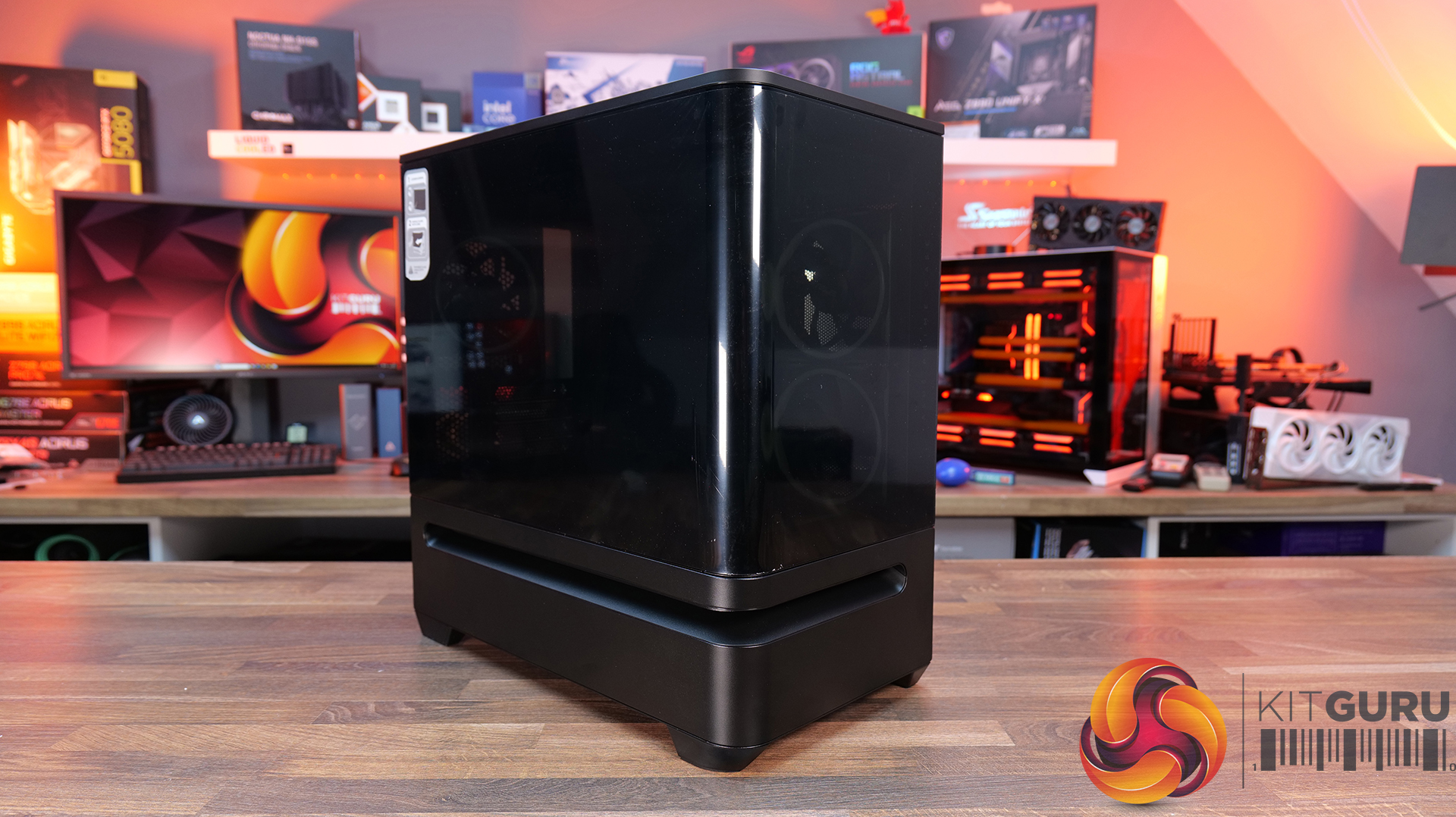
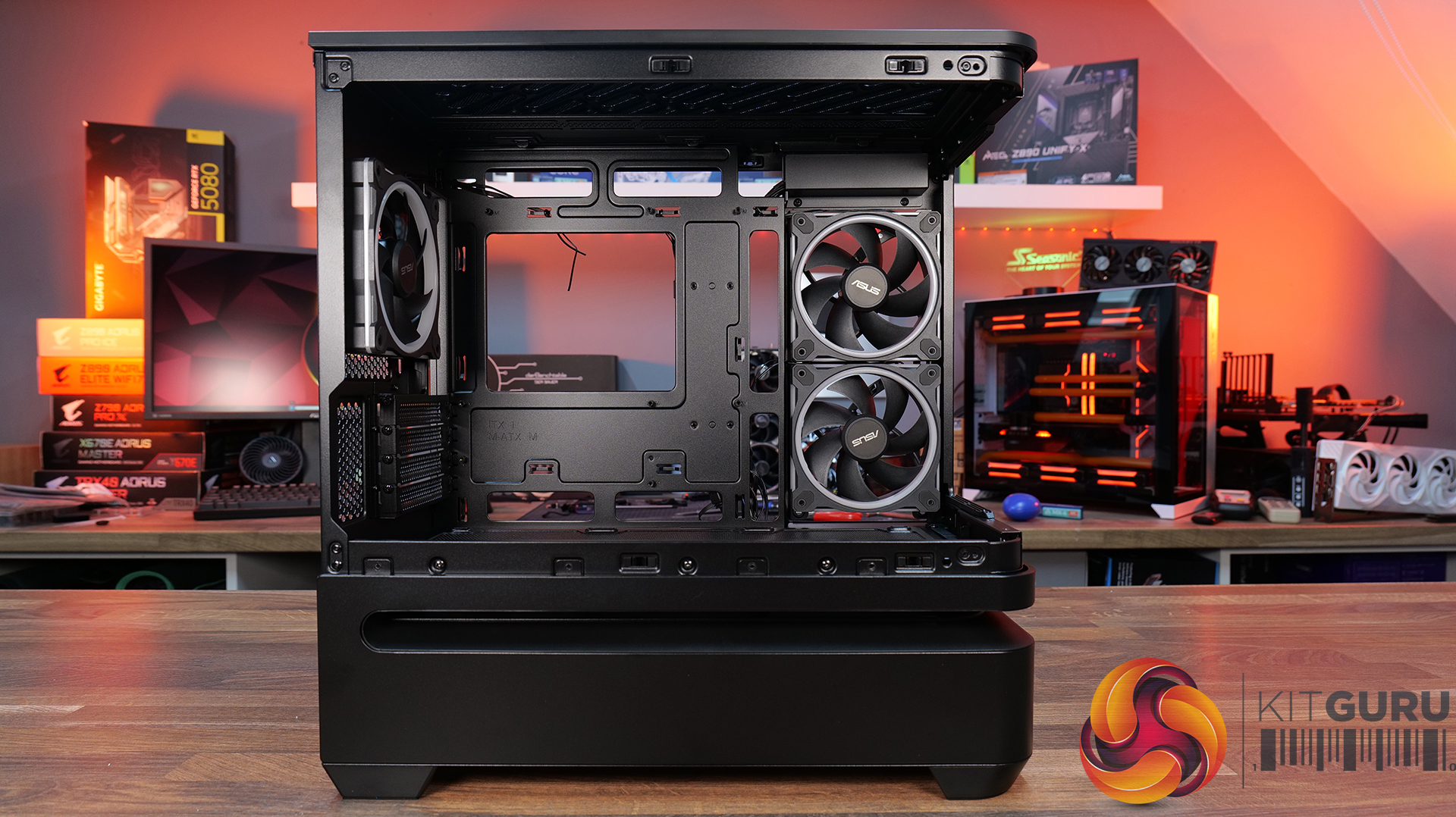
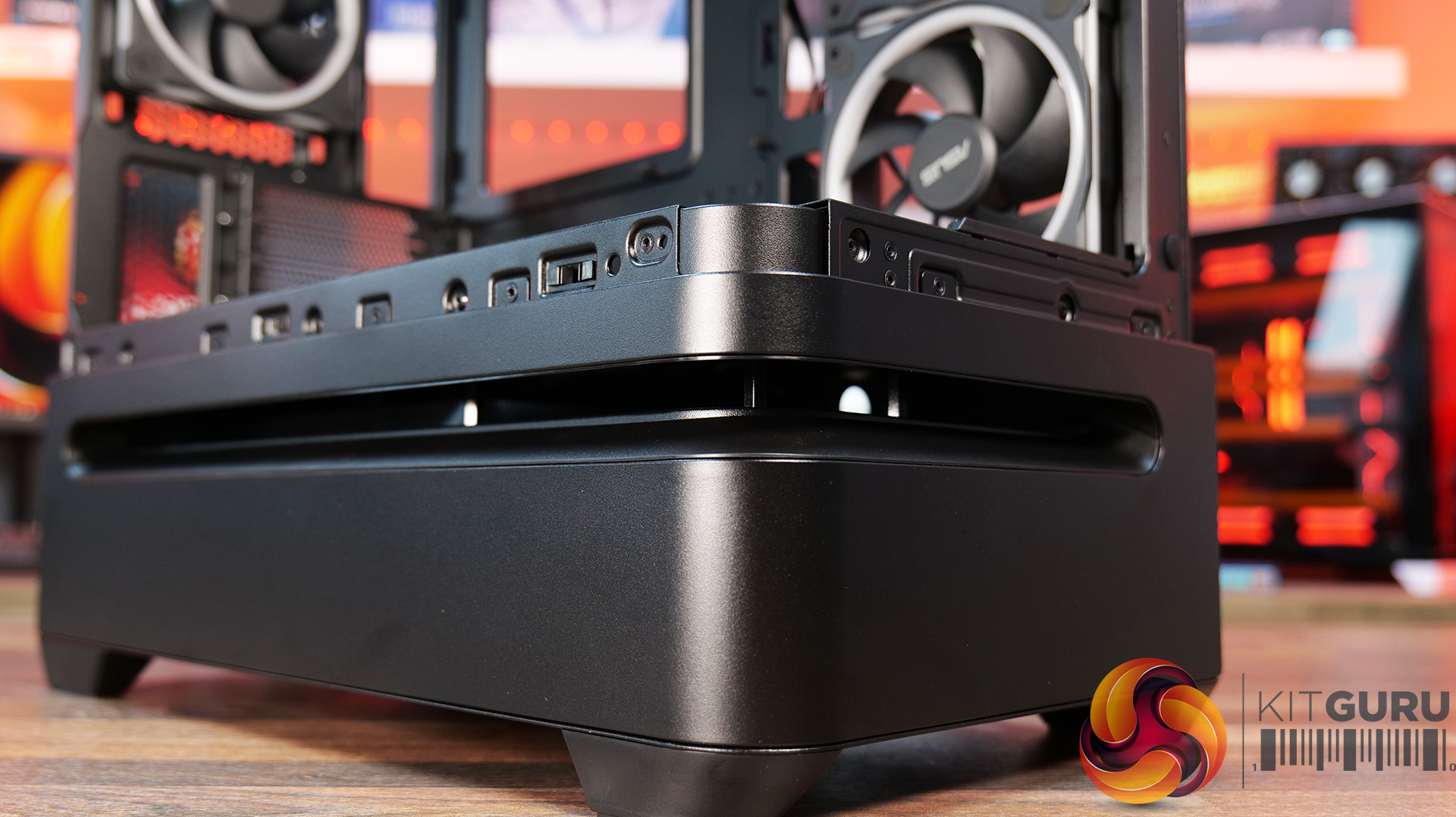
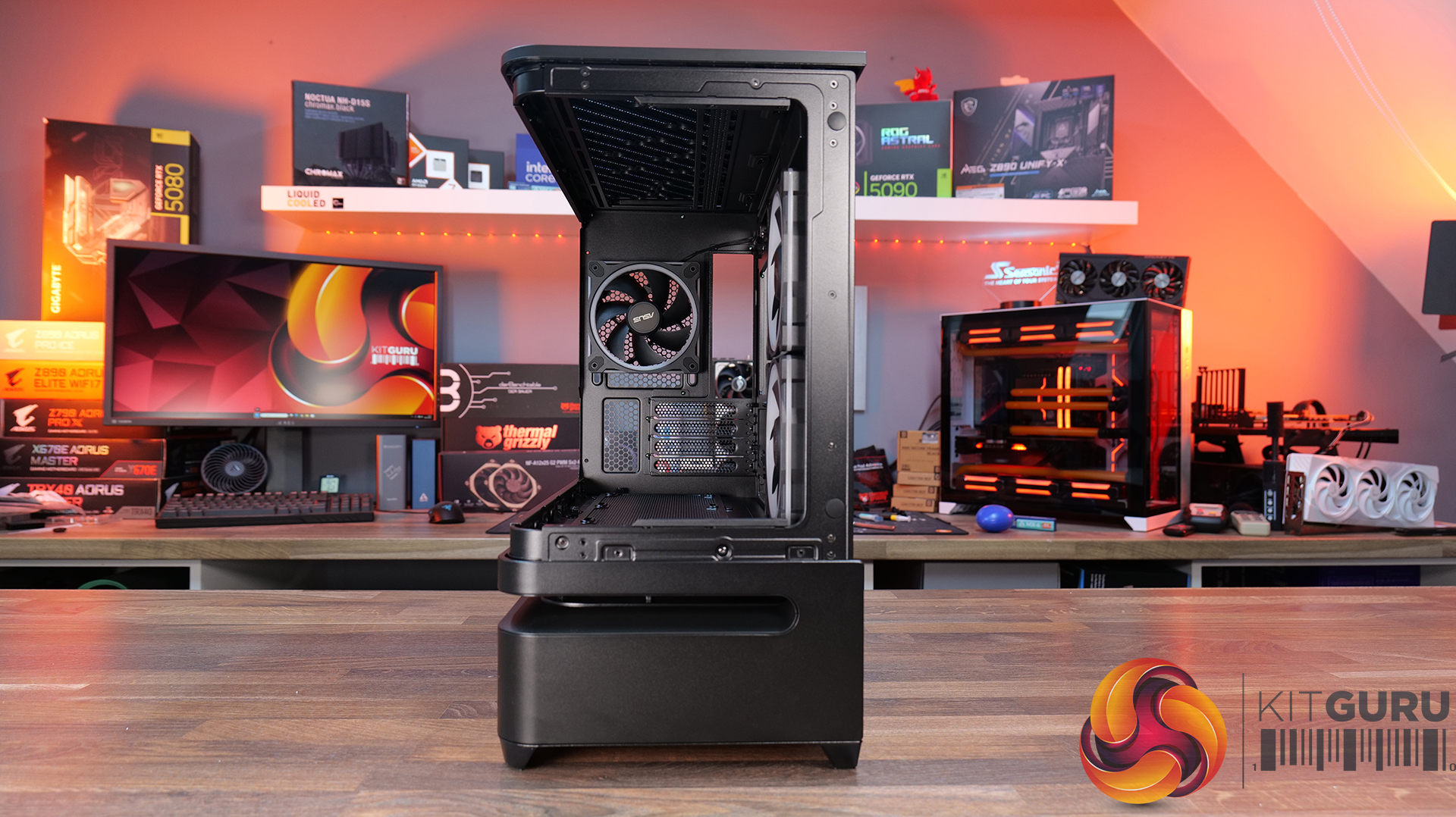
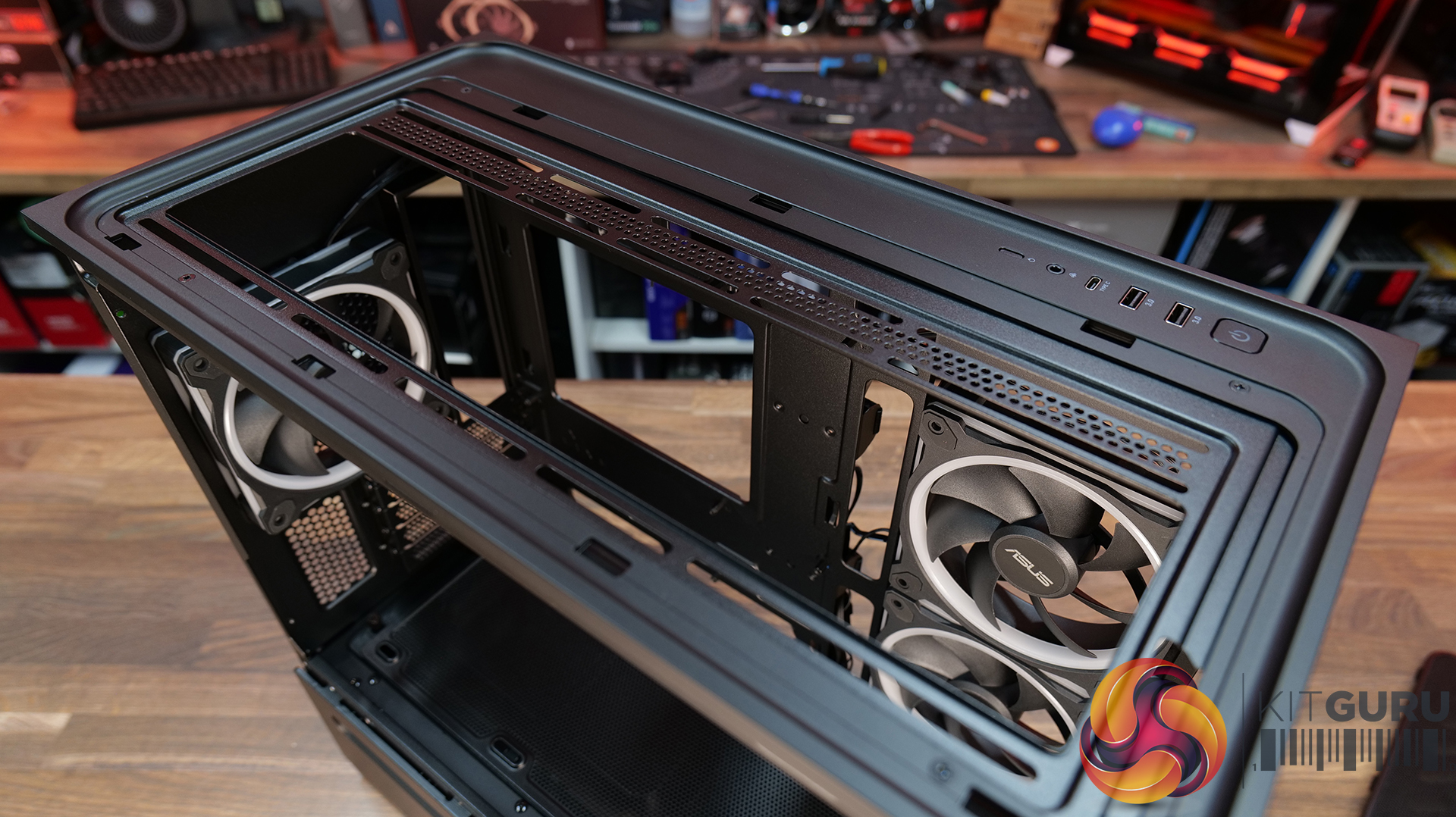
Today we’re taking a look at the ASUS Prime AP202 ARGB, a compact micro-ATX case that puts aesthetics front and centre with its curved glass design and minimalist styling. On paper, ASUS is pitching this as a modern airflow-focused chassis, but as always, what really matters is how it performs once the panels are on and the system is under load. We’ll be breaking down build quality, airflow design, thermals and noise to see whether the AP202 delivers out-of-the-box, or whether it needs a bit of user intervention to reach its full potential.
Timestamps:
00:00 Start
00:50 Overview and pricing
01:53 Tempered glass panel
02:32 The other panels
03:20 Front I/O Panel
03:40 Hardware support / Fans
04:55 Cooling support
05:44 Motherboard & GPU – space?
07:44 CPU air cooling support
07:52 Rear and right hand side
09:35 PSU / Drives
10:30 Floor of the case / Accessories
11:27 Thermal Performance and Noise Testing
14:43 Smoke Test Airflow Visualisation
17:11 James thoughts on airflow
19:53 Worth buying then?
ASUS Prime AP202 ARGB Features:
- Curved tempered-glass panel — a single piece of tempered glass that wraps from front to side for a panoramic view of components.
- Patented slot-vent airflow design — a lower-section slot vent provides optimised cooling, especially for the graphics card via optional floor-mounted fans.
- Broad hardware compatibility — supports graphics cards up to 420 mm long, radiators up to 360 mm, ATX power supplies up to 200 mm, and CPU coolers up to 175 mm.
- Integrated ARGB light band (with Aura Sync support) — ambient lighting that can be synced with other components for custom looks.
Specifications:
- Case Type: Micro Tower
- Dimensions (LxWxH): 441 × 236 × 460 mm
- Materials: Steel, Plastic, Tempered Glass
- Motherboard Support: Micro ATX, Mini ITX
- Back-connect motherboard support: No
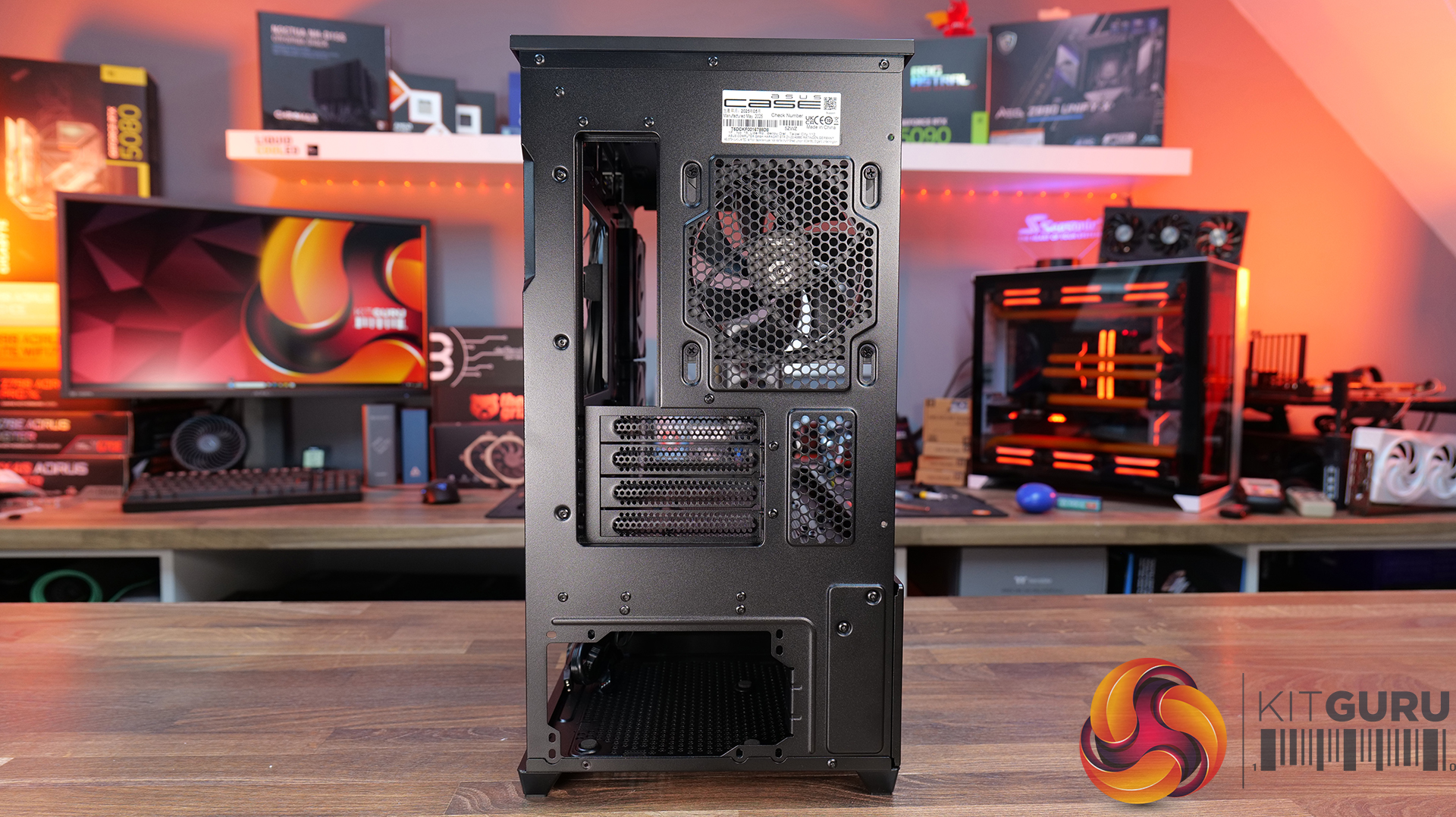
- Expansion Slots: 4
- Storage bays: 2 × 2.5″/3.5″ combo bay
- Max GPU Length: 420mm
- Max CPU Cooler Height: 175mm
- PSU Type: ATX up to 200mm
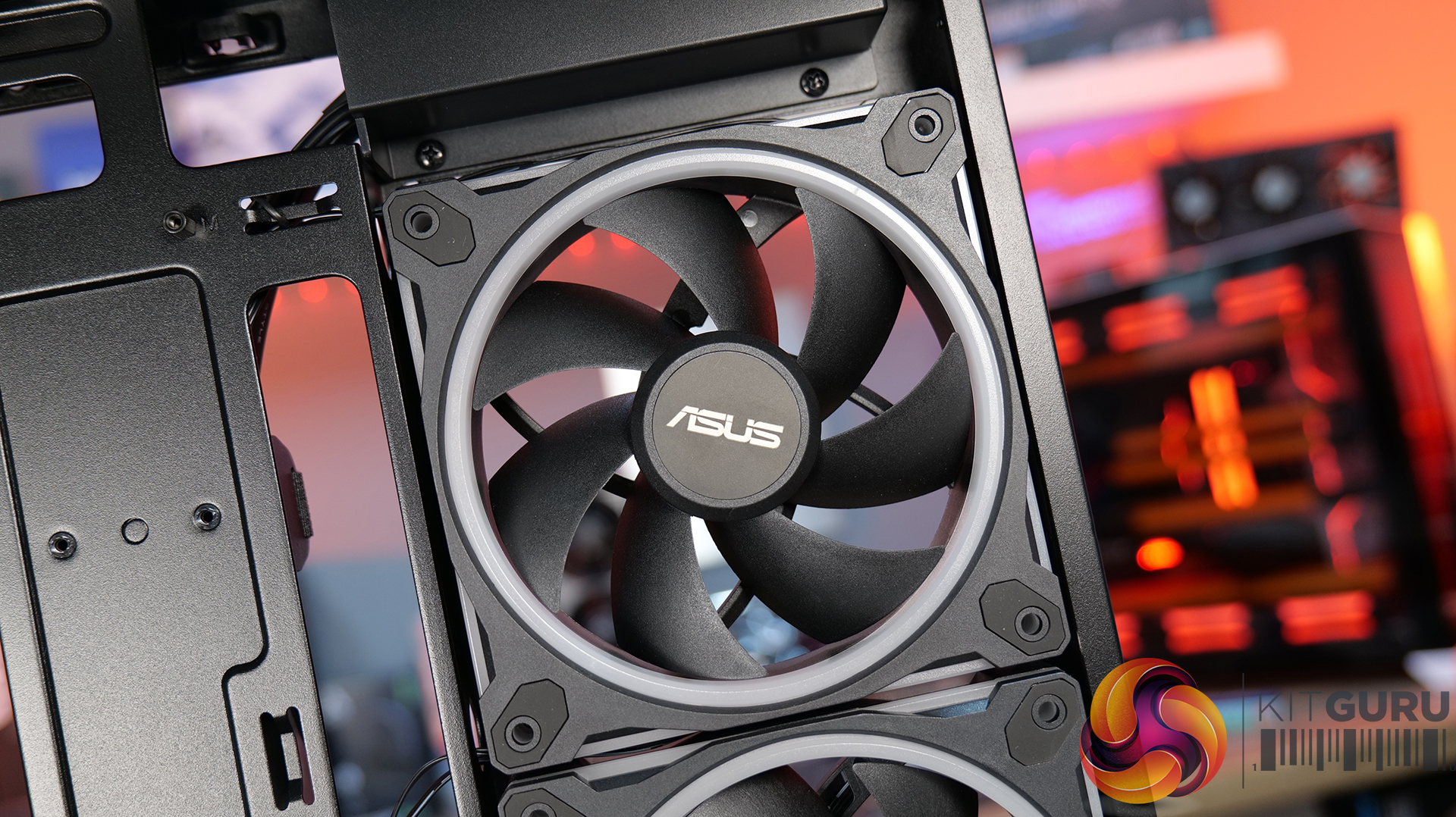
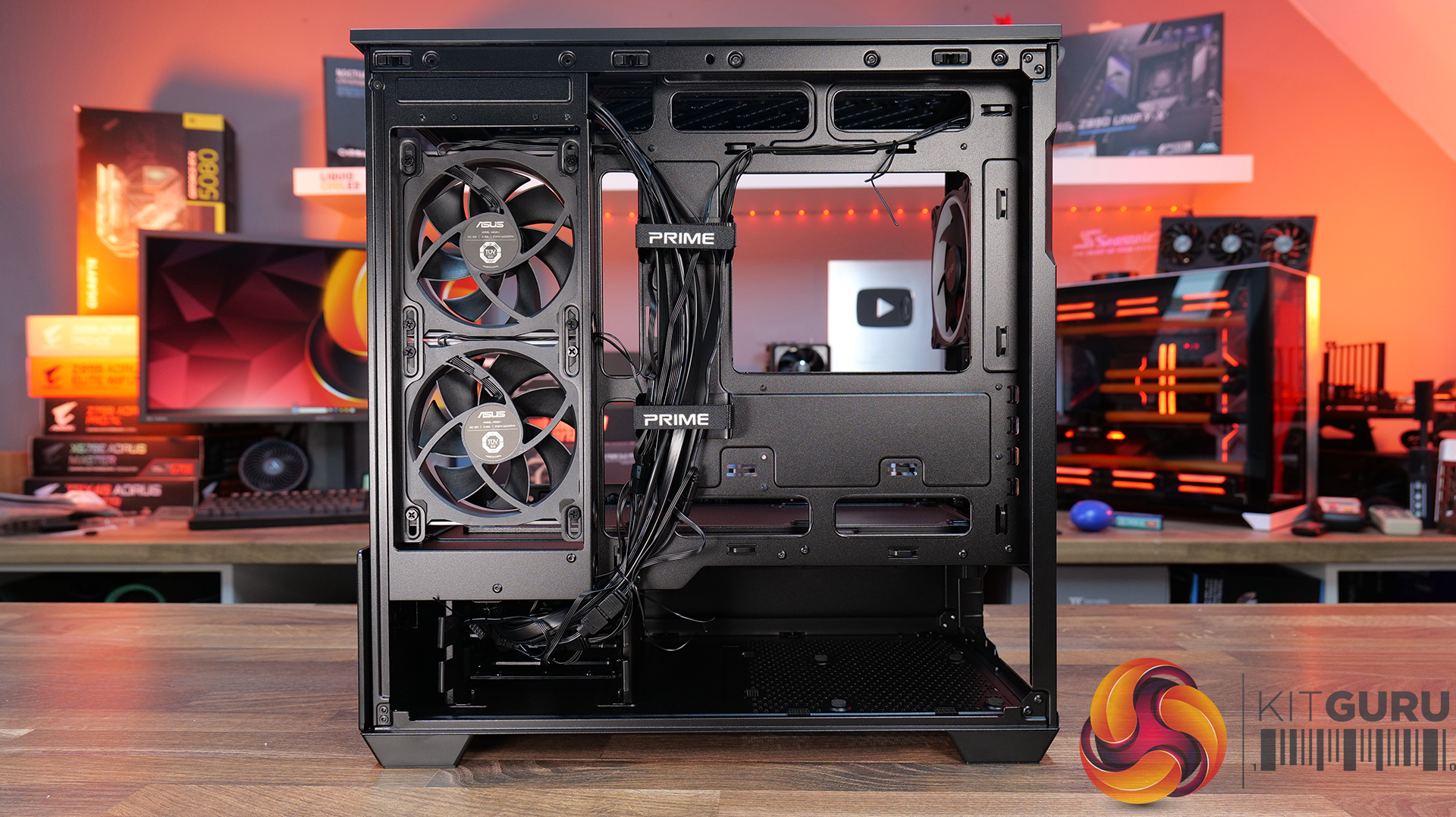
- Pre-installed Fans: 2 x 120mm (Side) 1 x 120mm (Rear)
- Fan Support: 3 x 120 /2 x 140mm (Top) 1 x 120mm (Rear) 3 x 120mm (Bottom) 3 x 120mm
- Radiator Support: 120/240/360mm (Top)
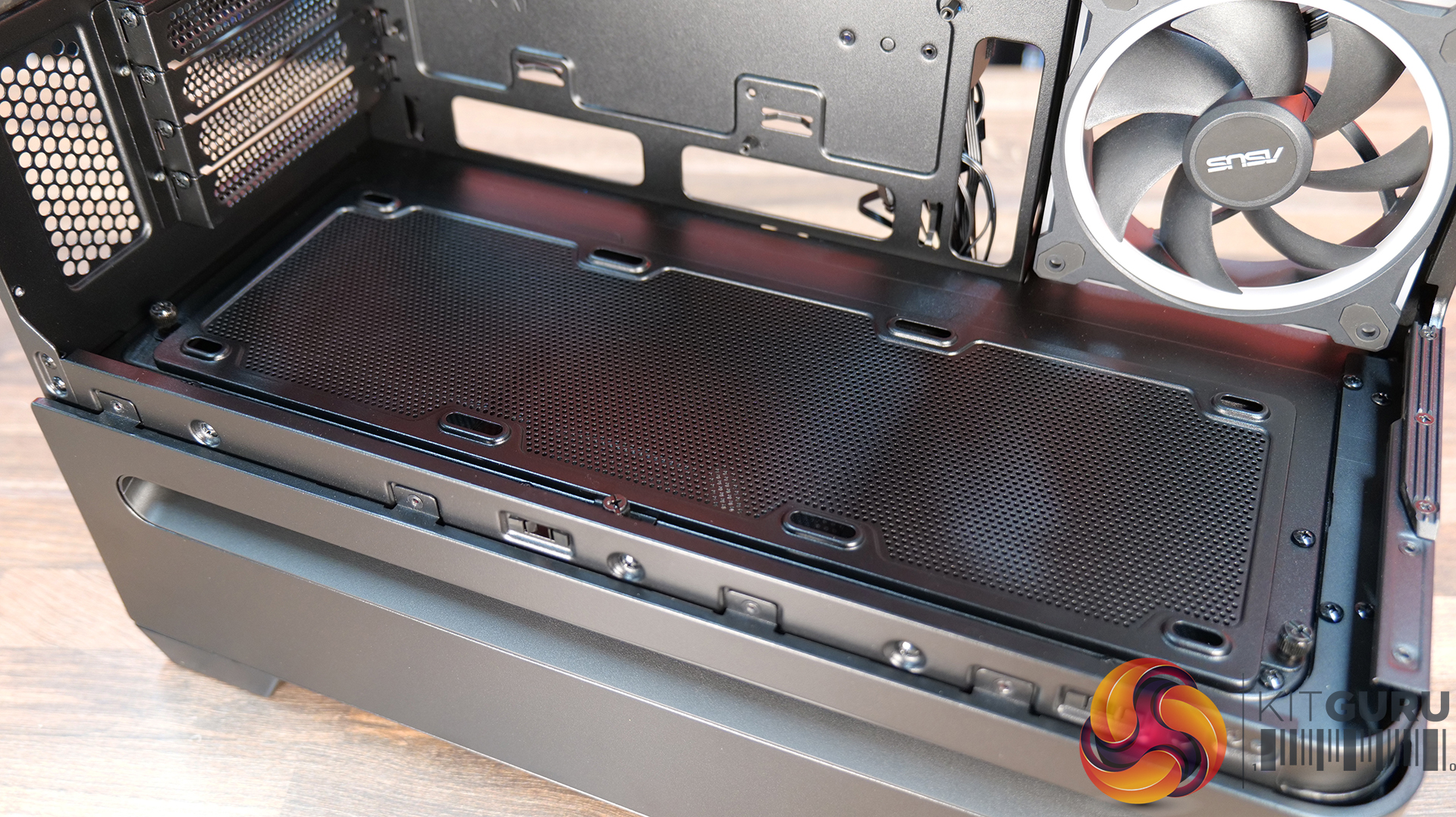
- Dust Filters: Top/Bottom removable
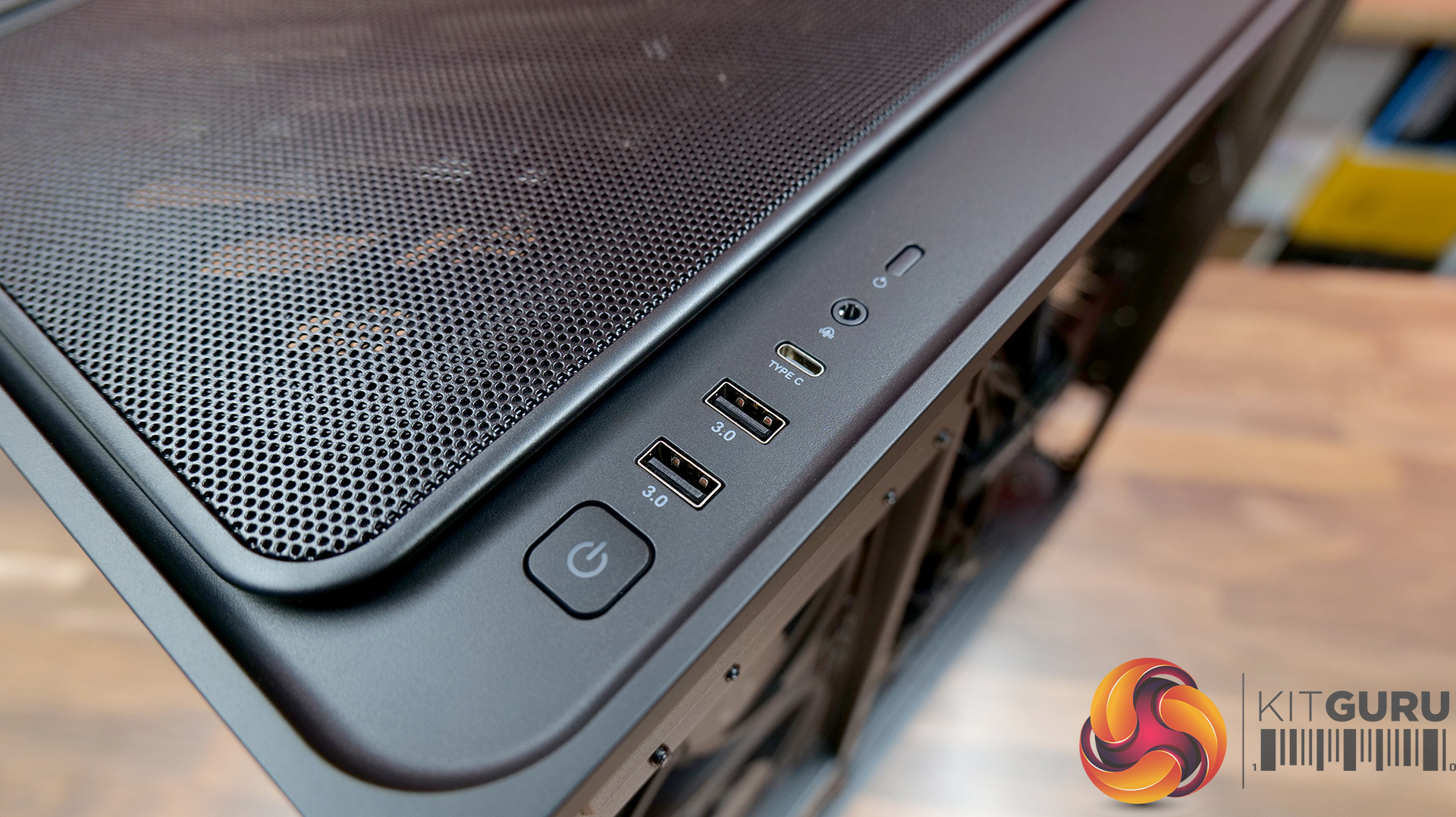
- Front I/O: 2 × USB 3.2 Gen1, 1 × USB 3.2 Gen 2×2 Type-C, 1 × headphone / microphone
- LCD Screen: N/A
Thermal Performance Testing
To simulate thermal demand we run the Cinebench R23 multi-thread benchmark and 3DMark Speed Way stress test simultaneously in a loop for 30 minutes to load the system fully. This gives the CPU and GPU enough time to reach constant steady-state temperature. With this data, we can compare how the system handles the thermal demand and measure peak noise levels.
Thermal performance is measured with the case in various configurations, such as the default, with the tempered glass left-hand side panel removed and with the front panel removed to see how these configurations affect the CPU and GPU temperature. During testing, only stock case fans are used unless otherwise specified. All water pumps are set to maximum RPM and fans are set to a custom RPM curve by the Motherboard software/BIOS.
All temperature measurements are presented as Deltas – meaning the ambient temperature has been deducted from the CPU temperature giving us a Delta. Data shown in the charts represent the average component temperature over the length of the test as measured by HWiNFO, and then the last 15 minutes of the data are calculated to get the average. The ambient temperature during thermal tests is between 19-20⁰C.
Test System Specification:
- CPU – AMD Ryzen 7 9800X3D
- Motherboard – ASUS TUF B850M Plus WiFi
- Graphics Card – MSI RTX 5080 Gaming Trio OC White
- Memory – 32GB (2 x 16GB Modules) G.SKILL Trident Z5 Neo RGB DDR5-6000
- Storage – 1TB Corsair MP600 Elite PCIE Gen4 NVMe M.2 SSD
- CPU Cooler – be quiet! Pure Loop 3 LX 360
- Power Supply – Seasonic Focus GX-1000 ATX3 80+ Gold
- Case fans – Stock + 3 x ASUS Prime MR120 Reverse
- Chassis – ASUS Prime AP202
- Operating System – Windows 11 24H2
Thermal Performance Overview
We tested the case thermals with a 360mm AIO as the exhaust at the top and in several different configurations. The default configuration shown in the charts is with the 360mm AIO at the top, 2 x 120mm side exhaust fans, 1 x 120mm exhaust fan and with all panels installed.
![]()
Looking at the data, it’s difficult to avoid the conclusion that ASUS has made a poor call with the AP202’s default fan configuration. Running the case in its out-of-the-box setup results in the worst CPU temperature of the group at 75 °C over ambient, which is a full 4 °C hotter than simply fitting side intake fans. ASUS’s decision to rely on negative pressure clearly doesn’t work particularly well in practice, at least for CPU cooling.
The GPU results also help explain why some fan additions don’t deliver the gains you might expect. In the default configuration, the GPU sits at a very reasonable 50 °C over ambient, and while side intake nudges this slightly higher, the changes are relatively minor overall. Where things become less effective is when bottom-mounted fans are introduced. The AP202 simply doesn’t leave much vertical clearance between the GPU and the floor of the case, so adding fans here risks partially obstructing airflow rather than improving it.
Noise Output
![]()
The noise results broadly mirror the thermal behaviour and once again highlight the weaknesses of the AP202’s default airflow setup. In its stock configuration, the case is the loudest on test at 42 dBA under load, suggesting the negative-pressure, exhaust-heavy approach is forcing the fans to work harder by pulling air through restrictive vents. Switching to side intake fans immediately improves matters, dropping load noise to 39 dBA, a clearly audible reduction, while idle noise remains unchanged at 36 dBA.
Adding bottom fans brings little benefit and actually pushes noise back up to 41–42 dBA. Limited clearance beneath the GPU restricts airflow, increasing turbulence rather than easing fan workload. The consistent 36 dBA idle result across all tests confirms that these differences only appear under load. Ultimately, the AP202 can be reasonably quiet, but only when the default airflow strategy is rethought and a side-intake-led configuration is used to let the fans operate more efficiently.
Closing Thoughts
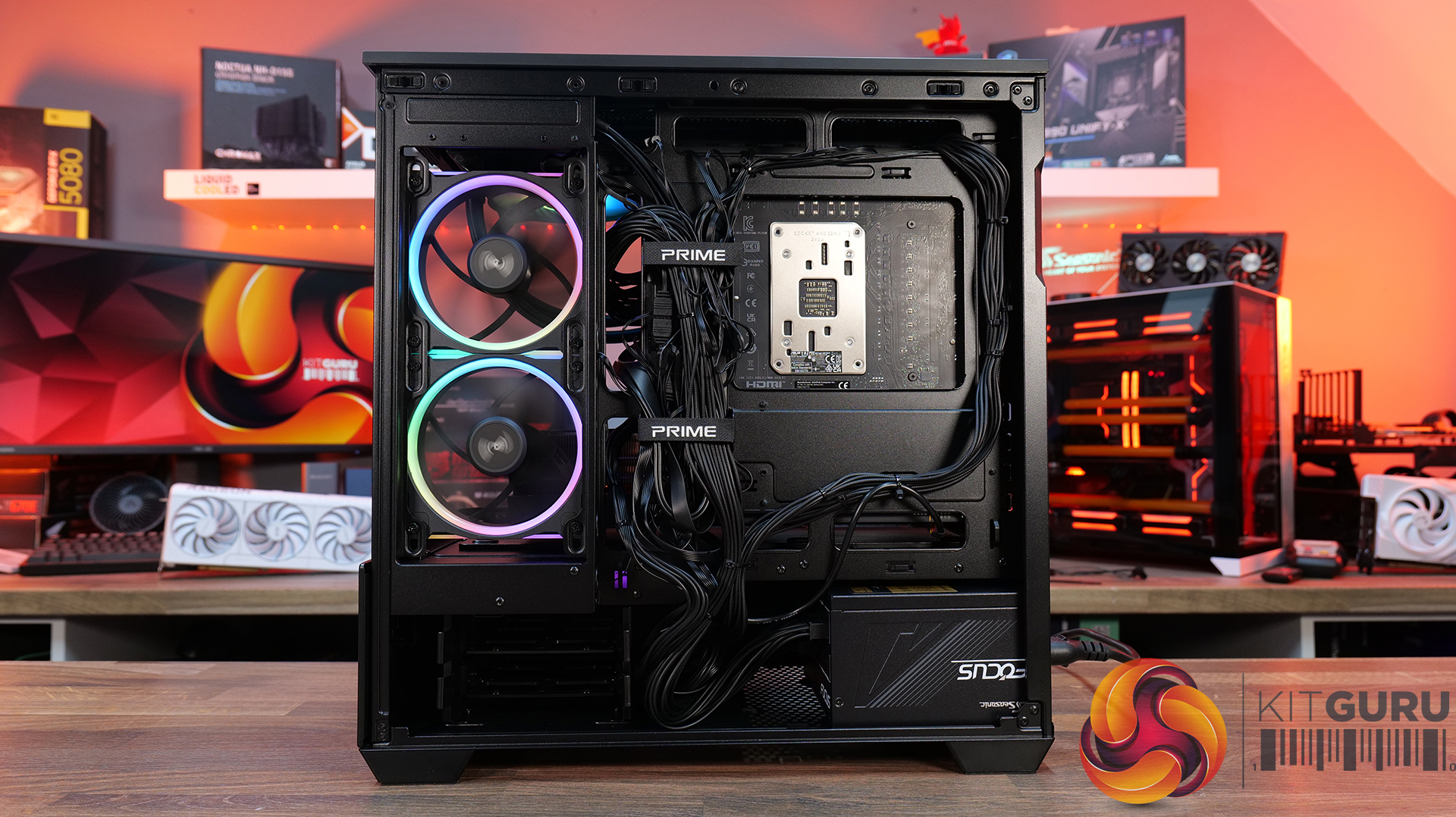
The ASUS Prime AP202 ARGB leaves us with something of a mixed impression. From a build quality standpoint, there is very little to complain about. The materials feel solid, panel fitment is good, and the overall construction gives off an encouragingly premium feel that we would expect from the ASUS Prime lineup. Add in the curved tempered glass and tasteful ARGB lighting, and there’s no denying this is a good-looking case that will appeal to users who care just as much about aesthetics as they do performance.
Pricing is also sensible. The AP202 sits in a competitive part of the market, yet it manages to deliver a finish and visual presence that rivals more expensive options. For builders putting together a compact Micro-ATX system that they want on display, the AP202 certainly makes a strong first impression, and from a purely visual and tactile perspective, ASUS has largely delivered the goods. However the dimensions are not as compact as some mATX cases we have reviewed in 2025, being closer to compact ATX.
![]()
Unfortunately, where things start to fall apart is airflow. The factory configuration places all pre-installed fans set as exhaust, relying on negative pressure to pull air through a narrow gap around the power supply shroud. In practice, this simply doesn’t work well enough. Fresh airflow is restricted, CPU temperatures suffer as a result, and the design leaves little margin for higher-end or thermally demanding hardware. Combined with some awkward hardware compatibility limitations, this undermines what is otherwise a well-executed chassis.
Overall, the ASUS Prime AP202 ARGB is a case that looks better than it performs. With some airflow reworking and careful component selection, it can be made to work, but it shouldn’t require this level of user intervention at the price. The strong build quality, clean design and reasonable pricing save it from a real bollocking, but the cooling shortcomings are impossible to ignore. All in all, the AP202 earns Worth Considering status, it is a stylish and well-built case that ultimately falls short of being a clear recommendation.
The ASUS Prime AP202 ARGB is available to purchase now from OverclockersUK in either black or white priced at £109.99 HERE.
Pros:
- Great build quality.
- Supports large graphics cards and 360mm radiators.
- Good cable management.
Cons:
- Out of the box thermal performance is limited due to all exhaust default fan configuration.
- Floor fan space is restricted.
- mATX but no smaller than some compact ATX cases.
KitGuru Says: First impressions of the ASUS Prime AP202 ARGB are good, it's not until you dig a little deeper into the thermal performance that you see its shortcomings, which is a shame as it's a good-looking, well-built mATX case that's not too expensive.
The post ASUS Prime AP202 ARGB Case Review first appeared on KitGuru.Avoid ASUS ROG Xbox Ally Stick Drift With This $20 Upgrade Kit
GeForce RTX 5060 Ti 16GB GPUs Are Still In Stock Amid Rumors Of A Production Pause
From Ban To Fee: NVIDIA May Ship 80,000 H200 AI Chips To China By Lunar New Year
Gran Turismo 7 is bigger than ever with 2 million monthly players
Launching back in 2022, Polyphony Digital’s Gran Turismo 7 has received a ton of post-launch support in the years since, with the racing title adding all sorts from new vehicles to tracks; expanded modes; enemy AI and much more. Thanks to this consistent level of quality output, the team at Polyphony have revealed that GT7 continues to see over 2 million monthly active users – with the figure still growing.
In an interview with Kazunori Yamauchi during the Gran Turismo World Series finals (transcribed by GTPlanet), the series producer revealed that “Gran Turismo 7 has been released for several years, but still, the active users are currently over 2 million people, and the new users are increasing.”
While an impressive figure in its own right, this is especially notable as according to Yamauchi “The status that Gran Turismo 7 is in now is probably the best of any Gran Turismo titles that we’ve had in the past. We’ve never experienced this phenomenon before, and neither has PlayStation.”
As mentioned, Gran Turismo 7 has seen countless updates since the game’s initial launch in 2022, with the title receiving a suite of new tracks, vehicles, modes and the addition of an advanced ‘SophyAI’ rival driver.
Additionally, the game most recently saw its free Spec III update arrive alongside GT7’s first proper paid DLC, adding 50 new races, Sophy AI 3.0 and more.
When it comes to post launch support, Gran Turismo 7 has perhaps been one of the best first-party PlayStation titles in this regard. As such, it is encouraging to know that the game has continued to see new players checking it out. It will be interesting to see how long Polyphony Digital plan to support GT7.
KitGuru says: Are you one of the 2 million monthly players? Have you been pleased with GT7’s post-launch support? Let us know down below.
The post Gran Turismo 7 is bigger than ever with 2 million monthly players first appeared on KitGuru.League of Legends confirmed to be getting massive overhaul in future update
Well over a decade on from its initial release, Riot Games’ League of Legends remains more popular than ever, with the MOBA continuing to see over 100 million players on a monthly basis, spawning spin-offs, multimedia adaptations and much more. Though far from being an ugly title, its identity as a game from 2009 is becoming increasingly clear as the years go on. According to a new report however, Riot Games is currently working on a full overhaul to League of Legends.
As reported by the publication Bloomberg, Riot Games is said to be “working on a major overhaul of its flagship game League of Legends.”
Though exact details remain relatively light so far, this project is internally being labelled as ‘League Next’ and is said to be the game’s biggest update ever with a planned launch slated for 2027.
According to the report, this overhaul will include reimagining much of the game, such as its visual aesthetic; characters; UI and arenas – in order to “appeal to more new players.”
In the wake of this leak, Riot came out and confirmed that they are “overhauling the new player experience, so that once we're done, it should be the best time ever to get your friends into League.”
What exact plans are in the works right now, we will have to wait and see, but with League of Legends as an IP being bigger than ever, it makes sense that Riot would want to draw more players to the game that started it all.
KitGuru says: What do you think of this upcoming update? Will it draw in new players, or does League have too much of a reputation already? Let us know down below.
The post League of Legends confirmed to be getting massive overhaul in future update first appeared on KitGuru.KitGuru Advent Calendar Day 22: Win a DeepCool hardware bundle!
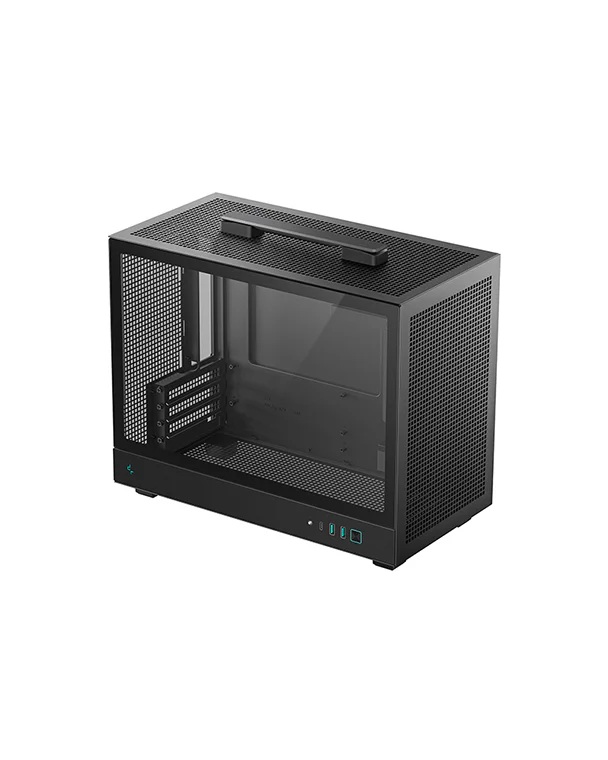
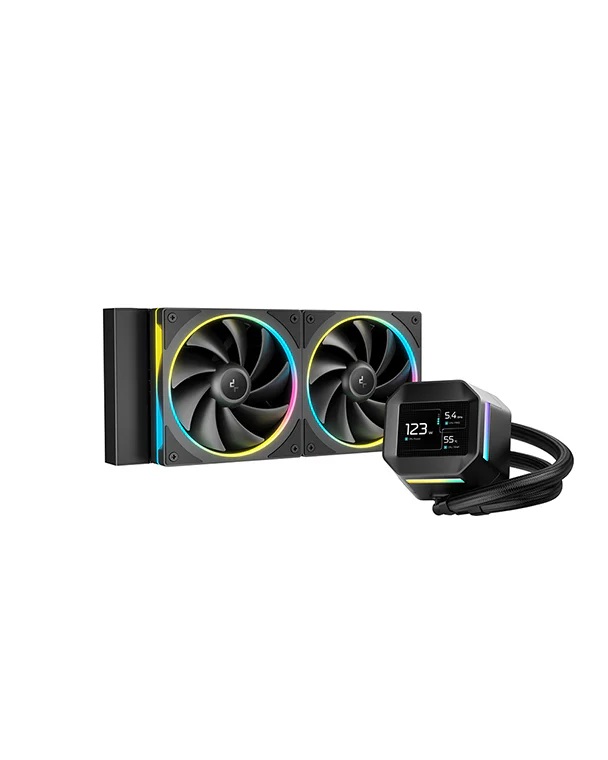
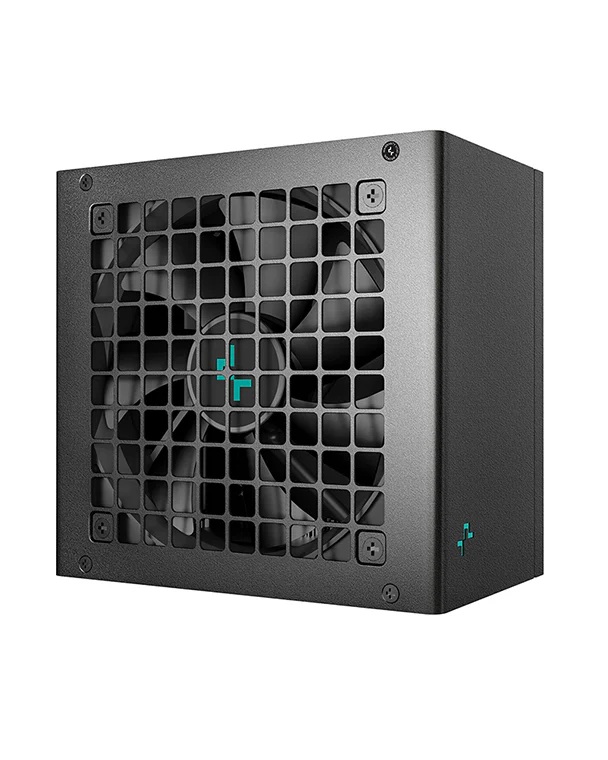
For Day 22 of the KitGuru Advent Calendar we have teamed up with DeepCool to give one winner a bundle of hardware. Today's prizes will include a DeepCool CH160 Plus PC case, an LM240 AIO liquid cooler and a PN850M power supply to go with it.
Th DeepCool CH160 Plus Case is a compact Micro‑ATX chassis built around airflow, with full mesh panels and support for a 240mm top‑mounted radiator. To go with it, the winner will also get a DeepCool LM series 240mm AIO liquid cooler, perfectly suited for use with this case. The last prize on the list is the PN850M PSU, which offers fully modular cables, 80Plus Gold efficiency and support for the latest ATX standards, so you'll be future-proofed for future generations of hardware.
How to Enter:
To enter this giveaway, all you have to do is head over to our competition announcement post on Facebook, HERE. In the comments, leave an answer to the following question – What PC case have you got right now?
This competition is open in the UK, EU and USA.
The winner will be picked randomly shortly after 11AM GMT December 23rd, and a new competition will be announced for Day 23. The chosen winner has 48 hours to respond, if we do not hear from them, a new winner will be picked.
Terms and Conditions: This competition is open in the UK, EU and USA, starting at 11AM GMT on December 22nd and ending at 10:59AM GMT on December 23rd. Due to the busy Christmas season, prize deliveries could take longer than usual, and some prizes may not ship until January. In compliance with GDPR, we will not collect or store any personal information as part of this competition. Once the winner has been contacted and their prize received, personal details will be deleted from our email servers. Your details will not be shared, we respect your privacy.
KitGuru Says: Good luck to all who enter, we'll be back tomorrow morning to announce a winner and turn the calendar over to Day 23!
The post KitGuru Advent Calendar Day 22: Win a DeepCool hardware bundle! first appeared on KitGuru.Intel Nova Lake in desktop focus, up to 52 cores and extremely large cache planned for 2026
How Tencent gets its hands on NVIDIA’s banned AI chips via GPU rental models
Memory crisis reaches the end customer market: First gaming PCs are sold without DDR5 RAM
-
Igor
- iPhone 18 production allegedly already in test phase, indications of early mass production start in 2026
iPhone 18 production allegedly already in test phase, indications of early mass production start in 2026
-
Igor
- Core Ultra 5 335 and 325 appear on Geekbench, 8 cores, up to 4.6 GHz, but still many question marks
Core Ultra 5 335 and 325 appear on Geekbench, 8 cores, up to 4.6 GHz, but still many question marks
SAMA P1000 ATX 3.1 PSU Review – 1kW platinum power at a competitive price
-
PC Perspective
- Podcast #849 – Year End Show – AM4 CPU Price Spike, 8GB Laptops in 2026, RTX 50 Series Cuts, 2025 wrap up + MORE!
Podcast #849 – Year End Show – AM4 CPU Price Spike, 8GB Laptops in 2026, RTX 50 Series Cuts, 2025 wrap up + MORE!
There are FOUR lights!
But besides that, we have AMD news on Redstone, their B650 chipset and so much DDR pricing and related news that you'll platz. Oh, Kohler has got a…
Here Are The Top Games Of 2025, Ranked By Gamers
GameMax introduces NEX C56 series with ‘inclined’ airflow design
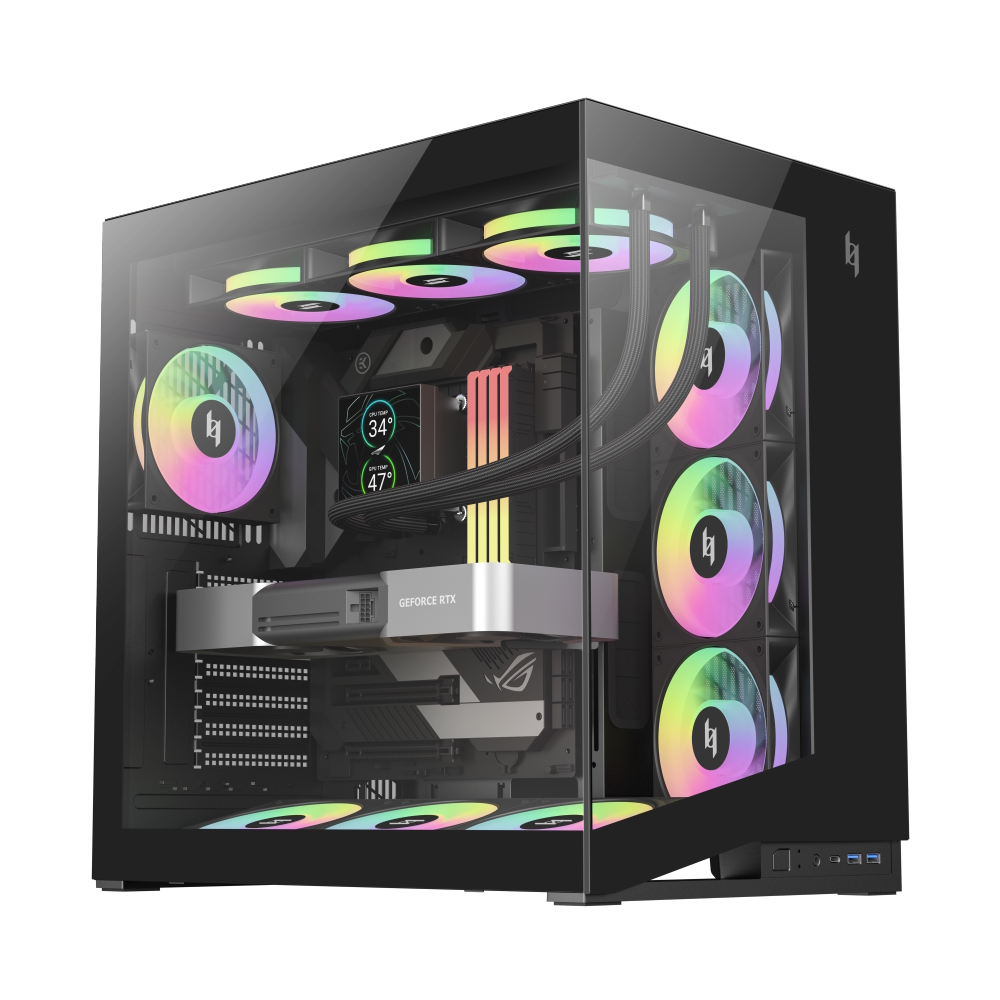
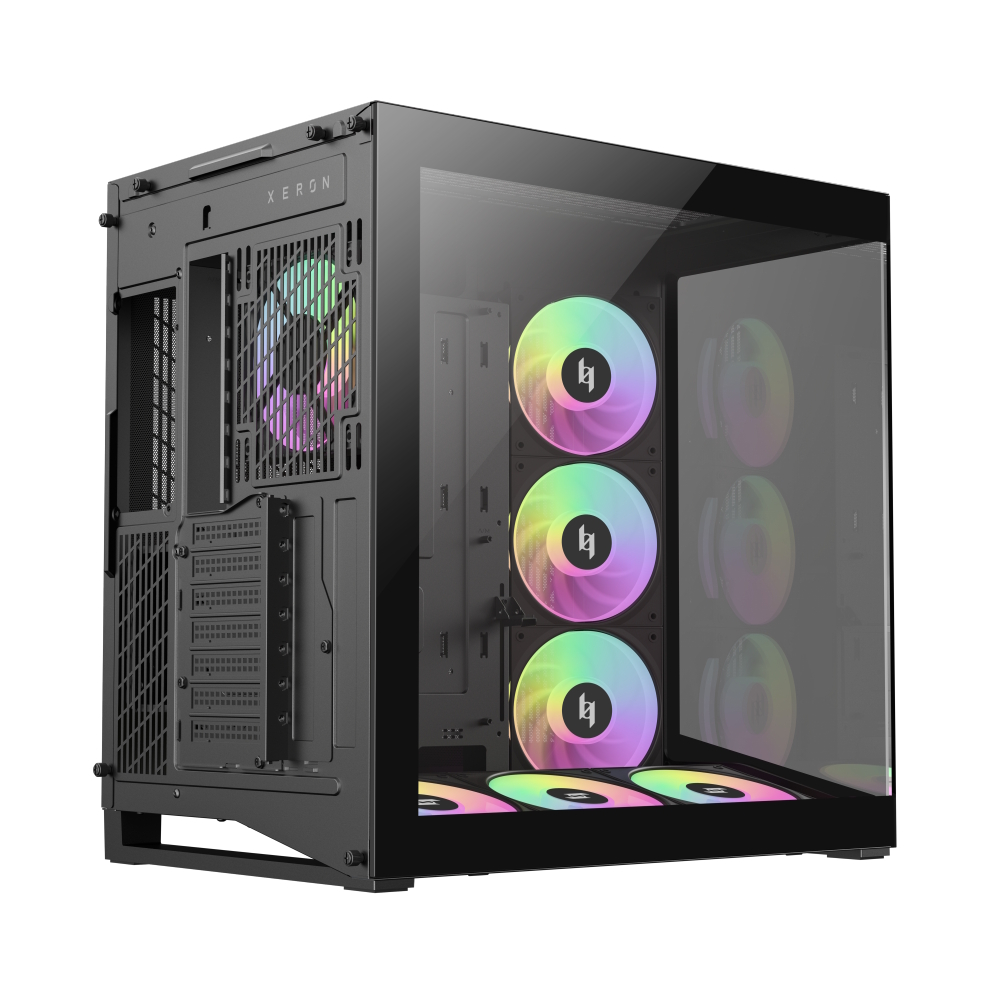
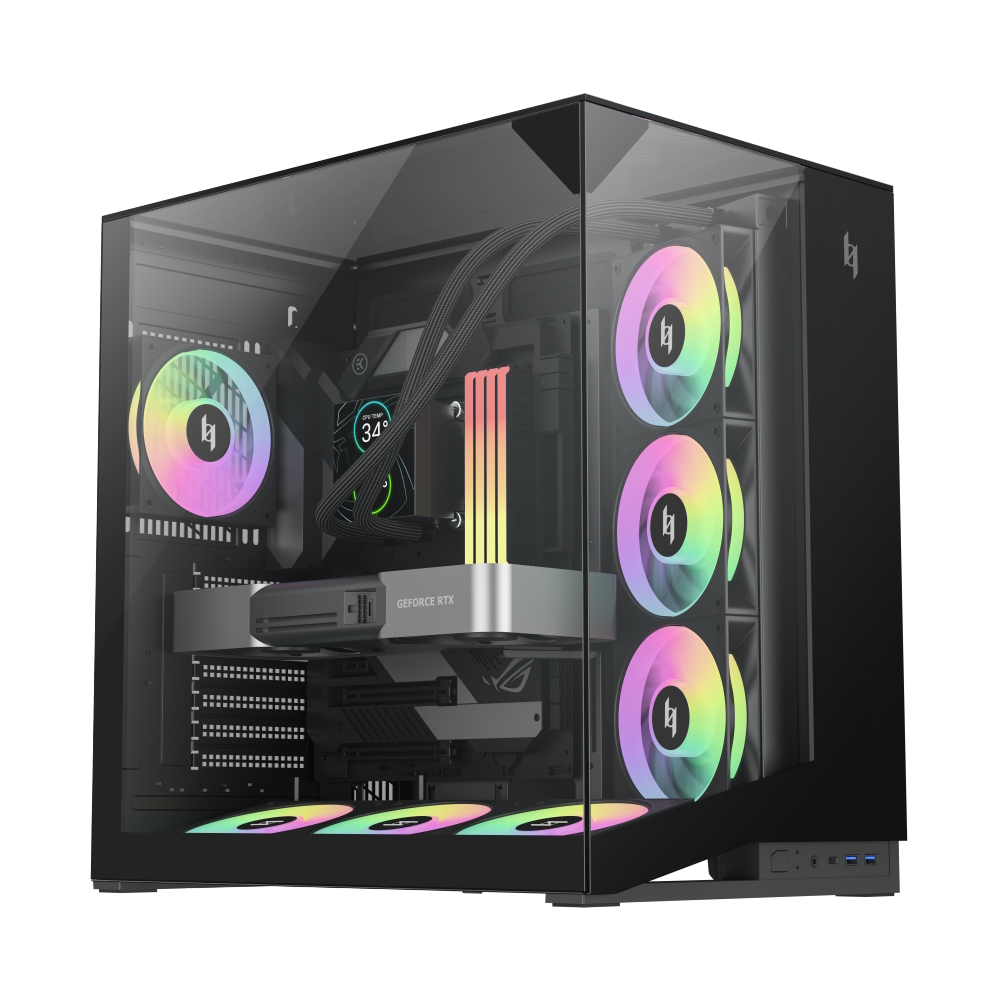
GameMax has expanded its chassis portfolio today with the announcement of the Nex C56 and Nex C56 VC. Targeting the budget-conscious end of the dual-chamber market, these new mid-towers attempt to differentiate themselves from the sea of “fish tank” cases with an internal layout that angles the bottom intake fans.
Both chassis feature a “12° inclined airflow layout”, as described by GameMax. In practice, this means the fan mounts on the bottom and the sides of the motherboard tray are slightly angled towards the centre of the case, rather than sitting straight. The manufacturer claims this creates a more direct path for fresh air to reach hot components, specifically the graphics card, which is a common pain point in dual-chamber designs that often struggle with restrictive intake paths.
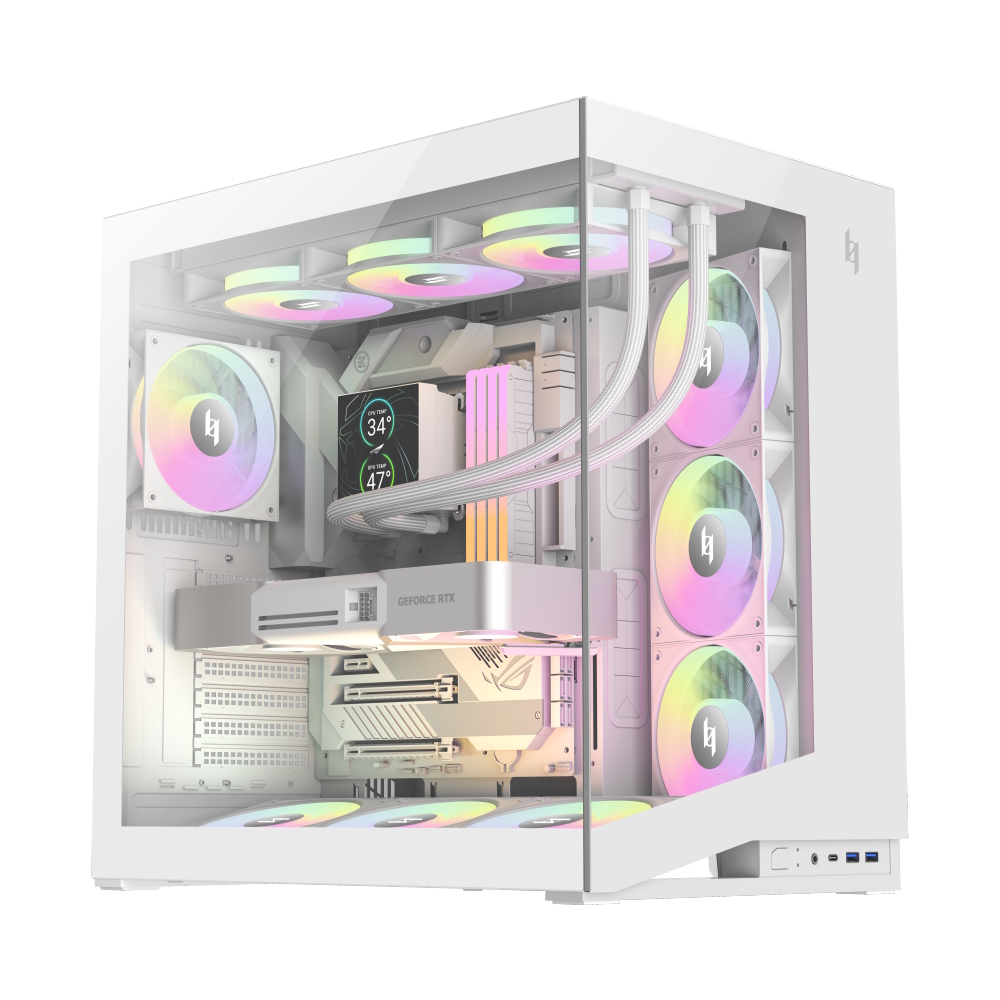
Two distinct variations are available at launch to cover different aesthetic preferences. The standard Nex C56 prioritises thermal performance, shipping with a fully mesh top panel to allow for heat exhaust and seven 120 mm ARGB PWM fans (space for up to 10x). This model is the more capable of the two in terms of raw cooling potential, supporting a “stack-effect” configuration. Alternatively, the Nex C56 VC (Vision Compact) goes all-in on the showroom aesthetic, replacing the mesh roof with a third tempered-glass panel and packing 4x 120 mm ARGB PWM fans (space for up to 7x). This creates a seamless “triple-glass” panoramic view, though builders will likely have to rely heavily on the side and bottom intakes to keep temperatures in check.
Despite being entry-level options, the specification sheet is surprisingly generous. Both cases support ATX motherboards and offer clearance for graphics cards up to 425 mm in length. Liquid cooling support is good, with space for dual 360 mm radiators, and the chassis includes a height-adjustable GPU anti-sag bracket, a feature often missing in this price bracket. Connectivity is handled via a front I/O panel featuring one USB-C 3.2 Gen 2 port and two USB-A 3.2 Gen 1 ports. Storage options support up to 2x 3.5-inch HDDs and 2x 2.5-inch SSDs, hidden in the rear chamber.
GameMax is positioning these cases firmly in the entry-level segment, undercutting many competitors. The standard NEX C56 starts at just $69.99 for the black model, while the glass-topped NEX C56 VC is even cheaper at $59.99. Both versions are available in white for a $5 premium.
KitGuru says: These cases certainly look the part and the price tag is decent too.
The post GameMax introduces NEX C56 series with ‘inclined’ airflow design first appeared on KitGuru.