Vue normale
Ryzen 9 9950X3D2 with dual 3D V-Cache officially confirmed
ProArt GeForce RTX 5090: Maximum AI performance in a 2.5-slot format
Who is actually behind the affordable Amazon Basics batteries?
GeForce RTX 60: Rubin, GR20x, and the long shadow of the AI economy
Apple is considering using a 200-megapixel camera sensor in the iPhone.
-
Igor
- Thermal Grizzly der8enchtable Review – Lab enclosure for thick hardware and lots of accessories
Thermal Grizzly der8enchtable Review – Lab enclosure for thick hardware and lots of accessories
CES 2026: MSI Has A Lot To Show Off
MSI has taken their CES 2026 releases to the MAX with a completely new product line spanning monitors, full desktops, motherboards and more. There are new MAX branded AMD motherboards, an X870(E)…
CES 2026: Rendered Frames Outnumbered 5 to 1 with DLSS 4.5
NVIDIA is rapidly approaching a reality in which none of the frames you see are actually being rendered in a traditional sense, at least if they keep up the pace with DLSS…
CES 2026: Sandisk Transforms SSD Lineup with New Optimus Branding
Sandisk announced during CES 2026 that it is retiring the Western Digital branding for its solid state drives moving forward in favor of revamped Optimus branding for all of its SSDs. Set…
Intel And Samsung Team Up On SmartPower HDR To Slash Battery Hit On OLED Laptops
Semiconductor Shock: MLC NAND Enters Freefall As Major Suppliers Pull Out
Intel Panther Lake Gaming Benchmarks Revealed With Tom “TAP” Petersen
CES 2026: MSI unveils new laptop line-up with Intel Core Ultra 3 CPUs
We've already covered a number of MSI launches at CES this week. In this article, our attention turns towards new laptops, including new models powered by Intel's new Core Ultra 3 processors, along with Nvidia RTX graphics.
MSI has overhauled its laptop lineup for CES 2026, introducing redesigned business systems, refreshed gaming hardware, and a new colour variant of its Claw handheld. The announcement is led by a major update to the Prestige series, which now adopts a smoother, more rounded design and a full‑aluminium chassis aimed at professionals who want lighter hardware without compromising performance.
The Prestige 14 drops to 1.32kg, while the Prestige 16 comes in at 1.59kg, both powered by Intel’s new Core Ultra Series 3 processors and paired with Intel Arc B390 graphics. MSI claims the 81Wh battery can deliver more than 30 hours of video playback, and the updated cooling system uses a vapor chamber, dual fans, and an Intra Flow design to keep noise below 30dBA.
The Prestige 14 and 16 Flip extend the same hardware into a 2‑in‑1 form factor with touchscreens and stylus support. MSI includes its new Nano Pen, which docks into the chassis for charging and can deliver 45 minutes of use from a 15‑second top‑up. As part of a collaboration with Microsoft, the pen also supports a Copilot press‑to‑talk shortcut for voice input. The Flip models add a larger touchpad with custom gesture zones, enterprise‑grade security features, and an optional 2.8K 120Hz OLED display with DisplayHDR True Black 1000 certification.
For users who prioritise portability, the Prestige 13 AI+ has been updated and now weighs just 899g, making it the lightest 13‑inch magnesium‑aluminium laptop available. It also moves to Intel’s latest processors and retains the same security and connectivity features as the larger Prestige models.
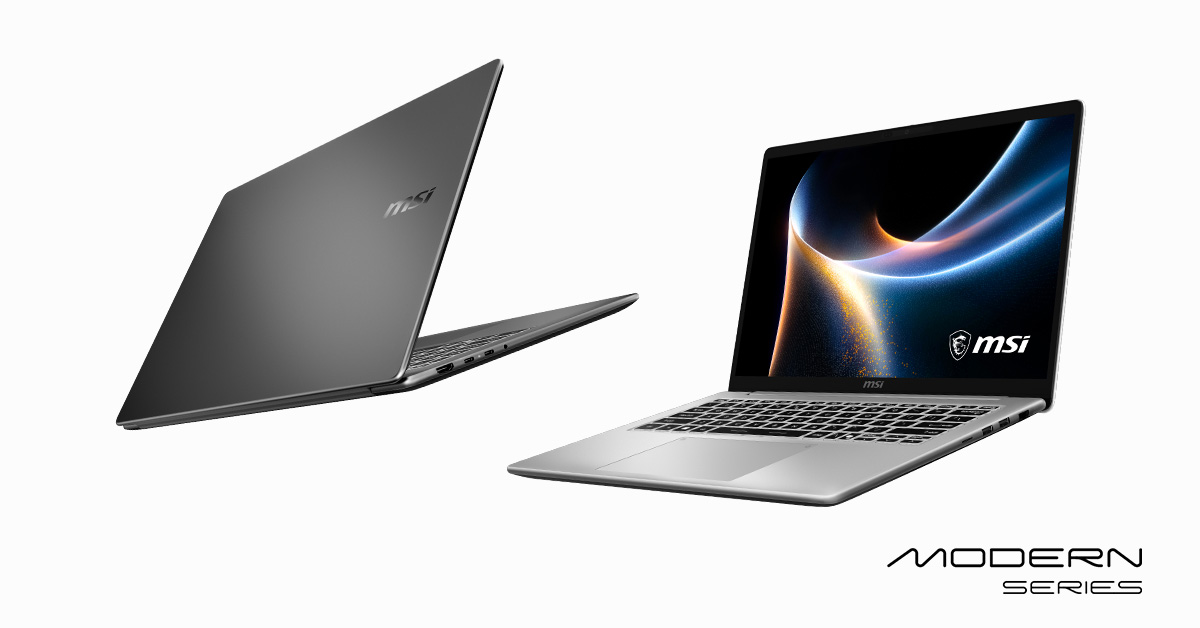
MSI’s mainstream Modern 14S and 16S laptops have also been refreshed with more metal in the chassis and a cleaner design. Both models use Intel Core Ultra Series 3 processors and include dual memory slots for easier upgrades. Connectivity covers USB‑A, USB‑C with charging and display support, HDMI, LAN, and a microSD reader. Despite the added metal, the Modern 14S remains portable at 1.3kg and as thin as 11.1mm in its OLED configuration.
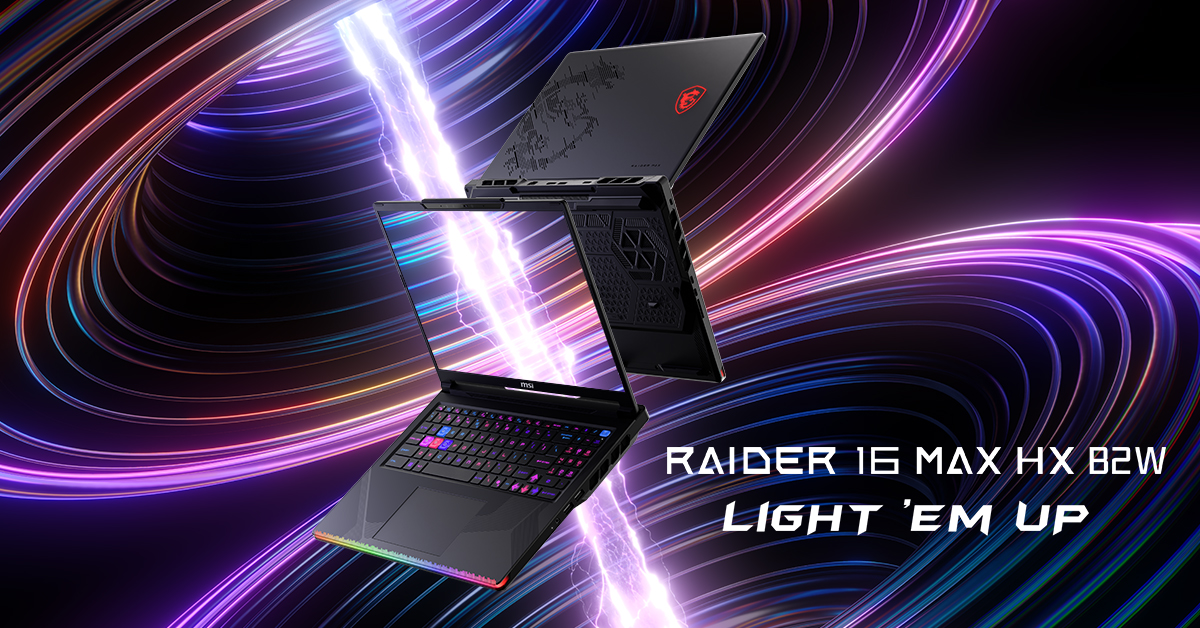
On the gaming side, MSI is pushing performance with the new Raider 16 Max HX, which the company says is the first laptop capable of delivering 300W of total system power. It can allocate up to 175W to an RTX 5090 or 5080 GPU while feeding 125W to an Intel Core Ultra 200HX processor. Cooling is handled by a redesigned Cooler Boost Trinity system with three fans, six heat pipes, five exhaust vents, and phase‑change thermal compound. The laptop also includes a quick‑access bottom panel for easier upgrades and a 2.5K 240Hz OLED display.
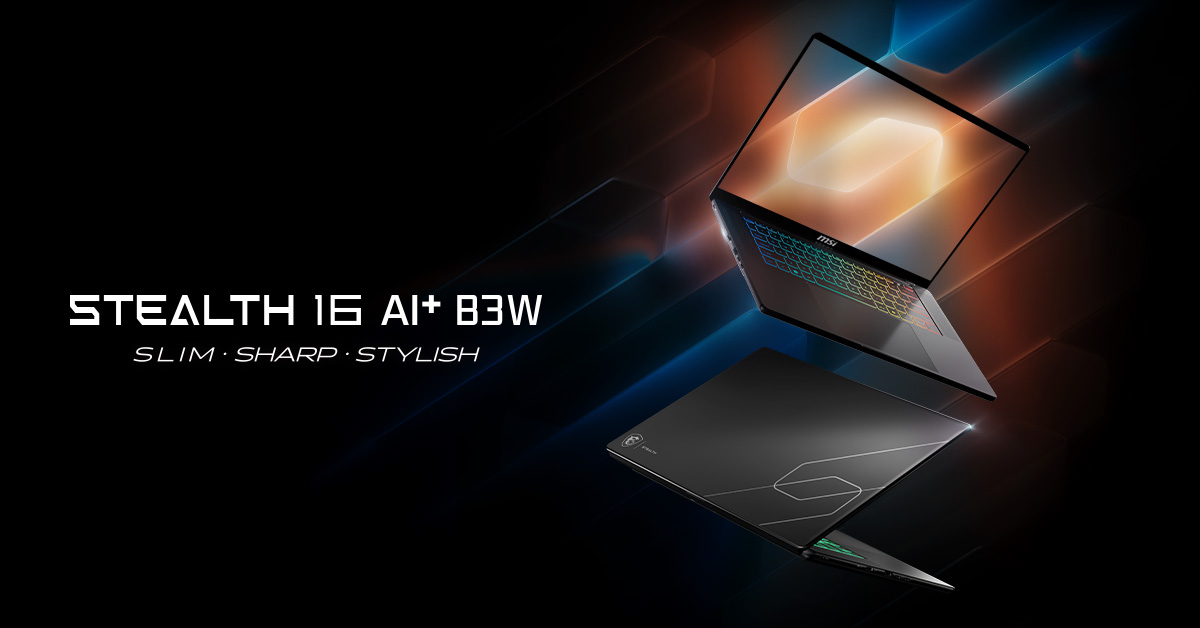
The Stealth 16 AI+ has been updated with a thinner, lighter chassis while offering higher GPU power limits and improved cooling. It includes a 90Wh battery, dual upgradeable slots, and a full aluminium build under 2kg. The Crosshair 16 Max HX and Crosshair 16 HX round out the gaming lineup with up to 200W system power, optional QHD+ 165Hz OLED displays, and a revised port layout.
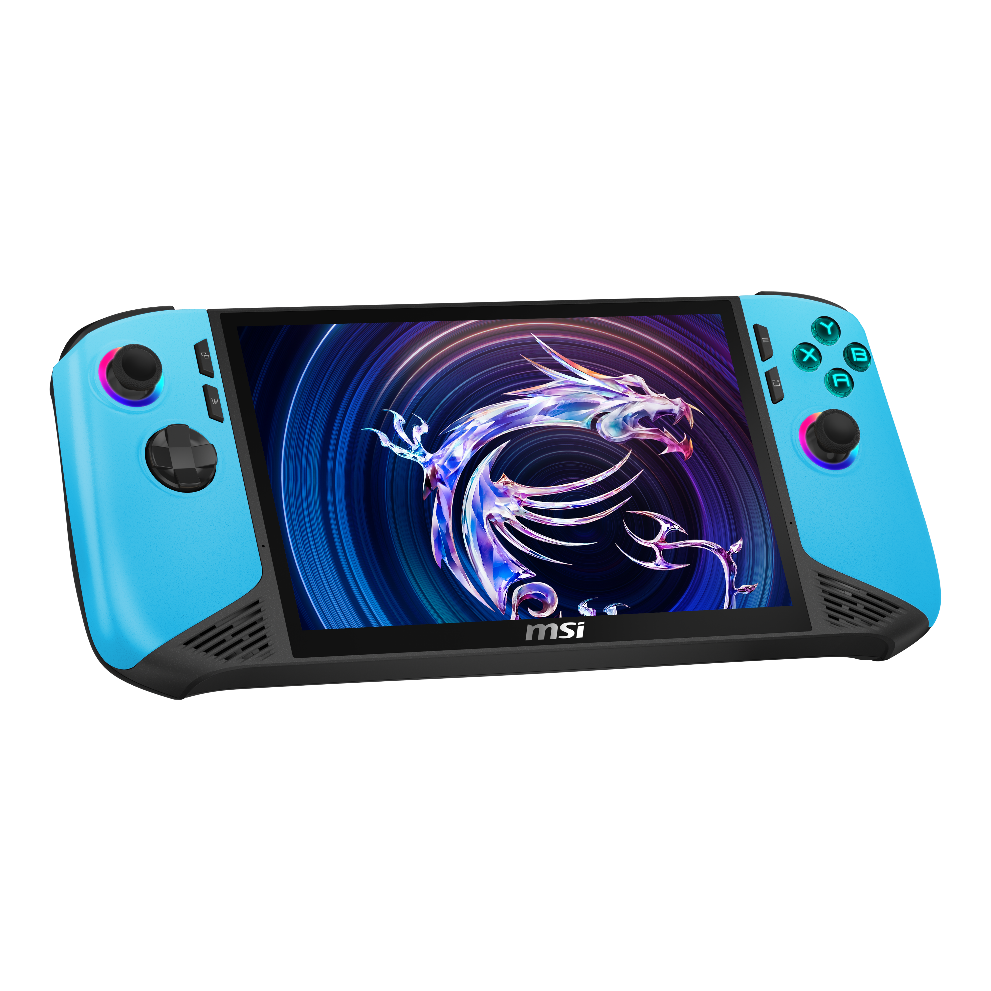
MSI also introduced a Glacier Blue edition of its Claw 8 AI+ handheld, offering the same Intel Core Ultra 200V hardware and Arc Xe2 graphics in a new finish.
KitGuru Says: Are you thinking of going with an MSI laptop this year?
The post CES 2026: MSI unveils new laptop line-up with Intel Core Ultra 3 CPUs first appeared on KitGuru.CES 2026: Phanteks shows off open-air chassis prototype – the Exo 626
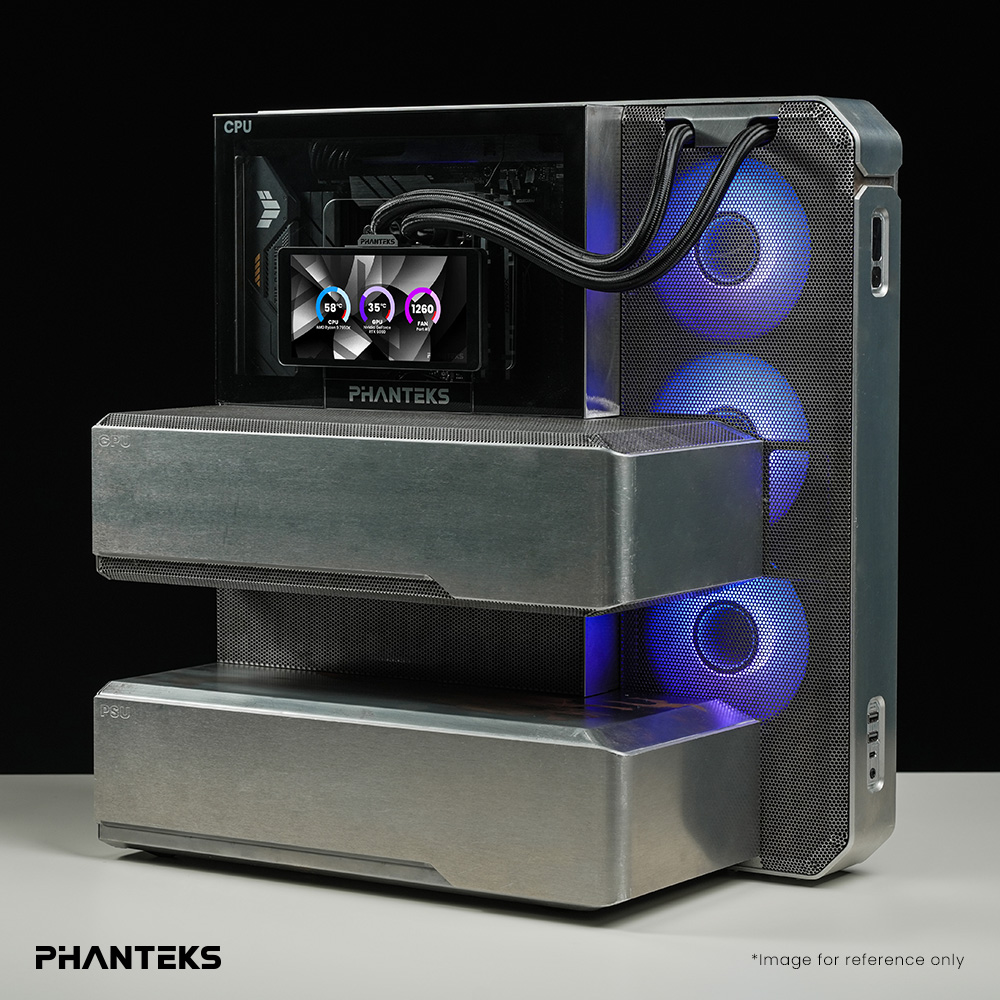
While CES is often used as a platform to launch new products definitely coming to market, it is also occasionally used to showcase prototype products that are not yet ready. This year, Phanteks is showing off a new concept device of its own – the Exo 626.
The Exo 626 is an open-air chassis, a first for the company. It is inspired by exoskeletal design, as the name implies, and provides a compartmentalised layout for your components:
As you can see in the image, the motherboard and AIO cooler are visible, but the GPU, power supply and most cables are locked away in their own enclosures. The AIO radiator also sits to the side in its own compartment, with a mesh panel providing holes for airflow.
Phanteks says this is a concept at the moment, but more details on the Exo 626 will be shared at a later stage. Perhaps it will make a second appearance later this year at Computex.
KitGuru Says: What do you think of this concept from Phanteks? Do you think future PCs should move towards a compartmentalised layout?
The post CES 2026: Phanteks shows off open-air chassis prototype – the Exo 626 first appeared on KitGuru.CES 2026: Sandisk launches new Optimus series SSDs, replacing WD Blue and WD_Black
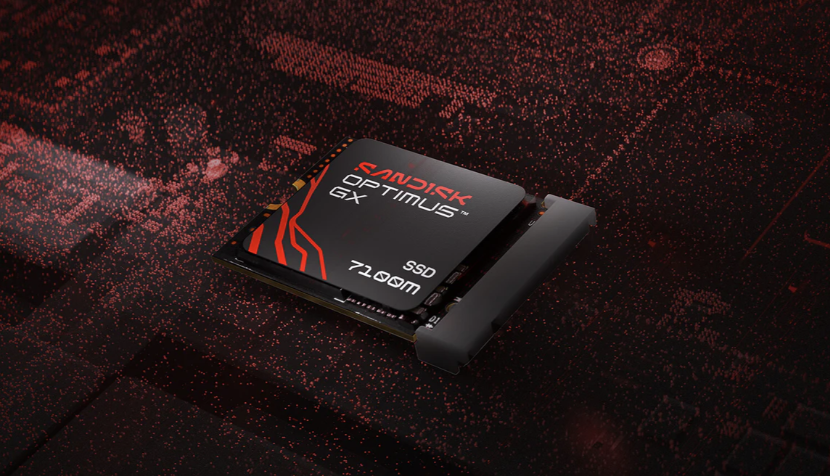
At CES this week, Sandisk is announcing a big rebranding of its internal SSD line-up. The WD Blue and WD Black ranges are being replaced. Moving forward, Sandisk will launch Sandisk Optimus, Optimus GX and Optimus Pro SSDs. The first set of drives are also ready to hit the market in the coming weeks.
Sandisk says the Optimus branding is intended to simplify the lineup and give customers a clearer sense of performance tiers as the company expands its storage offerings for gamers, creators, and professionals. “The SANDISK Optimus brand redefines what performance means for consumer needs,” said Heidi Arkinstall, VP of Global Consumer Brand and Digital Marketing, adding that the change is designed to make it easier for buyers to identify the right drive.
The base Sandisk Optimus line targets creators looking for faster everyday performance and replaces the WD Blue range, including the WD Blue SN5100 NVMe SSD. The Optimus GX tier is aimed at gaming systems, offering higher speeds, larger capacities, and improved efficiency – taking over from the WD_BLACK SN7100. At the top end, the Optimus GX Pro line becomes the flagship, positioned for AI PCs, workstations, and high‑end gaming rigs. It replaces the WD_BLACK SN8100 and incorporates higher capacities and Sandisk’s latest storage technologies.
Unfortunately, we don't have pricing details yet for these drives, but they should be similarly priced to previous WD Blue and WD_Black offerings.
KitGuru Says: How do you feel about WD Blue and Black being replaced?
The post CES 2026: Sandisk launches new Optimus series SSDs, replacing WD Blue and WD_Black first appeared on KitGuru.CES 2026: Corsair’s latest full-size keyboard replaces numpad with Elgato Stream Deck
It has been years since Corsair acquired Elgato. During that time, Corsair and Elgato have operated independently, but this year, the two are joining forces on a new product for the first time. The new Corsair Galleon 100 SD is a new full-size keyboard from Corsair, but rather than having a numpad, the keyboard has been equipped with a 12-key Elgato Stream Deck.
The company says the device combines engineering from both Corsair and Elgato to meet long‑standing community requests for a single input solution that handles gameplay, apps, and device control. “The GALLEON 100 SD marks a new era of input that our community has been clamoring for,” said Tobias Brinkmann, VP and GM of Gaming Peripherals at Corsair. “This isn't just a better keyboard. It's a solution to the reality of modern gaming, where managing apps, info, and devices is just as critical as performance.”
The keyboard includes 12 LCD keys, two multifunction dials, and a 5‑inch colour display for real‑time system and game information. All controls are configured through the Stream Deck app, with support for folders, profile switching, and the full plugin ecosystem.
Corsair says the integration allows players to trigger abilities, macros, and complex sequences without menu diving, while also offering quick access to apps like Spotify, voice chat, and system monitoring. Dozens of game profiles and hundreds of plugins from the Elgato Marketplace are supported, just as they would be on a standalone Stream Deck.
Beyond the Stream Deck features, the Galleon 100 SD uses Corsair’s AXON engine with polling rates up to 8,000Hz, plus FlashTap SOCD handling for directional‑input control. The board ships with pre‑lubed MLX Pulse switches, gasket mounting, six layers of dampening, and an aluminium frame. A cushioned wrist rest, RGB light bar, and Web Hub customisation round out the design.
As you might expect, this keyboard won't come cheap, as you are effectively getting two products in one. The Galleon 100 SD is expected to become available at the end of January, priced at $349.99.
KitGuru Says: If I were to ever go back to a full-sized keyboard, it would be for something like this. Standard numpads are of little use to many gamers, but a host of Stream Deck keys would provide some really interesting functionality.
The post CES 2026: Corsair’s latest full-size keyboard replaces numpad with Elgato Stream Deck first appeared on KitGuru.CES 2026: AOC launches its first Agon G-Sync Pulsar gaming monitor
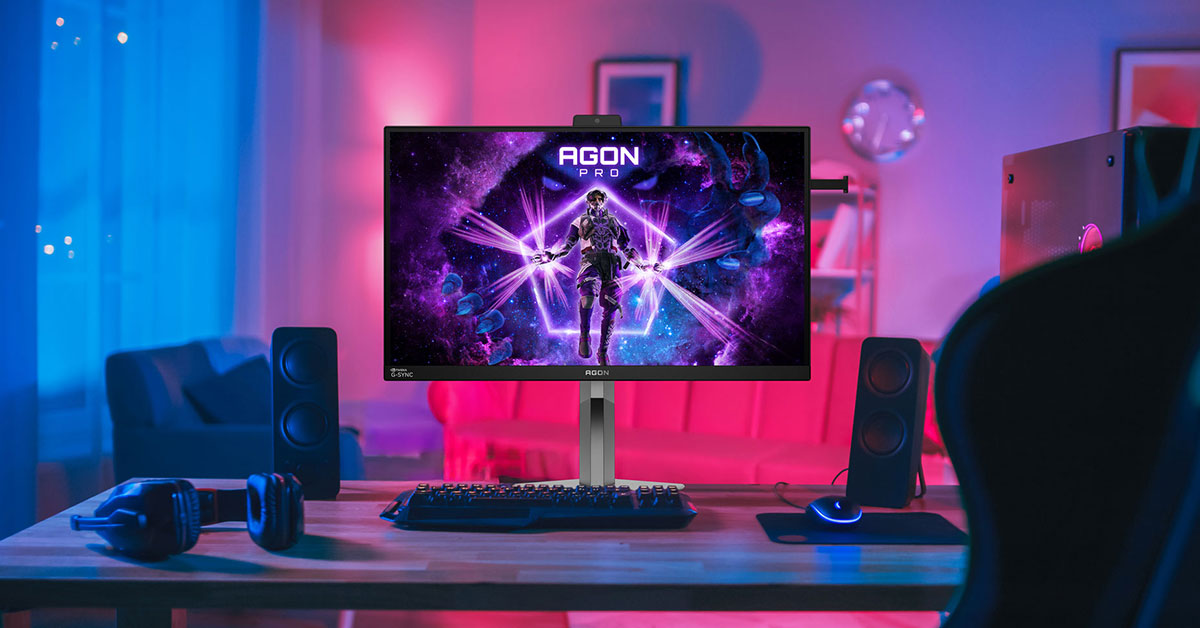
At CES this week, AOC is launching its latest Agon gaming monitor, the AGON PRO AG276QSG2. Developed in close collaboration with NVIDIA, this is one of the first G-Sync Pulsar displays hitting the market, enabling higher levels of motion clarity and responsiveness for competitive gaming.
G‑SYNC Pulsar is designed to deliver up to four times clearer motion by combining backlight strobing with G‑SYNC Variable Refresh Rate, eliminating the traditional trade‑off between motion clarity and stutter‑free gameplay. Fast‑moving targets appear sharper and easier to track, giving competitive players more consistent visual information during gameplay. The monitor also supports NVIDIA’s Ambient Adaptive Technology, using a built‑in sensor to automatically adjust brightness and colour temperature based on room lighting.
The AG276QSG2 is built around a 360Hz Fast IPS panel with 1ms GtG response time, ensuring rapid pixel transitions for esports titles. HDR support is included, with G‑SYNC HDR providing calibrated colour accuracy and automatic HDR brightness tuning across both Windows and supported games.
AGON by AOC has also focused on the physical design, offering a fully ergonomic stand, an aluminium‑accented esports aesthetic, and customisable Light FX illumination. A full suite of I/O connectivity ensures compatibility with multi‑platform setups.
The AGON PRO AG276QSG2 will be available starting in February with an MSRP of £559.
KitGuru Says: Are you thinking about making the jump to a G-Sync Pulsar monitor this year?
The post CES 2026: AOC launches its first Agon G-Sync Pulsar gaming monitor first appeared on KitGuru.CES 2026: Corsair unveils new peripherals for the enthusiast segment
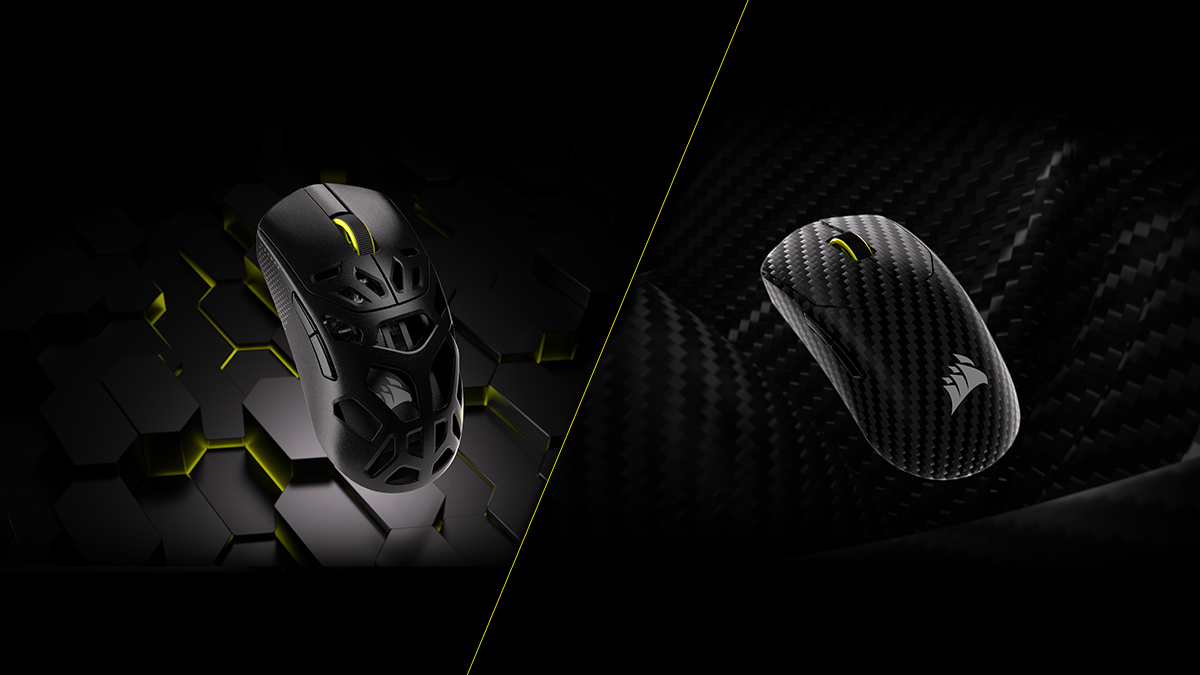
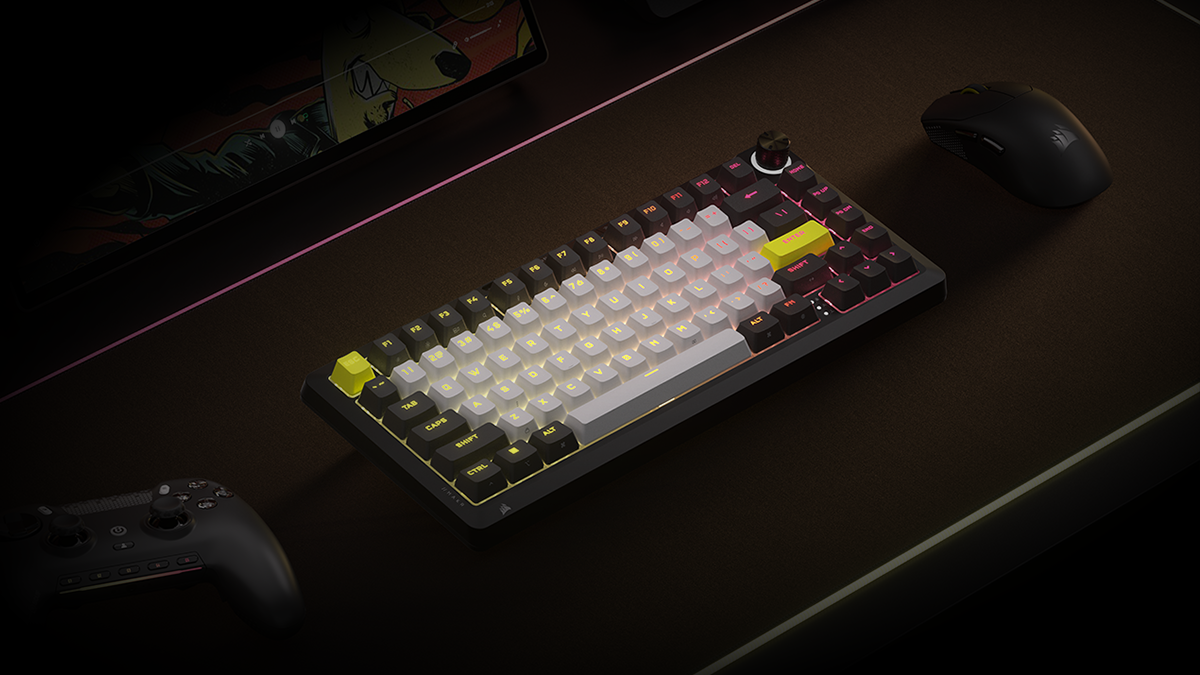
Corsair has arrived at CES 2026 with a clear focus on the upper echelons of competitive play, unveiling a refreshed peripheral lineup that prioritises new materials and rapid‑response Hall Effect technology. For mice, Corsair is introducing two iterations of the Sabre V2 Pro wireless mouse: one built from carbon fibre and the other from magnesium alloy. As for keyboards, the company has revealed the Makr Pro 75, an enthusiast‑grade mechanical keyboard that brings magnetic switch functionality to the Makr platform.
The new Sabre V2 Pro Wireless variants use high‑rigidity shells while keeping weight to a minimum. The Sabre V2 Pro CF utilises a 55g carbon fibre unibody, while the Sabre V2 Pro MG features a 56g magnesium alloy chassis. Both models retain the 8000Hz hyper‑polling capability and the 33,000 DPI Marksman S optical sensor found in the ultralight model. These material‑focused versions instead aim to eliminate micro‑flex during high‑intensity sessions. Battery life is rated at up to 120 hours at a 1000Hz polling rate, dropping to around 21 hours at 8000Hz.
The Makr Pro 75 serves as the spiritual successor to the original Makr 75. Unlike its predecessor, which focused heavily on the barebones experience, the Pro 75 arrives as a fully assembled unit featuring MGX Hyperdrive magnetic switches. These Hall Effect switches enable performance features such as Rapid Trigger and FlashTap SOCD, allowing near‑instantaneous counter‑strafing and movement resets. The keyboard maintains its enthusiast roots with an aluminium frame, an FR4 switch plate, and eight layers of internal sound damping. Modularity remains a key selling point, with support for secondary modules such as an LCD or a wireless add‑on.
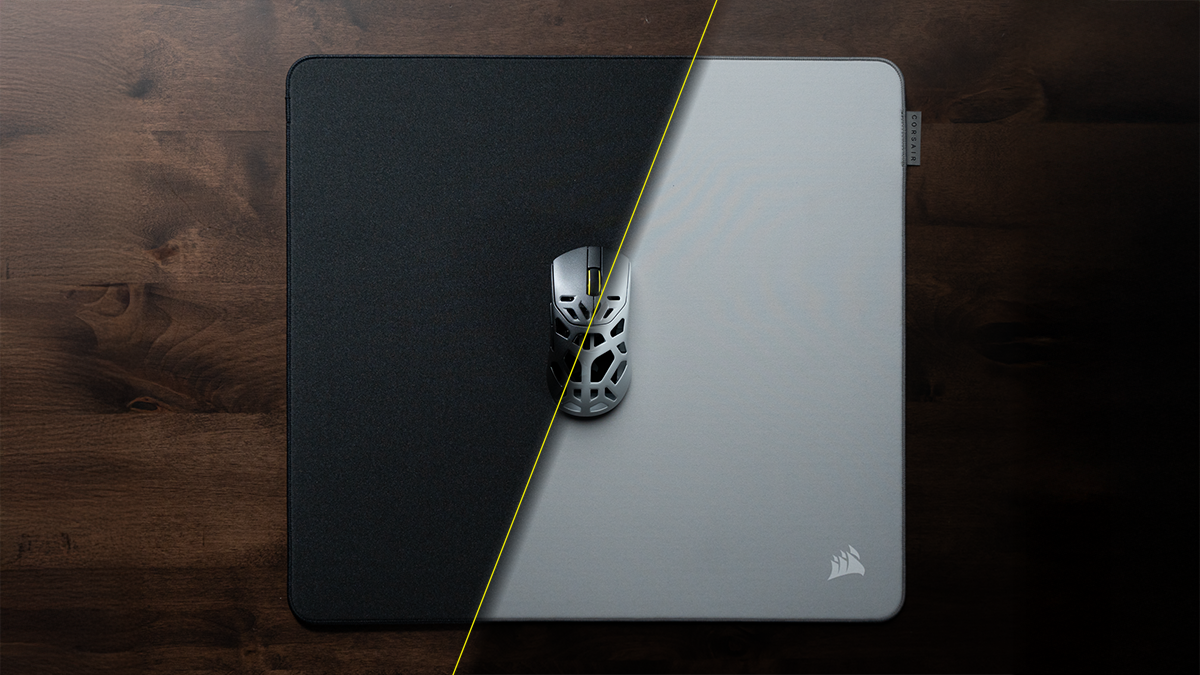
To complement the new hardware, Corsair also debuted the MM Pro Control Large esports‑tuned cloth mousepad. Designed for high‑precision tracking, the pad features a 4mm‑thick cushioned surface and a hex‑patterned polyurethane base to ensure stability during rapid flicks. The sloped edges are intended to provide more consistent stopping power, helping players who struggle with overtravel on standard cloth surfaces.
All these peripherals are now on sale, with the Sabre V2 Pro CF priced at £159.99 and the MG at £119.99. The new Makr Pro 75 is £219.99, and the MM Pro Control Large is £49.99.
KitGuru says: While a 56g magnesium mouse might seem counterintuitive compared to the 36g plastic original, the added structural rigidity and premium feel could be a major draw for players who find ultralight plastic a bit too “toy‑like”
The post CES 2026: Corsair unveils new peripherals for the enthusiast segment first appeared on KitGuru.CES 2026: Razer goes all-in on AI with Project Ava and Snapdragon-powered wearables
Razer is using its CES 2026 campaign to showcase its “AI Gaming Ecosystem”, moving beyond traditional peripherals and into autonomous digital companions and enterprise‑grade AI workstations. The lineup is headlined by Project Ava, a physical evolution of Razer’s earlier AI coaching software, and Project Motoko, an AI‑integrated headset positioned as an alternative to smart glasses for the AI‑driven generation.
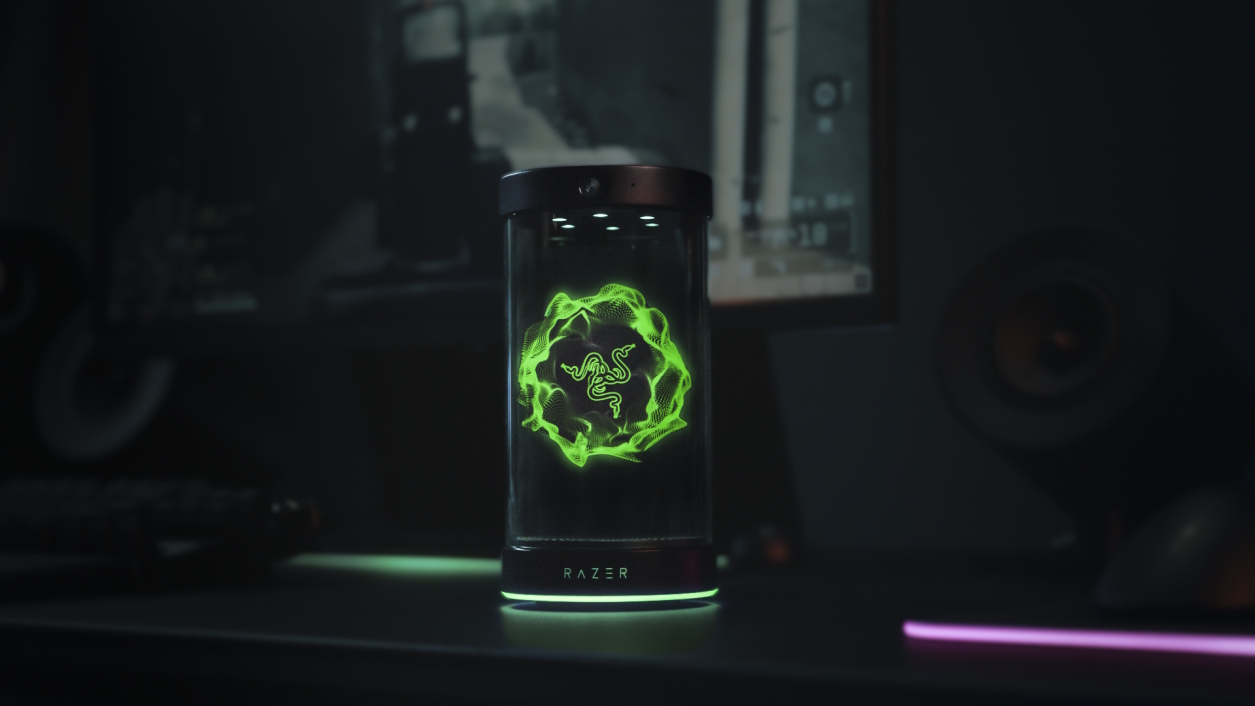
Starting with Project Ava, this cylindrical desktop device houses a 5.5‑inch animated avatar inside a transparent shell. Evolving from an abstract esports coach into a full “digital partner”, Ava uses a top‑mounted camera and PC Vision Mode to monitor gameplay or productivity in real time. Whether offering weapon loadout recommendations in shooters or managing your calendar while you work, Ava is designed as a persona‑driven assistant that sits beside your monitor rather than appearing as an on‑screen overlay. Razer has already opened reservations in the US, featuring the default character “Kira”, with support for custom avatars planned for the future.
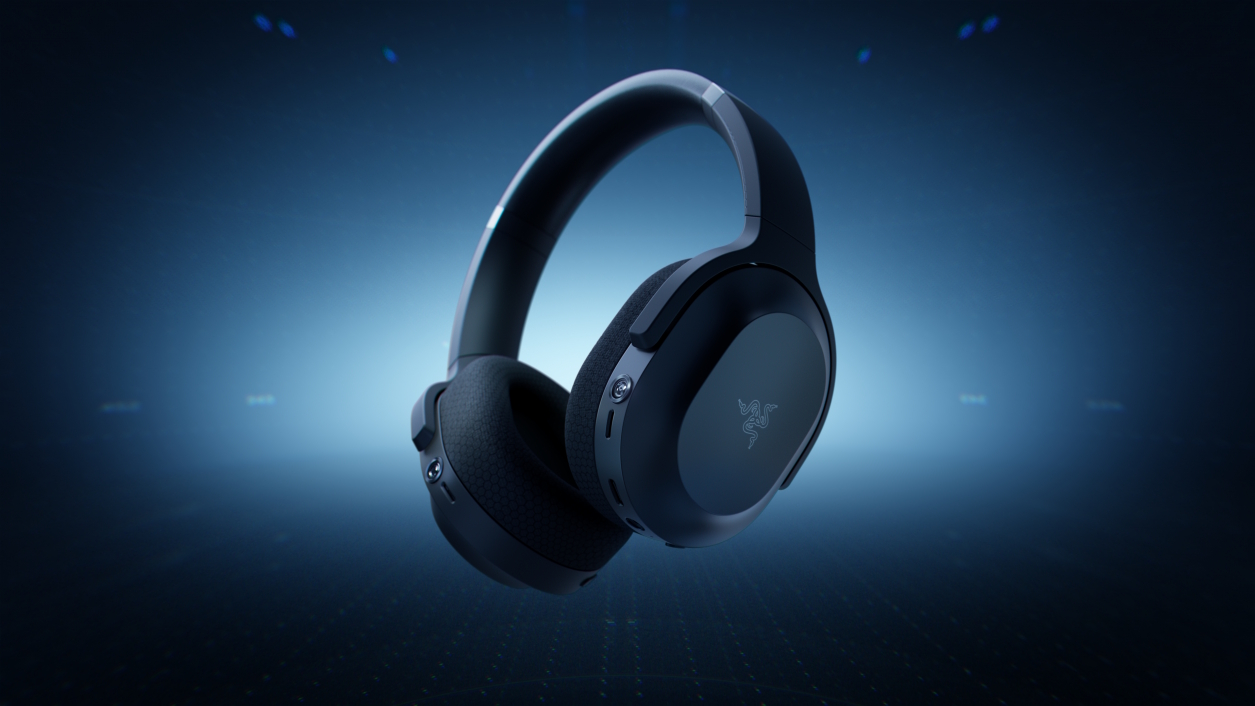
For users on the move, Project Motoko introduces an AI‑powered wireless headset built on Qualcomm Snapdragon silicon. Unlike current smart glasses, Motoko relies on high‑fidelity audio feedback and dual first‑person cameras to deliver visual and environmental awareness. It supports translation, object recognition, and real‑time guidance, all while offering up to 40 hours of battery life. Razer is keeping the platform engine‑agnostic, enabling it to run local or cloud‑based models from OpenAI, Google, or even Tenstorrent’s mobile accelerators.
Razer is also making a pivot into the enterprise and research sectors with a dedicated suite of AI development tools:
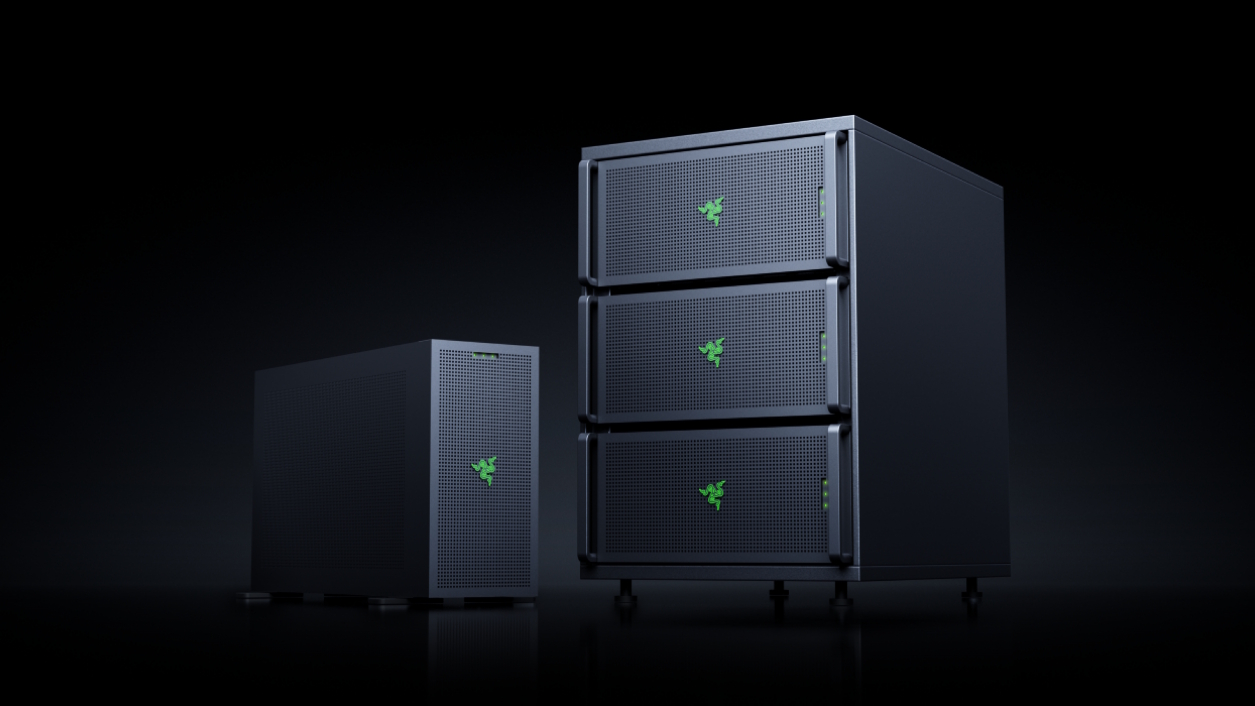
- Razer Forge AI Dev Workstation: A localised powerhouse built for training Large Language Models (LLMs) and running complex simulations. It supports multiple professional GPUs (including the Nvidia RTX Pro 6000 Blackwell series) and workstation-class CPUs from the AMD Threadripper Pro or Intel Xeon W lines.
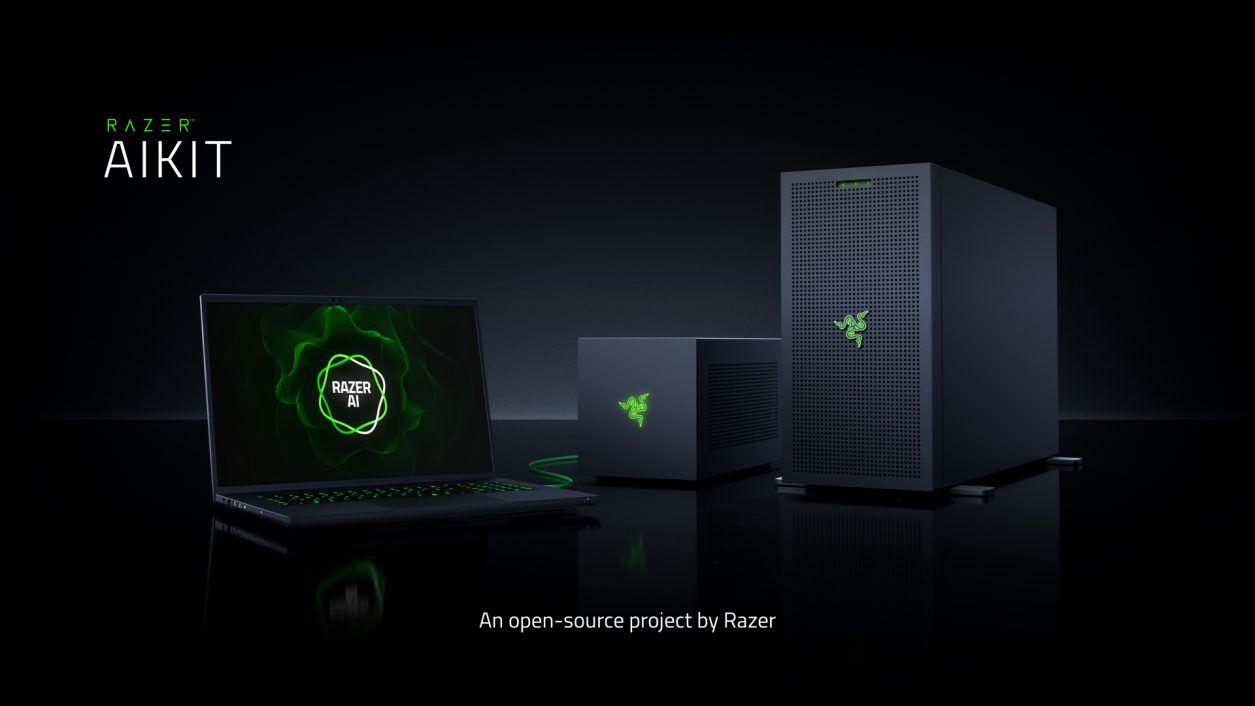
- Razer AIKit: An open-source, local-first workflow tool available on GitHub. It allows researchers to fine-tune models on local hardware with cloud-comparable performance, featuring automatic GPU discovery and cluster formation.
- Tenstorrent Partnership: In collaboration with Jim Keller's Tenstorrent, Razer is launching a compact AI accelerator that connects via Thunderbolt 5. Using “Wormhole” technology, these modular units can be daisy-chained to provide desktop-class generative AI performance to laptops and handheld PCs.
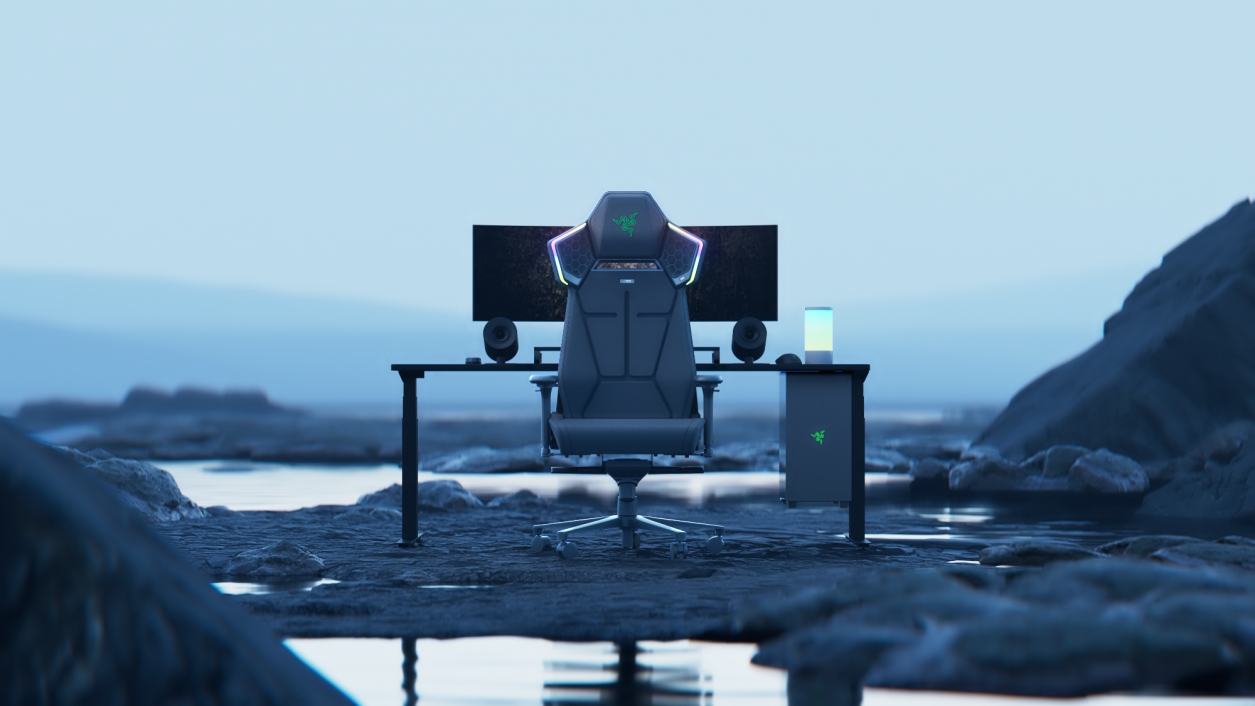
Razer’s gaming chair lineup has also been refreshed with the Razer Iskur V2 NewGen. While maintaining the price point of its predecessor, the NewGen model introduces Razer’s Gen‑2 EPU Leather with “CoolTouch” technology and a more breathable dual‑density foam cushion. For those seeking something beyond a standard office chair, Project Madison is a concept seat that integrates Sensa HD Haptics directly into the frame, vibrating in sync with game events or THX Spatial Audio for a multisensory experience.
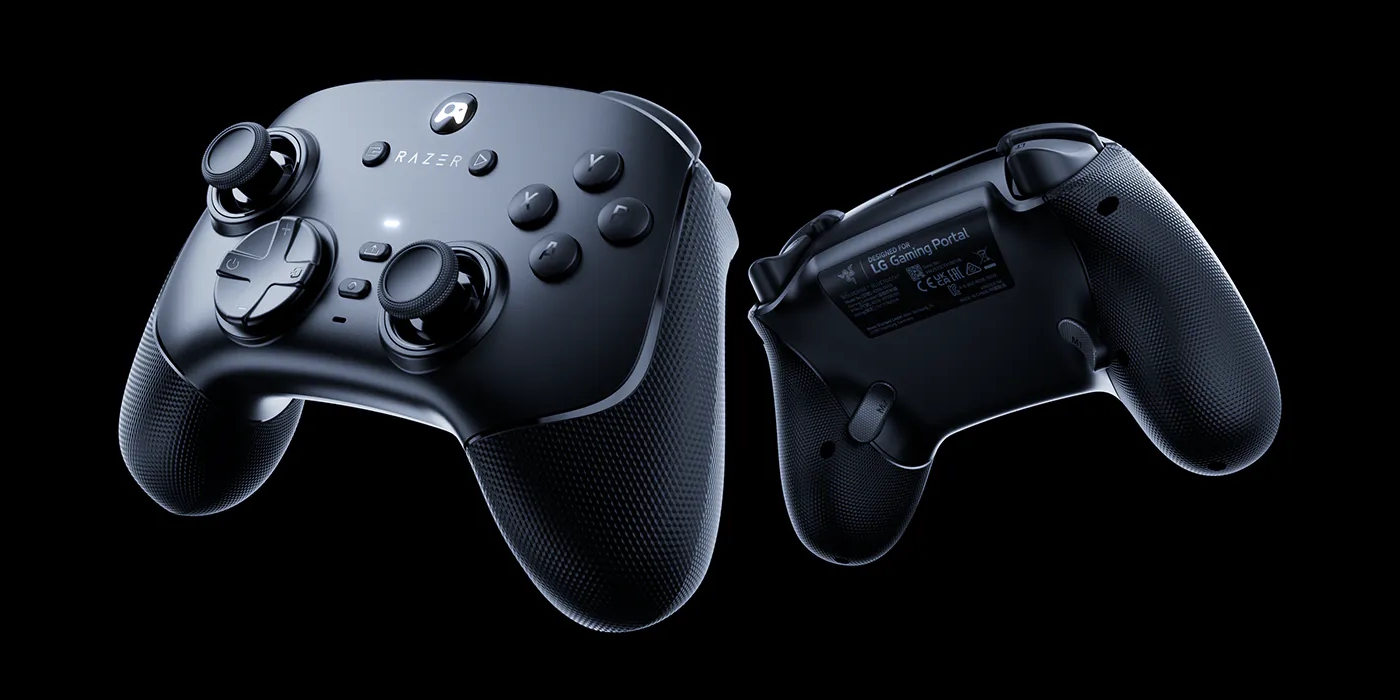
Lastly, the new Razer Wolverine V3 Bluetooth arrives as the “world’s fastest” wireless controller optimised for cloud gaming. Developed in partnership with LG, it features ultra‑low‑latency Bluetooth and integrated TV controls, allowing users to navigate LG’s gaming portals and cloud services without a separate remote.
KitGuru says: With this announcement, it's safe to say that Razer is no longer just a gaming brand. It's positioning itself as a hardware provider for the AI era. While Project Ava is probably the most interesting product for its core audience, the Forge workstation and the Tenstorrent accelerator suggest Razer is serious about capturing the professional AI market as well.
The post CES 2026: Razer goes all-in on AI with Project Ava and Snapdragon-powered wearables first appeared on KitGuru.Will California Become The First State To Ban AI Toys For Kids?
Roborock Saros Rover Robot Vacuum With AI-Powered Legs Can Jump And Climb Stairs
Razer Forges Into AI Hardware Market With A Monster Workstation Packing Up To 4 GPUs
ASUS ROG Strix B860-F Gaming Wi-Fi Review