Vue normale
-
Igor
- The launch of the AMD Ryzen 7 9850X3D as reflected in the press: upgrade, sidegrade, or waste of resources?
The launch of the AMD Ryzen 7 9850X3D as reflected in the press: upgrade, sidegrade, or waste of resources?
-
Igor
- How simple changes open the door to hackers and fraudsters: Moltbot changes its name to OpenClaw
How simple changes open the door to hackers and fraudsters: Moltbot changes its name to OpenClaw
AI-generated game worlds: Between technical feasibility and strategic illusion
Federal Council makes revocation by click mandatory and strengthens consumer rights
Recare relies on AI agents to fundamentally reduce the workload of clinic administration
Android flagships could equal Apple’s time advantage with the iPhone 18
-
PC Perspective
- Podcast #854 – AMD Ryzen 7 9850X3D Review, DDR4 and Storage Prices, GOG Linux Focus, Windows 11 Awfulness and MORE
Podcast #854 – AMD Ryzen 7 9850X3D Review, DDR4 and Storage Prices, GOG Linux Focus, Windows 11 Awfulness and MORE
We review the Ryzen 7 9850X3D, alongside DDR4 and storage price analysis and head smacking moments. We also discuss GOG's Linux focus and Intel's latest financial results. Windows 11 woes, BitLocker Keys,…
NVIDIA CEO Jensen Huang Tips Hand On N1 AI PC Chip Plans
Google Takes Down Massive Malicious Proxy Network, Millions of Zombie Devices
AMD Zen 6 ‘leak’ suggests compact 12-Core CCDs with 48MB L3 cache
AMD’s next‑generation “Zen 6” microarchitecture may bring some notable changes, according to a new rumour shared by leaker HXL (via VideoCardz). The post claims AMD is considering increasing the core density of its standard CPU Complex Die (CCD) for the first time, moving from the long‑standing 8‑core layout to a 12‑core configuration. The same rumour also mentions a shift to TSMC’s latest process node and a larger L3 cache per CCD.
HXL claims that the new Zen 6 CCDs are full-performance cores designed to maintain high clock speeds, effectively giving the mainstream AM5 platform a 50% boost in multi-core processing power per chiplet. HXL also claims that the increased core count would be enabled by higher transistor density from TSMC’s rumoured N2 (2nm) process.
![]()
Cache capacity is also part of the rumour. The L3 cache per CCD is said to increase from 32MB to 48MB, and when paired with a stacked 96MB V‑Cache layer, a single Zen 6 CCD could reach 144MB of L3 cache. Under this scenario, a dual‑CCD, 24‑core CPU might offer up to 288MB of total L3 cache. None of these numbers have been verified by AMD.
KitGuru says: A move to a 12‑core CCD would be a major shift. If AMD were to release a single‑CCD, 12‑core X3D model, it could avoid the scheduling quirks seen on dual‑CCD parts like the 7950X3D while offering more cores than today’s 8‑core gaming‑focused chips. For now, though, all Zen 6 details should be treated as unconfirmed.
The post AMD Zen 6 ‘leak’ suggests compact 12-Core CCDs with 48MB L3 cache first appeared on KitGuru.Nvidia reportedly prioritising 8GB graphics cards amid rising memory costs
A new rumour circulating on the Board Channels forum suggests Nvidia may be shifting its supply strategy for the GeForce RTX 50 series. According to the post, rising VRAM costs could be pushing the company to prioritise lower‑capacity models.
According to a Board Channels Forum user (via VideoCardz), 8GB versions of the RTX 5060, RTX 5060 Ti and the 12GB RTX 5070 may account for as much as 75% of total GPU shipments for the quarter. It is implied that this is due to price hikes around memory, brought about by booming AI data centre demand.
![]()
If accurate, Nvidia may be aiming to remain competitive with AMD's 16GB GPUs by maintaining a steady supply of RTX 5070 GPUs. While AMD has reportedly prioritised these 16GB cards due to their stronger market appeal, Nvidia's claimed focus on 8GB and 12GB variants suggests it is leaning into volume over VRAM capacity.
KitGuru says: Do you think the memory, SSD and GPU markets will bounce back for consumers this year?
The post Nvidia reportedly prioritising 8GB graphics cards amid rising memory costs first appeared on KitGuru.Cougar unveils new MX230 RGB mid-tower with triple-fan PSU shroud
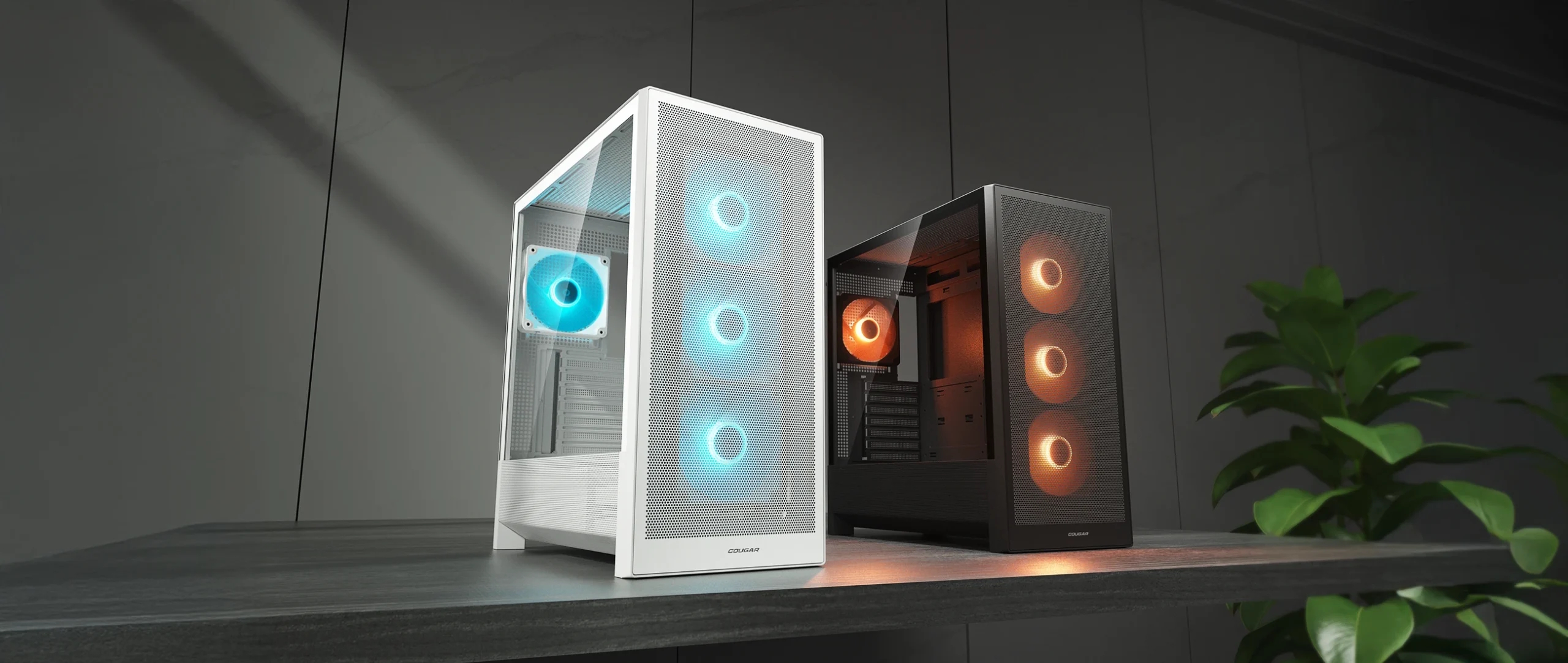
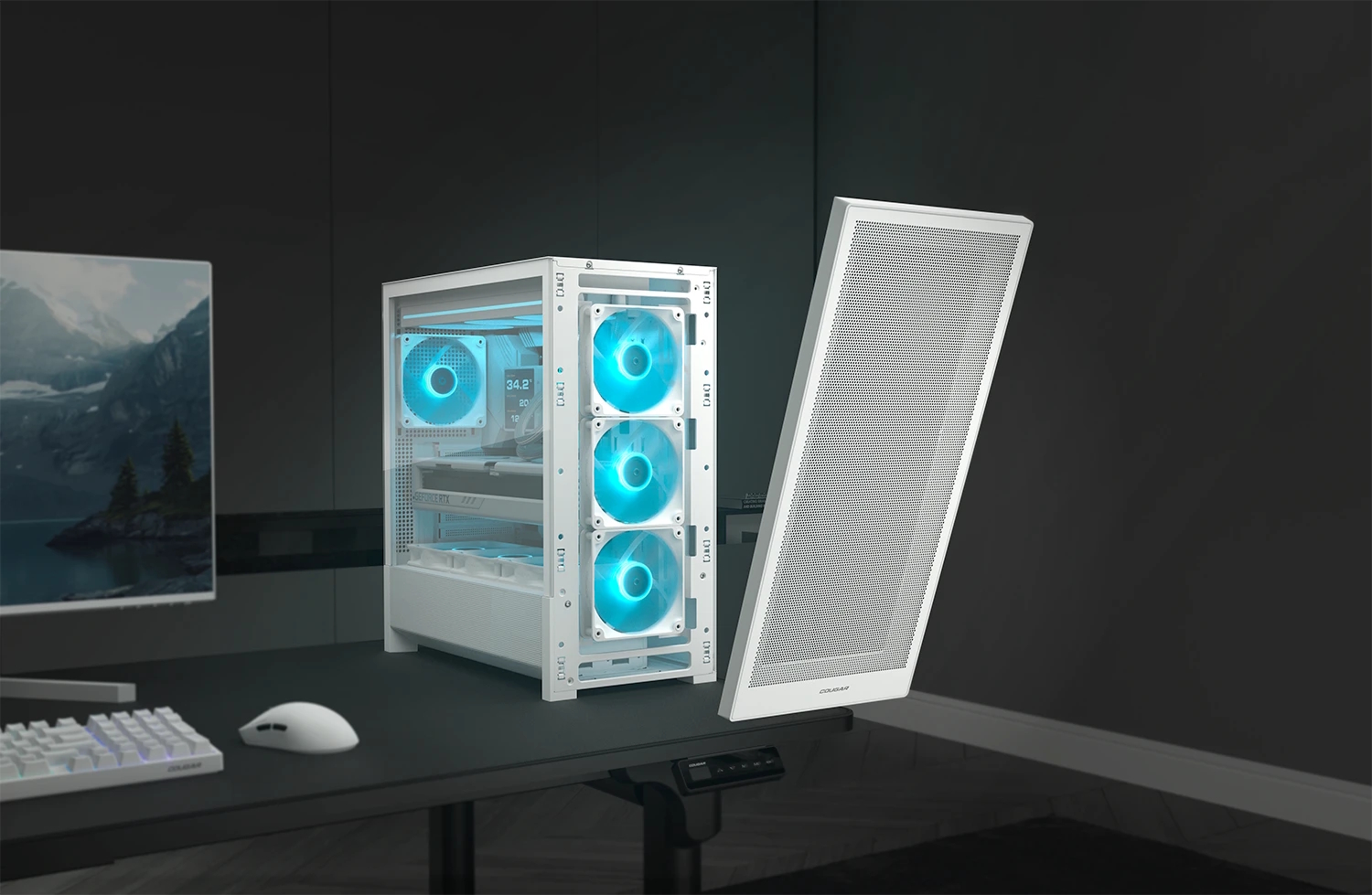
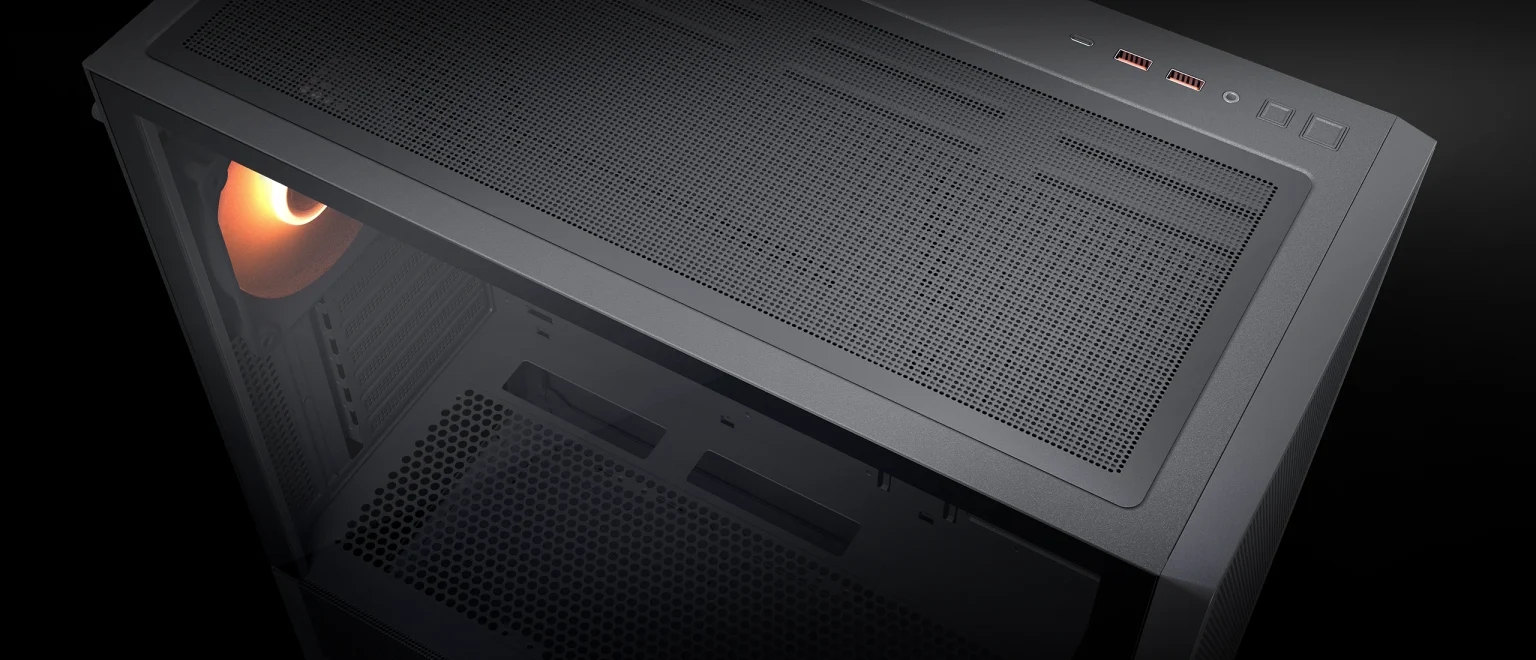
Cougar has officially unveiled the MX230 RGB, a mid-tower chassis that prioritises thermals over the “fish tank” aesthetic trend. The MX230 focuses on airflow, featuring a front mesh panel and an angled mesh bottom panel. This “airflow-first” philosophy aims to create a vertical thermal column that delivers fresh air directly to components, a departure from the side-heavy glass layouts that have dominated in recent years.
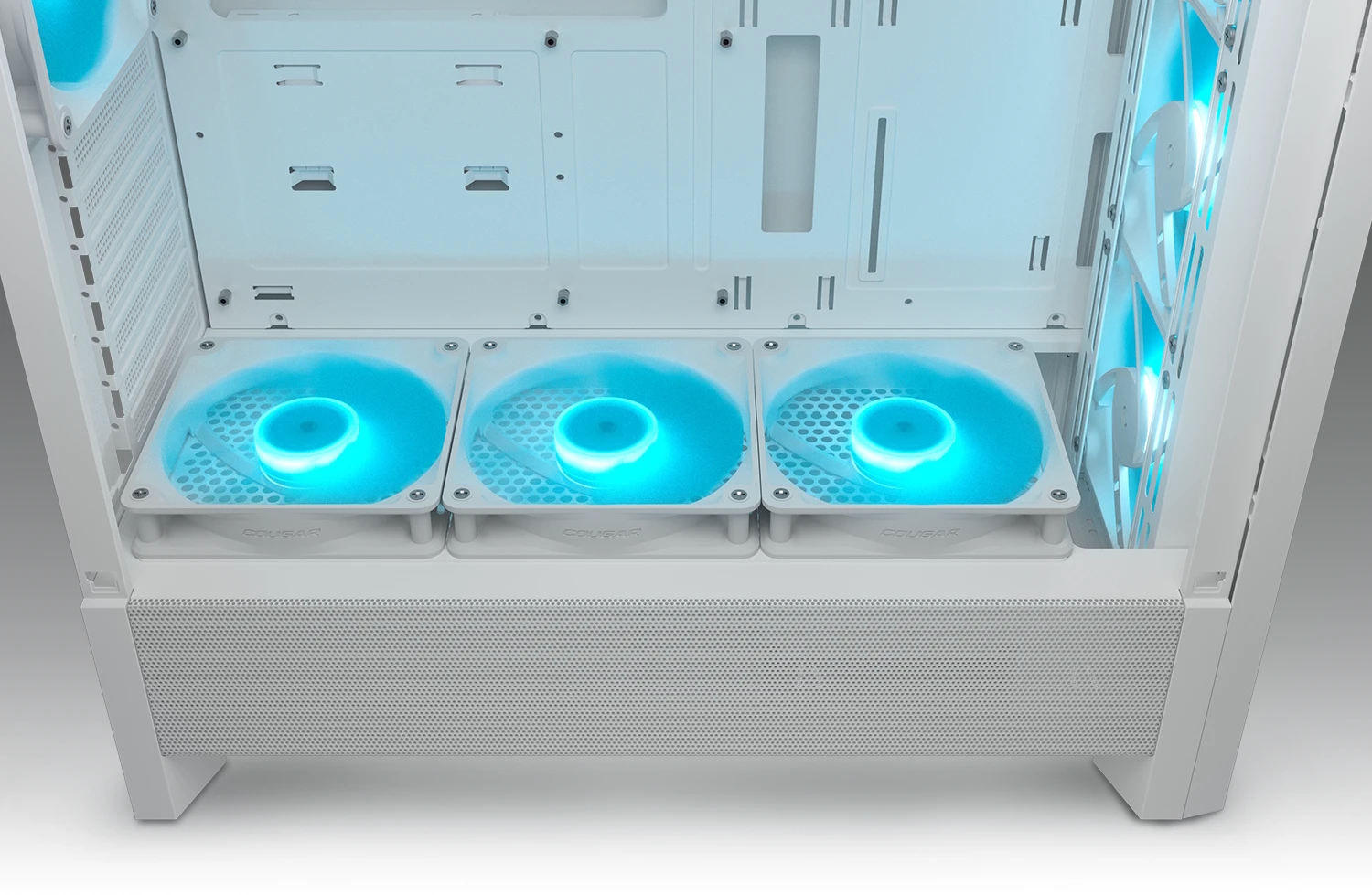
The MX230 RGB (via CowCotland) stands out with its triple-fan-capable PSU shroud, which can accommodate three 120 mm fans. This design is engineered to provide ample cabling clearance, ensuring that intake air is not choked by internal hardware. Out of the box, the MX230 is equipped with four 120 mm ARGB fans (three front, one rear), but it supports a maximum of 10 fans. For liquid cooling enthusiasts, the top panel supports radiators up to 360 mm.
Despite its compact dimensions (475 x 220 x 445 mm), the MX230 offers flagship-tier compatibility. It supports E-ATX motherboards, 170 mm tall CPU coolers, 200 mm long PSUs, and graphics cards up to 400 mm long. Additionally, the case supports 2 x 3.5″ HDDs or 1+1 2.5″ SSDs.
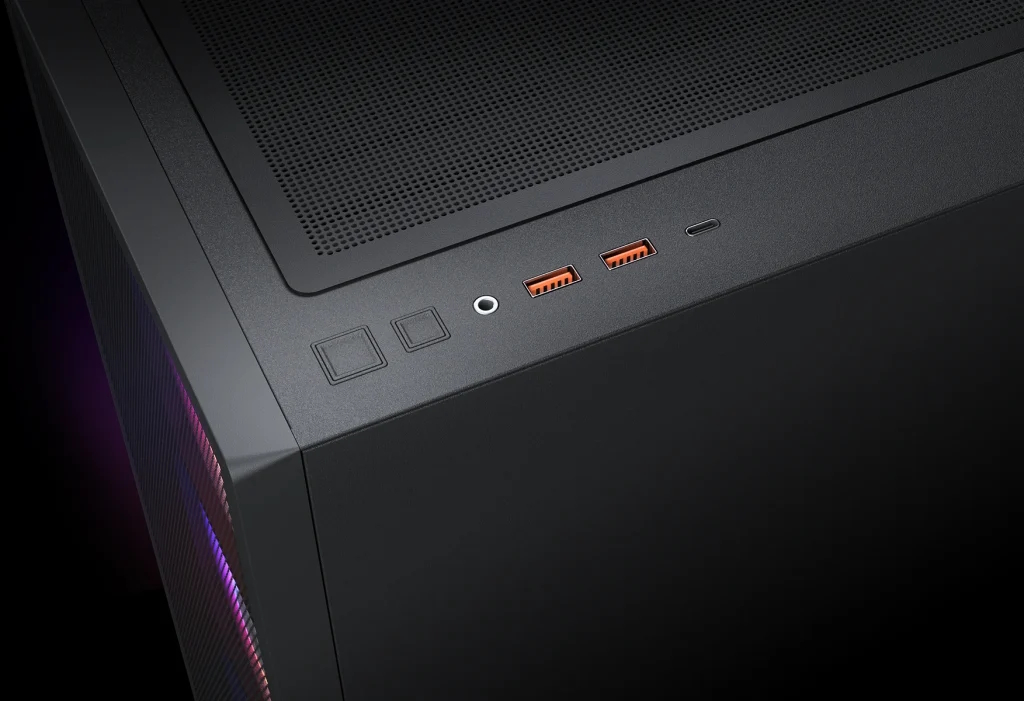
Builders will appreciate the tool-less maintenance offered by the snap-fit metal front panel and the high-speed connectivity of the front I/O, which includes a USB-C 3.2 Gen 2 (10Gbps) port. The case will be available in black and white.
KitGuru says: Although simple, the MX230 RGB looks quite nice and offers pretty much everything (and a bit more) the average PC gamer needs from a case.
The post Cougar unveils new MX230 RGB mid-tower with triple-fan PSU shroud first appeared on KitGuru.PlayStation Portal OLED tipped for 2026
Sony appears to be aggressively repositioning itself in the portable gaming market for 2026. According to recent leaks, the company is preparing a two-pronged approach: a near-term OLED refresh of the existing PlayStation Portal and a much more powerful gaming handheld powered by AMD's RDNA 5 graphics.
The report comes from Kepler_L2 (via r/GamingLeaksAndRumours), who states that the PlayStation Portal OLED is expected to launch in 2026. While internally similar to the current version, the move to an OLED panel addresses the primary criticism of the original's LCD screen, black levels and contrast. Following the recent software update that enabled cloud streaming for the Portal, the hardware refresh marks Sony's intent to turn the device into a more premium “cloud-first” companion.
![]()
However, the real excitement lies with Sony's upcoming handheld console, also referred to in previous reports as Project Canis. This long-rumoured device is expected to be a native powerhouse rather than a streaming peripheral. This console is expected to be powered by AMD's next-gen RDNA 5 (potentially branded as UDNA), LPDDR5X memory, and a low-power target (something like 15W TDP), optimising it for portable battery life.
As you may have heard, Sony has reportedly added a mandatory “low power mode” to PlayStation 5 development kits. This would allow developers to easily scale existing PS5 titles to run natively on the handheld's hardware. While the native handheld is likely to launch closer to the PlayStation 6, the OLED Portal refresh will act as a bridge, keeping Sony's foot in the door of the handheld market throughout 2026.
KitGuru says: Do you already have a Portal console? Would the upcoming OLED version convince you to buy one?
The post PlayStation Portal OLED tipped for 2026 first appeared on KitGuru.Sonos Super Bowl Blowout Delivers Big Deals On Premium Audio Gear
Philips Evnia's New Dual-Mode Monitor Hits A Blistering 1000Hz For Silky-Smooth Gaming
-
Igor
- LeakWatch 2026 – Security incidents, data leaks, and IT incidents in the current calendar week 5
LeakWatch 2026 – Security incidents, data leaks, and IT incidents in the current calendar week 5
Windows 11: January patch KB5074109 causes performance slump on Nvidia graphics cards
FritzOS 8.20 and 8.21 now available for additional Fritzbox models
RTX Remix Logic is here: Nvidia opens the next stage of evolution for retro remasters
Apple achieves record quarter thanks to strong demand for iPhone 17
-
Igor
- Too much promised? Optimus robots are not working in Tesla’s factories, and that raises questions.
Too much promised? Optimus robots are not working in Tesla’s factories, and that raises questions.
The InWin Shift Case Lets It All Hang Out
The InWin Shift is completely open and a perfect home for components with an exhibitionist bent. It's also great for modders and those that test a variety of hardware and need easy…
NVIDIA’S Shield Android TV, IoT Done Right
The vast majority of IoT devices, from webcams to toasters get abandoned a few years after their release and often without any notification to the owners of the devices. This means that…