The latest Windows 11 update has drawn praise for focusing almost exclusively on new features and performance improvements, rather than deeper AI integration, indicating a possible pivot by Microsoft. Some recent updates and comments from Microsoft leadership focused almost solely on AI, and many users were vocal about their disappointment.
You know who ASML is, right? For those who are just joining us, ASML is the guys who make the tools that the TSMC and Intel and Samsung guys use to make their bleeding-edge chips. The Dutch company is the only firm in the world capable of commercializing Extreme Ultra-Violet (EUV) lithography machines, which are absolutely vital to the production
Google expanded YouTube Premium Lite from its limited pilot program to the United States back in March of 2025, and just under a year later, it has received two additional features that make it an effective alternative to YouTube Premium for users not interested in Shorts or Music.
While YouTube Premium Lite still does not offer ad-free
New NVIDIA job postings that explicitly reference Vulkan performance and compatibility layer work on Linux might be a sign of a stronger push into the Linux gaming ecosystem, catching the eye of developers and Linux gaming communities alike. A Senior System Software Engineer role on NVIDIA's careers site lays out responsibilities like optimizing
Today in San Francisco, Samsung unveiled its latest Galaxy smartphones. For 2026, the lineup consists of the Galaxy S26 Ultra ($1299), Galaxy S26+ ($1099), and Galaxy S26 ($899) all of which receive incremental updates. The company also launched two new pairs of earbuds, the Galaxy Buds4 ($179) and Buds4 Pro ($249). I had the chance to go...
Razer Handheld Dock Chroma: MSRP $89, Currently $57 Razer’s Handheld Dock Chroma is a USB-C dock for gaming handhelds that favors build quality and aesthetics over cutting-edge connectivity. Plug And Play Ease Intuitive Physical Design Versatile Handheld Fit 100W USB-PD Support Tasteful RGB LED Integration Sparse Port Selection...
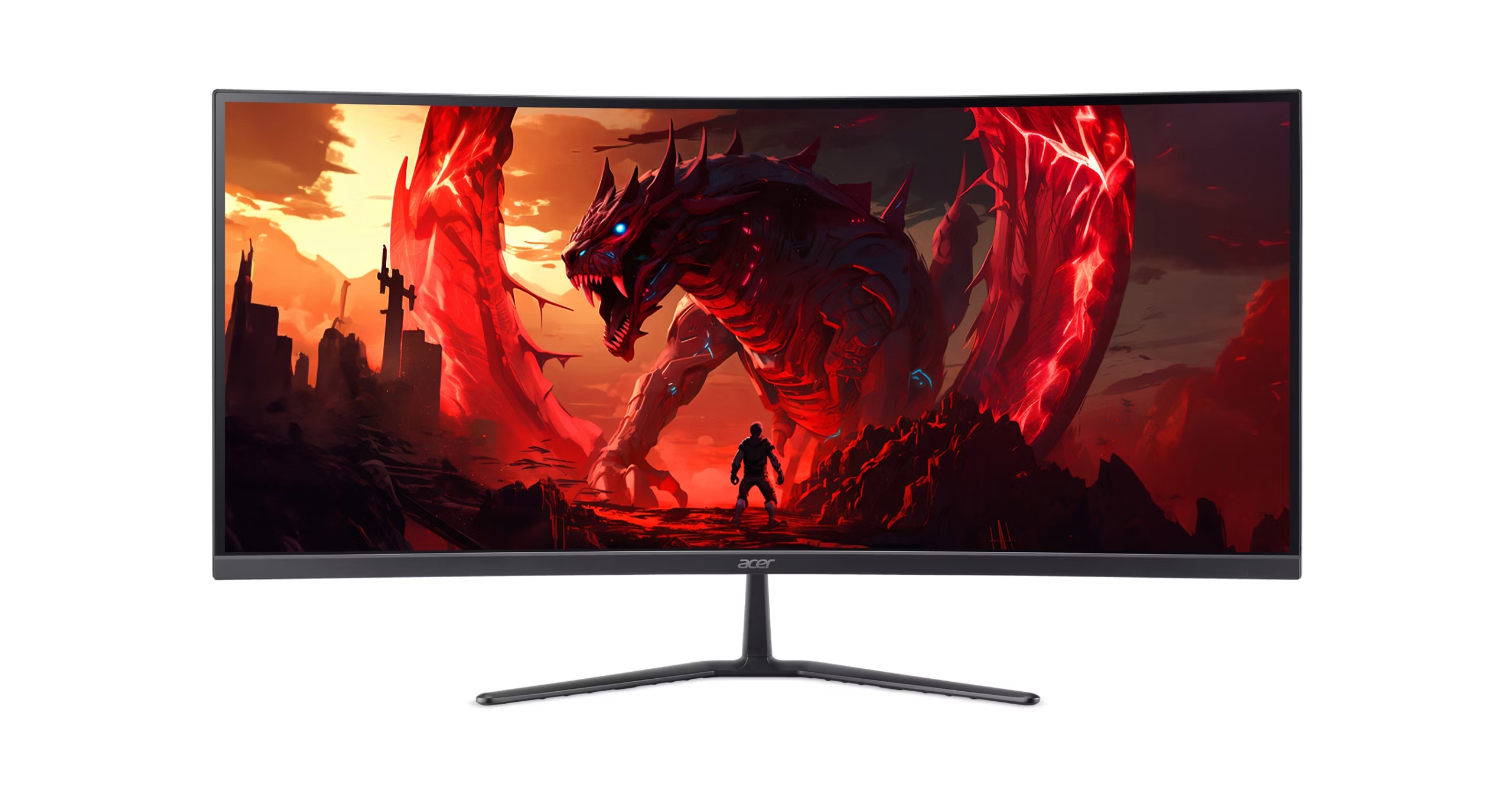
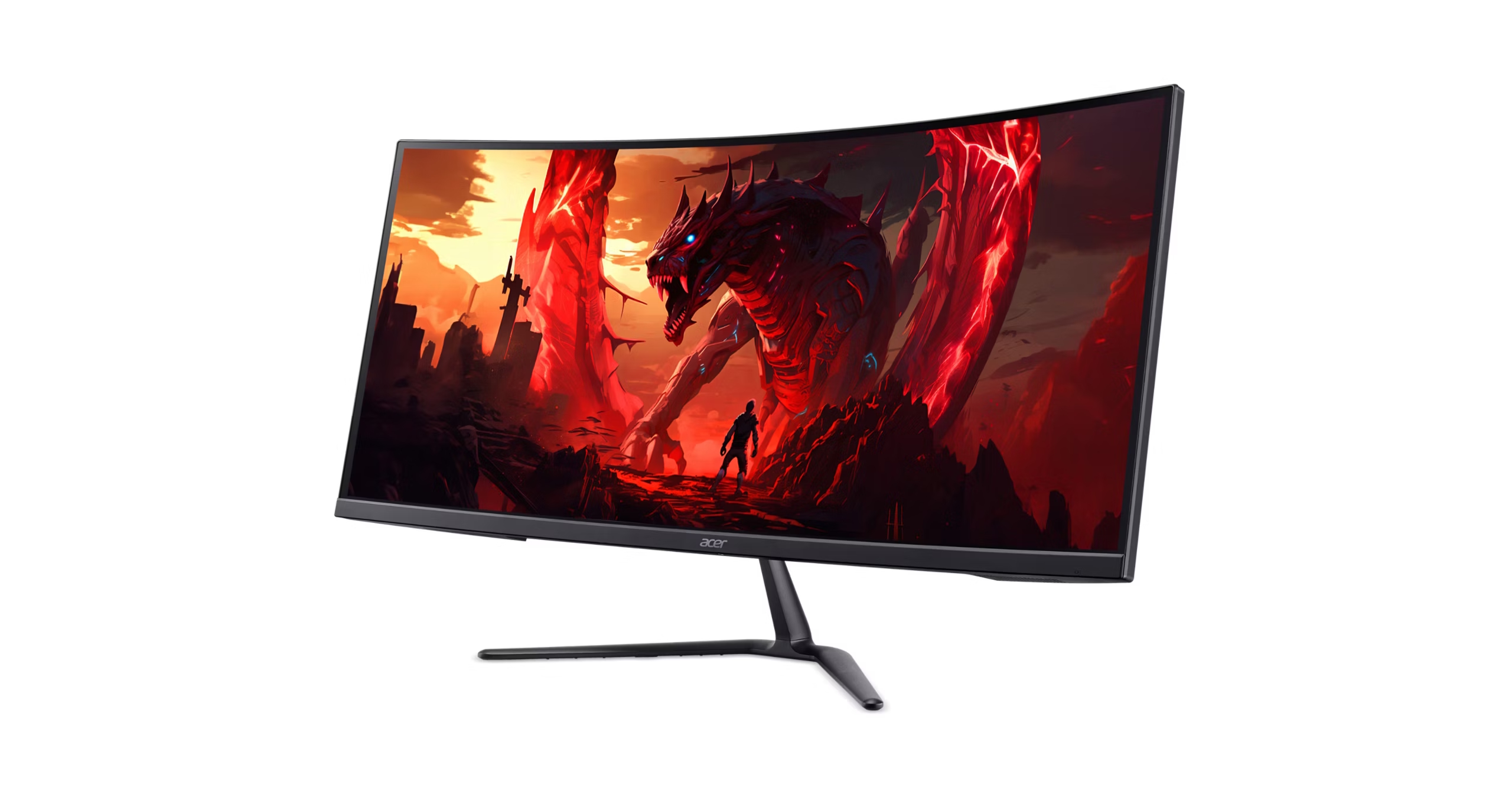
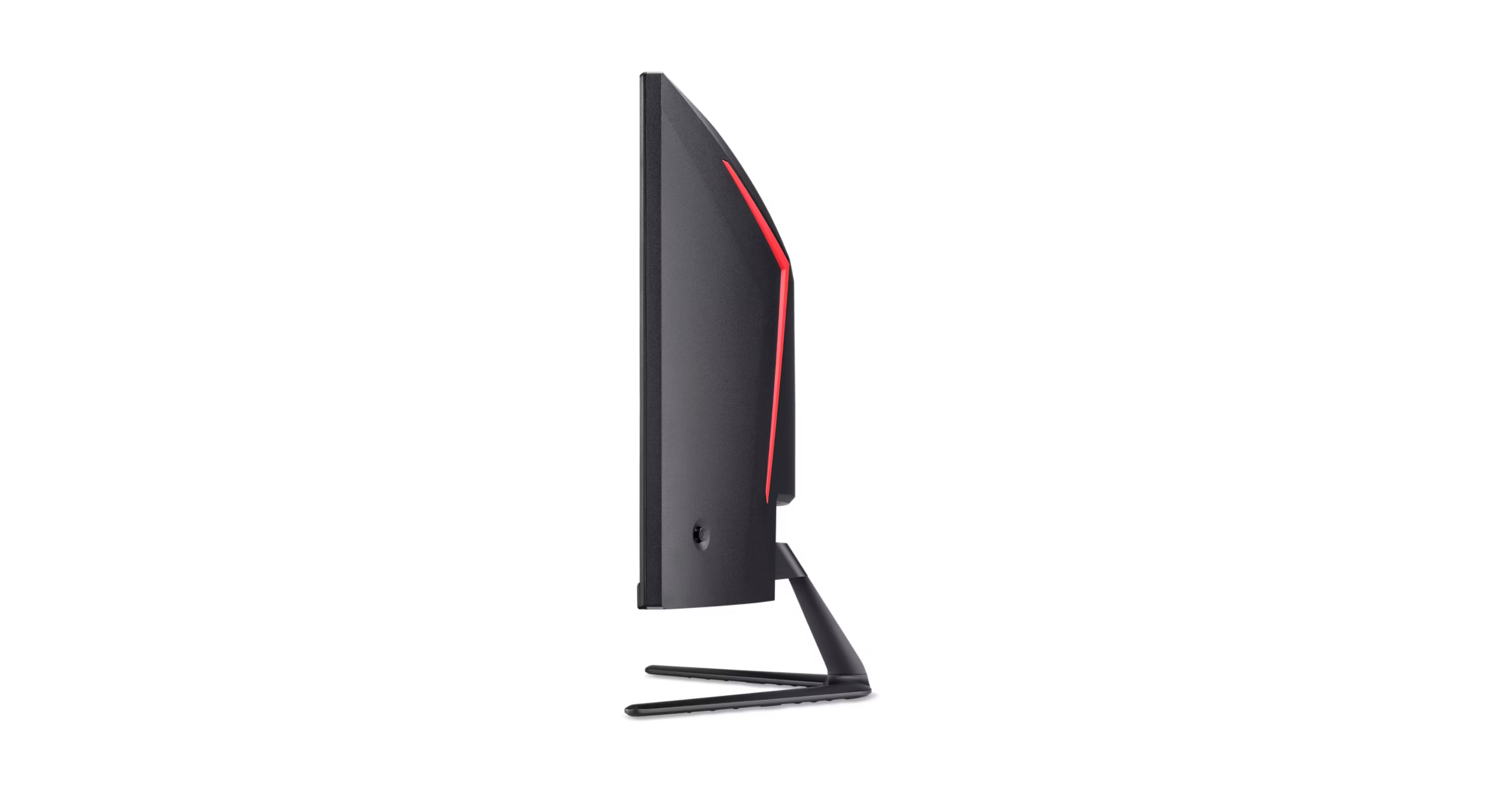
Acer has expanded its Nitro display family with the Nitro ED340CUR W0bmiipx, a 34-inch ultrawide monitor designed to bring high-refresh-rate gaming to the value-conscious segment.This model pairs a 1500R curved VA panel with a 3440 x 1440 (UWQHD) resolution, offering the expansive field of view that has become a staple for simulation fans and multitasking professionals alike.
Featuring a 240 Hz refresh rate, the ED340CUR W0 (via DisplaySpecifications) brings a significant jump over previous iterations of the ED340 series, which typically maxed out at 165/180Hz. This, combined with AMD FreeSync Premium support, ensures fluid motion and reduced screen tearing in fast-paced titles. The panel uses an 8-bit + FRC (Frame Rate Control) method to achieve 10-bit colour depth, covering 99% of the sRGB colour space. As is typical of VA technology, the monitor boasts a high 3000:1 static contrast ratio. However, its peak brightness is rated at a modest 250 nits, making its HDR10 support more of a baseline compatibility feature than a transformative visual experience.
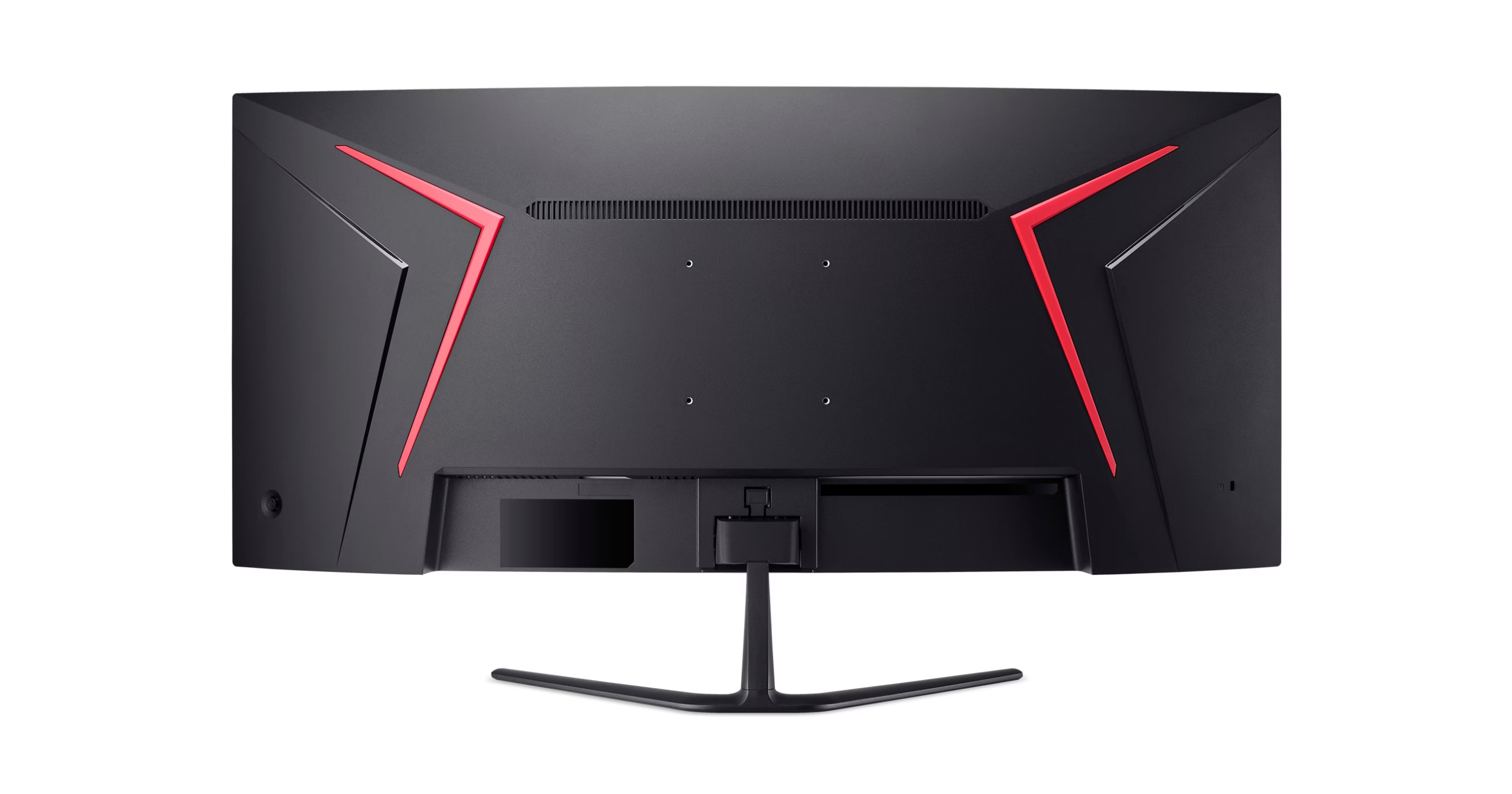
The monitor follows Acer's streamlined “ZeroFrame” aesthetic, maximising screen real estate by minimising bezel width. The included stand is tilt-only, which is a common trade-off in the budget category. However, the unit is fully compatible with 100 x 100 mm VESA mounts for those who require height or swivel adjustment. Connectivity options include dual HDMI 2.1 ports, a DisplayPort 1.4 input, and integrated 2W speakers for basic audio.
Additionally, Acer has packed the display with its VisionCare suite, including Blue Light Shield Pro, flicker-free technology, and a low-dimming feature. These additions, combined with the “Super Sharpness” processing, position the ED340CUR W0 as a versatile tool for both competitive gaming and general office productivity. The monitor is now available for $349.99.
KitGuru says: It's impressive to see 240Hz in a 34-inch UWQHD monitor at this price point. For gamers coming from older 60Hz panels, the move to 240Hz on a curved 34-inch panel is one of the most cost-effective ways to fundamentally change how your gaming setup feels in 2026, assuming your system can support such a refresh rate.
We are still a couple of days away from being able to get our hands on Resident Evil Requiem, but if early reviews are any indication, Capcom should have another early-year hit on its hands.
The first 100+ reviews for Resident Evil Requiem all went live this afternoon. The PS5 version of the game has the most reviews, achieving an 89 overall critic score on metacritic, although the Xbox, PC and Switch 2 versions all have overall scores above 90.
The story is similar over on OpenCritic, where the game has a 96% recommendation rating and an 88 overall score based on close to 100 critic reviews.
Resident Evil Requiem is the final game in the ‘Winters Saga', which kicked off with Resident Evil 7 a number of years ago. The game is launching for PS5, Xbox Series X/S and Switch 2 on the 27th of February, with a 60FPS frame rate target across all of those platforms. A PC version is also launching this week with full access to features like higher-fidelity ray-tracing, as well as upscaling technologies like DLSS or FSR.
KitGuru Says: Are you planning on picking up Resident Evil Requiem later this week?
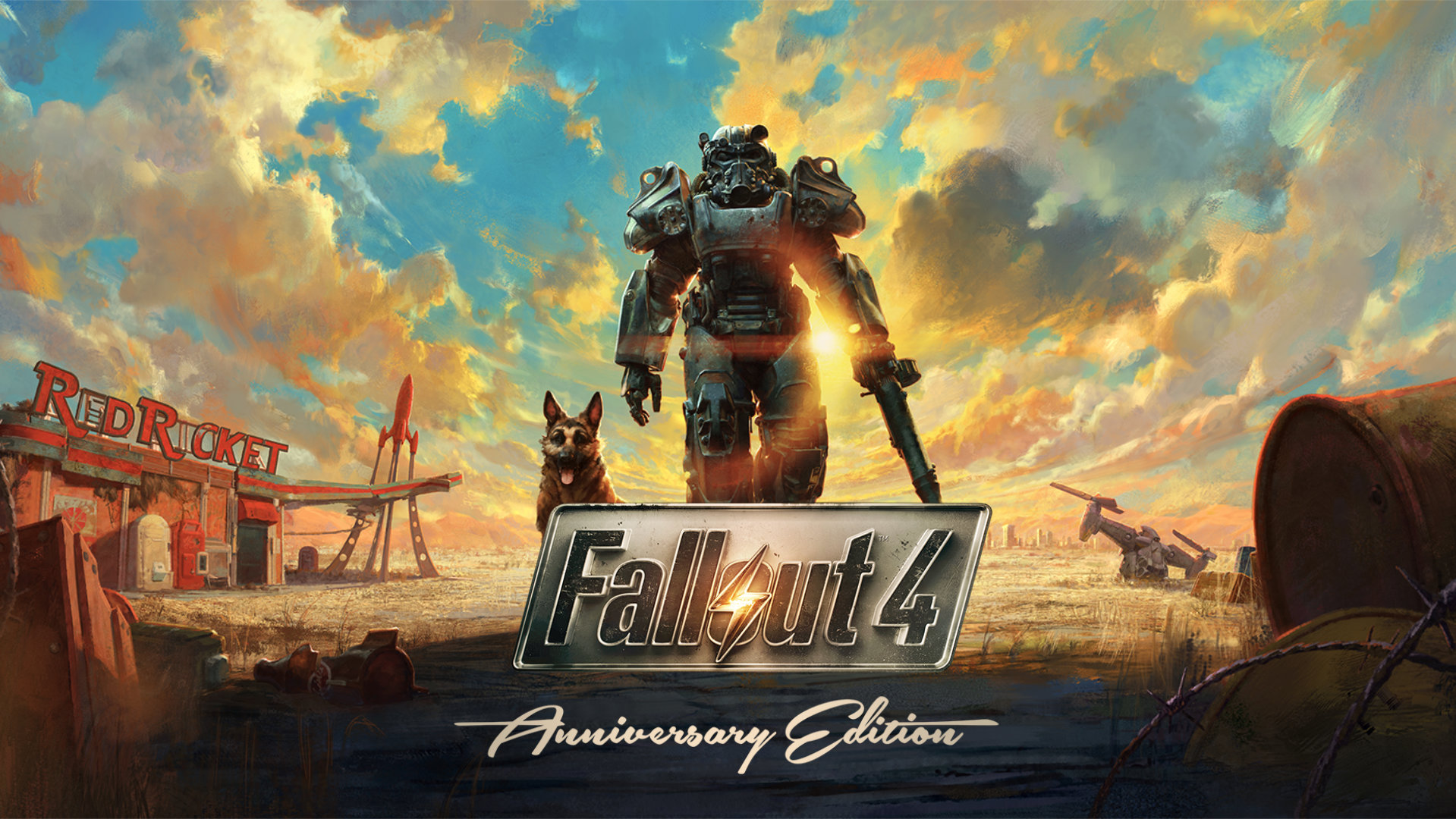
When Bethesda rolled out the Switch 2 patch for The Elder Scrolls V: Skyrim, fans were disappointed by the graphics upgrade and lack of performance mode. This had many wondering if Fallout 4 on Switch 2 would also ship in a fairly barebones state. As it turns out, a lot of effort has clearly gone into this new version of Fallout 4.
Fallout 4: Anniversary Edition is now available on the Switch 2 console. Unlike Skyrim, Fallout 4 has access to multiple performance modes on day-one, including a standard 30FPS mode, a 40FPS mode and a 60FPS performance mode.
Players on Reddit also seem to be happy with the Switch 2 version of Fallout 4, with the new version receiving tons of praise for its stability and performance mode options.
Skyrim fans on Switch 2 can also now update their games with a new 60FPS patch to get more performance there too. In the coming months, Bethesda will have more high-profile titles joining the Switch 2 library, including Oblivion Remastered and Indiana Jones and the Great Circle.
KitGuru Says: Have you tried Fallout 4 on the Switch 2 yet?
Earlier this week, Nacon announced plans for its next games showcase. Now just days later, it appears that the publisher and accessories maker is filing for insolvency.
As spotted by VGC, Nacon has filed for insolvency due to a failed payment on a bond loan. The situation will allow Nacon to remain in business while renegotiating its debt repayments.
Nacon has had a pretty good couple of years for game releases thanks to the likes of RoboCop: Rogue City, Styx: Blades of Greed and Test Drive Unlimited. At an upcoming showcase, Nacon will also be spotlighting upcoming games like Edge of Memories, The Mound and Cthulu: The Cosmic Abyss.
Nacon is also publishing an upcoming Terminator game, although that game recently underwent a major pivot, turning from a co-op multiplayer game to a single-player adventure.
KitGuru Says: Nacon has a pretty impressive slate of titles coming up, so hopefully they are able to turn things around here.
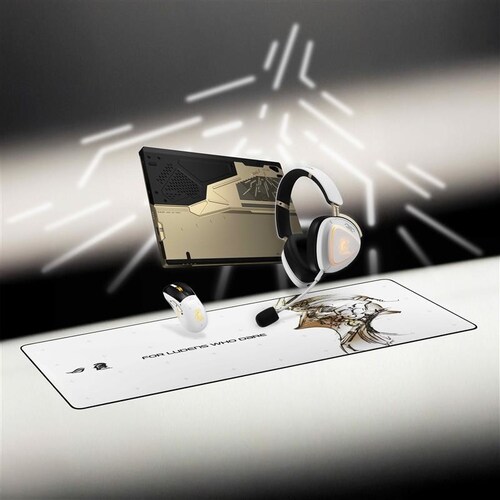
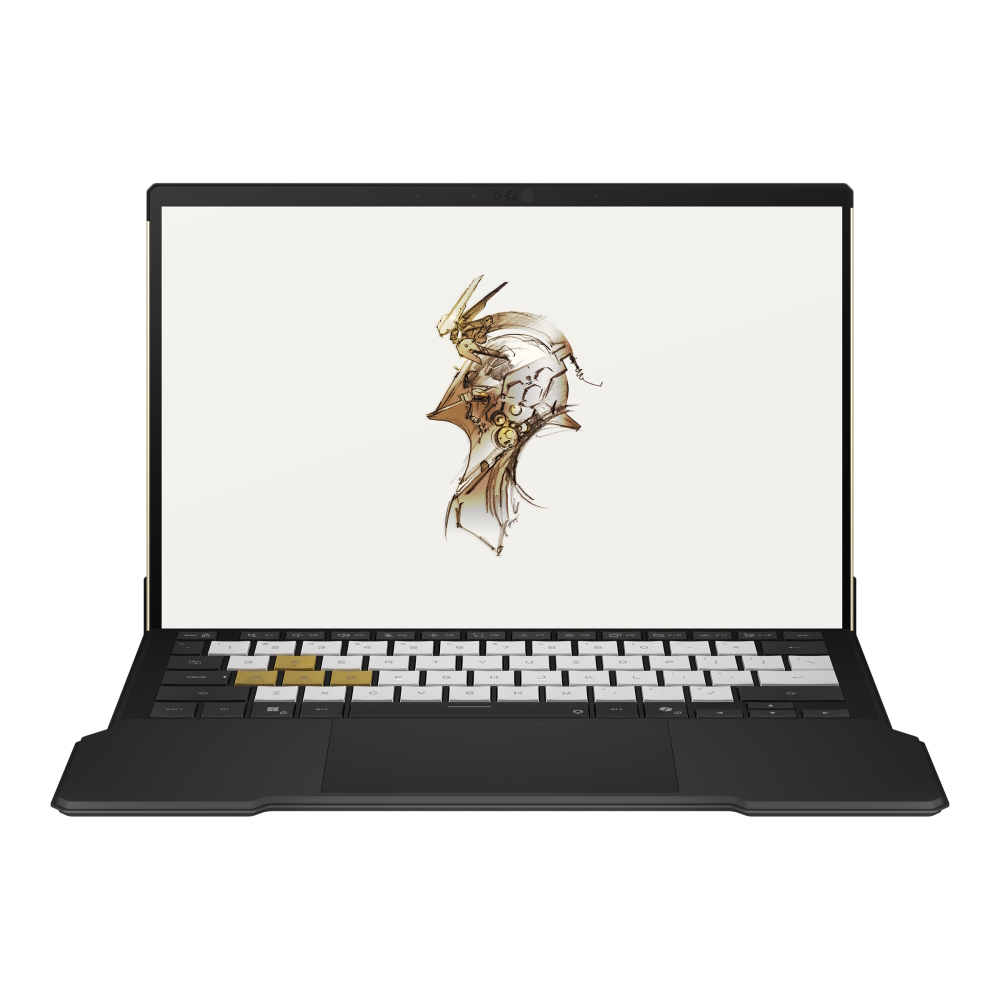
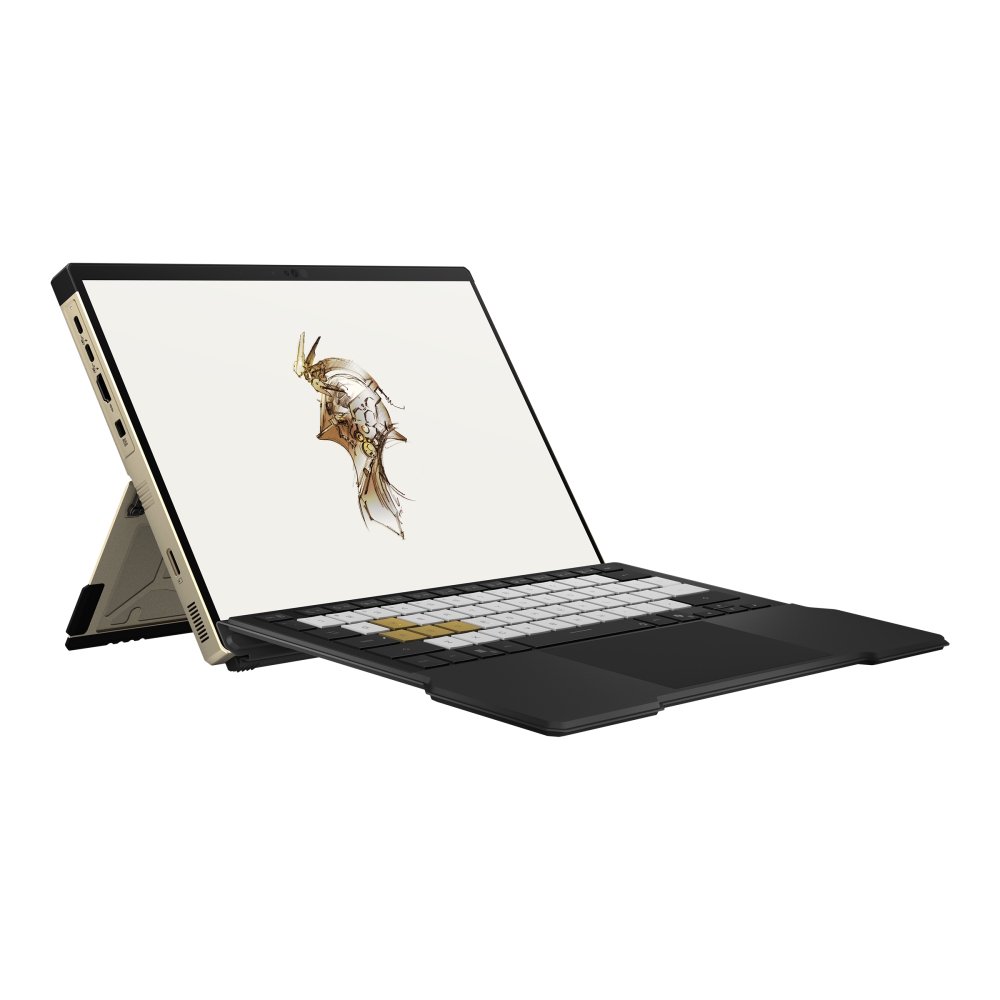
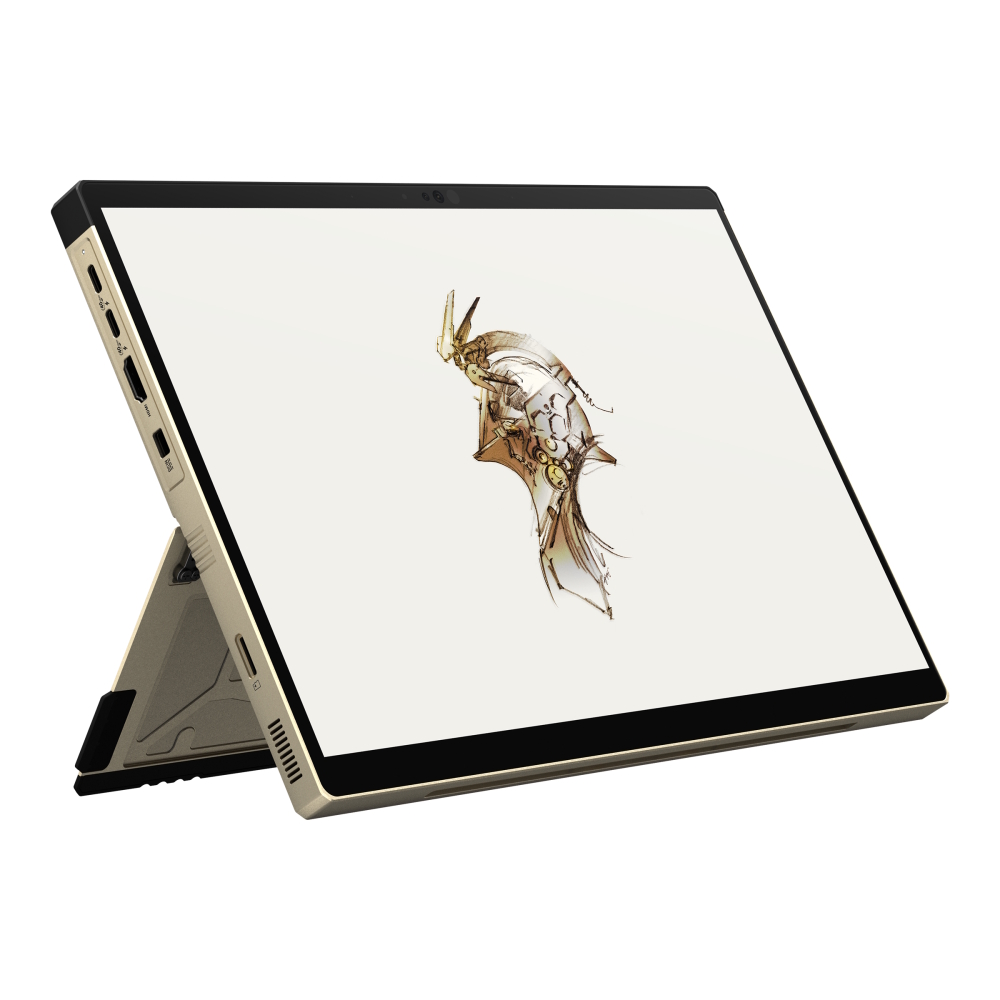
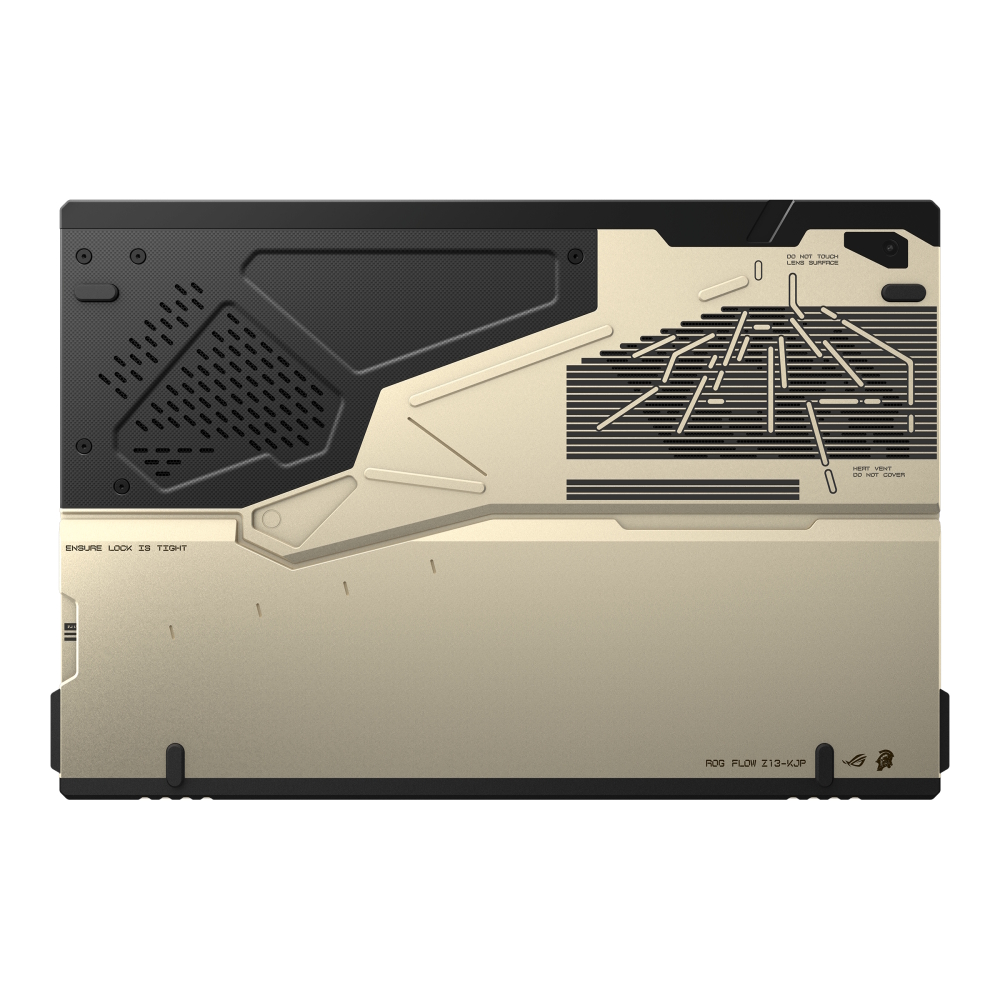
Asus is rolling out its Kojima Productions hardware collaboration, led by the ROG Flow Z13‑KJP and a suite of matching peripherals. The limited‑edition range, first teased at CES 2026, pairs ROG’s high‑end tablet design with Yoji Shinkawa’s “Ludens” artwork. Pre‑orders are now open, with shipping beginning March 3rd.
At the heart of the collection is the ROG Flow Z13-KJP, a 2-in-1 gaming tablet featuring a CNC-milled aluminum chassis in a unique Decennium Gold colourway, accented by carbon fibre elements and laser-etched venting. This special edition goes beyond a simple visual reskin, including a custom-themed power adapter, a Death Stranding-inspired carrying case, and an exclusive Armoury Crate theme. To sweeten the deal, every purchase includes a digital copy of Death Stranding 2: On the Beach, which launches on PC on March 19th.
Under the hood, the Flow Z13-KJP is a portable powerhouse driven by the AMD Ryzen AI Max+ 395 processor. Powered by 16 Zen 5 CPU cores with Radeon 8060S Graphics (40 RDNA 3.5 CUs), it offers gaming performance that rivals many dedicated GPUs while maintaining a tablet form factor. Moreover, the tablet packs 128 GB of LPDDR5X-8000 RAM shared across both the CPU and GPU. The tablet also boasts a 13.4-inch 2.5K Nebula Display with a 180 Hz refresh rate and 100% DCI-P3 colour coverage, ideal for both gaming and professional work.
The collaboration extends to three matching peripherals, all featuring the signature gold, grey, and white palette. Starting with the ROG Delta II-KJP headset, it features tri-mode wireless connectivity and DualFlow Audio, allowing users to listen to two sources simultaneously. Then, there's the Keris II Origin-KJP mouse, an ultra-lightweight ergonomic mouse equipped with the AimPoint Pro 42K sensor and 100-million-click ROG Micro Switches. Lastly, we have the ROG Scabbard II XXL-KJP mousepad, a 900 x 400 mm desk mat featuring a bold sketch of the Ludens mascot.
The ROG Flow Z13-KJP tablet will be available for $3,699.99. As for the peripherals, the ROG Delta II-KJP headset will cost $269.99, the ROG Keris II Origin-KJP mouse will cost $169.99, and the ROG Scabbard II-KJP mousepad will cost $69.99.
KitGuru says: Are you a fan of Death Stranding? What do you think of the aesthetics of the products featured in this collaboration?
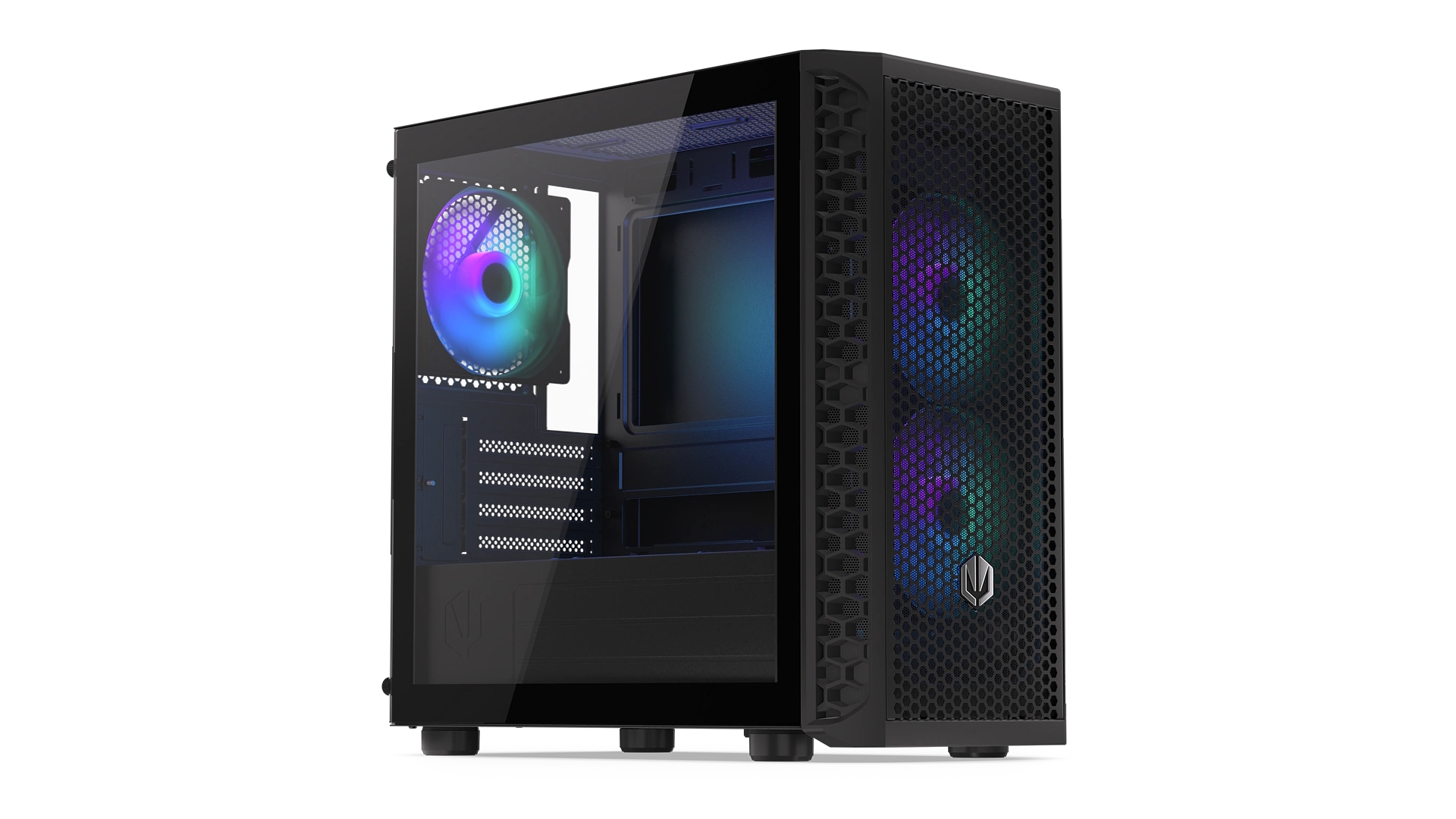
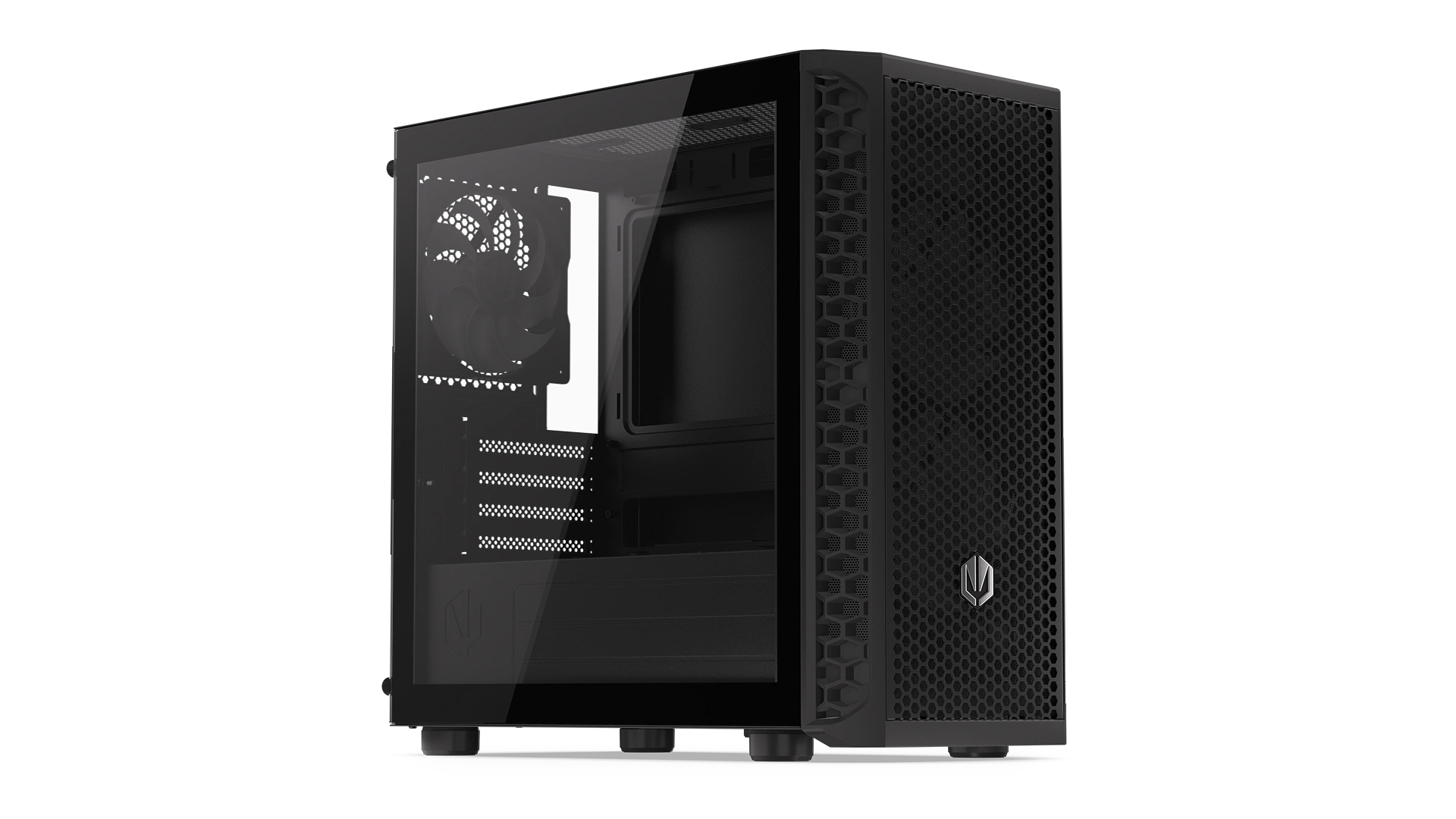
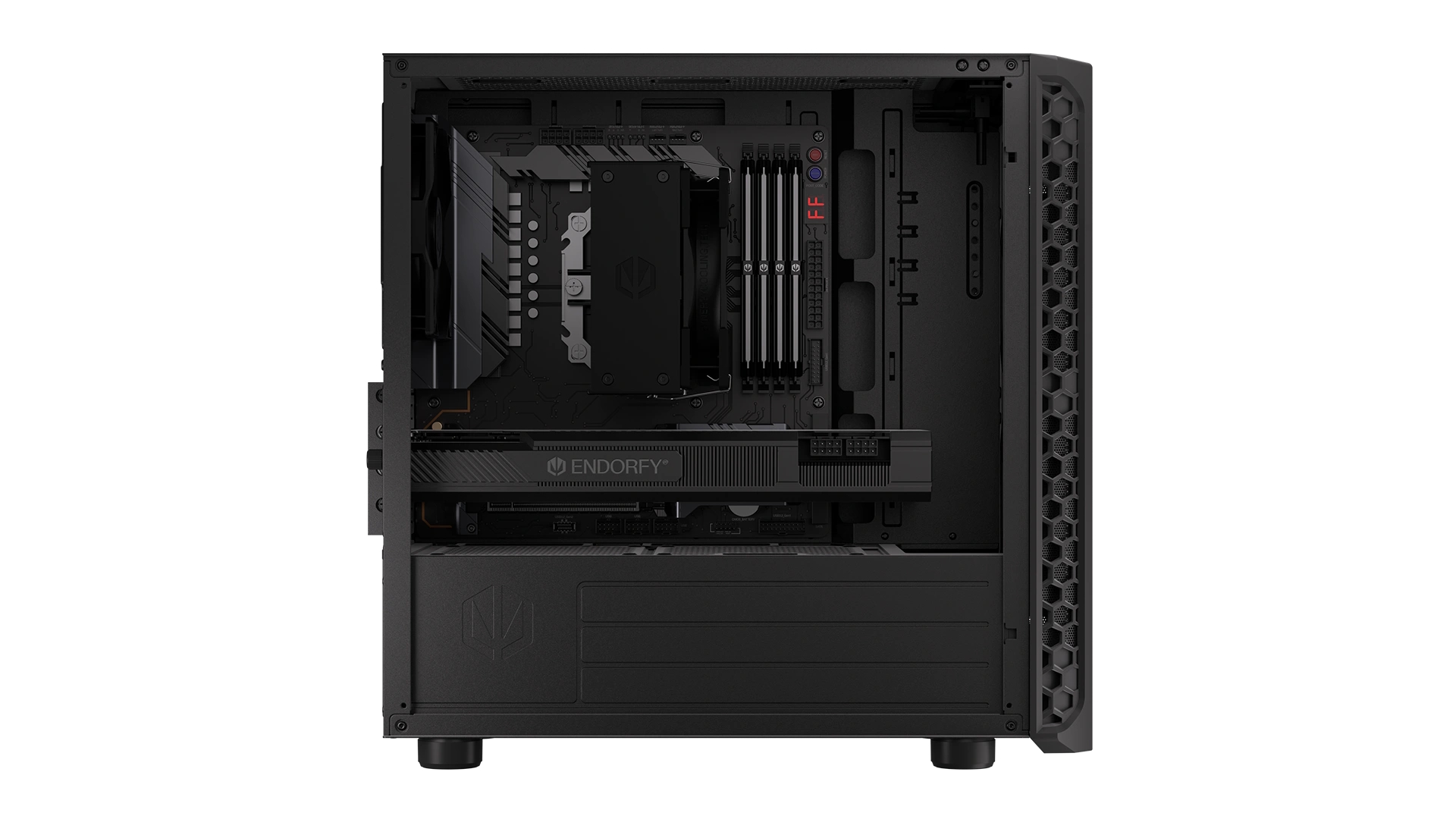
Endorfy has made its debut in the mATX market with the launch of the Signum M30 series, a new line of compact mini-towers inspired by the brand’s successful Signum 300 family. Designed to offer full-sized functionality within a smaller footprint, the series debuts with two distinct models: the Signum M30 ARGB and the Signum M30 Air.
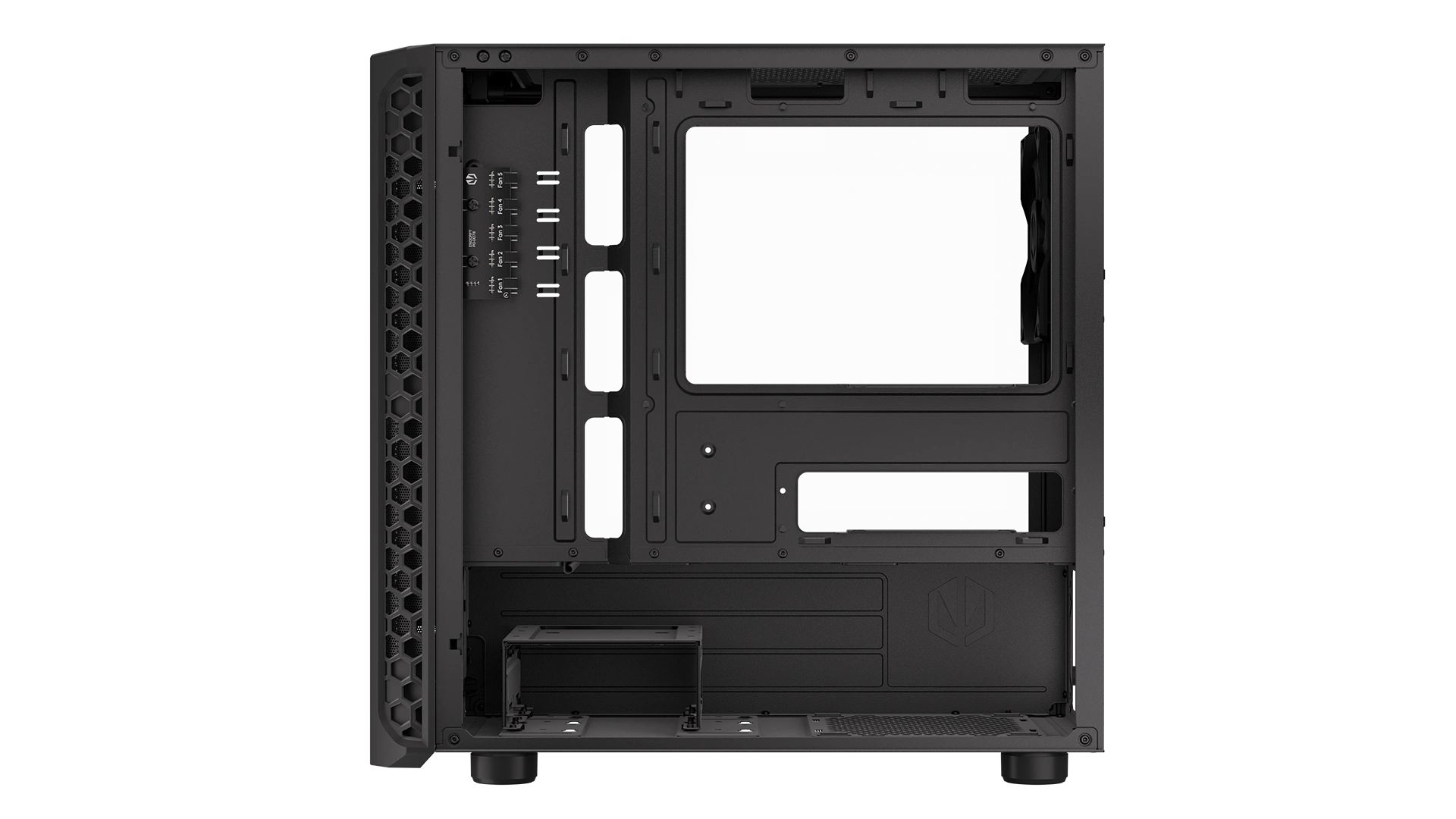
Despite their compact dimensions, the Signum M30 cases do not compromise on hardware compatibility or cooling. Both cases are engineered for high-performance builds and support motherboards in microATX, Mini-ITX, and Flex ATX formats. Regarding GPU and cooling support, these models accommodate graphics cards up to 345 mm in length, CPU air coolers up to 159 mm, and up to a 240 mm radiator.
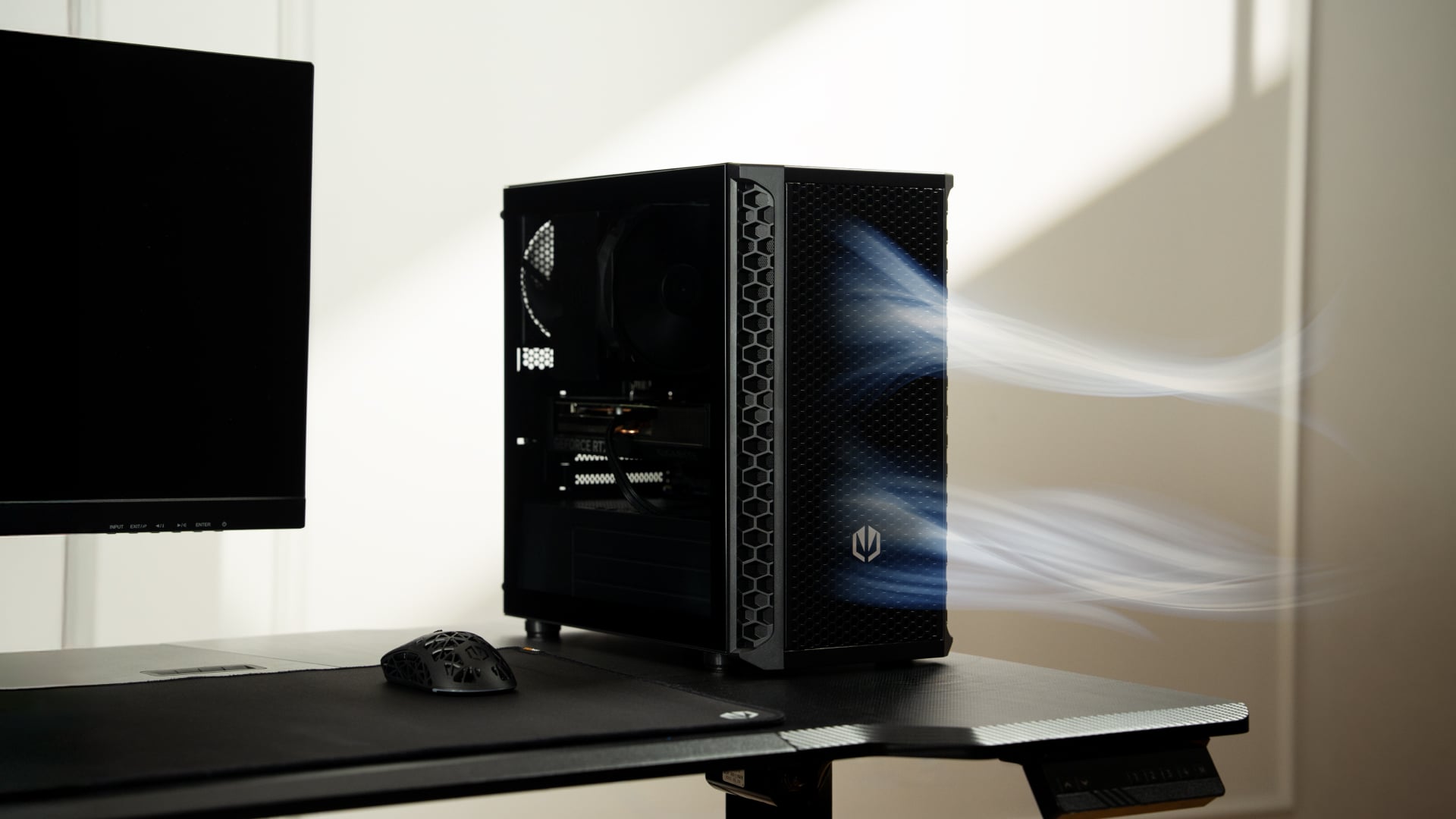
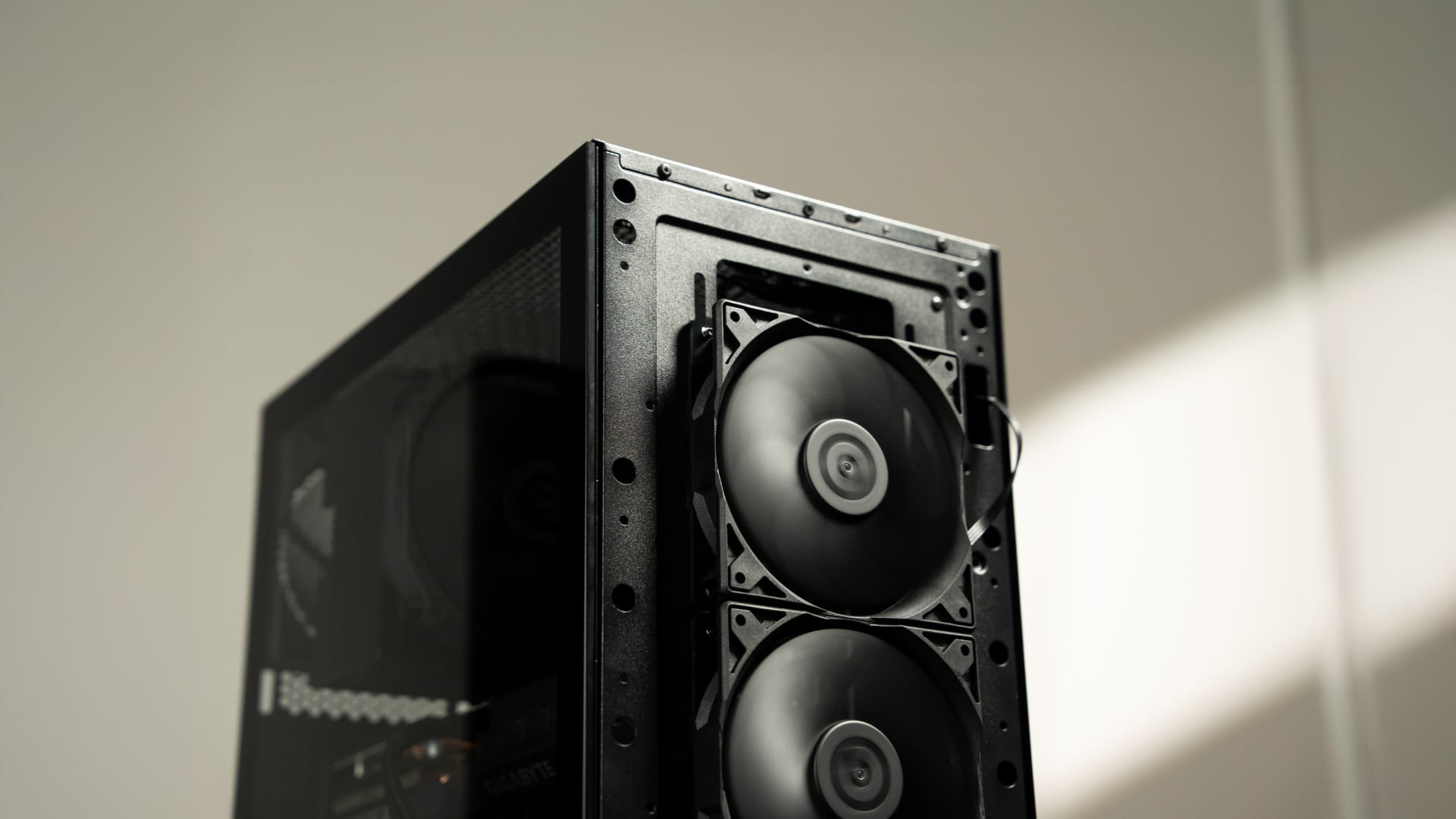
In both models, the chassis features a mesh front panel that doubles as a dust filter and a perforated top panel for unrestricted airflow. Moreover, each case comes factory-equipped with three Stratus 120 PWM fans: ARGB versions for the M30 ARGB and standard black for the M30 Air. These fans support a fan-stop mode for silent operation and are pre-wired to a PWM splitter for easy motherboard control.
The interior has a modern dual-chamber layout to keep the build tidy, offering dedicated cable routing channels behind the motherboard tray and a left-side tempered glass panel to showcase the components. Storage options are plentiful for the size, with room for two 2.5-inch and two 3.5-inch drives. On the front I/O, Endorfy has included a USB-C 3.2 Gen 2×2 port capable of 20 Gb/s speeds, alongside two USB-A 3.2 Gen 1 ports and dedicated audio jacks.
KitGuru says: Endorfy is making a smart move by bringing its “Signum” DNA to the microATX space. For builders tired of massive towers but unwilling to give up 345 mm GPUs, the M30 looks like a very balanced contender.
Graphics depicting Meta's upcoming ultralight headset with a tethered compute puck, codenamed Phoenix, have been found in Quest firmware.
Firmware dataminers Luna and Samulia discovered a "hilariously" low resolution depiction of the headset from the rear side (see above), as well as a silhouette of the frontbox from behind. The pair were also able to activate and run the eye tracking calibration setup on a Quest Pro.
While the resolution is indeed comically low, it still clearly depicts a compact headset with glasses-style nose pads instead of a classic VR-style face pad. Discovered strings also reference adjusting the nose pads for comfort. What we don't see is the back of the device, so it's not yet clear whether it has glasses-like arms or a cradle for the back of your head.
Before this, the only real indication we had as to what Phoenix might look like came from The Information's 2024 report that first revealed the existence of the device, then called Puffin, where it was described as "a bulky pair of glasses" that weighs less than 110 grams with a tethered compute puck running Horizon OS, the operating system of Quest headsets.
That 2024 report also described the headset as having eye tracking, in order to copy the gaze-and-pinch input system of Apple Vision Pro.
Luna's past and current datamining corroborates this. Last year they found references to automatic IPD adjustment and iris unlock, features both driven by eye tracking.
Separately, XR influencer Brad Lynch claimed that one of the candidates for the headset uses 0.9-inch micro-OLED displays, slightly smaller than those used in Bigscreen Beyond headsets. Without knowing the pixel density, this doesn't tell us the resolution. But it does let us know that this candidate could offer OLED's signature infinite contrast, true black, and punchy colors. UploadVR has previously reported that Meta has explored multiple display system approaches at differing price points.
Leaked internal Meta memos from December revealed that the company is targeting the first half of 2027 for a launch of Phoenix.
Phoenix will be strongly focused on virtual screens for productivity and entertainment, and other seated mixed reality and VR use cases. Names that Meta has internally floated for the product have included "Quest Air", but it's far from certain what it will decide. It's also unclear whether it will even be marketed as a "headset" – it may instead be sold as "mixed reality glasses".
Keep in mind that Meta's hardware roadmap is constantly shifting, and the company frequently spins up and cancels devices before they ship. When a specific product gets close to shipping, we'll bring you any reliable rumors of its imminent arrival. Until then, be ready for anything planned to get canceled or delayed.
The Amusement shows a lot of potential as a narrative puzzler, but its implementation of roomscale movement may push players away early in the demo.
Roomscale VR games are becoming a rarity these days as the realities of limited play spaces and VR 'epic fail' videos may have softened developer interest in these types of experiences. That hasn't stopped recent efforts like Hotel Infinity, Laser Dance, and Eye of the Temple from offering up terrific gameplay. When done right, a roomscale game is some of the most immersive time spent in VR.
The Facts
What is it?: A roomscale narrative puzzle adventure Platforms: Steam (played on Quest 3 via Virtual Desktop) Release Date: February 23, 2026 (part of Steam Next Fest) Developer: Curvature Games Publisher: ARTE France Price: free (demo only)
Enter The Amusement, a narrative adventure with environmental puzzles and the promise of a poignant family story. The Amusement utilizes roomscale movement with an optional teleportation system. It starts out well enough in a confined room with items to pick up, observe, and add to inventory. Then it quickly proceeds to the bulk of the demo, a zig-zag of a garden maze with thin paths that were painful to navigate with the movement system as currently designed.
I played The Amusement demo twice. First, in a limited play space with teleportation, a cumbersome exercise limited by a snap-only turning system without an option to change the size of the turn angle. This was not ideal by any stretch and made the garden maze section quite annoying to play through. I don't recommend it.
Then, I rearranged my room to get a completely open space and the maze still feels too constricted. Unlike the aforementioned Laser Dance & Eye of the Temple where you are constantly ducking, dodging, and otherwise navigating obstacles, in The Amusement I just walked a few steps, turned, walked a few more, wash, rinse, repeat until you reach a tube with a wheel to rotate into another part of the maze. If you accidentally walk into an object, the screen simply blacks out, telling you to reposition.
It is immersive. It's just not interesting and fails to capitalize on being roomscale in the same way the aforementioned games do. I hope that in the full release, there will be more open areas with environmental pieces to interact with that really take advantage of the 1:1 movement. The maze is roughly half of the demo's runtime, so in this short sample size, it sticks out more than it likely will in the full release.
Comfort
The Amusement uses roomscale 1:1 movement with an option for teleportation instead. At the time of this article, snap turn is the only stick turn method with no option to adjust the turn angle. The game has a vignette effect for turning and climbing that can be turned off in settings.
This game involves climbing, which may be problematic for new VR users.
It's a real shame too because the simple process of walking through the world is the only real flaw in an otherwise strong demo. The lead character, Samantha, has been sent by her mother to investigate her late father's amusement park. The story is delivered through a combination of cardboard cutout animations, shadows cast against the walls of the world, and voiceovers all befitting the cinematics of the 1920s, the setting for the game. This very effectively evokes the sense that Samantha is reliving her complex childhood memories as the story moves along.
The Amusement screenshots captured by UploadVR
The puzzles themselves make great use of VR. Navigating the garden maze to find an item that could be used as a makeshift ladder rung and using a yo-yo of all things to move between rooms is very creative and rewards thinking outside the box.
PC Specs
This demo was played on Steam using a Meta Quest 3 and Virtual Desktop on the Ultra preset. The game itself was played on the default graphics settings.
My PC has an RTX 5070 Ti with 16GB of VRAM, a Ryzen 5 5600X processor, and 64GB of DDR4 RAM.
The more I played, the more I was reminded of both Eye of the Temple and The 7th Guest VR. The Amusement combines the physical movement (climbing and navigating) of the former with the environmental, sometimes tabletop-based puzzle solving of the latter.
Despite the roomscale movement not really adding anything to the experience, The Amusement demo is still well worth playing. If you enjoy story-based puzzle games and have been waiting for a new one after last year's stellar Ghost Town, this is one to watch.
0:00
/0:54
The Amusement story scene captured by UploadVR
The Amusement can be wishlisted now on Steam and Meta Quest and is slated for a Spring 2026 release.
GM's 2026 Chevrolet Corvette ZR1 ran rings around the competition at Car and Driver's Lightning Lap at the Virginia International Raceway, clocking a 2:34.2 lap time to become the fastest production car in the publication's history. The time shaves nearly a second off the long-standing record held by the $1 million McLaren Senna, as the King
If you've been waiting for LG to release its bodacious 52-inch UltraGear Evo G9 gaming monitor, then we have good news to share. After being announced in December just ahead of CES, this monstrous display is now available to preorder, just make sure your desk is big enough to support it. If not, add a larger desk to your shopping list while
The ground at Kennedy Space Center began to hum yesterday evening as the crawler-transporter lurched into motion, beginning the slow, four-mile journey to return the Artemis II Space Launch System (SLS) rocket and Orion spacecraft to the Vehicle Assembly Building. This rollback (for repairs to the rocket) will add another significant delay
Faster storage is en route to future high-end smartphones and other mobile devices, and it's coming in the form of UFS 5.0 chips based on the next-generation of Unified Flash Storage protocol. JEDEC is still in the process of standardizing UFS 5.0, but in the meantime, Kioxia said it is already sending out evaluation samples to chipset vendors
TECNO has peered into the future and now believes that modular smartphones are the way to go. Previewed ahead of the Mobile World Congress (MWC) show next week, TECNO has revived a modular concept ecosystem where ones like Google’s Project Ara faltered. By combining an ultra-thin 4.9mm base handset with a suite of magnetic, hot-swappable modules,
Resident Evil Requiem is the ninth mainline entry in Capcom's survival horror series, running on an upgraded RE Engine with full path tracing support—a first for the franchise on PC. In our performance review, we examine its graphical fidelity, VRAM usage, upscaling options, and how well it runs across a wide range of modern GPUs.
Resident Evil Requiem arrives nearly five years after the last RE game and puts players in the boots of two protagonists: Grace Ashcroft and Leon S. Kennedy. Our handheld performance review evaluates the game's performance across some of the most popular PC handhelds, including the Steam Deck and the ASUS ROG Xbox Ally X.
It's time to update your AIDA install, or think about grabbing a copy if you like to know exactly what's going on in your system and have the ability to post detailed…
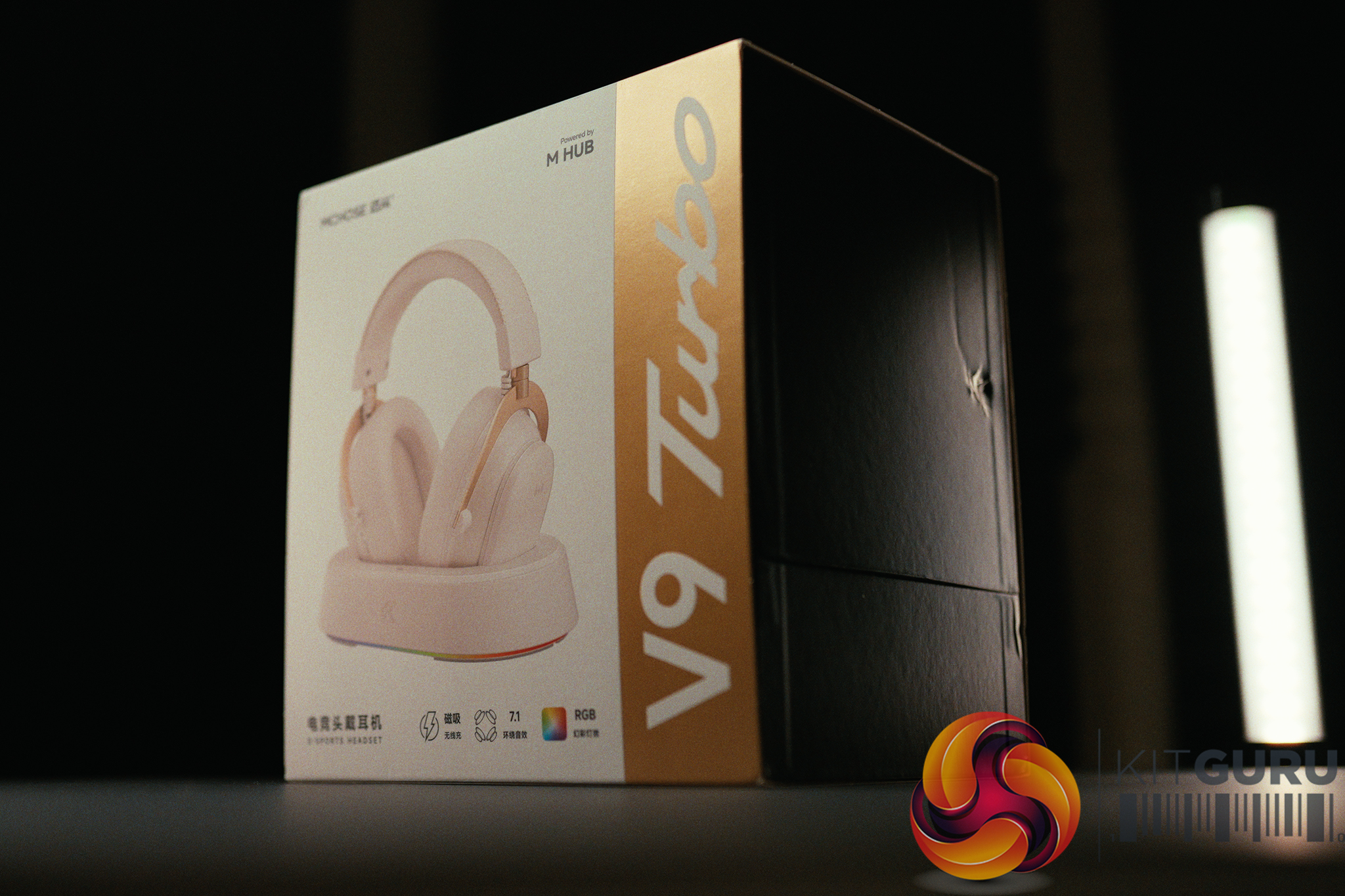
The Mchose V9 Turbo enters the highly competitive £100 wireless gaming headset market with some bold hardware features. Boasting a clever magnetic charging dock, seamless 2.4GHz and Bluetooth connectivity, and a battery that refuses to die, it looks like a fantastic all-in-one package on paper. But can it deliver a balanced experience, or will it compromise where it matters most?
Timestamps:
00:00 Intro
00:59 Build Quality, Materials and Controls
02:07 Weight and Shape
02:42 Charging on the Dock
03:07 Battery Life
04:13 Dock and RGB
04:38 The App and files
05:40 Firmware update for English
06:06 Virtual Surround
06:59 AI Noise reduction
08:19 Equaliser settings and audio
10:05 Gamer 1 Profile and tweaks
11:41 Gaming Audio Experience
13:38 Carlos' closing thoughts
Specifications:
Driver Type & Size: 60mm Composite Diaphragm Driver.
Compatible Platforms: PC / Laptop / PS5 / PS4 / Switch / Mobile / Tablet.
Closing Thoughts
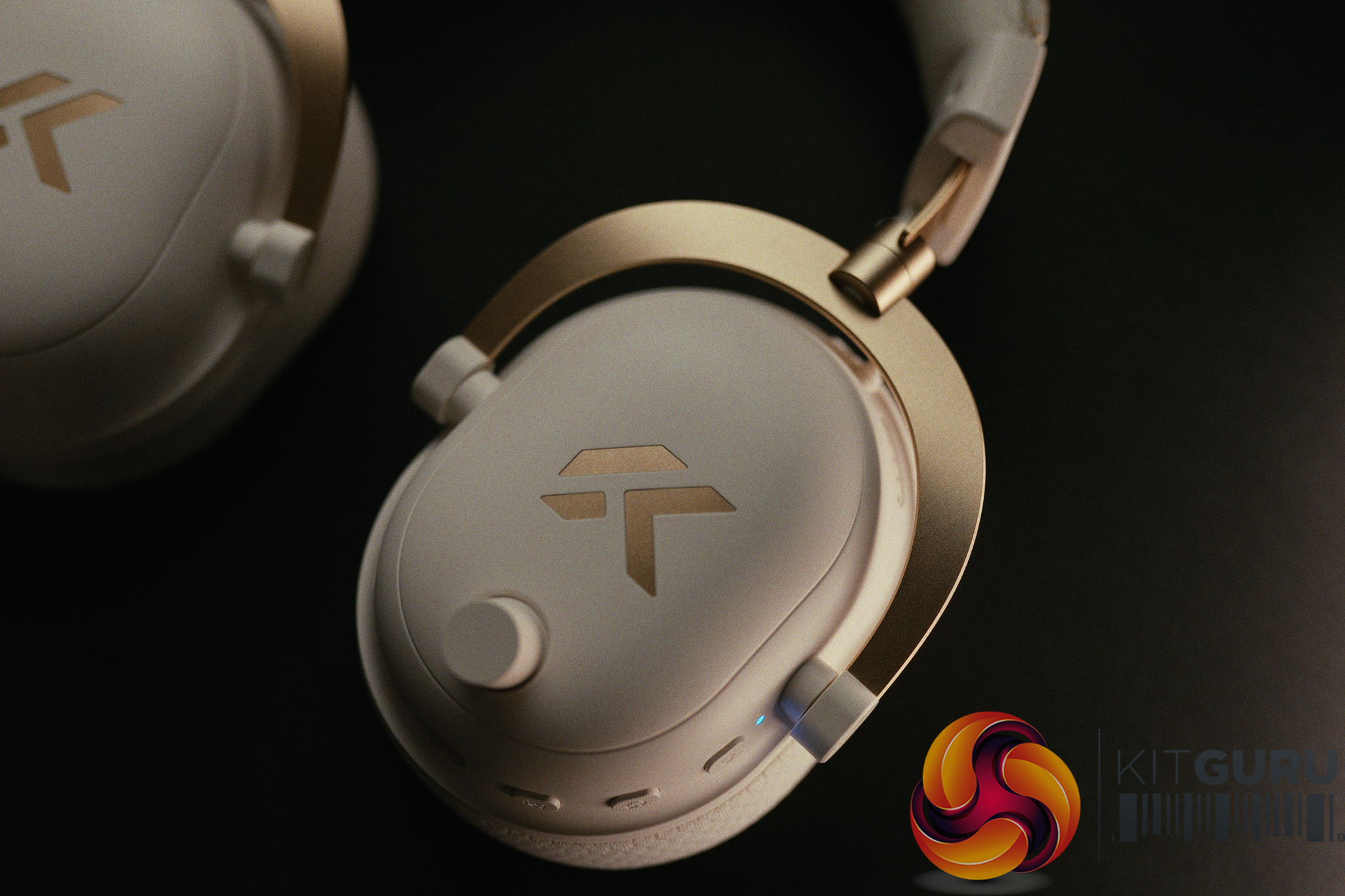
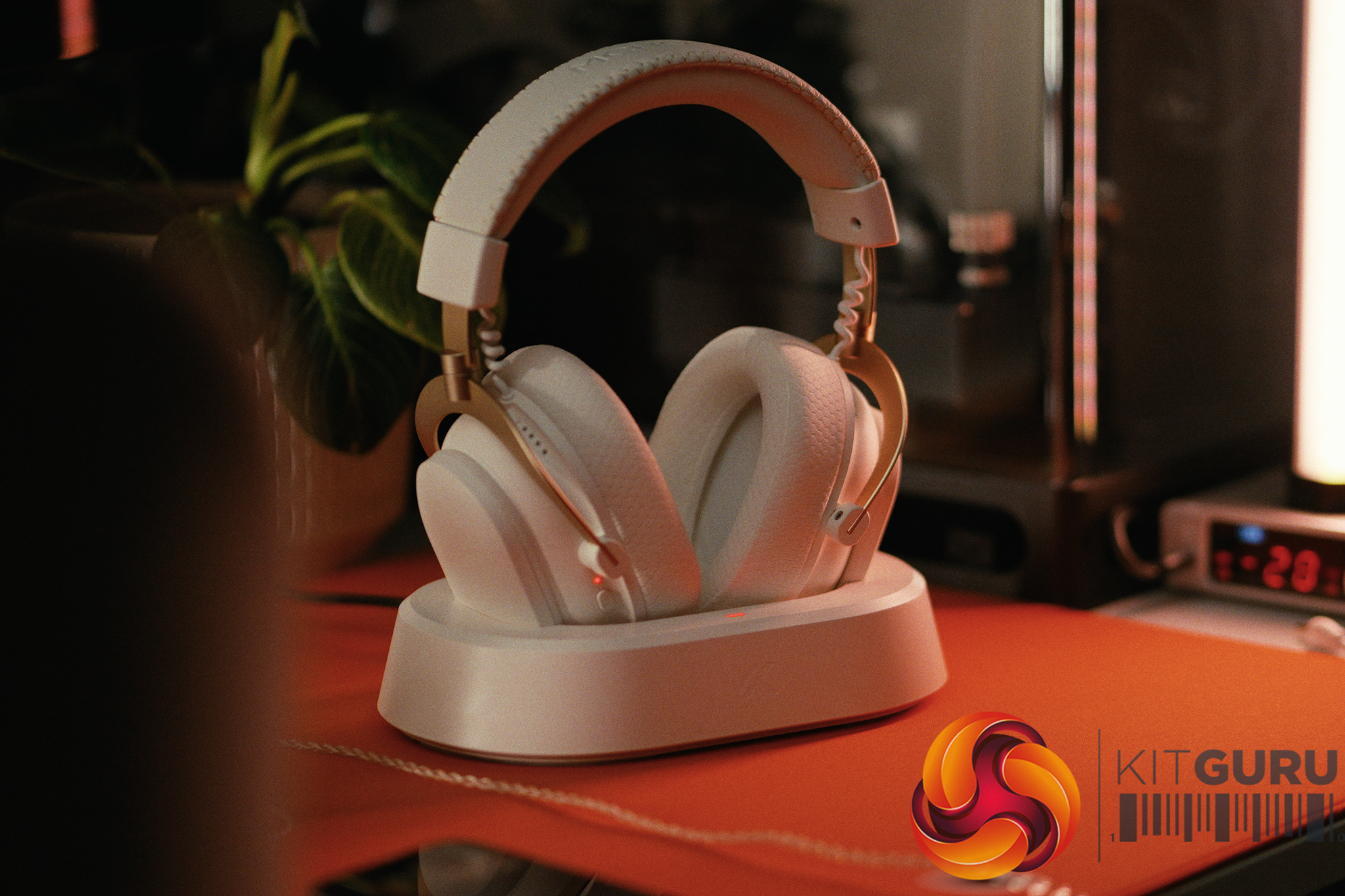
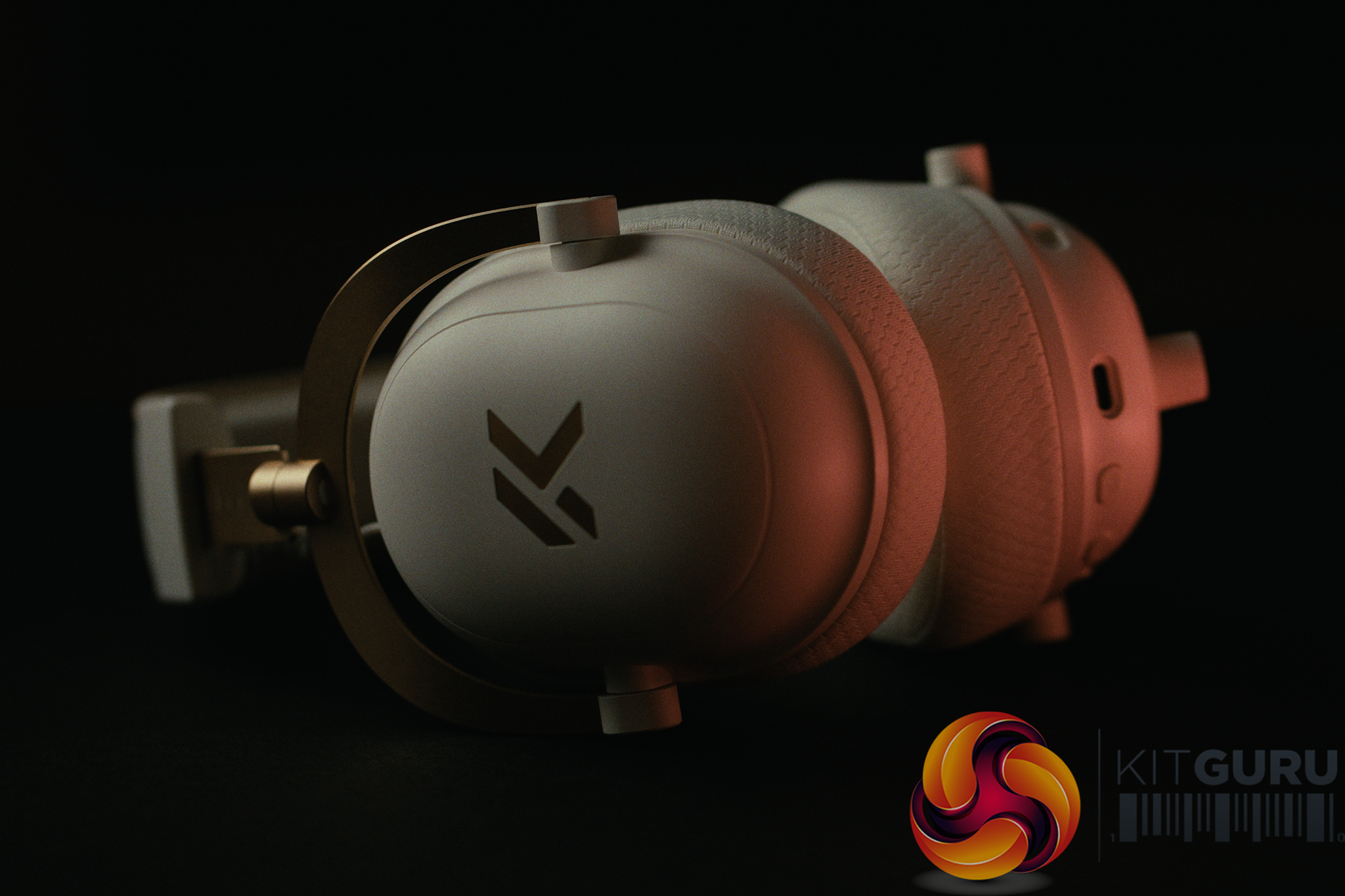
The Mchose V9 Turbo is a headset that gets the physical hardware incredibly right, but stumbles on the execution of what makes a headphone great. On the positive side, the magnetic charging dock is brilliant – simply dropping the headphones into place via the volume knob cutout is effortless. Comfort is great, especially when using the included fabric pads, and the battery life is pretty solid.
There is definitely a software bug that makes the battery report a solid 100% life remaining even after 75 hours of active use, but with the convenient charging station I see no use-case where battery will be a concern. The 2.4GHz wireless latency is also spot-on for gaming which is always a must for any wireless headsets.
Unfortunately, the audio experience lets it down. The sound profile feels small, thin, and shouty, severely lacking in low-end energy and sporting recessed mid-frequencies. It is a fatiguing listen for both music and gaming. Even with tools like Equalizer APO, you are fighting against the built-in DSP, making it hard to find an enjoyable tuning, let alone if you just stick with the built-in equalizer on the Mchose app.
The microphone is equally only OK, delivering a muffled, highly compressed sound that easily picks up keyboard noise, requiring noise reduction that further makes it muffled and compressed.
I also spotted some software quirks that could be easily addressed, such as stealthy background processes even when closed, a max 45-minute auto-power-off timer that given the convenient dock setup could have offered a off setting, and a blinding green LED on the dongle.
For £100, I would personally prefer moving to a £20-30 set of IEMs and an external USB microphone on a boom arm, but if you need flawless wireless and are ok with compromising on sound quality, these are worth considering.
You can buy the Mchose V9 Turbo for around £100 HERE.
Pros:
Brilliant magnetic charging dock makes top-ups effortless.
Strong battery life that lasts for weeks.
Excellent 2.4GHz wireless performance with consistently low latency.
Comfortable fit, especially with the included fabric earpads.
Cons:
Audio is thin and a little fatiguing thanks to poor mid/low-end energy.
Muffled, highly compressed microphone with unimpressive clarity.
Some annoying software quirks (always on bright green dongle LED, background running processes, battery percentage reporting is broken).
KitGuru says: The Mchose V9 Turbo nails the wireless experience, but it is ultimately let down by fatiguing audio and an only OK microphone.
Back in 2022, former Forza Horizon developers started up a new independent studio with the goal of creating a new open-world driving game. This new game was set to be published by Amazon Games but a recent shake-up of Amazon's game development and publishing business has now led to the deal being scrapped.
Amazon Games has withdrawn from its publishing agreement with Maverick Games. The decision leaves Maverick’s debut project, a narrative‑led open‑world driving game for PC, PS5, and Xbox Series X/S, without a publisher.
“As part of our strategic evolution to focus on projects that leverage Amazon’s unique strengths and scale, including the recent re-launch of Luna and our Tomb Raider franchise partnership with Crystal Dynamics, we have decided to release Maverick Games from their publishing agreement with Amazon Game Studios. We have tremendous respect for the Maverick Games team and the compelling narrative-led driving experience they’re creating. This decision allows Maverick Games the flexibility to find a publishing partner whose strategic priorities are better aligned with bringing their game to market.”
Maverick Games has already confirmed plans to continue working on the game and it will be searching for a new publishing partner. At this point, the game should be quite far along, so it could feasibly be ready for a 2027 release window.
The move comes during a period of significant contraction for Amazon’s gaming ambitions. Over the past year, the company has cut most of its MMO development staff, including teams behind New World: Aeternum and an untitled Lord of the Rings MMO. Amazon has also shut down the recently released co‑op title King of Meat and sold the unreleased MOBA March of Giants to Ubisoft.
While Amazon has scaled back its gaming operations quite significantly, Amazon does still have some key publishing projects coming up, including two new Tomb Raider games from Crystal Dynamics.
KitGuru Says: With so many gaming companies making cuts in recent years, this does not feel like a good time to be in search of funding.
 Connexion
 The latest Windows 11 update has drawn praise for focusing almost exclusively on new features and performance improvements, rather than deeper AI integration, indicating a possible pivot by Microsoft. Some recent updates and comments from Microsoft leadership focused almost solely on AI, and many users were vocal about their disappointment.