Valkyrie Surge SL125 Review


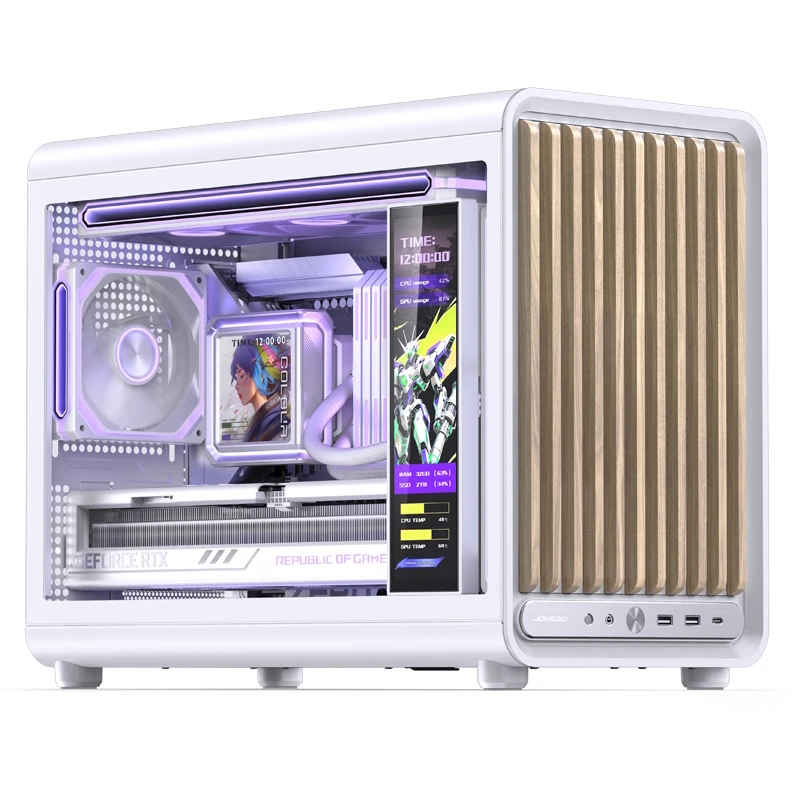
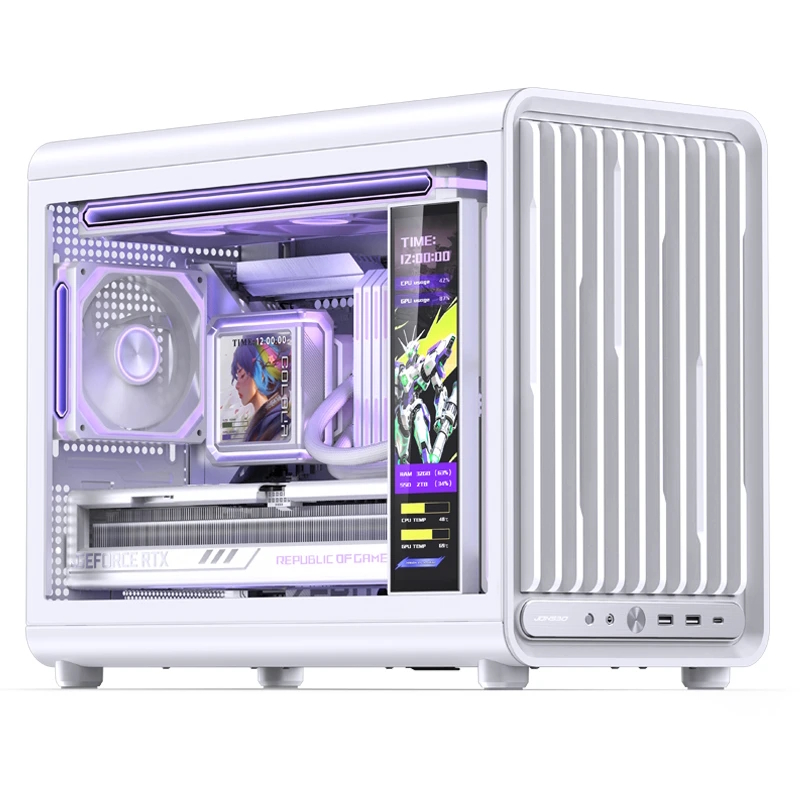
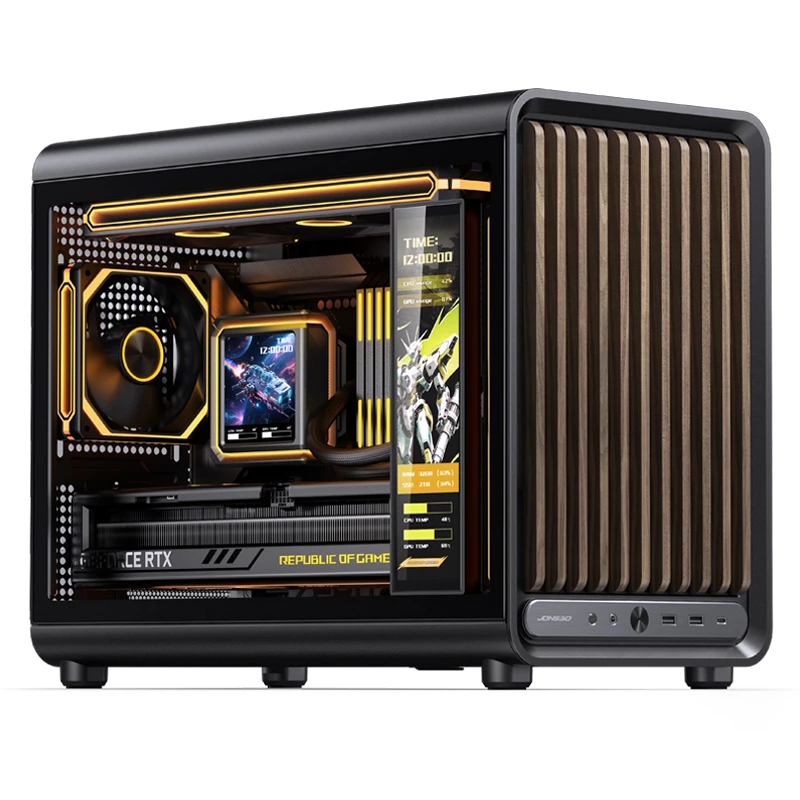
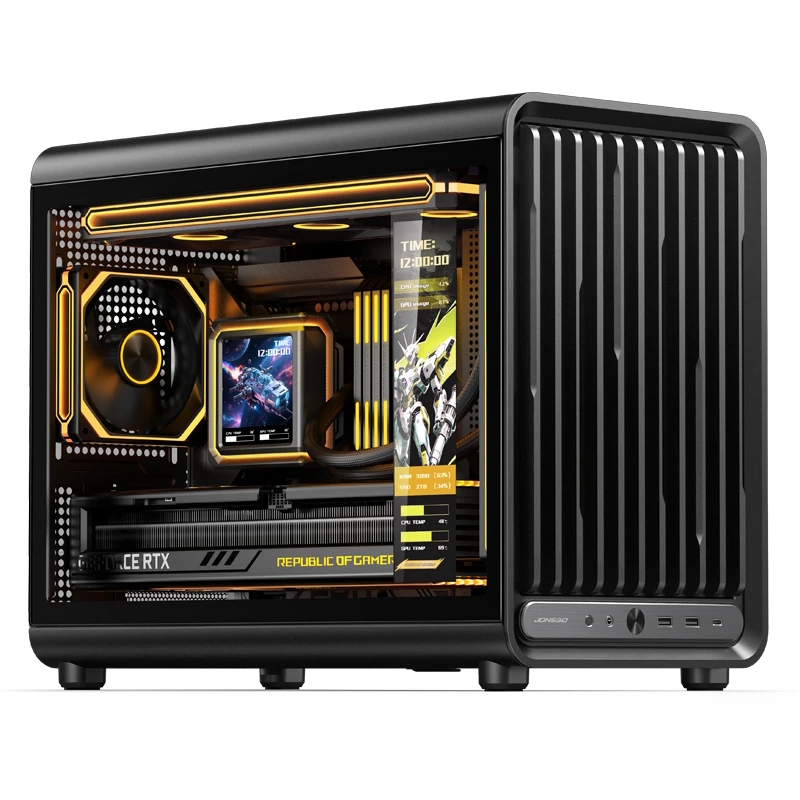
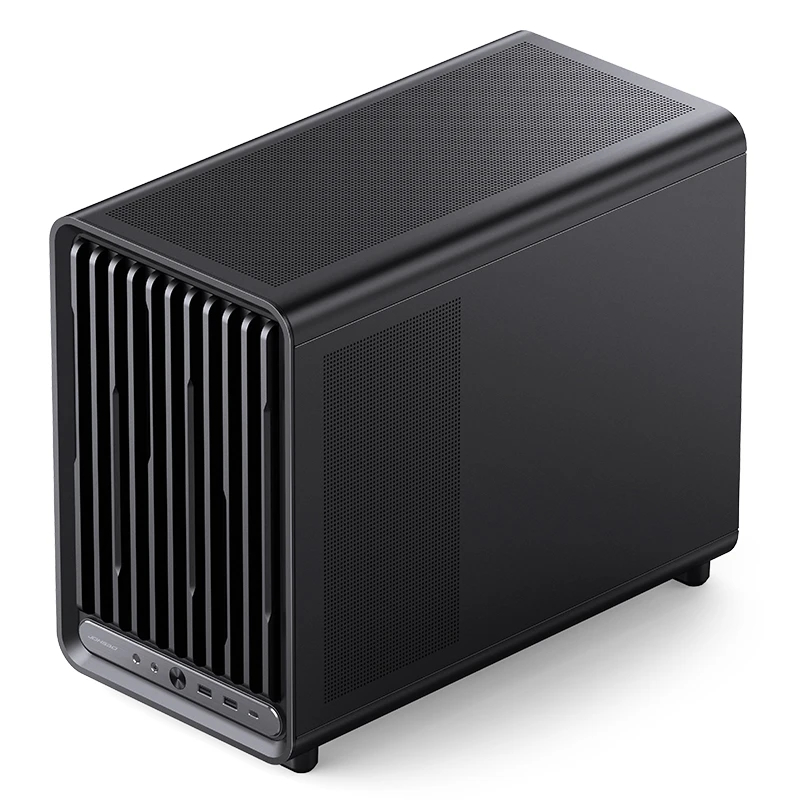
Jonsbo is expanding its case lineup with the launch of the D33 and its wood-accented sibling, the D33 Wood. These Micro-ATX cases are built for enthusiasts who want a “furniture look” without sacrificing the cooling potential required for modern high-end hardware.
Available in black and white across both variants, the D33 series features a compact footprint of 455 x 238.2 x 368.4mm. The standard D33 features a plastic front panel defined by bevelled vertical bars. For the D33 Wood, Jonsbo swaps these for genuine wood slats, utilising a light oak-like wood for the white chassis and a darker walnut-toned wood for the black version. While the wood variant uses straight bars rather than bevelled edges, both models maintain a clean, integrated I/O panel that includes a USB-C port, two USB-A 3.0 ports, and a power button.
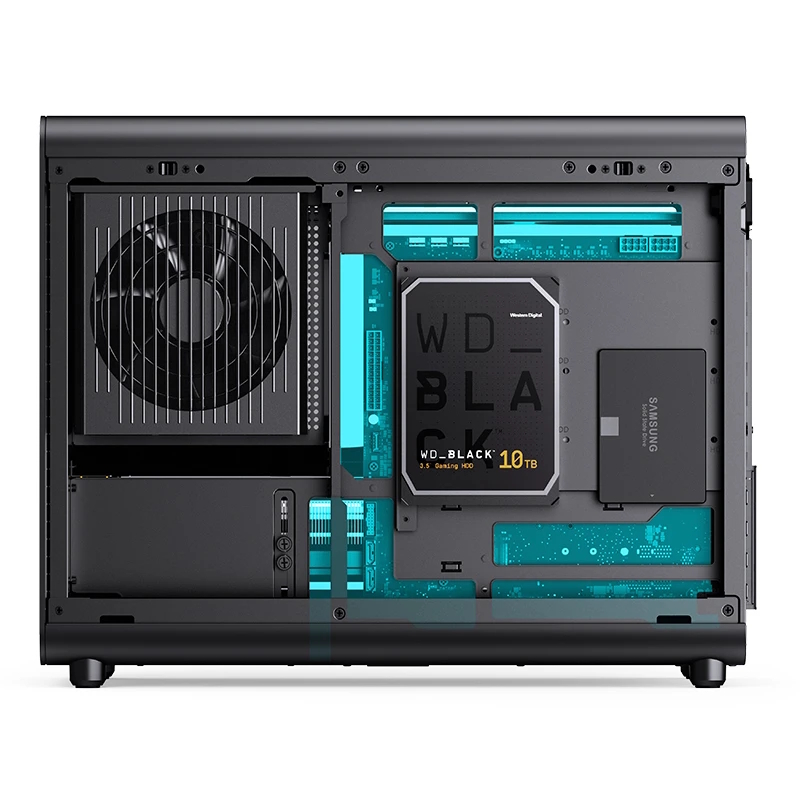
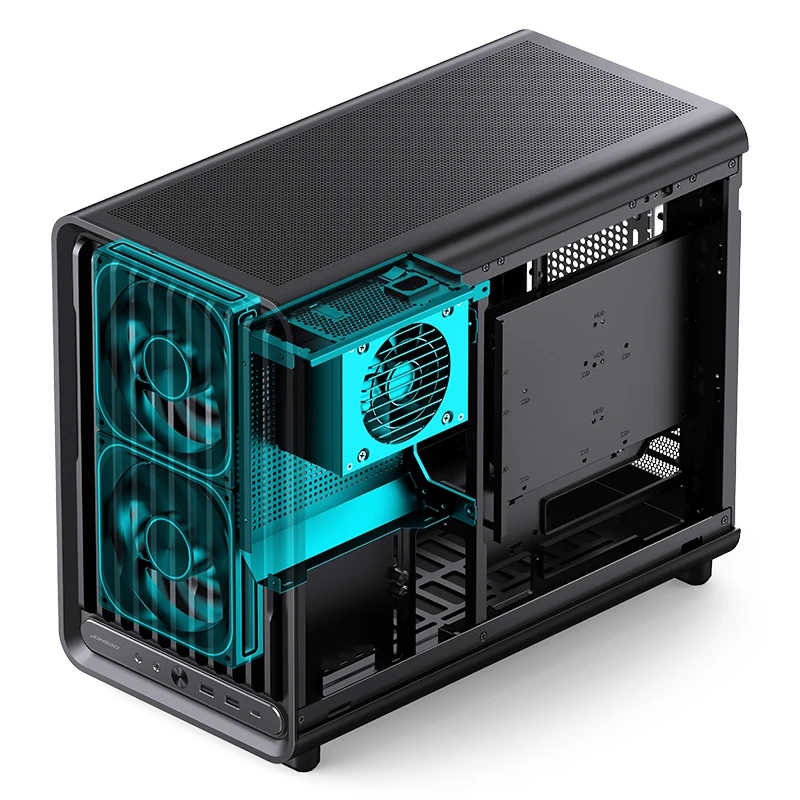
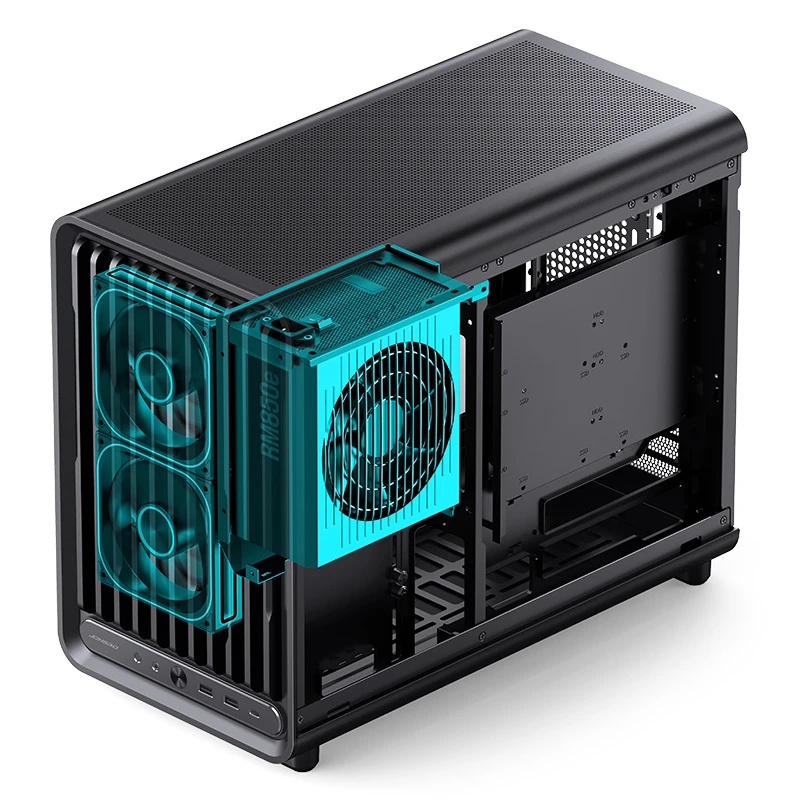
The D33 natively supports motherboards with rear-mounted connectors, such as the MSI Project Zero or Asus BTF series. To accommodate these boards, Jonsbo has engineered a large, component-free zone behind the motherboard tray for routing. This focus on a clean interior does come with a slight trade-off in storage, as the case relies on a single bracket behind the CPU backplate that can hold two 2.5-inch or 3.5-inch drives. However, this layout leaves the bottom of the chassis open for three 120mm intake fans and two 120 or 140mm fans on the front, depending on whether you're using an ATX or an SFX PSU.
Regarding cooling, the cases use a “sandwich” mounting system for top-mounted radiators. Rather than bolting the cooling kit directly to the chassis frame, the fans, mounting plate, and radiator are layered together into a single module that then attaches to the top panel. While this requires a bit more assembly time than a traditional mount, it allows the D33 to support a full 360mm radiator in a Micro-ATX frame. For those who prefer air cooling, the case offers 172 mm of clearance for CPU towers. Lastly, there's space for PSUs up to 160 mm long and cards up to 435 mm long.
KitGuru says: If you're planning to downsize your build, the D33 looks like a potentially good option for a compact case.
The post Jonsbo’s new D33 mATX case series includes two wood variants first appeared on KitGuru.Intel has officially released the XeSS 3.0 Software Development Kit, providing game developers with the latest binaries to integrate its AI-driven upscaling and frame generation technology. This new version arrives as a pre-compiled binary rather than the open-source release many enthusiasts have been waiting for since Intel first discussed the project four years ago.
The definitive feature of XeSS 3.0 (via Phoronix) is Multi-Frame Generation. This technology allows the engine to insert up to three generated frames between every two rendered frames, effectively increasing the total frame count by a factor of 4 on Intel Arc GPU-powered systems. This resembles the aggressive frame-generation strategies seen in Nvidia's latest DLSS versions, marking a significant step for Intel as it attempts to maintain parity in the AI-generated frame-insertion race.
![]()
Moreover, Intel has introduced a change that allows XeSS 3.0 to use external memory heaps. This means the XeSS SDK can now tap into GPU memory already allocated by the game engine. By operating on the same VRAM blocks rather than reserving separate, dedicated memory pools, developers can significantly reduce fragmentation and eliminate duplicate buffers. This gives creators direct control over memory residency and allows for a much cleaner integration into modern rendering pipelines. In an era where VRAM management is becoming increasingly critical for high-resolution 4K gaming, this optimisation helps ensure that the performance overhead of AI upscaling remains as low as possible.
Because the SDK is provided as a DLL file for Windows, Linux users will continue to rely on translation layers to utilise the technology. For gamers looking to test the new version, older XeSS 2.x versions can often be upgraded by simply replacing the existing library files with the newer ones from the XeSS 3.0 package.
KitGuru says: While the technical improvements to memory management and frame insertion are promising, the decision to remain closed-source is a departure from the “open-source” marketing narrative Intel initially used to differentiate itself from Nvidia.
The post Intel launches XeSS 3.0 SDK first appeared on KitGuru.ID-Cooling is expanding its air-cooling portfolio with the Frozn 510, a single-tower heatsink that prioritises surface area and performance. By using a significantly thicker 58mm fin stack composed of 0.4mm fins, the company claims a 30% increase in thermal scale compared to traditional slim-tower designs.
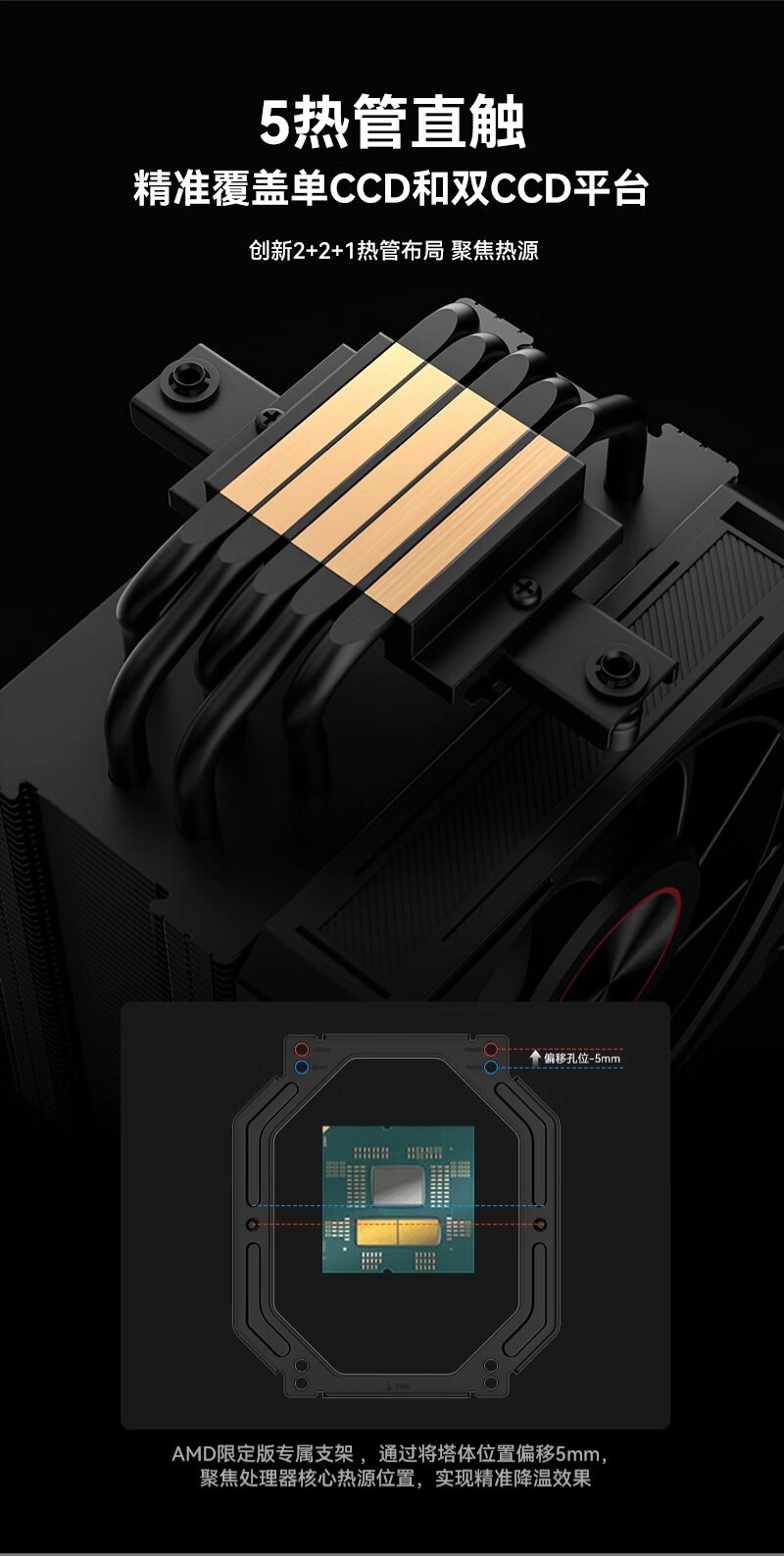
According to ITHome (via Guru3D), the heatsink itself features folded and clipped fin-edge finishing. Heat is transferred via five direct-touch heat pipes arranged in a unique 2+2+1 pattern. Interestingly, ID-Cooling has tuned this layout specifically to align with the decentralised hotspots of modern chiplet-based CPUs. The AMD Limited Edition takes this optimisation a step further by including a 5mm offset mounting bracket designed to centre the heat pipes directly over the compute dies of Ryzen processors. This version features red visual accents and is only supported by AMD platforms, whereas the all-black standard model supports both Intel and AMD sockets.
Image credit: ITHome
To cool the heatsink, ID-Cooling has paired it with the AT-120 fan, a 120mm unit that leans more toward industrial performance than whisper-quiet operation. The fan features dual ball bearings and a rectifier ring structure, boasting a staggering speed range that tops out at 3000 RPM. At full power, it delivers 83 CFM of airflow and 5.04 mmH2O of static pressure. While the peak noise level of 36.5 dB(A) means you'll certainly hear it when pushed, the inclusion of dual ball bearings ensures the fan can handle those high-speed sustained loads for the long haul.
Priced in China at 139 yuan (£15) for the standard model and 159 yuan (£17) for the AMD limited edition, the Frozn 510 enters the market as a major value contender. Although a release date for other regions hasn't been confirmed, like many other ID-Cooling coolers, the Frozen 510 should find its way to European, US, and UK retailers.
KitGuru says: The cooler's beefier construction bridges the gap between budget entry-level coolers and bulky dual-tower units.
The post ID-Cooling reveals thick single-tower Frozen 510 CPU cooler first appeared on KitGuru.