↩ Accueil

Vue normale

Fortnite Save the World is going free-to-play almost a decade on from release

12 mars 2026 à 13:00

Before there was Fortnite Battle Royale, there was Fortnite Save the World – a tower defence styled co-op experience in which you must build and protect your base from waves of zombies. With the explosive popularity of the then-side mode ‘Fortnite BR’, support for Save the World was stripped back. Almost a decade on from its original paid release, Fortnite Save the World is now officially going free-to-play.

Making the surprise announcement on their blog, the team at Epic Games revealed that “Save the World is going free-to-play on April 16, welcoming even more players to join the fight on PC, PlayStation, Xbox, Cloud, and Nintendo Switch 2.”

Seeing as how it was initially released as a paid product, current owners of the game will continue to receive their founder's benefits, including the all-important V-Bucks. Additionally, players are set to receive Superchargers, Vouchers, and Gold on April 16 “as a thank you for the last nine years of world saving.”

As part of the announcement, Epic also unveiled a community goal in anticipation of the upcoming release, with pre-registration milestones being tied in-game rewards.

Full details on this free-to-play shift (including a full FAQ) can be found HERE, but one final interesting part of the announcement was confirmation that Save the World isn’t coming to smartphones nor the Nintendo Switch 1.

Following the rise in popularity of their free-to-play BR mode, it was expected that Save the World would eventually be folded into the wider experience. Though almost a decade later than expected, Epic Games is finally once again paying attention to Save the World. It will be interesting to see how much support the mode will receive moving forward.

KitGuru says: What do you think of the announcement? Is it 9 years too late? Did you buy the founder’s pack back in the day? Let us know down below.

The post Fortnite Save the World is going free-to-play almost a decade on from release first appeared on KitGuru.

Microsoft teases “iconic games from the past” coming to Xbox preservation program

12 mars 2026 à 12:00

Microsoft made a big slash last generation with the announcement and rollout of their backwards compatibility program, bringing older Xbox 360 and OG Xbox titles forward (many with improvements). Though the program has been relatively quiet in recent years, Microsoft have now teased that they “will release some iconic games from the past” later this year.

As part of the company’s GDC announcements, Microsoft spoke on Project Helix and Xbox as a whole, with Jason Ronald (the vice president of the Next Generation of Xbox) claiming that they will be reviving their game preservation program in some form, stating:

“We’re committed to keeping games from four generations of Xbox playable for years to come. As part of our 25th anniversary later this year, we’ll be rolling out new ways to play some of the most iconic games from our past.”

Microsoft Backwards

No further details were offered, and so fans are left to speculate somewhat, especially with this next-gen Xbox said to be pretty much a Windows PC. Hopefully this “new way to play” doesn’t wind up being cloud streaming. We will have to wait and see.

The full summary of Xbox’s developer Summit Keynote can be found HERE, including a release window for their upcoming Xbox Mode.

KitGuru says: What did you think of Microsoft’s Xbox backwards compatibility program? Are you glad to see it being revived? What do you think they mean by “new ways to play”? Let us know down below.

The post Microsoft teases “iconic games from the past” coming to Xbox preservation program first appeared on KitGuru.

Xbox Mode officially comes to Windows PCs starting next month

12 mars 2026 à 11:15

With Microsoft’s next Xbox said to be pretty much a PC in most aspects, the company has been working on its ‘Xbox Mode’ front-end to make for a more user-friendly and seamless experience. Already available in an early form via the ROG Xbox Ally, Microsoft have now revealed that their new Xbox mode will start rolling out to PCs beginning next month.

As part of the company’s GDC developer Summit, Jason Ronald – the Vice President of Next Generation Xbox – revealed that their in-development ‘Xbox Mode’ is expanding from next month, writing:

“After debuting an early version with the ROG Xbox Ally handhelds, today I’m excited to share that we are bringing the same innovation to Windows 11 with Xbox mode that begins rolling out in April, starting with select markets.”

Xbox Mode Microsoft

Ronald continued, “Xbox mode lets players seamlessly switch between productivity and play, with a familiar full screen and controller optimized Xbox experience while embracing the openness of Windows.”

As mentioned, we saw this launch first on the ROG Xbox Ally…to somewhat mixed results.

That said, in Microsoft’s own words, it represented “an early version” and so it will be interesting to see what the finalised form of the mode looks like. We won’t have to wait long to find out.

In other GDC news, Ronald also spoke on the return of their games preservation program – the details of which can be found HERE.

KitGuru says: What do you think of Microsoft’s GDC announcements? Has Xbox Mode on the ROG Ally been good enough? Will the experience be as seamless as Microsoft claims? Let us know your thoughts down below.

The post Xbox Mode officially comes to Windows PCs starting next month first appeared on KitGuru.

Valve reveals Steam Machine verification requirements

12 mars 2026 à 10:30

One feature introduced with the Steam Deck was the notion of games being Steam Deck verified – giving users an easy indicator as to which titles should and should not run on the gaming handheld. With the upcoming Steam Machine, it appears Valve is taking a similar approach; this time offering more concrete compatibility requirements.

As part of the company’s GDC talk, Valve spoke on their upcoming hardware releases including the much-anticipated Steam Machine. According to Valve (as collated by PCGamer), the upcoming box will require a similar level of testing to that of the Steam Deck, meaning if it is Steam Deck verified then the game should also be Steam Machine verified.

That said, for all of its good, Steam Deck verification varies widely from title to title, with some offering bespoke graphics modes for the platform whereas others can run like a potato while still receiving the green checkmark.

Steam Machine Valve

For the Steam Machine, it seems requirements are slightly more stringent, with Valve revealing that there’s a performance target requirement of 1080p and 30fps. Given that this device is designed for TV play, here’s to hoping that most titles are able to run at perceptively higher resolutions and with increased framerates than than above however.

Regardless, it appears to be a step up compared to Steam Deck Verification. Of course, we will have to wait and see how strict Valve will be in this regard.

KitGuru says: What do you think of the Steam Deck verification system? Is it too lenient? Would you accept modern games running at 1080p 30fps? Let us know down below.

The post Valve reveals Steam Machine verification requirements first appeared on KitGuru.

Persona 5 Royal Ultimate Edition, Madden NFL 26 and more confirmed for PlayStation Plus

11 mars 2026 à 18:05

Following on from leaks last night, Sony has announced the next wave of games for the PlayStation Plus Extra and Premium catalogues. A number of big games will be added to the PlayStation Plus Extra library this week, including Persona 5 Royal and Warhammer 40,000: Space Marine 2.

Persona 5 Royal is a standout game on the list. It is the highest-selling Persona game to date and really put the series on the map for a whole new audience. In the Royal edition, you get some extra content over the base edition of the game, including a new character to learn all about. Warhammer 40,000: Space Marine 2 is also a big hit for March, providing hours of action up against vicious Tyranid swarms.

Here is the full list of titles joining PlayStation Plus Extra on March 17th:

  • Warhammer 40,000: Space Marine 2 | PS5
  • EA Sports Madden NFL 26 | PS5
  • Persona 5 Royal | PS5, PS4
  • Persona 5 Royal – Ultimate Edition | PS4
  • Blasphemous 2 | PS5, PS4
  • Metal Eden | PS5
  • Lord of the Rings: Return to Moria | PS5
  • Astroneer | PS5, PS4

PlayStation Plus Premium subscribers will get one extra game this month – Tekken Dark Resurrection. It will be made available at the same time as the new PlayStation Plus Extra titles.

KitGuru Says: Will you be installing any of this month's new games?

The post Persona 5 Royal Ultimate Edition, Madden NFL 26 and more confirmed for PlayStation Plus first appeared on KitGuru.

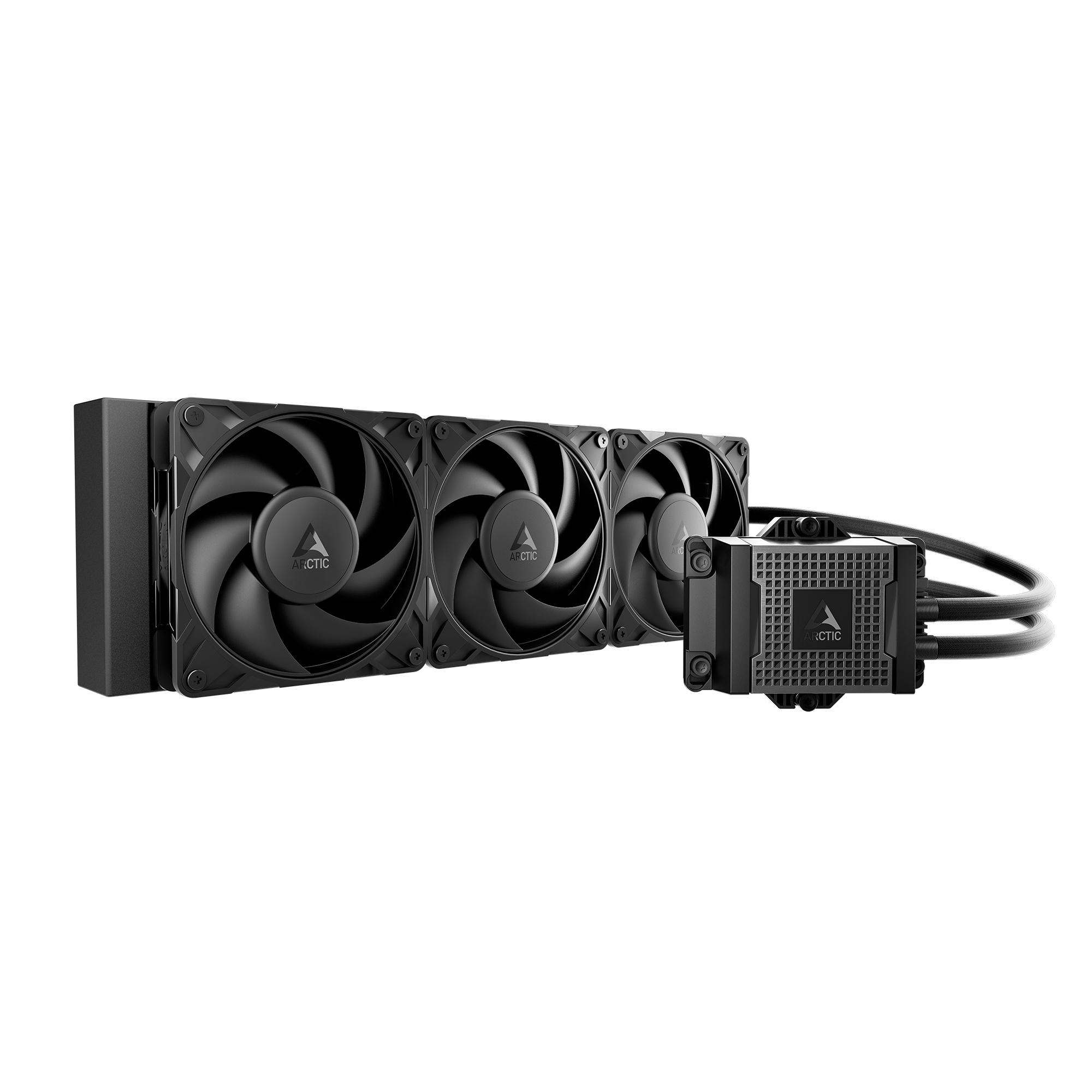
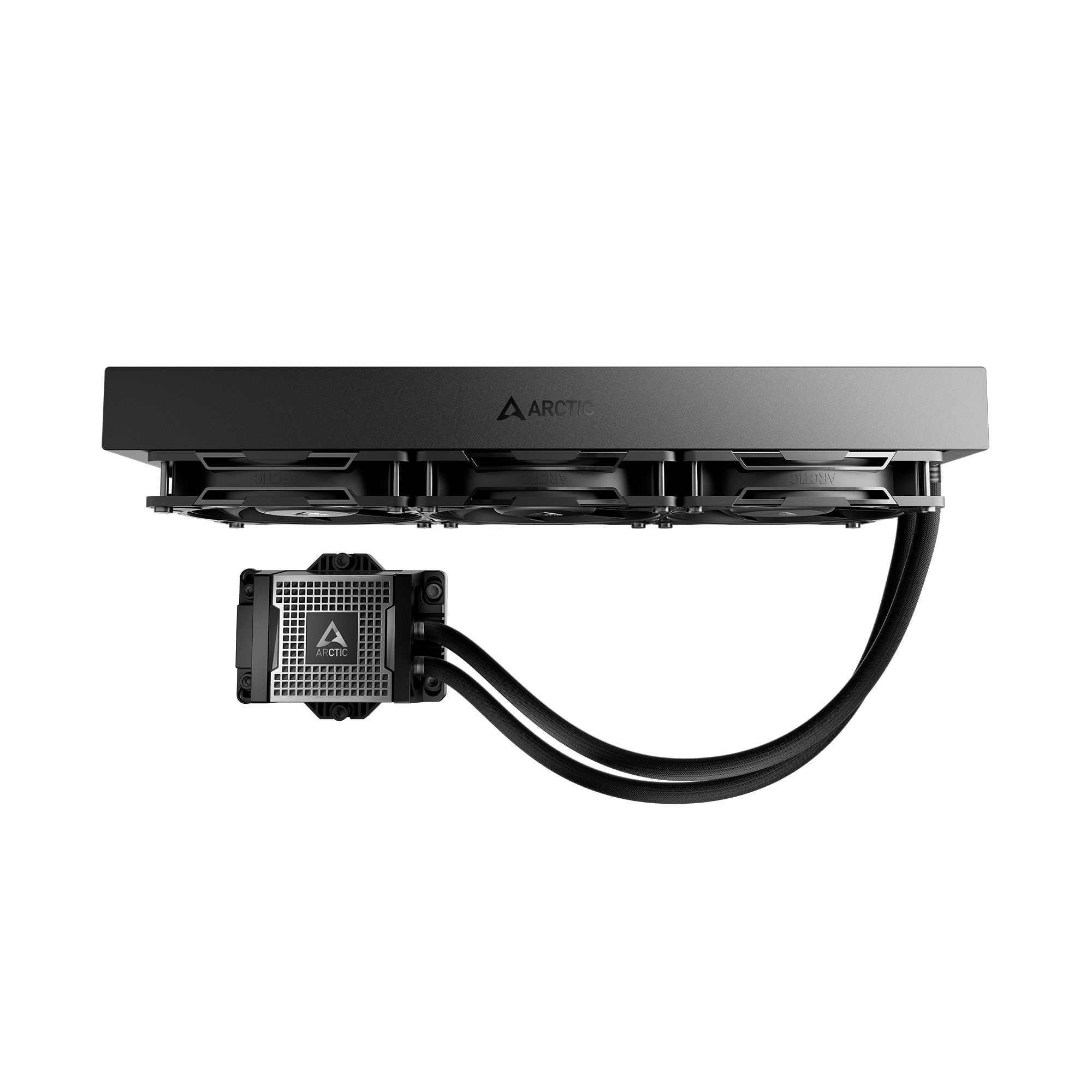
Arctic expands workstation-focused lineup with Liquid Freezer WS360 AIO cooler

11 mars 2026 à 18:00

Arctic has expanded its operations beyond the consumer market with the announcement of the Liquid Freezer WS360, a specialised AIO liquid cooler built for high-end workstation processors.

Designed to tame the thermal output of AMD Epyc, Ryzen Threadripper Pro, and Intel Xeon chips, the WS360 moves away from the multi-compatible mounting brackets of the consumer series in favour of an enlarged copper cold plate that ensures full coverage of the giant integrated heat spreaders found on server-grade silicon. This focus on maximising contact area is critical for workstation workloads, which can see CPUs draw several hundred watts under sustained load.

For specs, the WS360 shares Arctic's Liquid Freezer III DNA but optimises it for professional reliability. It features a similar high-density 38 mm thick radiator, which provides more thermal mass and liquid volume than the 27 mm radiators typically found in consumer AIOs. To move air through this fin stack, Arctic has equipped the unit with pre-mounted P12 Pro PST CO fans, where the “CO” stands for Continuous Operation. As such, these fans use dual ball bearings rated for long-term, high-intensity use in workstation environments. The cooler comes with 2 grams of Arctic's new MX-7 thermal paste, ensuring an efficient interface between the die and the cold plate right out of the box.

Arctic is launching the WS360 in three versions, each optimised for its respective socket. The WS360-4710 is tailored for Intel's LGA4710 and LGA4677 sockets and is currently priced at $114.99/€131.24 (originally MSRP $174.99/€174.99). For AMD systems, the WS360-SP5, as the name implies, targets the SP5 platform at $119.99/€134.99 (vs. $179.99/€179.99), while the WS360-SP6 covers a range of AMD workstation sockets, including SP6, SP3, sTR5, sWRX8, and sTRX4, priced at $109.99/€127.49 (vs. $169.99/€169.99).

KitGuru says: Arctic might be able to disrupt the workstation cooling market by bringing its “performance-per-dollar” philosophy to a segment often dominated by overpriced industrial solutions. Do you think Arctic can make a similar stand in the server and workstation market as it did for mainstream consumers?

The post Arctic expands workstation-focused lineup with Liquid Freezer WS360 AIO cooler first appeared on KitGuru.

Metal Gear Solid Delta: Snake Eater reaches 2 million sales

11 mars 2026 à 17:30

Konami has confirmed that Metal Gear Solid Delta: Snake Eater has surpassed 2 million copies sold worldwide. The remake, which launched on August 28th, 2025, for PlayStation 5, Xbox Series X|S, and PC, sold one million units in its debut week. Over the following six months, the title maintained steady momentum to double that figure, proving that the appetite for Big Boss's origin story remains incredibly high two decades after its original debut.

Developed by Konami and Virtuos Studios using Unreal Engine 5, the remake strikes a balance between modernisation and historical preservation. While the environments and character models have been completely rebuilt to 2026 standards, the developers opted to keep the original's area-based structure and loading sections to maintain the pacing of the 2004 classic. The game also retains the original voice acting, ensuring that David Hayter's and the late Lori Alan's performances remain faithful to the original.

Despite this approach, Virtuos introduced several QoL improvements that change the gameplay. For example, players can now crouch-walk and crawl on their backs. The Close Quarters Combat (CQC) system has also been expanded, offering more tactical options in both stealth and open combat. Given the sales numbers, these additions have clearly resonated with both series veterans and newcomers.

This sales success is a win for Konami's broader strategy to revive its older IPs. With Metal Gear Solid: Master Collection Vol. 2 scheduled for release on August 27th, the franchise is firmly back in the spotlight. The upcoming collection is particularly anticipated as it will finally bring Metal Gear Solid 4: Guns of the Patriots to more platforms, alongside a remastered version of the fan-favourite Peace Walker.

KitGuru says: Two million copies in six months is a respectable showing for a remake that stayed so close to its roots. While some critics initially questioned the decision to keep the “room-based” level design, the sales figures suggest that at least some fans value the 1:1 recreation over a complete reimagining.

The post Metal Gear Solid Delta: Snake Eater reaches 2 million sales first appeared on KitGuru.

Crimson Desert gets PC system requirements and console graphics modes

11 mars 2026 à 17:00

As the launch of Crimson Desert looms, Pearl Abyss has provided an exhaustive breakdown of how its highly anticipated open-world title will perform across a sprawling landscape of gaming hardware. By unveiling specific targets for PC, home consoles, and even dedicated handhelds and Mac specifications, the studio seems pretty confident in its proprietary BlackSpace Engine.

On the console front, PlayStation 5 and Xbox Series X users will have access to three distinct graphical profiles tailored to different gameplay priorities. The Performance Mode aims for a fluid 60 FPS by targeting a native 1080p resolution with ray tracing set to its lowest settings and using Variable Refresh Rate (VRR) or VSync to maintain stability. For those seeking a middle ground, the Balanced Mode pushes the visual envelope to 4K by upscaling from a 1280p base using AMD's FSR 3 technology, targeting a stable 40 FPS. Finally, the Quality Mode prioritises fidelity, scaling a 1440p internal resolution to 4K with FSR 3 to hit a 30 FPS target, with the Xbox Series X and PS5 versions using the high preset ray tracing.

The Xbox Series S is more restricted, offering a 720p Performance profile at 40 FPS and a 1080p Quality profile at 30 FPS, both with ray tracing disabled to ensure consistent performance on the more modest hardware. Lastly, the PS5 Pro runs the game with the same performance targets as the standard consoles, but at 4K. However, in Performance mode, the base is 1080p, while in Balanced mode, it increases to 1440p. In both cases, PSSR is the upscaling method used, and ray tracing is set at high. In the Ultra preset, the ray tracing is set at Ultra.

For PC players, the entry-level requirements are surprisingly inclusive, allowing the game to run on hardware nearly a decade old. The minimum spec calls for an Nvidia GeForce GTX 1060 or AMD Radeon RX 5500 XT paired with an Intel Core i5-8500 or Ryzen 5 2600X, targeting 30 FPS at 1080p (upscaled from 900p) on minimum settings.

To reach a native 1080p at 30 FPS with low settings, a slight bump to a GTX 1660 or RX 6500 XT is required. The Recommended Spec, which aims for 1080p at 60 FPS or 4K at 30 FPS with medium settings, moves into the mid-range territory, requiring an RTX 2080 or RX 6700 XT paired with a Ryzen 5 5600 or i5-11600K. For 1440p at 60 FPS with high settings, users will need an RTX 4070/Radeon RX 7700 XT and a Core i5-12600K/Ryzen 5 7600X. Those targeting 4K at 60 FPS on Ultra settings will need an Nvidia RTX 5070 Ti or the AMD Radeon RX 9070 XT, backed by an i5-13600K or Ryzen 7 7700X. All PC configurations require 150 GB of SSD space and 16 GB of RAM.

Handheld owners have also received dedicated guidance, with Pearl Abyss highlighting the performance delta between various handheld units. The standard Asus ROG Xbox Ally (Z2 A) is expected to maintain 40 FPS at 720p with FSR 3 Frame Generation. However, the newer ROG Xbox Ally X (Z2 Extreme) leverages its superior thermal and memory headroom to reach 60 FPS in Performance mode by upscaling 720p to 1080p with FSR 3 Frame Generation enabled. Even in its Quality mode, the Ally X is projected to deliver a respectable 1080p at 30 FPS, making it a viable way to experience the continent of Pywel on the go.

Surprisingly, Pearl Abyss also shared the specs for Mac systems, and in quite a lot of detail. Note that the chart highlights a massive performance delta between macOS 15 and the upcoming macOS 26, with the latter leveraging advanced MetalFX frame interpolation to effectively double frame rates across all tiers. Regardless of the system, like on PC and handheld systems, you'll need 16 GB of RAM and 150 GB of storage. To even get through the gate at “Minimum” settings, you're looking at an M2 Pro (ray tracing off) or a base M3/M4 chip (ray tracing on) to hit 30 FPS at sub-1080p resolutions. To push for “Ultra” settings at 4K with 60 FPS, you'll need an M3 Ultra or an M4 Max (both require macOS 26+).

KitGuru says: In an era where many “next-gen” titles feel unoptimised at launch, Pearl Abyss's new game looks to have gone the other way around. If the launch-day performance matches these specs, Crimson Desert could become the new standard for open-world tech.

The post Crimson Desert gets PC system requirements and console graphics modes first appeared on KitGuru.

Razer goes all-in on AI at GDC 2026

11 mars 2026 à 16:45

Razer has chosen the GDC 2026 stage to reveal a comprehensive suite of AI-powered tools designed to transform how games are developed and experienced. With the gaming market projected to hit $206.5 billion by 2028, Razer's “Future of Play” showcase highlights a shift toward “agentic” development, using AI not just to generate assets but to manage complex workflows, automate quality assurance, and drive multi-sensory immersion.

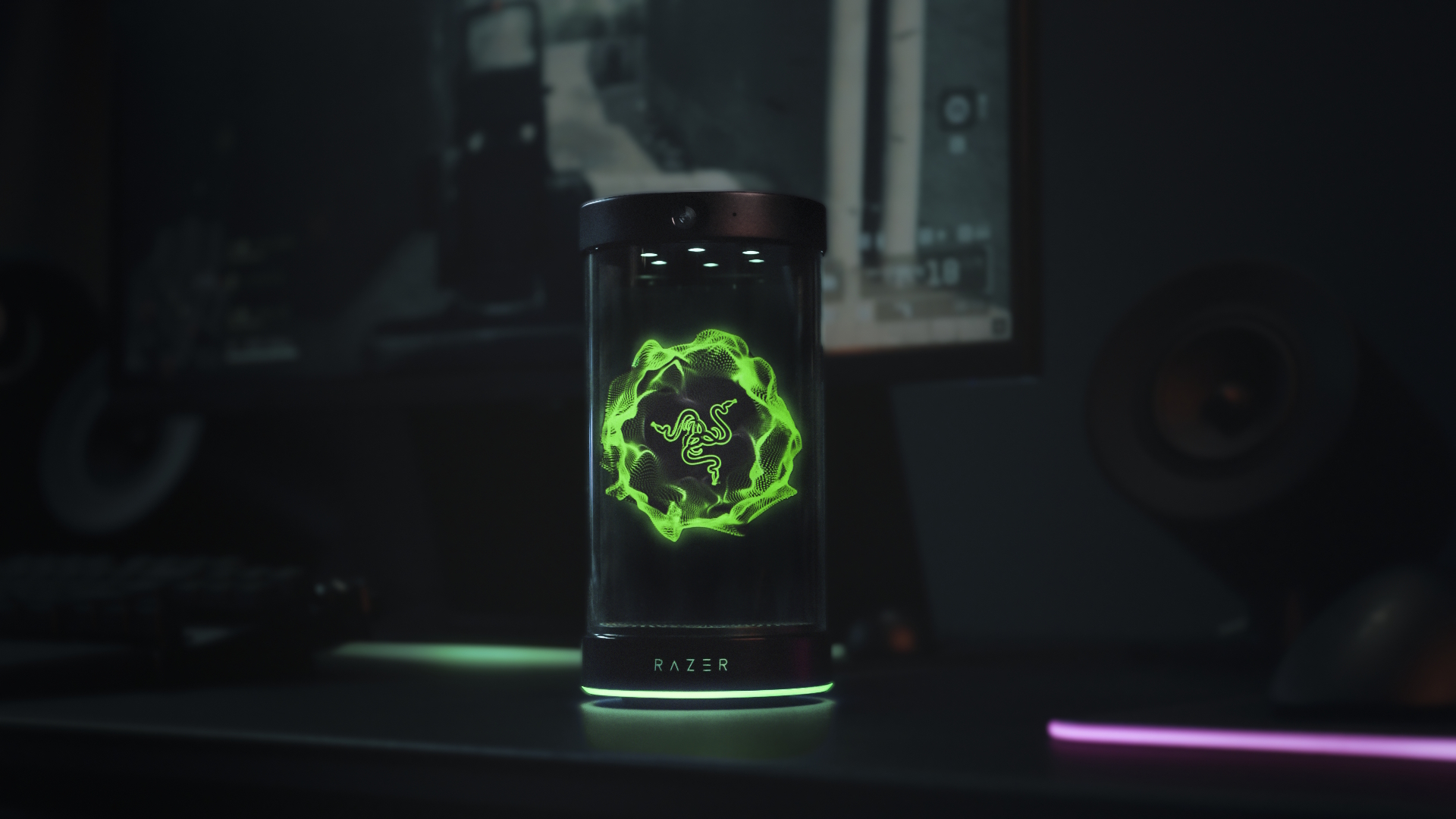
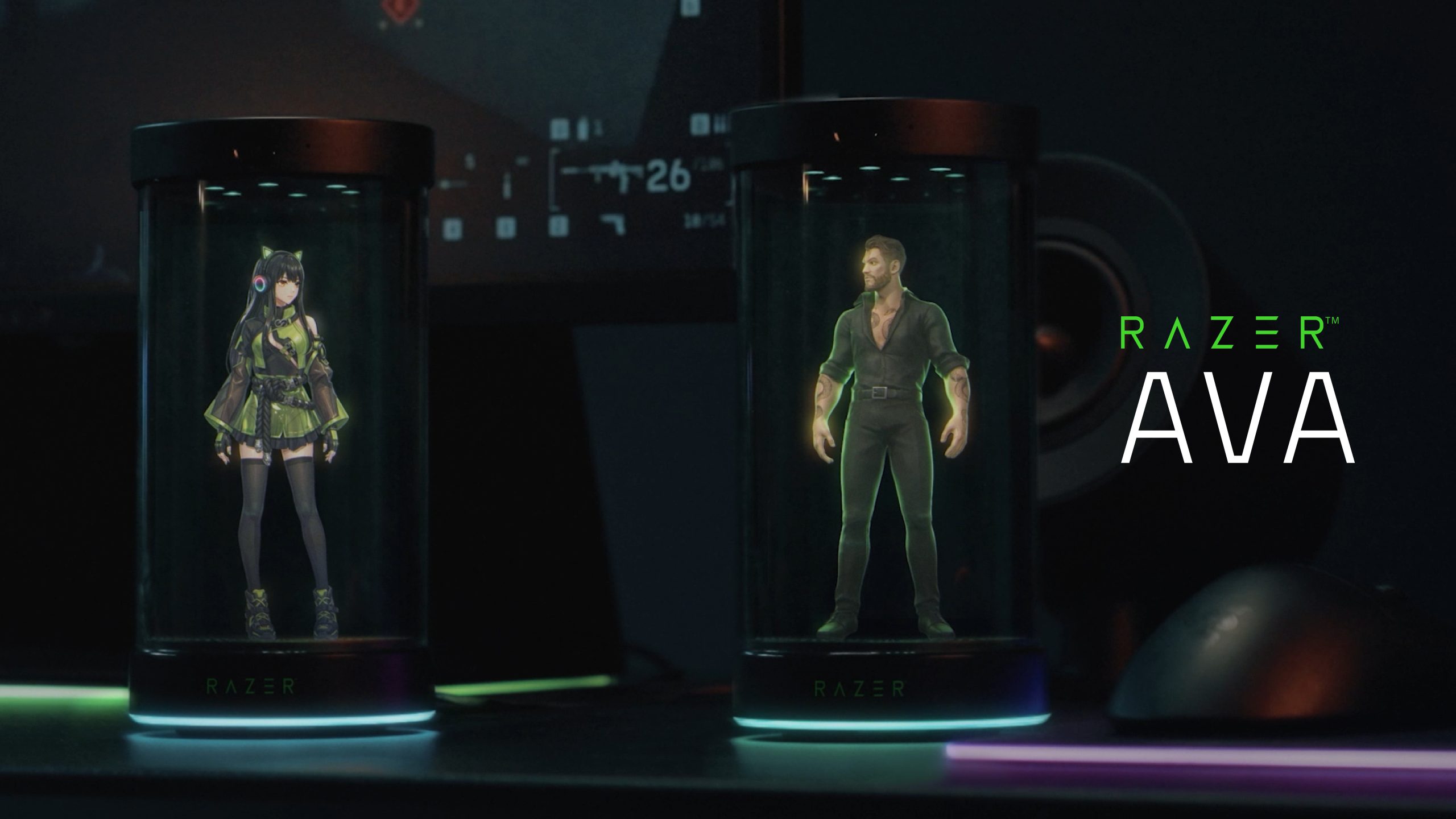
Starting with Ava, what started as a 3D hologram desk companion at CES 2026 has evolved into an AI agent. Razer Ava has transitioned from a reactive chatbot to a proactive assistant capable of understanding user intent and executing multi-step workflows across various apps and services. This is powered by the new Razer Inference Control Plane, which routes tasks between local and cloud models to maintain low latency. AVA can now interface with third-party apps like Spotify and coordinate with other AVA units to handle scheduling or meeting proposals. By managing the setup and coordination, Razer positions Ava as a tool for developers and casual gamers. Beta sign-ups for Razer AVA are currently open via Razer Cortex, with early access invitations expected to begin rolling out in the second quarter of 2026.


Razer is also addressing quality assurance processes with its updated QA Companion-AI. The main feature of this 2026 update is its “zero-integration” deployment, meaning it requires no SDKs or code changes to function. It operates through a vision-based system that analyses gameplay footage to detect rendering, physics, and animation bugs. Beyond simple detection, the tool can now generate functional and negative test cases directly from developer prompts or game design documents. Autonomous gameplay agents are also in development to execute these test cases and provide pass/fail summaries without scripting. By automating the reproduction steps and reporting, Razer aims to accelerate the QA cycle for studios of all sizes.

Rounding out is the Razer Adaptive Immersive Experience, a new runtime that unifies haptics, lighting, and audio into the WYVRN developer ecosystem. This system is designed to reduce the time developers spend tuning sensory effects to as little as three days by providing a plug-and-play library compatible with Unity and Unreal Engine. The system uses “Dynamic Haptics” to blend designer-authored effects with real-time “Audio-to-Haptics” (A2H) conversion. This allows the game to provide a consistent ambient baseline of tactile feedback even in moments where developers haven't manually scripted an effect. Built on the foundation of Razer Sensa HD Haptics, Razer Chroma RGB, and THX Spatial Audio+, the runtime intelligently adapts to in-game signals without overriding the studio's creative intent. This immersive layer will begin its phased rollout in the first quarter of 2026.

KitGuru says: Have you ever thought Razer would get into the developer market segment? What do you think of this new venture for the company?

The post Razer goes all-in on AI at GDC 2026 first appeared on KitGuru.

ASRock’s 800-series motherboards already support Intel’s new Core Ultra 200S Plus CPUs

11 mars 2026 à 15:31

Today Intel expanded its desktop CPU lineup with new Core Ultra 5 and Core Ultra 7 Plus processors. These new chips are supported on all existing 800-series chipset motherboards, but some models may require an update first. Today, ASRock is confirming its broad support for these new chips across its full 800-series motherboard lineup.

ASRock’s complete 800 series motherboard lineup, including Z890, B860, and H810 chipset models, all are fully compatible with the latest Intel Core Ultra 200S Plus processors, enabling users to easily upgrade.

In the table below you can see the full list of ASRock 800-series motherboards along with the optimised BIOS version that you'll want to install if running a new Core Ultra 200S Plus CPU:  

Model

Bootable BIOS version

Optimized BIOS version

Z890 Taichi AQUA

3.23

Z890 Taichi OCF

3.17

3.22

Z890 Taichi

3.15

3.24

Z890 Taichi Lite

3.15

3.24

Z890 Nova WiFi

3.15

3.24

Z890 LiveMixer WiFi

3.12

3.21

Z890 Steel Legend WiFi

3.15

3.24

Z890 Lightning WiFi

3.15

3.24

Z890 Riptide WiFi

3.12

3.21

Z890 Pro RS

3.15

3.24

Z890 Pro RS WiFi

3.15

3.24

Z890 Pro RS WiFi White

3.15

3.24

Z890 Pro-A

3.15

3.24

Z890 Pro-A WiFi

3.15

3.24

Z890M Riptide WiFi

3.15

3.24

Z890I Nova WiFi

3.14

3.20

B860 LiveMixer WiFi

2.11

3.21

B860 Steel Legend WiFi

2.11

3.21

B860 Lightning WiFi

2.11

3.21

B860 Challenger WiFi

1.10

3.21

B860 Challenger WiFi White

1.10

3.21

B860 Rock WiFi 7

1.10

3.21

B860 Pro RS

1.27

3.22

B860 Pro RS WiFi

1.27

3.22

B860 Pro-A

1.27

3.22

B860 Pro-A WiFi

1.27

3.22

B860M Steel Legend WiFi

2.06

3.21

B860M Lightning WiFi

2.06

3.21

B860M LiveMixer WiFi

2.04

3.21

B860M Rock WiFi

1.08

3.22

B860M Pro RS

1.25

3.21

B860M Pro RS WiFi

1.25

3.21

B860M Pro-A

1.25

3.21

B860M Pro-A WiFi

1.25

3.21

B860M Pro-A/TPM

1.21

1.22

B860I Lightning WiFi

2.03

3.21

B860I WiFi

3.12

3.22

B860M-X Gen5

2.12

3.22

B860M-X Gen5 WiFi

B860M-X

2.13

3.22

B860M-X WiFi

B860M-H2

2.11

3.22

B860M-HDVP

1.23

1.31

H810M-X Gen5

1.04

3.21

H810M-X Gen5 WiFi

1.04

3.21

H810M-P Gen5

1.03

3.21

H810M-X

2.11

3.21

H810M-X WiFi

2.11

3.21

H810M-HDVP

1.21

1.31

KitGuru Says: Are you thinking about upgrading to a new Intel CPU this year? 

The post ASRock’s 800-series motherboards already support Intel’s new Core Ultra 200S Plus CPUs first appeared on KitGuru.

Intel launches new Core Ultra 5 250K Plus and Core Ultra 7 270K Plus CPUs

11 mars 2026 à 15:00

Today Intel is expanding its desktop CPU portfolio with two new SKUs – the Core Ultra 5 250K Plus and the Intel Core Ultra 7 270K Plus, bringing increased core counts and more performance.

Both of these new CPUs are fully compatible with existing Intel 800-series chipset motherboards, although you may want to check for a BIOS update from your motherboard vendor first. Both CPUs utilise the Arrow Lake architecture, offering key new options for system builders at the $199 and $299 price points.

The Intel Core Ultra 5 250K Plus offers a total of 18 CPU cores and 18 threads, split between six P-Cores and 12 E-Cores, along with a max boost speed of 5.3GHz. The Core Ultra 7 270K Plus goes a step further, offering 24 total cores, split between 8 P-Cores and 16 E-Cores, along with a 5.5GHz max boost speed.

Alongside the new CPUs, Intel has also announced the Binary Optimisation Tool, a new software utility that helps users optimise app and game binaries for improved performance. The tool will ship alongside the new CPUs, starting on the 26th of March.

KitGuru Says: We will look forward to taking a closer look at these later in the month.

The post Intel launches new Core Ultra 5 250K Plus and Core Ultra 7 270K Plus CPUs first appeared on KitGuru.

AOC’s new 16T20E2 portable monitor hits the market at under £90

11 mars 2026 à 14:00

AOC is adding another compact and portable IPS monitor to its line-up. The new AOC 16T20E2 offers users an easily transportable display with wide viewing angles and accurate colours, ideal for multi-monitor work with a laptop.

The monitor is impressive for its slim and light profile, measuring in at just 9mm thick and weighing under 1kg, making it one of the slimmest and lightest portable monitors on the market. At this size, it is also easy to fit in a backpack, laptop bag or carry-on, making it ideal for business trips. It also has a 3H hardness for scratch resistance for more durability during travels.

As noted earlier, the display here is a 16-inch IPS panel with 1080p resolution and a 60Hz refresh rate, along with a 4ms GtG response time. The 1000:1 contrast ratio ensures clear distinction between dark and light content, while the wide 178°/178° viewing angles maintain consistent colour accuracy even when viewed from the side.

As far as connection options go, the AOC 16T20E2 offers USB-C with DisplayPort Alt Mode, along with a Mini HDMI port and a headphone output. The monitor also comes with a magnetic cover to keep it protected during transport – the cover can also be used as an adjustable stand.

The AOC 16T20E2 portable monitor will be available starting this month, priced around £89.99.

KitGuru Says: Have you used a portable monitor before?

The post AOC’s new 16T20E2 portable monitor hits the market at under £90 first appeared on KitGuru.

PlayStation Plus Extra line-up for March has leaked early

11 mars 2026 à 13:30

A couple weeks into each month, Sony announces and releases its line-up of PlayStation Plus Extra and Premium titles. As with most months however, leakers have uncovered Sony’s plans early – revealing a pretty meaty month for PS Plus Extra including but not limited to Persona 5 royal and Warhammer 40K Space Marine 2.

As reported by Billbil-kun via dealabs (who has accurately leaked tons of previous monthly line-ups), PlayStation Plus Extra / Premium subscribers are set to receive a strong selection of titles next week. While things could of course change, as it stands Sony is set to bring half a dozen titles to the service on the 17th of March, namely:

  • Warhammer 40,000: Space Marine 2 (PS5)
  • Persona 5 Royal (PS5 | PS4)
  • Madden NFL 26 (PS5)
  • Metal Eden (PS5)
  • The Lord of the Rings: Return to Moria (PS5)
  • Astroneer (PS4)

For many, the headliners for the month are Persona 5 Royal and Warhammer 40,000 Space Marine 2.

Of course, Persona 5 Royal is the expanded/complete version of ATLUS’ 2016 JRPG. Released in 2019 (2020 in the West) the title introduced new characters; confidants; a 3rd semester and more. If you’ve not played Persona 5 in any capacity, Royal will have you sorted out for the next 100-150 hours or so.

Space Marine 2 on the other hand released in 2024 – a decade on from its first entry. The wait was worth it however, with the action-heavy 3rd-person shooter going on to sell millions of copies. Since launch, the title has only continued to improve, with the game receiving a ton of major updates, adding all sorts from new weapons to modes and much more; meaning now (well, next week) is as good a time as any to get stuck in.

Of course, Sony have yet to make the announcement themselves, and so we will have to wait and see, but Billbil’s track record when it comes to PlayStation Plus has been pretty much spotless and so expect the above to be your PS Plus Extra titles for the month of March.

KitGuru says: What do you think of this month’s offerings? Which title are you most looking forward to trying? How long was your first Persona 5 playthrough? Let us know down below.

The post PlayStation Plus Extra line-up for March has leaked early first appeared on KitGuru.

SEGA claims that high review scores for their games “have yet to translate into a further increase in unit sales”

11 mars 2026 à 12:15

In recent years, SEGA has seen a notable rise, with many of their franchises (Sonic included) receiving both strong sales and high ratings. Unfortunately, it appears as though these numbers have not been strong enough, with the publisher claiming that “high evaluations have yet to translate into a further increase in unit sales.”

As part of the publisher’s latest fiscal earnings Q&A (collated by VGC), SEGA commented on their recent output and how players/fans have responded to these releases, stating that “we recognize that our strength lies in the relatively high acclaim we receive for quality. On the other hand, we also recognize that such high evaluations have yet to translate into a further increase in unit sales.”

Adding greater context, SEGA claimed: “While continuing to hone our development capabilities—the source of our strength—we believe there is still significant room for improvement and earnings upside in our ‘power to sell,’ namely our marketing and sales mechanisms.”

SEGA Sales

In discussing how they plan to push more units, the publisher continued: “We will strengthen data analysis to optimize digital sales pricing by region and shift our marketing focus from individual new releases to an IP-based approach, aiming to maximize sales over the long term, including repeat sales.”

As mentioned, SEGA has had a number of major and successful releases, with the Persona and Like a Dragon franchises alone contributing greatly. That said, as with most major companies, expectations are set sky high, and so it will be interesting to see what this new ‘IP-based approach’ will look like.

KitGuru says: What do you think of SEGA’s output recently? Have they been improving? Are all publisher expectations simply too high? Let us know down below.

The post SEGA claims that high review scores for their games “have yet to translate into a further increase in unit sales” first appeared on KitGuru.

Antec Vortex View 360 AIO CPU Cooler Review

11 mars 2026 à 11:30

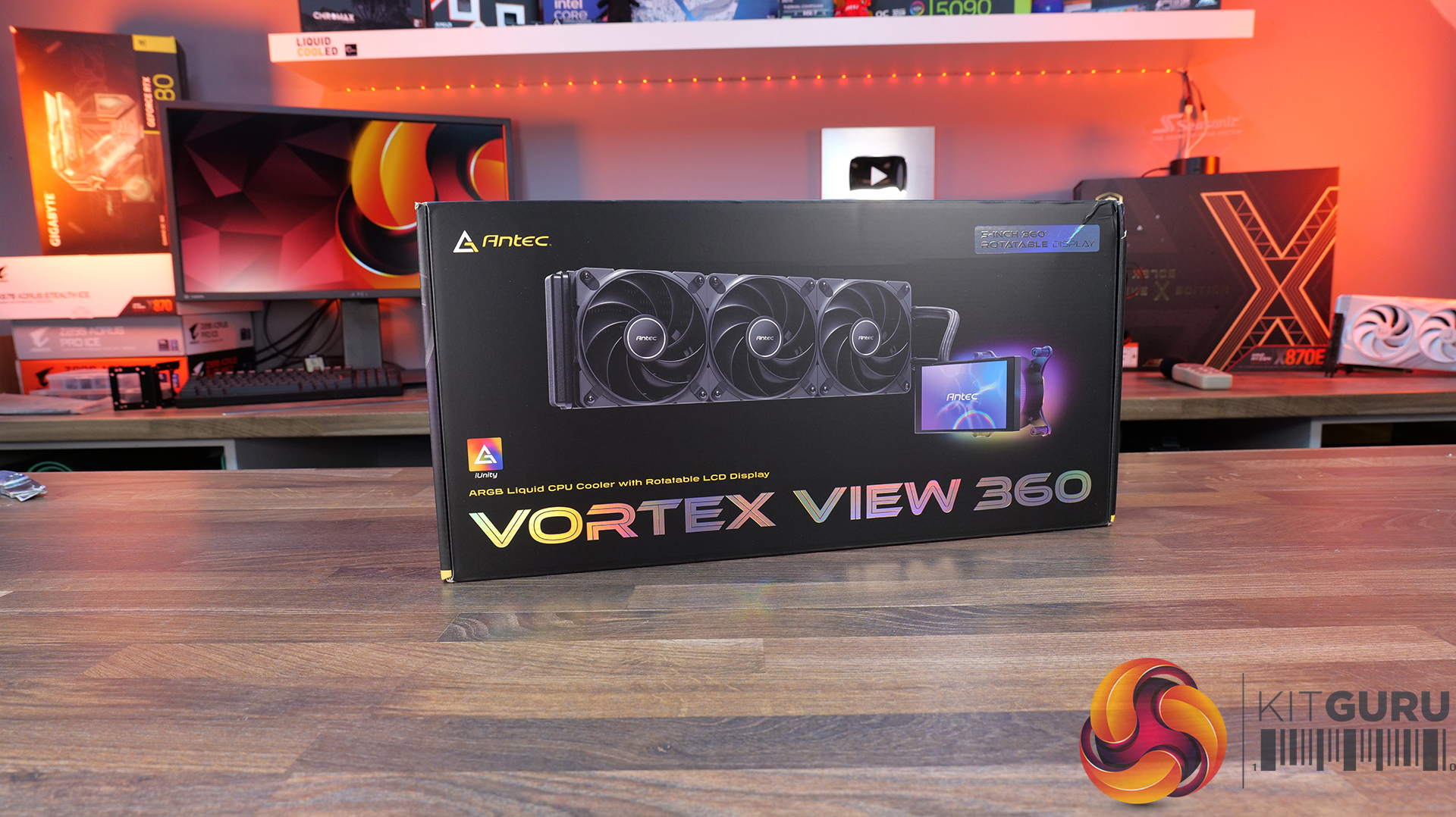
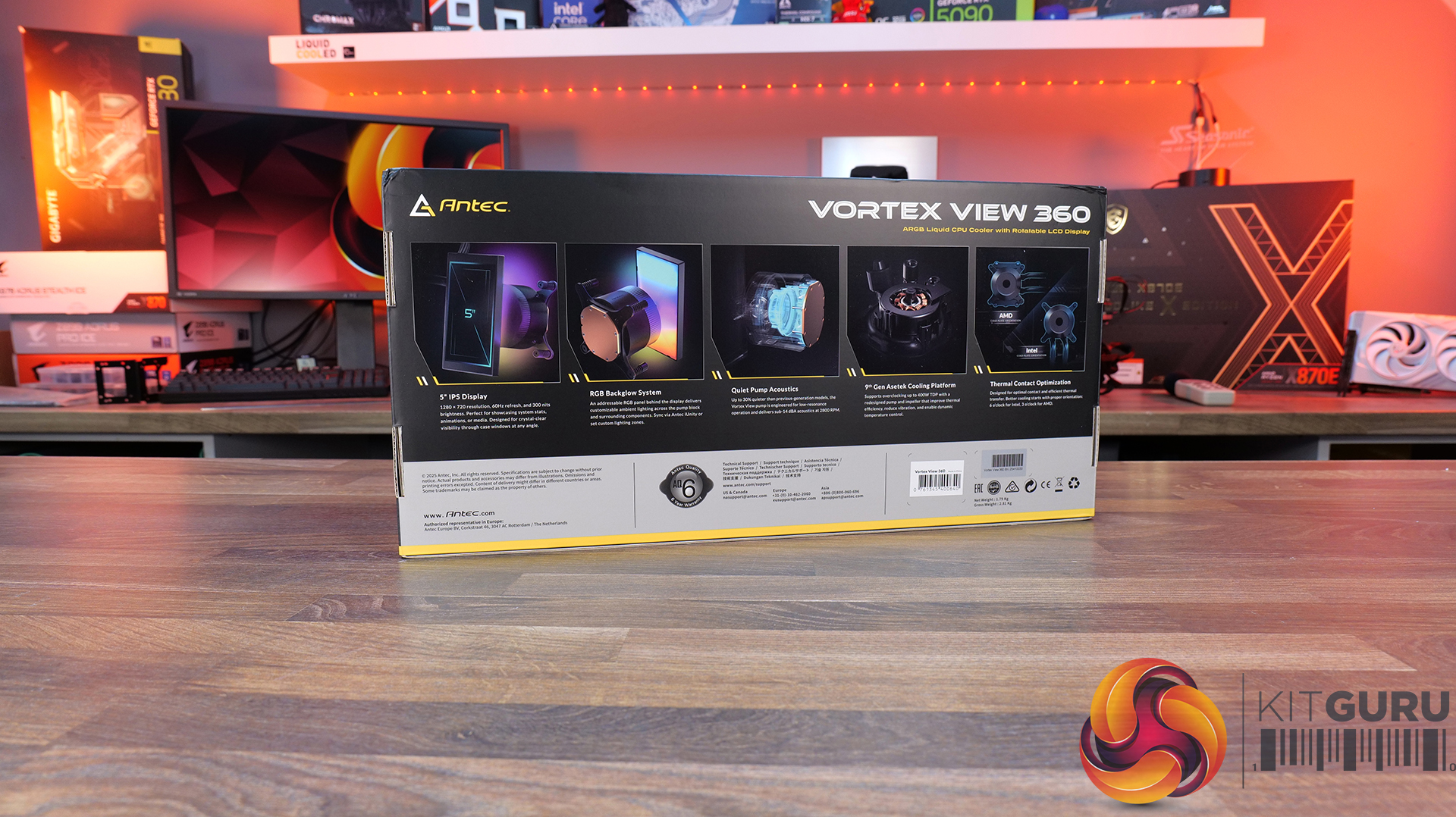
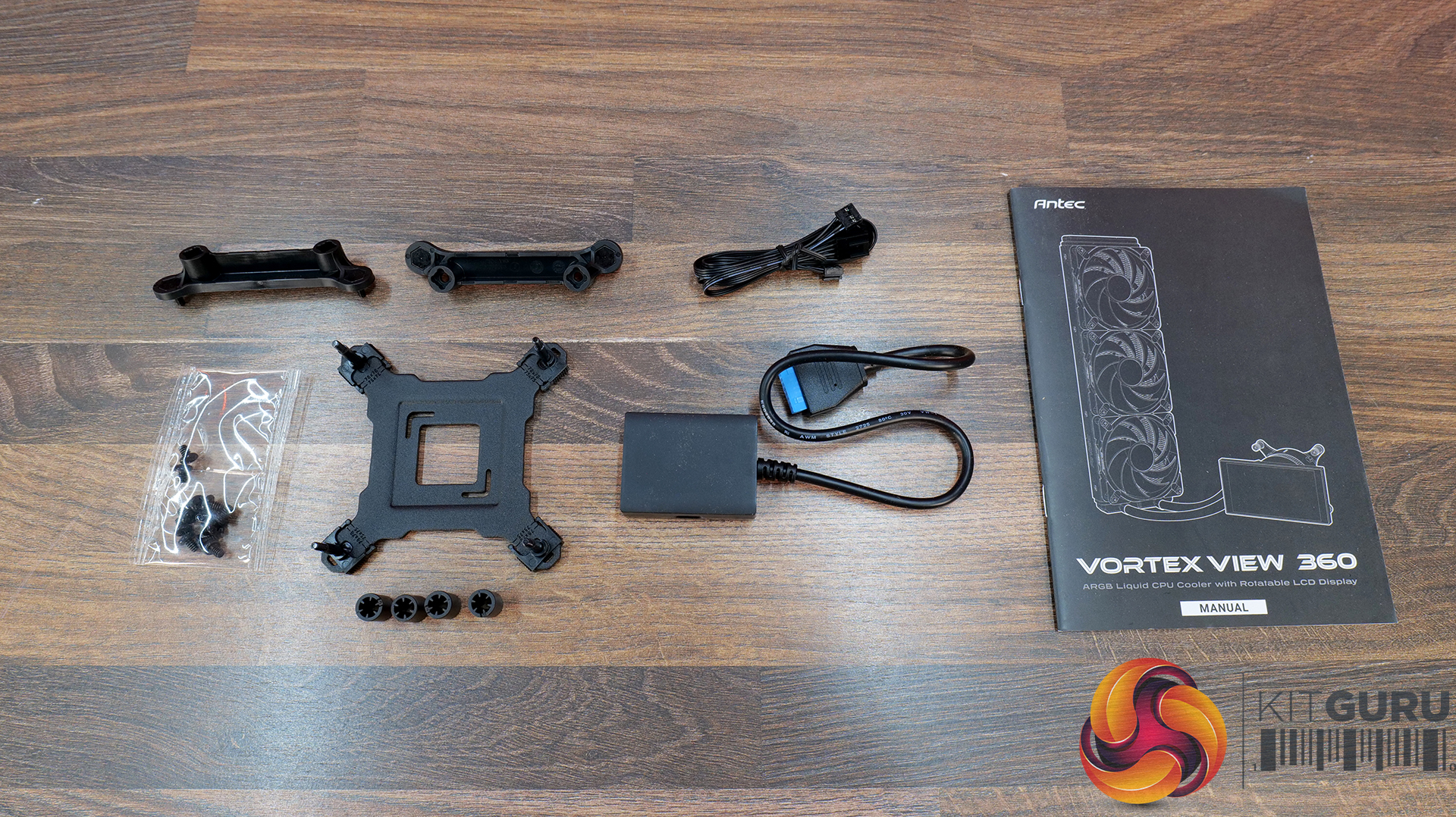
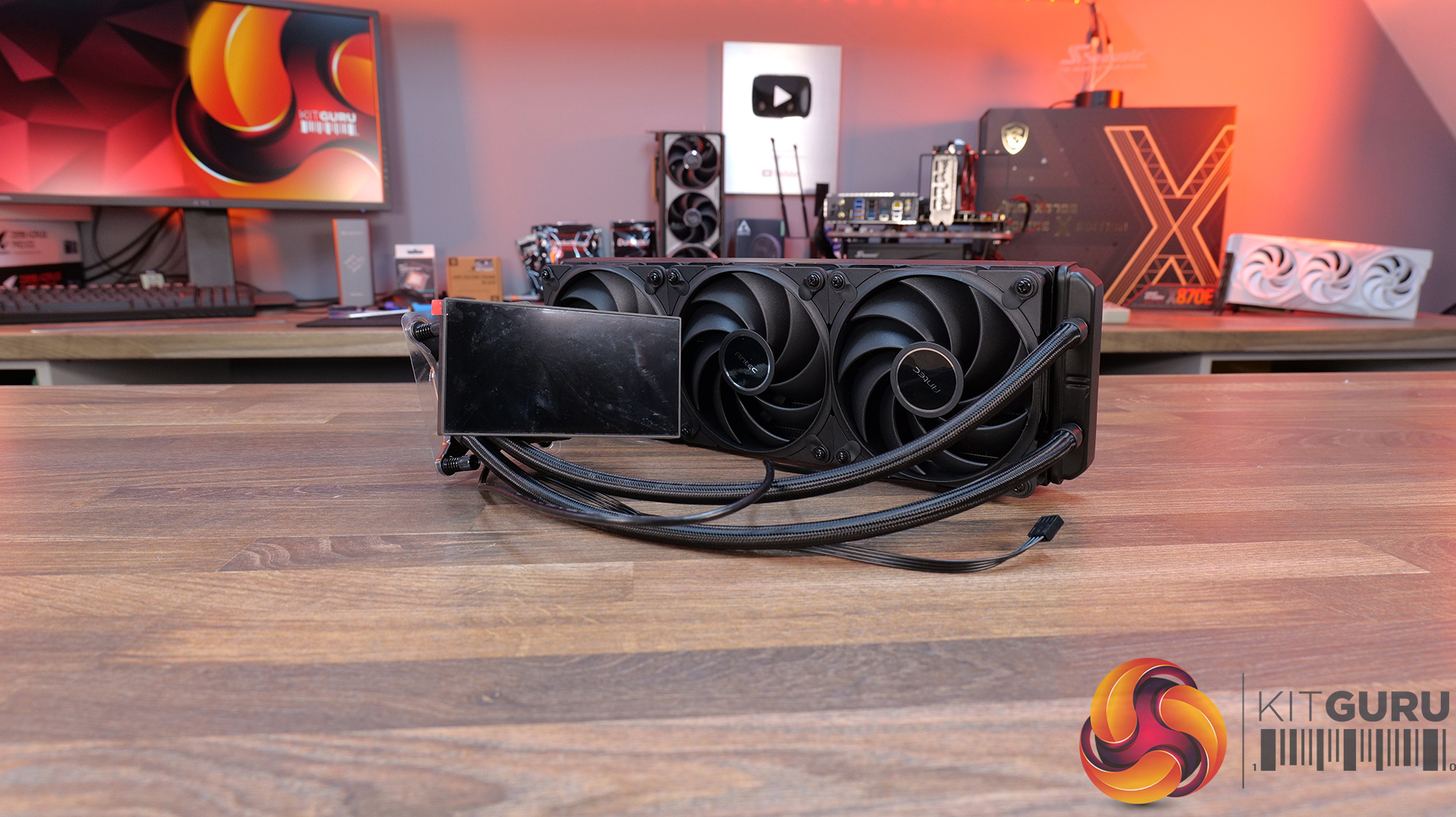
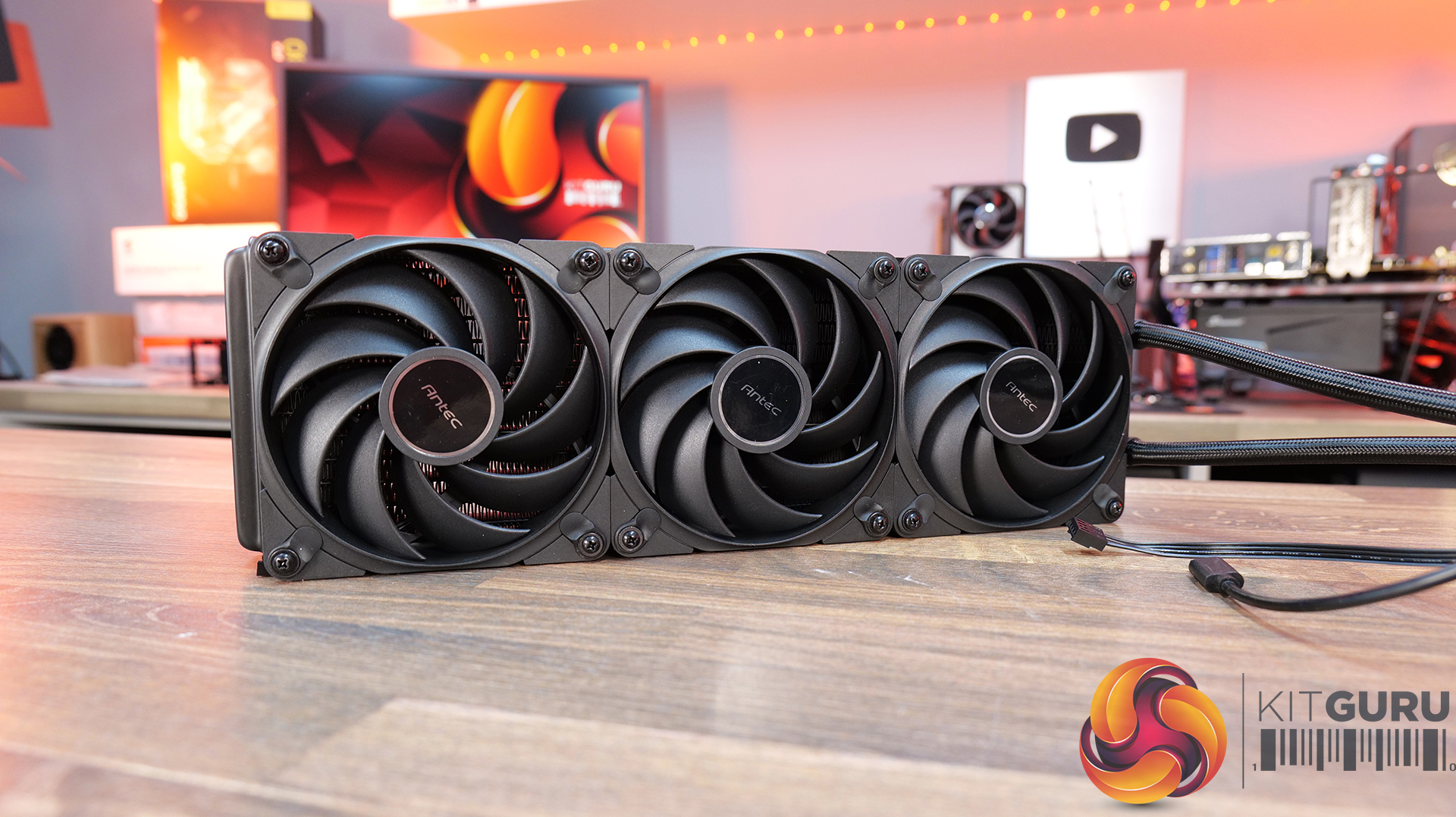
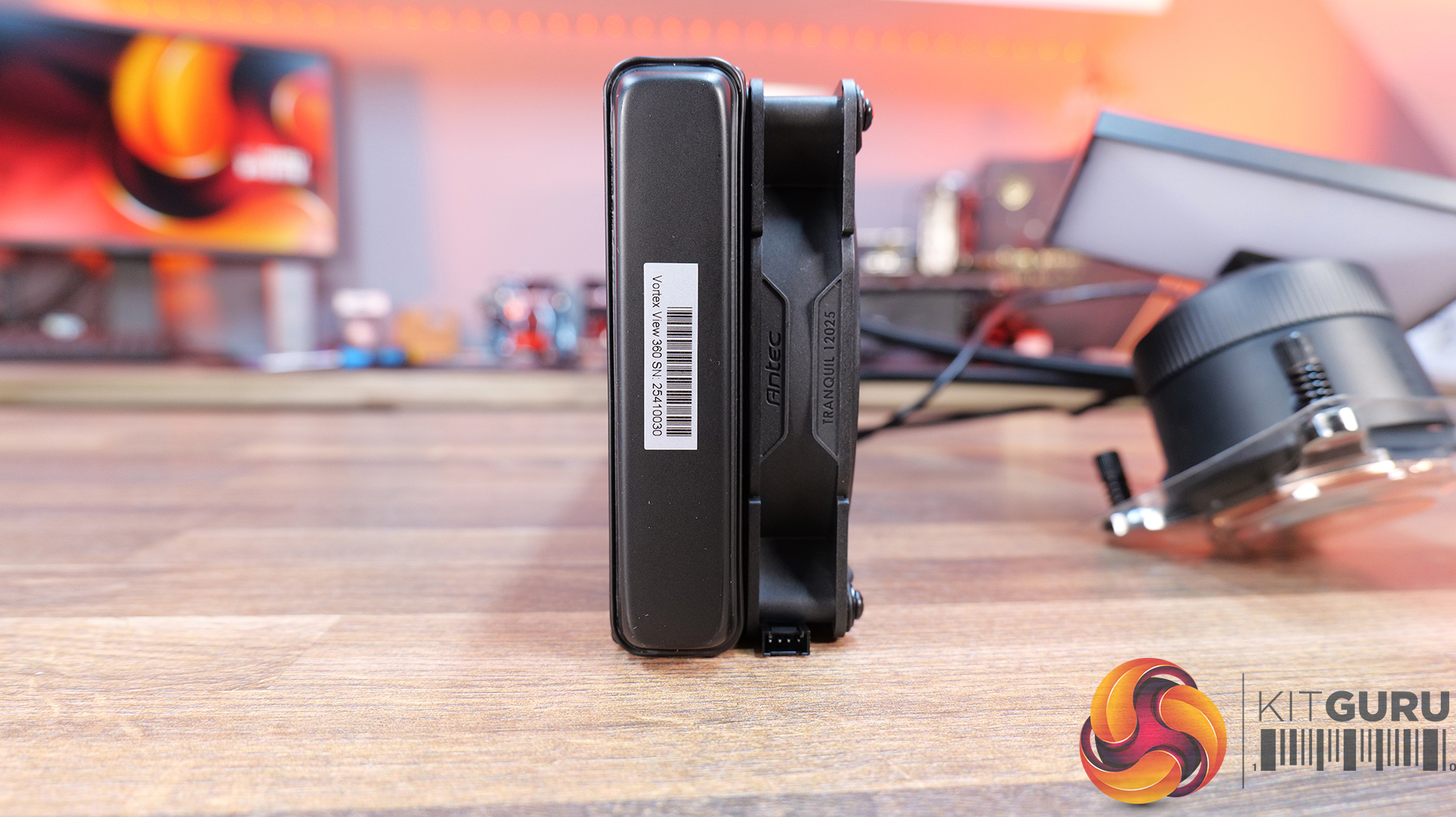
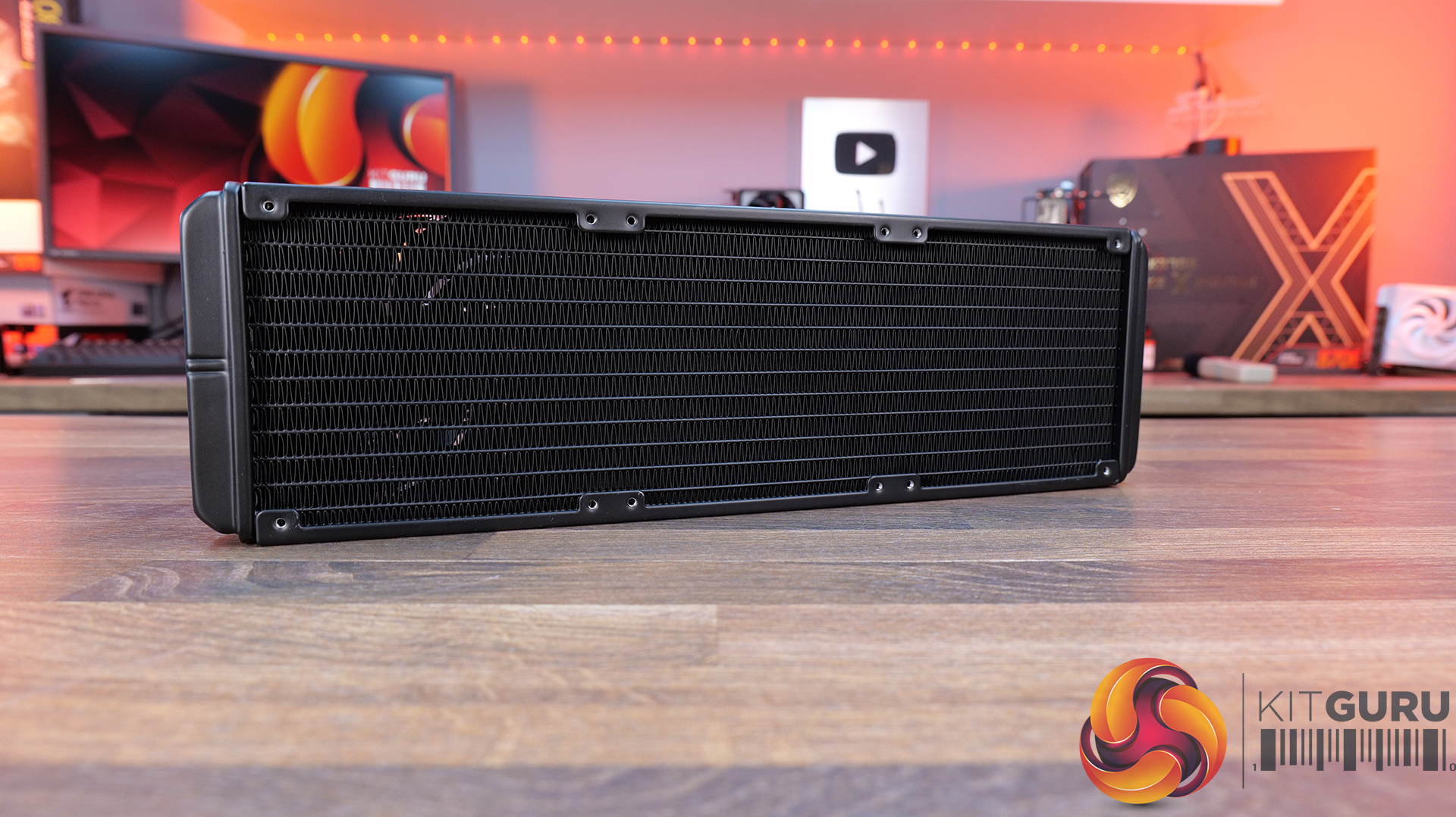
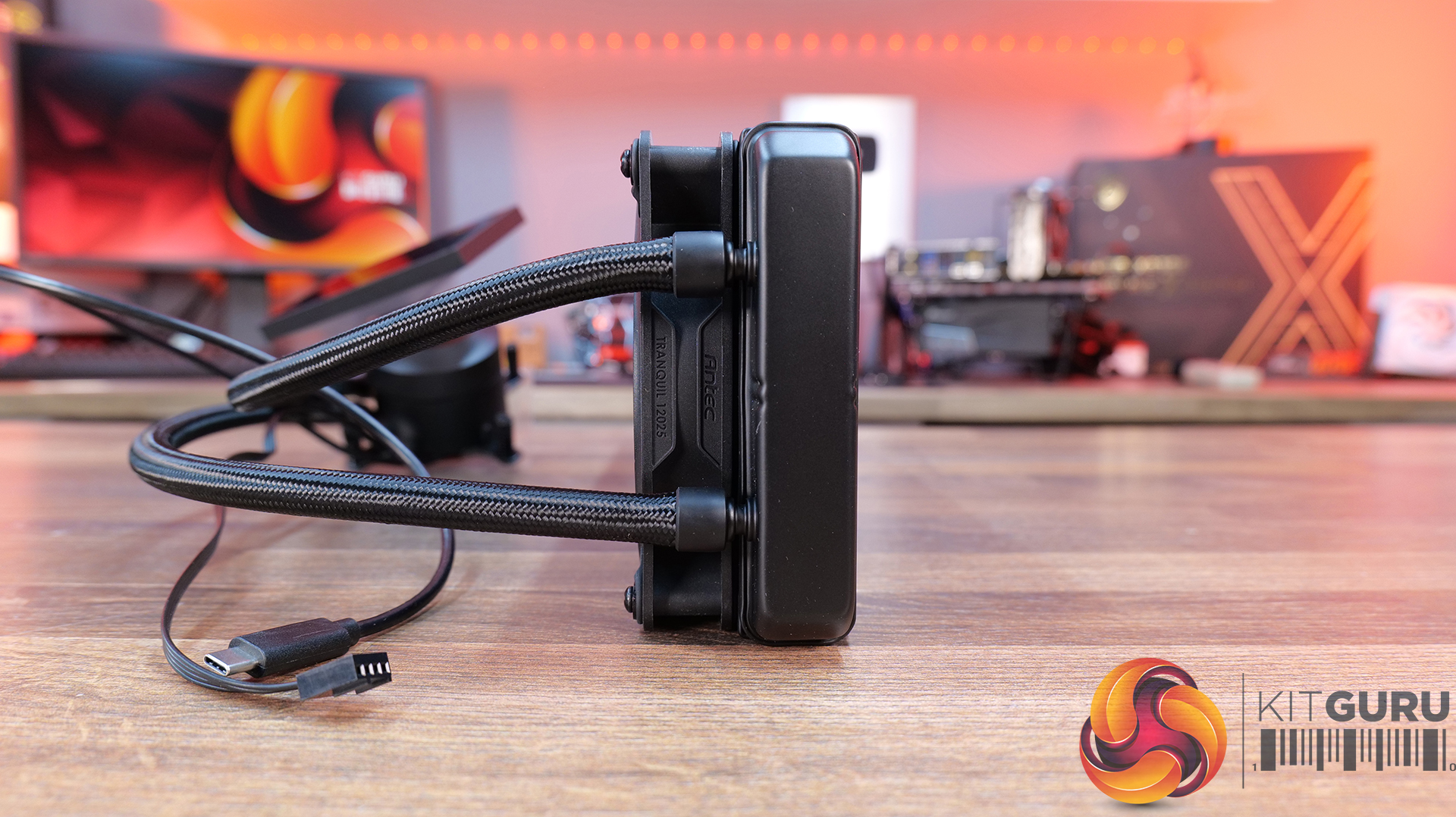
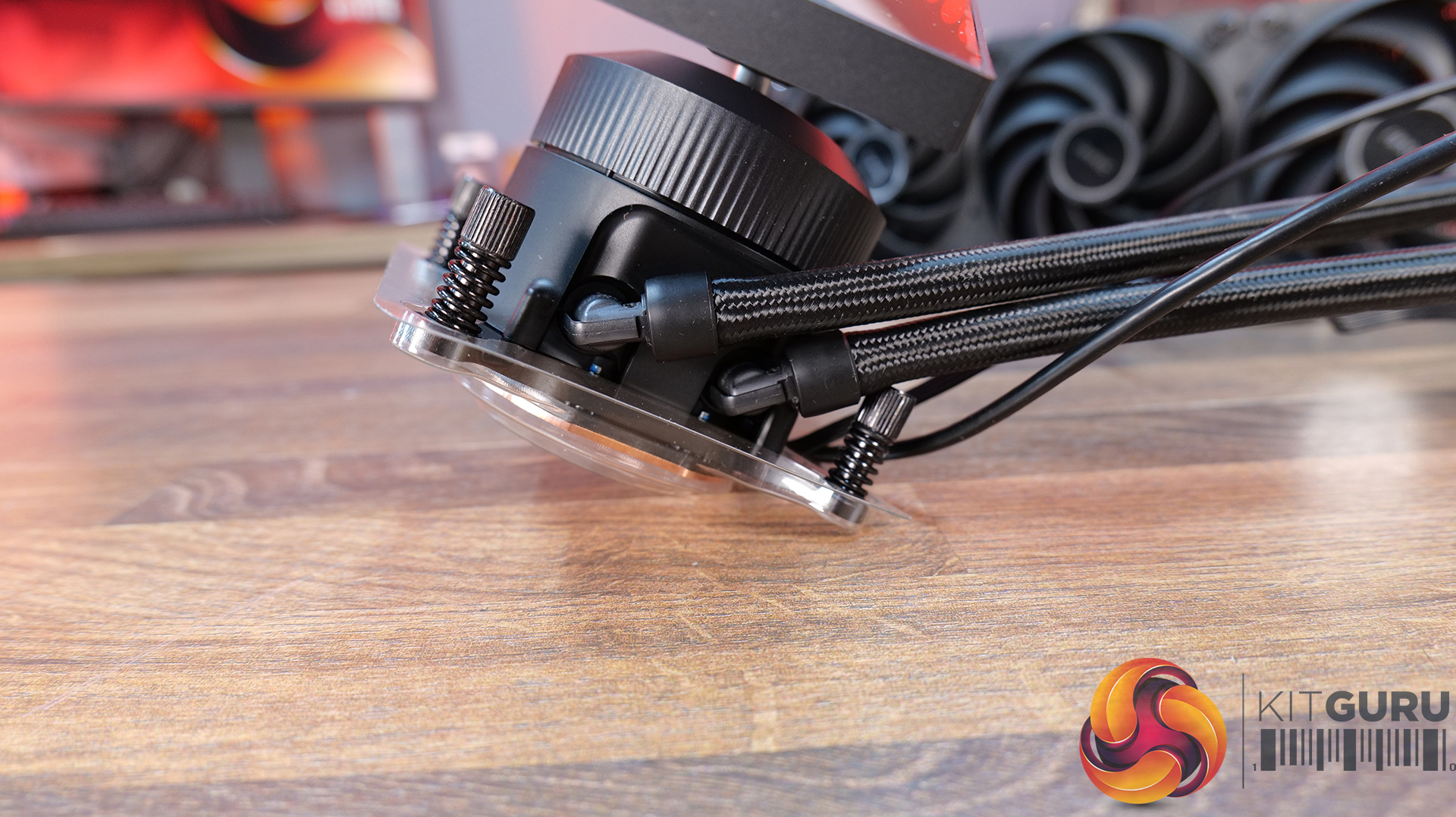
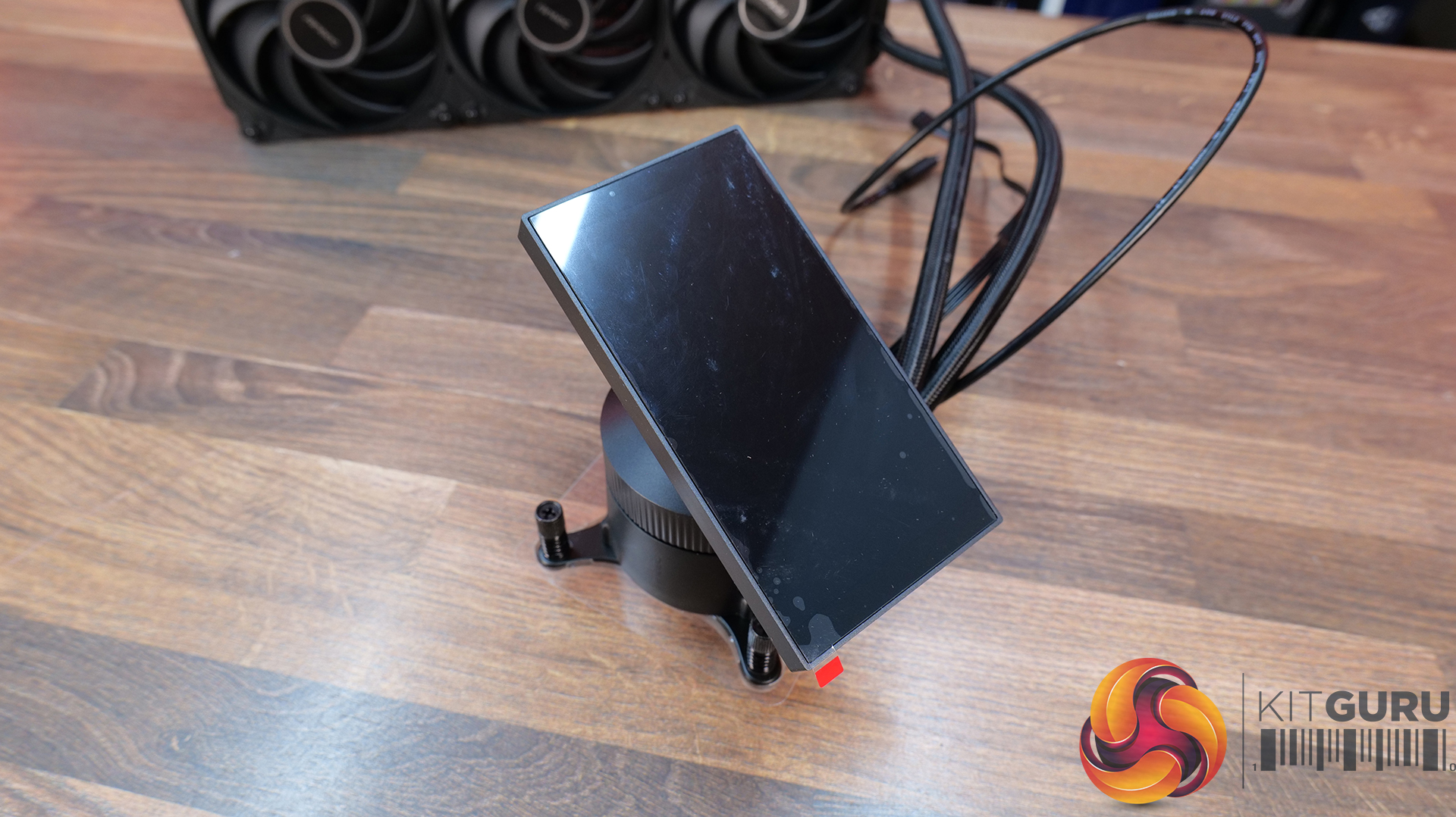
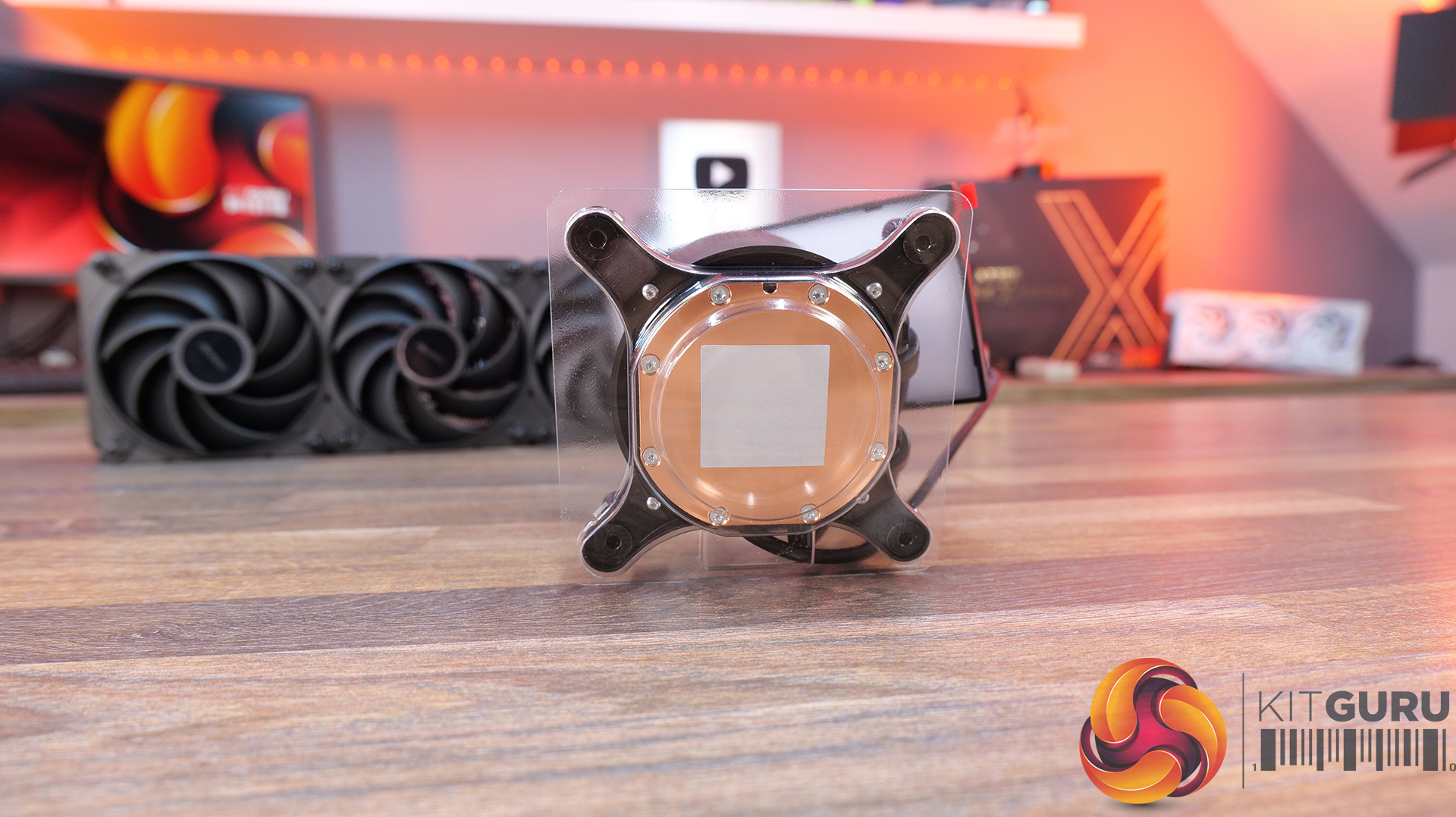
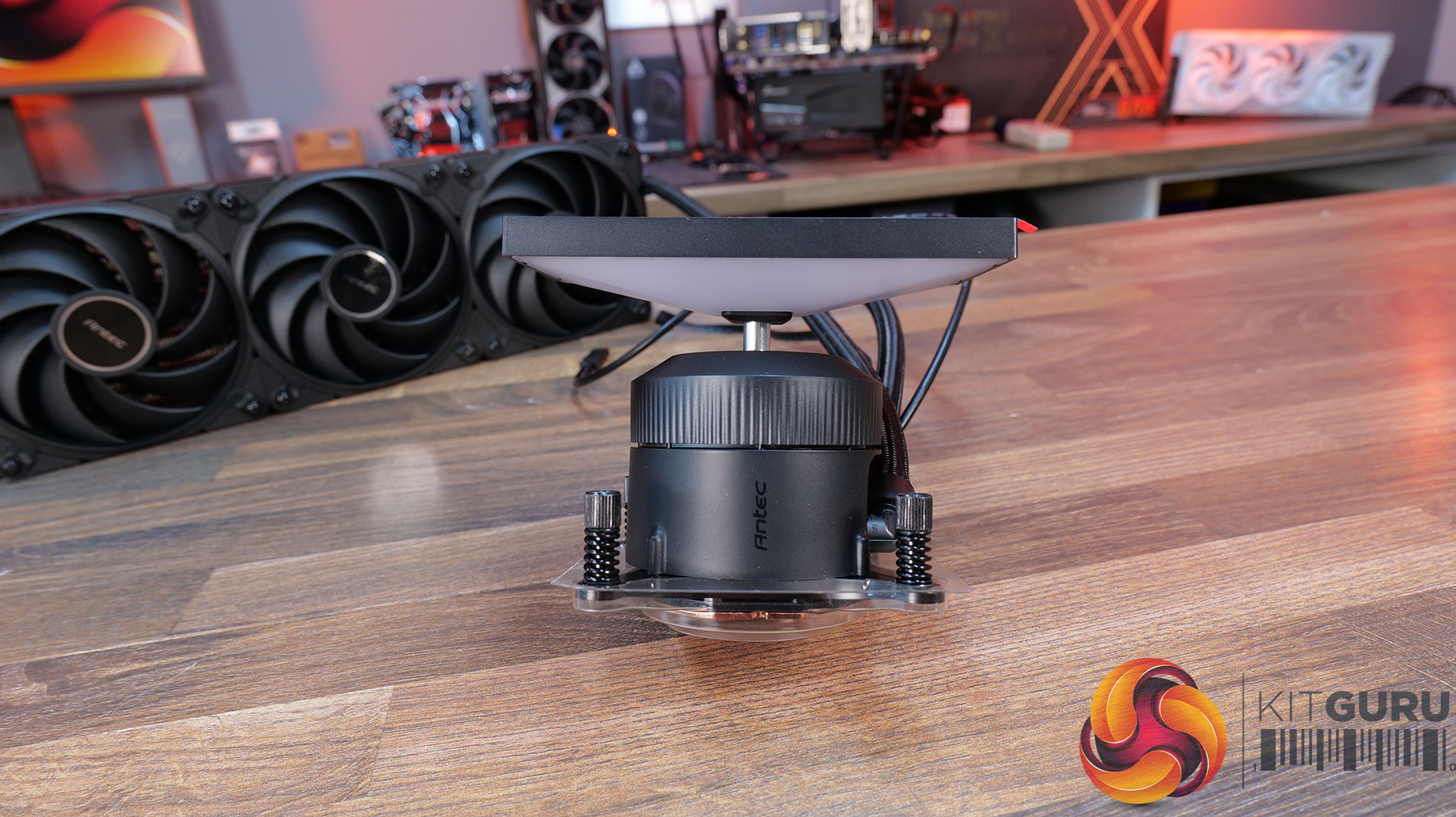
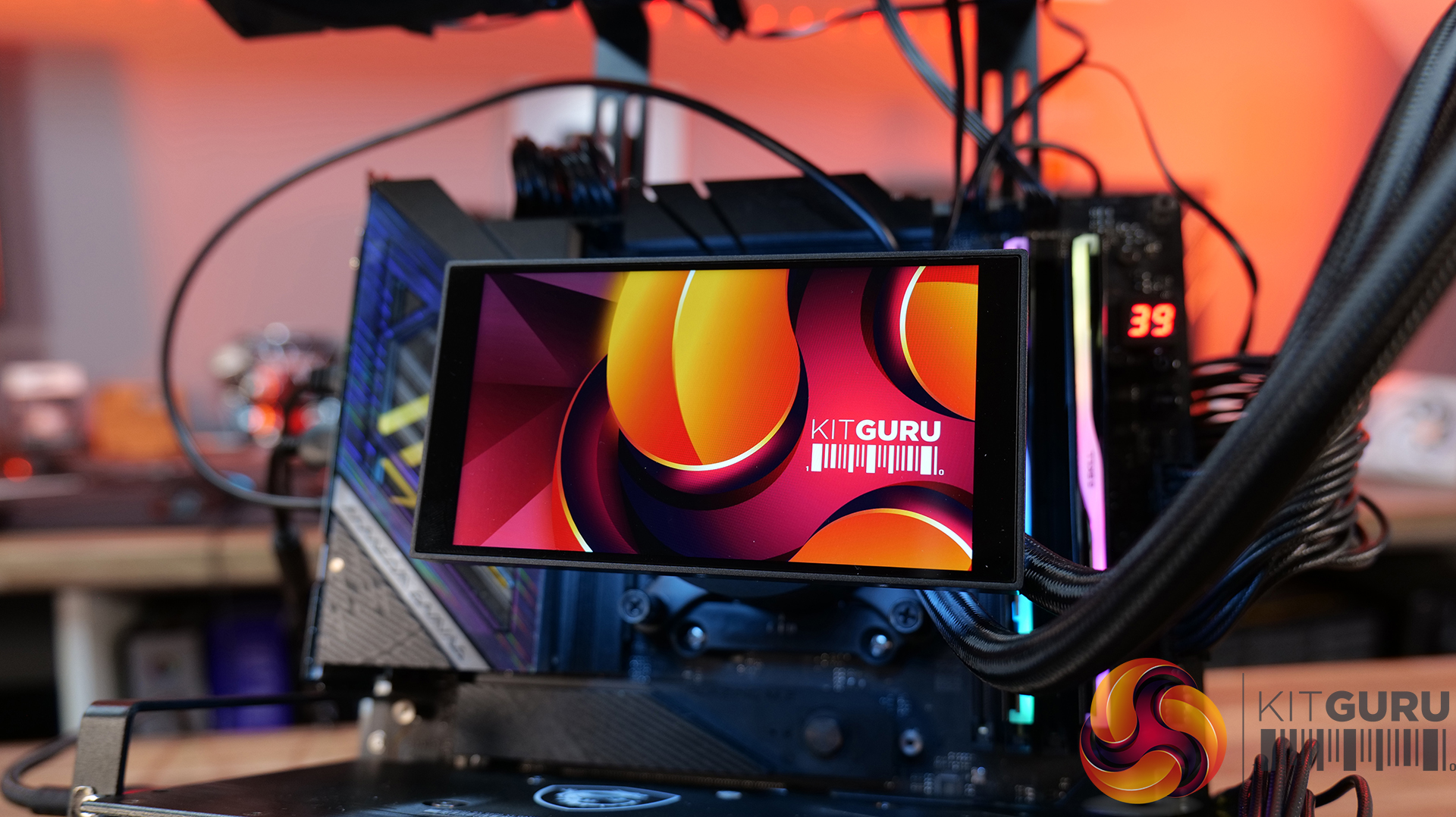
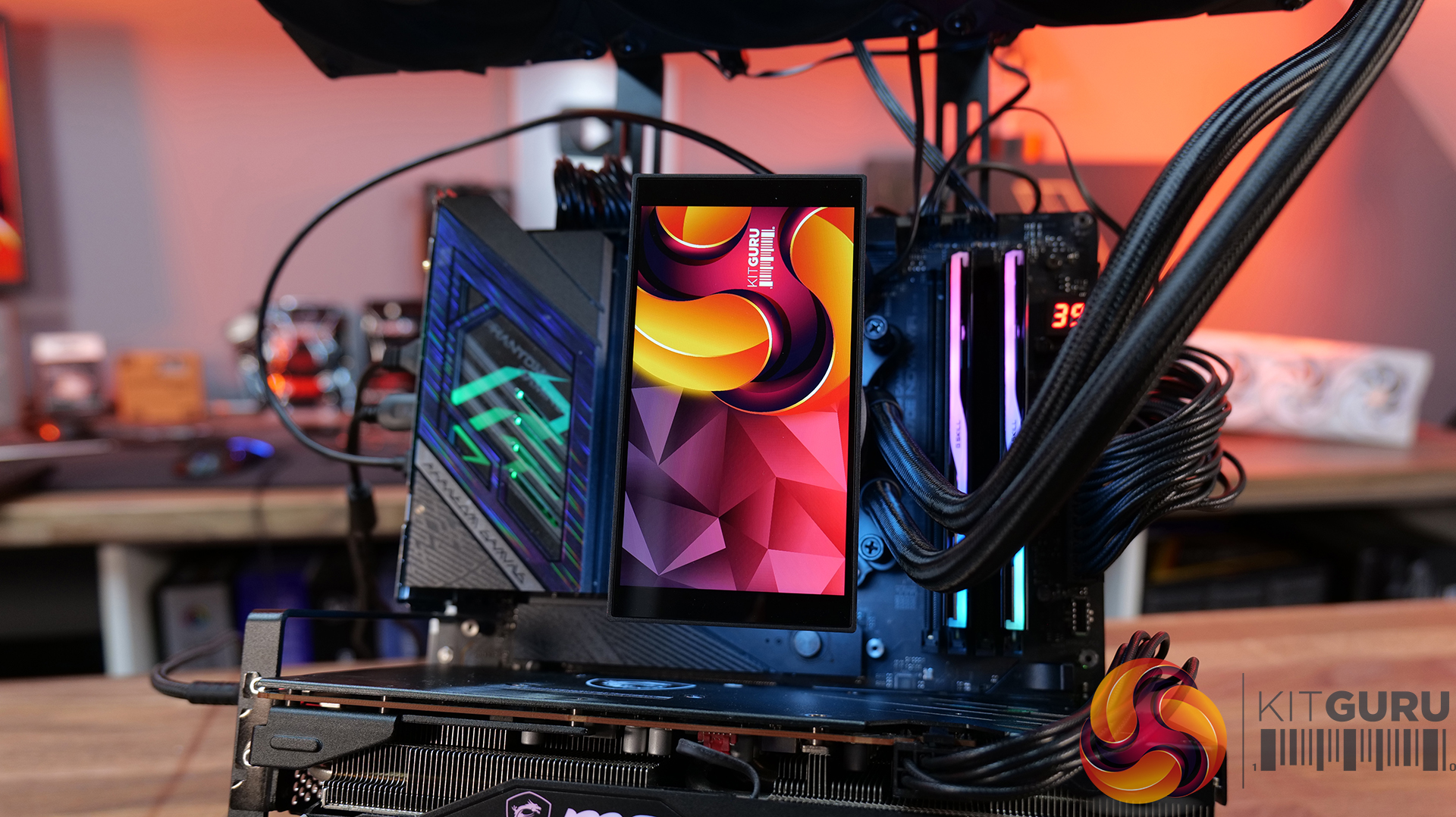
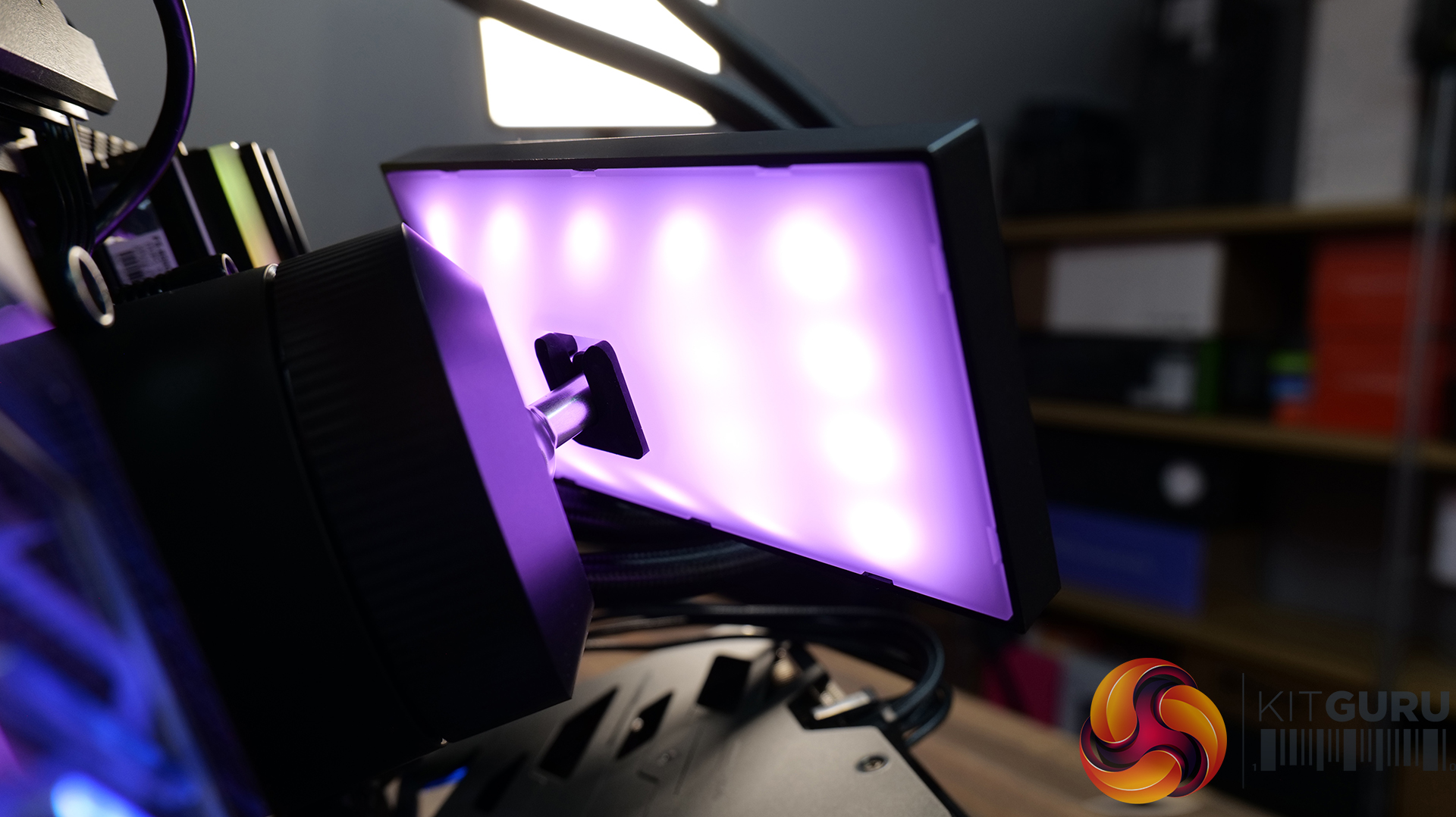
Today we’re taking a look at the Antec Vortex View 360, a premium 360mm AIO cooler built around Asetek’s latest 9th-generation pump design, featuring an integrated 5-inch 360-degree rotatable IPS display. On paper, Antec is targeting both strong thermal performance and a high level of visual customisation with the Vortex View 360. In this review, we’ll be testing installation, build quality, acoustics and, of course, thermal performance to see how it compares against other 360mm AIOs.

Timestamps:

00:00 Intro
00:44 Pricing and key details
01:42 Closer look – radiator
03:29 CPU block + screen!
07:00 Tranquil fans
08:19 Other accessories
09:09 Installation process
10:30 Screen software
11:41 Acoustics and thermals
13:48 Closing thoughts

Features:

  • Huge 5-inch IPS display — Vortex View 360 is equipped with a 1280 x 720 IPS panel that can be oriented through 360 degrees to suit your build, perfect for monitoring real-time system stats or custom visuals that show through your chassis side panel.
  • 9th-Gen Asetek cooling platform with quieter pump — engineered for up to ~400 W TDP cooling power with reduced vibration and optimised acoustics, pairing performance with lower noise.
  • Integrated iUnity 2.0 — Users can fine-tune fan and pump curves, customise lighting zones and control what the display shows, all through Antec’s updated iUnity 2.0 software.

Specifications:

  • CPU Socket Compatibility: Intel: LGA115X / 1200 / 1700 / 1851, AMD: AM4 / AM5
  • Radiator Material: Aluminium
  • Radiator Dimensions: 394 × 120 × 27 mm
  • Pump Speed: up to 3000RPM
  • Pump Noise: ≤27 dB(A)
  • Cold Plate Material: Micro Skived Copper
  • Pump Connector: 4-pin Molex
  • Fan Dimensions: 120 × 120 × 25 mm
  • Fan Speed (PWM): 400 ±100 ~ 2000 ±150 RPM
  • Air flow: 59.23 CFM (max.)
  • Air Pressure: 2.46 mmH₂O (max.)
  • Fan Noise: 28.6 dB(A)
  • Fan Connector: 4-pin PWM
  • LCD Screen: IPS 1280 x 720 resolution, 60Hz refresh, 300 nits brightness
  • Warranty: 6 Years

Test System Specifications:

The post Antec Vortex View 360 AIO CPU Cooler Review first appeared on KitGuru.

iiyama ProGraphic HB2701UHSNP Review (4K/60Hz Professional Monitor)

11 mars 2026 à 11:08

Today we're checking out a monitor from iiyama's new ProGraphic lineup. As the name suggests, it's a family of displays geared towards professionals and creatives, rather than the gaming audience that we'd associate with the company's G-Master range. Specifically, we are analysing the HB2701UHSNP, sporting a 27in diagonal and 4K resolution. It's also packing in one of LG's new IPS Black 2.0 panels, designed to increase contrast, while iiyama also claims 99% DCI-P3 coverage.

Right now, iiyama's ProGraphic lineup consists of two models – the HB2701UHSNP we are reviewing today, along with the HB3201UHSNP. Both are very similar overall, built on IPS Black 2.0 technology with a wide colour gamut, but the latter is slightly larger at 32in.

On top of the new IPS panel technology, iiyama highlights wide colour gamut, Pantone Validated colours, sharp visuals thanks to the UHD resolution, alongside an anti-glare screen coating and useful features like a KVM switch.

Here in the UK, the HB2701UHSNP is retailing for just under £500, so let's see what it can bring to the table.

Specification:

  • Design: 4-side edge-to-edge
  • Diagonal: 27″, 68.5 cm
  • Panel: IPS Black 2.0, matte finish
  • Native resolution: 3840 x 2160 @60Hz (8.3 megapixel 4K UHD)
  • Aspect ratio: 16:9
  • Panel brightness: 450 cd/m²
  • Static contrast: 3000:1
  • Advanced contrast: 80M:1
  • Response time (GTG): 4 ms
  • Viewing zone: horizontal/vertical 178°/178°, right/left 89°/89°, up/down 89°/89°
  • Colour support: 1.07B 8-bit (DCI-P3 99%, sRGB 100%, NTSC 72%)
  • Horizontal sync: 30 – 140 kHz
  • Viewable area (W x H): 596.7 x 335.7 mm (23.5 x 13.2″)
  • Pixel pitch: 0.155 mm
  • Colour: matte black
  • Signal input: HDMI x1 (v2.0), DisplayPort x1 (v1.2), USB-C x1 (Power Delivery 96W)
  • Signal output: DisplayPort x1 (Daisy Chain MST up to 3840 x 2160)
  • USB hub: 4x (3x USB 3.2 Gen1 Type-A 5Gbps 4.5W, 1x USB Type-C 5Gbps 15W)
  • USB-C dock: 1x (Power Delivery 96W, LAN, DP out, USB 3.2 Gen1 5Gbps; not supported on Mac)
  • HDCP: Yes
  • Headphone connector: Yes
  • RJ45 (LAN): 1x
  • KVM switch: Yes
  • Blue light reducer: Yes
  • Flicker free: Yes
  • Extra features: Delta E <2.0, EyeComfort, Low Blue Light panel, Eyesafe® Certified, Pantone Validated™, AGLR polarizer (anti-glare low reflective)
  • HDR: HDR400
  • Speakers: 2 x 2W
  • Convenience: Kensington-lock™ prepared, DDC/CI, DDC2B
  • Display position adjustments: height, swivel, tilt, pivot
  • Height adjustment: 150 mm
  • Rotation (pivot): 90°
  • Swivel stand: 360° (180° left / 180° right)
  • Tilt angle: 23° up / 5° down
  • VESA mounting: 100 x 100 mm
  • Cable management system: Yes

Firmware tested: V101

The post iiyama ProGraphic HB2701UHSNP Review (4K/60Hz Professional Monitor) first appeared on KitGuru.

Helldivers II to get WWI themed ‘Entrenched Division’ Warbond next week

11 mars 2026 à 11:00

Arrowhead Game Studios have been keeping Helldivers II feeling fresh thanks to semi-regular in-game updates and events alongside a consistent cadence of Warbond releases. With regards to the latter, the team have now unveiled their WWI themed ‘Entrenched Division’ Premium Warbond – introducing new takes on classic weaponry, the ‘entrenchment tool’ shovel and more.

Available to purchase for the standard price of 1000 Super Credits (the resources for which can of course be obtained for free through gameplay), the Entrenched Division Warbond is officially arriving on the 17th of March.

As mentioned, this release is themed around WWI; with weapons, items and more inspired by the trench warfare of 100 years ago.

Like always, the Warbond features a mixture of weapons; strategems; cosmetics and more, including:

  • B/FLAM-80 Cremator Flamethrower (strategem)
  • A/GM-17 Gas Mortar Sentry (strategem)
  • SMG/FLAM-34 Stoker (submachine gun)
  • P-69 Veto (pistol)
  • CQC-73 Entrenchment Tool (shovel)
  • G-48 Giga Grenade (throwable)
  • CPG-48 Sapper (medium armour)
  • CPH-26 Commandant (light armour)

While Arrowhead need to make sure to maintain a balance between all of Helldivers’ continuously added content, it is exciting to see new weapons; armours; stratagems and other potentially game-changing features being added on a consistent basis.

KitGuru says: What do you think of this latest Premium Warbond? Do you plan to pick it up? What do you think of Arrowhead’s live-service approach? Let us know down below.

The post Helldivers II to get WWI themed ‘Entrenched Division’ Warbond next week first appeared on KitGuru.

Resident Evil Requiem expansion confirmed alongside photo mode, new mini-games and more

11 mars 2026 à 10:00

Resident Evil Requiem has had a massive launch so far, with the highly-anticipated title racing past 5 million copies sold within less than a week. Already a highly celebrated game, Resident Evil Requiem is set to get even better with future updates, a new story expansion DLC and more now being confirmed.

Releasing a video message, the director for Resident Evil Requiem – Koshi Nakanishi – reiterated the fact that the game has sold over 5 million copies while thanking fans for their support.

Far more interestingly however, Nakanishi spoke on the future of Requiem moving forward, revealing that alongside continued bug fixes and optimisations the game will soon get a photo mode and new mini-game, with “another surprise coming around May.”

Resident Evil Expansion

Last but certainly not least, Nakanishi confirmed that DLC is already being worked on, with a ‘Story Expansion’ officially now in development. Details on the DLC is of course being kept vague, however players will be delving “deeper into the world of Requiem.”

All that said, the expansion is still a ways away, with Capcom asking fans for their “patience”. Fortunately, it seems the team will have plenty of ancillary updates and additions coming in the meantime.

Resident Evil Requiem has been receiving near-universal acclaim across the board and so assuming Capcom are able to maintain this level of quality for the expansion then fans still have plenty to look forward to.

KitGuru says: What do you think of Resident Evil Requiem? Is it your GOTY so far? What are your expectations for the DLC? Let us know down below.

The post Resident Evil Requiem expansion confirmed alongside photo mode, new mini-games and more first appeared on KitGuru.

Nvidia announces RTX technologies in The Witcher 4, releases new Game Ready driver at GDC 2026

10 mars 2026 à 18:00

NVIDIA is expanding its DLSS 4.5 feature set this month, adding new frame‑generation options and wider game support as part of its next NVIDIA app beta arriving at the end of the month.

The new Nvidia App update introduces DLSS 4.5 Dynamic Multi Frame Generation, a system that adjusts the number of generated frames on the fly to help players hit a target frame rate or match their display’s refresh rate. It will be available as an override option within the app but as has always been the case with Multi-Frame Generation, it is a feature exclusive to RTX 50 series GPUs. Upcoming games like 007 First Light and Control Resonant will launch with ray-traced graphics in the coming months and will support DLSS 4.5 from launch.

Another significant GeForce-related announcement at GDC this week came via RTX Mega Geometry. This technology initially debuted in Alan Wake 2, compressing geometry into clusters to accelerate scene updates and reduce VRAM usage. This means dense foliage and other complex environments can be rendered with full-fidelity Path Tracing. Control Resonant will be adopting this feature when it launches this year and further down the line, CD Projekt Red also plans to implement it in The Witcher 4.

Alongside the DLSS updates, NVIDIA has released a new GeForce Game Ready Driver optimised for Crimson Desert and Death Stranding 2: On the Beach, both of which support DLSS 4 with Multi Frame Generation. The driver also adds support for more than 35 new G‑SYNC Compatible displays. The driver update is available now to download via the Nvidia App and directly through the Nvidia website.

KitGuru Says: What did you think of the new GeForce-related announcements at GDC?

The post Nvidia announces RTX technologies in The Witcher 4, releases new Game Ready driver at GDC 2026 first appeared on KitGuru.

GeForce Now will get Control Resonant at launch

10 mars 2026 à 17:30

At GDC this week, Nvidia is making a few GeForce Now-related announcements a little early. For starters, there are some updates coming to the game library UX to boost game discoverability. On top of that, a number of big upcoming titles have been confirmed as day-one releases for GeForce Now in the coming months.

In a new update to the GeForce Now interface, game discoverability gets a boost thanks to in-app labels for connected services like Game Pass and Ubisoft+. Soon, new platforms like GOG will be available to link with GeForce Now too for even greater access to your library across all devices.

The Install-to-Play feature is also expanding with a list of Xbox titles, including the likes of Brutal Legend from Double Fine and Contrast from Compulsion Games.

Later in the year, major games like Control Resonant from Remedy Entertainment and Samson: A Tyndalston Story will both be day-one additions to GeForce Now when they launch on PC.

KitGuru Says: There will still be another weekly library update for GeForce Now on Thursday, so there is more news to come.

The post GeForce Now will get Control Resonant at launch first appeared on KitGuru.

Asus celebrates 20 years of ROG with multiple giveaways

10 mars 2026 à 16:30

Asus is celebrating 20 years of ROG with a series of giveaways and fan campaigns running over the next couple of months, offering players the chance to win hardware and even a trip to Taiwan.

In the UK, the “ROG Homecoming” campaign invites fans to submit short-form videos sharing their favourite ROG gaming moments. Two winners from the UK and Ireland will be flown to Taiwan for a behind‑the‑scenes visit to ASUS ROG headquarters and a trip to Computex 2026. Entries must be posted on social media using #ROGHomecomingUK and submitted via the official campaign page between March 2nd and March 29th. Global voting follows from April 6th to April 13th.

ROG is also running a worldwide “Dare‑to‑ROG” anniversary campaign with multiple participation tiers. Fans can share video stories, create anniversary‑themed images or artwork, generate AI avatar cards, or sign in as ROG Elite members to unlock reward codes. Two global winners will also receive a trip to Taiwan.

The global prize pool includes ROG Raikiri II controllers, Harpe Ace Mini mice, Falchion Ace 75 HE keyboards, and top‑tier rewards such as the ROG Strix XG32UCWMG gaming monitor and the 2025 ROG Ally X handheld.

Full details on the UK giveaway can be found HERE. Details on the global giveaway can be found HERE.

KitGuru Says: If you enter the giveaway then good luck to you!

The post Asus celebrates 20 years of ROG with multiple giveaways first appeared on KitGuru.

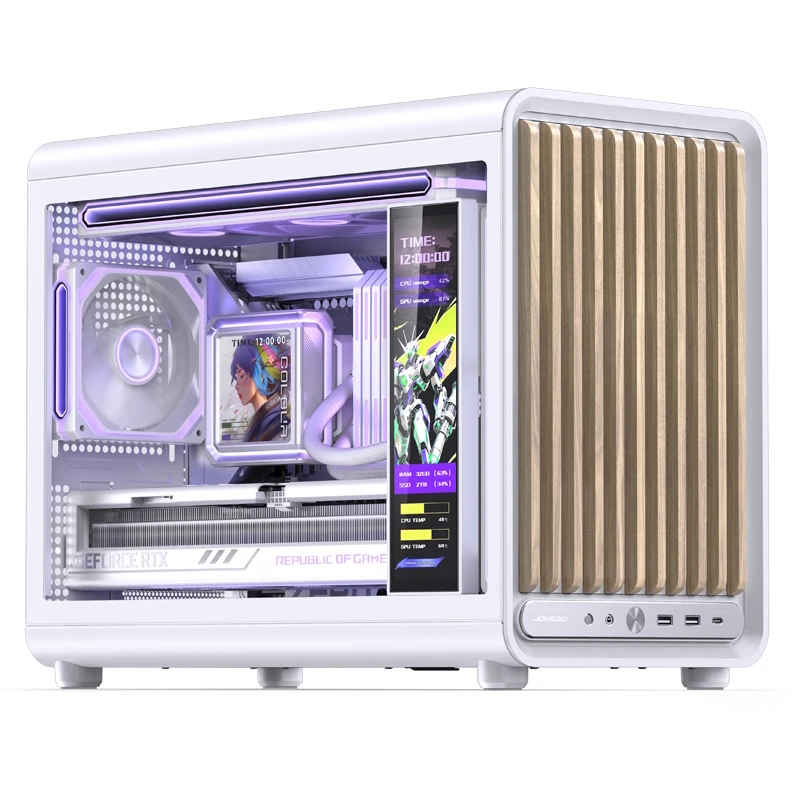
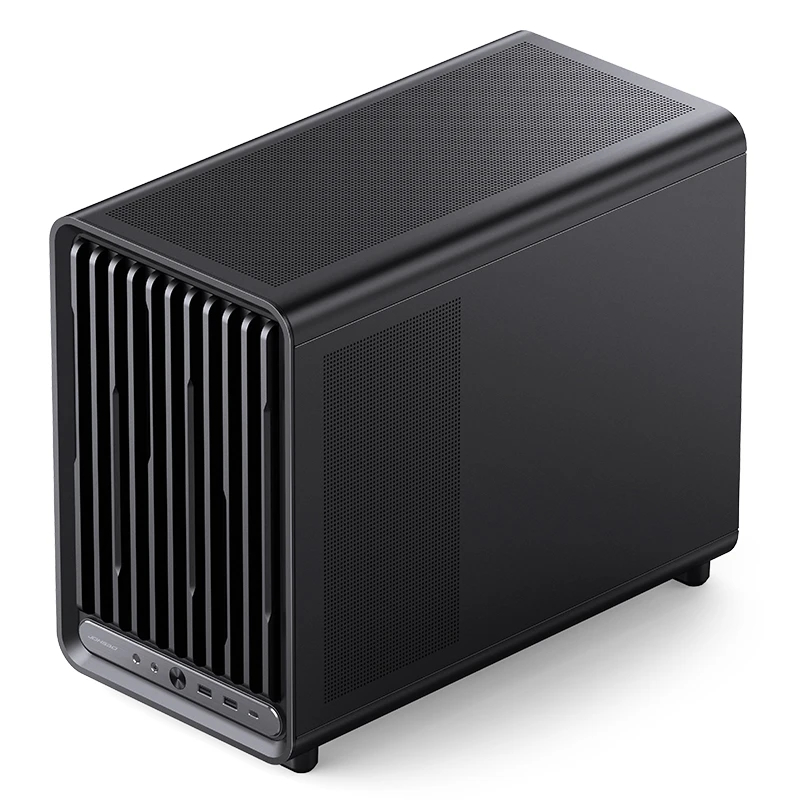
Jonsbo’s new D33 mATX case series includes two wood variants

10 mars 2026 à 16:30

Jonsbo is expanding its case lineup with the launch of the D33 and its wood-accented sibling, the D33 Wood. These Micro-ATX cases are built for enthusiasts who want a “furniture look” without sacrificing the cooling potential required for modern high-end hardware.

Available in black and white across both variants, the D33 series features a compact footprint of 455 x 238.2 x 368.4mm. The standard D33 features a plastic front panel defined by bevelled vertical bars. For the D33 Wood, Jonsbo swaps these for genuine wood slats, utilising a light oak-like wood for the white chassis and a darker walnut-toned wood for the black version. While the wood variant uses straight bars rather than bevelled edges, both models maintain a clean, integrated I/O panel that includes a USB-C port, two USB-A 3.0 ports, and a power button.

The D33 natively supports motherboards with rear-mounted connectors, such as the MSI Project Zero or Asus BTF series. To accommodate these boards, Jonsbo has engineered a large, component-free zone behind the motherboard tray for routing. This focus on a clean interior does come with a slight trade-off in storage, as the case relies on a single bracket behind the CPU backplate that can hold two 2.5-inch or 3.5-inch drives. However, this layout leaves the bottom of the chassis open for three 120mm intake fans and two 120 or 140mm fans on the front, depending on whether you're using an ATX or an SFX PSU.

Regarding cooling, the cases use a “sandwich” mounting system for top-mounted radiators. Rather than bolting the cooling kit directly to the chassis frame, the fans, mounting plate, and radiator are layered together into a single module that then attaches to the top panel. While this requires a bit more assembly time than a traditional mount, it allows the D33 to support a full 360mm radiator in a Micro-ATX frame. For those who prefer air cooling, the case offers 172 mm of clearance for CPU towers. Lastly, there's space for PSUs up to 160 mm long and cards up to 435 mm long.

KitGuru says: If you're planning to downsize your build, the D33 looks like a potentially good option for a compact case.

The post Jonsbo’s new D33 mATX case series includes two wood variants first appeared on KitGuru.

Sharkoon launches wireless, ARGB-lit OfficePal wireless mechanical keyboards

10 mars 2026 à 16:00

Sharkoon is adding another keyboard to its roster this week, the OfficePal KB70W. This is a full-sized mechanical keyboard with soundproofing to make for more comfortable and quiet typing in the office.

The OfficePalKB70W uses a gasket‑mount structure paired with a polycarbonate plate and PU foam damping, aiming to reduce noise and provide a softer, more cushioned key feel without sacrificing responsiveness. As the name suggests, the keyboard is also wireless and if you want an even quieter version, then the KB70W Silent also exists, which ships with a different mechanical switch type for even further noise reduction.

Durability is a focus as well with double‑shot PBT keycaps to resist the build-up of wear and tear. The keyboard also has aesthetically pleasing south-facing ARGB LEDs, providing even illumination across the layout. VIA compatibility allows users to remap keys, adjust lighting, and create macros without additional software.

The OfficePal KB70W and OfficePal KB70W Silent are available now with a recommended retail price of €79.90.

KitGuru Says: Are you after a new keyboard for work?

The post Sharkoon launches wireless, ARGB-lit OfficePal wireless mechanical keyboards first appeared on KitGuru.

Intel launches XeSS 3.0 SDK

10 mars 2026 à 15:30

Intel has officially released the XeSS 3.0 Software Development Kit, providing game developers with the latest binaries to integrate its AI-driven upscaling and frame generation technology. This new version arrives as a pre-compiled binary rather than the open-source release many enthusiasts have been waiting for since Intel first discussed the project four years ago. 

The definitive feature of XeSS 3.0 (via Phoronix) is Multi-Frame Generation. This technology allows the engine to insert up to three generated frames between every two rendered frames, effectively increasing the total frame count by a factor of 4 on Intel Arc GPU-powered systems. This resembles the aggressive frame-generation strategies seen in Nvidia's latest DLSS versions, marking a significant step for Intel as it attempts to maintain parity in the AI-generated frame-insertion race.

Moreover, Intel has introduced a change that allows XeSS 3.0 to use external memory heaps. This means the XeSS SDK can now tap into GPU memory already allocated by the game engine. By operating on the same VRAM blocks rather than reserving separate, dedicated memory pools, developers can significantly reduce fragmentation and eliminate duplicate buffers. This gives creators direct control over memory residency and allows for a much cleaner integration into modern rendering pipelines. In an era where VRAM management is becoming increasingly critical for high-resolution 4K gaming, this optimisation helps ensure that the performance overhead of AI upscaling remains as low as possible.

Because the SDK is provided as a DLL file for Windows, Linux users will continue to rely on translation layers to utilise the technology. For gamers looking to test the new version, older XeSS 2.x versions can often be upgraded by simply replacing the existing library files with the newer ones from the XeSS 3.0 package.

KitGuru says: While the technical improvements to memory management and frame insertion are promising, the decision to remain closed-source is a departure from the “open-source” marketing narrative Intel initially used to differentiate itself from Nvidia. 

The post Intel launches XeSS 3.0 SDK first appeared on KitGuru.
❌