↩ Accueil

Vue normale

Samsung Display fires back at LG with “V-Stripe” 360Hz QD-OLED ultrawide

2 janvier 2026 à 17:00

Samsung Display has officially announced the mass production of its next-generation 34-inch QD-OLED panel. Aimed directly at the long-standing complaints regarding text fringing, the new panel introduces a “V-Stripe” pixel structure that abandons the traditional triangular sub-pixel arrangement of previous generations.

By aligning the red, green, and blue sub-pixels vertically, Samsung is promising a true RGB-stripe experience that finally brings OLED text rendering into parity with standard LCD monitors. This move follows closely behind LG Display's own announcement of a 27-inch RGB-stripe WOLED panel, signalling a broader industry-wide push to make OLED technology viable for serious productivity work like coding and document editing.
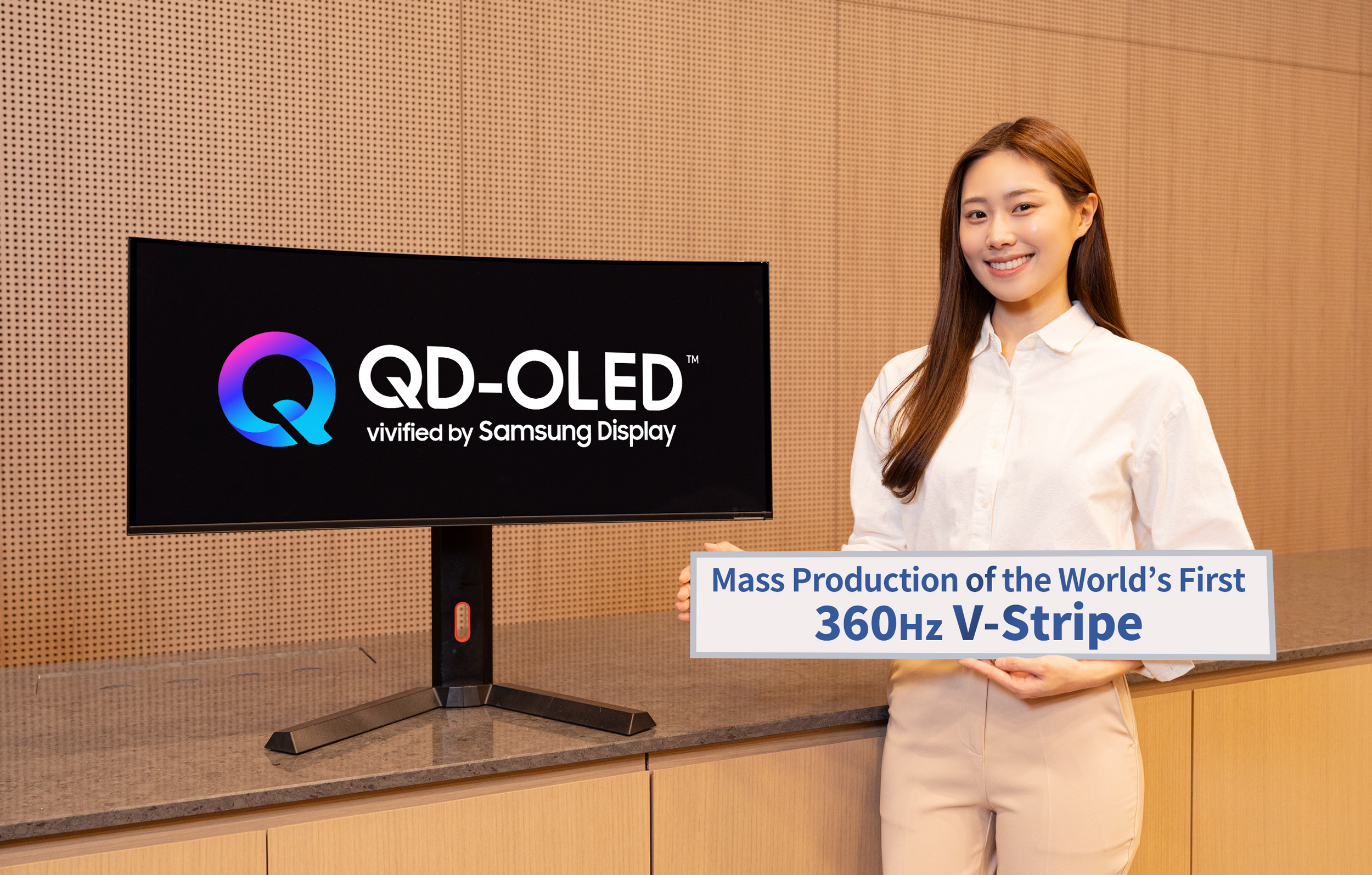
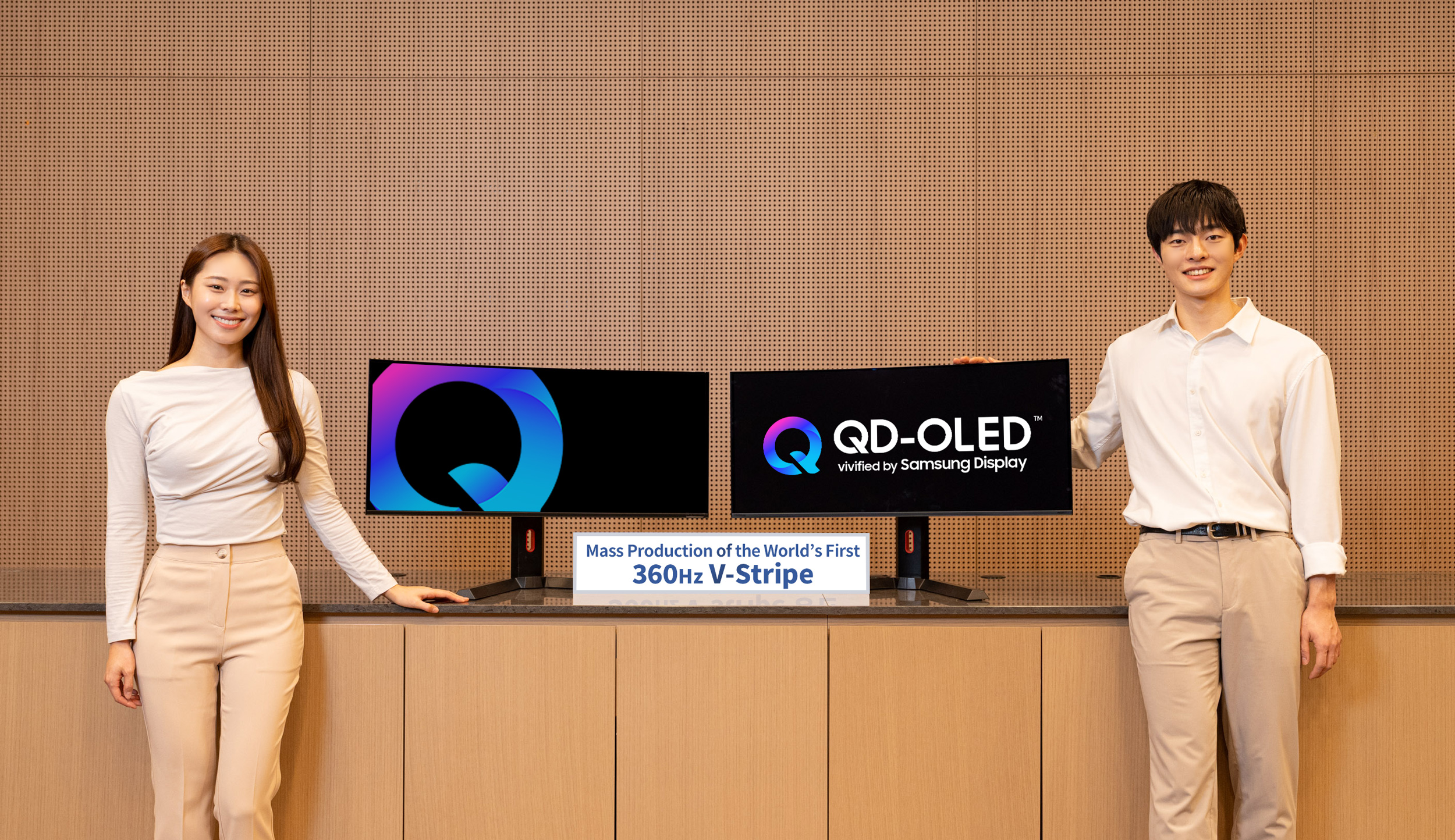
Image credit: Samsung

The technical specifications of this new panel are a significant leap forward for the ultrawide category. Operating at a native 360 Hz refresh rate, the display offers a substantial upgrade in motion clarity over previous 240 Hz models, while maintaining the cinematic 21:9 aspect ratio and a subtle 1800R curve. Samsung has also pushed the luminance envelope, citing a peak HDR brightness of 1,300 nits and VESA DisplayHDR 500 True Black certification. To achieve these figures on a high-refresh ultrawide, Samsung used a new top-emission structure and improved organic materials under its EL 3.0 implementation to maximise efficiency and longevity.

While the announcement comes from the panel manufacturer, the hardware is already in the hands of major partners. Samsung Display confirmed that it has been supplying these V-Stripe panels to seven global brands, including Asus, MSI, and Gigabyte. With CES 2026 set to kick off in Las Vegas on January 6th, both Asus and MSI are expected to unveil the first retail monitors using this technology.

KitGuru says: With both LG and Samsung now preparing RGB-stripe panels, OLED/QD-OLED panels could become the go-to solution for gaming and working on a single display.

The post Samsung Display fires back at LG with “V-Stripe” 360Hz QD-OLED ultrawide first appeared on KitGuru.
Thermalright unveils slim new 140mm case fans

2 janvier 2026 à 16:00

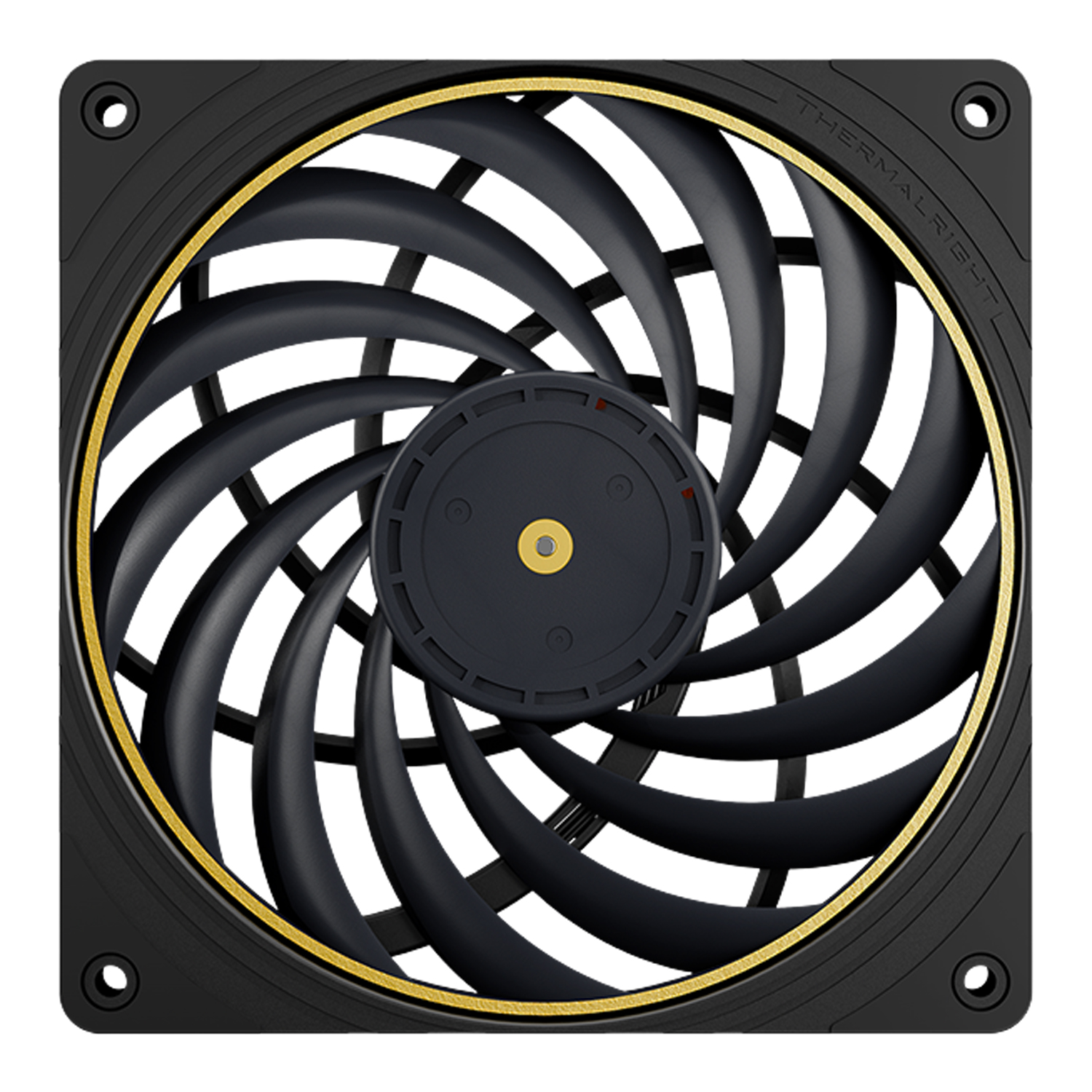
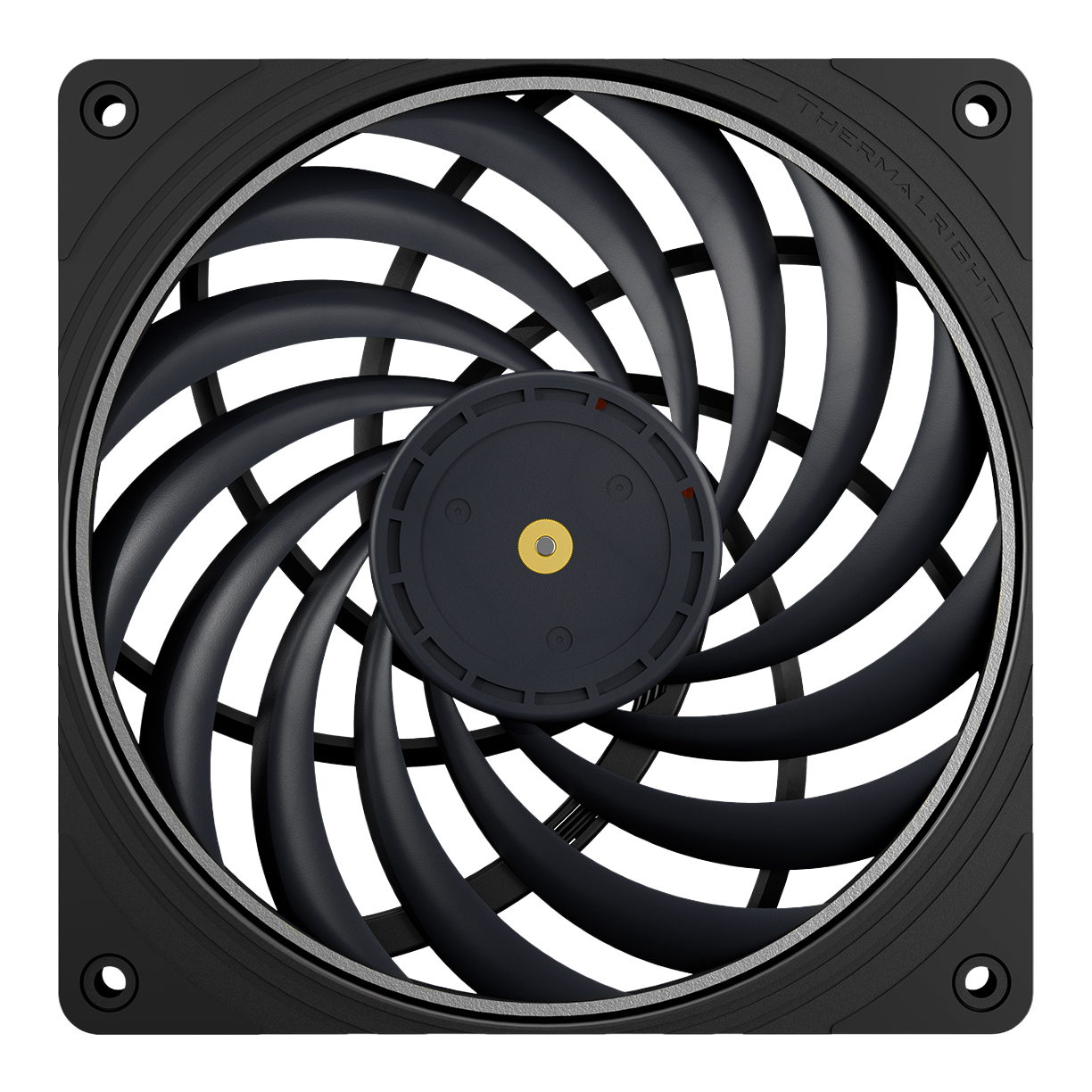
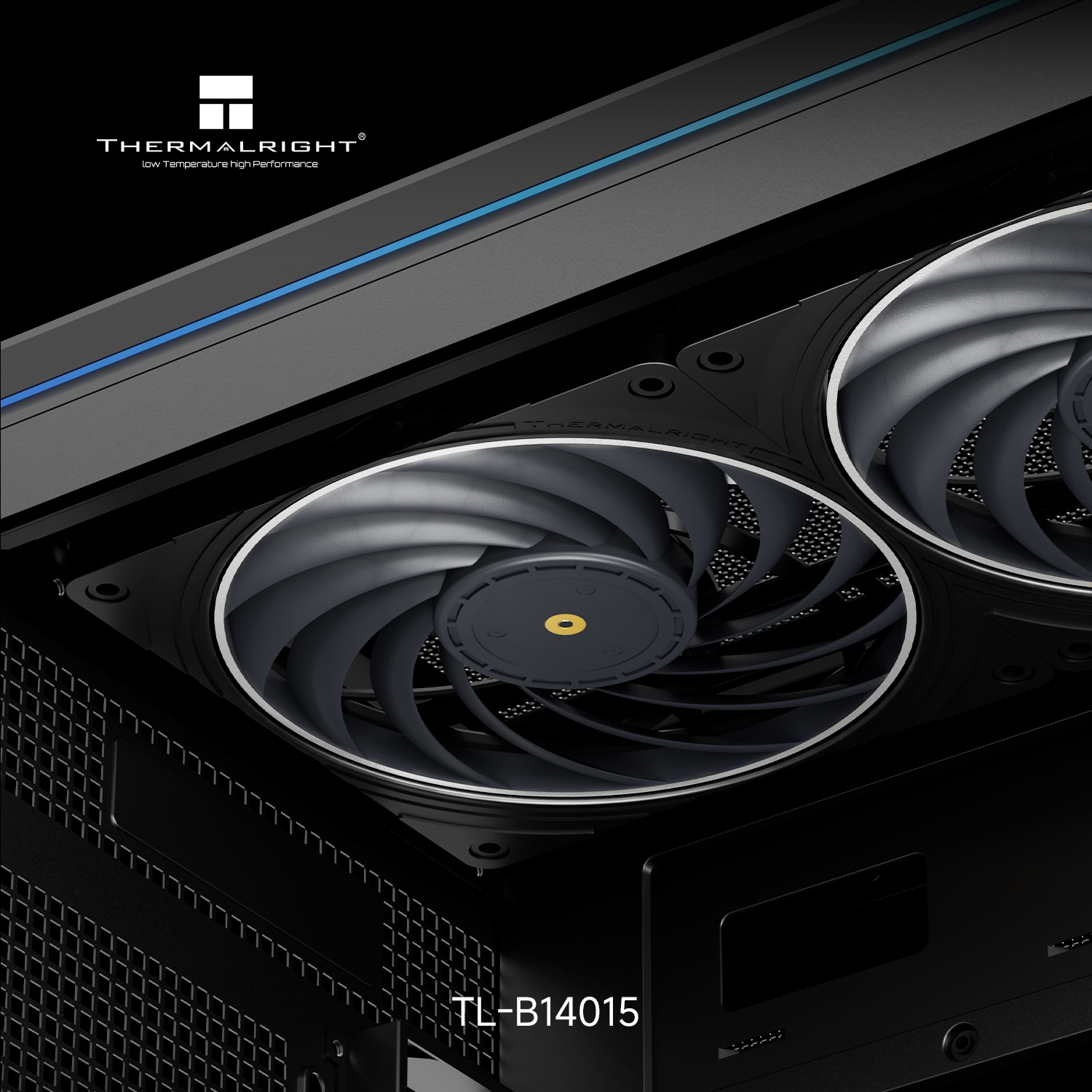
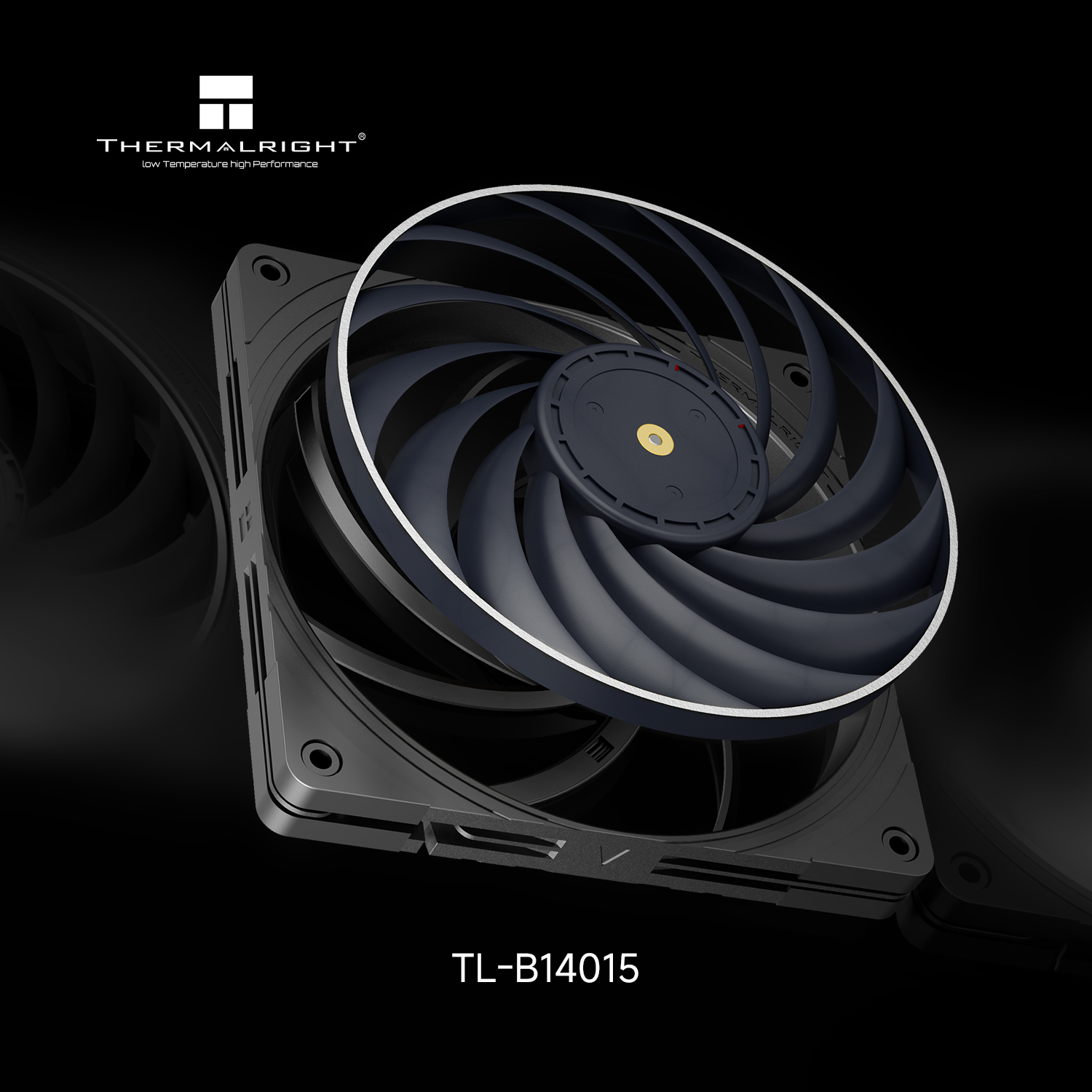
Thermalright is expanding its already vast cooling catalogue with a rare entry into the slim 140mm fan market. The newly unveiled TL-B14015 series targets the growing niche of Small Form Factor (SFF) enthusiasts who require the surface area of a 140 mm fan but lack the clearance for standard 25-mm-thick fans. Measuring just 15 mm thick, these fans are designed to slide into tight gaps behind front panels or beneath bottom-mounted radiators where traditional blowers won't fit.

Currently available in a stealthy black finish, the standard TL-B14015 (via CowCotland) operates at a modest 1600 RPM, delivering 62.8 CFM of airflow and 1.0 mmH2O of static pressure while keeping noise levels very respectable at 24.6 dBA.

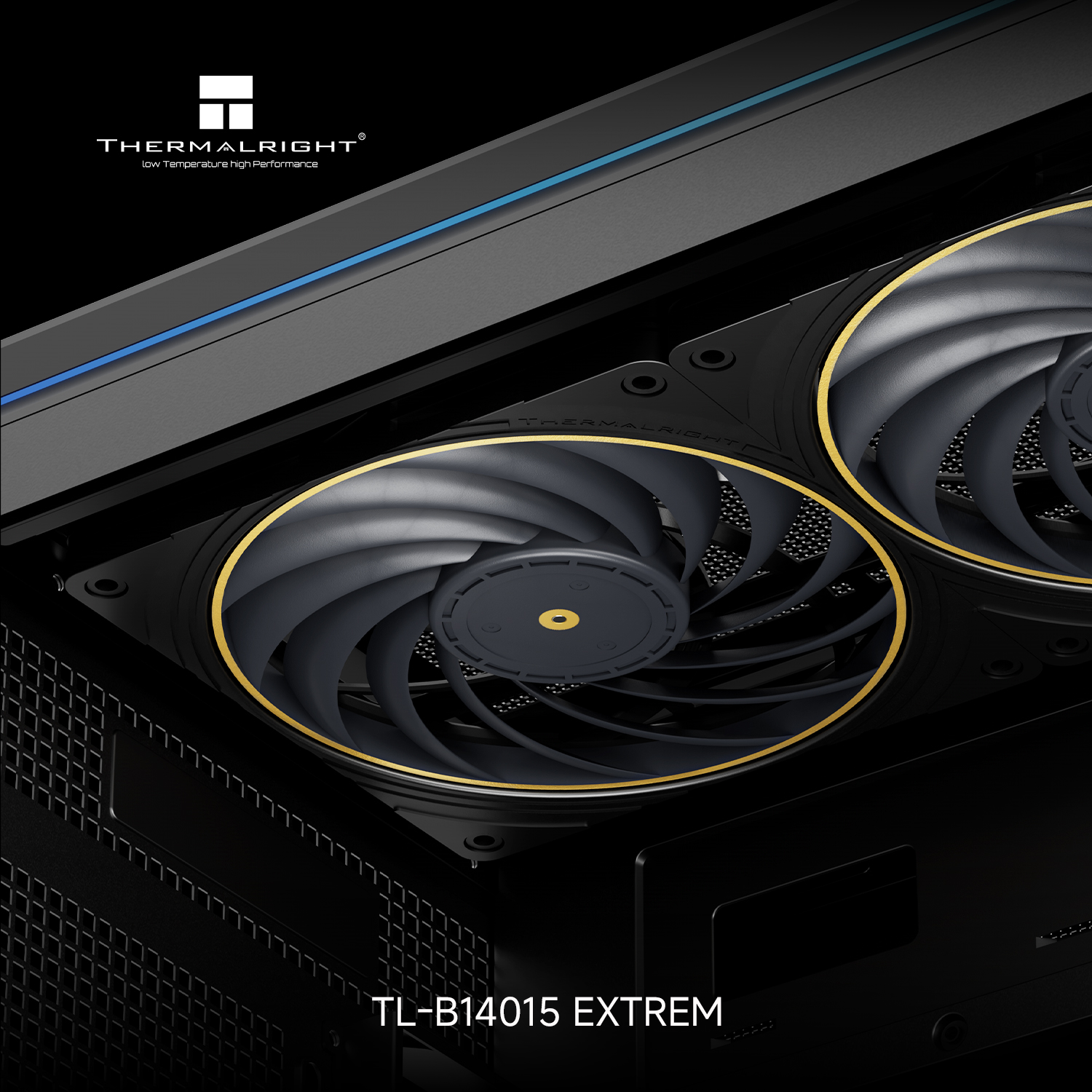
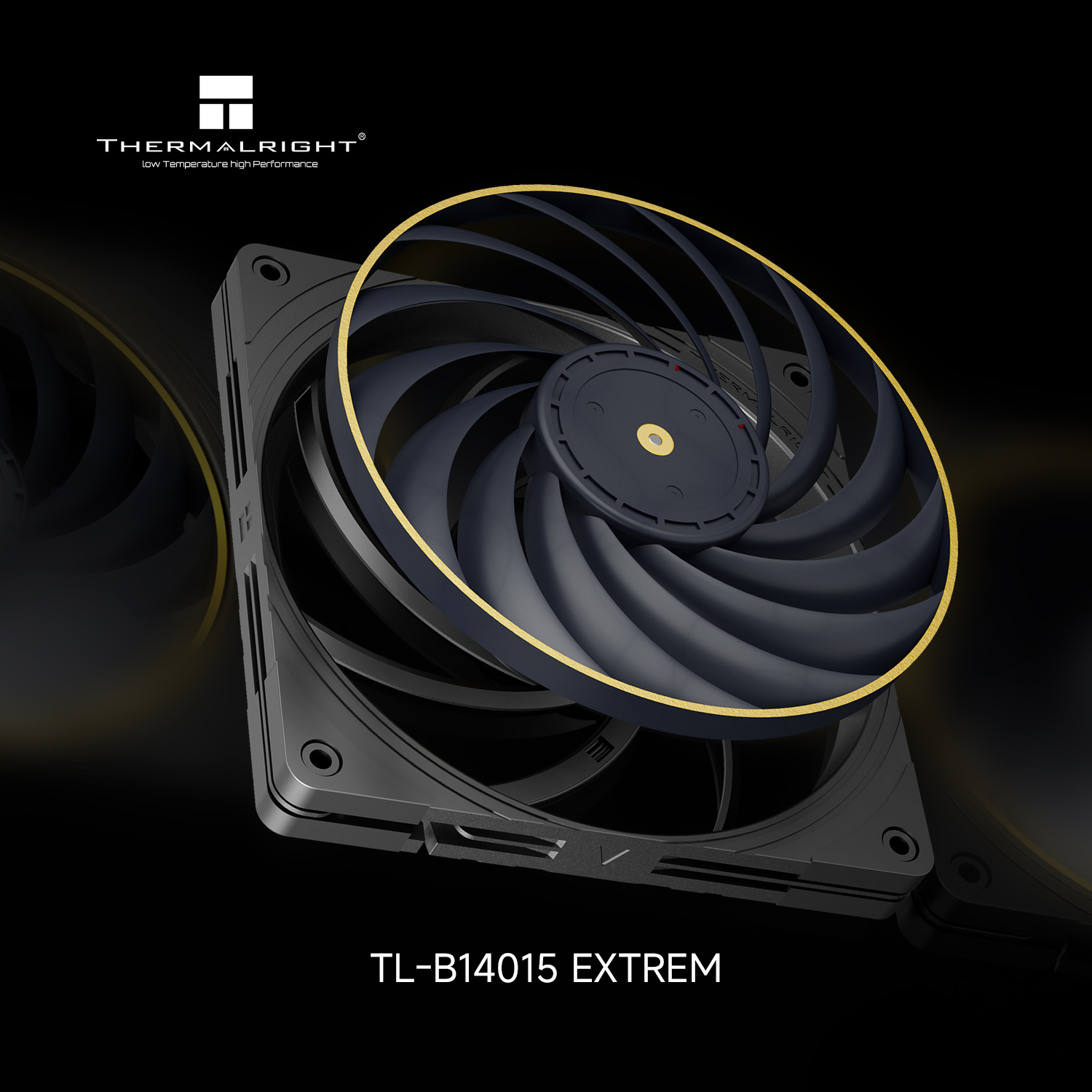
For those who prioritise raw performance over acoustic stealth, Thermalright has also introduced the TL-B14015 Extrem. This “Extrem” variant is distinguished by a structural gold ring connecting the blade tips. Moving away from standard plastics, the Extrem model utilises Liquid Crystal Polymer (LCP) blades. The performance jump is significant, with the Extrem pushing up to 2600 RPM, doubling the static pressure of the base model to 2.01 mmH2O and increasing airflow to 92.3 CFM. However, as one might expect from a slim fan spinning at such high velocities, the noise level climbs to 34.2 dBA.

Both versions of the TL-B14015 use a dual-row ball bearing system, which generally offers a longer lifespan than sleeve or fluid-dynamic bearings. Thermalright also includes a fairly robust accessory bundle for a standalone fan, including a protective metal grille with a colour-matched centre, mounting screws, and a PWM splitter for dual-fan configurations. This launch effectively positions Thermalright as a direct competitor to the few premium slim 140mm options on the market, likely at a price point that makes it the default choice for budget-conscious SFF builders.

KitGuru says: Thermalright continues to be a menace to the high-priced cooling establishment. Bringing LCP blades and a 2600 RPM ceiling to a 15mm-thick 140mm fan is an impressive technical feat, provided you don't mind the turbine-like acoustics at full power.

The post Thermalright unveils slim new 140mm case fans first appeared on KitGuru.

LG enters a new era of ultra-portability with ‘Aerominum’ laptops

2 janvier 2026 à 15:00

LG is raising the bar for ultra-light computing ahead of CES 2026, unveiling a refreshed laptop lineup that aims to solve the age-old compromise between weight and structural integrity. The 2026 collection is defined by the debut of “Aerominum”, a proprietary magnesium-aluminium alloy inspired by aerospace engineering.

The new Aerominum chassis is achieved by fusing the low density of magnesium with the rigidity of aluminium. LG claims to have reduced the weight of the latest models while increasing scratch resistance. The result is a premium metallic finish that is more durable without the “flimsy” feel sometimes associated with ultra-light devices.

On the performance side, LG is leading with the US-exclusive Gram Pro 17 (17Z90UR), which the company is touting as the world's lightest 17-inch RTX laptop. Designed for creators who need a lightweight workstation, it squeezes an Nvidia GeForce RTX 5050 (8 GB GDDR7) into a frame roughly the size of a traditional 16-inch laptop. This model features a 17-inch WQXGA (2560 x 1600) IPS panel.

As the lightest 16-inch laptop in its class with both on-device and cloud-based AI, the LG Gram Pro 16 (16Z90U) establishes a new benchmark. For both professional and creative tasks, the 16-inch WQXGA+ (2,880 x 1,800) OLED display provides a high-end, immersive visual experience with high PPI. For graphics, it seems the laptop will depend on the iGPU of the Intel Core Ultra series CPUs powering it.

The 2026 lineup also marks the debut of LG's Advanced Dual AI strategy. By combining Microsoft Copilot+ capabilities with LG's Gram Chat On-Device AI, these laptops can perform complex tasks such as document summarisation, search, and translation without an internet connection. This is powered by the upgraded Exaone 3.5 small LLM, ensuring user data stays private on the local hardware. A new “Time Travel” feature even allows users to revisit and restore past workflows or deleted data through an intuitive AI-driven timeline. Connectivity-wise, the new laptops are getting Gram Link, which now supports seamless file sharing and screen mirroring across Android, iOS, and even webOS-based LG devices like TVs and smart monitors.

KitGuru says: LG Gram laptops have always been exceptionally light, but there still seems to be room to make them lighter. Is the weight of a laptop a critical factor to you?

The post LG enters a new era of ultra-portability with ‘Aerominum’ laptops first appeared on KitGuru.
❌