Sony’s recent push towards live-service games has yielded few successes so far, but equally as few failures. That’s not for lack of trying however, with the console manufacturer previously stating that they had greenlit the development of a dozen different ‘games as a service’ titles across its suite of PlayStation studios – most of which were eventually cancelled. While there is no arguing that a game which was clearly on the path towards failure shouldn’t be canned before it’s allowed to release, many of the projects which Sony would later cancel came alongside lay-offs and studio closures.
Such is the case with the ill-fated BluePoint Games, whose flawless reputation and repertoire could not save it from being shut down following the cancellation of its years-in-development multiplayer live-service God of War game. But what if the project was able to come together and be released? What if most of Sony’s cancelled PS5 games found their way past the finish line? This is an ode to some of the games we never got.

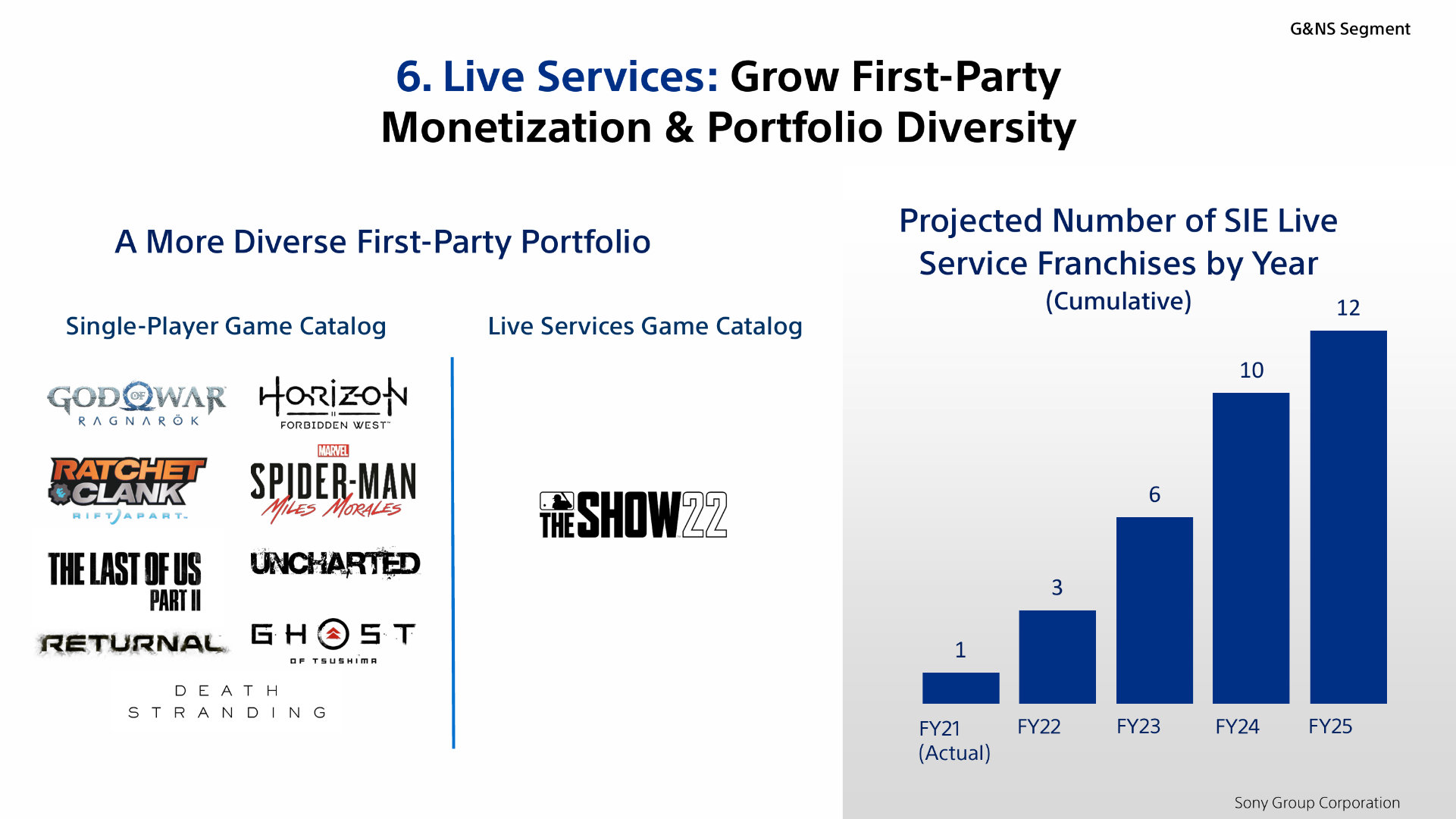
Back in 2022 during Sony’s Business Segment Briefing, the then-President and CEO of Sony Interactive Entertainment ‘Jim Ryan’ revealed that the console maker was planning to have launched a total of 12 live-service titles by the end of the 2025 Fiscal Year.
Cut to what is pretty much the end of the 2025 Fiscal year and very few of those dozen games have been released, with a majority of them ultimately winding up cancelled.
As mentioned, a few titles have made it past the finish line, with the annual MLB The Show continuing to truck along; Helldivers II taking everyone by surprise and the world by storm; and of course Concord – doing pretty much the opposite of Helldivers in becoming one of the most infamous failed launches in perhaps decades. That said, at the very least Concord was able to be released and judged by the world (and boy did they judge).
For better or for worse, most of the promised dozen live-service offerings will never come to be and as such won’t have the opportunity to succeed or fail. Monetarily, this likely made the most sense for Sony, but as a fan, it’s hard not to imagine what could have been had the seeds been allowed to fully fruit. From Firesprite Studio’s ‘Project Copper’ to The Last of Us Online; Spider-Man: The Great Web and of course BluePoint’s live-service God of War game, let's speculate and pontificate about some of the games we never got.
Let’s start with Naughty Dog’s The Last of Us Online, not only due to the fact that it was at one point my most anticipated title, but also because of the fact that in many ways it spawned from ideas created prior to Sony’s live-service push. For the uninitiated, the original TLOU launched back in 2013 alongside a multiplayer mode known as Factions. While The Last of Us is first and foremost a single-player narrative driven experience, the Factions mode felt like more than just a slapdash PvP mode intended to fill out the package.
Of course, in today’s day and age, Factions is lacking somewhat in its depth and so when The Last of Us Part II was announced to be getting its own multiplayer mode, my mind raced with the potential. This then became doubly so when Naughty Dog revealed later on that TLOU Part II would not include any multiplayer elements, instead spinning the PvP mode off into its own bespoke experience.
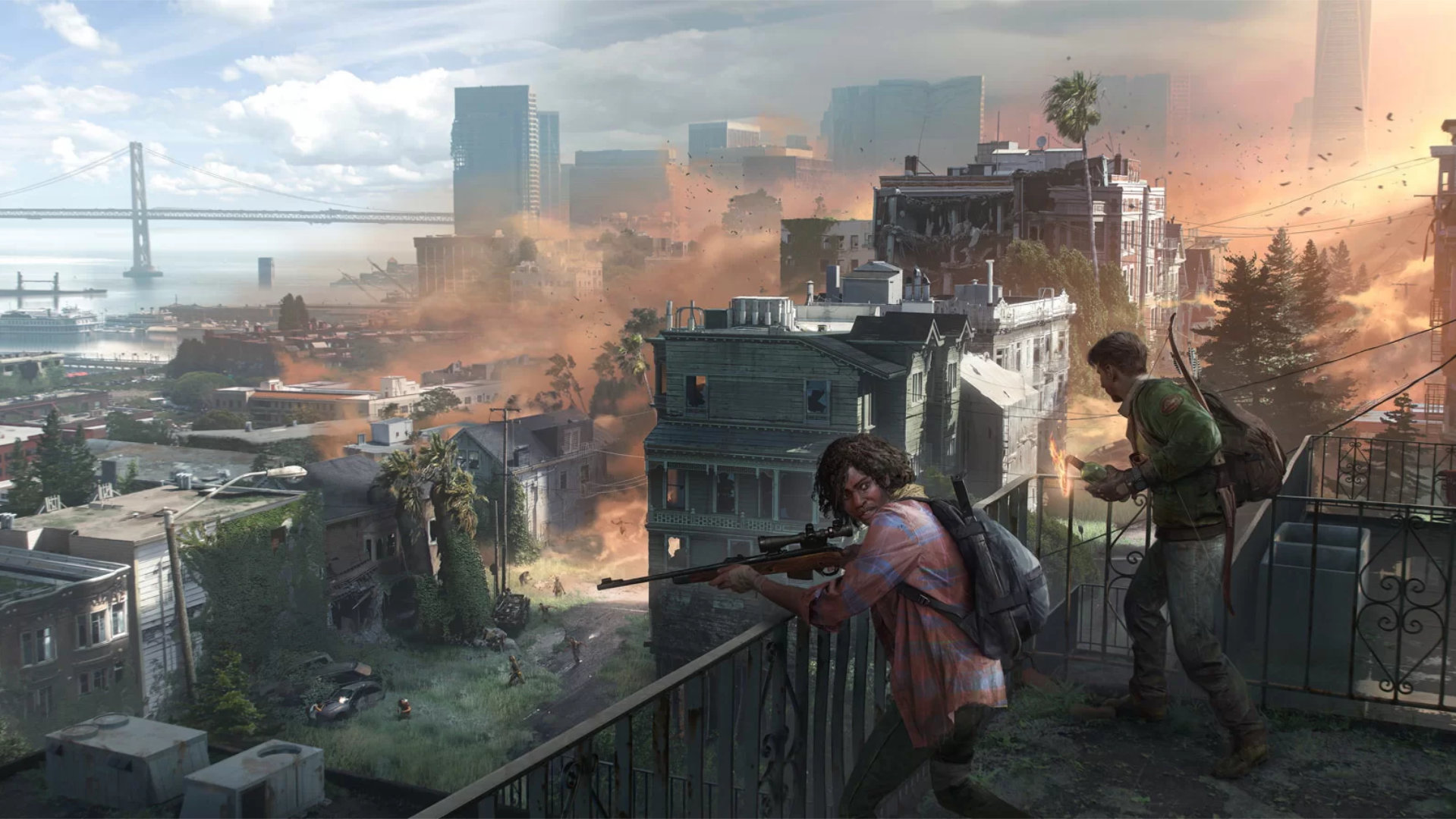
Between The Last of Us Online’s announcement and cancellation, we did not get too much in the way of details. That said, based on the few bits of concept art released and statements from the team, it appeared as though TLOU Online would be set in San Francisco while focusing on a new suite of characters.
Unfortunately, this is pretty much all we learned officially regarding the game, with Naughty Dog / Sony ultimately canning the project in order to focus on what the team does best – story focused single player games.
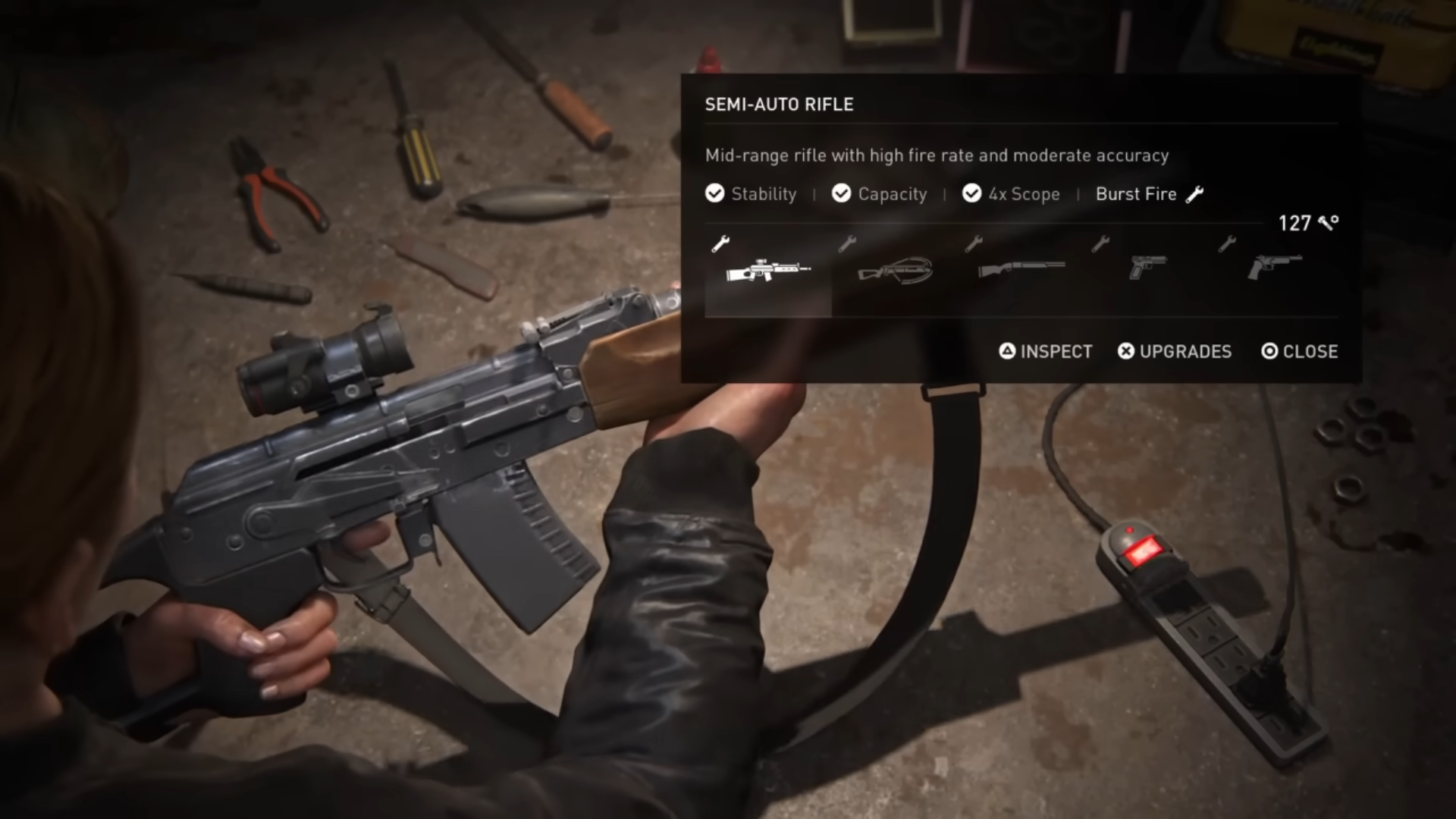
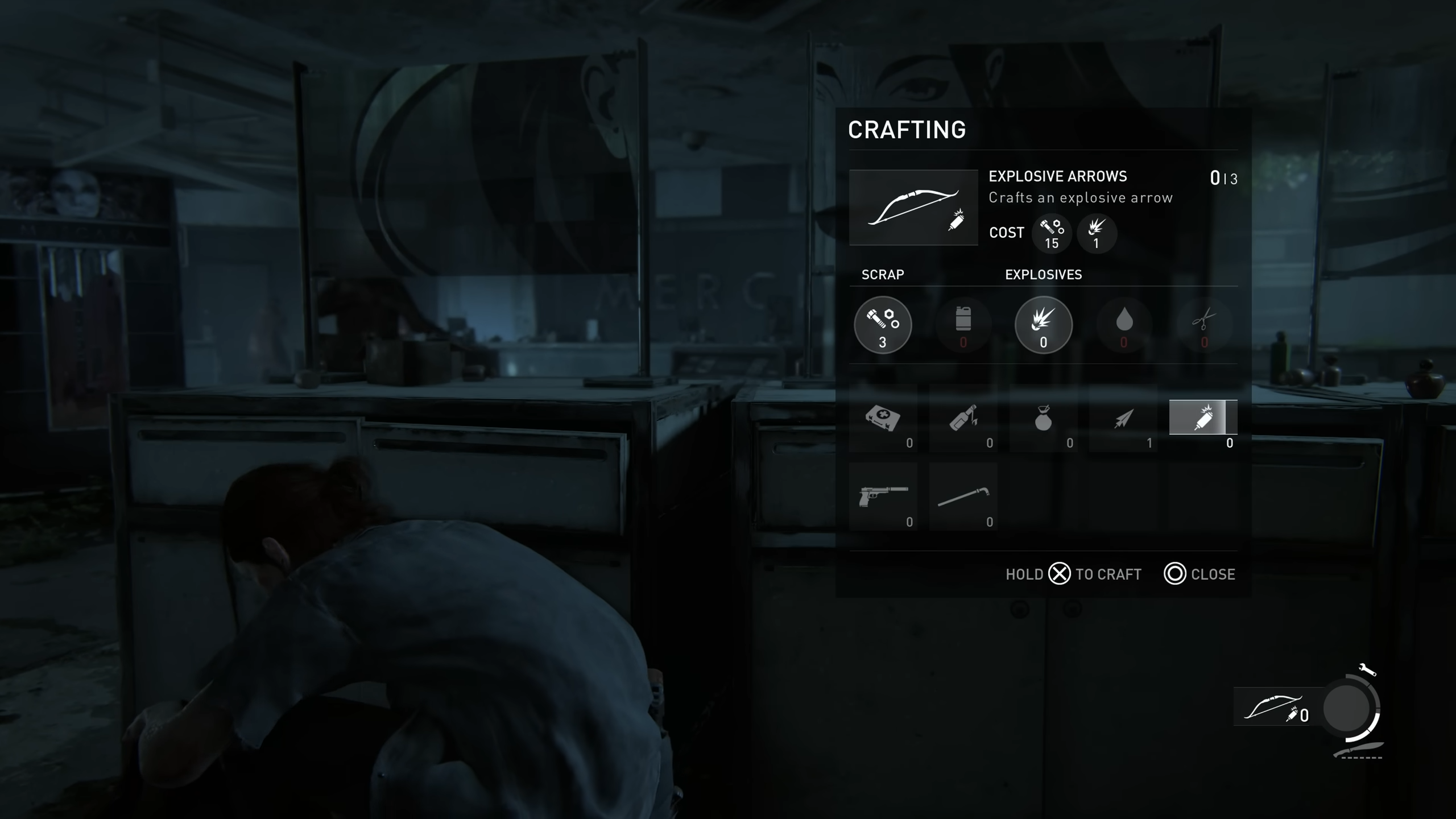
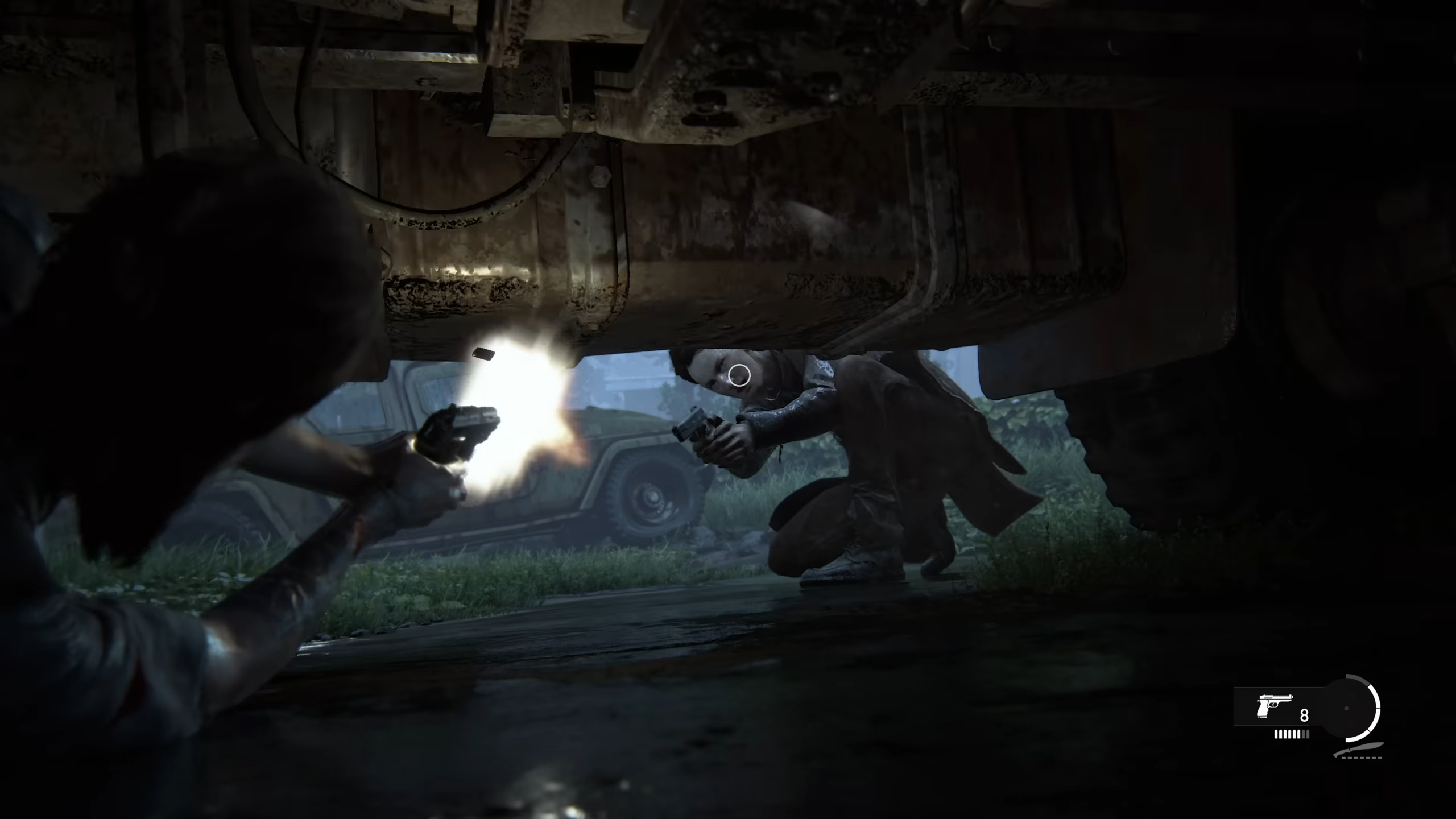
That said, when I think about what could have been, I am met with a sense of sadness. The Last of Us Part II’s gameplay was peak and is in many ways the cleanest, smoothest and most satisfying 3rd person shooting / combat I’ve experienced. When compared to the first game, Part II feels infinitely more freeing in what you as your character can do and perform – a benefit not only to the moment-to-moment gameplay but also the overall ability to strategise and plan. This worked great in the context of Part II’s narrative and would have been transformative for TLOU Online.
Even more interesting however would have been to see what Naughty Dog’s plan for the overall gameplay loop was. In case you didn’t play it back in the day, The Last of Us Factions was essentially a standard map-based PvP shooter in which the main goal was simply to kill the enemy team (while also occasionally picking up some necessary resources). Your progress in these matches would then feed into the game’s camp system, which was just a menu showing how many people are present in your ‘base’ and their current status. Performing well in matches would allow your base to expand and improve – though the impact of this was minimal and served primarily as a fail state which you hope to avoid.
Though its actual gameplay did little to reflect it, much of the ‘narrative’ of the Factions game mode functioned somewhat like a proto-extraction shooter. Now, imagine Naughty Dog took TLOU’s Factions mode as a baseline to then expand upon, what could have been? Well, in my mind, The Last of Us Online could have been ARC Raiders before ARC Raiders.
In a perfect world, The Last of Us Online would have had you create a character and set up a basic base/campsite which you would operate in. Depending on how ambitious the team wanted to be, the camp system itself could have been a fully explorable and customisable base, the evolution and progress of which you could experience in real-time.
Of course, you need resources to keep your camp alive, and so players would then pick a spot on the open-world map to explore and scavenge for materials. Like any good extraction shooter, the different areas would offer different resources of varying rarities, and so players have to keep their wits about them when deciding where to go next.
Where The Last of Us Online could truly have shined however was in its combat. As mentioned, TLOU Part II’s gameplay is peak and needs little in the way of change, but it’s the setup surrounding the combat which could have made for a dynamic and evolving experience.
The world of The Last of Us consists of two primary enemy types: infected and humans. This already offered a strong degree of variety, with the former being primarily melee focused foes with somewhat of a predictable level of reactivity. Humans on the other hand are more cunning, sneaky and of course, strapped; necessitating a whole different approach. Combine these two elements while introducing a 3rd – multiplayer PvP – and you have a recipe for a potentially deep and dynamic world.
Alongside NPC factions such as the Fireflies; WLF; Seraphites and rattlers, players would have to contend with other real-world players and their own self-made factions. Much of what was relegated to a menu in the original TLOU Factions could be realised in a fully explorable space, making for a survival crafter extraction shooter hybrid which could have been unmatched.
All of this, alongside the typical Naughty Dog level of care and polish across every aspect (visuals; audio; animation; music; voice acting etc…) would have made for my dream game. Alas, it will forever remain a dream.
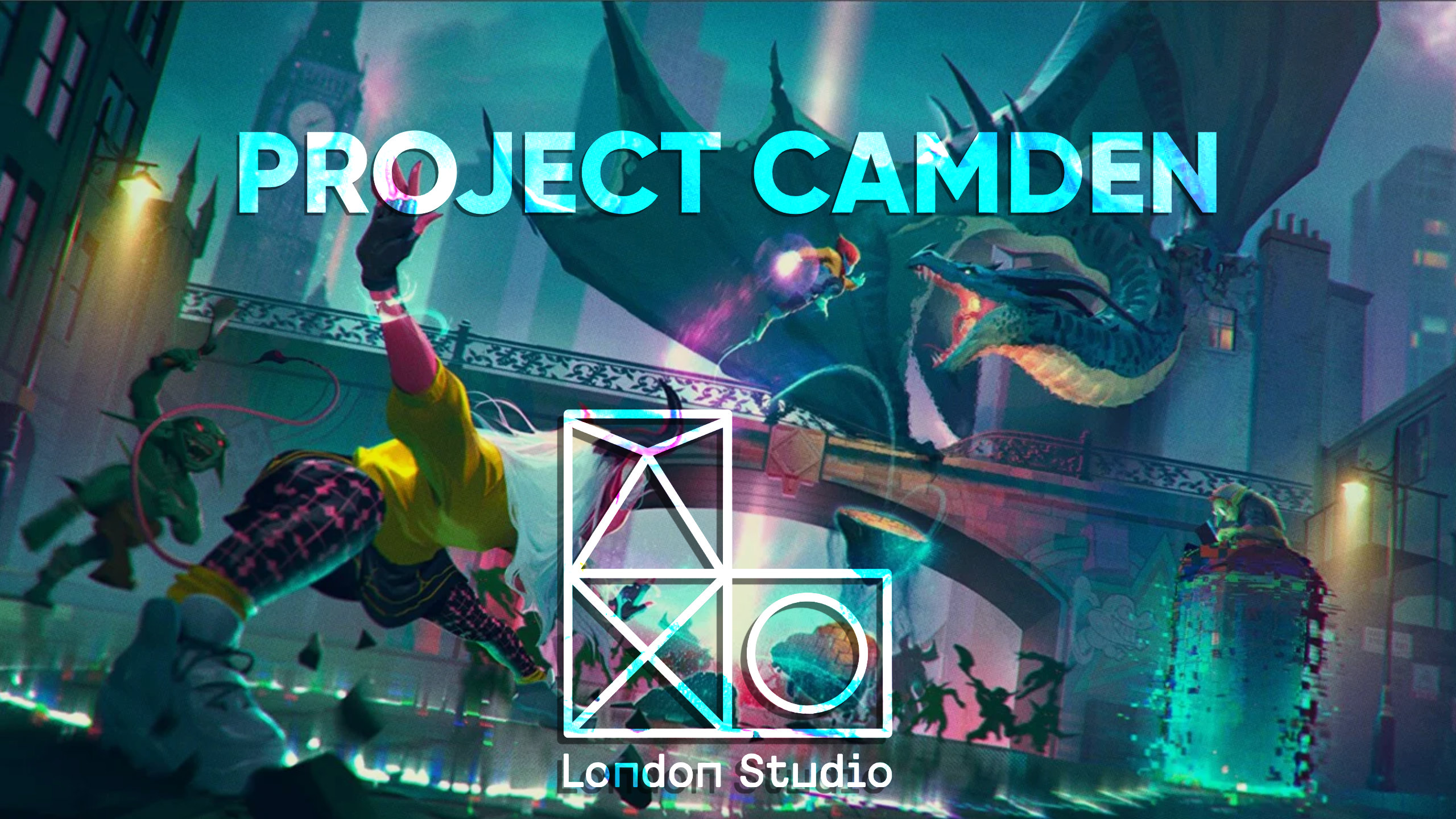
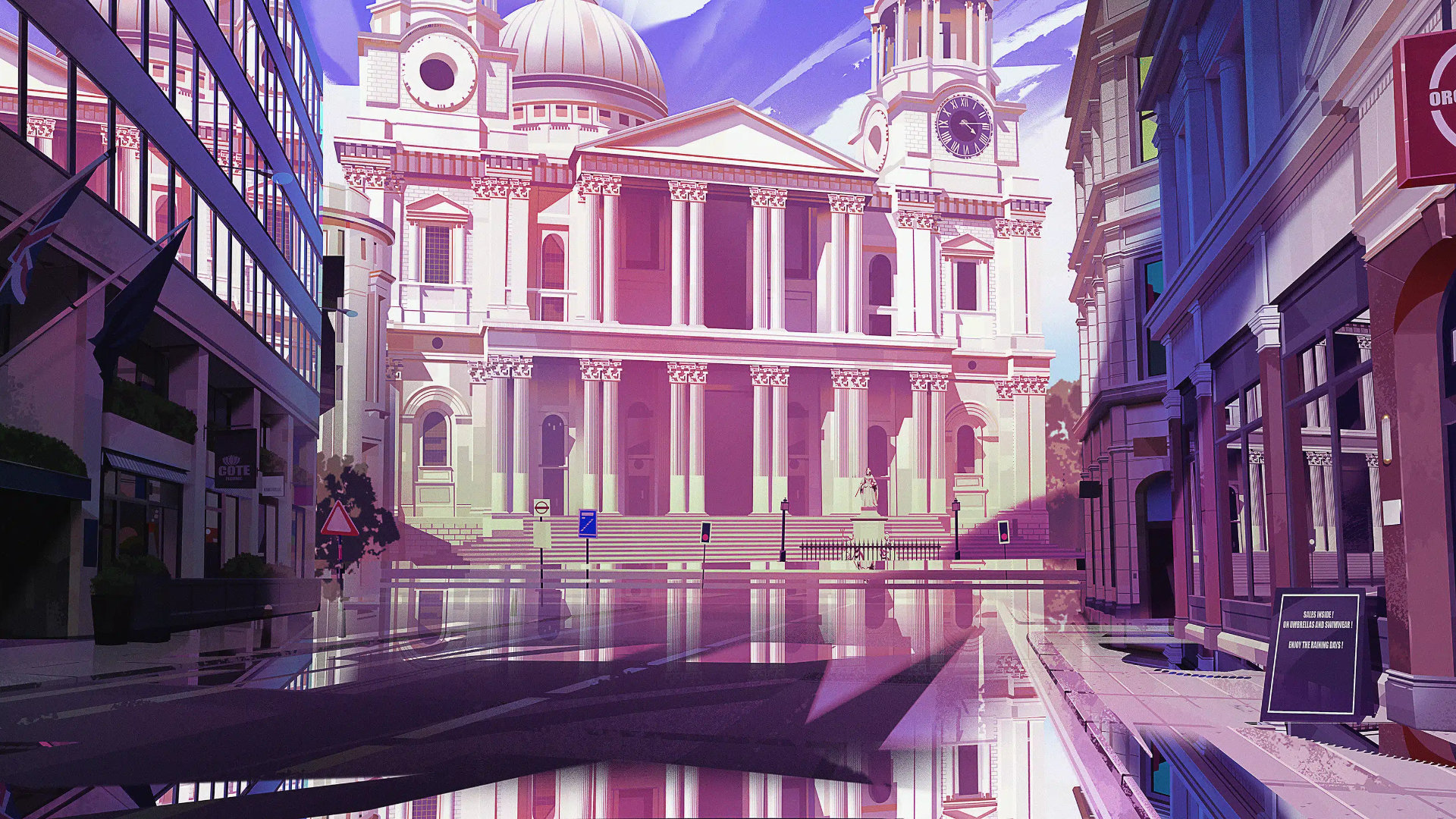
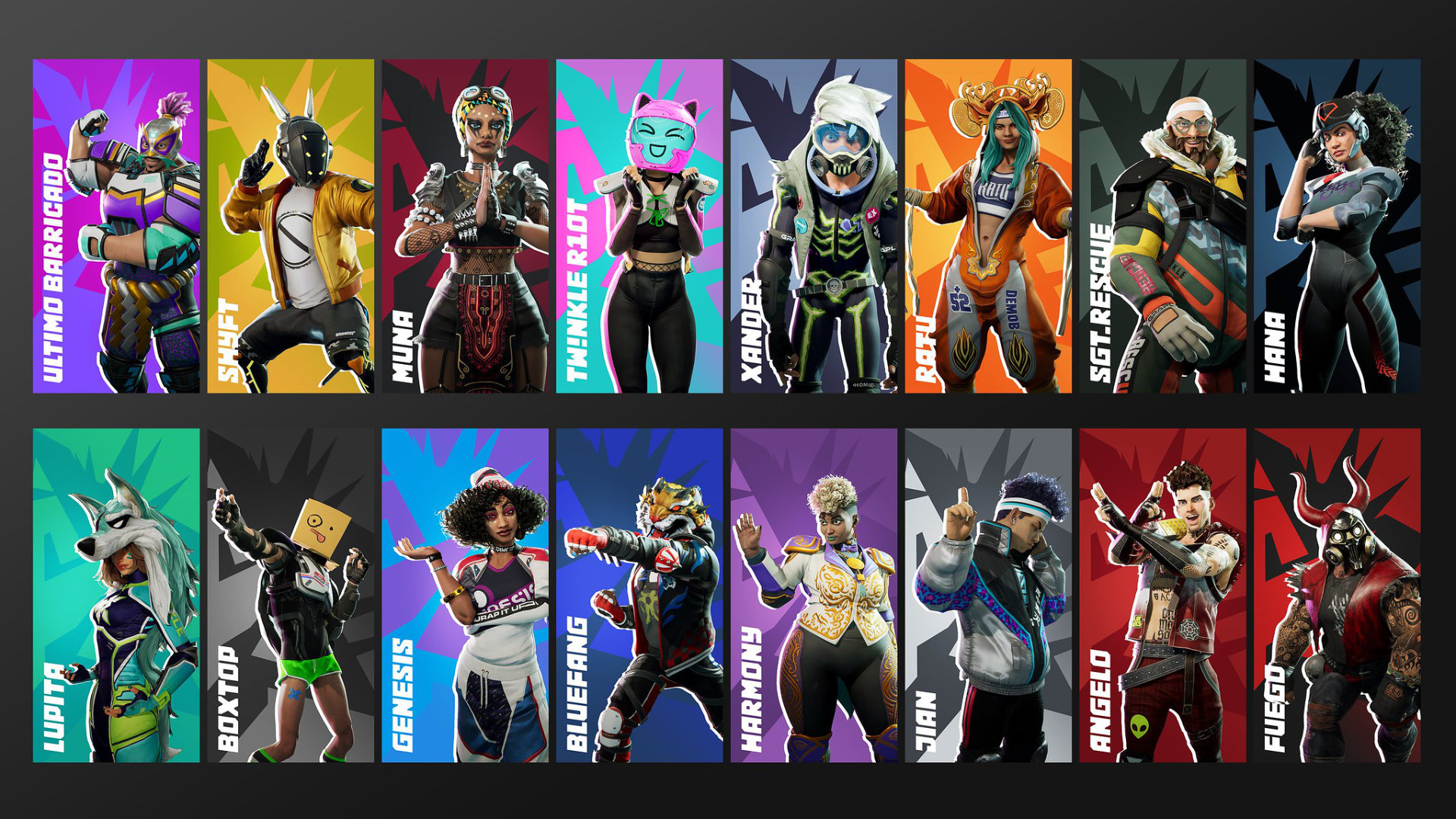
Another cancelled title (one which actually resulted in the closure of the studio) was Project Camden. This game, appropriately being developed by PlayStation’s London Studio, was to be a co-op title set in a fictionalised London. While little was shared regarding the project at the time, we did get at least one piece of concept art which showed off the game’s intended visual aesthetic of vibrant colours and a blend of fantasy crossed with contemporary elements.
While far from PlayStation’s most prestigious team, London Studio filled a particular gap in the console maker’s repertoire and, as they were allowed more budget and freedom, were beginning to present a great deal of potential. Plus they’ll always have a place in my heart thanks to the EyeToy games and of course PlayStation Home (R.I.P.)
Back to Project Camden, we fortunately don’t need to speculate too much on what the game would have been, as a number of the former developers at London Studio would go on to found Twisted Works. This newly created team’s first project is titled Casts Outs and borrows from many of the elements which they were working on previously.
Of course, the game is an entirely different product operating on a presumably smaller budget, but here’s to hoping that Casts Outs proves to have a fun and replayable formula; giving a bit of a silver lining to the end of London Studio and Project Camden. We will have to wait and see.
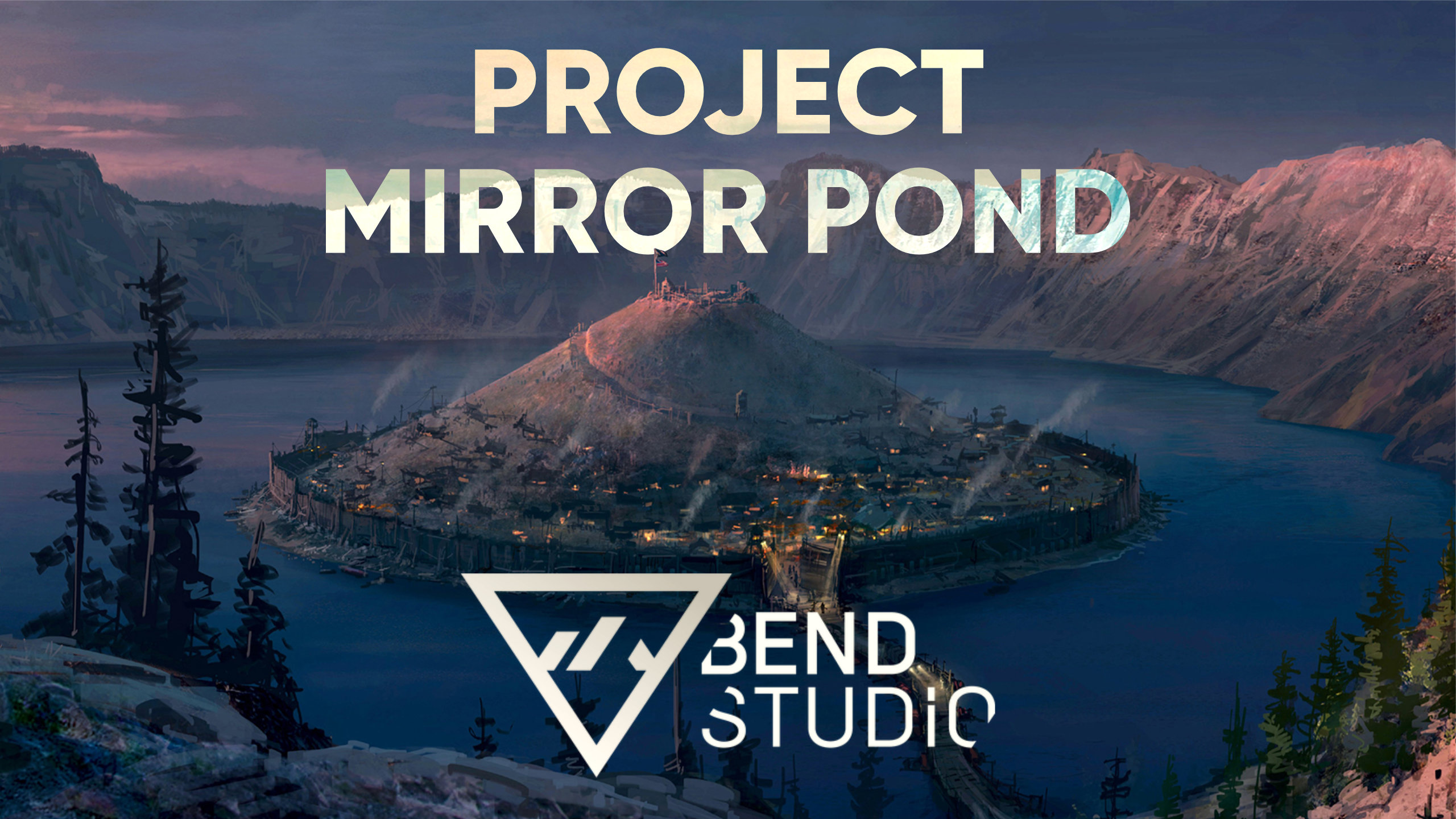
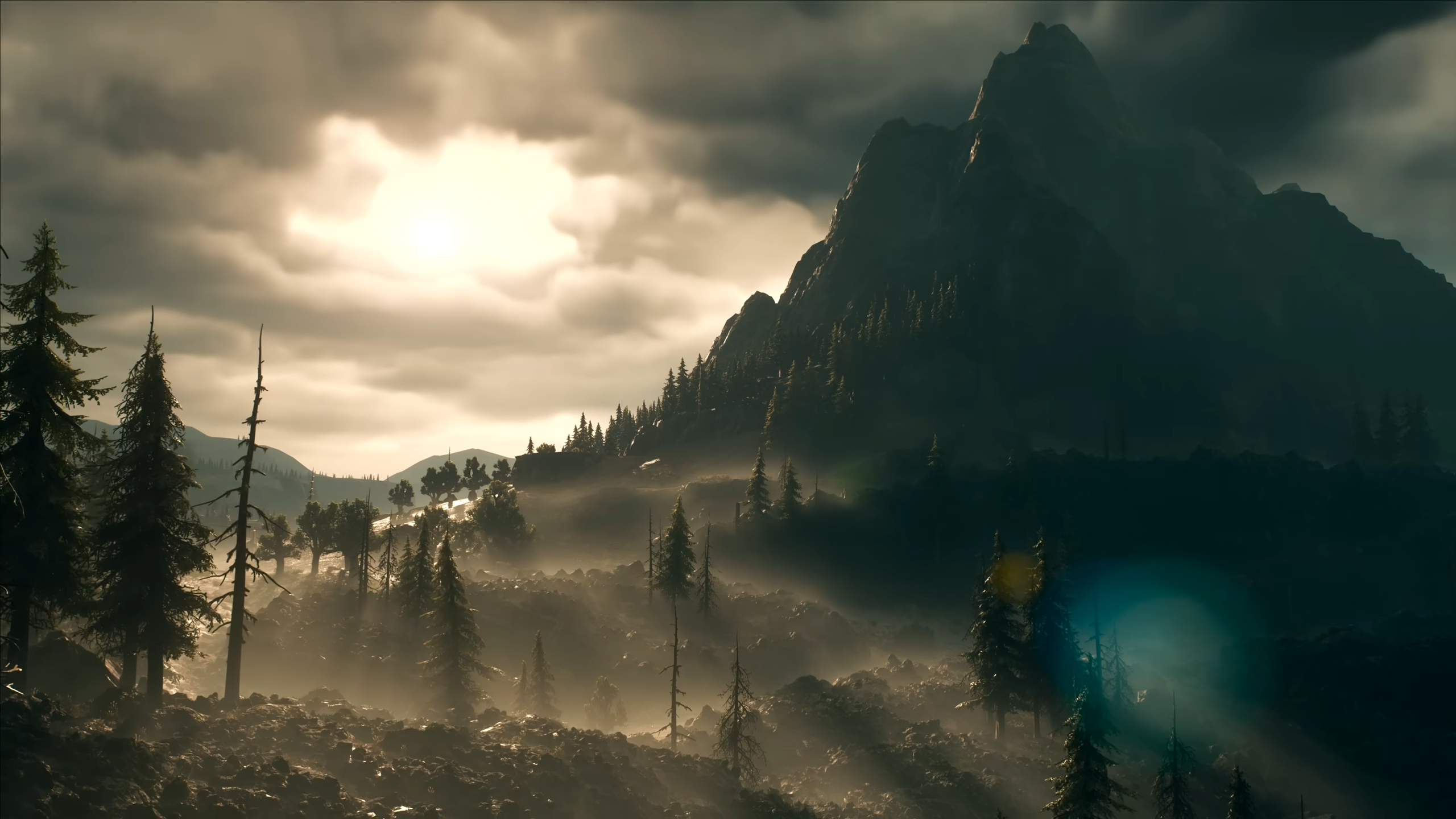
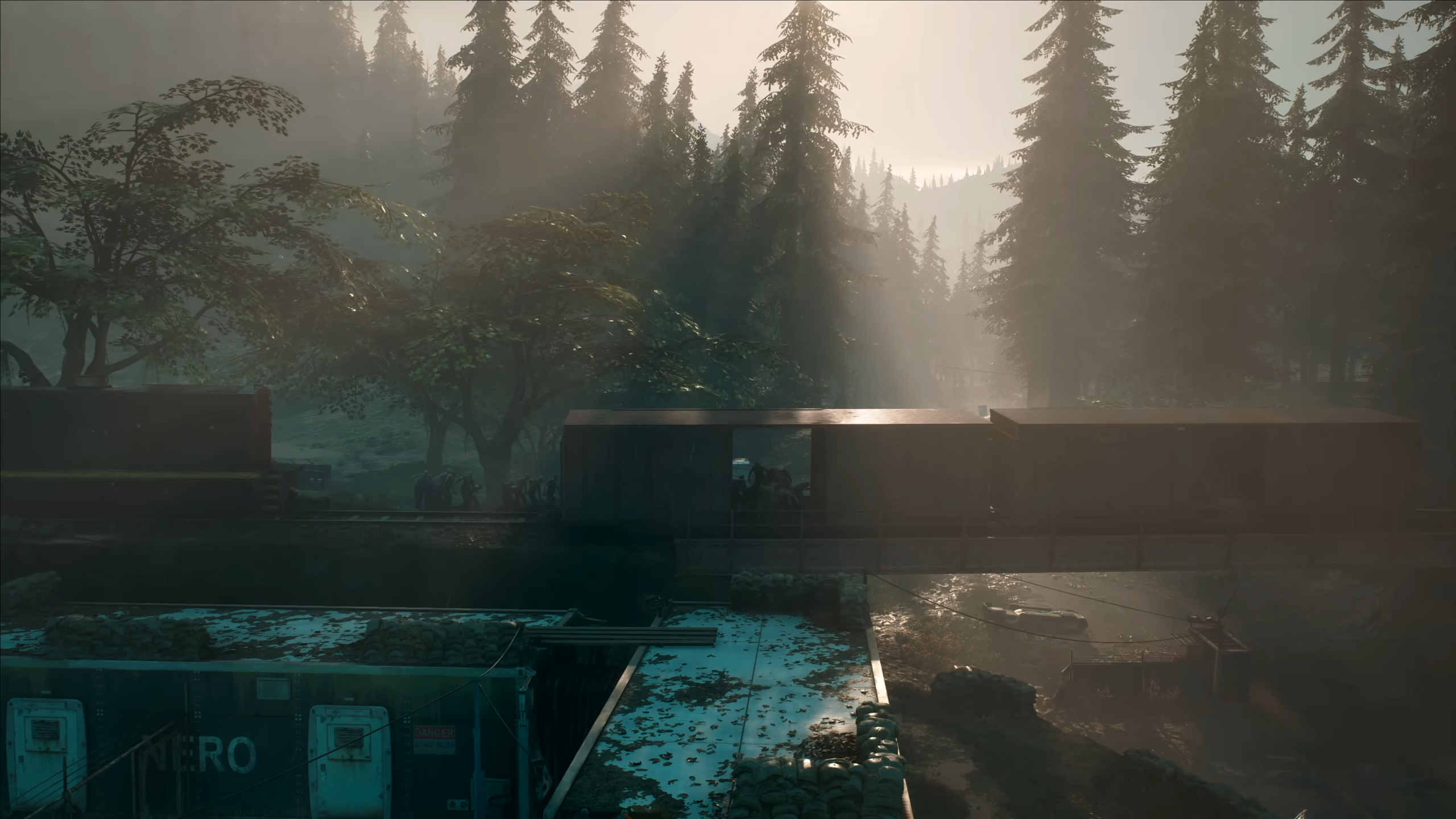
Though never officially announced, we would learn that following the release of Days Gone, Sony’s Bend Studio began working on an open-world live-service title built upon the gameplay systems developed for the aforementioned Days Gone. Later leaked to have been titled Project Mirror Pond, what little was discovered regarding the game indicated that it would have been a 3rd-person shooter featuring military-grade weaponry.
So, what could have been had Mirror Pond not been cancelled and a 3rd of Bend Studio’s developers weren’t laid off? Well, Days Gone seems like a good place to start.
While critiqued somewhat upon its initial release for being a bit of a jack-of-all-trades (while suffering from a number of bugs), Days Gone is looked back upon more fondly nowadays.
Though the story was whatever, Days Gone’s emphasis on its motorbike, how it factored into the open world and its exploration did make for a compelling gameplay loop. Needing to manage your fuel efficiently while navigating towards your destination made the moments in between the action feel more purposeful and intentional, where each detour needed to be considered.
I could imagine a shooter from Bend Studio in which you and your squad can group up to complete missions together. One could be the designated driver while the others keep watch for enemies as you try to navigate some harsh lands.
Narrative-wise and thematically, the game could have gone anywhere. With all we have to go off of being some early models of military weaponry, Mirror Pond could have been a modern military shooter; it could be a period piece set one of the world’s many historical wars; it could be set 10,000 years in the future but just so happen to feature real-world styled guns – we don’t know. But that is part of what makes its cancellation so frustrating to see.
Bend Studio was a team on the rise, coming off of their first proper big budget game in generations; one which showcased their potential. While a live-service title might not have been my dream game from the team, the core of Days Gone could have served as an excellent base for Project Mirror Pond. I guess we’ll never know.
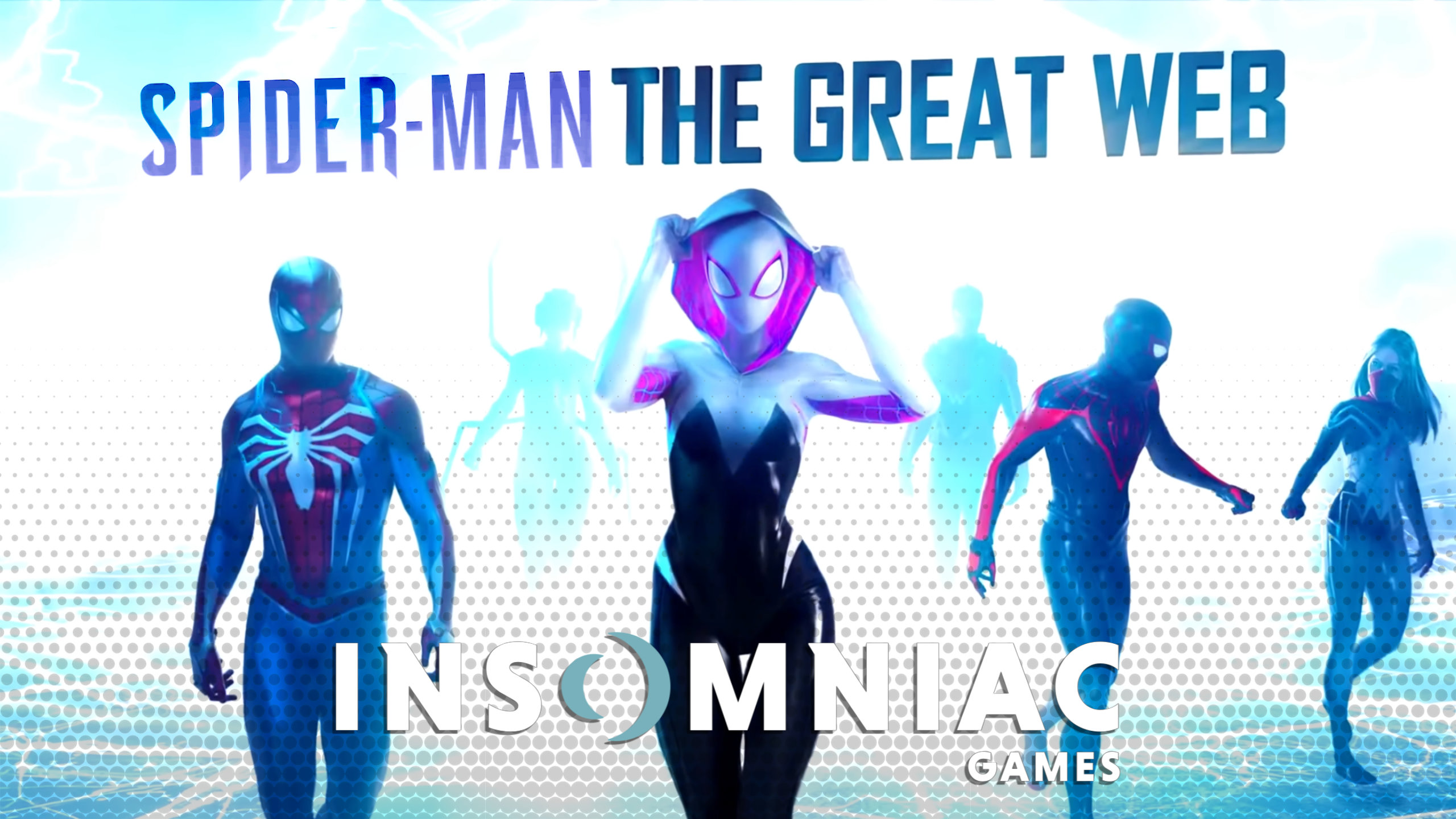
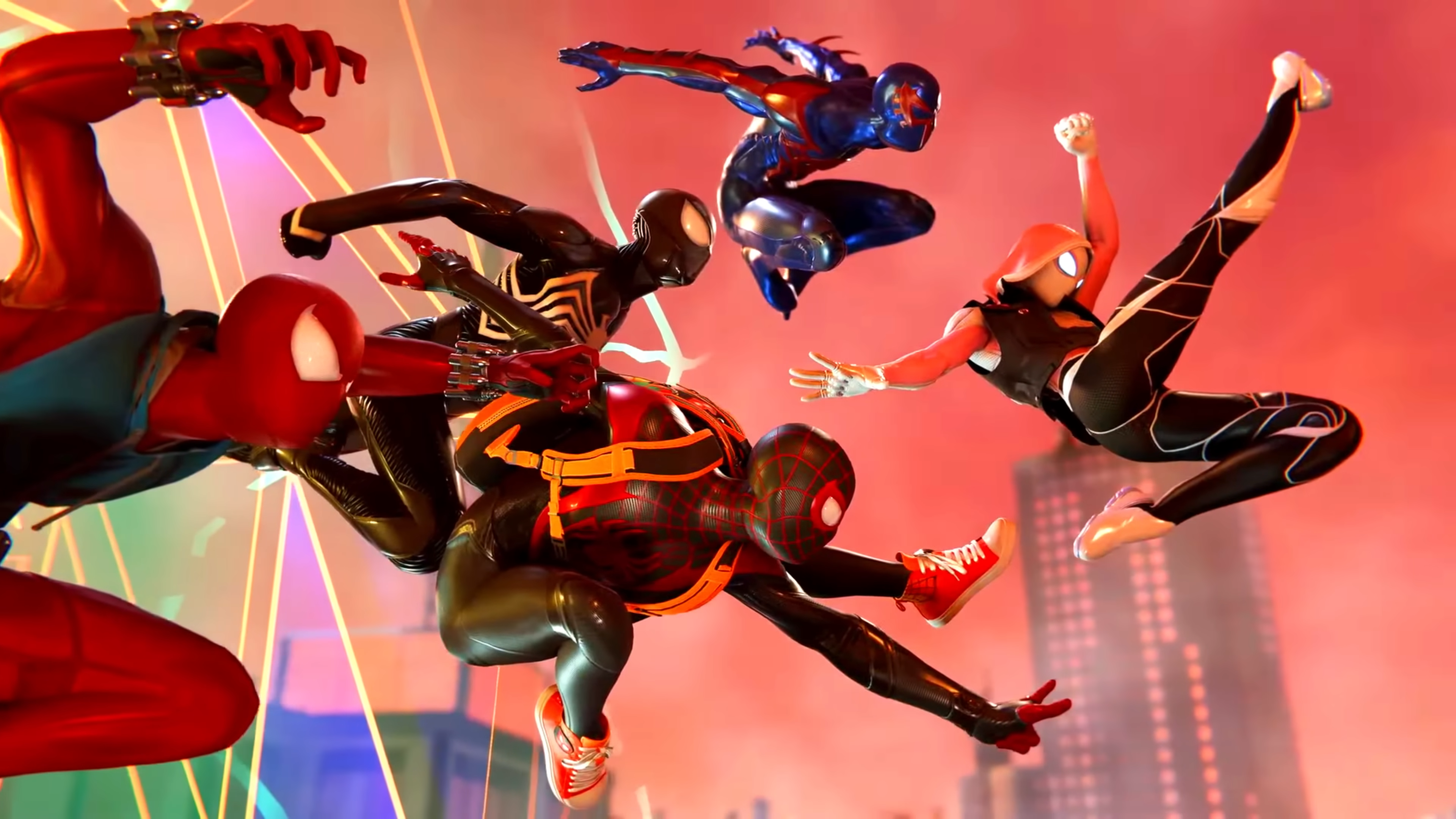
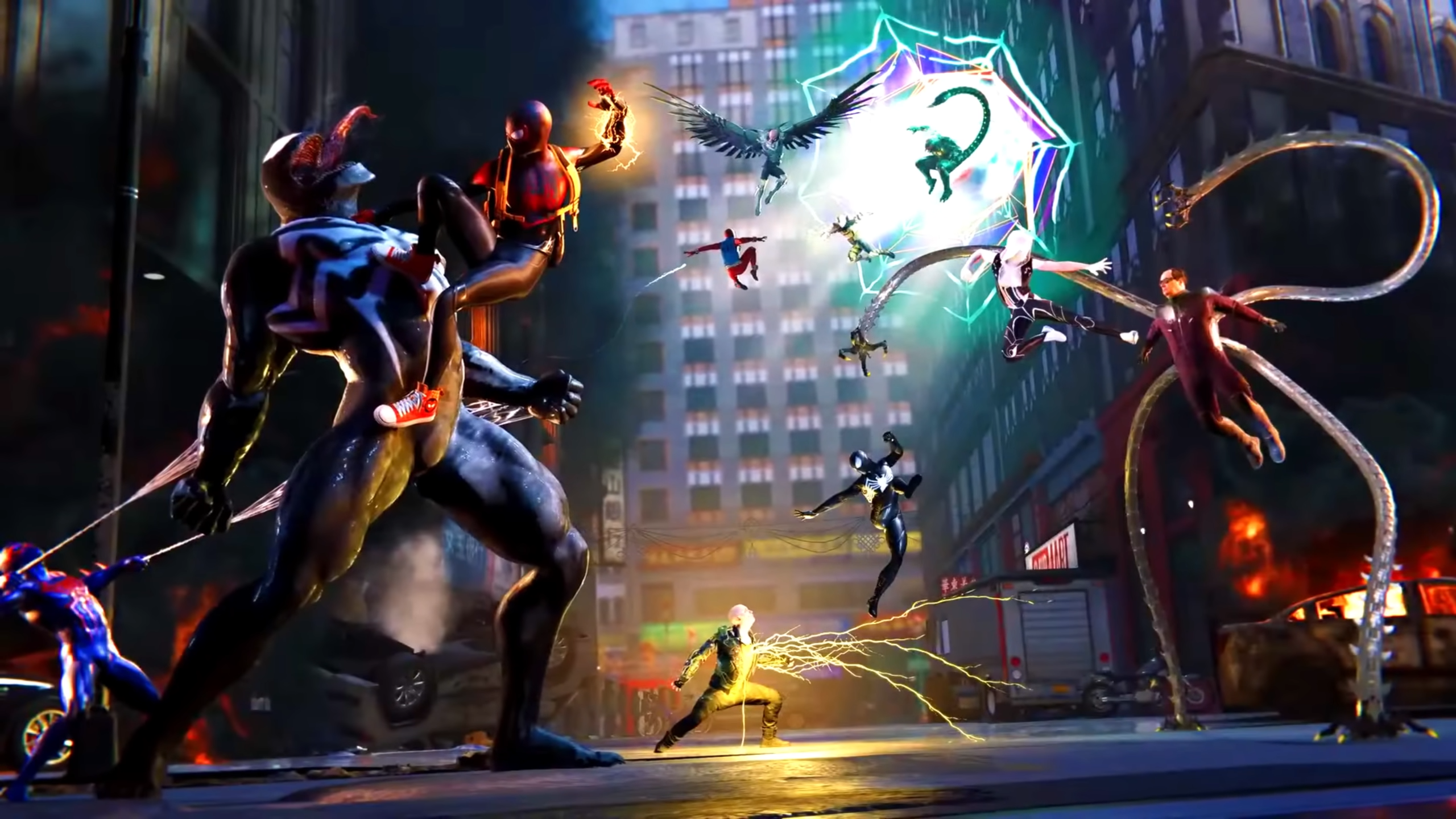
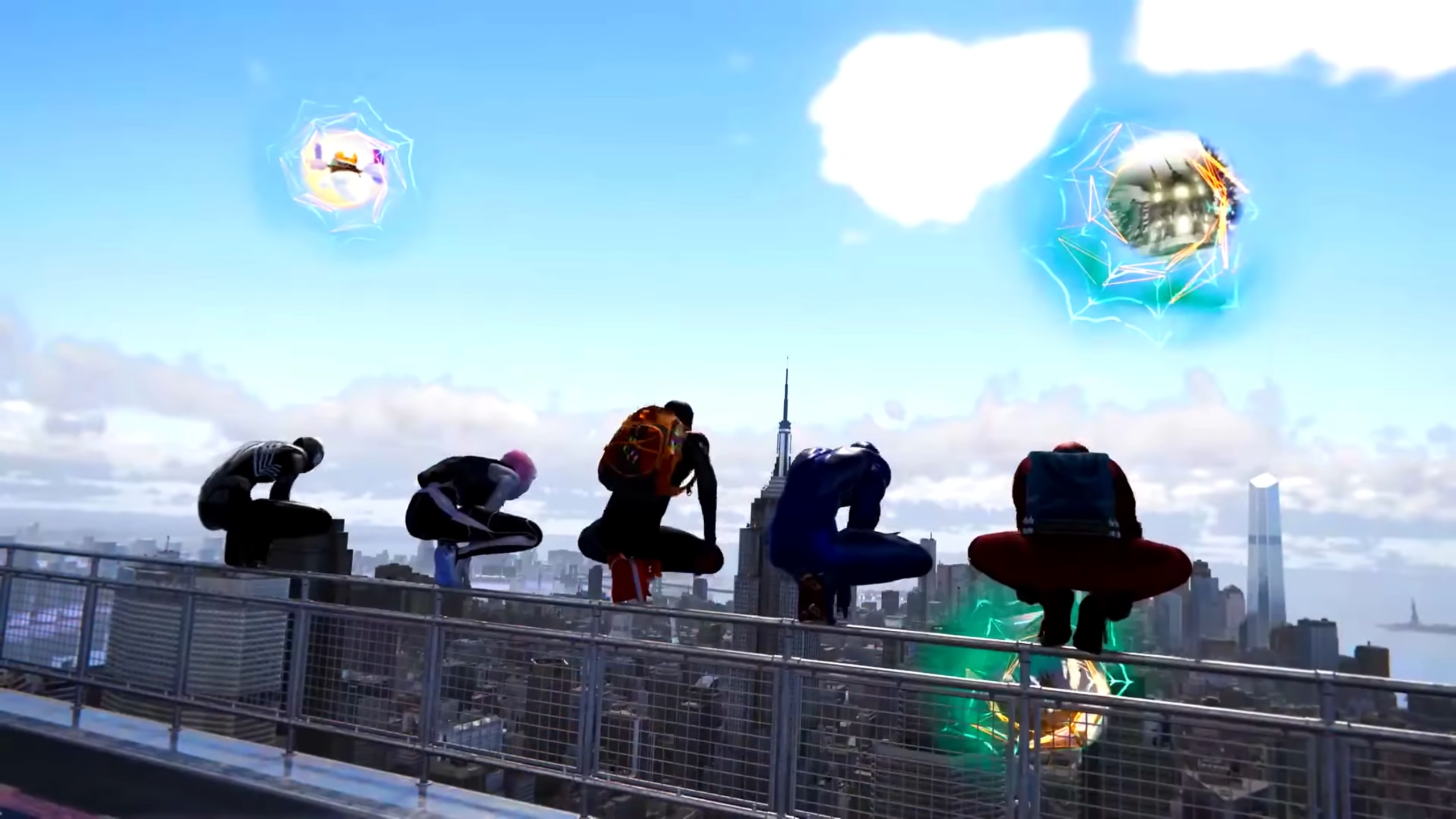
One cancelled title which we know far more about however (even if by unfortunate circumstances) is Spider-Man: The Great Web. Low-key teased in one of Spider-Man 2’s side missions, this live-service title would have pretty much been Spider-Man 2 but in multiplayer while also featuring multiversal portals. It sounds perfect, and based on the leaked internal footage, it looked perfect.
Unlike some, I did genuinely enjoy the story of Insomniac’s Spider-Man 2. Even so, across 2018’s entry, Miles Morales and Spider-Man 2, by far the best aspect of these titles are their gameplay. I’ve 100% all three of the games and would happily do it all over again, simply due to the fact that controlling Spider-Man (be it during combat or when swinging around New York) was nothing less than an absolute pleasure. Each successive entry managed to refine the formula while giving players even more control over the Spider-Men, culminating in gameplay mechanics which I could play forever.
Spider-Man: The Great Web would have provided all this and more. While the notion of a multiplayer Spider-Man game does little to ignite excitement from me, a live-service Spider-Verse title would have been stellar. Keeping watch over a New York City which actually evolves over time in real-time would have been the closest we would ever get to actually becoming Spider-Man.
Thanks to its live-service nature, the game could see different gangs take hold over different boroughs, perhaps even being altered based on what activities players have engaged in (Helldivers style).
Each Season a different villain could rise up and try to take over the city, necessitating you to power up and prepare in order to take them down. There is almost a century worth of Spider-Man stories which could be pulled from, offering near-endless potential for what could be added in an update. There could even be a mini game where you have to race your Spider-Car around the city all the while smashing into the iconic arch villain ‘The Wall’. The opportunities are endless.
That’s not even accounting for the Spider-Verse side of things, which not only makes for even more creative potential, but opens the floodgates for character customisation. Being able to create your own Spider-Man, obtaining different multiversal powers while customising your suit based on 100s of different outfits the Spider-People have worn over the decades would not only have been peak fantasy fulfilment – but if Sony wanted to go this route – would have made absolute BANK if these suits were released as paid cosmetics.
The blueprint was already there. Across the three Spider-Man games developed by Insomniac, we’ve gotten a cavalcade of different combat styles; moves; animations; activities; swinging mechanics; finishers; enemies; villains and so much more. Put all of this into a boiling pot, stir it just the right amount, sprinkle in a couple more different variations of the above and you’ve got yourself the perfect live-service Spider-Man game.
This one especially hurts as we’ve seen exactly what Insomniac Games were planning, and in my opinion it looked perfect. I guess I’ll go replay Spider-Man 2 for now.
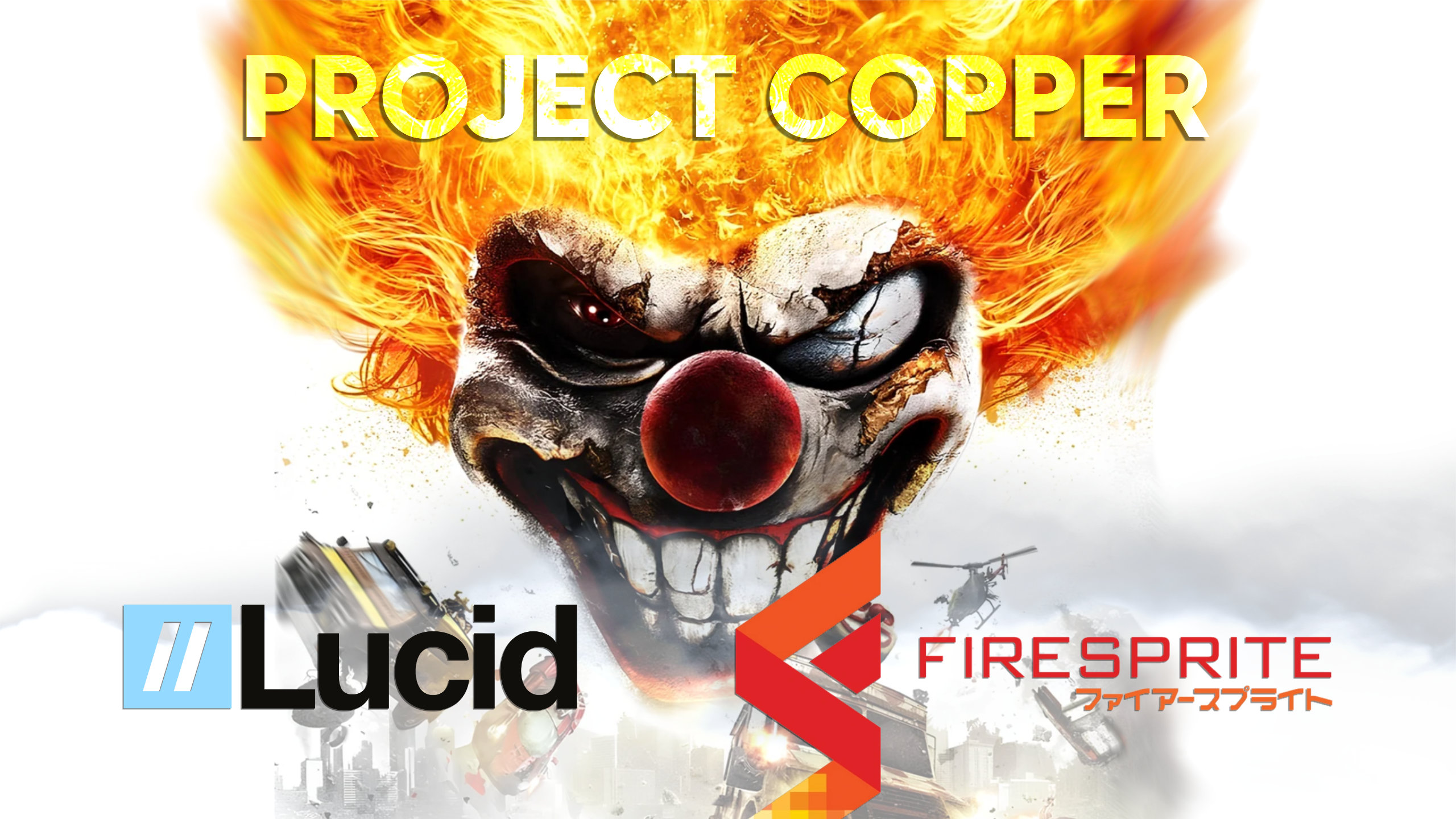
Project Copper suffered from quite a few setbacks during its in-development existence. Originally being helmed by Lucid Games – the team behind the failed-yet-pretty-fun destruction derby PS5 exclusive Destruction All-Stars – this title would have seen the iconic PlayStation series Twisted Metal return in live-service form. Said to have been centred around Battle Royale mechanics, the project would later get taken over by Firesprite studios before ultimately being cancelled.
So, what would this new incarnation of Twisted Metal have been had it come to fruition? Well, the aforementioned Destruction All-Stars would be a good place to start. Though the PS5 launch-window title failed to capture an audience and was left to die in obscurity, the game itself was a pretty solid time.
The diving mechanics were fun, the feedback was satisfying and the parkour additions offered a nice twist to the formula. Though I had no issues with it, the primary complaint I saw from the game was in its visual style. Going for that Fortnite-esque character design tied in with Hero Shooter attitude led to a game which felt somewhat generic.
Twisted Metal on the other has its own distinct and unique aesthetic – one which it crafted decades ago. Thus, combine the overall set-up and gameplay of Destruction All-Stars with the visual identity and iconography of Twisted Metal and you’ve already got yourself a strong start.
In terms of its live-service-ness, the game could have been kept fresh with new vehicles; characters; weapons; arenas; customisation parts; takedown animations alongside all the live-service battle pass fluff. Hell, we could have even gotten Anthony Mackie and Stephanie Beatriz skins based on the show.
While I’m not too mad that it never came to be, I do see the potential, especially as I feel like this would have been the only way we would get a new Twisted Metal.
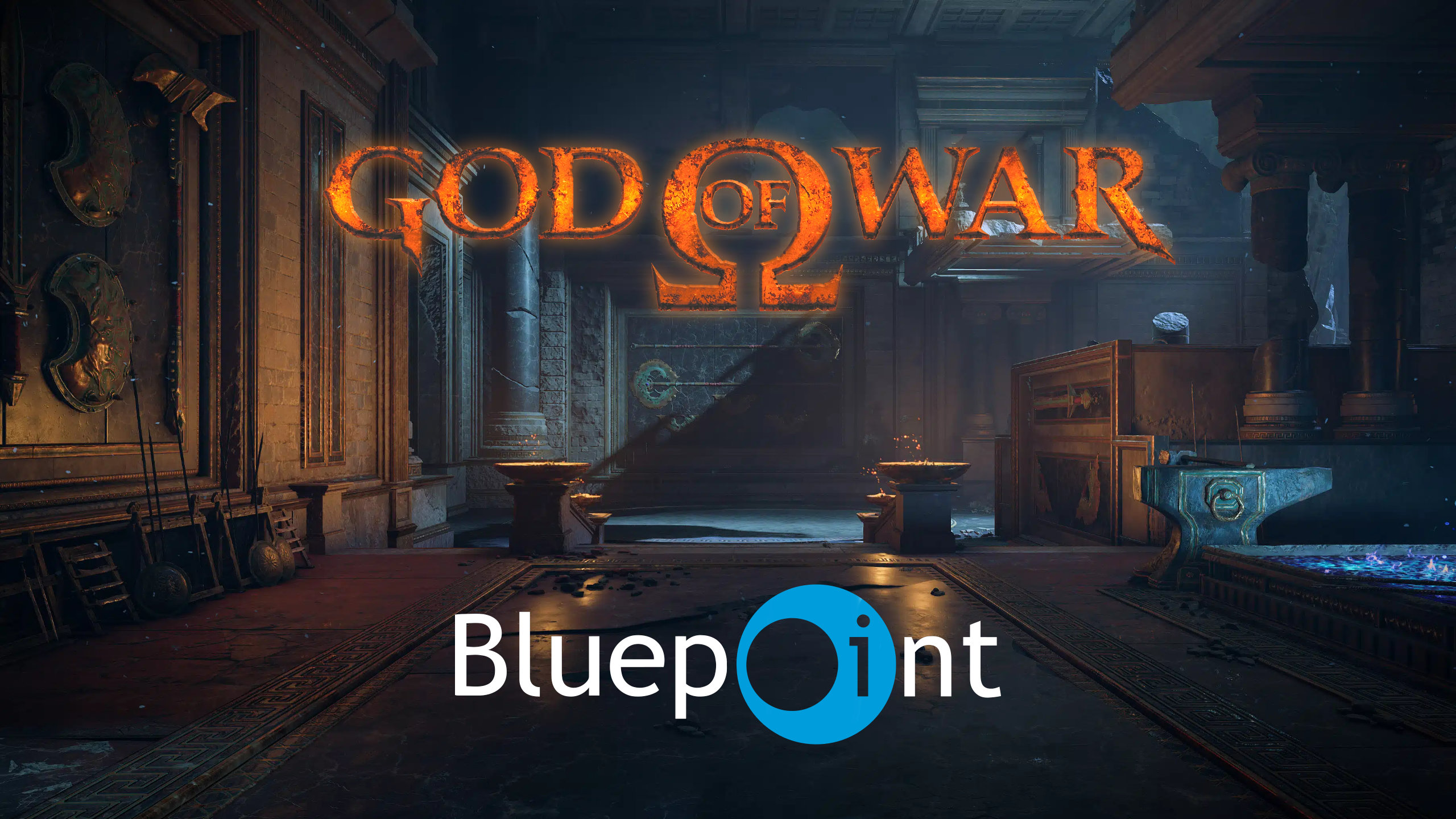
Last but not least, we come to the cancellation and studio closure which spawned this discussion. Hot off the heels of the excellent Demon’s Souls Remake, BluePoint Games would be acquired by Sony in a move which many celebrated, as it marked the logical conclusion to over a decade worth of collaborations. Unfortunately, nothing has come from this acquisition (aside from their assisted development on God of War Ragnarök).
Speaking of God of War, we would later learn through leaks that prior to the studio’s closure BluePoint Games were working on a live-service multiplayer God of War title. To be honest, I initially struggled to think of a formula which would work with such a concept. God of War is very much a single-player experience and one which could not easily be translated. After all, it's called God of War not Gods of Wars.
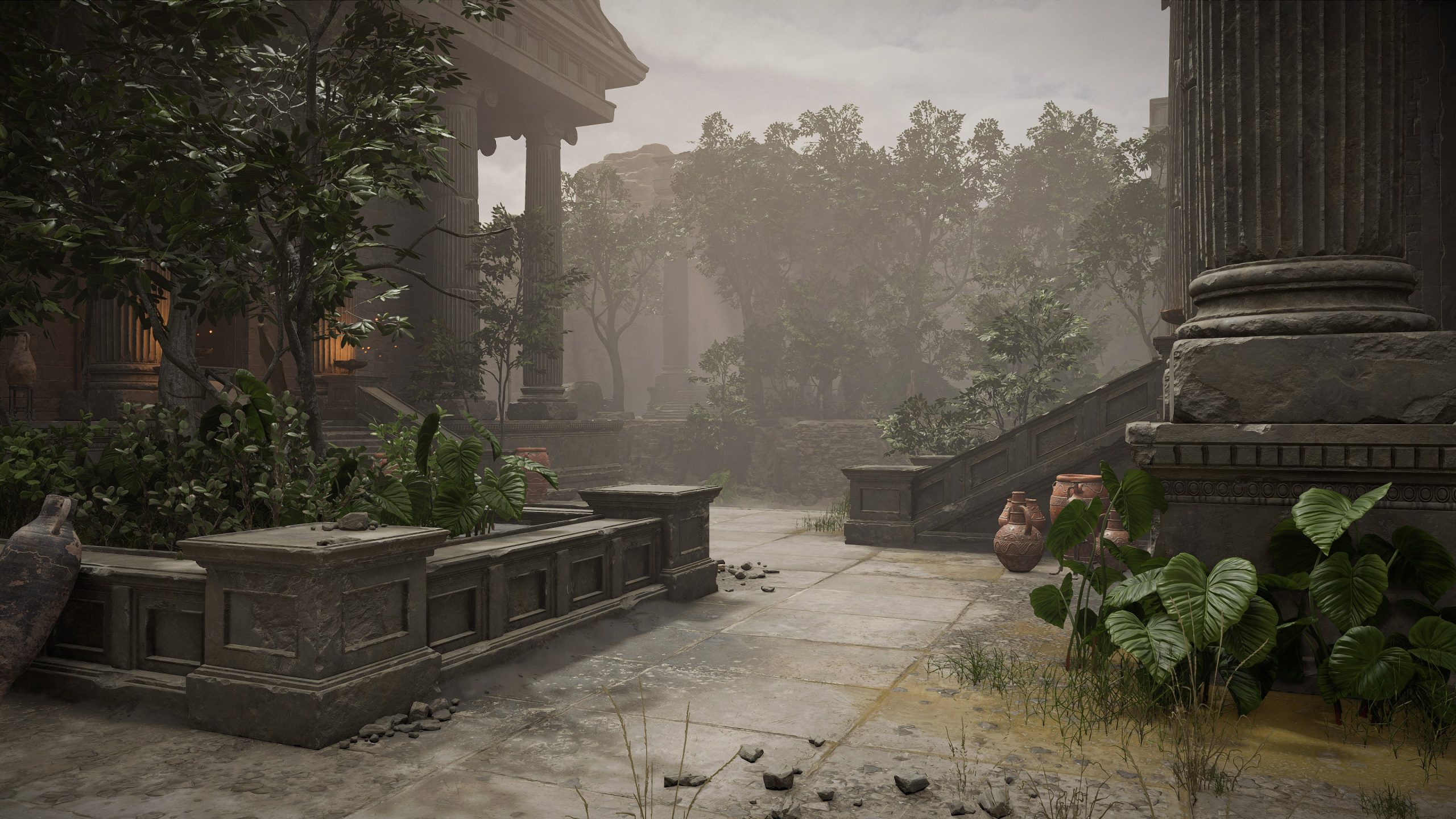
Still, based on the few leaked screenshots which seemed to showcase Hades’ armoury alongside a bunch of different weapons, an idea did spring to mind.
Similar to the recently-released God of War Sons of Sparta, this ill-fated project from BluePoint Games – assuming it wanted to fit into the rest of the God of War canon – would have been set in the past, possibly before any of the original trilogy took place. The game could see you taking on different missions for the gods, selecting your weapon and then going out to battle with and against armies of enemies.
The concept could work regardless of whether they went for the OG trilogy perspective or the Norse Era style; or even something else new. Irrespective of perspective, I picture a somewhat musou-styled game in which you are tearing through hundreds of enemies in the name of Ares or Hades or whoever they need to fit the story.
The main thing that stumps me is how Kratos would factor into all of it. Of course, initially you would assume that we would get to play as Kratos. But how would that work in the context of a live-service multiplayer title? Will they go the Dying Light route of having all players look the same, would Kratos be one of multiple named characters to choose from? After all, Ragnarök did flirt with the idea of playing as other characters. Or, would Kratos have been the general for an army which you and all other players are a part of; working under his leadership, rising the ranks, learning new abilities and gaining his respect. I doubt it.
Despite The Last of Us being the more narrative-focused franchise, God of War – amongst all these above projects – makes the least sense to me to be turned into a live-service multiplayer title. To be frank, I understand why Sony cancelled the game, in fact it likely should never have been greenlit in the first place. Even so, BluePoint Games did not deserve to be shut down, and the industry is worse off without them.
Of course, I am but a single person with my own opinions. Across all the cancelled projects we covered, the only ones which I was disappointed in hearing about their ultimate fates were The Last of Us Online and Spider-Man: The Great Web. Well, that’s not quite true, as each of these cancellations stung in their own way.
Like I said at the start, I am not denying that most of these games probably should have been cancelled. However, Sony (who greenlit the projects) contributed to years worth of wasted work and effort which could have been going towards something else, only to then lay-off a large number of developers or entire studios – causing significant brain drain in the games industry.
For some developers, this situation could be seen as a lesson learned, while for others these cancelled titles might represent their final projects as part of game development. Regardless, I’d argue that this whole live-service roller coaster which Sony has been riding for the past half a decade has been a net negative to video games; and while I will always yearn for some of the projects which never came to be, at this point I just want to get off of the coaster.
KitGuru says: What do you think of Sony’s whole live-service push? Which of the cancelled projects do you think had the most potential to succeed long-term? Which of the games were you actually looking forward to / hoping would release? Let us know down below.
The post
KitGuru Games: What Could Have Been – An Ode to the Games We Never Got first appeared on
KitGuru.
 Connexion