 Connexion
Practical impurity analysis for biogas producers
Biogas is a renewable energy source formed when bacteria break down organic materials such as food waste, plant matter, and landfill waste in an oxygen‑free (anaerobic) process. It contains methane and carbon dioxide, along with trace amounts of impurities. Because of its high methane content, biogas can be used to generate electricity and heat, or to power vehicles. It can also be upgraded to almost pure methane, known as biomethane, which can directly replace natural fossil gas.
Strict rules apply to the amount of impurities allowed in biogas and biomethane, as these contaminants can damage engines, turbines, and catalysts during upgrading or combustion. EN 16723 is the European standard that sets maximum allowable levels of siloxanes and sulfur‑containing compounds for biomethane injected into the natural gas grid or used as vehicle fuel. These limits are extremely low, meaning highly sensitive analytical techniques are required. However, most biogas plants do not have the advanced equipment needed to measure these impurities accurately.
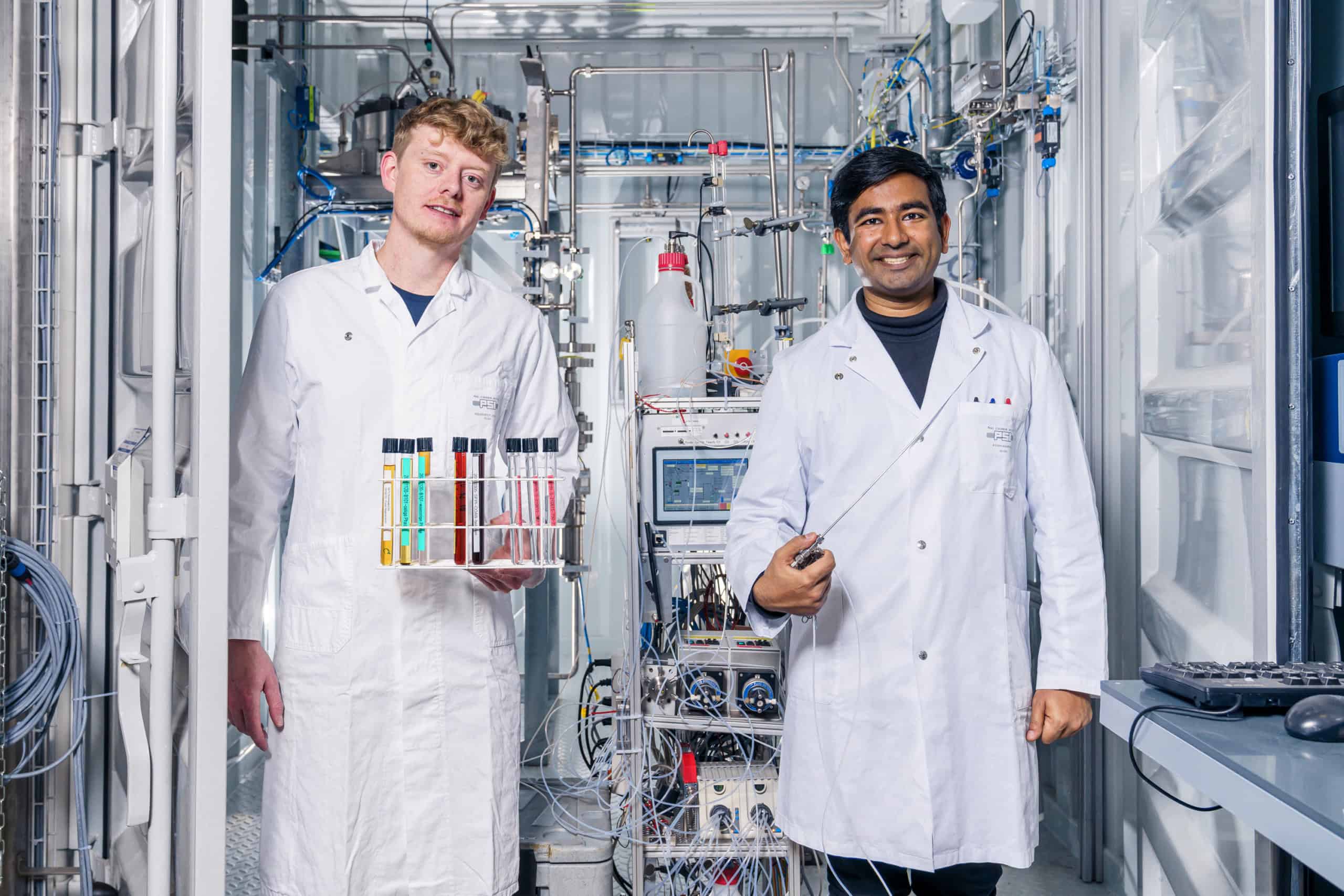
The researchers developed a new, simpler method to sample and analyse biogas using GC‑ICP‑MS. Gas chromatography (GC) separates chemical compounds in a gas mixture based on how quickly they travel through a column. Inductively Coupled Plasma Mass Spectrometry (ICP‑MS) then detects the elements within those compounds at very low concentrations. Crucially, this combined method can measure both siloxanes and sulfur compounds simultaneously. It avoids matrix effects that can limit other detectors and cause biased or ambiguous results. It also achieves the very low detection limits required by EN 16723.
The sampling approach and centralized measurement enables biogas plants to meet regulatory standards using an efficient, less complex, and more cost‑effective method with fewer errors. Overall, this research provides a practical, high‑accuracy tool that makes reliable biogas impurity monitoring accessible to plants of all sizes, strengthening biomethane quality, protecting infrastructure, and accelerating the transition to cleaner energy systems.
Read the full article
Ayush Agarwal et al 2026 Prog. Energy 8 015001
Do you want to learn more about this topic?
Household biogas technology in the cold climate of low-income countries: a review of sustainable technologies for accelerating biogas generation Sunil Prasad Lohani et al. (2024)
The post Practical impurity analysis for biogas producers appeared first on Physics World.
