↩ Accueil

Vue normale

PSUs and CPU coolers could be the next victims of the AI boom

13 janvier 2026 à 11:00

The “AI tax” on PC hardware is spreading beyond silicon. After the cost increase for RAM and SSDs, the industry is now bracing for a significant price hike in other fundamental parts of a build: power supplies and cooling solutions. According to a warning issued by Guangzhou Xinhong Zhengdian Electronic Technology, a leading Chinese electronics firm, the surging cost of raw materials, specifically copper, silver, and tin, is forcing an immediate adjustment across the supply chain.

According to the letter shared by MyDrivers (via NotebookCheck), these increases are a direct side effect of the global AI infrastructure boom. While memory makers are busy reallocating wafer capacity to HBM, the construction of massive AI data centres has sent the price of industrial minerals to historic highs. Copper, the primary conductor in PSU transformers and cooler heatpipes, reportedly broke through the $13,000/tonne barrier in early January. Combined with surging silver and tin prices, manufacturers are no longer able to absorb the ballooning production costs.

As such, PSUs will see a 6% to 10% increase, while CPU coolers are slated for a 6% to 8% jump. Upstream suppliers reportedly stopped accepting orders at previous price points as of January 6th, meaning that any stock currently entering the channel is already being calculated at the new and higher rates.

Perhaps more concerning for the average consumer is the impending “promotional purge”. The notice from Guangzhou Xinhong Zhengdian states that all current promotional pricing and vendor discounts will terminate on February 1st. After this date, over 90% of products in these categories are expected to revert to a higher “standard” MSRP, with some products also subject to additional per-item surcharges. This creates a narrow window for builders to secure current inventory before the 2026 pricing baseline resets across the board.

Discuss on our Facebook page HERE.

KitGuru says: We've already seen the impact of the AI boom on the high-end GPU and memory markets, but seeing it trickle down into copper-heavy components like PSUs and air coolers is a grim sign for the 2026 DIY market.

The post PSUs and CPU coolers could be the next victims of the AI boom first appeared on KitGuru.
Forza Horizon 5 crosses 5 million sales on PlayStation 5

13 janvier 2026 à 10:08

Microsoft's strategy to bring its established first-party library to competing hardware appears to be working. While Forza Horizon 5 originally served as a flagship showcase for the Xbox Series X|S and Windows back in late 2021, its eventual arrival on the PlayStation 5 in April 2025 has proven that the appetite for high-quality arcade racers remains high across all ecosystems. 

According to data shared by Rhys Elliott (via Eurogamer), Forza Horizon 5 has officially surpassed five million copies sold on the PlayStation 5. This performance is particularly noteworthy given its age at the time of its port. Moving five million units of a late 2021 game certainly suggests that the Forza brand has resonated with the PlayStation audience.

Moreover, Elliott reports that the PlayStation 5 version has generated approximately $300 million (£223 million) in revenue to date. This figure reinforces the narrative that Microsoft's multi-platform pivot might be pretty lucrative. The port's success was foreshadowed as early as July last year, when Alinea Analytics noted that the game had become the top-selling new release on PlayStation 5 in 2025, and that sales momentum has clearly persisted into the current year.

This commercial success sets a strong precedent for the franchise's future. Playground Games is currently working on the next instalment in the series, which is scheduled to arrive on Windows and Xbox Series X|S in 2026. While a PlayStation 5 version of the upcoming sequel is confirmed to be in development, no specific release window has been announced yet. Given the significant revenue generated by the current port, it is highly probable that the gap between the Xbox and PlayStation release dates for the next title will be narrower than what we saw with this generation.

Discuss on our Facebook page HERE.

KitGuru says: Have you played Forza Horizon on the PS5? Do you think Xbox should consider launching Forza Horizon 6 for all platforms simultaneously?

The post Forza Horizon 5 crosses 5 million sales on PlayStation 5 first appeared on KitGuru.

Noctua updates roadmap, Pulsar Feinman mouse & Seasonic Prime PX PSU pushed back

12 janvier 2026 à 13:30

Noctua has opened the new year by updating its public product roadmap. As some might've guessed, the January 2026 schedule is defined primarily by shifting deadlines. While the list of upcoming hardware remains identical to the last version published, Noctua has moved the majority of its near-term releases further back into the year.

The first quarter of 2026 was initially slated to be a busy period for the brand, but the updated roadmap (via Hardware&Co) sees two out of three major launches slip. The Antec Flux Pro Noctua Edition chassis remains the sole survivor of the Q1 window, standing as the only product currently on track for an immediate release. Meanwhile, the Pulsar Feinman Noctua Edition gaming mouse and the much-requested NF-A12x25 G2 chromax.black fans have both been pushed into Q2. Also in Q2, there's the company's first AIO liquid coolers.

Moving on to Q3, we have the Seasonic Prime PX Noctua Edition PSU, which has been a staple of Noctua's trade show booths for over a year. The PSU is joined by the 140 mm desk fan and the dedicated USB fan controller, both originally slated for Q2.

This latest update is perhaps most significant for what it doesn't include. No new product entries have been added to the roadmap, suggesting Noctua is currently prioritising the completion of its existing projects over new experimental designs.

KitGuru says: For those waiting on the Seasonic collaboration or the all-in-one liquid coolers, it seems you'll have to wait a bit longer. If these new targets hold, the Prime PX PSU series will finally arrive more than twelve months after its initial public presentation, continuing Noctua's reputation for prioritising “quality optimisation” over strict adherence to a calendar.

The post Noctua updates roadmap, Pulsar Feinman mouse & Seasonic Prime PX PSU pushed back first appeared on KitGuru.

Nvidia RTX 60 series: ‘Rubin’ expected to release in 2H 2027

12 janvier 2026 à 13:00

With CES 2026 now firmly in the rearview mirror and no new desktop GPUs to show for it, the hardware community has started to wonder when we'll get new GPUs. The RTX 50 Super refresh is nowhere to be seen, so all eyes are now on the GeForce RTX 60 series, which is rumoured to adopt the “Rubin” architecture currently dominating Nvidia's enterprise roadmap. However, according to the latest leaks, gamers should settle in for a long wait, as the next generation isn't expected to break cover until the second half of 2027.

The “Rubin” name is already official in the data centre space, where Nvidia has discussed the Rubin CPX platform (GR) as the successor to Blackwell. While Nvidia has not confirmed that this branding will extend to the GeForce gaming lineup, historical patterns suggest a consumer adaptation is highly likely. The latest technical breadcrumbs come from kopite7kimi, who has shared the silicon that will power the RTX 60 series. According to the leaker, the consumer Rubin cards would follow a “GR20x” naming convention, with the GR202 likely being the flagship consumer GPU.

The leaker also pointed out the expected release date for the new series, claiming it would only be available in the second half of 2027. This aligns with AMD's rumoured RDNA 5 timeline, setting the stage for a massive showdown next year.

This release date and the absence of the RTX 50 Super series make us believe that the current RTX 50 series lineup will be the best you can get for some time. If the RTX 60 series is still nearly two years away, Nvidia likely feels the current Blackwell stack has enough longevity to maintain market dominance, especially given the lack of competition in the high-end segment. Rather than incremental hardware refreshes, the next 18 months will likely be defined by software progress, of which we've already seen a bit with the release of DLSS 4.5.

Discuss on our Facebook page HERE.

KitGuru says: If Rubin is indeed a late-2027 product, the RTX 5090 is set to become the longest-reigning flagship in Nvidia's modern history. For those who bought into Blackwell early, your investment looks safer than ever, but those waiting for a “mid-cycle” deal may want to temper expectations.

The post Nvidia RTX 60 series: ‘Rubin’ expected to release in 2H 2027 first appeared on KitGuru.

Towerborne ditches free-to-play for 1.0 launch coming this February

12 janvier 2026 à 12:30

Stoic, the developer behind The Banner Saga, has officially announced that its side-scrolling action RPG Towerborne will exit Early Access on February 26th. However, the 1.0 release arrives with a massive change: the game is completely abandoning its original free-to-play, always-online model in favour of a “buy once, own forever” approach. In a surprising move for an Xbox-published title, Stoic also confirmed that Towerborne will land on PlayStation 5 on day one.

The shift to a premium model is a direct response to community feedback during the game's stint in Xbox Game Preview. By moving to a paid structure, Stoic has been able to gut the “live service grind” and re-engineer the game to support full offline play. The 1.0 update will retail for $24.99 for the Standard Edition and $29.99 for the Deluxe Edition. For those already playing in Early Access, the transition is seamless: your account will automatically upgrade to the Standard Edition for free, and all existing Founders Pack rewards will remain exclusive to your account.

In addition to the transition to the business model, the 1.0 release will also introduce a significant content drop that completes Belfry's narrative arc. That includes a complete campaign culminating in a previously locked final showdown, as well as two new bosses, additional lieutenants, and a “Brutal” difficulty tier. The world is also expanding, now featuring a new coastal biome alongside a reimagined Forge system that allows for stat re-rolling and advanced gear modification. Lastly, all microtransactions have been removed, as every cosmetic in the game, including those previously in the premium shop, is now earnable through the game.

Existing players who accumulated “Belfry Bucks” (the old premium currency) will see their balances converted into Stepstones on launch day. This exclusive transfer currency can be redeemed for high-level crafting materials and “Big Bags of Writs” to jumpstart progression in the 1.0 economy. While character progression carries over, Stoic is encouraging veterans to start a fresh save to experience the reworked narrative flow from the beginning.

The experience is rounded out by a orchestral score from Grammy-nominated composer Austin Wintory. Towerborne will be available on Xbox Series X|S, PC (Steam and Windows Store), and PlayStation 5 on February 26th. The game is also available on Xbox Game Pass (Premium and Ultimate).

Discuss on our Facebook page HERE.

KitGuru says: Stoic is making an incredibly pro-consumer move here. In an industry currently struggling with “live service fatigue”, pivoting a game from an always-online F2P model to a premium offline-capable title is a breath of fresh air.

The post Towerborne ditches free-to-play for 1.0 launch coming this February first appeared on KitGuru.

Sharkoon debuts SK6 ARGB with pillarless fish tank design and BTF support

12 janvier 2026 à 11:30

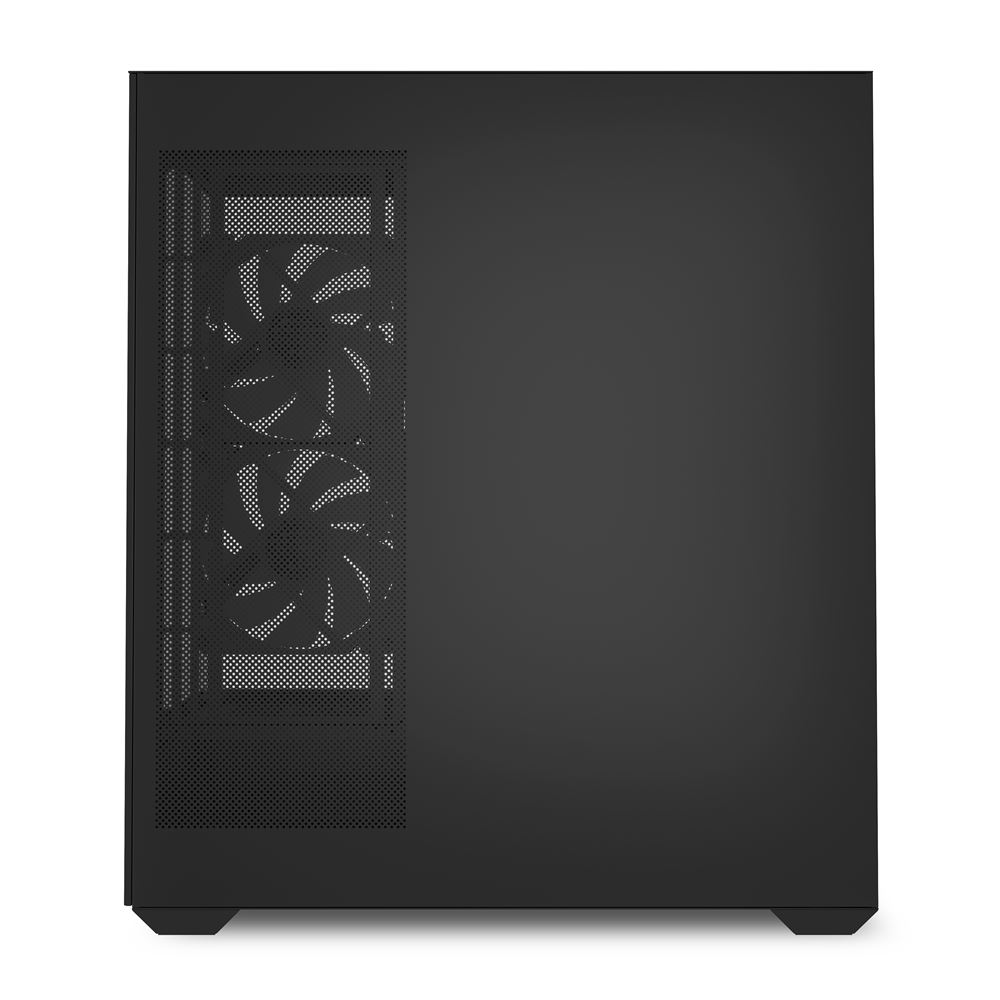
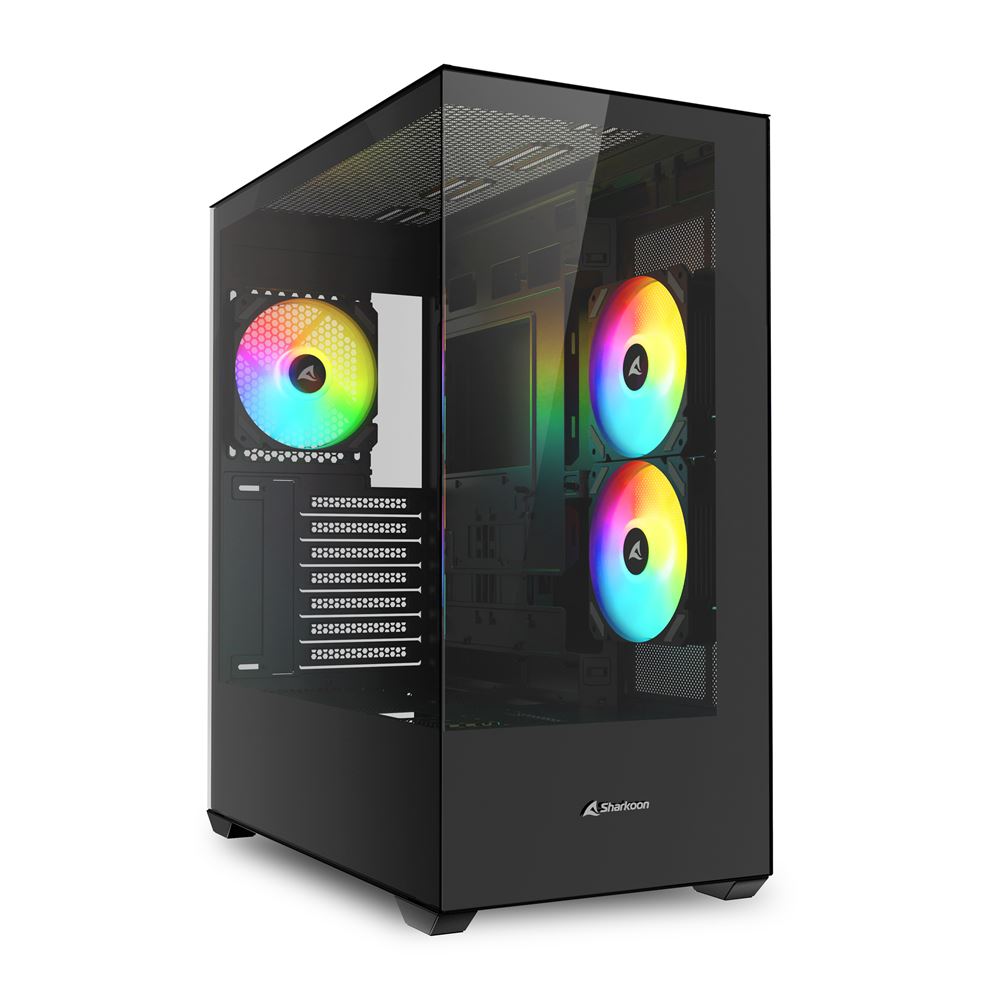
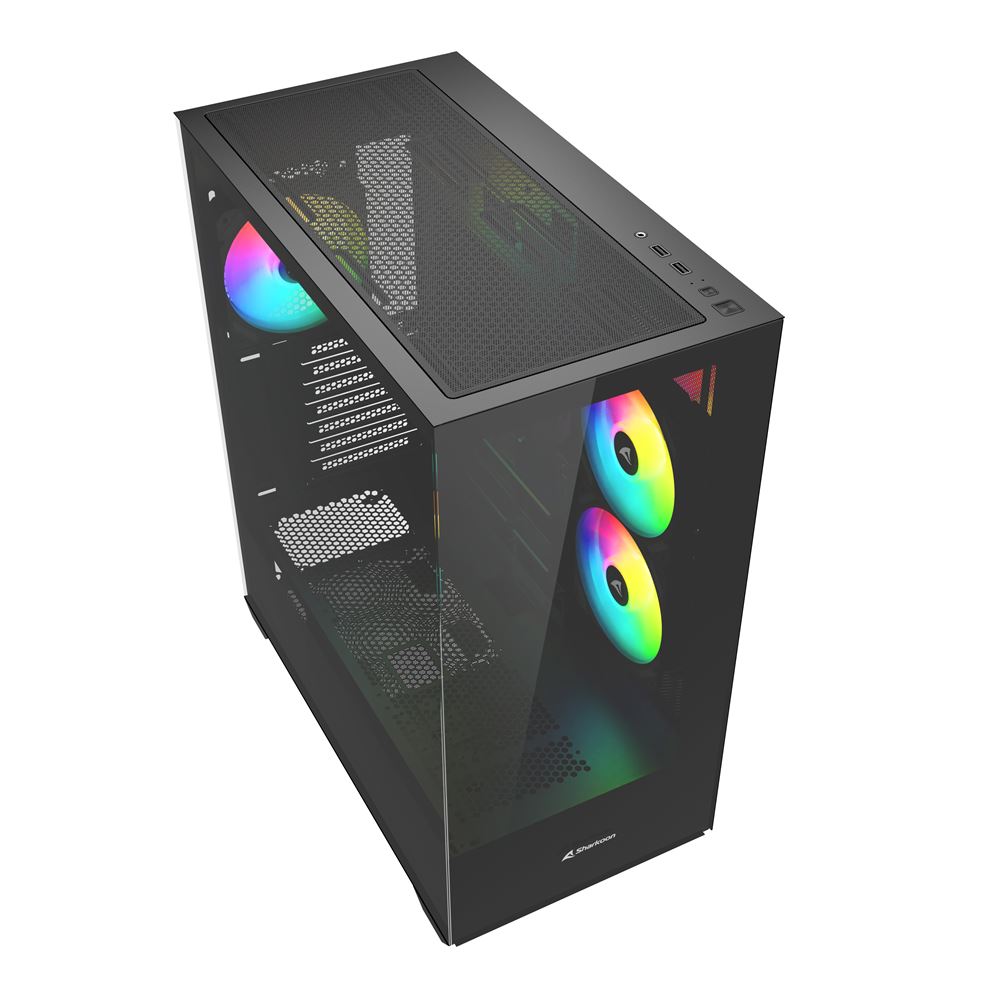
Sharkoon has launched the SK6 ARGB, a mid-tower chassis that aims to bring the “fish tank” aesthetic to a more accessible price point. While the dual-panel tempered glass design is clearly the focus, Sharkoon has engineered the internal layout to support the rising trend of back-connect (BTF) motherboards, positioning the SK6 as a budget-friendly foundation for ultra-clean builds.

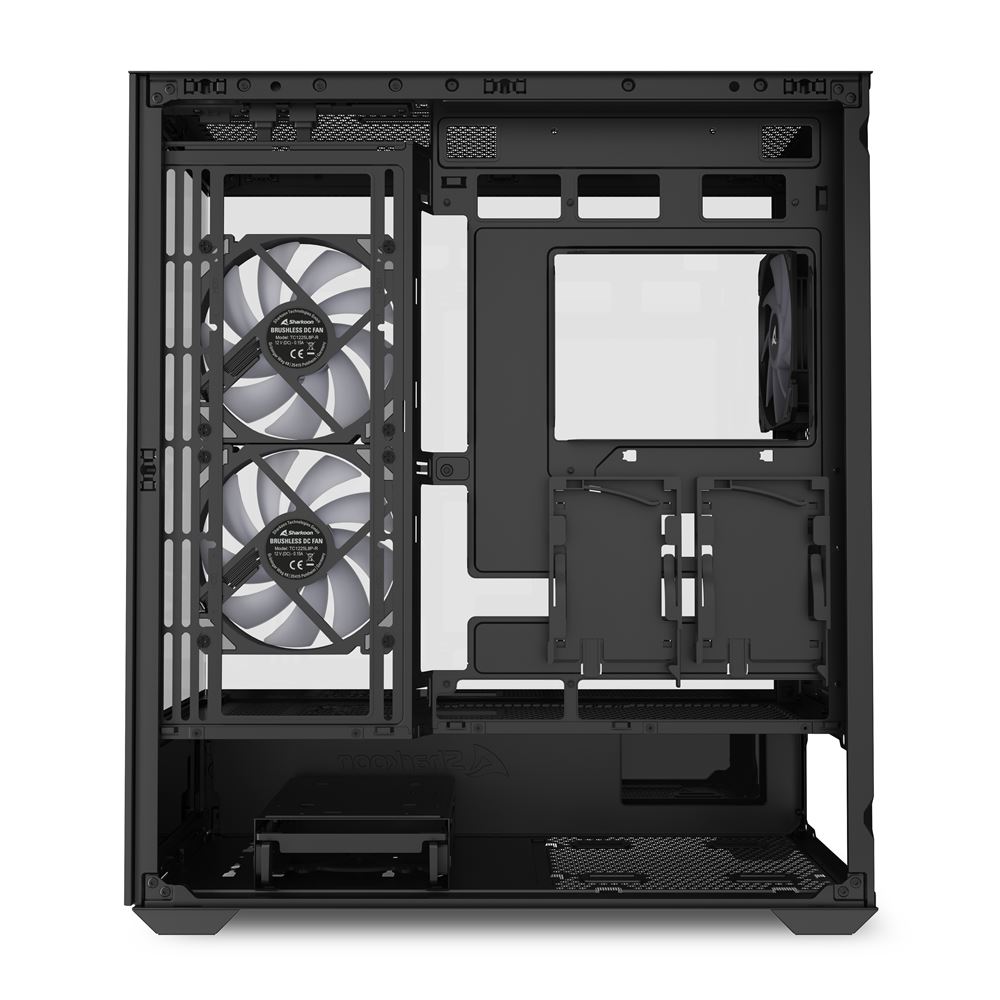
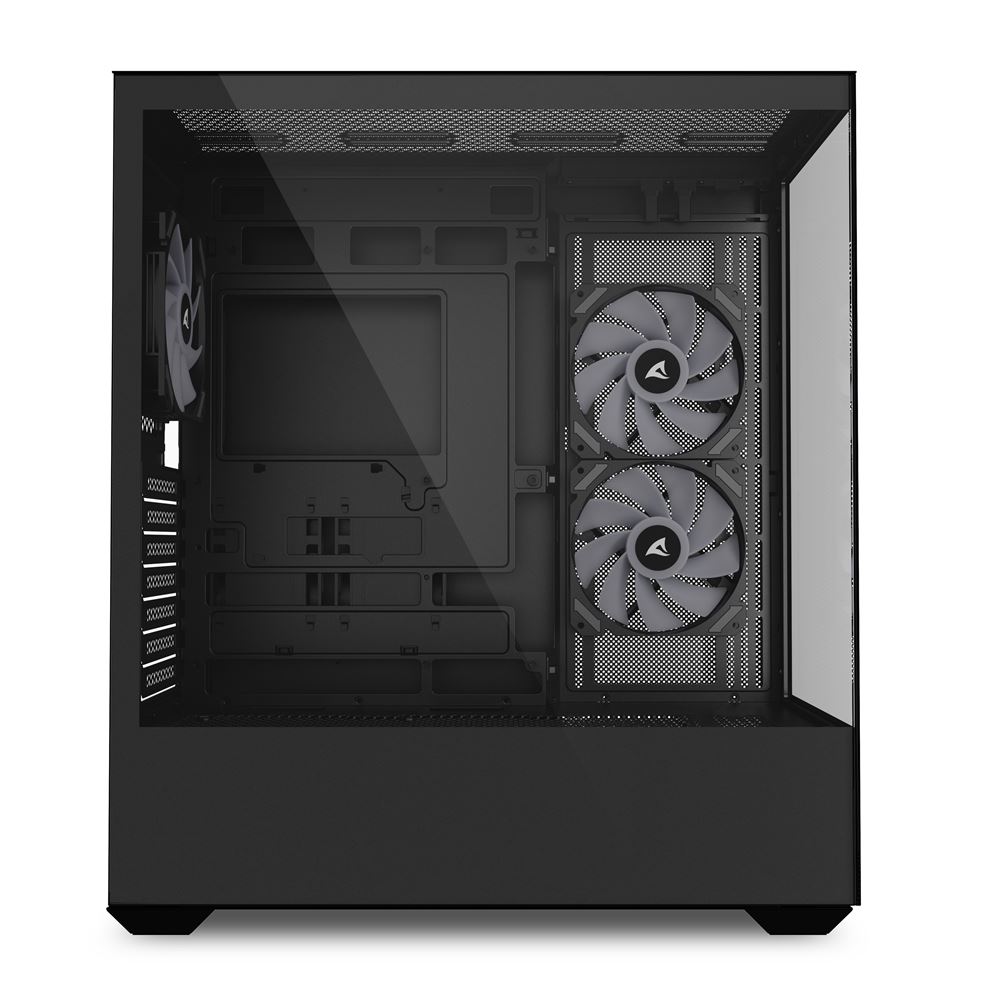
The aesthetic appeal of the SK6 ARGB centres on its uninterrupted tempered glass front and side panels, providing an unobstructed view of the internal components. To maintain this look without suffocating the hardware, Sharkoon has opted for a side-panel intake strategy rather than a traditional mesh front. Out of the box, the case includes three pre-installed 120mm ARGB PWM fans. Two of these are “reverse-blade” models mounted on the side tray.

The interior can accommodate up to 9 fans. For those leaning into liquid cooling, the SK6 ARGB provides a primary 360 mm radiator mount at the top and a secondary 280 mm position on the side, allowing for dual-radiator setups typically reserved for much larger chassis. This flexibility is complemented by a main chamber that can house graphics cards up to 410 mm in length and CPU air coolers up to 170 mm tall. High-capacity power supplies are also supported, with a length limit of 235 mm.

As vendors like Asus and MSI move power and data connectors to the rear of the PCB, case manufacturers have had to adapt their tray designs to include the necessary cutouts. The SK6 ARGB is fully compatible with these standards, enabling a build that is virtually devoid of visible cabling. Storage options are equally practical, with the drive cage supporting two 3.5-inch HDDs or four 2.5-inch SSDs. The I/O panel is side-mounted and features dual USB-A ports and an audio jack. The Sharkoon SK6 ARGB is entering the market priced at €59.90.

Discuss on our Facebook page HERE.

KitGuru says: Considering its relatively low price, we wouldn't expect touches like reverse-blade fans to maintain a clean intake look. Still, Sharkoon now offers an interesting option in the entry-level segment for those who want to show off their systems and maintain a clean build.

The post Sharkoon debuts SK6 ARGB with pillarless fish tank design and BTF support first appeared on KitGuru.

Nvidia’s RTX 50 Super series could be indefinitely postponed

12 janvier 2026 à 10:30

Following the conclusion of CES 2026 without a single discrete GPU announcement, industry sources have confirmed that Nvidia has indefinitely postponed, and potentially cancelled, the GeForce RTX 50 Super series. Originally intended to bridge the VRAM gaps in the Blackwell lineup, the refresh has been sidelined by AI dominance, a global memory crisis, and AMD's lack of competitive pressure.

According to the Board Channels forum (via VideoCardz), this delay in the RTX 50 Super series can be attributed to three key reasons. The first is that the surge in demand for compute GPUs has forced Nvidia to “cut corners” on consumer allocation. As production lines shift to the Vera Rubin NVL72 and H200 systems, the silicon intended for mid-cycle gaming refreshes is being diverted to more lucrative markets.

Moreover, there's also the ongoing GDDR7 shortage, as a severe DRAM supply crunch currently affects the industry. Costs for GDDR7 have skyrocketed, and the 3 GB modules required for the rumoured 24 GB and 32 GB 50 Series Super variants are in critically short supply. As such, releasing these cards now would force an MSRP so high that they would be DOA for most gamers.

Perhaps the most pragmatic reason is that AMD has also pushed its next-generation RDNA 5 architecture to 2027. With the Radeon RX 9070 XT unable to challenge the RTX 5080 or 5090, Nvidia sees no strategic necessity to refresh its stack. Even Intel's rumoured B770 was a no-show at CES, leaving the current RTX 50 series to almost dominate by default.

Discuss on our Facebook page HERE.

KitGuru says: With the Super cards on ice and memory prices still climbing, the RTX 50 series you see on shelves today might be the only high-end options we get for the next 18 months.

The post Nvidia’s RTX 50 Super series could be indefinitely postponed first appeared on KitGuru.

Havn enters the PSU market with XR 1000W Platinum A++

9 janvier 2026 à 18:00

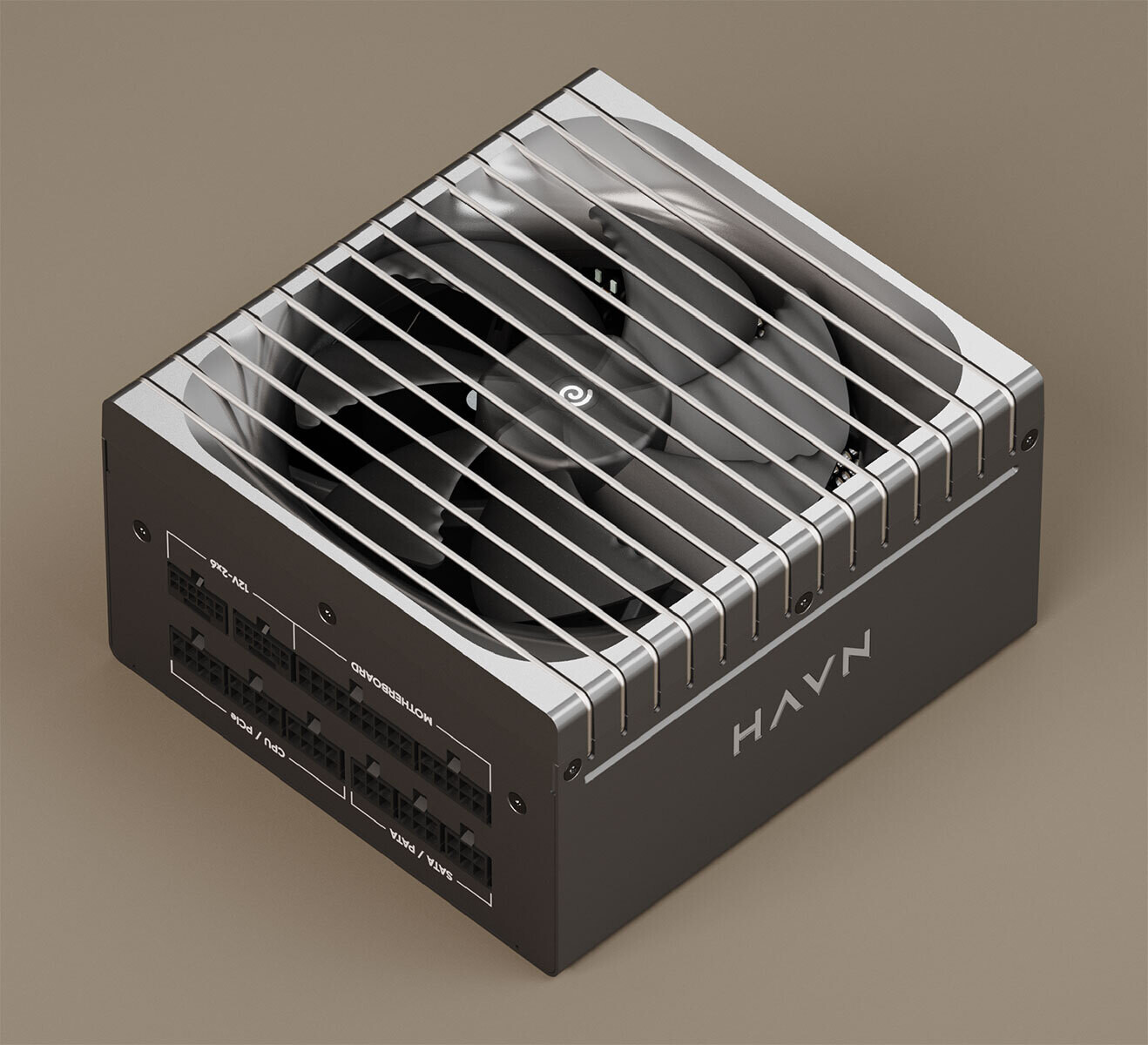
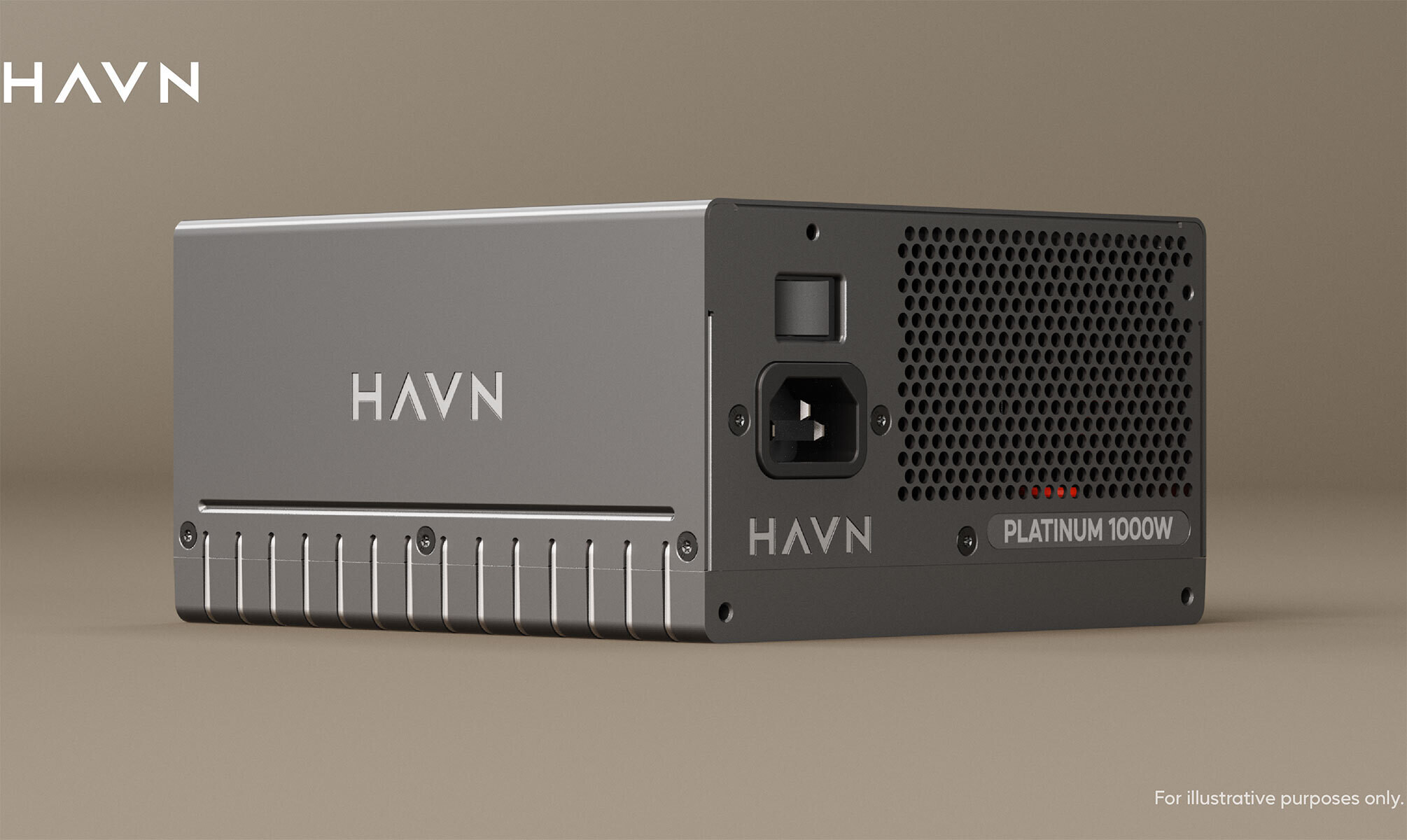
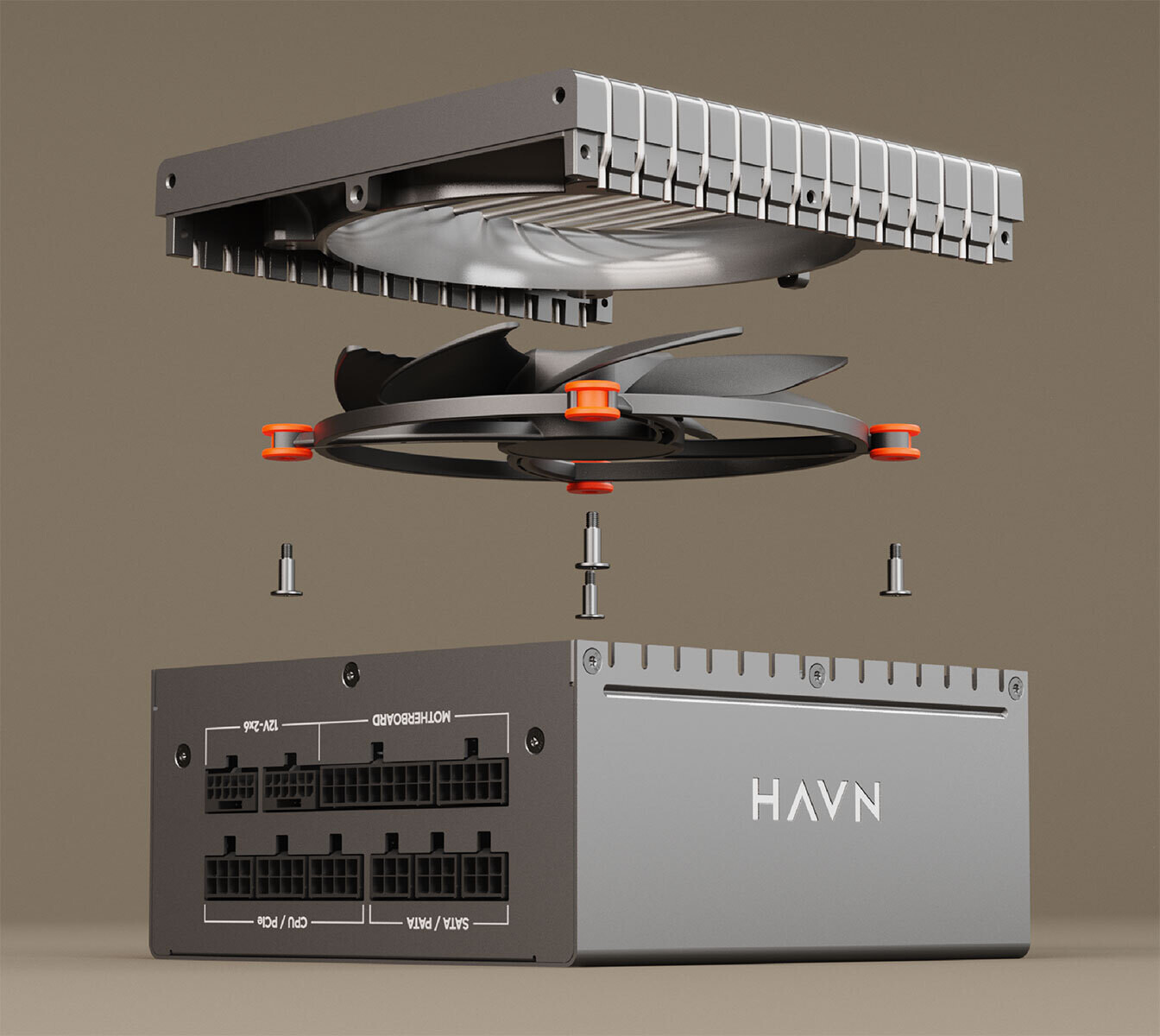
Havn, the company behind cases such as the HS 420 and the more recent BF 360, has officially branched out into power delivery. Debuting at CES 2026, the Havn XR 1000W Platinum A++ is the manufacturer's first foray into the PSU space, and it appears to be aiming for the top of the enthusiast market. Built to the ATX 3.1 standard and featuring dual 12V-2×6 connectors, the XR Series is focused on high-performance stability and quiet acoustics.

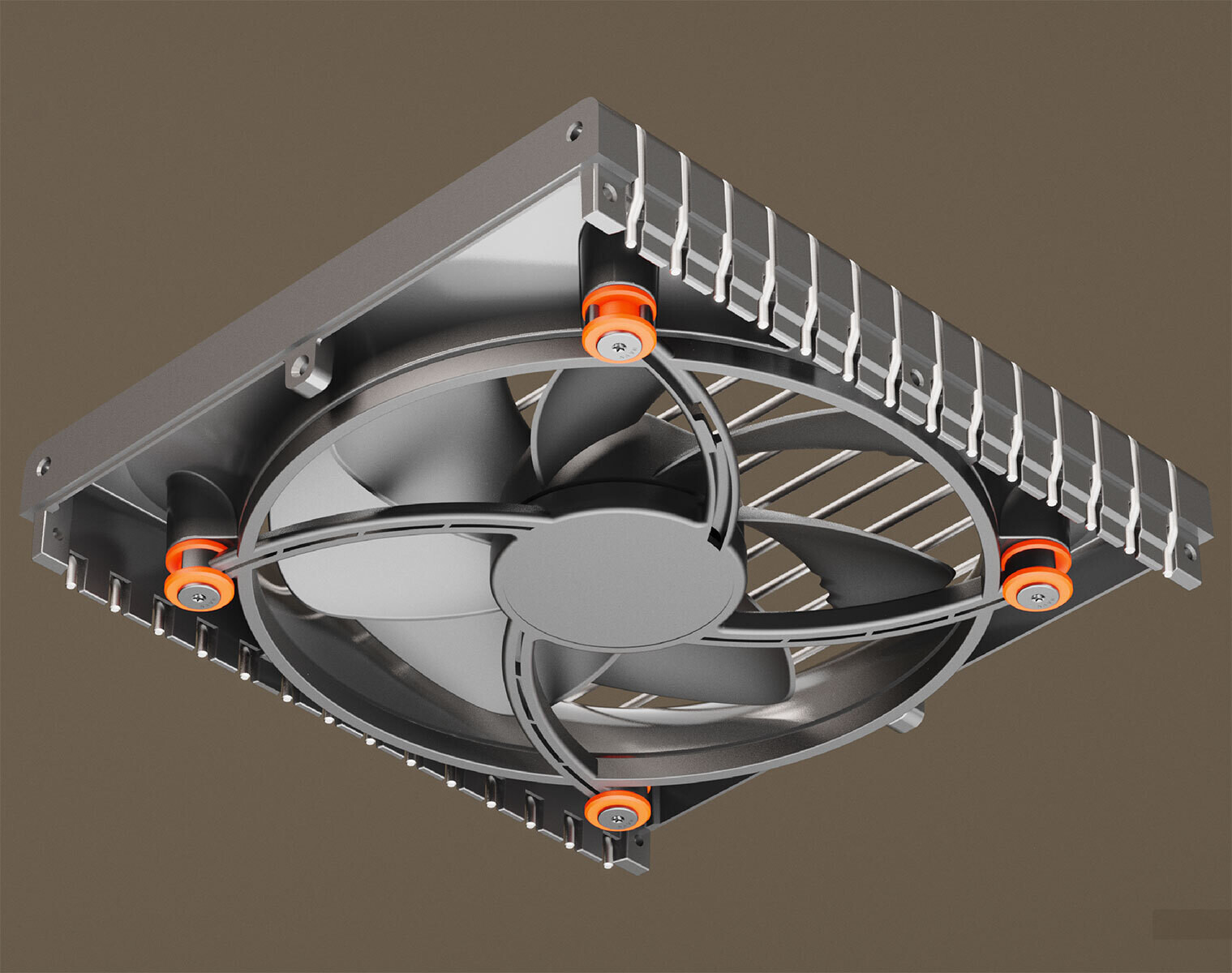
Havn (via TechPowerUP) emphasised that the design was refined through extensive internal testing at its own lab to ensure the electrical performance meets the needs of next-gen hardware. The “A++” suffix in the name refers to its Cybenetics Lambda A++ acoustic rating, the highest possible certification for silence. The company claims the unit operates at under 15 dB(A) under typical loads, a feat achieved through a fully decoupled H Series cooling fan that borrows the vibration-dampening tech from Havn's H14 case fans.

The unit's industrial design is equally premium, featuring a monopart die-cast aluminium top that serves as both a structural element and an aerodynamic intake. This shroud is designed to guide airflow directly onto the internal components and fan blades with minimal turbulence, further reducing wind noise. Havn promises rock-solid 12V rail stability and superior transient response, ensuring that rapid power spikes characteristic of high-power GPUs are handled without triggering protections or inducing coil whine.

Moreover, the unit supports the Intel C6/C7 power states and a high-efficiency 5V standby (5VSB) rail for modern “Alternative Low Power” modes. Unfortunately, consumers will have to wait a few more months to get their hands on one, as the HAVN XR 1000W Platinum A++ is slated for a global release only in Q2/Q3 2026.

Discuss on our Facebook page HERE.

KitGuru says: Havn has already proven it can compete with the industry giants in the case market, so a move into premium PSUs is a logical next step. If the XR 1000W can truly deliver Platinum efficiency at sub-15 dB(A) noise levels, it will be a formidable rival to established “silent” flagships.

The post Havn enters the PSU market with XR 1000W Platinum A++ first appeared on KitGuru.

Cherry Xtrfy debuts TMR magnetic keyboards at CES 2026

9 janvier 2026 à 17:30

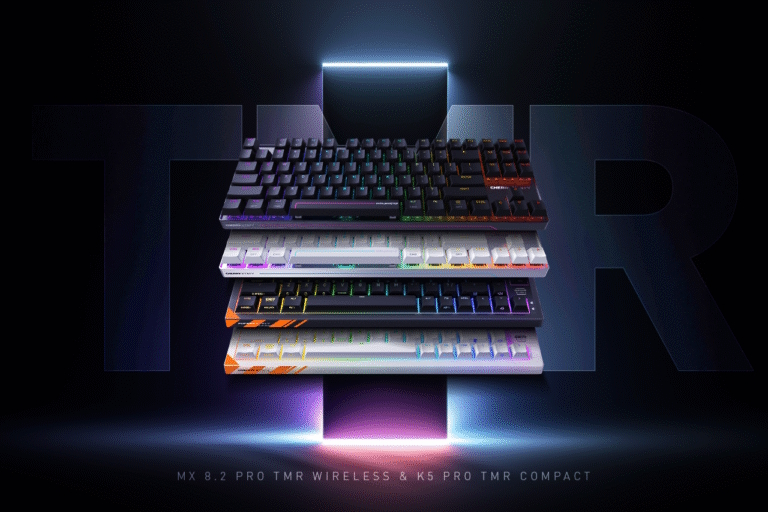
Cherry Xtrfy has utilised its CES 2026 appearance to show what it has been working on. With the industry moving towards magnetic switches (Hall Effect, TMR, and inductive being the three most common), Cherry has decided to follow the trend. The German company has settled on TMR, which measures changes in electrical resistance rather than voltage shifts. These new sensors can detect key travel with 0.01 mm resolution while drawing significantly less power, increasing the battery life of magnetic keyboards.

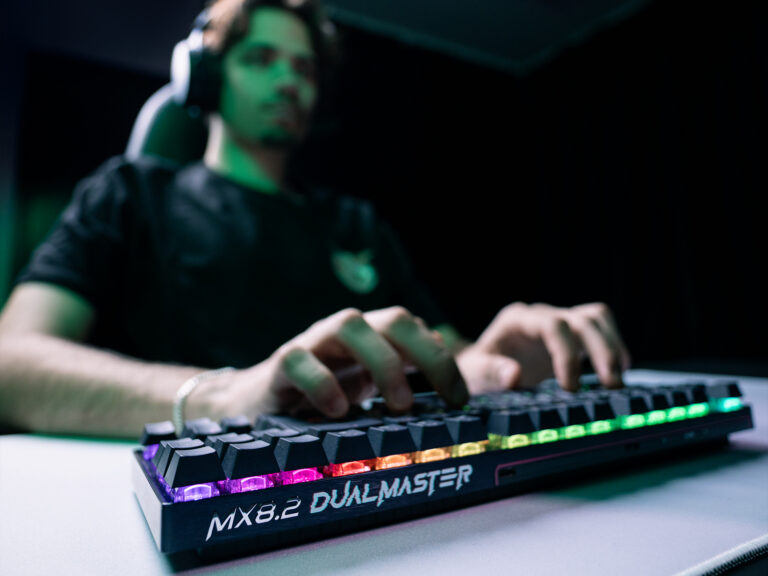
The first Cherry keyboard to use this technology is the MX 8.2 Pro TMR Wireless, a tenkeyless (TKL) chassis with a premium aluminium top frame and double-shot PBT keycaps. This model implements an 8,000 Hz polling rate in both wired and 2.4 GHz wireless modes. The Cherry MK Crystal Magnetic switches used on this board provide a linear feel, but the board's “DualMaster” hot-swap sockets allow users to mix and match standard mechanical MX switches.

For enthusiasts who prefer a smaller footprint, the K5 Pro TMR delivers the same technological advantages in a 65% more compact layout. This wired model builds on the foundation of the popular K5 series, replacing the standard mechanical switches with MK Crystal TMR units. Beyond the switch upgrade, the K5 Pro received a polling rate increase from 1,000 Hz to 8,000 Hz to ensure parity with the flagship TKL model. Both keyboards are fully supported by the new Cherry MagCrate software, which enables advanced features such as Rapid Trigger, Dynamic Keystroke (assigning up to four actions to a single key based on depth), and SnapKey for SOCD-like movement prioritisation.

The MX 8.2 Pro TMR Wireless is scheduled to hit retail shelves on January 29th, 2026, for €229.99/$249.99. The more compact K5 Pro TMR is slated for a spring release, with pricing to be confirmed closer to the launch.

Discuss on our Facebook page HERE.

KitGuru says: The ability to hot-swap between mechanical and magnetic switches on a single board is interesting, but we wonder whether buyers would actually take advantage of it.

The post Cherry Xtrfy debuts TMR magnetic keyboards at CES 2026 first appeared on KitGuru.

Clair Obscur and Ghost of Yōtei lead 2026 DICE Awards nominations

9 janvier 2026 à 16:30

The Academy of Interactive Arts & Sciences (AIAS) has officially unveiled the finalists for the 29th annual DICE Awards. This year, Clair Obscur: Expedition 33 and Ghost of Yōtei are at the front of the pack, with both titles securing a staggering eight nominations each. Furthermore, Blue Prince received five nominations, while Death Stranding 2: On the Beach received four.

The AIAS jury for the DICE Awards provides a peer-voted counterpoint to the more commercial landscape of late 2025’s awards season. As such, it's expected to see some differences between the nominees and the award winners compared to the likes of TGA. Still, most of the time they do agree on the GOTY, with the exceptions being in 2015/2016 (TGA: The Witcher 3 vs D.I.C.E.: Fallout 4), 2019/2020 (TGA: Sekiro: Shadows Die Twice vs D.I.C.E.: Untitled Goose Game) and 2020/2021 (TGA: The Last of Us Part II vs D.I.C.E.: Hades).

This year, in the DICE Game of the Year category, Expedition 33 and Ghost of Yōtei will contest the awards against games like Arc Raiders and the critically acclaimed indies Blue Prince and Dispatch. The complete list of nominees can be found below:

Game of the Year

  • Arc Raiders
  • Blue Prince
  • Clair Obscur: Expedition 33
  • Dispatch
  • Ghost of Yōtei

Outstanding Achievement in Animation

  • Death Stranding 2: On the Beach
  • Ghost of Yōtei
  • Monster Hunter Wilds
  • South of Midnight
  • The Midnight Walk

Outstanding Achievement in Art Direction

  • Clair Obscur: Expedition 33
  • Death Stranding 2: On the Beach
  • Dispatch
  • Ghost of Yōtei
  • The Midnight Walk

Outstanding Achievement in Character

  • Clair Obscur: Expedition 33 – Esquie
  • Clair Obscur: Expedition 33 – Maelle
  • Dispatch – Courtney/Invisigal
  • Dispatch – Robert Robertson III/Mecha Man
  • Ghost of Yōtei – Atsu

Outstanding Achievement in Original Music Composition

  • Clair Obscur: Expedition 33
  • Ghost of Yōtei
  • Herdling
  • Mario Kart World
  • Sword of the Sea

Outstanding Achievement in Audio Design

  • Arc Raiders
  • Death Stranding 2: On the Beach
  • Ghost of Yōtei
  • Lumines Arise
  • Split Fiction

Outstanding Achievement in Story

  • Clair Obscur: Expedition 33
  • Consume Me
  • Despelote
  • South of Midnight
  • The Drifter

Outstanding Technical Achievement

  • Arc Raiders
  • Assassin’s Creed Shadows
  • Death Stranding 2: On the Beach
  • Donkey Kong Bananza
  • Doom: The Dark Ages

Action Game of the Year

  • Absolum
  • Arc Raiders
  • Doom: The Dark Ages
  • Hades 2
  • Ninja Gaiden 4

Adventure Game of the Year

  • Blue Prince
  • Dispatch
  • Donkey Kong Bananza
  • Ghost of Yōtei
  • Hollow Knight: Silksong

Family Game of the Year

  • Lego Party!
  • Lego Voyagers
  • Lumines Arise
  • Marvel Cosmic Invasion
  • Popucom

Fighting Game of the Year

  • 2XKO
  • Capcom Fighting Collection 2
  • Fatal Fury: City of the Wolves
  • Mortal Kombat: Legacy Kollection
  • WWE 2K25

Racing Game of the Year

  • EA Sports F1 25
  • Kirby Air Riders
  • Mario Kart World
  • Wheel World

Role-Playing Game of the Year

  • Clair Obscur: Expedition 33
  • Citizen Sleeper 2: Starward Vector
  • Kingdom Come: Deliverance 2
  • Monster Hunter Wilds
  • The Outer Worlds 2

Sports Game of the Year

  • EA Sports FC 26
  • PGA Tour 2K25
  • MLB The Show 25
  • NBA 2K26
  • Rematch

Strategy/Simulation Game of the Year

  • The Alters
  • Drop Duchy
  • Europa Universalis V
  • The King is Watching
  • StarVaders

Immersive Reality Technical Achievement

  • Ghost Town
  • Hotel Infinity
  • Marvel’s Deadpool VR
  • Star Wars: Beyond Victory – A Mixed Reality Playset
  • Unloop

Immersive Reality Game of the Year

  • Demeo x Dungeons & Dragons: Battlemarked
  • Ghost Town
  • Marvel’s Deadpool VR
  • The Midnight Walk
  • Thief VR: Legacy of Shadow

Outstanding Achievement for an Independent Game

  • Baby Steps
  • Blue Prince
  • Consume Me
  • Despelote
  • Dispatch

Mobile Game of the Year

  • Persona 5: The Phantom X
  • Umamusume: Pretty Derby
  • What the Clash?
  • Where Winds Meet

Online Game of the Year

  • Arc Raiders
  • Battlefield 6
  • Mario Kart World
  • Marvel Rivals
  • Split Fiction

Outstanding Achievement in Game Design

  • Arc Raiders
  • Blue Prince
  • Hades 2
  • Kingdom Come: Deliverance 2
  • Öoo

Outstanding Achievement in Game Direction

  • Blue Prince
  • Clair Obscur: Expedition 33
  • Ghost of Yōtei
  • Hades 2
  • Kingdom Come: Deliverance 2

The winners will be revealed during the 29th Annual DICE Awards, which will take place at the Aria Resort in Las Vegas on February 12th at 8:00 PM PT (February 13th at 4:00 AM GMT).

Discuss on our Facebook page HERE.

KitGuru says: While Clair Obscur remains the favourite following its success, the sudden surge of Dispatch suggests that late-year releases shouldn’t be counted out just yet.

The post Clair Obscur and Ghost of Yōtei lead 2026 DICE Awards nominations first appeared on KitGuru.

CES 2026: PNY targets SFF enthusiasts with dual-slot GeForce RTX 5080 and 5070 Slim

8 janvier 2026 à 18:00

PNY has officially entered the 2026 Small Form Factor (SFF) market at CES 2026, unveiling a trio of Blackwell-based graphics cards designed to fit where most modern flagships cannot. The new GeForce RTX 5080, RTX 5070 Ti and RTX 5070 Slim models all adhere to a strict dual-slot, 40mm-thick design, making them suitable for SFF builds. By leveraging a redesigned thermal solution that utilises a vapour chamber and an aluminium backplate, PNY aims to provide the full performance of Nvidia's reference specifications without the massive physical footprint

The flagship of this compact series is the PNY GeForce RTX 5080 16GB Slim. PNY is shipping both standard and factory-overclocked versions, with the OC model boosting up to 2730MHz. Cooling a 360W TDP dual-slot card measuring 300mm in length and 40mm in thickness is no small feat, which is why PNY has equipped the 5080 with dual 120mm fans. These fans are designed to move more air at lower RPMs, theoretically keeping the noise floor manageable even during heavy 4K gaming loads

Sitting just below the flagship, the RTX 5070 Ti Slim is arguably the most interesting entry for SFF builders, as Nvidia isn't producing a Founders Edition for this SKU. PNY's version has a 300W TDP and fits into a slightly shorter 290mm chassis. Further down the stack, the RTX 5070 Slim is even smaller, measuring 128mm wide and featuring a pair of 100mm fans. All three models use a PCIe 5.0 interface and offer modern display connectivity, including three DisplayPort 2.1b outputs and a single HDMI 2.1b port.

Software control is handled by PNY's VelocityX suite, which allows for real-time telemetry monitoring, custom fan curves and manual OC. While the cards lack the ARGB lighting found on the more mainstream Epic-X series, the clean, industrial aesthetic is clearly aimed at users who prefer performance over flair. PNY expects these units to hit retail shelves in February 2026.

Discuss on our Facebook page, HERE.

KitGuru says: PNY is filling a gap in the market here, particularly with the dual-slot RTX 5070 Ti. For those building in restrictive spaces, these Slim models might be one of the few ways to get a high-end RTX 50 card on their systems.

The post CES 2026: PNY targets SFF enthusiasts with dual-slot GeForce RTX 5080 and 5070 Slim first appeared on KitGuru.

CES 2026: Tryx expands its lineup with new cooling solutions and cases

8 janvier 2026 à 17:30

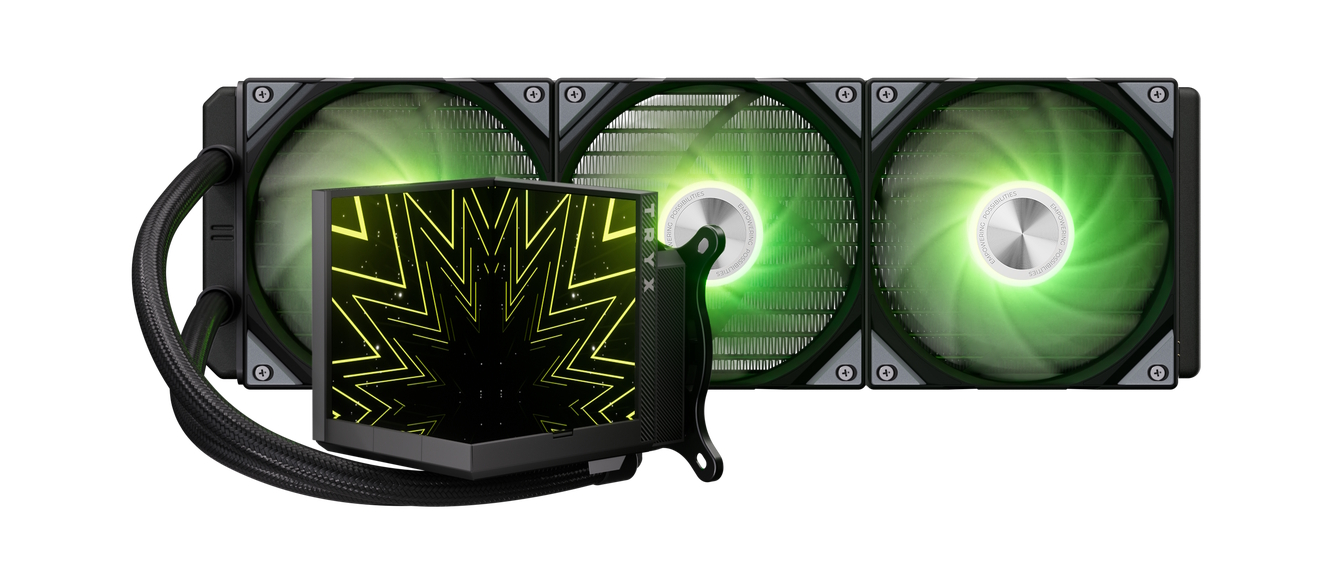
Following the launch of its Panorama series last year, Tryx has made a mark on the PC hardware market. At CES 2026, the brand is expanding its lineup to new segments with a trio of products that push the limits of how much screen real estate you can realistically fit inside a chassis. Headlining the launch is the Stage 360 AIO, a liquid cooler that ditches the single-panel approach for a unique “spliced” dual-display setup. Alongside the AIO comes a “lifestyle” chassis with a cross-flow fan design and the company’s first high-end CPU cooler, the Turris 620.

The Stage 360 liquid cooler offers an upgrade over typical LCD-on-pump systems. Rather than a single large screen, Tryx has integrated two 4.0-inch IPS displays onto an aluminium pump base, “spliced” together to create a continuous visual stage. With a pixel density of 254 PPI and a 720×720 resolution per panel, the visual fidelity is high enough to display detailed animations or even support small physical figurines placed on the base. Configuration is handled through the company’s Kanali software. Under the hood, the unit relies on 8th-gen Asetek technology and triple Rota SL ARGB fans to handle a rated TDP of 280W.

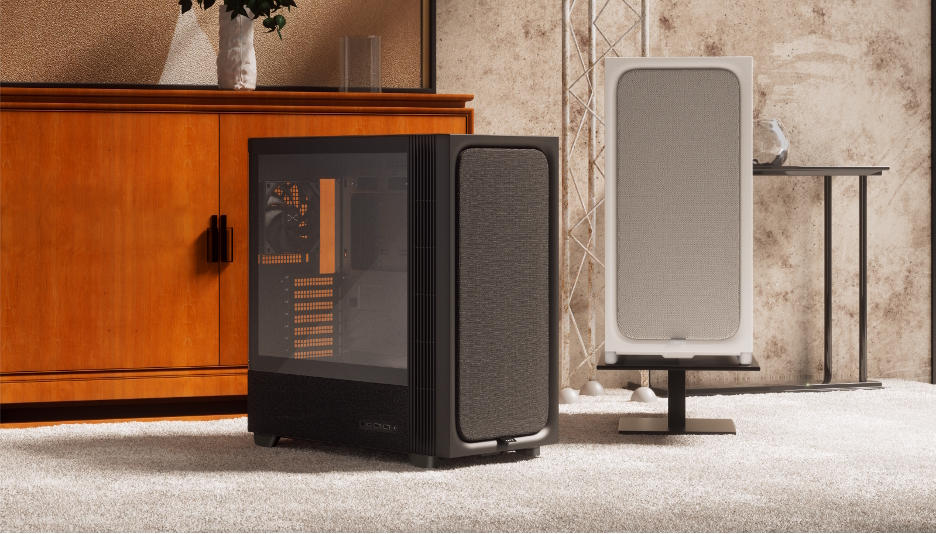
Moving to the chassis, the Flova F50 mid-tower was designed to blend a PC case with home aesthetics. The case features ventilated fabric-finished panels available in black, white or pink. However, the real innovation is the proprietary Tryx Cross-Flow (TCF) fan. Unlike traditional axial fans that push air in a straight line, the TCF is a side-mounted drum-style fan that creates a 90-degree airflow channel. This uniform wall of air is intended to eliminate dead spots over the motherboard and GPU while operating at an ultra-quiet 20 dBA. The case is also modern in its compatibility, offering full support for back-connect motherboards like Asus BTF and MSI Project Zero.

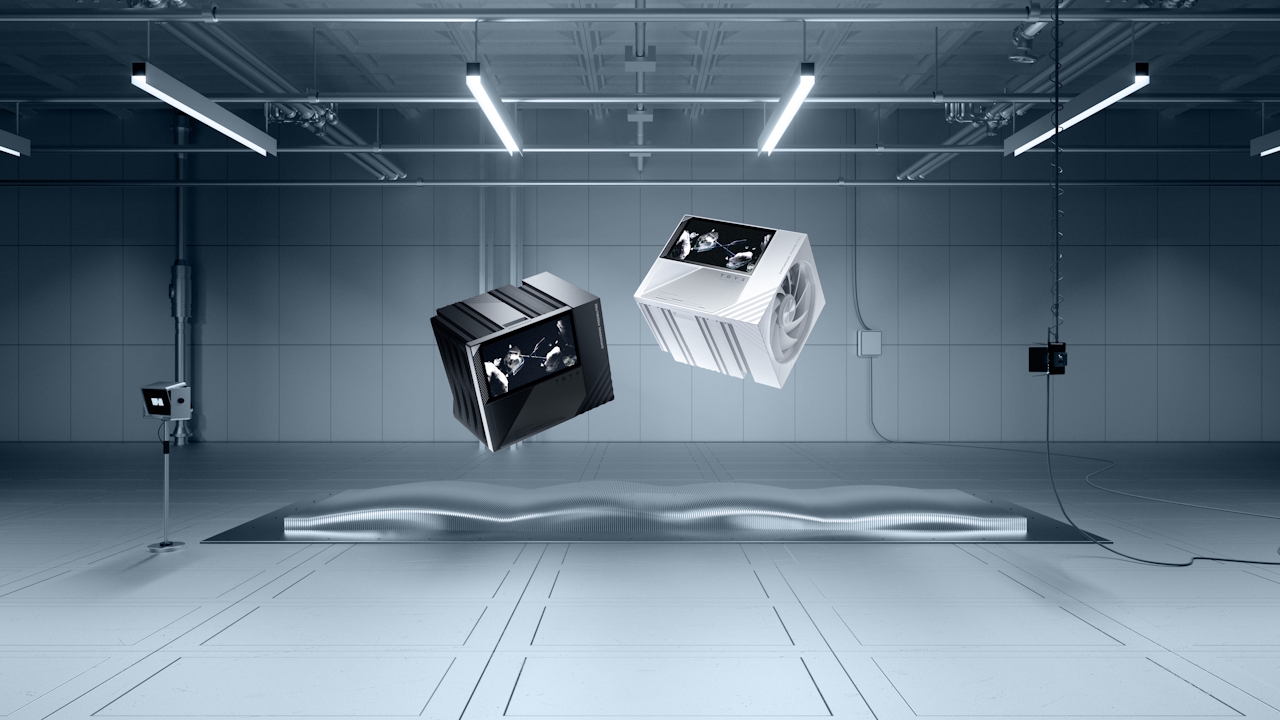
For those who prefer air cooling but still want the “screen-on-everything” aesthetic, the Turris 620 aims to deliver. This dual-tower heatsink features a massive 5.0-inch ultra-wide HD IPS display that is magnetically mounted to the top. The cooler uses a six-heatpipe configuration and a nickel-plated micro-convex base, and it can tame CPUs up to 280W. Installation is simplified through a rail system for the Rota fans, allowing them to be snapped into place without the usual struggle of wire clips.

The Stage 360 is expected to hit European shelves in February 2026 for £199.99/€229.99. The Flova F50 will arrive around the same time, starting at £129.99/€144.99, while the Turris 620 is slated for a March release with pricing to be confirmed closer to launch.

Discuss on our Facebook page, HERE.

KitGuru says: The engineering behind the Flova F50's cross-flow fan is legitimately interesting. If that TCF fan can actually deliver on its promise of silent, uniform cooling, Tryx might have more than just coolers with big displays on its hands.

The post CES 2026: Tryx expands its lineup with new cooling solutions and cases first appeared on KitGuru.
CES 2026: MSI introduces the MPG 272QRF X36, its first Nvidia G-Sync Pulsar monitor

8 janvier 2026 à 16:30

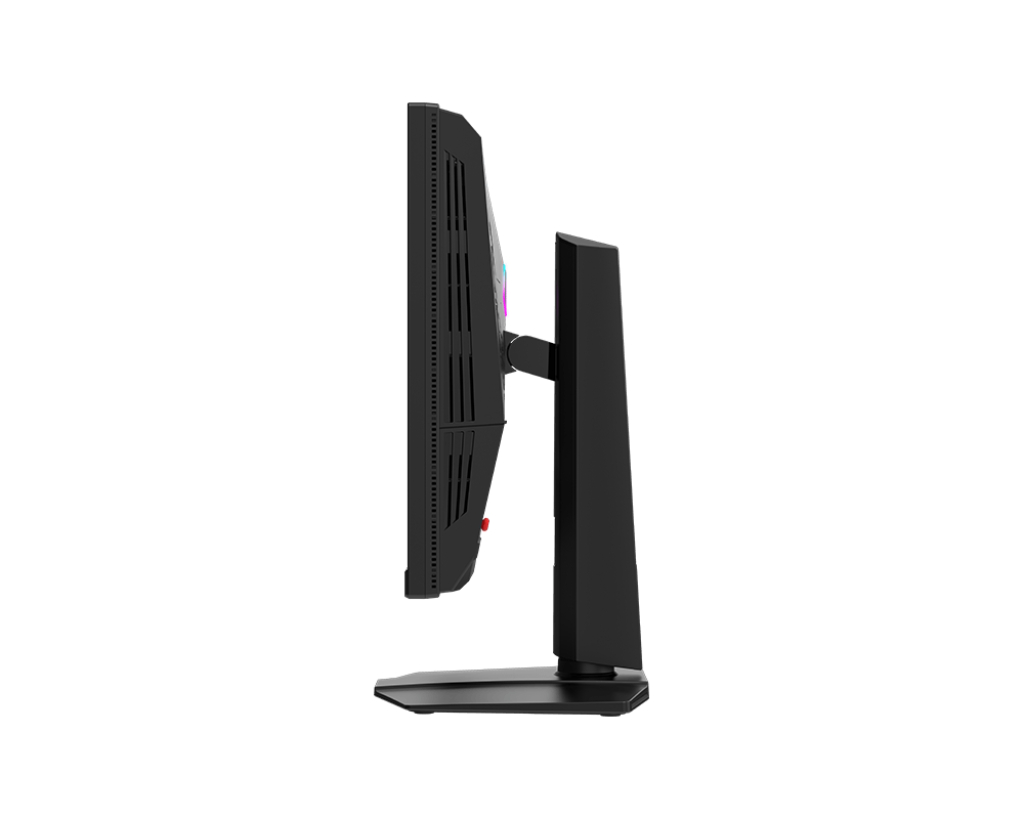
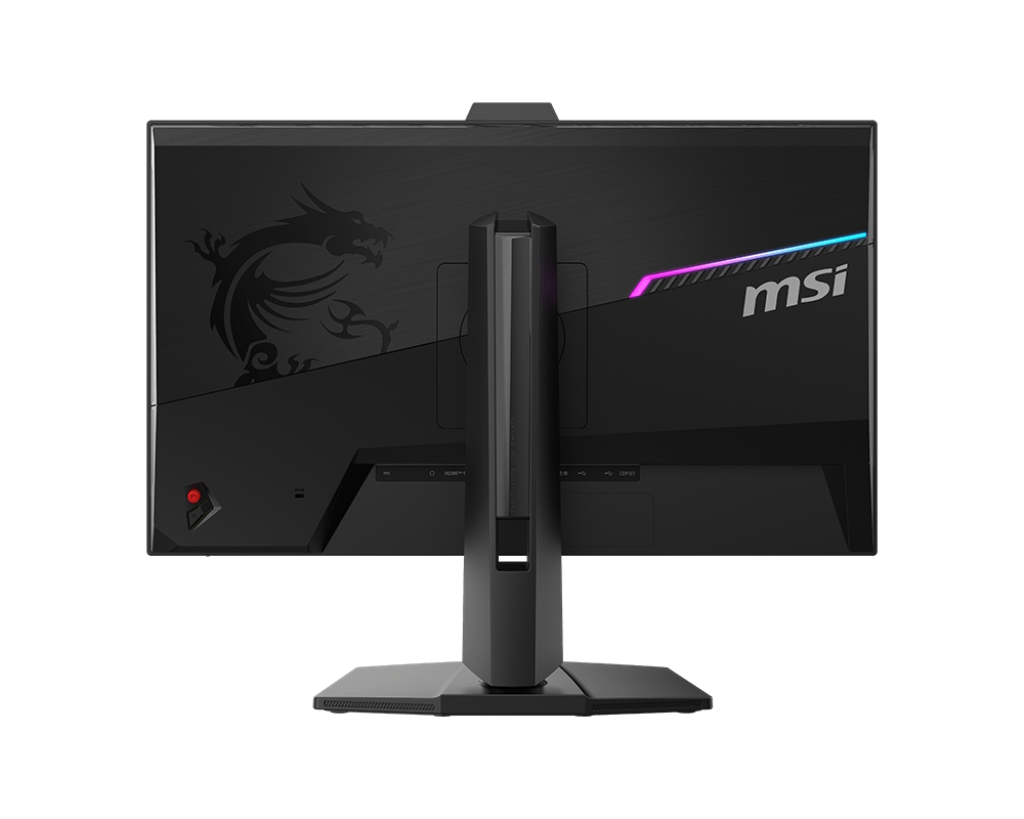
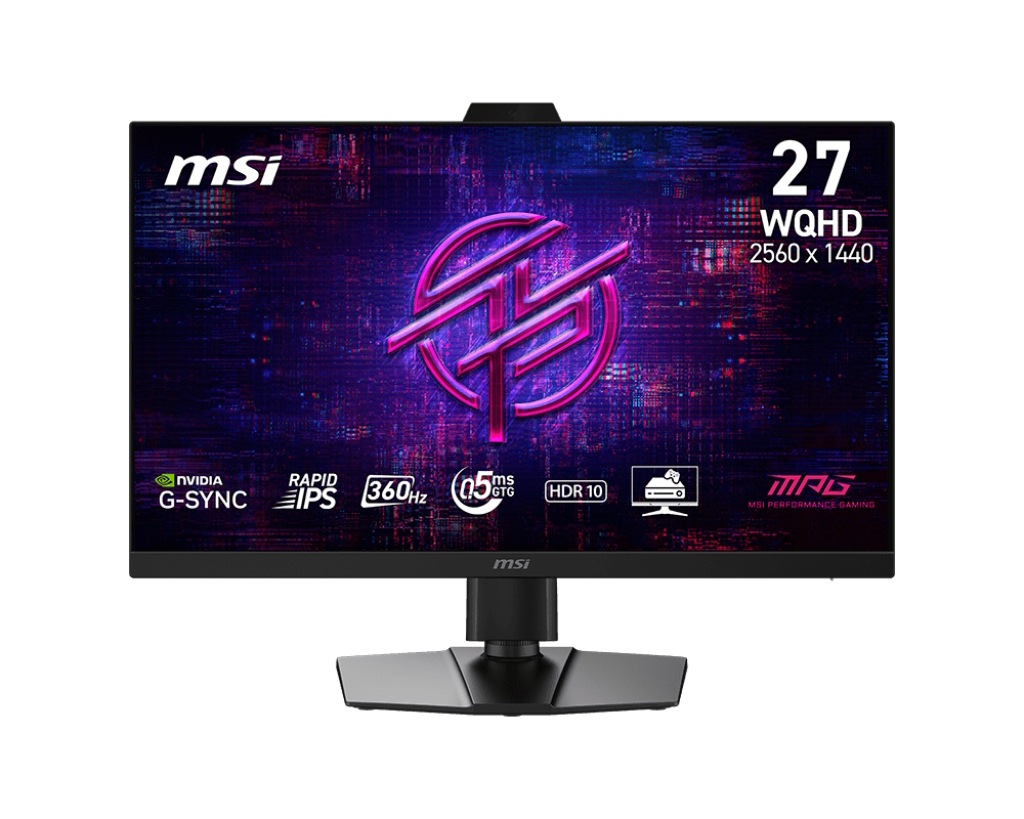
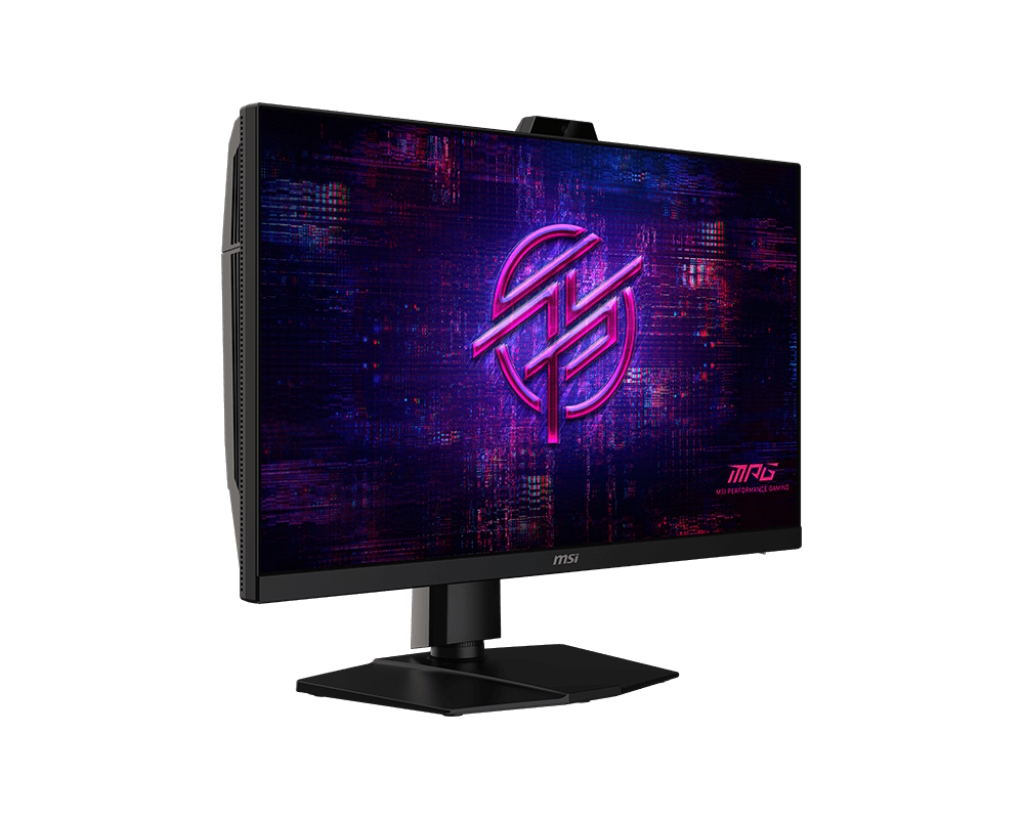
MSI has officially launched the MPG 272QRF X36, a monitor developed in close partnership with Nvidia to spearhead the arrival of G‑Sync Pulsar technology. Aimed at the competitive gaming market, this 27‑inch Rapid IPS display pairs a native WQHD (2560 x 1440) resolution with a 360Hz refresh rate. While high‑refresh displays are increasingly common in the competitive scene, the MPG 272QRF X36 distinguishes itself by finally unifying variable refresh rate (VRR) and backlight strobing without the traditional compromises of flickering or screen tearing

Nvidia’s G‑Sync Pulsar technology is what makes this possible. Historically, gamers had to choose between the stutter‑free experience of G‑Sync and the superior motion clarity of backlight strobing (ULMB). Pulsar eliminates this by using variable‑frequency backlight strobing to synchronise with the GPU’s fluctuating frame rate. By dividing the backlight into multiple horizontal sections and utilising a “rolling scan” technique, the monitor pulses the backlight for only 25% of each frame duration. This ensures pixels have time to stabilise before they are illuminated, resulting in what Nvidia claims is a fourfold improvement in motion clarity (240 FPS has the motion clarity of 960Hz).

Beyond raw speed, the MPG 272QRF X36 integrates several quality‑of‑life features for varying environments. The G‑Sync Ambient Adaptive system utilises an on‑board light sensor to monitor the user’s surroundings, automatically adjusting brightness and colour temperature to maintain optimal contrast while reducing eye strain. Competitive players who still prefer lower resolutions for performance reasons will also find value in the 25″ Mode simulation. This feature provides pixel‑perfect scaling for resolutions such as 1920 x 1080 and 1280 x 960, allowing players to use a smaller windowed area with reduced interpolation artefacts or blur.

The monitor uses a Rapid IPS panel with 10‑bit colour support (8‑bit + FRC) and a peak brightness rating of 500 nits. Connectivity includes dual HDMI 2.1 ports and a DisplayPort 1.4a input. The display also supports user‑updatable firmware directly from Nvidia, allowing the G‑Sync module to receive performance optimisations post‑purchase. The MPG 272QRF X36 is priced at $649.99.

Discuss on our Facebook page, HERE.

KitGuru says: Nvidia's G-Sync Pulsar is very promising. However, considering you're getting a 27-inch IPS panel when you could get a 27/32-inch 4K OLED monitor for the same price, potential buyers will have to evaluate if they really value motion clarity that much.

The post CES 2026: MSI introduces the MPG 272QRF X36, its first Nvidia G-Sync Pulsar monitor first appeared on KitGuru.
CES 2026: Corsair unveils new peripherals for the enthusiast segment

7 janvier 2026 à 18:00

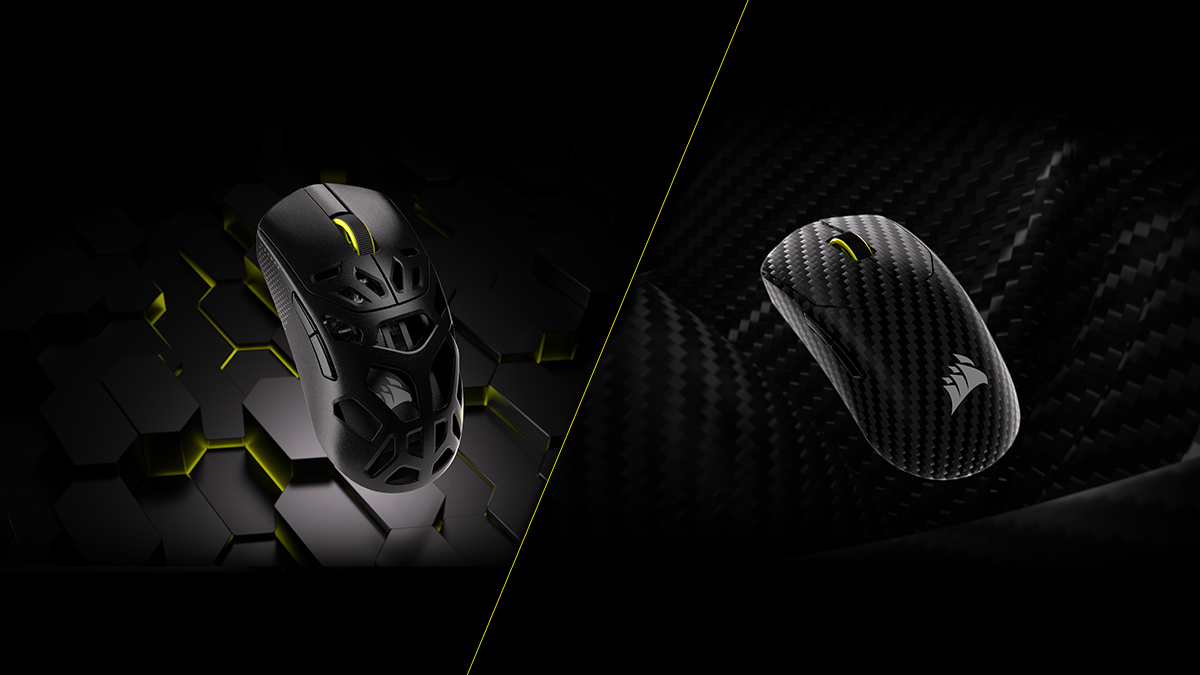
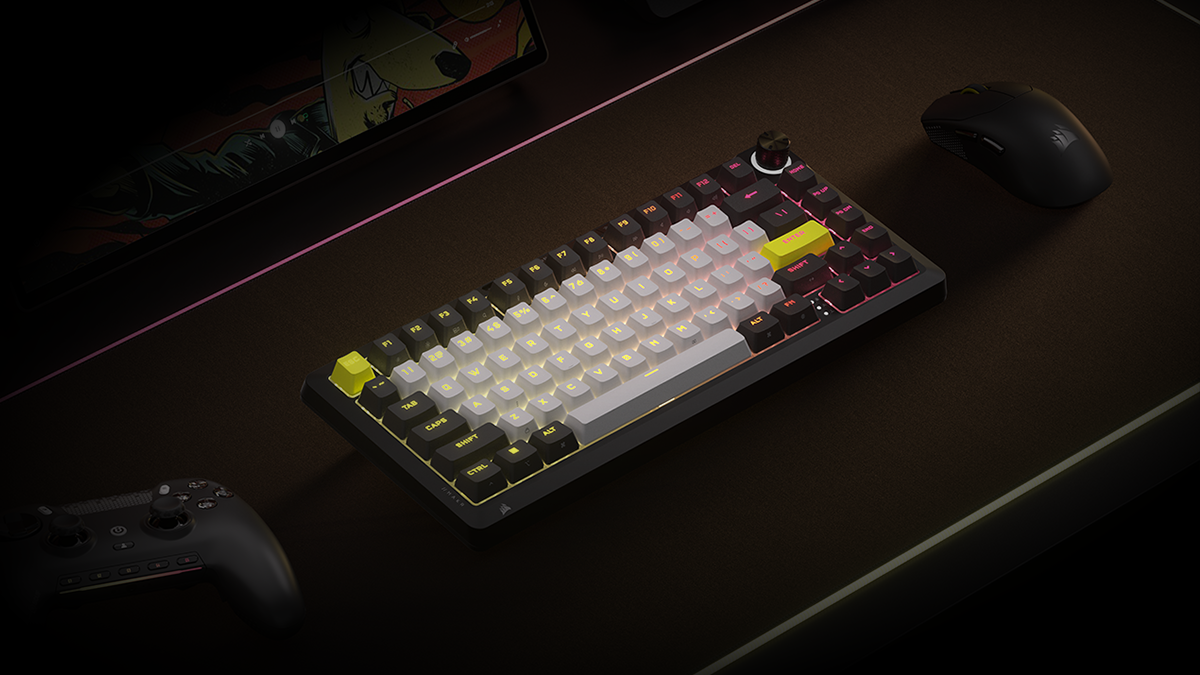
Corsair has arrived at CES 2026 with a clear focus on the upper echelons of competitive play, unveiling a refreshed peripheral lineup that prioritises new materials and rapid‑response Hall Effect technology. For mice, Corsair is introducing two iterations of the Sabre V2 Pro wireless mouse: one built from carbon fibre and the other from magnesium alloy. As for keyboards, the company has revealed the Makr Pro 75, an enthusiast‑grade mechanical keyboard that brings magnetic switch functionality to the Makr platform.

The new Sabre V2 Pro Wireless variants use high‑rigidity shells while keeping weight to a minimum. The Sabre V2 Pro CF utilises a 55g carbon fibre unibody, while the Sabre V2 Pro MG features a 56g magnesium alloy chassis. Both models retain the 8000Hz hyper‑polling capability and the 33,000 DPI Marksman S optical sensor found in the ultralight model. These material‑focused versions instead aim to eliminate micro‑flex during high‑intensity sessions. Battery life is rated at up to 120 hours at a 1000Hz polling rate, dropping to around 21 hours at 8000Hz.

The Makr Pro 75 serves as the spiritual successor to the original Makr 75. Unlike its predecessor, which focused heavily on the barebones experience, the Pro 75 arrives as a fully assembled unit featuring MGX Hyperdrive magnetic switches. These Hall Effect switches enable performance features such as Rapid Trigger and FlashTap SOCD, allowing near‑instantaneous counter‑strafing and movement resets. The keyboard maintains its enthusiast roots with an aluminium frame, an FR4 switch plate, and eight layers of internal sound damping. Modularity remains a key selling point, with support for secondary modules such as an LCD or a wireless add‑on.

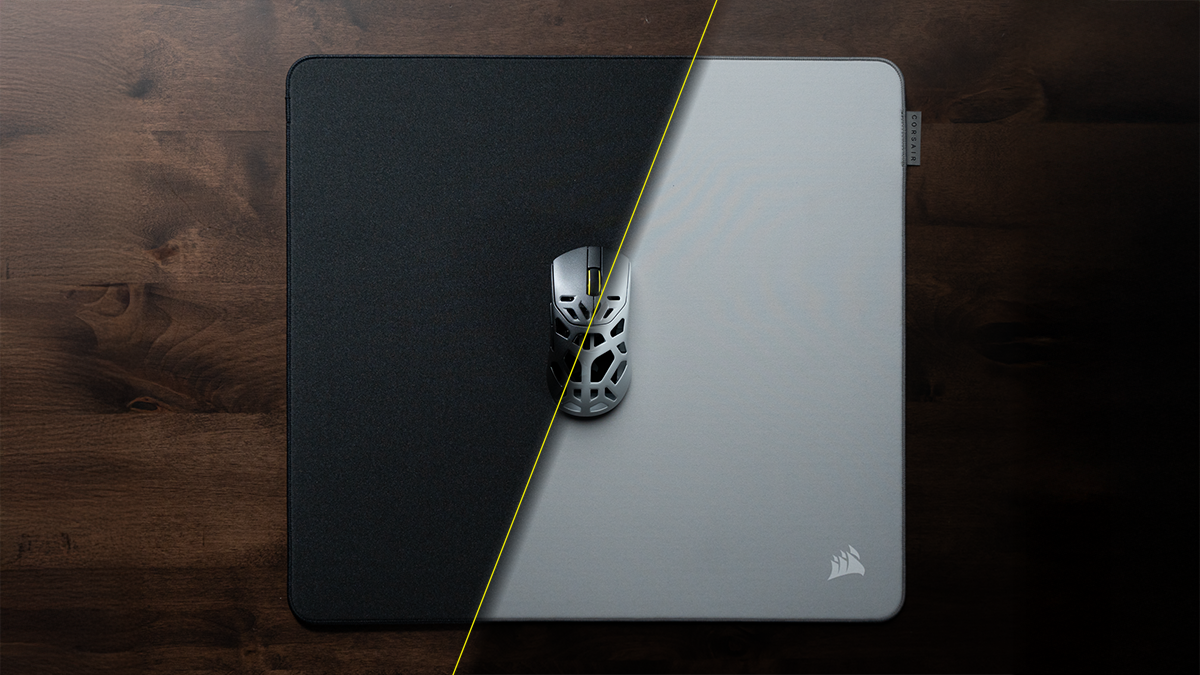
To complement the new hardware, Corsair also debuted the MM Pro Control Large esports‑tuned cloth mousepad. Designed for high‑precision tracking, the pad features a 4mm‑thick cushioned surface and a hex‑patterned polyurethane base to ensure stability during rapid flicks. The sloped edges are intended to provide more consistent stopping power, helping players who struggle with overtravel on standard cloth surfaces.

All these peripherals are now on sale, with the Sabre V2 Pro CF priced at £159.99 and the MG at £119.99. The new Makr Pro 75 is £219.99, and the MM Pro Control Large is £49.99.

Discuss on our Facebook page, HERE.

KitGuru says: While a 56g magnesium mouse might seem counterintuitive compared to the 36g plastic original, the added structural rigidity and premium feel could be a major draw for players who find ultralight plastic a bit too “toy‑like”

The post CES 2026: Corsair unveils new peripherals for the enthusiast segment first appeared on KitGuru.
CES 2026: Razer goes all-in on AI with Project Ava and Snapdragon-powered wearables

7 janvier 2026 à 17:30

Razer is using its CES 2026 campaign to showcase its “AI Gaming Ecosystem”, moving beyond traditional peripherals and into autonomous digital companions and enterprise‑grade AI workstations. The lineup is headlined by Project Ava, a physical evolution of Razer’s earlier AI coaching software, and Project Motoko, an AI‑integrated headset positioned as an alternative to smart glasses for the AI‑driven generation.

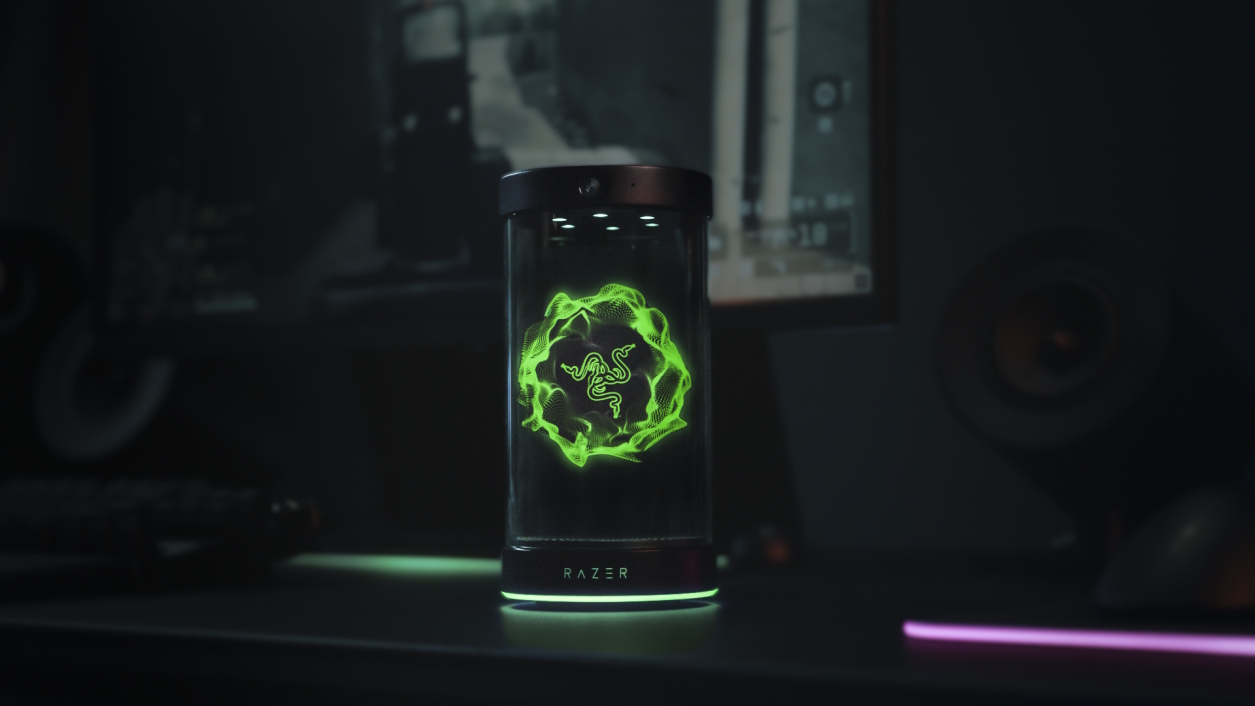
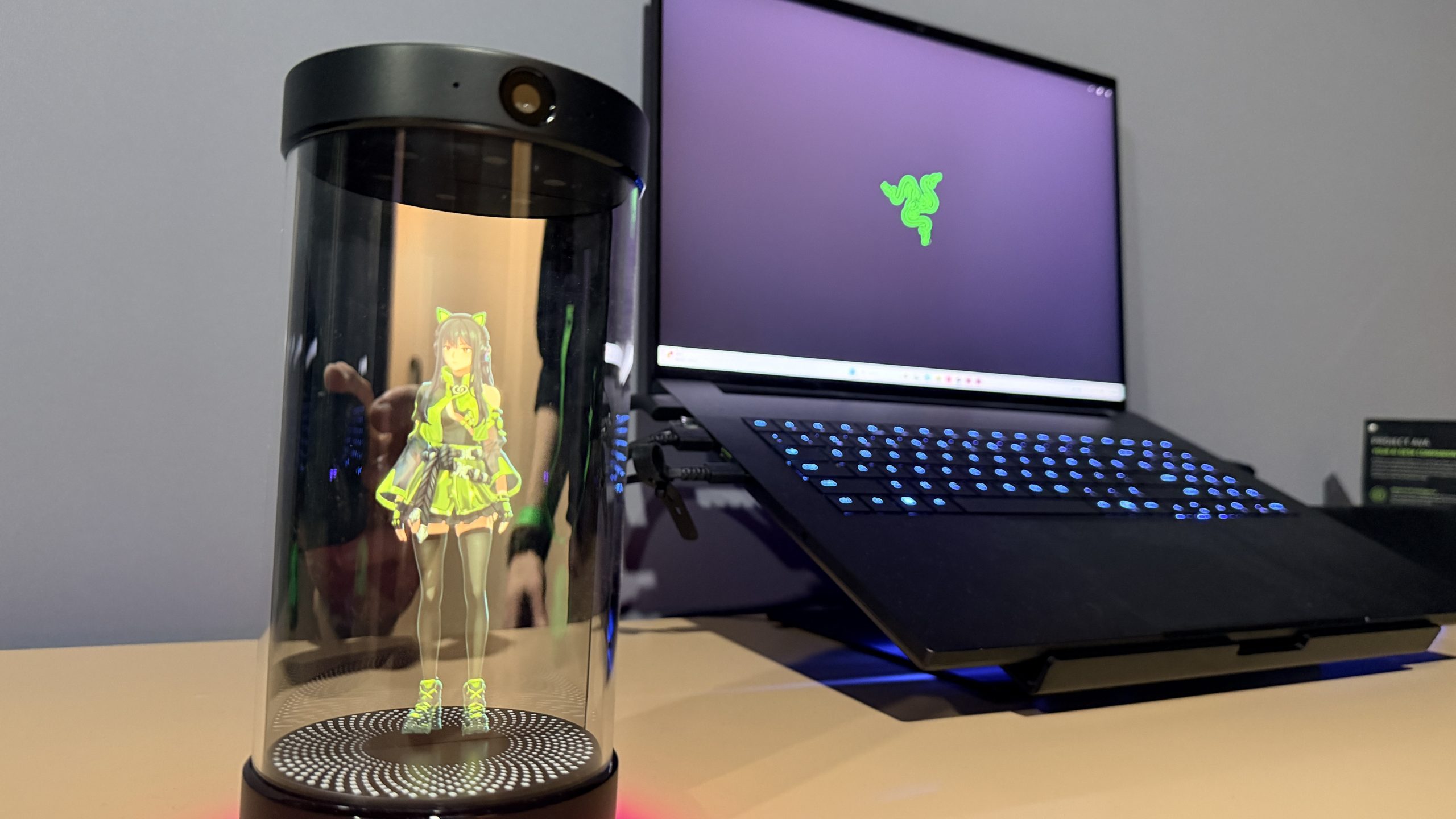
Starting with Project Ava, this cylindrical desktop device houses a 5.5‑inch animated avatar inside a transparent shell. Evolving from an abstract esports coach into a full “digital partner”, Ava uses a top‑mounted camera and PC Vision Mode to monitor gameplay or productivity in real time. Whether offering weapon loadout recommendations in shooters or managing your calendar while you work, Ava is designed as a persona‑driven assistant that sits beside your monitor rather than appearing as an on‑screen overlay. Razer has already opened reservations in the US, featuring the default character “Kira”, with support for custom avatars planned for the future.

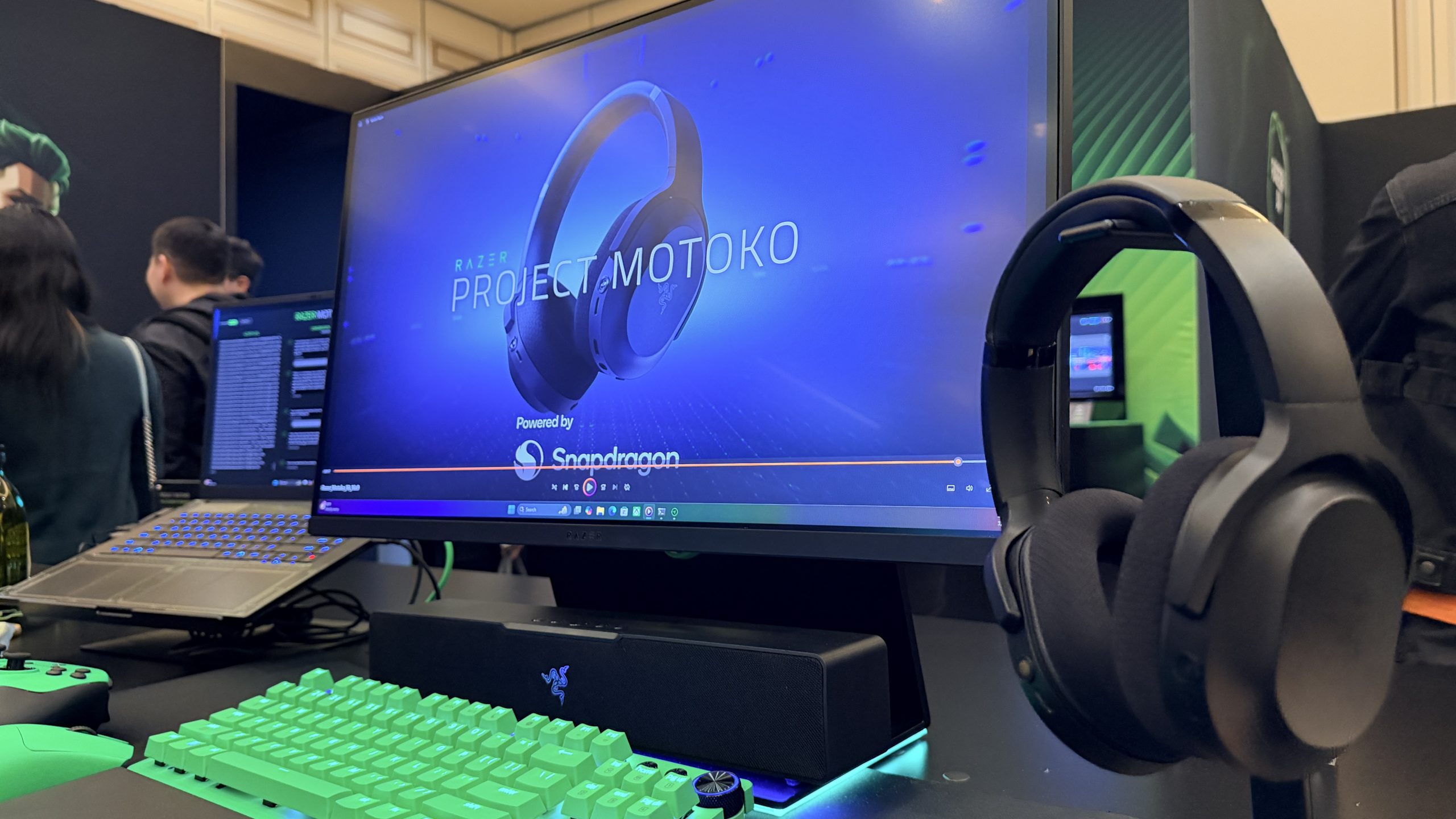
For users on the move, Project Motoko introduces an AI‑powered wireless headset built on Qualcomm Snapdragon silicon. Unlike current smart glasses, Motoko relies on high‑fidelity audio feedback and dual first‑person cameras to deliver visual and environmental awareness. It supports translation, object recognition, and real‑time guidance, all while offering up to 40 hours of battery life. Razer is keeping the platform engine‑agnostic, enabling it to run local or cloud‑based models from OpenAI, Google, or even Tenstorrent’s mobile accelerators.

Razer is also making a pivot into the enterprise and research sectors with a dedicated suite of AI development tools:

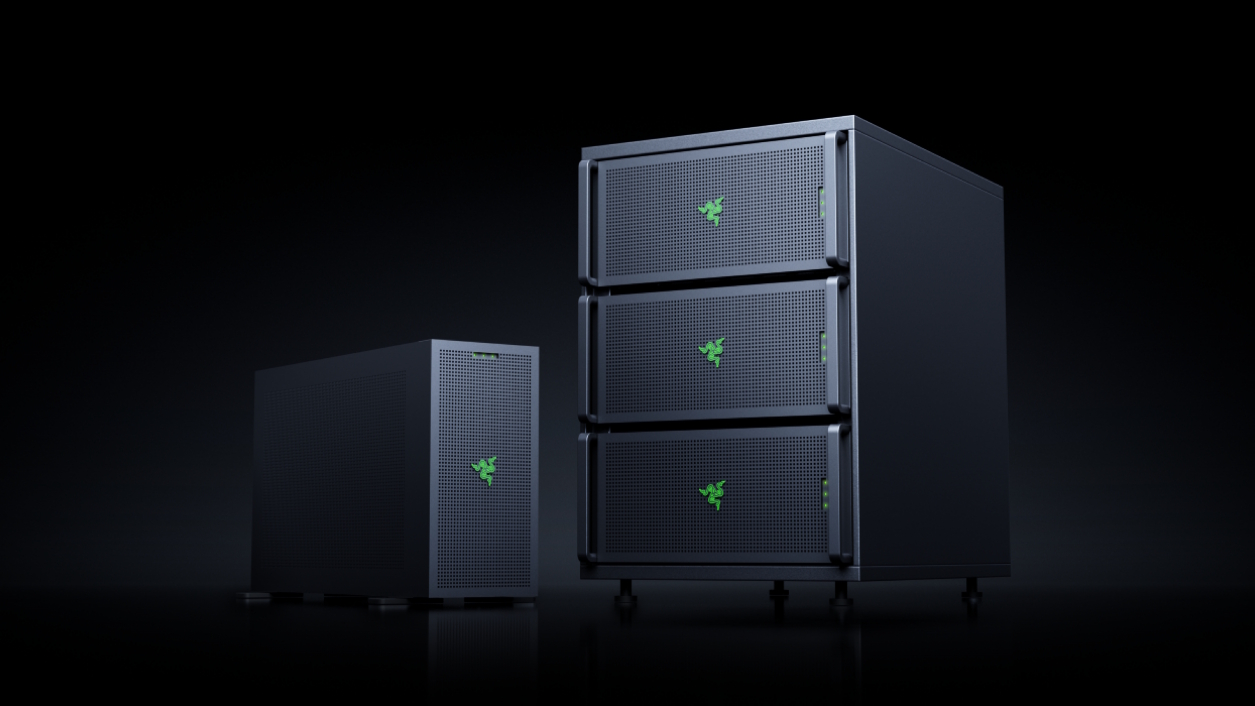
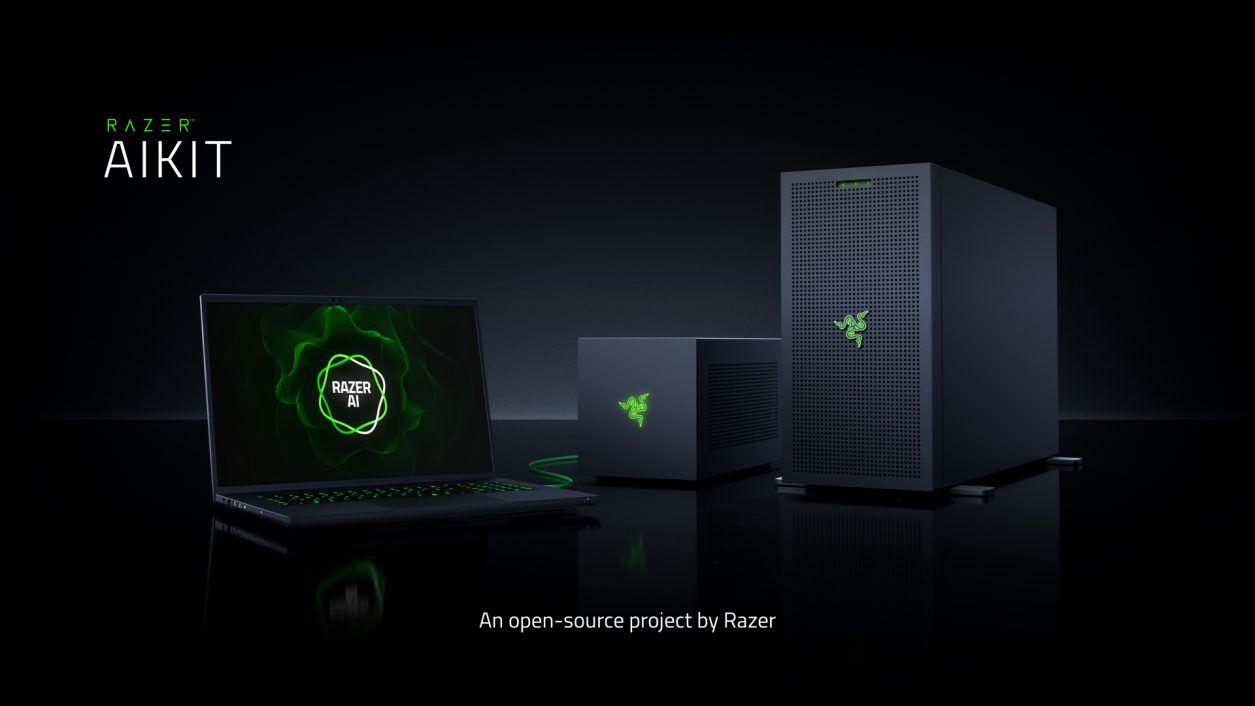
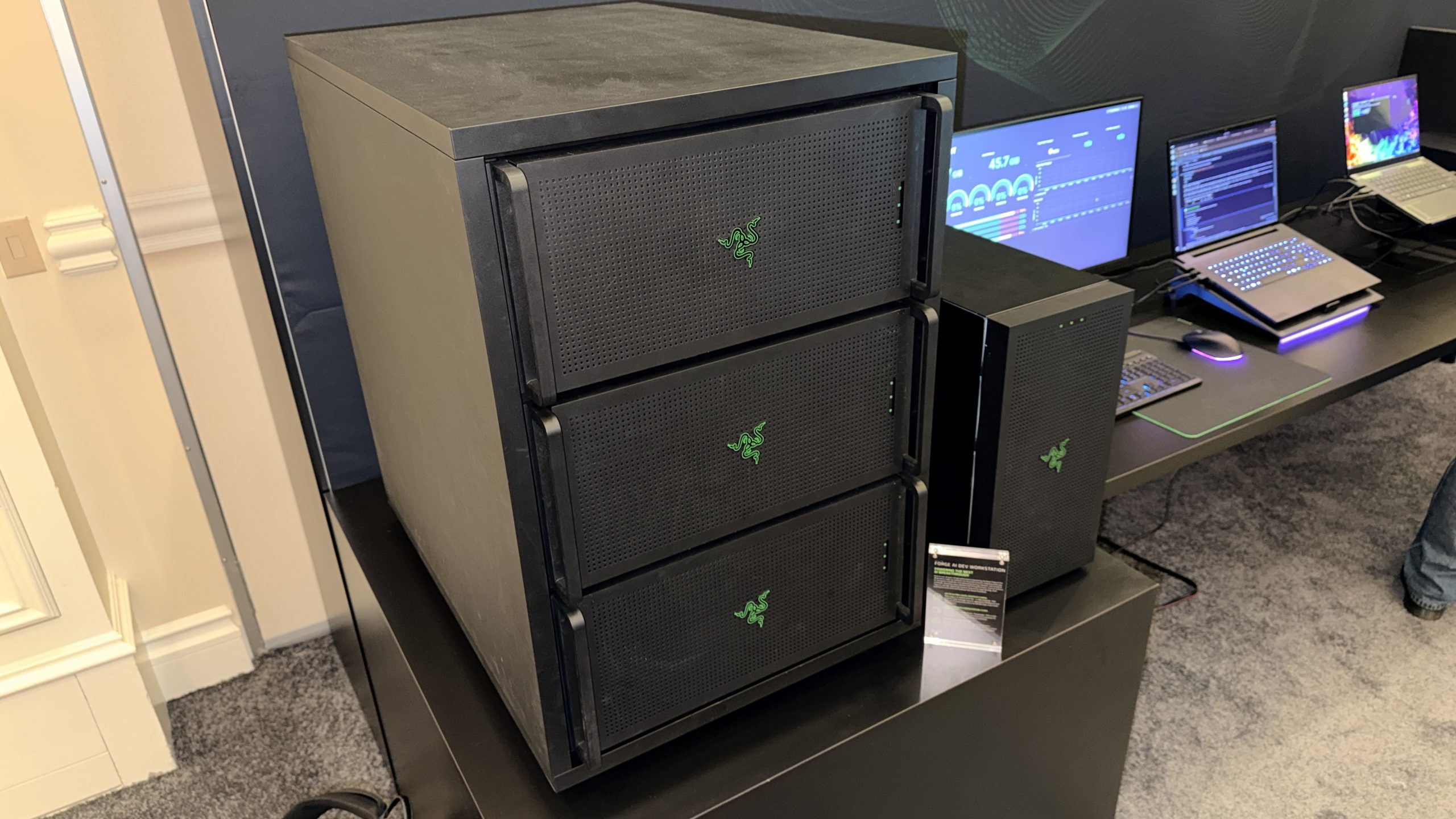
  • Razer Forge AI Dev Workstation: A localised powerhouse built for training Large Language Models (LLMs) and running complex simulations. It supports multiple professional GPUs (including the Nvidia RTX Pro 6000 Blackwell series) and workstation-class CPUs from the AMD Threadripper Pro or Intel Xeon W lines.
  • Razer AIKit: An open-source, local-first workflow tool available on GitHub. It allows researchers to fine-tune models on local hardware with cloud-comparable performance, featuring automatic GPU discovery and cluster formation.
  • Tenstorrent Partnership: In collaboration with Jim Keller's Tenstorrent, Razer is launching a compact AI accelerator that connects via Thunderbolt 5. Using “Wormhole” technology, these modular units can be daisy-chained to provide desktop-class generative AI performance to laptops and handheld PCs.

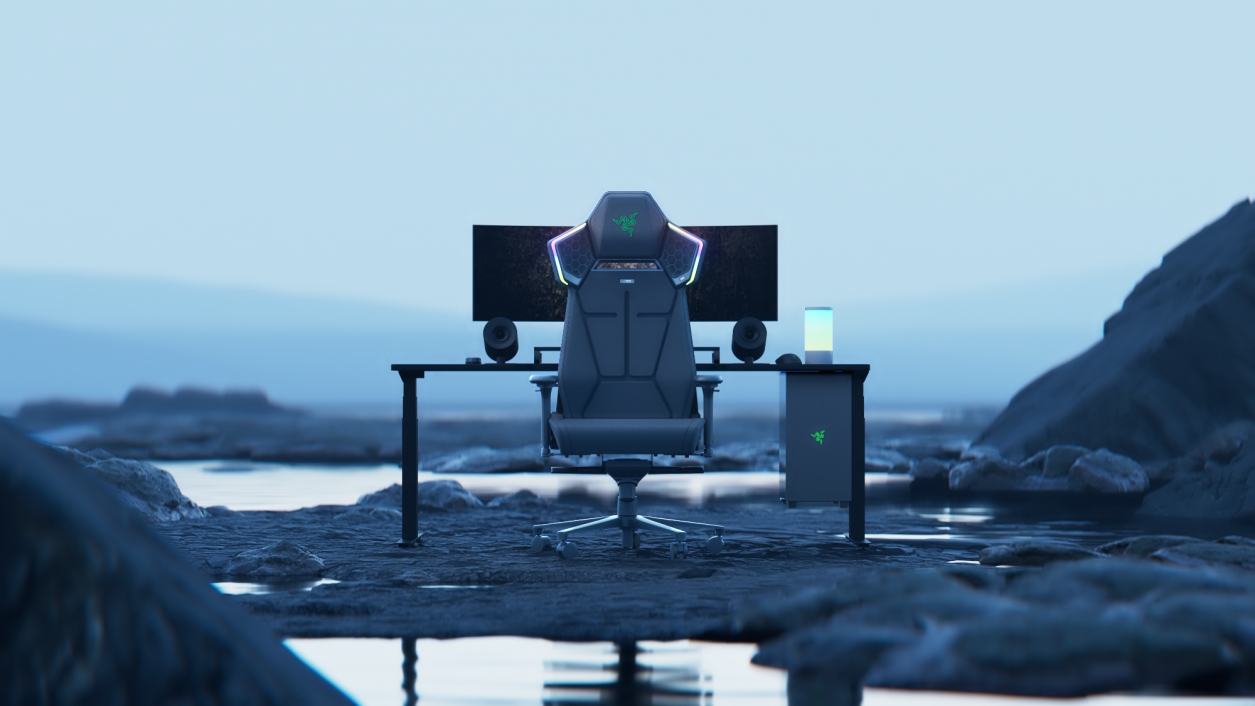
Razer’s gaming chair lineup has also been refreshed with the Razer Iskur V2 NewGen. While maintaining the price point of its predecessor, the NewGen model introduces Razer’s Gen‑2 EPU Leather with “CoolTouch” technology and a more breathable dual‑density foam cushion. For those seeking something beyond a standard office chair, Project Madison is a concept seat that integrates Sensa HD Haptics directly into the frame, vibrating in sync with game events or THX Spatial Audio for a multisensory experience.

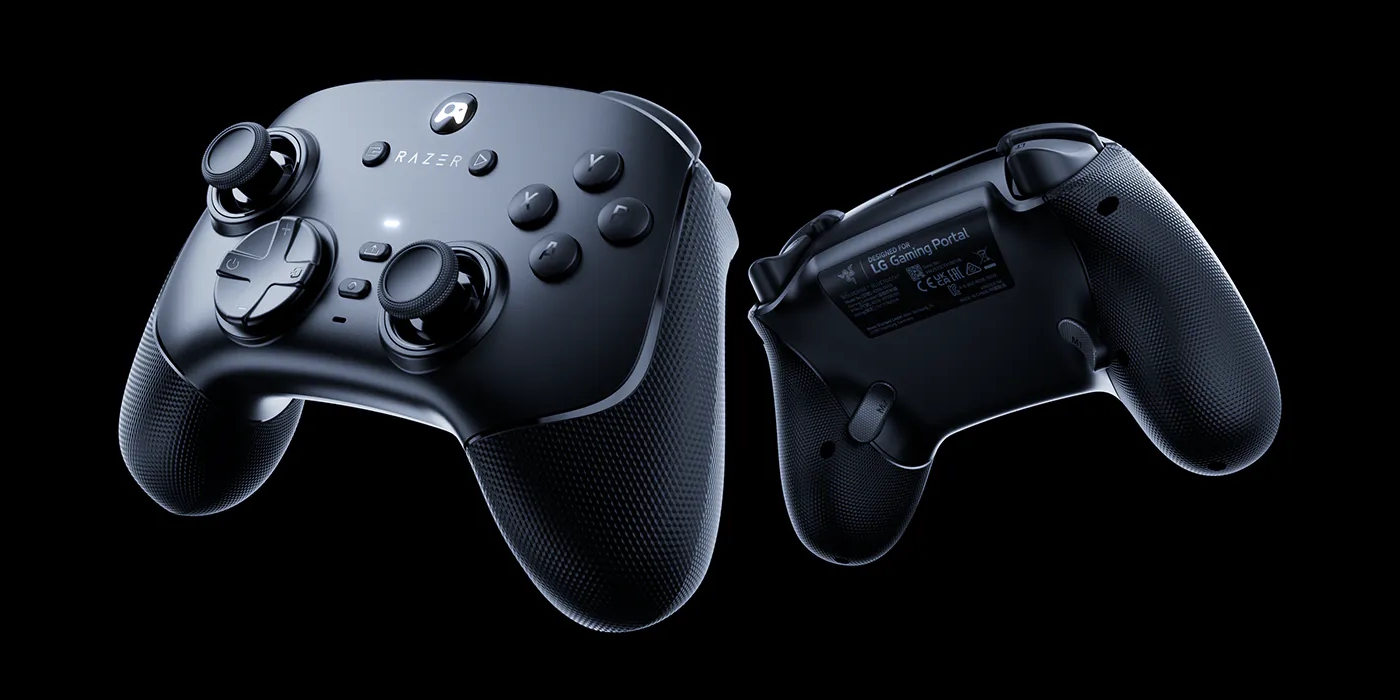
Lastly, the new Razer Wolverine V3 Bluetooth arrives as the “world’s fastest” wireless controller optimised for cloud gaming. Developed in partnership with LG, it features ultra‑low‑latency Bluetooth and integrated TV controls, allowing users to navigate LG’s gaming portals and cloud services without a separate remote.

KitGuru says: With this announcement, it's safe to say that Razer is no longer just a gaming brand. It's positioning itself as a hardware provider for the AI era. While Project Ava is probably the most interesting product for its core audience, the Forge workstation and the Tenstorrent accelerator suggest Razer is serious about capturing the professional AI market as well.

The post CES 2026: Razer goes all-in on AI with Project Ava and Snapdragon-powered wearables first appeared on KitGuru.
CES 2026: Intel launches 18A ‘Panther Lake’ Core Ultra 3 CPUs

7 janvier 2026 à 12:07

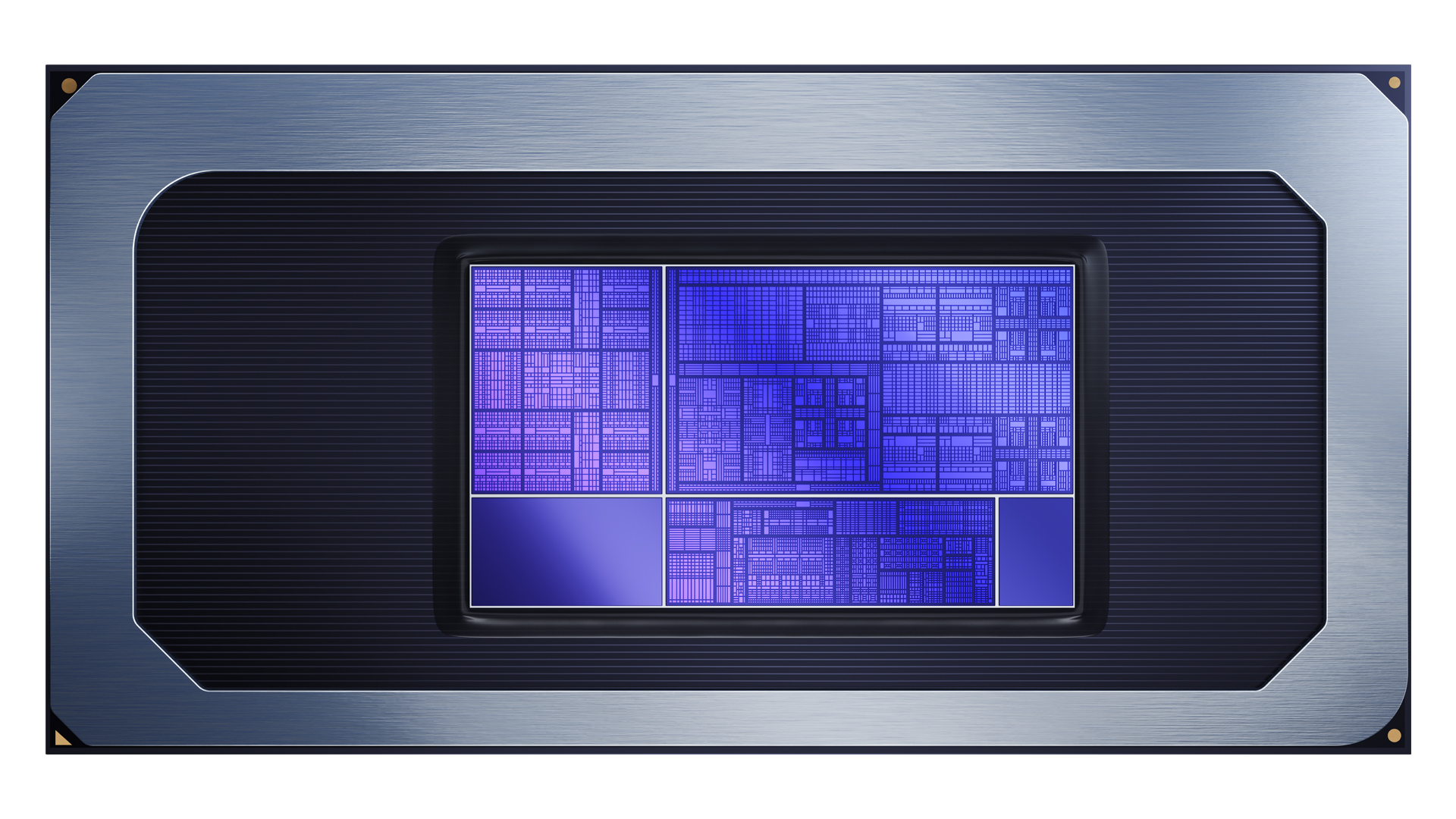
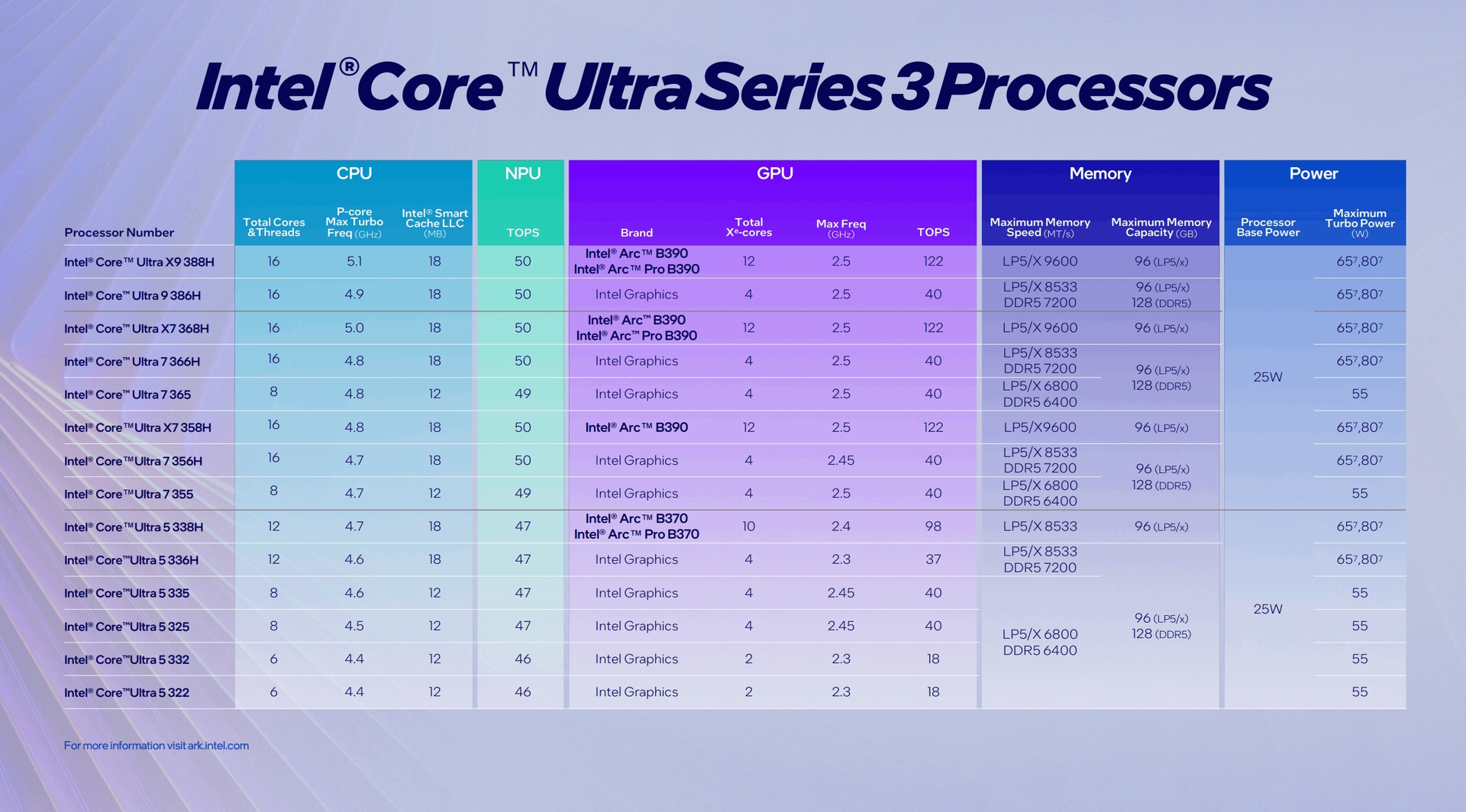
Intel has officially launched its third-generation Core Ultra mobile processors at CES 2026, marking the long-awaited debut of its Intel 18A process technology. Also known as Panther Lake, the Core Ultra Series 3 is the first compute platform designed and manufactured entirely in the US using 18A silicon. With a focus on mobile efficiency and integrated graphics, Intel is claiming a 76% uplift in gaming performance and a 60% improvement in multithreaded performance over the previous generation.

The Core Ultra Series 3 lineup introduces a new naming convention. The flagship Intel Core Ultra X9 388H and Ultra X7 models feature a dedicated “X” prefix, denoting the inclusion of the new Arc B‑series integrated GPU. Built on the Xe3 architecture (derived from the upcoming Battlemage desktop series), the top-tier B390 iGPU includes 12 Xe-cores and is reportedly capable of matching the performance of a discrete Nvidia RTX 4050 laptop GPU. To further boost frame rates, these integrated graphics support XeSS 3, which incorporates AI-driven multi-frame generation similar to DLSS 4.

Architecturally, Panther Lake features a multi-tile design. The compute tile, built on the 18A node, introduces a new core configuration with up to four Cougar Cove P-cores, eight Darkmont E-cores, and four low-power Darkmont E-cores. Despite a lower P-core count than the previous generation, Intel claims that architectural refinements and the die shrink deliver a 60% improvement in multithreaded performance at 25W. The NPU has also been upgraded to the NPU 5 architecture, delivering 50 standalone TOPS for local AI tasks and meeting the requirements of Microsoft’s latest Copilot+ PC standards.

For the first time, these processors are certified for 24/7 reliability across a temperature range from -40°C to 100°C. In robotics and video analytics workloads, Intel says the integrated AI acceleration offers a significant total cost of ownership (TCO) advantage, delivering up to 4.5× higher throughput on vision language models (VLMs) compared to traditional CPU-plus-discrete-GPU configurations. Intel also claims these chips can offer up to 27 hours of battery life.

Laptops powered by the Intel Core Ultra Series 3 are available for pre-order now. Global retail availability is scheduled for January 27th, 2026, with more than 200 designs from partners including MSI, Lenovo, and ASUS expected to reach the market in the first half of the year.

KitGuru says: Intel's 18A node is finally here, and on paper, Panther Lake looks very competitive. It will be interesting to put these chips to the test in the months ahead. 

The post CES 2026: Intel launches 18A ‘Panther Lake’ Core Ultra 3 CPUs first appeared on KitGuru.
❌