↩ Accueil

Vue lecture

Mercy Review

Mercy opens in IMAX and 3D theaters on January 23.

The screenlife genre gets a buggy update in Timur Bekmambetov’s Mercy, a rapid-action thriller in which a man accused of murder must prove his innocence to an AI judge within 90 minutes or be put to death. This clockwork setting has potential, but what it lacks, ironically, is execution. It’s often hilariously slapdash despite its conceptual prowess, and a prime example of great ideas being squished together and squandered…not to mention, made entirely headache-inducing if you watch it in 3D.

Right from the get-go, Mercy takes a strange approach to explaining its futuristic setting, beginning with a neatly edited “previously on” montage that lays out how the crime-ridden, poverty-stricken Los Angeles of 2029 came to adopt AI-driven capital punishment. Hilariously, it turns out this trailer for the film’s own premise is being shown to an accused killer, Detective Chris Raven (Chris Pratt), who ought to be more than familiar with the imposing AI entity Judge Maddox (Rebecca Ferguson) since he pioneered the “Mercy” project that gives the film its name. Still, this exposition is somewhat forgivable, if only because it sets up the film’s parameters with the efficiency of LED screens lining the queue for a ride at Disneyland. Raven, who’s just regained consciousness in an enormous, empty room, is strapped to a lethal chair set to give off a fatal electrical pulse unless he can prove he didn’t murder his wife Nicole (Anabelle Wallis) earlier that day.

Before the restrained detective stands an enormous screen from which the imposing Maddox – her face silhouetted and cast in shadow – makes stern proclamations, deeming him “guilty until proven innocent,” and granting Mercy a not altogether uninteresting legal conundrum. Maddox also has unlimited access to the digital and GPS data of everyone in LA thanks to a communal cloud, which Raven can also sift through in order to prove his innocence. As either the judge or the accused bring up dueling evidence (courtesy of texts, doorbell videos, and countless other digital sources), iOS windows pop up in the space around Raven’s head like nifty 3D holograms. The case seems watertight: Raven arrived home during the work day, got into a fight with Nicole, and left, only for their teenage daughter Britt (Kylie Rogers) to find her stabbed minutes later.

The only problem is that Raven has no memory of the events depicted, an idea that seems intriguing until it’s quickly handwaved. From that point on, as the on-screen clock counts down, the story switches gears at breakneck speed and introduces a multitude of supporting characters via FaceTime calls, from Raven’s fiery police partner, Jacqueline “Jaq” Dialo (Kali Reis), to his diligent AA sponsor, Rob Nelson (Chris Sullivan), among many others. The mystery is unraveled practically backwards, with clues being explained or exposed in the very same moment they’re first discovered, while Raven uses Jaq as his proxy to revisit the crime scene and even chase down other suspects, viewing the world through her body cam, then a series of drones, then digital renderings of real spaces, then insert-new-idea-here without nearly enough time for us to adjust, let alone reflect. The movie switches focus just as haphazardly, going from tech conspiracy to domestic drama to some errant mixture of drugs-and-terrorism thriller that becomes impossible to invest in given the sheer flurry of images and pop-up windows flying at you at once. These are also never in the same plane of focus, forcing your eyes to adjust faster than you can process information, which becomes even more physically demanding in 3D.

It’s hard not to be perturbed by what Bekmambetov is selling.

However, what is perhaps strangest about Mercy is what it has to say – and often, what it doesn’t say – about technology. Its setting involves an omniscient state apparatus that uses bare-bones facts to make snap judgements before sending people to their deaths. And yet, this instant access to all facets of people’s lives doesn’t end up remotely framed as a dilemma or inspire any hesitation (the way it does in, say, the climax of The Dark Knight). The neutral approach to all-encompassing surveillance isn’t a bad thing in and of itself – after all, it’s the foundation of Mercy’s mystery setting – but paired with the film’s eventual pro-AI bent, despite depicting AI as a fascistic entity, it’s hard not to be perturbed by what Bekmambetov is selling.

Screenlife has been one of the more interesting filmic byproducts of the internet age, dating back to webcam experiments like the French comedy, Thomas in Love (2000), and the American supernatural horror film, The Collingswood Story (2002), and culminating in perhaps the ultimate example of the concept just last year: the reviled Ice Cube vehicle, War of the Worlds. Bekmambetov has produced a number of screenlife films: the Unfriended series; the father-daughter mystery, Searching (2018); and the modern Shakespeare adaptation, R#J (2021). He knows better than anyone that the challenge of screenlife is the self-imposed limitations of telling a story as it plays out within the confines of a computer screen.

But with Mercy, Bekmambetov pushes the concept past its limits until it breaks and becomes uninteresting in the process. Sure, we see digital evidence through Raven’s eyes, but half the time, the camera is focused on Pratt’s aggressive close-ups as the story reveals his character to be an unpleasant, borderline irredeemable husband and policeman whose innocence becomes hard to root for. Ferguson’s shadowy AI magistrate, by comparison, comes off as far more human…which is an incredibly strange outcome. There’s no emotional challenge or cognitive dissonance in wanting Raven to break free – the film’s approach to morality is dispiritingly flat – and Pratt often fails to imbue the character with realistic emotions or even the kind of showiness that might make Mercy an operatic romp. If nothing else, watching Pratt struggle with the material is at least a reminder of the flawed human artistry on display.

When the story eventually departs from its courtroom confines in its final act, the question of whose perspective – or cameras – we’re seeing the world through, and why, is just as nagging as the movie’s tonal inconsistencies and sloppy action scenes that cut between too many visual sources. The promise of unfurling a screenlife story into three-dimensional space around a character forced to interact with it is an alluring concept, especially when it concerns the wealth of information at Maddox’s and Raven’s fingertips. And yet, Bekmambetov never goes beyond simply introducing these ideas, casting them into the ether without a second thought. In a world that’s as radically changed as the one we see here, and as theoretically dangerous, you need a story that engages with its own premise on at least some level, and allows its doomed protagonist to wrestle with notions of morality and his own culpability in creating this status quo. Mercy is not only not that movie, but it also seems to salivate at the thought of a world where punitive justice and invasions of privacy are possible and easy, and the only downside is rogue actors who might misuse these technologies, which is a conclusion the film practically narrates to the camera.

Perhaps the screenlife genre, or this particular rapid version of it, isn’t the right venue for the material to begin with. On one hand, the images represent a kind of voyeuristic invasion and a ceding of liberty, which might have been interesting to explore. On the other hand, the sheer flurry of these invasive pop-up windows is also how the movie conjures its few moments of intrigue and excitement. Watching Mercy, it’s hard not to wonder: Why even make a futuristic sci-fi movie set in a dystopia if your fawning aesthetic framing makes the setting feel utopic? At that point, Bekmambetov may as well just invest in a generative AI company instead; oh, wait...

  •  

See an Exclusive Excerpt of the Star Wars Outlaws Prequel Novel Low Red Moon

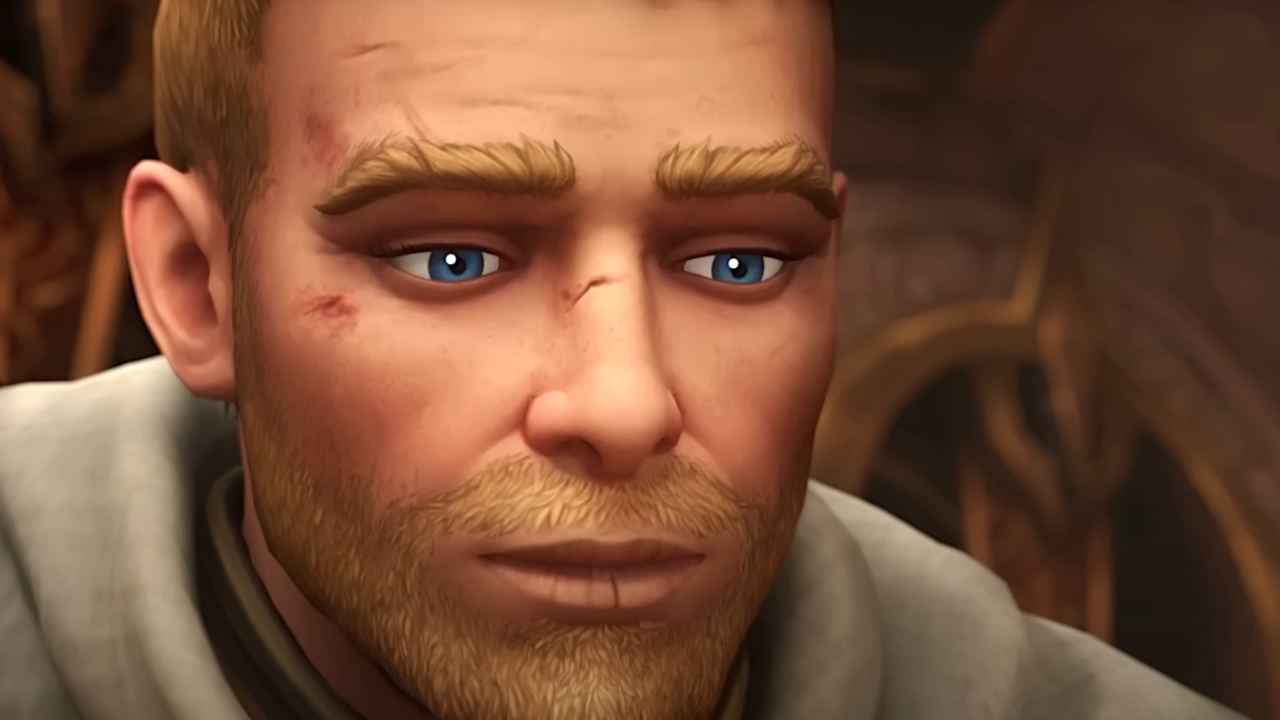
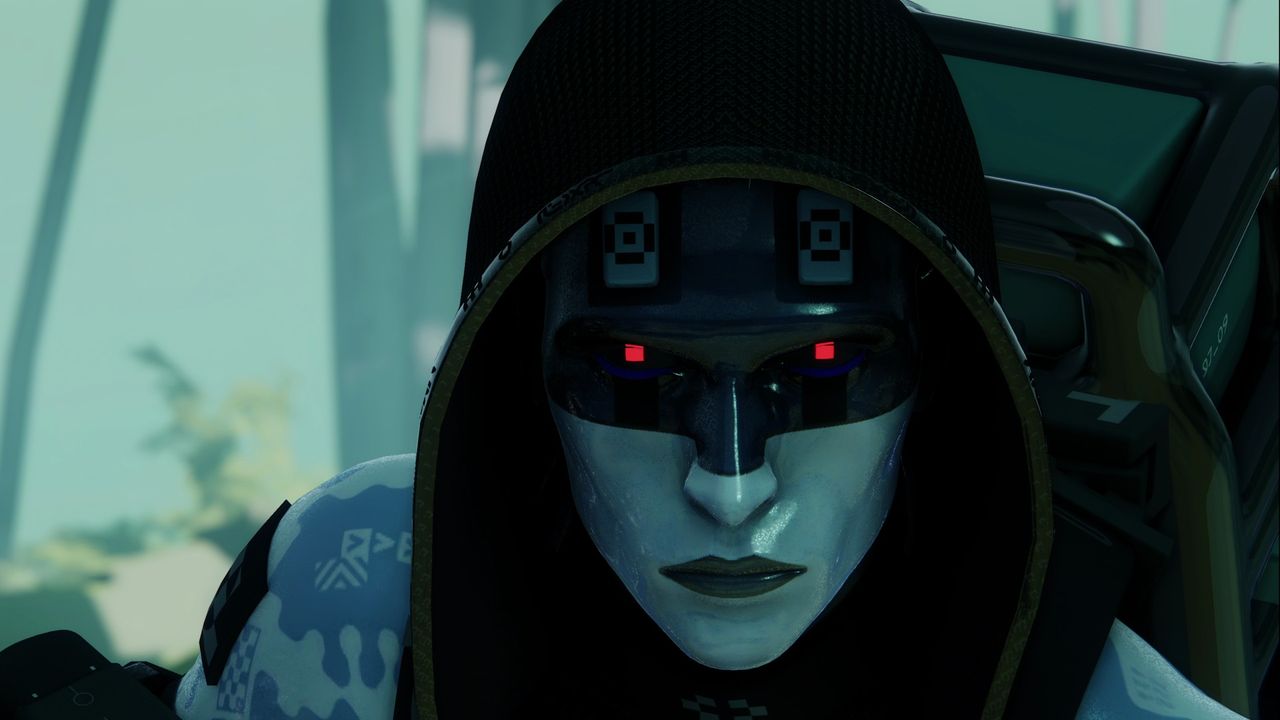
Random House Worlds is gearing up to release its latest Star Wars novel, author Mike Chen's Star Wars Outlaws: Low Red Moon. You might assume the book showcases an earlier adventure in the life of goldhearted smuggler Kay Vess, but you'd be wrong. Instead, the book focuses on one of the most surprising figures in the game, Jaylen Vrax. The book explores how Jaylen met the fearsome bodyguard droid ND-5 and made his way through the ranks of the criminal underworld.

Ahead of its February 3 release, IGN can exclusively debut a preview of Star Wars Outlaws: Low Red Moon. This excerpt is set early in the book, just after Jaylen is rescued by ND-5 following an attack on his family's compound. Check it out below:

“You killed them,” Jaylen said, adrenaline surging in him, helping him upward. He staggered to his feet, stiff pain in every muscle. “You killed them,” he repeated.

“I have already acknowledged that.”

Jaylen’s plan had worked. Which meant that it would have worked had Roisem and Nnytyl stopped arguing, stopped causing chaos so he could give the restraining bolt to A1-A1. He could have passed the hardware over, then come up with some distraction for the protocol droid to mount the restraining bolt.

But now, everyone was dead—because they just wouldn’t listen. And that notion burned Jaylen in a different way than when he thought about Sliro.

“No, you don’t understand. You killed them. They didn’t have to die. The Empire took everything from us. And now you’ve taken everything from me. Why? Why would you do this?”

ND-5 looked at Jaylen like he was asking for directions into town. “I executed orders according to my programming.”

“Oh, so that’s it? You’re just an assassin that kills whoever you tar get?” Jaylen threw a pointed finger at the droid, though doing so caused him to wince.

“Yes. That is how droids operate.”

Jaylen wanted to scream. If his body could support it, he probably would have. Some sort of primal release felt necessary at this point. In stead, he swayed on his feet, nausea rolling in his stomach. “What hap pens now?” he asked quietly. “I can barely move.”

“The shock wave struck you. I was able to protect you from only the shrapnel. The noise and pressure have likely given you a concussion. You have soft tissue damage from the impact as well.” ND-5 walked over and put out a long thin arm to support him. “You will need some time to heal. We will use this guest’s shuttle. They do not need it anymore.”

Even as Jaylen moved with ND-5’s help, he couldn’t stifle the laugh ter coming through. “This is madness. How do I know you’re not just going to kill me next?”

“This restraining bolt is telling me to serve you. That has the highest priority in my directive sequence.”

“It’s as simple as that, huh?” Jaylen replied in a dry voice. “You droids. You’re so binary.”

“It does not need to be any more complex than that.” In the distance, sirens clashed with the sound of oncoming thunder. “For now, I await further instructions from you.”

That was exactly what Jaylen meant by binary. “So I could just tell you to leap off a cliff and you would?”

“Yes.”

Jaylen believed the droid. He had no reason not to. He could tell ND-5 to do anything, including shutting himself down—hell, he’d blasted his own chest to follow Jaylen’s directive.

“Well,” Jaylen said slowly, “why shouldn’t I do just that?” He was only musing, but the thought soon rolled into a real, grounded question. He could choose to give the order. Or he could choose to stay quiet. “How would you assess the current situation?” he asked, as if he were chatting with A1-A1 in the garden cottage.

“Emergency vehicles will be here shortly. I can commandeer this shuttle. You will likely need seven to ten days for physical recovery. In addition, they will think you are dead.”

Jaylen paused, feeling the ground beneath his feet. In the distance, he saw that ND-5 was right: The lights of emergency shuttles finally hov ered above the compound. “Who is ‘they’?” he asked with a laugh.

ND-5 stood silent, though his head tilted ever so slightly. From the exposed innards of the droid’s upper body, Jaylen heard mechanisms and electronics struggling to work. “I do not know. That information must have resided in the part of my memory core that is now damaged.”

Part of Jaylen wanted ND-5 to dismantle himself in the most violent way possible. But he let that impulse pass for one simple reason:

A BX commando droid was valuable as a protector. And a servant.

Jaylen needed both right now. Someday, he might scrap him. But not now. Because everything about Jaylen’s personal galaxy had just reset. This thing, this droid, had taken everything from Jaylen. And now ND-5 would help give him a new life.

Reprinted from Star Wars Outlaws: Low Red Moon by Mike Chen. © 2026 by Lucasfilm Ltd. Published by Random House Worlds, an imprint of Random House, a division of Penguin Random House LLC.

For more on the future of the Star Wars franchise, find out what to expect from Star Wars in 2026 and see the one thing we need from Lucasfilm's new Presidents.

Jesse is a mild-mannered staff writer for IGN. Allow him to lend a machete to your intellectual thicket by following @jschedeen on BlueSky.

  •  

Warhammer 40K: Dawn of War 4 – Hands-On Deep Dive with the Ork Faction – IGN First

Warhammer 40,000: Dawn of War 4 will be pitting two space marine chapters – the Blood Ravens and the Dark Angels – against the terrifying Necrons, with an assist from their cyborg compatriots in the Adeptus Mechanicus. But while they all brood and scheme and recite litanies, the Orks will be literally crash-landing into the middle of it all in search of good fights and making gory memories. We got to try out a swathe of units and new campaign mechanics, and if there's one idea that seems to define the faction in this new RTS, it's this: "Make it bigger!"

The WAAAGH!

The Orks wouldn't really be the Orks without the Waaagh! mechanic, representing their entire culture and warfare ethos of enthusiastic mayhem. It's been represented in various ways across many 40K games, but in Dawn of War 4, it's about as straightforward as the Orks themselves. Waaagh! is a bar that fills up from having lots of units on the field and, of course, from killing lots of humies and Necrons. Or even other Orks! Filling the bar will unlock tactical abilities, but also higher-tier units and upgrades.

The Orks are very much a snowball faction, King Art Games told us. You kind of want to throw everything at the wall, sometimes literally, and let that chaos fuel your war machine. An Ork boy who's not mixing it up with the enemy is one who isn't earning his keep. And Ork units tend to be pretty cheap to replace, so you might as well box select them and send them to the front if they're just standing around.

Waaagh! is a bar that fills up from having lots of units on the field and, of course, from killing lots of humies and Necrons.

Ork squads gain veterancy pretty quick, so even losing experienced squads isn't the end of the world. They're usually not as potent on a one-for-one basis as a fully veteran Space Marine squad, but they can reach peak performance sooner. And one of my favorite parts of the whole faction is that some of the Orks have veterancy upgrades that actually add more models to a squad. So a fresh batch of Boyz might only consist of a handful, but once the Waaagh! really gets rolling, it'll look like a proper horde.

When you have enough violent fervor saved up, you can Unleash the Waaagh!, which gives all of your units a frantic offensive power increase for a limited time.

Scrap 'em!

Ork buildings are very much an extension of this playstyle. They're relatively cheap and fast to construct, any Ork unit can build them, and every single one has some kind of little grot with a machine gun on it at least. There are no zoning laws here. Even Ork grocery stores and kindergartens are designed to be defensive turrets, apparently. So basically, you want to more or less barf buildings out across the entire map as you advance. Most of them aren't very durable, but if your opponent has to navigate through a valley of scrap piles that are all shooting at them, that's going to wear them down at the very least.

The core of an Ork army is still the melee Slugga Boyz and the ranged Shoota Boyz, filling out the front with durable but mostly expendable troops that want to outnumber the enemy if possible. When I really needed to hold the line, though, I opted for Beast Snagga Boyz, an even meaner, and slightly more expensive, melee option who can be equipped with mid-range shotguns. I guess you could think of these as the unhinged hillbillies to the Sluggas' rowdy football hooligans.

The key to a lot of my Orky triumphs, though, actually turned out to be cavalry. Squighog Boyz charge into the fight on the backs of terrifying, sharp-toothed squighogs that are great at finding an opening in an Imperial Guard defensive line. And once they're stuck into the trenches, well, those poor humies don't stand much of a chance. For a faction that is best known for mass frontal assaults, I quite enjoyed the more tactical playstyle that these mounted boyz enable.

Wurrboys add a caster option to the roster, while extra-expendable Gretchen and the slightly bulkier Mekboy keep your smoke-belching war machines in working order. The Stormboyz are another option for dealing with hardened defenses, using what is really more of a rocket with some straps on it than a proper jetpack to leap over the top of bunkers and sandbags.

It would be hard to imagine Dawn of War without the Orks.

There are plenty of other, more specialized tools in the Ork arsenal, too. Flash Gitz are great at punching through the armor on hapless Space Marines or the various vehicles and mechanical monstrosities the other factions field. The stompy Deff Dread can mix it up with melee superunits that would tear the average ork to shreds. And when you really just need to make a hole in something at whatever cost, Bomb Squigs seem more than happy to sacrifice themselves to take out harder targets and enemy structures.

Orks have never been my main faction in 40K, but it would be hard to imagine Dawn of War without them. They love a challenge, and rejoice in the idea of finding the biggest and strongest foes to test their mettle against, and I can respect that. And I had a lot of fun messing around with them, even if they won't be my first choice on your average day. Especially seeing my squads of Boyz swell in numbers as they levelled up felt thematically appropriate and fantastically satisfying.And of course, we can't forget the centerpiece of every Ork incursion: the Warboss. Dawn of War 4 has two of them, actually, with fairly different playstyles and campaign goals. You can learn more about them in our hands-on Ork campaign preview coming later in the month. Until then, you can get a look at the boyz in all their glory in the Ork faction CGI trailer, and learn more about the development of Dawn of War 4 with our developer interviews, all part of this month's IGN First.

  •  

Ubisoft Cancels 6 Projects Including Prince of Persia: Sands of Time Remake, Closes 2 Studios and Confirms Further Layoffs in Major Company Restructure

Ubisoft has announced a sweeping company restructure that will result in the cancelation of six games including its Prince of Persia: Sands of Time remake, and a delay to a further seven titles. Two Ubisoft studios will be closed completely as a result of the changes, while others will be subject to further layoffs.

Of the half dozen games that have been fully scrapped, Ubisoft is only publicly naming one today — its long-awaited Sands of Time remake that was rebooted once already. Three of the canceled games were new IPs, while one was a mobile game. Ubisoft's core focus going forward, the company has said, will be on open-world games and live-services.

No specific detail has been given of the seven titles that Ubisoft has delayed, either, though this number does include the unannounced game once set for launch before March 31 that is widely expected to be the company's Assassin's Creed: Black Flag remaster. This will now launch in the coming financial year — so before March 31, 2027.

Ubisoft Stockholm will fully close as a result of the changes, having previously collaborated on Avatar: Frontiers of Pandora, alongside mobile studio Ubisoft Halifax (news of which first broke last week). "Restructurings" have also taken place at Ubisoft offices in Abu Dhabi, at Trials studio RedLynx and at Massive, home to The Division. In addition, all teams will be required to return to in-office working five days a week, albeit with an annual allowance of remote-working days.

"We went through a thorough review of projects across December [and] January, with the current market evolution in mind — which is consistently more selective," Ubisoft's chief financial officer Frederick Duguet told IGN today. "You've seen the last quarter showing a never-before-seen level of competition. Competition is here to stay."

In a sign of how vast an impact Ubisoft expects this restructure to have, as well as how badly it feels it is needed, the company has scrapped its previous guidance for the full financial year and now expects net bookings of around €1.5 billion ($1.75 billion), down by €330 million ($386 million).

Via a statement shared with IGN, Ubisoft said this huge reduction reflected changes to the company's upcoming release pipeline following the implementation of its updated development roadmap, and the decision to "postpone negations on certain partnerships" in the context of its new operating model.

"Competition is here to stay..."

Indeed, the shakeup comes as Ubisoft finally lays out how its global development might is to be split into five "Creative Houses" that will operate as independent business units — the first of which was detailed last year. The previously-established Vantage Studios now encompasses the development of Ubisoft's three biggest brands (Assassin's Creed, Far Cry, and Rainbow Six) and soon the remaining divisions will take on themed groups that cover the company's remaining franchises.

Creative House 2 will be dedicated to shooters, and look after The Division, Ghost Recon, and Splinter Cell. Creative House 3 will focus on live experiences, including For Honor, The Crew, Riders Republic, Brawlhalla, and Skull & Bones.

Creative House 4 will feature narrative driven and fantasy-orientated series including Anno, Might & Magic, Rayman, Prince of Persia, and Beyond Good & Evil (yes, seemingly Beyond Good & Evil 2 still lives). Finally, Creative House 5 will center on family and casual gaming, including Just Dance, Uno, Hasbro, Idle Miner Tycoon, Ketchapp, Hungry Shark, and Invincible: Guarding the Globe.

Tom Phillips is IGN's News Editor. You can reach Tom at tom_phillips@ign.com or find him on Bluesky @tomphillipseg.bsky.social

  •  

Best Gaming Earbuds 2026: Top (Mostly) Wireless In-Ear Headphones

Gaming earbuds have plenty of advantages over full-sized headsets. They're more portable, more versatile – many can connect to your phone for commuting and moseying around – and ditching the headband makes them more comfortable for many people, too.

They're ideal for handheld consoles like the Steam Deck and Nintendo Switch 2 but the best earbuds can also become your go-to audio device for your gaming PC or console, delivering clear sound and crisp communication with your teammates.

Here are seven of the best, broken down into categories so you can pick the one that suits you most.

TL;DR – These Are the Best Gaming Earbuds:

1. SteelSeries Arctis GameBuds

The Best Gaming Earbuds

It may be hard to break up with your gaming headset, but the SteelSeries Arctis GameBuds offer a comparable experience in a much smaller form factor that’s ideal for gaming on the go. We've reviewed the SteelSeries Arctis GameBuds and found that “few earbuds are able to cover every base as competently.” So, beyond gaming, these subtle little secure and comfortable ear pieces make for an excellent everyday earbud option.

Sound quality is most important, and the Arctis GameBuds don’t disappoint, providing a full and spacious audio experience with clear, balanced sound across all frequencies. ANC is baked in and does an excellent job blocking out lower ambient noise, but be prepared for some higher frequencies to still get through. As for in-game audio, everything from explosions to footsteps comes across boldly. It’s possible to pick up some directional cues, giving away enemy locations, even if it’s not as pronounced as a regular gaming headset. If you’re looking to make any changes to the sound, SteelSeries offers a robust app to tweak any EQ or ANC settings.

Connectivity is a major way the SteelSeries Arctis Gamebuds differentiate themselves from more traditional wireless earbuds. Rather than only relying on Bluetooth, these buds offer a 2.4GHz wireless USB-C dongle for a reliable, low-latency link to gaming devices. While the L-shaped dongle design may occasionally block ports in certain devices, it easily slots into just about anything, from the Switch to a gaming PC. The linked model is made specifically for PlayStation, but the Xbox version of the Arctis GameBuds are just as great.

Given that these earbuds are exclusively wireless, battery life is always a concern. Luckily, a single quick charge can get you up to 10 hours of playback, and an additional 30 hours from the Qi wireless charging case should last most gaming marathons. ANC and mic usage can kill some of that battery life, but it still blows most earbuds out of the water. Really, the only things we could fault the Arctis GameBuds for are occasional in-ear detection playback issues and a few Bluetooth connectivity problems.

2. Sony Inzone Buds

Gaming Earbuds With the Best Battery Life

Sony's Inzone Buds will last 12 hours without needing a recharge in their case, enough to get you through a marathon session, and they're comfy enough that your ears won't need a break. They sound good, too, rich and full as I noted in my review, and spatial audio means you always know which direction footsteps are coming from. The 2.4GHz connection to their USB-C dongle won't net you any noticable delays between your screen and your ears.

On PC, they work with Sony's detailed Inzone Hub, where you can easily switch EQs, toggle noise canceling, or use "transparency mode," letting you hear what's going on in the room around you without needing to take the buds off.

They are not, unfortunately, the most versatile earbuds. The Inzone Hub is PC only, limiting their customization on other consoles. And they don't have a regular Bluetooth connection, only Bluetooth LE (low energy). A lot of devices don't support that, so you'll need to use the dongle to connect them to your Steam Deck, Switch 2, or your phone (some recent Android phones support Bluetooth LE). They also don't work with Xbox consoles.

But they're still excellent low-latency gaming buds – and lasting 12 hours is seriously impressive.

3. Momentum True Wireless 4 Earbuds

Best-Sounding Earbuds That Also Work for Gaming

The Sennheiser Momentum True Wireless 4 earbuds are some of the best that money – lots of money – can buy, but they're not gaming earbuds. So why are they on this list?

Their Bluetooth won't stand up to a wired gaming headset or to dedicated low-latency gaming earbuds that connect via a USB dongle, but they do have a specific "low latency" audio mode designed for gaming, and it worked better than other non-gaming earbuds we've tried.

It's a little fiddly to set up: You have to connect these buds simultaneously to your phone and to whatever you're playing on. But once you've done that, they'll work just fine. We tested them in both Fortnite and Arc Raiders on PC and we could feel a delay – but it was very slight. If you play more casual games, say on a handheld console, or if you care about rich sound and immersion more than pure speed, these could be for you.

As everyday earbuds they're some of the best we've ever reviewed, and their customization app is packed with features you won't find on other earbuds, such as a podcast mode for studio sound, battery protection mode to extend their lifespan, and a fit test to help you decide which of the many ear tips to use.

4. Asus ROG Cetra

Best Budget Wireless Gaming Earbuds

The under-$100 ROG Cetra earbuds feature low-latency wireless through Armoury Crate, which is Asus’ specialized app for various personalization features. The Asus earbuds also feature active noise cancellation if you really want to immerse yourself in the game. As an added touch, the Cetra features fast and wireless charging.

If want something with a slightly amped up performance, Bluetooth multipoint, and few other extras, check out the Asus ROG Cetra True Wireless SpeedNova, recommended further down on this guide.

5. Logitech G333

Best Budget Wired Gaming Earbuds

Logitech fans who want a wired solution can try out the G333 wired earbuds. Featuring dual dedicated drivers, they’re available in three colors, including purple/yellow, black/blue and white/purple, have an integrated mic, and media controls. All of this comes at a super affordable price point.

An IGN expert reviewed the Logitech G333 wired earbuds, noting they were, "surprisingly impressive gaming earbuds."

6. Asus ROG Cetra True Wireless SpeedNova

Most Comfortable Gaming Earbuds

If you’re after a comfortable, lightweight pair of earbuds that work great for gaming, listening to music, or taking calls, the Asus ROG Cetra True Wireless SpeedNovas are great all-rounders. These earbuds deliver the familiar stem-and-bud shape with a commendable build quality and three different ear tip sizes to find the best fit, and they come with a USB-C dongle for a low-latency connection in addition to Bluetooth.

In our review, we found the SpeedNovas to be robustly featured, so you’ll enjoy a solid battery life, HD audio support, RGB lighting, a ​​bone-condensing AI microphone that comes across clear to teammates, and active noise cancelation with a transparency mode for focus. The EQ straight out of the box is well-balanced and warm, but you can always adjust the settings using the Armoury Crate. However, these earbuds lack the directional audio that is ultra-handy for shooters and other games.

7. PlayStation Pulse Explore

Best Gaming Earbuds for PS5

The best PS5 headsets can get a bit clunky, especially if you're playing remotely from a different location on your PlayStation Portal. The PlayStation Pulse Explore earbuds are an excellent solution. What makes them particularly great for PlayStation users is the support of Link, Sony’s proprietary wireless protocol for lossless audio. The Portal has this technology built in, but a Link USB adapter is required with the PS5. Bluetooth Multipoint is also available for a simultaneous connection to a range of other devices. These earbuds can connect to Link and Bluetooth at the same time, making it possible to chat on PlayStation Party and take a phone call without losing an audio connection.

Sony’s main focus for these earbuds is sound quality. In our review of the PlayStation Pulse Explore, we found that the planar magnetic drivers deliver some nice detail reproduction and deep bass, making games like Destiny 2 and Apex Legends come alive. With 3D audio turned on, these buds can solidly pinpoint directionality. The microphone is serviceable and isolates voices well, while an “AI-enhanced noise rejection” keeps unwanted noise at bay for a clear line of communication with teammates.

Since Sony went all-in on sound, the Pulse Explore buds sacrifice a few other features. Most notably, there’s no ANC – a big disappointment given the higher price tag. Plus, if you’re not a fan of the out-of-the-box sound, EQ adjustments are oddly left out.

8. HyperX Cloud Mix Buds 2

Best for Travel

The HyperX Mix Buds 2 did have a few drawbacks in my upcoming review: They sound unspectacular, their Ngenuity customization app is limited, and I noticed a few connection drops during testing. They are, however, incredibly light and portable, and paired instantly with any device I wanted, making them ideal travel gaming earbuds.

Each bud weighs just 4.2g – comfortably lighter than the other buds on this list. The compact, sturdy case can slip into your pocket and the slim low-latency dongle won't protrude when it's plugged into a handheld console.

Battery life is not the best, tapping out at 7 hours before they need to snuggle in the charging case, but that's enough for a long car journey or an international flight. And active noise cancellation, which the original Mix Buds lack, will help you block out background noise and stay in your own world.

How to Choose the Best Gaming Earbuds

Price is one of the biggest factors when choosing gaming earbuds. You’ll find solid budget gaming earbuds for as low as $25 or high-end ones for upwards of $200. If these earbuds get daily usage at home and on the go, you might want to spend more for the feature set and sound quality that pricier earbuds can bring. But if you’ll only occasionally pick up these earbuds to play on your handheld gaming PC or smartphone during a short commute, stick with a budget option.

Connectivity also matters. Wired sets will bring a more reliable connection, but you'll be tethered to your device. If you go with wireless, consider getting earbuds that offer a 2.4GHz dongle – you’ll experience less latency and a more stable connection than Bluetooth. Just be sure the earbuds are compatible with your choice of gaming device. Unfortunately, a good chunk of our picks aren’t compatible with Xbox, so you may want to stick with an Xbox headset.

Battery life is big with wireless earbuds, and what you need really depends on how long your gaming sessions will last. Obviously, try to find the best-sounding buds that last as long as possible, but you shouldn't settle for anything less than four hours.

Design is also important; the earbuds need to fit comfortably. Finding lightweight options with different ear tip sizes is a great place to start. From there, it's a matter of personal preference. You’ll also want a compact case for your wireless earbuds, so they’re easier to take on the go.

Beyond that, figure out which extra features are important to you. Some gaming earbuds can offer just as many bells and whistles as headsets. Noise canceling will help keep distractions at bay while you’re out in the world. EQ adjustments let you tune the sound to your preferences, while a decent microphone ensures you're audible to your teammates. RGB lighting adds a subtle gamer aesthetic.

Gaming Earbuds FAQs

What is the difference between gaming earbuds and normal earbuds?

Wireless gaming earbuds tend to include a 2.4GHz dongle to connect to gaming devices. This wireless receiver makes for lower-latency and more reliable link to your consoles or PC: If you're playing with a regular set of earbuds, you might notice a delay between what you see on screen and what you hear.

Gaming earbuds also tend to have better quality mics than regular earbuds, making them better for voice comms.

Do gaming earbuds work with consoles?

Gaming earbuds are lightweight, comfortable, and compact, making them great for every type of gamer. But best of all, they often work just as seamlessly with your consoles as gaming headsets and even feature similar connectivity options, so there’s no reason you can’t grab gaming earbuds over a traditional headset.

If you opt for wireless gaming earbuds, many come with a 2.4GHz wireless dongle. The dongle easily ports into consoles like the PS5 or Xbox Series X/S and delivers a low-latency connection (although triple check compatibility, because not every bud works with every console). Most wireless options also feature Bluetooth connectivity. For the most reliable link between your earbuds and console, wired are the way to go and slot into a controller or directly into the console itself.

Can AirPods be used as gaming earbuds?

AirPods aren’t designed for gaming. If you’re concerned about latency in some games and simple connectivity on certain consoles, you're likely better off going with earbuds specifically designed for gaming.

Still, if you’re dead set on using AirPods for gaming, you’ll connect via Bluetooth to your devices. Connecting consoles is a bit more involved than simply connecting to your phone, so be sure to check out our guide on how to connect AirPods for more info.

When do gaming earbuds go on sale?

Gaming earbuds, much like the best gaming headsets, can be an expensive purchase. If you're hoping to find earbuds specifically for gaming at a discount, there are a few sales events every year that usually bring the price down. Amazon Prime Day in July is a great time to find deals in the summer and Black Friday in November is the overall best time to buy headphones and earbuds in general.

Additional contributions by Danielle Abraham, a freelance writer for IGN based in Los Angeles who spends most of her time updating tech buying guides.

  •  

The Best Hulu Deals and Bundles Right Now (January 2026)

Hulu has been around for a while and, for our money, it's one of the absolute best streaming services available. From great movies like Anora and Predator: Killer of Killers to excellent television series like Shogun, The Bear, and Alien: Earth, there is always something awesome to watch.

Given recent news that Hulu will soon be fully integrated into the Disney+ app, now's a great time to check out a bundle that includes both Hulu and Disney+. On the other hand, both services have gotten price hikes, making it worth doing some research before locking in a new subscription. Below, we've detailed all of the best Hulu deals and bundles so you can get started on your streaming adventures with its library right away.

Limited-Time Deal: Disney+ and Hulu for $9.99

After increasing prices last October, Disney+ has already unveiled its first streaming discunt for 2026. From now until February 17, new and eligible returning subcribers can sign up for one month of Disney+ and Hulu for $9.99, $3 less than the standalone pricing for either service. Unfortunately, the discount only applies to the ad-supported version of the bundle.

Our Top Pick: The Disney+, Hulu, and HBO Max Streaming Bundle

Our favorite streaming bundle includes Disney+, Hulu, and HBO Max and starts at $19.99/month for the ad-supported tier or $32.99/month for ad-free access across all three platforms. If you're looking to cut down on streaming costs and currently own all three of these, this is an excellent bundle to invest in. It'll save you quite a bit compared to what you'd pay for the three of them separately per month - 42% on the ad-supported plan and 43% on the ad-free plan.

Every Other Hulu Bundle Option

  • Hulu + Live TV (With Ads) Hulu + Live TV (With Ads) is $89.99/month and includes Disney+ and ESPN Unlimited. It also gives you access to more than 75 channels with live TV and unlimited DVR functionality. The Hulu + Live TV plan also has a three-day free trial to test out the service. Until November 5, new subscribers can sign up for three months of Hulu + Live TV at a discounted rate of $64.99/month.

  • Hulu Premium + Live TV (Ad-Free) The ad-free version of Hulu+Live TV is $99.99/month (increasing to $99.99/month) and comes with ad-free versions of Hulu and Disney Plus, although ESPN still shows ads.
  • Disney+, Hulu Bundle This is the most economic bundle. It will set you back $12.99/month and comes with subscriptions to Disney+ and Hulu. It lets you stream on multiple devices at once and comes with ad-supported versions of both services.
  • Disney+, Hulu, ESPN Select Bundle This bundle adds ESPN Select (with ads) into the mix alongside ad-supported versions of Disney+ and Hulu, bumping up the price to $19.99/month. You can also download and watch select content on ESPN Select at this level.
  • Disney+, Hulu, ESPN Select Bundle Premium — This bundle is $29.99/month and comes with ESPN Select (with ads) and ad-free versions of Disney+ and Hulu. You can also download select content across all three streaming services.
  • Disney+, Hulu, ESPN Unlimited Bundle The latest bundle option added to the mix is ESPN Unlimited, the new DTC offering from ESPN. The basic plan, which includes ESPN Unlimited and Hulu and Disney+ with ads, is available for $35.99/month.
  • Disney+, Hulu, ESPN Unlimited Bundle Premium — This bundle is $44.99/month, and includes the ad-free subscriptions to Disney+ and Hulu in addition to ESPN Unlimited.

Standalone Hulu Deals

Hulu is available in a couple of different tiers. The least expensive option is the ad-supported tier, which comes in at $11.99/month (or $119.99/year). This gives you access to everything exclusive, tons of movies, Hulu Originals, children's programming, and more. If you want to ditch the ads, the Hulu Premium ad-free plan is currently $18.99/month and will not be affected by the price hikes.

Students Get Hulu (With Ads) for Just $1.99/Month

If you're a student enrolled in a university (a US Title IV accredited college or university, per Hulu's website), you can sign up for Hulu (With Ads) for $1.99 a month. That's an excellent deal that saves you $8 on the usual monthly price. You can check out our guide to streaming discounts for students for more options.

Hulu Offers a Particularly Generous Free Trial

Hulu has one of the most generous free trials of any streaming subscriptions, offering 30 days of its ad-supported plan to new subscribers. Hulu + Live TV also offers a three-day free trial, which includes access to Disney+ and the new ESPN Unlimited service. It's a great way to try out a spread of services before deciding what exactly you'd want to keep around in a bundle.

What Can You Watch on Hulu?

As with any major streaming service, the answer is "a lot." Let's start at the top and simply talk about the verticals on offer with the base subscription, because if we also talk about what is available via Disney+, ESPN, or live TV, we'll be here forever. (You can also sync up Hulu with HBO Max to gain access to things like The Last of Us and House of the Dragon.)

Here's a top-level look at what you get with Hulu:

  • Network and Hulu Original television shows (AMC, Adult Swim, ABC, A&E, FX, etc.)
  • Movies (HBO, Hulu Originals, anime films, etc.)
  • News (ABC News Live, Good Morning America, World News Tonight, 20/20, The View, etc.)

Hulu Television

Hulu has some amazing shows, both those that are finished and many which are ongoing. For comedy, the service is home to plenty beloved sitcoms, including New Girl, It's Always Sunny In Philadelphia, What We Do In The Shadows, Modern Family, Broad City, Abbott Elementary, and so much more.

There are also some big Hulu originals to watch, including The Bear, The Handmaid's Tale, and Only Murders In The Building. With an FX partnership, Hulu is also home to shows like Shogun and the new Alien: Earth series.

As far as animated fare, there are modern adult classics like Rick and Morty and Bob's Burgers, as well as Futurama, Family Guy, and King of the Hill. Anime staples like Cowboy Bebop are also available. And if you want to bring more youth-friendly fun, Gravity Falls, Steven Universe, Adventure Time, and Curious George are just a small sample of what Hulu has available, which is all the more notable given the ongoing animation purge over at HBO Max.

Hannah Hoolihan is a freelance writer who works with the Guides and Commerce teams here at IGN.

Original story from Brian Barnett.

  •  

HyperX Cloud Mix Buds 2 Review: The Best Gaming Travel Companion?

The original HyperX Cloud Mix Buds were nifty gaming earbuds with batteries that could survive 10-hour sessions. For the follow-up HyperX has swapped that juice – they now last just seven hours – for extra audio quality, active noise cancelling, and a more lightweight design.

Is the trade-off worth it? And how do they compare to the best gaming earbuds like Sony's InZone Buds, SteelSeries' Arctis GameBuds or the Sennheiser Momentum True Wireless 4?

Design and Comfort

These buds are light. I weighed each one at 4.2g, at least 20% less than most competitors, and they feel virtually weightless in your ears. The case, too, is lighter than most at 34g, and it's compact: it slipped into my jeans pocket without leaving a lump.

Most bud cases creak when you try to push the closed lid sideways but this one barely squeaks, and feels particularly sturdy, as do the buds themselves.

The USB dongle isn't quite as sturdy, but it won't wiggle from side-to-side anything like as much as the dongle on the Sony InZone Buds I recently reviewed. It sits flat against whatever it's plugged into without protruding, so you're unlikely to knock it or damage it.

The dongle doesn't fit inside the case but you can slot it into the USB-C port on the bottom. The whole thing – case, buds, dongle – weighs just 45g, and I'd feel comfortable flinging it into my bag or sliding it into my pocket. Considering the weight, build quality and flexible connectivity, which I'll discuss more later, they might be the best travel gaming earbuds around.

HyperX also includes a larger extension adapter with a peel-away strip that connects to your PC and sticks to your desk. You can plug the dongle into that rather than your PC, if you prefer. The peel-away strip was uneven on the model I tested, but still, it's an option that not many other gaming earbuds offer.

I found the buds reasonably comfortable, partly because of how light they are, and I could play for a few hours at a time without needing a break. I also tried jogging and they stayed in my ears without irritating me, although they jiggled a little more than my regular buds.

But after wearing them for the better part of a day the inside of my ears felt a little sore – that hasn't happened with other buds I've tried recently, and switching to smaller eartips didn't solve it. I'm not sure why exactly, but it could be because the ear tips are oval rather than round. That design decision makes sense – your ear canal isn't circular, after all – but it's different to what my ears are used to

And while I'm usually a fan of minimalist design, I would've perhaps liked HyperX to take a bigger swing on aesthetics. They're modest to the point of being generic.

Sound Quality and Noise Cancelling

Thanks to the low-latency dongle, the Mix Buds 2 pump out game audio with zero perceptible delay. If you've only ever used Bluetooth earbuds for gaming, either on your PC or handheld console, then these will be a revelation – and because the dongle is so slim and inconspicuous, it's never a hassle to plug it in.

They sound decent too. I tested them in multiple games, watching YouTube and films, and listening to music and podcasts. They are clear, loud, and smooth and I was able to distinguish between the layers of sounds I was hearing. Arc Raiders is my go-to game at the moment, and I could easily tell apart different gunshots, or different sets of footsteps. I could also tell which direction noises were coming from, and how far away they were.

They do feel less precise, crisp and atmospheric than other buds I've tested recently, such as the high-end Sennheiser Momentum True Wireless 4 Earbuds and Sony's InZone Buds, which I mentioned earlier. Compared to those two buds, everything sounded smudged, particularly vocals and bass. I enjoyed audiobooks, but in Kendrick Lamar's m.A.A.d city, the bass lacked punch and his voice sounded a little tinny.

It's worth saying, of course, that the Mix Buds 2 are cheaper than both of those other buds, and because they support Bluetooth 5.3 LE Audio they're a step up from the original Mix Buds, which only supported the SBC codec. For the price they're fine, and for games where hearing clearly is more important than atmosphere – say, Arc Raiders – they'll serve you well. But for a game like Tears of the Kingdom, where the music creates a mood, I'd rather reach for a different pair of buds.

The microphone is loud, clear, and blocks out distractions. I was playing with friends while somebody was clattering around in the next room and having a conversation, and all they could hear was my voice.

The buds have active noise cancelling (ANC) and a transparency mode – both were absent from the original Mix Buds, and they make the Mix Buds 2 more viable as daily earbuds for commuting. Both work okay, but they're a step behind competitors. When I took them to the gym they blocked out most of the music coming from the public speakers, but I could still hear more than with other buds I've tested. Transparency mode has a noticeable background hiss, and only boosted external noise slightly, not enough to hear somebody talking in the same room as me while I was playing a game.

Battery life, Connectivity and Software

Speaking of battery, HyperX says they'll last up to seven hours before they need to recharge in the case, and that they'll last 26 hours before you need to plug the case in. In reality I got closer to six hours, probably because of ANC, transparency, and switching connections between devices.

It's disappointing that they fade so much more quickly than the original Mix Buds, which lasted up to 10 hours. They fall slightly short of our favorite buds on single-session charge (the SteelSeries Arctis GameBuds last 10 hours, the InZone Buds 12 hours), but 26 hours is solid for total charge time, and most people won't play more than six hours in a single session without needing a break.

I never had a problem linking them to any device, whether by Bluetooth or the dongle. That's a big advantage over the InZone Buds, which don't support regular Bluetooth and therefore need a dongle to connect to your Switch, Steam Deck, and some phones. Bluetooth audio will have more latency than the dongle, but it's more convenient and for games where immediacy isn't a problem – say, Balatro on my Steam Deck – it's fine.

While they connected instantly, that connection wasn't always stable. I counted four instances of momentary stuttering on Bluetooth, and three while connected to the dongle – the audio only dropped for a split second each time, but it was noticeable. A handful of connection slips on the dongle in tens of hours of testing isn't a huge concern, but it's hardly ideal.

I also had a few issues switching from the dongle on my PC to Bluetooth on my phone. A couple of times only the right bud worked and I had to put them both back into the case before the left one woke up.

The Ngenuity app was fine on my phone but it regularly failed to recognize the buds on PC, forcing me to restart the app and reconnect the buds. It's also laughably barebones on PC: you can change the mic volume, toggle between ANC and transparency mode, and pick between five audio EQs. That's it! There's no balanced EQ option, no way to customize your own EQ, and no other ways to personalize the sound.

Samuel is a freelance reporter and editor specializing in longform journalism and hardware reviews. You can read his work at his website.

  •  

Ice Cube's War of the Worlds and Live-Action Snow White Top 2026 Razzie Award Nominations: See the Full List

If there’s room for the best, technically there’s also room for the worst… and that’s where the Golden Raspberry Awards, aka the Razzies, come in. The voting body has just announced their nominations for this past year, and as usual, they’re a doozy.

The live-action Snow White film, which starred Rachel Zegler in the title role, and Ice Cube’s recent remake-adaptation of War of the Worlds topped the list of nominations with six each. Just below those comes The Weeknd’s highly divisive feature Hurry Up Tomorrow, which landed five nominations with the parody awards show.

All three projects are nominated for the Razzie for worst picture alongside The Electric State and Star Trek: Section 31, and both War of the Worlds and Hurry Up Tomorrow were recognized in the worst actor category for Ice Cube and The Weeknd’s performances respectively. The music personalities compete against Dave Bautista, Scott Eastwood, and Jared Leto for the recognition undoubtedly none of them want.

Interestingly enough, the worst actress category features names normally not spoken alongside the word “worst.” Natalie Portman and Michelle Yeoh are nominated, two women who have actual Academy Awards to their name. Additionally, Ariana DeBose, Milla Jovovich, and Rebel Wilson were nominated in the category.

Worst actor nominations include Dave Bautista for In the Lost Lands and Jared Leto in box office flop Tron: Ares. The Russo Brothers, currently busy with Avengers: doomsday, get a worst director nomination for Netflix's The Electric State.

That said, this particular voting body is always making sure to throw a sense of humor into the mix. This time, they’ve quite literally nominated “all seven artificial dwarves” from the live-action Snow White remake in the worst supporting actor category.

You can check out the full list of nominations for the 46th edition of the Razzie Awards below:

WORST PICTURE

  • The Electric State
  • Hurry Up Tomorrow
  • Snow White (2025)
  • Star Trek: Section 31
  • War of the Worlds (2025)

WORST ACTOR

  • Dave Bautista (In the Lost Lands)
  • Ice Cube (War of the Worlds)
  • Scott Eastwood (Alarum)
  • Jared Leto (Tron: Ares)
  • Abel “The Weeknd” Tesfaye (Hurry Up Tomorrow)

WORST ACTRESS

  • Ariana DeBose (Love Hurts)
  • Milla Jovovich (In the Lost Lands)
  • Natalie Portman (Fountain of Youth)
  • Rebel Wilson (Bride Hard)
  • Michelle Yeoh (Star Trek: Section 31)

WORST REMAKE/RIP-OFF/SEQUEL

  • I Know What You Did Last Summer (2025)
  • Five Nights at Freddy’s 2
  • Smurfs (2025)
  • Snow White (2025)
  • War of the Worlds (2025)

WORST SUPPORTING ACTRESS

  • Anna Chlumsky (Bride Hard)
  • Ema Horvath (The Strangers: Chapter 2)
  • Scarlet Rose Stallone (Gunslingers)
  • Kacey Rohl (Star Trek: Section 31)
  • Isis Valverde (Alarum)

WORST SUPPORTING ACTOR

  • All Seven Artificial Dwarves (Snow White)
  • Nicolas Cage (Gunslingers)
  • Stephen Dorff (Bride Hard)
  • Greg Kinnear (Off the Grid)
  • Sylvester Stallone (Alarum)

WORST SCREEN COMBO

  • All Seven Dwarves (Snow White)
  • James Corden & Rihanna (Smurfs)
  • Ice Cube & His Zoom Camera (War of the Worlds)
  • Robert DeNiro & Robert DeNiro (The Alto Knights)
  • The Weeknd & His Colossal Ego (Hurry Up Tomorrow)

WORST DIRECTOR

  • Rich Lee (War of the Worlds)
  • Olatunde Osunsanmi (Star Trek: Section 31)
  • The Russo Brothers (The Electric State)
  • Trey Edward Shults (Hurry Up Tomorrow)
  • Marc Webb (Snow White)

WORST SCREENPLAY

  • Christopher Markus and Stephen McFeely, adapted from the illustrated novel by Simon Stalenhag (The Electric State)
  • Trey Edward Shults, Abel Tesfaye, Reza Fahim (Hurry Up Tomorrow)
  • Erin Cressida Wilson and a bunch of others too numerous to mention, drawing from the original fairy tale by the Brothers Grimm (Snow White)
  • Craig Sweeny, with original story concept developed by Bo Yeon Kim & Erika Lippoldt (Star Trek: Section 31)
  • Screen Story and Screenplay by Kenny Golde and screenplay by Marc Hyman, adapting (or destroying) the classic novel by H.G. Wells (War of the Worlds)

Lex Briscuso is a film and television critic and a freelance entertainment writer for IGN. You can follow her on Twitter at @nikonamerica.

  •  

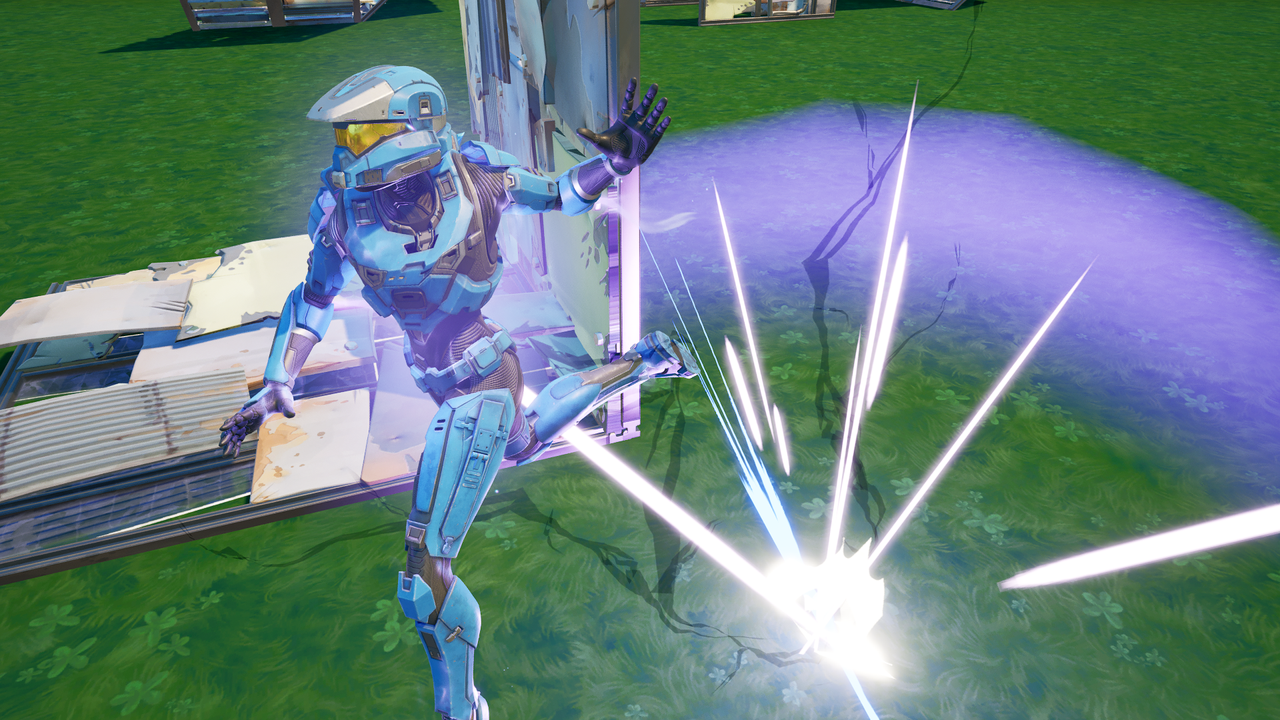
Fortnite Gets a New Roguelike Map and a Visit From Jason Statham

The British are coming. Specifically, IGN can exclusively reveal that action man Jason Statham - star of Lock, Stock and Two Smoking Barrels, Hobbs and Shaw and The Meg - is coming to Fortnite today. He lent his chiselled jawline and voice to the game to promote his new movie Shelter as part of a new in-game experience.

The Stath appears as his character from Shelter, Michael Mason. In the movie Mason is a former assassin who is forced to dust off his guns (aren't they always?) to protect himself and a girl - Jessie - that he rescued from the sea surrounding the remote Scottish island he calls home. Players can fight alongside him on a new custom map inspired by the movie, taking on waves of enemies in order to protect Jessie. If that wasn't enough, a huge storm is on the way, which is actually pretty accurate for the Scottish highlands.

The custom map comes with some additional game features to heighten the roguelike experience the creators are going for, with a combination of permanent upgrades, random weapon loadouts and a 'Rebirth system' that will give you permanent buffs for resetting your progress. It's vital to mention that the weaponry is given out by a dog.

There'll also be a community tournament featuring top streamers that will let viewers vote on the specific conditions for the matches, like weapon restrictions or inverted controls.

The experience was created by Sawhorse and Chartis Interactive, with contributions to the design of the map from Fortnite creators like Jayth, the guy behind Fortnite's Zombie Escape Tag.

"It’s been exciting to combine the roguelike genre—one of Fortnite’s most popular modes—with a unique film like Shelter, especially with Jason Statham involved," he said.

The Shelter experience is available in Fortnite now. "Become the #shelter. survive the storm. play the official 'shelter' fortnite experience now! island code: 2883-8391-6703. see @jasonstatham in shelter. only in theaters january 30. get tickets now"

Rachel Weber is the Head of Editorial Development at IGN and an elder millennial. She's been a professional nerd since 2006 when she got her start on Official PlayStation Magazine in the UK, and has since worked for GamesIndustry.Biz, Rolling Stone and GamesRadar. She loves horror, horror movies, horror games, Red Dead Redemption 2, and her Love and Deepspace boyfriends.

  •  

Return to Silent Hill Movie Review

This is a spoiler-free review of Return to Silent Hill, which opens in theaters on January 23, 2026.

Return to Silent Hill doesn’t necessarily have the highest bar to clear as it ambles its way to theaters in this winter lull period. Hollywood may have finally figured out how to do a proper video game adaptation on the streaming side of things, but decent video game movies are still pretty few and far between. And while director Cristophe Gans’ 2006 Silent Hill movie was a decent effort, the follow-up, 2012’s Gans-less Silent Hill: Revelation, is as dreadful as they come. All Return to Silent Hill has to do is not be the worst entry in the series. And it manages that, if not a great deal else.

While the previous two films borrowed fairly liberally from the first and third Silent Hill games, neither is what could be considered a direct adaptation. Return to Silent Hill, by comparison, is basically Silent Hill 2: The Movie. It doesn’t really seek to continue the mythology established in the previous films, but rather presents a standalone tale set in the spooky, ash-strewn streets of Silent Hill.

As in 2001’s Silent Hill 2 and its 2024 remake, Return to Silent Hill follows James Sunderland (Jeremy Irvine), a seemingly innocuous everyman mourning the death of his girlfriend Mary (Hannah Emily Anderson). When James receives a letter from Mary urging him to return to their “special place,” it’s off to Silent Hill and its cavalcade of shambling horrors.

What follows is a condensed version of the game’s storyline. That’s certainly a proven formula at this point, but again, Return to Silent Hill’s most glaring flaw is that it doesn’t do anything particularly new or exciting with that formula. Given the sheer graphical fidelity of the Silent Hill 2 Remake, the prospect of seeing the game’s events play out in live-action simply isn’t enough. Heck, the game is by far the better-looking of the two. Return to Silent Hill’s low-budget trappings reveal themselves in the many shots of Irvine and others standing against obvious green-screen backdrops. The creature designs are still impressive in any medium, but the remake feels more visually refined and cohesive overall.

Nor are the performances up to the standard of the remake. Irvine is mostly fine as James, but the film doesn’t always give him much to do beyond send him careening down eerie hallways, screaming one character or another’s name. Only towards the end does James undergo more of a tangible emotional arc. And while it’s fun seeing Evie Templeton reprise her role as Laura from the game remake, she’s barely in the movie long enough to leave much of an impression. That goes for most of the supporting characters, really. In the effort to trim down a lengthy game narrative to a tight 100-minute film, these characters have been reduced to shells that appear only long enough to push the story forward. “Underdeveloped” barely scratches the surface here.

Return to Silent Hill can feel surprisingly aimless despite its modest runtime. With none of the obtuse puzzle-solving and little of the combat that defines the games, the film settles for following James as he runs terrified from one familiar landmark to the next and experiences flashbacks to his life with Mary. In ditching the interactive element, the story loses much of its power. The monsters still look cool, but they and the town’s Otherworld dimension don’t really inspire the same sense of dread.

On the subject of those flashbacks, that’s the one area where Gans and co-screenwriters Sandra Vo-Anh and Will Schneider attempt to distance Return to Silent Hill from its digital source material. Here we see the rise and fall of James and Mary’s romance, a story that proves far more complicated than the straightforward explanation the game provides. But, in this case, more complicated doesn’t equal better. While I can appreciate the attempts to both turn James into a more morally ambiguous figure and greatly flesh out Mary, the added mythology in these scenes feels campy and unnecessary. Annoyingly, the flashbacks and the characters they introduce are essentially abandoned by the end of the film, leaving me to wonder why they were introduced in the first place.

Worse still, the flashbacks end up working against the movie by fundamentally changing a critical element of James and Mary’s backstory. I suspect a lot of fans will take umbrage at how a major reveal is handled, both because of how it alters their relationship and renders much of the imagery and symbolism of the film nonsensical.

Again, it’s not all bad here. Even in this diminished state, the film retains enough of the visual and aural appeal of the source material to occasionally stand out. Pyramid Head and those nurses are damned cool in any medium. And having series composer Akira Yamaoka on board certainly doesn’t hurt in that area. This may be a deeply inferior version of the game, but an inferior take on one of the best horror games ever released still carries some weight.

  •  

Scarpetta Exclusive Teaser Art Featuring Nicole Kidman Revealed

Fans of mysteries, crime fiction, and Nicole Kidman have been eagerly awaiting any glimpses of the forthcoming Prime Video series Scarpetta, based on the best-selling novels by Patricia Cornwell. Well, wait no longer.

IGN can exclusively reveal the very first teaser art from the upcoming show.

Scarpetta is adapted and is written for television by Liz Sarnoff from Cornwell's Kay Scarpetta book series and stars Nicole Kidman, Jamie Lee Curtis, Ariana DeBose, Bobby Cannavale, and Simon Baker.

Prime Video says:

This mystery/thriller drama is set in two timelines, current day and the late ‘90s, allowing each season to tackle two of Cornwell’s books simultaneously. The audience gets to see the beginnings of Kay Scarpetta (Nicole Kidman) as a Chief Medical Examiner and where she is now as she returns to her hometown and picks up her old position with complex relationships – including her sister (Jamie Lee Curtis) – personal and professional grudges and secrets to uncover.

Rosy McEwan, who plays a younger version of Kidman's character (and is also seen in the poster above), told IGN that she felt a "big responsibility" in taking on the role.

"Kay is a beloved character," McEwan says, "and I wanted to make sure I did her story justice. As we had two storylines going on at once, it made for a wild ride! I hope it makes for a full immersion into her narrative. A whole world has been created, first by Patrica and then by (showrunner) Liz (Sarnoff). There is murder - yes, and detective work - yes. But these are also real people with real lives and there’s drama that lives within that too! I hope it will feel like a true insight into all the parts of working as a pathologist and beyond."

For her part, Sarnoff says that her collaboration with Kidman and McEwan was a "joy."

"Nicole and Rosy are two of the deepest most dedicated artists I’ve ever worked with," Sarnoff says. "They made every moment of Scarpetta’s inner life - the moments that defined, destroyed, and ultimately delivered her - absolutely riveting. I’m most excited for people to see these performances and experience the emotional inner life of so many great female characters in two pivotal points in their lives: the start of their storied careers and what it feels like to try and do better 25 years later."

Scarpetta premieres March 11 on Prime Video. The series is executive produced by Nicole Kidman and Per Saari through Blossom Films, Jamie Lee Curtis through Comet Pictures, writer and showrunner Liz Sarnoff through Sarnoff TV, author Patricia Cornwell through P & S Projects, as well as Jason Blum, Jeremy Gold, Chris Dickie, and Chris McCumber through Blumhouse Television. David Gordon Green directed five episodes and also serves as executive producer alongside Amy Sayres. The series is produced by Amazon MGM Studios and Blumhouse Television in association with Blossom Films, Comet Pictures, and P&S Projects.

Michael Peyton is the Senior Editorial Director of Events & Entertainment at IGN, leading entertainment content and coverage of tentpole events including IGN Live, San Diego Comic Con, gamescom, and IGN Fan Fest. He's spent 20 years working in the games and entertainment industry, and his adventures have taken him everywhere from the Oscars to Japan to Buenos Aires, Argentina. Follow him on Bluesky @MichaelPeyton

  •  

Preorders Are Up for Disney Lorcana TCG: Winterspell, Out February 20

For Disney Lorcana fans, 2026 is already off to a strong start. The brand new Winterspell expansion is now available to preorder at Amazon, with a release date of February 20 for the booster pack, booster pack display, and Illumineer's Trove.

If this new expansion has caught your attention, we've included where you can preorder those items right now below. For those in the UK, preorders are also live at Magic Madhouse right now, which we've also included, though they're not available on Amazon UK at the time of writing. We're keeping a close eye to see when they pop up there, though.

Preorder Disney Lorcana TCG: Winterspell

Alongside the sweet snowy designs on the covers, if you're curious what comes with each of these items, here's the breakdown: the booster pack sets you up with 12 cards, including six Common cards, three Uncommon cards, two cards of either Rare, Super Rare, or Legendary rarity, and one random foil card.

If you're hoping to have a bit more than just the booster pack on hand, the booster pack display comes with 24 packs. And for a little bit of everything, the Illumineer's Trove comes with a card storage box, six card dividers, eight booster packs, six damage-counter dice, and a lore counter.

UK Preorders for Disney Lorcana TCG: Winterspell

For UK Disney Lorcana fans, there's a few extra items available to preorder from Magic Madhouse compared to Amazon in the US right now. This includes a collection starter (which is set to be released a little bit later than everything else, on March 13), a Dragon Fire playmat, a Scrooge McDuck Gift Set and a couple more items. Again, we're keeping an eye on Amazon UK to see when preorders will pop up there as well.

Hannah Hoolihan is a freelancer who writes with the guides and commerce teams here at IGN.

  •  

How to Activate the Hulu + Live TV Free Trial in 2026

Navigating the world of live TV alternatives can be a daunting task as there are so many options to choose from. One of the best options available today is Hulu + Live TV, which features everything Hulu has to offer plus a robust library of channels that includes popular live sporting events and entertainment. Even better, Hulu + Live TV also bundles in Disney+ and ESPN Unlimited at no additional cost, giving you access to even more streaming options that include the very best of Marvel, Star Wars, Pixar, and more. This is by far the best streaming bundle to try out if you're looking for something that combines live TV and popular streaming services into a single bill.

If you're interested in checking out Hulu + Live TV, you're in luck. Scroll down for information on the current free trial offer, as well as details about what's included in the service, pricing, and where it's available to stream.

Does Hulu + Live TV Have a Free Trial?

Yes, Hulu + Live TV offers a three-day free trial that allows you to take the live TV streaming service for a spin. You'll gain access to more than 95 live TV channels that include sporting events and the most popular entertainment channels. Hulu + Live TV also includes the Disney Bundle, which means you'll also be able to enjoy the entire Disney+, Hulu, and ESPN Unlimited and ESPN Select catalogs at no additional cost. It's the only live TV streaming free trial offering a total of four services at once.

When you're ready to sign up, click the link below to sign up for the free trial. After your trial period ends, you'll be automatically charged for your subscription if it's not canceled.

What Is Hulu + Live TV?

Hulu + Live TV takes the base Hulu streaming service and slaps a live TV service on top of it, while adding in the entirety of Disney+ and ESPN Unlimited for those looking to watch NBA and stream NFL games. It features over 95 channels, unlimited DVR space, and a hassle-free monthly subscription fee that doesn't include any hidden fees.

Since Hulu + Live TV includes the base Hulu service, you'll have access to Hulu's rich library of TV shows and movies. This includes Hulu Originals such as Paradise and Only Murders in the Building as well as popular FX programs such as The Bear, Shōgun, Alien: Earth, and What We Do In The Shadows. Plus, you can watch thousands of additional TV shows and movies from Hulu's extended streaming library.

And, with the Disney Bundle included as part of your Hulu + Live TV subscription, you'll have access to the massive Disney catalog that includes popular Marvel movies and TV shows, Star Wars movies and TV shows, Pixar movies, and so much more. If you're looking for a great replacement for cable that ticks just about every box, well, Hulu + Live TV is one of the best options available.

With Hulu + Live TV, you can watch over 95 of your favorite channels live, or catch up on some of the best programming that you may have missed on demand. You can record as much live TV as you'd like with the included DVR service, as well, to ensure you don't miss the shows or movies you're currently watching. By default, you can watch Hulu + Live TV on two supported devices, but you can upgrade to have unlimited simultaneous screens if you'd like the whole family to have access.

How Much Does Hulu + Live TV Cost?

The price for Hulu + Live TV is normally $89.99 per month and also includes the base Hulu (with ads), Disney+ (with ads) and ESPN+ (with ads) streaming services as part of the overall price—a $19.99 bundle on its own. If you're looking for a mostly ad-free service (aside from commercials on live TV and portions of ESPN+), then you can upgrade to Hulu + Live TV that includes Hulu and Disney+ without ads for $95.99 per month. If you're paying for streaming and live TV separately right now, this price is a great way to cut down your monthly bill.

In addition to the more than 95 channels includes, you can also add on Entertainment, Sports, and Spanish channel packages if you're missing some of your favorites. Hulu + Live TV also features popular premium channels such as Max, Paramount+ with Showtime, Cinemax, and Starz as optional add-ons if you want to expand your streaming library. Additionally, you can upgrade your subscription to include unlimited screens at home and up to three screens on the go so everyone can watch.

How to Watch Hulu + Live TV - Available Platforms

Similar to base Hulu, you can enjoy Hulu + Live TV on a variety of digital platforms including Apple TV (4th generation or newer), Amazon Fire TV and Fire TV Sticks, select Roku models, Chromecast, select smart TVs from Samsung, LG, and Vizio, popular consoles such as PS5, PS4, Xbox Series X|S, Xbox One, Xbox 360, and Nintendo Switch. You can also watch on mobile devices such as iPhone, iPad, and Android, as well as on Hulu's website.

For more live TV streaming guides, check out our overview of Sling TV and Fubo.

Matthew Adler is a Commerce, Features, Guides, News, Previews, and Reviews writer for IGN. You can follow him on the site formerly known as Twitter @MatthewAdler and watch him stream on Twitch.

  •  

Live-Action Masters of the Universe Movie Has Its Debut Teaser, With Full Trailer Due Out Tomorrow

Masters of the Universe is ramping up, with its debut teaser out now and the promise of its full debut trailer coming tomorrow.

The trailer will be released tomorrow, Thursday January 22, at 6am PT / 11am ET. The live-action Masters of the Universe movie, from Amazon MGM Studios and Mattel Studios, hits theaters in the U.S. on June 5, 2026.

Here’s the story setup:

In Masters of the Universe, director Travis Knight brings the legendary franchise back to the big screen in this epic live-action adventure. After being separated for 15 years, the Sword of Power leads Prince Adam (Nicholas Galitzine) back to Eternia where he discovers his home shattered under the fiendish rule of Skeletor (Jared Leto). To save his family and his world, Adam must join forces with his closest allies, Teela (Camila Mendes) and Duncan/Man-At-Arms (Idris Elba), and embrace his true destiny as He-Man — the most powerful man in the universe.

And here’s the official blurb:

Masters of the Universe is a new, live-action adventure movie based on the classic 80’s toy brand. The thrill-ride of a film delivers breathtaking visuals, heart-pounding action, and exhilarating fun. It has a universally appealing story focusing on heroic transformation, it is about finding the power within. The epic action and visual effects have to be seen on the big screen.
He-Man has existed across cartoons, toys, comics, and films, making it a shared reference point for multi-generational fans. This is a film that all generations of audiences can enjoy. This movie will deliver the nostalgia that fans remember.
Masters of the Universe is based on a well-known Mattel franchise with a long legacy heritage that has been captivating fans for over forty years. Following the astounding global success of Barbie, Masters of the Universe marks Mattel Studios’ next feature film in its growing slate of brand-led entertainment. Even moviegoers who didn’t grow up with He-Man and the Masters of the Universe will love the film for its action, spectacle, and epic visual effects.

The Masters of the Universe cast includes Nicholas Galitzine, Camila Mendes, Alison Brie, James Purefoy, Morena Baccarin, Jóhannes Haukur Jóhannesson, Charlotte Riley, and Kristin Wiig as the voice of Roboto, with Jared Leto and Idris Elba.

Last year, Galitzine opened up about his physical preparations for the demanding role of He-Man. "I'm eating about 4,000 calories a day, but the amount of physical work I'm doing,” he explained to W magazine. “You end up hungry at the end of the day, which is quite surprising.”

Wesley is Director, News at IGN. Find him on Twitter at @wyp100. You can reach Wesley at wesley_yinpoole@ign.com or confidentially at wyp100@proton.me.

  •  

Estuary: A Ghost Story Is a Gorgeous New Horror Comic to Watch in 2026

Oni Press has long been one of the best outlets for comic fans hungry for new horror series, and that trend continues in 2026 with the debut of a new four-issue miniseries called Estuary: A Ghost Story. Set on the Pacific coast, this visually stunning series deals with a marine archaeologist uncovering a terror hidden in an old shipwreck.

IGN can exclusively debut the first preview for Estuary: A Ghost Story #1. Check it out in the slideshow gallery below:

Estuary: A Ghost Story is written by Tim Daniel & David “D.B.” Andry (Crush Depth, Morning Star) and illustrated by Maan House (Mine is a Long Lonesome Grave). The first issue features covers by Maan House, Vanesa Del Rey, and Tim Daniel. Here's Oni's official logline for the new series:

Atop a rocky cliff overlooking the Pacific Ocean sits the Mission at Arbués Point, a 400-year-old Spanish mission made infamous as one of California’s oldest and most haunted historical sites. But beneath its crumbling, tourist-trap facade, a reclusive nun has spent decades within the Mission’s walls, honing her prayers and practice in pursuit of a secret long-buried beneath the majesty of the chapel, and under the dark waves of the tidal estuary below. When marine archaeologist Maris Cristobal accepts the nun’s offer to begin excavating a fabled shipwreck lying in wait beneath the Mission’s turbulent waters, she’ll soon discover that the sins of past and present are about to wash together into a harrowing surge of a vengeance that can no longer be contained...

“Estuary: A Ghost Story is a pretty perfect example of Tim and I writing what we know,” said Andry in a press release. “Both of us hailing from Northern California and growing up in and around San Francisco, Bodega Bay and Monterey, this book captures the haunted vibes, the mystery, the romance and the sense of history of these areas. Myself being raised Catholic, tying the other-worldly elements of Estuary to the very real past of the Missions I grew up making dioramas of, was both natural and cathartic. This was a story that poured out of Tim and I, more like something waiting to be discovered rather than something created.”

“With Estuary: A Ghost Story, we were invited by editor Bess Pallares to be a part of Oni Press' storied history with a modern gothic tale shrouded in fog, set aflame, and driven over the cliffs of Monterey Bay,” said Daniel. “Artist Maan House and colorist Steve Canon have combined their talents to conjure a book awash with a dreadfully thick atmosphere drenched in Maan's deep blacks and alight with Steve's brazen Hammer Horror-esque colors. The mix of the spiritual and the supernatural is thick and present on every page, but a gothic tale is not complete without a touch of romance, and in Maris Cristobal and Hunt Willis readers can expect our unwitting sleuths to discover not only their desire for one another, but a deep dark malevolence lurking beneath the grounds of the old Mission at Point Arbués—an age-old vengeance enrobed in extreme piousness. Estuary: A Ghost Story is a modern gothic tale for the smartphone age.”

Estuary: A Ghost Story #1 will be released on April 8, 2026. You can preorder a copy at your local comic shop.

In other comic book news, find out which series was selected as IGN's best comic book of 2025, and see which comics we're most excited for in 2026.

Jesse is a mild-mannered staff writer for IGN. Allow him to lend a machete to your intellectual thicket by following @jschedeen on BlueSky.

  •  

Logitech Pro X Superlight 2c Mouse Review: A Shrunken Version of a Classic

What if you shrunk one of the best gaming mice ever made, the Logitech Pro X Superlight 2? Enthusiasts who asked that question for years have the solution with the Superlight 2c, which has the same top-end specs in a (5%) smaller and substantially lighter 51g frame. For $160/£160 at regular price, however, it's one of the most expensive compact mice you can buy. In fact, it's nearly double the cost of the HyperX Pulsefire Haste 2 Mini, my current favorite small gaming mouse. That's a lot to live up to.

When we reviewed the Superlight 2 we said it was a solid, incremental upgrade on the brilliant, original model. Since then, a firmware update has increased the maximum polling rate from 2000Hz to 8000Hz, and the 2c gets that too, making it one of Logitech's fastest mice yet.

Design and Shape

The Superlight 2c's gentle curves form a compact version of Logitech's safe, tried-and-tested symmetrical outline. You don't need small hands to use this mouse: mine are slightly larger than average and it still felt comfortable in fingertip or claw grip. My fingers all had a place to sit, and neither my hand nor wrist ached when I played for several hours without a break.

Its super light 51g weight helps as well, coming in under most "lightweight" mice. While it's not quite Corsair Sabre V2 Pro level – a mere 36g – it still glides effortlessly. The weight distribution feels balanced throughout your hand and it has larger feet than most compact mice. I personally prefer lighter mice, and I'm therefore glad to have a smaller option in this range. If you're considering it, compare its size (38.5mm tall, 61.4mm wide and 118.4mm long) to your current mouse and think about how it would fit your hand.

I wouldn't recommend it if you're a dedicated palm gripper (with your full palm in contact with the body of the mouse), unless your hands are small. I could just about make it work, but my fingers extruded far past the end of the mouse and my thumb was too far forward to reliably press one of the side buttons. Unfortunately I don't love the matte coating on the shell. It feels more plastic-y than competitors and less pleasant to touch than mice I've recently tested. But it grips absolutely fine and wasn't uncomfortable or chafing, so it's not a huge problem.

The left and right clicks are reassuringly heavy and secure to press, but they're not perfect. They sound a little high-pitched to my ears: the right button in particular really pings as you finish your click. They wiggle a little side-to-side if you try them, and you can press the buttons a fair distance before they fully click, known as pre-travel. None of these caused any problems when I was actually using the 2c, and the buttons felt satisfying to spam when I needed to – for example when firing a semi-automatic weapon as fast as I could in Arc Raiders. I also liked thumbing the side buttons, which are quieter. But I would expect a mouse this expensive to feel premium all the way through and, to me, the left and right clicks don't.

I feel the same way about the scroll wheel. It was reliable and solid, I could feel every bump as I turned it, and it never spun too far. But it sounds loud, grating and cheap when you scroll fast, almost as if you can hear the mechanism grinding. I would've liked a DPI toggle button too, although no Superlight mice have one, so its absence is expected.

What isn't in doubt, at least out of the box, is the build quality. Despite its weight, this mouse feels rock solid, with no bend or creak when you squeeze it hard and no sound when you shake it. I particularly like the base of the mouse: the on/off switch has a grippy criss-cross texture and the magnetic covering for the dongle storage pouch closes with a loud, sturdy snap.

Performance, Gaming, Battery Life

Logitech's sensors are some of the best around and the specs sheet for the Hero 2 sensor has big, shouty numbers – 44,000 DPI, 88G of max acceleration, and a max speed of 888 inches per second; which are some of the highest money can buy. It doesn’t mean much on paper when nobody actually needs a mouse to give that level of performance, but what you get is a mouse that feels like it's tracking you flawlessly, no matter how fast you flick. I tested it in a variety of games, including Arc Raiders, Fortnite, and Anno 117 and whether I needed slow, smooth tracking or precision in frantic gunplay, the mouse did exactly what I wanted it to.

The Superlight 2c's polling rate – the frequency the mouse reports its position to your computer – goes all the way up to 8000Hz. That's in line with other high-end mice, including the regular Superlight 2. Whether polling rate matters depends on the person. Some people can't tell the difference beyond 1000Hz. Others feel that 4000Hz is much smoother and precise than 1000Hz. The limiting factor is often not your mouse but your monitor's refresh rate and your system's power, because you need a high framerate to feel any difference.

My display refreshes at 240Hz and I have a solid rig, so I'm well placed to benefit. The mouse does feel a smidgeon snappier as I boost the polling rate from 1000Hz to 2000Hz and 4000Hz, but the difference is so minor that I keep wondering whether it's placebo. Going up to 8000Hz is, to me, overkill and drains the battery faster. I felt good using both 1000Hz and 2000Hz, knowing that I'd get nearly 100 hours or battery life out of the Superlight 2c. That longevity is nothing special but it's more than enough for what I need, and lets me go weeks between charges.

Whether the impressive performance of the Superlight 2c is worth the extra cost over, say, the HyperX Pulsefire Haste 2 Mini, depends on your needs and your budget. Logitech's tech is objectively better, so if you want the top of the range you won't go wrong with it, but the Haste 2 Mini's 1000Hz polling rate and 26,000 DPI is plenty for most people.

Software and Connectivity

To put it plainly, Logitech's G Hub software is awful. Not only does it lack some of the functions of competitors' software – you can't adjust the lift-off distance, scroll wheel sensitivity, or sensor axis – it's also actively confusing. When you load up the software you're presented with a list of "curated presets" for sensitivity, varying from first person shooter to MOBA. To me, it makes very little sense why a "simulation" game would require a higher DPI than a MMO but lower than a MOBA, or why some of the presets have five DPI levels to toggle between while others have only three. Better to just set your own levels. The space occupied by those presets should've been given to the polling rate, which you instead have to scroll down to find when the window isn't maximized (which it isn't by default).

Logitech's G-Shift can be an excellent productivity tool. You can assign a keyboard key or a mouse button to act as a shift function for your mouse, opening up a second set of inputs. The Superlight 2c doesn't have a DPI button but you could, for example, set the middle mouse button to toggle DPI when G-Shift is active. Unfortunately G Hub doesn't explain how this system works, or make it obvious how to set it up. I had no issues with the mouse connecting to my PC or to the software, although it's worth noting that the 2c, like other Superlight mice, has no Bluetooth, so you'll always need to plug the dongle in. That dongle is thankfully tiny and stored neatly easily inside the mouse if you need to transport it.

Samuel is a freelance reporter and editor specializing in longform journalism and hardware reviews. You can read his work at his website.

  •  

Netflix Reveals What We Watched Most Over 2025's Second Half, as Stranger Things 5 Almost Beat Wednesday Season 2

Netflix has revealed its most-watched TV shows and movies for the second half of 2025 — with the final season of Stranger Things beaten only by Wednesday.

From July to December 2025, Netflix subscribers watched a total of 96 billion hours of content via the service. Overall, the most successful title on Netflix — by quite some margin — was KPop Demon Hunters, which had a staggering 482 million views (Netflix defines views as total hours watched divided by runtime).

Stranger Things' fifth and final season (94 million views) ended up in second place on the streamer's chart of most-watched series, behind Wednesday's second season (124 million views). It's a great result for Stranger Things considering its launch late in the year, and the fact its finale actually dropped on New Year's Day 2026 — so will not have been counted here.

Overall, all five seasons of Stranger Things factored into Netflix's top 15 most-watched TV seasons over the past six months, with a combined 275 million views. With the show originally debuting in 2016, this suggests that plenty of subscribers decided to rewatch the series ahead of its final episodes' arrival.

Eric Bana's Untamed, a crime drama set in Yosemite National Park, sat just slightly behind Stranger Things with 93 million views. Squid Game's third and possibly-final season ended up with 79 million views, while Stranger Things' first season charted with 57 million views.

On the movie side, KPop Demon Hunters' haul of 482 million views eclipsed anything else in Netflix's chart, with Happy Gilmore 2 in second place earning 135 million views for the Adam Sandler sequel. Guillermo del Toro's Frankenstein stitched together 98 million views, ahead of romantic comedy My Oxford Year and superhero sequel The Old Guard 2.

Successful comedies included Madea's Destination Wedding (60 million views), and Mr. Bean actor Rowan Atkinson's Man vs. Baby (44 million). Nuclear war drama A House of Dynamite earned 76 million views, while cosy crime caper The Thursday Murder Club notched up 69 million views.

Finally, for younger viewers, Gabby's Dollhouse earned 108 million views, Ms. Rachel earned 73 million views, while the beloved Peppa Pig earned 90 million views.

Netflix announced last night that it had attracted 23 million new subscribers in 2025, for a total subscriber base of 325 million. As part of its full-year earnings report, Netflix said it had earned $45.2 billion in revenue for the full year (up 16% year-over-year), while viewing hours were up 2% year-over-year. The company also confirmed it was implementing plans to ramp up its AI usage, with plans to expand its tools for subtitle localization and advertisement creation in 2026.

For more on Netflix, you can check out our explainer on all of its available prices and plans. You can also see how its plan to purchase Warner Bros. could impact movie theaters in the future.

Tom Phillips is IGN's News Editor. You can reach Tom at tom_phillips@ign.com or find him on Bluesky @tomphillipseg.bsky.social

  •  
❌