↩ Accueil

Vue lecture

iPhone Air's Resale Value Has Dropped Dramatically, Data Shows

The iPhone Air has recorded the steepest early resale value drop of any iPhone model in years, with new data showing that several configurations have lost almost 50% of their value within ten weeks of launch.
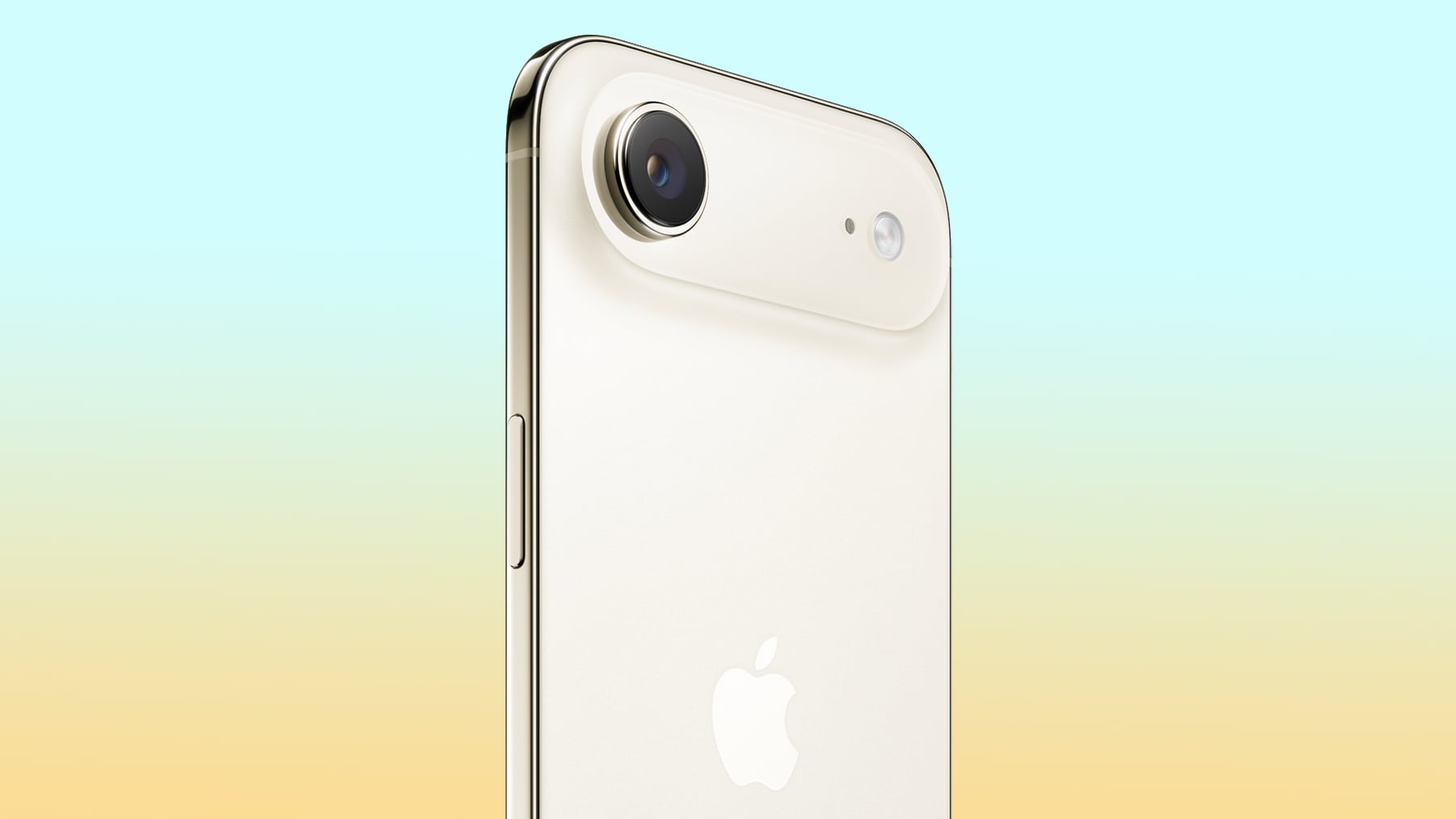

According to a ten-week analysis published by SellCell, Apple's latest lineup is showing a pronounced split in resale performance between the iPhone 17 models and the ‌iPhone Air‌. SellCell examined real-time trade-in pricing from more than 40 U.S. buyback companies, comparing average values across weeks since launch against each model's original MSRP. All devices in the study were assessed in good condition for consistent comparisons.

The data shows that the ‌iPhone 17‌ series has averaged 34.6% depreciation after ten weeks, outperforming the iPhone 16 range at the same point last year, which saw a 39% decline. The ‌iPhone‌ 15 series remains the strongest performer over the past several cycles, retaining more value at the ten-week mark with an average depreciation of 31.9%. The ‌iPhone‌ 14 range sits at 36.6% over the same period.

By contrast, the ‌iPhone Air‌ shows significantly weaker retention, averaging 44.3% depreciation across all storage configurations. The Air's declines range from 40.3% to 47.7%, making it the weakest-performing ‌iPhone‌ range since the ‌iPhone‌ 14 Plus and certain ‌iPhone‌ 13 mini configurations registered similar drops in 2022. The steepest fall is attributed to the 1TB ‌iPhone Air‌ model, which SellCell identifies as the worst performer in the entire dataset.

SellCell's model-level breakdown shows a sharp divergence between the Pro segment and the Air. The best-performing model, the 256GB iPhone 17 Pro Max, has declined 26.1% after ten weeks, while the 512GB ‌iPhone 17 Pro‌ Max has fallen 30.3%. All Pro and Pro Max configurations remain below 40% depreciation, which points to sustained demand in the secondary market. The standard ‌iPhone 17‌ fell between 32.9% and 40.8%, placing it roughly in line with the performance of recent non-Pro tiers. The ‌iPhone 17‌ lineup as a whole collectively retains 9.7% more value than the Air after ten weeks.

The ‌iPhone Air‌ occupies the entire bottom of the ten-week rankings. Depreciation among the ‌iPhone 17‌ models appears to stabilize by week ten, mirroring patterns observed for the ‌iPhone‌ 15 and ‌iPhone 16‌ generations. The ‌iPhone Air‌, on the other hand, continued to decline through week ten, which SellCell suggests could indicate longer-term uncertainty in the secondary market. The comparisons underscore how unusual the ‌iPhone Air‌'s trajectory is relative to other ‌iPhone‌ models.
Related Roundup: iPhone Air
Buyer's Guide: iPhone Air (Buy Now)

This article, "iPhone Air's Resale Value Has Dropped Dramatically, Data Shows" first appeared on MacRumors.com

Discuss this article in our forums

  •  

iPhone 17 Pro Lost a Camera Feature Pro Models Have Had Since 2020

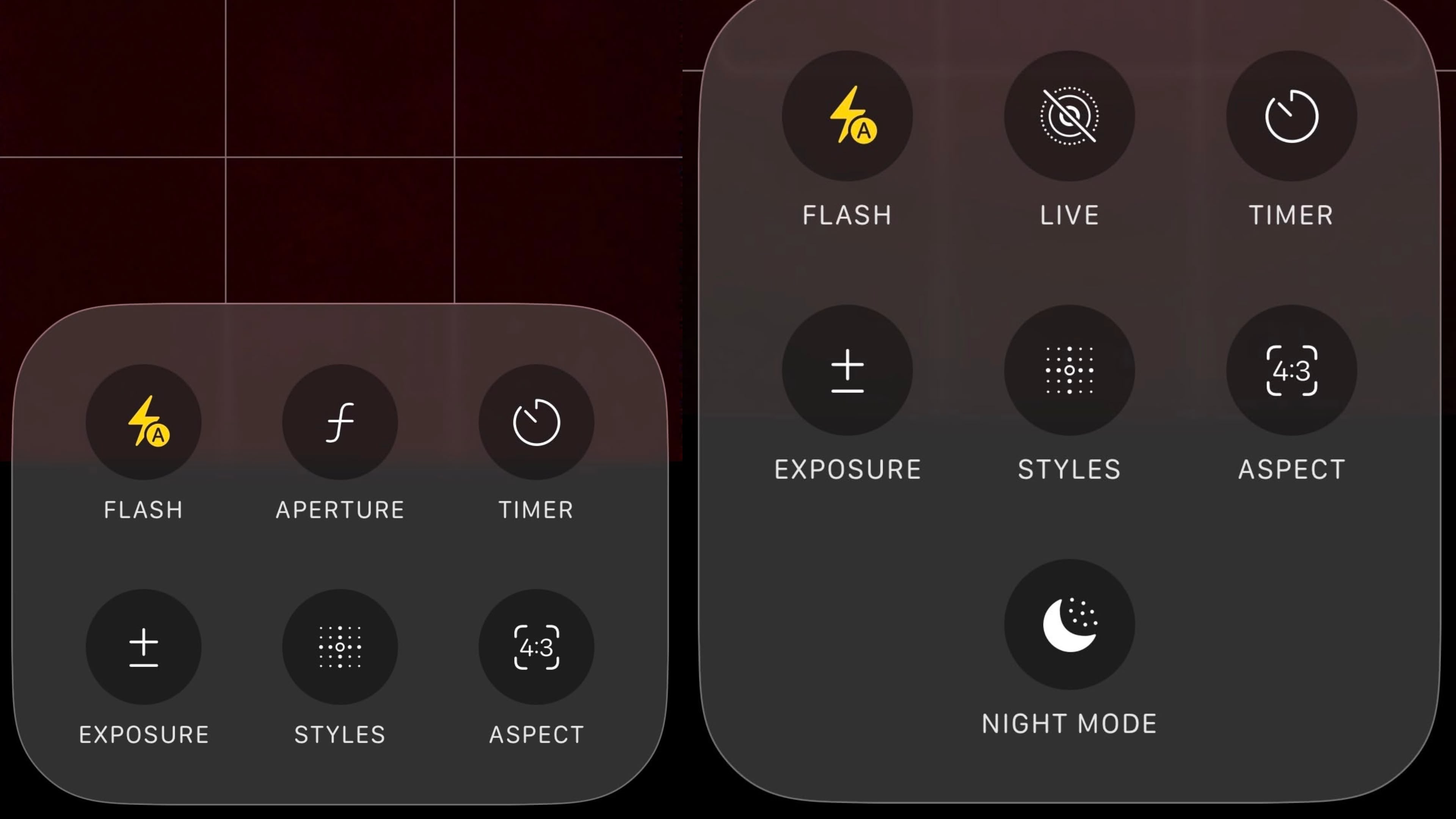
iPhone 17 Pro models, it turns out, can't take photos in Night mode when Portrait mode is selected in the Camera app – a capability that's been available on Apple's Pro devices since the iPhone 12 Pro in 2020.


If you're an iPhone 17 Pro or iPhone 17 Pro Max owner, try it for yourself: Open the Camera app with Photo selected in the carousel, then cover the rear lenses with your hand to simulate a low-light environment. The Night mode crescent moon symbol should appear in the top-right corner of the UI, and if you tap the six dots icon in the same corner, you should see the Night mode button in the options panel.

Now choose Portrait in the carousel and perform the same low-light simulation with your hand – no crescent symbol will appear, and you won't see any Night mode toggle in the options panel when you open it.

Owners of iPhone 16 Pro and other recent Pro models who perform this test won't see Night mode disappear in Portrait mode, and apparently this is all by design, according to Apple's own iOS 26 iPhone User Guide. As spotted by Macworld, the support document says you can only take Night mode photos with Portrait mode on the following models:

  • iPhone 12 Pro

  • iPhone 12 Pro Max

  • iPhone 13 Pro

  • iPhone 13 Pro Max

  • iPhone 14 Pro

  • iPhone 14 Pro Max

  • iPhone 15 Pro

  • iPhone 15 Pro Max

  • iPhone 16 Pro

  • iPhone 16 Pro Max

Users on Reddit and Apple's own discussion forums noticed the omission on iPhone 17 Pro models at least a couple of months ago, but it seems that the change was not widely known (though a DXOMARK Camera test conducted in September does appear to reference the limitation).

Missing Night Mode option in Camera app's Portrait mode (left) vs. Photo mode

The omission is puzzling, since the iPhone 17 Pro's camera hardware should be capable of combining the two modes. It could be that photos taken with Night mode are limited to 12 megapixels, whereas Portrait photos can be captured at 24 megapixels.

Still, Apple has not officially explained why the feature is not available on its latest premium models, nor has it said whether the feature will arrive later as part of a coming software update. Either way, we expect Apple will provide some commentary soon.

Until then, for users who relied on Night Mode portraits on earlier Pro models, it probably feels like a downgrade.
Related Roundup: iPhone 17 Pro
Related Forum: iPhone

This article, "iPhone 17 Pro Lost a Camera Feature Pro Models Have Had Since 2020" first appeared on MacRumors.com

Discuss this article in our forums
  •  

Gruber: Apple employees ‘giddy’ about Alan Dye’s departure

Yesterday, Bloomberg broke the surprise news that Alan Dye, Apple’s vice president of Human Interface Design since 2015, is departing the company to lead a new design studio at Meta. Apple confirmed the departure in a statement attributed to Tim Cook, adding that 26-year Apple design veteran Steve Lemay will take over Dye’s role.

In a new post on Daring Fireball, John Gruber has some inside info on the reaction inside Apple to this news.

more…
  •  

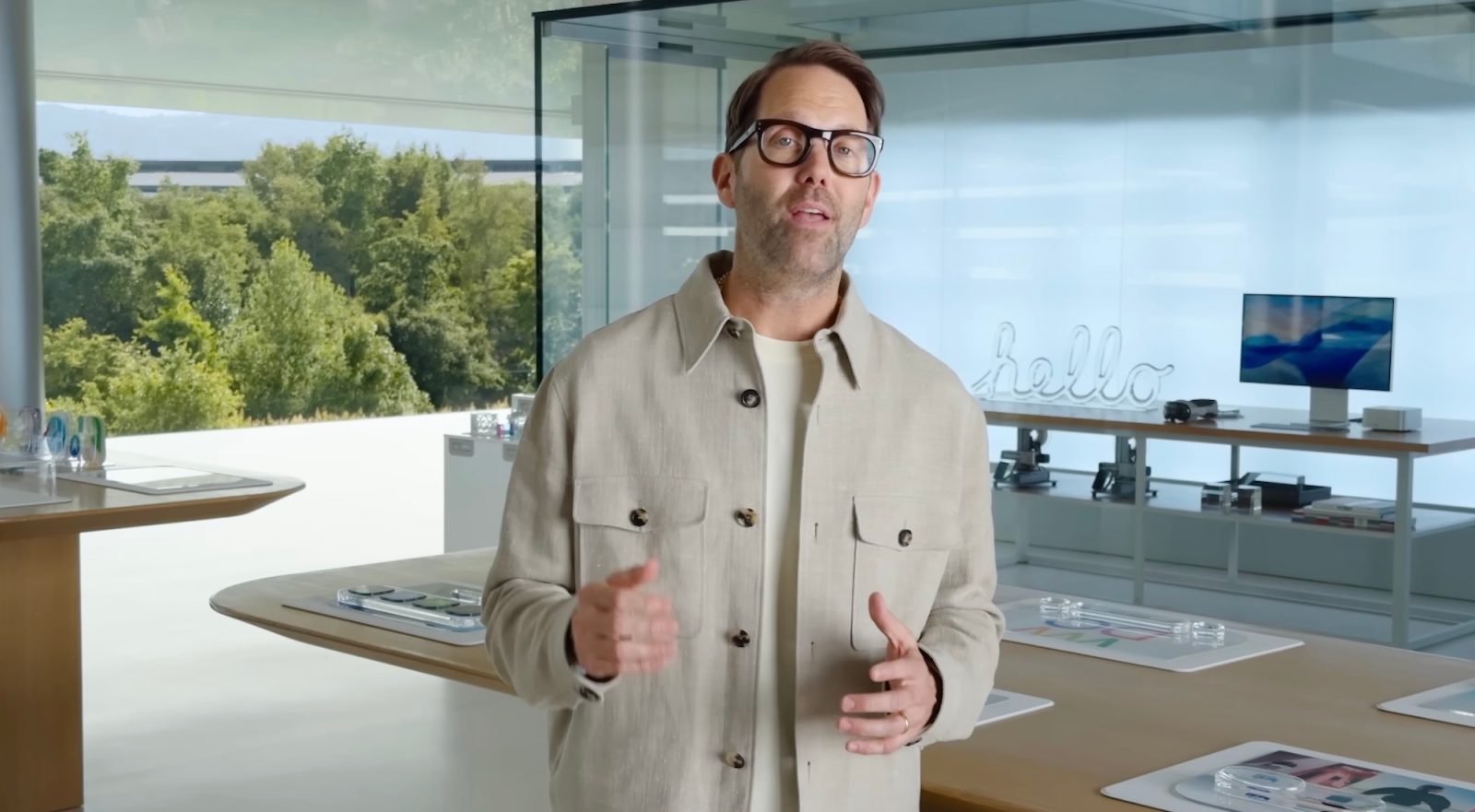
Proton Sheets Launches as Encrypted Alternative to Google Sheets

Proton today announced the launch of Proton Sheets, its end-to-end encrypted spreadsheet web application designed to offer a privacy-focused alternative to Google Sheets and Microsoft Excel.


Unlike traditional spreadsheet tools, Proton Sheets encrypts all user data by default, including filenames and metadata. That means no one, not even Proton, can access the contents of users' spreadsheets. The company says the new tool is a response to growing concerns about Big Tech's data collection practices and the integration of AI features that may use proprietary business information for training purposes.

Proton Sheets supports commonly used formulas, data visualization through charts and graphs, and real-time collaboration features. Users can import existing CSV and XLS files, which are then protected with encryption. The application includes access controls that let users manage who can view or edit files.
"With the launch of Proton Sheets, we are not just closing the productivity gap – we are reclaiming data sovereignty for businesses and individuals alike," said Anant Vijay Singh, head of product at Proton Drive. "The reality today is that most spreadsheet tools come from Big Tech giants whose entire business models are built on exploiting user data. Now, with AI woven deeply into these platforms, the risks have escalated exponentially. Every keystroke, every formula you enter can feed into their AI training pipelines. This is an unacceptable trade-off. Users deserve a future free from hidden surveillance and invasive data mining. That's why we built Proton Sheets: a robust, privacy-first alternative that puts control, security, and trust back where they belong – firmly in users hands."
The spreadsheet tool is available through web browsers and within the Proton Drive app. Following the release, Proton Drive now offers a range of productivity tools that includes email, calendar, documents, and spreadsheets, all with built-in encryption.

More information about Proton Sheets is available on the Proton website.
This article, "Proton Sheets Launches as Encrypted Alternative to Google Sheets" first appeared on MacRumors.com

Discuss this article in our forums
  •  

Apple Lights Up Battersea Power Station With iPad-Designed Christmas Trees

Apple is today celebrating the winners of Your Tree on Battersea, its festive UK competition that invited people to design digital Christmas trees on iPad.


The 24 winning submissions are set to be projected onto Battersea Power Station beginning today, from 5 p.m. to 10:30 p.m. every day until 24 December.

The winning submissions will be featured on the building's chimneys alongside trees drawn by established artists and notable figures such as Kylie Minogue, Sir Stephen Fry, Maro Itoje, Oliver Jeffers, David Shrigley OBE, and Chawawa.

Apple says the competition carries on the company's tradition of celebrating festive creativity, and it's the first time it has opened the opportunity to the public.

In 2023, artist David Hockney created Bigger Christmas Trees on iPad Pro, and last year, Aardman – creator of Wallace & Gromit – used iPhone 16 Pro Max to create a short animation. Both installations transformed the iconic 101-metre-high chimneys and wash towers that soar above the River Thames.
This article, "Apple Lights Up Battersea Power Station With iPad-Designed Christmas Trees" first appeared on MacRumors.com

Discuss this article in our forums
  •  

Apple Removes Former AI Chief John Giannandrea From Executive Leadership Page

Apple today updated its executive leadership page to remove John Giannandrea, who is set to retire from Apple next spring. Earlier this week, Apple said that Giannandrea would step down from his role as AI chief, serving as an advisor until he leaves the company.


Giannandrea's upcoming retirement was announced on Monday, and Apple wasted no time updating its leadership website. Former Microsoft Corporate VP of AI Amar Subramanya is set to take over as Apple's vice president of AI, but he is not yet listed on the site. Subramanya will report to software engineering chief Craig Federighi.

Some of the teams that Giannandrea led are being shifted to Sabih Khan and Eddy Cue, including AI Infrastructure and Search and Knowledge.

Giannandrea joined Apple in 2018 as the company's senior vice president of machine learning and AI strategy. He was overseeing Siri, Core ML, and other AI efforts at Apple. Before Apple, Giannandrea worked at Google as a senior vice president of engineering.

After the iOS 18 ‌Siri‌ failure, Giannandrea's retirement comes as no surprise. Apple announced new Apple Intelligence ‌Siri‌ features at WWDC when it unveiled iOS 18, and then used those unreleased features to market the iPhone 16 models. In spring 2025, when we were expecting the launch of the promised functionality, Apple said the smarter version of ‌Siri‌ wasn't ready and announced a year-long delay.

More than half a dozen former employees who worked on Apple's AI team told The Information the issues with ‌Siri‌ stemmed from poor leadership, stringent privacy practices, conflicting personalities, and indecision. Apple hasn't publicly commented on the situation, but stripped Siri from Giannandrea in March and overhauled the Siri team. Apple also removed Giannandrea from its robotics division in April.
This article, "Apple Removes Former AI Chief John Giannandrea From Executive Leadership Page" first appeared on MacRumors.com

Discuss this article in our forums

  •  

Meta's Creative Studio Led by Former Apple Design Head to 'Treat Intelligence as a New Design Material'

Meta CEO Mark Zuckerberg today announced plans to launch a creative studio that will be led by former Apple UI designer Alan Dye. As we learned earlier today, Dye is leaving his position as Vice President of Human Interface Design at Apple to become Meta's new chief design officer.


In a post on social media site Threads, Zuckerberg said that Meta's creative studio will merge design, fashion, and technology, while also treating intelligence as a "new design material."
The new studio will bring together design, fashion, and technology to define the next generation of our products and experiences. Our idea is to treat intelligence as a new design material and imagine what becomes possible when it is abundant, capable, and human-centered. We plan to elevate design within Meta, and pull together a talented group with a combination of craft, creative vision, systems thinking, and deep experience building iconic products that bridge hardware and software.

We're entering a new era where AI glasses and other devices will change how we connect with technology and each other. The potential is enormous, but what matters most is making these experiences feel natural and truly centered around people. With this new studio, we're focused on making every interaction thoughtful, intuitive, and built to serve people.

Meta is also hiring another Apple designer, Billy Sorrentino, who has been on Apple's human interface design team for the last 10 years. Like Dye, Sorrentino worked on Apple's iOS 26 Liquid Glass redesign.

Along with the two former Apple designers, Meta's studio will include its existing industrial design team and its metaverse design and art teams.

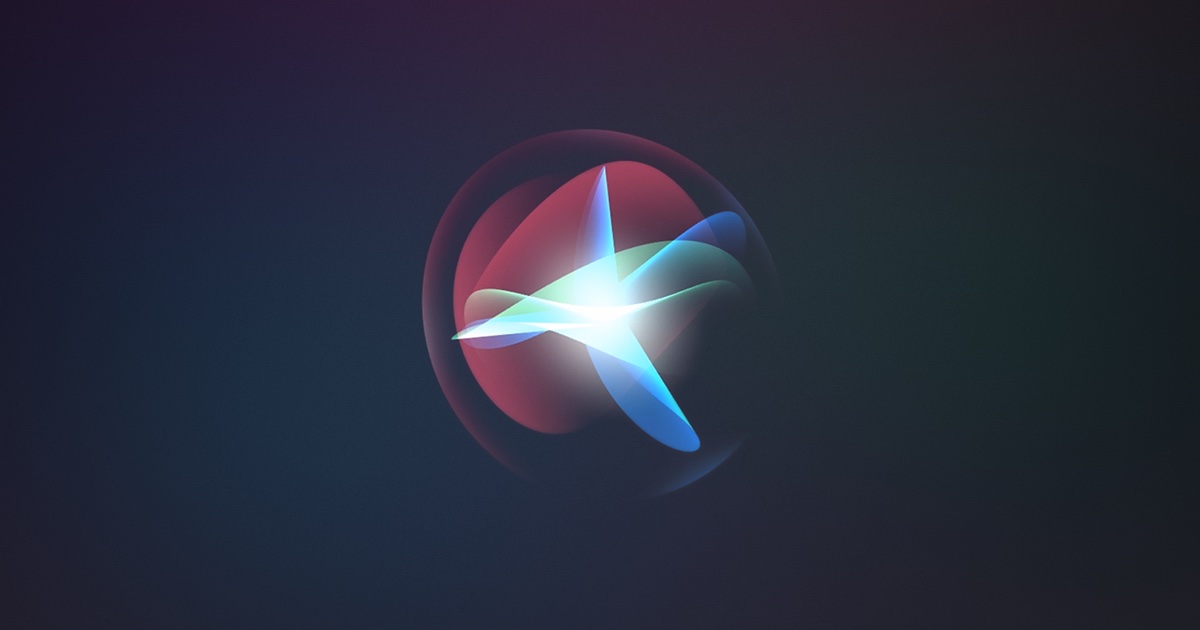
Meta currently sells its Quest VR headsets and AI smart glasses designed in collaboration with Ray-Ban and Oakley. Meta is aiming to expand further into hardware, and it is hard at work on a set of augmented reality glasses.

Alan Dye was one of Apple's few remaining designers that worked alongside Jony Ive. He originally joined Apple in 2006, transitioning to Ive's team in 2012 to work on iOS 7. He has been leading Apple's user interface design team since 2015, and will now start at Meta on December 31.
Tag: Meta

This article, "Meta's Creative Studio Led by Former Apple Design Head to 'Treat Intelligence as a New Design Material'" first appeared on MacRumors.com

Discuss this article in our forums
  •  

M5 iPad Pro vs. Samsung Galaxy Tab S11 Ultra

Just before Apple updated the iPad Pro with a next-generation M5 chip, Samsung refreshed its tablet lineup and debuted the Galaxy Tab S11 Ultra. We thought we'd pit Apple's latest ‌iPad Pro‌ against Samsung's newest tablet to see how they compare to one another.


While the ‌iPad Pro‌ measures in at 13 inches, the S11 Ultra is much larger at 14.6 inches. They both have OLED displays, but the bigger screen makes an impact. Samsung's screen is bright, colorful, and has excellent contrast, plus you don't have to pay extra for a matte coating to cut down on glare.

The M5 ‌iPad Pro‌ and the S11 Ultra are both 5.1mm, so they're incredibly thin and light. That's especially apparent with the bigger screen.

Apple doesn't let you upgrade ‌iPad Pro‌ storage on your own, but the S11 Ultra has a microSD card slot that accommodates up to 2TB of storage. RAM is up to 16GB, the same as the ‌iPad Pro‌.

Both tablets have a stylus accessory, but Samsung includes its S Pen in the box while Apple sells the Apple Pencil Pro separately. This year's S Pen has a pencil like feel and a new tip that provides a better writing experience, but the ‌Apple Pencil‌ is still better.

Samsung's tablets have a DeX mode that allows them to connect to a display or a TV for a desktop-like usage experience. DeX transforms the UI and optimizes it for a larger screen so you can do more on your tablet with dual-screen support. You can connect a second display to your iPad, but the experience is nothing like DeX, and you're limited to the ‌iPad‌ multitasking features. Samsung's S11 Ultra is much better at transitioning from a tablet to something more closely resembling a computer.

Samsung devices run Android, which is an immediate dealbreaker for a lot of Apple users. Android has the benefit of deep AI integration that Apple currently can't match, so the S11 Ultra has features like Drawing Assist, Writing Assist, camera-supported Gemini Live, and full Gemini support.

The ‌iPad Pro‌ has no water resistance, but the S11 Ultra offers IP68 protection, which means it can hold up to submersion in water. The ‌iPad Pro‌ wins in sheer performance thanks to the M5 chip. Samsung has a 3nm MediaTek Dimensity 9400+ chip, but the ‌iPad‌ is almost twice as fast in most benchmarking tests.

Apple's App Store is still more robust with a better selection of apps optimized for a tablet-sized screen, and there are many pro-level apps that aren't available on Samsung's platform. Both Apple and Samsung make keyboard cases for their tablets, but Samsung's S11 Ultra keyboard doesn't have a trackpad, which is a major downgrade compared to the ‌iPad Pro‌'s Magic Keyboard.

Would you get a Samsung tablet? Let us know in the comments below.
Tag: Samsung

This article, "M5 iPad Pro vs. Samsung Galaxy Tab S11 Ultra" first appeared on MacRumors.com

Discuss this article in our forums
  •  

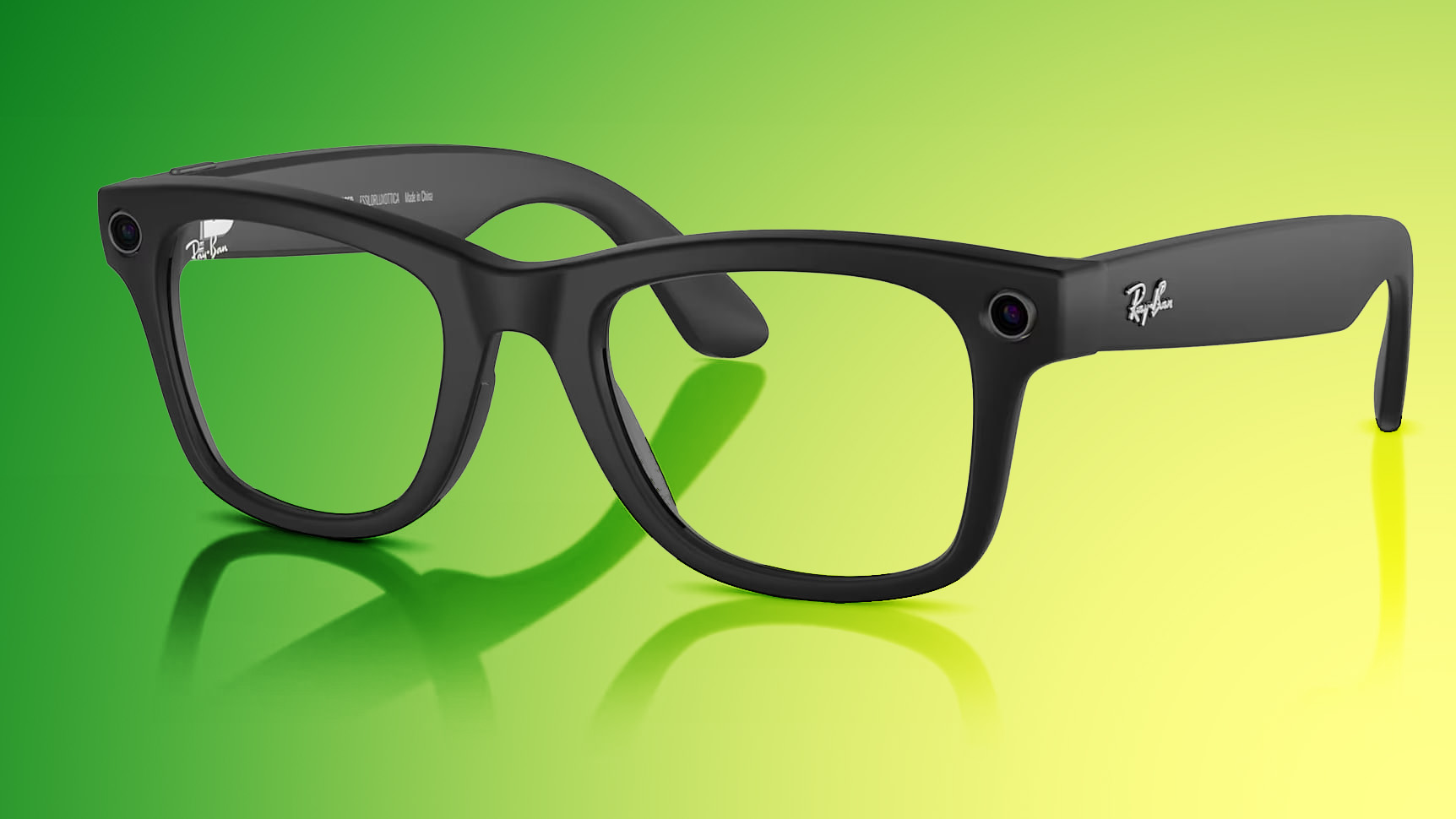
Apple UI Design Chief Alan Dye Leaving for Meta

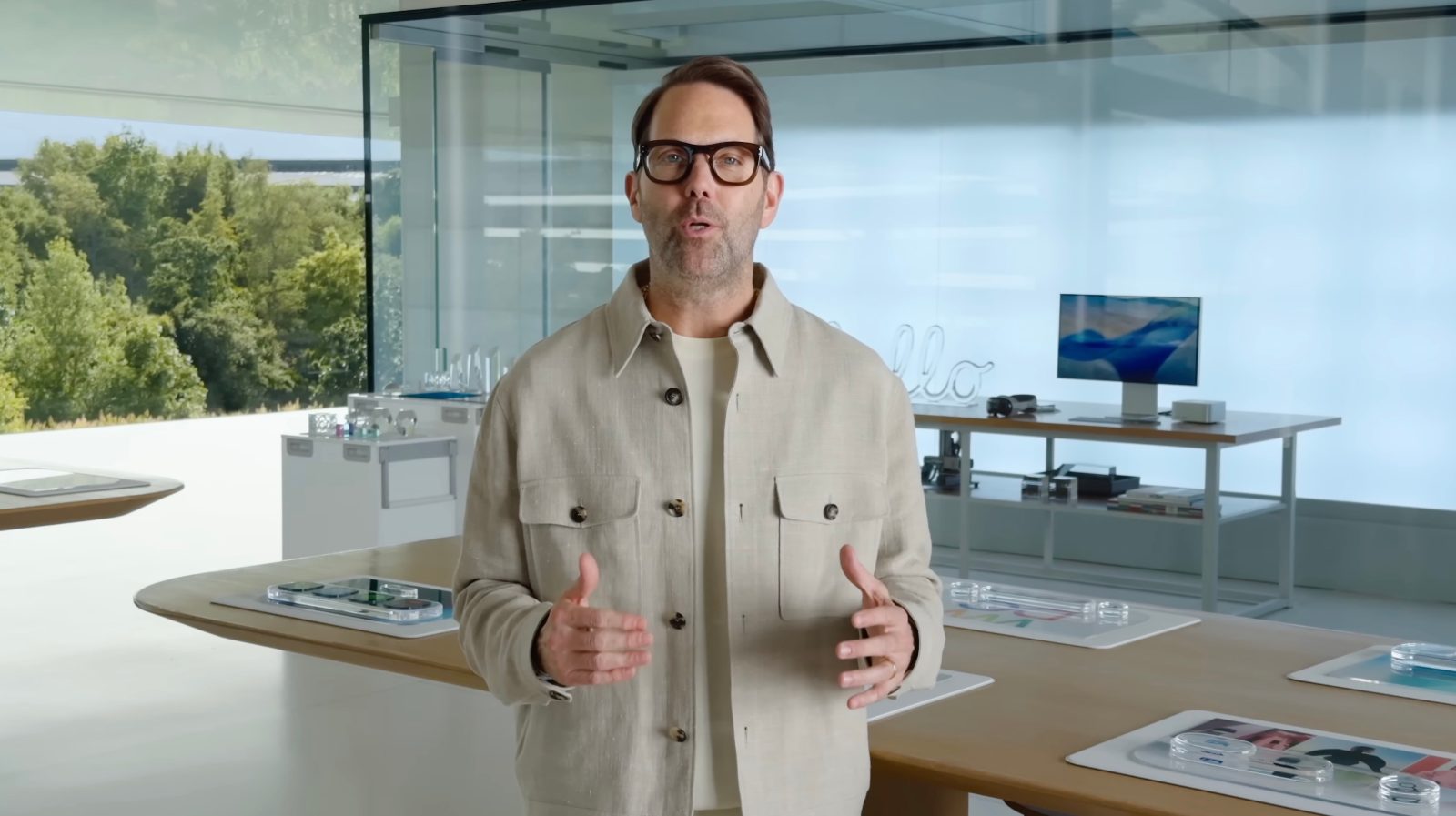
Apple UI design head Alan Dye is leaving the company and transitioning to Meta, reports Bloomberg. Dye took over Apple's user interface design team in 2015 when former Apple designer Jony Ive transitioned to Chief Design Officer, and he's held that position since then.


Dye has been at Apple since 2006, joining the marketing and communication team as a creative director. He transitioned to Jony Ive's user interface team in 2012 to work on iOS 7, and he worked on subsequent iOS, iPadOS, macOS, watchOS, and visionOS design updates. Most recently, he helped develop the Vision Pro interface, and he oversaw the rollout of the iOS 26 and macOS 26 Liquid Glass design revamp.

Apple plans to replace Dye with Stephen Lemay, a longtime Apple designer who joined the company over 25 years ago. In a statement to Bloomberg, Apple CEO Tim Cook praised Lemay.
Steve Lemay has played a key role in the design of every major Apple interface since 1999. He has always set an extraordinarily high bar for excellence and embodies Apple's culture of collaboration and creativity.

Design is fundamental to who we are at Apple, and today, we have an extraordinary design team working on the most innovative product lineup in our history.

Dye is joining Meta as chief design officer on December 31, and he will help Meta in its efforts to further break into consumer hardware. Dye will head up Meta's new design studio, overseeing hardware design and software design with a focus on improving Meta devices like headsets and glasses with AI features.
Tags: Alan Dye, Meta

This article, "Apple UI Design Chief Alan Dye Leaving for Meta" first appeared on MacRumors.com

Discuss this article in our forums
  •  

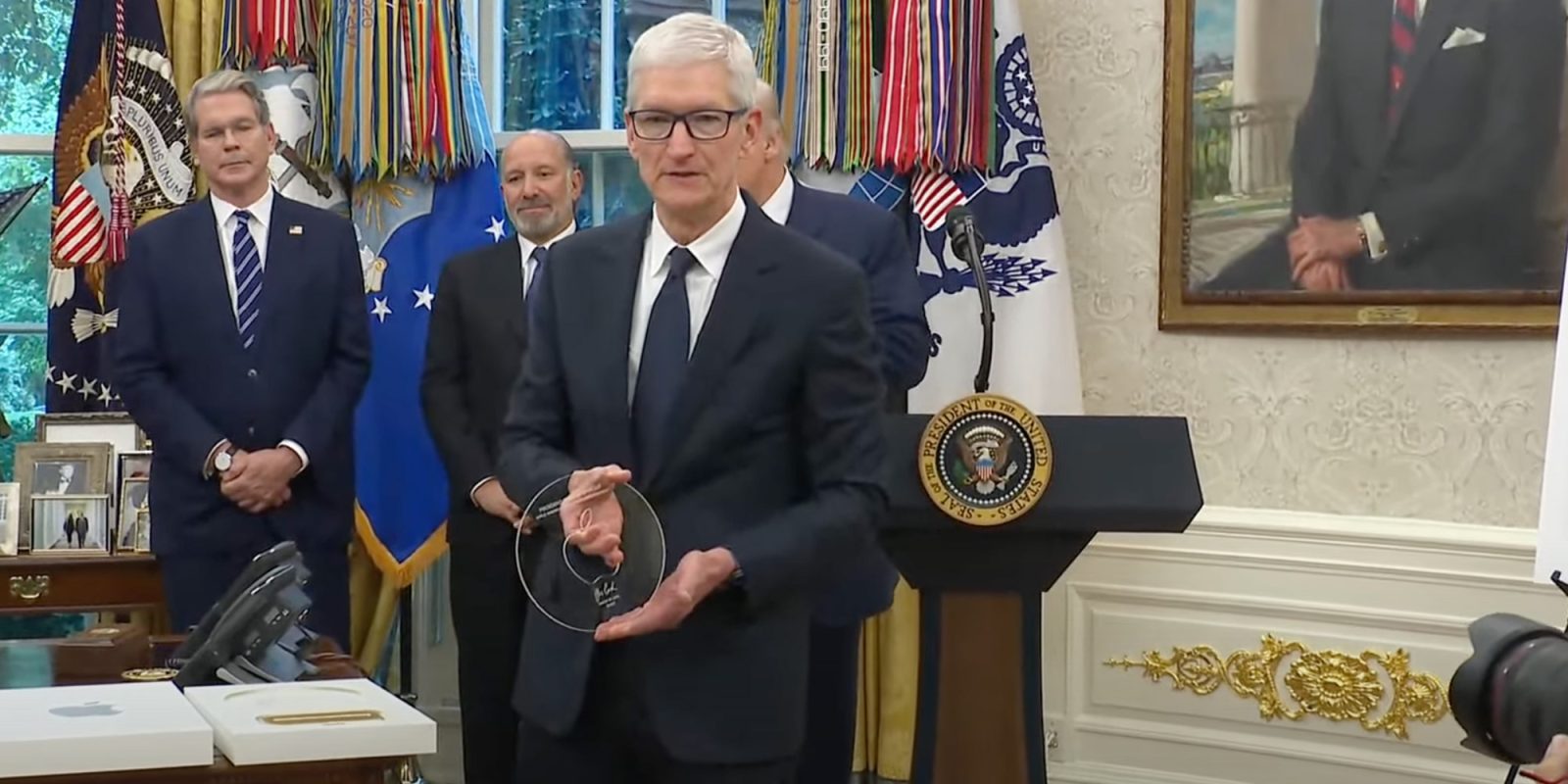
Apple design boss Alan Dye departing for Meta

Alan Dye, Apple’s vice president of Human Interface Design since 2015, is departing the company. Bloomberg reports that Meta has poached Dye as part of its push “into AI-equipped consumer devices.”

Stephen Lemay, a 26-year Apple design veteran, will take over the role from Dye, who officially joins Meta on December 31.

more…
  •  

Apple Expands Hypertension, Sleep Apnea, and Hearing Health Features to More Countries

Apple is expanding AirPods and Apple Watch health features to additional countries starting today.


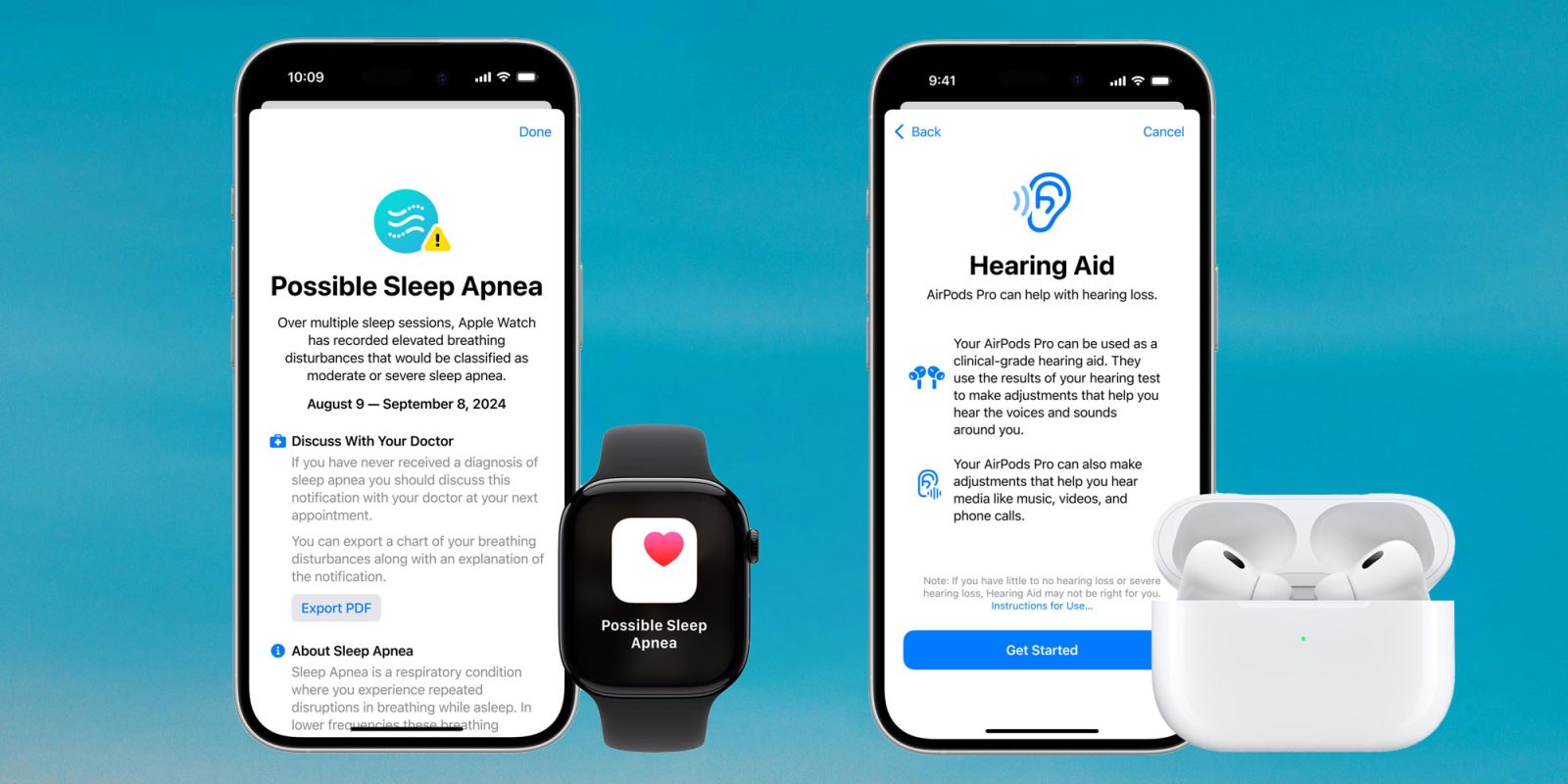
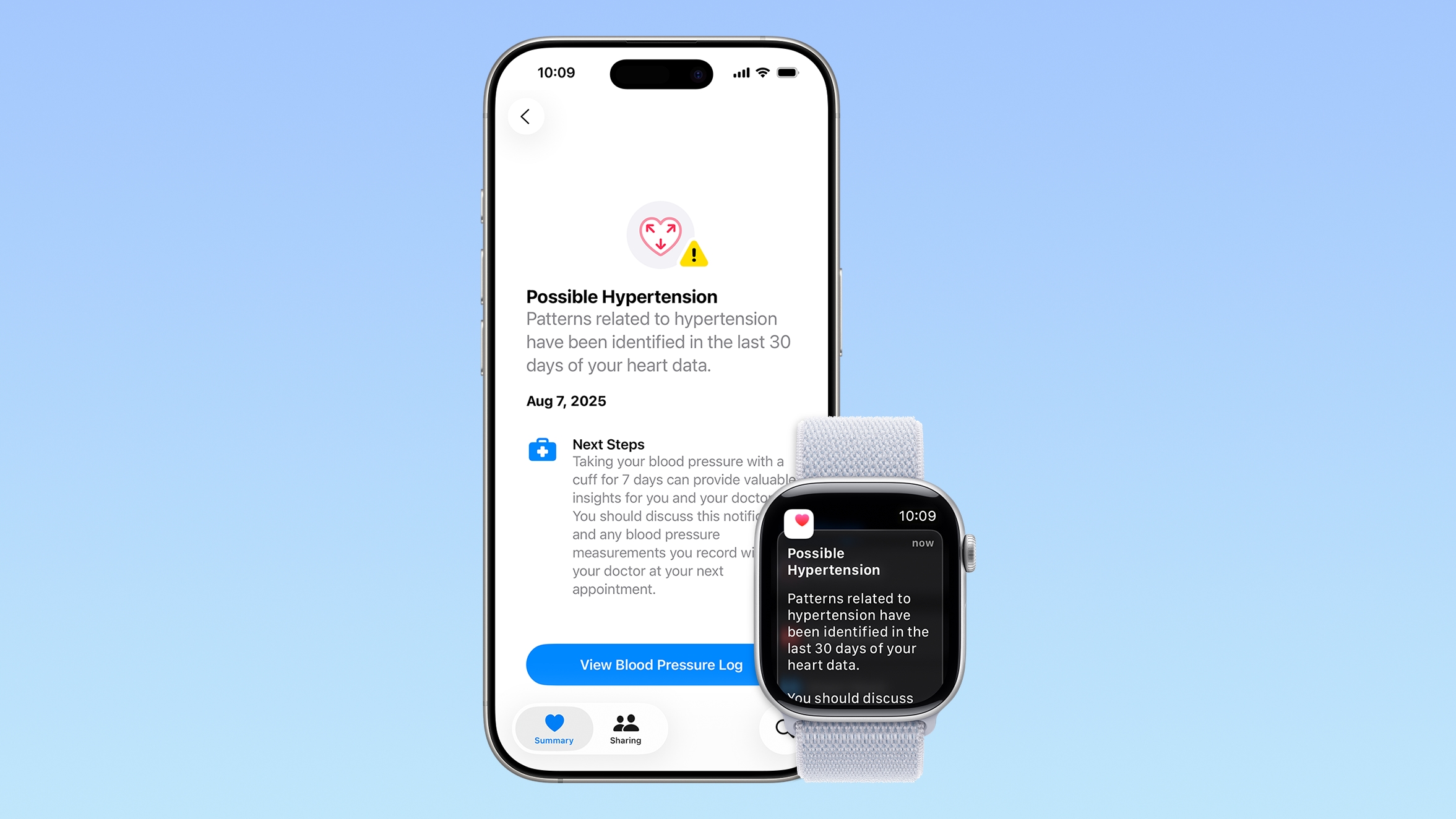
Hypertension notifications from the Apple Watch are now available in United Arab Emirates, Saudi Arabia, and Vietnam. Hearing Test and Hearing Aid functionality has expanded to Bahrain, Costa Rica, and Paraguay, while Sleep Apnea notifications are available in Colombia.

Apple also expanded Hearing Aid functionality with automatic Conversation Boost to a long list of European countries, including the UK, Germany, Austria, Poland, Switzerland, Finland, Norway, Ireland, and Denmark.

Apple introduced Hypertension notifications in watchOS 26, and the feature uses heart data collected by the Apple Watch to alert users if signs of chronic high blood pressure are detected. Hypertension notifications work after collecting 30 days of heart rate data, and the feature can be set up in the Apple Health app on the iPhone.

Hypertension alerts are available on the Apple Watch Series 9 and later and the Apple Watch Ultra 2 and later.

Sleep apnea detection is a feature that Apple first started rolling out with watchOS 11. It uses the accelerometer to monitor subtle wrist movements that are associated with interruptions in normal breathing patterns, alerting users if breathing disturbances are detected. Sleep apnea detection also requires 30 days of data, with information available in the Breathing Disturbances section of the Health app.

Hearing Test and Hearing Aid functionality first rolled out last year, allowing the AirPods Pro 2 and AirPods Pro 3 to be used in lieu of hearing aids for individuals with mild to moderate hearing loss. The hearing test uses tones at different frequencies to detect hearing loss, and if issues are detected, users can turn on hearing assistance. The feature also includes Loud Sound Reduction to protect hearing health.

Conversation Boost has long been an AirPods Pro feature, but the auto-on option paired with Hearing Aid functionality automatically enhances sound volume when someone speaks. Hearing Aid functionality with Conversation Boost works on the AirPods Pro 2 and later, with a list of supported countries available on Apple's website.
This article, "Apple Expands Hypertension, Sleep Apnea, and Hearing Health Features to More Countries" first appeared on MacRumors.com

Discuss this article in our forums

  •  

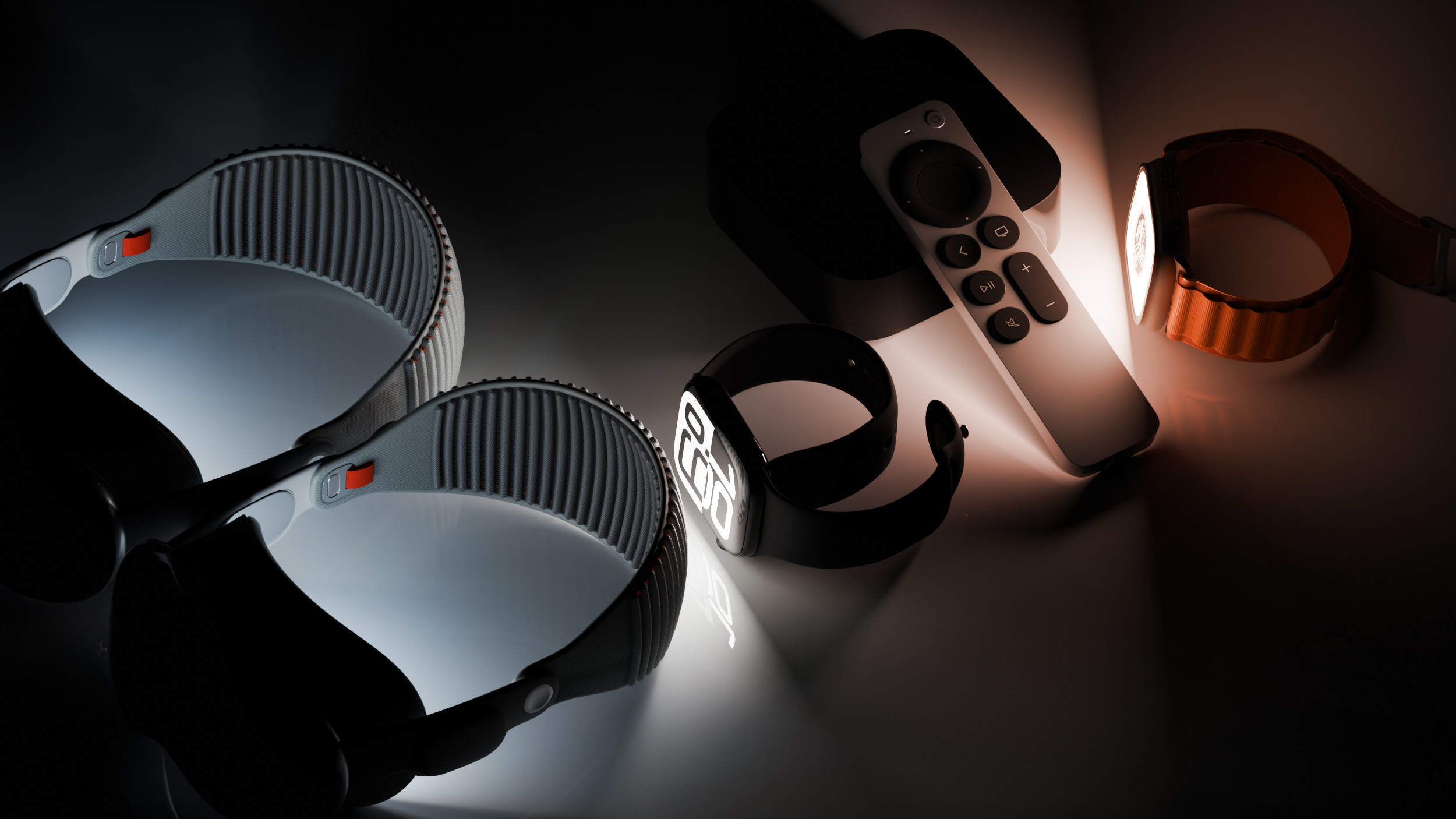
Apple Seeds watchOS 26.2, tvOS 26.2 and visionOS 26.2 Release Candidates

Apple today provided developers and public beta testers with the release candidate versions of upcoming watchOS 26.2, tvOS 26.2, and visionOS 26.2 updates for testing purposes. The software comes two weeks after Apple seeded the third betas. The RCs are the final versions of the watchOS, tvOS, and visionOS 26.2 updates that will be provided to the public next week as long as no other bugs are found.


The software updates are available through the Settings app on each device.

watchOS 26.2 features updated Sleep Score ranges that better match how people might be feeling after a night's rest.

In tvOS 26.2, Apple added support for creating a profile without an Apple Account, plus there is a dedicated Apple TV app kids mode for profiles created for kids.
This article, "Apple Seeds watchOS 26.2, tvOS 26.2 and visionOS 26.2 Release Candidates" first appeared on MacRumors.com

Discuss this article in our forums
  •  

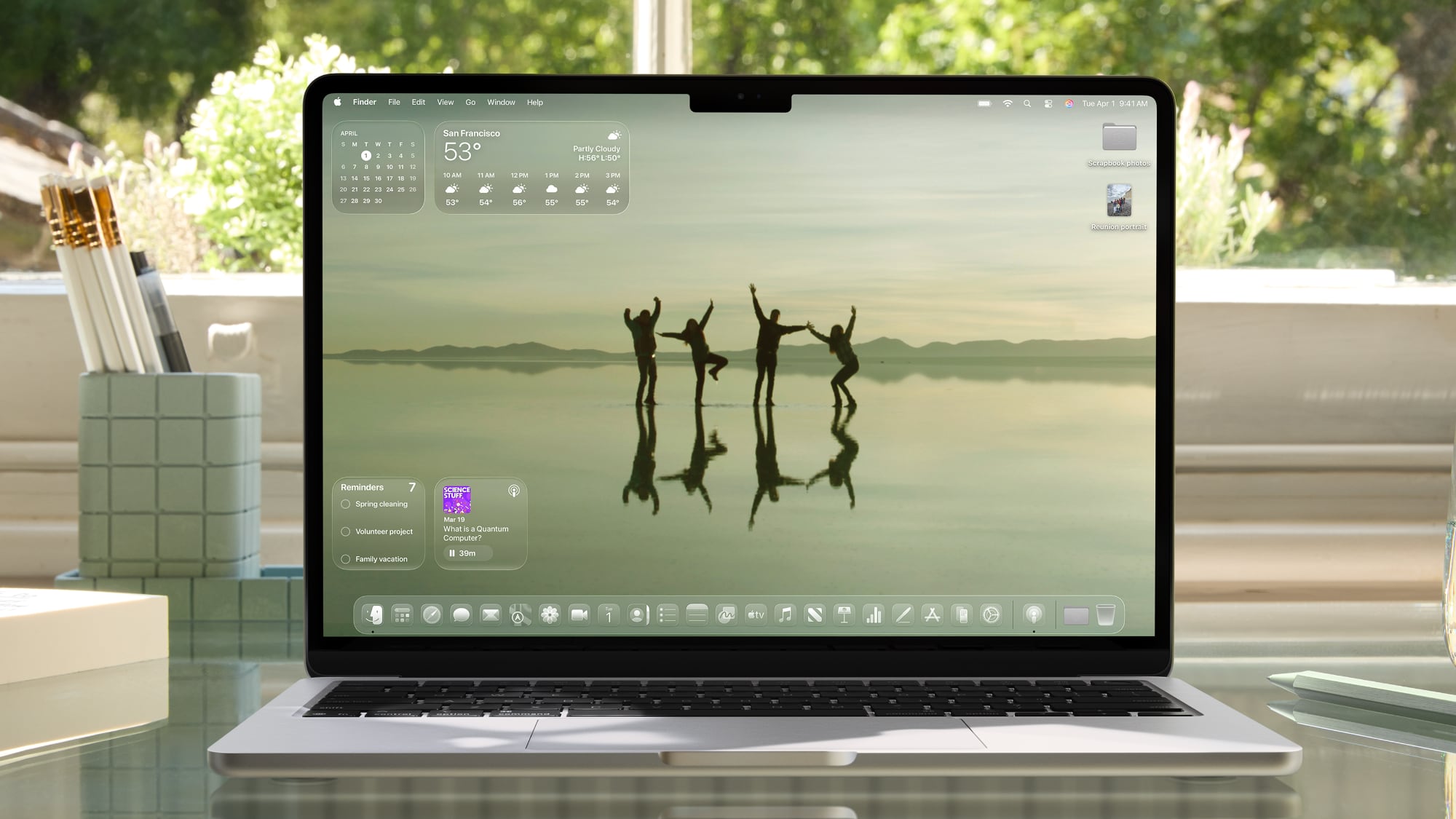
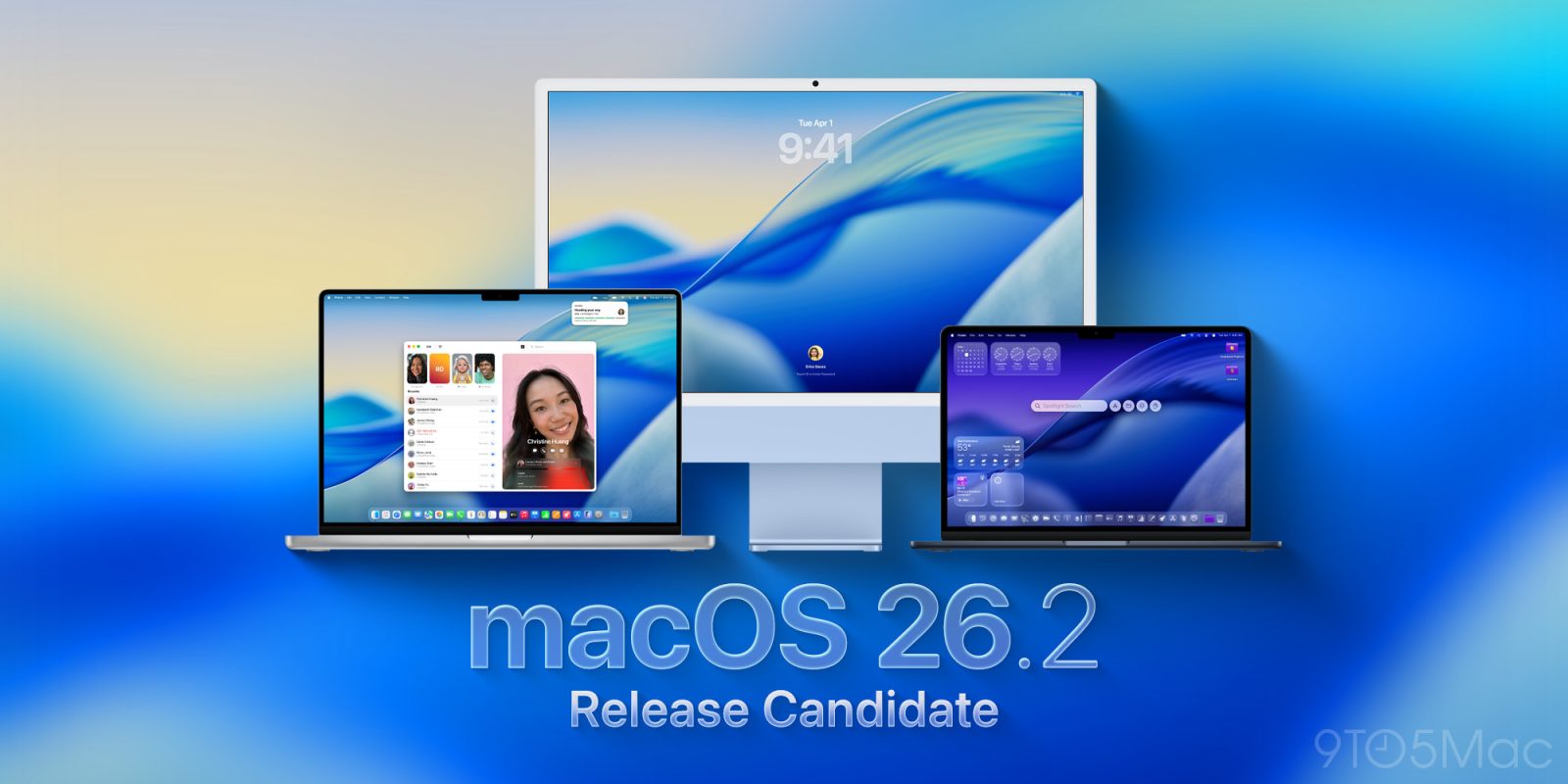
macOS Tahoe 26.2 Release Candidate Now Available to Developers and Public Beta Testers

Apple today provided the release candidate of an upcoming macOS Tahoe 26.2 update to developers and public beta testers, with the update coming two weeks after Apple seeded the third beta. The RC represents the final version of macOS Tahoe 26.2 that will be provided to the public as long as no bugs are found in the software.


Testers can download the macOS Tahoe 26.2 update by opening up the System Settings app, selecting the General category, and then choosing Software Update. Beta Updates will need to be enabled.

macOS Tahoe 26.2 includes Edge Light, a new feature for video calls. Edge Light adds a border of soft light around the edges of the Mac's display to illuminate your face in darkened rooms. Edge Light is meant to mimic the look of a physical ring light.

Edge Light uses the Neural Engine for positioning, so it is optimally placed around your face in the video frame. Light color can be adjusted from warm to cool, and intensity varies based on ambient lighting. Edge Light is available in video conferencing apps like FaceTime and Webex alongside other options like backgrounds, Portrait mode, and Voice Isolation. It works on Macs that support Apple silicon.

Along with Edge Light, the Reminders app is getting an option to have an alarm go off when a reminder is due, the News app has some design updates, and Apple is adding new features to the Podcasts app.
Related Roundup: macOS Tahoe 26
Related Forum: macOS Tahoe

This article, "macOS Tahoe 26.2 Release Candidate Now Available to Developers and Public Beta Testers" first appeared on MacRumors.com

Discuss this article in our forums
  •  

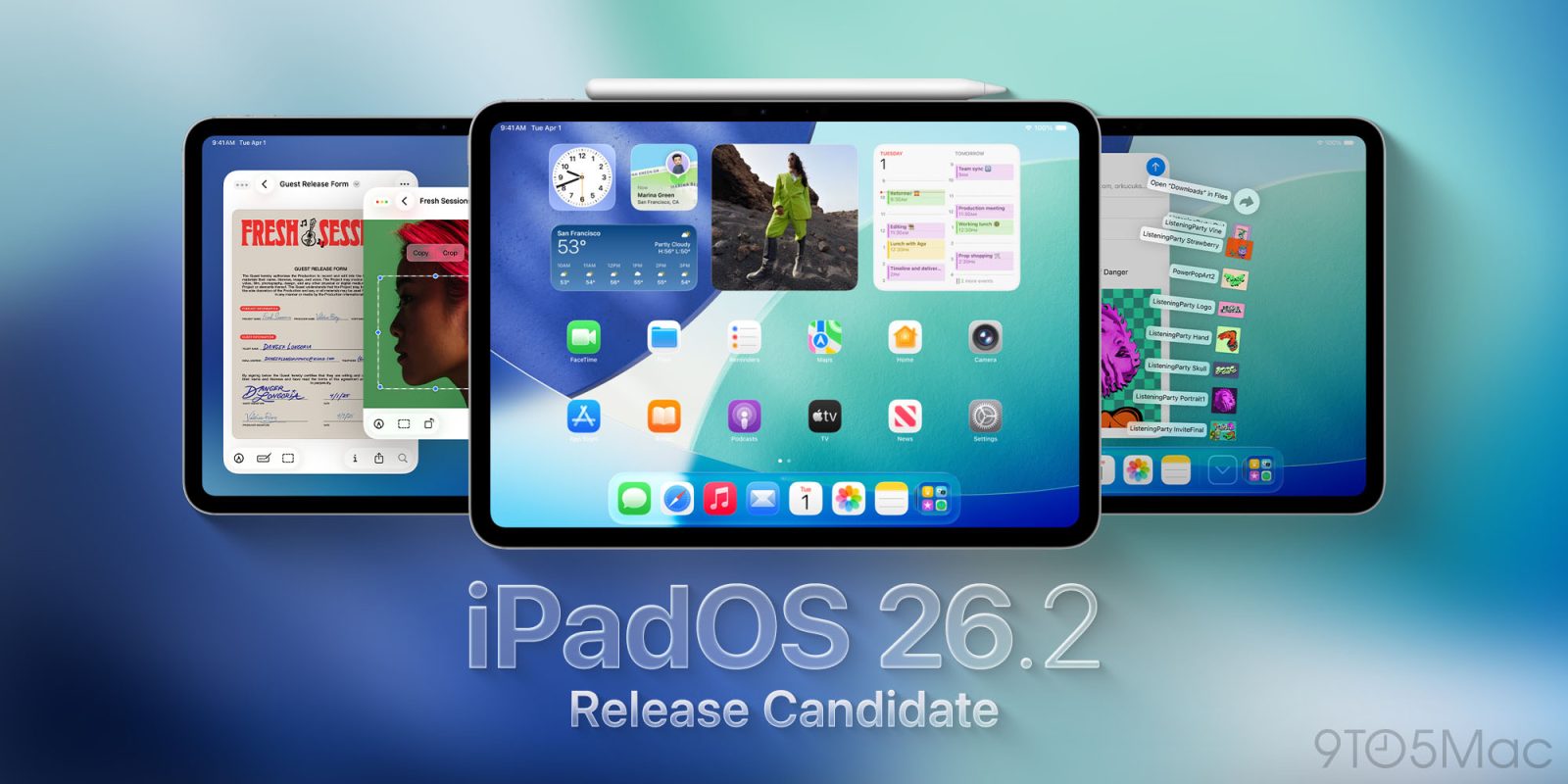
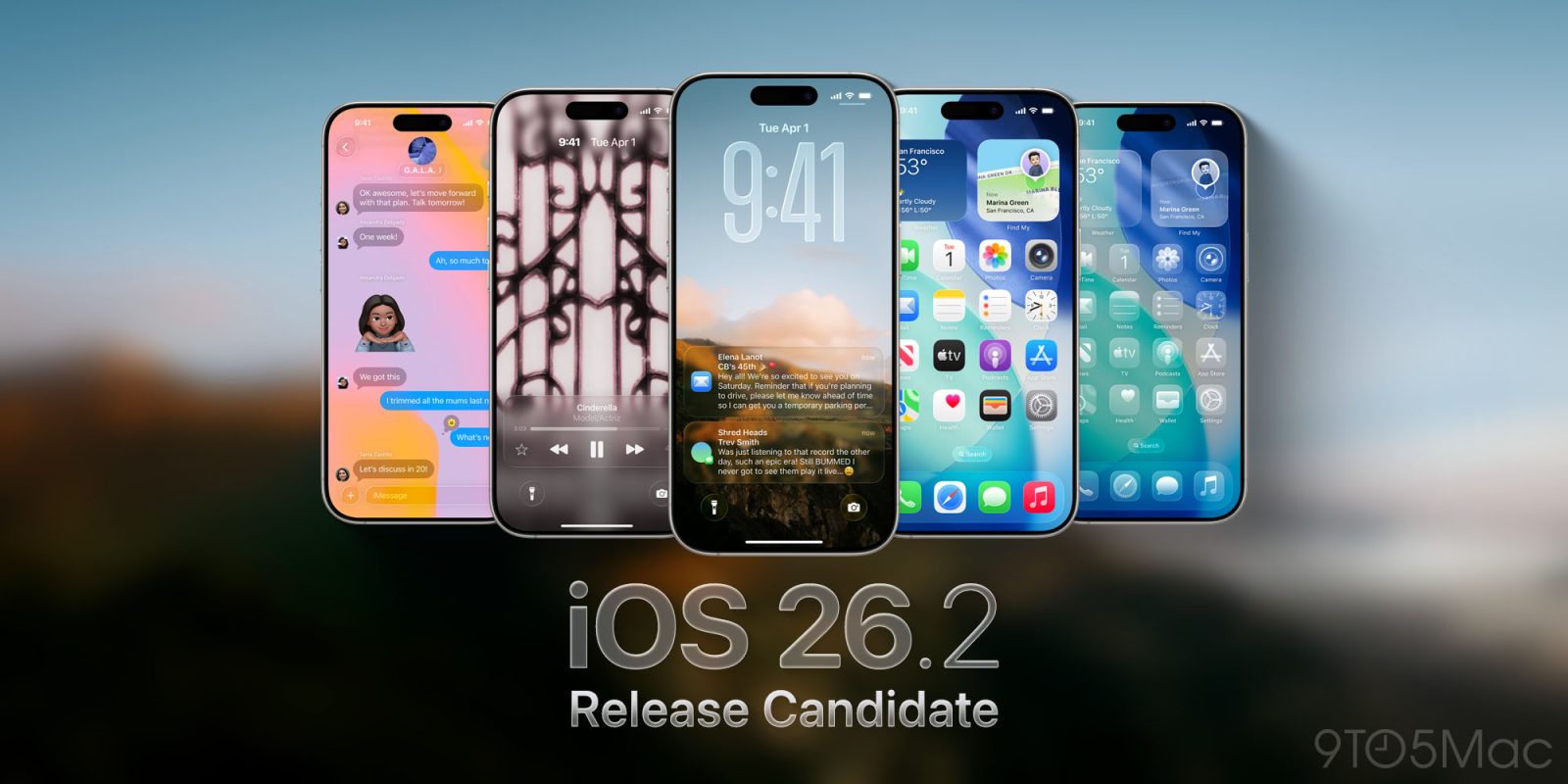
Apple Seeds iOS 26.2 and iPadOS 26.2 Release Candidates to Developers and Public Beta Testers

Apple today seeded the release candidate versions of upcoming iOS 26.2 and iPadOS 26.2 updates to developers and public beta testers, with the software coming two weeks after Apple seeded the third betas. The release candidates represent the final versions of iOS 26.2 and iPadOS 26.2 that will be provided to the public if no further bugs are found during this final week of testing.


Registered developers and public beta testers can download the betas from the Settings app on the iPhone or iPad by going to the General section and selecting Software Update.

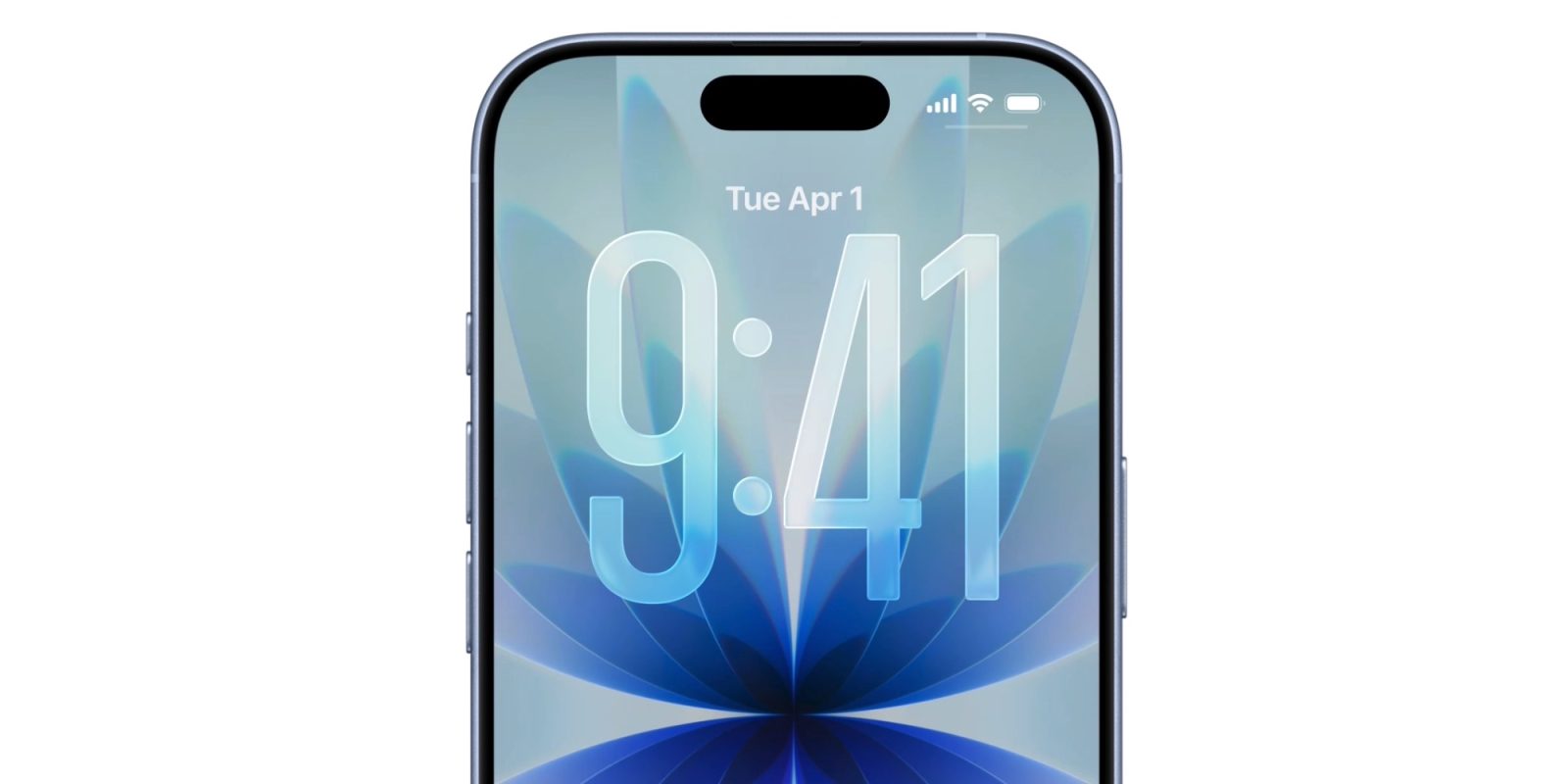
iOS 26.2 has a Liquid Glass slider on the Lock Screen to adjust the transparency of the clock, plus it brings AirPods Live Translation to the European Union. The Reminders app now supports alarms for when tasks are due, and there are updates to the Podcasts and Apple News apps. Menu animations have been revamped, and CarPlay supports disabling pinned messages in the Messages app.

We have a full list of all the features available in iOS 26.2 in our guide.

iOS 26.2 and iPadOS 26.2 will likely see a launch next week.
Related Roundups: iOS 26, iPadOS 26
Related Forum: iOS 26

This article, "Apple Seeds iOS 26.2 and iPadOS 26.2 Release Candidates to Developers and Public Beta Testers" first appeared on MacRumors.com

Discuss this article in our forums
  •