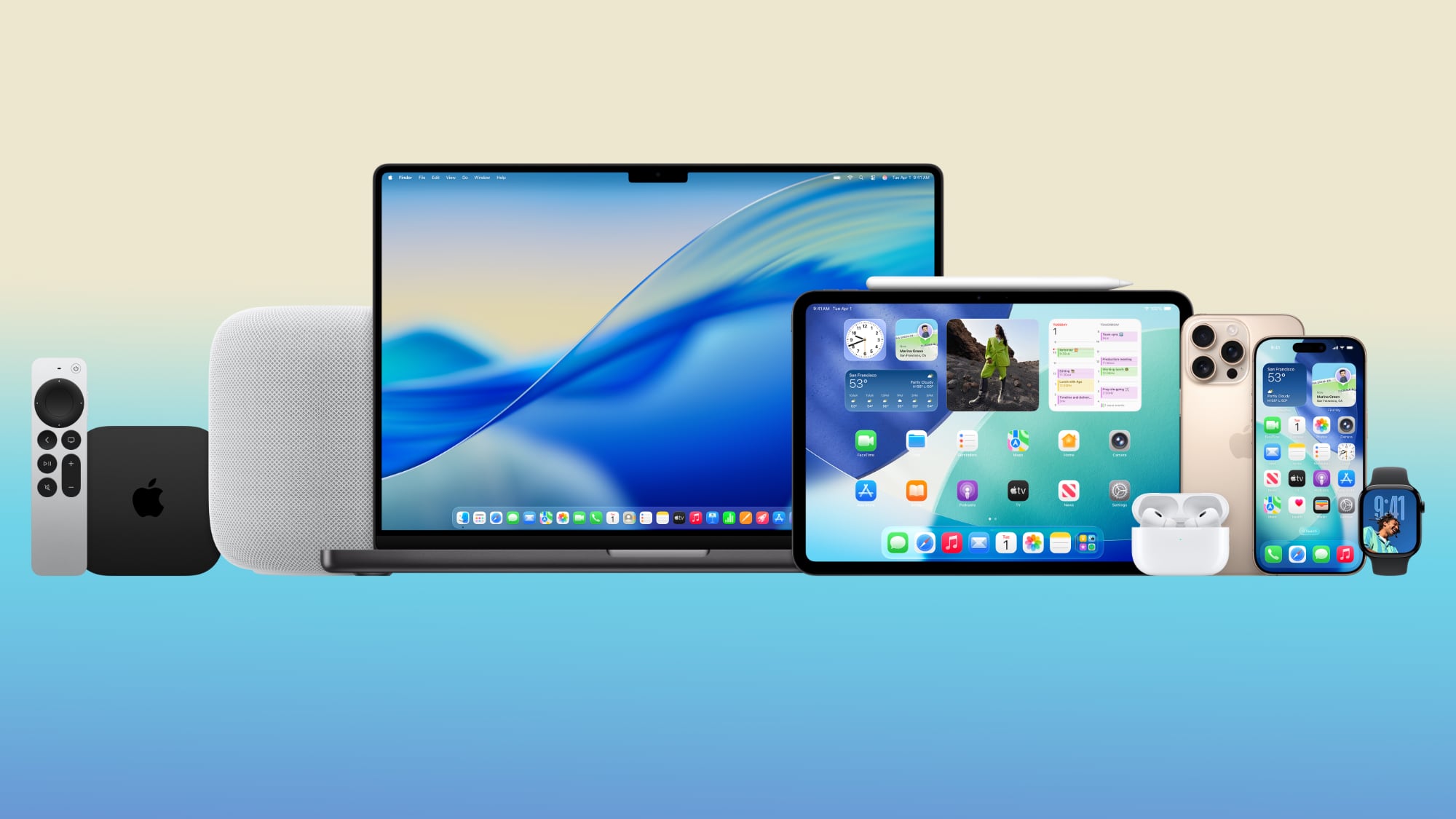
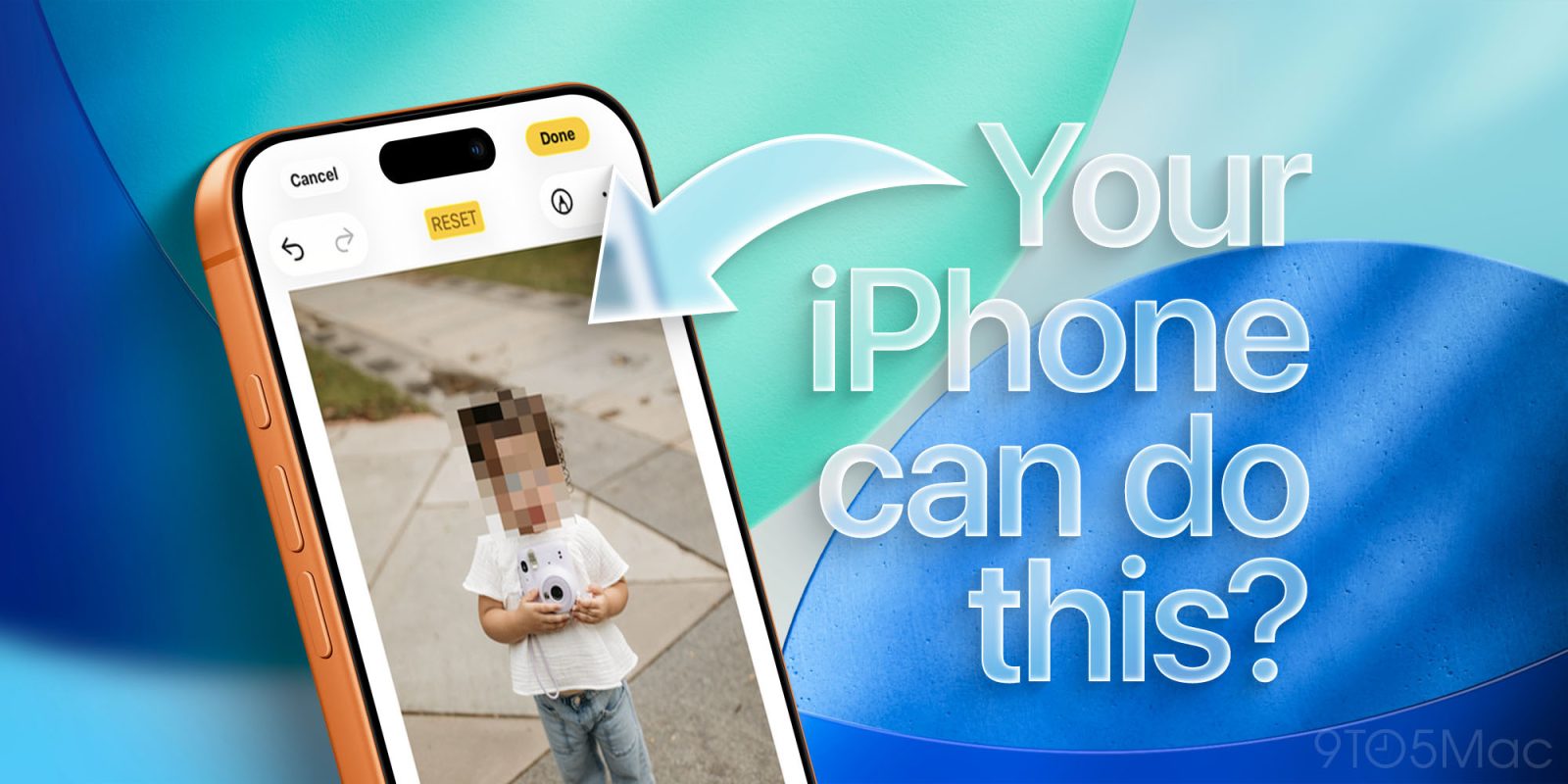
It seems that with every update, Apple quietly adds hundreds of features and settings that are very impactful but easy to miss. These are not the big headliner features, but smaller ones that, once you know about them, make your day-to-day life so much easier. Here are 15 features and settings that every iPhone owner should know about, but probably doesn’t.
Samsung kicked off a holiday sale last week, and this event has expanded recently with even more great deals on monitors, TVs, Galaxy smartphones, and home appliances. Many of these deals are the exact same all-time low prices we tracked during Black Friday and Cyber Monday.
Note: MacRumors is an affiliate partner with Samsung. When you click a link and make a purchase, we may receive a small payment, which helps us keep the site running.
Regarding TVs, there are quite a few models of The Frame TV on sale, including a new all-time low price on The Frame Pro models. You can get the 2025 65-inch The Frame TV for $1,199.99 ($600 off), as well as The Frame Pro for $1,999.00 ($1,200 off).
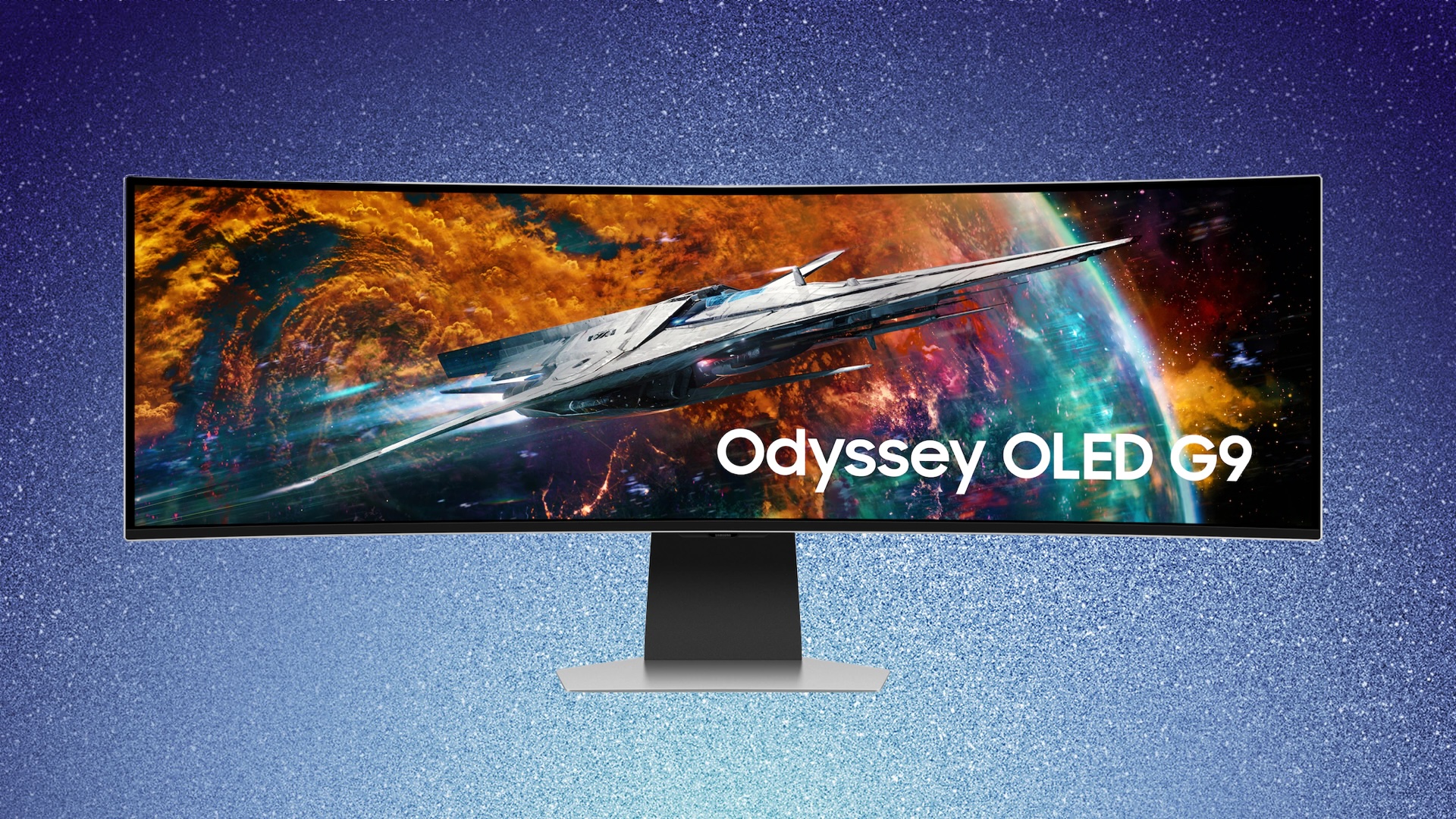
This is also a good time to purchase a Samsung monitor, with hundreds of monitor deals available during the event. One of the best markdowns is on the 57-inch Odyssey Neo G9 Curved Gaming Monitor, available for $1,499.99, down from $2,299.99. If you're looking to add a second monitor to your workstation, you'll also find a few smaller options, like the 32-inch ViewFinity S7 for $299.99, down from $459.99.
For even more potential savings, eligible shoppers have the chance to get additional discounts through Samsung offer programs. These programs provide extra discounts for students, military, and employees of select businesses, and they provide up to 30 percent extra savings on Samsung's website, so be sure to check whether you're eligible for any of these programs.
If you're on the hunt for more discounts, be sure to visit our Apple Deals roundup where we recap the best Apple-related bargains of the past week.
Deals Newsletter
Interested in hearing more about the best deals you can find this holiday season? Sign up for our Deals Newsletter and we'll keep you updated so you don't miss the biggest deals of the season!
Apple released the first iOS 26.3 beta this week for iPhone users. The update focues a lot on interoperability between iPhone and Android devices, as well as support for third-party smartwatches. Here are all of the new iOS 26.3 features so far.
The iPhone Air appears to have been one of the least successful iPhones ever, but it seems that hasn’t discouraged Apple from trying again in 2027 with an iPhone Air 2.
The latest report suggests that the company may fix the two biggest problems with the device, and if accurate, I would expect the 2nd-gen model to be significantly more popular …
An internal Apple kernel debug kit suggests Apple has tested a MacBook with the A15 chip, alongside a separate A18 Pro-based MacBook that appears to be closer to a shippable product.
The information comes from internal kernel debug kit files used by Apple engineers. The kit was accidentally released on Apple's website earlier this year, but it was quickly pulled after information started leaking out of it.
Within the Mac-related entries, there is a line that explicitly describes an unreleased MacBook configuration running an A15 chip. The row appears under a project label "mac14p" on a platform labeled H14P. MacRumors believes this A15 MacBook corresponds to the codename J267.
In the same dataset, there is also a separate MacBook entry tied to the A18 Pro. It has the identifier J700 and is described as using an A18 Pro chip with a "Sunrise" wireless subsystem attributed to MediaTek. Compared with the A15 test configuration, the A18 Pro MacBook entry reads more like a defined product configuration, since it is identified with a specific internal codename and accompanying subsystem details.
It is also highly unlikely that Apple would release a Mac powered by the A15 Bionic in 2026, almost five years after the chip was introduced. A MacBook with the A18 Pro chip would be markedly more capable, future-proof, and in-step with the company's current selection of chips.
The A15 MacBook was almost certainly used as an unreleased test platform ahead of widely reported plans to release a low-cost MacBook with an iPhone chip. The original Apple silicon Mac mini Developer Transition Kit featured an A12Z chip, but all Apple silicon Macs available to consumers have featured M-series chips.
Rumors suggest the low-cost MacBook will launch next year, featuring the A18 Pro chip, a 13-inch display, and silver, blue, pink, and yellow color options. This article, "Apple Tested a MacBook With the A15 Chip" first appeared on MacRumors.com
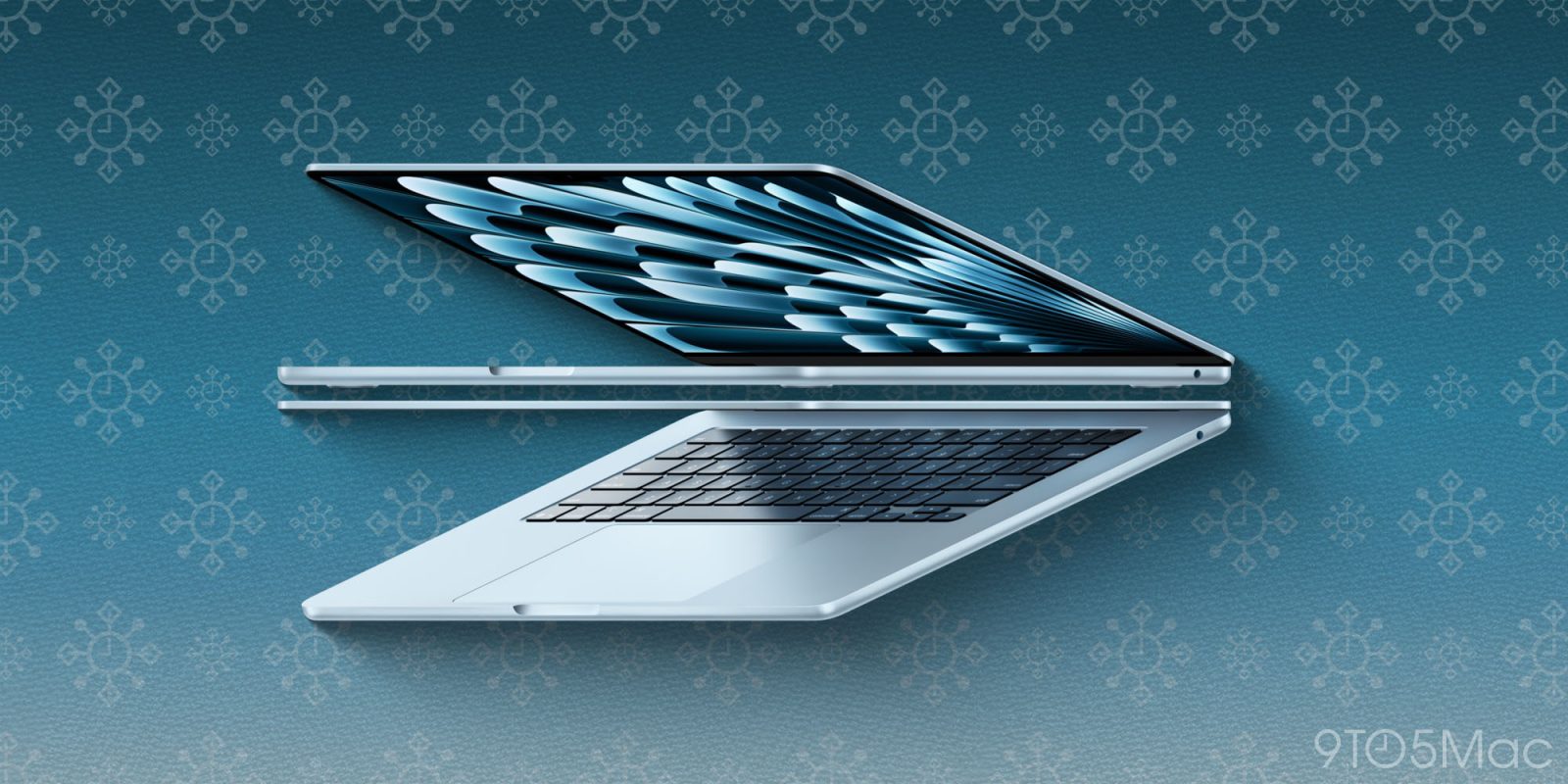
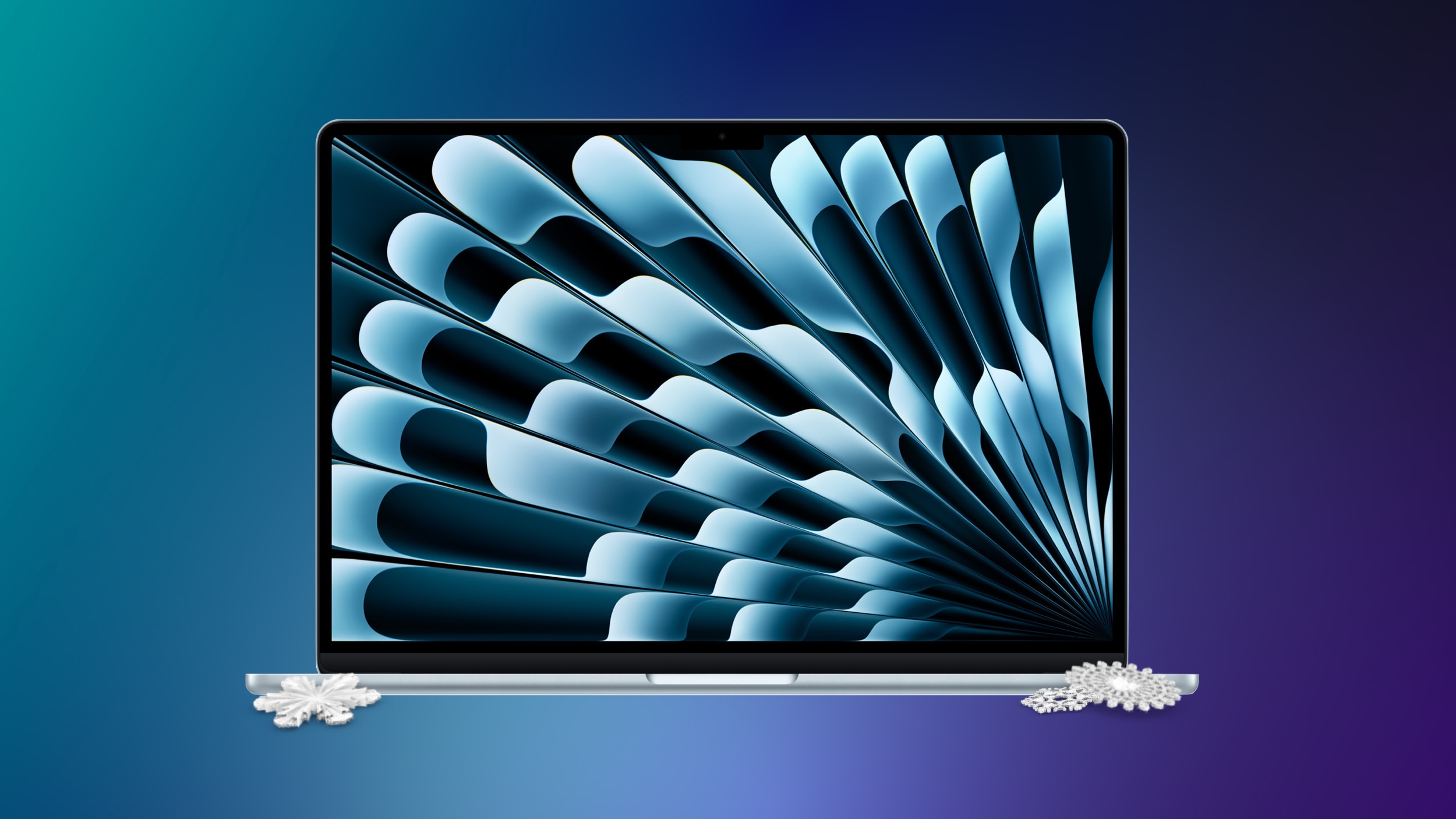
You can get the 13-inch M4 MacBook Air (256GB) for $749.00 today on Amazon, down from $999.00, with guaranteed Christmas delivery for select colors. This price matches the Amazon all-time low price on the M4 MacBook Air, and there are similar lows on other models with higher storage.
Note: MacRumors is an affiliate partner with Amazon. When you click a link and make a purchase, we may receive a small payment, which helps us keep the site running.
If you're looking for the larger model, you can get the 15-inch 256GB computer for $949.00, down from $1,199.00. You'll also find many of the 512GB models of the 13-inch and 15-inch M4 MacBook Air on sale this week.
If you're on the hunt for more discounts, be sure to visit our Apple Deals roundup where we recap the best Apple-related bargains of the past week.
Deals Newsletter
Interested in hearing more about the best deals you can find this holiday season? Sign up for our Deals Newsletter and we'll keep you updated so you don't miss the biggest deals of the season!
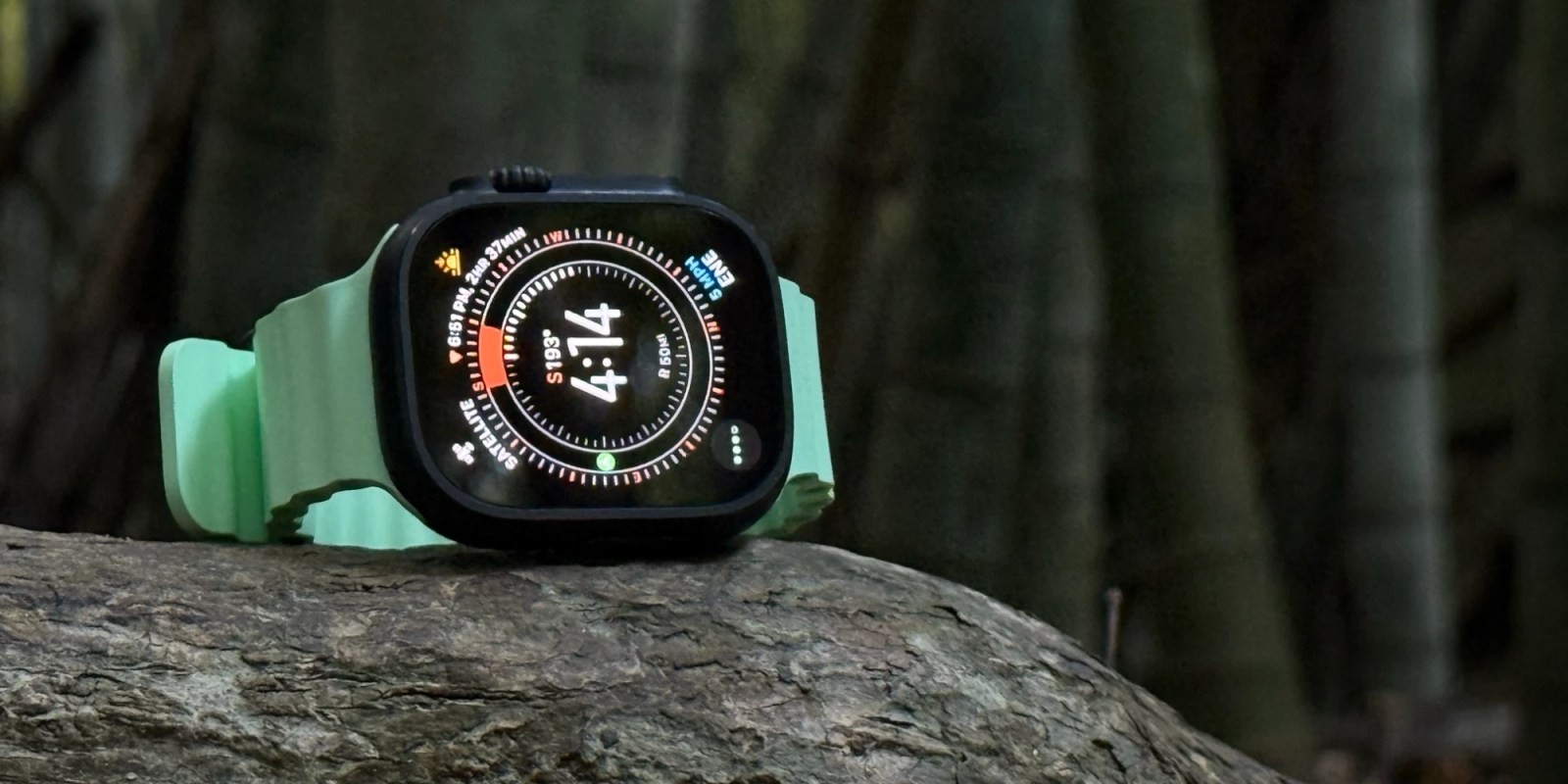
Apple Watch Ultra 3 and Series 11 feature advanced, power-efficient LTPO3 displays that enhance certain watch faces and apps. This technology enables a 1Hz display refresh rate, allowing the display to update each second rather than each minute when in Always-On mode. watchOS 26 fittingly enhances 26 watch faces to support the 1Hz refresh rate.
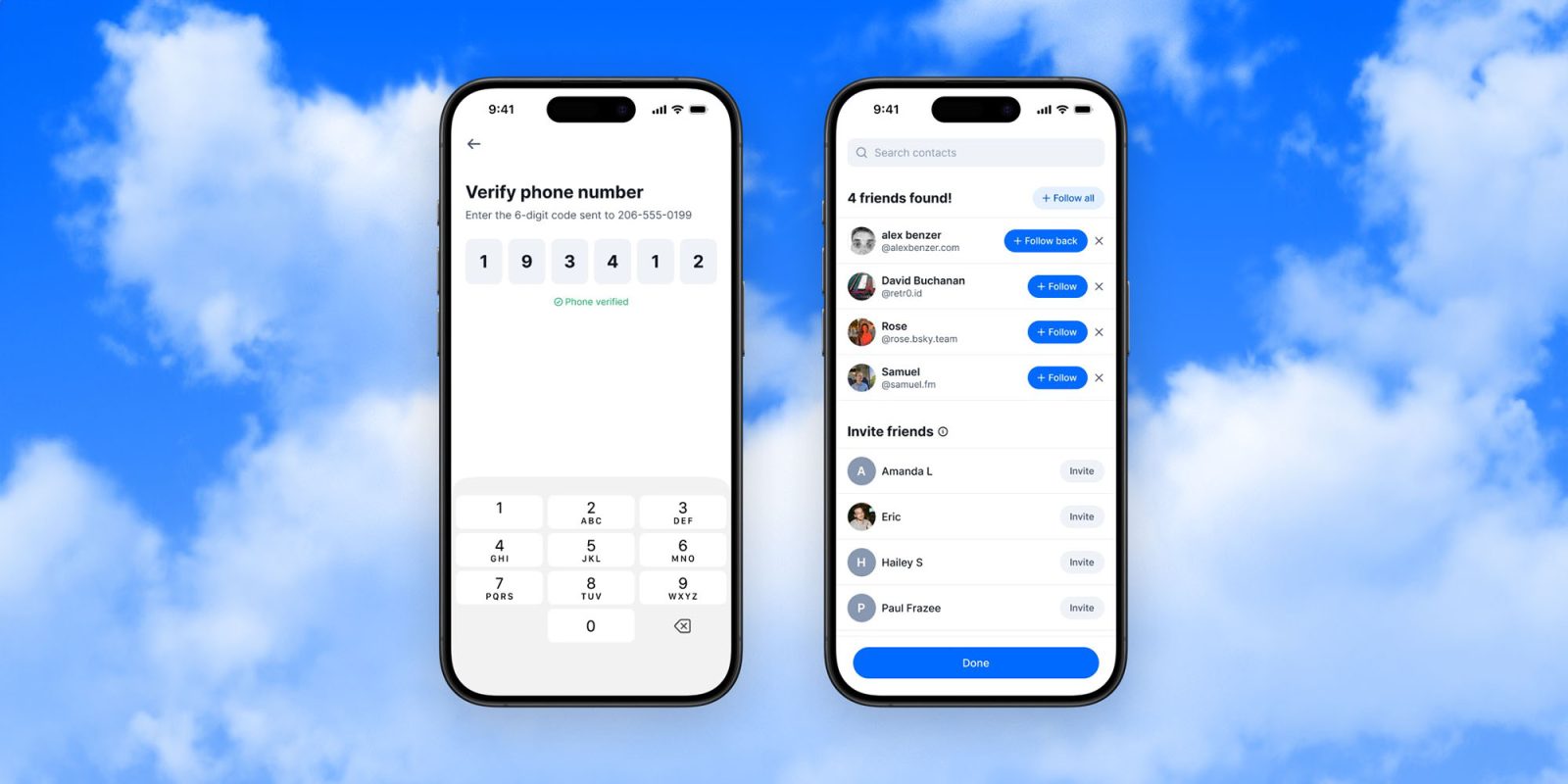
Many social media apps encourage you to give them access to your contacts. If you do so, they will let you know which of your contacts are on the platform so that you can send them a friend request.
This can be problematic because you may not wish to share your online presence with everybody in your contacts, and because you are effectively sharing the personal data of other people without their consent. Bluesky says its own “privacy-first” approach is different …
Back in the summer, a new Apple Manufacturing Academy was announced, partnering with Michigan State University. The initiative provides free training and consultancy to American businesses to help them innovate their production processes.
Small businesses that received help from Apple engineers said that the company shared frank lessons about its “bendgate” experience …
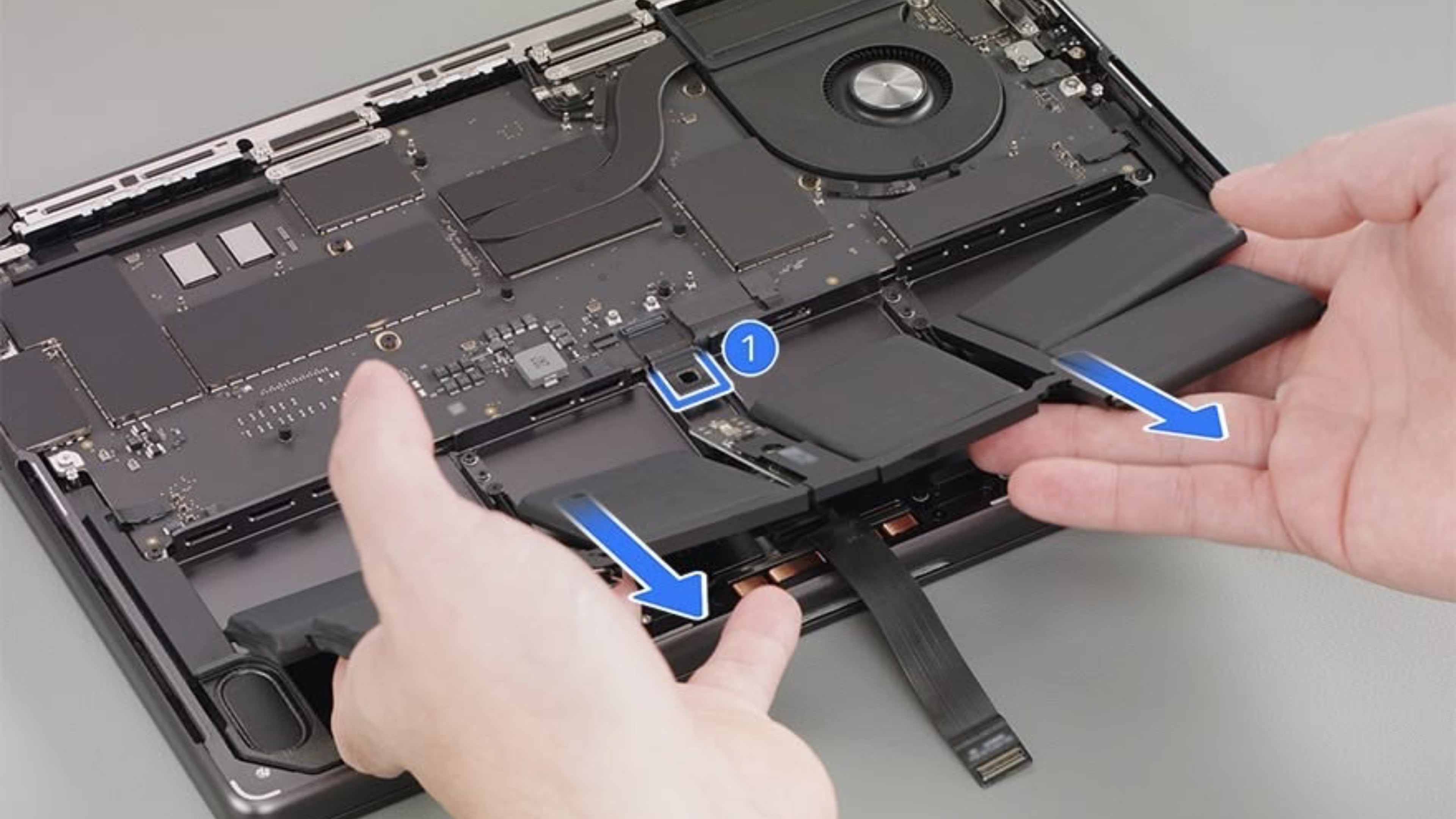
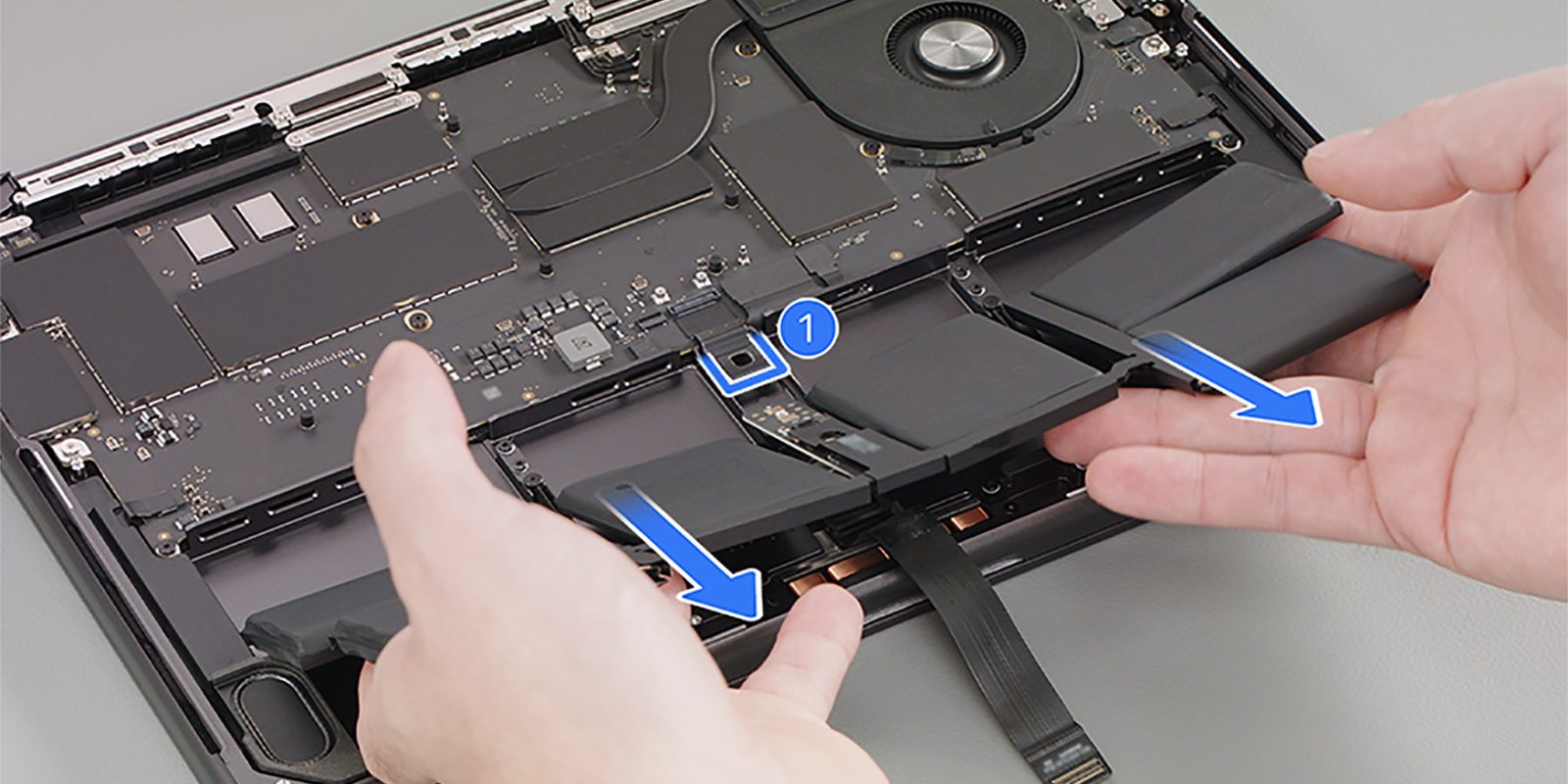
Apple has made the battery replacement process easier for the 14-inch M5 MacBook Pro, allowing users of its self-service repair program to replace just the battery, without removing other internal components.
Before now, manual battery replacement on what is currently Apple's only M5-powered MacBook Pro required swapping out several modules alongside the battery itself. However, the new process Apple has introduced only requires removing the bottom case and the battery management unit flex cable before accessing the battery.
Apple is now selling standalone battery modules through its Self Service Repair Store. Apart from the cost of the necessary repair tools, the replacement battery costs $209.25, and users can get a $22.50 credit by returning their old battery.
Apple has also published a detailed repair manual to guide users and independent repair shops through the procedure. The manual includes step-by-step instructions for safely removing the rear case, discharging the battery, removing the old battery's adhesive strips, and installing the replacement unit.
The change tackles a concern raised by iFixit in its October teardown of the M5 MacBook Pro, which found battery replacement to be one of the device's most challenging repairability aspects. That said, with 14 disassembly steps and 27 reassembly steps, it's probably still a job most users would rather leave to a professional.
Apple launched its self-service repair program in 2022, giving customers access to genuine parts, tools, and repair manuals for select iPhones, iPads, Macs, Studio Displays, and Beats Pill speakers. The company says the program is "intended for individuals who are experienced with the complexities of repairing electronic devices."
There’s never been any doubt that next year’s iPhone Fold is going to be an extremely expensive device, but a small detail in a report published yesterday provides a further steer on what to expect.
We’ve so far seen pricing estimates in the $1,800 to $2,500 range, and yesterday’s report may be one reason to expect something closer to the higher end …
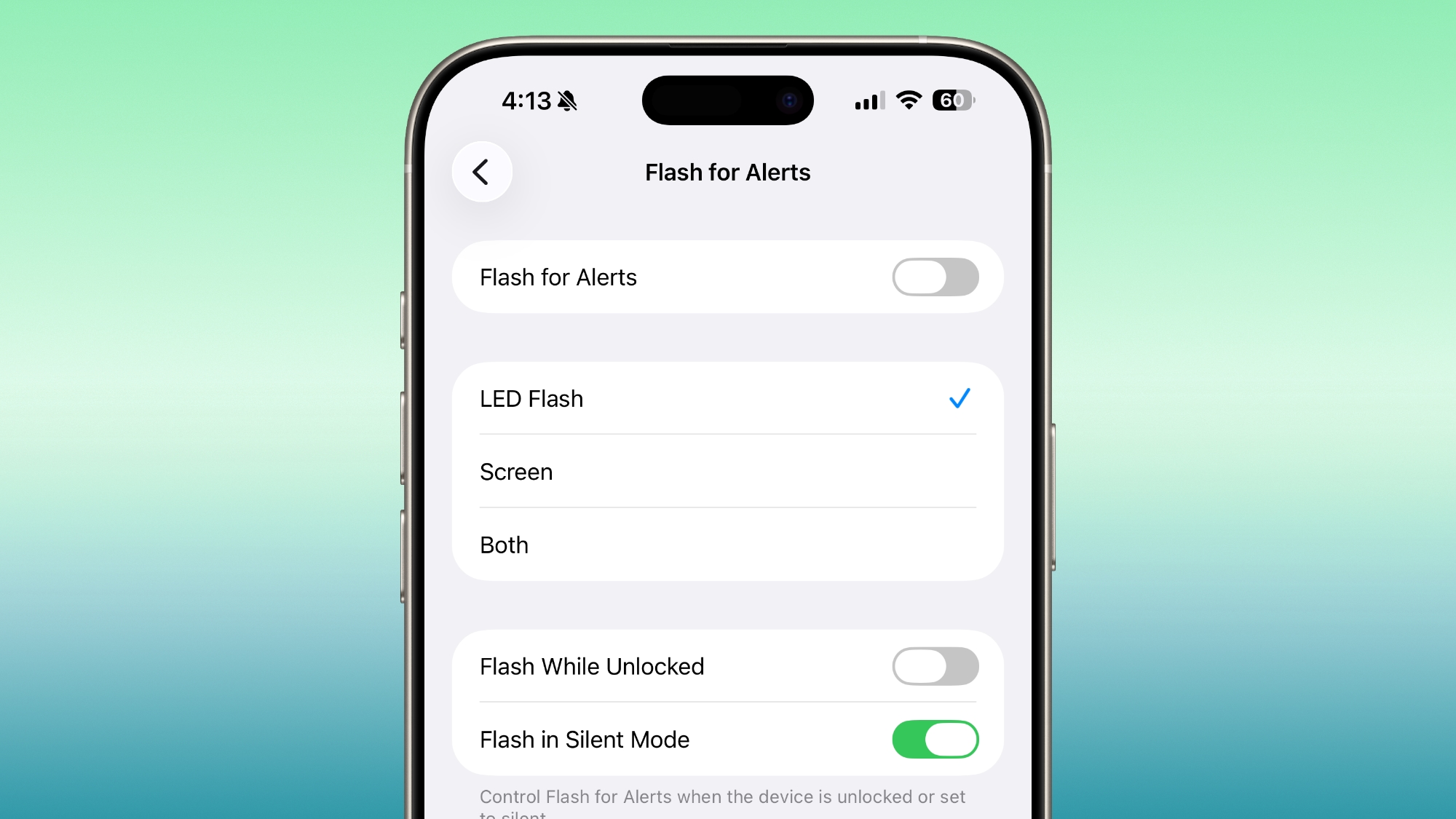
Unlike some Android phones, iPhones don't have a dedicated notification LED that lights up when you get a call, text, or other alert. What iPhones do include is an optional Accessibility feature for the deaf and hard of hearing that blinks the rear camera flash and provides a visual cue for incoming notifications. And in iOS 26.2, Apple has added the ability to flash the front display, too.
Even if your hearing is fine, having a visual cue for incoming alerts can be handy to have if, say, you're in a quiet environment like a library and don't want to create a disturbance. What's more, in iOS 26.2, you can choose for both the display and the camera LED to flash. That way, you'll see the alert flash whichever way your iPhone is lying on a table.
How to Enable Flash for Alerts
Follow the steps below to turn on screen flash for alerts on your iPhone running iOS 26.2.
Open the Settings app on your iPhone, then tap Accessibility.
Under "Hearing," tap Audio & Visual.
Scroll to the bottom and tap Flash for Alerts.
Toggle on Flash for Alerts, then tap LED Flash, Screen, or Both.
You'll see that the last menu includes toggle switches so that you can control whether the flash happens when your device is unlocked, as well as if it should flash when in silent mode. This article, "Make Your iPhone Display Flash for Alerts" first appeared on MacRumors.com
Apple is in talks with suppliers to manage iPhone chip assembly and packaging in India for the first time, reports The Economic Times.
"Exploratory conversations" are said to have taken place with semiconductor company CG Semi, which is constructing one of India's first outsourced semiconductor assembly and test (OSAT) facilities in Sanand, Gujarat.
From the report, citing people with knowledge of the matter:
"The companies are in the very initial stages of discussion," one of them said. "It is not clear what chips will be packaged out of the Sanand facility at this stage, but it will likely be display chips."
The person added that this may be the "beginning of an uphill climb" for CG Semi since if talks progress, it will have to pass Apple's stringent quality standards to clinch the deal. "Apple is already in talks with several companies for a number of other supply chain functions, and very few will end up on their supplier list," the person said.
As the report mentions, Apple sources its iPhone display panels from the world's three leading OLED manufacturers: Samsung Display, LG Display, and BOE. The display driver ICs used with these panels are supplied by companies such as Samsung, Novatek, Himax, and LX Semicon, which in turn rely mainly on chip fabrication and packaging facilities in South Korea, Taiwan, and China.
If the discussions between Apple and CG Semi bear fruit, the move would be another example of Apple pivoting to India as a major supply chain and manufacturing hub. Apple reportedly assembled $22 billion worth of iPhones in India during the 12 months ending in March 2025, a nearly 60% increase over the previous year. Foxconn, Tata Electronics, and Pegatron now operate facilities in India focused on iPhone manufacturing. Apple is apparently aiming to manufacture the majority of iPhones sold in the United States in India by the end of 2026.
Apple is reportedly in exploratory conversations with at least one partner to potentially handle iPhone chip assembly and packaging in India for the first time. Here are the details.
Optimizing and perfecting my Mac setup is one of my favorite things to do. I love my M4 MacBook Pro, and surrounding it with accessories that improve my productivity is key to my workflow. If you’re shopping for a Mac user this holiday season, here are some things they will love.
In fact, almost all of these products are on my desk as I write this story.
There has been a whirlwind of rumors over the last few days, sourced from leaked internal software designed for the iPhone and the Mac, and news sites like The Information. Below, we have a quick recap of everything we've heard this week, which serves as a guide to Apple's product plans in 2026 and beyond.
We've organized the info by likely release date, though there are some products that we don't have a timeline for. Keep in mind that the list features only rumors that we've heard over the last couple of days, so it's not a complete feature overview for each device.
AirTag 2 (B589) - Likely coming in early 2026. Expected to feature improved pairing, more detailed battery level reporting, and improvements to tracking AirTags that are moving and in crowded places.
Home hub (J490 and J491) - Apple's home hub is expected to launch in spring 2026, around when iOS 26.4 comes out. Recent rumors suggest it will have a 1080p video camera, Face ID for authentication and to identify different people, profile switching, and support for Apple Intelligence. There are two models, one that's wall mounted and another that has a HomePod-like speaker base.
HomePod mini 2 (B525) - A new HomePod mini is ready to launch at any time, so it could come in spring or even earlier in the year. It won't have Apple's N1 networking chip.
Apple TV (J355) - A new Apple TV is reportedly ready to go, and it makes the most sense for it to launch alongside other home products slated for the early 2026 timeframe.
Unknown home accessory (J229) - We don't know what this is, but it could be a camera, or standalone speaker base that can be added to the wall-mounted home hub after purchase. It could also be something else entirely. There are mentions of sensors in the code for this accessory.
iPad 12 (J581 and J582) - The latest information suggests the iPad 12 will use Apple's A19 chip, which is the same chip that's in the iPhone 17. It's an unusual choice because iPads usually get older, more affordable chips. It isn't expected to include the N1 networking chip. It's expected early in 2026.
M4 iPad Air (J707, J708, J737, J738) - 11-inch and 13-inch iPad Air models with M4 chips are rumored to be launching in early 2026. No major changes are expected except for the chip update.
Low-Cost MacBook (J700) - Apple is working on a MacBook with the A18 Pro chip, and it's expected to launch early in 2026. It will be positioned as Apple's most affordable MacBook, competing with Chromebooks and cheaper Windows laptops.
M5 MacBook Air (J813 and J815) - The MacBook Air is going to get updated with M5 chips as soon as early 2026. No other major changes are rumored.
M5 Pro/Max MacBook Pro (J714c, J714s, J716c, J716s) - M5 Pro and M5 Max MacBook Pro models are coming soon. They might get a refresh early in 2026, because there are still rumors of another MacBook Pro refresh later in the year.
September 2026
Foldable iPhone (V68) - The foldable iPhone will open book style, and will be wider than it is tall. It will look like a small iPad. When open, the display will be around 7.7 inches, and when closed, it will be around 5.3 inches. There will be a single front-facing camera in the top left, and no Dynamic Island. Display sizes could ultimately change, and Apple is reportedly seeing a high failure rate in current display production.
iPhone 18 Pro and Pro Max (V63 and V64) - The TrueDepth camera system for Face ID will be under the display, eliminating the Dynamic Island. There will be a cutout for the front-facing camera at the top left of the display. At least one rear camera will have a variable aperture that lets users control the amount of light that enters the lens. Overall design will be similar to the iPhone 17 Pro models. The A20 TSMC chip will support Wafer-Level Multi-Chip Module packaging for speed improvements that could bolster AI features and on-device processing capabilities. The iPhone 18 Pro models could have either a C1X modem or a C2 modem.
iPad mini 8 (J510 and J511) - The iPad mini 8 could get OLED display technology and the A20 Pro chip, which is the same chip that's slated for the iPhone 18 Pro models. That would suggest a fall launch alongside the iPhone 18 Pro. There have also been rumors that it will use the A19 Pro that's in the iPhone 17 Pro, and if that's the case, it could come earlier.
Apple Watch Series 12 (N237 and N238) - The Apple Watch Series 12 is expected in September 2026. No major changes are rumored so far.
Unknown Timing, But Likely 2026
Apple Studio Display 2 (J427 and J527) - There are two Apple displays in the works, that are expected to be followups to the Studio Display. These are likely to launch alongside new M5 Mac desktop machines. The two models could be different sizes or different display technology, as there are mini-LED rumors for the next-gen model.
M5/M5 Pro Mac mini (J873g and J873s) - The Mac mini is going to get M5 and M5 Pro chips, but timing is unclear. It could be refreshed early in 2026, or it might come later alongside other desktop Mac updates.
M5 Max/Ultra Mac Studio (J775c and J775d) - The Mac Studio will use the M5 Max and M5 Ultra chips, and it will likely be refreshed later in 2026 rather than earlier.
iMac Pro (J833c) - Apple is working on a high-end iMac with an M5 Max chip, which suggests it will launch alongside other M5 Max models sometime in 2026. Prior rumors have suggested the device could have a display around 30 inches in size.
M6 MacBook Pro (J804) - The entry-level MacBook Pro could be updated with an M6 chip toward the end of 2026.
M6 Pro/Max MacBook Pro (K114c, K114s, K116c, K116s) - The M6 Pro and M6 Max MacBook Pro models will feature a major redesign with OLED display technology. So far, rumors suggest this could happen as soon as late 2026, though that would mean two MacBook Pro refreshes in 2026. It's not unheard of, but Apple might also opt to hold this update until early 2027.
Apple Watch Ultra 4 (N240) - Apple is working on a fourth-generation version of the Apple Watch Ultra. It could come in September 2026 alongside the Series 12, but Apple doesn't update the Apple Watch Ultra on an annual basis.
2027
iPhone 18 - The iPhone 18 will not launch in fall 2026 as expected, and will instead come in spring 2027. It will be an incremental update, and Apple may remove haptic feedback and touch sensing from the Camera Control button (it could also be removed from the 18 Pro models).
iPhone 18e - Also slated for spring 2027, the iPhone 18e could launch alongside the iPhone 18. It is expected to feature few changes.
iPhone Air 2 (V62) - There is no second-generation iPhone Air planned for fall 2026 because Apple has delayed it. It could instead come in spring 2027. Apple is reportedly looking at adding a second camera to make the device more appealing to consumers. The next iPhone Air might also be more affordable.
20th Anniversary iPhone - The 2027 iPhone will have an "enclosure on the front and back that curves around the device edges," which allows for a bigger screen with no bezels. The Information says that it is not sure if the display itself will curve around the edges, but instead of a full metal frame, it has a "narrow metal band running around the midpoint of the device's edge. The selfie camera will move under the display, and it will be the first iPhone with no display cutouts at all. The 20th anniversary iPhone will launch in September 2027.
Tabletop robot (J595) - Apple's tabletop robot with a thin robotic arm and swivel base is expected to be a more powerful version of the home hub. It's rumored to be launching sometime in 2027.
AI smart glasses (N50/N401) - Apple paused work on all of its AR/VR headsets to focus instead on AI smart glasses that will compete with the Meta Ray-Bans. The AI smart glasses are expected in 2027, but it's possible Apple will unveil them in late 2026. N50 was the original codename, but Apple is now using N401. N401 covers the AI smart glasses, and a separate set of augmented reality glasses.
Delayed or Canceled
Foldable iPad - Apple planned a foldable iPad for release in 2026, but delayed the project and redirected resources to the foldable iPhone to ensure that device launches on time.
Vision Air (N100) - The N100 is a lighter and cheaper version of the Vision Pro. It was originally rumored for 2027, but Apple has paused work on headsets to focus on AI smart glasses.
AR glasses prototype (N421) - N421 is a prototype set of AR glasses, but Apple apparently canceled work on this product for now. AR glasses are still Apple's ultimate plan.
Mac-connected AR glasses (N107) - Apple was working on AR glasses that would connect to a Mac to use the Mac's processor, but the project was scrapped.
Cheaper Vision Pro (N109) - Apple was developing a second-generation Vision Pro that's more affordable, and it was a product distinct from the Vision Air. Work is currently paused.
Unknown Products
There are some codenames that were in Apple's leaked information that aren't associated with a known product as of yet.
N110 - N110 is close to N109 and other N-series numbers Apple has used for its AR/VR headsets, so this could be a wearable.
N209 - N2 numbers have previously been associated with the Apple Watch.
N216 - N2 numbers have previously been associated with the Apple Watch.
J349 - Possibly a Mac that was scrapped, but could also be an Apple TV or some kind of home device.
J190 - The Mac Pro is J180, so this could be another Mac Pro, but it's unclear.
J226 - J226 is close to J229, the codename for an unknown home device, so it could be some kind of home-related accessory.
Codename Key
For Apple's internal codenames that it uses for Macs, the letter at the end of the number has significance.
G - Base model M-series chip
S - Pro version of the M-series chip
C - Max version of the M-series chip
D - Ultra version of the M-series chip
Caveats
Some of this information was pulled from an internal version of iOS 26 that Apple was working on around the late May 2025 timeline, while other information comes from internal kernel debug kit files that Apple accidentally leaked earlier this year.
Apple's plans can always change. Devices can be scrapped, features can be removed, and launches can be pushed back. That's especially true of rumors about products coming in late 2026 or 2027, because production plans haven't been finalized.
The Trump administration is pressuring the European Union to cut down on regulations that impact tech companies like Google, Apple, Amazon, and Meta.
The Office of the United States Trade Representative today posted a message to the European Union on social media, threatening retaliation if the EU continues to target U.S. companies. The post says the U.S. will implement fees and restrictions on foreign services, and it specifically names European companies like Accenture, DHL, Mistral, SAP, Spotify, and Siemens.
The European Union and certain EU Member States have persisted in a continuing course of discriminatory and harassing lawsuits, taxes, fines, and directives against U.S. service providers. U.S. services companies provide substantial free services to EU citizens and reliable enterprise services to EU companies, and they support millions of jobs and more than $100 billion in direct investment in Europe. The United States has raised concerns with the EU for years on these matters without meaningful engagement or basic acknowledgement of U.S. concerns.
If the EU and EU Member States insist on continuing to restrict, limit, and deter the competitiveness of U.S. service providers through discriminatory means, the United States will have no choice but to begin using every tool at its disposal to counter these unreasonable measures. Should responsive measures be necessary, U.S. law permits the assessment of fees or restrictions on foreign services, among other actions. The United States will take a similar approach to other countries that pursue an EU-style strategy in this area.
The EU's Digital Markets Act (DMA) and Digital Services Act (DSA) have forced Apple and other tech companies to make major changes to their services in the European Union, and several companies have faced fines. Earlier this year, Apple was fined 500 million euros and Meta was fined 200 million euros. Just this month, social network X was fined 120 million euros for DSA violations, and in September, Google was fined 2.95 billion euros for antitrust violations related to its adtech business.
Separately, the U.S. House Judiciary Committee held a hearing today on the threat that "discriminatory foreign regulations" modeled after the Digital Markets Act pose to American innovation and competition. Witnesses included Competere Ltd. CEO Shanker Singham, Notre Dame Law professor Roger Alford, George Washington Competition and Innovation Lab Founding Director Aurelien Portuese, and Dirk Auer, Director of Competition Policy for the International Center for Law and Economics.
During the hearing, Representative Scott Fitzgerald said the DMA isn't aimed at protecting consumers, but hobbling American companies.
The DMA does not ask whether consumers have been harmed. It does not even ask whether a business has done anything wrong. It asks whether a company is large, successful, and, most importantly, American. If the answer is yes, the rules suddenly change. Common business practices are banned, innovation is treated as a threat, and foreign rivals are handed access to data and technology they could never build or earn on their own. That is not competition policy. That's forced redistribution.
The Computer and Communications Industry Association said the DMA is discriminatory because it only applies to select companies, while NetChoice said the EU has "provided countries around the world with a blueprint" for similar regulatory measures.
Unlike traditional antitrust and competition laws that apply to all companies, however, these DMA prohibitions apply only to designated companies, creating discriminatory treatment between designated and non-designated companies, where undesignated foreign rivals gain an unfair competitive advantage over designated American companies.
President Donald Trump has previously criticized the "very unfair" European Union for fines levied on Apple and Google. In September, he threatened the EU with higher tariffs, which would disrupt trade framework established in July 2025. Trump said Apple should "get their money back" and that the U.S. "cannot let this happen to brilliant and unprecedented American Ingenuity."
Apple has simplified the battery replacement process and is selling the battery through its Self Service Repair Store, complete with an updated step-by-step guide. Here are the details.
The AI-powered answer engine startup has rebuilt its iPad app, in an attempt to broaden its appeal to students and professionals who rely on the iPad for their daily tasks. Here are the details.
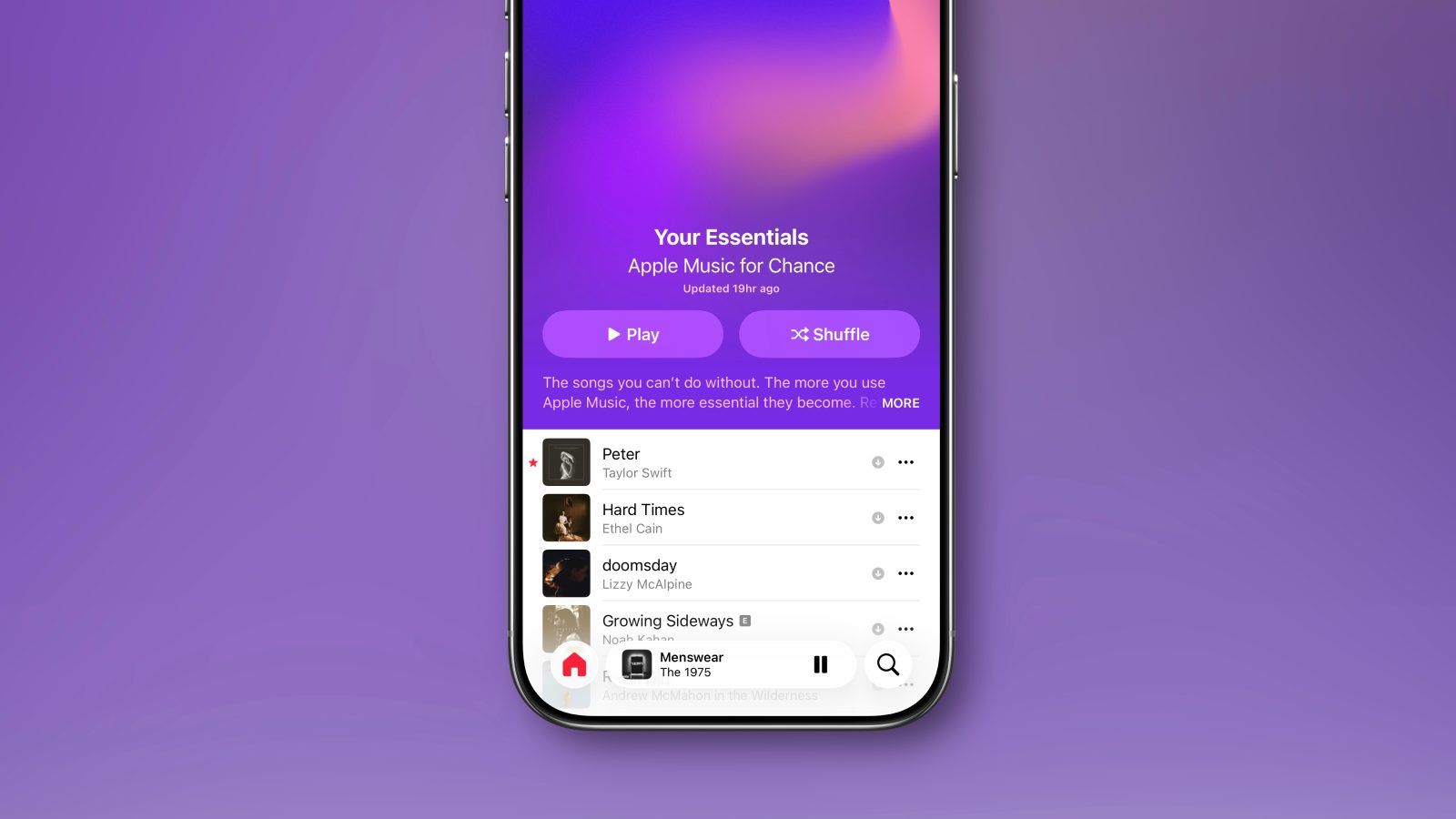
If you woke up today eagerly looking for the weekly refresh of your “Favorites Mix” in Apple Music, you were probably disappointed when you couldn’t find it.
However, it turns out Apple is just rebranding the “Favorites Mix.” It’s now simply called “Your Essentials” in your Apple Music library.
The next-generation HomePod mini won't include Apple's new N1 networking chip, according to code analysis provided by a MacRumors tipster.
A macOS kernel debug kit distributed by Apple earlier this year included information on a number of upcoming devices, including the HomePod mini 2. Code associated with the HomePod mini 2 mentions the "Sunrise" wireless system, which is what Apple calls Bluetooth/Wi-Fi chips sourced from MediaTek. The N1 is called "Centauri" in Apple's internal systems.
Based on the Sunrise mention, it appears that the HomePod mini 2 won't be upgraded with the N1 networking chip, which contradicts some prior rumors we've heard about it. Bloomberg's Mark Gurmanhas suggested that both the Apple TV and HomePod mini will use Apple's N1 chip in the past.
It appears that Apple plans to use the N1 chip for premium devices, while entry-level products will stick with cheaper MediaTek hardware for now. The upcoming HomePod mini 2, the iPhone 17e, the iPad 12, and the A18 Pro MacBook are all expected to use MediaTek chips instead of Apple's chip.
The N1 was introduced in the iPhone 17 models, and it is Apple's first in-house networking chip. It supports Bluetooth 6, Wi-Fi 7, and Thread. Because it was designed by Apple, it better integrates with other hardware and software in Apple devices, leading to improved efficiency and reliability.
In response to a recent trademark petition claiming X had abandoned the Twitter name, the company updated its Terms of Service today, in an apparent effort to preempt the filing. Here are the details.
 Connexion
 Note: MacRumors is an affiliate partner with Samsung. When you click a link and make a purchase, we may receive a small payment, which helps us keep the site running.

 Note: MacRumors is an affiliate partner with Amazon. When you click a link and make a purchase, we may receive a small payment, which helps us keep the site running.