↩ Accueil

Vue lecture

Roborock cuts $300 off its best floor cleaner in a limited-time exclusive F25 Ultra deal

Roborock is launching a limited-time promotion on its latest F25 series floor cleaners, offering meaningful discounts on both the impressive flagship F25 Ultra and the more affordable F25 GT. Starting today, these deals make Roborock’s newest wet and dry cleaning technology affordable for everyone.

From January 10 through January 23, the Roborock F25 Ultra is available for $300 off at $499.99. The Roborock F25 GT is also discounted, priced at $189.99 (reg. $299), from now through January 18.

more…
  •  

Apple Watch Series 11 on Sale for Record Low Price of $299 ($100 Off)

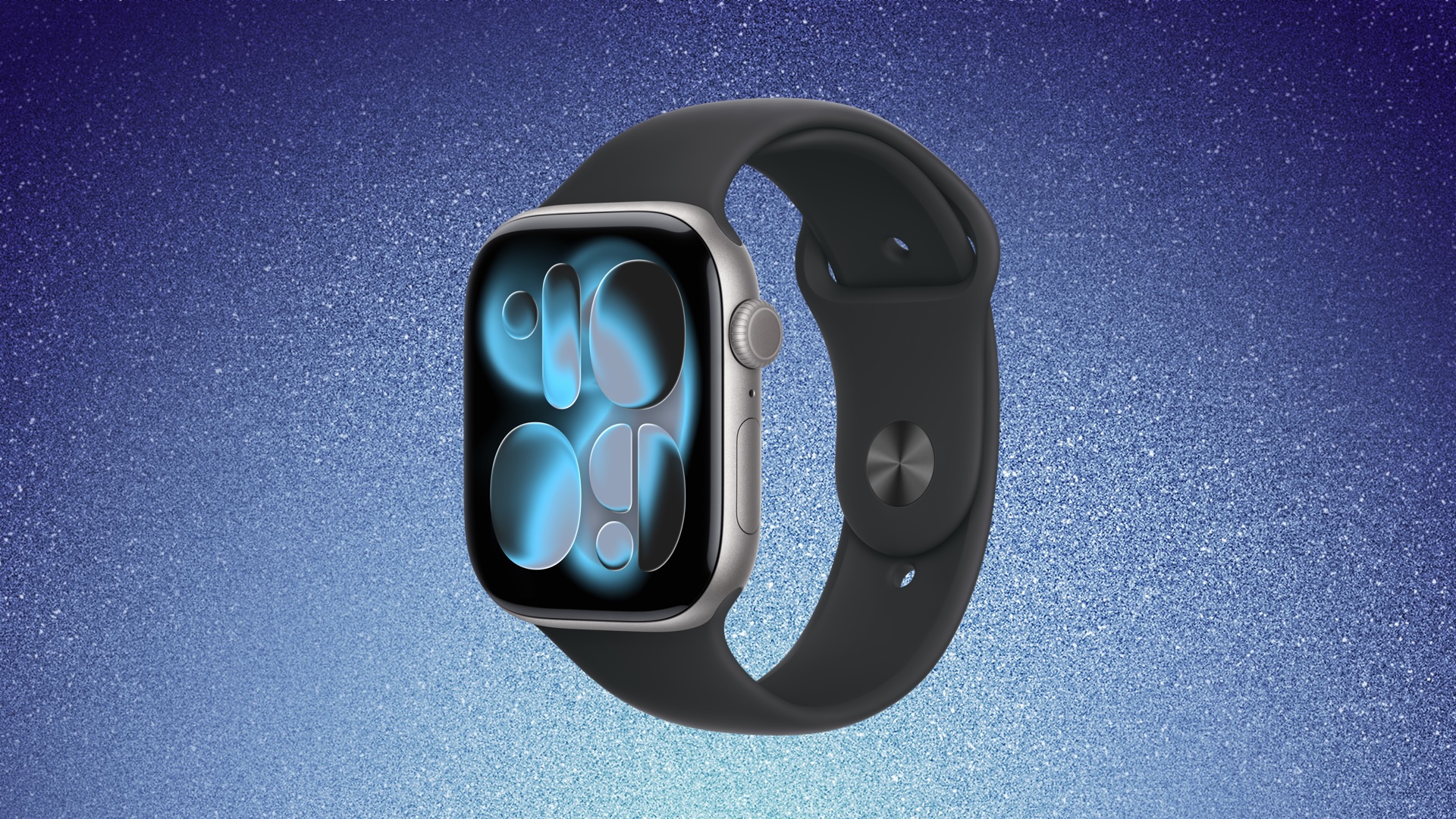
Amazon and Best Buy this weekend have all-time low prices on the Apple Watch Series 11, with $100 discounts across numerous models of the smartwatch.

Note: MacRumors is an affiliate partner with Amazon. When you click a link and make a purchase, we may receive a small payment, which helps us keep the site running.

You can get the 42mm GPS Apple Watch Series 11 for $299.00, down from $399.00, and the 46mm GPS model for $329.00, down from $429.00. On Amazon, you'll find four of the 42mm GPS models on sale at this all-time low price, and three of the 46mm GPS models on sale.


If you're shopping for cellular models, you can find record low prices on multiple models this week on Amazon. The 42mm cellular Apple Watch Series 11 has hit $399.00, down from $499.00, and the 46mm cellular model has hit $429.00, down from $529.00.


Head to our full Deals Roundup to get caught up with all of the latest deals and discounts that we've been tracking over the past week.


Deals Newsletter


Interested in hearing more about the best deals you can find in 2026? Sign up for our Deals Newsletter and we'll keep you updated so you don't miss the biggest deals of the season!


Related Roundup: Apple Deals

This article, "Apple Watch Series 11 on Sale for Record Low Price of $299 ($100 Off)" first appeared on MacRumors.com

Discuss this article in our forums

  •  

Top Stories: CES 2026 Highlights, Apple Card Moving to Chase, and More

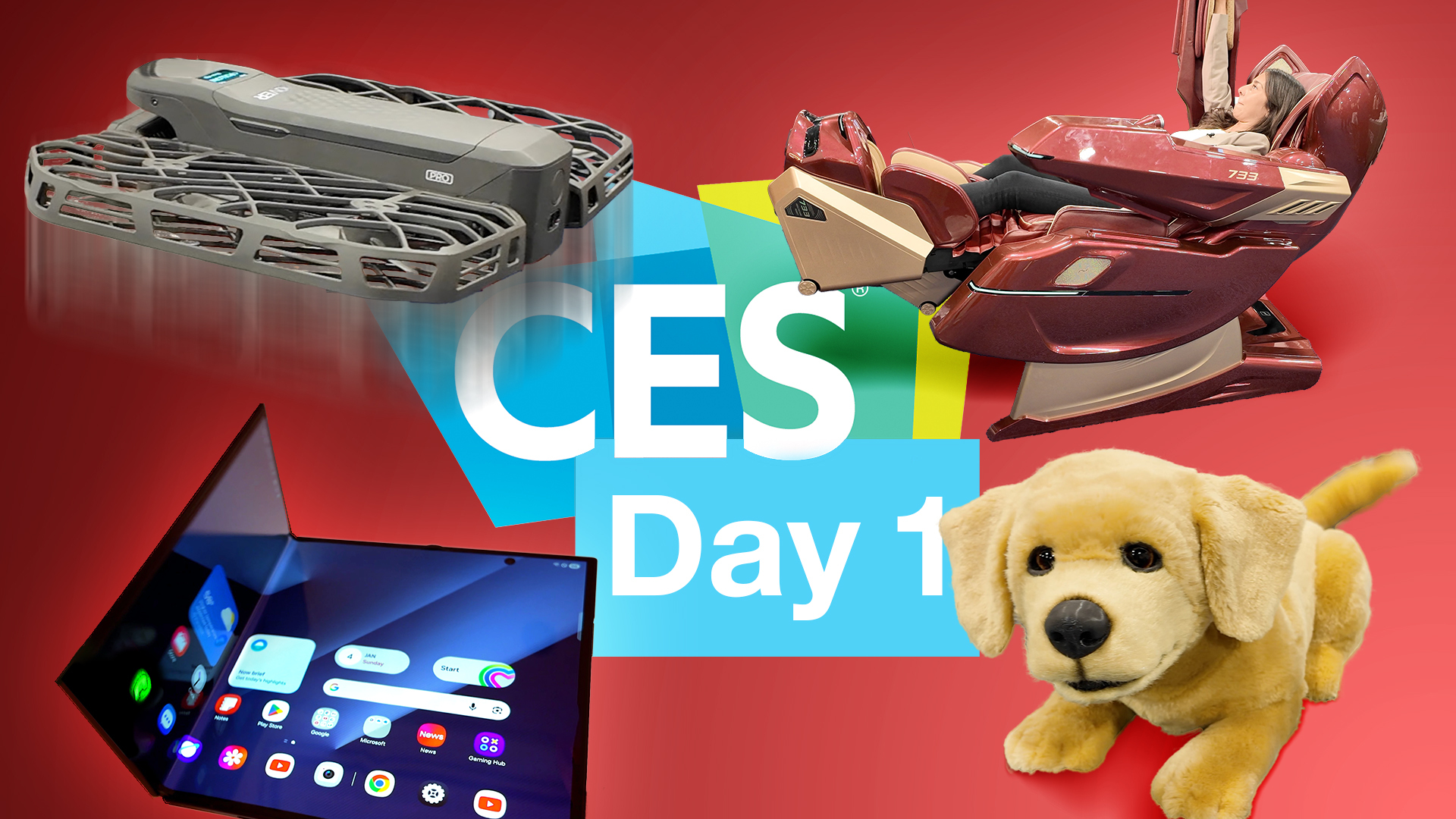
Even without any announcements from Apple, CES dominated tech news this week with a host of upcoming products and technologies being demonstrated at the annual expo in Las Vegas.


Other news in the Apple world this week included official word that the Apple Card will shift from Goldman Sachs to Chase, while iOS 26 appears to be showing extremely slow adoption rates amid the controversial Liquid Glass redesign, so read on below for all the details on these stories and more!

Top Stories


CES 2026 Hub: Highlights From the Show


The annual consumer electronics show CES was once again held this week in Las Vegas. AI and robots were some of the high-profile areas of focus this year, and even though Apple itself doesn't officially attend the show, we still saw a variety of more traditional products that are always popular with Apple fans.


One of the products shown at the show that appears to be more directly relevant to Apple came from Samsung, which briefly showed off its new crease-less foldable OLED display panel. The panel is rumored to be destined for Apple's upcoming foldable iPhone expected to debut later this year.

Another item at CES that has proven popular is the Clicks Communicator, a new Android smartphone intended to be carried as a second phone for focus on communication rather than consumption, with Clicks calling it akin to a Kindle's relationship to the iPad.

Check out our CES 2026 news hub, and head over to our YouTube channel for our daily videos from the show floor.

Apple Card Will Move From Goldman Sachs to JPMorgan Chase


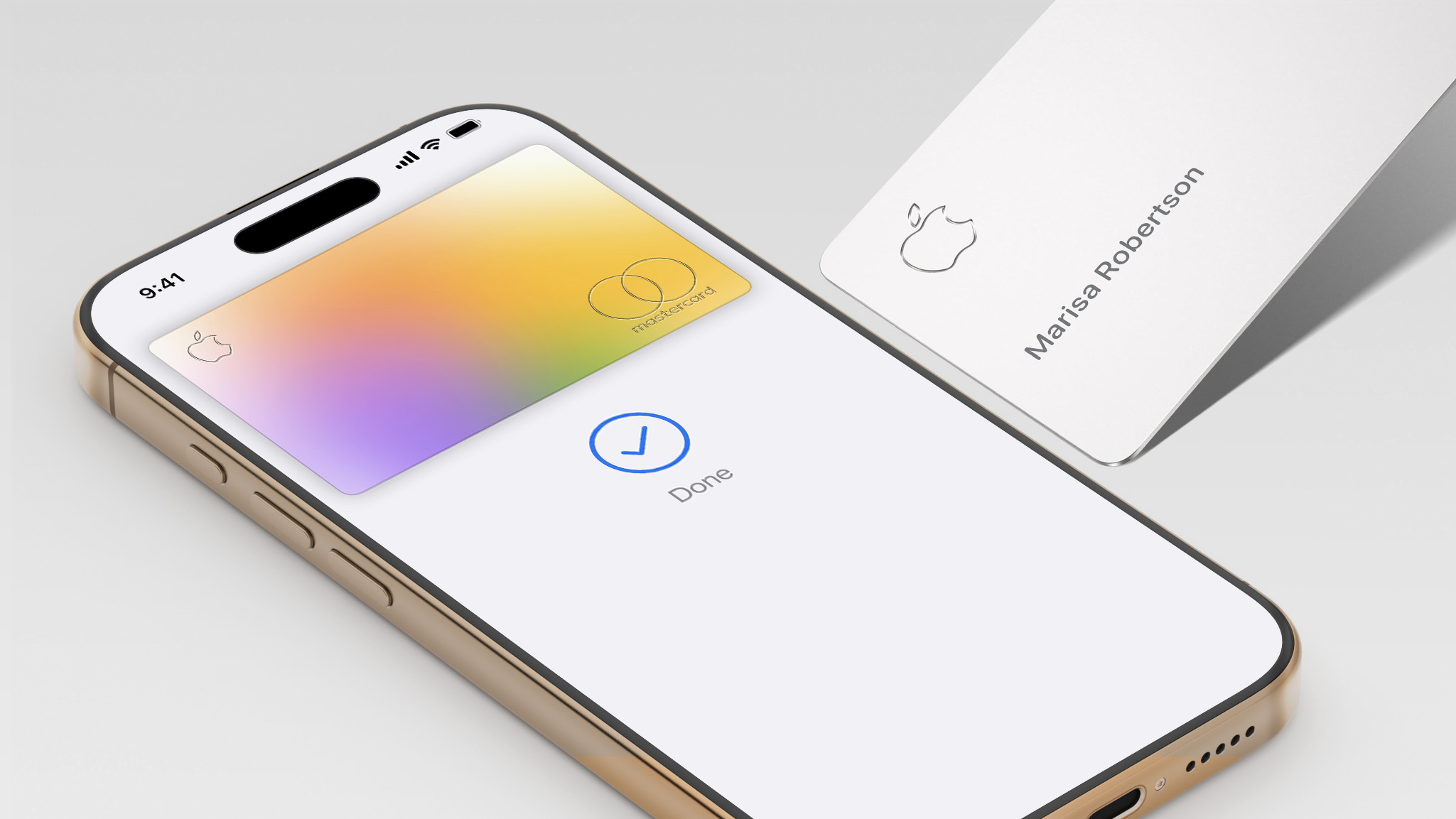
After over two years of rumors, the move is now official: Goldman Sachs is giving up the Apple Card business with JPMorgan Chase to become the new partner for Apple's credit card and savings account business.


The transition will take around two years to play out, and in the meantime Apple Card customers can continue using their cards as usual.

iOS 26 Shows Unusually Slow Adoption Months After Release


iOS 26 is showing unusually slow adoption among iPhone users months after release, according to third-party analytics.


Usage data published by StatCounter for January 2026 indicates that only around 15 to 16% of active iPhones worldwide are running any version of ‌iOS 26‌. Historical comparisons highlight how atypical this adoption curve appears. StatCounter data from January 2025 shows that roughly 63% of iPhones were running some version of iOS 18 about four months after its release. In January 2024, iOS 17 had reached approximately 54% adoption over a similar timeframe, while iOS 16 surpassed 60% adoption by January 2023.

Logitech Blames 'Inexcusable Mistake' After Certificate Expiry Breaks macOS Apps


Logitech users on macOS found themselves locked out of their mouse customizations this week after the company let a security certificate expire, breaking both its Logi Options+ and G HUB configuration apps.


Logitech devices like the MX Master series mice and MX Keys keyboards stopped working properly as a result of the oversight, with users unable to access their custom scrolling setup, button mappings, and gestures. It wasn't long before the Logitech subreddit was awash with frustrated reports as people discovered their configured peripherals had suddenly reverted to default settings.

Logitech quickly issued updates to address the issue, but they require a manual update as the problem left the auto-updating feature unusable since the apps were unable to open.

OpenAI Launches ChatGPT Health With Apple Health Integration


OpenAI this week announced the launch of ChatGPT Health, a dedicated section of ChatGPT where users can ask health-related questions completely separated from their main ChatGPT experience.


For more personalized responses, users can connect various health data services such as Apple Health, Function, MyFitnessPal, Weight Watchers, AllTrails, Instacart, and Peloton. Once connected to Apple Health, ChatGPT will be able to access your health and fitness data, including movement, sleep, and activity patterns.

Low-Price 12.9-Inch MacBook With A18 Pro Chip Reportedly Launching Early This Year


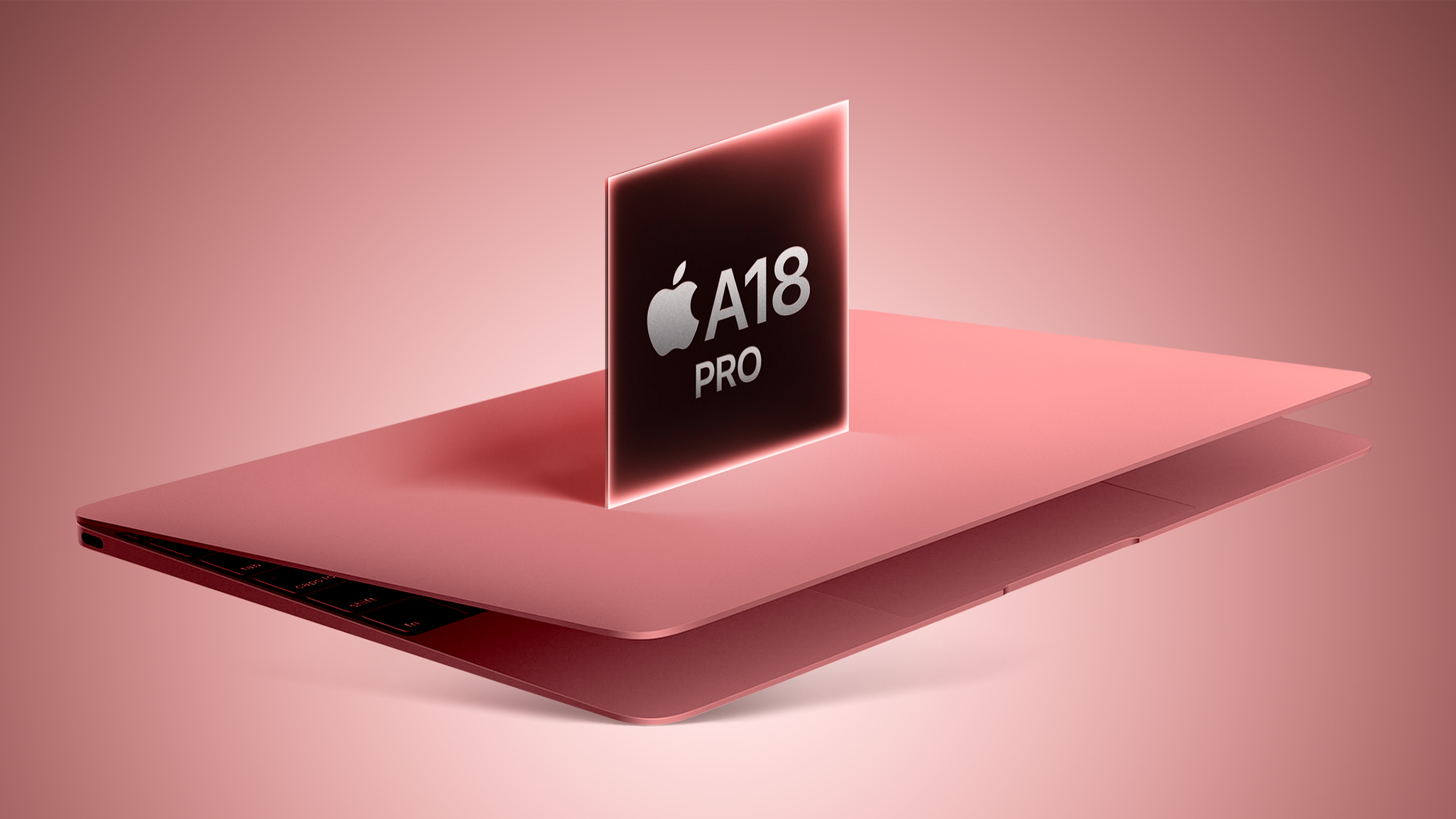
Apple plans to introduce a 12.9-inch MacBook in spring 2026, according to TrendForce. The Taiwanese research firm says this MacBook will be aimed at the entry-level to mid-range market, with "competitive pricing."


TrendForce did not share any further details about this MacBook, but the information that it shared lines up with several rumors about a more affordable MacBook, which is expected to be equipped with a version of the iPhone 16 Pro's A18 Pro chip. Apple is expected to release the laptop by March or April of this year.

For more on this budget MacBook, check out our recap of everything we've heard about it so far.

MacRumors Newsletter


Each week, we publish an email newsletter like this highlighting the top Apple stories, making it a great way to get a bite-sized recap of the week hitting all of the major topics we've covered and tying together related stories for a big-picture view.

So if you want to have top stories like the above recap delivered to your email inbox each week, subscribe to our newsletter!
This article, "Top Stories: CES 2026 Highlights, Apple Card Moving to Chase, and More" first appeared on MacRumors.com

Discuss this article in our forums

  •  

Apple @ Work: It’s time for an Apple Knowledge Base Articles API to save us from bad AI troubleshooting

Apple @ Work is exclusively brought to you by Mosyle, the only Apple Unified Platform. Mosyle is the only solution that integrates in a single professional grade platform all the solutions necessary to seamlessly and automatically deploy, manage and protect Apple devices at work. Over 45,000 organizations trust Mosyle to make millions of Apple devices work ready with no effort and at an affordable cost. Request your EXTENDED TRIAL today and understand why Mosyle is everything you need to work with Apple.

For an IT Director in 2026, you are probably overwhelmed with AI tools and strategies that promise to answer every question, so you never have to read a support document again. The problem can often be with data sources. If I ask a third-party LLM why a specific configuration profile setting is failing to work as you want on macOS, they are likely to guess based on data scraped from Reddit threads or other random places. We don’t need more AI chatbots guessing at Apple IT solutions. I believe the next major feature for Apple Business/School Manager should be an IT Knowledge API that allows device management service vendors to bake Apple’s official, real-time troubleshooting data directly into their products.

more…
  •  

Apple's MacBook Pro Turns 20 Years Old

Today marks the 20th anniversary of the introduction of the MacBook Pro, unveiled by Steve Jobs as a "One More Thing" segment at the end of his Macworld San Francisco keynote on January 10, 2006.


The MacBook Pro was an evolution of the previous PowerBook as the professional-level laptop in Apple's lineup, but with the shift from PowerPC chips to Intel Core chips, Apple decided to launch a rebrand. The ‌MacBook Pro‌ was initially available only in a 15-inch size, with a 17-inch model following a few months later. A 13-inch aluminum MacBook debuted in October 2008, and after just one generation it was folded into the ‌MacBook Pro‌ lineup in 2009.

The original ‌‌MacBook Pro‌‌ came in two configurations, both with 15.4-inch widescreen displays at a resolution of 1,440 × 900 pixels. As announced, the entry-level model priced at $1,999 featured a 1.67GHz Core Duo processor, 512MB of 667MHz DDR2 RAM, and an 80GB hard drive, while the higher-end model priced at $2,499 offered a faster 1.83GHz Core Duo processor, 1GB of RAM, and a 100GB hard drive.

By the time the ‌MacBook Pro‌ started shipping a month later, however, Apple had already upgraded the available Core Duo chips to 1.83GHz in the base model and 2.0GHz in the high-end configuration, while also introducing an even higher-end 2.16GHz build-to-order option.

With its lengthy 20-year history, the ‌MacBook Pro‌ has gone through a lot of changes over its lifetime, adopting key features like a built-in webcam, MagSafe power connector, aluminum unibody construction, high-resolution Retina displays, and more.

Other features were not so well received, including the revolutionary Touch Bar in place of traditional function keys and the butterfly-mechanism keyboard that proved prone to failures and resulted in an extended repair program and multiple class action lawsuits.

In 2020, the 13-inch ‌MacBook Pro‌ was one of three Apple products, alongside the MacBook Air and the Mac mini, to receive the M1 chip, marking a generational shift for Apple away from Intel processors and into its own custom Apple silicon. The move freed Apple up from having to follow the cadence of Intel chip releases, and it allowed Apple to further tighten the integration between hardware and software, leading to significant leaps in performance and efficiency.

Looking toward the future, the next big revolution for the ‌MacBook Pro‌ appears to be coming fairly soon, with rumors indicating we should see a major redesign for the higher-end models with OLED displays, touchscreen support, and perhaps an iPhone-like Dynamic Island cutout in the display in either late 2026 or early 2027. Apple is said to also be planning for thinner and lighter designs, making Apple's most powerful laptops even more portable.
Related Roundup: MacBook Pro

This article, "Apple's MacBook Pro Turns 20 Years Old" first appeared on MacRumors.com

Discuss this article in our forums

  •  

HomeKit Weekly: Flic brings physical button control to your Matter environment

I love the idea of a fully automated smart home setup where my lights turn on exactly when I need them, and the thermostat adjusts itself without me even thinking about it. In practice, however, there are times when you simply want to push a button for things to happen. For guests, babysitters, or when I don’t want to use my iPhone, physical controls remain the gold standard for interaction.

This week, let’s take a look at the Flic Hub LR and the new Flic Duo as a nice way to control your Apple Home scenes and devices.

more…
  •  

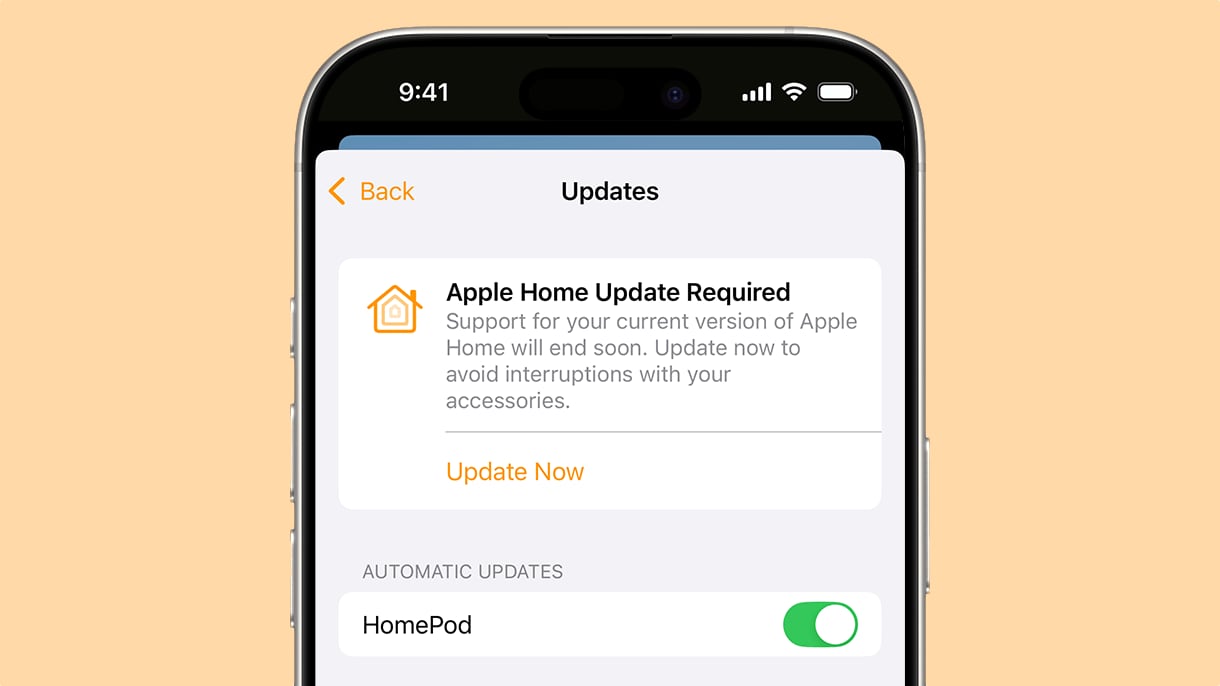
Apple Reminding Users of Pending Home App Upgrade Requirement

Back in late 2022 and early 2023, Apple rolled out a new architecture for its Apple Home platform to deliver improved performance and compatibility, although the rollout came with some hiccups that forced Apple to pull and later re-release the upgrade.


Three years later, Apple is now on the verge of ending support for the old version of the Home architecture, which may result in access to the entire Home platform being blocked for some users if they do not or cannot update. The deadline for updating was originally announced as fall 2025, but in early November, Apple announced that it was pushing back the deadline to February 10, 2026.

It appears Apple will be sticking with that deadline, as the company is sending out fresh reminder emails today to users who have yet to upgrade to the new version of Apple Home.
This email serves as your second reminder that support for the earlier version of Apple Home will end next month on February 10, 2026.

If you do not update to this new version of Apple Home, your access to your home within the Home app might be blocked, accessories and automations might not work as expected, and you will not receive important security fixes and performance improvements. Updating to the new version of Apple Home can also enable new features, such as guest access, support for robot vacuum cleaners, Activity History, and more.
Users can update to the new version of Apple Home within the Software Update section of Home Settings in the Home app. If you have already completed these steps, or "This home and all accessories are up to date" is shown in Software Update, then you are already on the current version and there is nothing more you need to do.

Notably, the new version of Apple Home requires a minimum of iOS 16.2, iPadOS 16.2, macOS 13.1, tvOS 16.2, and watchOS 9.2, and older devices that have not been or cannot be updated will lose access to the Apple Home after updating. This requirement has not sat well with some users who may use older devices as dedicated Home control devices, so many of these users have put off upgrading their Home architecture for as long as possible, but it now appears the reprieve is coming to an end.
Tags: Home, HomeKit

This article, "Apple Reminding Users of Pending Home App Upgrade Requirement" first appeared on MacRumors.com

Discuss this article in our forums

  •  

U.S. Senators Ask Apple and Google to Remove X and Grok Apps Over Sexualized Image Generation

In a letter to Apple CEO Tim Cook and Google CEO Sundar Pichai, U.S. Senators Ron Wyden, Ben Ray Lujan, and Edward Markey have requested that Apple and Google remove X Corp's X and Grok apps from their app stores over recent incidents of "mass generation of nonconsensual sexualized images of women and children."


X has come under fire over the past week amid reports of Grok's AI image generation capabilities being used to create images depicting women and children in bikinis or underwear. In response, X appears to have scaled back the ability for Grok to generate images in response to X posts by non-paying users, but The Verge notes that the tools remain available to paying subscribers and through the dedicated Grok tab in the X and in the standalone Grok app.

The senators argue that the "harmful and likely illegal depictions" are in violation of Apple's and Google's app store terms and that the two companies must remove the apps until the policy violations are addressed.
. . . Apple's terms of service bar apps from including "offensive" or "just plain creepy" content, which under any definition must include nonconsensually-generated sexualized images of children and women. Further, Apple's terms explicitly bar apps from including content that is "[o]vertly sexual or pornographic material" including material "intended to stimulate erotic rather than aesthetic or emotional feelings."

Turning a blind eye to X's egregious behavior would make a mockery of your moderation practices. Indeed, not taking action would undermine your claims in public and in court that your app stores offer a safer user experience than letting users download apps directly to their phones. This principle has been core to your advocacy against legislative reforms to increase app store competition and your defenses to claims that your app stores abuse their market power through their payment systems.
The senators request a written response to their letter by January 23.
Tag: Grok

This article, "U.S. Senators Ask Apple and Google to Remove X and Grok Apps Over Sexualized Image Generation" first appeared on MacRumors.com

Discuss this article in our forums

  •  

Apple Wins Another Round in AliveCor Legal Battle Over Heart Rate Tech

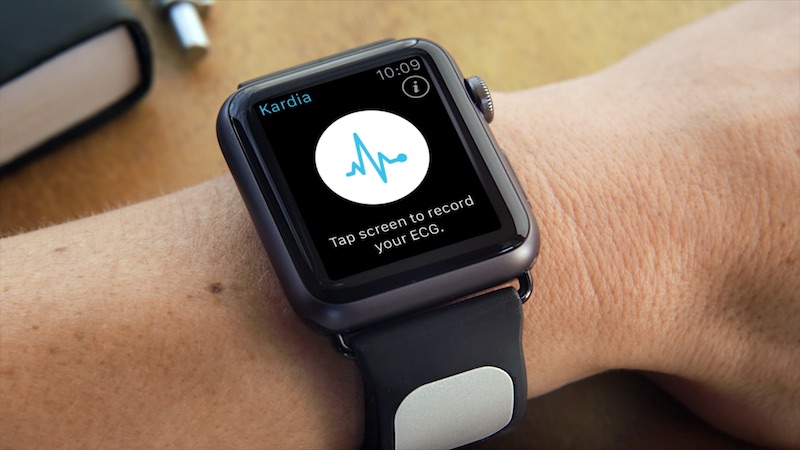
Apple this week secured another victory in its ongoing legal dispute with heart monitoring company AliveCor, after a federal appeals court upheld a 2024 ruling that found Apple's changes to the Apple Watch were lawful product improvements rather than anticompetitive behavior.


The Ninth Circuit Court of Appeals affirmed a lower court decision that rejected AliveCor's antitrust claims. AliveCor had argued that Apple illegally monopolized the market for heart rate analysis apps on watchOS when it replaced its Heart Rate during Physical Observation (HRPO) algorithm with its heart rate neural network (HRNN) algorithm in watchOS 5.

AliveCor claimed that Apple changed the algorithm so that its ECG KardiaBand could no longer identify irregular heart rhythms – as part of an alleged effort to "eliminate opposition" in the heart rate analysis space – and requested that it reinstate the old algorithm.

Apple argued that AliveCor did not have the right to dictate Apple's design decisions, and that the request to support the older heart rate technology would require the court to be a day-to-day enforcer of how Apple engineers its products. The court ultimately agreed with Apple.

The Ninth Circuit has now affirmed Apple's victory. "The undisputed evidence shows as a matter of law that Apple's refusal to share HRPO data was not anticompetitive," the court wrote. It added that even if some form of heart rate data access were essential for competing in the market, AliveCor's claim would still fail because Apple provides app developers with access to the same Tachogram API data that Apple's Irregular Rhythm Notification feature uses.

The appeals court also rejected AliveCor's argument that Apple had a duty to share its proprietary data with competitors. The ruling said that antitrust laws generally impose no obligation for companies to deal with their rivals. It also noted that such a requirement "would implicate the same concerns regarding incentives to innovate and judicial competency that the Supreme Court has articulated."

The decision is Apple's second major win against AliveCor within the last year. In March, the Federal Circuit confirmed the invalidation of three AliveCor patents related to heart rate monitoring, vacating an International Trade Commission ruling that could have led to an Apple Watch import ban.

AliveCor said at the time of the court's original ruling that it was "deeply disappointed" by the decision and would continue to explore all available legal options, including potential appeals.
This article, "Apple Wins Another Round in AliveCor Legal Battle Over Heart Rate Tech" first appeared on MacRumors.com

Discuss this article in our forums

  •  

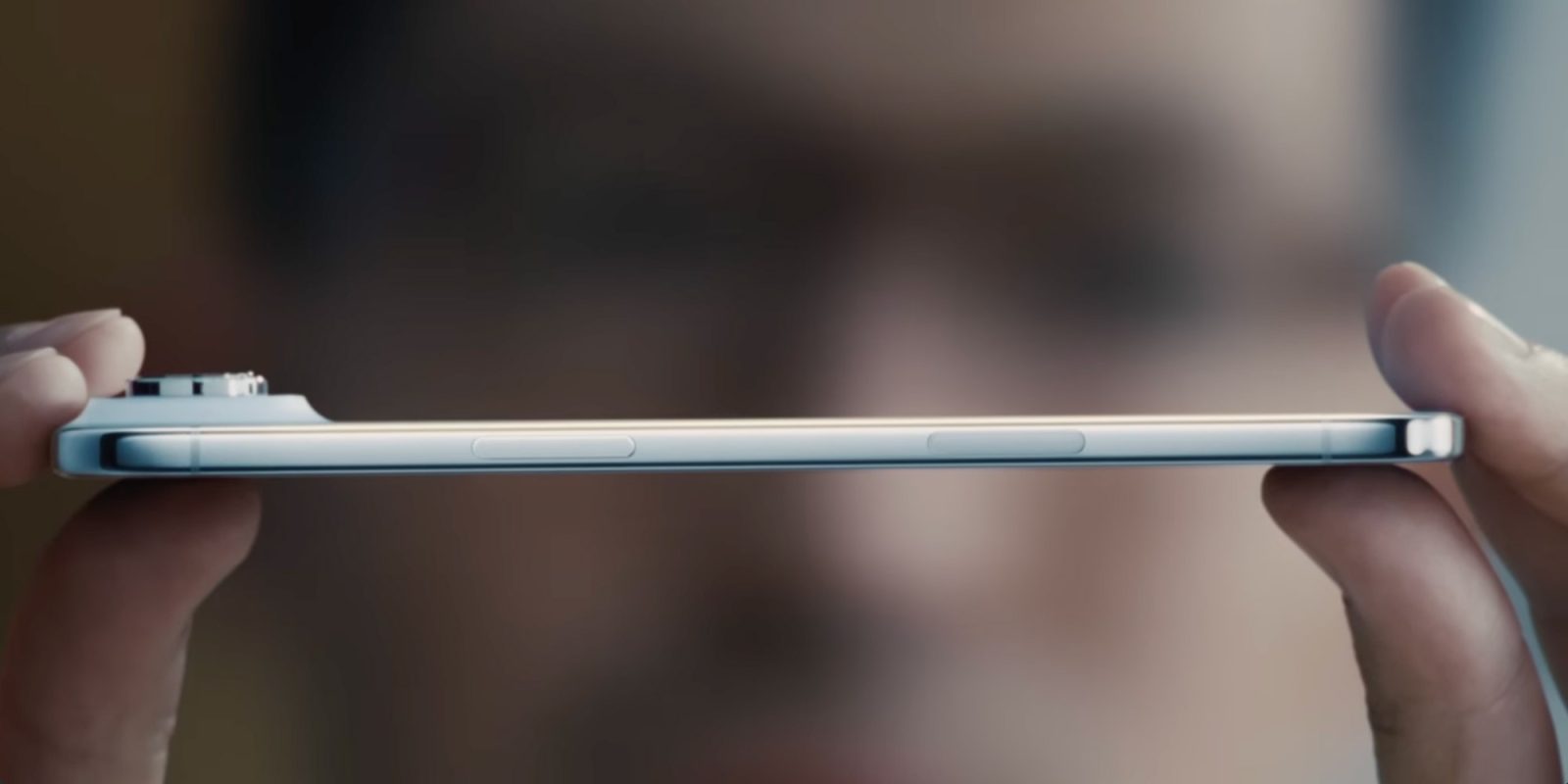
I love the iPhone Air, but two things stopped me from committing [Video]

The iPhone Air is the most exciting iPhone Apple has released since the iPhone X. It’s thin, lightweight, and amazingly designed, and for the first time in a long time, it’s different. Apple’s iPhone lineup has felt increasingly redundant. The iPhones have all looked and felt the same since the iPhone 11 lineup. So, excuse the pun, but the iPhone Air has been a genuine breath of fresh air. It prioritizes feel, design, and experience over chasing specs, and that is what makes it special. I put my main SIM card in the iPhone Air and, initially, I loved it. But after living with it day in and day out, two issues slowly but consistently stopped me from fully committing.

more…
  •  

My return to being a two-Mac guy really worked out for me

My Mac history is … fairly lengthy, starting with the original Macintosh when it launched way back in 1984. I’m not sure I could even reliably count the number of models I’ve owned since then.

For most of the time since, I’ve owned one Mac at a time. There was a previous period when I owned two Macs, and a return to that approach last year has really paid off …

more…
  •  

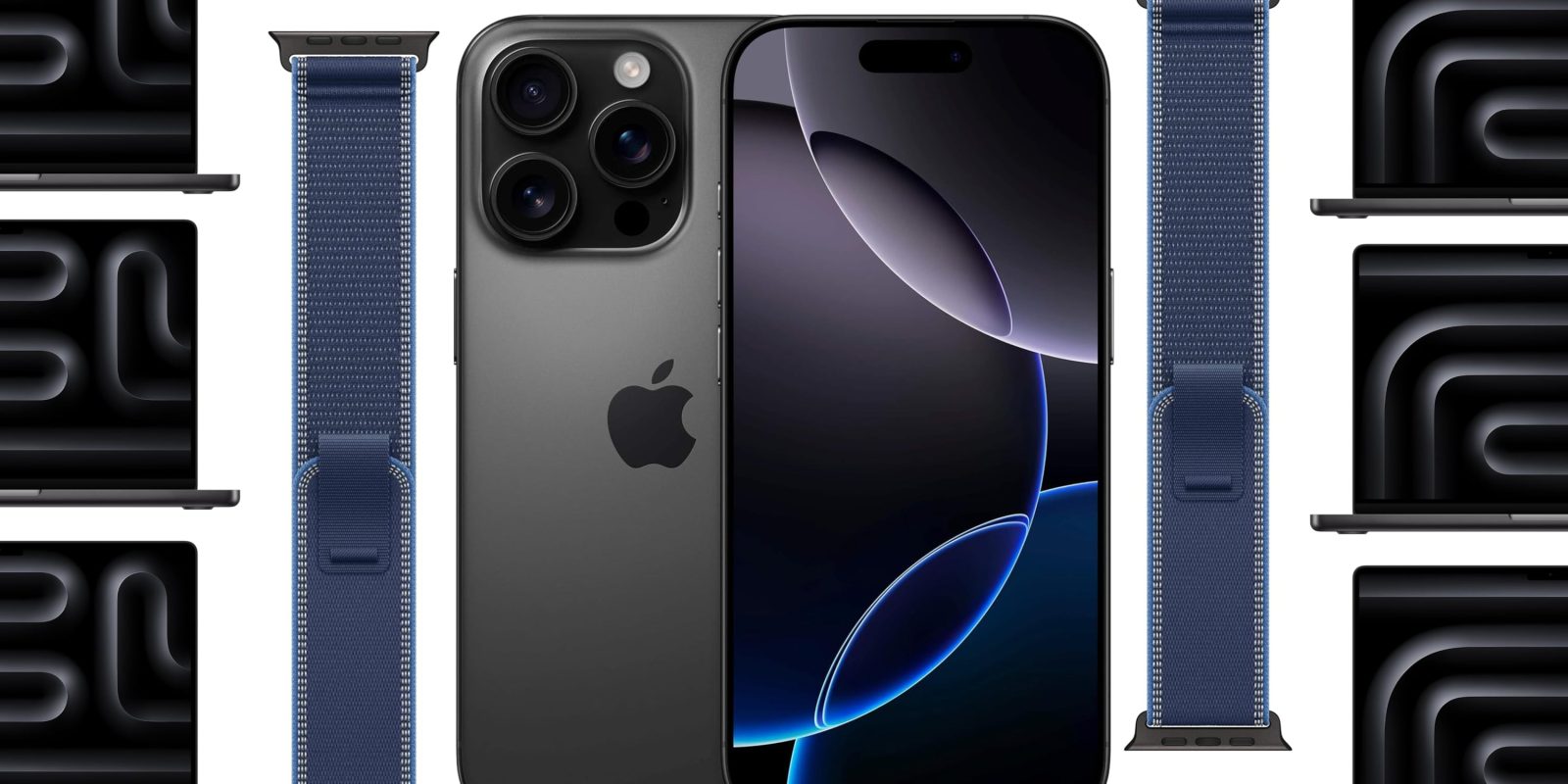
Deals: 256GB iPhone 16 Pro $320 off, 1TB M5 MacBook Pro $200 off, Trail Loops up to 25% off, more

Today’s 9to5Toys Lunch Break is now ready to roll down below. We have a chance to score Apple’s most affordable iPhone 16 Pro models at up to $320 off alongside its 16GB/1TB M5 MacBook Pro at nearly $200 off. Moving over to the wearable side of things, you will find Apple Watch Series 11 at up to $100 off right now alongside some solid price drops on a series of official bands too – the latest black and blue Trail Loops, the black and natural Milanese Loops, and this ongoing all-time low on the Anchor Blue Apple Watch Sport Loop. Everything else awaits below. 

more…
  •  

Apple Is Expected to Launch These Four MacBooks in 2026

2026 could be a bumper year for Apple's Mac lineup, with the company expected to announce as many as four separate MacBook launches. Rumors suggest Apple will court both ends of the consumer spectrum, with more affordable options for students and feature-rich premium lines for users that seek the highest specifications from a laptop.
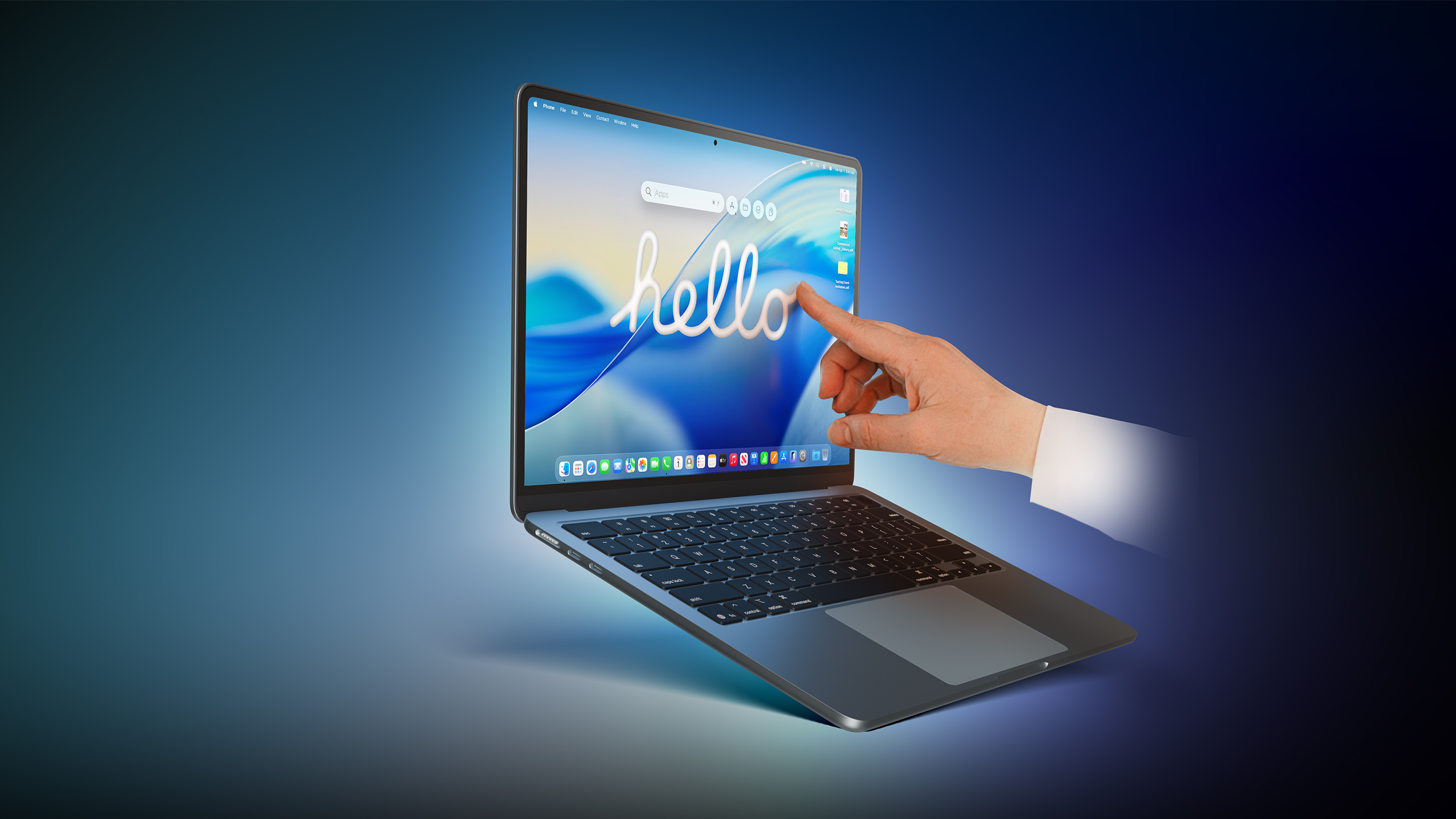

Below is a breakdown of what we're expecting over the next 12 months from Apple's multi-pronged MacBook offering. Got your eye on a particular model? Let us know in the comments what you're looking forward to most.

Low-Cost MacBook
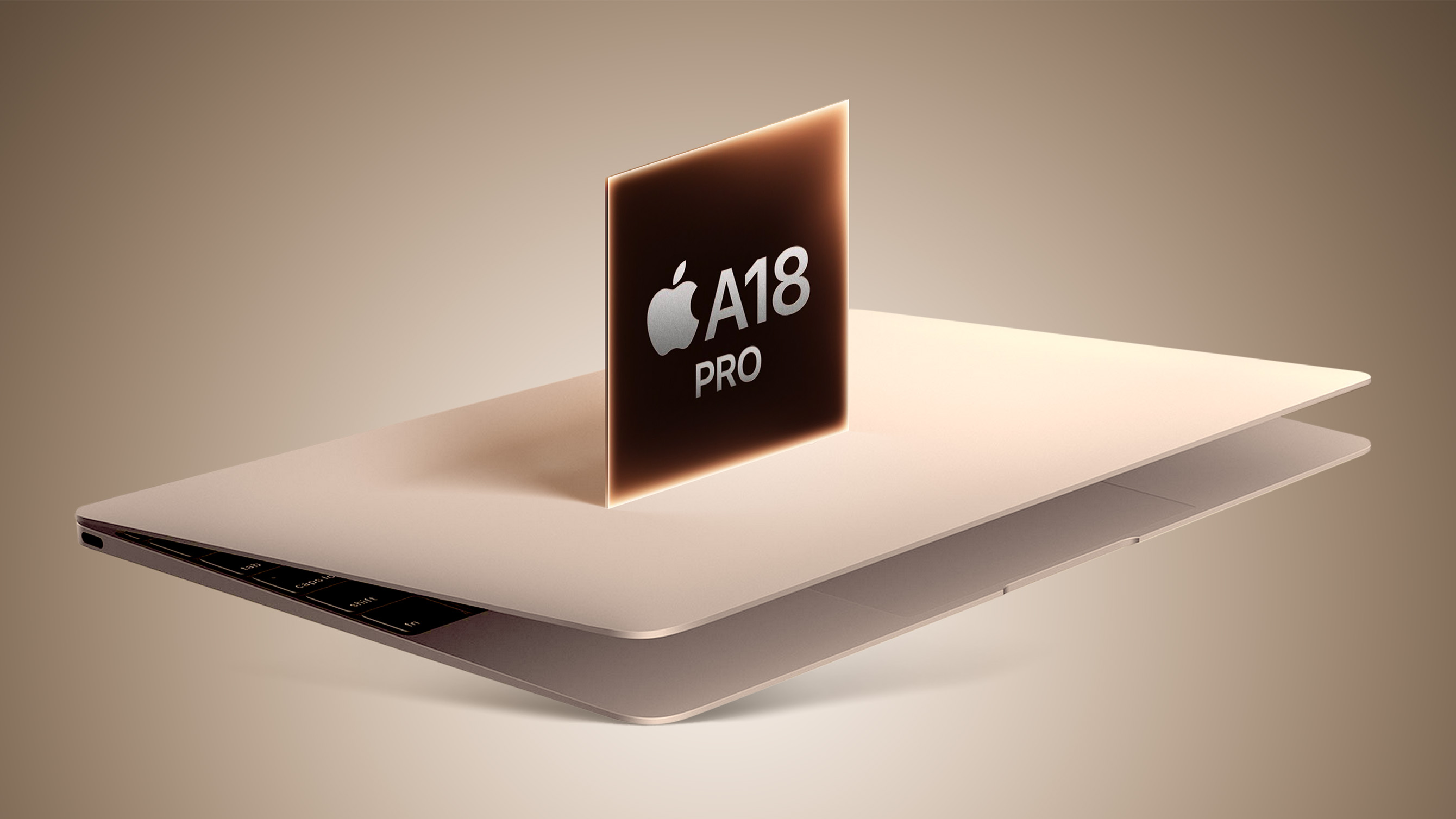


Apple is preparing to enter the low-cost laptop market for the first time by developing a budget MacBook aimed at luring away customers from Chromebooks and entry-level Windows PCs, according to Bloomberg's Mark Gurman. The new device is said to be designed for students, businesses, and casual users, and will target people who mainly browse the web, work on documents, or dabble in light media editing.

The new MacBook is said to have a 13-inch display, similar to but slightly smaller than the MacBook Air, and will feature an ultra-thin, lightweight design with a lower-end LCD display. According to reputable industry analyst Ming-Chi Kuo, Apple is said to be using its A18 Pro chip to power the machine. The A18 Pro chip debuted in the iPhone 16 Pro and is around 40% slower than Apple's latest M4 chip, but its multi-core CPU performance is virtually identical to the M1 chip in the 2020 MacBook Air, and it even outperforms the M1 chip for graphics.

The A18 Pro chip lacks Thunderbolt support, so the new MacBook would likely be equipped with regular USB-C ports. The current 13-inch MacBook Air starts at $999 in the U.S., so the new MacBook would likely have a starting price of between $699 and $899. The more-affordable MacBook could also come in some fun new colors like Silver, Blue, Pink, and Yellow.

MacBook Pro With M5 Pro and M5 Max
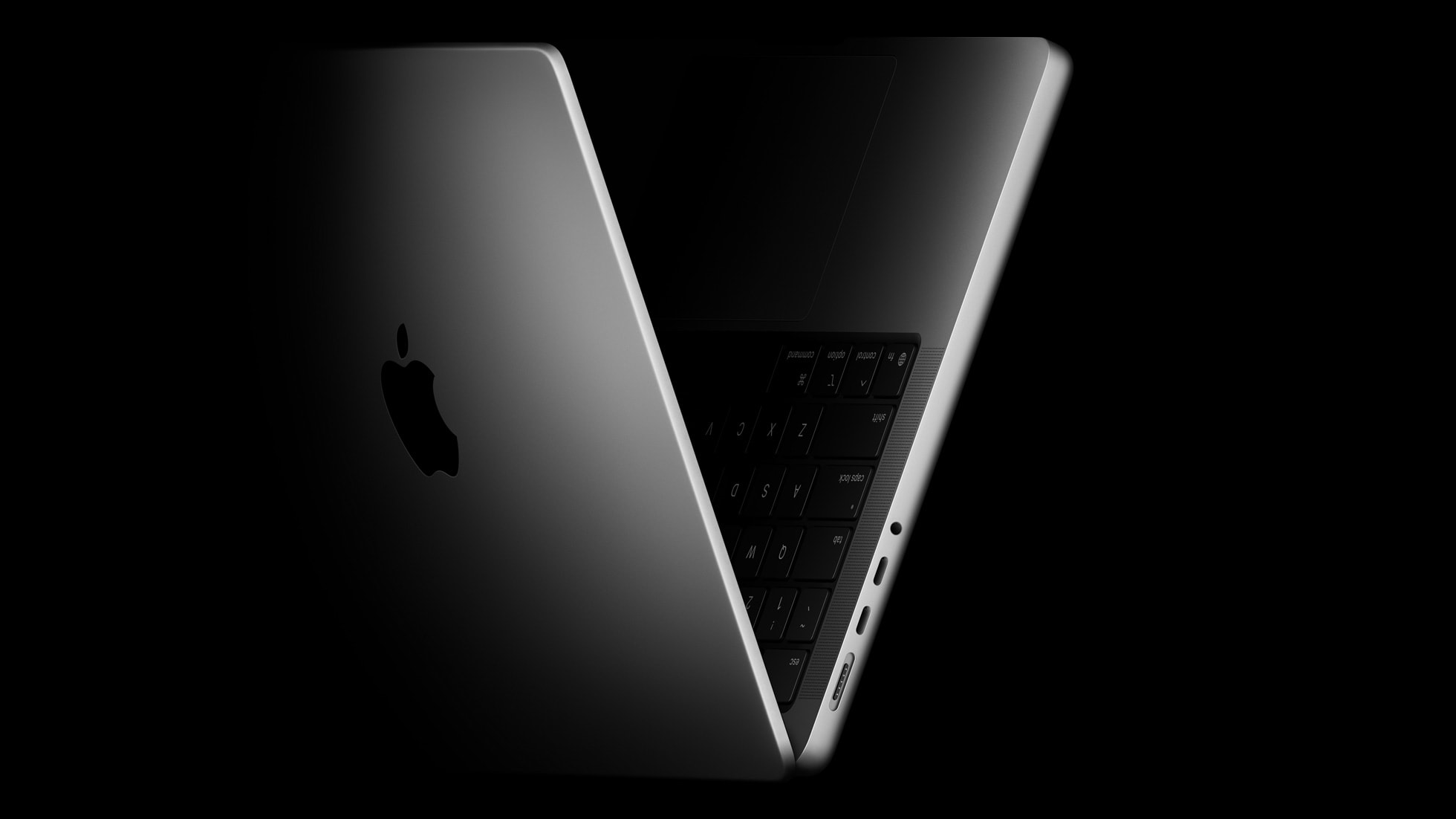


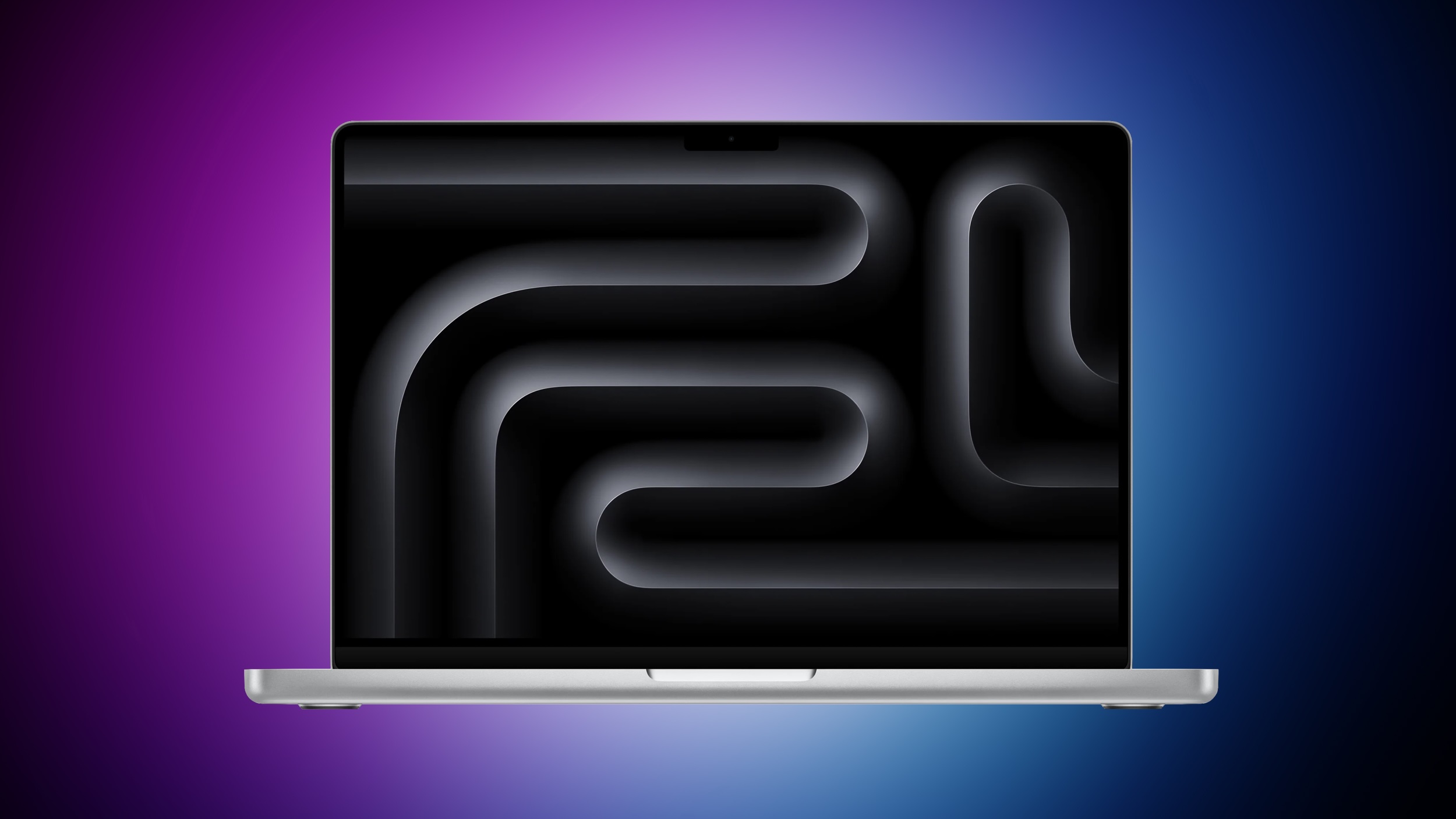
Apple is going to refresh the rest of the MacBook Pro lineup with M5 Pro and M5 Max chips in early 2026, having already updated its base 14-inch MacBook Pro with a standard M5 chip in October. The M5 series is based on TSMC's third-generation 3-nanometer technology. Based on improvements to the base MacBook Pro with M5 chip, faster SSD performance and higher memory bandwith are also likely for the high-end models. No other major changes are expected, with Apple holding over a completely refreshed design until the M6 models.

If Apple retains current pricing levels, the 14-inch MacBook Pro with M5 Pro chip will start at $1,999, while the 16-inch model with M5 Pro chip will start at $2,399. For the M5 Max equivalents, prices could start at $3,199 for the 14-inch model, and $3,499 for the 16-inch machine.

M5 MacBook Air
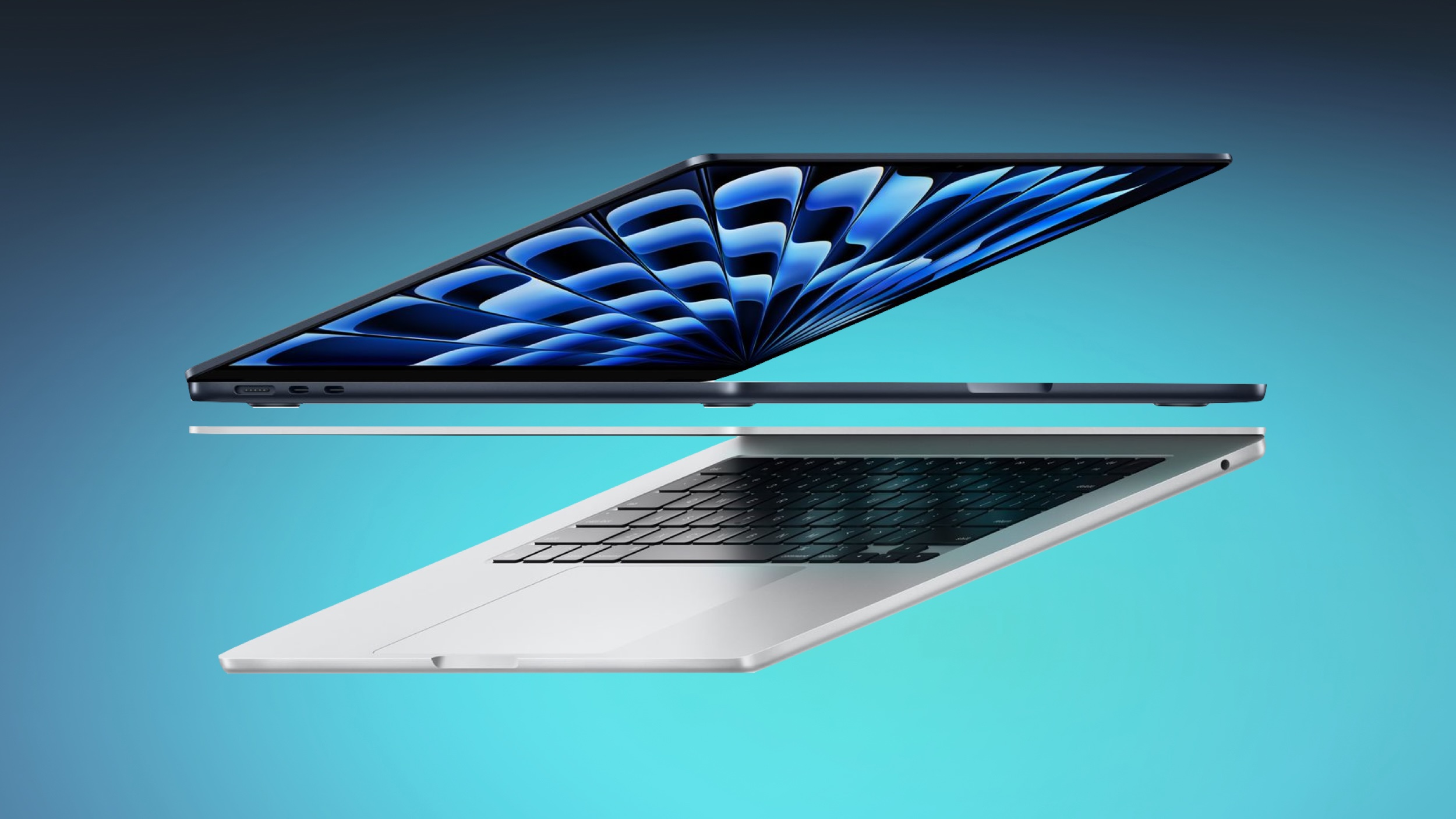


While the M4 MacBook Air model isn't exactly old, attention is already turning to its successor. The M5 series is reportedly being manufactured using TSMC's advanced 3-nanometer process technology, and we have some idea of what to expect in terms of performance, thanks to the recently released M5 iPad Pro: benchmarks show single-core scores around 4,133 and multi-core scores around 15,437. That's roughly a 12-15% jump over the M4 iPad Pro in both categories. As for graphics performance, the M5 chip appears to have up to a 36% faster GPU compared to the M4 chip.

The benchmark suggests Apple has focused on modest clock speed increases and core-level efficiency improvements for the M5 chip, rather than an architecture overhaul. In other words, the M5 will be similar to the step-wise performance upgrade from M3 to M4. Expect 10-15% faster CPU speeds, a slightly more powerful GPU, and better efficiency, potentially leading to even longer battery life.

Bloomberg's Mark Gurman reports that Apple plans to roll out M5 versions of the MacBook Air in the first quarter of this year. Based on previous spring refreshes, this suggests a likely March 2026 window. As for pricing, we expect it to remain stable, with the base model sticking with the current entry-level $999 price.

MacBook Pro With Touchscreen OLED Display
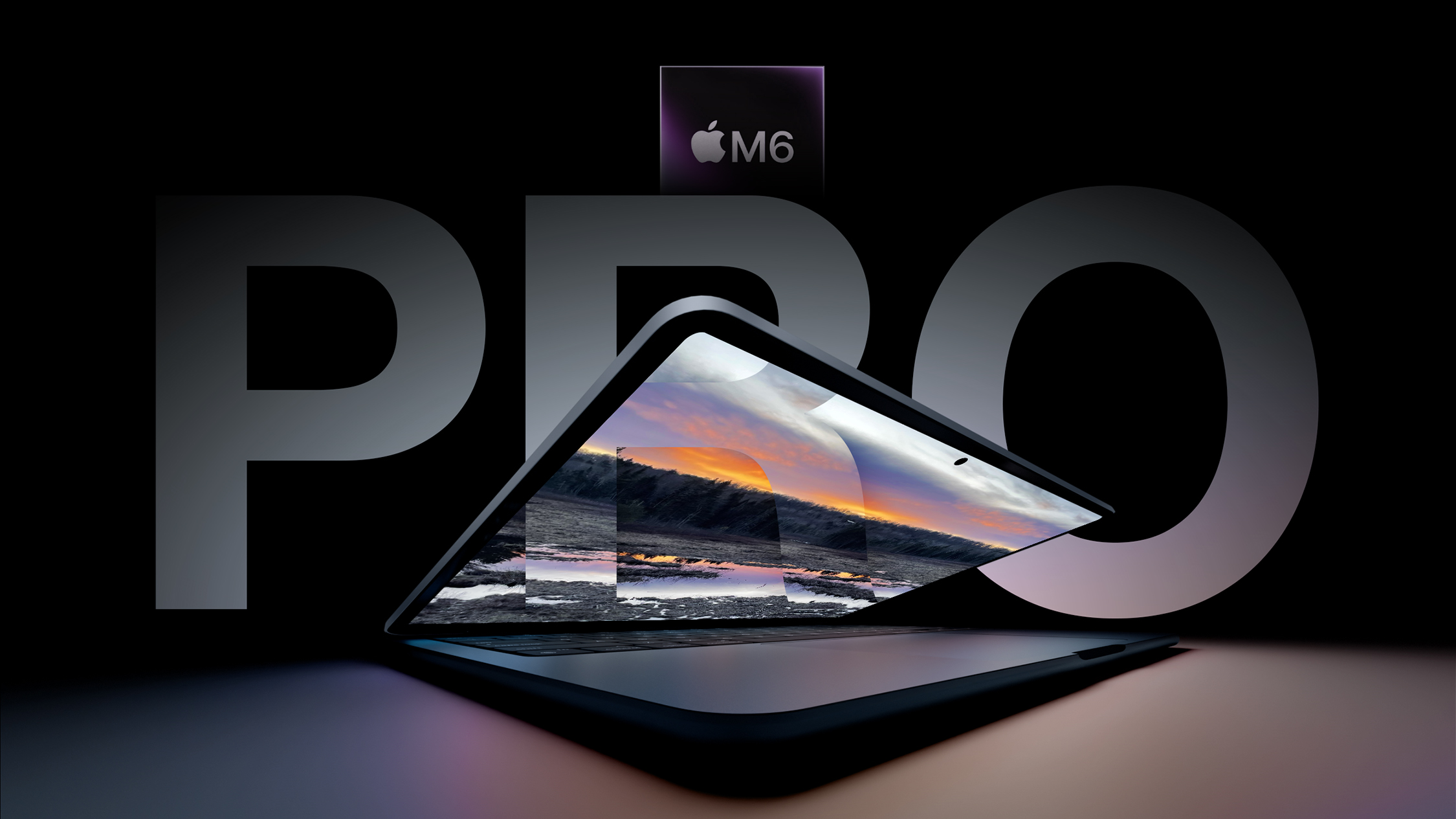


Apple is reportedly developing a completely new version of the MacBook Pro packed with next-generation hardware features. The redesigned models are expected to boast M6 chips, which could adopt a completely new packaging based on TSMC's 2nm process that allows components such as the CPU, GPUs, DRAM, and Neural Engine to be more tightly integrated.

Bloomberg's Mark Gurman says Apple is readying OLED technology for these models. Compared to current MacBook Pro models that use mini-LED screens, the benefits of OLED technology would include increased brightness, higher contrast ratio with deeper blacks, improved power efficiency for longer battery life, and more. In addition, Gurman reports that the new machines will also have "thinner and lighter frames." Apple is apparently focusing on delivering the thinnest possible device without compromising on battery life or major new features.

The redesigned 14-inch and 16-inch MacBook Pro models are also expected to have a hole-punch camera at the top of the display, rather than the notch we've become accustomed to. Gurman says that the design "leaves a display area around the sensor... similar in concept to the Dynamic Island on the iPhone."

Apple's first OLED MacBook Pro will also feature a touchscreen display, according to analyst Ming-Chi Kuo. The claim has since been corroborated by Gurman, noting that the touchscreen MacBook Pro will retain a full trackpad and keyboard.

Research firm Omdia says Apple is "highly likely" to introduce new MacBook Pros featuring OLED displays this year, while Gurman has said the new OLED machines are being readied for late 2026 or early 2027. It would be unusual for Apple to introduce two ‌MacBook Pro‌ refreshes in the same year, but there is precedent for it: Apple updated the MacBook Pro lineup twice in 2023, first with M2 Pro/M2 Max chips in January and then with M3/M3 Pro/M3 Max chips in late October.

Due to the pricier components, the new 14-inch and 16-inch MacBook Pros are expected to cost a few hundred dollars more than current versions. Today's models with high-end chips start at $1,999 for the 14-inch version and $2,499 for the 16-inch one.
Related Roundups: MacBook Air, MacBook Pro
Related Forums: MacBook Air, MacBook Pro

This article, "Apple Is Expected to Launch These Four MacBooks in 2026" first appeared on MacRumors.com

Discuss this article in our forums

  •  

Best Apple Deals of the Week: Save on Anker's Newest Nano Chargers, Plus Steep Discounts on M5 MacBook Pro and More

We tracked big discounts during the first full week of 2026, including a new record low price on the Apple Pencil Pro and pre-order discounts on Anker's just-announced collection of Nano chargers. Below you'll also find solid discounts on iPad mini 7, AirPods 4, and M5 MacBook Pro.

Note: MacRumors is an affiliate partner with some of these vendors. When you click a link and make a purchase, we may receive a small payment, which helps us keep the site running.
Anker


  • What's the deal? Save on Anker's newest Nano chargers and more

  • Where can I get it? Anker

  • Where can I find the original deal? Right here


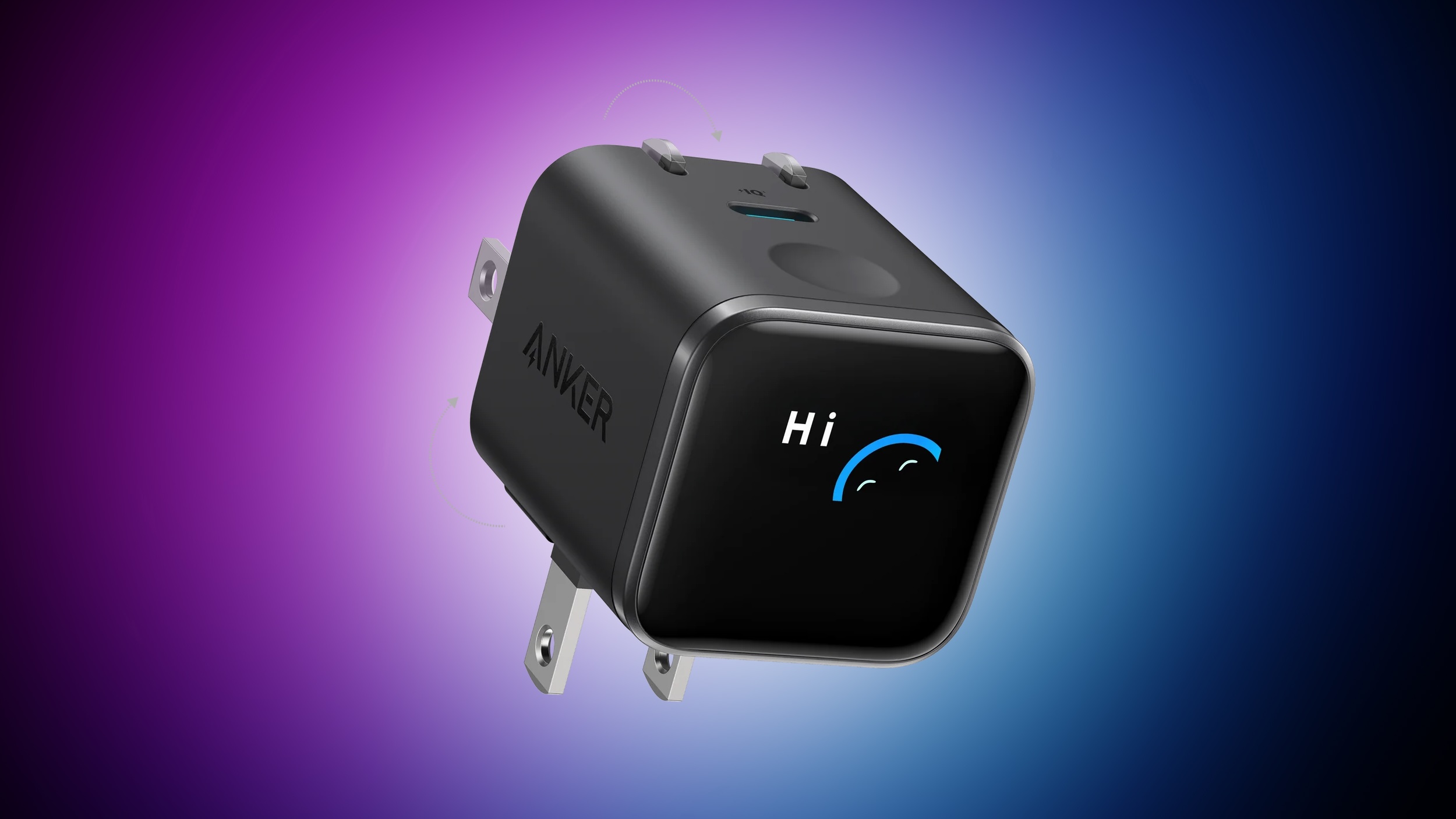
Anker announced a new series of products at CES this week, and most of them will begin rolling out to customers later in January. A few of these devices, including the Nano Docking Station and 45W Nano Charger, have pre-order discounts on Anker's website, and we're also tracking big discounts in Anker's New Year's sale.

Apple Pencil Pro


  • What's the deal? Take $35 off Apple Pencil Pro

  • Where can I get it? Amazon

  • Where can I find the original deal? Right here


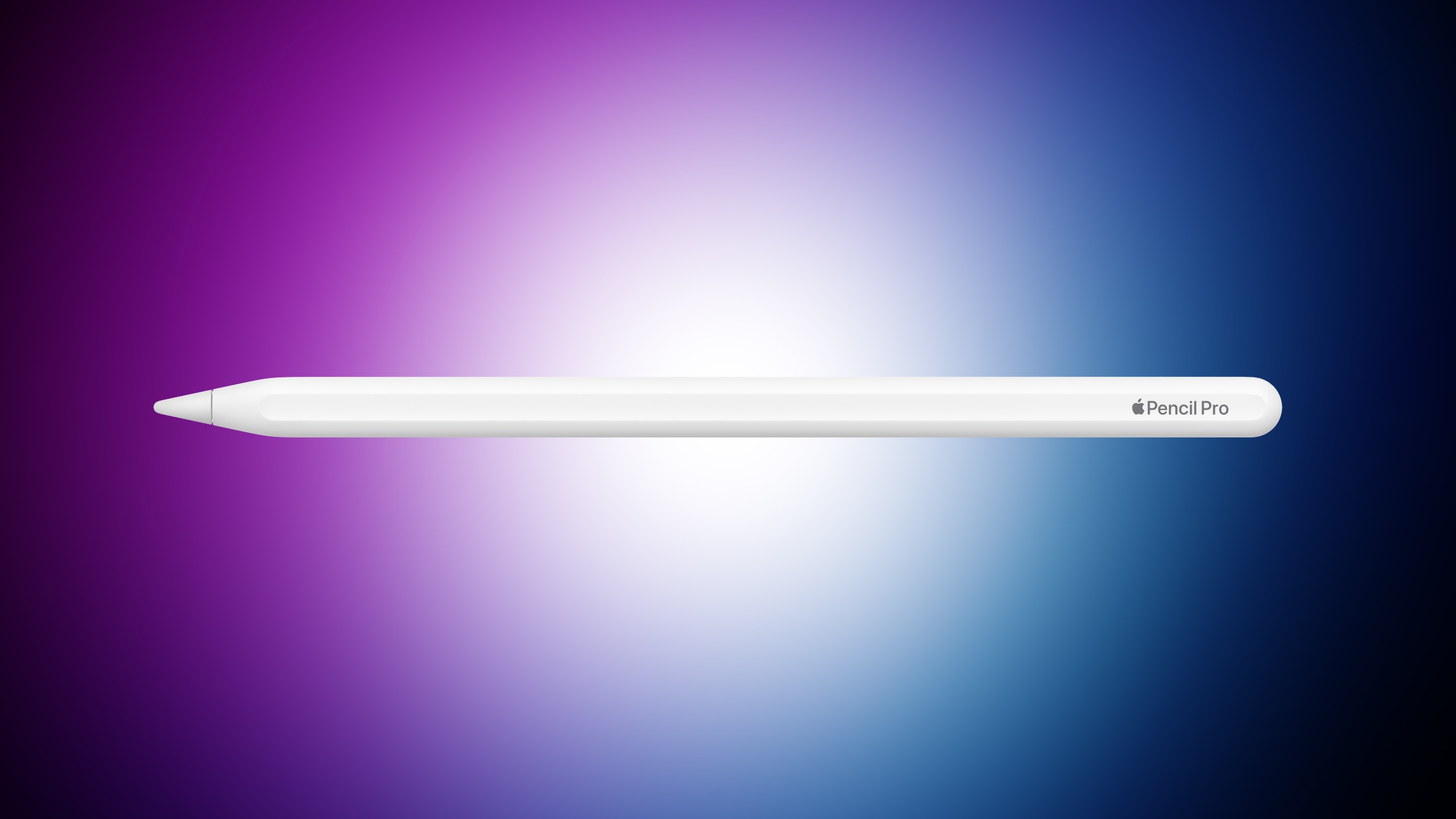
Apple Pencil Pro is available for its all-time low price of $92.97 this week on Amazon, down from $129.00. This beats the price we tracked over the holiday season by about $2, and right now it's only available on Amazon.

iPad Mini 7


  • What's the deal? Take up to $109 off iPad mini 7

  • Where can I get it? Amazon

  • Where can I find the original deal? Right here


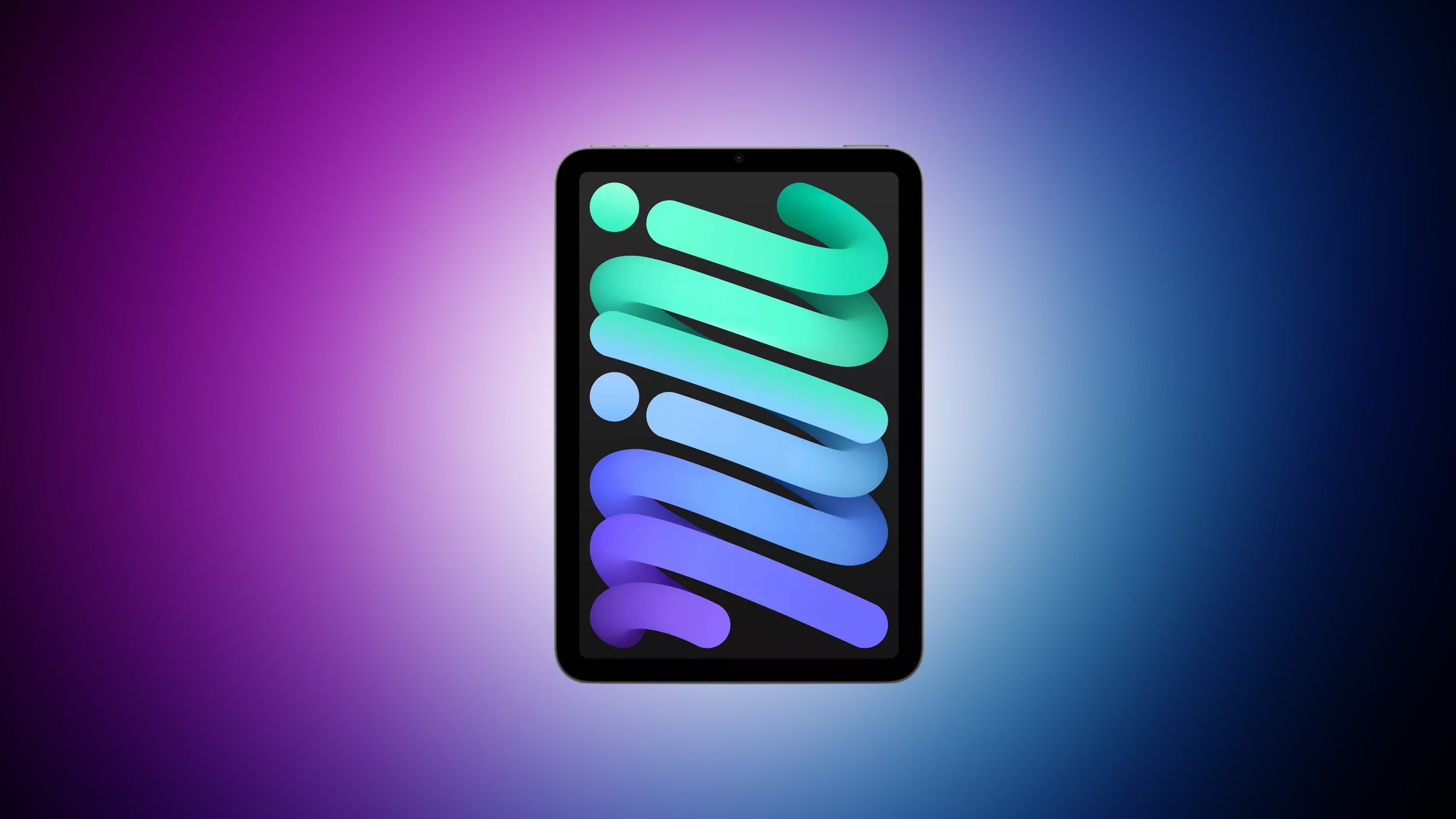
Amazon and Best Buy have a few discounts on the iPad mini 7 for the New Year, starting at $389.99 for the 128GB Wi-Fi tablet, down from $499.00. You'll also find a few deals on cellular models during this sale.

AirPods 4


  • What's the deal? Take up to $99 off AirPods Max and AirPods 4

  • Where can I get it? Amazon

  • Where can I find the original deal? Right here


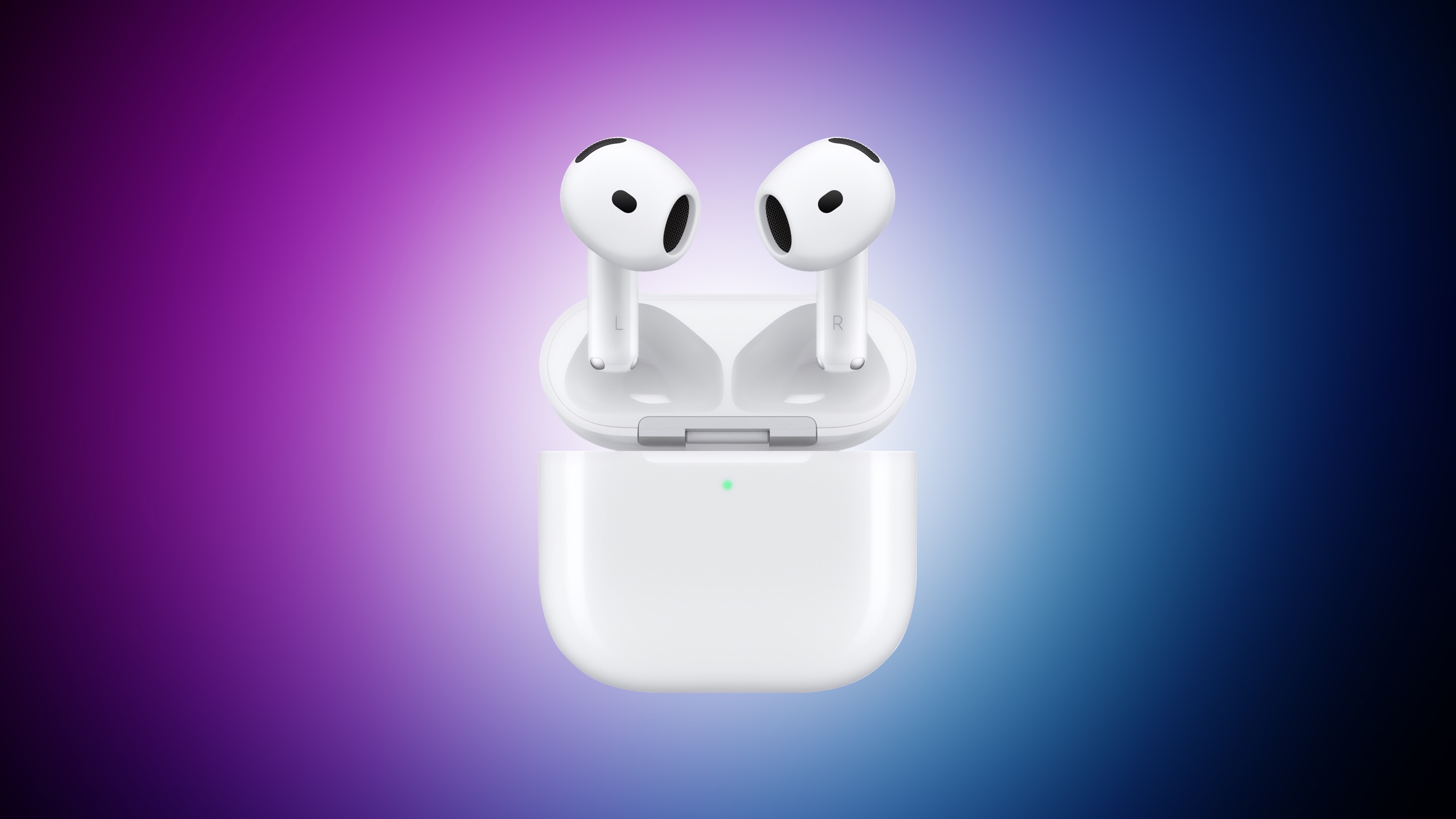
This week we tracked a few AirPods deals, including $29 off AirPods 4 and $99 off AirPods Max. Both of these are solid second-best prices on each model, and we haven't seen best-ever prices on these yet in 2026.

M5 MacBook Pro


  • What's the deal? Take up to $199 of M5 MacBook Pro

  • Where can I get it? Amazon

  • Where can I find the original deal? Right here


Amazon this week dropped the price of the new M5 MacBook Pro to $1,449.00, down from $1,599.00. This is the 10-Core model with 16GB RAM and 512GB SSD, and it's a solid second-best price on the M5 MacBook Pro.

If you're on the hunt for more discounts, be sure to visit our Apple Deals roundup where we recap the best Apple-related bargains of the past week.


Deals Newsletter


Interested in hearing more about the best deals you can find in 2026? Sign up for our Deals Newsletter and we'll keep you updated so you don't miss the biggest deals of the season!


Related Roundup: Apple Deals

This article, "Best Apple Deals of the Week: Save on Anker's Newest Nano Chargers, Plus Steep Discounts on M5 MacBook Pro and More" first appeared on MacRumors.com

Discuss this article in our forums

  •  
❌