↩ Accueil

Vue lecture

Apple's Brand New M4 iPad Air Gets First Cash Discount at Best Buy, Up to $50 Off

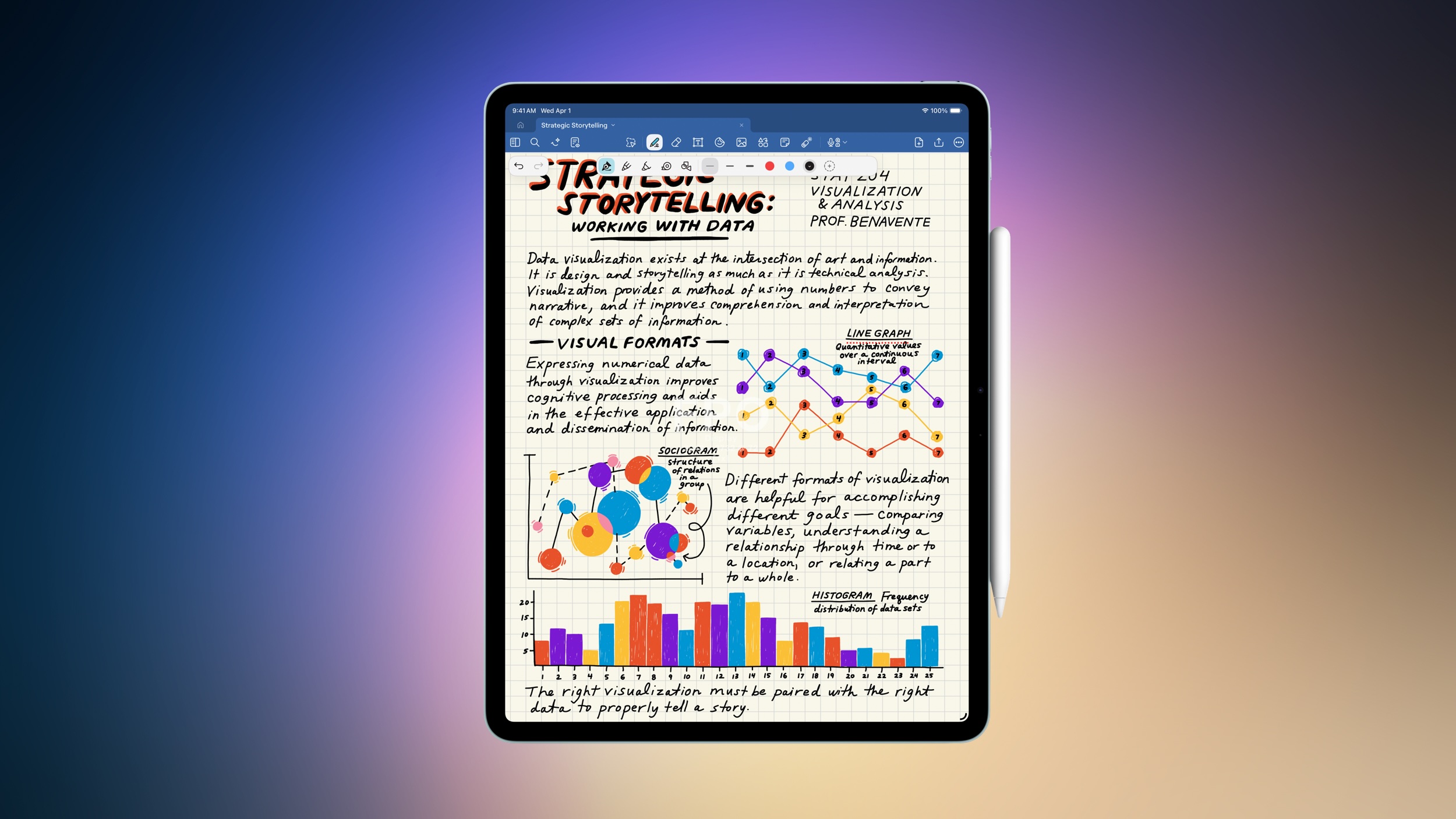
It's Apple pre-order week, and we've already covered all of the offers you can find on iPhone 17e, MacBook Neo, MacBook Air, and MacBook Pro. In addition to these deals, Best Buy is providing $40 in savings on the new 128GB Wi-Fi M4 iPad Air, with My Best Buy Plus/Total members getting an extra $10 off.

Note: MacRumors is an affiliate partner with Best Buy. When you click a link and make a purchase, we may receive a small payment, which helps us keep the site running.

With this discount, all shoppers can get the 128GB Wi-Fi M4 iPad Air for $559.00, down from $599.00. If you have a My Best Buy Plus/Total membership, you can get the tablet for $549.00.


Otherwise, Best Buy is offering $50 discounts on all other models of the M4 iPad Air, but these require a My Best Buy Plus/Total membership. Only the 128GB models have a discount available to all shoppers.

If you're on the hunt for more discounts, be sure to visit our Apple Deals roundup where we recap the best Apple-related bargains of the past week.


Deals Newsletter


Interested in hearing more about the best deals you can find in 2026? Sign up for our Deals Newsletter and we'll keep you updated so you don't miss the biggest deals of the season!


Related Roundup: Apple Deals

This article, "Apple's Brand New M4 iPad Air Gets First Cash Discount at Best Buy, Up to $50 Off" first appeared on MacRumors.com

Discuss this article in our forums

  •  

Even Windows fans see the MacBook Neo as a winner

You’d expect Windows Central to be pretty adamant in favoring Windows laptops over any MacBook. Yet not only the website itself, but also its readers, see the MacBook Neo as a move that should see Microsoft panicking.

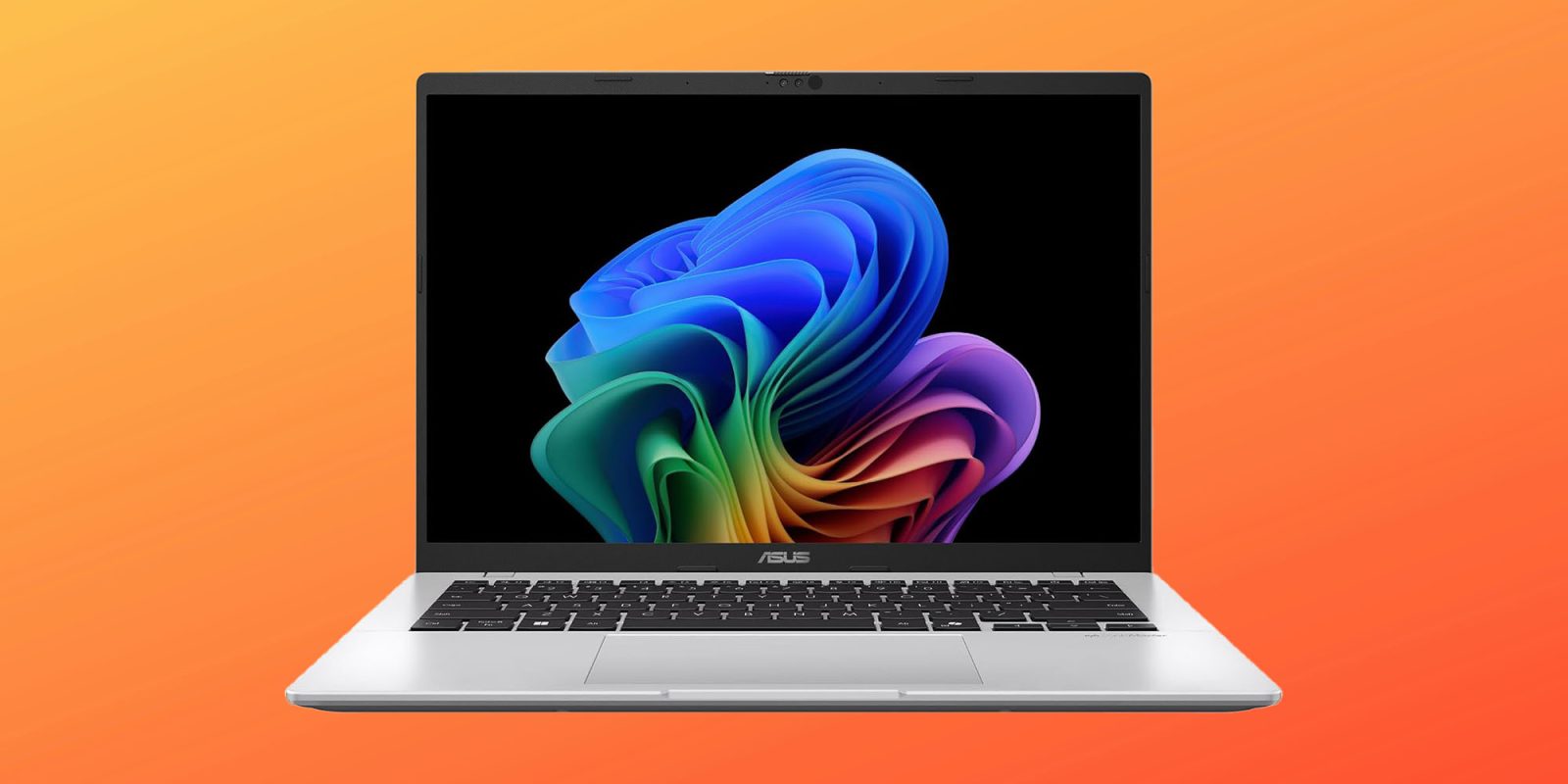
The site says that the timing couldn’t be better for Apple given that more Windows users than ever before are looking to switch platform, and thinks it will hurt sales of machines like the $600 ASUS Vivobook 14 shown above …

more…
  •  

iPhone 17e Has 8GB of RAM as Expected

Apple does not advertise RAM amounts in iPhones, but MacRumors has confirmed this information through Apple's developer tool Xcode.


Like the iPhone 16e, the iPhone 17e is equipped with 8GB of RAM, according to the Xcode data. This was the expected amount of RAM, and it is the minimum required for a device to be compatible with Apple Intelligence.

This means both the standard iPhone 17 model and the lower-end iPhone 17e are equipped with the A19 chip and 8GB of RAM. However, the iPhone 17e has a slightly limited 4-core GPU, while the iPhone 17 has a 5-core GPU.

iPhone 17e can be pre-ordered now and launches on Wednesday, March 11.
Related Roundup: iPhone 17e

This article, "iPhone 17e Has 8GB of RAM as Expected" first appeared on MacRumors.com

Discuss this article in our forums

  •  

This iOS Exploit Kit Has 23 Attacks – But Lockdown Mode Stops It Cold

Google's Threat Intelligence Group (GTIG) has a new report out about a powerful iOS exploit kit called "Coruna," which traveled from a surveillance vendor's customer to a Russian espionage group to Chinese cybercriminals, revealing a sophisticated exploit "supply chain" in the process.


Described as one of the most comprehensive iOS exploit toolkits to have been documented publicly, Coruna targets iPhones running iOS 13.0 through iOS 17.2.1, containing 23 exploits across four years of iOS versions.

According to GTIG, it was first spotted in February 2025, when it was used by a customer of a commercial surveillance vendor. By summer 2025, the same framework appeared in watering hole attacks (where an attacker compromises websites that their intended targets are likely to visit) by a suspected Russian espionage group targeting Ukrainian users.

Then, in late in 2025, a China-based, financially motivated actor deployed it across a large network of fake financial and crypto websites. GTIG said it was unclear how the exploit kit got passed from actor to actor, but that it suggests an active market for "second hand" zero-day exploits.

As for the kit's contents, it's described as extremely well-engineered. When someone visits an infected website, it figures out what kind of iPhone they're using and what software version it's running, then picks the right attack for that specific device. If the user has Apple's Lockdown Mode turned on though, the kit bails – it doesn't even try.

The attack code is scrambled with strong encryption, so it's hard for security researchers to intercept and analyze, and it's packaged in a custom format that the developers apparently invented themselves. The code also includes detailed notes written in English explaining how it all works, and uses attack techniques that haven't been seen publicly before, according to GTIG's analysis.

The kit targets cryptocurrency wallets and financial data, and is capable of hooking into 18 different crypto apps to exfiltrate wallet credentials. The payload can decode QR codes from images on disk, and it also has a module to analyze blobs of text to look for BIP39 word sequences or very specific keywords like "backup phrase" or "bank account." It even scans Apple Notes for typical seed phrases.

Anyone still on iOS 17.2.1 or earlier is potentially vulnerable to the exploit kit, which doesn't work against newer iOS versions, so make sure to update if you can. Otherwise, the takeaway seems to be that Apple's Lockdown Mode is doing its job to ward off such a powerful exploit kit, and that can only be good news for those who enable it.
This article, "This iOS Exploit Kit Has 23 Attacks – But Lockdown Mode Stops It Cold" first appeared on MacRumors.com

Discuss this article in our forums

  •  

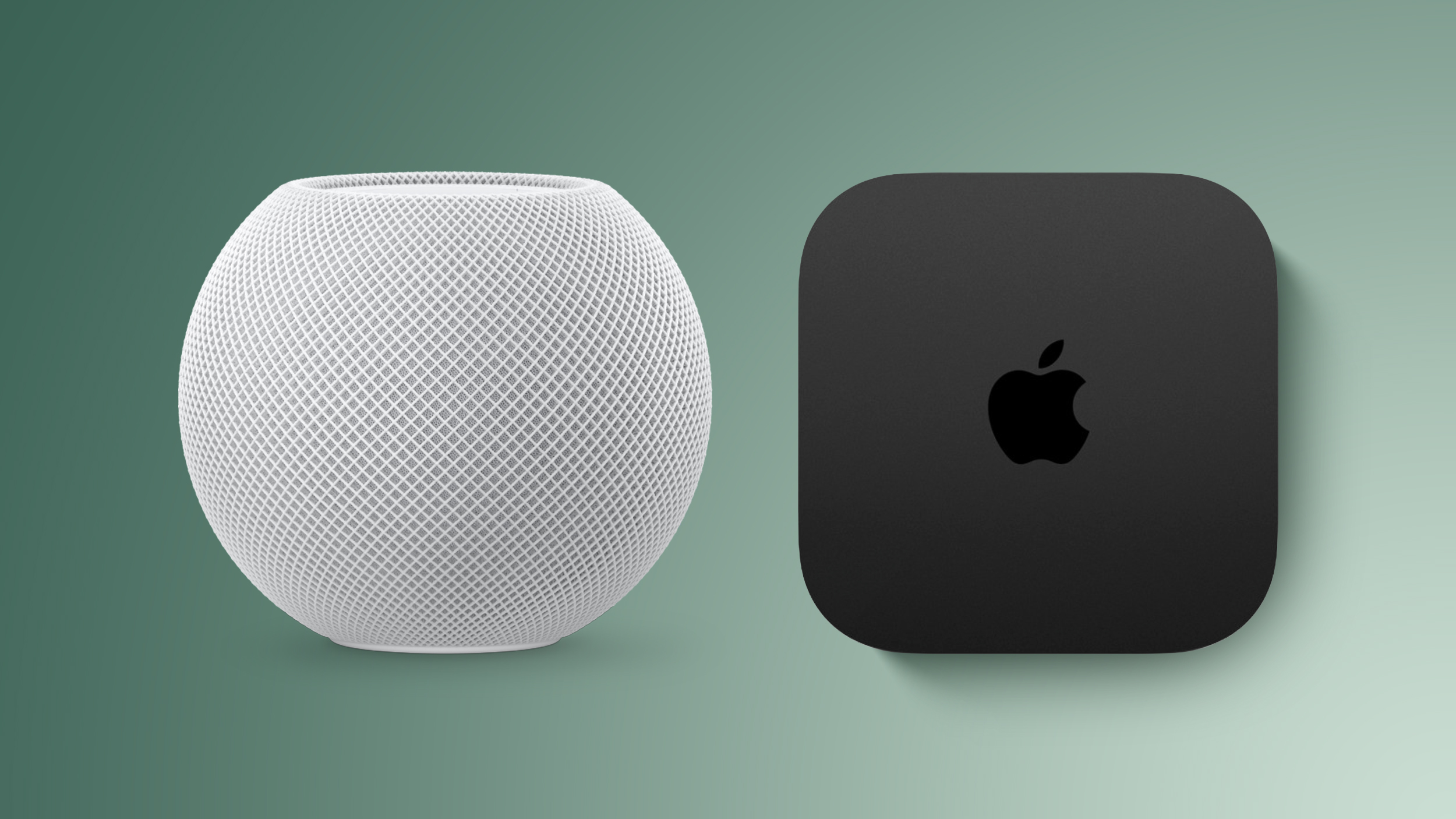
New Apple TV and HomePod Mini Are Still Missing, Here's Why

Apple this week unveiled seven products, ranging from the iPhone 17e to the MacBook Neo, but new Apple TV and HomePod mini models were not among them.


Given that there have been rumors about the next-generation Apple TV and HomePod mini since all the way back in late 2024, some customers are wondering why the devices have yet to launch, and the answer likely relates to Siri.

In September, Bloomberg's Mark Gurman reported that the next Apple TV and HomePod mini would both support the more personalized version of Siri powered by Apple Intelligence. Apple originally aimed to release the revamped Siri last year, but it was pushed back, and the Apple TV and HomePod mini are likely delayed as a result. We suspect that Apple's long-rumored smart home hub is also held up by the Siri delay.

In January, Apple and Google announced that Google Gemini will help power future Apple Intelligence features, including a more personalized Siri coming this year. Apple has yet to provide a more specific timeframe, but Gurman reported that the personalized Siri features are currently slated for either iOS 26.5 or iOS 27.

iOS 26.5 will likely be released in May, following a beta testing period beginning in April. iOS 27 will debut at Apple's annual developers conference WWDC in June, and that update should be released to all users in September. Accordingly, the new Apple TV and HomePod mini might not be announced until April to September this year.

Earlier rumors claimed the next Apple TV would be equipped with the A17 Pro chip, which is the oldest chip that supports Apple Intelligence. The device is also expected to feature Apple's N1 chip for Wi-Fi 7, Bluetooth 6, and Thread.

As for the HomePod mini, it is expected to use an Apple Watch's S9 chip or newer, but it is not entirely clear how that chip would be capable enough to support the revamped Siri powered by Apple Intelligence. Other rumored features include the N1 chip, improved sound quality, a newer Ultra Wideband chip, and a red color option.

The current Apple TV was unveiled in October 2022, while the HomePod mini debuted in October 2020, so both devices are due for upgrades. Hopefully, the more personalized Siri arrives in the next few months, and the two devices follow soon after.
Related Roundups: Apple TV, HomePod mini

This article, "New Apple TV and HomePod Mini Are Still Missing, Here's Why" first appeared on MacRumors.com

Discuss this article in our forums

  •  

Videographers obviously shouldn’t buy the MacBook Neo – nor should photographers

I’ve just argued that the MacBook Neo offers phenomenal value for money and is the machine I expect to recommend to a great many people.

However, it of course won’t be suitable for everyone. I think a quick glance at the specs would rapidly rule it out for videographers, but there is one compromise that means it’s not a good choice for photographers either …

more…
  •  

MacBook Neo Expected to 'Reshape' Laptop Market in Major Way

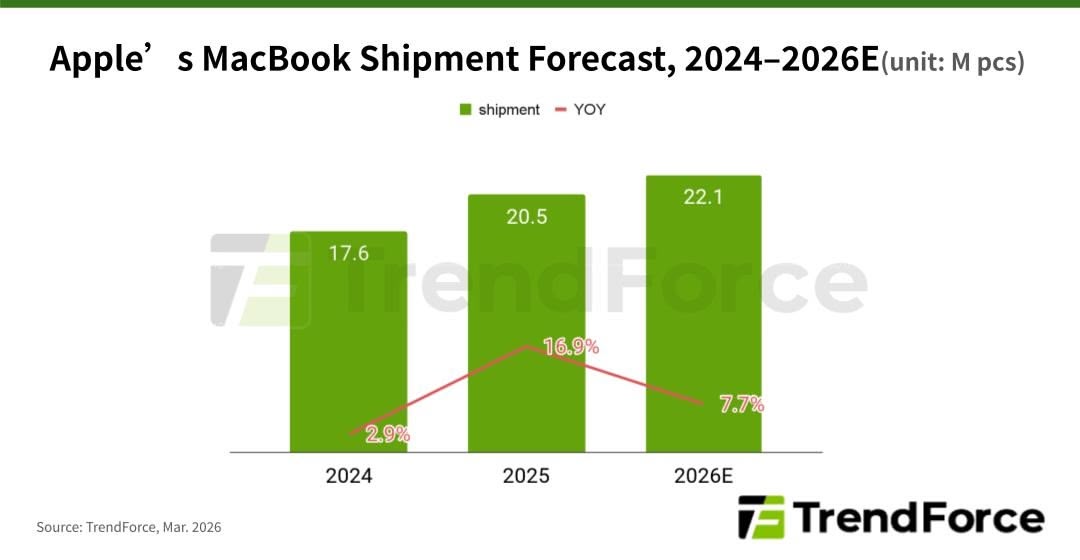
Apple's new MacBook Neo could help the company grow notebook shipments by nearly 8% this year, even as the broader laptop market faces a hefty downturn, according to a new report from TrendForce.


The research firm estimates global notebook shipments will fall 9.2% year-over-year in 2026, with the potential for steeper declines if demand stays weak. Rising memory and CPU costs are said to have pushed most PC makers to pare back their product lines and play it safe with inventory. Meanwhile, Apple is going in the other direction.

Announced on Wednesday with a starting price of $599, the MacBook Neo is targeting the $500-$800 mainstream segment, which is typically dominated by Windows laptops and Chromebooks aimed at education and general productivity users. With an education discount, the Neo's starting price drops to $499 – well below the $1,000 floor that has defined the MacBook lineup for years.

TrendForce projects Apple's notebook shipments will grow 7.7% in 2026, lifting macOS market share to 13.2%. The MacBook Neo alone could account for 4 to 5 million units shipped, according to the firm. That said, the report notes that a deciding factor may be how consumers respond to the 8GB memory configuration, given that Apple doesn't offer a RAM upgrade option.

TrendForce credits Apple's in-house silicon and standardized product specs for Apple's ability to undercut competitors on price just as component costs are rising. Custom Apple silicon chips reduce dependence on external CPU suppliers, while Apple's concentrated memory configurations are said to give the company stronger bargaining power with suppliers. It's a different story for Windows OEMs, which tend to have more fragmented product portfolios that make cost management harder when component costs are volatile.


The MacBook Neo launches next Wednesday, March 11. If it manages to gain traction in the entry-level segment, TrendForce claims it could reshape the pricing dynamics across the global notebook market.
This article, "MacBook Neo Expected to 'Reshape' Laptop Market in Major Way" first appeared on MacRumors.com

Discuss this article in our forums

  •  

The MacBook Neo is built down to a price – but is phenomenal value

If there was one product that cemented the myth of the “Apple tax” – the supposedly excessive price premium paid for the logo – it was the MacBook Air. People would point to Apple’s cheapest laptop costing $1,000 and loudly proclaim that you could buy a Windows machine or Chromebook from around $300.

The comparison was of course spurious. The cheap laptops being used to make the argument were ugly plastic things with exceedingly poor specs compared to the MacBook Air. Still, it was undeniable that a four-figure starting price did prove a barrier to a lot of people – but all that has changed with the MacBook Neo

more…
  •  

NotebookLM Now Creates Cinematic Video Overviews Out of Your Notes

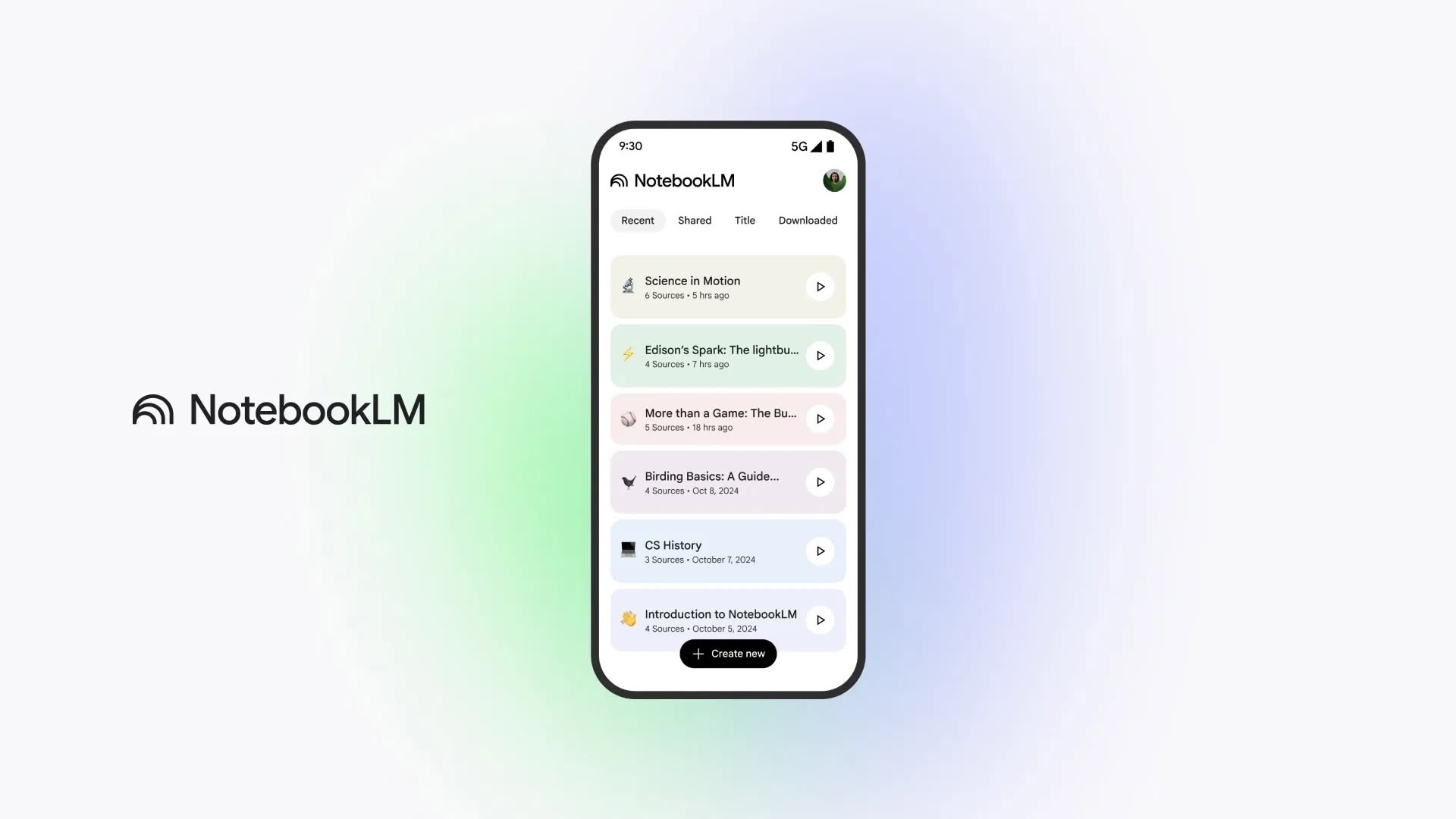
Google's NotebookLM AI-based tool can now turn your research and notes into fully animated "cinematic" videos – an advancement over its original video overview feature that was introduced last year.


Before now, video overviews were limited to generating slideshows of your research and writing, but the new Cinematic Video Overview feature uses Gemini 3, Nano Banana Pro, and Veo 3 models to generate animated visuals "to help you learn and engage with the topics you care about," says Google.

Google says Gemini acts as a creative director, making hundreds of structural and stylistic decisions to best tell the story with your sources. It determines the best narrative, visual style and format, and also refines its own work to ensure consistency.


Cinematic Video Overviews are available in English for Google AI Ultra subscribers over 18 on web and mobile, and there's a maximum of 20 overviews generated per day. The NotebookLM app is available on the App Store for iPhone and iPad.
Tag: Google

This article, "NotebookLM Now Creates Cinematic Video Overviews Out of Your Notes" first appeared on MacRumors.com

Discuss this article in our forums

  •  

MacBook Neo Compatible With New Studio Displays, But There's a Catch

Apple's low-cost MacBook Neo is compatible with the company's new Studio Displays, but its output will be scaled to 4K resolution at 60Hz.


Apple confirmed the compatibility and output limitation with 9to5Mac.

With pricing starting at $1,599, the regular Studio Display runs at 5K with a maximum 60Hz refresh rate. Meanwhile, the all-new 5K Studio Display XDR is capable of up to 120Hz and pricing starts at $3,299.

Apple calls the refreshed Studio Display "the perfect companion to Mac," but if you were planning on using it as an external display for a new MacBook Neo, there are other options available at significantly lower price points – USB-C 4K displays from companies like LG, Dell, and Samsung, for example.

If you still have a Mac with an Intel chip inside, you're not going to want to pick up one of the new Studio Display or Studio Display XDR models either – neither model will work with an Intel-based Mac.

The ‌MacBook Neo‌ has two USB-C ports, but only one supports DisplayPort 1.4 for connecting an external display. To use an external monitor, it must be connected to the correct port, which is the USB 3 port located closest to the rear of the device. The laptop does not support Thunderbolt either, so you can't daisy-chain multiple monitors.

The $599 MacBook Neo‌ and the new Studio Displays are available to pre-order now, with availability beginning on Wednesday, March 11.
This article, "MacBook Neo Compatible With New Studio Displays, But There's a Catch" first appeared on MacRumors.com

Discuss this article in our forums

  •  

Apple Music Rolling Out Disclosure Tags for AI-Made Songs

Apple Music is rolling out a new metadata system called Transparency Tags, which indicates when AI has been used in the creation of music hosted on the platform.


According to Music Business Worldwide, Apple sent a newsletter to industry partners on Wednesday to explain how it will roll out the new set of metadata.

The system covers four categories including artwork, track, composition (lyrics), and music video. Labels and distributors can begin applying the tags immediately. Apple describes the tags as optional for now, noting that if omitted, no AI is assumed.

Apple said it defers to content providers to determine what qualifies as AI-generated, and that it treats the tags similarly to genres, credits, and other existing metadata. The company describes it as a first step toward industry-wide transparency around AI-generated music.
Proper tagging of content is the first step in giving the music industry the data and tools needed to develop thoughtful policies around AI," Apple said in the newsletter, "and we believe labels and distributors must take an active role in reporting when the content they deliver is created using AI."
Apple's approach contrasts with the route taken by competitors like Deezer, which has built its own detection infrastructure to independently identify AI-generated tracks, but it's not 100% accurate all the time.

Deezer reports that it receives over 60,000 fully AI-generated tracks per day, with synthetic content now accounting for roughly 39% of all music delivered to the platform. Up to 85% of streams on AI-generated music were fraudulent in 2025, according to Deezer's data.

With Apple's tags, there isn't a visible enforcement or cross-verification process in place. The system is completely voluntary, or at least it is for now. Whether labels and distributors will actually use it remains to be seen.
This article, "Apple Music Rolling Out Disclosure Tags for AI-Made Songs" first appeared on MacRumors.com

Discuss this article in our forums

  •  

macOS Will Alert You to MacBook Neo's USB-C Port Limitation

The new MacBook Neo is equipped with two USB-C ports, but they are not the same. The left USB-C port supports USB 3 speeds of up to 10 Gb/s, while the right USB-C port closer to the trackpad is limited to USB 2 speeds of just 480 Mb/s. As a result, Apple says external display connectivity is supported on the left port only.


Given the ports are not labeled, this limitation could be an inconvenience. Fortunately, though, Daring Fireball's John Gruber said if you plug an external display into the incorrect port, macOS will alert you to use the other port.

Apple says the MacBook Neo supports one external display with up to 4K resolution at 60Hz.

If you want to learn more about which features and specs you have to live without if you buy a MacBook Neo, read our in-depth list of compromises.

MacBook Neo is available to pre-order now, with U.S. pricing starting at $599 ($499 for college students). The laptop launches Wednesday, March 11.
Related Roundup: MacBook Neo

This article, "macOS Will Alert You to MacBook Neo's USB-C Port Limitation" first appeared on MacRumors.com

Discuss this article in our forums

  •  

Apple Does Not Include a Charger With All New MacBooks in UK and EU

None of the new MacBook Neo, MacBook Air, or MacBook Pro models unveiled this week come with a charger in the UK and EU countries, such as Germany, France, Italy, and Spain. This change began with the base 14-inch MacBook Pro last year.


If you need a power adapter, you must purchase one separately during checkout or later.

In all other countries, Apple includes a charger in the box with these Macs, at no additional cost. In the U.S., for example, the MacBook Neo ships with Apple's 20W USB-C Power Adapter (sold separately for $19), while the 16-inch MacBook Pro comes with Apple's 140W USB-C Power Adapter (sold separately for $99).

Apple includes a USB-C or MagSafe 3 charging cable with all of the new MacBooks sold worldwide.
Related Roundups: MacBook Air, MacBook Neo, MacBook Pro
Related Forums: MacBook Air, MacBook Pro

This article, "Apple Does Not Include a Charger With All New MacBooks in UK and EU" first appeared on MacRumors.com

Discuss this article in our forums

  •  

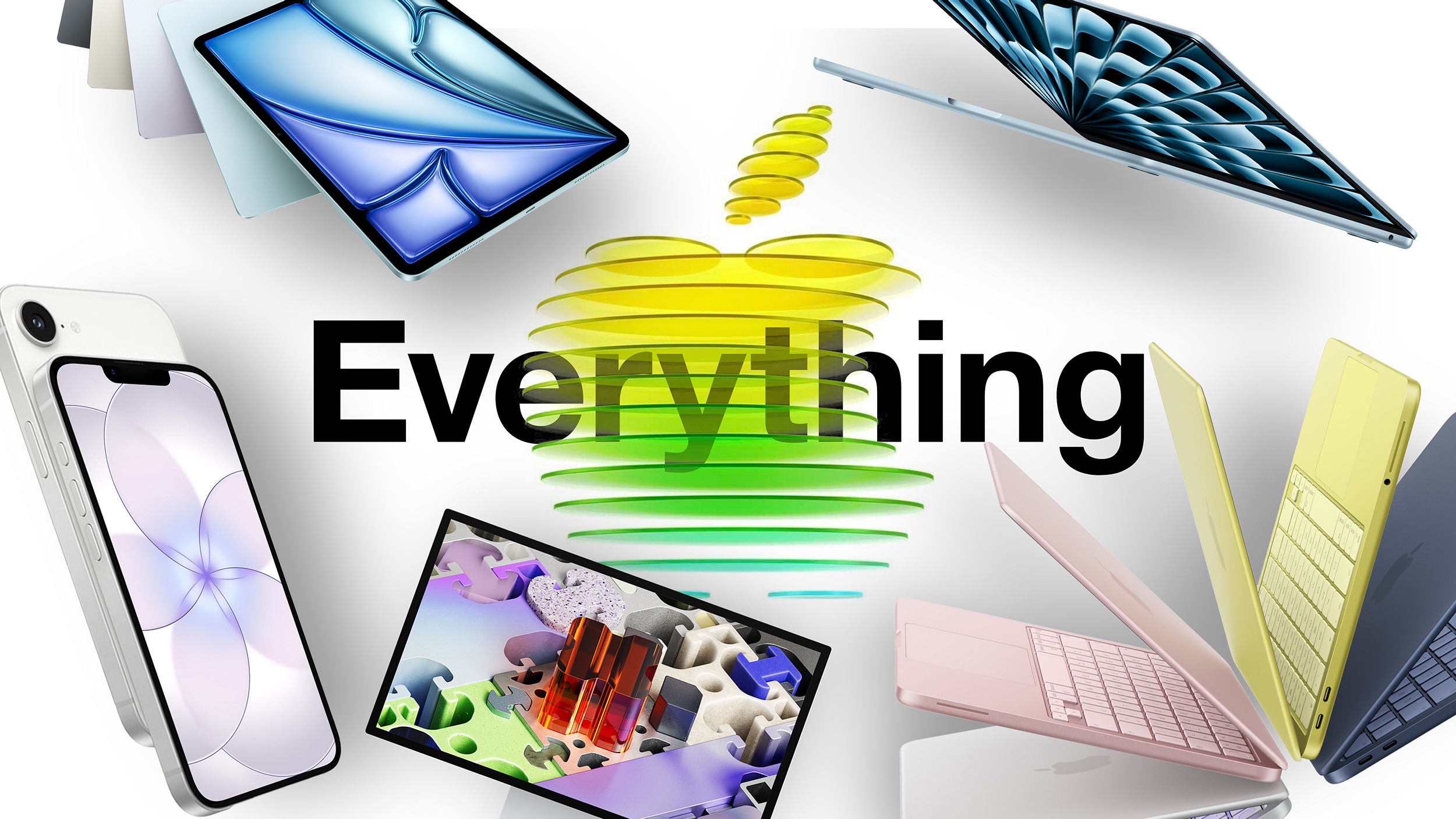
Apple's Biggest Week of 2026: Details on Every New Product Announced

Across Monday, Tuesday, and Wednesday, Apple unveiled seven new products, including low-cost iPhone and MacBook options, new displays, and refreshes for the MacBook Air, MacBook Pro, and iPad Air.


We've rounded up all of our coverage from this week in case you missed any of the product announcements or details.

MacBook Neo


iPhone 17e


iPad Air


Studio Display


MacBook Pro


MacBook Air


Accessories


Other News


More Coverage


Apple CEO Tim Cook shared a wrap-up post on social media, and with pre-orders now live for all of the new products, we're not expecting any additional announcements this week.

Everything Apple announced this week will be launching on Wednesday, March 11, and we'll have more in-depth coverage and reviews of what's new.
This article, "Apple's Biggest Week of 2026: Details on Every New Product Announced" first appeared on MacRumors.com

Discuss this article in our forums

  •  

20+ MacBook Neo Compromises: What You Give Up for Apple's Cheapest Mac

The new MacBook Neo is Apple's most affordable Mac notebook, and at $599, it's priced the same as the iPhone 17e. For teachers and college students, it's even more affordable at $499.


To offer a Mac at such a low price, Apple had to make some compromises, and there are some features that the ‌MacBook Neo‌ is lacking compared to the next most expensive Mac notebook, the MacBook Air.

Processor


  • A18 Pro Chip - Apple is using an A-series chip instead of an M-series chip in the Neo. It has the A18 Pro chip that Apple debuted in the iPhone 16 Pro, but it is a binned version. It has a 6-core CPU and a 5-core GPU, while the ‌iPhone 16‌ Pro chip had a 6-core CPU and a 6-core GPU.

  • RAM - The ‌MacBook Neo‌ has 8GB RAM with no option to pay for more. All other Macs start with 16GB. It still supports Apple Intelligence, because 8GB is the minimum for it.

  • Memory bandwidth - Apple's chips use unified memory that's available to the CPU and GPU. Memory bandwidth in the Neo is 60GB/s, less than half that of the ‌MacBook Air‌.

  • Storage - The ‌MacBook Neo‌ starts with 256GB of storage, and there's only a single 512GB upgrade. Other Macs support much higher capacity SSDs.

  • Wi-Fi - The ‌MacBook Neo‌ has Wi-Fi 6E, but not Wi-Fi 7 because Apple did not include its new N1 networking chip.


Battery and Charging


  • Battery capacity - The ‌MacBook Neo‌ is almost the same size as the ‌MacBook Air‌, but it has a shorter battery life. It lasts for up to 16 hours when streaming video, while the ‌MacBook Air‌ lasts for up to 18 hours. The battery has a 36.5-watt-hour capacity, while the ‌MacBook Air‌ has a 53.8-watt-hour battery.

  • Battery size - Since the ‌MacBook Neo‌ is thicker than the ‌MacBook Air‌, it has even more room for a battery, but Apple didn't max out on battery life, which is likely a cost cutting measure. Apple is using older battery technology or a smaller battery. Battery life should theoretically be even longer because the A18 Pro chip doesn't draw as much power as the M5.

  • No MagSafe - The ‌MacBook Neo‌ is limited to USB-C charging, and it does not include a MagSafe port.

  • No fast charging - Apple ships the ‌MacBook Neo‌ with a 20W power adapter, and there is no mention of fast charging support.


Ports


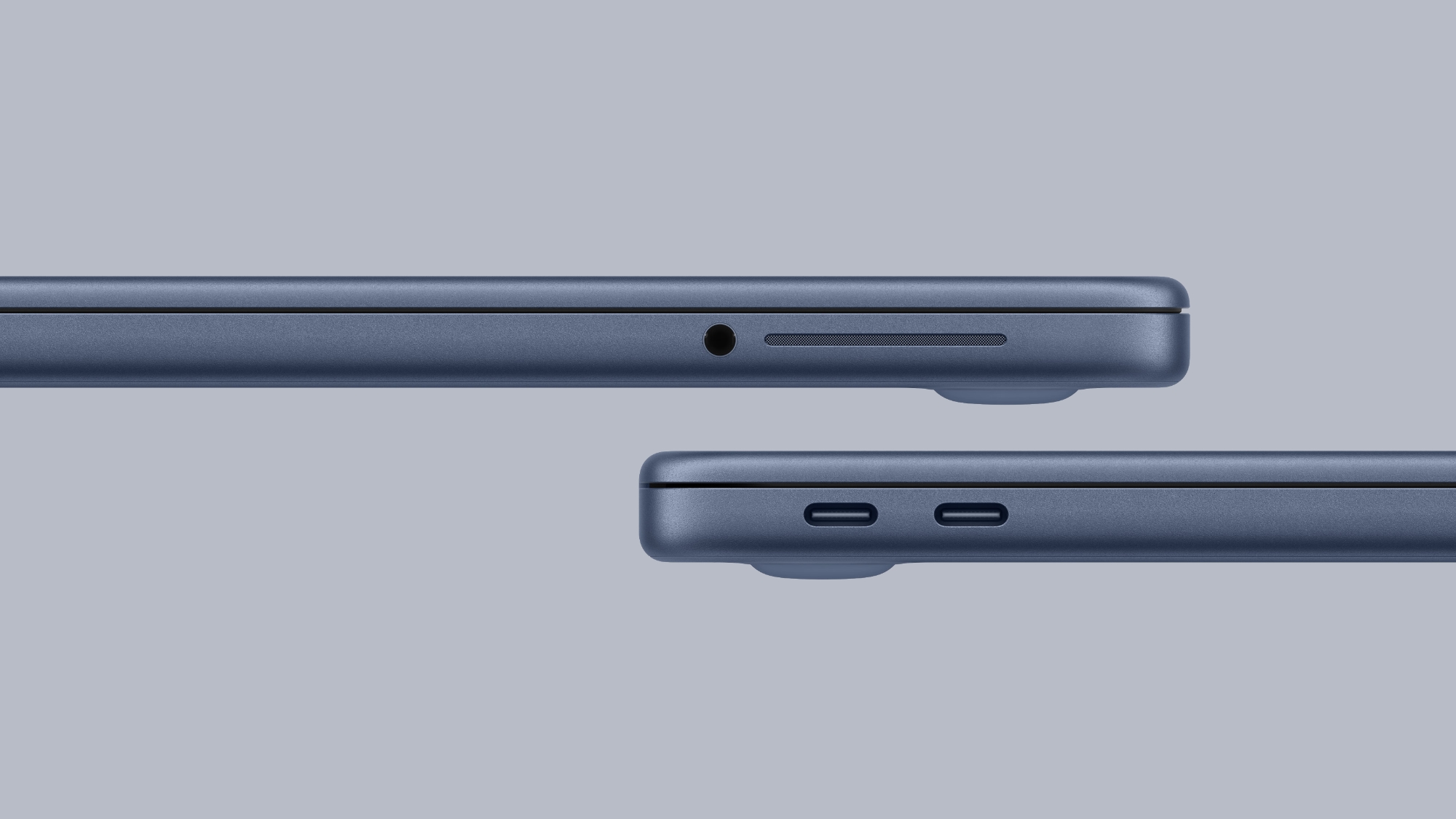
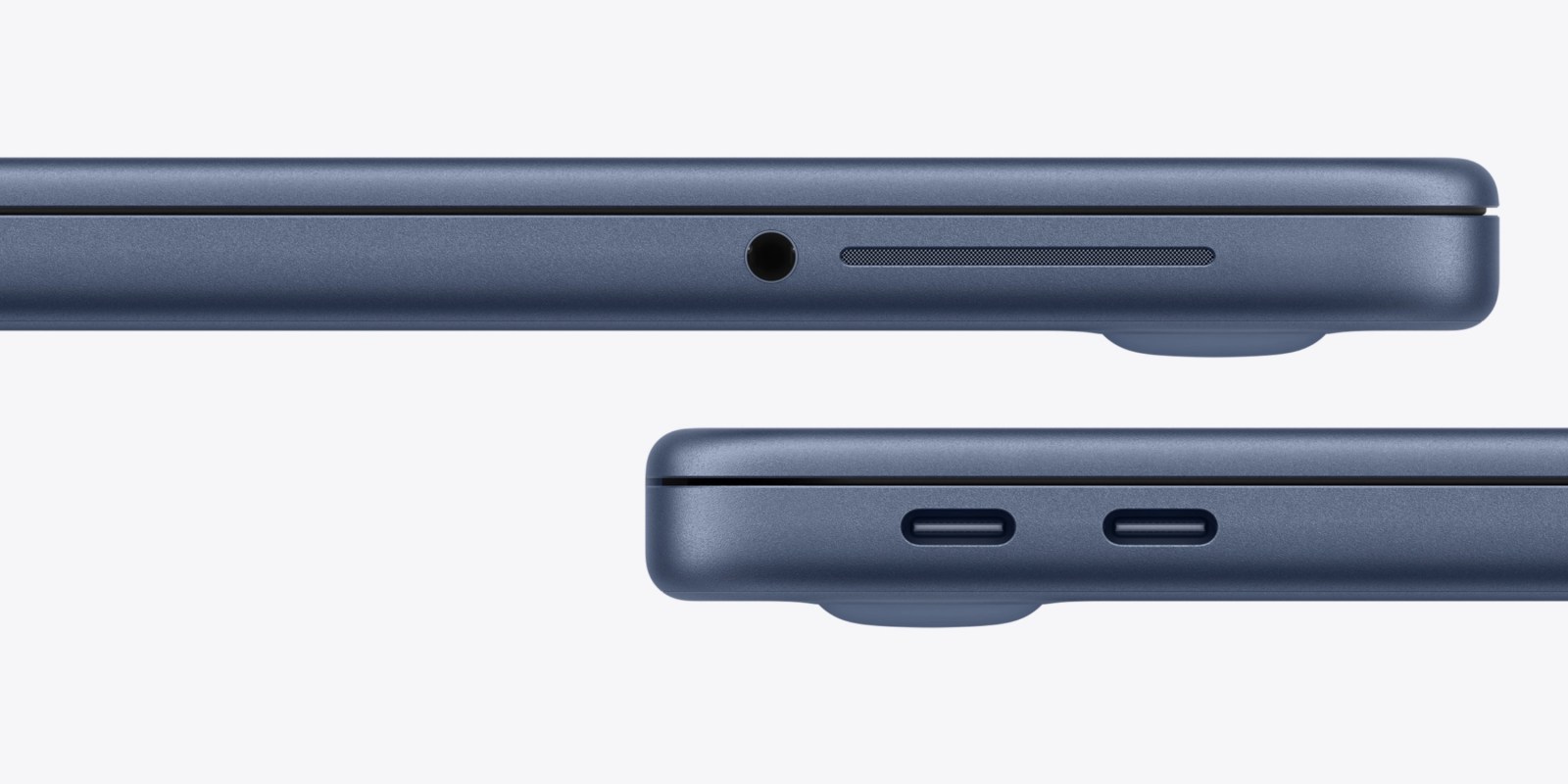
  • USB-C - There are two USB-C ports, one that's USB 3 and one that's USB 2. The USB3 port supports DisplayPort 1.4 and up to 10Gb/s transfer speeds, but the USB 2 port is limited to 480Mb/s.

  • Display support - The ‌MacBook Neo‌ only supports a single external display at 4K 60Hz, though it may be possible to connect another with a third-party DisplayPort adapter.

  • No Thunderbolt - There are no Thunderbolt ports on the ‌MacBook Neo‌ because Thunderbolt is not supported.

  • No Studio Display - Since the Neo does not have Thunderbolt and is limited to 4K displays, it is not compatible with the Studio Display.


Design


  • Display size - The ‌MacBook Neo‌ has a 13-inch display size, so it is Apple's smallest Mac notebook. The ‌MacBook Air‌ has a 13.6-inch display.

  • Bezels - There is no notch on the Neo, but it does have thick iPad-style bezels at the top, bottom, and sides of the display. The bezel hides the FaceTime camera.

  • Thickness - The Neo is just a little smaller than the ‌MacBook Air‌ when it comes to length and width, but it is thicker at 0.50 inches (vs 0.44 inches for the ‌MacBook Air‌).


Display


  • No True Tone - The ‌MacBook Neo‌ does not support True Tone, which is the white balance feature that adjusts the temperature of the display to match the ambient lighting in the room, making it easier on the eyes.

  • No P3 Wide color - sRGB is supported, but P3 Wide color is not, so the ‌MacBook Neo‌ won't have colors that are as true to life as other Mac notebooks.

  • No ProMotion - Unsurprisingly, the ‌MacBook Neo‌ is limited to a 60Hz refresh rate and it does not support ProMotion.


Trackpad and Keyboard


  • Backlighting - There is no backlight for the keyboard.

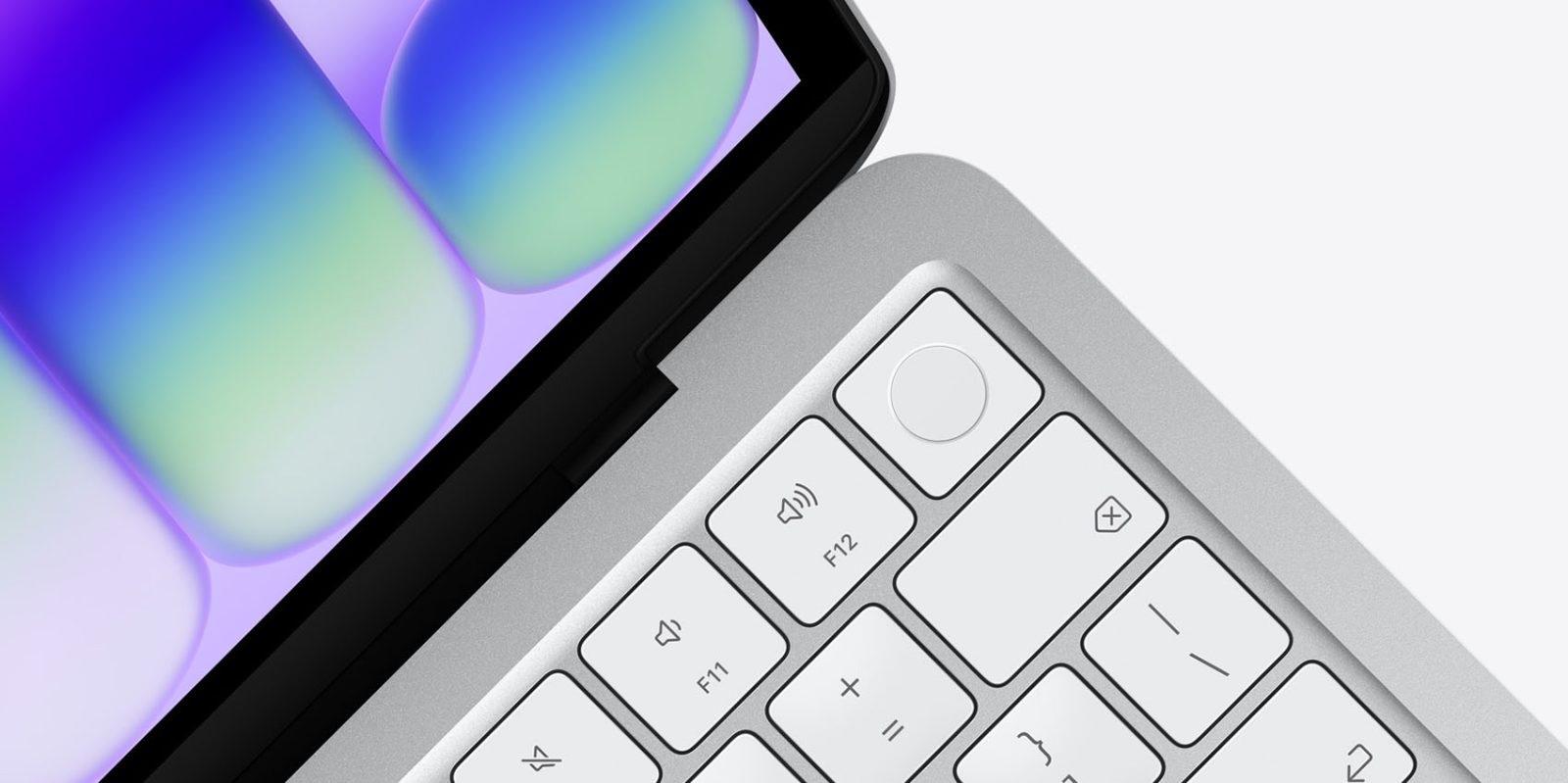
  • Touch ID - Touch ID is not included with the base 256GB model, but you can get it by paying an extra $100 for the 512GB model.

  • Trackpad - There isn't a Force Touch trackpad, with Apple instead adopting a less complicated physical Multi-Touch trackpad. The button on the trackpad is an actual button, rather than a virtual button with haptic feedback. There is no pressure-sensing feature, Force clicks, or pressure-sensitive drawing option.


Speakers and Camera


  • FaceTime Camera - The ‌MacBook Neo‌ has a 1080p ‌FaceTime‌ HD camera like older Macs rather than the newer 12-megapixel Center Stage camera Apple has been adding to its newer models. There is no Center Stage or Desk View.

  • Camera light - There's no little light to alert you when the ‌MacBook Neo‌ camera is on, with Apple instead displaying a warning on the menu bar.

  • Speakers - The ‌MacBook Neo‌ has a dual-speaker sound system with speakers that are on the outer sides of the device. The ‌MacBook Air‌ has a four-speaker sound system with richer sound, but both the Neo and the Air support spatial audio.

  • Microphones - There are only two microphones, but Voice Isolation and Wide Spectrum are still supported for better clarity for calls.

  • Headphone jack - There's a 3.5mm headphone jack, but it does not have support for high-impedance headphones.


MacBook Neo Pros


Even though the ‌MacBook Neo‌ has a simplified feature set compared to other Mac models, the price can't be beat. $599 for a Mac is an incredible deal, and the A18 Pro chip is more than adequate for daily use and the type of work that students do.

It's not the best choice for 3D rendering, running local AI models, video editing, or similar creative tasks, but it will do those things at a basic level. It's an ideal MacBook for anyone who doesn't need more than a machine for web browsing and other light work, and it will do everything an iPhone can do. These days, that's quite a bit.

For more on the differences between the ‌MacBook Neo‌ and the ‌MacBook Air‌, we have a dedicated comparison guide.

The ‌MacBook Neo‌ is available for pre-order now, and it is set to launch on Wednesday, March 11.
Related Roundup: MacBook Neo

This article, "20+ MacBook Neo Compromises: What You Give Up for Apple's Cheapest Mac" first appeared on MacRumors.com

Discuss this article in our forums

  •  
❌