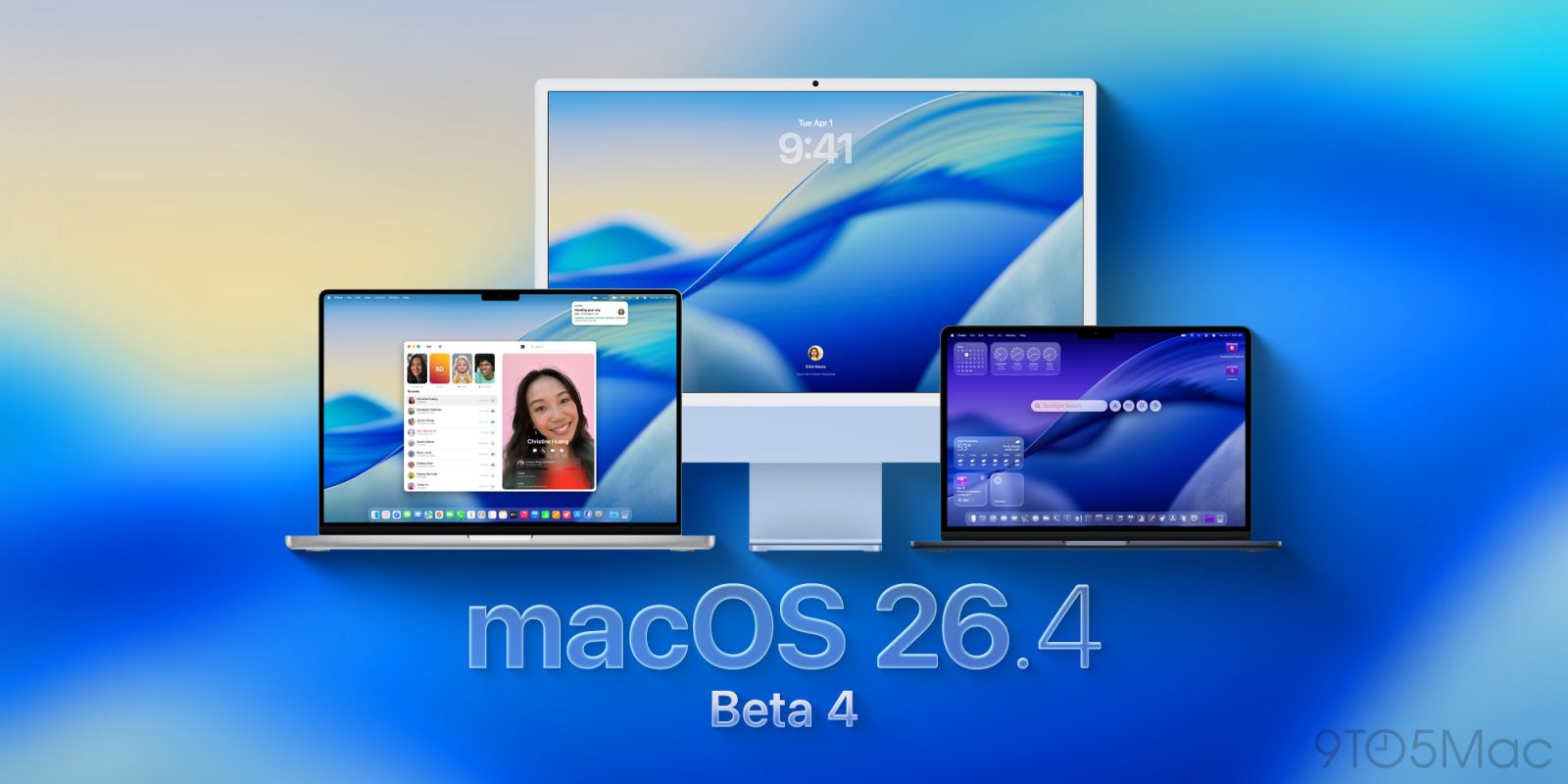
Apple is continuing to test the iOS 26.4 beta, and the latest update is now available for developers and public beta testers. As testing goes on, there are fewer new features in each beta, but today’s release adds new emoji characters and a few other changes.
New Emoji
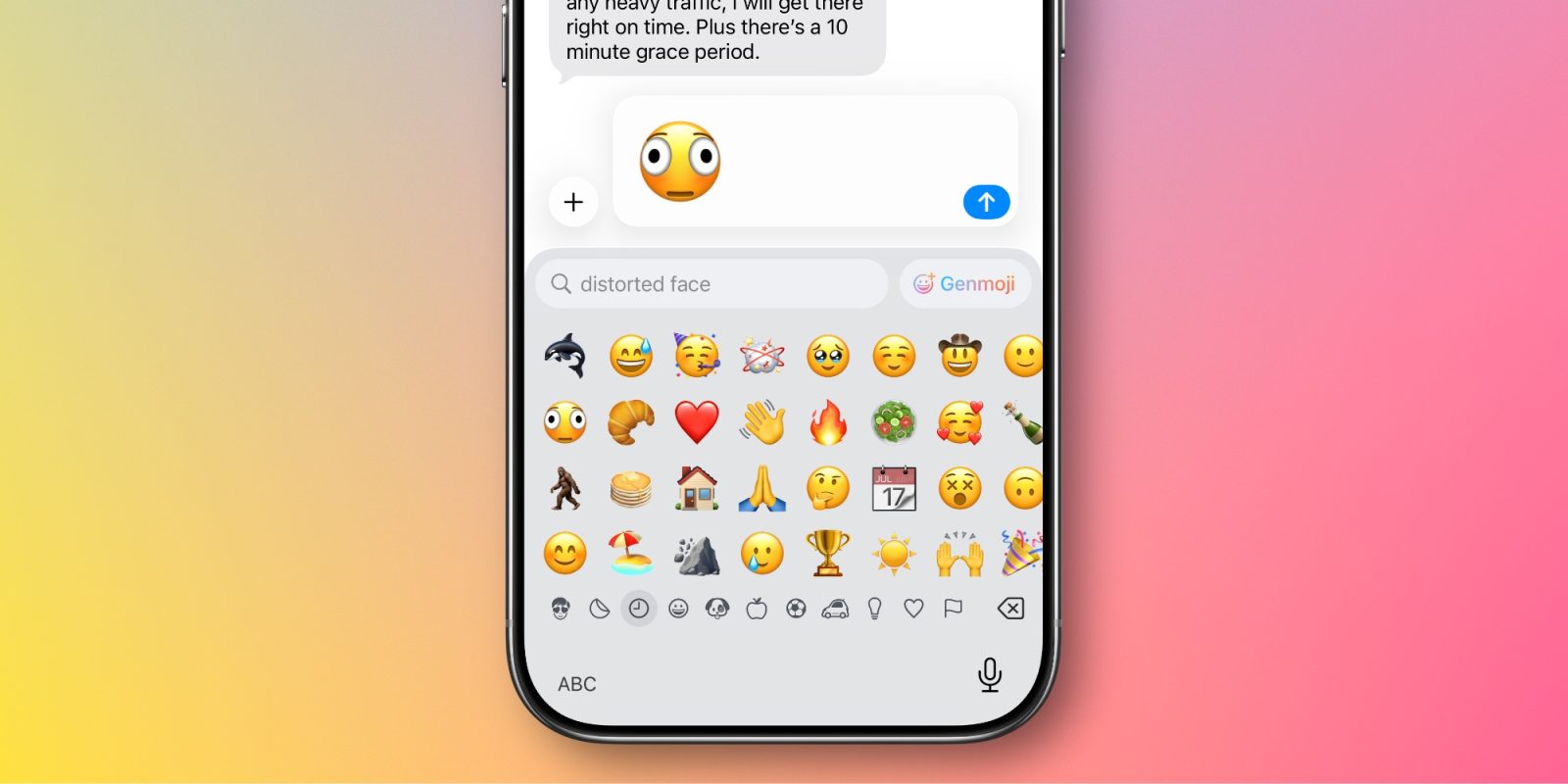
Apple added new emoji characters, including trombone, treasure chest, distorted face, hairy creature, fight cloud, orca, and landslide.
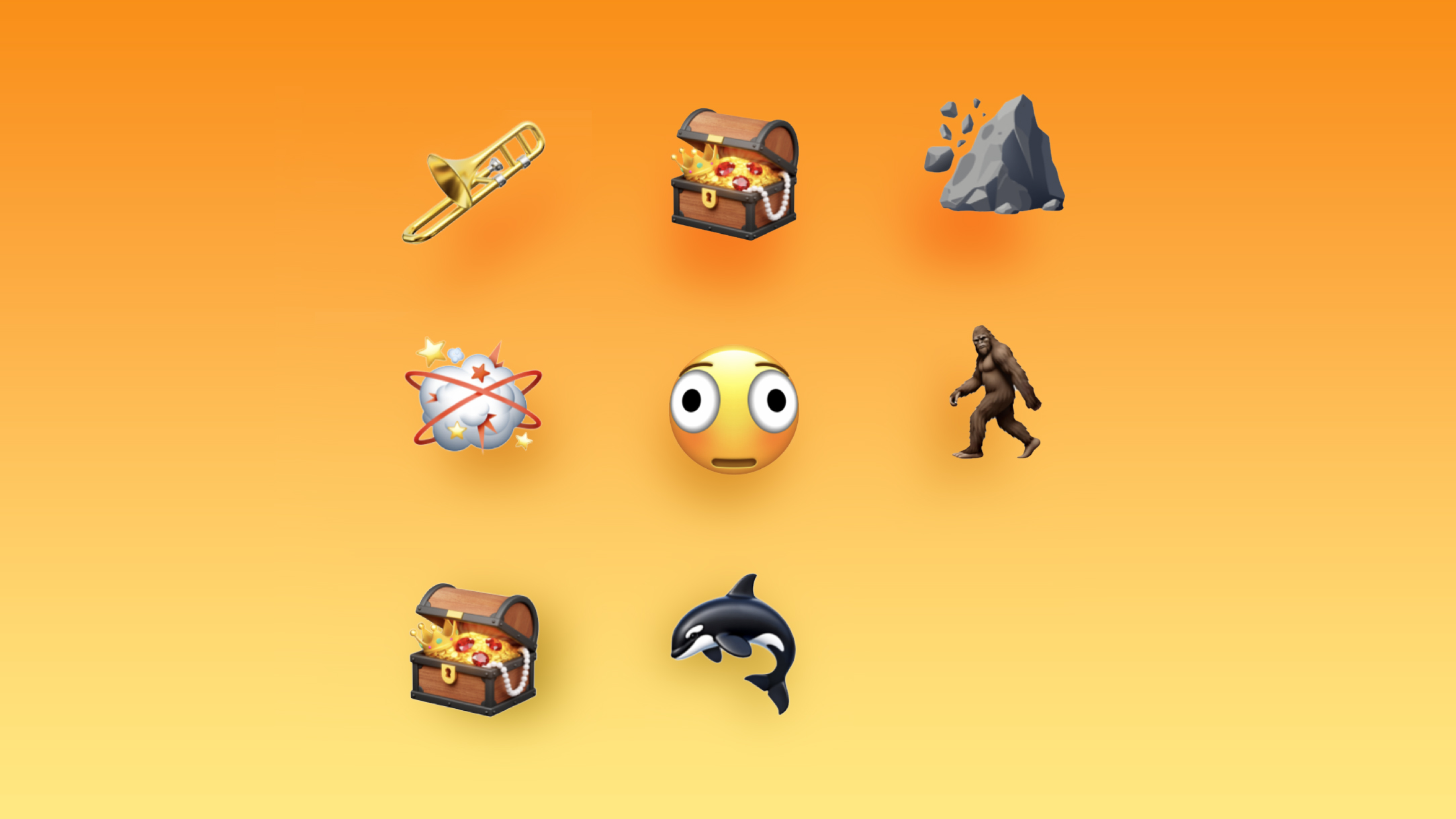
There are also new skin tone modifiers people wrestling and dancers with bunny ears, as well as a gender neutral option for the ballet dancer emoji.
Reduce Bright Effects
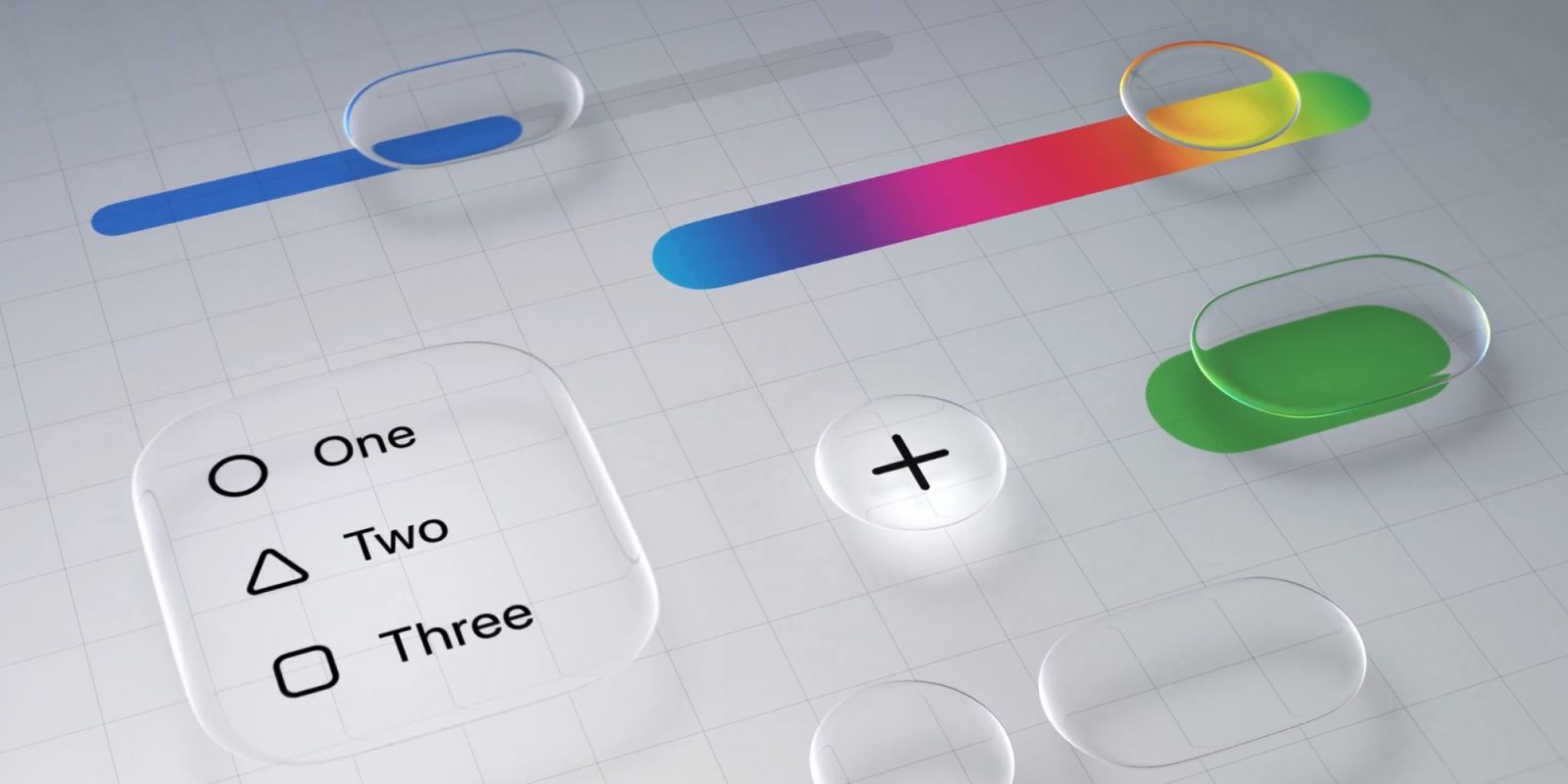
Apple renamed the prior Reduce Highlighting Effects Accessibility setting to “Reduce Bright Effects,” and explained what it does.
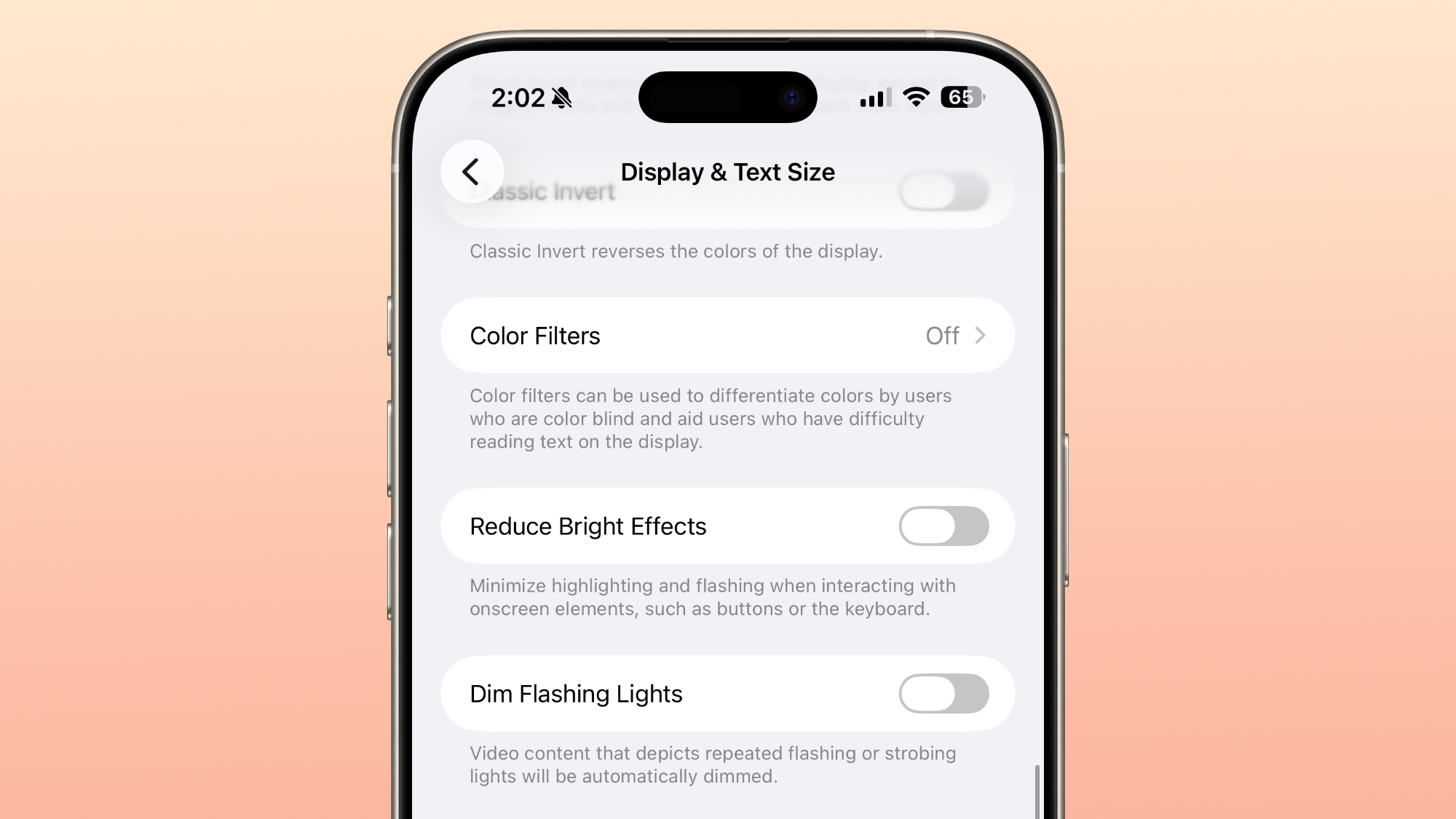
Apple says the feature "minimizes highlighting and flashing when interacting with onscreen elements, such as buttons or the keyboard.
RCS Encrypted Messaging
Apple has removed the RCS end-to-end encryption beta in the fourth beta of iOS 26.4 after testing it in the prior three betas. Apple already said that end-to-end encryption for RCS would not launch in the iOS 26.4 update, and would instead be introduced in the future.
Apple tested end-to-end encryption for iPhone-to-iPhone RCS conversations, and iPhone-to-Android conversations. iMessage communications are already encrypted, but in a future iOS update, full implementation of RCS encryption will mean that iPhone-to-Android text message conversations have the same level of encryption.
New Device Support
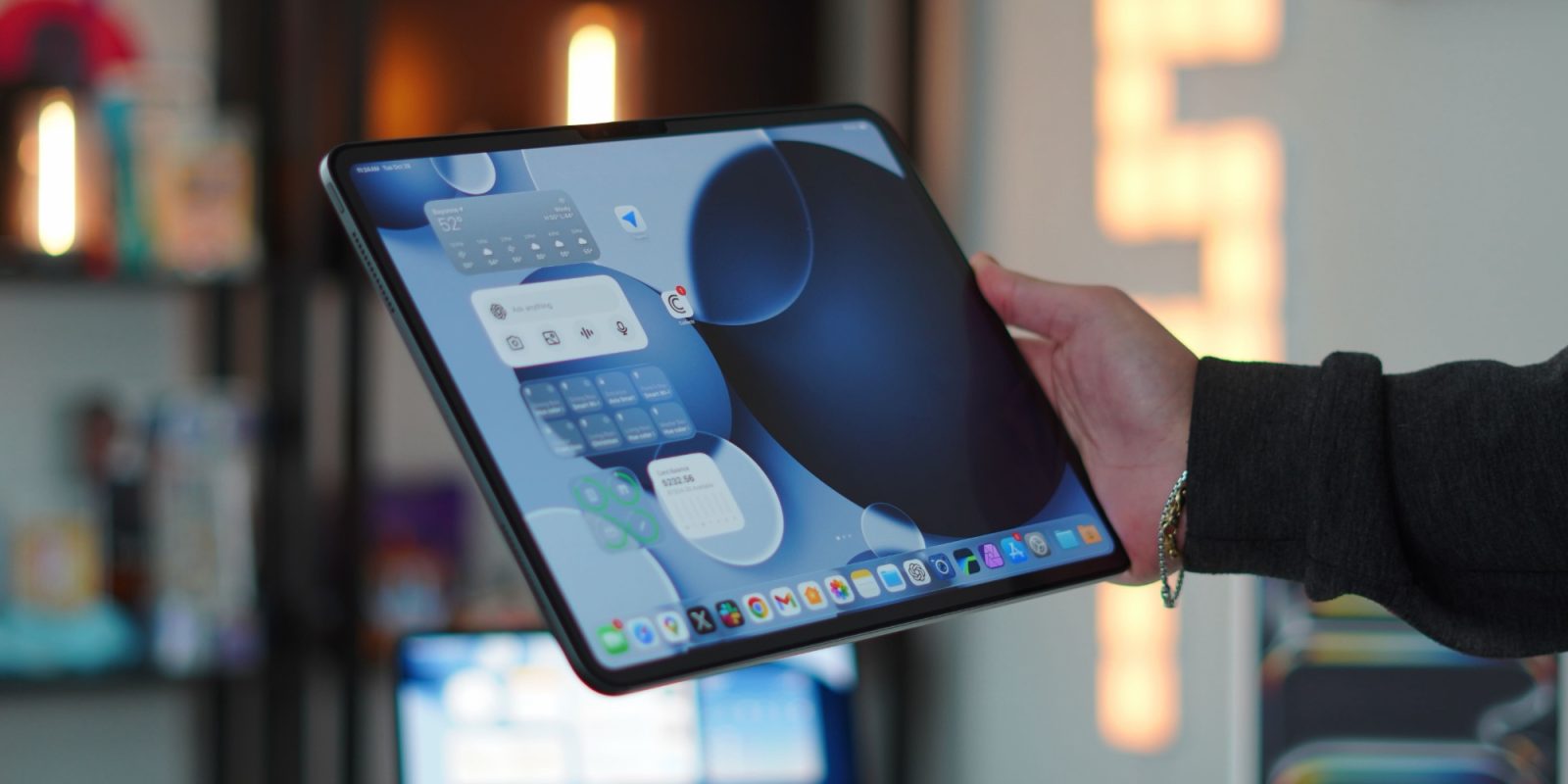
iOS 26.4 and iPadOS 26.4 beta 4 are the first betas that are able to be installed on the new iPhone 17e and M4 iPad Air.
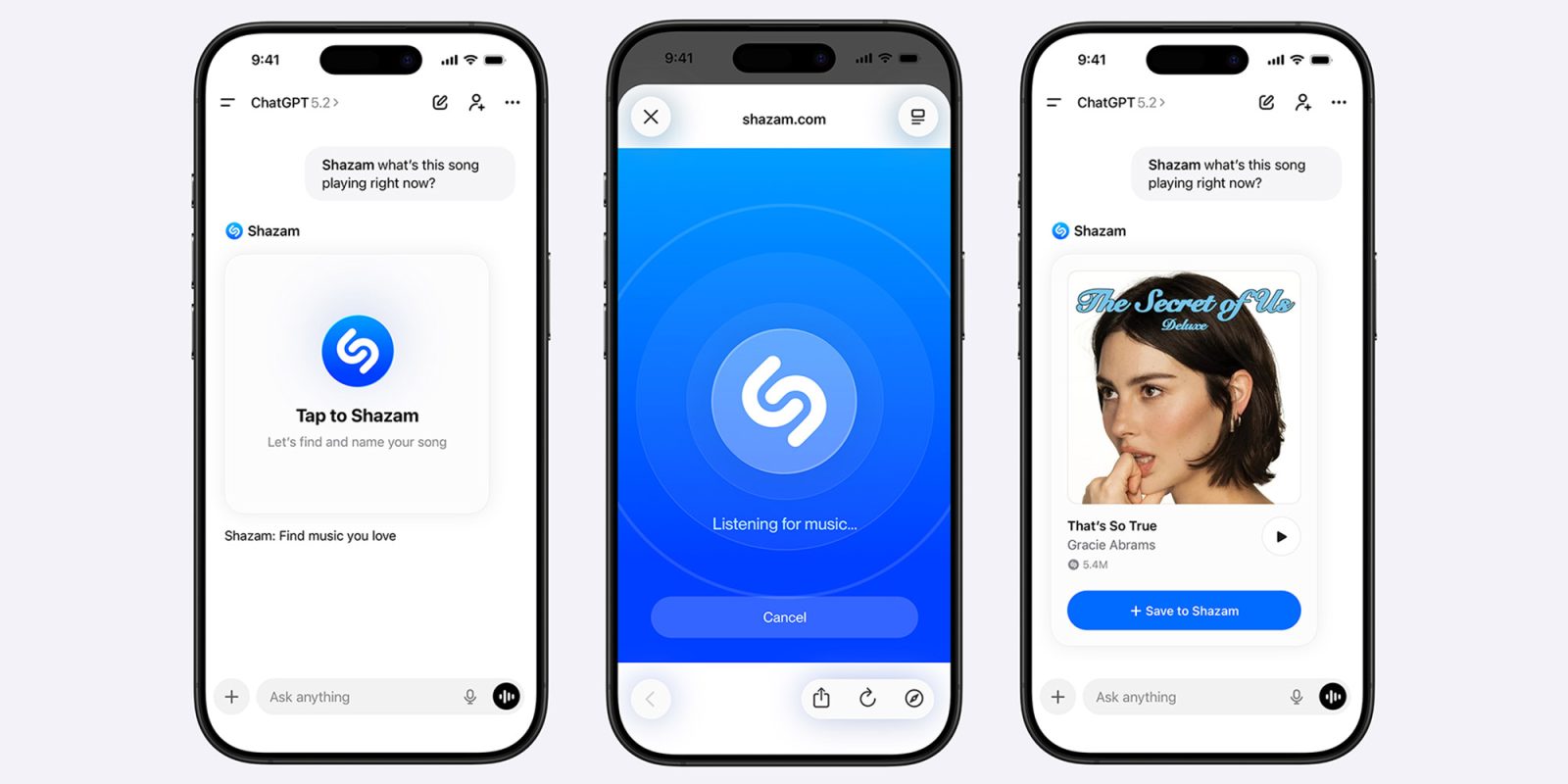
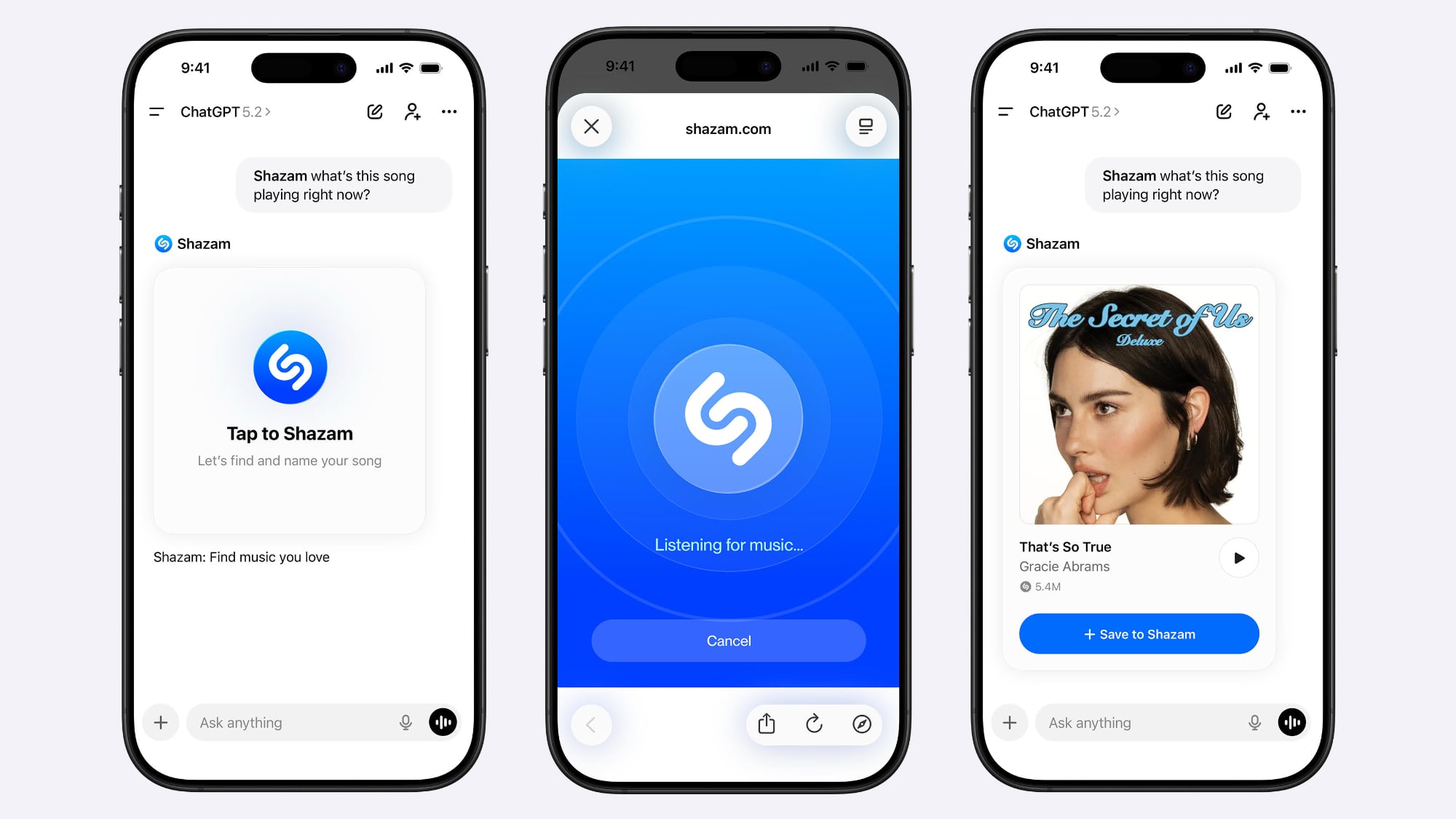
ChatGPT is now able to identify songs that are playing using Apple-owned music service Shazam. With a new Shazam integration, ChatGPT users can type in a question like "Shazam, what is this song?" to bring up a "Tap to Shazam" interface to get the title of a song.
Shazam's full music recognition technology is available in ChatGPT, so users won't need to exit out of the app to identify a song and listen to an inline preview. Using Shazam in ChatGPT works the same way as Shazam on an Apple device.
Shazam can be added to ChatGPT by opening up the ChatGPT settings, navigating to apps, and searching for Shazam. After installation, Shazam can be invoked by starting a request with "Shazam."
Using Shazam in ChatGPT does not require the Shazam app to be installed, and the song recognition functionality can be used on any platform. With the Shazam app installed, songs identified using ChatGPT are added to the Shazam app library for later access.
If you want a MacBook Neo for delivery on Wednesday, March 11 launch day, but have yet to place an order, you might be out of luck.
MacBook Neo pre-orders began March 4, and the initial delivery date was March 11. But now, Apple's online store in the U.S. shows that MacBook Neo orders placed today are estimated to be delivered between March 17 and March 31.
Here are the estimated delivery dates for each configuration as of 5:45 p.m. Eastern Time:
256GB/Blush: March 24 — March 31
256GB/Citrus: March 17 — March 24
256GB/Indigo: March 17 — March 24
256GB/Silver: March 24 — March 31
512GB/Blush: March 24 — March 31
512GB/Citrus: March 24 — March 31
512GB/Indigo: March 24 — March 31
512GB/Silver: March 17 — March 24
Fortunately, Apple Store pickup is still an option for some configurations on launch day.
Without knowing how much supply there is for each configuration, it is hard to draw any conclusions from the delivery dates listed above, but it is clear that it is getting harder and harder to find a MacBook Neo for launch day. Given the laptop starts at just $599, or an even lower $499 for college students, that should not come as too much of a surprise.
If you’re considering buying the new MacBook Neo, whether for yourself or a family member, it may be helpful to know how much repairs will cost. Here are the details.
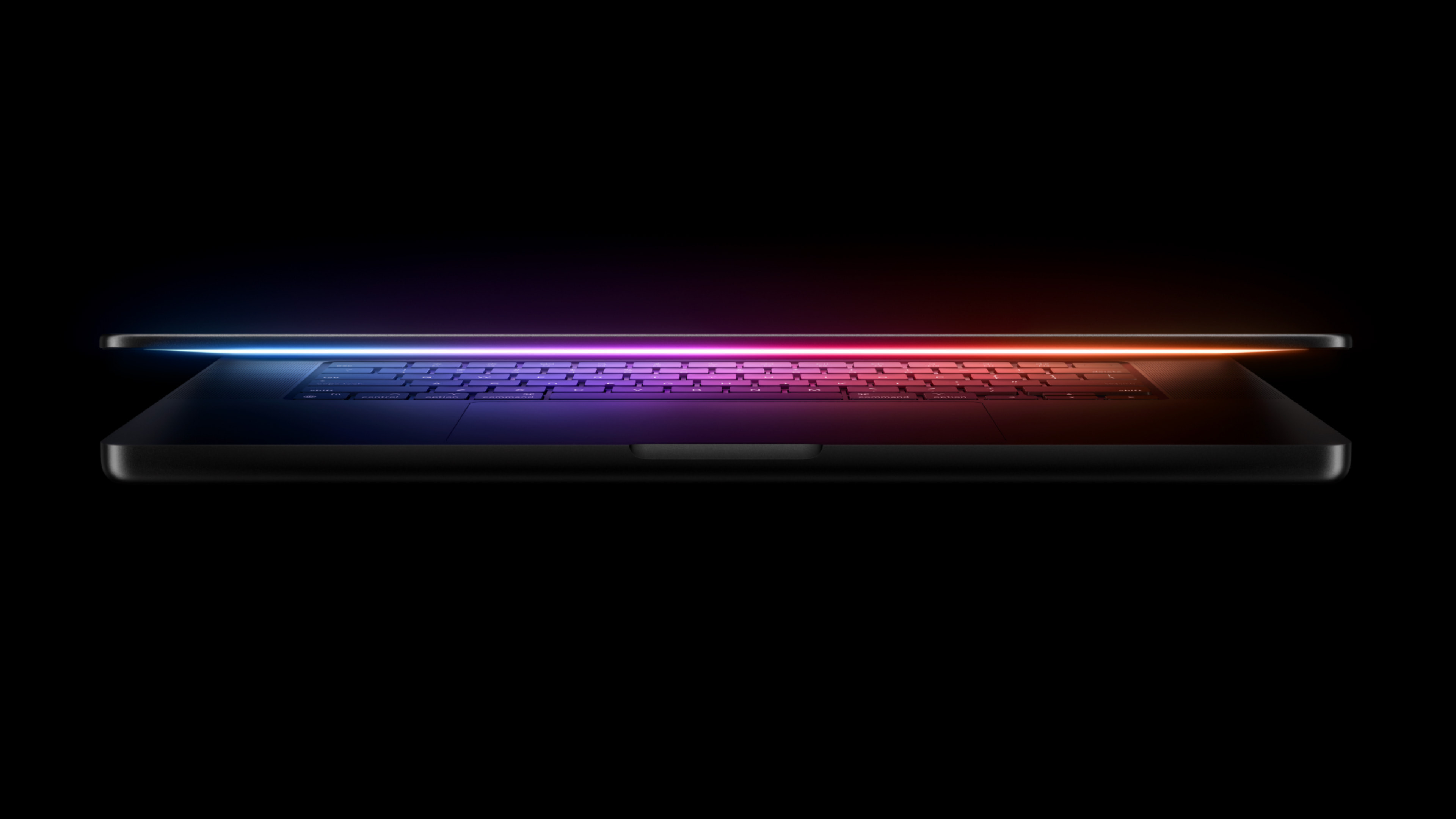
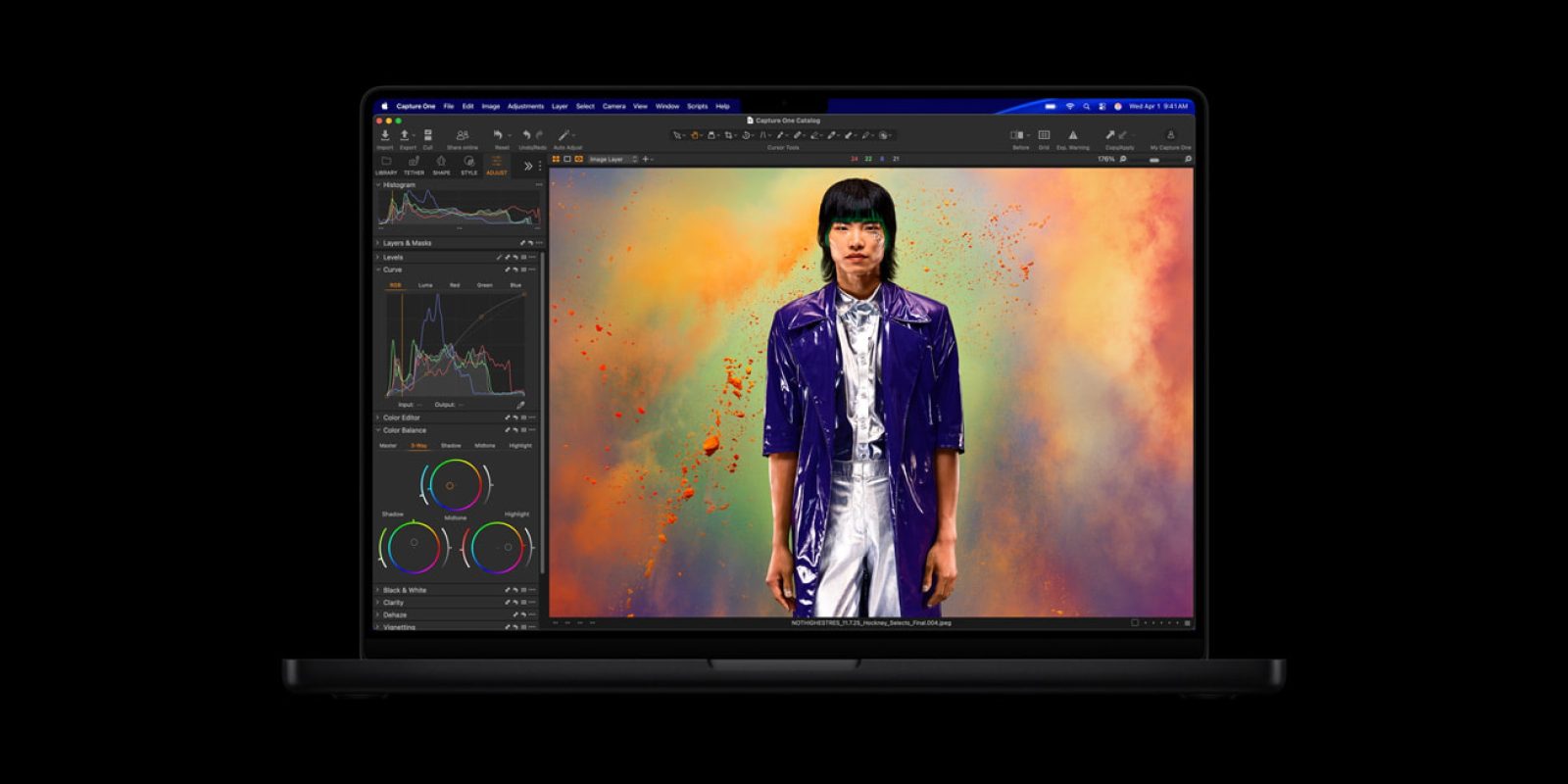
The first reviews of the new 14-inch and 16-inch MacBook Pro models with Apple's M5 Pro and M5 Max chips were published today by selected publications and YouTube channels, ahead of the laptops launching on Wednesday.
In addition to the M5 Pro and M5 Max chips, the new MacBook Pro models offer up to twice as fast SSD speeds compared to the previous generation, and storage now starts at 1TB. Battery life has increased slightly on all of the new models, and the N1 chip extends to the MacBook Pro now for Wi-Fi 7 and Bluetooth 6 support.
Geekbench 6 benchmark results already surfaced for the M5 Pro and M5 Max last week. In line with Apple's advertised figures, the chips offer up to approximately 15% faster CPU performance and up to approximately 20% faster GPU performance compared to the previous-generation M4 Pro and M4 Max chips.
Mac Model
Multi-Core CPU Score
MacBook Pro (M5 Pro and M5 Max)
28,500 to 29,500
Mac Studio (M3 Ultra)
27,726
MacBook Pro (M4 Max)
25,702
MacBook Pro (M4 Pro)
22,490
Mac Studio (M2 Ultra)
21,410
MacBook Pro (M3 Max)
20,960
Mac Studio (M1 Ultra)
18,434
MacBook Air (M5)
17,073
MacBook Pro (M3 Pro)
15,260
MacBook Pro (M2 Max)
14,740
MacBook Air (M4)
14,731
MacBook Pro (M2 Pro)
14,451
MacBook Pro (M1 Max)
12,345
MacBook Pro (M1 Pro)
12,345
MacBook Air (M3)
12,020
MacBook Air (M2)
9,709
MacBook Neo (A18 Pro)
8,668
MacBook Air (M1)
8,342
The Verge said the 16-inch MacBook Pro with the M5 Max and a 4TB SSD sustained a 13.6 GB/s read speed and a 17.8 GB/s write speed, which is an 86% and 123% increase for read and write speeds respectively compared to the equivalent previous model. This is roughly in line with Apple advertising up to twice as fast SSD speeds.
Tom's Guide's Tony Polanco said the 16-inch MacBook Pro with the M5 Pro lasted an "astonishing" 21 hours and 10 minutes in a battery life test that involved "continuous web surfing over Wi-Fi with the laptop's display set to 150 nits of brightness." The previous M4 Pro model lasted 20 hours and 46 minutes in the same test.
Keep in mind that the MacBook Pro is rumored to receive a major redesign in either late 2026 or 2027. Key new features expected include an OLED display, a touch screen, a Dynamic Island, M6 Pro and M6 Max chips manufactured with TSMC's advanced 2nm process, a thinner design, and potentially even built-in cellular connectivity. However, it has been rumored that this might be a new highest-end model called the "MacBook Ultra."
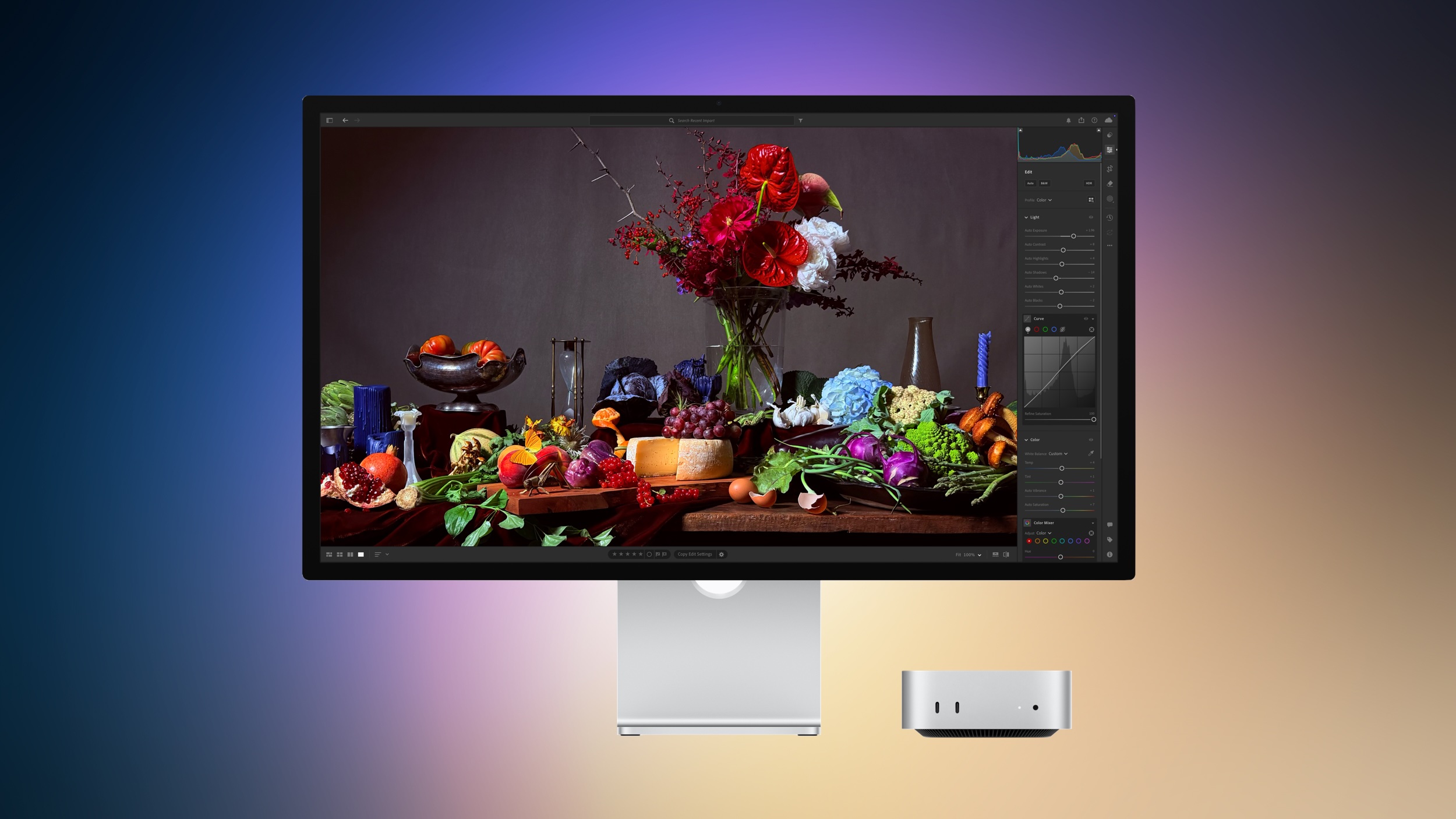
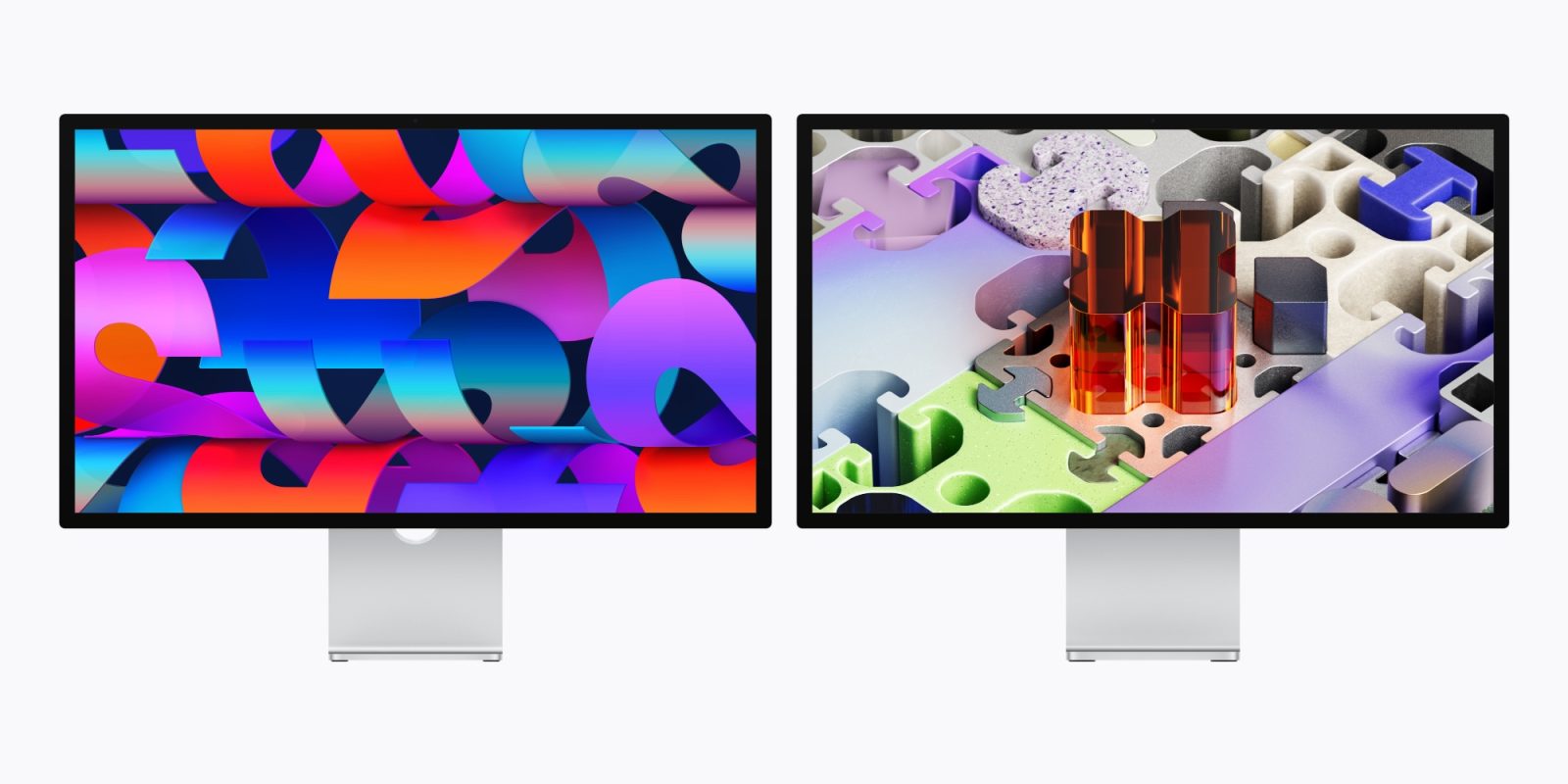
With the Studio Display and Studio Display XDR set to launch on Wednesday, members of the media have started publishing their reviews of the new display options.
According to The Verge, the Studio Display is the same panel as the prior model, but with an upgraded camera, speakers, and ports. The brightness is the same, and there appear to be no other changes to the display quality.
The Studio Display XDR is the much more exciting update, because it is a replacement for the $5,000 Pro Display XDR. The Verge says that the display is a "great improvement" over the prior model due to the mini-LED backlight, though at this cost, it's only ideal for pros because there are more affordable options for general use. Images and text are "crisp and clear," with minimal light bleed thanks to dimming control, though light bleed is worse than with OLED technology, and viewing angles aren't as wide.
Presets are accurate, and the Studio Display XDR was able to maintain up to 2,000 nits peak brightness. It's "very bright at a normal desk sitting distance." The built-in speakers are loud enough for listening to music, watching videos, and taking calls, and the 12-megapixel camera provides clear video.
YouTuber Marques Brownlee said the Studio Display XDR is "better in every single way" than the Pro Display XDR because it's brighter with improved contrast and less blooming, plus it has an extra Thunderbolt port.
Since the Studio Display XDR has a 120Hz refresh rate, it pairs better with the MacBook Pro that has the same refresh rate. "This is about as good as it gets" for a display to use with a MacBook Pro. Brownlee said that Apple doesn't appear to be targeting professionals with the Studio Display XDR since it's a small market, with the display serving as more of a mixed use product.
There are no displays to compare the Studio Display XDR with because no companies make 27-inch 5K mini-LED displays with a 120Hz refresh rate.
PetaPixel said the Studio Display XDR's build quality is "phenomenal," but the site wasn't a fan of the integrated power cable, the sharp edges on the stand, or the thick bezels around the display.
The Studio Display XDR was color accurate across presets at all brightness levels, but the display was only able to get gamut coverage up to 86 percent with Adobe RGB profiles. PetaPixel also saw some "slightly higher than acceptable contrast deviation" at the upper right corner of the XDR, but most human eyes won't be able to see a difference.
HDR content looked spectacular with no "stutter or judder" and limited haloing, but contrast and black levels did not measure up to OLED because mini-LED is still LED. PetaPixel pointed out that few companies are making displays that are super bright, HDR compatible, extremely color accurate, and with Thunderbolt 5 support. The closest match is the Asus ProArt OLED display.
Other reviews are below:
The Studio Display and Studio Display XDR launch on Wednesday. Pricing on the Studio Display starts at $1,599, while pricing on the Studio Display XDR starts at $3,299.
Apple’s new MacBook Pros with M5 Pro and M5 Max chips arrive this Wednesday, and reviews for the latest models have just arrived. Here’s what reviewers are saying.
The Apple Partner Discovery Tool will help businesses and governments find authorized resellers and technical partners to support device purchasing, deployment, and IT management. Here are the details.
Last week, Apple announced two new desktop monitors: the updated Studio Display, and the all-new Studio Display XDR. Now the first unboxing videos and reviews have arrived ahead of release day on Wednesday.
iOS 26.4 beta 4 arrived today, and with it a new ’Reduce Bright Effects’ setting that lets you disable various flashing elements common in Liquid Glass.
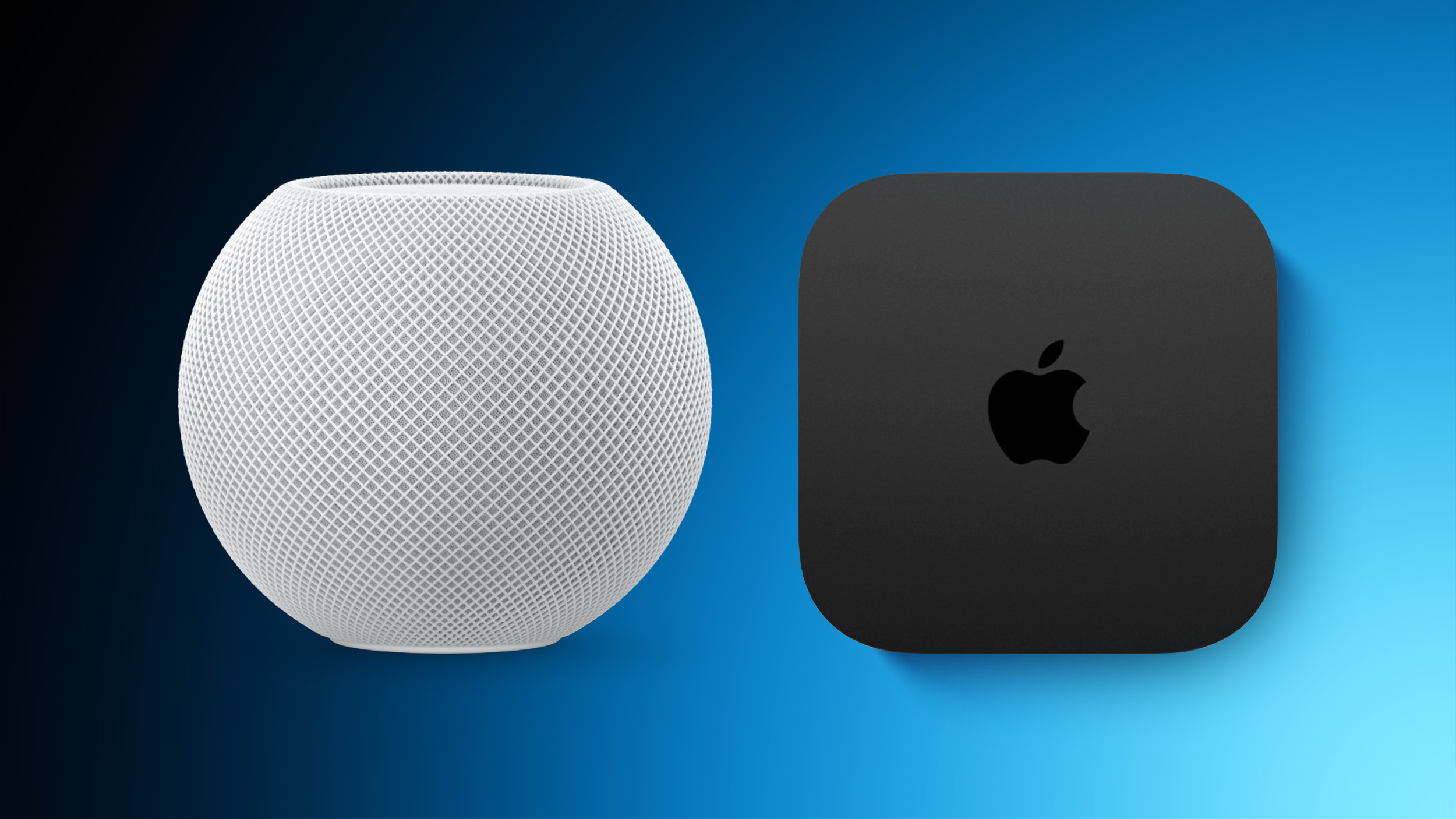
Apple has a new version of the HomePod and a new Apple TV 4K ready to go, but the devices may be tied to the Siri update that's been continually postponed, according to Bloomberg's Mark Gurman.
In a report on a planned September launch for new Siri capabilities and the home hub that's reliant on the revamped version of Siri, Gurman says the updated Apple TV and HomePod are both linked to "new artificial intelligence features."
We've been hearing rumors about a new HomePod mini and a refreshed Apple TV 4K since 2024. Gurman said several times in 2025 that Apple was aiming for a launch before the end of the year, but no new Apple TV or HomePod materialized. We also didn't hear a word about the devices at Apple's early 2026 launch event last week, which saw the introduction of the iPhone 17e, MacBook Neo, and more.
At this point, it seems like Apple may not introduce the new Apple TV 4K and HomePod until the new version of Siri is ready. Apple was planning to debut the Apple Intelligence version of Siri in iOS 26.4, but the revamp has been pushed back because Siri still isn't working reliably. Apple is now aiming to launch all of the new Siri features in iOS 27 alongside the iPhone 18 Pro, though it's possible we could see some of the capabilities before September as part of an iOS 26.5 update.
Gurman's wording today mentions a "HomePod" rather than a HomePod mini specifically, but in past reports, he has claimed that Apple has a new version of the HomePod mini ready to go. It's not clear if the larger HomePod is also getting refreshed, or if Apple is only planning to update its smaller speaker.
The Apple TV 4K hasn't been refreshed since 2022. Rumors suggest that it will get an A17 Pro chip and Apple's N1 networking chip, but no major design updates. The A17 Pro chip is capable of supporting Apple Intelligence features, and it was previously used in the iPhone 15 Pro and iPad mini.
The HomePod mini is expected to get a newer Apple Watch chip and it could also adopt the N1 and an updated UWB chip.
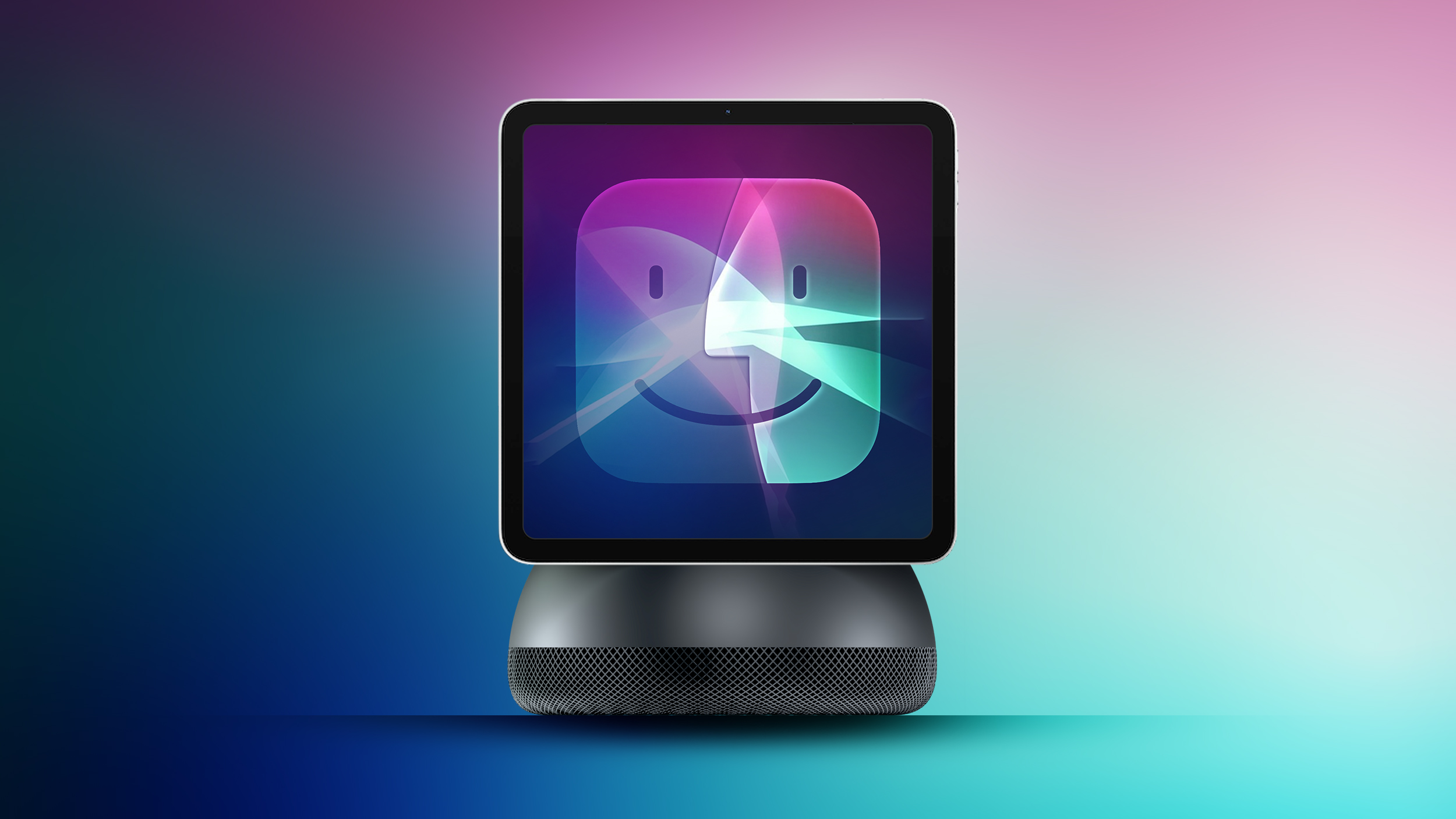
Apple is postponing the launch of its planned smart home hub until September 2026, reports Bloomberg. Apple has pushed back the debut of the home hub multiple times due to ongoing issues with the revamped version of Siri. The hub has a heavy AI focus and it is tied to the more intelligent Siri that Apple has in the works.
Prior to realizing the Apple Intelligence version of Siri would not be ready until 2026, Apple planned to launch the home hub in spring 2025. After it became clear Siri would need to be delayed, Apple then aimed for a spring 2026 launch for the home hub because it planned to release Siri in iOS 26.4.
Siri is not present in the iOS 26.4 beta because the new version is still not ready, so Apple is now going to hold the home hub until September. Apple is reportedly experiencing issues with Siri accuracy and it hasn't managed to get all of the promised Siri features working reliably.
A September launch timeline suggests we are not going to see new Siri capabilities until iOS 27, as September is when iOS 27 will come out. Apple has promised that the new version of Siri will launch in 2026, and as long as it debuts before December, Apple won't miss the timeline that it gave to the public.
The smart home hub has apparently been finished and ready to launch for several months, but it can't be released without the Siri update. The device is similar in design to an iPad, but with a 7-inch square display. It can be attached to a wall or used with a speaker base, and there is a camera for facial recognition. The hub can tell when people are in the room and when someone walks up to it, and it will offer content specific to each person in the home.
Apple designed it to be an AI hub for controlling smart home products, making calls, viewing apps like Calendar and Reminders, and much more. It is meant to be similar to the Amazon Echo Show, which is an Alexa-enabled speaker with a display.
Apple's home hub does not include its own App Store, but it does run Apple apps. It will feature round app icons that are arranged similarly to apps on the Apple Watch, and it will run a version of tvOS 27.
Apple first showed off the new version of Siri in June 2024, and planned to launch the features in iOS 18.4. Siri capabilities include personalization, onscreen awareness, and the ability for Siri to do more in and between apps, as well as image generation using Image Playground and a web search feature that summarizes information from web results.
The Apple Intelligence Siri updates were meant to be followed by an iOS 27 update that turns Siri into a ChatGPT-style chatbot, but now it seems like all of the new features could come at once in iOS 27. Apple is planning to revamp Siri to make it look and feel more like a chatbot.
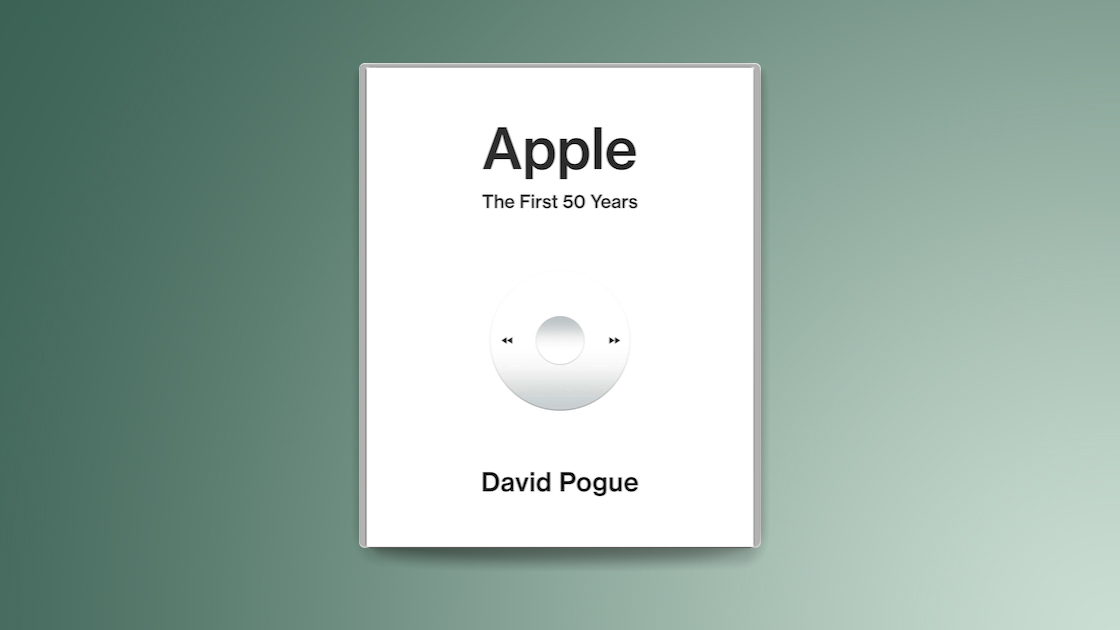
Tech columnist David Pogue's new book Apple: The First 50 Years will be available in hardcover and digital formats starting this Tuesday, March 10.
In time for Apple's 50th anniversary on April 1, the 608-page book explores the first five decades of the company's history. Pogue interviewed 150 key people who shaped Apple into what it is today, including the company's co-founder Steve Wozniak, former CEO John Sculley, former design chief Jony Ive, and others.
While many aspects of Apple's history are well documented, the book's official description promises "new facts that correct the record":
In time for Apple's 50th anniversary, CBS Sunday Morning correspondent David Pogue tells the iconic company's entire life story: how it was born, nearly died, was born again under Steve Jobs, and became, under CEO Tim Cook, the most valuable company in the world. The book features full-color photos, new facts that correct the record and illuminate its subversive culture, and fresh interviews with the legendary figures who shaped Apple into what it is today.
Pogue is a CBS Sunday Morning correspondent, and he spent many years writing about Apple and technology for The New York Times and Macworld. An excerpt from his book, focused on the late Steve Jobs, is available on the CBS News website.
Pogue will also be interviewing Apple's former marketing chief Phil Schiller on March 18 at 3:30 p.m. Eastern Time, at SXSW 2026 in Austin, Texas.
Apple was officially founded on April 1, 1976. The company has yet to announce any plans to celebrate its 50th anniversary in a public-facing manner, but it will likely mark the occasion in some way over the coming weeks.
Note: MacRumors is an affiliate partner with Amazon. When you click a link and make a purchase, we may receive a small payment.
Apple has been developing a smart home display for years, but the product relies the promised Siri upgrade to ship first. A new report corroborates a recent leak that claims Apple is targeting a smart home display release around iOS 27.
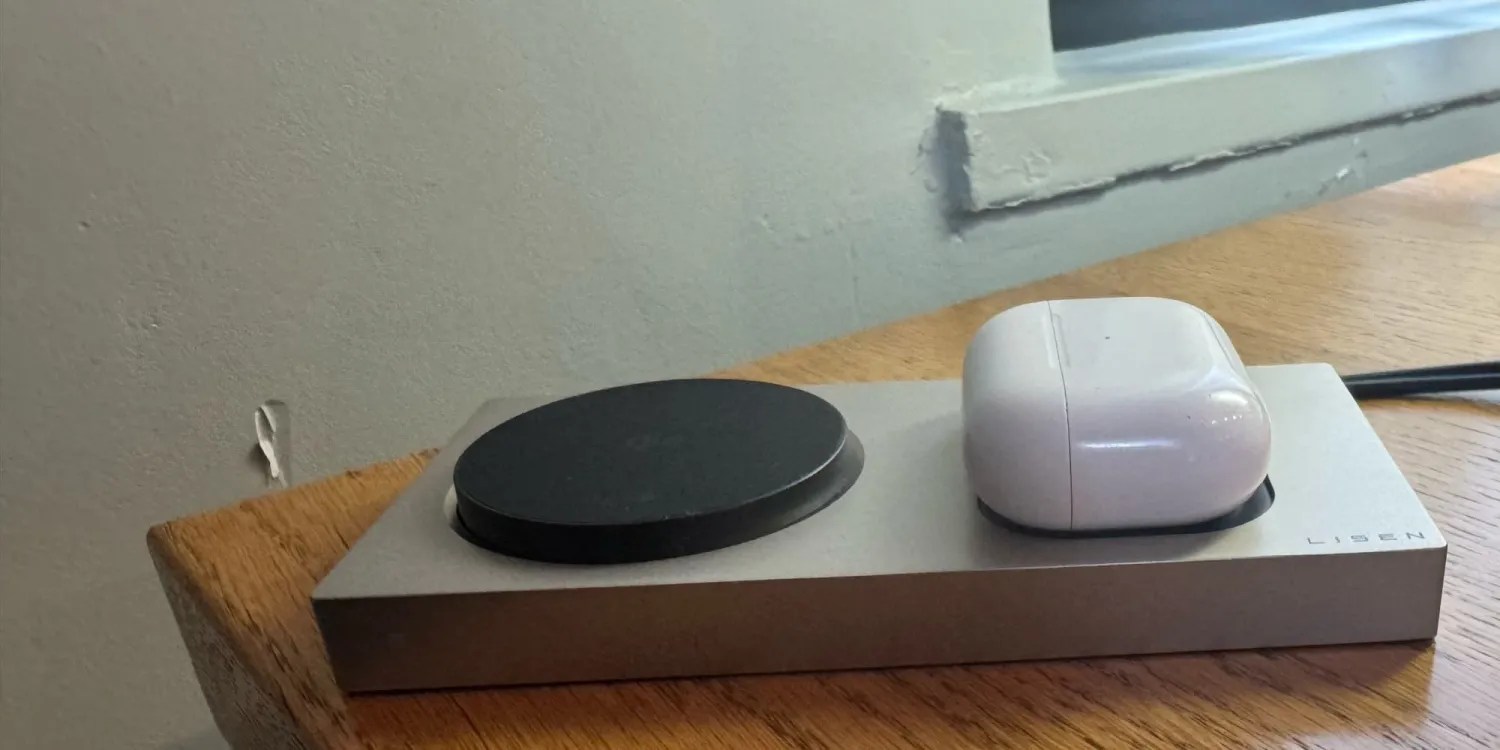
I like a simple desk setup. The LISEN Qi2 3-in-1 charging station might be the one charger to rule them all if you feel the same. With Qi2 standard support for up to 15-watt fast charging and an Apple-inspired design, it is a perfect companion for anyone all in on MagSafe charging. This is what makes it a great purchase and how it fits nicely with the existing Apple setup.
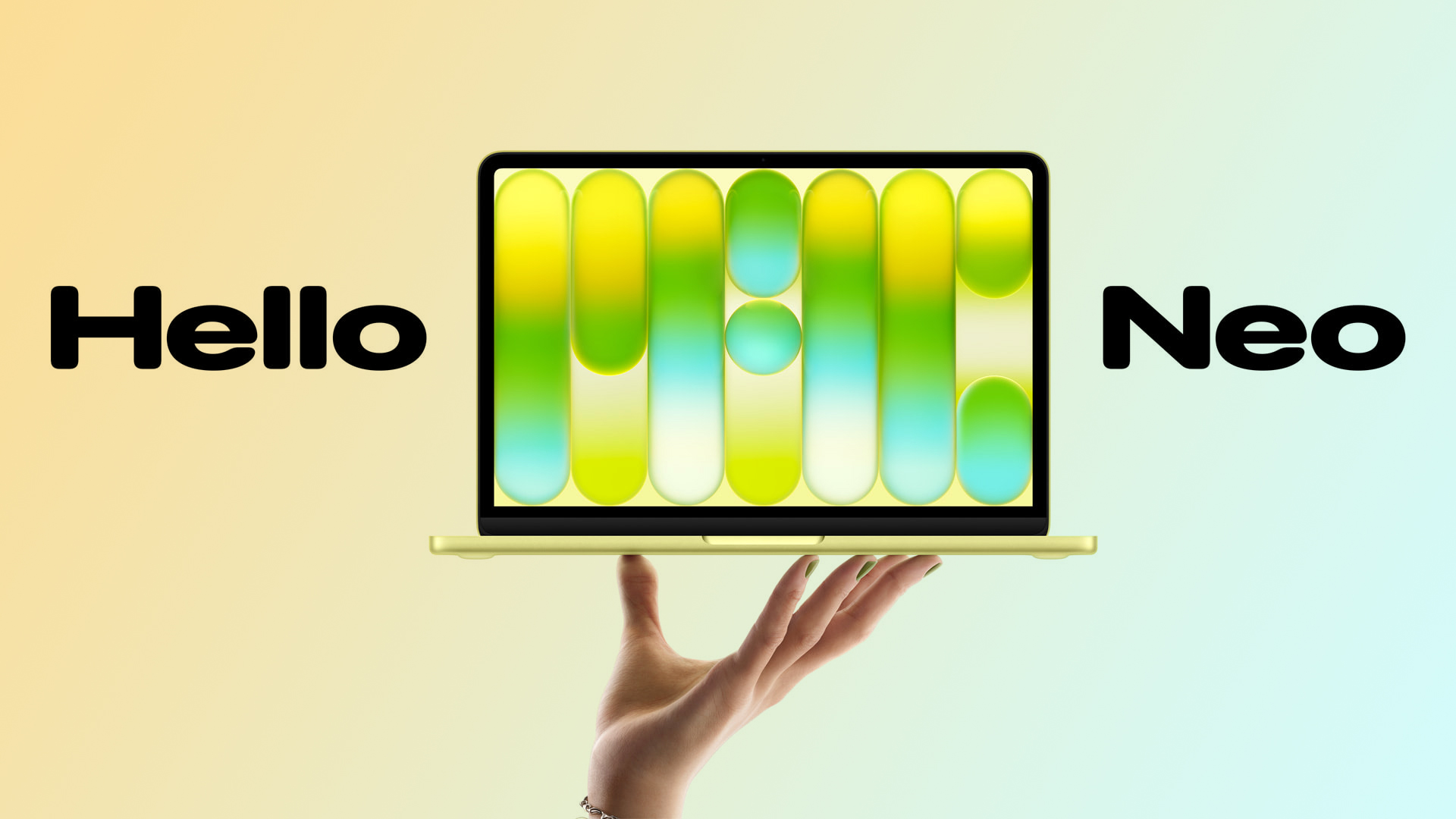
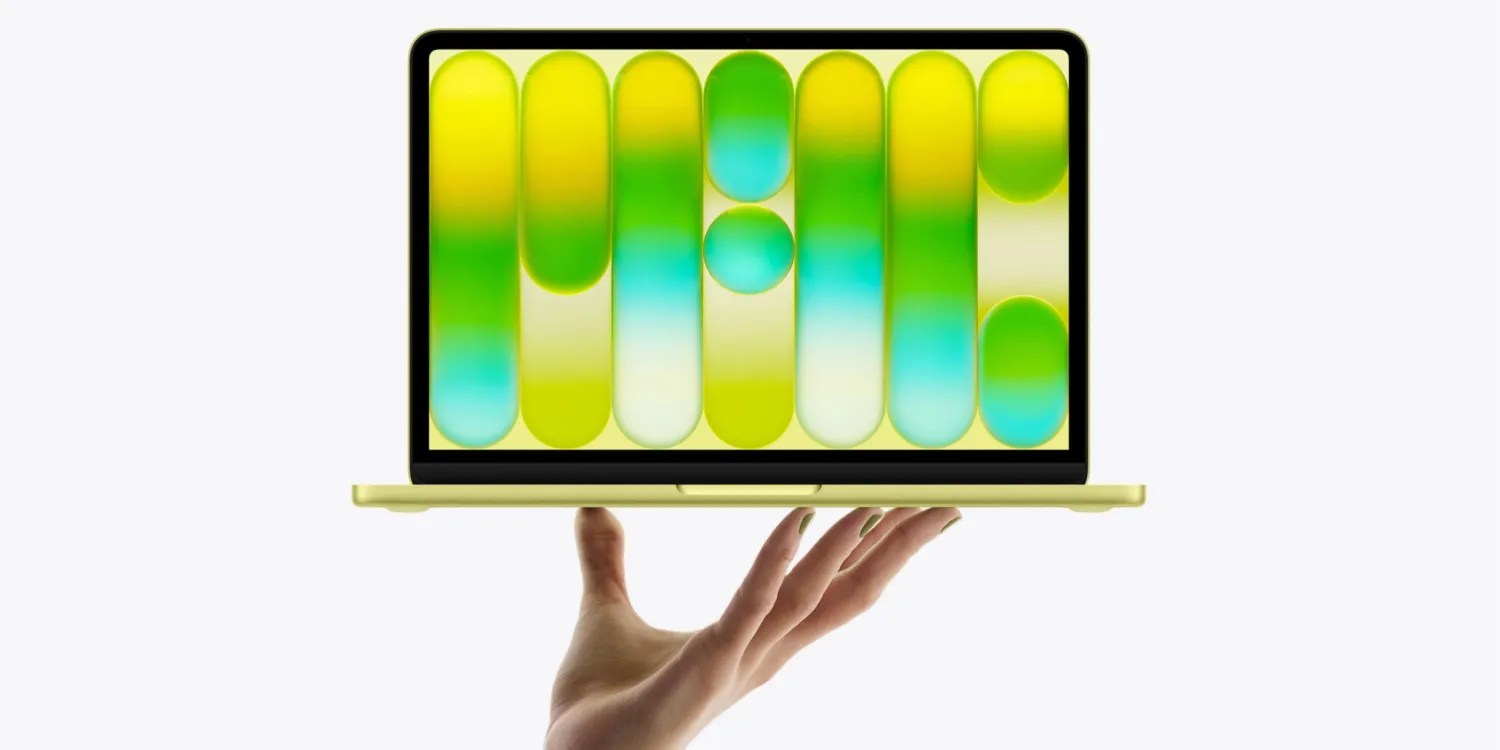
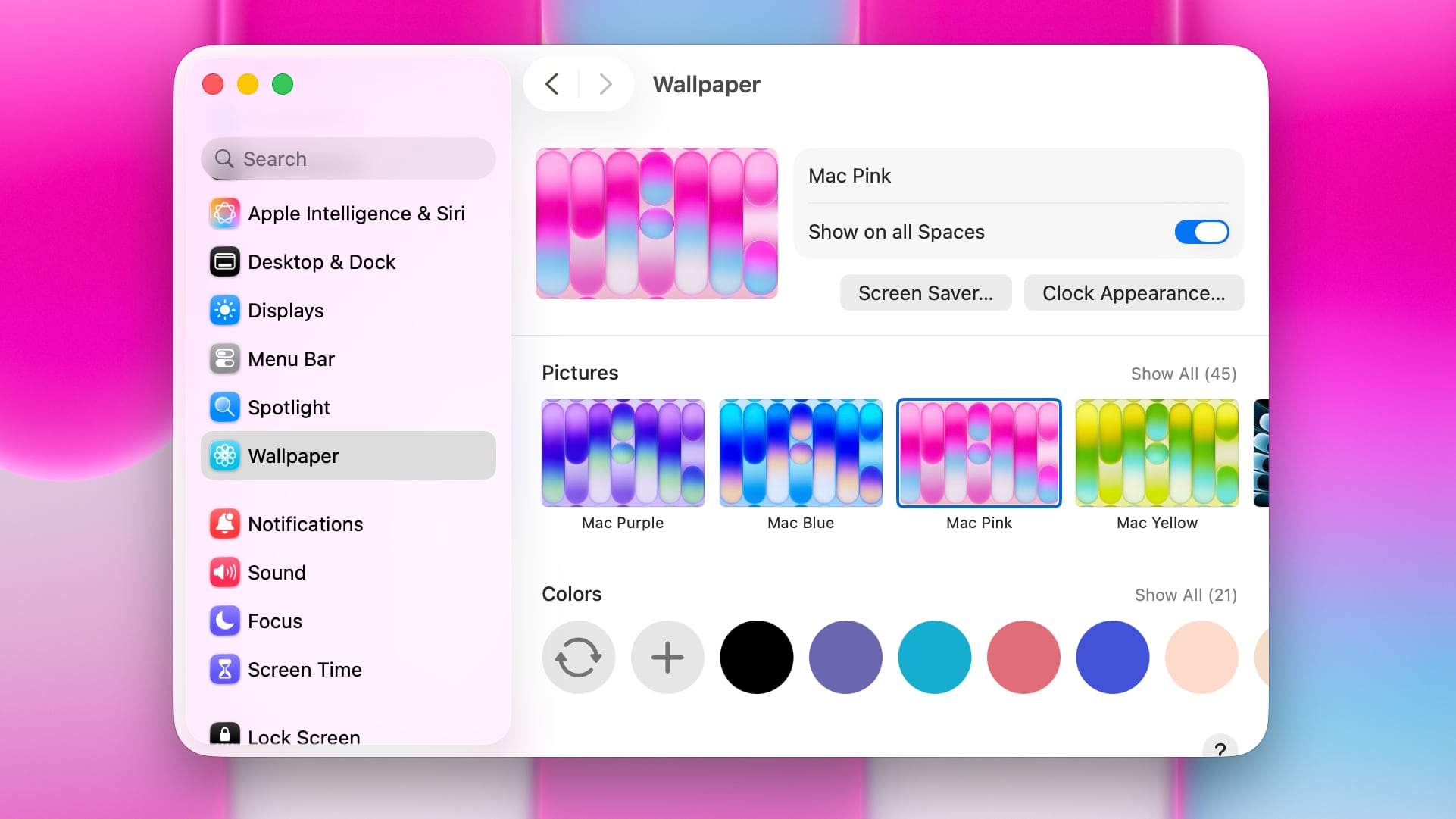
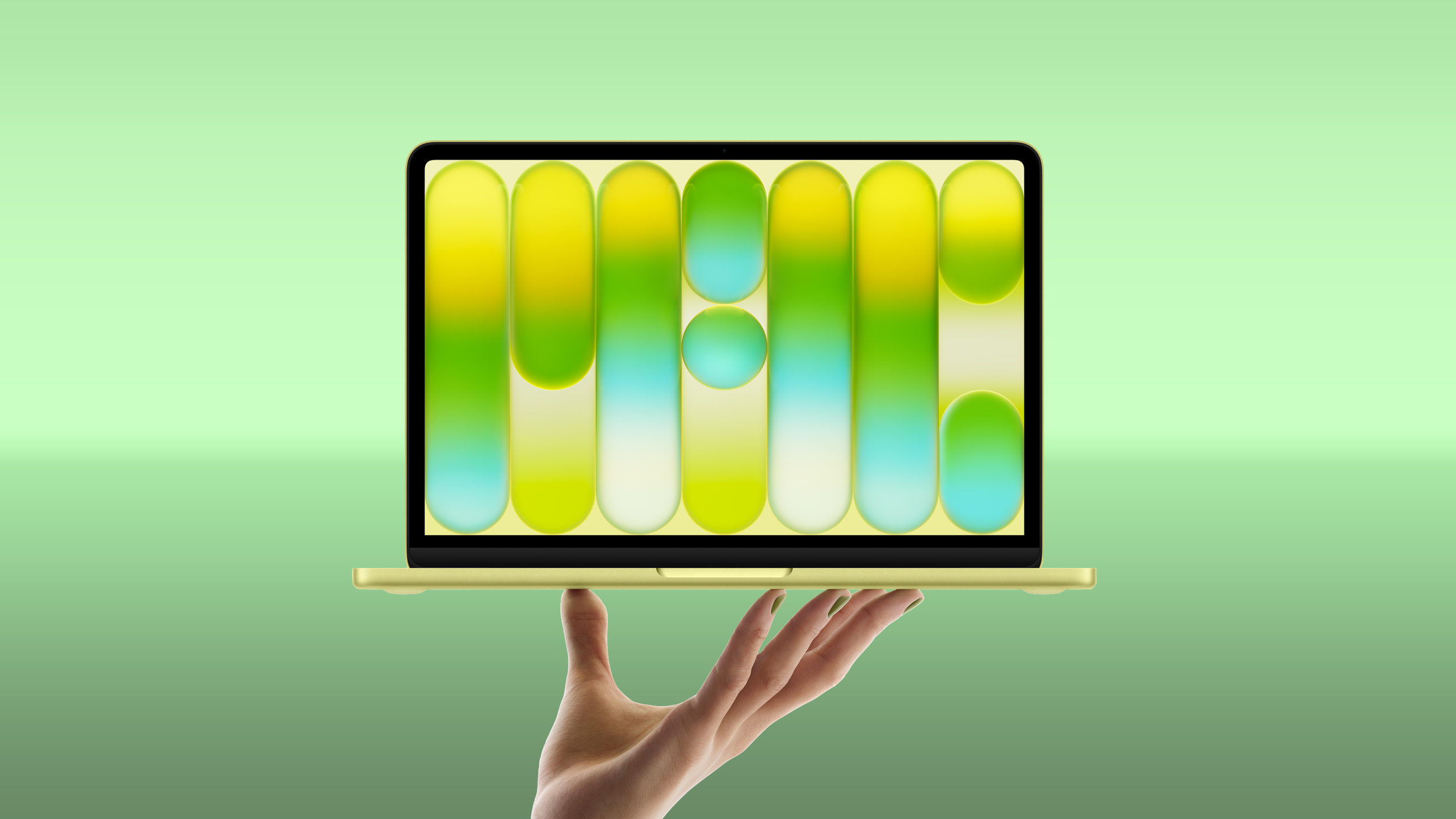
The colorful new wallpapers that Apple introduced with the MacBook Neo are available for all Macs in the fourth beta of macOS Tahoe 26.4 that came out for developers today.
Featuring bubble-style lines with colorful gradients, the wallpapers come in Mac Purple, Mac Blue, Mac Pink, and Mac Yellow. The design and the colors spell out the word "Mac."
Beta testers can use the new wallpapers by opening up the System Settings app, going to the Wallpaper option, and scrolling down to the Pictures section.
Apple typically makes all of the wallpapers that it designs for Mac marketing images available to all Macs, so the new Neo wallpapers join wallpapers created for the MacBook Air, MacBook Pro, iMac, and other machines.
Today's macOS Tahoe 26.4 update also adds new emoji characters, like trombone, treasure chest, distorted face, hairy creature, fight cloud, orca, and landslide.
The fourth beta of macOS Tahoe 26.4 is limited to developers, but it should soon be released for public beta testers as well. The update is expected to launch this spring.
The fourth iOS 26.4, iPadOS 26.4, and macOS Tahoe 26.4 betas that Apple provided to developers today introduce nine new emoji characters.
Trombone
Treasure Chest
Distorted Face
Hairy Creature (aka Bigfoot or Sasquatch)
Fight Cloud
Orca
Landslide
There are also new skin tone modifiers people wrestling and dancers with bunny ears, as well as a gender neutral option for the ballet dancer emoji.
The emoji characters are part of the Unicode 17 update that the Unicode Consortium previewed in fall 2025. It often takes Apple several months to implement new emoji characters because new art needs to be drawn for each one.
Updated emoji are often added to Apple devices in the spring, typically in .4 software updates.
Apple last added new emoji characters in iOS 18.4, introducing bags under eyes face, fingerprint, leafless tree, root vegetable, harp, shovel, and splatter.
Next year, in iOS 27, we could get a squinting face emoji, a monarch butterfly, left- and right-pointing thumb gestures, a pickle, a lighthouse, a meteor, an eraser, a net with a handle.
You don’t have to buy a MacBook Neo to run those cool new Apple wallpapers. macOS 26.4 adds the marketing wallpapers first introduced with Apple’s new $599 laptop.
iOS 26.4 beta 4 rolled out today for developers, and it includes a number of brand new emoji for iPhone users. Here are all the new emoji coming with iOS 26.4.
Apple today provided developers with the fourth betas of upcoming watchOS 26.4 and visionOS 26.4 betas for testing purposes. The software comes a week after Apple released the third betas.
The software updates are available through the Settings app on each device, and because these are developer betas, a free developer account is required.
watchOS 26.4 adds a new Average Bedtime metric to the sleep features that sync to the health app, so you can better keep an eye on how bedtime impacts overall sleep quality.
tvOS 26.4 eliminates the iTunes Movies and iTunes TV Shows apps on the Apple TV. These apps haven't worked for some time and have directed users to the Apple TV app for purchases, but Apple is finally phasing them out entirely. Apple also added a Continuous Audio Connection option for HDMI output.
visionOS 26.4 includes support for foveated streaming for apps and games. Foveated streaming allows video to be streamed to the precise area where a user is looking, and peripheral areas are compressed. It allows for higher visual quality and lower latency.