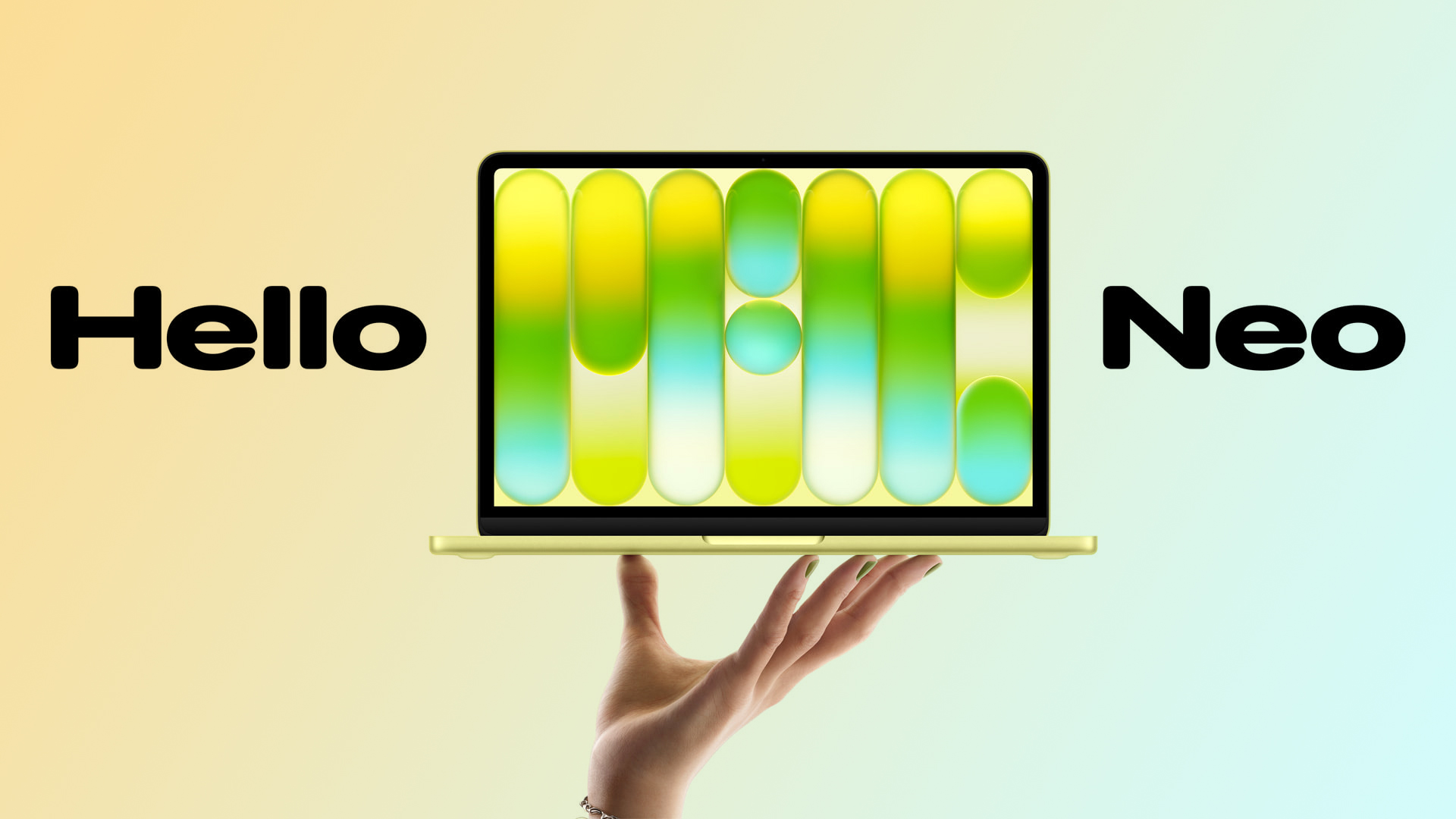
A new market intelligence report today suggests that the new machine could become even more attractive later this year as competing laptops become more expensive …
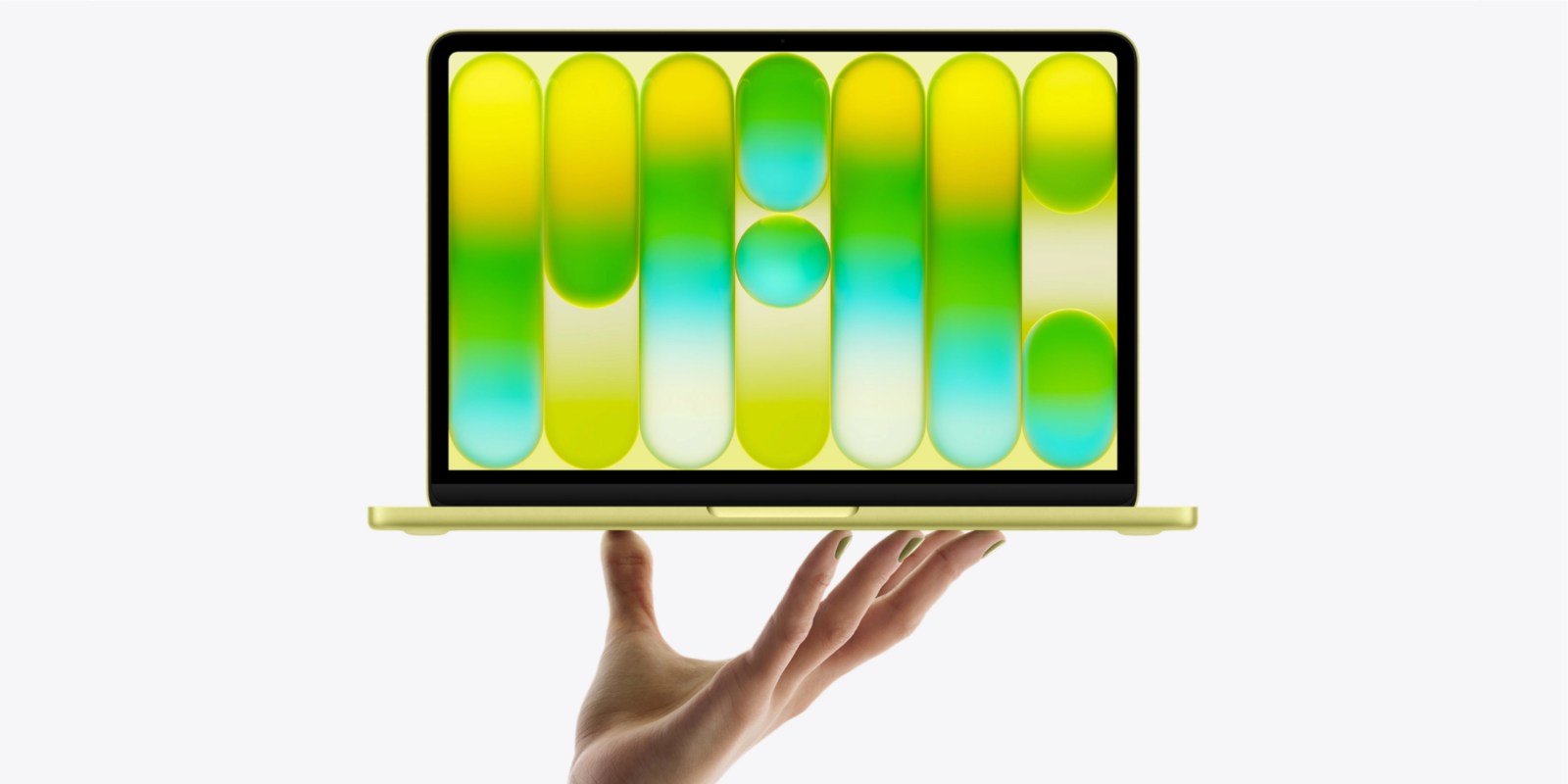
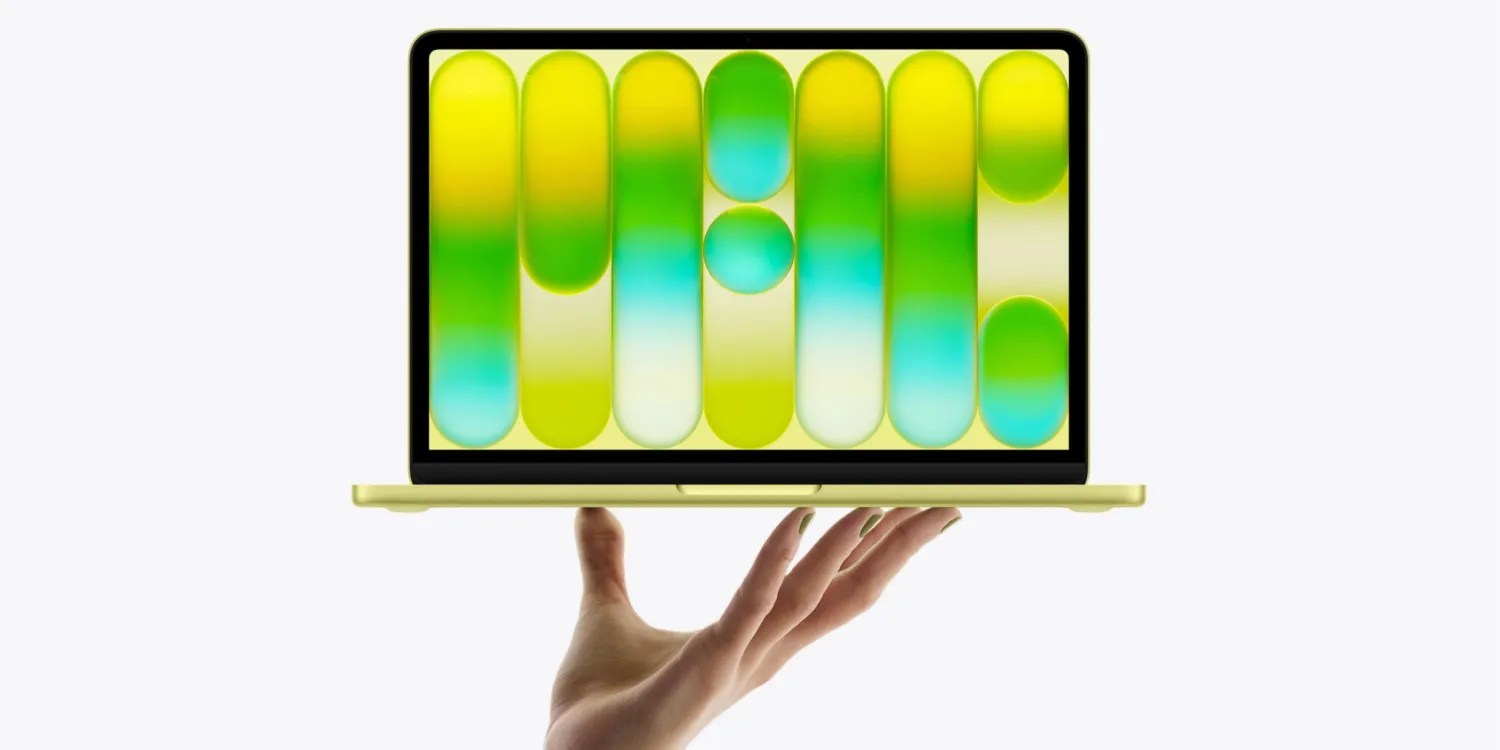
Apple's Mac lineup will soon span a wider price range than ever, from the new $599 MacBook Neo to a rumored top-of-the-line MacBook "Ultra" expected later this year. However, new research suggests the broader laptop market could be heading for a painful price adjustment.
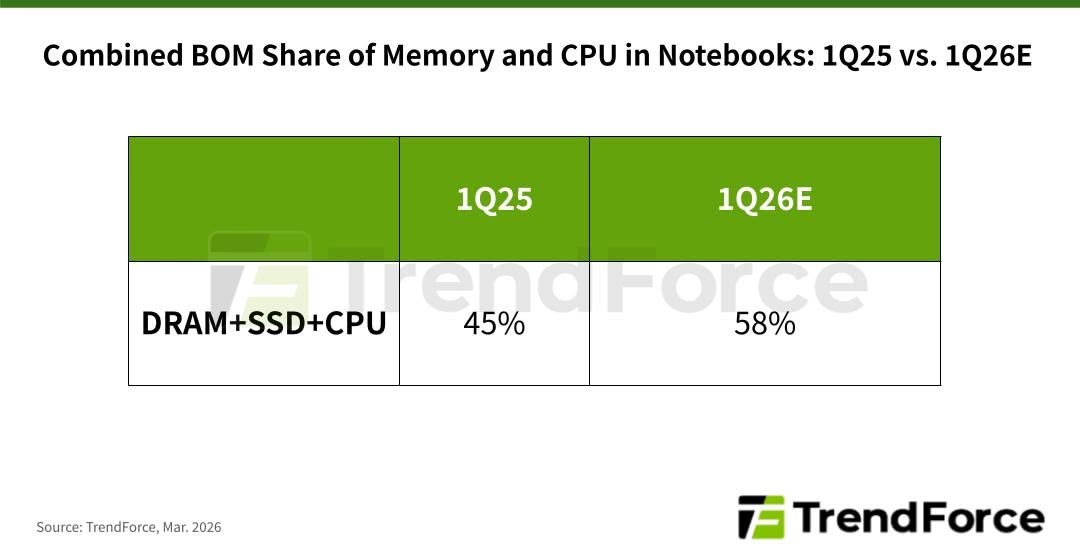
According to TrendForce, surging memory and CPU costs could push mainstream laptop retail prices up by nearly 40% in 2026. The firm modeled a laptop with a $900 MSRP and found that DRAM and SSD (normally around 15% of a device's bill of materials) have ballooned to over 30% following several quarters of sharp price increases. That alone could force retail prices up by more than 30% if brands want to hold their margins.
Intel has raised prices on entry-level and older-generation laptop CPUs by more than 15%, notes the report, with further hikes planned for mainstream and higher-end platforms in the second quarter. When combined, memory and CPU could end up accounting for 58% of laptop component costs, up from roughly 45%.
Apple designs its own silicon, which gives it considerable insulation from Intel-driven CPU volatility. The MacBook Neo's A18 Pro chip, for instance, is produced by TSMC under Apple's direct supply agreements. But Apple is not immune to memory market pressures – DRAM and NAND flash costs affect Macs across the line, from the Neo's fixed 8GB of RAM to the high-capacity configurations in the MacBook Pro.
Just last week, Apple removed the 512GB memory upgrade option when purchasing a Mac Studio, with the machine now maxing out at 256GB. The latter option also got a price rise – it used to cost $1,600 to go from 96GB to 256GB on the high-end M3 Ultra machine, but now it costs $2,000.
TrendForce notes that "tier-one brands" with deep supplier relationships are most well-positioned to deal with the price squeeze. That bodes well for Apple, but killing off the Mac Studio upgrade option shows it's not completely invulnerable to broader market pressures.
Apple is pitching the MacBook Neo at people who’ve never owned a Mac before, and it’s reaching out to them in the place it thinks it will find this new generation of potential Mac users: TikTok.
The company has been running a series of quirky ads on the video streaming platform, some of them featuring an adorable little Finder guy …
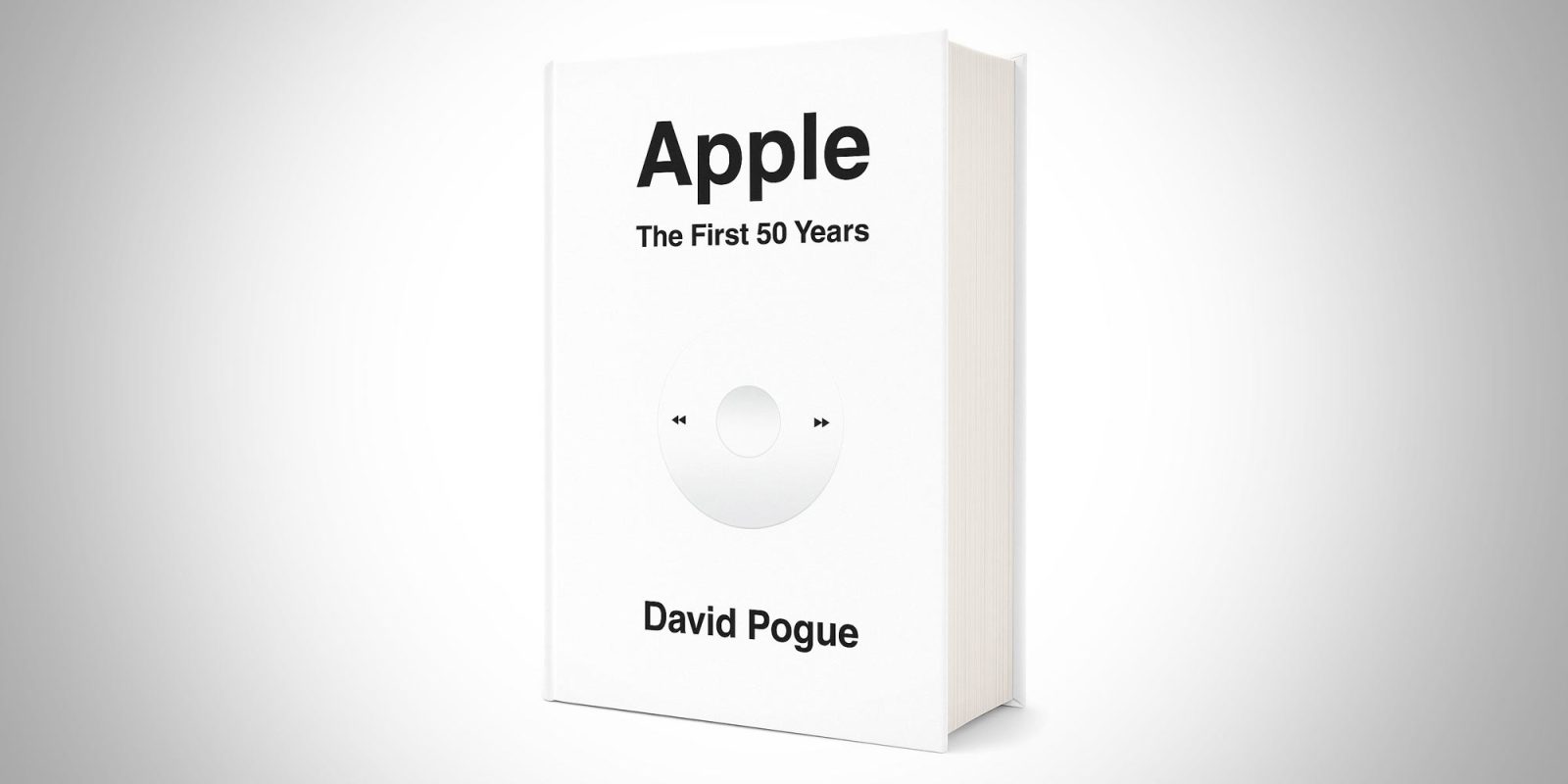
Apple celebrates its 50th birthday this year, having originally been founded on April 1, 1976. Coinciding with that anniversary, veteran technology reporter “CBS Sunday Morning” correspondent David Pogue is out with a new book that goes in-depth on the company’s history, Apple: The First 50 Years.
Apple last year shifted a substantial amount of iPhone production outside of China despite the fact that it has to pay a premium to do so.
The company reportedly hit a significant milestone, reaching the halfway point in its objective to split iPhone production equally between China and India …
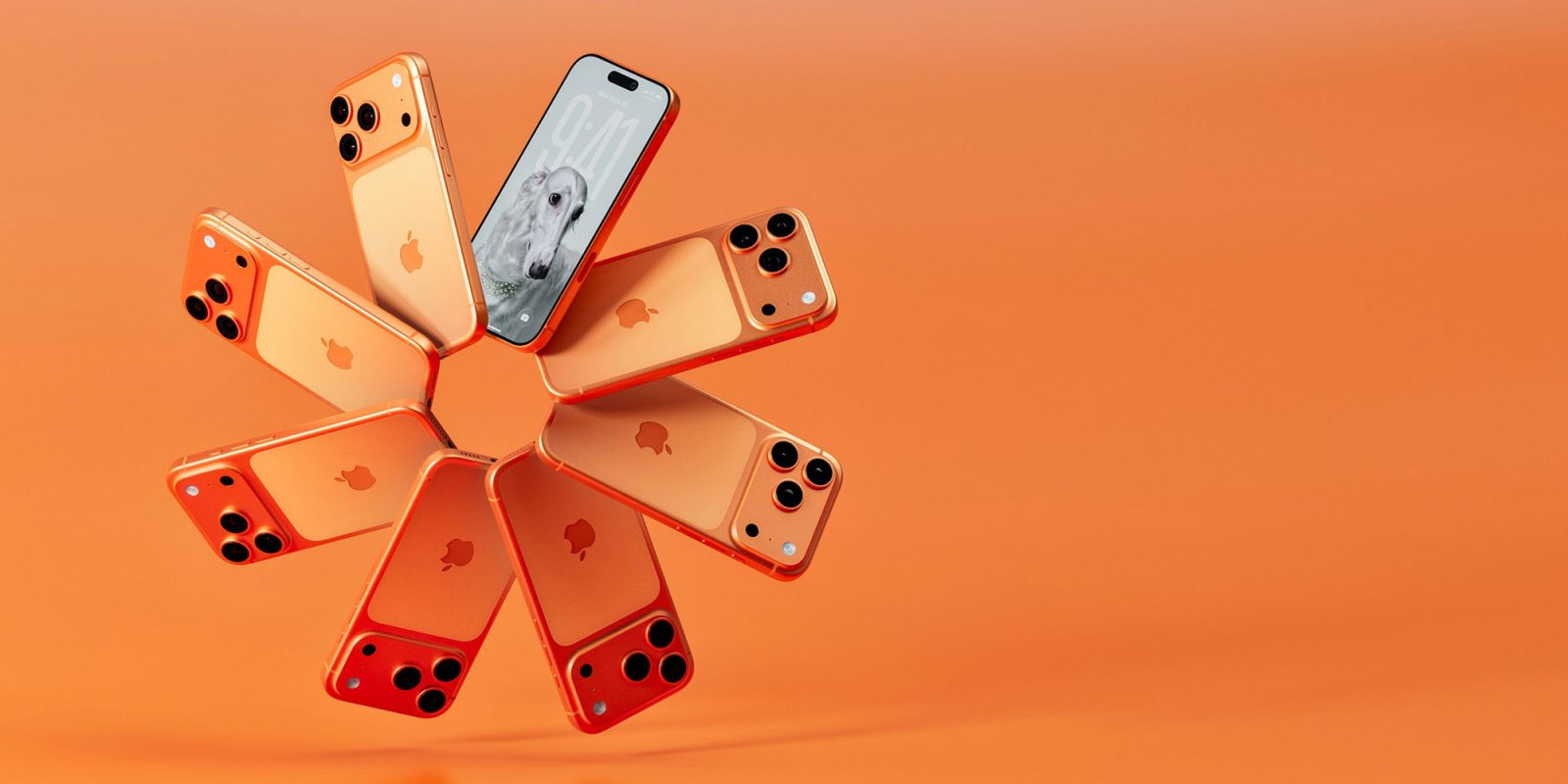
Apple boosted iPhone production in India by around 53 percent last year and now makes a quarter of its flagship devices there to avoid tariffs on China, reports Bloomberg ($).
Apple assembled about 55 million iPhones in the country across 2025, up from 36 million a year earlier, according to the publication's sources. The shift is part of Apple's broader effort to mitigate risk from U.S.-China trade tensions and reduce dependence on a single country for production.
Apple makes about 220 million to 230 million iPhones globally. A Canalys report last year claimed India has overtaken China as the leading manufacturer of smartphones shipped to the United States.
The California-based company has leaned heavily on Prime Minister Narendra Modi's production-linked incentives aimed at turning India into the world's factory. The subsidies have helped offset some of the structural cost disadvantages that manufacturers face in India, including the lack of a China-like robust supply chain and logistics challenges, according to Bloomberg.
Although the cost gap has narrowed, assembling electronics and manufacturing components in India still remains more expensive than in countries such as China and Vietnam. Consequently, companies including Apple and Samsung are continuing to push for additional government support.
The companies are currently in discussions with the Indian government about a new round of incentives aimed at boosting export growth. The report notes that India's existing production-linked subsidies for smartphones are set to expire on March 31, and with the U.S. Supreme Court recently striking down some tariffs affecting China, officials in New Delhi are under pressure to act quickly to ensure the country remains cost-competitive.
Apple now assembles all models in the latest iPhone 17 lineup in India, including the higher-end Pro and Pro Max variants. Manufacturing partners in the country – including Foxconn, Tata Electronics, and Pegatron – also produce older devices such as the iPhone 15 and iPhone 16 for both domestic sales and export markets.
Apple @ Work is exclusively brought to you by Mosyle, the only Apple Unified Platform. Mosyle is the only solution that integrates in a single professional-grade platform all the solutions necessary to seamlessly and automatically deploy, manage & protect Apple devices at work. Over 45,000 organizations trust Mosyle to make millions of Apple devices work-ready with no effort and at an affordable cost. Request your EXTENDED TRIAL today and understand why Mosyle is everything you need to work with Apple.
In this episode of Apple @ Work, Kevin Pickhart, Executive Chairman of Pharos, joins the show to talk about the hidden security risks lurking in office printers, and why zero-trust security needs to include print workflows, not just endpoints and networks.
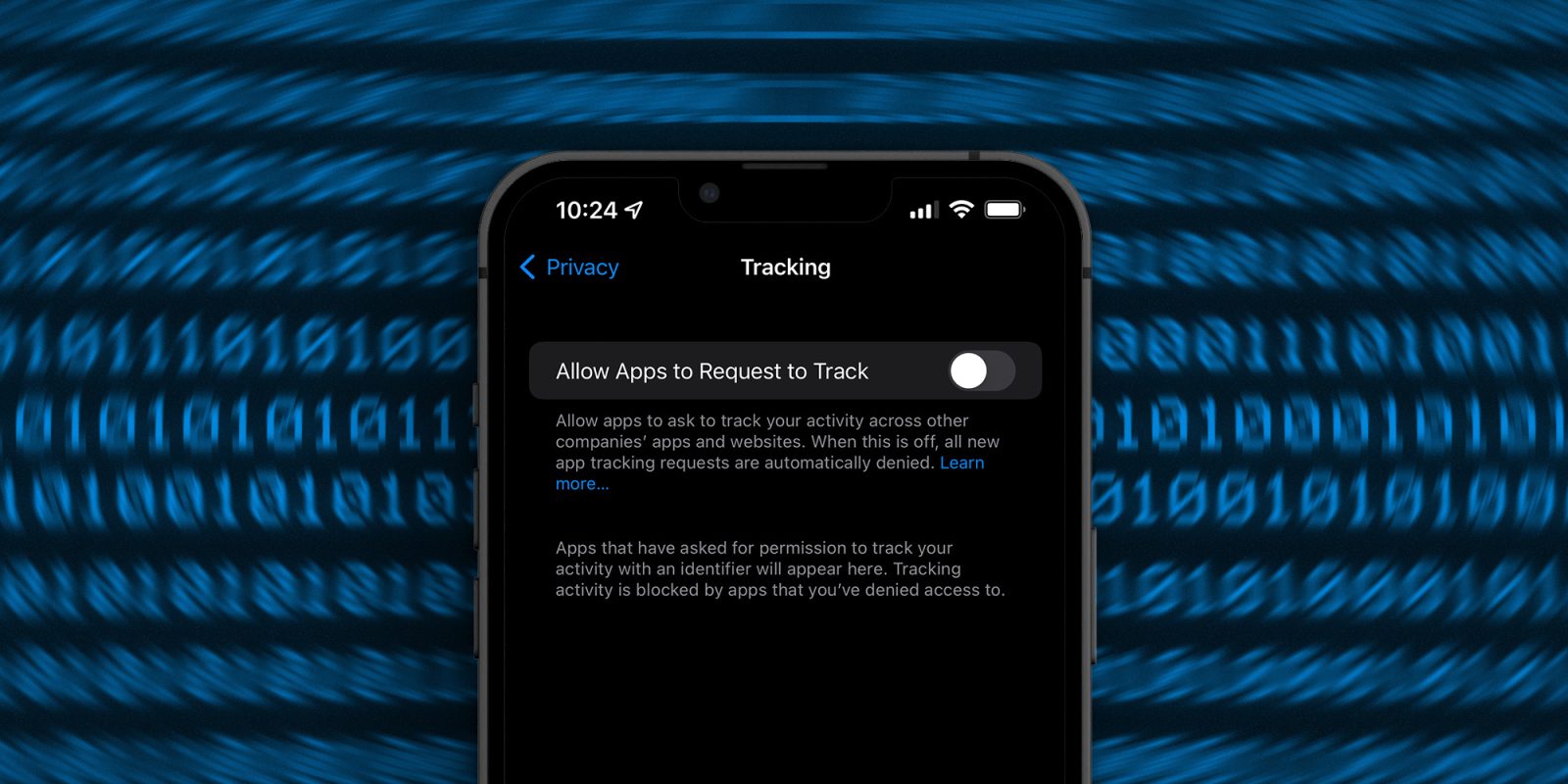
German media agencies and publishers are urging the country’s antitrust watchdog to reject Apple’s proposed changes to App Tracking Transparency (ATT) and impose a fine on the company. Here are the details.
OpenAI’s recent contract with the U.S. Department of Defense sparked backlash from users, briefly pushing Claude to the top of the App Store. Here are the details.
Apple is continuing to test the iOS 26.4 beta, and the latest update is now available for developers and public beta testers. As testing goes on, there are fewer new features in each beta, but today’s release adds new emoji characters and a few other changes.
New Emoji
Apple added new emoji characters, including trombone, treasure chest, distorted face, hairy creature, fight cloud, orca, and landslide.
There are also new skin tone modifiers people wrestling and dancers with bunny ears, as well as a gender neutral option for the ballet dancer emoji.
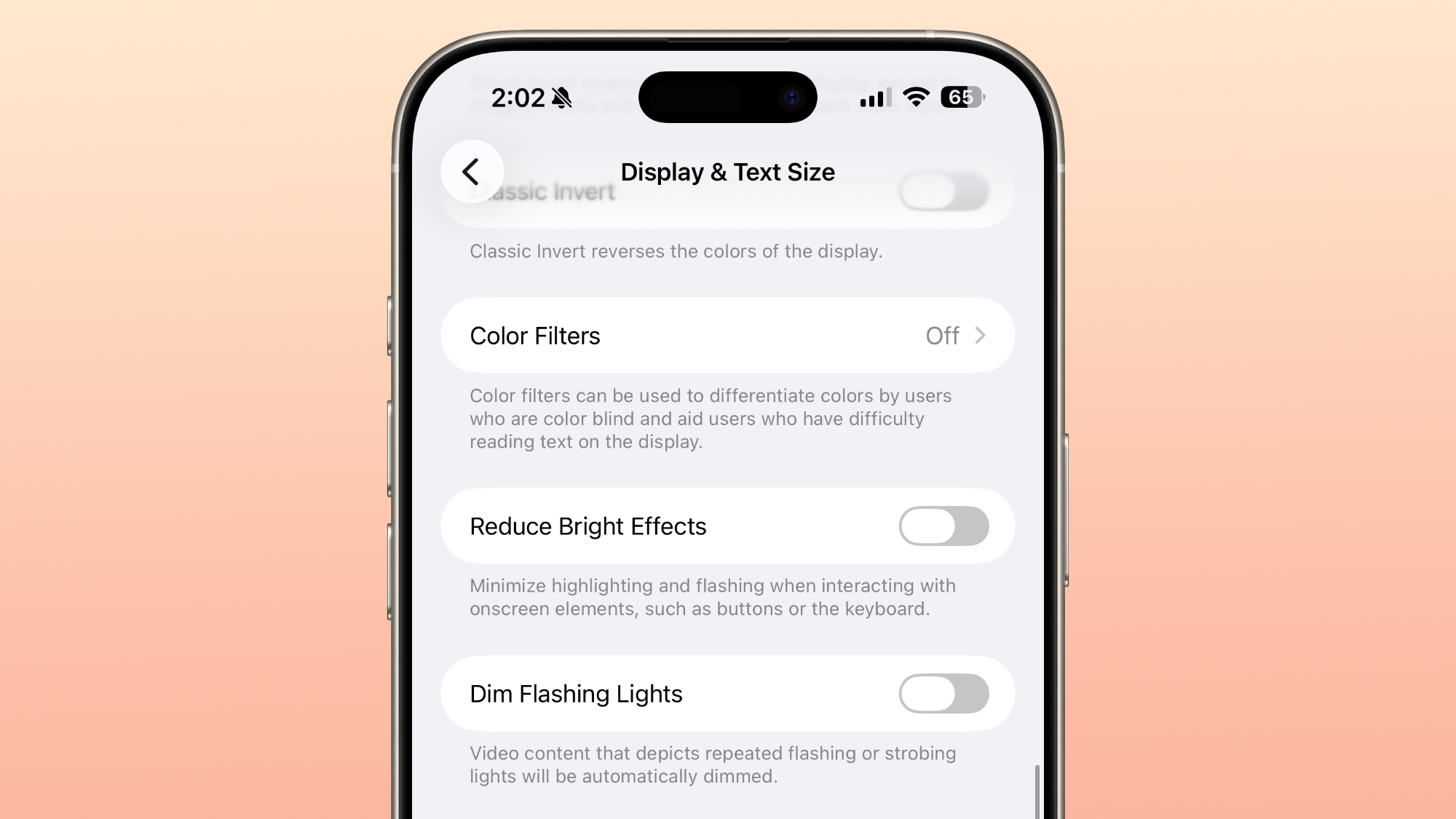
Reduce Bright Effects
Apple renamed the prior Reduce Highlighting Effects Accessibility setting to “Reduce Bright Effects,” and explained what it does.
Apple says the feature "minimizes highlighting and flashing when interacting with onscreen elements, such as buttons or the keyboard.
RCS Encrypted Messaging
Apple has removed the RCS end-to-end encryption beta in the fourth beta of iOS 26.4 after testing it in the prior three betas. Apple already said that end-to-end encryption for RCS would not launch in the iOS 26.4 update, and would instead be introduced in the future.
Apple tested end-to-end encryption for iPhone-to-iPhone RCS conversations, and iPhone-to-Android conversations. iMessage communications are already encrypted, but in a future iOS update, full implementation of RCS encryption will mean that iPhone-to-Android text message conversations have the same level of encryption.
New Device Support
iOS 26.4 and iPadOS 26.4 beta 4 are the first betas that are able to be installed on the new iPhone 17e and M4 iPad Air.
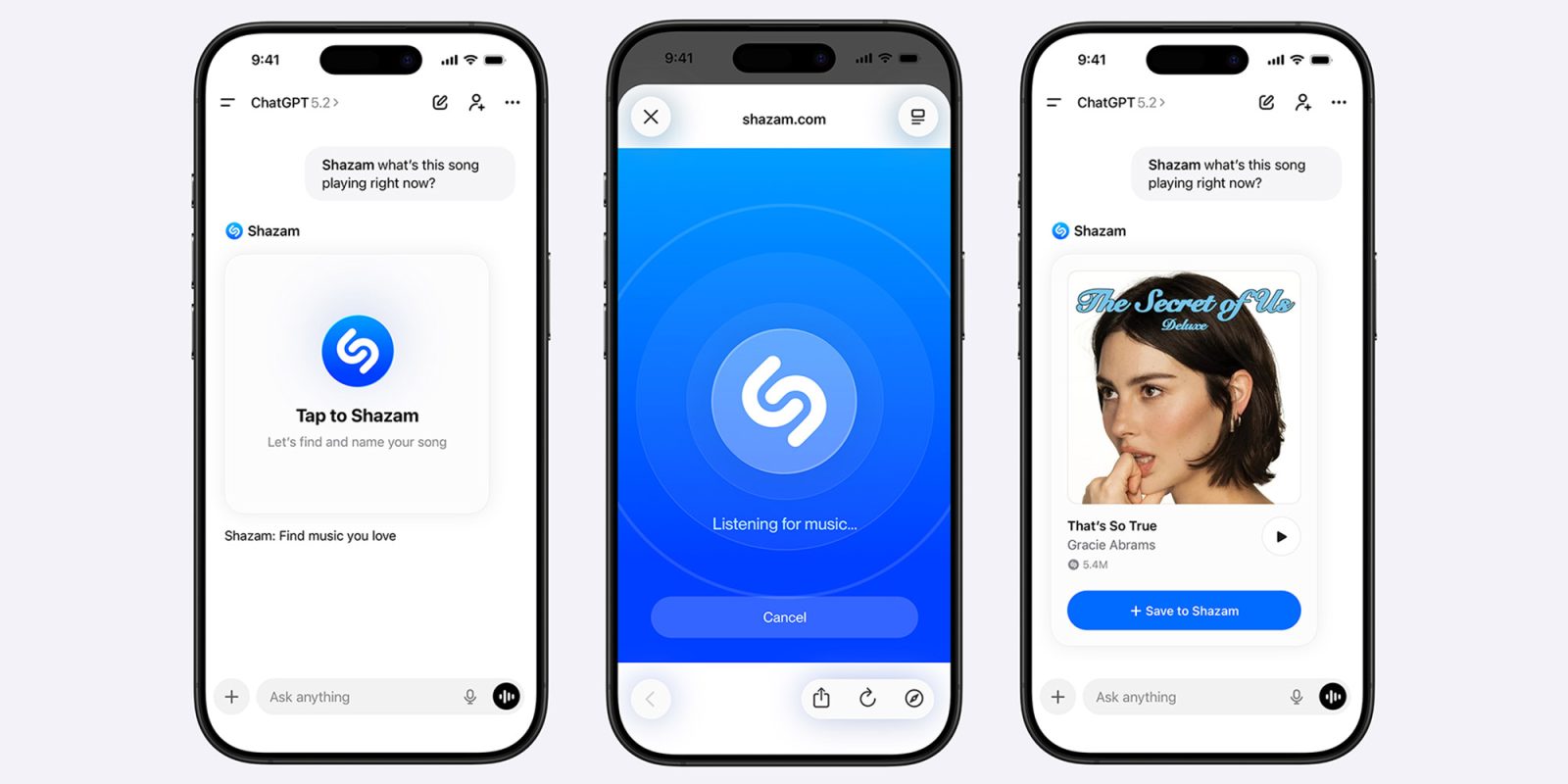
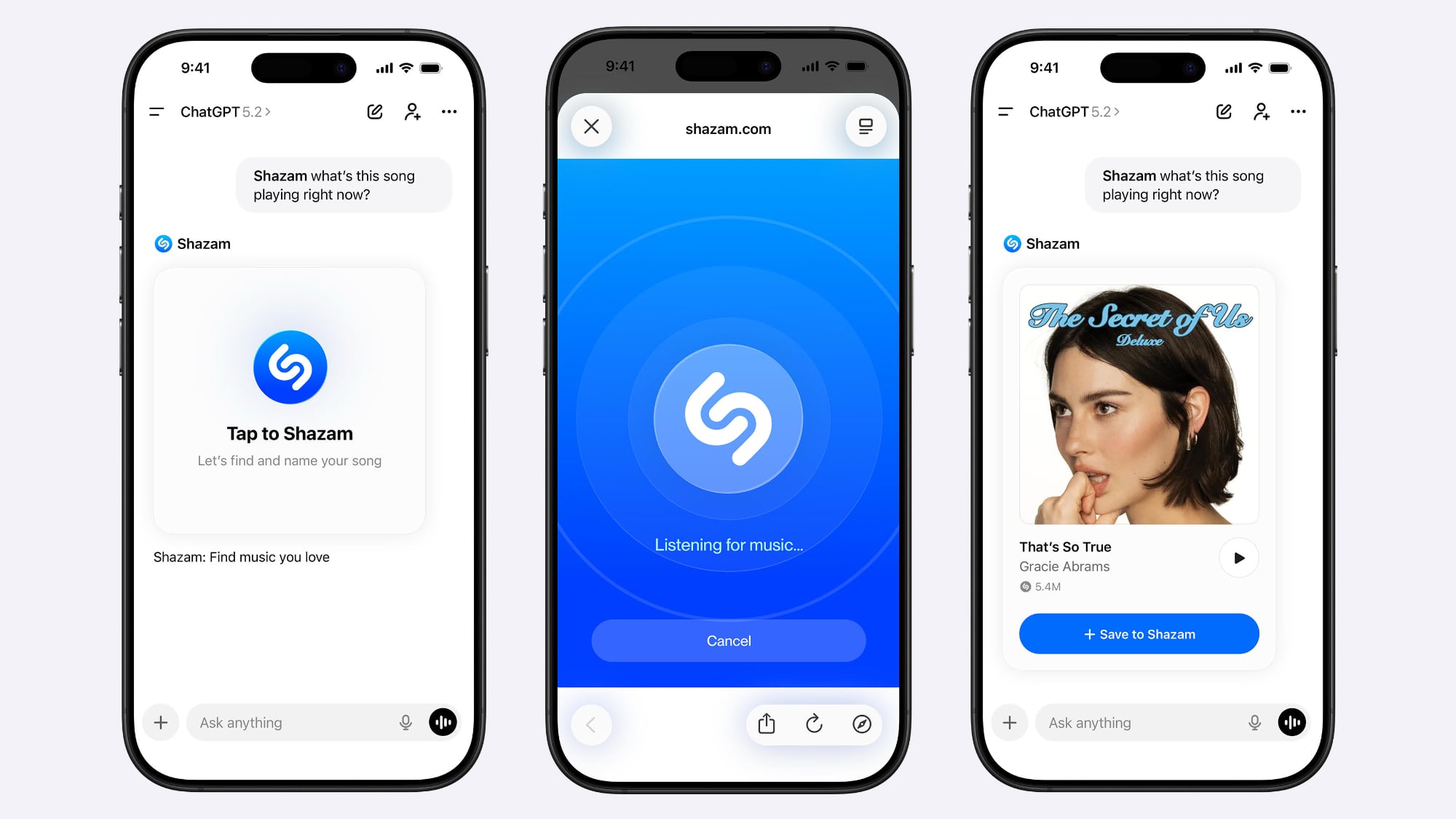
ChatGPT is now able to identify songs that are playing using Apple-owned music service Shazam. With a new Shazam integration, ChatGPT users can type in a question like "Shazam, what is this song?" to bring up a "Tap to Shazam" interface to get the title of a song.
Shazam's full music recognition technology is available in ChatGPT, so users won't need to exit out of the app to identify a song and listen to an inline preview. Using Shazam in ChatGPT works the same way as Shazam on an Apple device.
Shazam can be added to ChatGPT by opening up the ChatGPT settings, navigating to apps, and searching for Shazam. After installation, Shazam can be invoked by starting a request with "Shazam."
Using Shazam in ChatGPT does not require the Shazam app to be installed, and the song recognition functionality can be used on any platform. With the Shazam app installed, songs identified using ChatGPT are added to the Shazam app library for later access.
If you want a MacBook Neo from Apple for Wednesday, March 11 delivery, but have yet to place an order, you might be out of luck.
MacBook Neo pre-orders began March 4, and the initial delivery date was March 11. But now, Apple's online store in the U.S. shows that MacBook Neo orders placed today are estimated to be delivered between March 17 and March 31.
Here are the estimated delivery dates for each configuration as of 5:45 p.m. Eastern Time:
256GB/Blush: March 24 — March 31
256GB/Citrus: March 17 — March 24
256GB/Indigo: March 17 — March 24
256GB/Silver: March 24 — March 31
512GB/Blush: March 24 — March 31
512GB/Citrus: March 24 — March 31
512GB/Indigo: March 24 — March 31
512GB/Silver: March 17 — March 24
Fortunately, Apple Store pickup is still an option for some configurations on launch day. MacBook Neo is also sold by resellers like Amazon and Walmart.
Without knowing how much supply there is for each configuration, it is hard to draw any conclusions from the delivery dates listed above, but it is clear that it is getting harder and harder to find a MacBook Neo for launch day. Given the laptop starts at just $599, or an even lower $499 for college students, that should not come as too much of a surprise.
If you’re considering buying the new MacBook Neo, whether for yourself or a family member, it may be helpful to know how much repairs will cost. Here are the details.
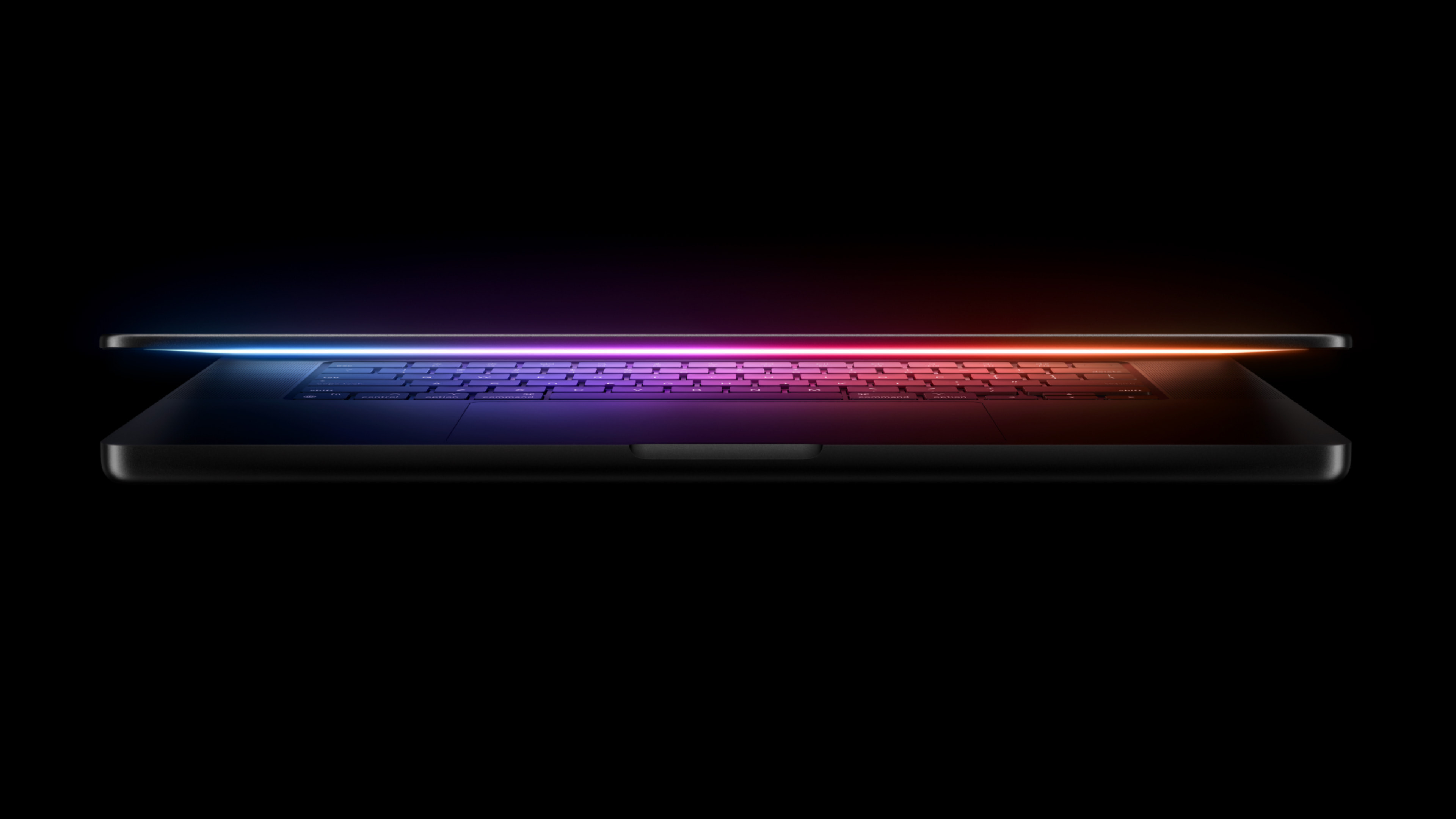
The first reviews of the new 14-inch and 16-inch MacBook Pro models with Apple's M5 Pro and M5 Max chips were published today by selected publications and YouTube channels, ahead of the laptops launching on Wednesday.
In addition to the M5 Pro and M5 Max chips, the new MacBook Pro models offer up to twice as fast SSD speeds compared to the previous generation, and storage now starts at 1TB. Battery life has increased slightly on all of the new models, and the N1 chip extends to the MacBook Pro now for Wi-Fi 7 and Bluetooth 6 support.
Geekbench 6 benchmark results already surfaced for the M5 Pro and M5 Max last week. In line with Apple's advertised figures, the chips offer up to approximately 15% faster CPU performance and up to approximately 20% faster GPU performance compared to the previous-generation M4 Pro and M4 Max chips.
Mac Model
Multi-Core CPU Score
MacBook Pro (M5 Pro and M5 Max)
28,500 to 29,500
Mac Studio (M3 Ultra)
27,726
MacBook Pro (M4 Max)
25,702
MacBook Pro (M4 Pro)
22,490
Mac Studio (M2 Ultra)
21,410
MacBook Pro (M3 Max)
20,960
Mac Studio (M1 Ultra)
18,434
MacBook Air (M5)
17,073
MacBook Pro (M3 Pro)
15,260
MacBook Pro (M2 Max)
14,740
MacBook Air (M4)
14,731
MacBook Pro (M2 Pro)
14,451
MacBook Pro (M1 Max)
12,345
MacBook Pro (M1 Pro)
12,345
MacBook Air (M3)
12,020
MacBook Air (M2)
9,709
MacBook Neo (A18 Pro)
8,668
MacBook Air (M1)
8,342
The Verge said the 16-inch MacBook Pro with the M5 Max and a 4TB SSD sustained a 13.6 GB/s read speed and a 17.8 GB/s write speed, which is an 86% and 123% increase for read and write speeds respectively compared to the equivalent previous model. This is roughly in line with Apple advertising up to twice as fast SSD speeds.
Tom's Guide's Tony Polanco said the 16-inch MacBook Pro with the M5 Pro lasted an "astonishing" 21 hours and 10 minutes in a battery life test that involved "continuous web surfing over Wi-Fi with the laptop's display set to 150 nits of brightness." The previous M4 Pro model lasted 20 hours and 46 minutes in the same test.
Keep in mind that the MacBook Pro is rumored to receive a major redesign in either late 2026 or 2027. Key new features expected include an OLED display, a touch screen, a Dynamic Island, M6 Pro and M6 Max chips manufactured with TSMC's advanced 2nm process, a thinner design, and potentially even built-in cellular connectivity. However, it has been rumored that this might be a new highest-end model called the "MacBook Ultra."
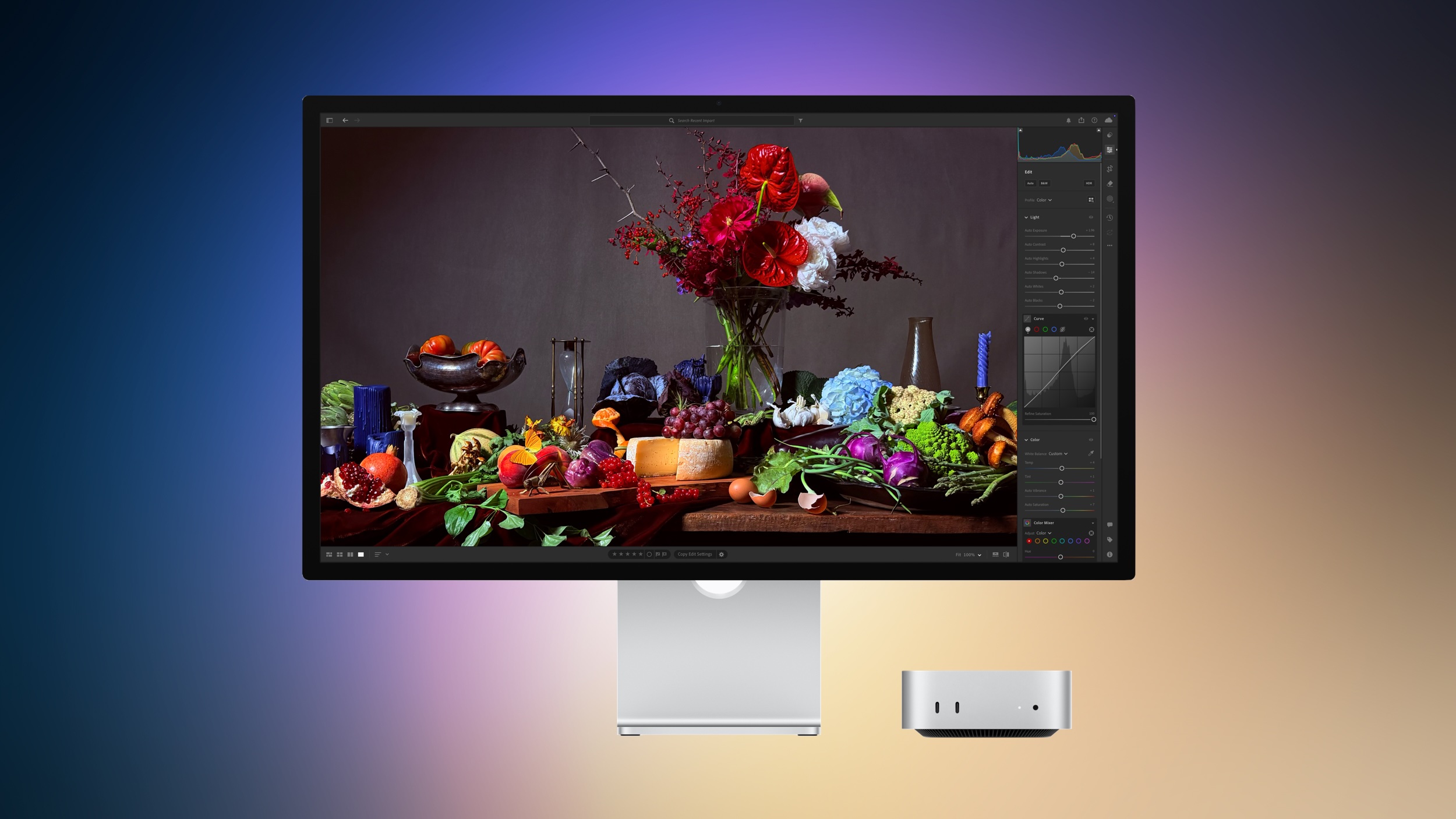
With the Studio Display and Studio Display XDR set to launch on Wednesday, members of the media have started publishing their reviews of the new display options.
According to The Verge, the Studio Display is the same panel as the prior model, but with an upgraded camera, speakers, and ports. The brightness is the same, and there appear to be no other changes to the display quality.
The Studio Display XDR is the much more exciting update, because it is a replacement for the $5,000 Pro Display XDR. The Verge says that the display is a "great improvement" over the prior model due to the mini-LED backlight, though at this cost, it's only ideal for pros because there are more affordable options for general use. Images and text are "crisp and clear," with minimal light bleed thanks to dimming control, though light bleed is worse than with OLED technology, and viewing angles aren't as wide.
Presets are accurate, and the Studio Display XDR was able to maintain up to 2,000 nits peak brightness. It's "very bright at a normal desk sitting distance." The built-in speakers are loud enough for listening to music, watching videos, and taking calls, and the 12-megapixel camera provides clear video.
YouTuber Marques Brownlee said the Studio Display XDR is "better in every single way" than the Pro Display XDR because it's brighter with improved contrast and less blooming, plus it has an extra Thunderbolt port.
Since the Studio Display XDR has a 120Hz refresh rate, it pairs better with the MacBook Pro that has the same refresh rate. "This is about as good as it gets" for a display to use with a MacBook Pro. Brownlee said that Apple doesn't appear to be targeting professionals with the Studio Display XDR since it's a small market, with the display serving as more of a mixed use product.
There are no displays to compare the Studio Display XDR with because no companies make 27-inch 5K mini-LED displays with a 120Hz refresh rate.
PetaPixel said the Studio Display XDR's build quality is "phenomenal," but the site wasn't a fan of the integrated power cable, the sharp edges on the stand, or the thick bezels around the display.
The Studio Display XDR was color accurate across presets at all brightness levels, but the display was only able to get gamut coverage up to 86 percent with Adobe RGB profiles. PetaPixel also saw some "slightly higher than acceptable contrast deviation" at the upper right corner of the XDR, but most human eyes won't be able to see a difference.
HDR content looked spectacular with no "stutter or judder" and limited haloing, but contrast and black levels did not measure up to OLED because mini-LED is still LED. PetaPixel pointed out that few companies are making displays that are super bright, HDR compatible, extremely color accurate, and with Thunderbolt 5 support. The closest match is the Asus ProArt OLED display.
Other reviews are below:
The Studio Display and Studio Display XDR launch on Wednesday. Pricing on the Studio Display starts at $1,599, while pricing on the Studio Display XDR starts at $3,299.
Apple’s new MacBook Pros with M5 Pro and M5 Max chips arrive this Wednesday, and reviews for the latest models have just arrived. Here’s what reviewers are saying.
The Apple Partner Discovery Tool will help businesses and governments find authorized resellers and technical partners to support device purchasing, deployment, and IT management. Here are the details.
Last week, Apple announced two new desktop monitors: the updated Studio Display, and the all-new Studio Display XDR. Now the first unboxing videos and reviews have arrived ahead of release day on Wednesday.
iOS 26.4 beta 4 arrived today, and with it a new ’Reduce Bright Effects’ setting that lets you disable various flashing elements common in Liquid Glass.
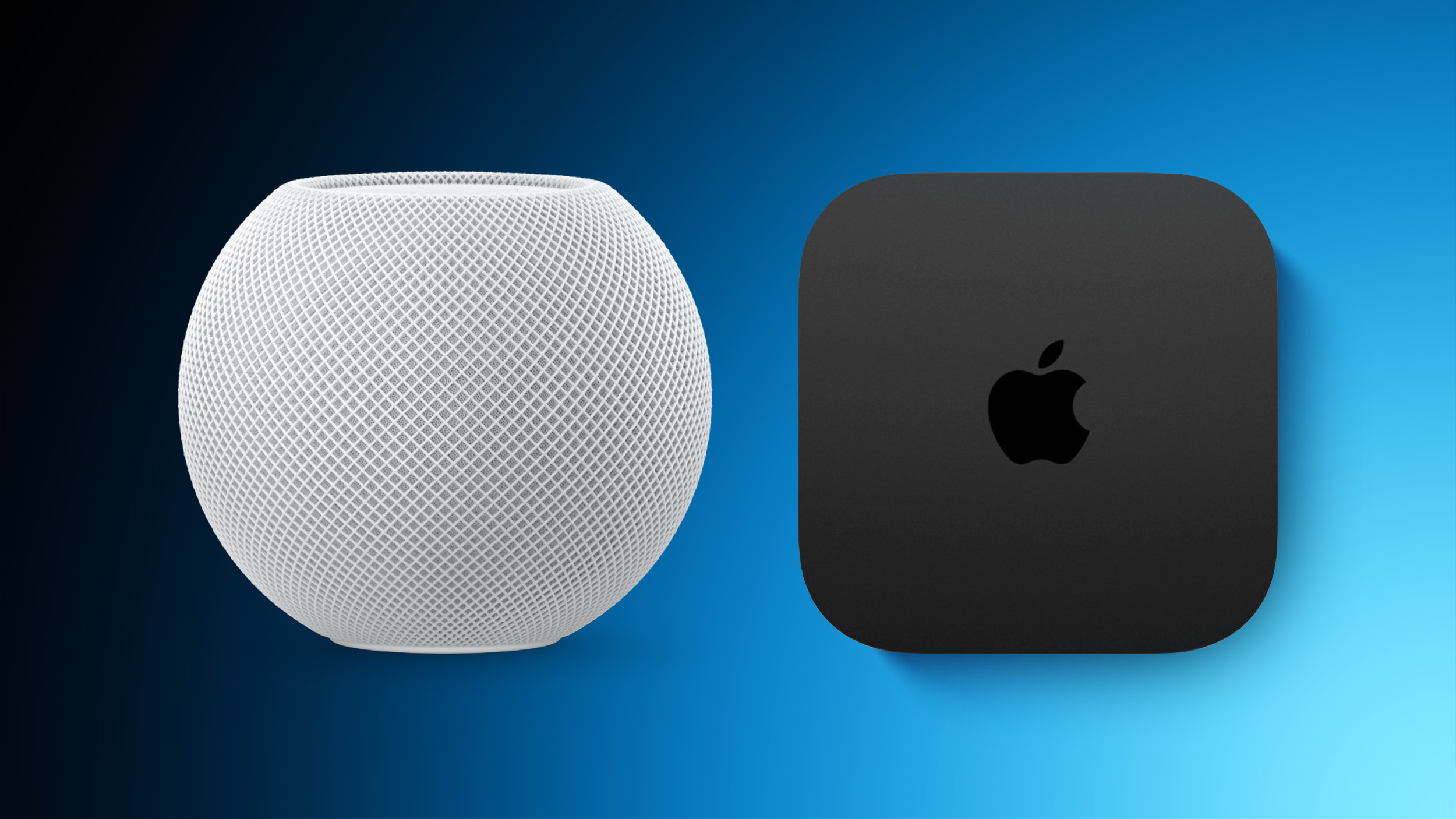
Apple has a new version of the HomePod and a new Apple TV 4K ready to go, but the devices may be tied to the Siri update that's been continually postponed, according to Bloomberg's Mark Gurman.
In a report on a planned September launch for new Siri capabilities and the home hub that's reliant on the revamped version of Siri, Gurman says the updated Apple TV and HomePod are both linked to "new artificial intelligence features."
We've been hearing rumors about a new HomePod mini and a refreshed Apple TV 4K since 2024. Gurman said several times in 2025 that Apple was aiming for a launch before the end of the year, but no new Apple TV or HomePod materialized. We also didn't hear a word about the devices at Apple's early 2026 launch event last week, which saw the introduction of the iPhone 17e, MacBook Neo, and more.
At this point, it seems like Apple may not introduce the new Apple TV 4K and HomePod until the new version of Siri is ready. Apple was planning to debut the Apple Intelligence version of Siri in iOS 26.4, but the revamp has been pushed back because Siri still isn't working reliably. Apple is now aiming to launch all of the new Siri features in iOS 27 alongside the iPhone 18 Pro, though it's possible we could see some of the capabilities before September as part of an iOS 26.5 update.
Gurman's wording today mentions a "HomePod" rather than a HomePod mini specifically, but in past reports, he has claimed that Apple has a new version of the HomePod mini ready to go. It's not clear if the larger HomePod is also getting refreshed, or if Apple is only planning to update its smaller speaker.
The Apple TV 4K hasn't been refreshed since 2022. Rumors suggest that it will get an A17 Pro chip and Apple's N1 networking chip, but no major design updates. The A17 Pro chip is capable of supporting Apple Intelligence features, and it was previously used in the iPhone 15 Pro and iPad mini.
The HomePod mini is expected to get a newer Apple Watch chip and it could also adopt the N1 and an updated UWB chip.
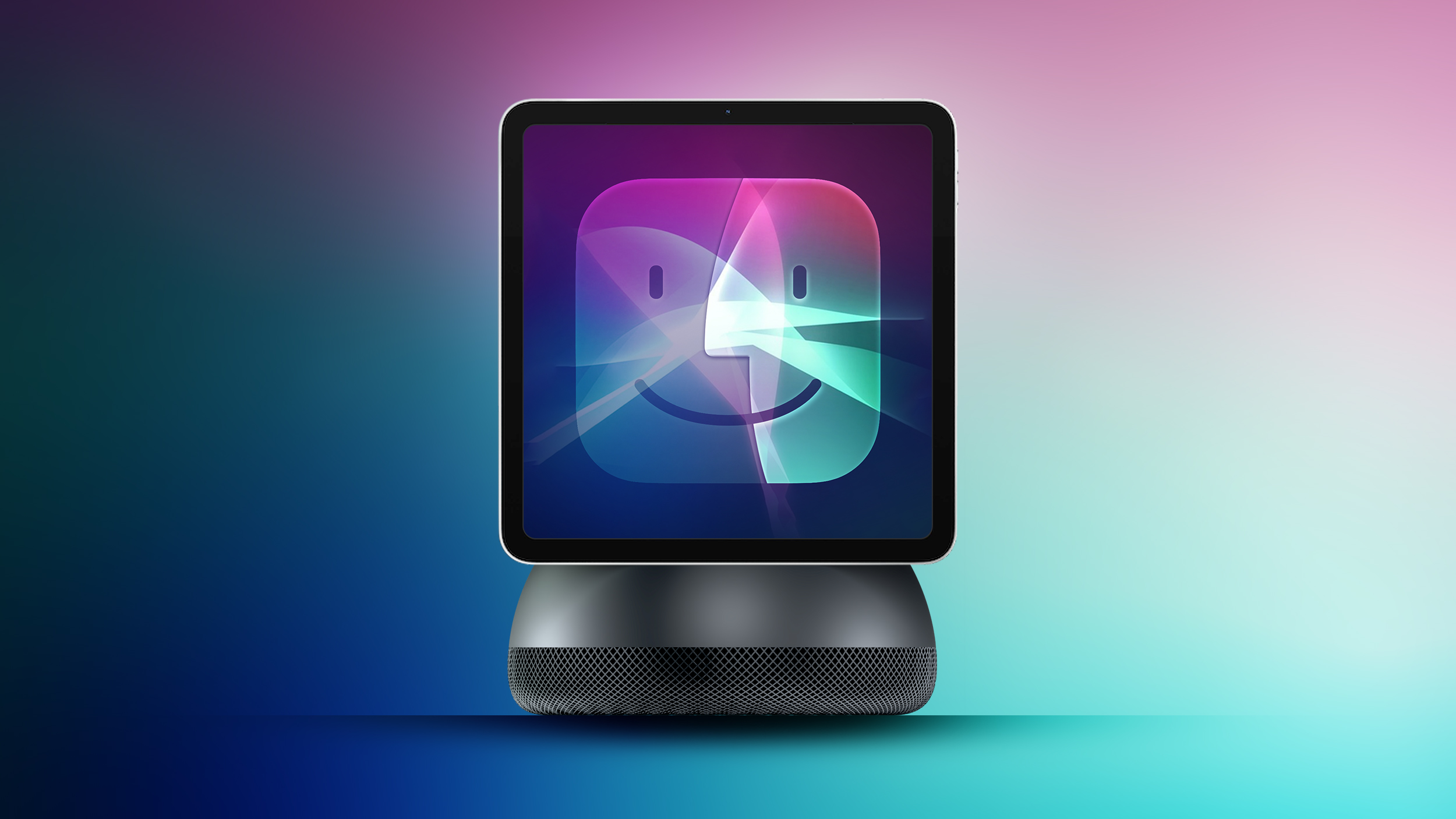
Apple is postponing the launch of its planned smart home hub until September 2026, reports Bloomberg. Apple has pushed back the debut of the home hub multiple times due to ongoing issues with the revamped version of Siri. The hub has a heavy AI focus and it is tied to the more intelligent Siri that Apple has in the works.
Prior to realizing the Apple Intelligence version of Siri would not be ready until 2026, Apple planned to launch the home hub in spring 2025. After it became clear Siri would need to be delayed, Apple then aimed for a spring 2026 launch for the home hub because it planned to release Siri in iOS 26.4.
Siri is not present in the iOS 26.4 beta because the new version is still not ready, so Apple is now going to hold the home hub until September. Apple is reportedly experiencing issues with Siri accuracy and it hasn't managed to get all of the promised Siri features working reliably.
A September launch timeline suggests we are not going to see new Siri capabilities until iOS 27, as September is when iOS 27 will come out. Apple has promised that the new version of Siri will launch in 2026, and as long as it debuts before December, Apple won't miss the timeline that it gave to the public.
The smart home hub has apparently been finished and ready to launch for several months, but it can't be released without the Siri update. The device is similar in design to an iPad, but with a 7-inch square display. It can be attached to a wall or used with a speaker base, and there is a camera for facial recognition. The hub can tell when people are in the room and when someone walks up to it, and it will offer content specific to each person in the home.
Apple designed it to be an AI hub for controlling smart home products, making calls, viewing apps like Calendar and Reminders, and much more. It is meant to be similar to the Amazon Echo Show, which is an Alexa-enabled speaker with a display.
Apple's home hub does not include its own App Store, but it does run Apple apps. It will feature round app icons that are arranged similarly to apps on the Apple Watch, and it will run a version of tvOS 27.
Apple first showed off the new version of Siri in June 2024, and planned to launch the features in iOS 18.4. Siri capabilities include personalization, onscreen awareness, and the ability for Siri to do more in and between apps, as well as image generation using Image Playground and a web search feature that summarizes information from web results.
The Apple Intelligence Siri updates were meant to be followed by an iOS 27 update that turns Siri into a ChatGPT-style chatbot, but now it seems like all of the new features could come at once in iOS 27. Apple is planning to revamp Siri to make it look and feel more like a chatbot.
 Connexion