↩ Accueil

Vue lecture

Rumored Colors for Low-Cost MacBook Were Originally Tested for 2022 MacBook Air Redesign

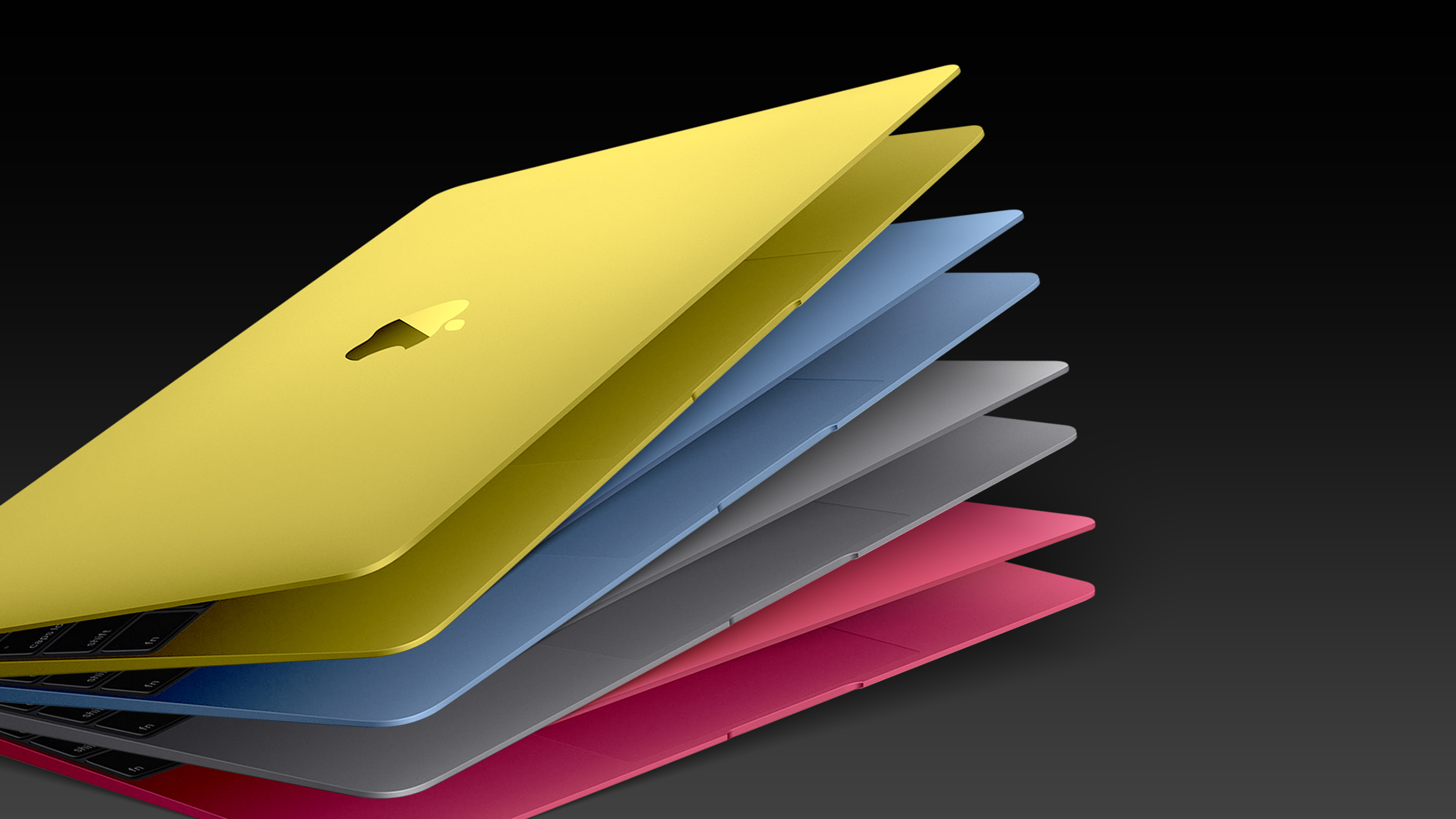
Apple tested color options for the 2022 MacBook Air redesign that are said to be similar to the finishes planned for its forthcoming low-cost MacBook, according to a Chinese leaker.


Apple is expected to announce its rumored low-cost MacBook at an event on March 4, with the device coming in a selection of bold color options that are believed to include yellow, green, and blue – as seen on Apple's invite graphic.

In a post on Weibo, the account known as "Instant Digital" says Apple originally planned to offer the same kind of light, playful color scheme for the MacBook Air with M2 chip.

Indeed, back in October 2021, a proven leaker claimed the redesigned MacBook Air would come in color options that are similar to the 24-inch iMac, but it didn't happen. The model eventually dropped in July 2022 in silver, starlight, space gray, and midnight colors.

Writing in his Power On newsletter over the weekend, Bloomberg's Mark Gurman said the colors Apple has tested for its budget MacBook so far include light yellow, light green, blue, pink, classic silver, and dark gray, although he says it's unlikely all of them will ship.

If the colorful palette is unveiled, it would make the budget MacBook the most colorful laptop Apple has offered since the iBook G3 era in the late 90s. Apple offered the machines in Tangerine, Blueberry, Indigo, Graphite, and Key Lime.

As previously reported by Apple analyst Ming-Chi Kuo, the low-cost machine will retail for well under $1,000 and run an iPhone chip – potentially the A18 Pro – rather than an M-series processor. It will feature a slightly-under-13-inch display and an aluminum chassis, which is being built using a new, faster manufacturing process that Apple developed to keep costs down, according to Gurman.

Apple is believed to be trying to compete with Chromebooks, targeting the budget MacBook at students and enterprise users. Earlier this week, Apple announced a "special Apple Experience" for the media in New York, London, and Shanghai, taking place on March 4, 2026 at 9:00am ET, when we're hoping to get a glimpse of the new machine.
This article, "Rumored Colors for Low-Cost MacBook Were Originally Tested for 2022 MacBook Air Redesign" first appeared on MacRumors.com

Discuss this article in our forums

  •  

iPhone Fold: Launch, Pricing, and What to Expect From Apple's Foldable

Apple is expected to launch a new foldable iPhone this year, based on multiple rumors and credible sources. The long-awaited device has been rumored for years now, but signs increasingly suggest that Apple will release its first foldable device in 2026.


Below, we've collated an updated set of key details that have been leaked about Apple's foldable iPhone so far. Apple will allegedly call the device the "‌iPhone‌ Fold," which is the name the media has already adopted when sharing rumors about the product.

Overall Design

Book-Style

According to Bloomberg's Mark Gurman, Apple's foldable iPhone is similar in style to Samsung's Galaxy Z Fold, which uses a book-style folding mechanism, rather than the clamshell design of the Samsung Galaxy Z Flip. Industry analyst Ming-Chi Kuo expects the foldable ‌iPhone‌ to measure between 9 and 9.5 mm when folded, and around 4.5 to 4.8 mm when unfolded. More recently, Weibo-based leaker Instant Digital has said that the foldable iPhone will have a thickness of at least 4.8mm. The leaker has also claimed that the volume buttons will be located on the top edge of the device, aligned to the right, similar to the iPad mini, while the power button and Camera Control continue to be located on the right edge of the device, just like other recent iPhones. The back left of the device is also said to feature an ‌iPhone‌ Air-style camera plateau.

Display

Dual Screens

When folded, users will interact with a 5.5-inch outer display that is similar to a typical iPhone screen, while unfolding it will reveal a larger 7.8-inch iPad-style screen. These dimensions have been corroborated by two reputable sources. However, a more recent report by The Information claims that the device will have a 5.3-inch front screen and a 7.7-inch inner display. According to one rumor, the inner folding display will be approximately the size of a piece of A6 paper and will use a 2,713 x 1,920 resolution, while the outer display will use a 2,088 x 1,422 resolution. Apple is reportedly evaluating a tougher display film technology for its foldable, with the use of a transparent polyimide film as a protective layer that would sit on top of the ultra-thin glass.

Crease Visibility

'Crease-Free'

The inner display is said to be virtually crease-free, thanks to Apple's use of a metal plate that can disperse and control the stress generated by bending the display, according to analyst Ming-Chi Kuo. Apple is said to be using liquid metal in the hinges to improve durability and help eliminate screen creasing. Liquid metal, manufactured using a die-casting process, has been chosen by Apple to address this common issue with foldable devices, according to the analyst. Citing supply chain sources, Chinese site UDN says that Apple has solved "the crease problem" that has plagued most foldable smartphones, and the foldable ‌iPhone‌ will be the first crease-free foldable smartphone on the market.

Chassis and Hinge

Durable Materials

The foldable iPhone reportedly has a titanium chassis, with the hinge constructed from a combination of titanium and stainless steel, according to analyst Ming-Chi Kuo. The frame itself will use a titanium alloy to prevent bending issues – a solution that has worked well for Apple's new ultra-thin iPhone Air. However, analyst Jeff Pu believes that Apple is using aluminum and titanium, whereas Kuo believes a mix of stainless steel and titanium has been chosen.

Cameras

Front and Rear

The foldable iPhone is expected to include a dual-lens rear camera, with a front-facing camera for both folded and unfolded states, according to Kuo. Bloomberg's Mark Gurman recently corroborated reports that the device will have four cameras consisting of one front camera, one inner camera, and two rear cameras. Prolific Weibo-based leaker Digital Chat Station claims that the rear dual lenses will be 48 megapixels each. Other sources have claimed that the inner display features an under-screen camera (USC), while the outer display – in the device's folded state – will have a punch-hole camera. A more recent report by The Information claims that the outer display's camera will be located in the top-left corner of the screen.

Authentication

Touch ID

Kuo believes the phone will forgo Face ID authentication, and instead use a Touch ID side button as a means to save precious internal space, and Bloomberg's Mark Gurman recently corroborated the rumor. Apple has previously integrated Touch ID into the side button of the iPad, iPad Air, and iPad mini.

Cellular Connectivity

C2 Modem

The foldable iPhone will use Apple's second-generation C2 modem for cellular connectivity, according to Bloomberg's Mark Gurman. Apple debuted its custom-designed C1 modem in the iPhone 16e last year, followed by the C1X featured in the iPhone Air, as part of a multi-year plan to transition away from Qualcomm modems. Gurman says the foldable device will not have a physical SIM slot.

Battery Life

High-Density Cells

The device is allegedly features the biggest battery ever used in an ‌iPhone‌. Apple is also putting a heavy focus on improving power efficiency by slimming down key components like the display driver to make room for more battery cells, according to a Korean blog that has leaked accurate details about unreleased products before. The phone will reportedly use high-density battery cells. Expect the C2 modem to be faster overall, and for it to gain mmWave support in the United States. Further power efficiency improvements are likely too.

Color Options

Black and White

Apple is currently only testing variations of black and white for the folding phone with suppliers, according to Bloomberg's Mark Gurman, although he says that Apple's plans could evolve before the device launches.

Pricing

Premium Segment

Multiple reports have suggested the foldable iPhone will be priced between $2,000 and $2,500 in the United States, which could make it the most expensive iPhone ever. Meanwhile, analysts at investment banking firm UBS and Fubon Research believe the phone will be either between $1,800 and $2,000 or around $2,399, respectively. However, Kuo recently claimed that the hinge is expected to carry an average selling price (ASP) of approximately $70 to $80 when mass production begins – well below the market expectation of $100 to $120 or higher. Kuo attributed the cost decline to "assembly design optimization" and Foxconn's influence in production scaling. Whether the reduction in hinge price will reduce retail price or simply bolster Apple's margins is an open question. Regardless of the price, the foldable is expected to tap into Apple's loyal fanbase, some of whom will view it as a "must-have device" if its quality meets expectations.

Launch Date

Late 2026

According to industry analyst Jeff Pu, the device entered the New Product Introduction (NPI) phase at Foxconn in March 2025, while a November report from Chinese site UDN reported that the device had entered the engineering validation stage, and Apple is gearing up for mass production. Foxconn is expected to officially start producing Apple's foldable iPhone early in the fourth quarter (October), and a recent report has suggested Apple is already stockpiling components for pre-production. An exact launch date is currently unknown, but both Kuo and Pu say mass production is planned for the second half of 2026. Bloomberg reporter Mark Gurman has said he expects the device to be launched this year in the fall season. However, Japan's Mizuho Securities banking firm has suggested a postponement to 2027 could still happen because of Apple taking longer to decide on key design elements such as the hinge.
This article, "iPhone Fold: Launch, Pricing, and What to Expect From Apple's Foldable" first appeared on MacRumors.com

Discuss this article in our forums

  •  

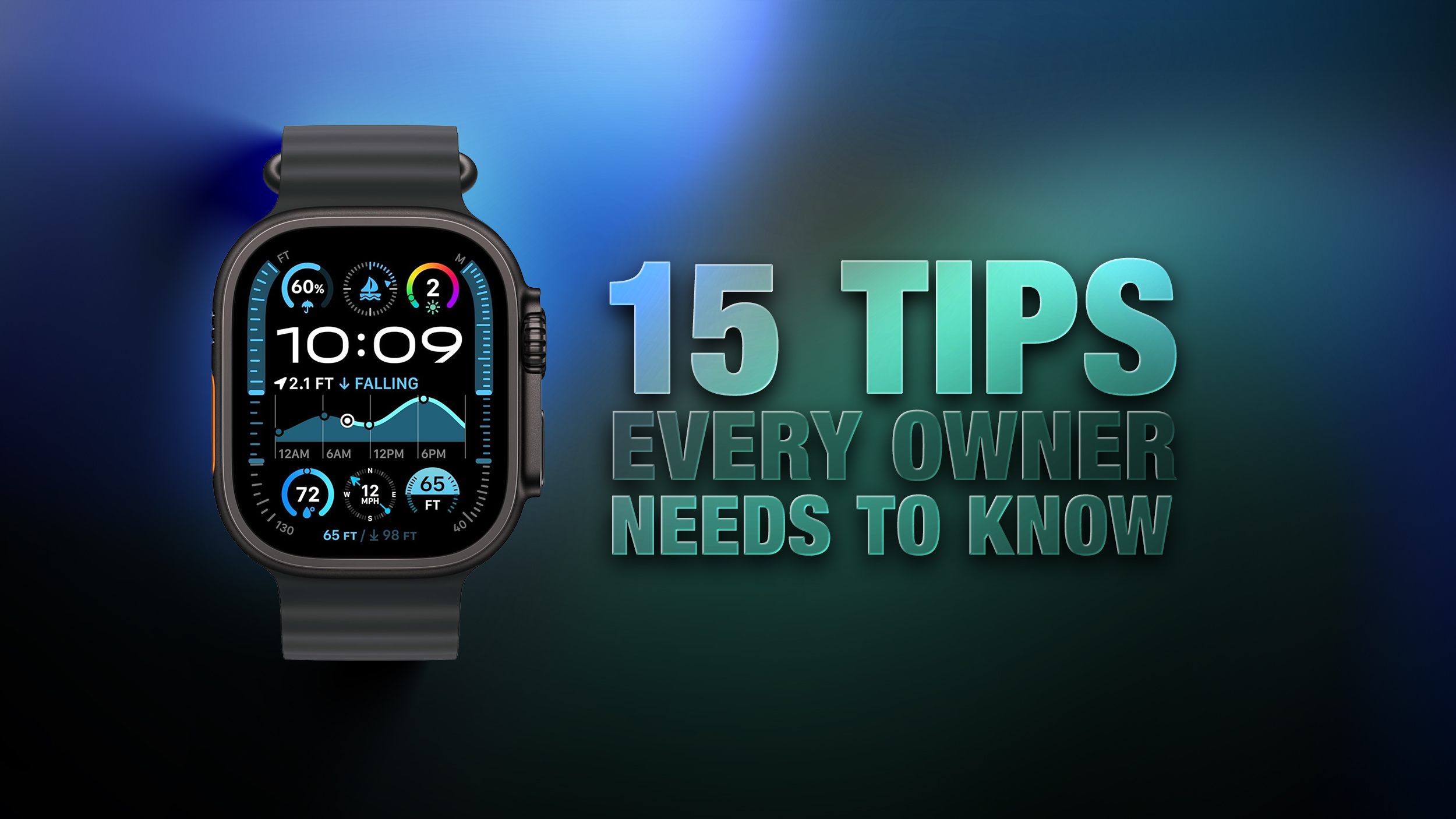
Apple Watch: 15 Tips Every Owner Needs to Know

Apple Watch is now eleven generations in, and packed with useful features that are easy to miss at first glance. To help you get more out of your new device, we've rounded up 15 practical tips you might not have discovered yet, including a few that long-time users often overlook.


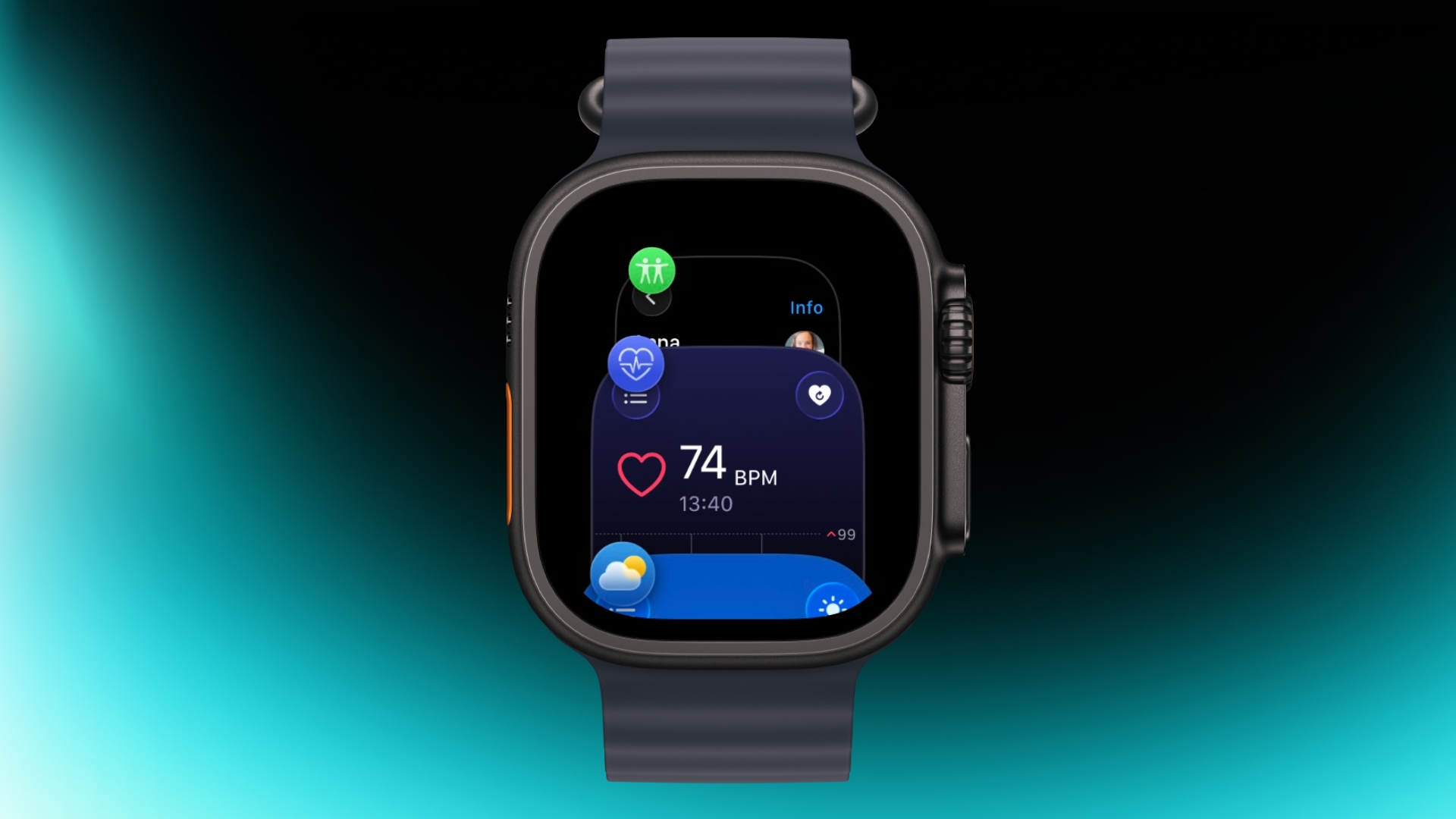
Bounce Between Two Apps


watch
On your Apple Watch, double-press the Digital Crown to see a deck of all currently open apps, and turn it to scroll through them. From this view, you can jump back to the last app you were using. Simply tap on an app screen to switch to it, or swipe left on its card and tap the red X button to quit it.

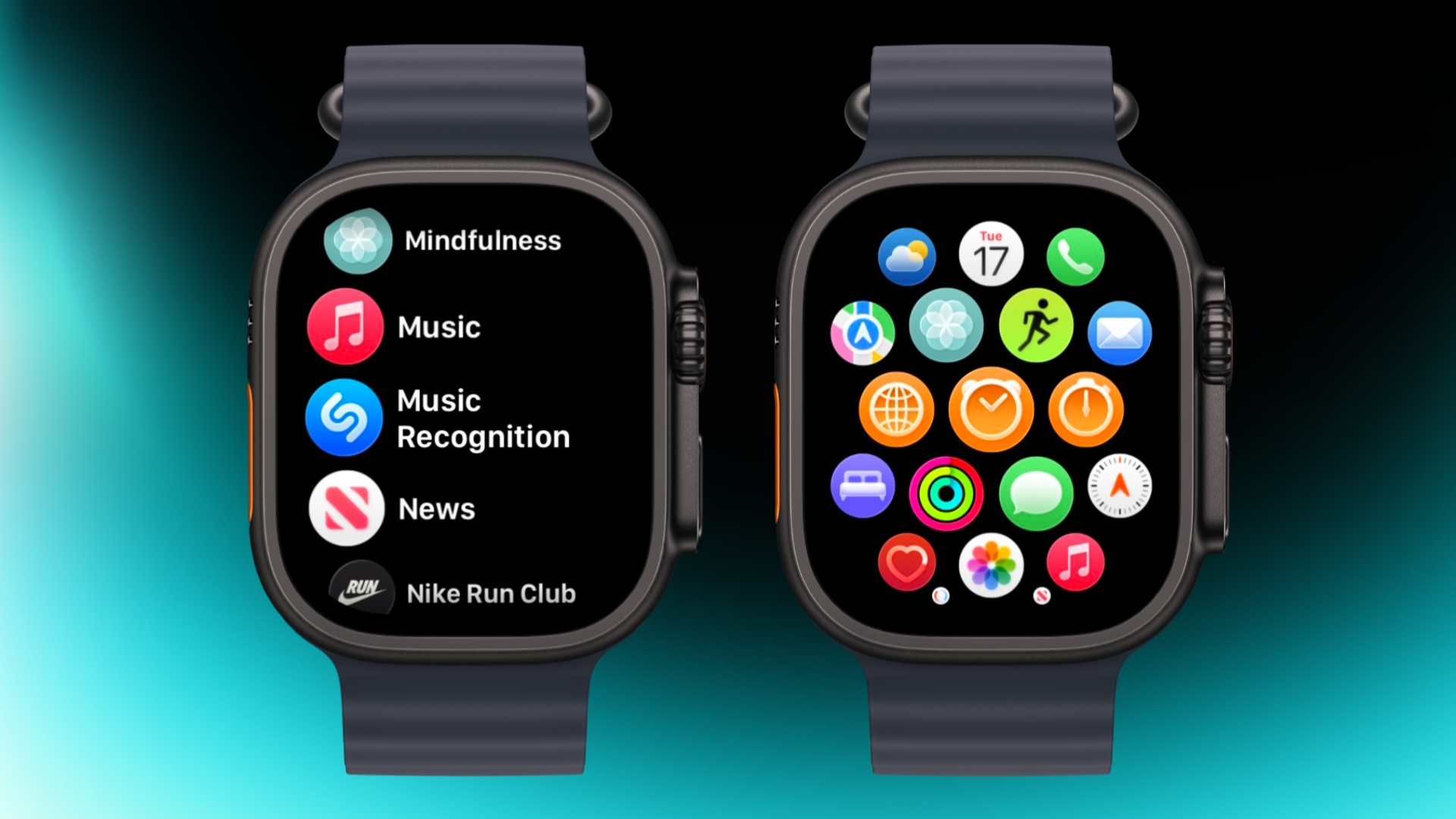
Switch App Views


app view
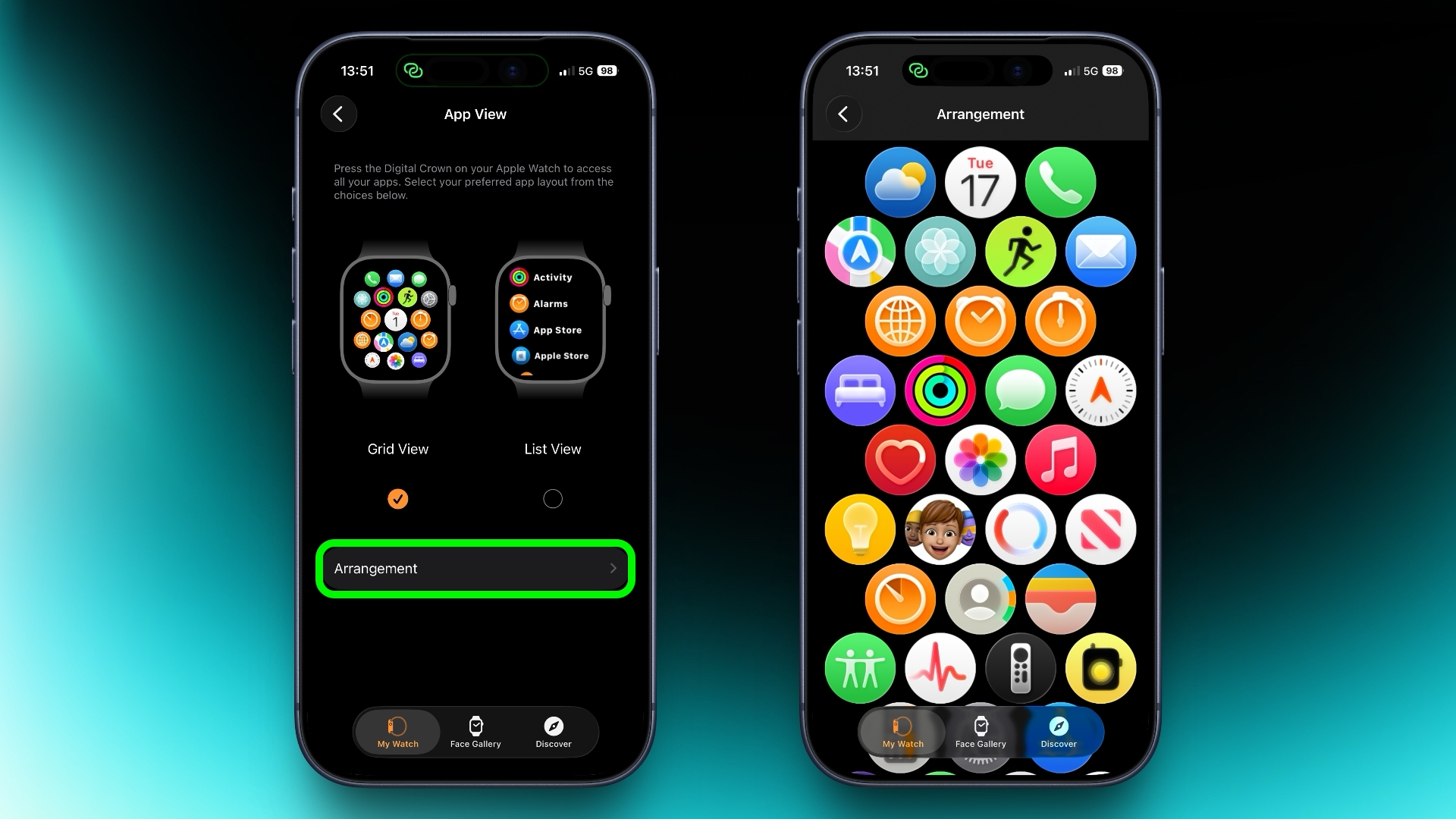
If the app grid feels messy, switch to List View. Open the Watch app on iPhone, tap App View, and choose List View. From then on, pressing the Digital Crown will show your apps in a simple, scrollable list.

Rearrange Apps


watch app
You can rearrange your apps so that the ones you use most are closer to hand. Simply press and hold on any app in the grid view, then drag it where you want. Alternatively, open the Watch app on your iPhone, go to App View ➝ Arrangement, and move things around there instead.

Ping Your iPhone


ping
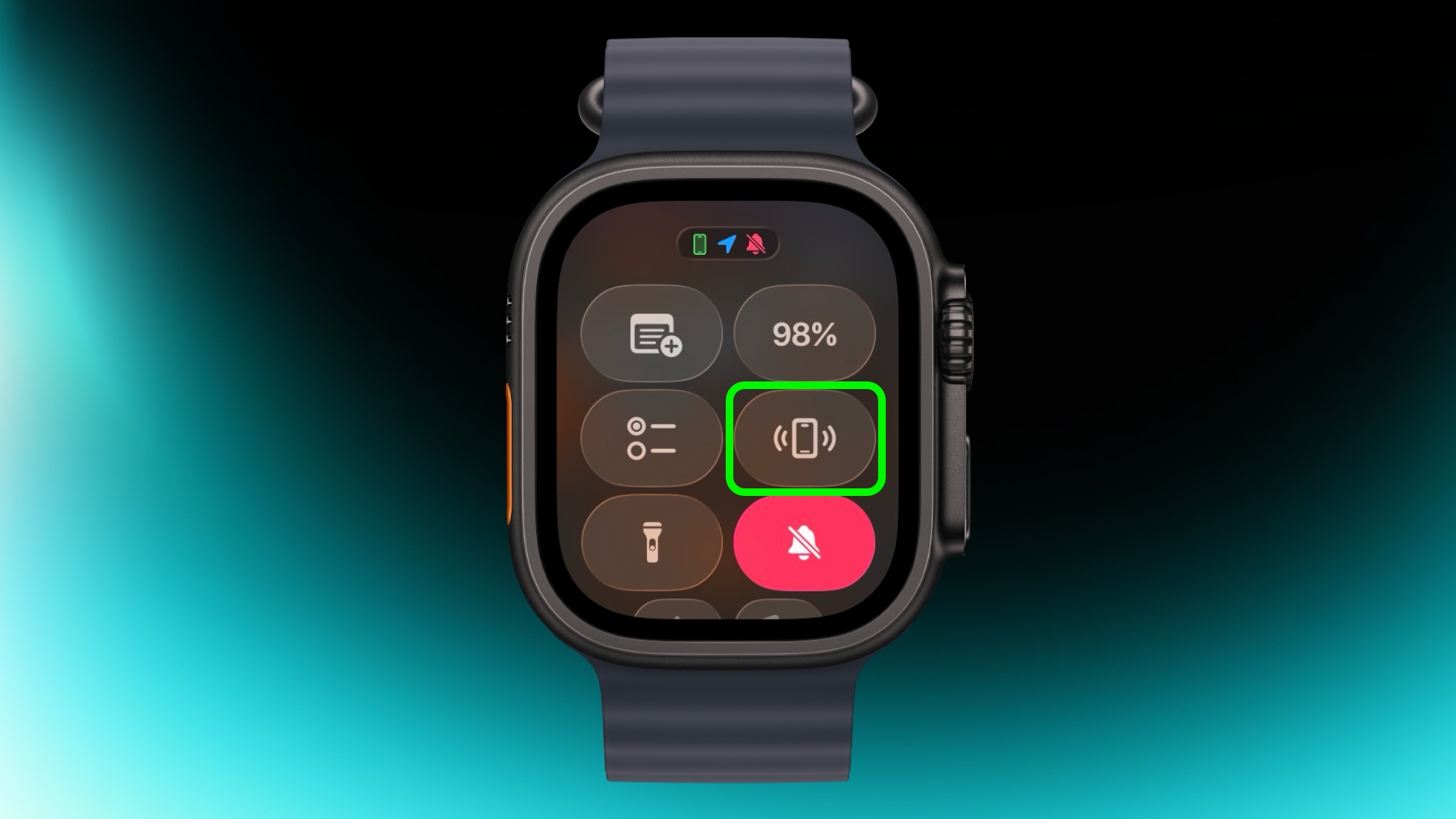
If you've misplaced your iPhone but you're sure it's nearby, open Control Center with a press of the Side button, then tap the phone icon to make it ping. Press and hold that icon and the iPhone's camera flash will blink too, which can help if it's hidden under something.

Skip the Countdown


workout
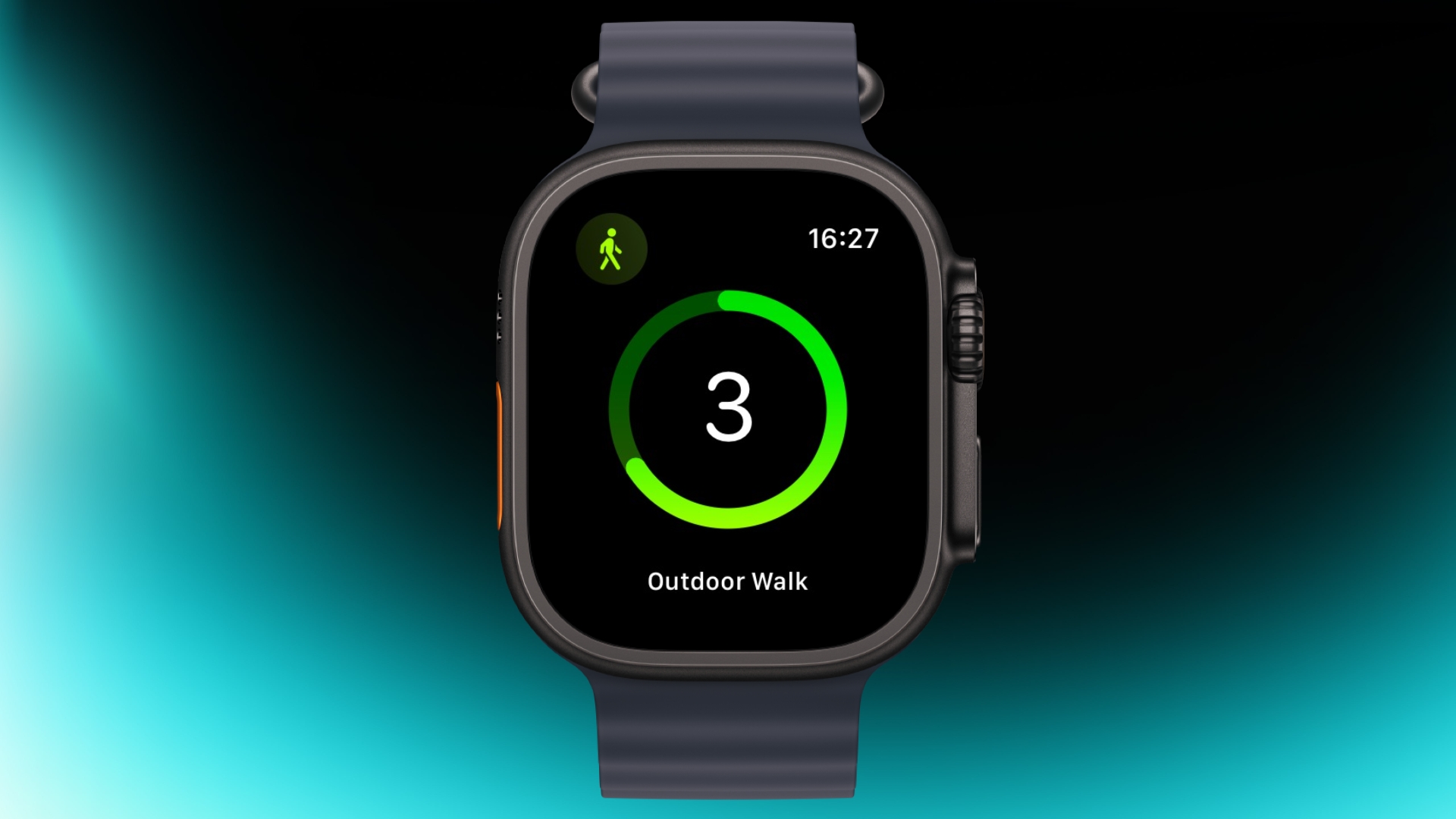
If you're eager to start a workout, the three-second countdown before it starts can be skipped. Just tap the screen when the countdown begins and your workout will start immediately. If you find yourself doing this regularly, consider turning on Precision Start in Settings ➝ Workout.

Customize Vibration Strength


haptics
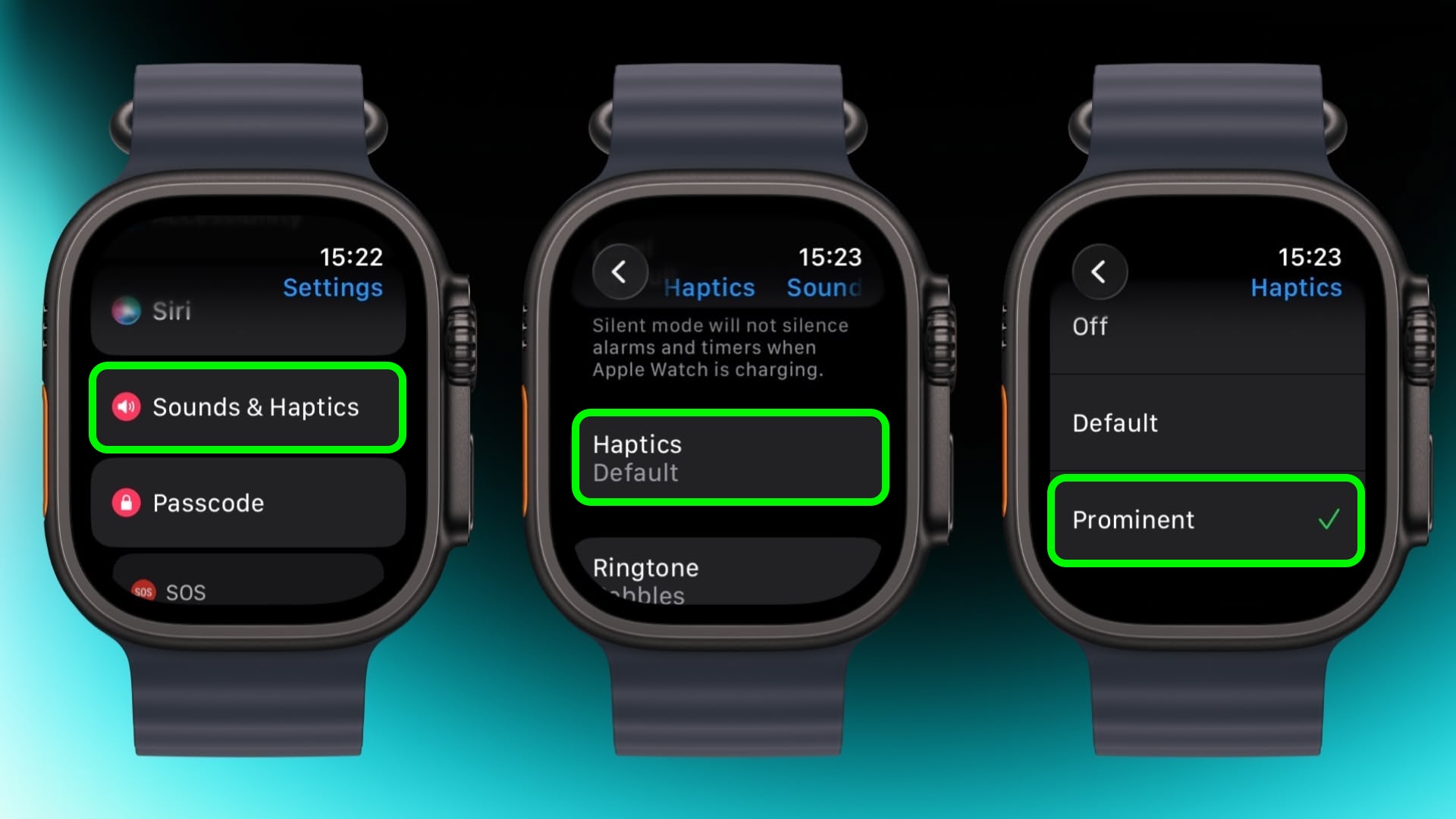
If you keep missing notifications, go to Settings ➝ Sounds & Haptics ➝ and change from Default to Prominent. This adds an extra tap pattern before alerts so they're harder to ignore.

Perform Precision Timing


chronograph
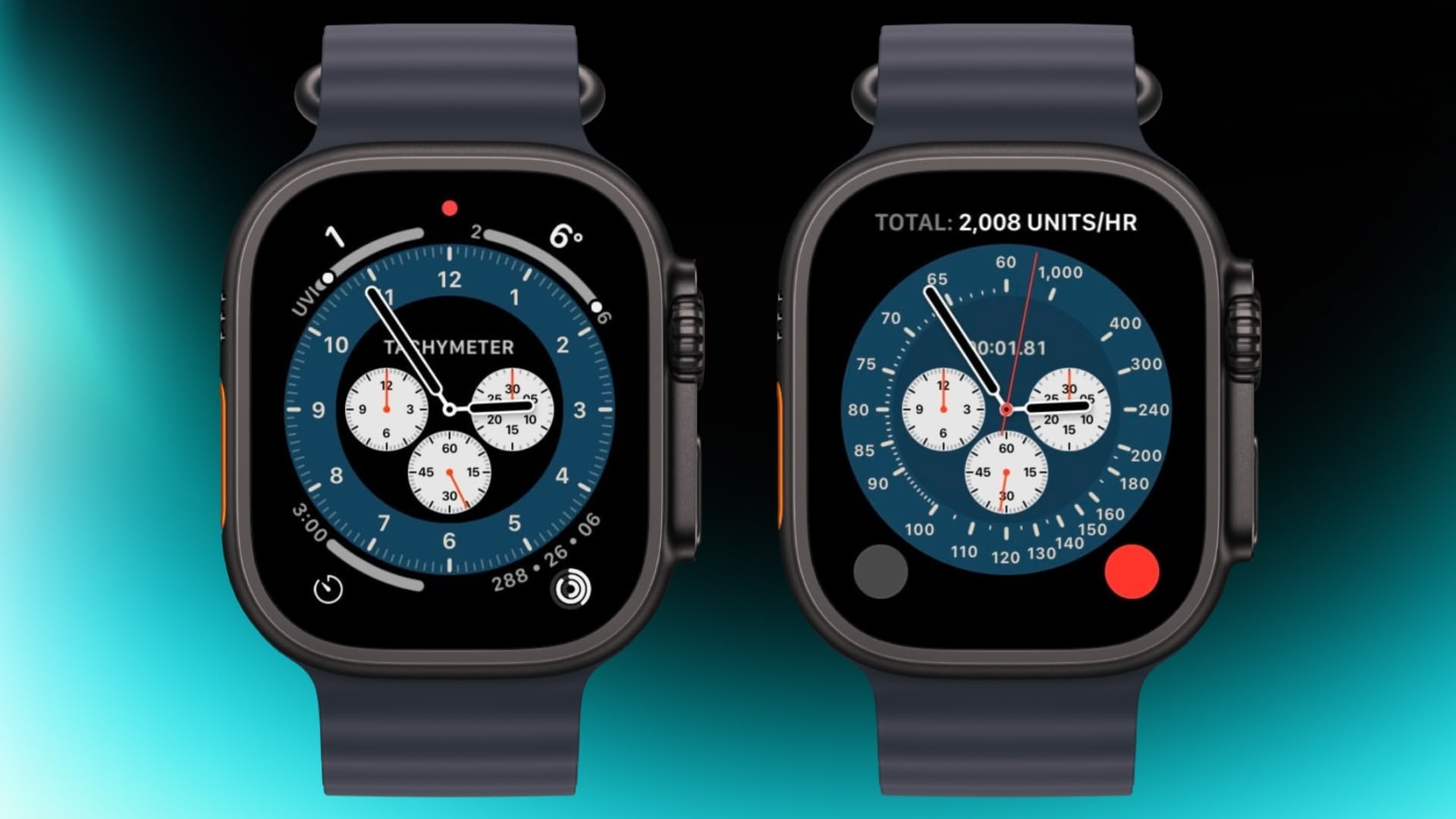
The Chronograph Pro watch face transforms into an actual chronograph. Tap the outer edge surrounding the main 12-hour dial on this watch face to record time on scales of 60, 30, 6, or 3 seconds. Alternatively, select the tachymeter timescale to measure speed based on time travel over a fixed distance.

Jump to the Top


jump to top
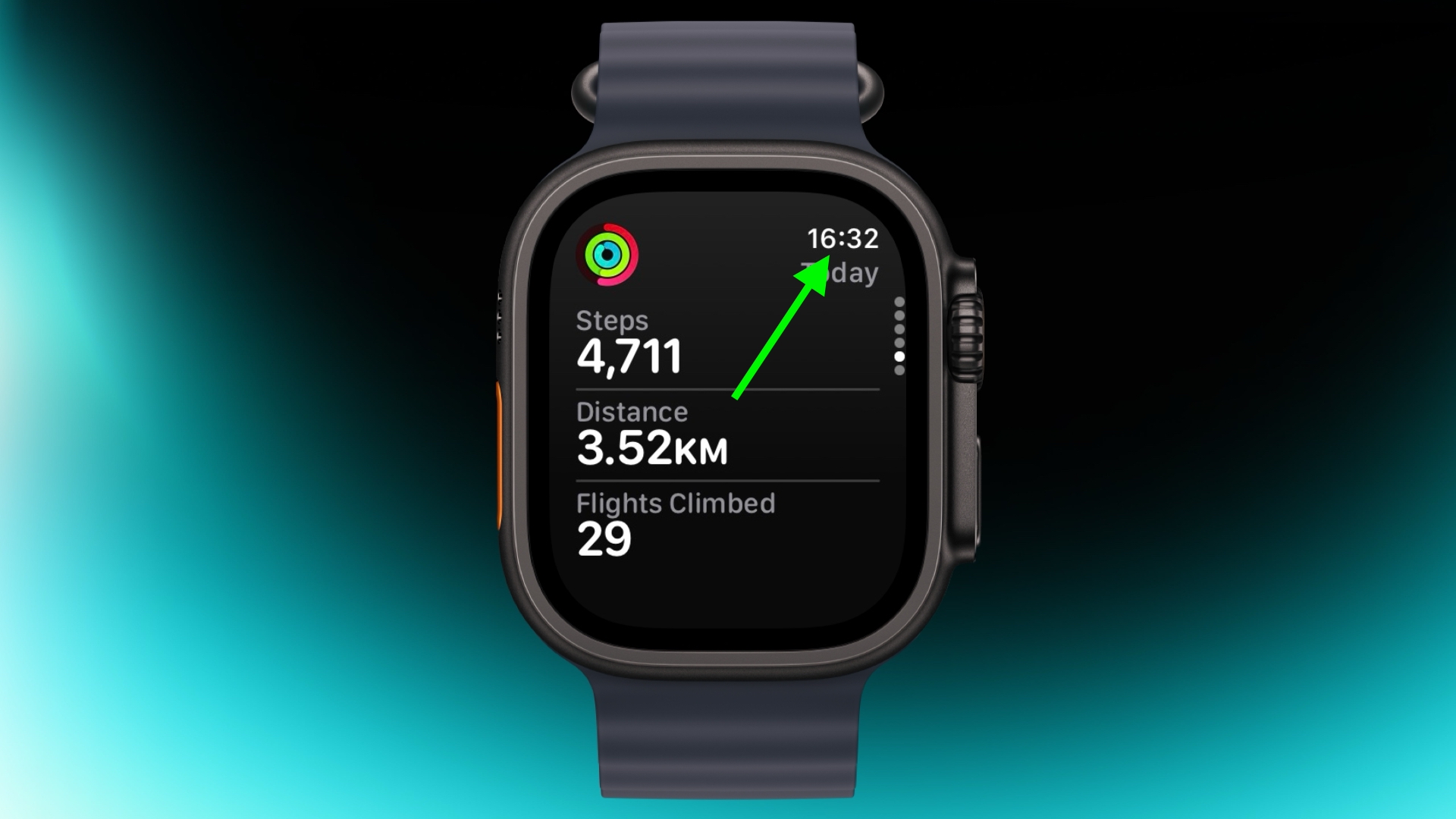
If you've scrolled way down in an app and want to jump back to the top, just tap the time in the top corner of the screen. It works in most apps and saves a lot of scrolling.

Remove Apps


apps view
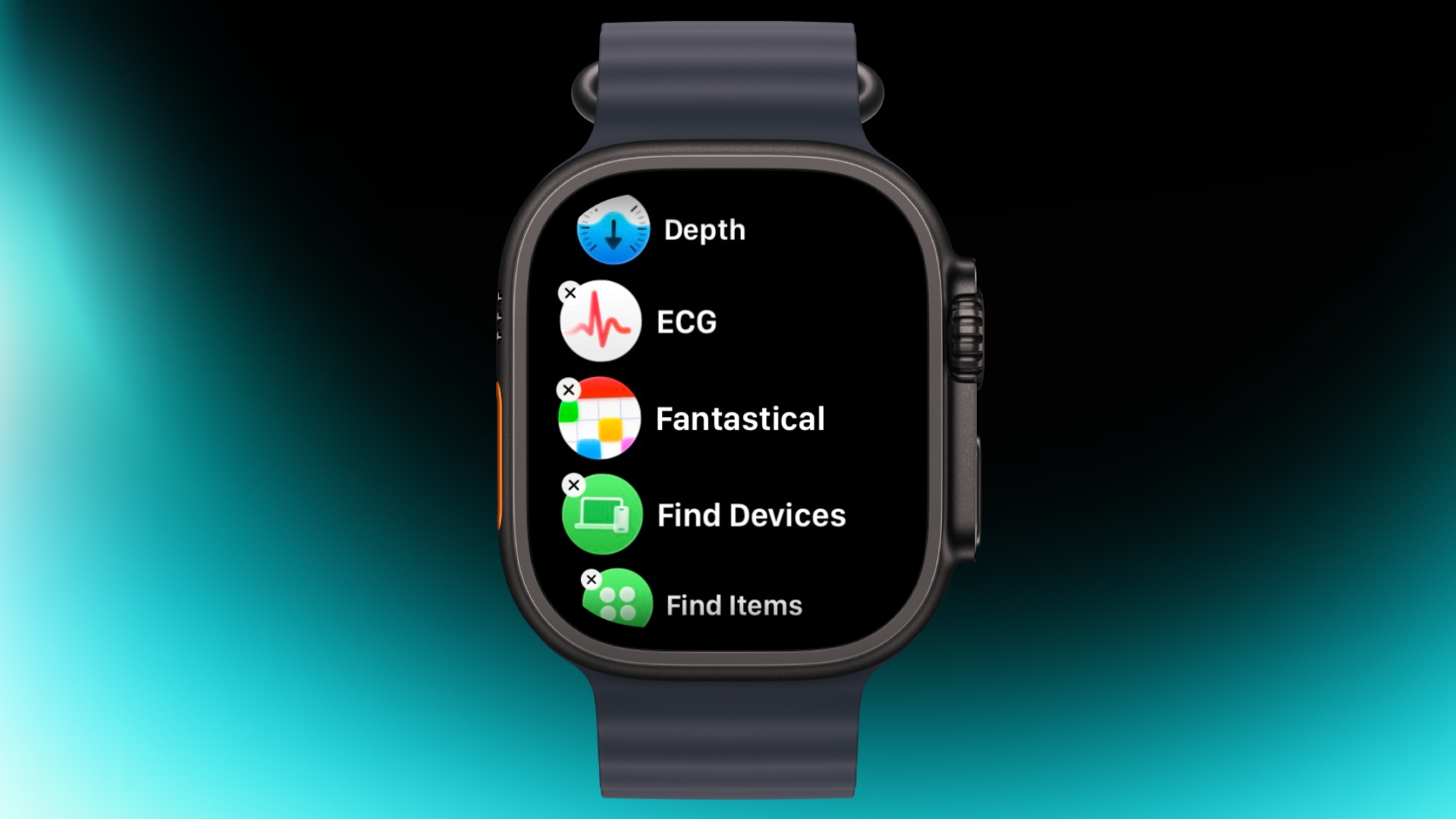
Clearing out apps you don't use on your Apple Watch is easy. In the List or Grid View, press and hold on the screen until the apps jiggle, then tap the small x in the corner of the app icon to delete it. This works for most system apps and all third-party apps.

Customize Control Center


control center
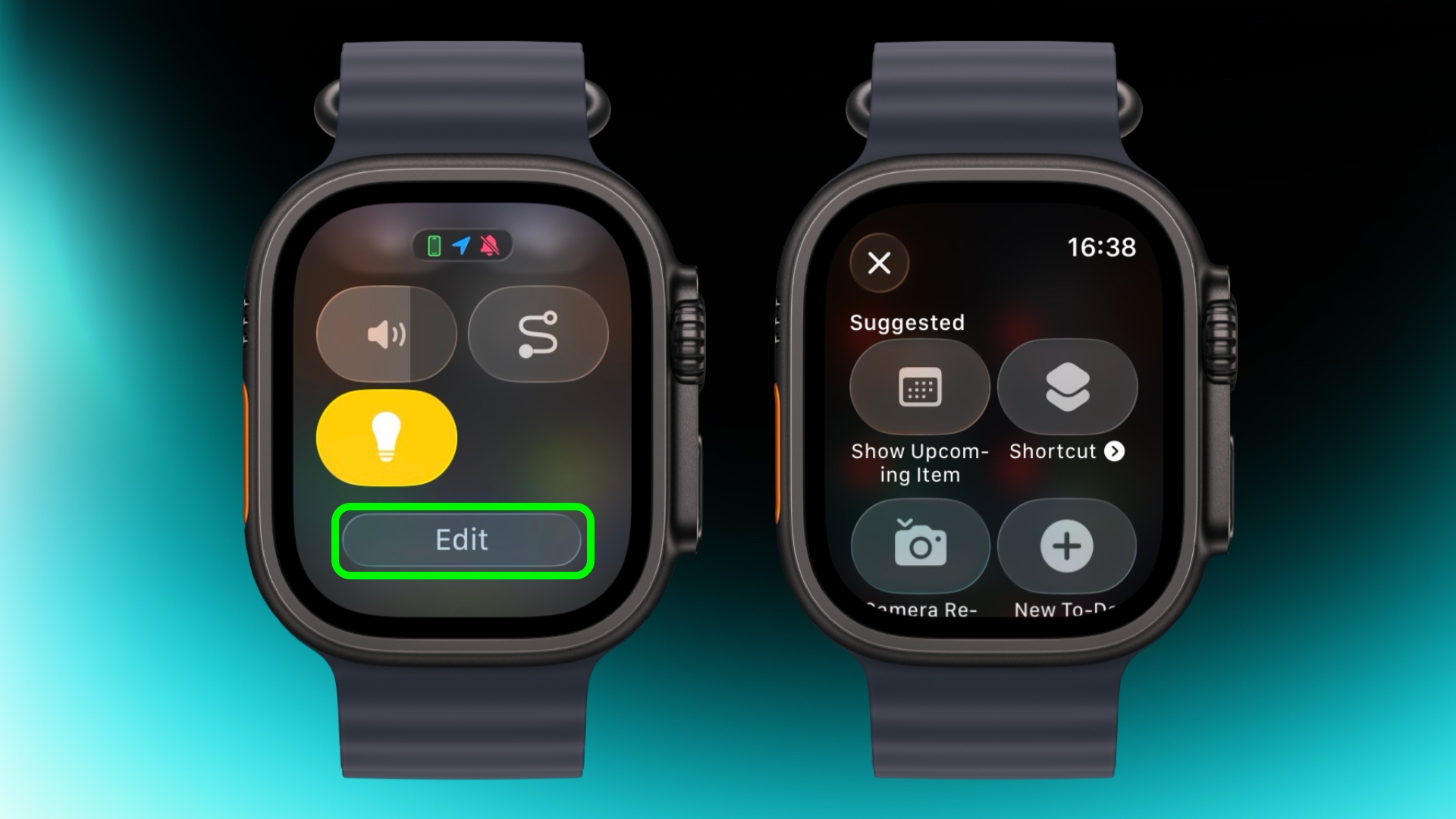
By default, Control Center (accessed via the Side button) gives you quick access to things like Wi-Fi, battery, and Do Not Disturb. But it's worth seeing what else you can add to it that you'd like quick access to. Tap the Edit button at the bottom, then tap the + icon in the top-left corner of the screen. System options such as New Note and Lights are particularly handy, and you might see some third-party options listed too, depending on your installed apps.

Speak the Time Out Loud


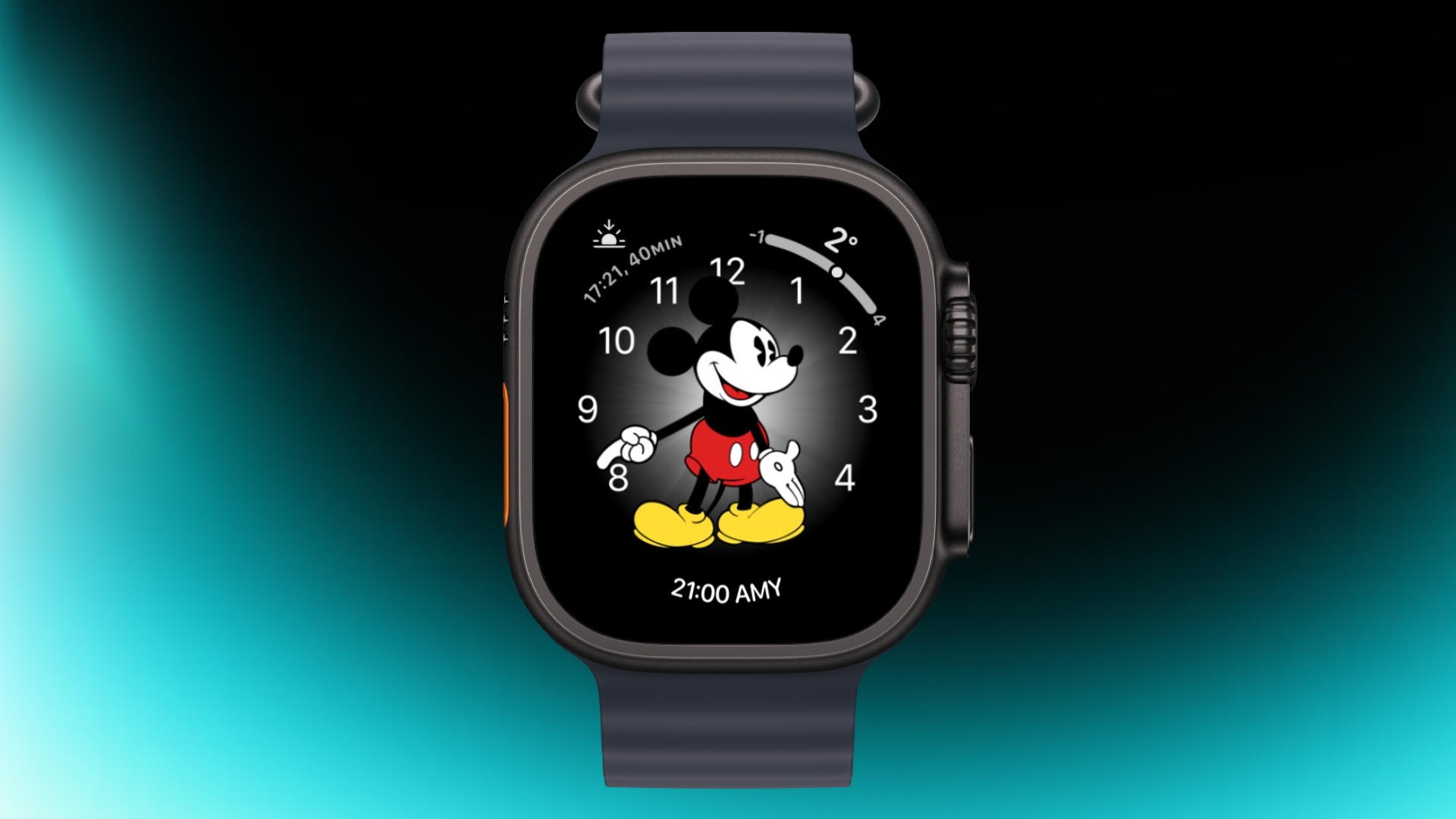
mickey
If you're using the Mickey or Minnie watch face, tap on the character and they'll speak the time out loud. Just make sure your sound is turned on. In fact, you can also have Siri read the time on any watch face by tapping and holding with two fingers on the display. Again though, sound needs to be enabled.

Customize Smart Replies


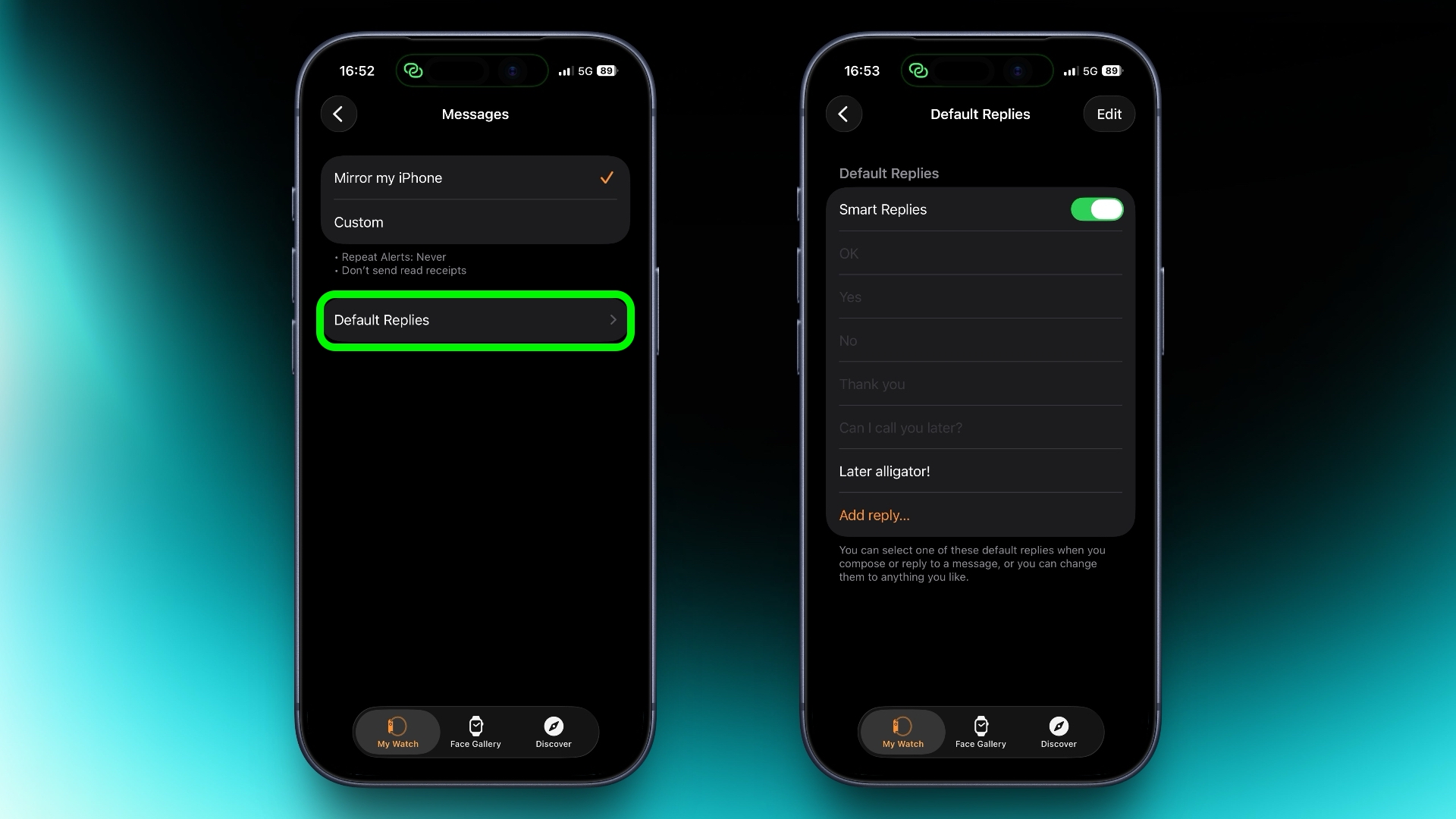
smart replies
Smart Replies are handy when you want to reply with just a few words. In the Watch app on iPhone, go to Messages and tap Default Replies to customise what shows up. Then when a message comes in, simply swipe down to pick one of your preset replies.

Pause Activity Rings


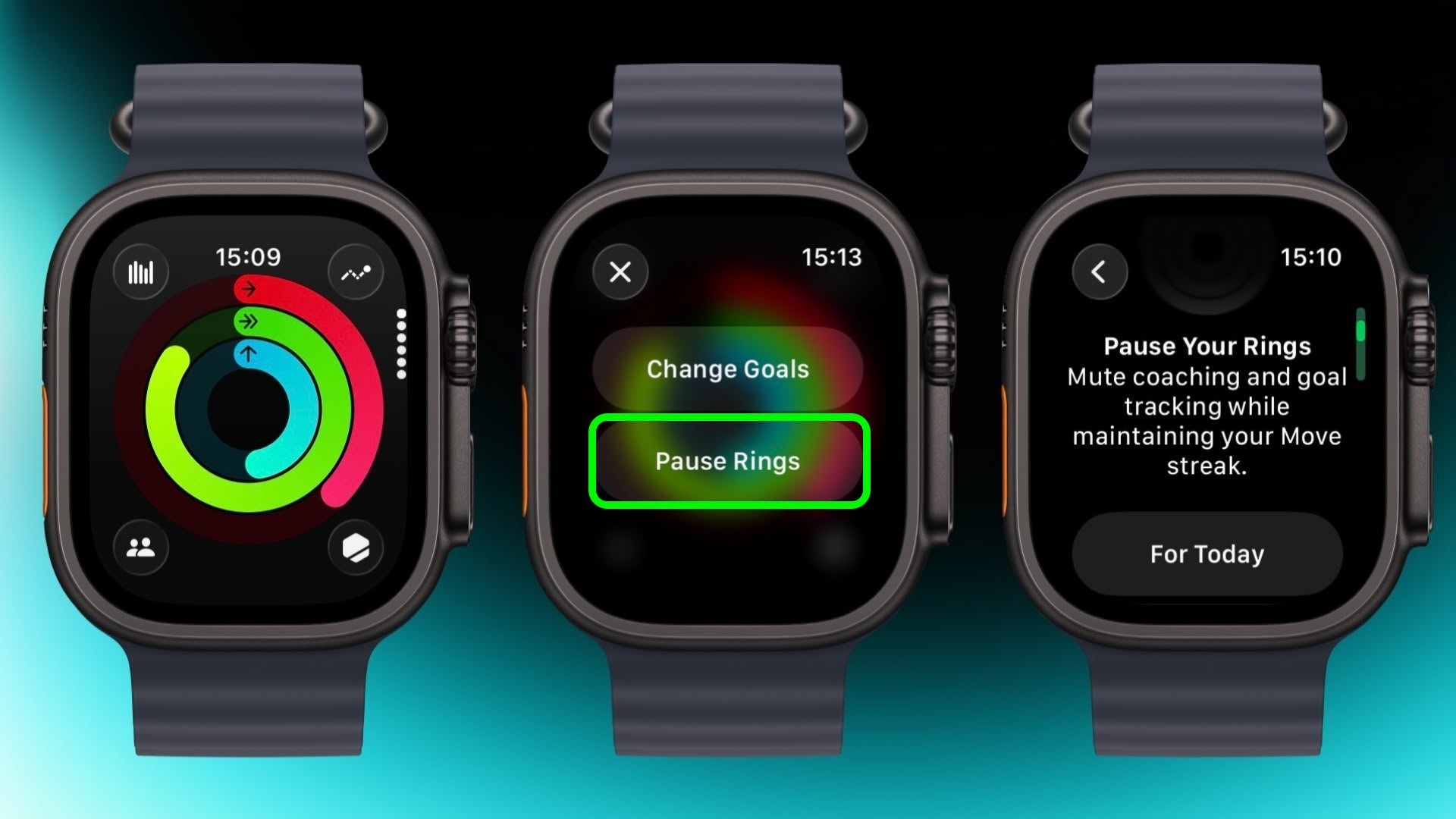
activity
Feeling unwell but hoping to keep your streak intact? In the Activity app, select your rings to access the option to suspend them for the day, or set a pause that lasts until a chosen date up to 90 days ahead.

Create a Note


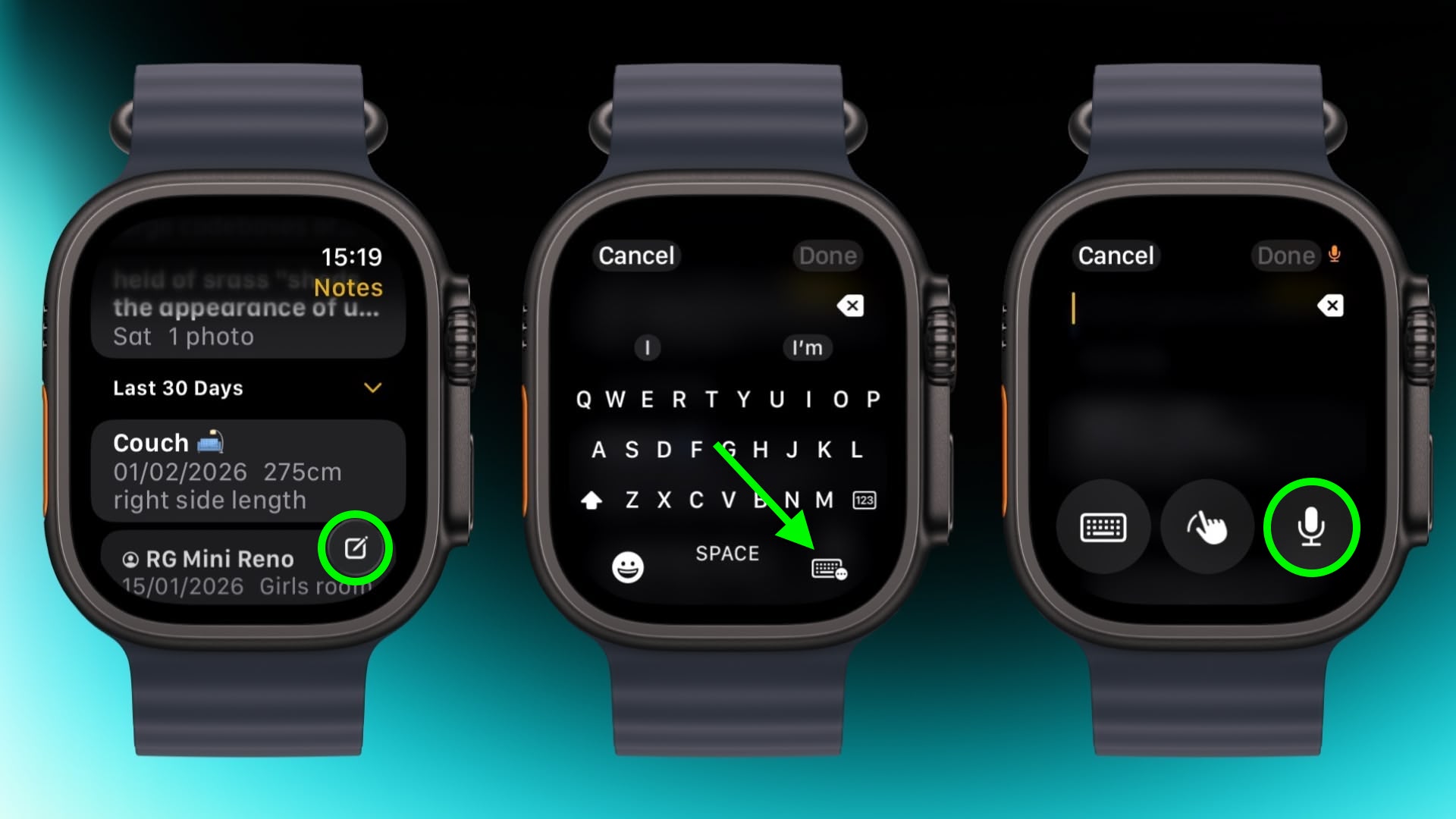
notes
In the new Notes app in watchOS 26, you can't modify existing notes on Apple Watch, but you can create a new one by tapping the compose control in the bottom-right corner and speaking your text. Because Notes sync through iCloud, you can refine or reorganize everything later on a device with a physical or on-screen keyboard.

Mute and Dismiss Alerts


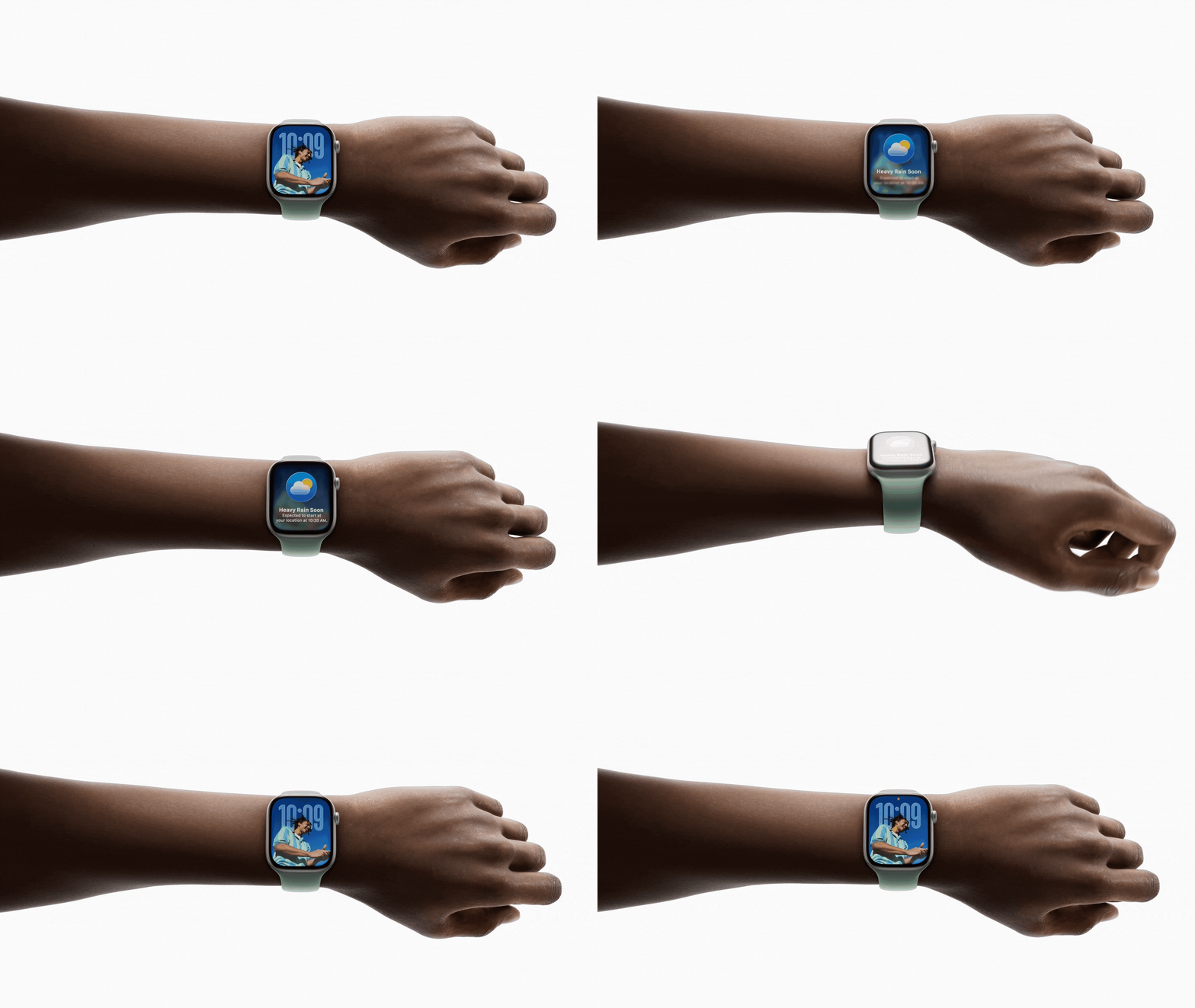
With a quick wrist flip, you can clear the current screen and go back to the watch face. The same gesture can be used to mute calls, stop timers, and dismiss notifications. The feature, which is on by default, is supported on Apple Watch SE (3rd generation), Series 9, Ultra 2, and later.
This article, "Apple Watch: 15 Tips Every Owner Needs to Know" first appeared on MacRumors.com

Discuss this article in our forums

  •  

Report: Meta Revives Smartwatch Plans to Take On Apple Watch

Meta is set to release its first smartwatch this year featuring health-tracking and built-in Meta AI, reports The Information.


The smartwatch, which would compete directly with Apple Watch and other brands, is the result of a revived project that Meta canceled in 2022 amid broader spending cuts at its Reality Labs hardware division.

The original project involved plans to release three different camera-equipped watch models, but it doesn't sound like they will be part of the company's future product lineup. The new watch is code-named "Malibu 2."

The smartwatch could arrive alongside Meta's updated Ray-Ban smart glasses – which could reportedly include facial recognition – and it sounds like they will almost definitely appear before a pair of mixed reality glasses that the company has also been developing.

Internally code-named "Phoenix," the MR glasses are said to have been delayed until 2027. Meta executives are said to have grown concerned that launching too many devices in quick succession could confuse customers, hence the delay.

Last year, the Facebook parent company launched its Ray-Ban Display AR glasses, which apparently proved so popular that Meta had to delay an international rollout. Those glasses use a neural wristband for its gestural interface, so it's possible the new smartwatch could potentially take over those controls.

Meanwhile, Bloomberg recently reported that Apple is developing rival smart glasses, an AI pin, and AirPods with cameras, all of which will connect to the iPhone and will interface with the smarter version of Siri that's in the works.

Apple is targeting a 2027 launch for the glasses, and the AI pin could arrive in the same year, if development continues. The new AirPods could arrive as soon as this year.
This article, "Report: Meta Revives Smartwatch Plans to Take On Apple Watch" first appeared on MacRumors.com

Discuss this article in our forums

  •  

Could Apple Demo Immersive F1 on Vision Pro at Its March 4 Event?

Apple's upcoming March 4 media event could include a demo of immersive Formula 1 content on Apple Vision Pro, Daring Fireball's John Gruber has suggested.


The timing appears to be what's sparked the idea. The 2026 F1 season kicks off in Australia on March 8, just four days after the "Apple Experience" set to be held in New York, London, and Shanghai.

Apple became the exclusive U.S. broadcast partner for Formula 1 last October, and the company has already been experimenting with live immersive sports on Vision Pro with a limited slate of Los Angeles Lakers games this season. If Apple has plans to stream F1 races live on Vision Pro with some level of immersion, March 4 would likely be a great opportunity to show it off to the press.

To be clear, there are no little birdies tweeting into Gruber's ear on this one – he's quick to acknowledge this is pure speculation shared with him by a reader. "Could just be a total coincidence that the Formula 1 season is starting the weekend after this event," he says. "But it seems worth noting."

Apple has said that further details on production and "new ways to enjoy F1 content" across its products will be shared in the coming months. March 4 could fit that timeline nicely, or it could of course be nothing at all.

Apple is widely expected to unveil several new products in the near future, including the iPhone 17e, MacBook Pro models with M5 Pro and M5 Max chips, an eighth-generation iPad Air, and a 12th-generation iPad. A refreshed Studio Display and an all-new low-cost MacBook powered by the A18 chip are also possible, alongside updates to the Apple TV and HomePod mini.

The "Apple Experience" could include announcements for some of these products, alongside hands-on opportunities for media with the new devices around the world. The event is set to begin at 9:00 a.m. ET on March 4, 2026.
This article, "Could Apple Demo Immersive F1 on Vision Pro at Its March 4 Event?" first appeared on MacRumors.com

Discuss this article in our forums

  •  

10 Reasons to Wait for Apple's iPhone 18 Pro

Apple's iPhone development roadmap runs several years into the future and the company is continually working with suppliers on several successive iPhone models at the same time, which is why we often get rumored features months ahead of launch. The iPhone 18 series is no different, and we already have a good idea of what to expect for the iPhone 18 Pro and iPhone 18 Pro Max.

One thing worth noting is that Apple is reportedly planning a major change to its iPhone release cycle this year, adopting a two-phase rollout starting with the iPhone 18 series. That means the iPhone 18 Pro, iPhone 18 Pro Max, and iPhone Fold will be released in September 2026, followed by the iPhone 18 and iPhone 18e in spring 2027.


Overall Design

iPhone 17 Pro Style

Rumors suggest the iPhone 18 Pro lineup will largely retain the same design as the iPhone 17 Pro models. The rear camera system will look identical to the current generation, featuring a raised "plateau" with three lenses arranged in a triangle. Display sizes are also expected to remain unchanged, with the iPhone 18 Pro and iPhone 18 Pro Max continuing to use 6.3-inch and 6.9-inch panels, respectively – the same dimensions introduced with the iPhone 16 Pro series. iPhone 18 Pro models could drop the current two-tone look of the rear casing found on the iPhone 17 Pro in favor of a more seamless aesthetic. For the next-generation models, Apple has apparently updated the back-glass "replacement process" to minimize the color difference between the Ceramic Shield 2 glass and the aluminum frame, resulting in a more unified appearance.

Next-Level Battery Life

Thicker Chassis

The iPhone 18 Pro Max will feature a bigger battery for continued best-in-class battery life, claims a Chinese leaker. The Weibo user known as "Digital Chat Station" said that the ‌iPhone 18‌ Pro Max will have a battery capacity of 5,100 to 5,200 mAh. (The iPhone 17 Pro Max has the biggest ‌iPhone‌ battery to date at 5,088 mAh. Apple says it has a battery life of up to 39 hours.) According to another rumor, the body of the iPhone 18 Pro Max will be slightly thicker than the iPhone 17 Pro Max, raising the device's weight to around 243 grams. That would make the iPhone 18 Pro Max approximately 3 grams more than the iPhone 14 Pro Max, which is currently the heaviest model Apple has produced. A larger battery is the most likely cause.

Smaller Dynamic Island

Under-Screen Face ID?

Rumors continue to circulate about whether the iPhone 18 Pro models will introduce under-display Face ID, but reports remain divided on when the technology will actually arrive. The feature would move the TrueDepth camera system beneath the display, eliminating the need for the current Dynamic Island cutout.

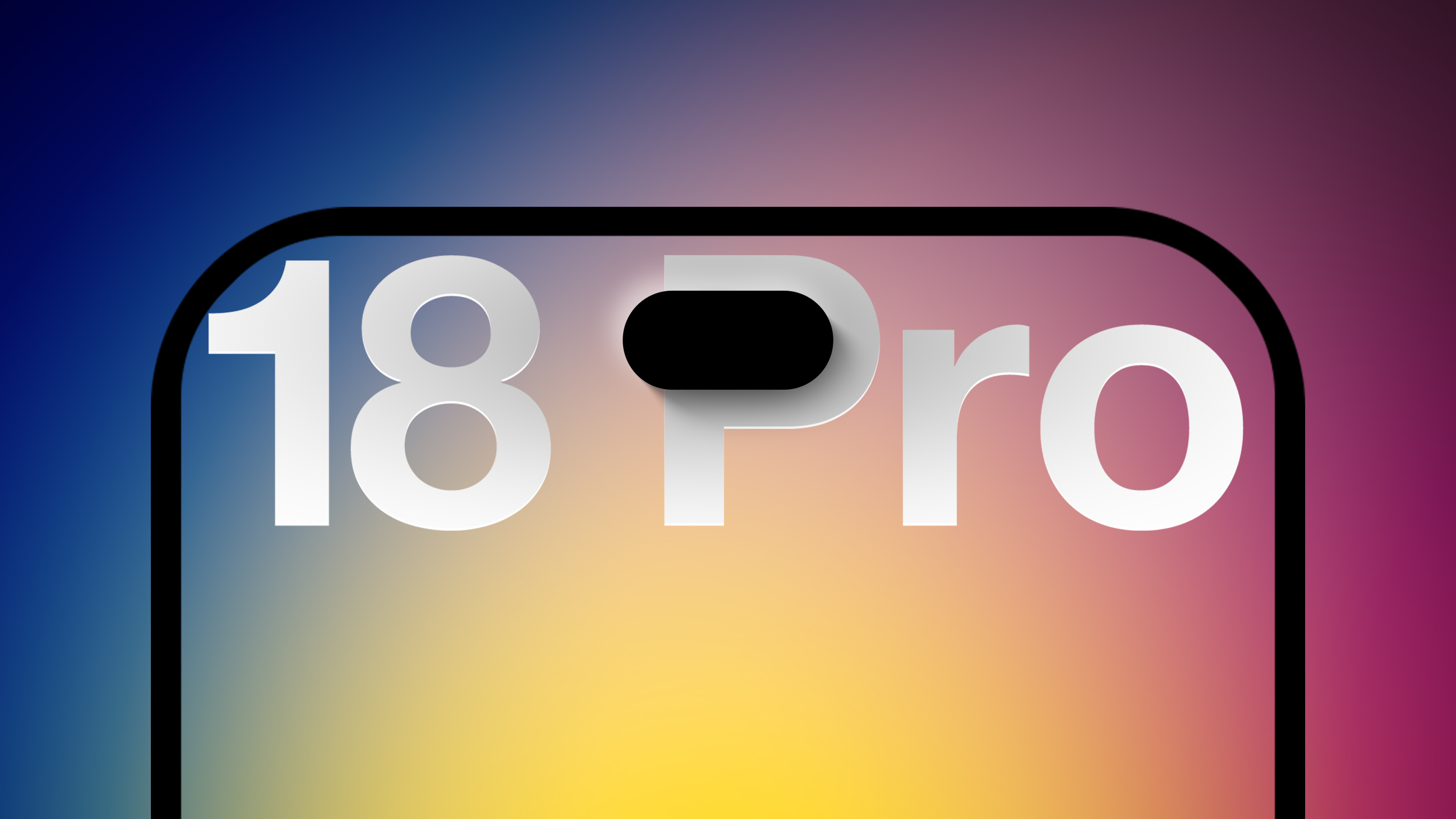
According to Wayne Ma of The Information, Apple is targeting a design without a Dynamic Island, replacing it with a single pinhole camera in the upper-left corner of the screen. However, other sources dispute that claim. Display analyst Ross Young believes under-display Face ID is possible for the iPhone 18 Pro, but says a smaller Dynamic Island will still be present. Bloomberg's Mark Gurman has echoed this view, reporting that the new models will feature a slimmed-down Dynamic Island rather than removing it entirely. Apple is also said to be testing new camera miniaturization technology to reduce the size of the front-facing camera currently located within the Dynamic Island.

The Weibo leaker "Ice Universe" has claimed the Dynamic Island cutout on the iPhone 18 Pro models will be approximately 35% narrower than it is on the iPhone 17 Pro models. Specifically, they said it will have a width of around 13.5mm, down from around 20.7mm

Meanwhile, Chinese leaker Instant Digital has offered yet another version of events, saying the Dynamic Island will shrink in size, but that under-display Face ID and camera technology won't debut this year. Overall, the consensus suggests Apple may be refining the Dynamic Island before fully transitioning to an all-screen design in future generations.

A20 Pro Chip

2nm Process

The iPhone 18 Pro models will use Apple's A20 chip, based on TSMC's 2nm process for power and efficiency improvements. A move to 2nm fabrication increases transistor density, which will enable higher performance. The A20 series is expected to deliver roughly a 15 percent speed gain and about 30 percent better efficiency compared with the A19 series used in Apple's iPhone 17 models.

Apple's A20 chip will be packaged with TSMC's Wafer-Level Multi-Chip Module (WMCM) technology, suggesting at least some A20 chips will have RAM integrated directly onto the same wafer as the CPU, GPU, and Neural Engine, rather than sitting adjacent to the chip and connected via a silicon interposer. This could contribute to faster performance for both overall tasks and Apple Intelligence, and longer battery life from improved power efficiency.

C2 Modem

Replacing Qualcomm

Apple plans to include its next-generation C2 modem in the iPhone 18 Pro models, according to supply chain analyst Jeff Pu. The chip will succeed the C1 modem, which debuted in the lower-cost iPhone 16e as Apple's first in-house cellular modem, and the C1X modem chip in the iPhone Air, which Apple says is up to 2× faster than the C1. The C2 is expected to bring faster speeds, improved power efficiency, and support for mmWave 5G in the United States – a feature missing from the C1 and C1X.

Apple's modem roadmap is part of a long-term strategy to reduce reliance on Qualcomm, which currently supplies 5G modems for the rest of the iPhone lineup. The company has been working on developing its own cellular chips for years, aiming for deeper integration and greater control over power management and performance.

New Camera Sensor

Samsung-Made

Samsung is working on a new three-layer stacked image sensor, reportedly intended for the iPhone 18. The sensor, referred to as PD-TR-Logic, integrates three layers of circuitry, which would improve camera responsiveness, reduce noise, and increase dynamic range. The leak comes from a source known as "Jukanlosreve," who claims the sensor is being developed specifically for Apple's 2026 iPhone lineup. Sony has long been Apple's sole image sensor supplier, so Samsung's entry would be a big shift in the iPhone's camera supply chain.

Variable Aperture

DSLR-Style

Apple intends to equip this year's iPhone 18 Pro models with a variable aperture lens, according to reports. Weibo-based leaker Digital Chat Station claims the main rear camera – what Apple calls the 48-megapixel Fusion camera – on both iPhone 18 Pro models will offer variable aperture, which would be a first for the iPhone. A variable-aperture system physically adjusts the lens opening, letting more light in for low-light shots or narrowing the opening for brighter scenes and deeper depth of field.

The main cameras on the iPhone 15 Pro, 16 Pro, and 17 Pro all use a fixed ƒ/1.78 aperture, where the lens is permanently set to its widest setting. With a variable lens, the iPhone 18 Pro would allow users to manually shift the aperture, similar to on a DSLR camera. This would mean more control over depth of field, enabling sharper focus on subjects or smoother background blur. Industry analyst Ming-Chi Kuo said in November 2024 that Apple's iPhone 18 Pro models will get the feature.

5G Satellite Internet

Non-Terrestrial Data

According to a report by The Information, Apple plans to add support for 5G networks that operate via satellites rather than Earth-based towers as early as next year. This advancement would allow future iPhones to gain full internet connectivity through satellite, not just limited emergency features.

If Apple meets the 2026 target, the first devices to feature 5G satellite internet would likely be the iPhone 18 Pro, iPhone 18 Pro Max, and the long-rumored foldable iPhone. Apple partners with Globalstar for its iPhone satellite features, but there is currently no service that delivers full 5G satellite internet directly to a smartphone, and the report did not specify who would supply it.

Simplified Camera Control

New Design

Apple is reportedly working to simplify the Camera Control button's design on iPhone 18 models in order to reduce costs. The current Camera Control button on iPhone 17 models uses both capacitive and pressure sensors beneath a sapphire crystal surface. The capacitive layer detects touch gestures, while the force sensor recognizes different pressure levels for taps, presses, and swipes.

However, according to the Weibo-based account Instant Digital, Apple will remove the capacitive sensing layer and retain only pressure sensing recognition in the second iteration to achieve all Camera Control functions on the iPhone 18. The simplified version is not about reducing functionality in the button, but about saving money. The current solution is said to be very expensive for Apple and is generating costly after-sales repairs.

New Colors

Three in Testing

Apple is rumored to be testing three new color options for the iPhone 18 Pro models: burgundy, brown, and purple. A burgundy finish would mark the first time the Pro and Pro Max models have been offered in any shade of red, apart from the lighter (PRODUCT)RED used on earlier devices. The iPhone 14 Pro and iPhone 14 Pro Max were previously available in Deep Purple, and Apple has never released an iPhone in a genuinely brown color.
This article, "10 Reasons to Wait for Apple's iPhone 18 Pro" first appeared on MacRumors.com

Discuss this article in our forums

  •  

Perplexity Abandons AI Advertising Strategy Over Trust Worries

AI company Perplexity is stepping away from advertising over concerns that it will erode user trust, despite moves by rivals to introduce ads as an alternative money-making strategy.


Perplexity was one of the first AI services to embrace ads in 2024, after it ran tests where sponsored answers appeared under the chatbot's answers. That approach however was phased out last year, and executives at the company now say they don't plan to revisit it, according to the Financial Times.

"A user needs to believe this is the best possible answer, to keep using the product and be willing to pay for it," a Perplexity executive told the publication.

The report follows OpenAI's move earlier this month to show ads to ChatGPT users who have a free account or a low-cost Go subscription. OpenAI has said ads will not influence the answers that ChatGPT provides, nor will it provide advertisers with content from ChatGPT conversations.

Anthropic, the makers of Claude, recently mocked OpenAI for its decision to show ads to users and has said it has no plans to do the same. The company argues that including ads in Claude would not be in line with its mission of creating a helpful assistant for work and deep thinking, and that users should not need to second-guess whether an AI is being helpful or "subtly steering the conversation towards something monetizable."

Google features advertising in AI mode and in its AI Overviews summaries on traditional search results. However, Google has not introduced ads into its Gemini chatbot so far.

Ad strategies are one way that AI companies have been looking at as a way to generate revenue from users and reassure investors while spending heavily to train and operate large language models. Meanwhile, the cost of training and running large language models continues to climb, with no profit to show for it.
This article, "Perplexity Abandons AI Advertising Strategy Over Trust Worries" first appeared on MacRumors.com

Discuss this article in our forums

  •  

Apple Music Connect Launches as Promotional Resource for Labels and Distributors

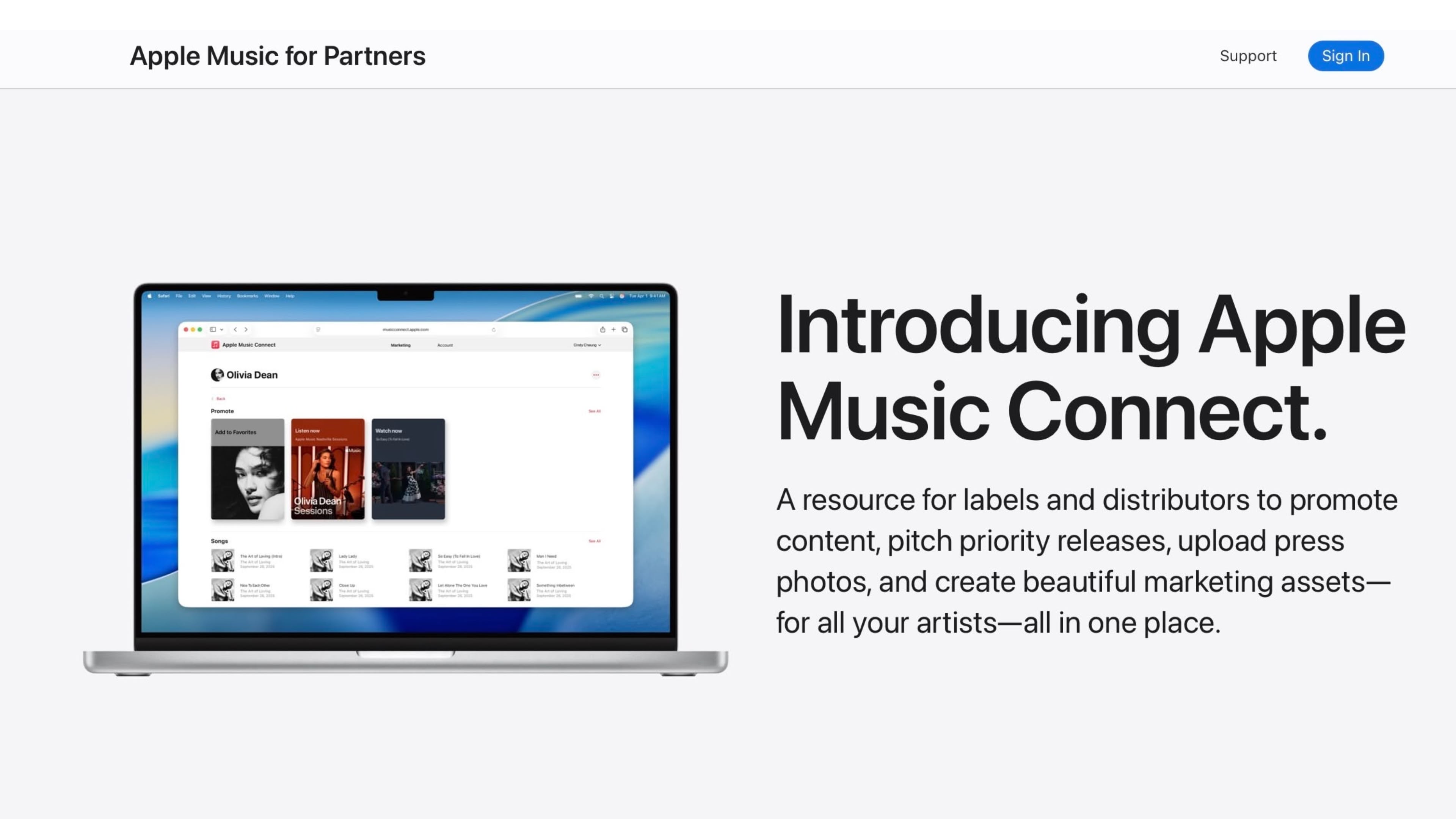
Apple has launched Apple Music Connect, a new resource for labels, distributors, and partners to manage promotional assets, upload press photos, and help coordinate how artists' music and marketing materials are presented across the streaming service.


The new online hub includes a range of tools and services for music labels, including:

  • Promote: Creates promotional artwork and visual assets to support releases across Apple Music surfaces and external channels.

  • Apple Music Pitch: A way to submit detailed information about upcoming releases for editorial and playlist consideration.

  • Media Requests: A place for uploading and managing press photos and assets requested by Apple Music for editorial use.

  • Social Assets: Generates shareable templates for announcing placements, milestones, and releases on social platforms.

  • Console: A central dashboard to access and manage Apple Music Connect tools and permissions.

  • Marketing Tools: To generate affiliate links, badges, embeddable players, QR codes, and related promotional materials.


The new Apple Music Connect hub shouldn't be confused with the ill-fated Apple Music Connect social platform, which was shut down in 2018. The social engagement feature let artists directly share content with their fans, but it suffered the same fate as Ping, the company's previous social network for music removed from iTunes in October 2012.
This article, "Apple Music Connect Launches as Promotional Resource for Labels and Distributors" first appeared on MacRumors.com

Discuss this article in our forums

  •  
❌