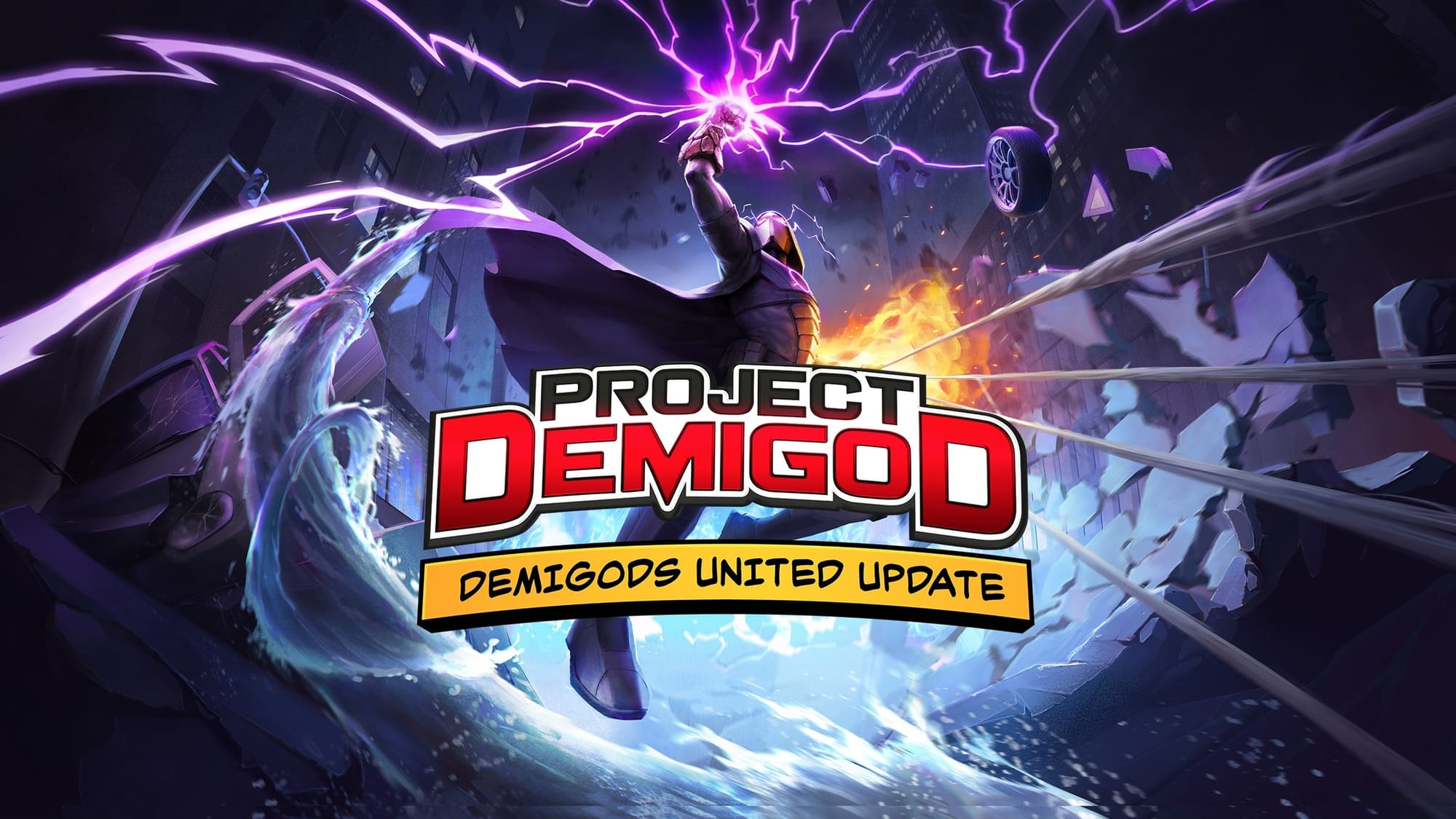
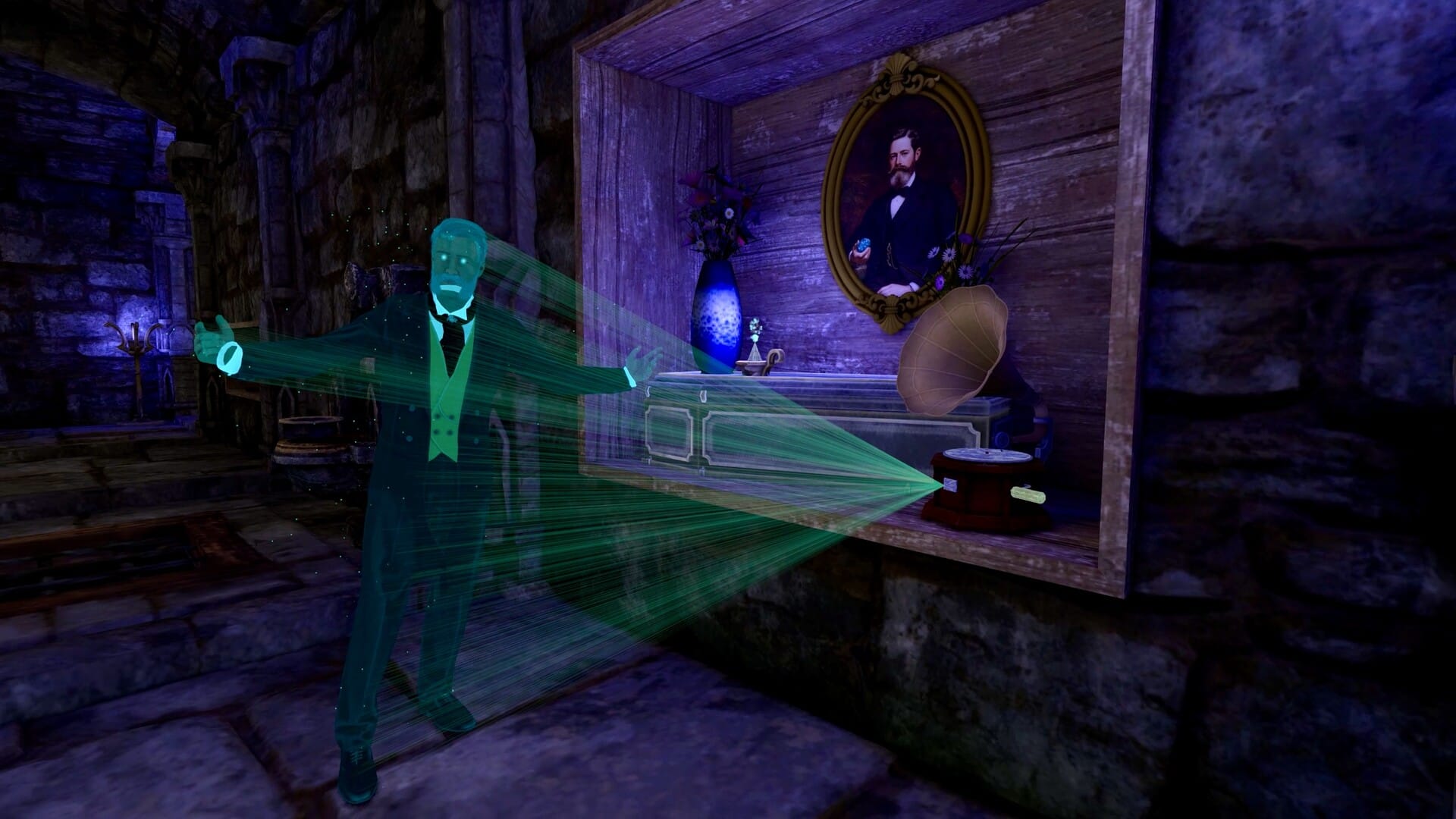
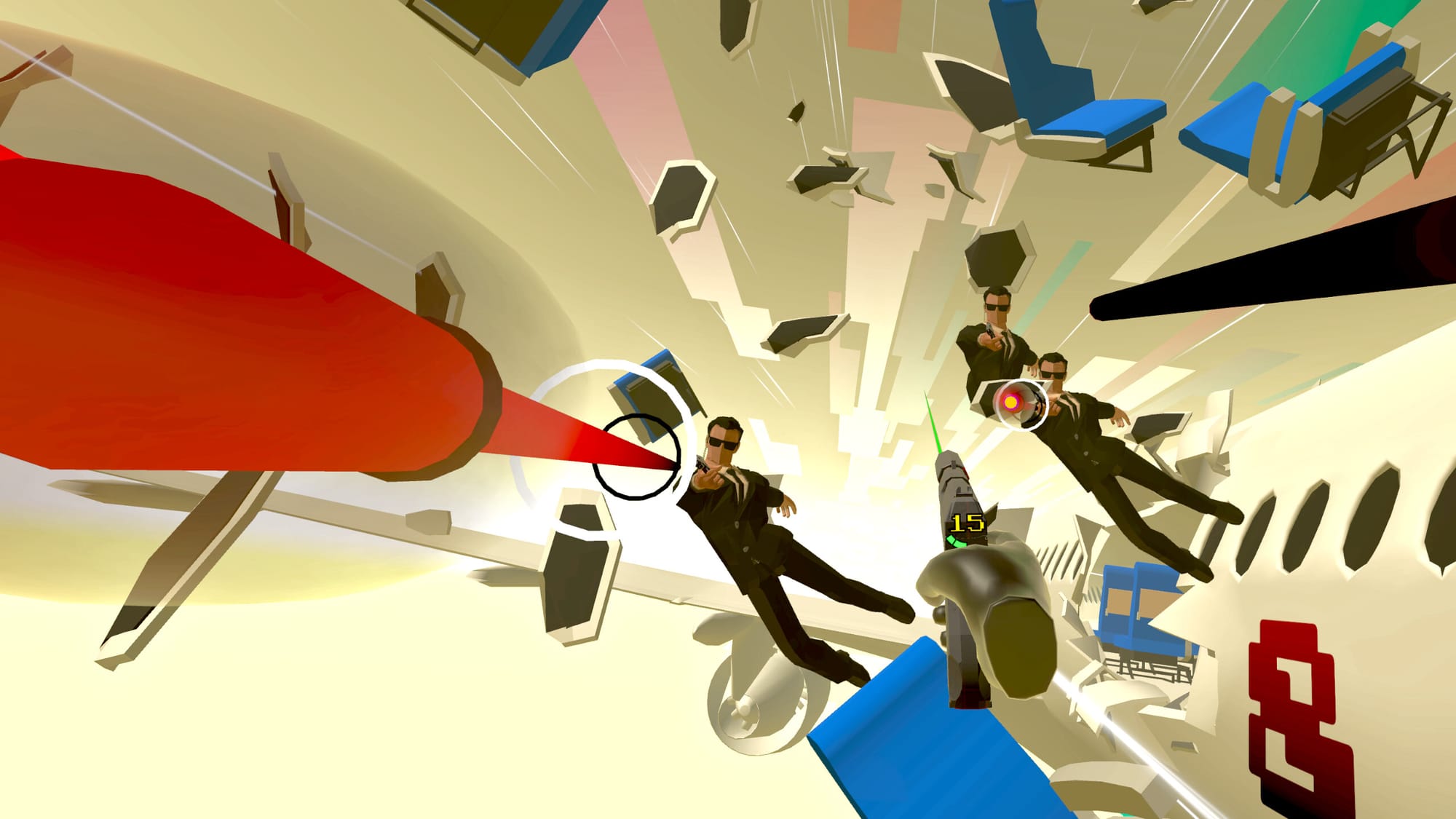
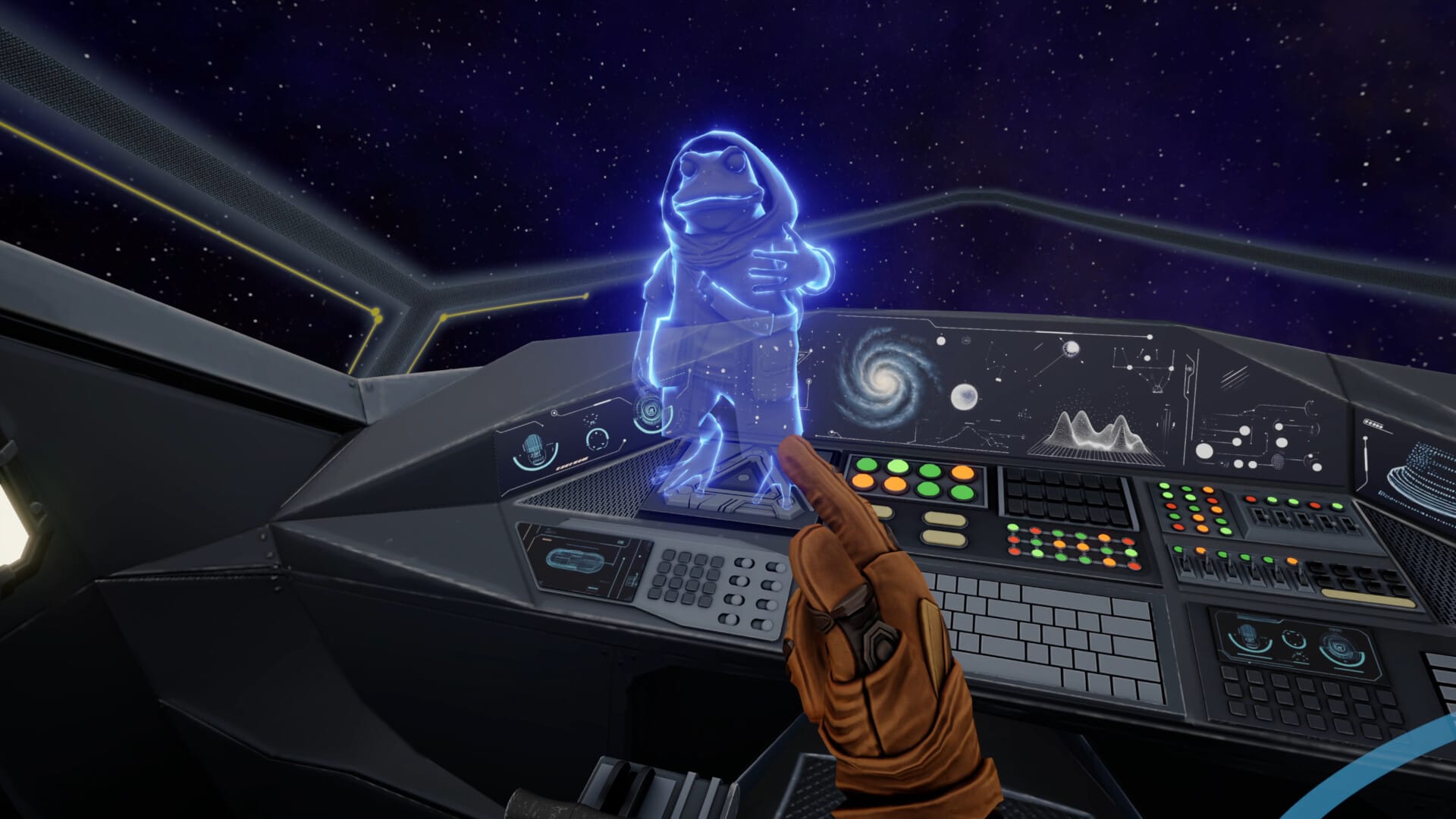
Superhero sim Project Demigod now has a multiplayer mode on Quest and Steam.
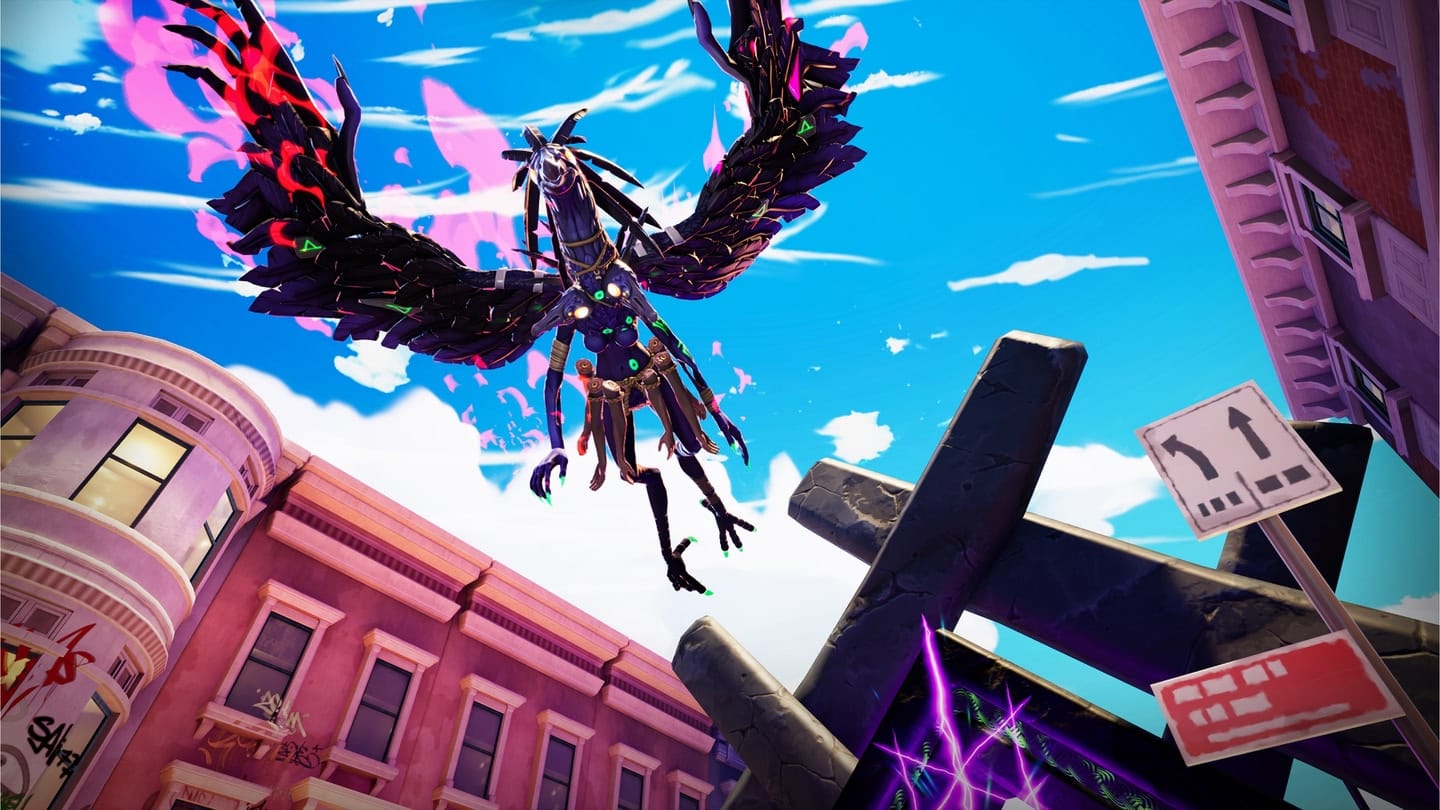
Developed by Omnifarious Studios, you may recall Project Demigod entered full release in February 2024 after an initial early access launch. It's a physics-based superhero sandbox with modding support that gives you a range of powers such as super strength or flight, where you can take on enemies and bosses across different missions.
Now, Project Demigod has recently launched the 'Demigods United' update with two major additions. Social multiplayer lets you hang out with others across the city, with “full enemy combat” coming soon in a future update. Drone combat is also available, where you can fight against drones, turrets, and attack helicopters.
Demigods United marks the latest patch in a series of post-launch updates. Previous updates include adding giant enemies, a 'Demi-Mod' patch that upgraded the modding SDK, and the 'Armory Update' with new weapons and other changes. This April's 'Lights, Camera, Action' update also included the LIV Creator Kit and power color customization.
Project Demigod is out now on the Meta Quest platform and PC VR.
During a recent trip to New York, Walkabout Mini Golf game director Lucas Martell sat down with me as well as some fans and students for an in-depth Q&A session.
Walkabout launches its 37th course this week with Alice's Adventures in Wonderland alongside a new size-changing mechanic that will quickly turn a VR outing into a mad tea party. Work has already begun on Walkabout's 50th course. At publication time, Martell, art director Don Carson and a few other members of the Mighty Coconut art team are in Gravity Sketch roughing out ideas for courses that will open starting in 2027.
I've lightly edited the first half of the session featuring questions for Martell aimed at covering how he transformed the project from an effort he worked on solo before the pandemic to something dozens of artists contribute to from their homes.
What is the 'Walkabout Path'?
We hop into Gravity Sketch once we figure out what the course is gonna be and we actually start designing the course. And one of the very first things that we do is a yellow line that goes through the entire course that represents the path that the players will take to get to holes one through 18. That is the core thread of gameplay of how it all works, and sort of how we decide what areas you're gonna get to when, what is the sort of narrative that's gonna unfold.
How did you decide to build VR that way?
Gravity Sketch is a tool in VR that allows you to basically sketch in 3D space. So you could just be sketching lines, you could also do full models. A lot of our courses, we actually do the final models in Gravity Sketch, or we'll use it to place an asset library — all of the grass and rocks and stuff that you would see is probably just someone grabbed a little library of grass and they're like, oh, put that one there, put that one there. It gives it a very organic feel because, it's not perfect, it has a little bit of that hand-feel to it. And the other really cool thing about Gravity Sketch is that you could have multiple people in the same room working at the same time. We've added a fourth designer to the team within the last year here, and so we will all be in there and literally sketching and be like, oh, we need to have a table. And so Don tends to do a lot of the prop work and he'd be like, oh, let me go do that really quick. He'll literally like do a rough table in just like 20 seconds. “Like this? What if we'd made it longer, made it more oval?” He'll make the tweaks and we're literally going through and making it. He might just be like, ‘Oh, here, I replaced the chair. Can you go put this around?” And I'll grab his chair and place it and stamp it all over the place. So it's a very interactive way of working and it allows us to sort of work in 3D in a very sketchy way. And we have really found that sort of like the instinct a lot of people have is to try to make something look good. And what we've learned is try to stay as messy as long as possible. And that's where the "Walkabout Path" kind of came in, is that we want to think about what the overall experience is like, kind of like you would doing storyboards for a film. You want to be fast, loose, you want to capture it as quickly as you can so you can start finding what works and what doesn't work, so you don't spend a whole lot of time polishing something that's gonna end up on the cutting room floor.
How did you decide the trigger pull mechanic to teleport to the next hole?
The game started off as a solo project. So this would've been mostly during the pandemic. There was actually a little bit of work that was done on it before the pandemic, but that's really when it kicked into full gear. And it was just me for probably about nine months full time, although there's probably about three months spaced out of work that had been done in the year or two prior. And the two big things that I had always felt was, to me, mini golf, half the fun is not necessarily the game, it's actually the course itself. It's walking through the pirate ship. It's walking through the cave, it's seeing the blue, weird water. It's the environment that's around you. And yes, the game itself can be fun, but to me the path with all of that stuff takes it from even being like a hike into almost being like a theme park, but it's almost like a guided tour through the theme park.
The trigger to get to your ball, the one other big kind of like idea that I had is that I wanted people to be able to play the game with a single button. And so even to this day, you can play the entire game with just the trigger button. And so if you're ever trying to teach someone how to do it, that's the only thing you have to. And part of that came from just having done mobile games before, or just having done some other things where you have to keep it so, so simple that it shouldn't take long. And now you can't pick up the lost balls, you couldn't fly. But the actual, the core game mechanic is just one button.
Can you list off all the things that you can do in Walkabout now?
When it launched it was just four courses. Teleport only. There was no music, there was no settings menu cause there weren't any settings to adjust. There were no fox hunts and there was night mode and there were lost balls, but it was just four courses, night mode, no avatars, you were just gray. So flying became a thing. Smooth locomotion became a thing. We added music and fox hunts at the same time with the new putters. And then all the other activities that we've done as well. So that would be slingshots, mini mode, giant mode. I don't know if people have played recently, but there are a lot more sort of like game modes. You can play chess now in Venice, Upside Town and Welcome Island. And if you just go up to it and it's the same idea, it is just a trigger. You'll just get like a little sort of like an eyedropper thing that you can just grab whatever piece you want and place it wherever you want.
Are we gonna get hand tracking at some point?
We're definitely looking at it and I will say that the hand tracking has to be really good in order to do golf, but there's a lot of other things that don't, like picking up that chess piece, could theoretically work really nicely without some of that.
Why did you build your workplace the way that you did?
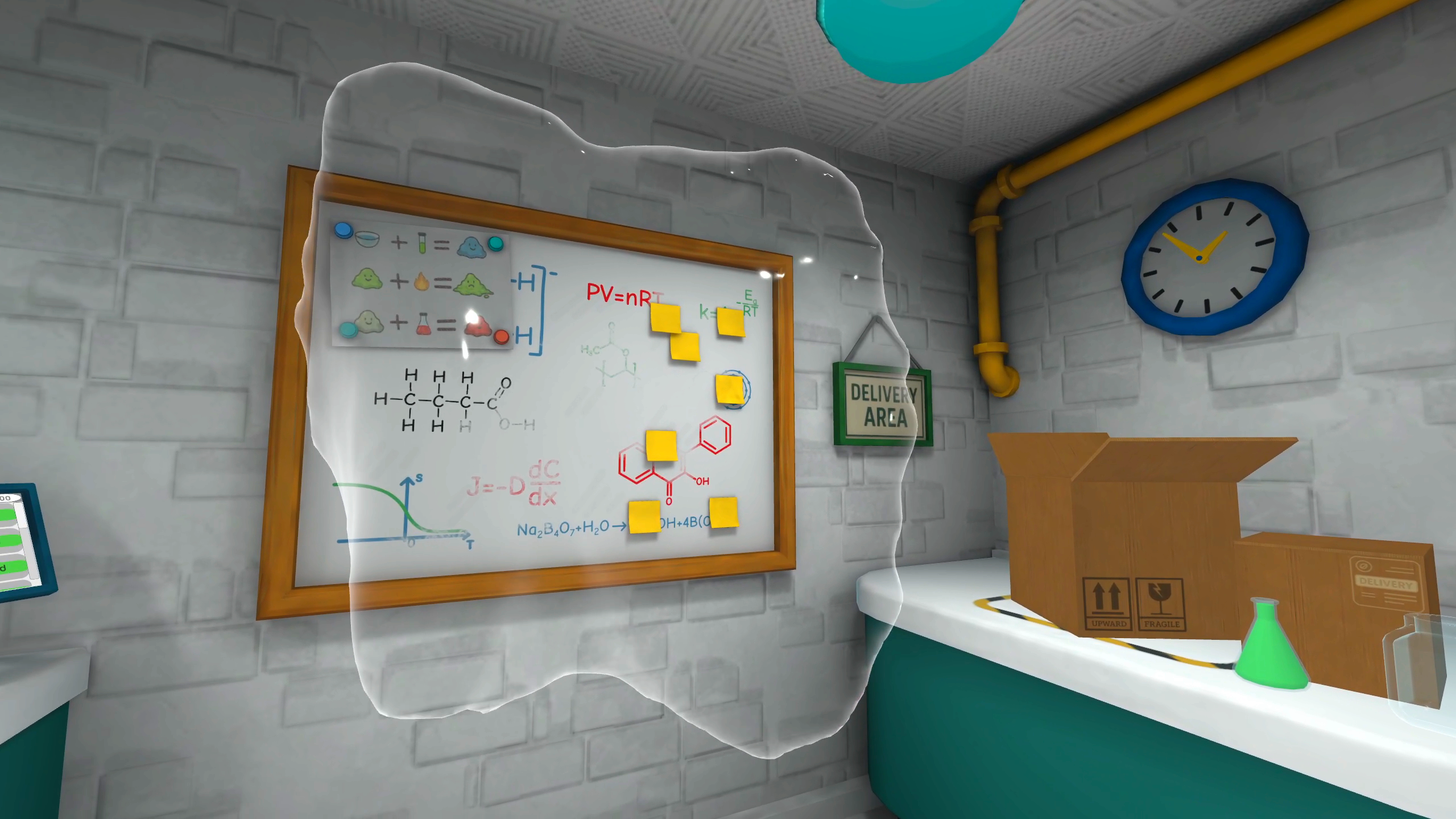
We were an animation and visual effects studio for a really long time, mostly doing vendor work. I came from the film world, mostly animation, pitching, setting up projects, got a couple of things made. So we came at this not as traditional game designers and we have kind of inherited a lot of things from animation. So one of the things that we do very, very differently than most other game design companies is that normally, when you were building a world like this, you would have artists building individual pieces. They would build that table, they would build that whiteboard, they would build the trash can and then someone else would be assembling it all in the engine. We do it all more like the film world where everything is just built in Gravity Sketch, Blender, it's all basically there. So you can do the entire world at any point in the process. Anyone can come along and be like, I don't like that railing right there, and move the whole thing. And it gives a lot more freedom to the team and there's a lot more trust. But also, because it's low poly, it also allows them to help create the world and maybe not get lost so much in the detail. Because one of the things that I've seen a lot of game studios struggle with is just if people are hyper-focused on making a version of that phone, they're gonna want to keep adding detail and detail and detail. And our point is more like, let's stop adding so much little detail to every single item. Yes, you could sort of make that phone look perfect, or you can have the table set up that clearly it looks like there's been a party. There's like a bunch of chip bags, there's a couple that have been opened. It actually feels like this big space is lived in, and that you only get when people are not focused on the micro, they're focused on more of the big picture stuff.
What does your funding model mean when recruiting talent – is it difficult or easy to hire?
I have to say it's a lot easier because I think that everyone who works in the games industry has struggled with what happens when funding gets pulled. Just a year ago, especially with some of the Embracer group stuff, like there were so many projects that got canceled just because, not cause the project was bad, but just because financing blew up or everyone has horror stories of all that happening. So the fact that we call it “player funded” because I sunk about a year of my personal time into it, but there was no like hard dollars that were into that. It was just the effort involved. And then since then it's just been sale of the game and sale of the DLCs that has fully funded the entire thing. I think that does put us in a really unique spot where we, when we say player-first, we really do mean it because we need those players to keep coming back and keep supporting the game.
Who is Don Carson?
Don joined us, I think probably about number 10 or 12, somewhere in there. So he was earlier on, he was an Imagineer, he was the senior art director on Splash Mountain, Mickey's Toontown. A couple of different, pretty big things. So he came from the theme park world and since then he's worked on Dragons and Mario World and he had worked on a bunch of other stuff, much of it five, 10 years ago and it's just now actually getting finished and seeing the light of day because theme parks just take so long to do. But Don had embraced VR pretty early on as a design tool because he was creating spaces. It was just the best way for him to do that. And he's always been very, very sort of like tech-forward, and Don reached out to us just because, I think it was in Bogey’s Bonanza, which is course number six or seven, somewhere in there. Why don't you come talk? So we had kind of had him into an all-hands meeting. He just came in and did a presentation. It was like 45 minutes or so, talking about theme park design and what he did. And we just played a couple of rounds and kind of kept talking.
It was like, "would you ever consider coming to, to work for us?" He jumped at the opportunity. It really has sort of changed a couple things about how we do. We've definitely kind of embraced some of the theme park design in what we do, and a lot of that comes down to environmental storytelling, and the way that you can kind of create these different stories. For folks like me, coming from the film world, I always had a very, a very sort of like linear idea of what storytelling was. And he really helped us understand that it's almost more about, you need to have a very, very general conceit about what the world is and why it is that way. But then it's about all the details that you put in there that sort of support that. And it's not a linear story. It's sort of like all these little things that you might find as you go around. So I feel like once Don came on board, Nautilus or 20,000 Leagues was the first one that he was super involved with, and I think you kind of feel that...that sort of like, it really took a, a big leap at that point, from these are cool worlds to being sort of like, no, this is inhabited. It feels like a place.
What is the value of virtual reality to you?
I think that being able to go into another world, that was the thing that sort of like really drew me there. And I feel like space is such an important thing to me and I love that ability of basically just being able to like fully immerse yourself in a world. Also, I think that games like this that also maybe feel a lot less like games. That it is almost more of a space. And yes, there is a game activity, but that is almost like the lightest of — it’s an excuse to get in. A lot of times people aren't even coming for the game. They're coming more to spend time in the world. There's a significant number of people who do use it just as almost like kind of meditation or just sort of like a way to just like wind down at the end of the day.
But then the social side of things. When I was doing this, Quest 1 was the only headset that was really out there at the time. And Oculus had talked, we didn't take any money, but they were just like, we know it's coming up, we really think you should add multiplayer. This is like two months before launch. I was like, okay. I didn't know any better. Luckily mini golf turned out to be one of the easier things to do multiplayer with just because you don't have some of the interactions. So I basically coded up a really crude multiplayer implementation and the very first time that I played I was like, I need someone to play with. So my dad, it was height of the pandemic. He grabbed the other headset, went upstairs and we played a game together. And it was mind blowing how being in the same space as someone else really sort of like – it felt alive. And it felt like you were sort of sharing that, that place with someone. It gets to you in a way even more so than FaceTiming someone would.
How often has the subject come up of selling the company?
It came up and there was definitely a period, especially three years ago when all the VR stuff was really hot, that we were getting approached quite a bit. And yeah, I think that ultimately, none of the prospects brought anything to us that was really of interest outside of money. But it was also one of those things that we weren't trying to pay anything off. The game has already paid for itself. And because we're already set up that the game is paying for all of the artists, it does put sort of an upper limit on our burn rate. I don't know that we could make more mini golf faster in a way that would really be better for anyone. I feel like we've really found a nice sort of like a nice pace and cadence with all that. But sure you could spend more time on any individual course adding more stuff. But even then, there's a polygon budget that we have to hit. There's only so much that we can put into any one thing anyways. I feel like if we reduced the number of courses, if we went to like one every quarter or so, I feel like then we would be in a weird boat where we would have to be so much more precious about every single one of them. If you're spending twice as much as what we're spending on this certain course, now you're getting into a version of AAA where now it's like, ‘okay, now like everything has to be a raging success in order to just break even.’ As opposed to, we can make an Upside Town and maybe some people will hate it, but taking those risks, I think is one of the things that the independence has allowed. And it lets us sometimes try some stuff, and we don't have to deal with a lot of the bureaucracy.
When you're playing with people in like Ice Lair, where you get turned into an ice cube, which is intentionally kind of a little annoying that you're putting a cube now. When you're playing with people, you're sharing the laugh and when it turns into a cube, and then it bounces and then suddenly rolls off to the wrong side, everyone is laughing and having a good time. I'm reminded of something Elan Lee, the Exploding Kittens creator, talks a lot about making it so that it's not about making the game funny, it's about allowing the other players to be. And the more you can get one of the other people who are playing to be funny or to have a good time, then it's sort of like, then that's what's infectious.
All your artists work from home?
Yeah. We do technically have an Austin office and a Boise office where a couple of our tech folks in the QA team are, but almost everybody's working remotely.
How do we make more places like Mighty Coconut?
I definitely think that being driven by the creative is kind of a big part of that. And I think that some of it goes back to what we were talking about earlier in terms of sort of like giving people the latitude to contribute things like that. Because part of the reason that we've got so much of that in there is that it comes back to how we're fundamentally set up so that someone owns the entire course at any given point for usually multiple weeks. And so they have opportunities to add capybara in, to add those little scenes, to create those little moments that were never really intended. And I feel like when I'm doing my job as sort of a game director, I wear a few different hats, but like the game director side of me when I'm doing my job right, is really early on sort of like, "here's what the course is." I'll call it sandbox directing. It's sort of like my job is not to describe the sand castle that's gonna be. My job is to sort of like create the sandbox and it's like, “here's how big the sandbox is.” Here's a few of the toys that you have to work with inside of there. Okay, focus here, and as long as you stay within the walls, then we're good. And by doing that and then trusting people to make something cool, I think that's where you get some really interesting stuff that no one person on the team could have possibly come up with. And even the courses that I've designed myself, a lot of the things that make them the most memorable are the things that other people add. And yeah, just embracing that. I think that a lot of it does come just down to being creative-led and trusting and knowing how to hire the right people that have that right sense of taste.
Please consider becoming a member or patron to support UploadVR's work directly.
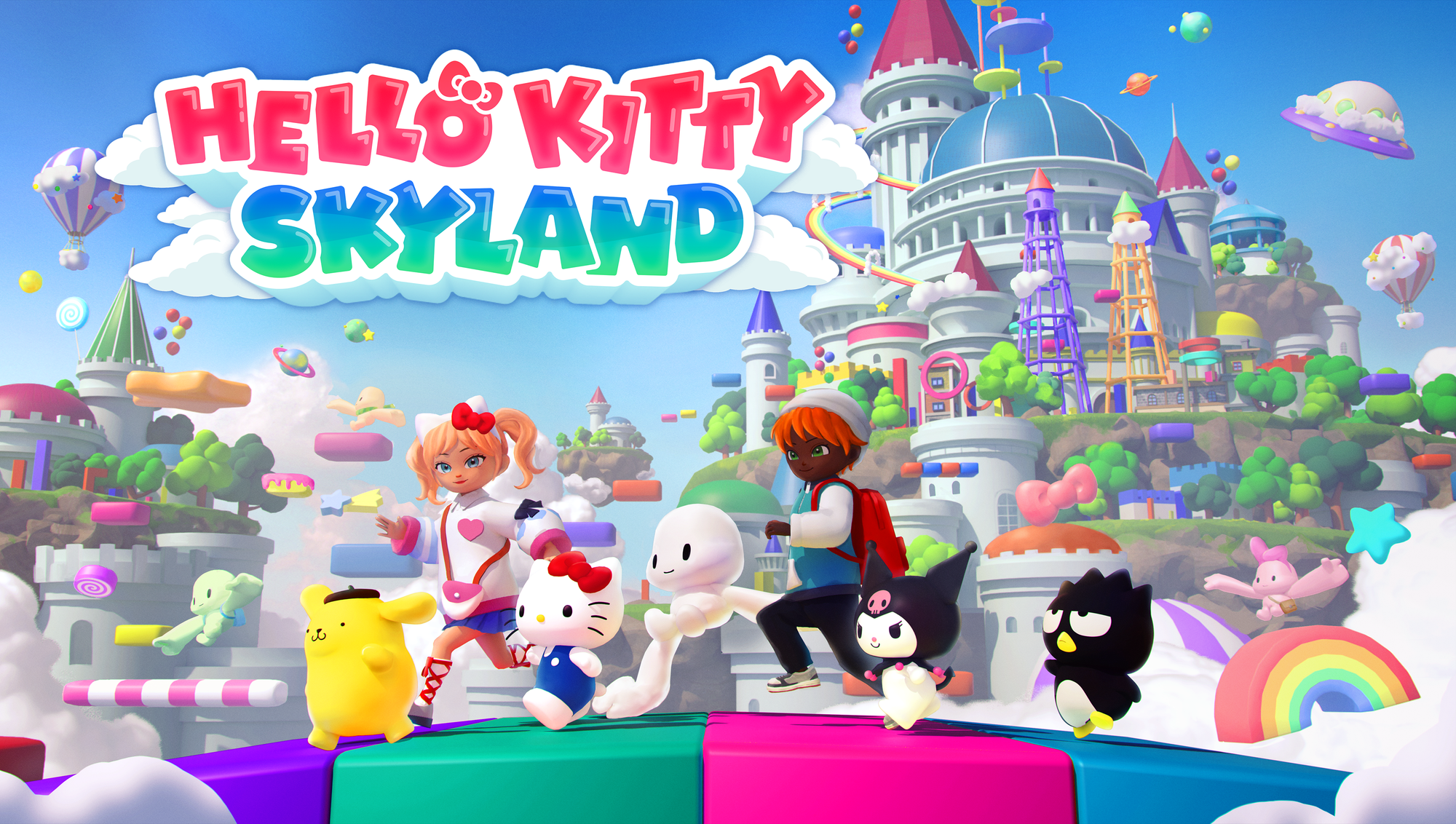
Hello Kitty Skyland, a free-to-play social VR experience based on Sanrio's iconic mascot, enters early access later this month on Quest.
Originally announced in September, Hello Kitty Skyland is being developed by Thirdverse (Soul Covenant, X8). Set in a virtual world called 'SKYLAND' with various Sanrio characters, the early access release features a central online lobby and a full-body multiplayer racing game called 'Sky Dash,' which seems to use Gorilla Tag-style locomotion. You can see that below with today's trailer.
Other features available in this month's early access launch include an avatar dress-up system, using various original outfits. Limited-time costumes themed around Hello Kitty, Kuromi, and My Melody are also included, though it's unknown how long they'll be available for.
It's currently unknown what further features will be added for the full release of Hello Kitty Skyland, and a targeted release window for that wasn't provided; Thirdverse only states that “the development team will gather player feedback and continue adding content toward the full release.”
Hello Kitty Skyland enters early access on December 22 on the wider Meta Quest platform (store page currently down) as a free-to-play release with in-app purchases.
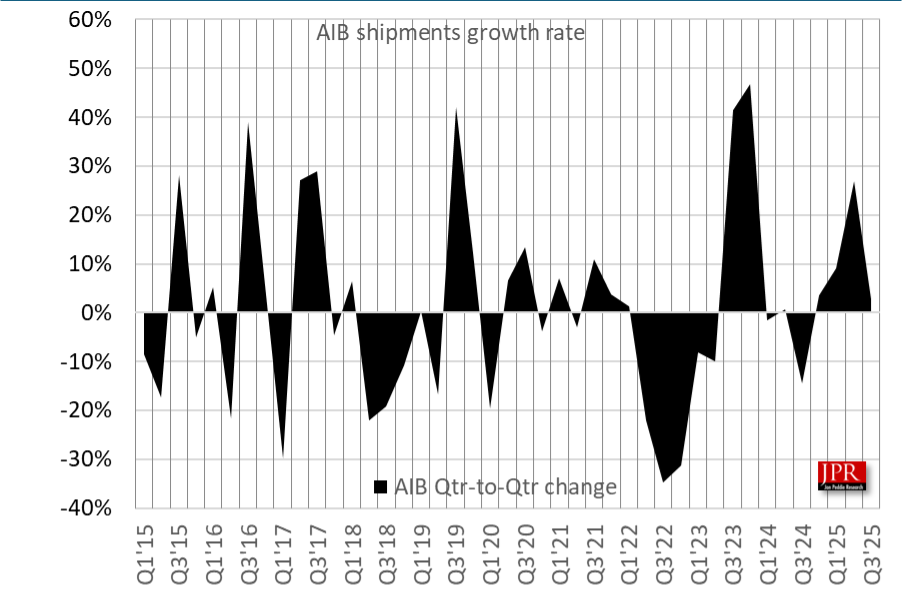
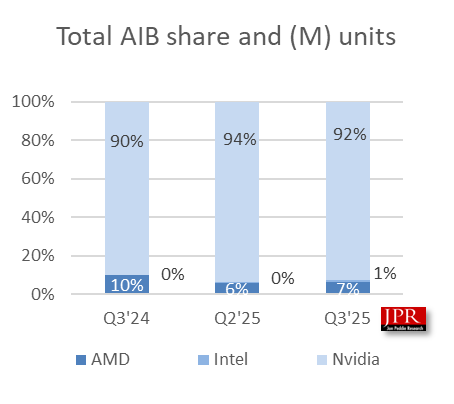
Analyst firm Jon Peddie Research (JPR) has released its Q3 2025 report on the AIB discrete GPU market, revealing a small but significant milestone for Intel. For the first time since its launch, the Intel Arc cards have cracked the 1% market share barrier, moving past the 0.5% mark it had previously been stuck at.
Intel's growth has been slow due to its late entry into a highly established market.However, recent growth offers a glimmer of hope for Team Blue and its supporters. According to JPR's latest report on the discrete GPU market, Intel has grown 0.4%, breaking the 1% barrier for the first time.
The remaining 99% of the market saw a slight shift in power dynamics. Nvidia continues to dominate the market, holding a massive 92% share. However, this represents a 1.2% decline from the previous quarter. AMD capitalised on this dip, increasing its share by 0.8% to reach 7%. These fluctuations are often driven by inventory availability and pricing strategies from board partners, where even minor adjustments can lead to visible swings in quarterly percentages.
Broader market health appears mixed. Shipments for the quarter reached 12 million units, valued at $8.8 billion, representing a modest 2.8% growth over the previous quarter. However, JPR warns that this figure masks underlying volatility. The firm forecasts a long-term decline, predicting a -0.7% annual drop through 2029.
KitGuru says: The GPU market is in a weird spot right now thanks to the AI boom, so it will be interesting to follow numbers like this in the year ahead.
You could easily spend $50, $100, or even more on a high quality gaming mouse, but do you really need to? That's up to each individual buyer to decide, but if you're looking to spend far less without compromising too much, there are deals out there, especially now that we're in the midst of the holiday shopping season. To that end, how does
Earlier this year, following a publicly playable alpha test, Bungie was forced to delay Marathon after an artist noticed that their work had been included in the game uncredited. Now months later and seemingly ahead of Marathon's re-reveal, the artist has confirmed that the dispute has been resolved.
In an update shared on social media, the artist, who goes by the online handle @4nt1r34l, confirmed that “the Marathon art issue has been resolved with Bungie and Sony Interactive Entertainment to my satisfaction”. The statement doesn't reveal any more than that, but we would assume that the artist got paid.
Bungie spent several months over the summer removing the offending assets from Marathon and only just recently resumed playtesting. With this dispute now resolved and the new assets implemented in the game, Bungie should be free to finally show Marathon publicly again.
Marathon is expected to launch in early 2026, though an exact date is not yet known. Bungie could make some announcements before the end of the month, perhaps around The Game Awards on December 11th.
KitGuru Says: Bungie can now move on from this fiasco. Chances are, the agreement between the artist and Bungie included an NDA and likely included a clause to announce publicly that the dispute is resolved, so we'll never know the true details of what was discussed behind closed doors, or how the stolen assets made their way into the game.
Samsung has formally confirmed the existence of its next-generation flagship processor, the Exynos 2600. From what we can tell, the new SoC bound for the S26 seems to be the course correction that the company has promised for ages, following years of Exynos performance controversies.
The official reveal trailer titled “The next Exynos”
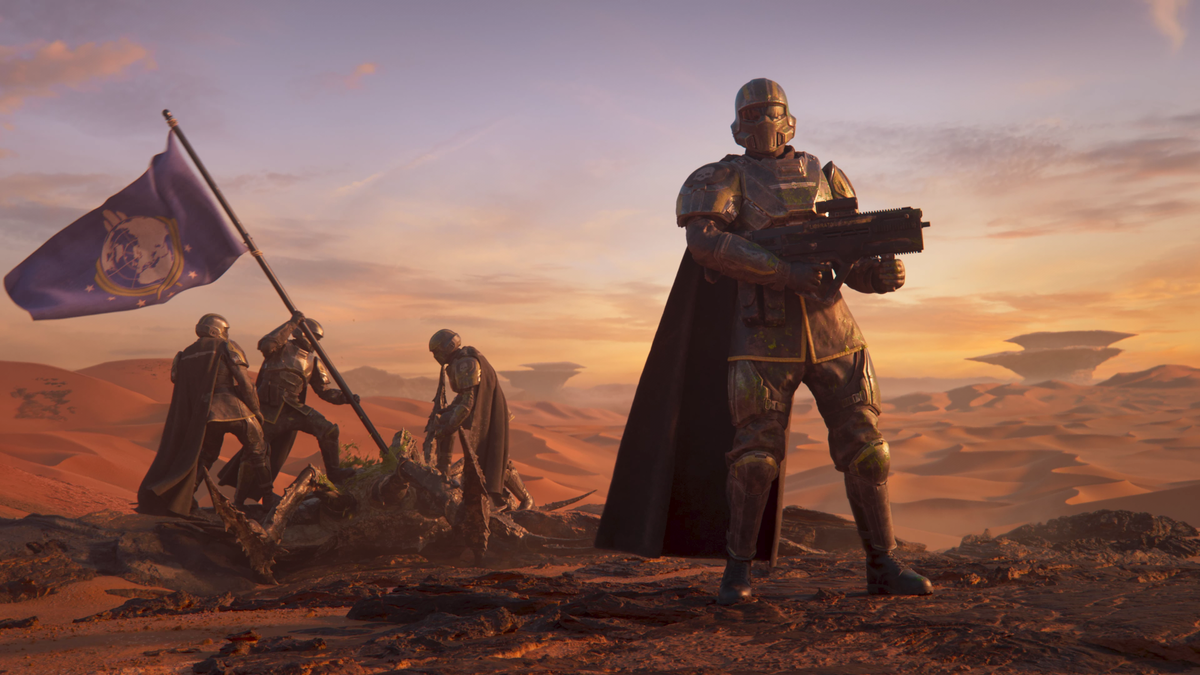
Helldivers 2 has always had a significantly higher install size on PC compared to the console versions. At launch, players needed around 70GB of free space to install the game but after more than a year of updates, the PC version has ballooned to a 150GB file size. Now, thanks to some intricate optimisation work, the PC version has been dramatically reduced by over 130GB.
Helldivers 2 fans can rejoice and reclaim some SSD space. In a recent update, Arrowhead revealed that with some help from Sony's PC-focused studio, Nixxes, they have managed to reduce the PC install size of the game all the way down to just 23GB.
This is a massive 85 percent reduction in file size. It turns out that the PC version of the game was so big because it had a ton of duplicated assets within the game files. This duplication was originally implemented to improve load times for players using mechanical hard drives, but in practice most of the loading delays came from level generation rather than asset streaming. As a result, the duplicated data wasn’t providing meaningful benefits, yet it caused the install footprint to balloon far beyond the console versions.
After coming to this conclusion, Arrowhead and Nixxes worked together to create a ‘slim' build of the game. The end result was SSD users experiencing no difference in load times, while HDD users should only experience a few extra seconds of delay. This change not only makes the game more manageable to install and update, but also ensures parity with console versions, which were much smaller all along.
Arrowhead is still testing the slim version of the game, but PC players can opt in via Steam and get immediate access to the smaller version of the game, all without giving up access to the usual matchmaking queues and game content. If you do encounter an issue, you can quickly revert to the ‘legacy' build by going into the Steam menu and changing your beta participation status to ‘none'.
KitGuru Says: I would like to see more game developers focusing their efforts on reducing file sizes. Many titles nowadays have large 100GB+ install requirements, despite the game content not necessarily justifying the install size.
It was only a matter of time before Blackwell would rank as one of the top 10 GPUs on Steam and it's now official, at least if ignoring the catch-all "AMD Radeon(TM) Graphics" entry. If so, then NVIDIA's mid-range GeForce RTX 5070 graphics card as the 10th most popular GPU on Steam, based on the latest survey results for November 2025.
The
Samples retrieved from asteroid Bennu by NASA’s OSIRIS-REx mission in September 2023 have yielded a surprising treasure trove, revealing not just the building blocks of life, but also a mysterious "space gum" and ancient stellar dust.
Researchers have detailed three major findings published in Nature Geosciences and Nature Astronomy. Foremost
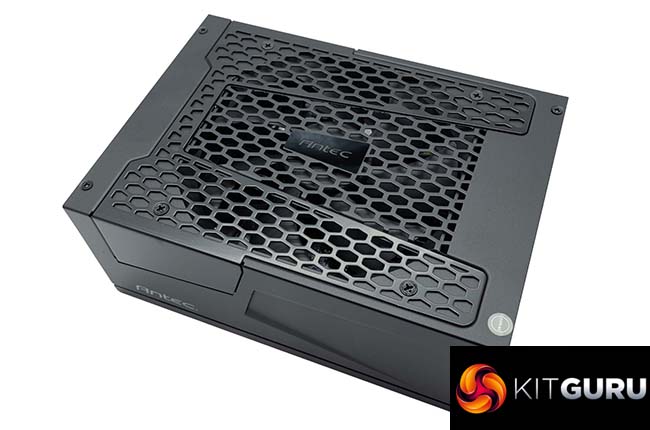
Today we look at a new flagship power supply from Antec – a unit so important Antec call it their ‘Signature'. This 2,200 watt behemoth is going to hit the UK market in a few weeks priced at £449.99, offering Cybenetics Titanium certification and support for the ATX 3.1/PCIe5.1 spec. It also ships with a full 12-year warranty.
Antec literature on the product is keen to highlight the adoption of 105C-rated Japanese capacitors inside. While 2200 watts is a little much for gamers today, Antec say it is designed for workstations, ‘professional workloads' and ‘AI and EDGE computing'. Everyone seems to focus on AI today of course, so that's always going to be a key selling point. Perhaps if you are running multiple RTX 5090 graphics cards, it is also a solid option for consideration.
The OEM for this power supply is Seasonic, based on their Prime PX-2200 ATX 3 unit released earlier this year.
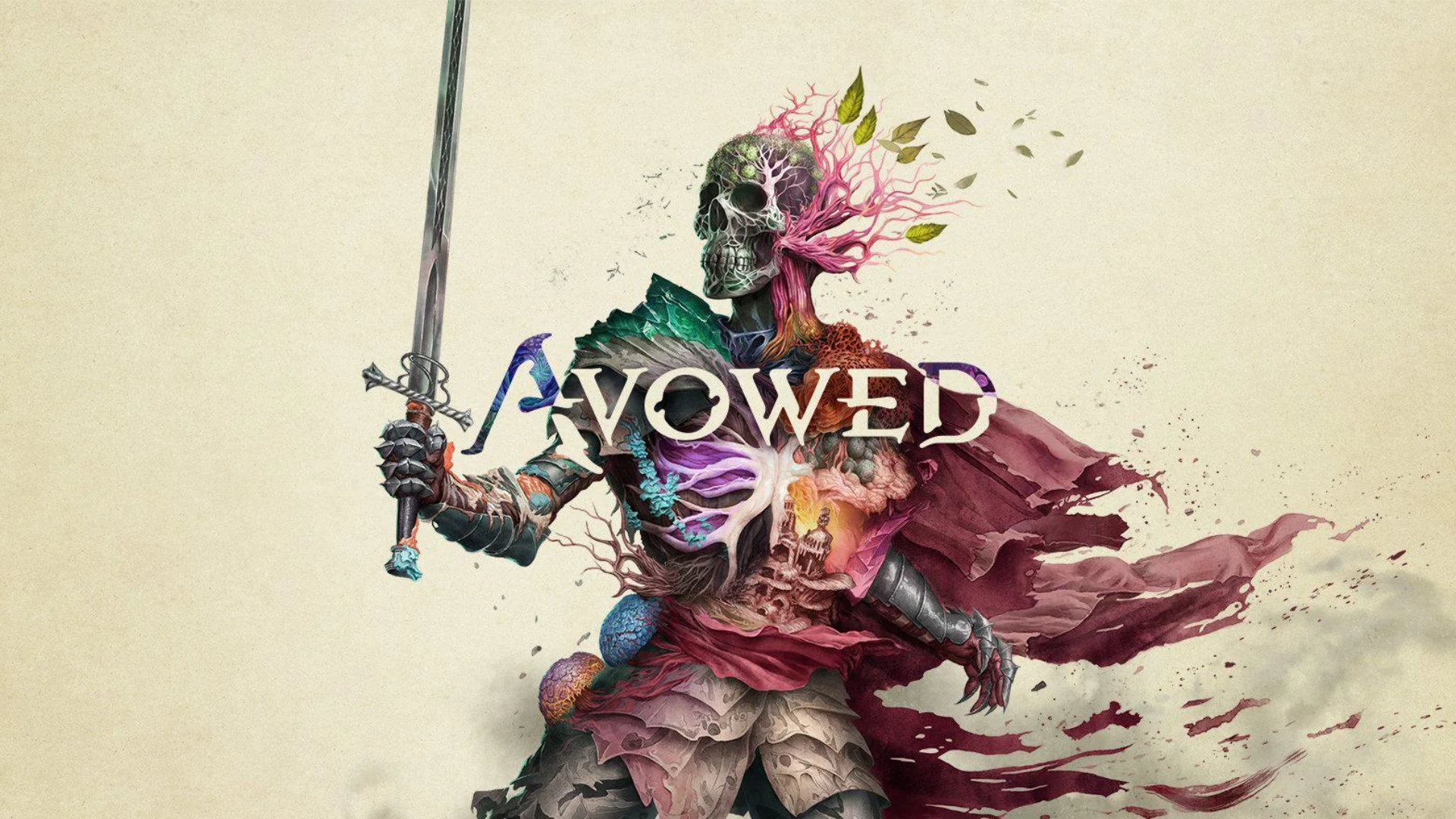
Obsidian has been patching up Avowed with major updates every few months. Unfortunately, the Winter update, which contains new features like NewGame+ has been delayed at the last minute.
The Avowed Winter update was supposed to drop before the end of 2025, but the release date has now shifted to February 18th 2026 to coincide with the game's 1-year anniversary. It's not all bad news though, with the Winter update now transforming into an Anniversary update, Obsidian has also expanded the scope.
“If you've been following our Update Roadmap, you'll know we planned to release an update this fall. To break the bad news first: Avowed will not be receiving a fall update. The good news is that we're shifting our efforts toward a larger update coming next February, timed with the anniversary of the game's release.”
The new update will still include all of the features originally planned, like NG+ and Photo Mode, but with some added bonuses including more character customisation options, the ability to change appearance in the game world, a new weapon type and more.
We will learn more about the new additions to Avowed closer to the February 18th anniversary.
KitGuru Says: Out of the two games Obsidian released this year, Avowed edges out The Outer Worlds 2 for me, in large part thanks to the excellent combat. When it comes to dual-wielding and first-person spell casting, Avowed is in a class of its own.
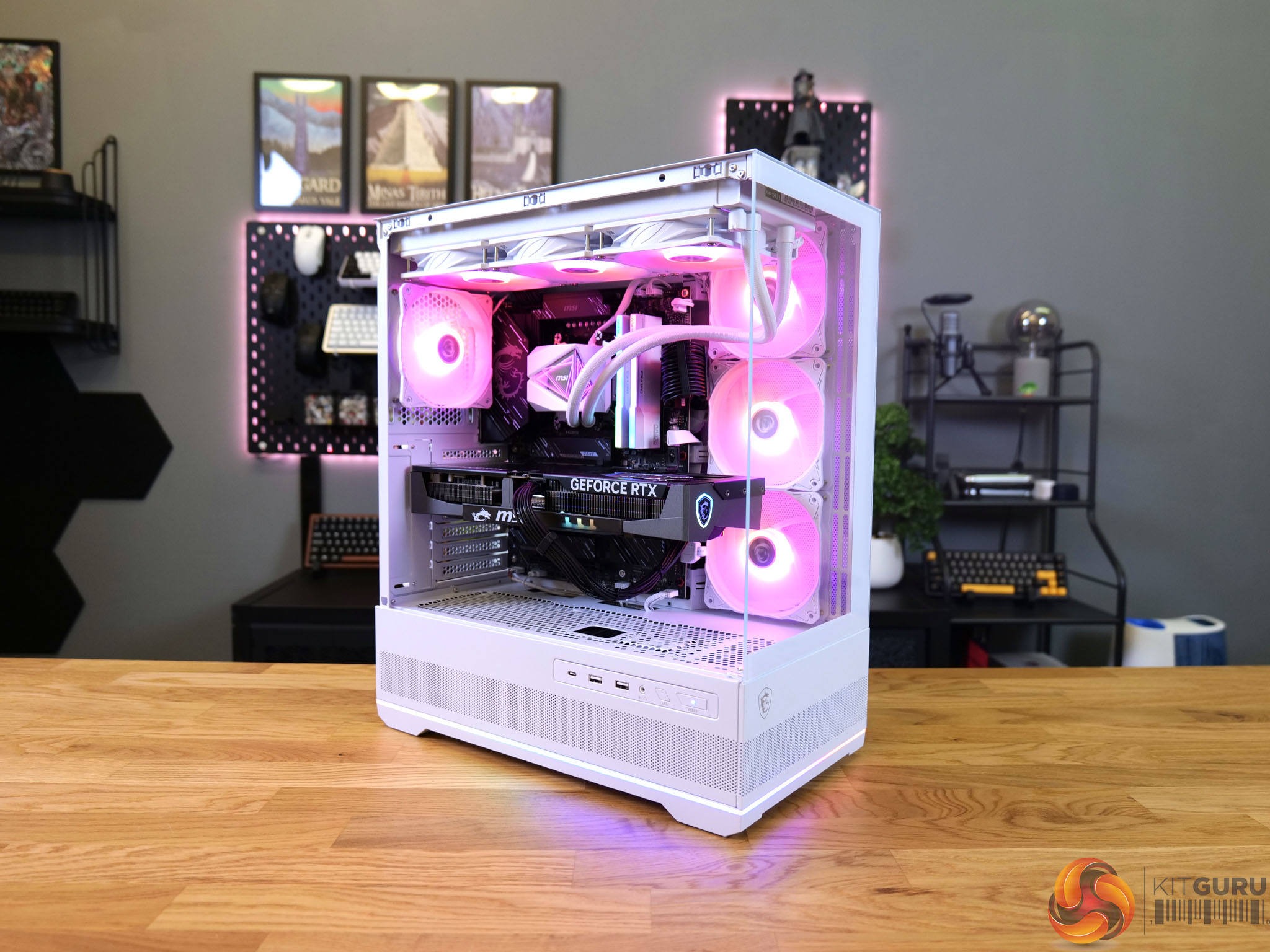
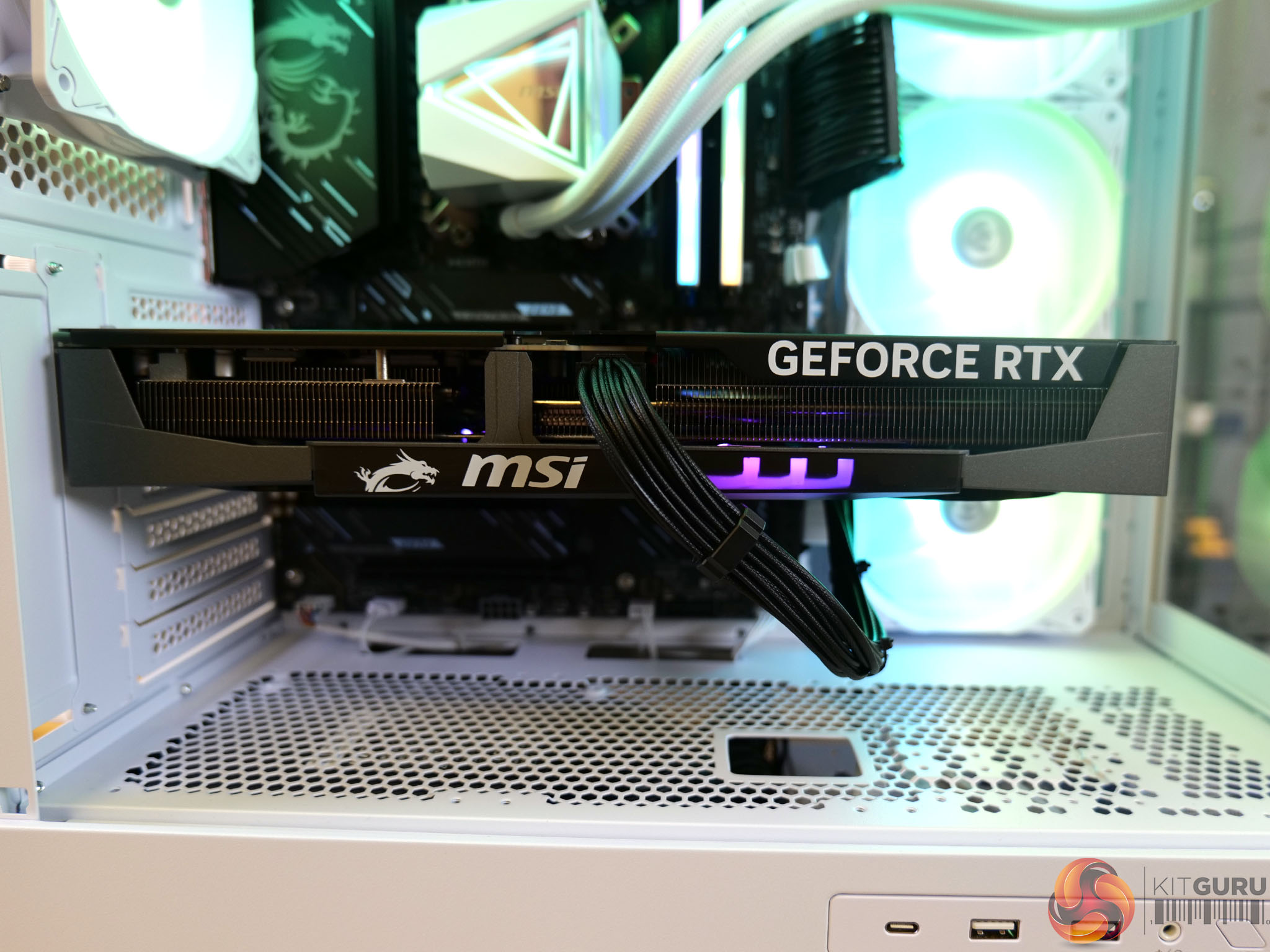
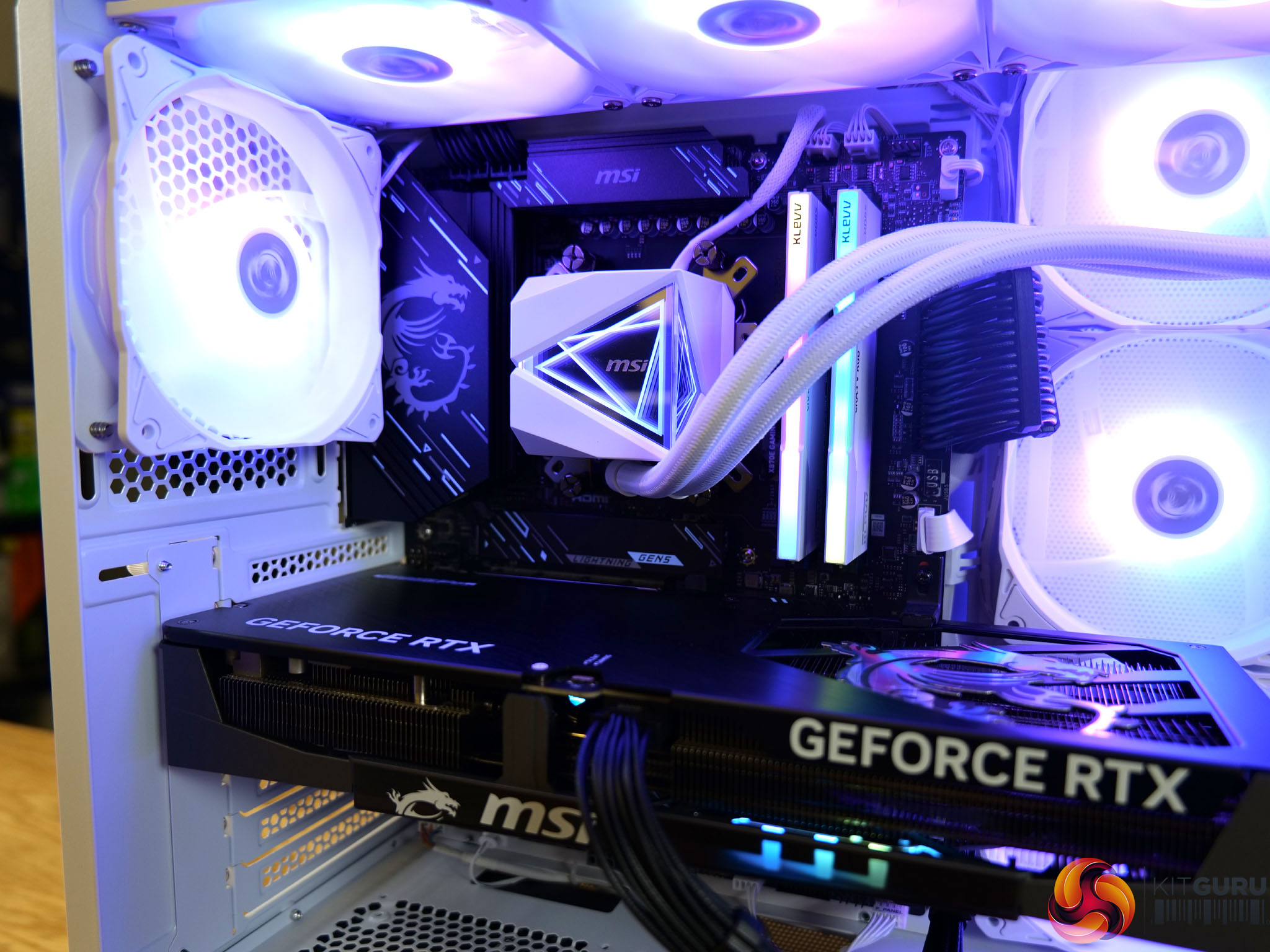
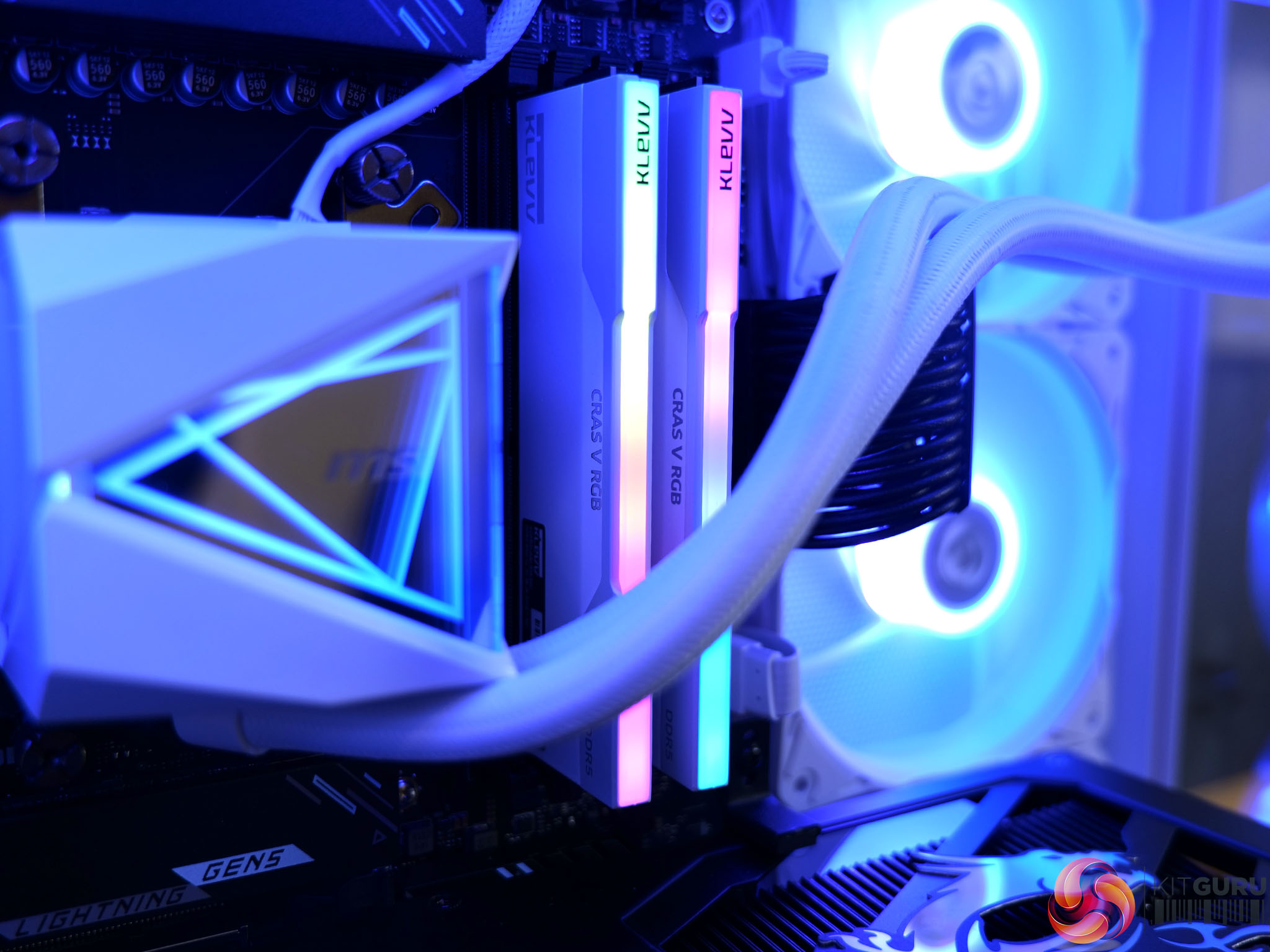
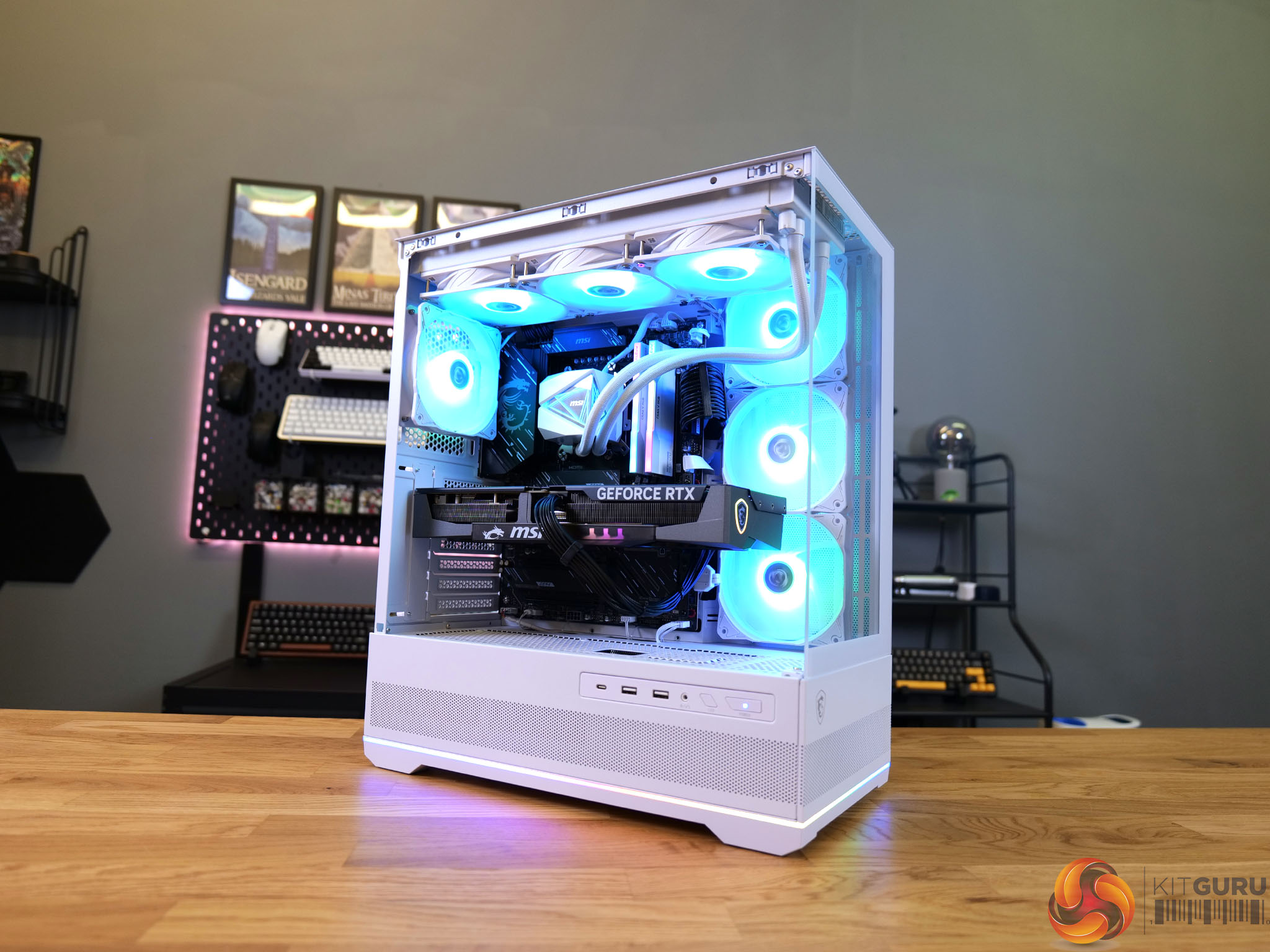
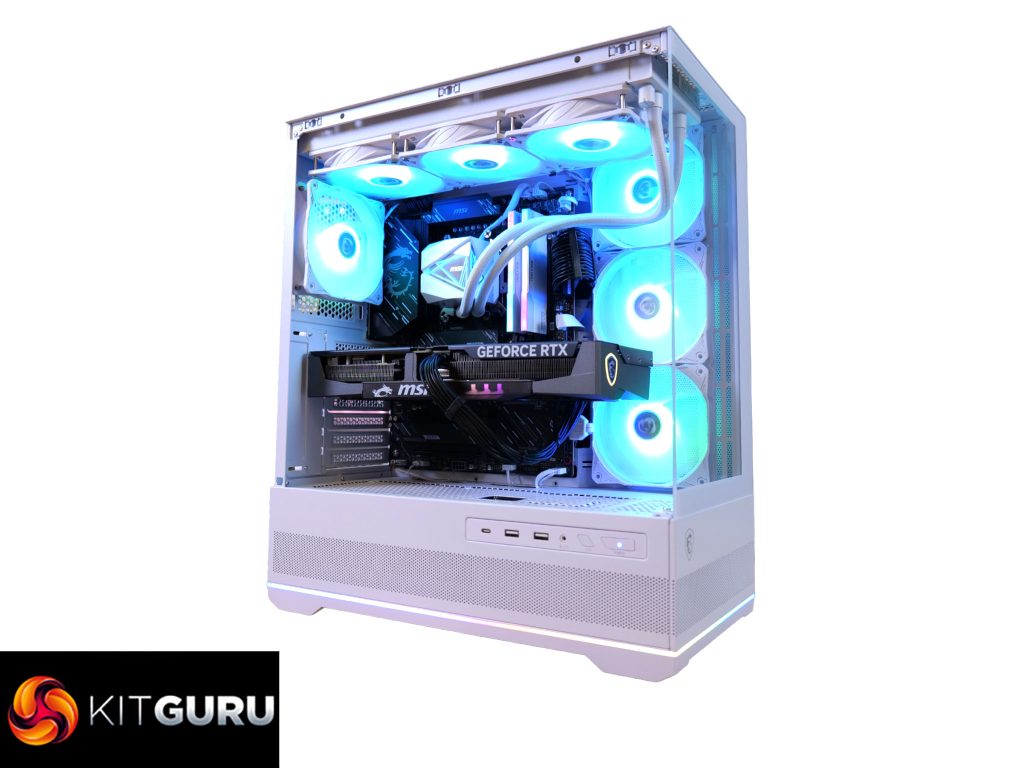
Today we’re taking a look at a prebuilt from Wired2Fire: the R7X3D 5080 Beast – MSI Edition. With a name like that it has to be good, right?! The components certainly back that name up on paper, with a Ryzen 7 9800X3D, MSI GeForce RTX 5080 Gaming Trio OC, 64GB of Klevv Cras V DDR5 RAM and a 4TB Lexar NM790 SSD. Today we’re aiming to find out if the ‘Beast’ has any bite to go with its bark!
Timestamps:
00:00 Intro
00:55 Pricing / Warranty
01:56 Hardware Specifications / Setup
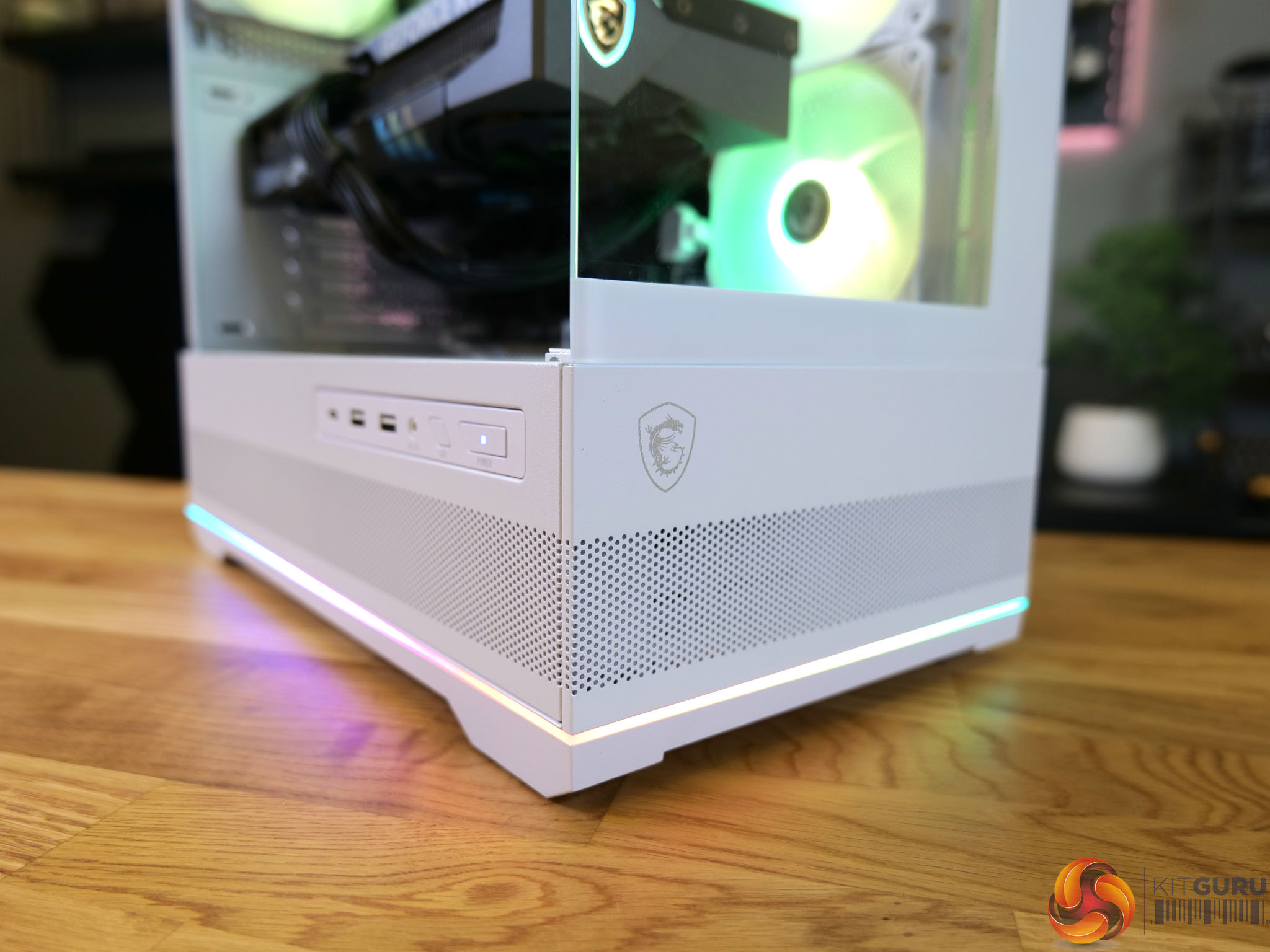
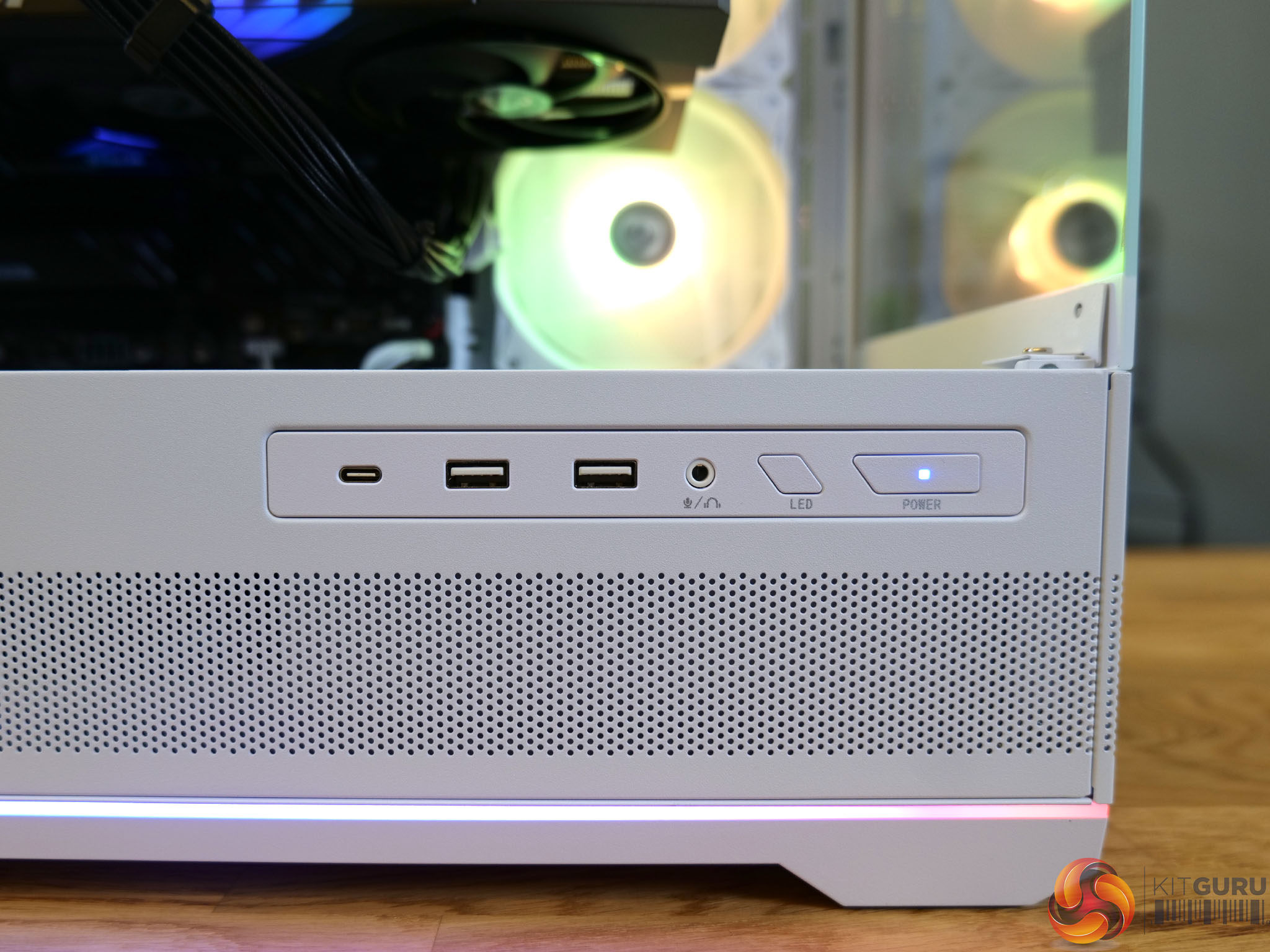
07:27 Front I/O
08:00 Mat's thoughts so far
08:43 Fan configuration – some issues
09:15 Test setup
10:05 Cyberpunk 2077 (1440p and 4k)
11:19 Battlefield 6 (1440p and 4k)
12:17 F1 2025 (1440p and 4k)
13:07 Hogwarts Legacy (1440p and 4k)
14:07 Marvel Rivals (1440p and 4k)
15:06 Overall Gaming Experience
15:52 CPU and GPU Technical performance
16:55 Noise testing and Thermal Camera
17:25 Closing Thoughts
Specifications:
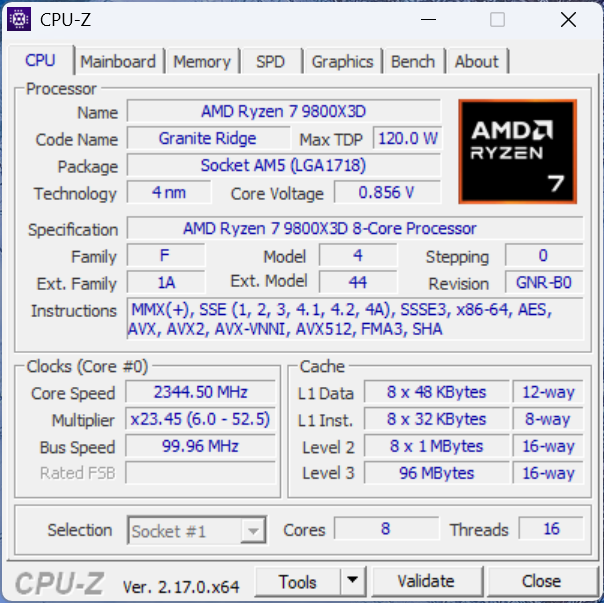
CPU: AMD Ryzen 7 9800X3D
SSD: Lexar 4TB NM790 M.2 PCIe Gen4x4 NVMe SSD
GPU: MSI RTX 5080 16G GAMING TRIO OC
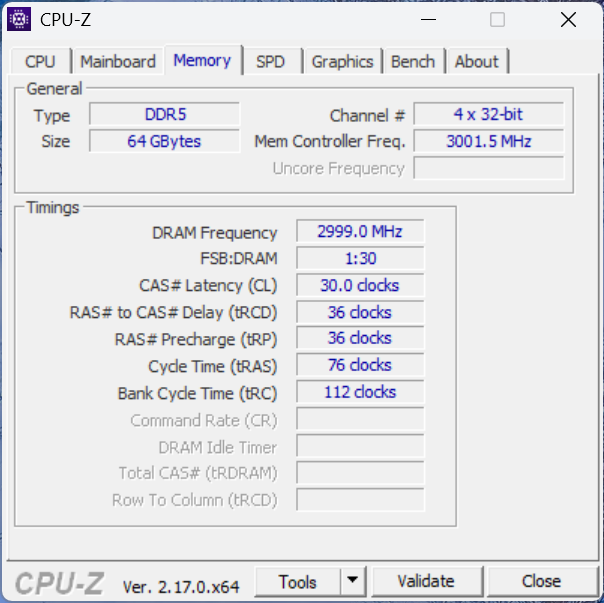
RAM: KLEVV CRAS V RGB 64GB DDR5 6000MHz
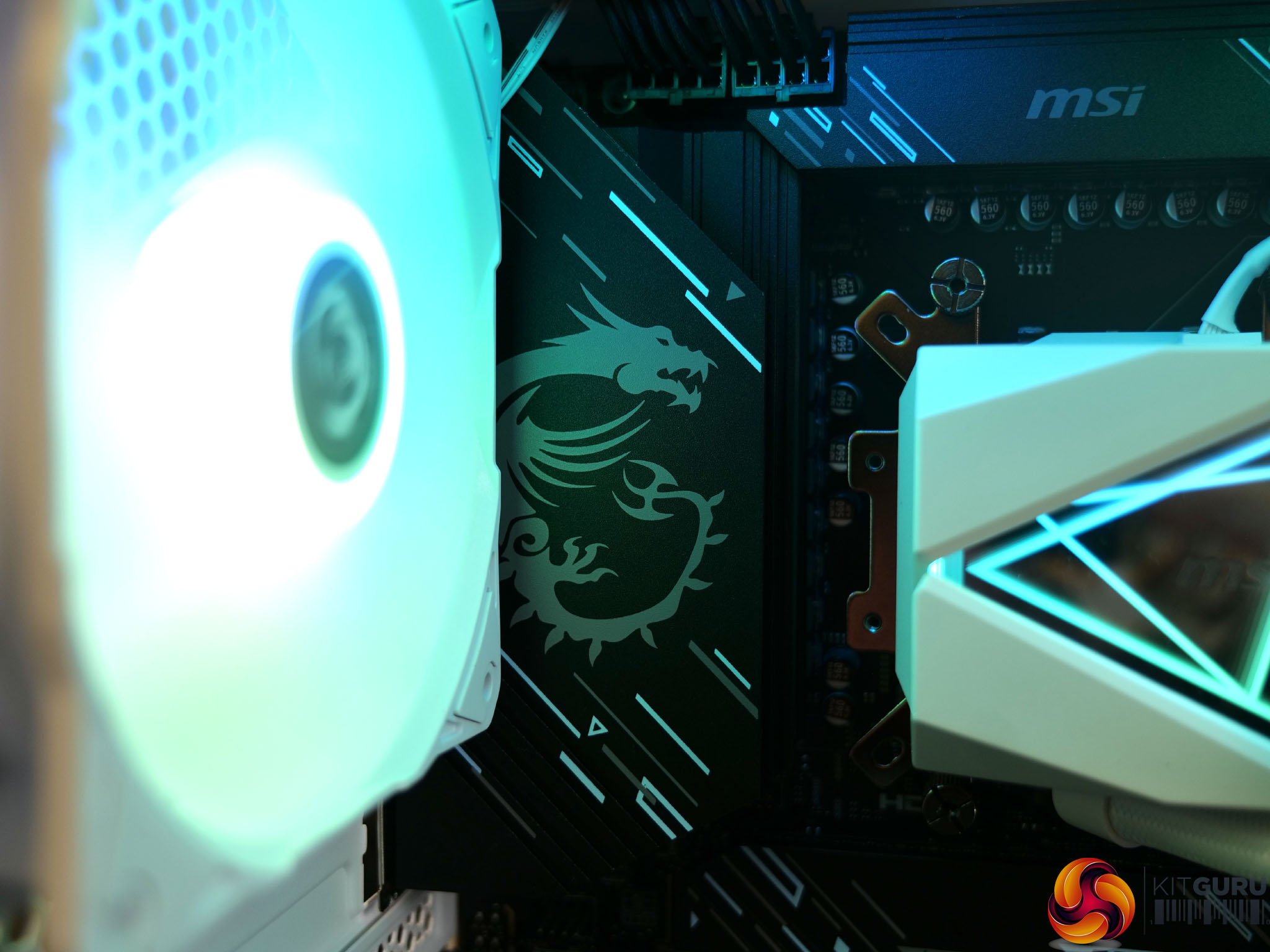
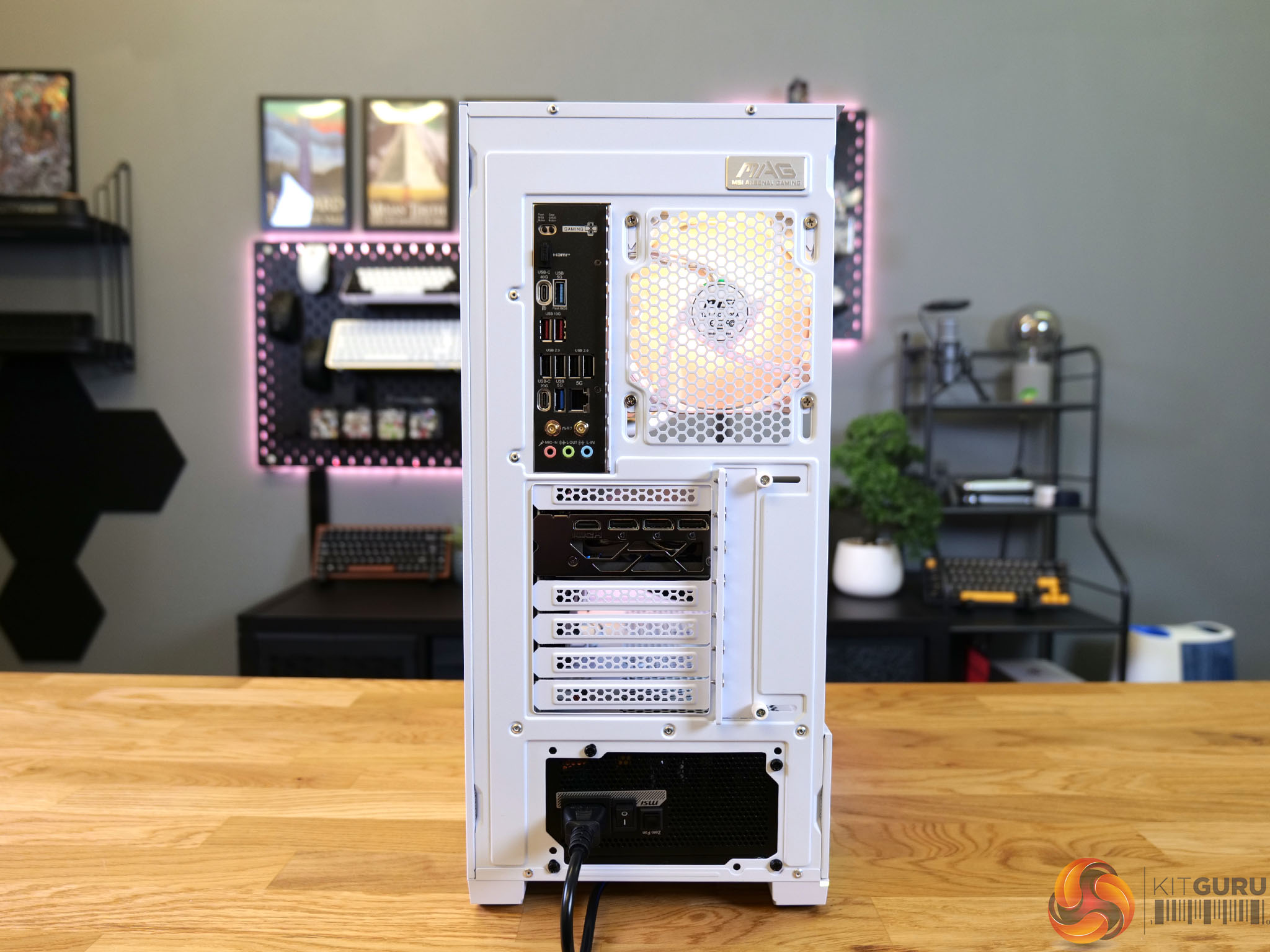
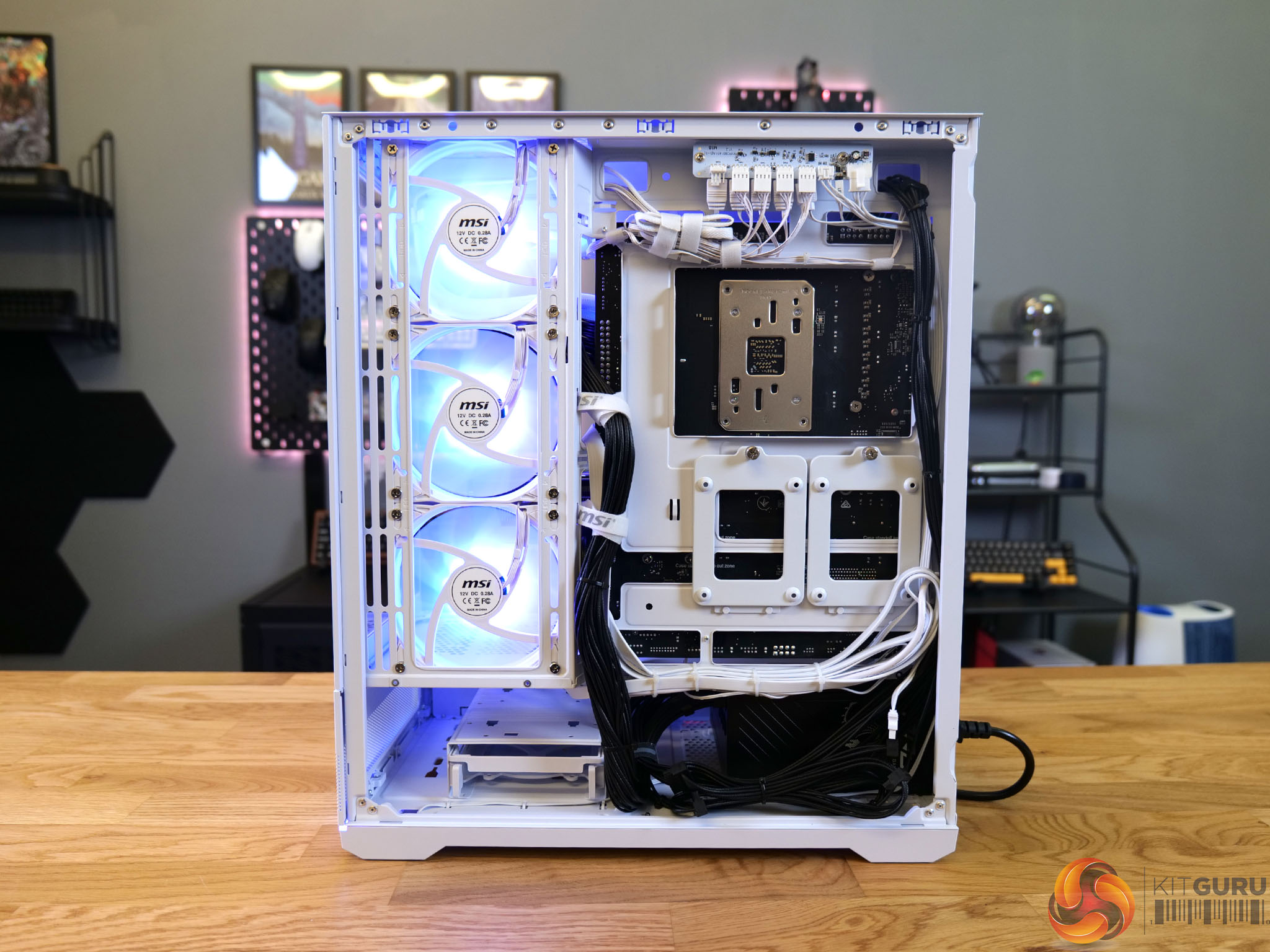
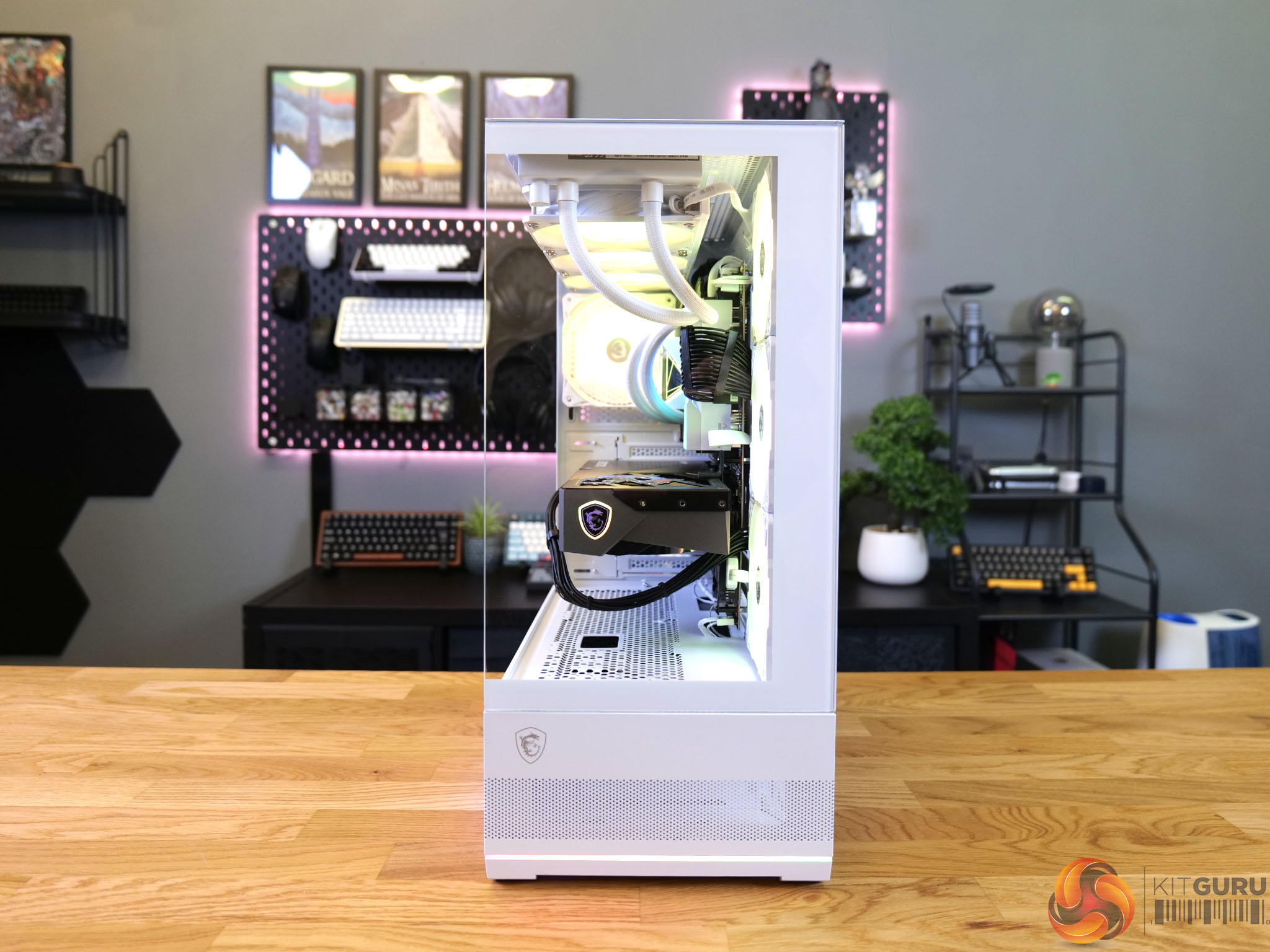
Case: MSI MAG PANO 110R PZ White
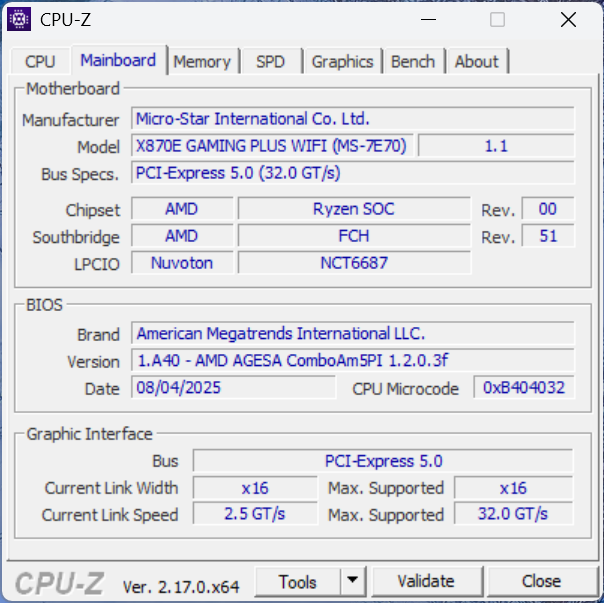
Motherboard: MSI AM5 X870E GAMING PLUS WIFI
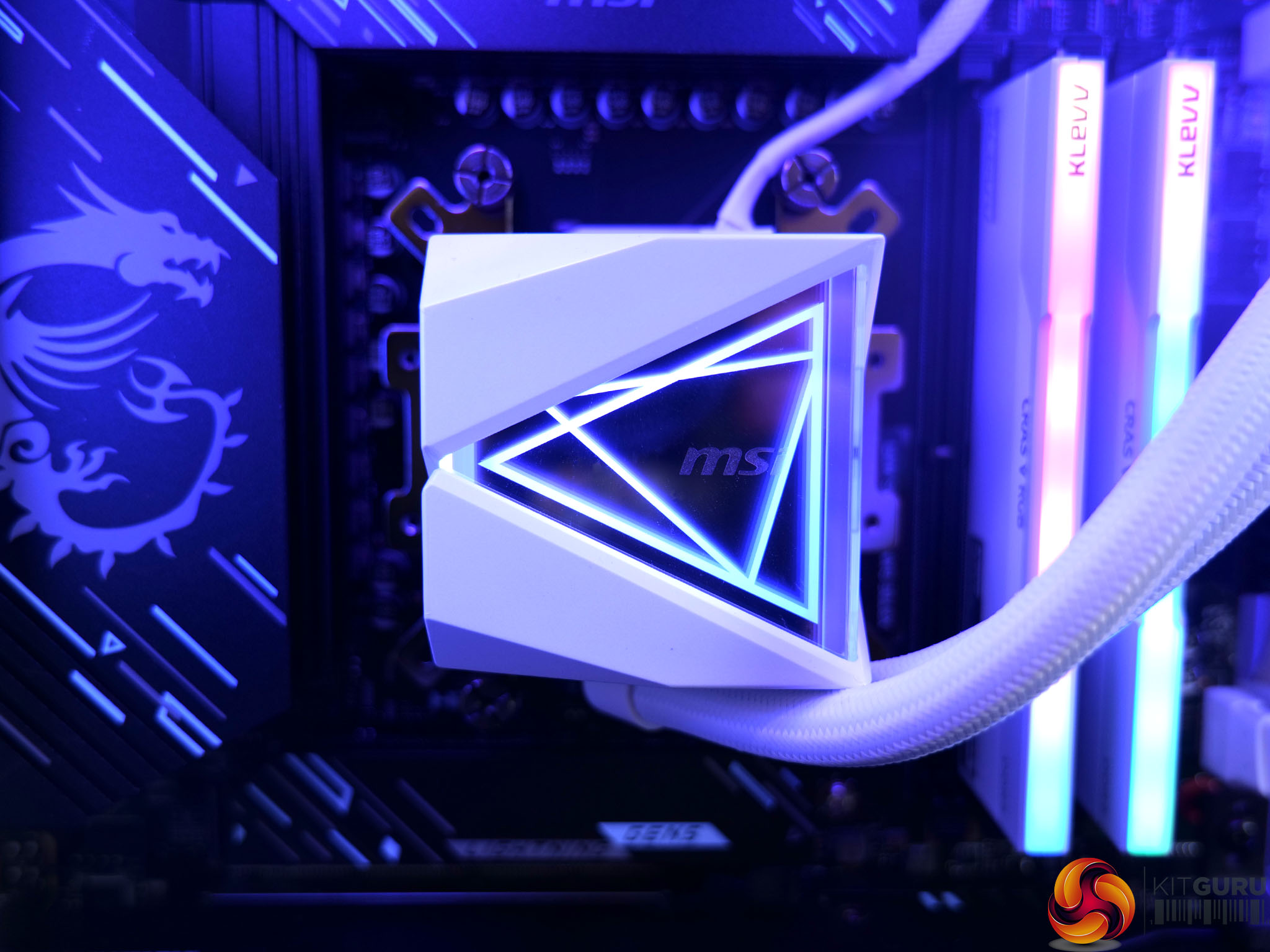
Cooling: MAG CORELIQUID I360 White
PSU: MPG A1000GS 1000W
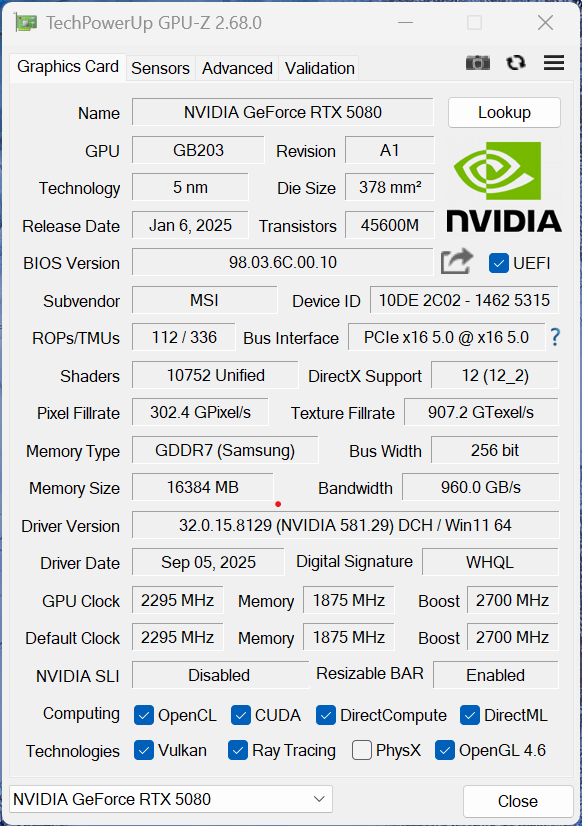
The core specs are confirmed in the following CPU-Z and GPU-Z screenshots:
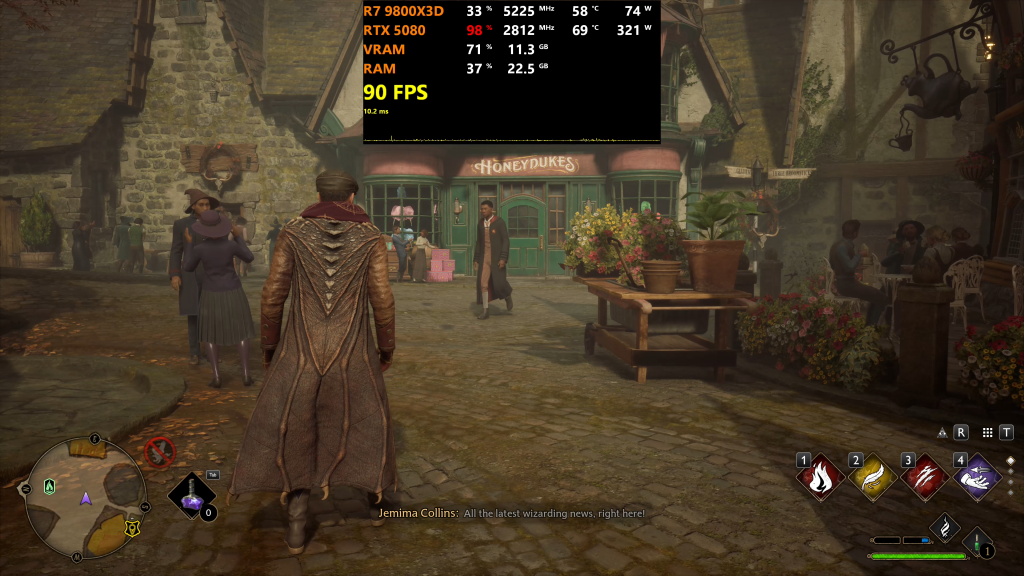
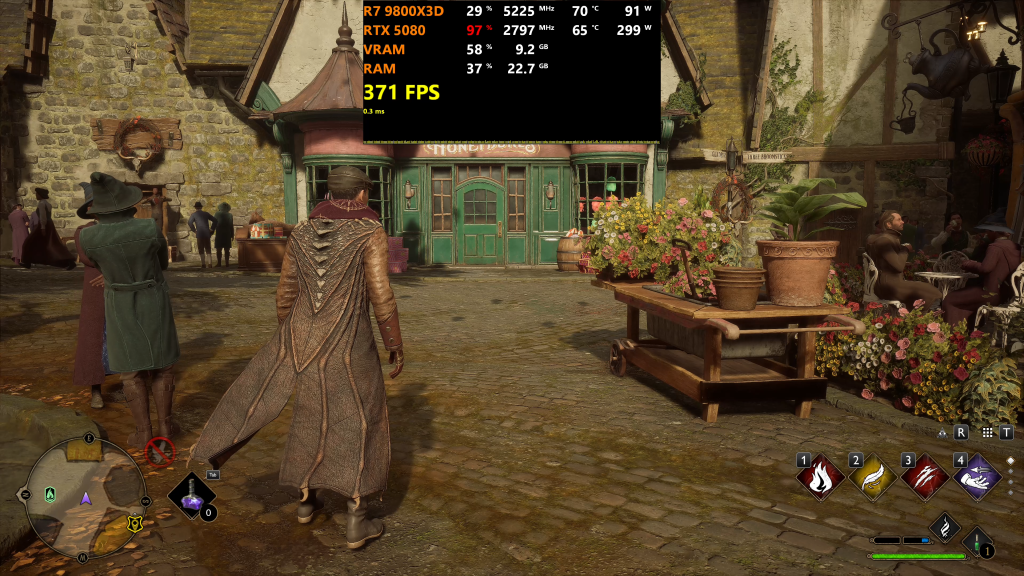
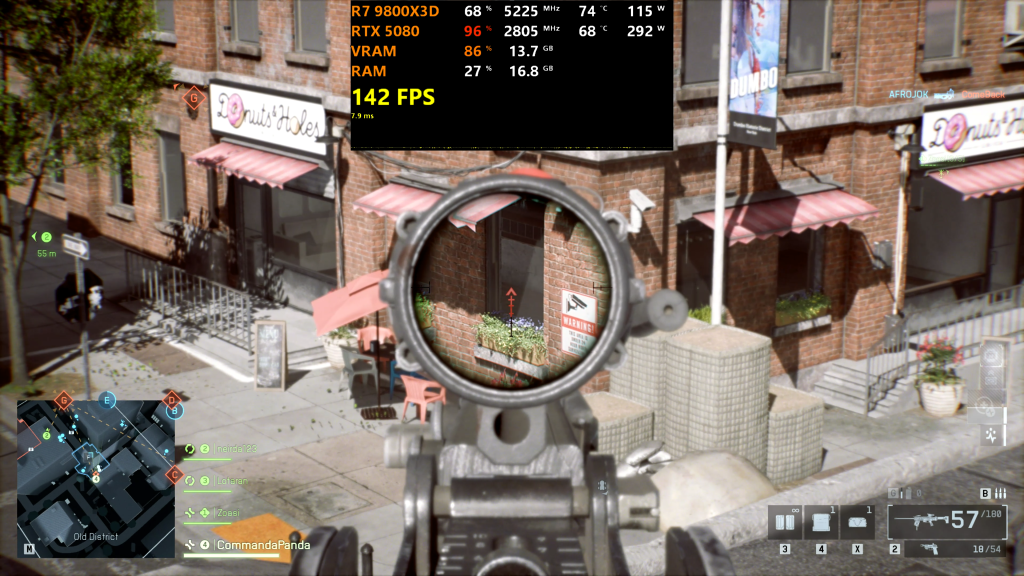
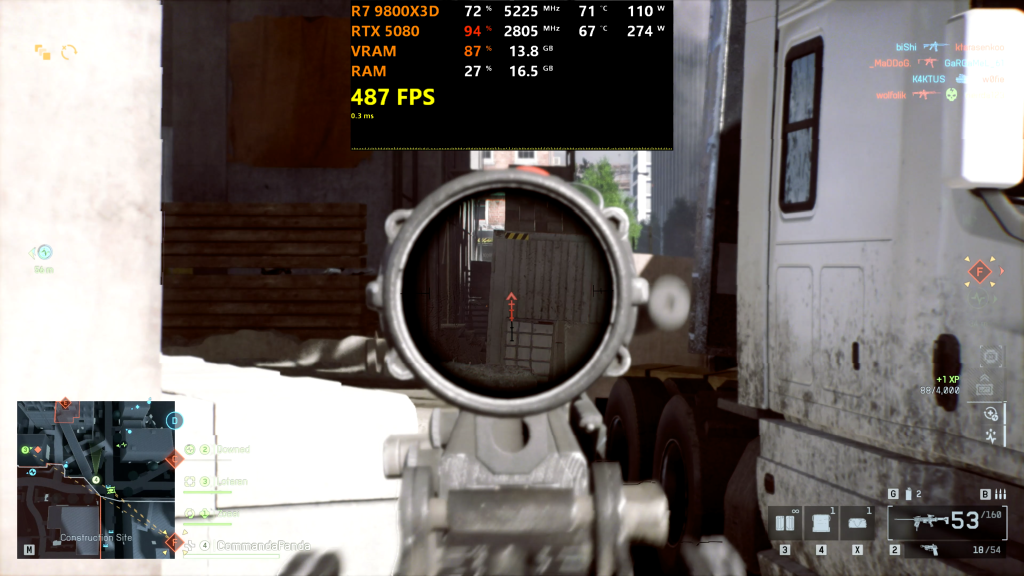
I tested the R7X3D across 5 titles at both 1440p and 4K. Starting with rasterised performance before looking at the benefits to be gained when using DLSS on its performance preset and then also adding in frame generation. The below screenshots show some results, for a more in-depth look and more detailed breakdown, watch our video review on YouTube.
At 1440p, every title we tested ran exceptionally well with headroom to spare for high-refresh displays. 4K performance is strong too, though the most demanding games will dip under 60fps at native max settings. Enabling DLSS or Frame Generation quickly pushes those numbers back into very smooth territory, making this a system that can comfortably handle both competitive 1440p and visually rich 4K gaming without major compromises.
Hogwarts Legacy (3840×2160 – Max Settings)
Hogwarts Legacy (3840×2160 – Max Settings, DLSS Performance, 4X Multi Frame Generation)
Battlefield 6 (2560×1600 – Max Settings)
Battlefield 6 (2560×1600 – Max Settings, DLSS Performance, 4X Multi Frame Generation)
Closing Thoughts
There’s a lot to like about the R7X3D 5080 Beast. The pairing of Ryzen 7 9800X3D and RTX 5080 makes for a seriously capable gaming machine, delivering excellent high-refresh performance at 1440p and strong results at 4K when DLSS or Frame Generation are brought into the mix. Build quality is solid, cable management is tidy, and the all-MSI hardware gives it a cohesive look. The white theme with that frosted pump design makes for a smart-looking system. A sizeable 4TB SSD and a generous 5-year labour and 2-year parts warranty also help make this feel like a well-rounded package.
It’s not perfect, though. The case is clearly one of the areas where costs have been kept in check, and native 4K in the most demanding games still dips under 60fps with everything maxed. If you’re a purist who refuses to enable DLSS, you’ll end up tweaking some settings.
Pricing is very competitive when compared to building a system yourself to the same specification, but there's no getting away from the fact that this is still an expensive system whichever angle you look at it from.
Pros:
The pairing of Ryzen 7 9800X3D CPU and RTX 5080 GPU offers great gaming performance at both 1440p and 4K.
Very competitive pricing compared to building the same system yourself.
4TB Lexar NM790 SSD is fast and spacious.
64GB of RAM will handle more than just gaming.
Great setup and cable management.
Cons:
The case is not as premium as I’d hoped from a build of this specification.
The AIO fans were not connected to the internal fan hub for easy control with the case's physical ‘LED’ button.
KitGuru says: A powerful and well-balanced high-end gaming PC with great 1440p performance and strong 4K results, though the case choice reminds you it’s not without compromise.
Gran Turismo 7 launches its free Spec III update and the Power Pack DLC tomorrow on PS5 and PlayStation VR2.
We've known since September's State of Play presentation that Polyphony Digital planned to launch its Gran Turismo 7: Spec III update. Celebrating the wider series reaching 100 million sales, this free update comes with two new tracks - Abu Dhabi's Yas Marina Circuit and Canada's Circuit Gilles-Villeneuve - alongside eight new cars. You can see that in action below.
Like before, these cars aren't unlocked immediately and require purchasing from different shops in Gran Turismo 7. Here's the full list of cars being added: Ferrari 296 GT3 ’23, Ferrari 296 GTB ’22, FIAT Panda 30 CL ’85, Gran Turismo F3500-B, Mine’s BNR34 GT-R N1 base, Mitsubishi FTO GP Version R ’97, Polestar 5 Performance ’26, and the Renault Espace F1 ’95.
These aren't the only free additions in update 1.65, either. PlayStation Blog confirms other changes include Dunlop tires, a raised collector level cap, seven new events across World Circuits, and more weekly challenges. A new 'Data Logger' is accessible in non-racing modes, while further Café Menus and featured curations in Scapes mode are also included.
With the Power Pack DLC, Polyphony Digital states that it's “based around the theme of real racing.” The studio confirmed this offers various motorsports challenges such as full racing weekend formats, 50 new events across 20 categories, and 24-hour endurance races.
This DLC also exclusively contains the latest version of Gran Turismo 7's AI agent, Sophy 3.0, and completing Menu Book No.9 Championship unlocks the Power Pack pavilion on the world map, represented by a sailboat icon. Unlike Spec III, that's a paid content update costing $29.99 and includes 5,000,000 in-game credits.
Searching for new VR games and upcoming releases? You're in the right place.
Recent years have seen more VR games than ever before. Major titles continue reaching Quest 3, Steam, PlayStation VR2, and Pico, with PC VR looking set for a renewed boost when Steam Frame launches. While Apple Vision Pro and Samsung Galaxy XR don't prioritize gaming, you can expect the odd release every so often. Whatever your headset, there are plenty more upcoming VR games to pick from.
Our aim is to keep this wider list that we will regularly update, so you can better plan ahead or remind yourself of the upcoming VR games you had perhaps forgotten about. If we notice a game getting repeatedly delayed just before launch, said game will be placed in the 'TBC' section until a firm commitment is made.
This also won't replace our more in-depth monthly round-ups – you can find more specific information about new VR games for December 2025 below.
If there's a game we've missed that you'd like us to add or the information is incorrect/outdated, please email tips@uploadvr.com or use our Contact Us page to get in touch.
* denotes a game that either is currently available in early access on that platform, or a game that will have been released in early access by that time.
** denotes an early access launch.
*** denotes a game currently available (or will be available at that time) but without VR support yet.
Somewhere out there, somebody is having a good laugh, we're just not sure if it's the person who returned a box of rocks inside a $1,200 ASUS TUF Gaming GeForce RTX 5080 graphics card box, a delivery person who may have made the stone cold swap prior to delivery, or someone at Best Buy's return department. And that's all assuming that a poster
LYNK+ introduces a modular AIO for the RTX 5090 with a standout feature: drip-free quick-disconnect connectors that make installation and future upgrades effortless. The kit delivers excellent temperatures, great noise levels, and even helps NVIDIA's Boost algorithm ramp things up a little more.
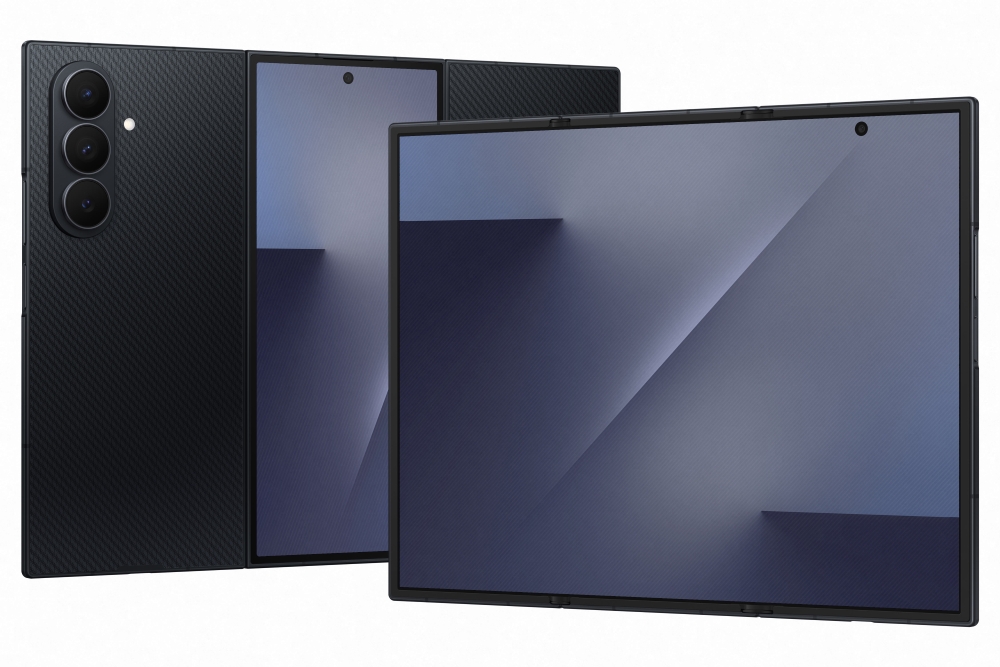
Samsung has officially announced its first foray into the tri-fold smartphone market with the Galaxy Z TriFold, a device that expands the company’s foldable portfolio to a new form factor. The handset features a dual-hinge design that allows it to unfurl into a massive 10-inch tablet-style display, positioning it as the largest screen available on a Galaxy phone to date.
The Z Trifold's design revolves around dual titanium hinges, which allow the main screen to fold inwards, protecting the panel when closed. Moreover, Samsung has placed the 6.5-inch cover screen on the back of the folded stack. This cover panel uses a 21:9 aspect ratio with a resolution of 2520 x 1080 and offers a 120 Hz variable refresh rate, protected by Corning Gorilla Glass Ceramic 2.
When fully opened, the main 10-inch display offers a resolution of 2160 x 1584 and a peak brightness of 1,600 nits. Like the cover screen, it supports a variable 1-120 Hz refresh rate. Samsung has kept the chassis relatively slender, measuring 12.9 mm when folded and slimming down to just 3.9 mm at its thinnest point when open. The device weighs in at 309 g and retains an IP48 rating for dust and water resistance.
The Z TriFold is powered by the Snapdragon 8 Elite for Galaxy, paired with 16 GB of RAM. Storage options include 512 GB and 1 TB. Power is provided by a 5,600 mAh battery split across three cells, supporting 45W wired charging and 15W wireless charging. Camera duties are handled by a 200 MP main sensor (ISOCELL HP2), joined by a 12 MP ultrawide and a 10 MP 3x telephoto lens. Both the cover and main displays feature 10 MP punch-hole selfie cameras.
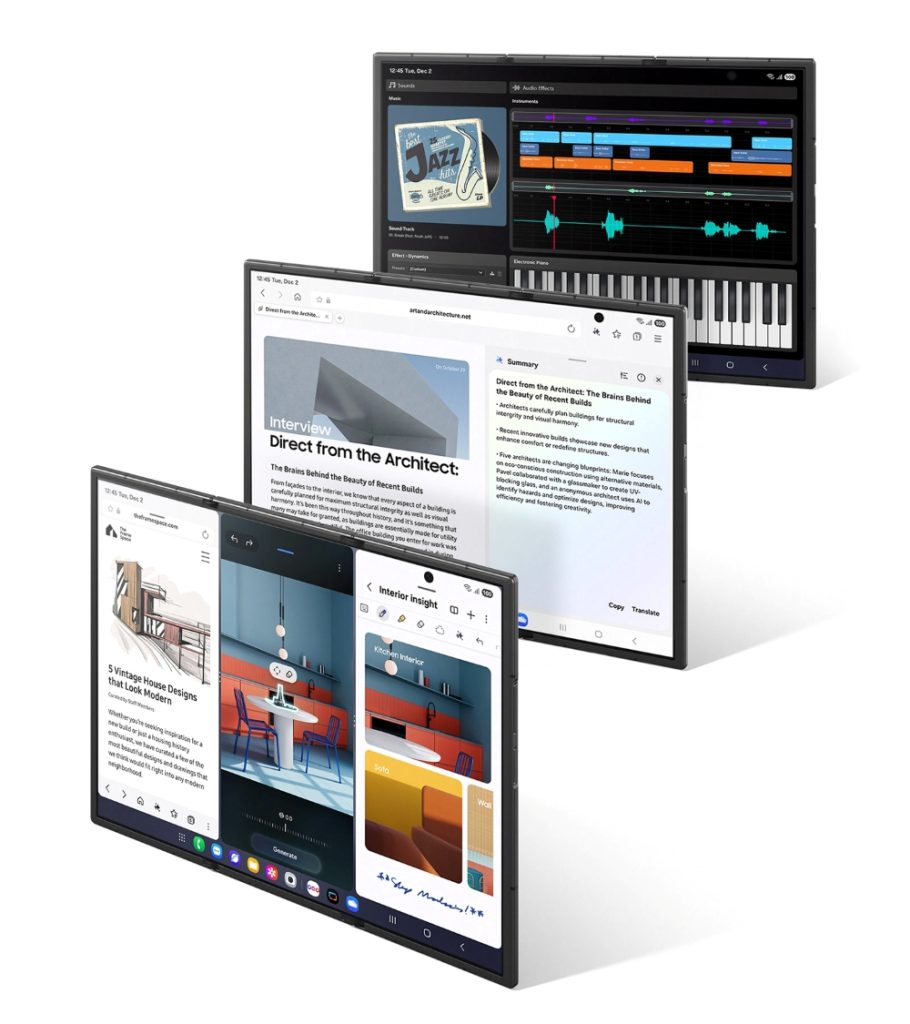
On the software front, the device runs OneUI 8 based on Android 16. The larger canvas supports running three full-sized apps side-by-side in portrait mode. Most notably, this is the first Samsung phone to feature a standalone Samsung DeX mode that operates directly on the device without an external monitor, allowing for a desktop-like experience when paired with peripherals.
Samsung will release the Galaxy Z TriFold on December 12th in Korea and expand availability gradually. Official pricing is still unknown, but Korean listings suggest a price of 3,594,000 KRW (about £1,800).
KitGuru says: Do you think foldable phones are the future?
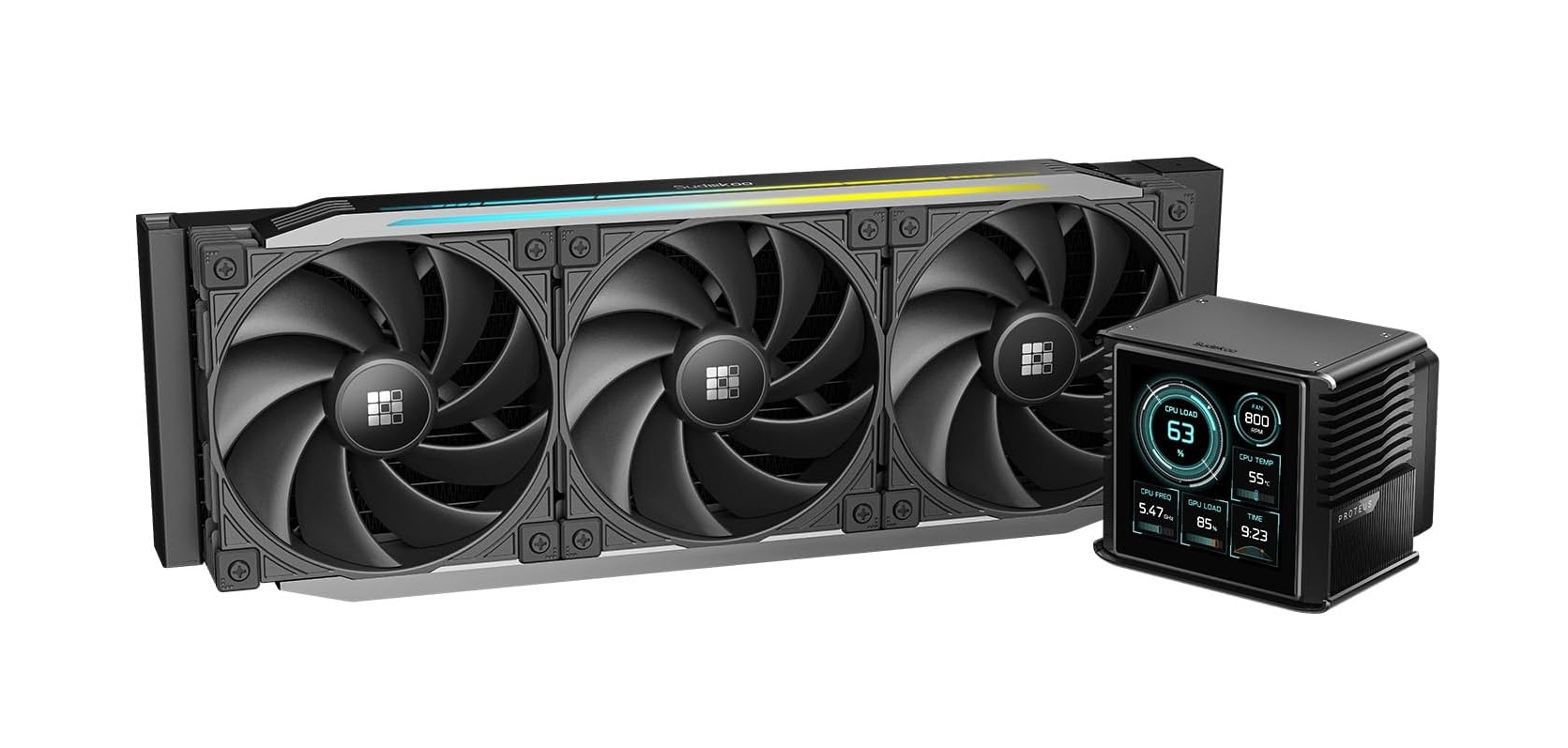
For Day 3 of the KitGuru Advent Calendar, we have teamed up with Sudokoo to give FIVE lucky winners a cooling upgrade. The winners for this one will each get a Proteus 360 AIO liquid cooler and some extra Mach120 fans to go with it.
We reviewed the Sudokoo Proteus 360 AIO liquid cooler earlier this year and came away impressed by the cooler's thermal performance and the digital LCD display on the CPU block. With an extra Mach120 triple pack, you'll be able to pack your case with extra fans for more airflow.
How to Enter:
To enter this giveaway, all you have to do is head over to our competition announcement post on Facebook, HERE. In the comments, leave an answer to the following question – What CPU cooler are you currently running?
This competition is open Worldwide.
The winners will be picked randomly shortly after 11AM GMT December 4th, and a new competition will be announced for Day 4. The chosen winners have 48 hours to respond, if we do not hear from them, a new winner will be picked.
Terms and Conditions: This competition is open worldwide, starting at 11AM GMT on December 3rd and ending at 10:59AM GMT on December 4th. Due to the busy Christmas season, prize deliveries could take longer than usual, and some prizes may not ship until January. In compliance with GDPR, we will not collect or store any personal information as part of this competition. Once the winner has been contacted and their prize received, personal details will be deleted from our email servers. Your details will not be shared, we respect your privacy.
KitGuru Says: Good luck to all who enter, we'll be back tomorrow morning to announce a winner and turn the calendar over to Day 4!
Infamous gaming pawn shop chain GameStop says someone just walked into its Grapevine, Texas headquarters and traded in a PSA-10 holographic Gengar, supposedly worth $33,883, and walked out with $30,494.70. In simpler terms: GameStop just paid someone a little over thirty grand for a Pokémon card.
The company blasted the announcement across
Part one of the long-awaited fifth and final season of retro-horror flavored sensation Stranger Things has dropped on Netflix, but eagle-eyed viewers have spotted a major inconsistency in an apparent Ghosts 'n Goblins (1986, NES) tribute. While the notoriously-difficult action-platformer did indeed release on the Nintendo Entertainment System
The Game Awards 2025 has officially opened the polls for its Players' Voice category, the only accolade in the upcoming ceremony determined entirely by the gaming community. Unlike the primary categories, where a global jury of media outlets heavily weights the outcome, the Players' Voice award hinges 100% on fan engagement. This year's contest is particularly interesting as it sees the return of the roguelike survival hit Megabonk, which had previously been withdrawn from the Best Debut Indie category by its developer but is now eligible for this community-driven prize.
The voting process for the Players' Voice award is structured as a three-round tournament designed to whittle down the initial pool of 30 nominees. The first round is currently underway and will conclude on December 3rd at 2:00 AM BST. In this initial phase, users can log into the official Game Awards website via their social accounts or email to select their top ten favourites from the longlist. The nominees include heavy hitters such as Battlefield 6, Clair Obscur: Expedition 33, and Death Stranding 2, alongside older live-service titles like Genshin Impact and Warframe.
Once the first deadline passes, the field will be narrowed down to the top ten titles for Round 2, which is scheduled to kick off on December 4th at 5:00 PM BST. At that stage, voters will be limited to selecting just five titles. The competition intensifies for the third and final round, starting December 8th, where the remaining five nominees will face off for the single winning spot. The full list of nominees for the first round of The Game Awards 2025 Players’ Voice Award voting can be found below:
Arc Raiders
Battlefield 6
Clair Obscur: Expedition 33
Death Stranding 2: On The Beach
Delta Force
Dispatch
Donkey Kong Bananza
Doom: The Dark Ages
Elden Ring Nightreign
Final Fantasy XIV
Fortnite
Genshin Impact
Ghost of Yōtei
Hades II
Helldivers 2
Hollow Knight: Silksong
Indiana Jones and the Great Circle
Kingdom Come: Deliverance II
Mario Kart World
Marvel Rivals
Megabonk
Ninja Gaiden 4
No Man's Sky
Peak
R.E.P.O.
Silent Hill f
Sonic Racing: CrossWorlds
Split Fiction
Warframe
Wuthering Waves
Historical precedence suggests this award often favours titles with passionate, active communities. Black Myth: Wukong took home the accolade in 2024, following in the footsteps of Baldur's Gate 3 in 2023, Halo Infinite in 2021, and Ghost of Tsushima in 2020. The winner of this year's contest will be revealed live during the main ceremony at the Peacock Theatre in Los Angeles on December 11th.
KitGuru says: What games are you voting for in TGA's Players' Voice category? Who do you think will win the award?
DICE is reactivating its Battlefield Labs initiative, a community testing program designed to gather feedback. Initially, the tool was created before Battlefield VI and Redsec was released, but now it will be adapted to test updates before they go live. While participation is strictly by invitation, players can register their interest directly through the Electronic Arts website.
Following a brief hiatus, Dice confirmed that Labs sessions will resume starting today. The testing window is notably short, running from 10 PM to 12 PM BST for PC players on Steam and the EA App. As with previous tests, participants will be bound by an NDA to prevent the sharing of footage or details.
The focus of this specific session is to trial changes arriving in the December 9th patch. DICE is targeting core gameplay pillars that the community has been asking to be improved, including visual clarity, audio, and networking. In this session, these tweaks will be tested across the Eastwood and Operation Firestorm maps in the All-Out Warfare playlist.
Specific technical improvements being trialled include a revision of the footstep audio engine. The goal is to provide more accurate distance cues and clearer surface identification to help players locate enemies more easily. Hit registration has also been tuned to offer a smoother experience during close-quarters combat.
Looking beyond this update, DICE plans to utilise Battlefield Labs more frequently. The studio intends to use the platform to try out map redesigns, new mechanics and modes, environmental changes, and experimental rulesets such as reduced squad sizes.
KitGuru says: Are you registered on Battlefield Labs? Will you jump into the next test session or wait for the patch release to try out the changes?
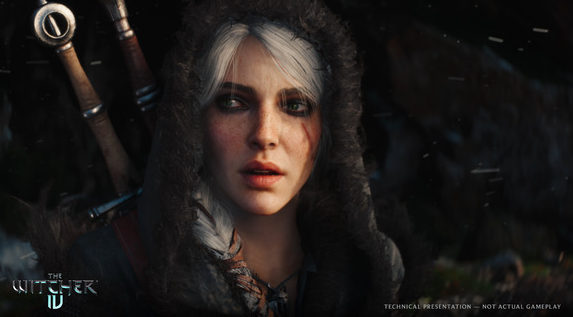
As part of CD Projekt Red's earnings report recently, we learned that the teams behind both The Witcher 4 and Cyberpunk 2 have continued to grow. Now, the company has revealed a few more interesting details about its upcoming plans as part of a call with shareholders.
During CD Projekt Red's recent financial call, co-CEO, Michał Nowakowski, reaffirmed the idea that The Witcher 4 will not be coming out in 2026. However, he also noted that the studio plans to release the entirety of its new Witcher trilogy within a pretty short time span.
Here is the full quote via Eurogamer: “As we had stated before, our plan still is to launch the whole trilogy within a six-year period, so yes, that would mean we would plan to have a shorter development time between TW5 and TW6 and so on.”
There is still no word on when the first game in this new trilogy, The Witcher 4, will release. CD Projekt Red has spent the last couple of years rebuilding itself into a true multi-game studio and re-training its developers to use Unreal Engine 5 rather than its own in-house tools, in part due to the delays managing the internal engine caused during Cyberpunk 2077's development.
If CDPR is intended to release The Witcher 5 just 2 years or so after The Witcher 4, then it is highly unlikely we see any grand expansions, which was previously a hallmark of The Witcher 3 and Cyberpunk 2077. However, the lack of DLC won't be too painful if the turnaround time is really that quick.
KitGuru Says: Few developers would be able to complete a whole trilogy in six years nowadays. The last successful series I can think of would be Mass Effect, where the first game released in late 2007, and wrapped up in March 2012 with the release of Mass Effect 3.
 Connexion