Valve has done a lot of work to support Proton, which is the compatibility layer that’s enabled Windows games to work smoothly on the Steam Deck, which also happens to be a Linux-based device. Unbeknownst to the rest of the world, though, is that the company was funding another project, called Fex, which aims to bring x86 games to Arm, according
Having a retro PC is awesome, because it lets you experience classic games as they were intended to be, on the original hardware. Maintaining one is a pain, though; beyond all the issues with using 25-plus-year-old hardware, you've also got to find space for it. What if you could just slap a Voodoo 2 into your current desktop and play some
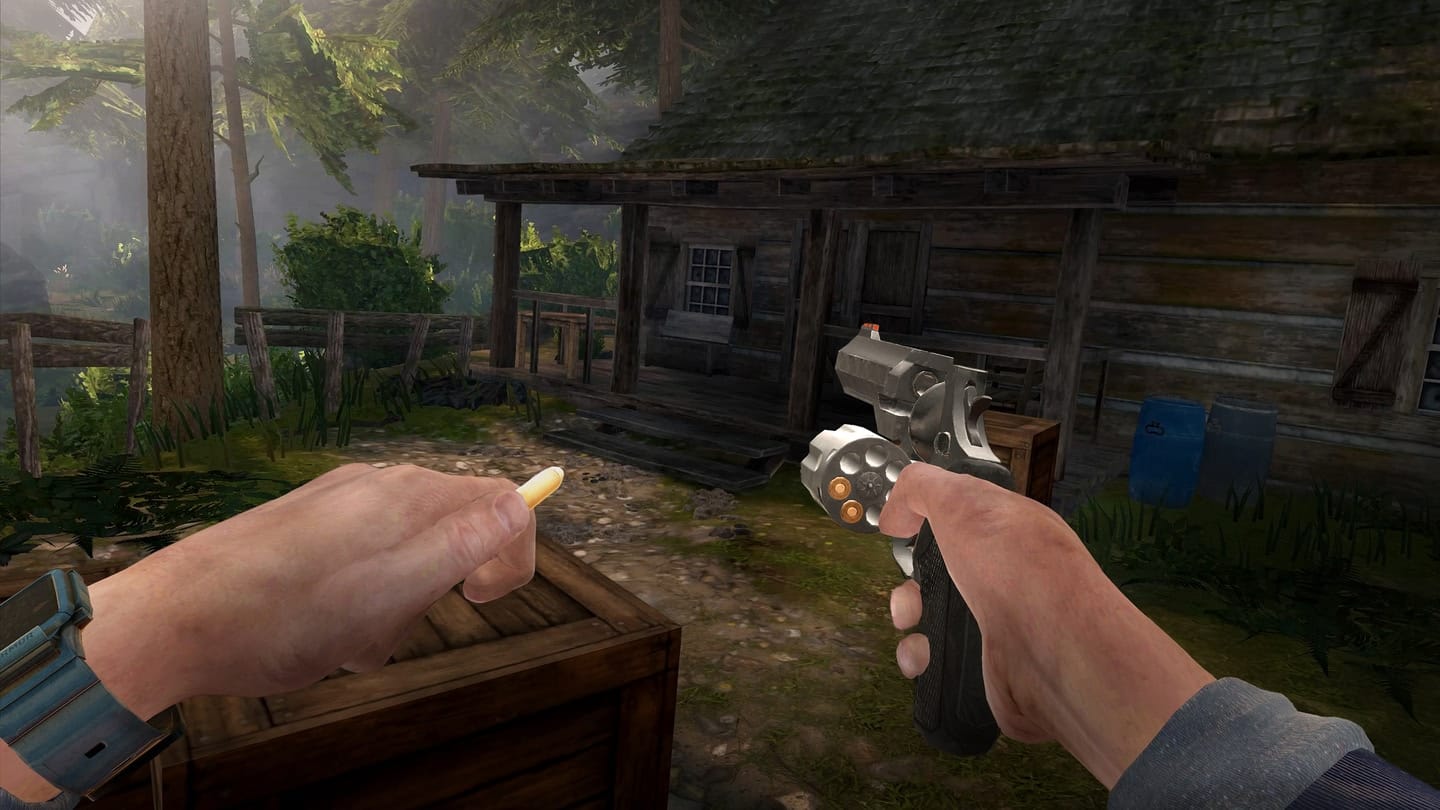
Tracked: Shoot to Survive now lets you continue exploring after completing the story.
Following last month's release on Quest 3 and 3S, Incuvo has continued patching its latest survival adventure Tracked: Shoot to Survive. The first patch introduced visual upgrades, bug fixes and a new sleeping feature, and its second post-launch update, Patch 1.2.0, is now live. This lets you continue playing and exploring after rolling credits, spawning you back at your father's cabin.
Patch 1.2.0 for TRACKED is live! 🔥 Continue exploring after the story, never lose key items again, enjoy better nights, smoother crafting, a sharper knife… and tons of fixes across the whole game!
Other changes largely focus on UX improvements and further bug fixes, such as changes to prevent you from losing critical narrative items. Knife damage has been buffed, new markers on the Fast Travel boards show currently active quest locations, missing sound effects have been fixed, and autosaves “should no longer occur at inopportune moments.” You can read the full patch notes here.
It's welcome news for Incuvo's latest VR game, as we came away with mixed impressions during our 3/5-star review. While we believe Tracked: Shoot to Survive offers an engaging survival adventure and praised its VR-focused crafting mechanics, we criticized its launch build for issues with its presentation, enemy AI, and performance.
Tracked: Shoot to Survive is available on Quest 3 and 3S.
Legendary Tales gets its first DLC with 'Dawn of History' next year on PC VR and PlayStation VR2.
Developed by Urban Wolf Games, Legendary Tales is a dark fantasy RPG that received its full release in February 2024. Featuring physics-based combat with a quest-driven storyline, this comes with skill trees, explorable dungeons, crafting and more. Now, nearly two years after its full launch, it's lifted the curtain on its first DLC expansion.
Detailing the news on Steam, Urban Wolf Games states the DLC's name signifies a new beginning and marks “a new chapter” for Legendary Tales, also offering a nod to the game's ending song. Its content preview offered a look at three currently unnamed maps and three additional enemies: Fallen Warrior, Nangdo, and Succubus.
New item categories were also highlighted, with rings and two new types of weapons: Book and Staff. This upcoming DLC will also introduce five new legendary weapons, new 'Seal' features, and a quick slot for potions. Additional passive skills will be added, like the ability to reduce your casting time when using a different spell to the previous one.
To coincide with this announcement, Urban Wolf Games also announced that Legendary Tales has received a price reduction on both PlayStation VR2 and Steam. While it was previously available for $54.99, that's now been permanently reduced to $39.99.
Legendary Tales is out now on PS VR2 and Steam, and Dawn of History reaches both platforms in Q1 2026.
Crucial X10 Portable SSD (2TB): MSRP - $239, Sale Price - $209 The Crucial X10 is a rugged, dust and water-resistant external USB SSD, that offers excellent performance in a compact package. Compact Enclosure IP65 Dust And Water Resistance Broad Compatibility High Capacities Available Strong Performance Best Performance Requires USB 3.2 Gen...
NVIDIA CEO Jensen Huang made his debut on the latest episode of The Joe Rogan Experience last evening, sitting down for over two hours with the host of America's most popular podcast. During the episode, the two cover a fairly wide variety of topics with a focus on technology and governance, but especially focused on NVIDIA itself and ongoing
Thanks to an AI arms race, PC memory prices have gotten out of control in the past several months (and also pushed Crucial out of the consumer market), but is a motherboard with slots for both DDR5 and DDR4 modules really the answer? Probably not but that didn't stop ASRock from quietly launching such a thing. It's new H610M Combo lives up
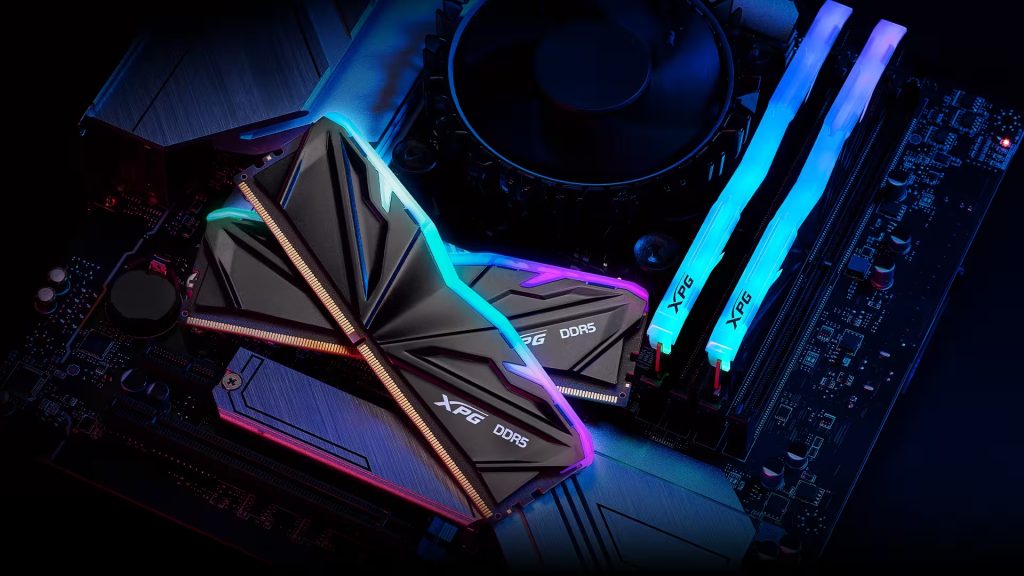
XPG has announced the launch of its latest memory series, the Armax DDR5. Designed with a specific aesthetic in mind, the new modules draw inspiration from the silhouette of stealth fighter jets, offering a rugged look paired with speeds of up to 6400MT/s.
Adata XPG Armax's design focus is compatibility. With a heat spreader height of just 39.5mm, the modules are positioned as an ideal solution for Small Form Factor (SFF) builds where clearance for CPU coolers and cables can be tight. The modules will be available in a variety of single and dual-module configurations.
Under the hood, the series targets the current performance sweet spot, with frequencies ranging from 6000MT/s to 6400MT/s and timings as low as CL30-40-40. For easy overclocking, both Intel XMP 3.0 and AMD EXPO profiles are supported out of the box.
Visually, the modules feature a V-shaped top light bar intended to create a dynamic flow effect. The Armax RGB DDR5 variant supports customisation via XPG Prime and most motherboard RGB software, while a non-RGB version is available for those preferring a more understated build.
The XPG Armax DDR5 series is available now through global retailers and is backed by a limited lifetime warranty. However, due to the current state of the memory market, you might be better off waiting for it to come down a bit.
KitGuru says: Do you like the looks of these new Armax DDR5 modules?
Nvidia is ending the year off strong with the announcement that 30 more titles will be joining the GeForce Now library this month. On top of that, a new Game Ready driver has rolled out for Nvidia graphics card owners.
The new Game Ready driver is available to download now and includes some new optimisations for the upcoming Battlefield 6: Winter Offensive update. This driver update is also recommended for players of Call of Duty: Black Ops 7 as it contains improved fidelity for DLSS Ray Reconstruction.
On top of that, Nvidia is also adding support for the top played classic, 32-bit GPU-accelerated PhysX games on GeForce RTX 50 Series GPUs. GeForce RTX 50 Series GPUs launched at the beginning of the year, alongside the phasing out of 32-bit support for CUDA. This meant that PhysX effects in a number of older, yet beloved games were not GPU-accelerated on GeForce RTX 50 Series GPUs. With the launch of NVIDIA’s new driver today, that problem is solved for a number of top-played titles including the likes of Assassin's Creed IV: Black Flag, Batman Arkham City, Borderlands 2, Metro 2033 & Last Light, Mirror's Edge and more.
As for this week's GeForce Now updates, there are ten new games joining the service today, including:
MARVEL Cosmic Invasion (New release on Steam and Xbox, available on Game Pass, Dec. 1)
Call of Duty: Modern Warfare II (New release on Ubisoft, Dec. 2)
Call of Duty: Modern Warfare III (New release on Ubisoft, Dec. 2)
Crash Bandicoot N. Sane Trilogy (New release on Ubisoft, Dec. 2)
XOCIETY (New release on Epic Games Store, Dec. 2)
Spyro Reignited Trilogy (New release on Ubisoft, Dec. 2)
Lost Records: Bloom & Rage (New release on Xbox, available on Game Pass, Dec. 2)
OCTOPATH TRAVELER 0 (New release on Steam, available Dec. 4)
ROUTINE (New release on Steam and Xbox, available on Game Pass, Dec. 4)
MIMESIS (Steam)
There will be 20 other titles joining the library over the next few weeks, although some of these are repeats, with the new support coming in the form of an additional storefront. For instance, Arc Raiders is already available on GeForce Now if you own it on Steam, but soon those who own the title on Epic Games Store will also be able to access it via Nvidia's cloud gaming service.
KitGuru Says: Are there any additional PhysX titles you would like to see Nvidia add custom support for on RTX 50 GPUs?
ENERMAX has introduced its new flagship power supply, the PlatimaxII 1200DF, a 1200W ATX 3.1 unit that emphasises high efficiency with its 80 PLUS Platinum and Cybenetics Platinum certifications.
The PlatimaxII 1200DF is fully compliant with Intel’s ATX 3.1 specification and includes a native 12V-2×6 cable capable of delivering up to 600W to the GPU. This ensures compatibility with current and future high-end graphics cards. Designed to withstand up to 235% power excursion, the unit maintains stability during sudden spikes and relies on 100% Japanese capacitors for long-term reliability and precise voltage regulation under heavy workloads.
Cooling is handled by a 135mm fan equipped with ENERMAX’s patented Dust-Free Rotation technology, which helps reduce dust buildup and extend lifespan. The fan profile is tuned for quiet operation, earning a Cybenetics LAMBDA A acoustic rating, which means it operates at less than 25dB. Thermal management is balanced to keep noise levels low while maintaining efficient cooling.
Additional features include certification for operation at altitudes up to 5,000 meters, highlighting its durability in varied environments. The PlatimaxII 1200DF is available in black and white finishes and comes backed by a 13-year warranty, underscoring its positioning as a long-term solution for enthusiasts, gamers, and professionals building high-performance systems.
The Enermax PlatimaxII 1200DF will be available in both black and white colour options, priced at $229.99 and $239.99 respectively.
KitGuru Says: What sort of efficiency rating do you typically go for when choosing a new power supply?
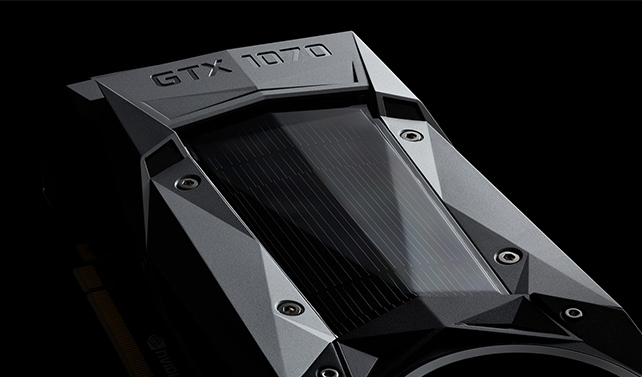
Nvidia seems to have quietly begun retiring its older Maxwell and Pascal architectures, a move signalled by the release of its latest Linux driver. The new 590 driver branch, currently available in beta as version 590.44.01, appears to have dropped support for the GeForce GTX 900 and GTX 10 series GPUs, confirming earlier reports that these cards are now entering legacy status.
Spotted by VideoCardz, the official release notes state that the 580.xx driver series is the final branch to offer full “Game Ready” support for Maxwell and Pascal. So, if you have such a graphics card running on a Linux-based system, there's a chance you may face issues with future game releases.
This transition places the GTX 900, GTX 10, and the few consumer discrete Volta cards into maintenance mode. Owners of these GPUs will no longer receive day-zero game optimisations or performance enhancements. Instead, support will be limited to quarterly security patches to address critical vulnerabilities. For gamers still holding onto these graphics cards, this effectively signals the end of the road for new driver features.
KitGuru says: Do you own an Nvidia GTX 900 or 10 series graphics card? Are you planning to upgrade now that driver support is coming to an end?
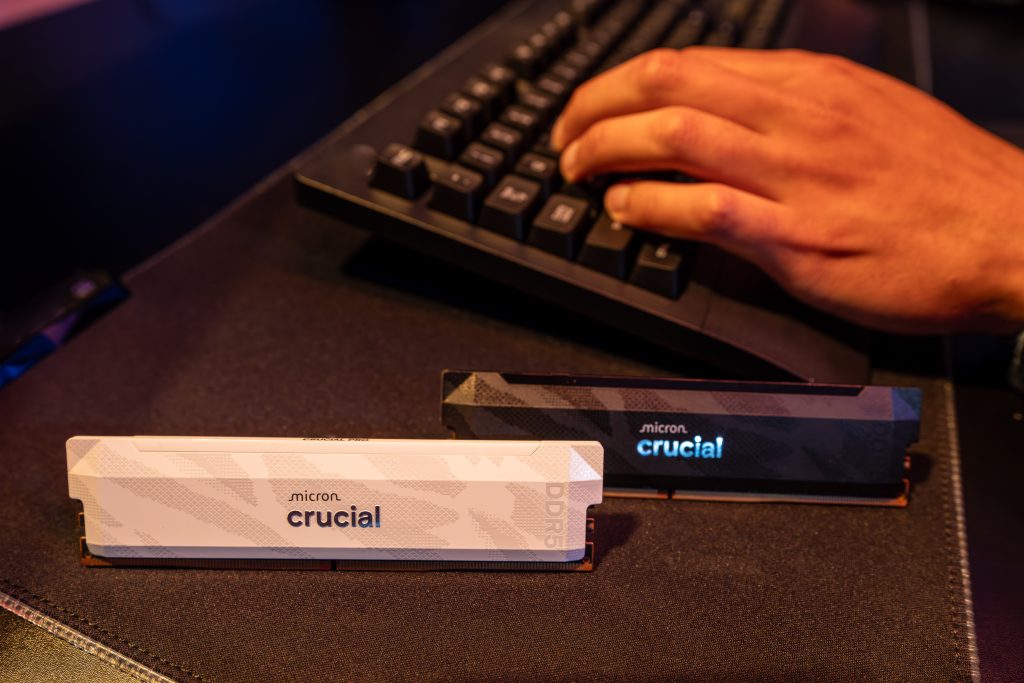
Micron has announced it will discontinue its consumer-facing Crucial brand, marking the end of a 29-year run for one of the most known names in PC memory and storage. The company confirmed it will cease selling Crucial-branded consumer products through global retailers and distributors by February 2026.
Micron's decision represents a strategic pivot for the US memory giant, which is reallocating its manufacturing capacity away from the low-margin consumer market to satisfy the insatiable demand for enterprise-grade memory in AI data centres. Sumit Sadana, Micron's Executive Vice President and Chief Business Officer, stated that the AI-driven growth in the data centre has led to a surge in demand for memory and storage, necessitating the move to improve supply for larger, strategic customers in these faster-growing segments.
For PC enthusiasts and system builders, this marks a significant loss. Crucial has long been a go-to choice for reliable, affordable DDR4 and DDR5 memory kits and SSDs. While shipments will end in early 2026, Micron has assured existing customers that it will continue to honour warranties and provide service support for Crucial products already in the wild.
The move is not a total withdrawal from the memory market, but rather a realignment. Micron will continue to sell its Micron-branded enterprise products to commercial channel clients globally. To mitigate the impact on its workforce, the company plans to offer redeployment opportunities to affected employees, moving them into other open positions within the organisation.
KitGuru says: Micron is one of the biggest memory suppliers in the world by volume, so this is a pretty major blow to the consumer market. We can only hope that the likes of Samsung and SK Hynix don't go in the same direction, as consumers would be left with very few options if that were to happen.
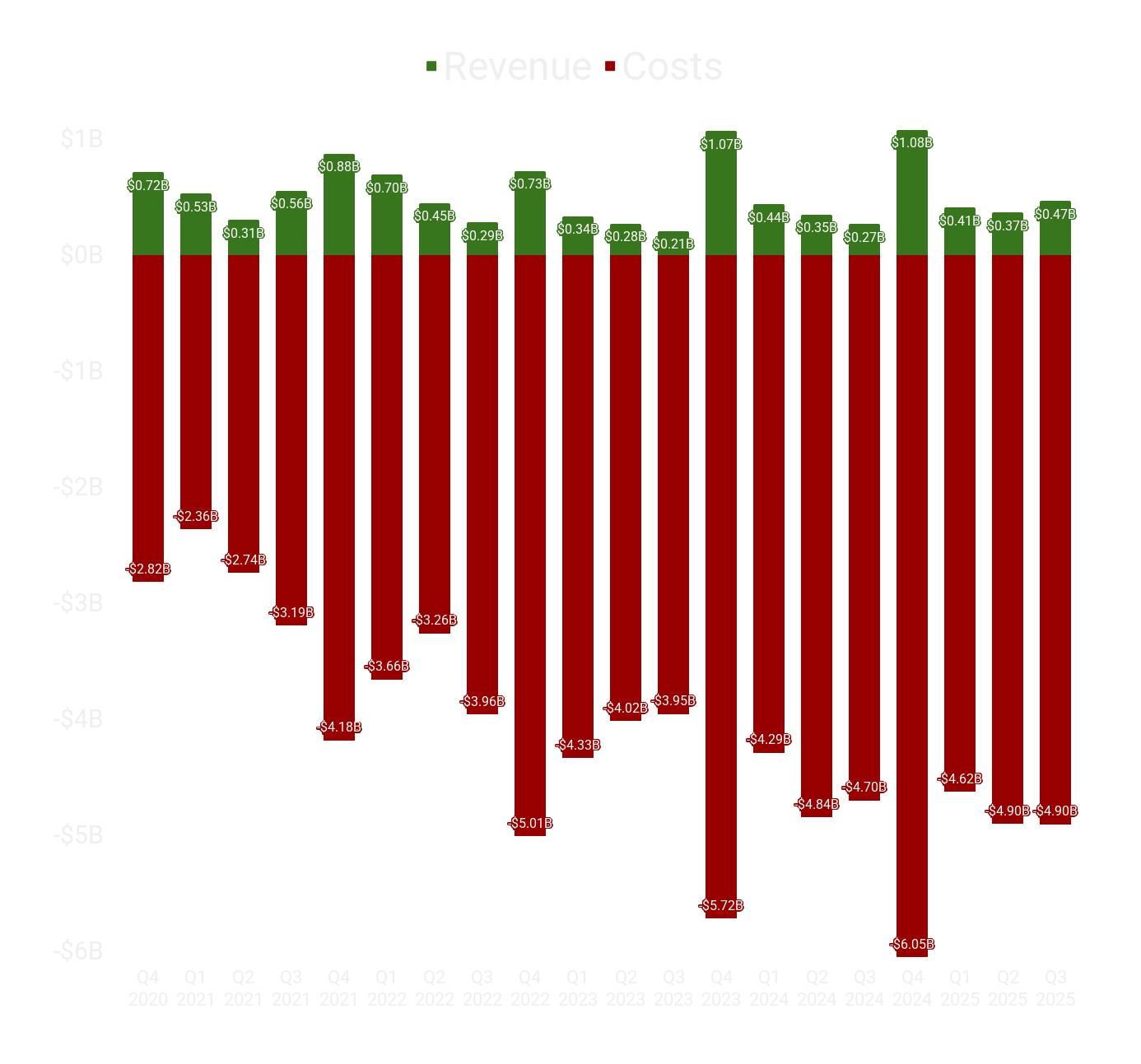
Meta Reality Labs is facing up to 30% budget cuts, Bloomberg reports, higher than the 10% Mark Zuckerberg normally asks for during budget cycles.
Reality Labs, if you're unaware, is the division of Meta behind its Quest headsets, Horizon software, smart glasses, and sEMG wristband, as well as researching future technologies such as Codec Avatars and true AR glasses.
Since Meta started breaking out the financial results of Reality Labs in its earnings calls in Q4 2020, it's been public knowledge that the division spends significantly more than it brings in, resulting in a financial "loss" that has been the fuel for countless clickbait articles each quarter.
But while describing this as a "loss" is technically correct in an accounting sense, much of it would be more accurately described as long-term investment. XR headsets like Quest are still a relatively early technology. Further, as of 2022 more than 50% of Reality Labs spending was on the research and development of AR glasses, and the company has yet to even launch a true AR glasses device.
Still, Meta is a business, and at some point, it wants Reality Labs to be profitable, a goal that will involve spending less, transitioning from a bloated research and development group to a viable business.
In July 2024, The Information reported that Reality Labs was told to cut spending by 20% by 2026. But the first three quarters of 2025 have seen Reality Labs spend roughly the same as it did in 2024.
Bloomberg's new report comes as Meta is planning its budget for next year. According to the report, executives are "considering" a cut "as high as 30%" for Reality Labs, with associated layoffs that would arrive as early as January.
Proposed cuts would primarily target VR and Horizon Worlds, according to the report, at a time when Meta is hoping to scale up its smart glasses ambitions.
The company, with its partner EssilorLuxottica, is still selling many of its smart glasses models as fast as it can make them. Simultaneously, it has seen Quest headset sales decline in 2025 compared to 2024, with Quest 3S proving only a hit during the holidays, not the rest of the year.
This combination of significant success in the smart glasses space and relative failure in growing its VR headset business is likely the driver of the company's decision to focus cuts on the latter, and it will be paying close attention to the sales of its next headset to decide how to invest through the rest of the decade.
When Don Carson was hired by Lucas Martell in September 2021 to work as an artist on Walkabout Mini Golf, the former theme park designer mentioned a name and place he wanted to see in virtual reality.
Carson's dream space opens to the public in VR this week. In Walkabout Mini Golf, the final paid add-on course of 2025 from studio Mighty Coconut finds visitors at the bottom of a rabbit hole following Alice on a journey growing curiouser and curiouser.
0:00
/2:21
When he was a child, Carson loved Alice's Adventures in Wonderland by Lewis Carroll with illustrations by John Tenniel. First published in 1865, Alice's series of encounters with strange creatures has seen every kind of adaptation from those original words and images. From release on December 4, 2025, Carson's course design for Martell's Walkabout with holes by Henning Koczy will see people leaning in to look through the keyhole at a royal garden beyond. Then they'll follow Alice's trail of dropped bottles, growing small and large along the way in a mad laughing party of their own.
As the course opens, Walkabout's core design team convenes at Carson's home studio in the Pacific Northwest to rough out ideas for the game that will open in 2027. Below is an image of the Walkabout Path for Alice's Adventures In Wonderland drawn by Carson as an early concept in 2024.
Pen and ink drawing by Don Carson of an early draft of the "walkabout path" through Alice's Adventure's In Wonderland.
First shown publicly in our coverage of the game's 36th course, the Mother Goose-inspired Forgotten Fairyland, the "Walkabout Path" for each course starts as a continuous circuitous block carved in virtual reality with Gravity Sketch. At the same time visitors follow Alice's finalized path for the first time, Walkabout's designers meet in the physical world to wear VR headsets together in the same space as they rough out places as a kind of team-building exercise of pure spatial creation.
You can watch our full 27-minute tour of Alice's Adventures in Wonderland with Carson and Koczy taking us along Alice's adventure from the Cheshire Cat to the Jabberwocky and Queen, and find all of our coverage of Walkabout at UploadVR.com/Walkabout.
Each new course from Walkabout features 36 new hole designs, 18 each in easy and hard modes. I only briefly glimpsed the eye-catching new visual effect shown in Wonderland's hard mode, but in my tour video above you can see Koczy himself – the designer of all the holes – putting right into a Mad Tea Party. I won't spoil what happens in that video if you're waiting to experience it for yourself.
There are well beyond 1,000 unique hole designs in Walkabout now, many of them designed by Koczy. At the Mad Tea Party he's a wizard in Wonderland channeling something into Walkabout I first experienced almost a decade ago.
I enjoy sitting on Amalthea around Jupiter and Pistol Whip's levels are still dreamy, but to my personal taste a Walkabout Mad Tea Party with friends played like Alice in Wonderland may be the best experience in all of virtual reality now.
Meta's Wearables Device Access Toolkit, which lets smartphone apps access the camera of its smart glasses, is now available as a public preview.
That means that developers can download it and integrate it into their iOS and Android phone apps, and can test it on their own glasses, but they cannot yet ship it for general public use.
Announced at Connect 2025, Wearables Device Access Toolkit lets phone apps capture a photo or initiate a video stream from the glasses. The app can then store or process the frames it receives. And since Meta smart glasses function as Bluetooth audio devices, developers can combine this visual capability with audio in and out.
Developers could, for example, leverage the SDK to add first-person livestreaming or recording features to their apps. Or they could feed the camera imagery to a third-party multimodal AI model to analyze what you're looking at and answer questions about it.
For a video stream, the maximum resolution is 720p and the maximum frame rate is 30 FPS, a limitation related to the use of Bluetooth. And when Bluetooth bandwidth is limited, the resolution and frame rate will be automatically reduced.
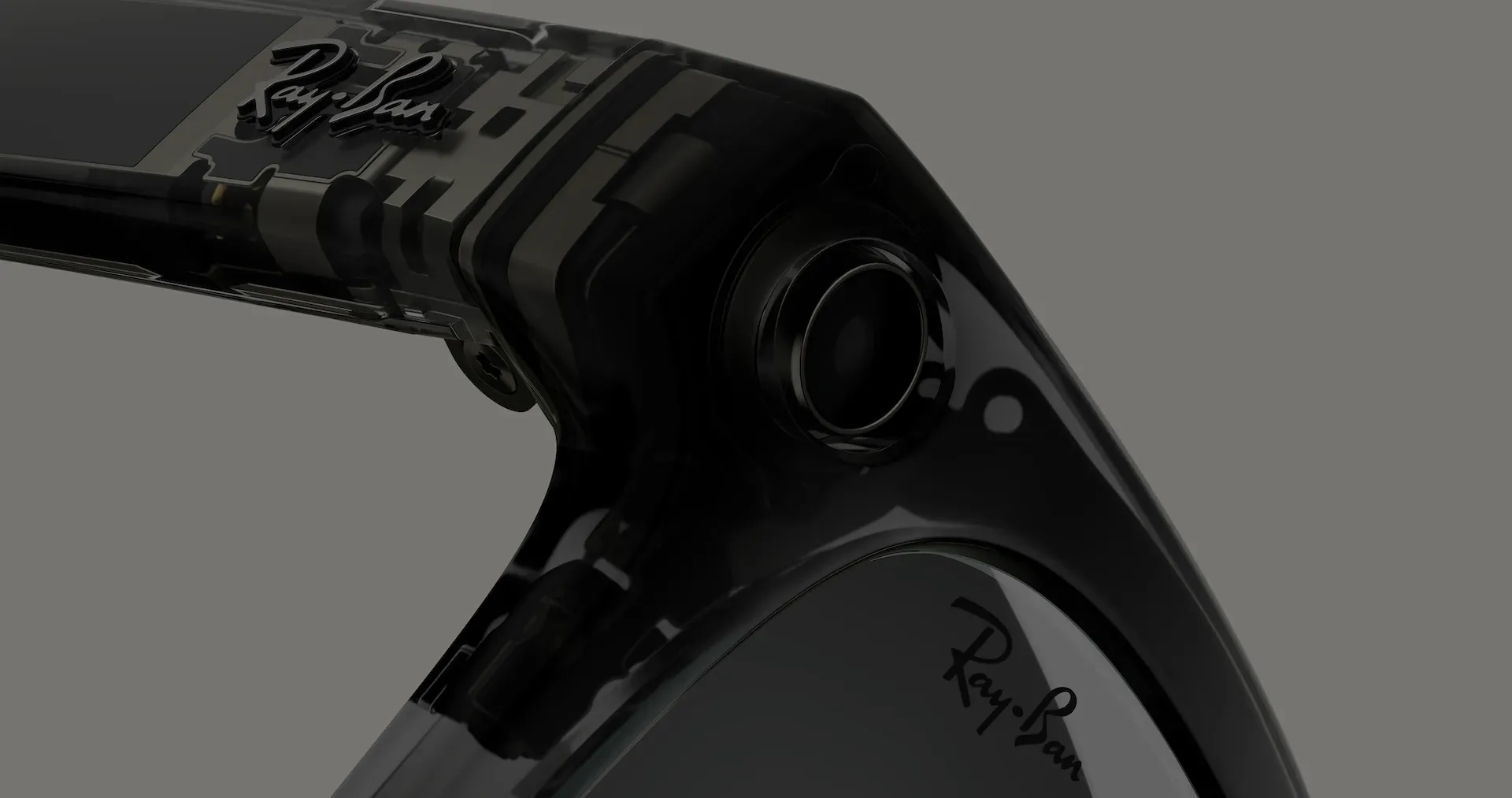
Ray-Ban Meta and Oakley Meta HSTN glasses are currently supported, with support for Oakley Meta Vanguard and Meta Ray-Ban Display coming in the near future. But to be clear, support for the latter will only include receiving camera imagery, not displaying anything on the HUD.
Meta provided an early version of the Wearables Device Access Toolkit to a handful of developers several months ago, including Twitch, Microsoft, Logitech Streamlabs, and Disney.
Twitch and Logitech Streamlabs are using the SDK to let you livestream your first-person view on their platforms, just as you already can on Instagram, while Microsoft is using it for its Seeing AI platform that helps blind people navigate and interact with the world around them.
0:00
/0:40
How 18Birdies is using the toolkit.
One particularly interesting use case comes from 18Birdies. The golf app is experimenting with using Meta Wearables Device Access Toolkit for real-time yardages and club recommendations, helping golfers without requiring them to take their phone out of their pocket.
Another is from Disney's Imagineering team, which explored using the toolkit to give guests a personal AI guide in Disney parks.
With its massive, well-engineered vapor chamber cooling, the ASUS ROG Strix SCAR 18 G835 (2025) pushes the performance of the Core Ultra 9 275HX and RTX 5090 to new heights with reasonable noise levels and low external temperatures. The super bright Mini LED display, great input devices, superb I/O, and tool-less upgradability cement this machine as the zenith of mobile gaming.
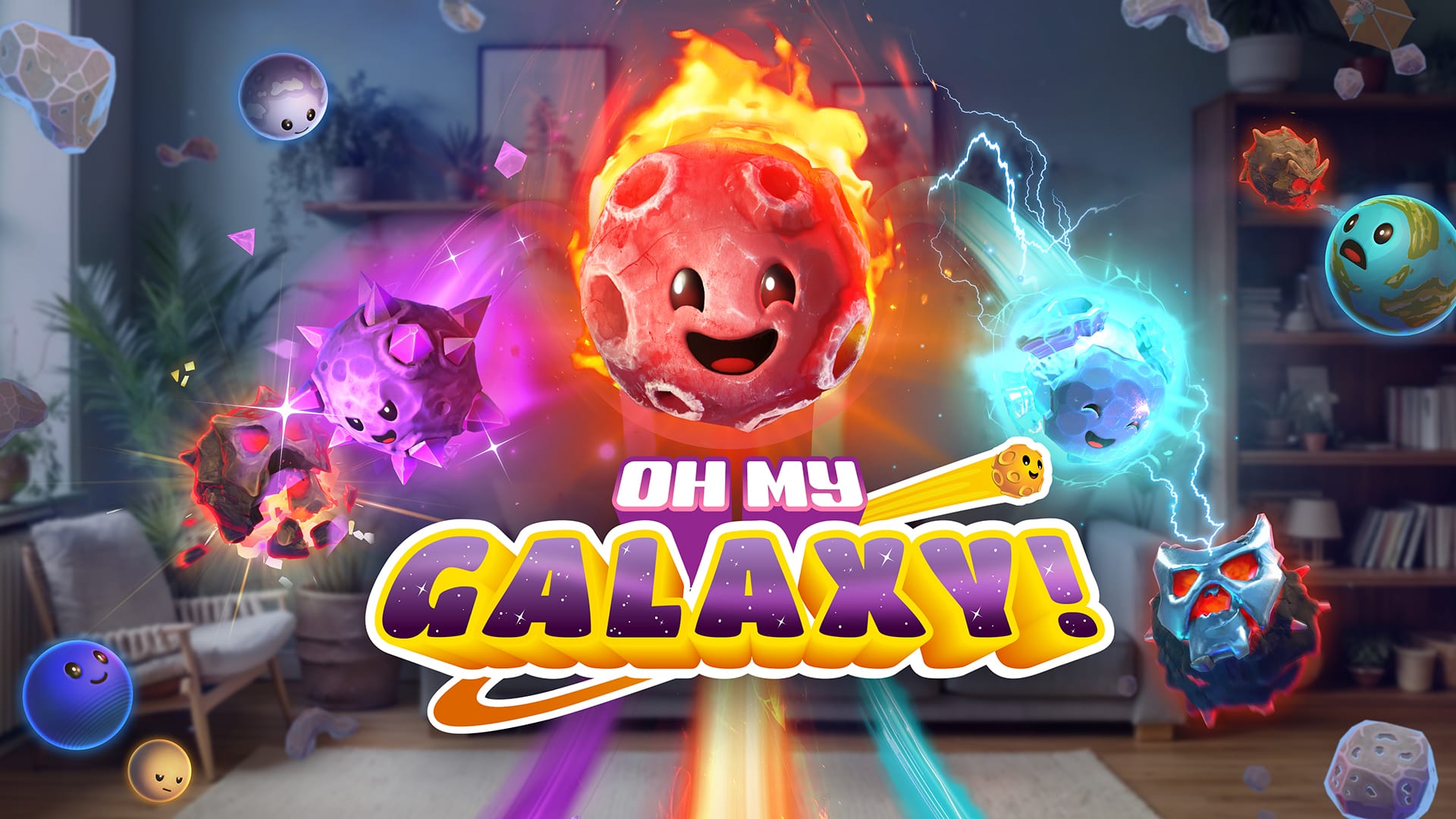
Oh My Galaxy! is a new mixed reality arcade puzzler that's out today on Samsung Galaxy XR.
Marking its first launch on Samsung's headset, Oh My Galaxy! is the latest game from FRENZIES developer nDreams Near Light. The premise involves transforming your room into an interplanetary playground, tasking you with saving planets from alien attackers using hand tracking controls to fling asteroids at them.
Near Light states there are over 100 increasingly difficult stages split across three main chapters, promising physics-based gameplay with various objectives. Defeating these aliens requires using different asteroids with unique abilities, ranging from the “high-explosive Boom Boulder to the six-part Splitter Stone.”
nDreams calls this one of the first “original titles” for Samsung's headset, joining launch titles Enigmo and Inside [JOB] as one of three currently exclusive Android XR games. However, while Enigmo is a timed exclusive that's coming to Quest, no further platforms were mentioned in today's announcement, so it's unknown if Oh My Galaxy! will eventually arrive elsewhere.
Oh My Galaxy! is available now on Samsung Galaxy XR for $9.99.
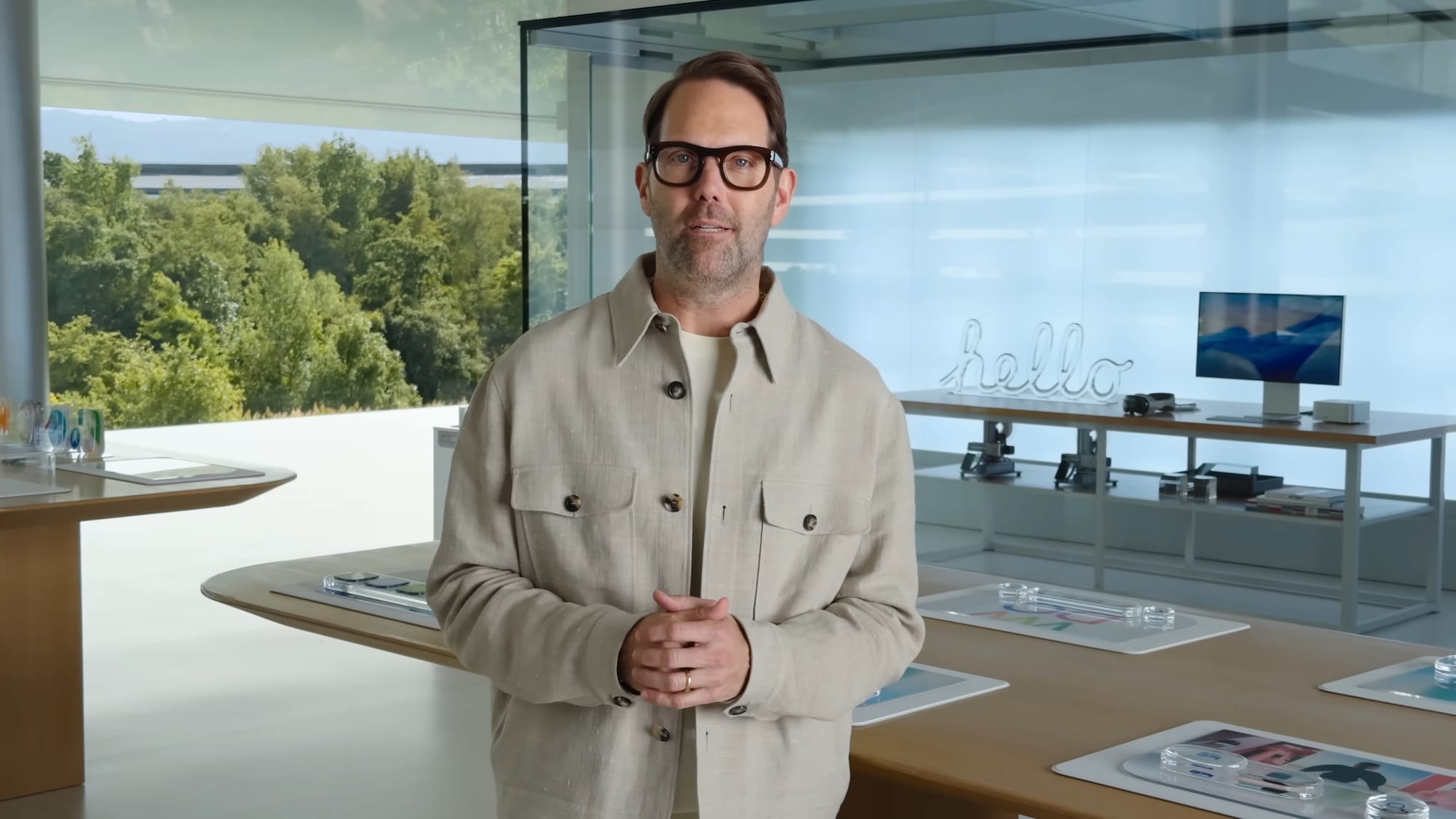
Apple's head of user interface design is leaving the company, after almost 20 years, to lead design at Meta Reality Labs.
Alan Dye joined Apple in 2006, and since 2015 had been the VP in charge of the company's software design, including the user interfaces of its operating systems and the design language it encourages developers to follow. He was involved in the iOS 7 redesign and watchOS, and led work on the iPhone X swipe interface, AirPods pairing interface, CarPlay, Dynamic Island, visionOS, as well as key Apple apps like the App Store, Safari, Maps, TV, Notes, and FaceTime.
Reality Labs, if you're unaware, is the division of Meta behind its Quest headsets, Horizon software, smart glasses, and sEMG wristband, as well as researching future technologies such as Codec Avatars and AR glasses.
Bloomberg's Mark Gurman first reported Dye's move, and a few hours later Mark Zuckerberg confirmed it in a post on Threads, stating that Meta is forming a new top-level "creative studio".
Dye will be joined by Billy Sorrentino, who was one of his deputies at Apple since 2016, and Joshua To, who previously led interface design at Reality Labs.
Here's Mark Zuckerberg's explanation of the new design studio's role at Meta Reality Labs:
"The new studio will bring together design, fashion, and technology to define the next generation of our products and experiences. Our idea is to treat intelligence as a new design material and imagine what becomes possible when it is abundant, capable, and human-centered. We plan to elevate design within Meta, and pull together a talented group with a combination of craft, creative vision, systems thinking, and deep experience building iconic products that bridge hardware and software."
"We're entering a new era where AI glasses and other devices will change how we connect with technology and each other. The potential is enormous, but what matters most is making these experiences feel natural and truly centered around people. With this new studio, we're focused on making every interaction thoughtful, intuitive, and built to serve people."
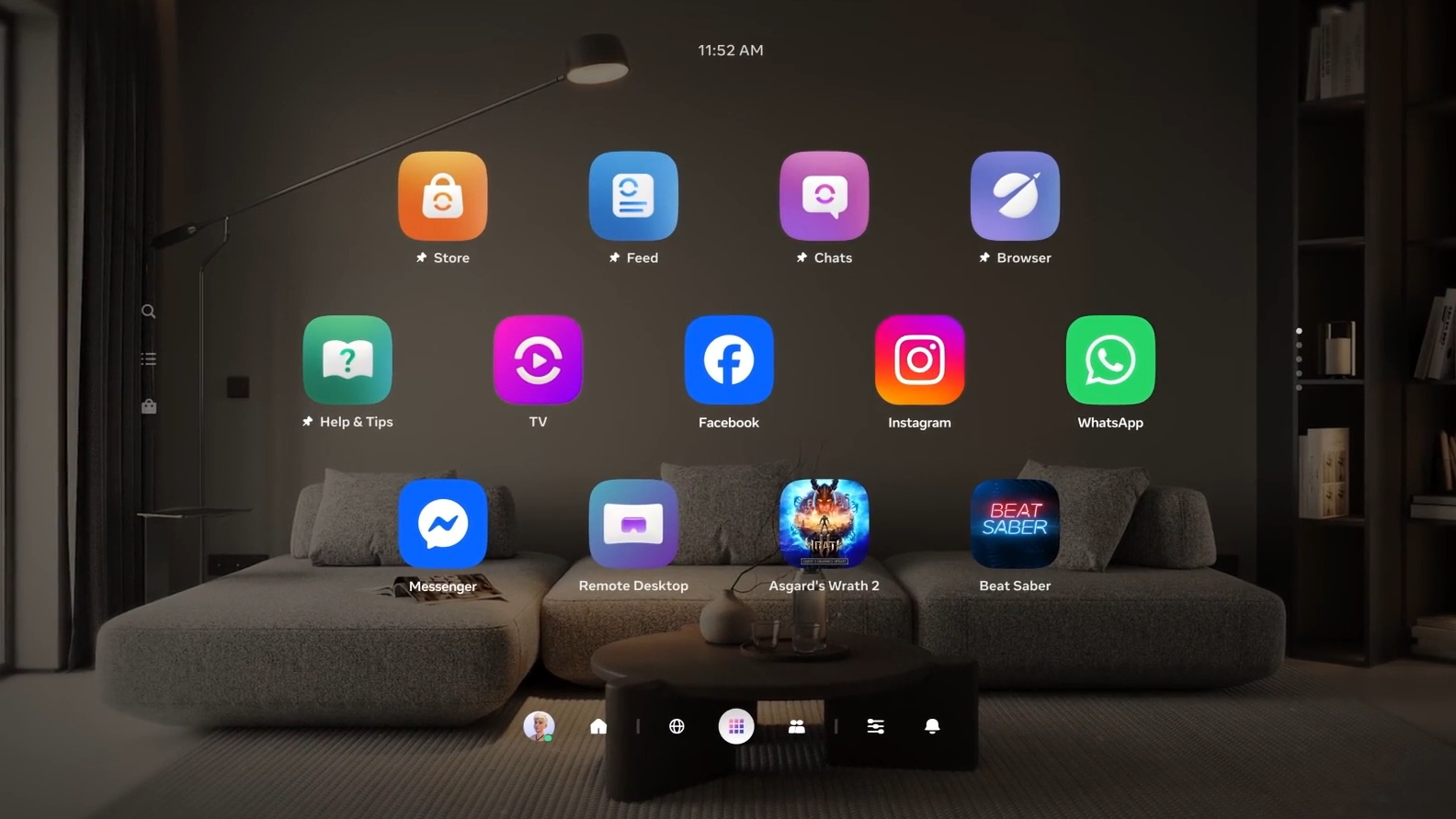
The claim that Meta plans to "elevate design" is particularly notable, given that the company's Quest headsets have long been criticized for their confusing, scattered, and clunky user interface. Meta started rolling out a design overhaul earlier this year, but it's still experimental, and far from complete.
We also criticized the interface of Meta Ray-Ban Display in our review, pointing out that it takes far too many swipes and taps to accomplish many common tasks.
It will likely take years, or at the very least many months, before the results of Dye's new design team arrive in Meta products. But it could, if all goes well, be a crucial ingredient for Meta's hopes to stave off competition from Apple and Google in the smart glasses and XR headsets market as the technology matures and scales to hundreds of millions of users in coming years.
Announcing his departure from Apple in an Instagram story, Dye quoted Steve Jobs: “I think if you do something and it turns out pretty good, then you should go do something else wonderful, not dwell on it for too long. Just figure out what’s next.”
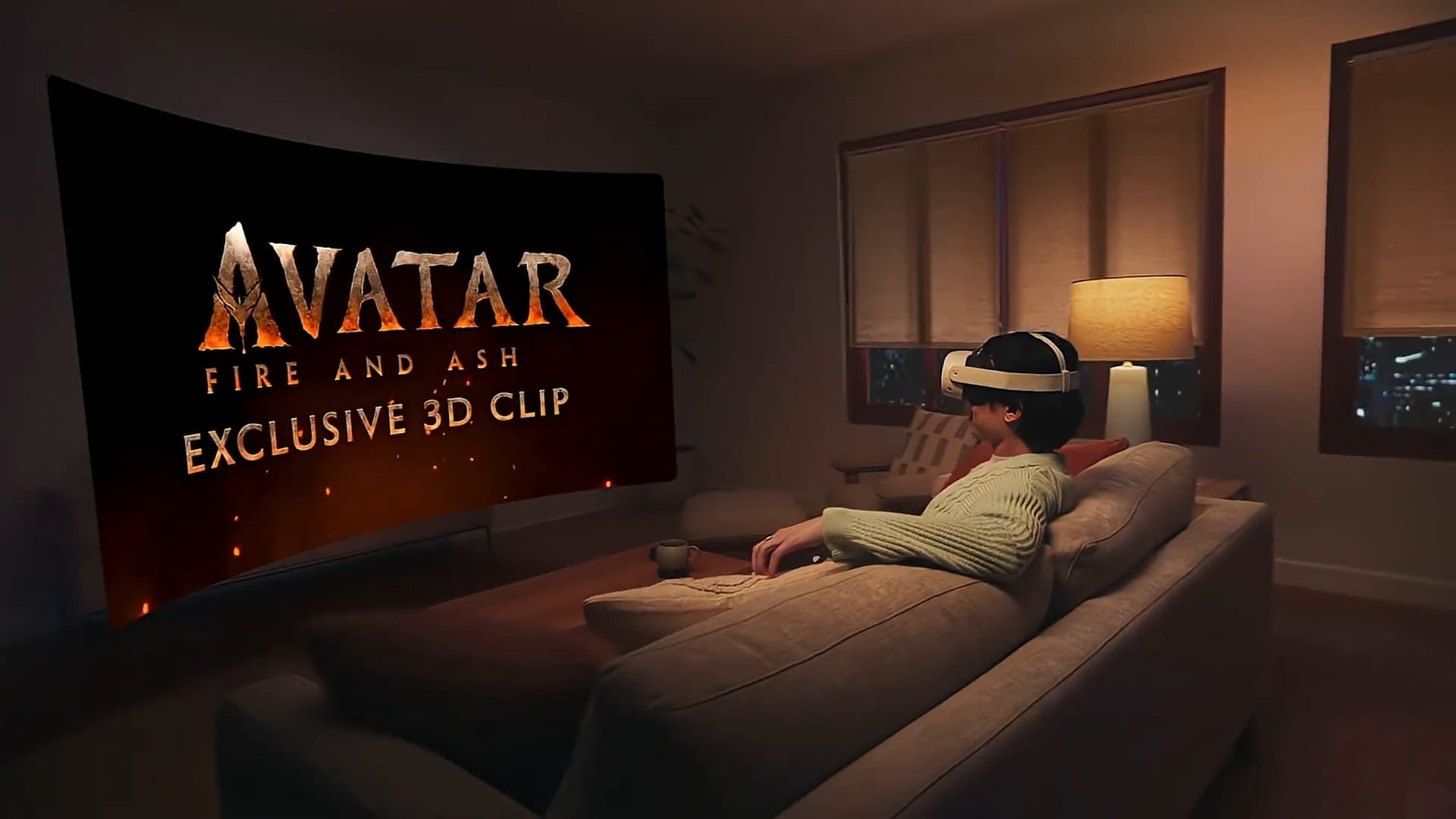
Quest headsets now have a second exclusive 3D clip from Avatar: Fire and Ash.
It comes just under three months after the first exclusive 3D clip from the movie arrived on Quest headsets just after Meta Connect.
0:00
/0:30
The short 3D clips are the first results, albeit small, of Meta's exclusive multi-year partnership with James Cameron's new company Lightstorm Vision, which has the goal of "making stereoscopic technology ubiquitous for all visual media by enabling stereoscopic 3D content creation in as seamless a manner as traditional 2D".
The partnership, announced almost exactly one year ago, should help bring significantly more 3D video content to Quest headsets. At the time, Meta said it will bring "world-class 3D entertainment experiences spanning live sports and concerts, feature films, and TV series featuring big-name IP" to Horizon OS.
James Cameron appeared on-stage during the Meta Connect 2025 keynote for around twelve minutes, where he reiterated his views on how VR headsets are the ideal viewing platform for 3D content.
Apple's competing visionOS offers hundreds of 3D movies through Apple TV and Disney+, but Meta's platform currently lacks an equivalent offering.
Here's something most of us saw coming: the accelerating deployment of tens of thousands of communication satellites in low Earth orbit (LEO) is creating a diffuse veil of light pollution that is now demonstrably compromising the performance of some of the most powerful telescopes in the world, including the venerable Hubble Space Telescope.
Astronomers
Slated for an early 2026 release, the low-cost iPhone 17e is rumored to get a couple of significant design overhauls, nudging the e-series' aesthetics closer in line with the company's flagships.
As we know, the facade of Apple's iPhone 16e is characterized by relatively thick display bezels and a screen notch. South Korean news outlet
If you've never considered an Alienware product because you thought the pricing premium would be too high, do yourself a favor and have a look at the current crop of deals. We already highlighted some fantastic savings on Alienware desktop PCs and laptops for Cyber Monday (which are still on sale, by the way), and now a handful of Alienware
Micron announced it is winding down the sale of its Crucial-branded memory and storage products to consumers after nearly three decades, marking the end of a remarkable era that has seen numerous other OGs fall by the wayside, including BFG, EVGA, OCZ, Hypersonic (at one time the parent company of OCZ), and others. And folks, on a personal
In recent years we’ve seen a surge in the number of successful indie rogue-likes, with titles including Hades, Balatro, Vampire Survivors and more all selling millions of copies while inspiring others to tackle the genre with their own unique twist. One such title is the brickbreaker-themed Ball x Pit, which has now sold over 1 million copies.
Releasing a trailer to YouTube, Ball x Pit publisher Devolver Digital confirmed that the game has officially sold over 1 million copies since its release on the 15th of October.
In celebration of this milestone, the team announced that Ball x Pit will be receiving 3 free major updates throughout 2026, writing: “With over 1 MILLION units sold, it totally makes sense to keep this ball rolling, right? Three major content updates are coming to BALL x PIT for free, bringing new characters, balls, passives, evolutions, and more!”
While hopefully the first round of many, Ball x Pit’s initial major update arrives in January of next year and is titled the ‘Regal Update’. This will be followed up by the ‘Shadow Update’ in April of 2026; concluding with the ‘Naturalist Update’ in July.
Despite there being so many different rogue-likes, Ball x Pit manages to put its own unique spin on the formula. Considering the fact that the title is also available on Xbox Game Pass, its swift success is notable. It will be interesting to see how future updates switch up the potential combos.
KitGuru says: Are you one of the 1 million? What do you think of the game? What’s been your favourite unique rogue-like of 2025? Let us know down below.
 Connexion
 Valve has done a lot of work to support Proton, which is the compatibility layer that’s enabled Windows games to work smoothly on the Steam Deck, which also happens to be a Linux-based device. Unbeknownst to the rest of the world, though, is that the company was funding another project, called Fex, which aims to bring x86 games to Arm, according