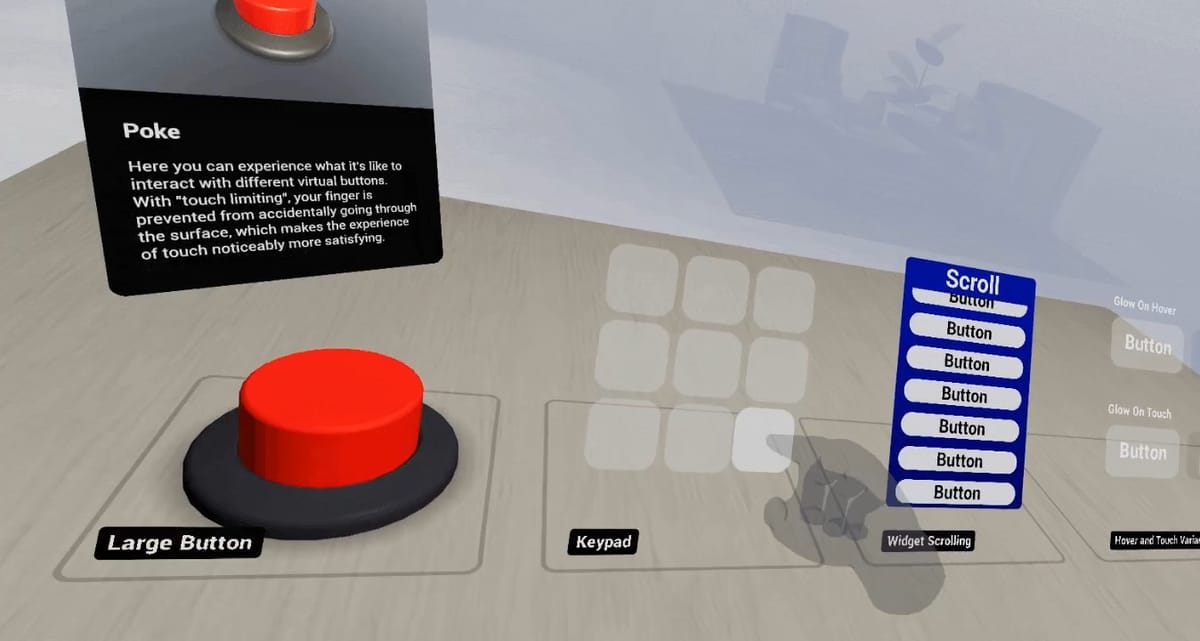
Meta's Interaction SDK for Unity got a major update that adds new locomotion modes for hand tracking and enables more customizable throwing.
The Interaction SDK is a Unity framework providing high-quality common interactions for controllers and hand tracking. It includes direct object grabbing, distance grabbing, interactable UI elements, gesture detection, and more. This means developers don’t have to reinvent the wheel, and users don’t have to relearn interactions between apps using the SDK.
Meta Interaction SDK is also available for Unreal Engine, but that version is missing many features, including these new additions and improvements.
New Locomotion Options For Hand Tracking
Almost three years ago, the Interaction SDK got a teleportation locomotion system for controller-free hand tracking, with a free demo utilizing it available on the store.
With the v83 update, three new locomotion options for hand tracking have been introduced.
"Telepath" Locomotion
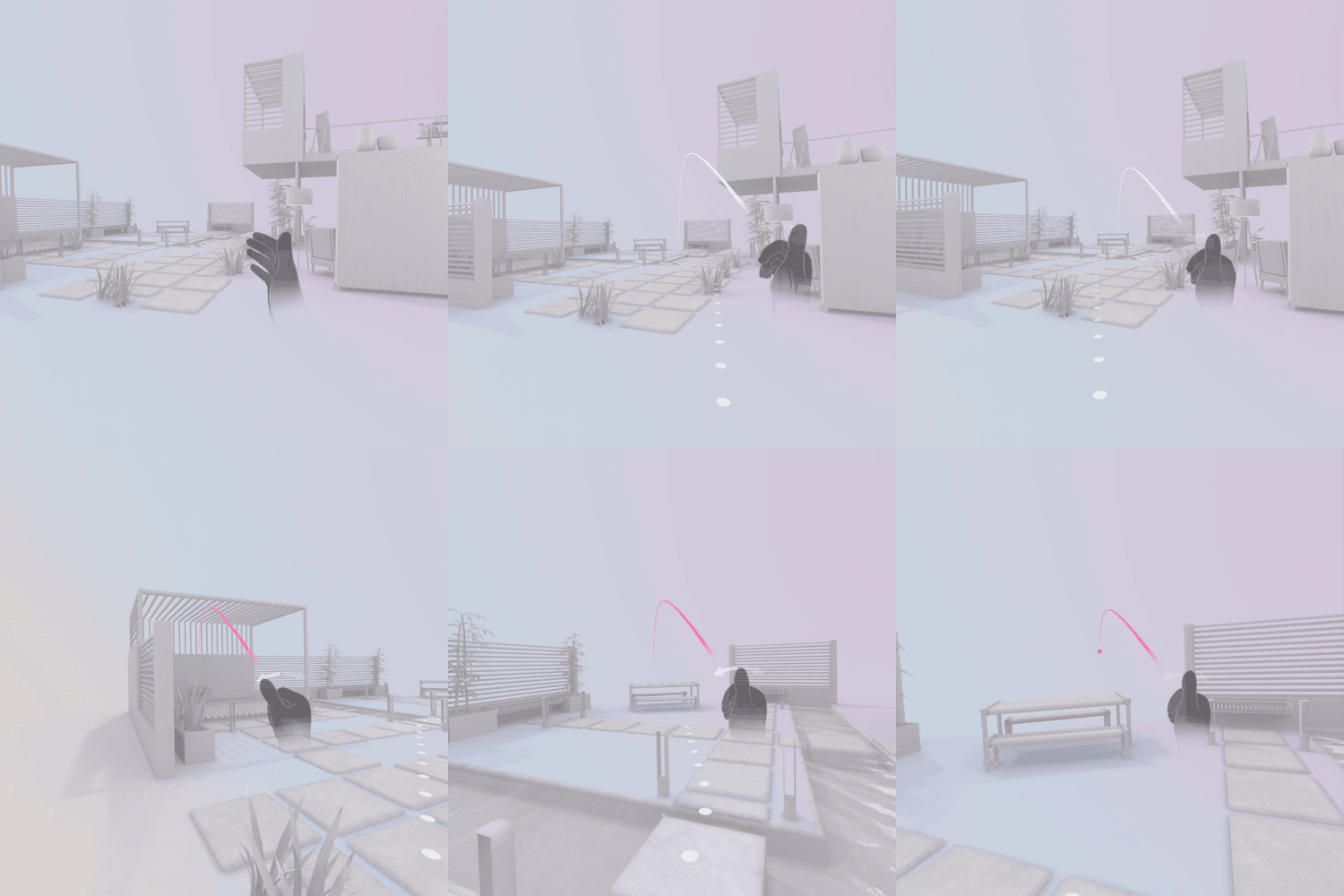
"Telepath" locomotion is like a hybrid between teleportation and smooth locomotion.
You tap your thumb to the side of your index finger to initiate the movement, a microgesture, and instead of teleporting to the location you select, you smoothly slide there.
If there are jumpable obstacles in the path, you'll automatically jump over them.
"Walking Stick" Locomotion
"Walking Stick" locomotion gives the player virtual, optionally invisible walking sticks to push down against the virtual floor to move forwards.
It's somewhat similar to the locomotion system popularized by Gorilla Tag, just optimized for hand tracking and standing height, rather than pretending to be a short creature with controllers.
Climbing
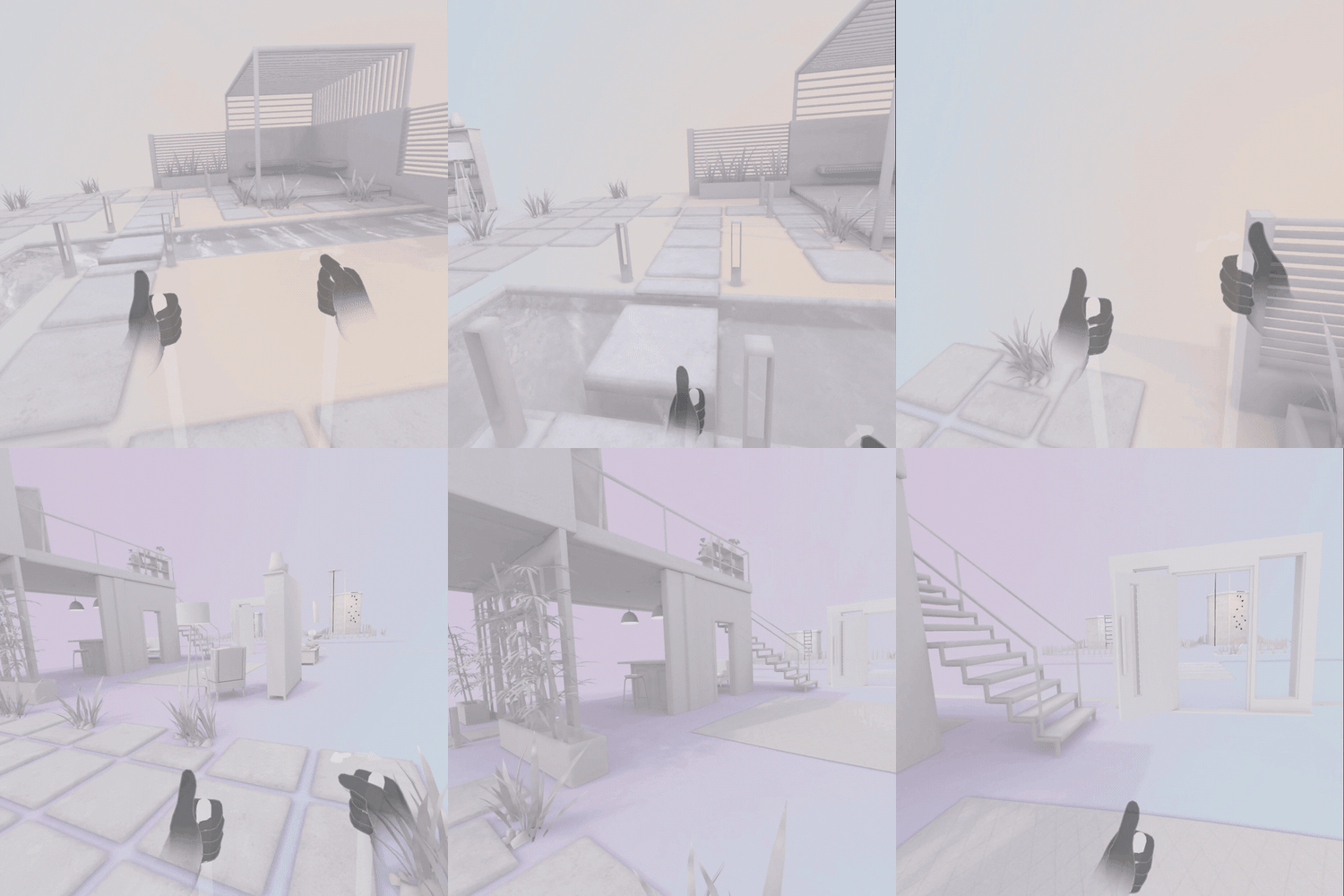
Many VR games include climbing, though most focus on tracked controllers, using the grip trigger to grab on to a hold.
Interaction SDK's climbing supports controller-free hand tracking too, extending the current concept of a Grabbable to a Climbable. On a basic level, the result is essentially the opposite: instead of moving the grabbed object to the player, it moves the player towards the grabbed object.
More Customizable Throwing
Meta says it has improved the throwing system in Interaction SDK with more customization options for different kinds of throwing.
0:00
/0:21
According to Meta, this includes:
Darts and precision throws
Bowling and weighted arc motion
Frisbee-style flight paths
Cornhole, football, and basketball
As with the locomotion improvements, these new throwing options are optimized for controller-free hand tracking.
For over a year now, Interaction SDK has supported non-Meta headsets, so VR developers targeting other platforms should be able to use these new locomotion systems for hand tracking.
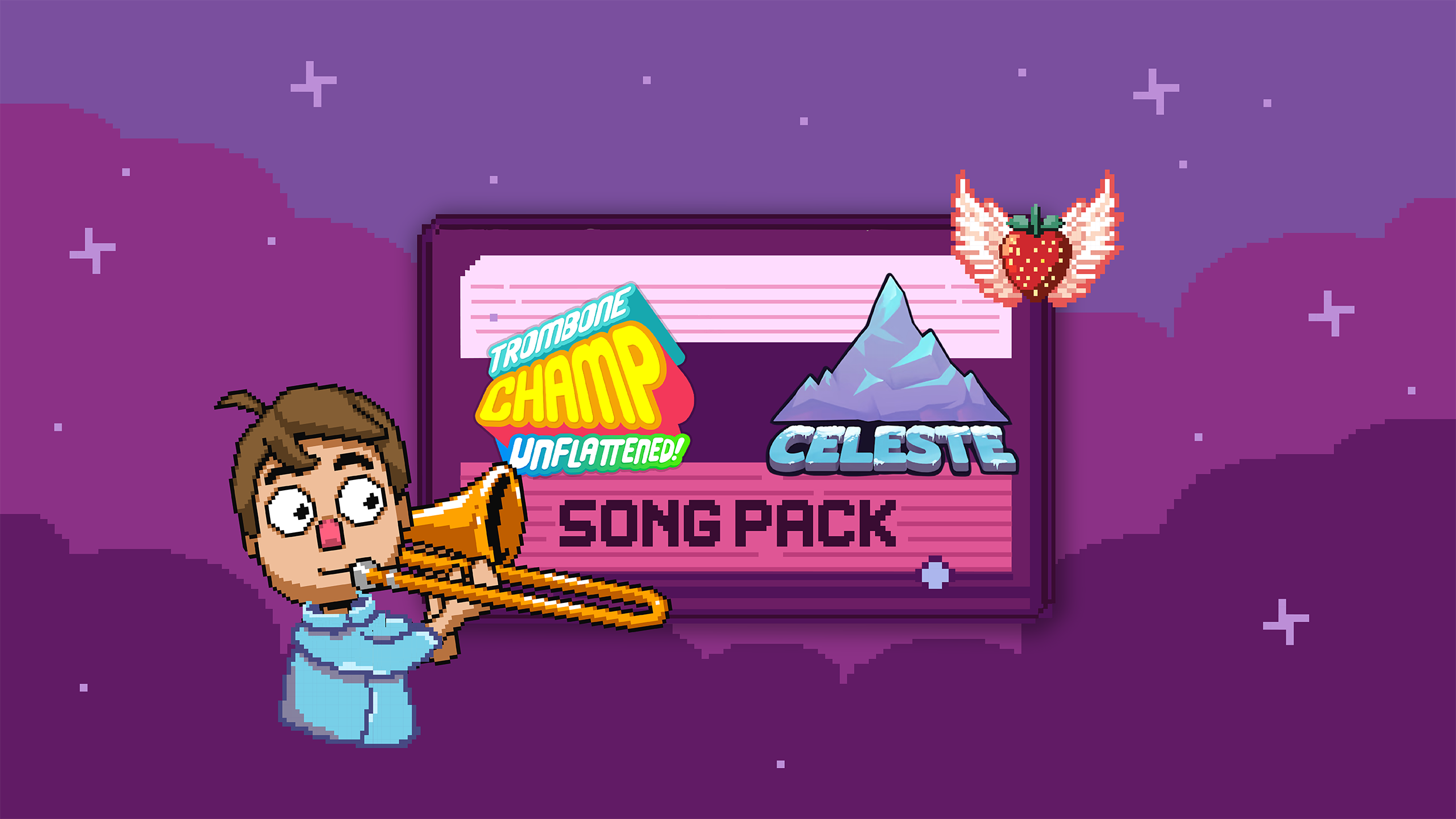
Trombone Champ: Unflattened gets an official crossover with indie hit Celeste, adding 10 tracks in a new song pack today.
For the unfamiliar, Celeste is a 2018 flatscreen platformer developed by Maddy Makes Games. Playing as Madeline, you seek to climb Celeste Mountain while a personification of her self-doubt attempts to stop her. It features a soundtrack by composer Lena Raine, this song pack is now officially available in both Trombone Champ and Trombone Champ: Unflattened.
Flat2VR Studios advised that because some included songs originally ran for 10 minutes or more, they have “carefully edited them down for length while keeping the parts that hit.”
You can find the full Celeste Song Pack track list below:
First Steps
Madeline and Theo
Resurrections
Spirit of Hospitality
Scattered and Lost
Starjump
Reflection
Confronting Myself
Heart of the Mountain
Reach for the Summit.
While Unflattened only receives the Celeste Song Pack, the flatscreen version of Trombone Champ gets two additional DLCs today with 14 songs each. One is based on cartoon platformer Pizza Tower, joined by an Undertale + Deltarune pack. It's worth remembering the latter previously received Unflattened DLC in August, though that only contained six songs.
The Celeste Song Pack for Trombone Champ: Unflattened is out now for $7.99 on Quest, PC VR, and PlayStation VR2.
Street Gods, one of two Norse mythology-inspired VR roguelites coming to Meta Quest in December, emphasizes style and power fantasy over any real impactful combat.
Developer Soul Assembly has a long history with combat-heavy VR titles, like the Drop Dead series, Last Stand, Warhammer 40,000: Battle Sister. While it occasionally dabbles in other genres, like working on Just Dance VR, action games are its bread and butter. All the aforementioned games, primarily shooters mind you, received mostly the same critical response. Straightforward, albeit shallow, and fun to play with friends.
The Facts
What is it?: A Norse mythology-based roguelite Platforms: Meta Quest 3/3S (reviewed on Quest 3) Release Date: December 18, 2025 Developer/Publisher: Soul Assembly Price: $19.99
So, given Soul Assembly's history and the genre we're dipping into, the first thing that surprised me in this game is how forward the story is. Most roguelites deliver the setting in a cursory introduction that just sets the table for the carnage that will ensue. Street Gods surprisingly takes its time with a lengthier than expected multi-part tutorial that arguably takes a bit too long with the setup, but in hindsight turns out to be the best part of the game.
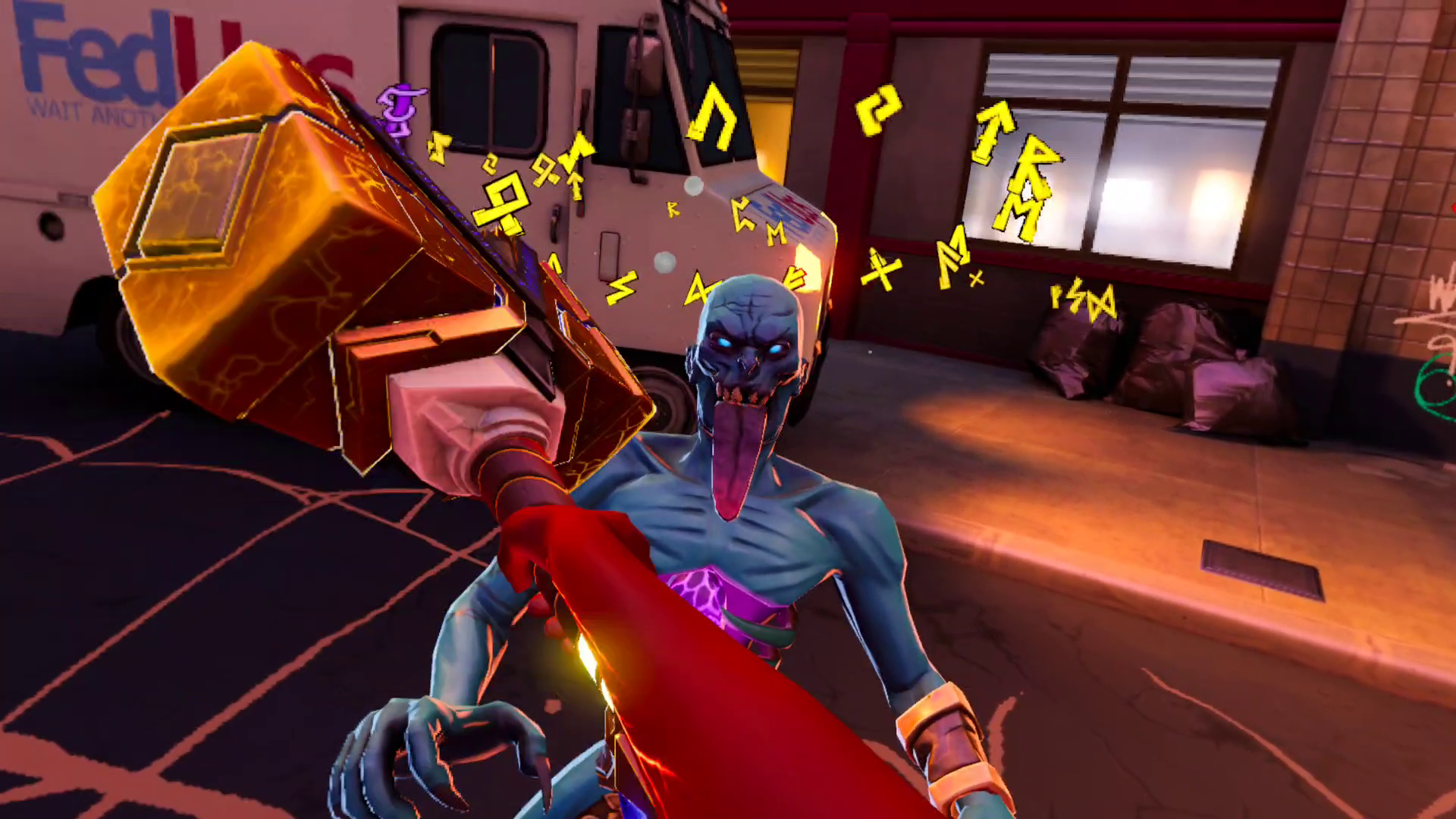
You play as Val, a street-smart graffiti artist who happens upon Mjölnir, the signature weapon of Thor, the Norse God of Thunder. As you approach it, Mjölnir inexplicably begins to speak to you. This voice is Thor himself, entrapped in his own weapon for reasons beyond his own understanding. You pick up the hammer and are immediately attacked by what can only be described as Norse zombies, who look ripped straight out of the Drop Dead universe with different clothes on.
It's here that my primary issue with Street Gods comes up. Thor teaches you how to swing and throw Mjölnir to defeat the undead, but nothing really lands. I realize that when playing VR, you are ostensibly always swinging at air, but most melee-heavy games get around this with a combination of controller haptics, sound effects, and visual cues (sparks, blood, enemy reactions, etc.). There is no real crunch here, no impact, no visceral immersion to the combat. The controller haptics are extremely weak, so when unleashing power attacks like shooting lightning from the hammer, it doesn't feel like much of anything because both the haptics and sound effects are so subdued. The 'clank' sound of the hammer on impact is fine, but not enough. It needs more oomph, to be blunt.
0:00
/0:24
Street Gods early-game combat - Captured by UploadVR on Meta Quest 3
Now, this may be by design, since you are imbued with the power(s) of a God in this game, but the power fantasy here is muted by the lack of physicality. This is a fairly lightweight arcade-like experience with a heavily comic book-inspired aesthetic (more on that later). The arcade feel shines through as you tear through enemies like wet paper with all of your various abilities, but I couldn't shake the combat's lifeless energy.
Having said that, Street Gods makes up for its general lack of substance with all kinds of style. As you quickly unlock new abilities, you'll be tossing enemies around with lightning-powered hammer uppercuts, a golden lasso that can yank foes all over the map, unleashing lightning attacks, and so on. The elongated introduction has a stretch where you are falling through the merging of Earth and Asgard, and that sequence is terrific. The game feels cool to play, but that level of cool can be fleeting depending on your personal tastes. I found myself losing interest about 20 minutes into each of my runs because of combat.
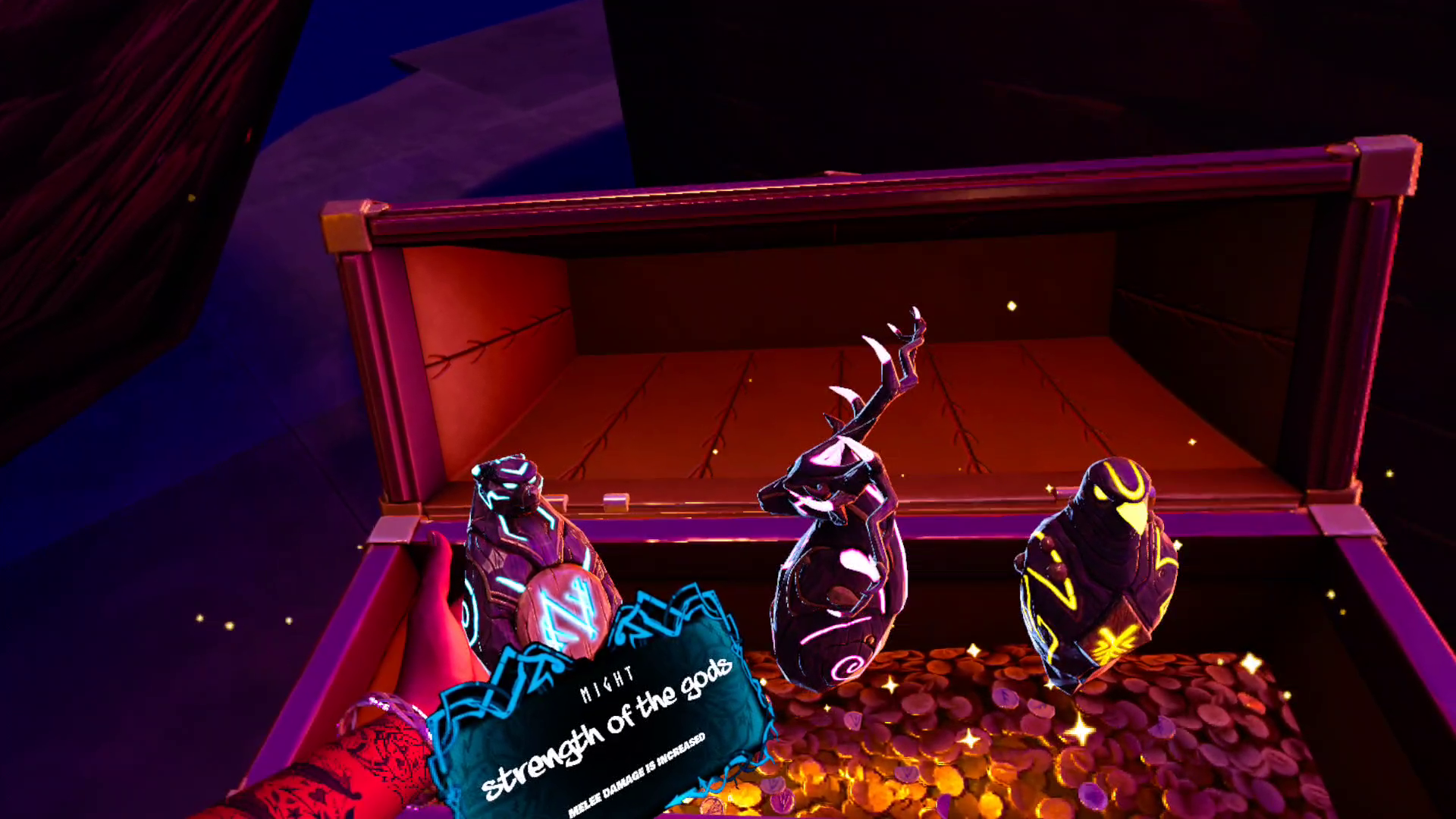
This extends to the power-ups. After dispatching all the enemies in an arena, you are presented with a chest with the standard assortment of power-ups and perks: more health, better defense, increased attack power when health is low, and so on. New abilities are unlocked in an arena that lets you practice before you move forward. Occasionally, a new ability would spawn as a perk, like dropping a bomb behind you when you dash, but they are few and far between. All the tropes are here, but at its core, there's nothing new to veteran roguelite players.
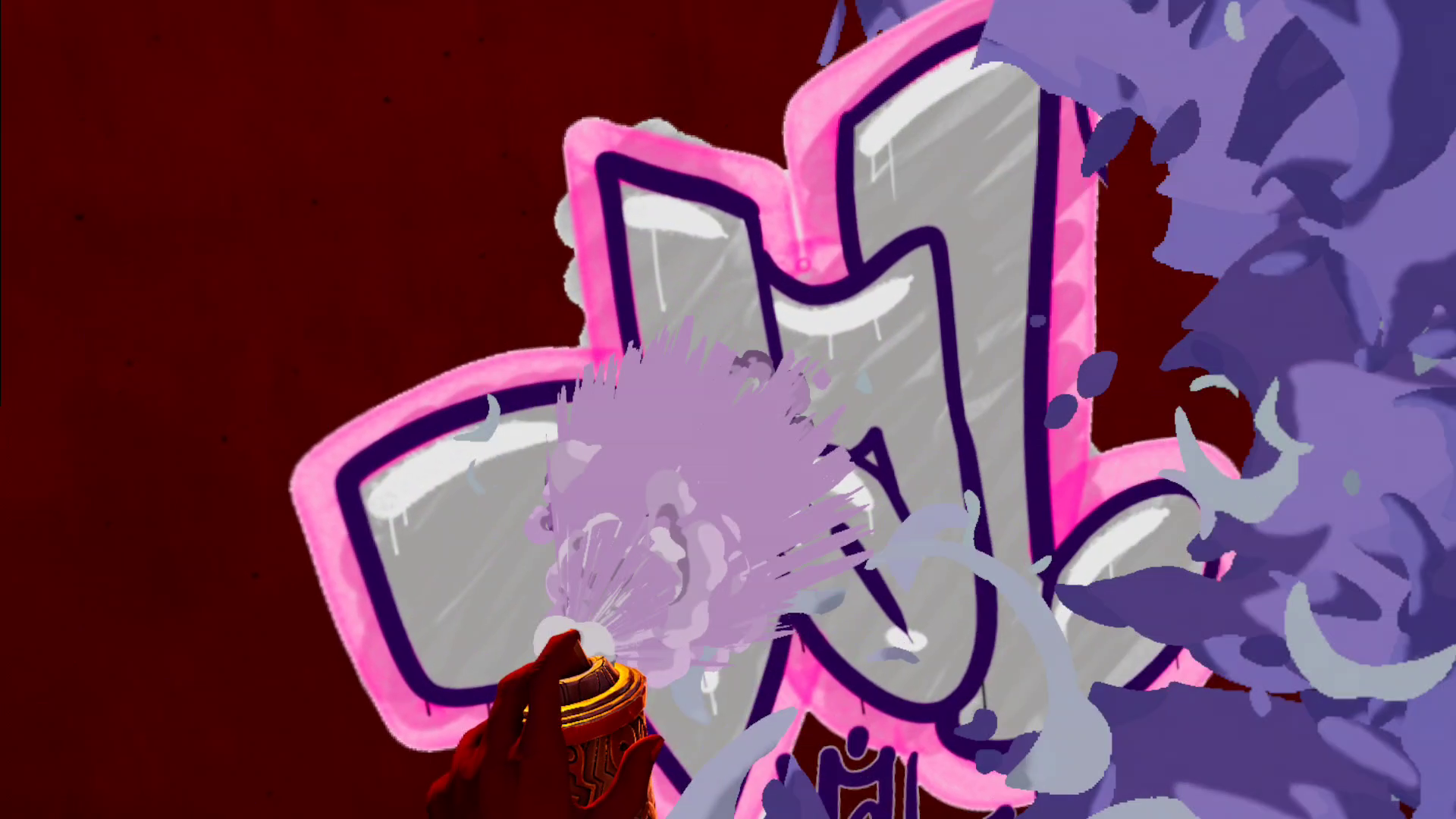
Street Gods screenshots captured by UploadVR
One of the tricky things to get right in a game that plays in power fantasies is balancing said fantasy with a sense of peril. Street Gods falls woefully short here. I never felt any real sense of danger during any of my runs. Enemies can spawn all around you, but maybe owing to the limitations of standalone VR, there are never more than a handful onscreen at any given moment and they go down so easily that you hardly ever get hit.
Even as the game ramps up with a few new enemy variations with area of effect attacks, they're still taken out from range simply by throwing Mjölnir (which eventually gets powered up to hit multiple enemies). Health is dropped in droves by enemies upon death too, so even if you do take damage, it's easily nullified. Compare this to Drop Dead: The Cabin, another Soul Assembly title, where restrictions on map traversal and scarcity of supplies make every run a struggle and that is sorely missed here.
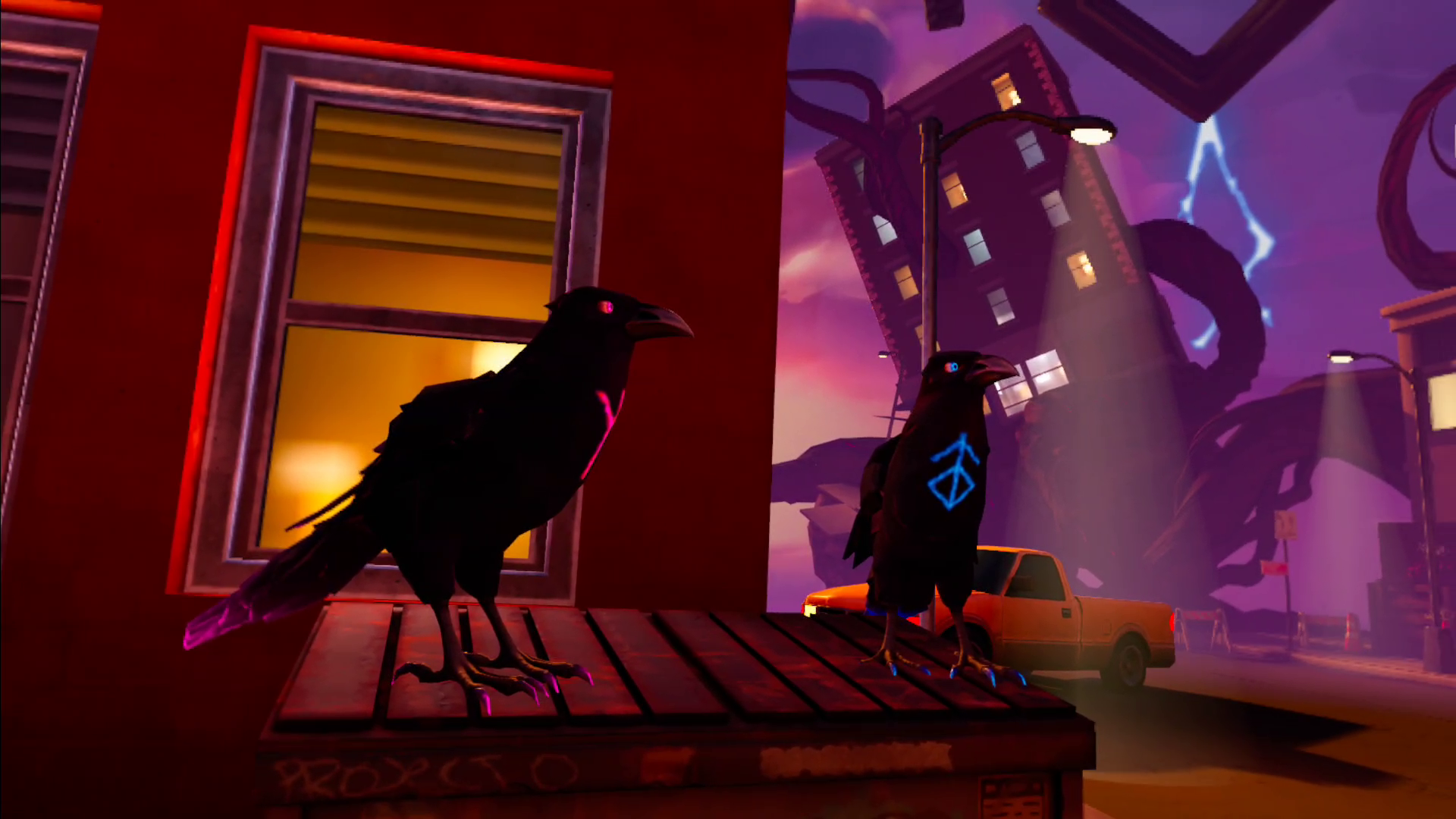
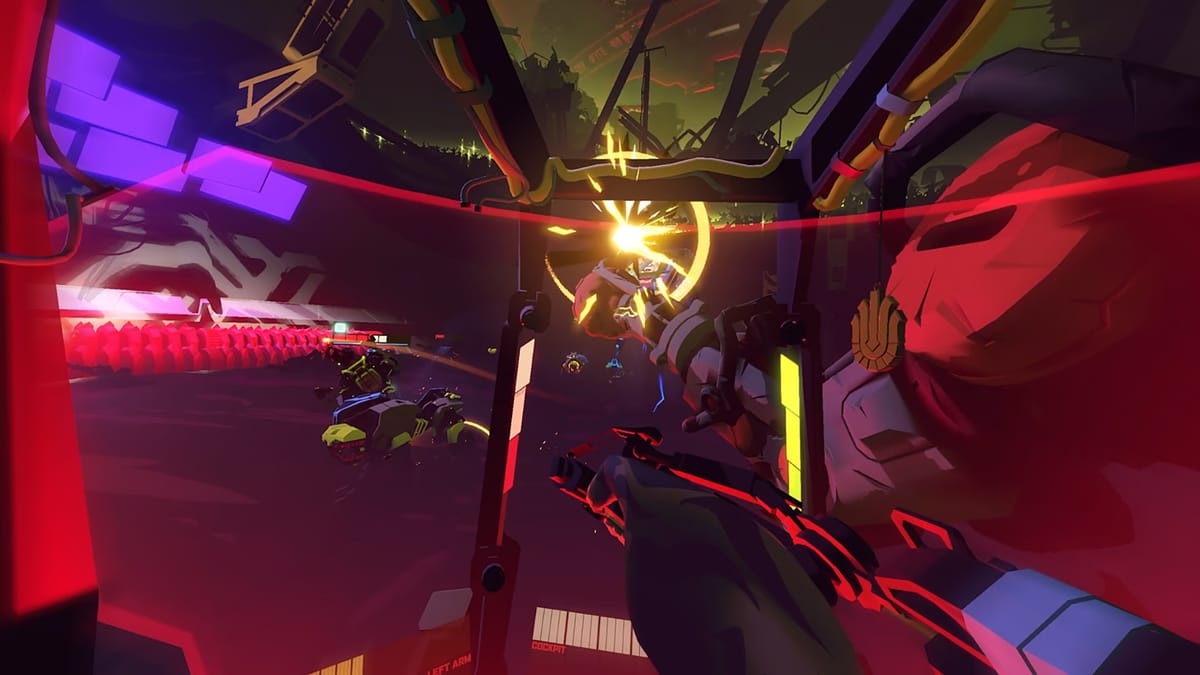
Visually, Street Gods is an interesting study in contrasts. The story of the game is the Norse realms are colliding and merging with Earth (Midgard), so you do battle in city streets with otherworldly vines and giant crystals protruding from them. It looks quite nice, but after the umpteenth time in the same map, even with switching things up with different times of day & weather, it gets old pretty quickly. Most of the maps are quite colorful, except for the snow-covered areas. These are blindingly washed out, so much so that I had to turn down the brightness on my Quest.
0:00
/0:18
Acquiring a new blessing in Street Gods - Captured by UploadVR on Meta Quest 3
Occasionally, between levels, you'll travel to a hub between realms to get some exposition from your talking hammer and a rock with paper drawn eyes and a crown representing Loki. This hub area is the nicest looking part of the game by far. You can also damage the vehicles and dumpsters in each level, but like the enemies, the damage just sort of happens. If you are old enough to recall destroying the car in Street Fighter II, same idea here. Frame A, perfectly fine. Frame B, destroyed. With no animation or motion between the two, other than a plume of fire for vehicles.
As stated earlier, the common enemies look ripped straight from a Drop Dead game, with gangly looking movements and a comic book-esque word pop-up when getting hit, but in motion, they don't look great. If they are far away from you, they visibly move at a lower framerate and this frame drop repeats when you knock them far away. Once you see it, you can't unsee it. Graphically, Street Gods is a mixed bag.
The world of Street Gods doesn't take itself too seriously, choosing to lean on the (hopefully) fun combat and powers to keep the player engaged. The exchanges in the hub area are mostly played for laughs, with the voice actors delivering their lines like the straight man in a goofball comedy. Some of it lands, but most of it doesn't. Val and Thor also quip endlessly during combat, with some of their lines clumsily stacking over each other, and after 2 or 3 runs, I had heard them all and was begging for a mute button. Same with the music, which felt very run-of-the-mill and on a short loop. There is a story here, with hints at Val's backstory and questions as to how and why Thor is imprisoned in his own weapon, but the dialogue and the characters are so ho-hum that it's difficult to get invested.
Comfort
Street Gods uses artificial stick-based movement with no option for teleport movement. Players can choose between snap and smooth turning with speed settings for each, a sitting mode with a height adjustment, and a motion vignette while moving.
Mjölnir, your primary weapon in the game, defaults to your right hand. This can also be changed to your left hand in the settings menu.
Finally, when I was approaching my first boss fight, I entered the portal and the game crashed after 3 minutes of black screen with music playing. When I reloaded, it just dropped me back into more waves, this time in a new element type (snow) that I hadn't seen yet. I had to let myself die and delete my save data to in essence restart the game to get back to the boss fight, which thankfully loaded on the second attempt. Performance was fine to start, but after that crash, I started to see some stuttering and frame drops when a lot of enemies were onscreen.
Hopefully this can be fixed with patches, but having to restart took me out of the game completely. I put it down for some time before jumping back in.
Street Gods - Final Verdict
If you are an action junkie just here to wreck enemies, there are better roguelites available in VR with more engaging combat than Street Gods. Even as a power fantasy, the lack of weapon variety, uninspired enemies, repetitive locations, and power-ups make Street Gods a struggle to hold your attention for long.
UploadVR uses a 5-Star rating system for our game reviews – you can read a breakdown of each star rating in our review guidelines.
Want the best Meta Quest 3 and 3S games? Here are our top 25 picks available now.
Before we begin, it's worth noting that our best Quest 2 games list and best Quest 3 games list are maintained separately. There's some natural crossover, of course, but with a few key differences. On Quest 3 and 3S, our recommendations will also consider upgraded visuals, mixed reality experiences, better performance, and newer releases that shine on this VR headset.
We'll continue to update our other list while the headset remains supported, though both Quest 2 and Quest Pro are discontinued. Still, we want our Quest 2 recommendations to provide insight into the best VR games for that generation as more upcoming VR games arrive. That's why we've tried to approach our Quest 3 list with a fresh perspective: we want it to feel like a good representation of games that play best on this generation of standalone VR. Some of the more recent Quest 3/3S games aren't available on the older headset, either.
In the past, we've taken a ranked approach to choosing our top 25 Quest 3 and 3S games, but we've now adopted a different strategy with an unranked list. That's because some games simply aren't comparable in a meaningful sense, so we've now listed our recommendations without a score and in alphabetical order. This list also aims to offer variety across different genres, ensuring there's something for everyone.
Honorable Mentions
We have to draw a line somewhere with these lists, but if you're after even more recommendations, fear not. While we've also got separate lists for both the best mixed reality games and the best free games on Quest 3/3S, we've got some honorable mentions here too. These are usually games that were either previously included on our list or didn't quite beat out the rest.
We've linked our reviews or other coverage below where possible, and here are a few additional choices worth looking into.
For games previously released on Quest 2, we've often linked our original reviews in our recommendations below. However, where appropriate, we've also linked to footage and articles detailing Quest 3-specific changes, enhancements, and updates that added significant new content since our initial reviews.
Arizona Sunshine 2
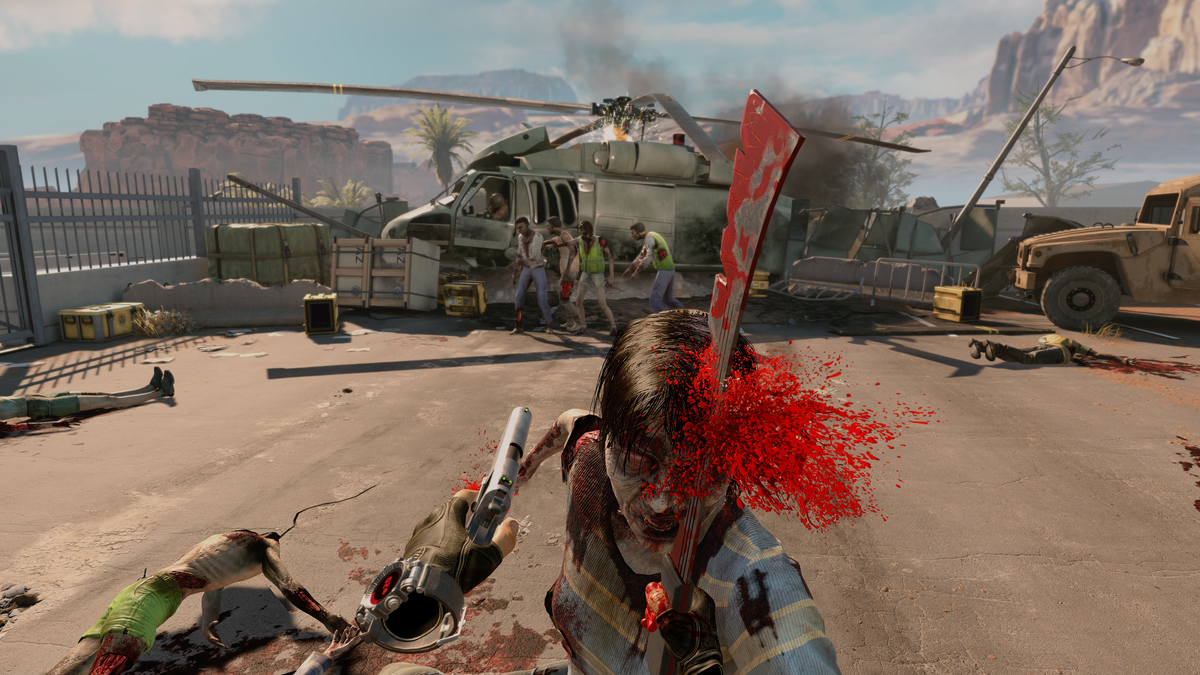
Arizona Sunshine 2 is a fantastic VR campaign featuring pitch-perfect writing, acting, pacing, and outstanding action. It's everything you hope for in a sequel, taking everything that worked in the original and refining it to near perfection. This time, you'll be joined on your adventure by canine companion Buddy, who you'll use for crowd control during intense action sequences and develop a relationship with across the course of the campaign.
This follow-up to one of VR's seminal early hits reanimates the zombie genre and brings with it some of the most engaging and accessible arcade violence we've seen in VR. Plus, the entire campaign is playable in two-player co-op, just like the first game. Whether you're looking to dismember some zombies alone or with friends, Arizona Sunshine 2 is a great pick. And when you're finished, we recommend checking out Arizona Sunshine Remake too.
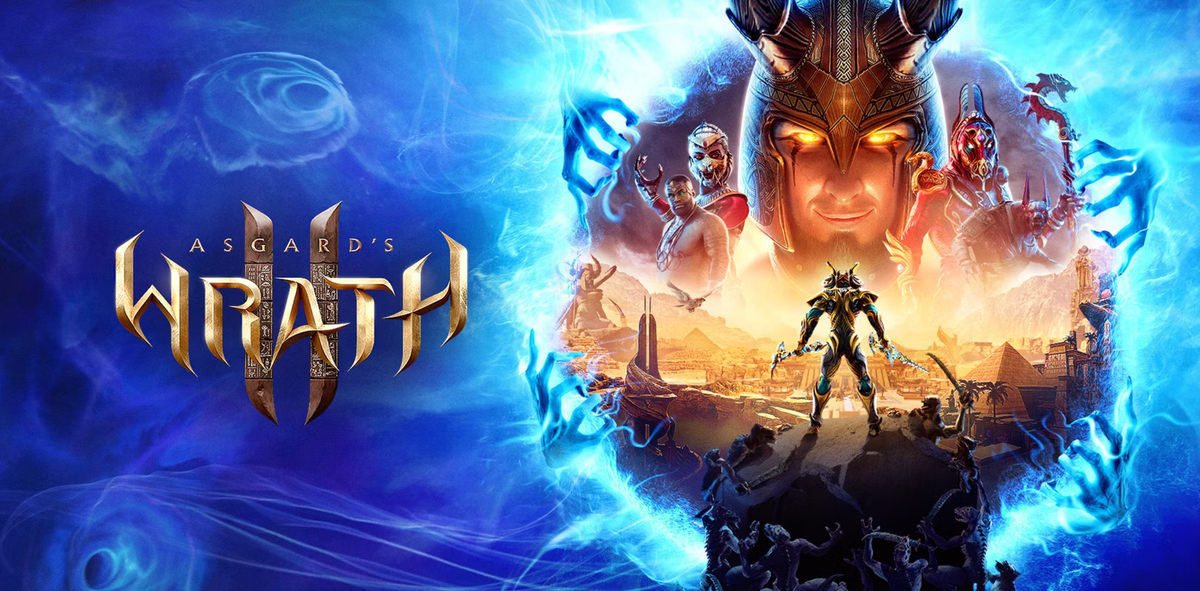
Asgard's Wrath 2 offers impressive scale on an uncharted level previously unseen on Quest headsets. It features many incredible moments of bespoke gameplay, expert cinematic direction, and sequences of god-like proportions. However, it also wraps its best moments around an open world that can feel fairly unsatisfying to explore and an RPG structure that sometimes feels as though it gets in the way of the main campaign.
There were very few Quest 3-specific upgrades initially, featuring textures, lighting and an overall graphics presentation aimed at Quest 2. However, it's since received an enhanced graphics mode on Quest 3 and various limited time events. This game isn't a tight linear experience – there's more of those below – but if you're looking for an expansive, near-overwhelming RPG to dig into, then Asgard's Wrath 2 is the best offering on Quest 3.
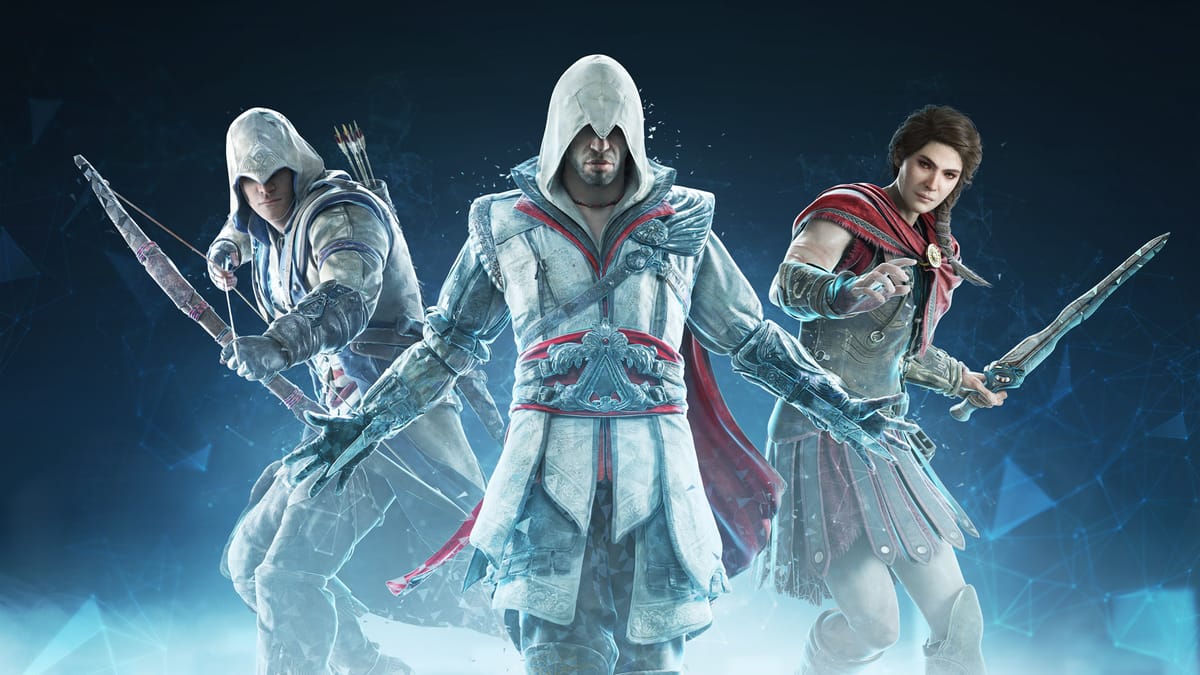
There was a lot of understandable doubt about whether the Assassin's Creed franchise could survive the transition to VR and come out better on the other end. However, Assassin's Creed Nexus proves that the series can absolutely work in VR and manages to stand proud with the main series.
It presents players with a 20-hour campaign that leaves them wanting more, demonstrating what a full VR entry can do for a big franchise. Adapting the series' stealth, parkour, and combat into a new immersive format works wonders - Nexus is the most fun we've had with the Assassin's Creed franchise yet.
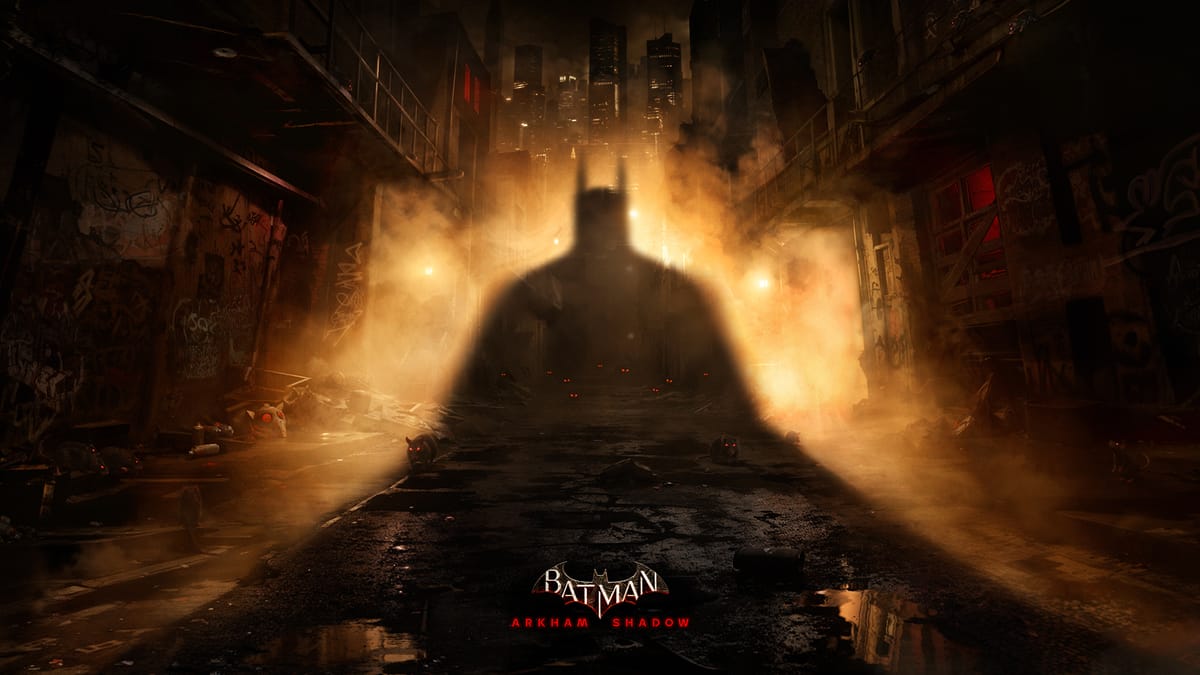
Batman: Arkham Shadow brought the series back to VR with a brilliant return for The Dark Knight, becoming UploadVR's Game of the Year for 2024. Set between Arkham Origins and Arkham Asylum, we find Gotham City besieged by the mysterious Rat King. What follows is a compelling tale that remains faithful to the flatscreen games while innovating in its own way through VR-specific design and satisfying combat.
While Camouflaj has moved on to its next project - which appears to be a sequel, according to Commissioner Gordon's voice actor - Batman: Arkham Shadow received numerous post-launch updates that's only enhanced the experience further. That includes a New Game+ mode with a brand new post-credits scene and additional challenge missions, and the last major update went even further with an Extreme difficulty setting.
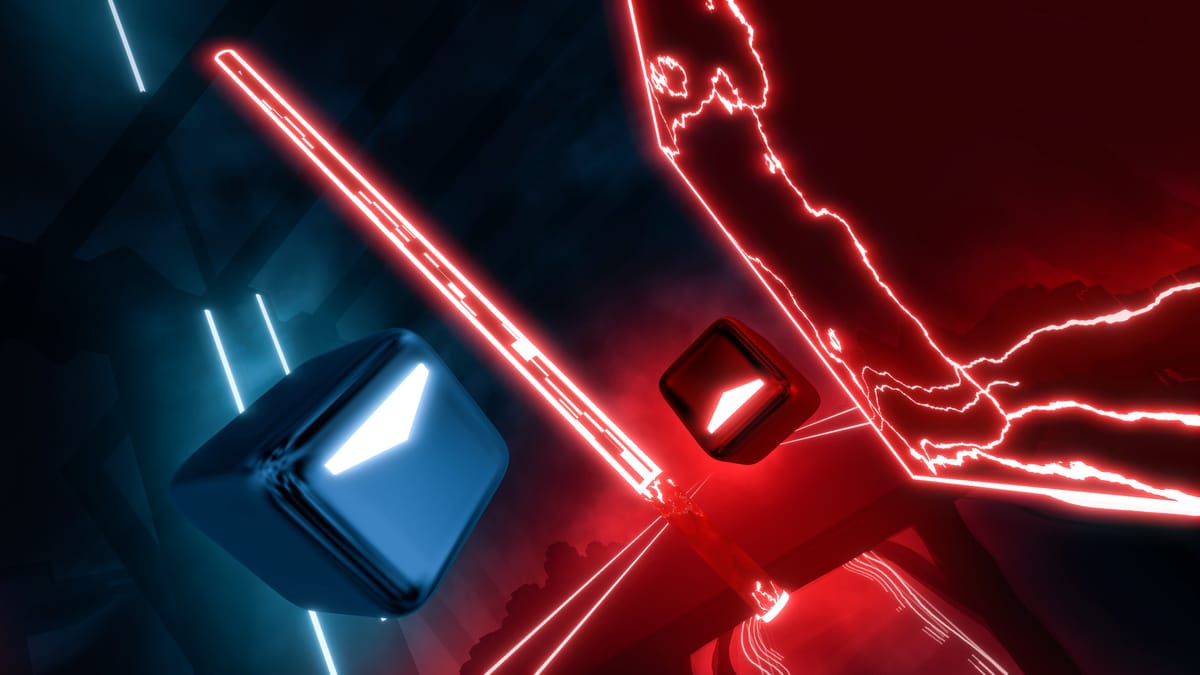
For the longest time, Beat Saber has been VR's poster child and one of its earliest (and continuing) successes. It's always been a natural fit on Quest, where you'll slash notes to the beat of the music, dodge obstacles and try to master a truly spectacular selection of first-class music tracks. It's an empowering, energetic and addictive VR game.
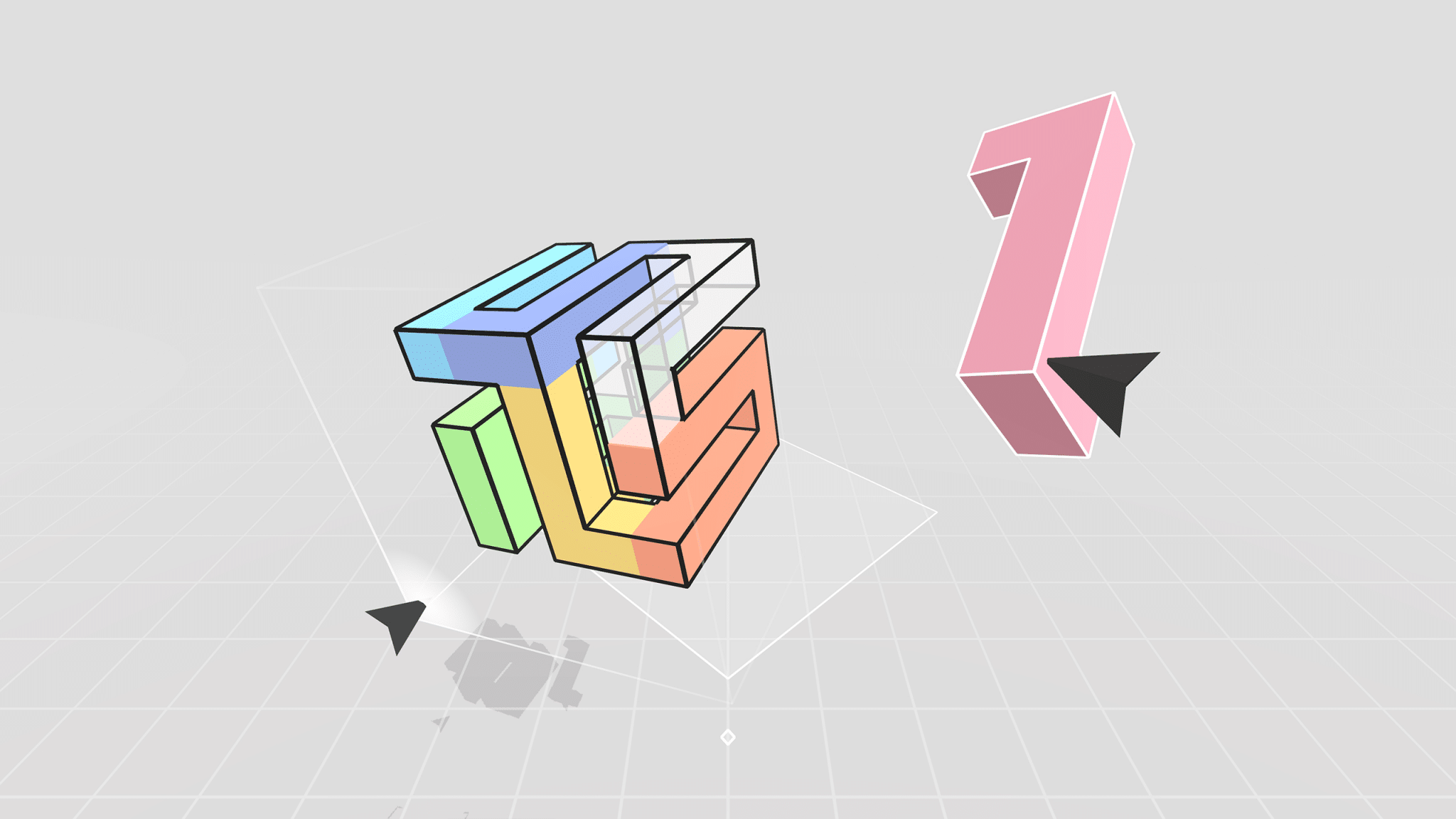
Cubism is an understated but absolutely stunning VR puzzle game – and one that's deceptively simple. Each level features a 3D wireframe shape into which you have to fit different Tetris-like block pieces. The puzzles get harder and the pieces more complex – it’s a slow and measured puzzle experience. While it may not be as flashy as some titles on this list, Cubism is an experience that is perfectly designed for the current capabilities of Quest hardware.
The minimalist design, reserved sousoundtrack,d its simple nature all come together to create a fantastic and polished end product. It's also regularly updated to support the latest cutting-edge VR features – post-launch updates include mixed reality support, hand tracking, and 120Hz. It's one of the best mixed reality experiences on Quest 3 right now; MR support is a game-changer for Cubism on Quest 3.
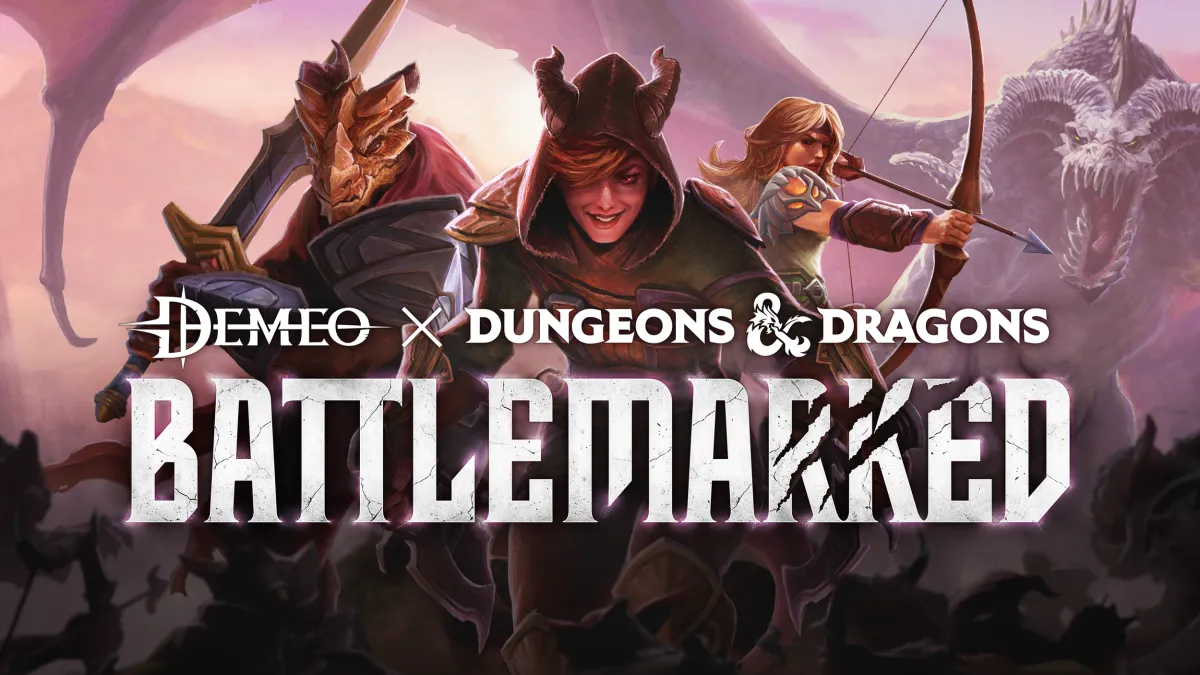
For the longest time, Demeo basically held a permanent spot on this list. We considered Resolution Games' 2021 tabletop game to be a genuine hit, delivering a first-rate four-player multiplayer VR experience that few games – flatscreen or VR – have ever really matched. Demeo Battles doesn't quite scratch the same itch as a PvP spin-off, though Demeo x Dungeons & Dragons: Battlemarked surpassed the original in style.
While Battlemarked doesn't use a Dungeon Master (DM) system, what's here is an incredibly natural crossover with Wizards of the Coast's successful tabletop RPG. It evolves on the original Demeo's formula well, letting you and a group of friends traverse dungeons with more narrative-driven campaigns. Combined with controller-free hand tracking and colocation for local multiplayer, it's a must have co-op experience.
If you're looking for a fantasy action RPG that you can play with a group of friends, Dungeons of Eternity is the obvious pick. This first-person immersive experience feels significantly polished across all Quest headsets, allowing you and your friends to explore various hack-n-slash combat options while clearing rooms in true “dungeon crawler” style.
Dungeons of Eternity caters to many styles of play, pairing a rewarding progression system with endless randomly generated dungeons. There's a good reason why we named it our Best New Multiplayer VR Game for 2023, and further updates are planned in its post-launch roadmap. For an immersive first-person dungeon crawler, there's no better pick on Quest 3.
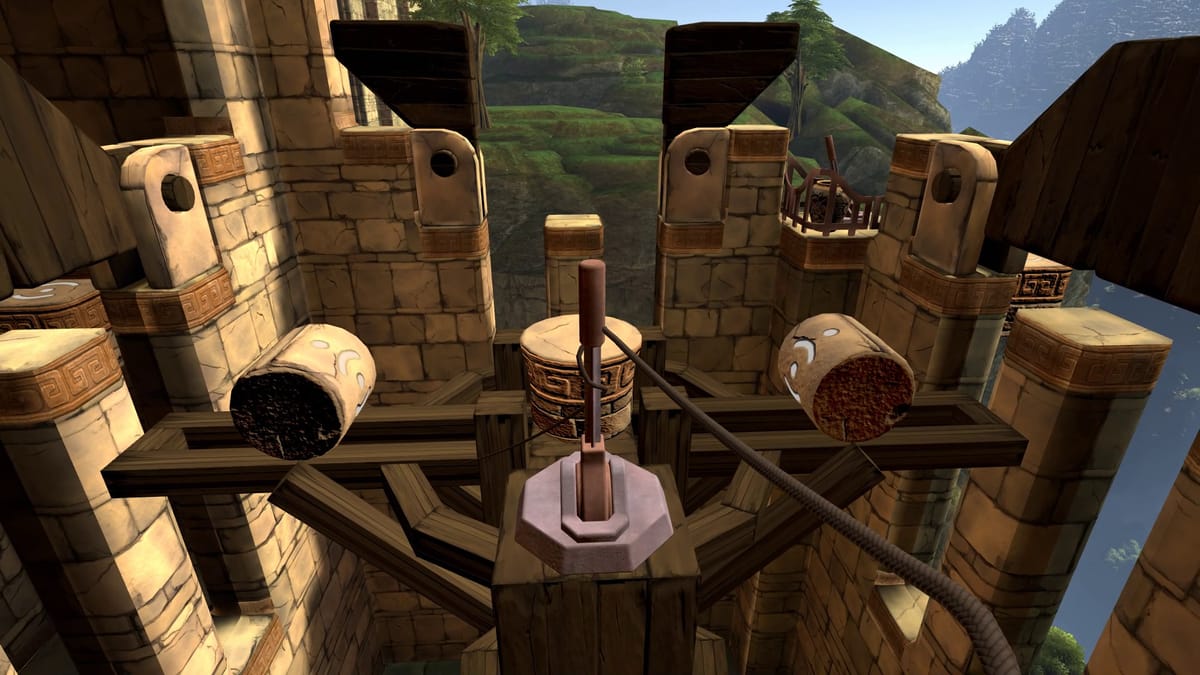
Eye of the Temple is one of the best examples of a game designed from the ground up for VR, and a triumphant room-scale platformer on Quest. In this Indiana Jones-inspired adventure, you'll begin outside a large temple with a whip in one hand and a torch in the other. Work your way deeper into the temple by completing puzzles and navigating platforming obstacles along the way. Thanks to its Quest 3 upgrade, it looks even better on the new headset.
The genius part of Eye of the Temple is that the room-scale approach means almost all movement is real around your play space. Some clever design tricks ensure you never have to worry about walking out of your play space or into your guardian (which also makes it a great experience for those who are starting out with VR). Be warned, though: you'll need a decent amount of space - Eye of the Temple requires a minimum play area of 2m×2m.
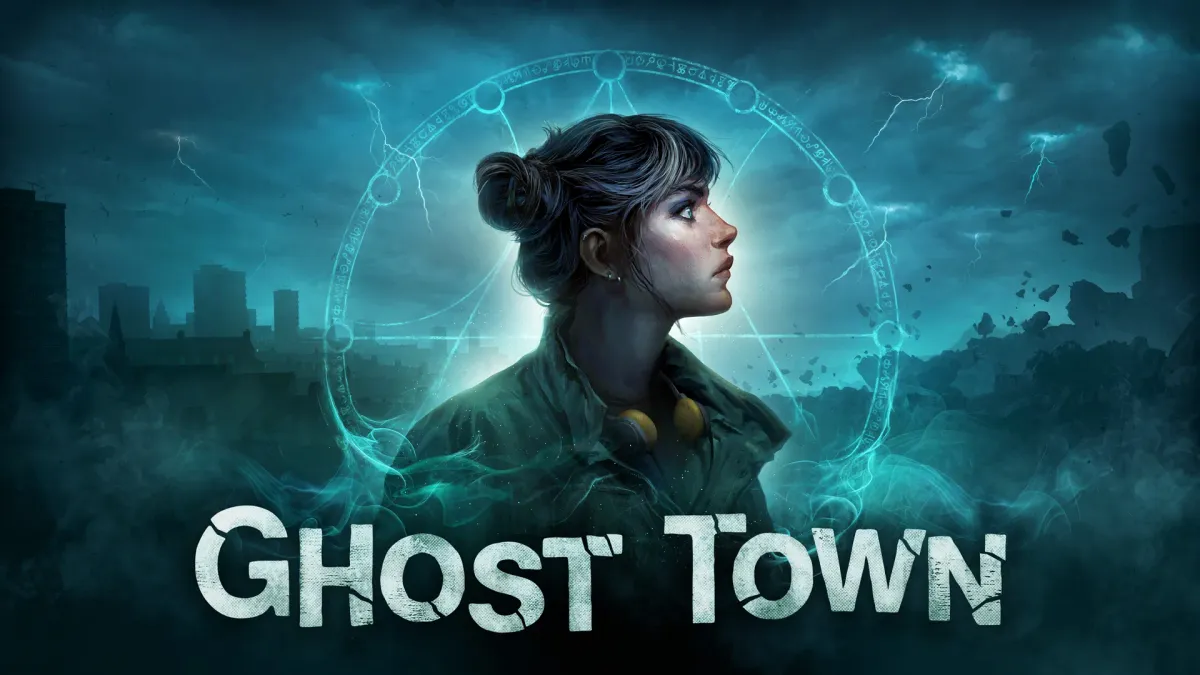
Ghost Town is one of our favorite new VR games so far in 2025, and it's a strong return for Fireproof Games following The Room VR: A Dark Matter. Set in the '80s, this story focuses on a witch turned ghost hunter and exorcist called Edith Penrose, who now heads up a paranormal detective agency with her flatmate across London.
It's a brilliant supernatural puzzler that delivers a thoroughly compelling mystery, fantastic visuals on Quest 3, and intuitive puzzles that never feel too difficult or too easy. Our only complaint is that we wished it lasted longer, but don't let that deter you. If you're a fan of narrative-driven adventures, we highly recommend checking out Ghost Town.
GOLF+ is one of the oldest hits on the Quest platform, and it continues growing. Playable solo or in online multiplayer, the base game includes three courses, while DLC courses are available as individual purchases or through a subscription pass. On Quest 3, that's even better thanks to visual upgrades around the headset's launch.
It's an impressive experience that still delivers regular post-launch updates, and developer GolfScope revamped the visuals for its original full course back in February, followed by adding new Meta Avatars with legs in April. If you're after a more relaxed VR sports game with friends, GOLF+ is a great choice.
Hotel Infinity is one of the best examples you'll currently find for a true roomscale VR experience. Originally startingas an attempt to adapt Studio Chyr's previous game to VR, Manifold Garden, this adventure puzzle game employs similar techniques seen in Tea For God to make its physically 2×2 meter space feel much larger than it is.
While you can use artificial stick-based locomotion on your controllers to move, we highly suggest you find the space if possible to physically walk around. It's not the longest game and some puzzles can feel relatively straightforward across this five chapter journey, yet Hotel Infinity shines in its execution.
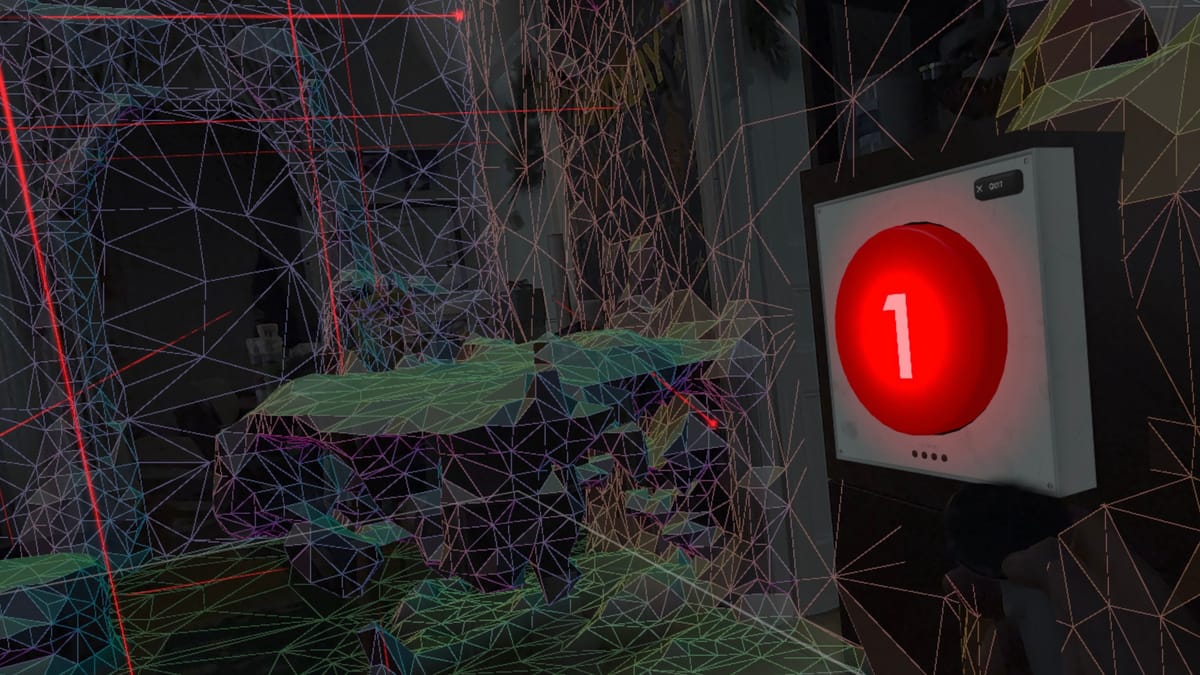
Laser Dance is the second appearance for a Thomas Van Bouwel (Cubism) title on this list. Supporting dynamic occlusion and Inside Out Body Tracking, we called it "the first essential mixed reality game" in our early access review. Once you've scanned your room, you're then tasked with dodging different types of lasers as you clear the room.
If you're looking to show off what mixed reality gaming can do, Laser Dance is one of the best introductions with its instantly relatable premise. Further updates are planned during its early access period, with promised upcoming additions including an additional laser type, more challenges, and music. We'll be back on the scene when it enters full release.
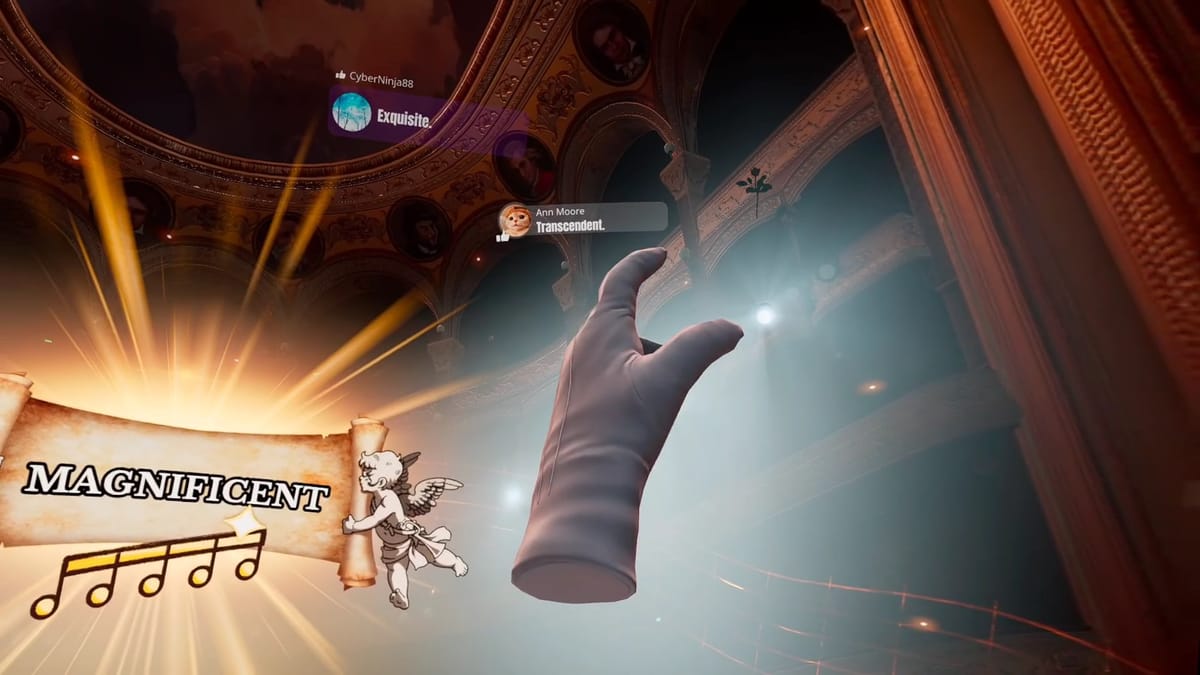
Created by Double Jack and Wild Sheep Studio, Maestro orchestrated a hit last year on Quest with its bold and innovative hand tracking gameplay. A distinctive rhythm game that focuses on classical music, we would've liked some further variety in the base game but found an exciting title filled with style. Since launch, it's received four major paid DLC packs with additional tracks, too.
The five song 'Doom Bound' pack included music from both Game of Thrones and Lord of the Rings, while the 'Secret Sorcery' pack included a musical score from Disney's Fantasia. Most recent was 'All Aboard!' with two Pirates of the Caribbean songs, while “La Crème de la Crème” added five free classical songs. Hopefully we'll see more on the way soon.
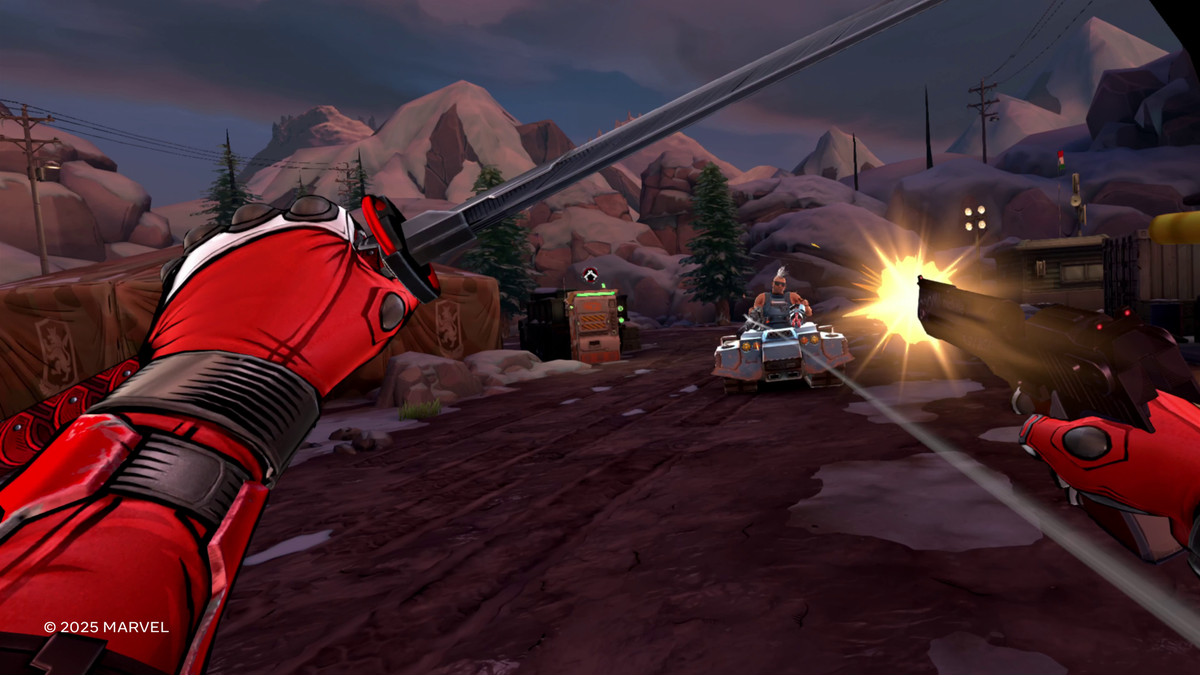
Meta's big first-party title for 2025, Twisted Pixel Games returned to bring us a new VR superhero game with Marvel's Deadpool VR. Playing as the infamous fourth-wall-breaking Merc with a Mouth, Deadpool finds himself kidnapped by an intergalactic producer called Mojo. Soon enough, we're forced into a carnage-filled reality TV show as we go on a campaign to hunt down various Marvel villains.
We believed this action romp "absolutely nails the look, feel, and humor of the titular character’s comic-book world" in our review, giving further praise for its comic book-inspired visuals and voice acting. Though we had a few gripes with its combat and performance, the high points in Marvel's Deadpool VR ultimately deliver a perfectly enjoyable adventure in shorter bursts that's worth your time.
Developed by Vertigo Games, Metro Awakening is an origin story based on the post-apocalyptic series by Dmitry Glukhovsky that takes place five years before Metro 2033. It's an impressive first-person shooter packed with impressive atmospheric immersion, all while delivering a strong narrative that grapples with difficult themes of grief and mental health.
Though our review noted some issues with repetition and sometimes clumsy reloading, combat generally feels satisfying. The enemy AI can offer a considerable challenge as you weigh up being stealthy or going in guns blazing. It's worth a look, and Awakening on Quest also supports cross-buy with Rift, providing you with a PC VR edition too as an added bonus.
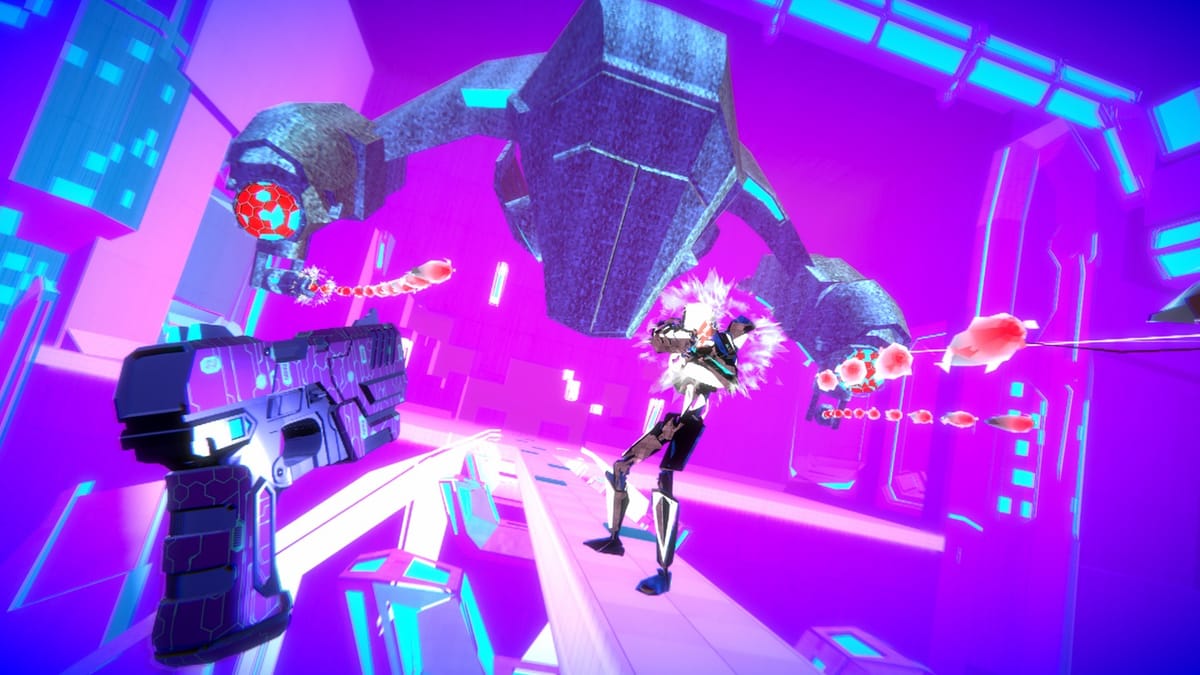
Continual updates and new content have cemented Pistol Whip as one of the best, most stylish arcade rhythm VR games around. Its sarpshooting, sharp-sounding, beat-based gameplay proves even more hypnotic than Beat Saber, and in our 2023 review update, we proclaimed Pistol Whip is better than ever. In this neon-lit shooter, you stream down corridors, blasting bad guys to grizzly tunes, avoiding incoming fire, and trying to rack up the best scores by firing on the beat.
Whereas Beat Saber wants to make you a dancing Jedi master, Pistol Whip aims to teach you John Wick-esque gun-fu with style, elegantly fusing the rhythmic and cinematic elements together into a pulsating, vibrant monster of its own. Since its launch, Cloudhead Games has continually supported Pistol Whip with more content, new features, and extra tracks, making it one of the most entertaining and comprehensive arcade titles available on Quest.
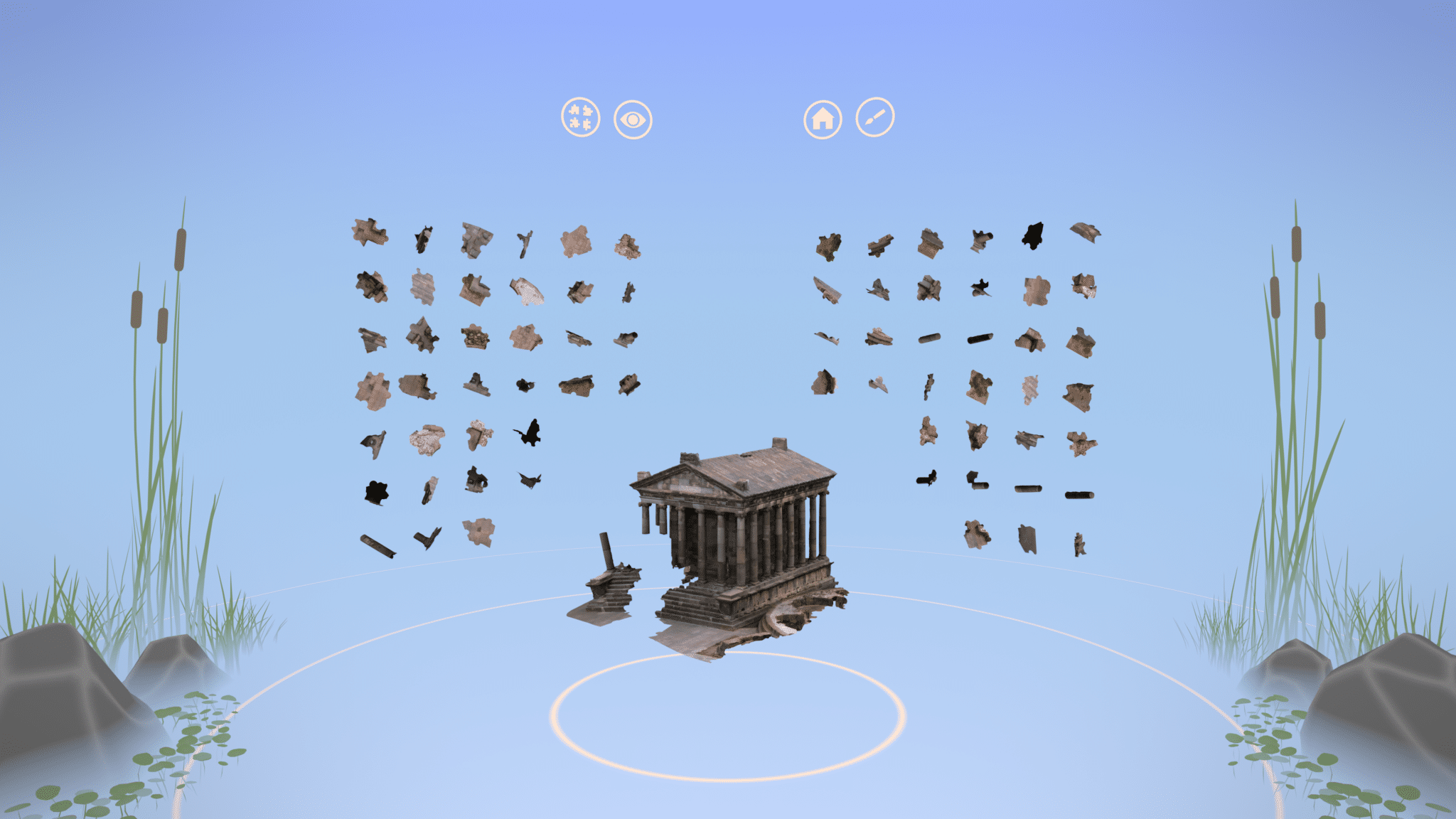
Puzzling Places has been one of our favorite indie experiences available on Quest for a while now, but it plays better than ever on Quest 3. The game uses photogrammetry data to present you with 3D puzzles based on real places. Split into pieces, you can group sections of the puzzle and reference tiles around your environment as you piece the 3D model back together, often accompanied by thematic ambient recordings and sound effects.
On Quest 3, you're able to play Puzzling Places in mixed reality, which brings all the game's elements into your real environment. Not only does it make for a natural and comfortable extension of the experience, but it's just an obvious and solid evolution of an already fantastic concept. Realities.io continues releasing monthly packs and it continues feeling fresh thanks to regular updates.
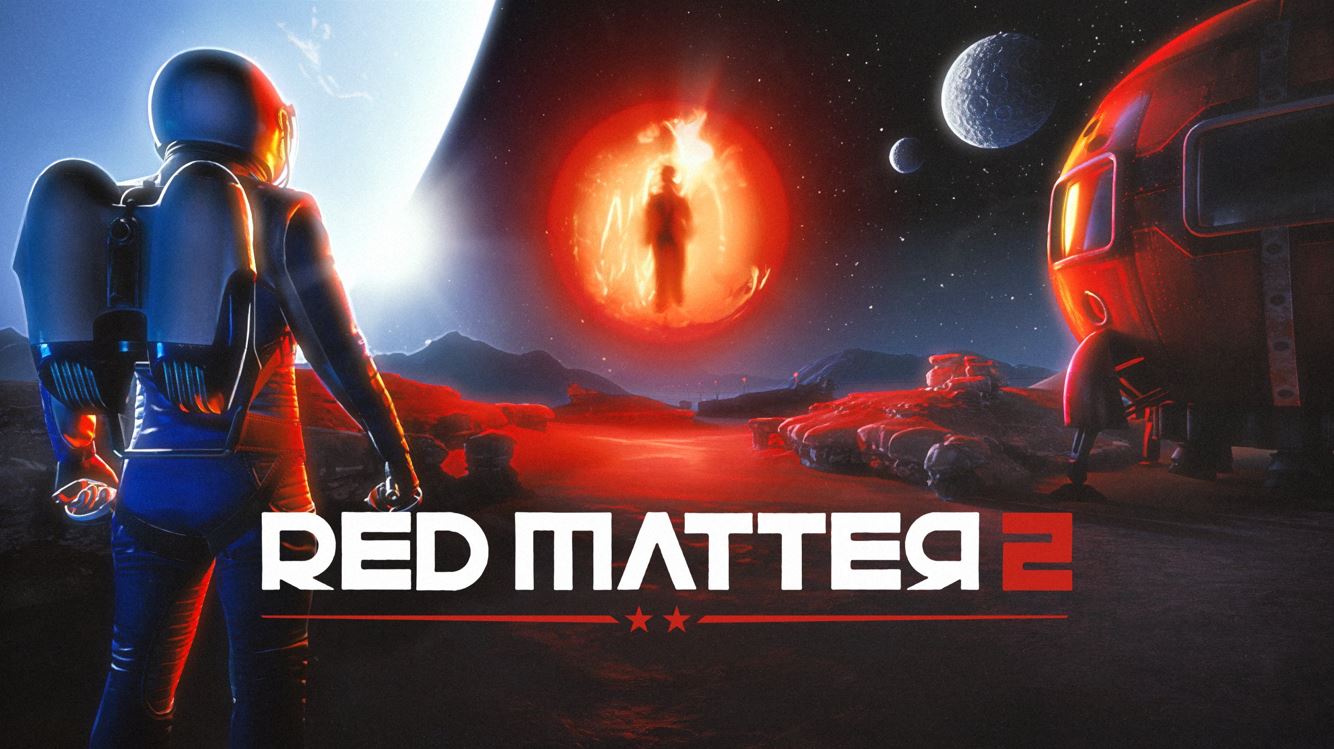
When it released on Quest 2, Red Matter 2 was one of the most impressive visual showcases available on the headset. Thanks to the developers at Vertical Robot, it now looks even better. The Quest 3 update brings “console-quality” enhancements to the sci-fi adventure with increased rendering resolution, 4K textures, dynamic shadows, and much more. It's a stunning achievement for what was already one of the most visually impressive standalone VR releases.
The gameplay itself is fairly slow- paced, focused on environmental puzzles and occasional combat. It doesn't always land, though. Some puzzles begin to frustrate, especially toward the end, but the beautiful sci-fi vistas and detailed environments often smooth over frustrations caused by occasional gameplay hiccups. It's a great follow-up to Red Matter that's worth looking into.
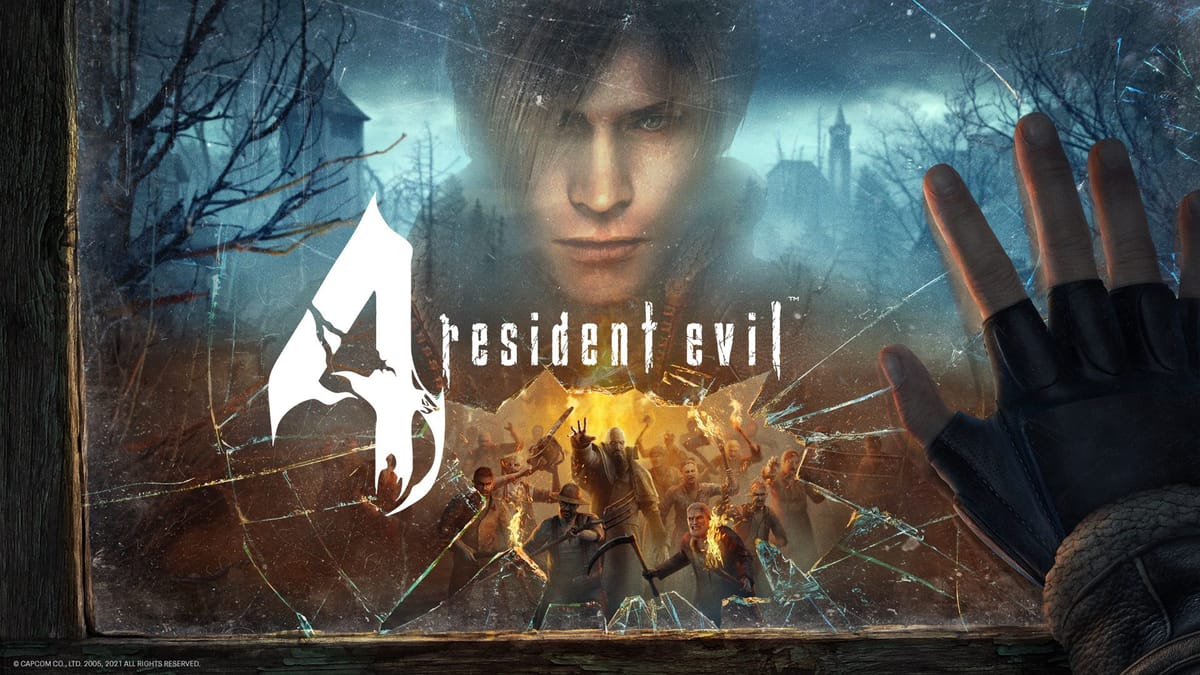
We had doubts that bringing a classic flatscreen title like Resident Evil 4 to VR would work. However, it not only survived the transition, but ended up becoming one of the best games available on the Quest platform. This is the full campaign ported into immersive first-person VR with motion control support, which was later followed up with 'The Mercenaries' mode.
There are some elements, like the use of virtual cutscenes, that are less than ideal, but the overall gameplay experience more than makes up for it. For anyone with a PlayStation VR2 headset, we also recommend taking a look at Resident Evil 4 Remake's VR Mode. Even still, fighting off hordes of enemies as Leon Kennedy is a thrilling experience on Quest, and it's a wonderful way to revisit a classic.
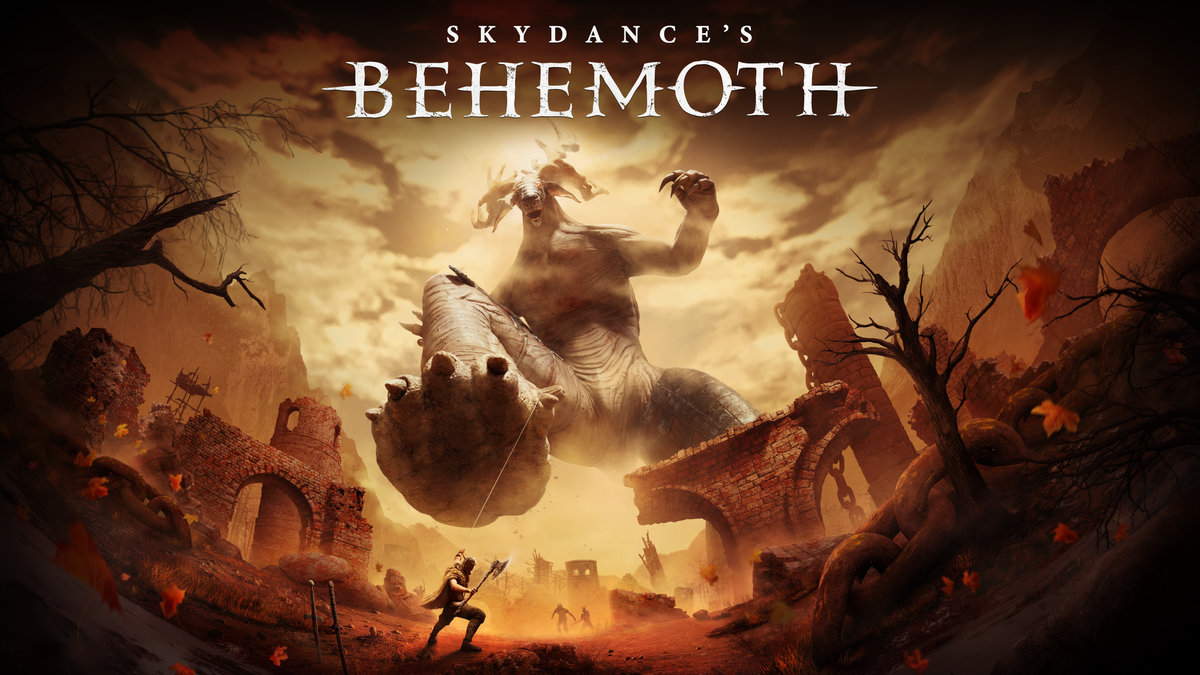
After its work on The Walking Dead: Saints and Sinners, Skydance Games followed this up with an original action RPG, Skydance's Behemoth. Inspired by Shadow of the Colossus, this giant killing adventure sees you exploring the Forsaken Lands. Behemoth is ultimately at its best when facing the terrifying foes, and this delivers some truly awe-inspiring moments.
While we won't deny that Skydance's Behemoth had a rough start - we noted a few issues in our review - things have begun turning around following a slew of post-launch updates. Alongside extensive bug fixes across the first two patches and combat adjustments, it's also added New Game+, plus a boss rush mode and Arena Mode revamp.
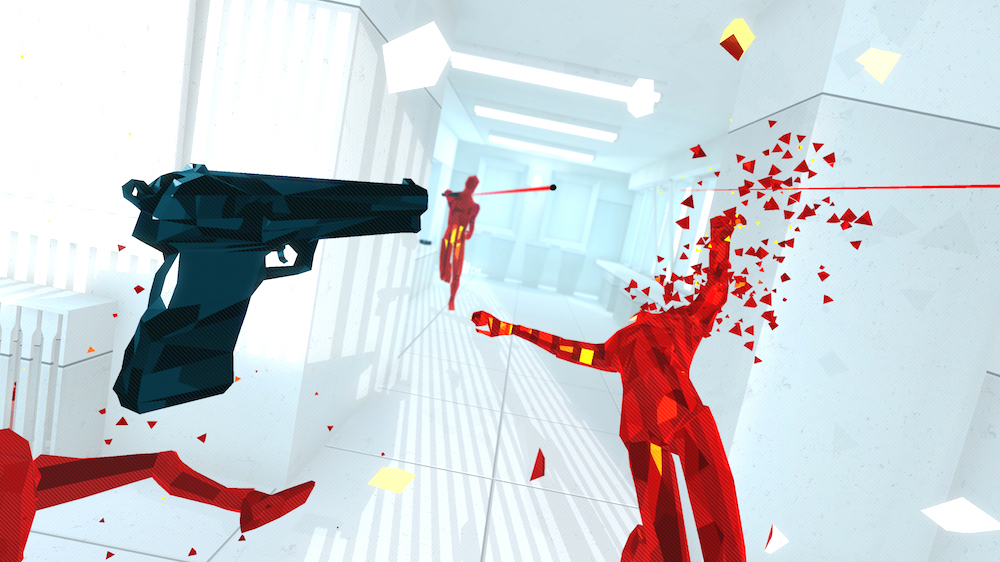
Superhot VR is one of the oldest games on this list. However, it's still one of the best examples of how VR can enable entirely new gaming experiences. Originally adapted from a flatscreen game, time only moves when you do in this cinematic shooter. Stay still and everything around you will remain frozen too. The second you move your body, everything jolts back to life.
It features an accessible design and a slickness that's rare to find in VR. From last-minute gun grabs to well-placed knife throws, there's so much satisfaction in working through Superhot's levels. Further updates like an experimental 120FPS mode later followed, too. Even in 2025, Superhot VR remains an essential introductory experience worth trying.
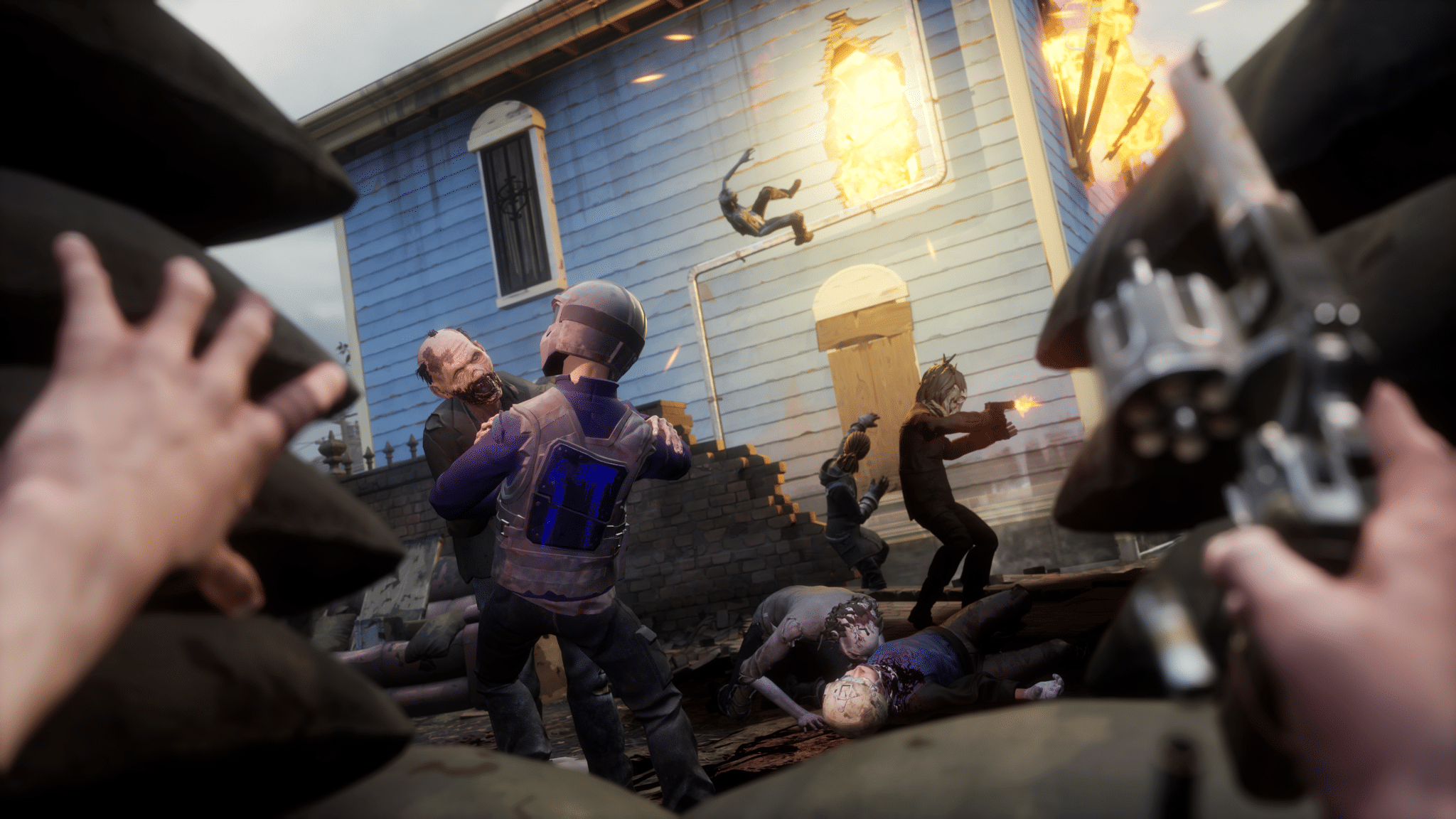
There is no denying that The Walking Dead: Saints & Sinners is one of the best campaigns available on the Quest system – it's been that way since it first released on Quest a few years back. With the Quest 3 update now available - an upgrade that hasn't yet happened for the sequel, Chapter 2: Retribution - it's never looked better on standalone VR.
After a much-anticipated wait, the Quest 3 update adds dynamic shadows, expanded draw distance, greater environmental detail, additional zombies in open areas, and more. Even before this update, Saints & Sinners set the bar for VR zombie games with fantastic physics-based combat and a meaty campaign set across the remains of New Orleans.
One Hamsa's VR mech brawler roguelike made a big impact last year, earning our Best PC VR Game of 2024 award. UNDERDOGS is a physics-based brawler that uses arm-based locomotion and a comic book-style presentation. In our review, we found this 22nd century underground roguelike fighter quickly set a new benchmark for VR arena combat.
Between its stylish visuals, grimy soundscape and unique character, UNDERDOGS feels fresh and exciting. Numerous post-launch updates have taken this further, such as 'Sandboxxer' with its level editor while the more recent 'Rampage' mode added an endless endurance mode. More updates are planned still, and a multiplayer mode is also on the way.
Mini golf is actually something that could and should work quite well in VR. Walkabout Mini Golf is all the proof you need; it's an accurate representation of the game that goes beyond what's possible in real life while also remaining authentic throughout.
This ticks all the boxes. Plenty of courses, extensive multiplayer support, different themes for each level and, above all, pinpoint physics that are arguably better than the real thing because there are none of the small snags you'd find on the surface of physical courses. Plus, the game receives ongoing support from developers Mighty Coconut, with regular free and paid DLC courses added over time.
Update 12/18/2025 - Removed Demeo, Among Us 3D, Little Cities, Population One. Added Hotel Infinity, Demeo x Dungeons & Dragons: Battlemarked, Marvel's Deadpool VR.
Update 5/12/2025 - Removed Unplugged, Samba De Amigo, A Fisherman's Tale, Outta Hand, VTM Justice, and Demeo Battles. Added Metro Awakening, Ghost Town, Underdogs, Skydance’s Behemoth, Golf+, Batman: Arkham Shadow and Maestro.
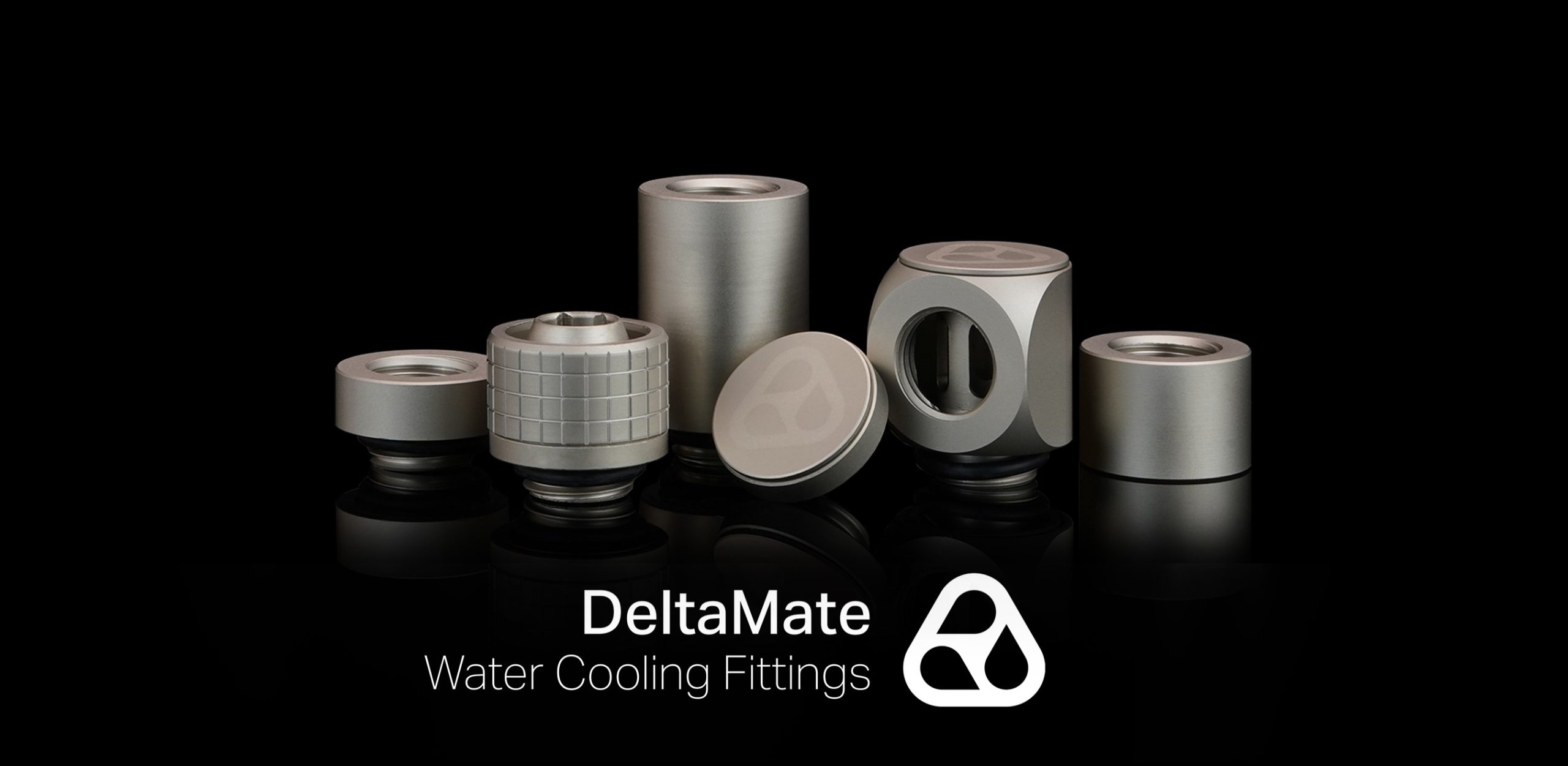
Thermal Grizzly has been rolling out a wide range of products for those building custom liquid cooling loops. This week, a new range of fittings arrives in the DeltaMate line-up, including new options for matt nickel finish, new rotary fittings, extenders and more.
DeltaMate fittings are precision-engineered from CNC-machined brass and sealed with durable EPDM O-rings, ensuring reliable performance while delivering standout style.
Below is a breakdown of the full DeltaMate fittings line-up so far:
Water Cooling Tube Fittings-
DeltaMate Fitting – ST16 Black / Matt Nickel
DeltaMate Fitting – HT16 Black / Matt Nickel
Water Cooling Rotary Fittings-
DeltaMate Rotary – 90° Black / Matt Nickel
DeltaMate Rotary – FF90° Black / Matt Nickel
DeltaMate Rotary – T Black / Matt Nickel
Water Cooling Extender Fittings-
DeltaMate Extender – MF7 Black / Matt Nickel
DeltaMate Extender – MF10 Black / Matt Nickel
DeltaMate Extender – MF14 Black / Matt Nickel
DeltaMate Extender – FF14 Black / Matt Nickel
DeltaMate Extender – MF28 Black / Matt Nickel
Water Cooling Accessory Fittings-
DeltaMate Plug – Black / Matt Nickel
The fittings can be modularly combined with one another to easily adapt to almost any tubing layout. They support soft tubes with a 10/16mm diameter and hard tubes with a 16mm outer diameter.
You can find all of Thermal Grizzly's cooling gear HERE.
KitGuru Says: Are you planning on upgrading to a custom liquid-cooling loop? Will you be considering any of Thermal Grizzly's new products?
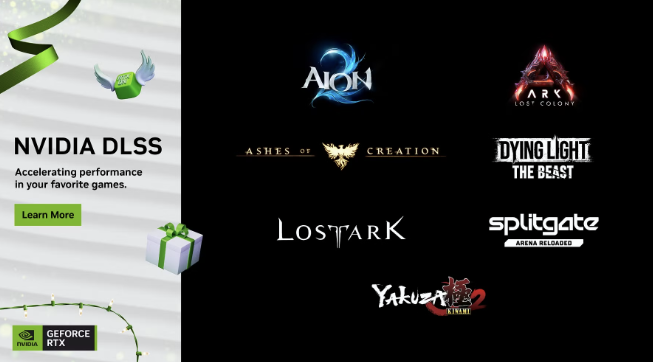
Nvidia has announced the next wave of titles receiving DLSS updates. Games like Ashes of Creation, Splitgate and AION 2 and more are due to support Nvidia's upscaling technology, alongside other RTX features.
ARK: Survival Ascended – Lost Colony, the first major canonical expansion for the remastered survival game, now launches with DLSS 4 and NVIDIA Reflex, giving players smoother performance as they confront the demons of Arat Prime. Ashes of Creation, Intrepid Studios’ ambitious massively multiplayer game, entered Early Access last week with day-one support for DLSS 4 and Reflex.
SPLITGATE: Arena Reloaded, a fast-paced arena shooter blending classic mechanics with portal-based combat, also integrates DLSS 4 to maximise frame rates. SEGA’s Yakuza Kiwami 2 has been updated with DLSS Super Resolution and Frame Generation, enhancing image quality and doubling performance for PC players.
AION2 will add DLSS 4 with Multi Frame Generation in a December 24th update, building on its existing support for DLSS Super Resolution and Reflex. Dying Light: The Beast, a survival horror set in Castor Woods, now features ray-traced lighting, reflections, and shadows alongside DLSS 4 and Reflex. Finally, Lost Ark has expanded its Korean client with DLSS Super Resolution and DLAA, giving players the choice between higher frame rates or improved image quality.
At The Game Awards, trailers for Phantom Blade Zero, Resident Evil Requiem, and PRAGMATA confirmed that RTX technologies will continue to feature prominently in upcoming releases. NVIDIA has also issued a new Game Ready Driver, so if you have a GeForce graphics card, be sure to update to the latest driver for optimisations for all of the games noted here, as well as bug fixes and other improvements.
KitGuru Says: Will you be playing any of this week's new releases?
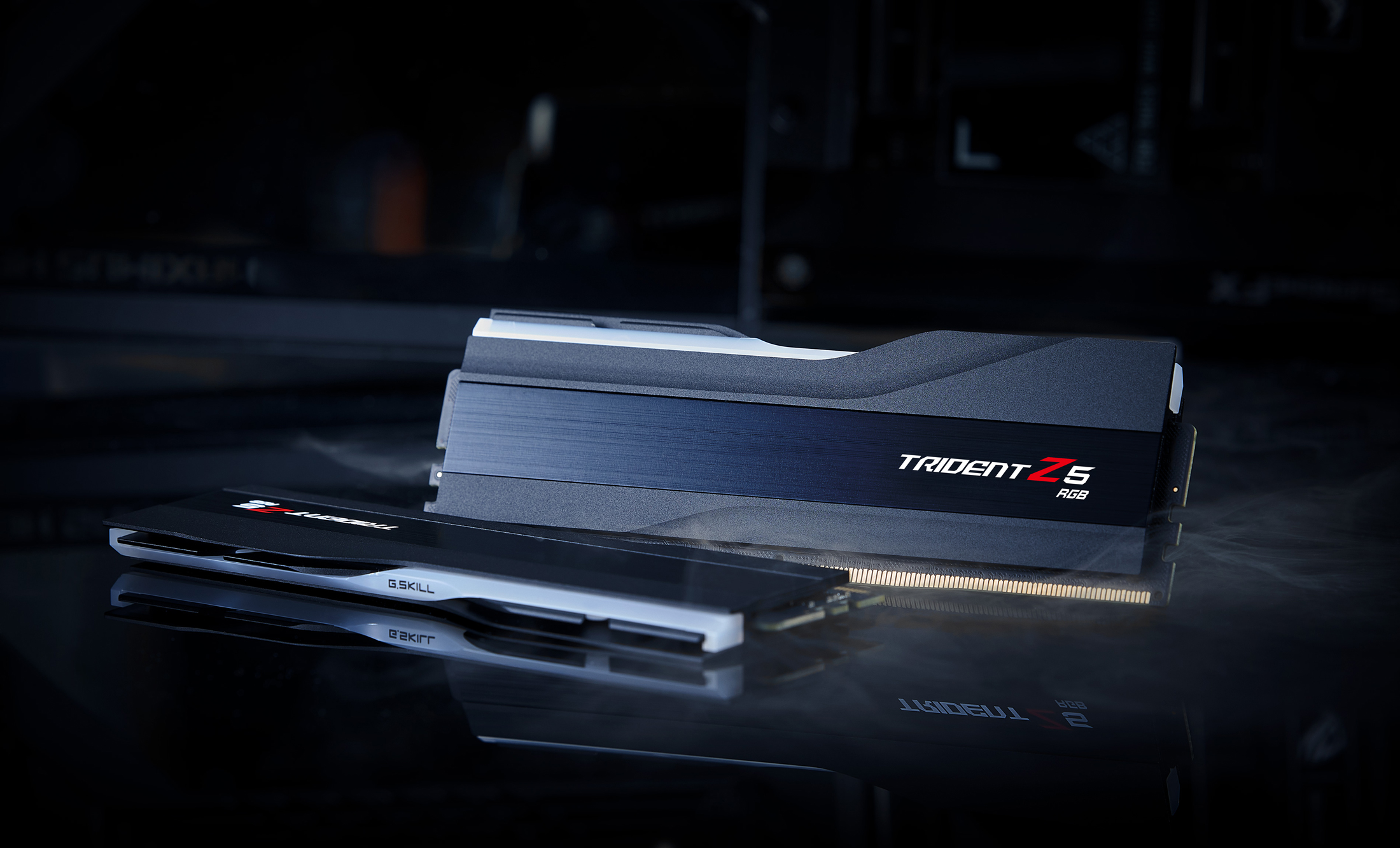
In recent weeks, the prices of memory kits have surged to record heights, effectively ruining any plans consumers may have had for upgrading their machines in the near future. One of the most popular memory makers, G.Skill, has now offered a statement, acknowledging recent price hikes.
Here is G.Skill's statement in full:
“DRAM prices are experiencing significant industry-wide volatility, due to severe global supply constraints and shortages, driven by unprecedented high demand from the AI industry. As a result, G.SKILL procurement and sourcing costs have substantially increased. G.SKILL pricing reflect industry-wide component cost increases from IC suppliers and is subject to change without notice based on market conditions. Purchasers should be mindful of the pricing before purchasing.”
The warning confirms reports that AI companies are behind the shortage, as they are buying up the vast majority of supply on the market. Recently, Micron, one of the biggest memory suppliers in the world, killed off its consumer-facing brand, Crucial, in order to focus all of its efforts on serving enterprise customers. Recent reports indicate that SK Hynix, another one of the world's leading memory suppliers, is expecting shortages to last until at least 2028.
This is likely to have a major impact on the PC market in the coming year, impacting desktops, laptops, and other memory-equipped devices like smartphones and yes, graphics cards too.
KitGuru Says: PC enthusiasts have been through this before during the crypto-mining boom, which made sensibly-priced graphics cards impossible to come by for a long time. Now, rather than crypto-farms, we are contending with massive enterprises all looking to build the most powerful AI systems possible.
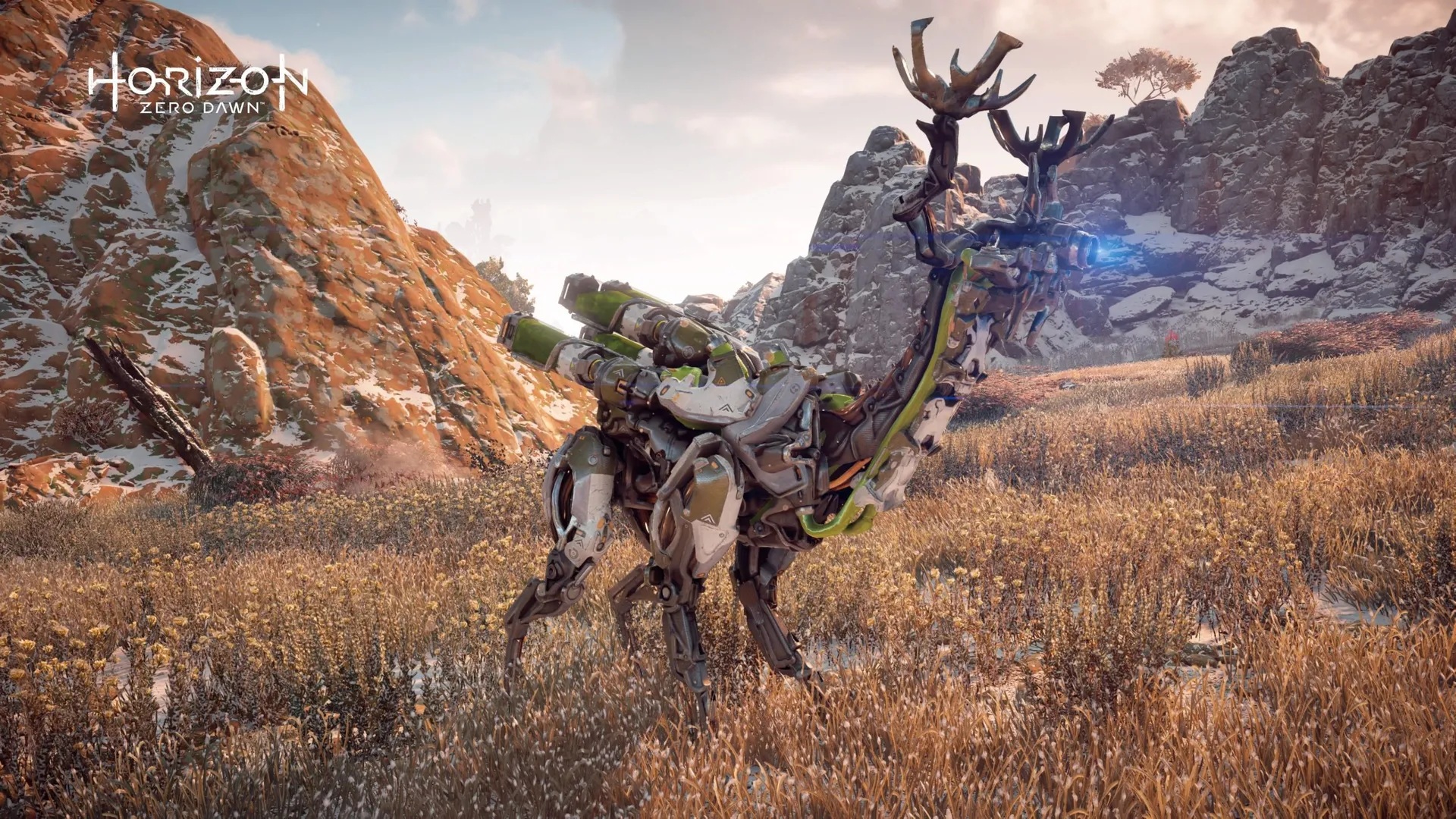
For months, Sony has been pushing ahead with its lawsuit against Tencent, claiming the company's game, Light of Motiram, infringes on its Horizon Zero Dawn IP. Now, the lawsuit has been settled, avoiding the need for a trial, and Light of Motiram has been removed from stores.
As spotted by The Game Post, new court documents reveal that Tencent and Sony have reached a settlement, the terms of which are confidential. However, we can clearly see that the game has disappeared from platforms like the Epic Games Store, indicating that delisting the game was indeed part of the agreement.
As the dispute has been settled, the lawsuit will now be dismissed. Crucially, it will be dismissed with prejudice, meaning it can't be re-filed in court again at a later date, putting the issue to rest for good.
Light of Motiram was intended to be a large-scale survival-crafting game with mechanical beasts and cooperative play. However, much of its world, characters and assets looked like they would have belonged right at home in the Horizon Zero Dawn or Forbidden West games. One of the core reasons Sony wanted the game taken down was the fact that it has its own multiplayer titles on the way set in the Horizon universe, including a mobile and PC MMO from NCSoft. It has also been reported that Guerrilla Games' next major release will be a multiplayer spin-off for PlayStation.
KitGuru Says: Do you think Sony was in the right here, or did you think Light of Motiram looked different enough from Horizon to now raise alarm bells?
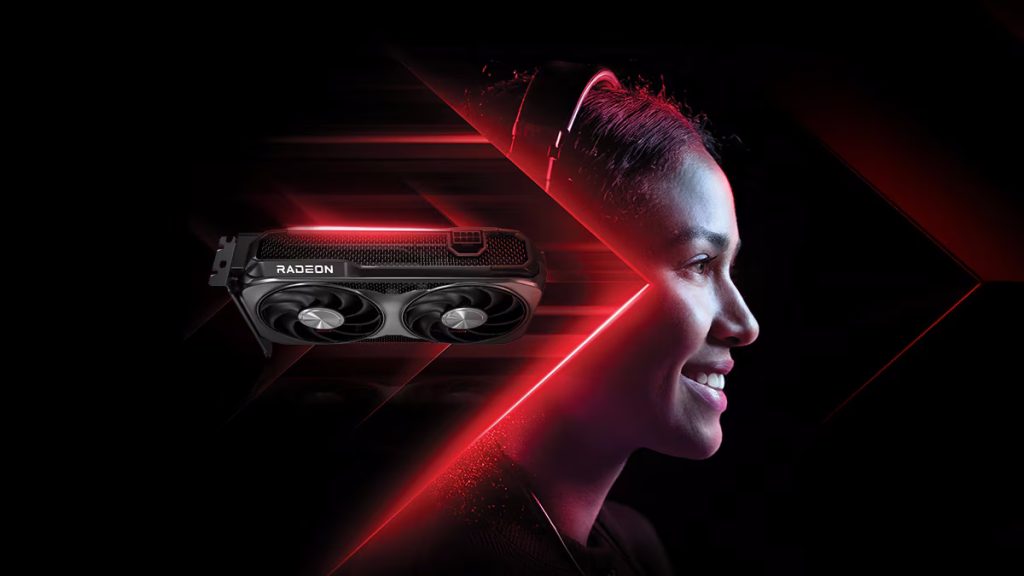
AMD has updated its product lineup with a new entry-level SKU based on the RDNA 4 architecture. Dubbed the Radeon RX 9060 XT Low-Power, this new variant aims to deliver the same core specifications as the standard model while operating within a tighter thermal envelope.
The card was first found on AMD's China regional website (via ITHome) before appearing on the global domain. According to the official specifications, the primary differentiator for this “LP” model is a reduction in total board power. While the standard Radeon RX 9060 XT is rated at 160W, this new variant has been tuned down to 140W. Consequently, the recommended PSU requirement has dropped to a modest 450W, making it an attractive drop-in upgrade for pre-built systems with limited headroom.
Despite the reduction in power consumption, the silicon configuration appears untouched. The card uses a die featuring 29.7 billion transistors and retains the full 32 CUs and 2,048 stream processors found in its fully fledged sibling. The architectural breakdown includes 32 ray tracing accelerators and 64 AI accelerators, alongside 128 texture units and 64 ROPs. This suggests that, rather than cutting physical cores, AMD has likely applied more conservative clock-speed curves to meet the lower-power target. The card is equipped with 32 MB of AMD Infinity Cache and up to 16 GB of GDDR6 memory across a 128-bit bus, operating at up to 20 Gbps.
It is currently unclear whether this low-power variant will see a widespread retail release or remain exclusive to system integrators. Unlike high-end SKUs that face export restrictions, there is no regulatory reason to limit an entry-level GPU, reinforcing the theory that this is simply a specialized bin aimed at optimizing performance-per-watt for specific thermal environments.
KitGuru says: Shaving 20W off the TDP doesn't sound like much, but in the world of SFF builds and OEM power supplies, it can be the difference between a stable system and a shutdown. It will be interesting to see if this “LP” badge results in a tangible performance penalty in gaming.
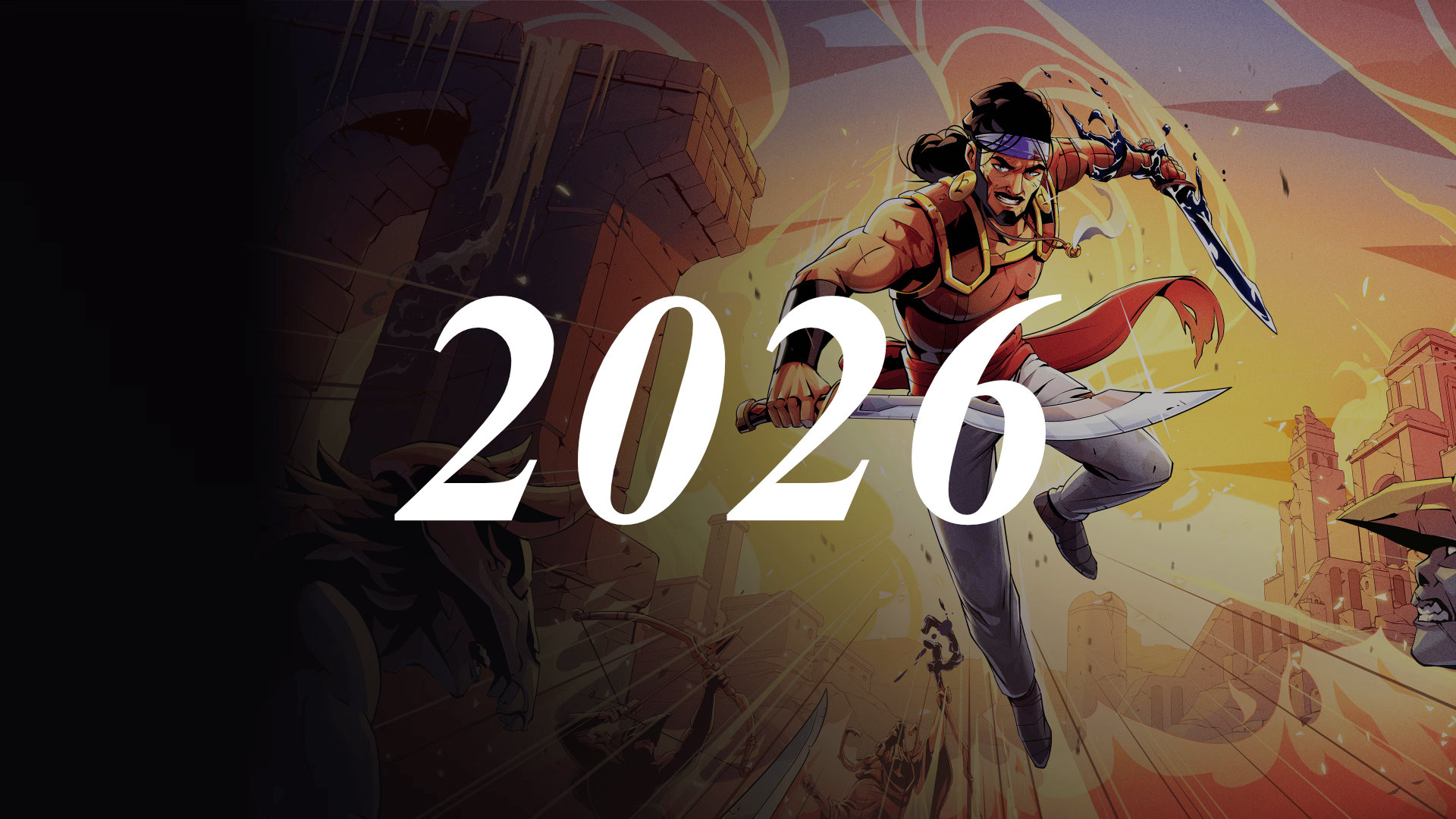
The Rogue Prince of Persia is a highly slick and satisfying 2D side-scrolling rogue-like metroidvania from Evil Empire – the current team working on the equally-as-excellent Dead Cells. Initially arriving in Early Access back in 2024, the game saw its full 1.0 release last Augustalongside a console launch for both Xbox and PlayStation – most recently landing on the Nintendo Switch just a few days ago. The Prince’s journey will continue however, with the team confirming that The Rogue Prince of Persia will be getting a suite of post-launch updates throughout 2026.
“It's been a while, but we're back and do we have an early Christmas gift for you! Well, we don't have it for you right now, but we can tell you about it at least! We'll be coming back next year with post-launch content as free updates for The Rogue Prince of Persia.”
Unfortunately, we did not get any further details regarding what these updates will entail. Considering the fact that they used the term ‘updates’ however, fans should expect more than just a single drop of new content.
In looking back at the game’s roadmap during its Early Access period, there are plenty of avenues in which the team can head in to expand the game. We could see new enemies; skills; medallions; skins and weapons among countless other additions.
Of course, we will have to wait until next year to learn more, but it is exciting nonetheless to see that The Rogue Prince of Persia still has more to offer.
KitGuru says: Have you tried the game out? What do you think? How does it compare to Dead Cells? Let us know down below.
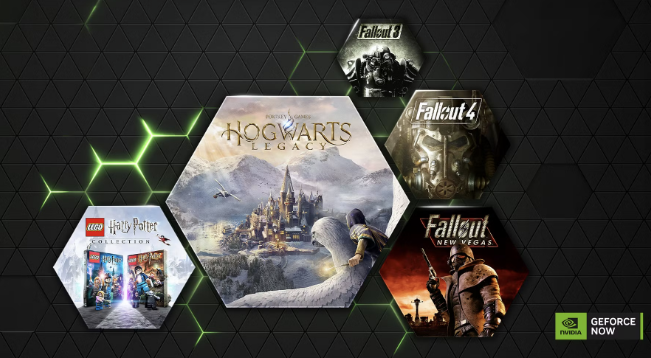
The next round of games for GeForce Now has been announced. There are five new titles joining the cloud gaming library this week, including Obsidian's beloved Fallout game, New Vegas.
Fallout New Vegas is one of the big headliners this week, arriving on the GeForce Now servers at the same time as the premiere for Amazon's second season of the Fallout TV series. This is the only game in the series developed by Obsidian Entertainment, becoming loved by fans for the amount of agency granted to players while crafting their characters.
Here is the full list of new games joining GeForce Now today:
Pioner (New release on Steam, Dec. 16)
Fallout: New Vegas (Steam, Epic Games Store and Xbox, available on Game Pass)
For the King II (Steam)
Hogwarts Legacy (Steam, Epic Games Store (free until Dec. 18), and Xbox, available on Game Pass, GeForce RTX 5080-ready)
LEGO Harry Potter Collection (Steam)
On top of this, Nvidia has also migrated another big game over to the GeForce Now Ultimate RTX 5080-powered servers – Avatar: Frontiers of Pandora, coinciding with the release of the latest film this week.
KitGuru Says: Will you be playing any of this week's new GeForce Now titles?
Forza Motorsport was one of the big first-party titles announced prior to the launch of the then-next-gen Xbox Series X|S. Said to be ‘built from the ground up’ the track racer launched in a disappointing state – with the team spending much of their time trying to bring Motorsport up to snuff. Major lay-offs at studio Turn 10 earlier this year led many to fear that future support had been cancelled. Though denied at the time, Microsoft has now confirmed that Forza Motorsport is turning off its engine.
Publishing a blog post titled ‘2025 Forza Year in Review’, the team at Turn 10 Studios offered a recap of the updates, additions and announcements from across the Forza series over the past 12 months.
By far the most interest part of the post however comes near the end, where-in the team discuss the ill-fated Forza Motorsport, writing: “As our team shifts its focus toward delivering the best possible experience with Forza Horizon 6 in 2026, we do not plan to introduce new cars, tracks, features, or regular bug fixes for Forza Motorsport.”
They continue, “However, we will continue supporting the game by keeping online servers active, hosting special events and competitions, and reintroducing previously released Featured Tours and reward cars on a monthly basis, until all content is available for you to enjoy anytime.”
Like many of Xbox’s early 9th-gen game announcements, 2023’s Forza Motorsport was intended to be a long-lasting experience receiving updates for years to come. Unfortunately, with a less-then-stellar launch and a slow rollout of notable improvements – coupled with the lay-offs earlier this year – the writing was on the wall for Forza Motorsport.
KitGuru says: Are you surprised by the announcement? Did you have high hopes for Motorsport prior to launch? Will the series be laid to rest in favour of Horizon? Let us know down below.
The brutal reality of the live-service market has claimed another victim. Theorycraft Games, the studio founded by former ex-Riot Games developers, has announced that it will permanently close the servers for its debut title, Supervive, on February 25th, 2026. The decision comes less than half a year after the game officially left beta.
When Supervive was first unveiled in 2024, it carried significant expectations. The project was directed by industry veterans such as Joe Tung, a former executive VP at Riot Games, and promised to mix the strategic depth of a MOBA with the tension of a battle royale. However, despite a promising “open prototyping” phase and a 1.0 launch in July 2025, the game failed to maintain an audience.
In a FAQ released alongside the announcement, the development team explained that while they were proud of the mechanical systems they had built, the title could not hold player attention. Executive Producer Jenn Nam expanded on this, noting that while “a huge number” of users had downloaded and tried Supervive, the majority abandoned the game after only a short period. This left the studio with a low active user base. As seen on SteamDB, the concurrent player count has been peaking at 400, a figure that makes ongoing maintenance and server costs financially unviable.
Nam indicated that the studio will use this experience to change its development strategy moving forward. Future projects are expected to aim for a scope that falls “between independent and AAA,” suggesting a move away from the live-service model. The studio warned that it expects to “go dark” for an extended period while prototyping these new concepts.
For the remaining community, the end is now in sight. Supervive will remain playable until the servers go offline on February 25th, 2026. Theorycraft has disabled all real-money transactions effective immediately and is offering full refunds for any purchases made since September 16th. Although development has ceased, a final patch was deployed yesterday, introducing a new game mode, various bug fixes, and a final cosmetic bundle, which is being distributed to all players for free as a parting gift.
KitGuru says: The MOBA and Battle Royale markets are tough, and maintaining a live-service game with only a few hundred players is simply impossible. Hopefully, the team can learn from this experience and create a more sustainable project in the future.
It has been nearly three years since Avalanche Software first invited players into its recreation of the Wizarding World, and the commercial momentum shows little sign of slowing down. Warner Bros. Games has officially confirmed today that Hogwarts Legacy has now crossed the 40 million unit sales milestone, cementing its place as one of the most successful RPGs of the current generation.
While the game launched to massive numbers on PC and current-gen consoles, its release strategy ensured it remained relevant for a long time. The initial wave was followed by last-gen ports for PlayStation 4 and Xbox One in May 2023, with a Nintendo Switch version arriving later that year. Most recently, the title received an enhancement for the Nintendo Switch 2 in June 2025, introducing higher-fidelity assets and improved performance for the handheld successor. This streak of releases helped the game sell over 40 million copies, as the developer announced on X.
Developed under the Portkey Games label, Hogwarts Legacy succeeded by breaking away from the familiar narrative of the books and films. By setting the action in the 1800s and casting the player as a fifth-year student with no prior ties to the Potter timeline, Avalanche Software allowed for a degree of role-playing freedom that resonated with both hardcore fans and casual gamers. The decision to skip the “early years” of schooling in favour of immediate high-stakes combat and open-world exploration appears to have been a winning formula.
KitGuru says: Selling 40 million copies in under three years is a staggering achievement for a single-player, full-price release. Did you play the game?
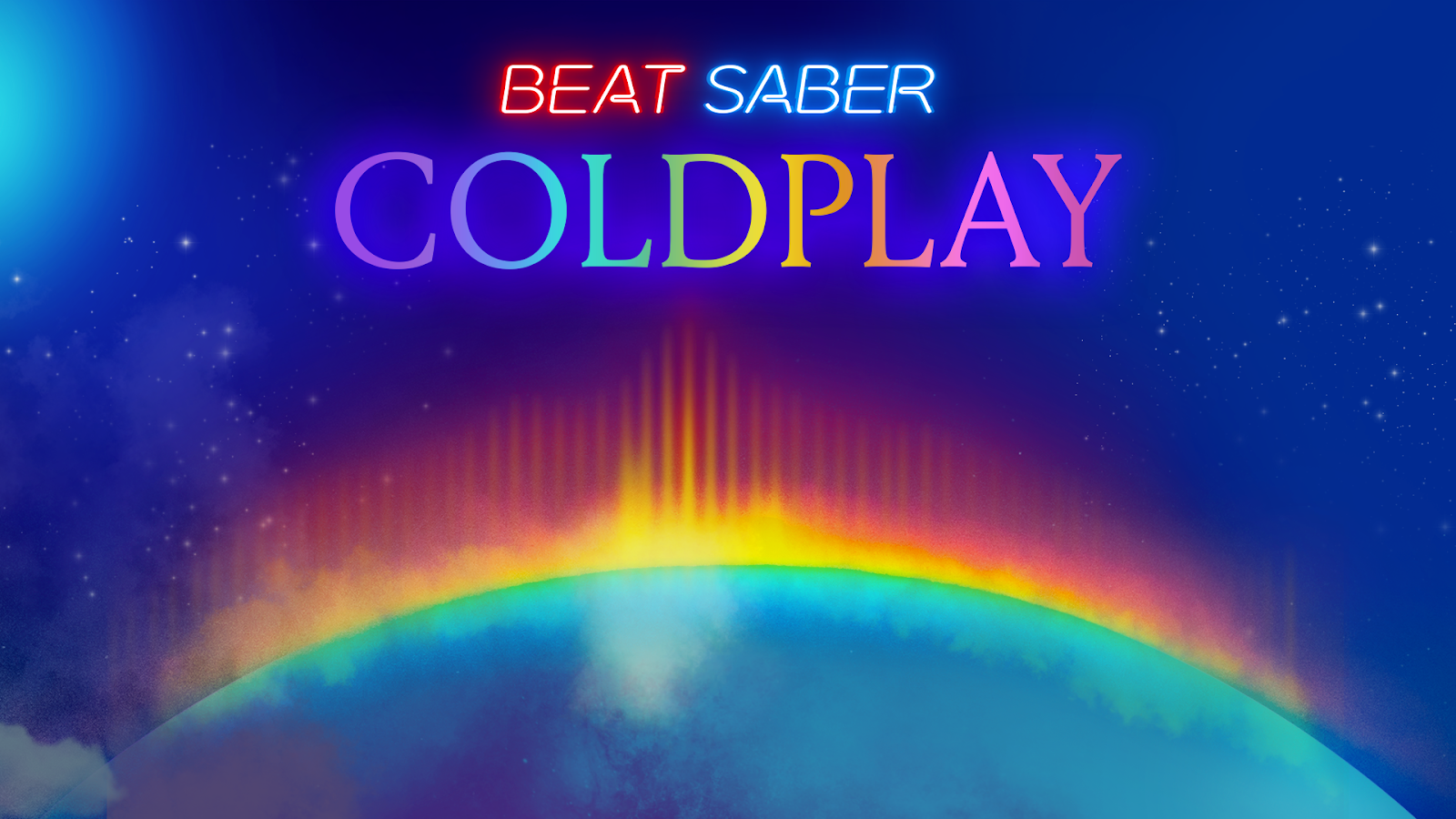
Beat Saber gets the Coldplay Music Pack, featuring 12 songs covering the band's wider history.
Out now on Quest and Steam, Beat Saber's Coldplay Music Pack covers the band's wider discography from the last three decades. It features songs such as 'Yellow' from debut album Parachutes, all the way to 'feelslikeimfallinginlove' from 2024's Moon Music. This also adds a new environment that Meta confirmed “draws inspiration from the band’s vibrant live shows, music videos, and album artwork.”
The Coldplay Music Pack comes with all twelve new songs for $14.99, or you can pay $1.99 for individual tracks. Here is the full track list:
A Sky Full of Stars
Adventure of a Lifetime
Clocks
feelslikeimfallinginlove
GOOD FEELiNGS
Something Just Like This
Speed of Sound
Talk
Trouble
Viva La Vida
WE PRAY (ft. Little Simz, Burna Boy, Elyanna, TINI)
Yellow
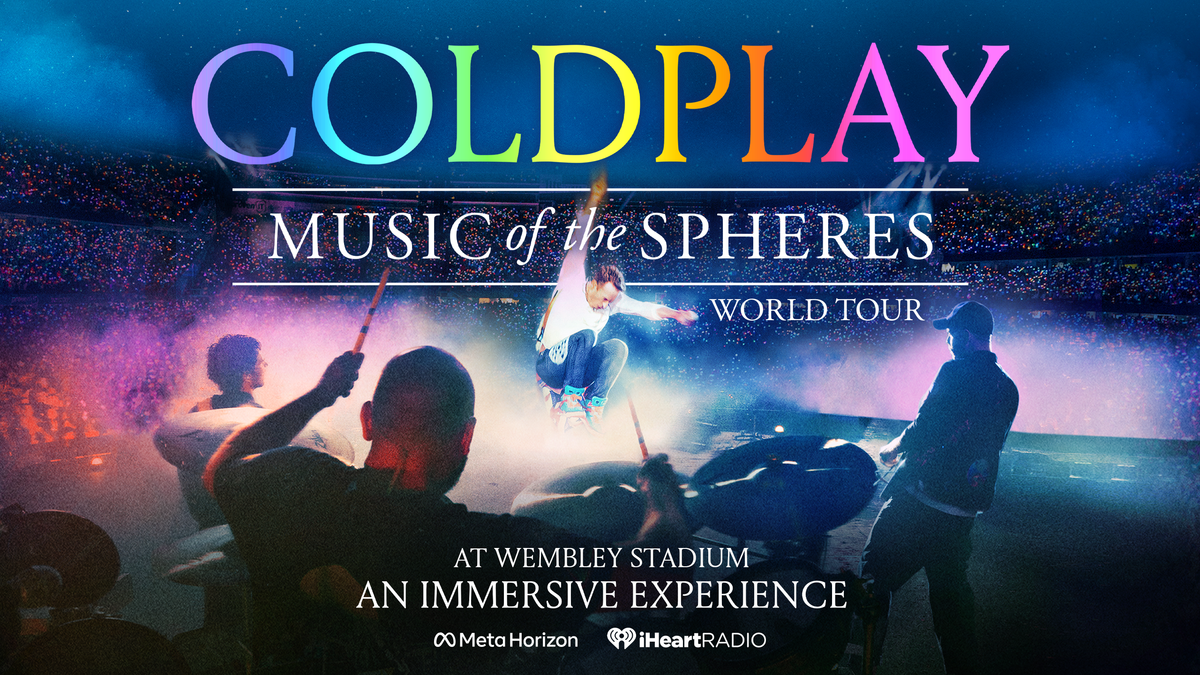
This latest music pack was previously revealed during last week's announcement for a free, upcoming Coldplay concert in Meta Horizon. Meta confirmed it's partnering with iHeartMedia to bring the band's Music of the Spheres concert tour to Meta Horizon, using 180-degree VR. That's based on the band's stint at Wembley Stadium and goes live on December 30.
There's still more to come for the band's collaboration with Meta. Last week also confirmed that Coldplay is returning to fitness app Supernatural in the US and Canada, following its original appearance in 2022. This will introduce three new workouts, and that begins on December 29.
Beat Saber - Coldplay Music Pack is out now on Quest and Steam.
The CPS PCCooler K101 Mesh clocks in at just under 12L in volume, making it a very compact, air cooling focused SFF enclosure. Offering the usual sandwich design, it manages to stick to the functional basics, but also includes three slim fans, so you can spend the rest of your budget on the best components possible.
Our Glassbreakers review was initially published as an unscored review-in-progress on November 13, 2025. After spending five weeks with the game, this was updated to a full review on December 18 with a score attached. Other adjustments were made to the review regarding its player base, co-op mode, post-launch updates, and conclusion.
“Time is running out!” the voice declares urgently, and I glance up to see 30 seconds left on the clock.
I’m not concerned, though. The game is close but I'm in a strong position. I watch as my opponent pushes his champions down the left lane in a desperate gambit, and I pause to deliberate: do I defend and push the game into overtime, or do I go for the win now? With a single fluid motion, I make my decision, commanding my adorable squad to attack the enemy Glass. It's risky, but what the hell. I’m all in.
Just as I pass the point of no return, I hear the sound of the already weakened Sway Stone breaking and realize that their attack had been a feint. My opponent is now pushing on my central Glass with a big damage advantage. For the first time in the match, I’m in trouble.
With an easy gesture, I put my squad into retreat, though I’m out of position and weakened by their defensive turret. I mount a valiant final attempt to defend my Glass, chaining special attacks to swiftly take down their tank, but it's too little, too late. With seconds left on the clock, a brutal AOE spell finishes off my squad, and my Glass along with it.
But so it goes in Glassbreakers, a game where every decision matters, and it definitely ain’t over until it's over.
The Facts
What is it?: A tabletop strategy battler set in the Moss universe. Platforms: Quest 3, Steam, Apple Vision Pro (Reviewed on Quest 3) Release Date: November 13, 2025 Developer/Publisher: Polyarc Price: $19.99 (Quest, Steam) or Apple Arcade subscription
Mighty Mouse
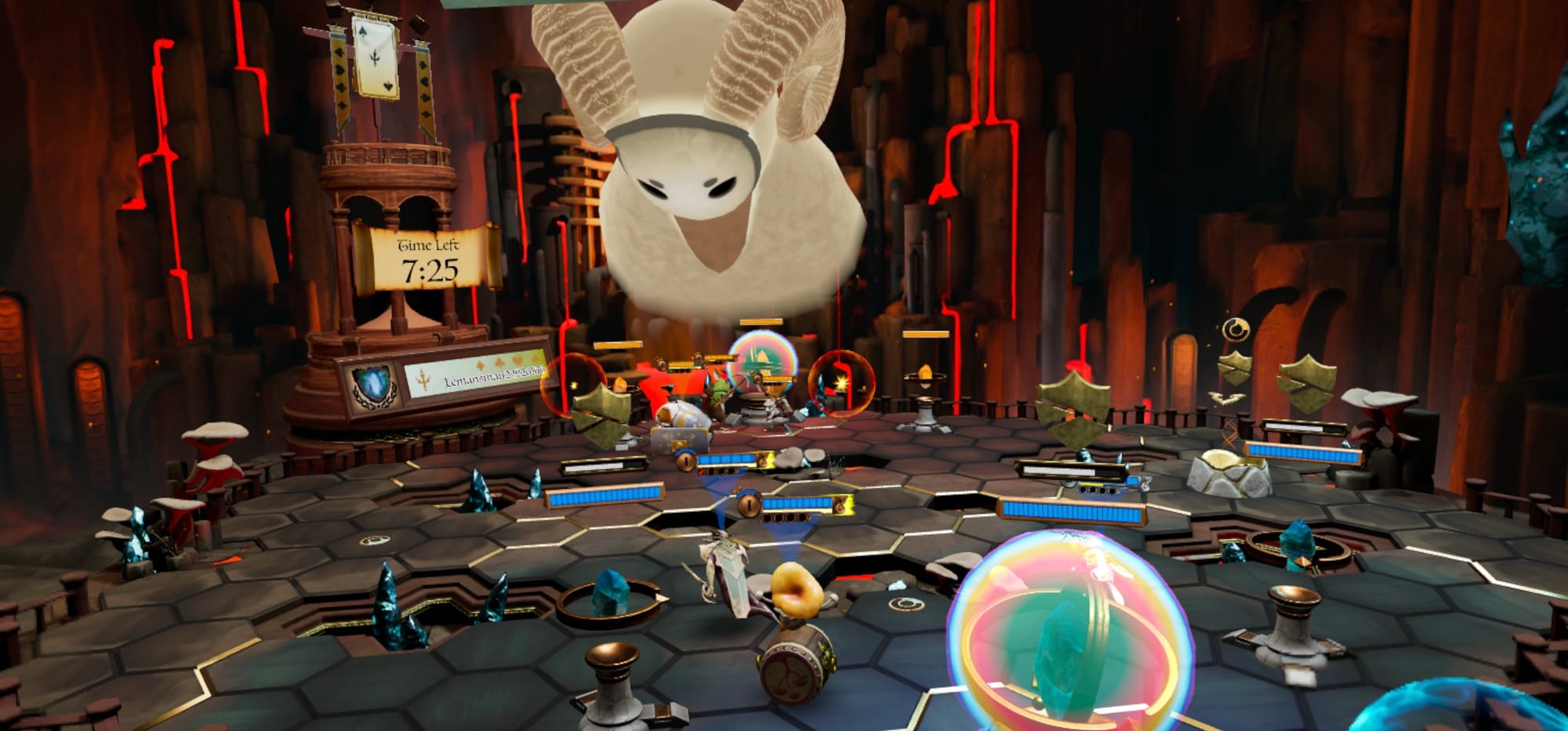
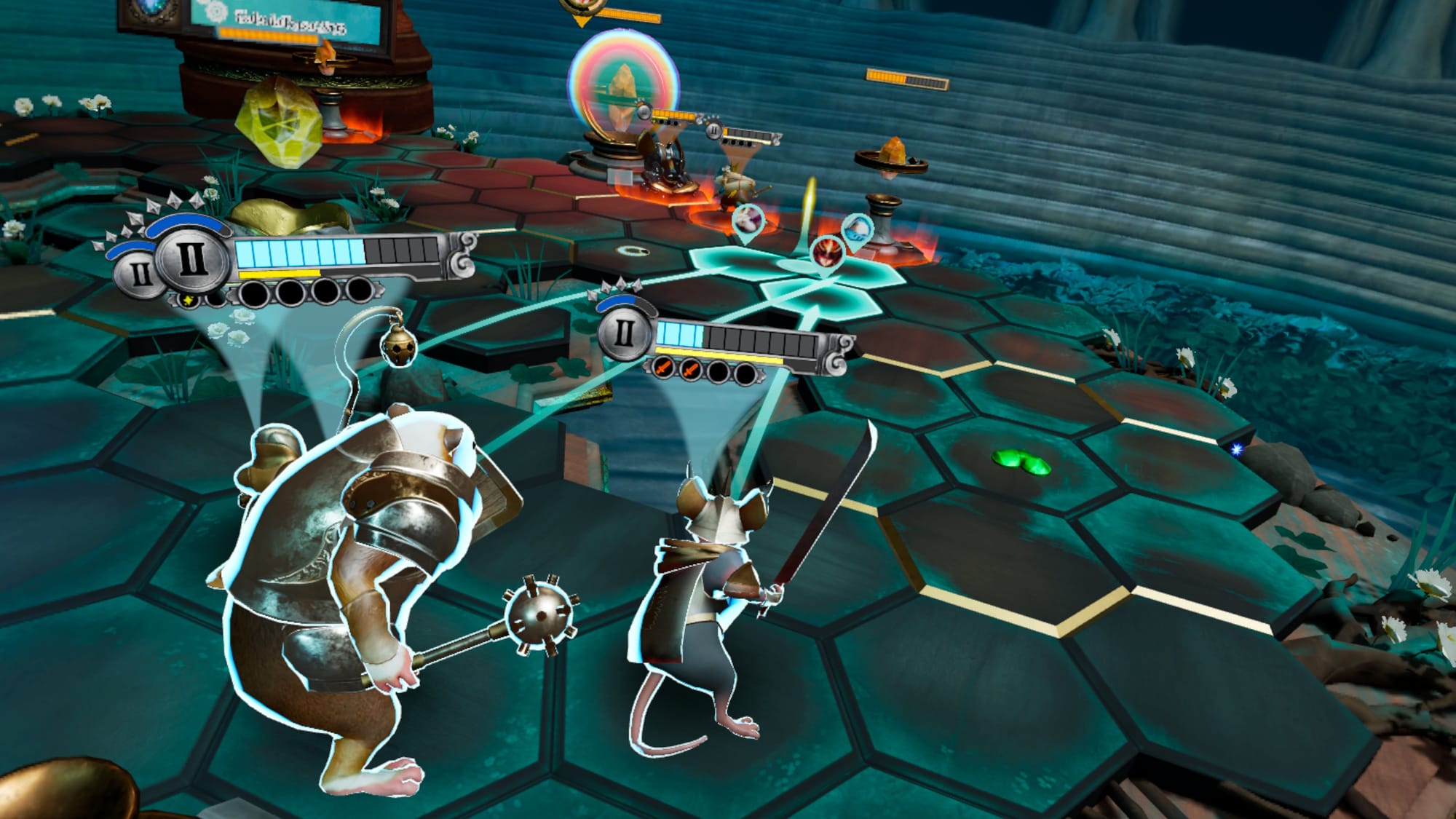
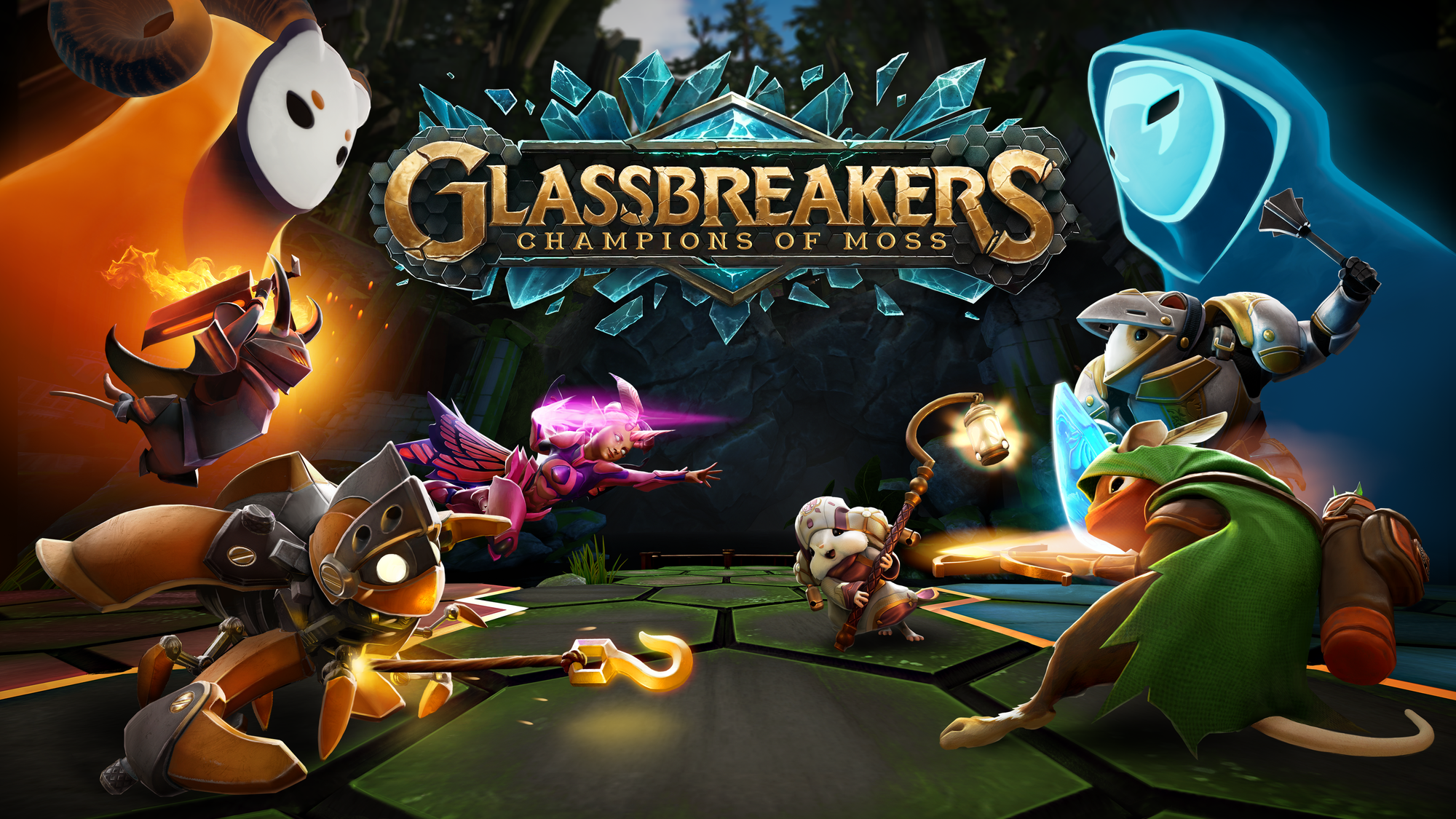
Set in the same charming universe as the Moss series, Glassbreakers takes that world’s tiny woodland heroes and drops them into fast-paced, strategic tabletop battles. Each player commands a team of three champions - small but mighty creatures that range from a crossbow-wielding rat and an armored hamster to a mechanical insect and mischievous sprites. Fans of MOBAs will feel right at home and recognize the archetypes instantly: tanks, healers, damage dealers, support, and control - they’re all here.
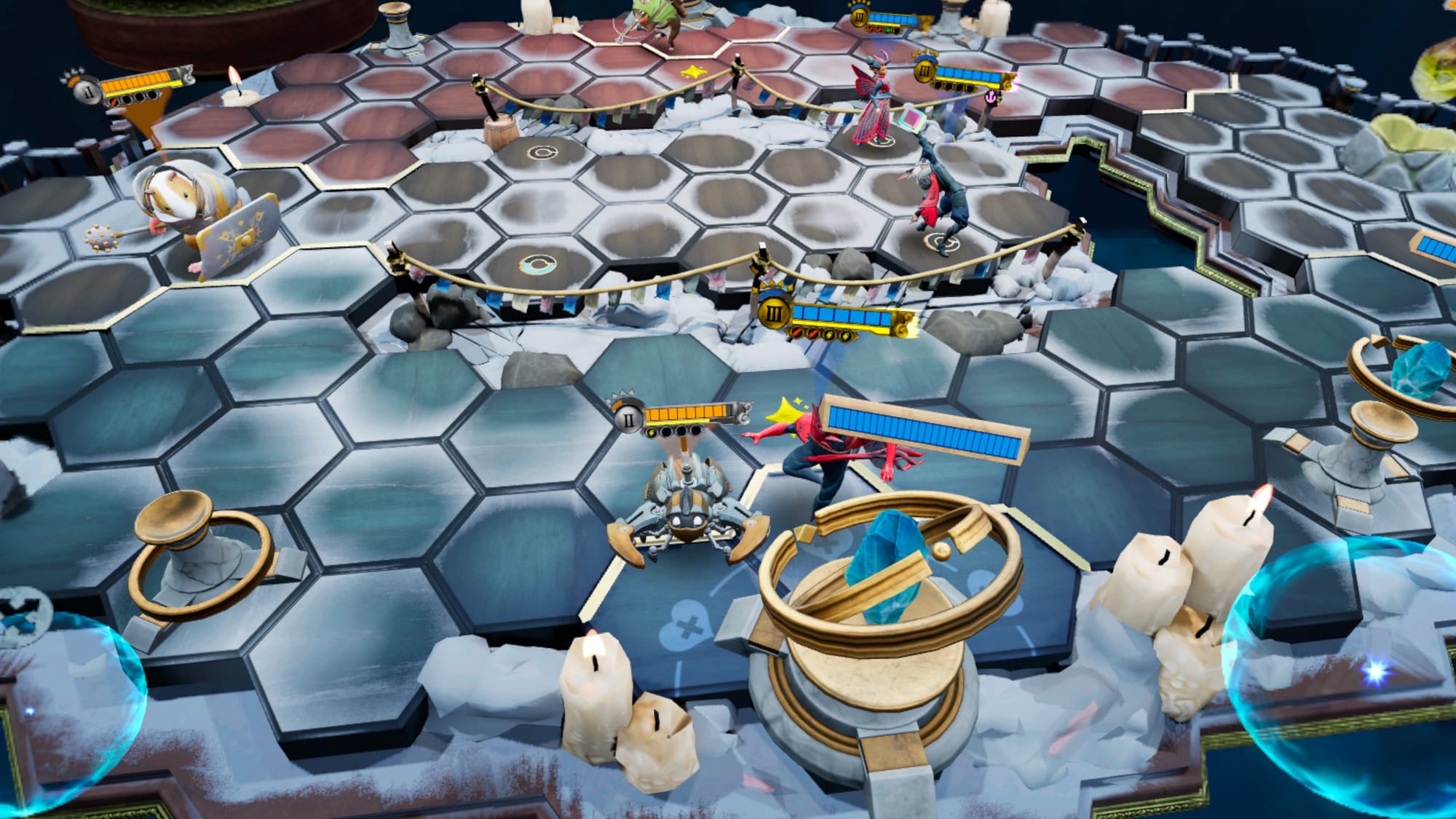
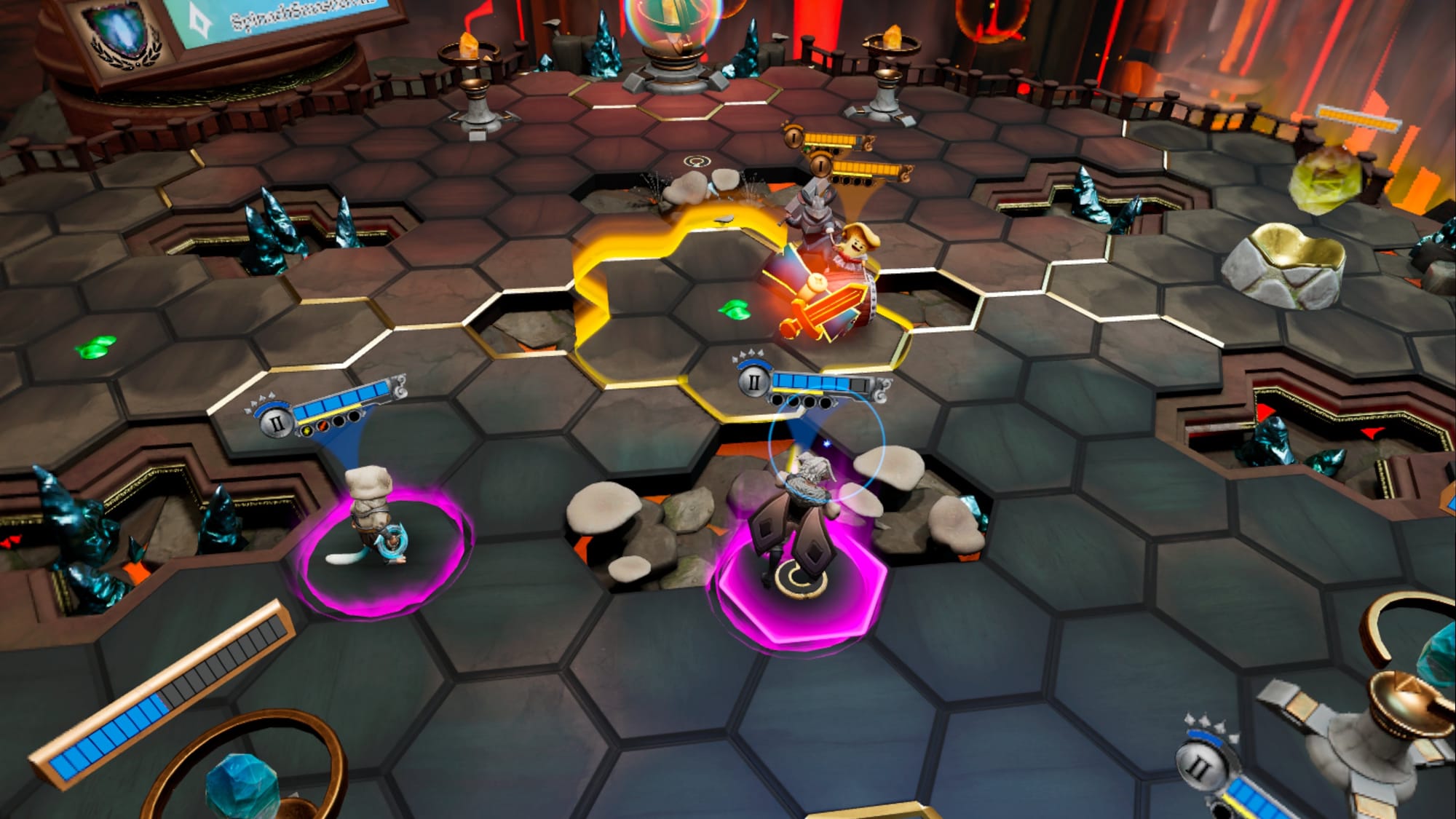
The aim in Glassbreakers is simple: shatter your opponent’s ‘Glass’ before they destroy yours. Flanking the main Glass are two smaller ones: defensive turrets, of which at least one must be destroyed before the central base becomes vulnerable. It seems simple enough, deceptively so as with all good strategy games. Every match becomes a delicate ballet of micro-decisions, positioning, timing, and calculated risk.
Glassbreakers is a predominantly online competitive game. However, there are still options available for those who wish to play solo. While there’s no campaign to speak of, players can spar against AI opponents across three difficulty tiers. At first these will provide an ample challenge and ensure that there’s always something to enjoy solo, but experienced players will likely find the challenge dwindles after a few hours.
As with many online games, long-term success will likely depend on community strength and how active the player base is. Unfortunately, after five weeks of play, servers have yet to fill out in the way that many players would hope - but it's still early days. While the player base hasn't filled out enough to guarantee a match at any hour, Glassbreakers has fostered a thriving community of loyal fans arranging games, tournaments (and even a league starting in 2026) via Discord.
There is also a co-op mode where players can team up, splitting control of the three champions between the players. While the concept of co-op sounds great, I personally found the asymmetry of sharing 3 champions between 2 players less than ideal. Glassbreakers also offers cross-platform support and a player base drawn from Quest 3, Steam, and Apple Vision Pro ecosystems.
In The Deep End
At a glance, it might be easy to miss the level of nuance and depth that Glassbreakers offers. The tutorials are well established to show players how to play the game, but what they don’t do as effectively is show you how to play the game well. My first few forays were graceless exercises in repeated, floundering assaults that, understandably, ended in my swift defeat.
With a little perseverance, however, it's one of the most sophisticated and well-balanced strategy games that I’ve ever played, and I’m beyond glad I took the time to delve deeper than that first session.
Once you get the hang of it, Glassbreakers offers a brilliantly layered system that forces players to adapt constantly, shifting between offense and defense, darting between risk and reward. It ebbs and flows in real time, where every decision matters and matches can turn on the tiniest miscalculation.
During the early game, battles tend to be cautious, cat-and-mouse affairs. Each time you knock out an opponent, your champion will level up, activating stronger abilities as they do. Playing recklessly gets you knocked out early on, and you’re handing your rival a power boost. There are also various objective points to compete for that, when captured, let you power up one of your champions. Then there is also the all-important ‘Sway Stone’ to contend with, which temporarily amplifies your damage output against the enemy’s Glass once destroyed.
With all these elements at play, each game of Glass becomes an evolving eight-minute balancing act of risk vs. reward. It’s an intoxicating blend of micro and macro-strategy. There’s always something to think about: who to engage, when to retreat, whether to press an advantage or turtle up and force your opponent’s hand. And because every match is short, defeat never feels punishing; it just makes you want to jump back in and try a new strategy immediately.
Post Launch Updates
Since launch, developers Polyarc have continued to polish and improve the overall Glassbreakers experience, with two patches already released. These updates have focused mainly on improvements to the matchmaking process and providing balancing adjustments to the champions based on player feedback.
Glassbreakers thankfully launched as an extremely polished game, with little need for the urgent fixes that have become commonplace recently. As such, the development time going into the game now seems to be focused on enhancing the player experience and responding to the feedback from the community.
Squad Goals
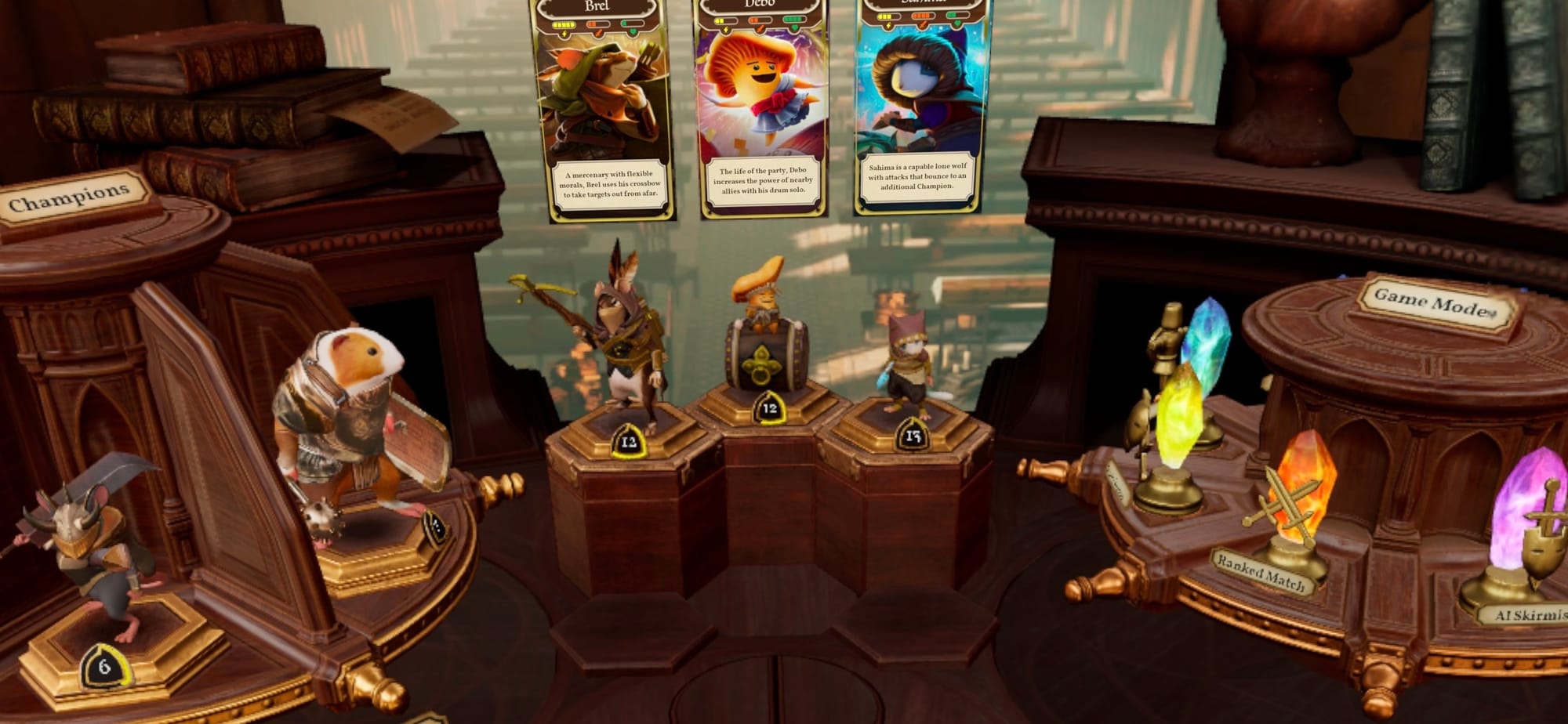
The core of navigating this strategic depth lies in building and executing a cohesive team strategy. Players begin with just three champions, but as you play and level them up, more are unlocked, eventually providing access to a roster of twelve. Each champion has a distinct personality and play style, but it’s the synergies between them that define the real depth here.
One of the game’s greatest strengths lies in how differently it plays depending on your team composition. Two tanks and a healer can form a defensive wall that can grind down your opponent, while a high-risk, high-reward trio of damage dealers can obliterate a careless enemy in seconds. There is an excellent array of viable combinations and play styles for players to concoct, and crafting and trialing these is one of the real joys of playing the game.
Beyond this roster of champions, Glassbreakers also offers four maps that introduce different dynamics, changing the flow of battle and rewarding experimentation and creativity.
The VR Of It All
Most VR tabletop or strategy titles struggle with one key question: why does this need to be in VR?
Glassbreakers answers that question emphatically through its brilliantly tactile control scheme. Rather than relying on traditional gamepad-style commands or complex radial menus, it lets you control your champions using simple, physical gestures that feel instantly natural.
Standing (or seated) above the board, you direct your team by grabbing, reaching, and pointing in space. Want to send all three champions into battle? Reach over your shoulder and pull the trigger to select them all, then bring your hand down to point where you want them to go. Need a quick retreat? Just put your hand over your shoulder and double-tap the trigger, and your team will fall back and converge on your central Glass.
Additionally, using gestures like those in Demeo, you can rotate the entire battlefield around you, raise yourself up to get a better vantage of the action, and then zoom back in to move your champions around the board. It’s almost like handling a living hologram.
What really makes this shine is that it’s just as comfortable for gamers who prefer a couch-style experience. You can play seated, relaxed and still feel deeply engaged. It’s this hybrid design philosophy that makes Glassbreakers so special. Many VR games that rely on minimal movement end up feeling like glorified 2D experiences shoehorned into a headset. But here, Polyarc uses VR’s physicality to enhance the experience, not demand effort from it. The result is a perfect midpoint - a game you can play for hours without fatigue but that still leverages spatial awareness, physical presence, and immersion beautifully.
Here To Slay
Polyarc has always been synonymous with charm and artistry, and Glassbreakers continues that legacy with style to spare.
Each of the twelve champions is meticulously designed, bursting with personality and life. Their animations, gestures, and expressive reactions make them feel like living toys. Just as in Moss, Glassbreakers provides heroes you can’t help but get attached to. Even without a narrative, it retains the storybook magic of the Moss franchise.
Importantly for a game where there is so much to concentrate on at once, Glassbreakers is not only beautiful, but easy to read. Icons and symbols don’t clutter the board. Even in the most hectic of skirmishes, it’s easy to get the right information easily so you can make decisions quickly.
Even the menus and home space (set within the iconic Moss library) exude warmth and polish. Sitting there arranging your team, tweaking their colors and skins, feels intimate and personal.
Comfort
Glassbreakers is a tabletop game with movement controls similar to those found in Demeo. Players can pull themselves around the board or rotate it to gain a better view of the action. With very limited actual movement, Glassbreakers should be a comfortable experience for most players.
Sounds Like A Plan
Audio design in Glassbreakers is as impeccable as its visuals.
Each champion’s voice lines are delightfully characterful - distinct enough to feel alive but used sparingly enough to avoid repetition. The soundscape of the battlefield is filled with satisfying detail: the muted crunch of Glass under attack, the metallic ping of Sahima’s chakram bouncing between your opponents, and the satisfying whoosh as Barnard’s spell lands.
The music sways from warm and inviting to building tension as the fight rages on, setting just the right tone for the world - playful, daring, and triumphant all at once.
Spatial audio cues are particularly well implemented. Take your eye off an area of the board, and you’ll hear enemies flanking you before you see them. Whether it's objectives spawning behind you or your Glass taking hits from across the map, the sound design tells the macro while your eyes are focused on the micro. This attention to directional sound makes every match more immersive and helps maintain focus during fast-paced engagements.
Glassbreakers: Champions Of Moss - Final Verdict
It’s difficult to overstate just how much Glassbreakers gets right. Polyarc has crafted a delightfully polished and truly unique experience - one that blends the strategic depth of classic RTS games and the character class/squad mechanics of a MOBA with the tactile immersion of VR.
Glassbreakers is smart, competitive, and highly addictive and stands as one of the best strategy experiences available in VR - and one of the most charming. Currently, it is a game let down only by the fact that the player base hasn't grown enough to support consistent, frictionless matchmaking. Nonetheless, since its launch I have spent more time in Glassbreakers than all my other games combined - testament to a beautifully balanced and brilliantly designed small-scale masterpiece.
Five weeks on from launch I maintain that Glassbreakers truly deserves a large-scale following. Highly recommended.
UploadVR uses a 5-Star rating system for our game reviews – you can read a breakdown of each star rating in our review guidelines.
Have you been naughty this year? Actually, don't answer that, it's none of our business. But if you have. or if you just don't want to leave your holiday wish list to Santa's scrutiny, then we have a bead on a couple of grooving gaming hardware deals that you should check out. Specifically, there are deals to be had on the ASUS ROG Xbox Ally
In a fresh discovery that's leaving astronomers awestruck, the James Webb Space Telescope (JWST) has confirmed the existence of a "runaway" supermassive black hole roughly 20 million times the mass of our sun, which is currently hurtling through space at a mind-boggling 2.2 million miles per hour. That's approximately 3,000 times the speed
Ahead of CES 2026, LG has officially unveiled the LG Sound Suite, an audio system that's the world’s first soundbar setup powered by Dolby Atmos FlexConnect technology that gives owners the ability to add on more components for a full 13.1.7 home theater if they so choose. We bet that it's only a matter of time when other manufacturers follow
Gamers on the PC platform could use a win right about now, and a victory may be coming when AMD gets around to formally launching its Ryzen 7 9850X3D, which is basically a binned and faster version of the Ryzen 7 9800X3D. The latest leaks involving AMD's next 3D V-Cache CPU suggests that pricing could be more palatable than some thought. Or
Just in case anyone needs to hear it again (as if!), we're in the midst of a memory crisis that has seen the cost of DRAM catapult to unsettling levels. And lest there be any doubt as to what/who the culprit is, G.Skill issued a statement pinning the blame squarely on "unprecedented high demand from the AI industry," which is a sentiment also
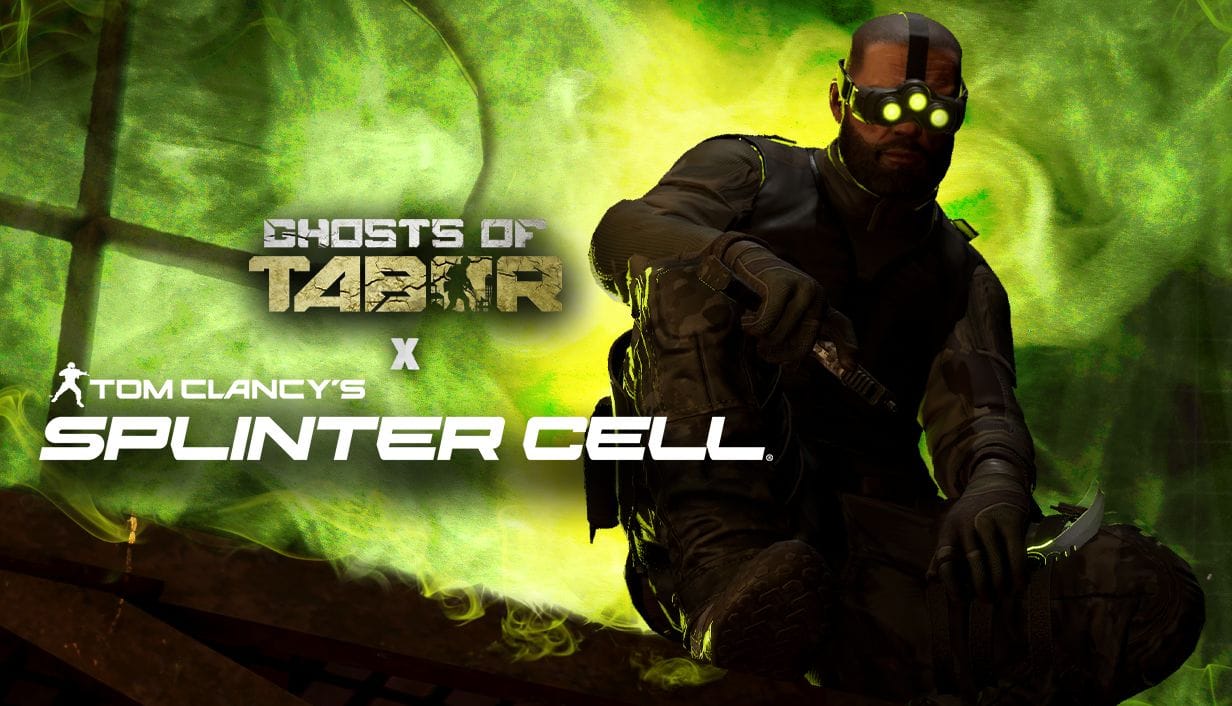
Tom Clancy's Splinter Cell is now inside Ghosts of Tabor through an official DLC crossover.
Combat Waffle Studios CEO Scott Albright confirmed that the latest wipe for Ghosts of Tabor would launch on December 17 alongside a brief teaser introducing the crossover in the Ruff Talk VR Gaming Showcase. Hours after we published this story, that's now gone live as a premium content pack with new Splinter Cell-themed gear.
“This collaboration means more than dropping an iconic character into our game. Splinter Cell defined an entire generation of tactical gameplay, and we are bringing that legacy into VR,” stated Albright in a subsequent LinkedIn post.
Splinter Cell has its own history in virtual reality, too, and you may recall Ubisoft announced VR entries for it and Assassin's Creed at Facebook Connect in 2020. The latter eventually launched as Assassin's Creed Nexus in 2023, though Splinter Cell VR was cancelled in 2022 alongside three other Ubisoft titles. At the time, CEO Yves Guillemot stated that Ubisoft was “adapting [its] organization to current economic uncertainties through cost optimization.”
We're seeing an increasing number of crossovers in Ghosts of Tabor in recent months, timing up October's Terminator: Dark Fate DLC with additional Halloween updates. Last month also saw Combat Waffle team up with Starbreeze for an official PAYDAY collaboration.
One of 2025’s biggest indie hits was Dispatch – an episodic superhero adventure title from developers who previously worked at Telltale Games and Night School Studio. Released in chunks, the game saw its final episode arrive just last month, amassing overwhelmingly positive reviews on Steam and selling more than 2 million copies. Currently available only on PS5 and PC, a Nintendo Switch version has now been discovered; arriving early next year.
As discovered by ResetEra user –R, the highly-praised episodic superhero adventure game from AdHoc Studio ‘Dispatch’ appears set to land on Nintendo’s platform in a little over a month’s time.
Given the fact that the game is formatted somewhat like a visual novel, Dispatch on the OG Switch should be relatively comparable to all other versions. Still, for those with a Switch 2 the game offers a free upgrade pack which “includes enhanced resolution and improved frame rates.”
As mentioned, Dispatch is one of 2025's biggest indie hits, selling millions of copies, amassing a ton of online discourse and receiving multiple nominations from both The Game Awards and the BAFTAs. With the game ‘superhero-landing’ onto the Switch platform next month, it likely won’t be long before it passes another major milestone.
KitGuru says: Have you played Dispatch? What did you think? Is it one of your favourite games of 2025? Let us know down below.
 Connexion
 UploadVRDavid Heaney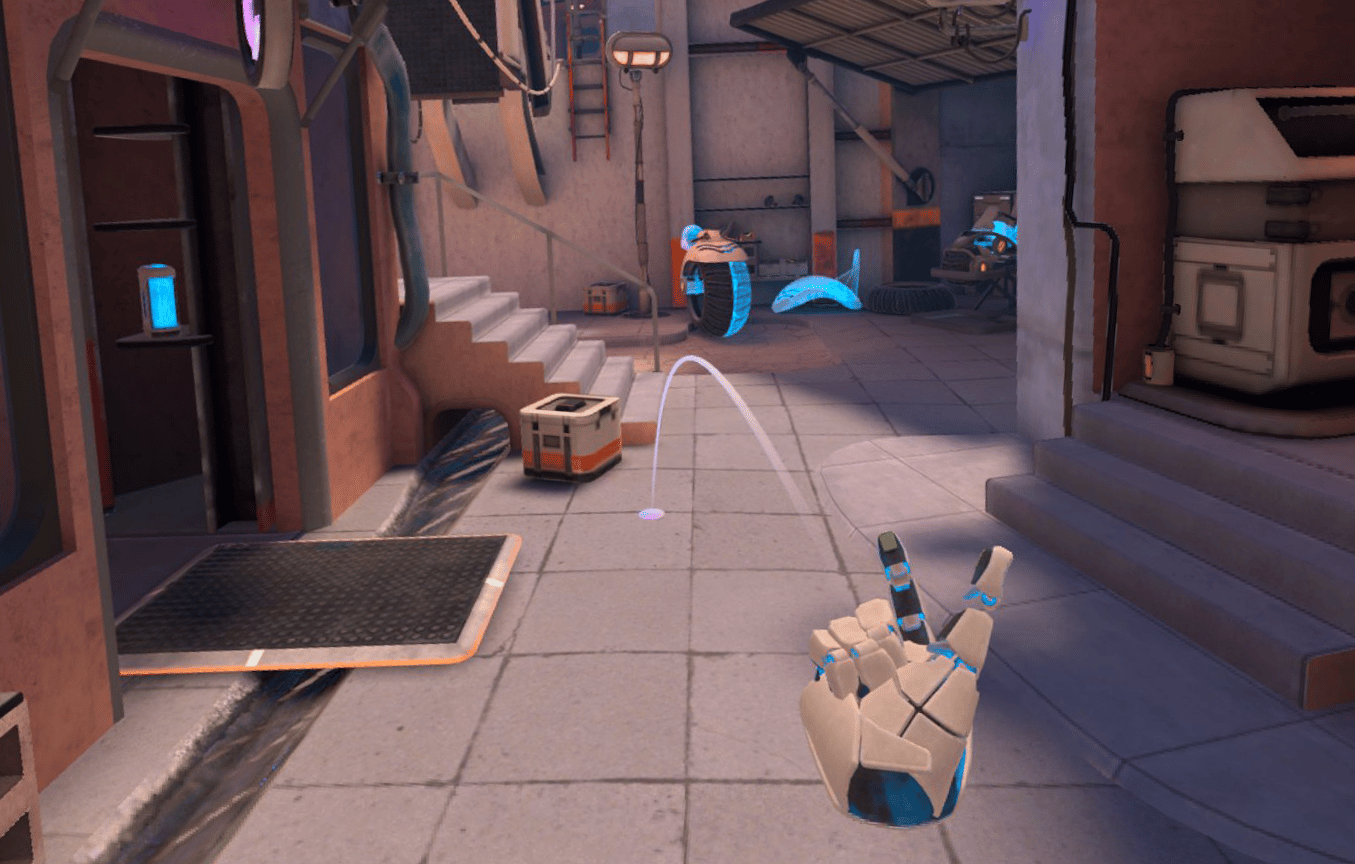

 UploadVRDavid Heaney