Ubisoft has been one of the better publishers when it comes to updating their back-catalogue of games for current-gen hardware, with multiple Assassin’s Creed titles; Far Cry entries and most recently The Division 1 all getting 60fps patches on PS5 and Series X|S. Following a variety of teasers over the past few weeks, the team at Ubisoft have now confirmed that Far Cry 3 is getting a 60fps patch on PS5 and Xbox Series X|S.
While certainly a welcome addition, it appears as though the update is not making any other changes to the game, meaning it remains at the PS4 Pro / Xbox One X resolution of 1440p with TAA – and will not allow you to alter your player field-of-view.
Regardless, having a 60fps update is welcome nonetheless and will allow those on consoles to experience (or re-experience) this classic in a slightly improved form.
In case you missed it, Ubisoft also recently teased that both Far Cry 3’s standalone DLC ‘Blood Dragon’ and the spin-off ‘Primal’ will also receive 60fps updates. We likely won’t have to wait long for those to also be officially confirmed.
KitGuru says: Are you glad to see Far Cry 3 getting the 60fps treatment? Would you have preferred the game receive a more comprehensive current-gen patch? Let us know down below.
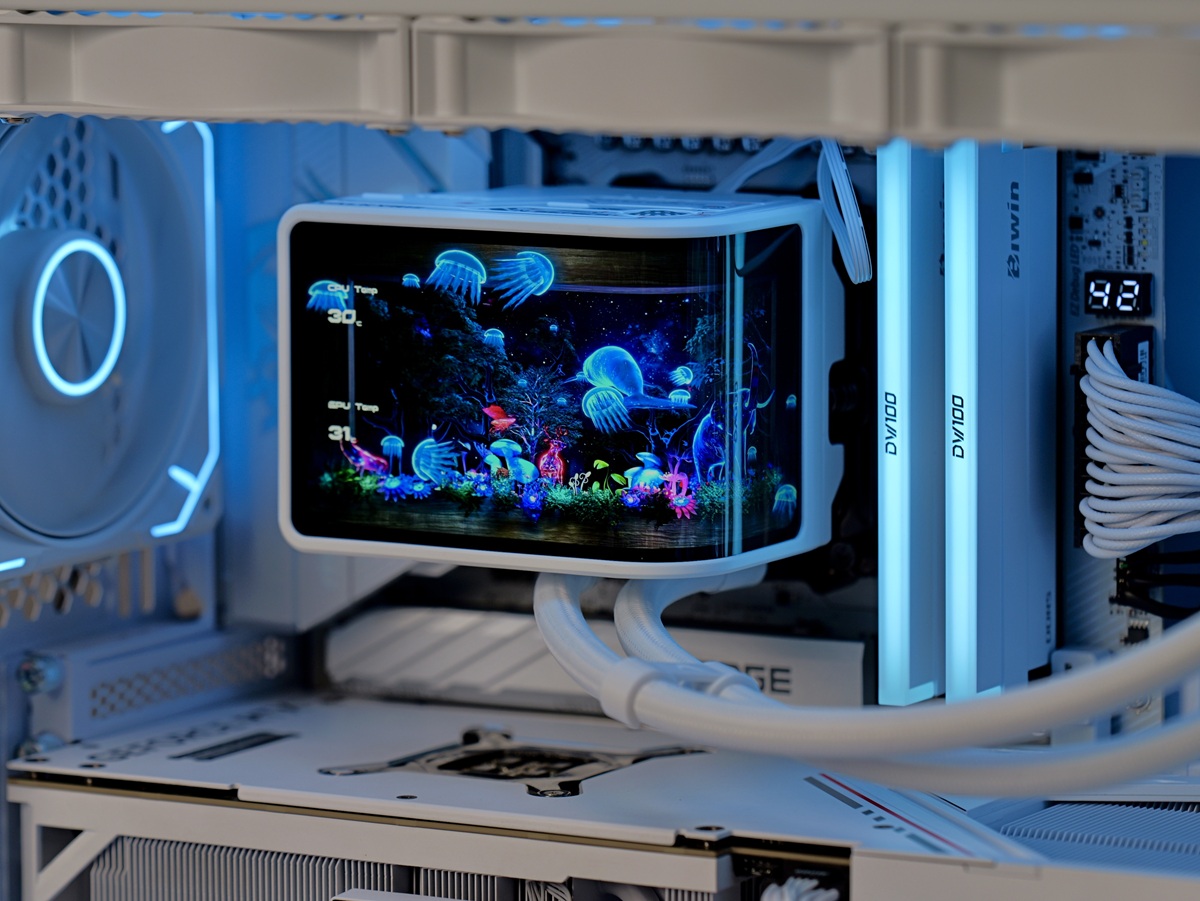
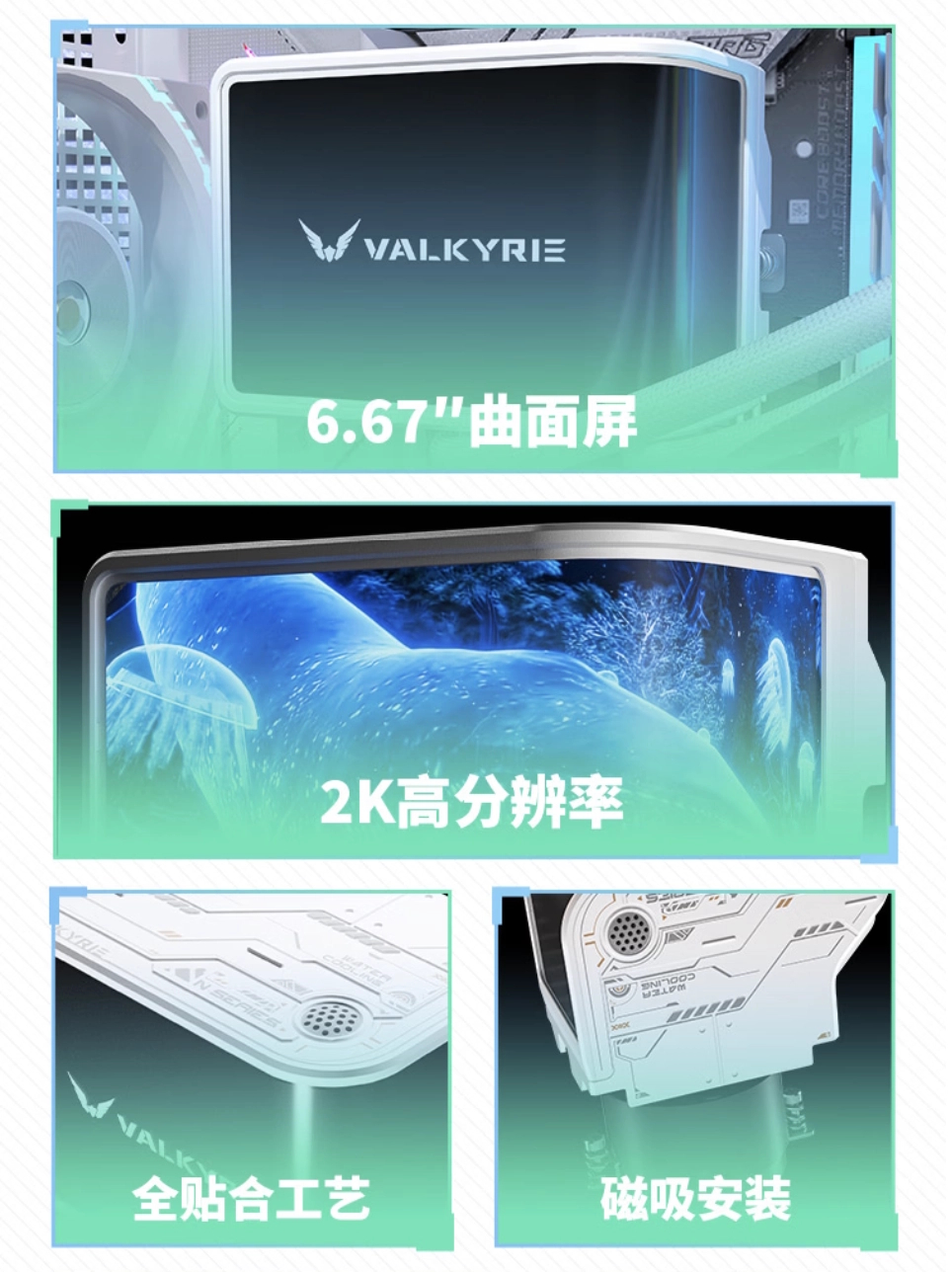
Valkyrie is pushing the boundaries of AIO design with the new N360 VK AIO cooler. While most high-end coolers now include displays, the N360 VK distinguishes itself with a massive 6.67-inch curved AMOLED panel integrated directly into the pump block, a screen size more typical of a modern smartphone than a PC component.
According to EXP Review (via Guru3D), the screen features a 2400 x 1080 resolution display with full lamination for superior clarity. To ensure the screen doesn't impact system performance, Valkyrie has equipped the block with an independent processor, eMMC storage, and its own onboard operating system. This allows the cooler to play back videos, display complex telemetry, and manage local file storage without using your system resources. The screen is attached via a magnetic mounting mechanism, simplifying installation and ensuring the display remains perfectly aligned with the block.
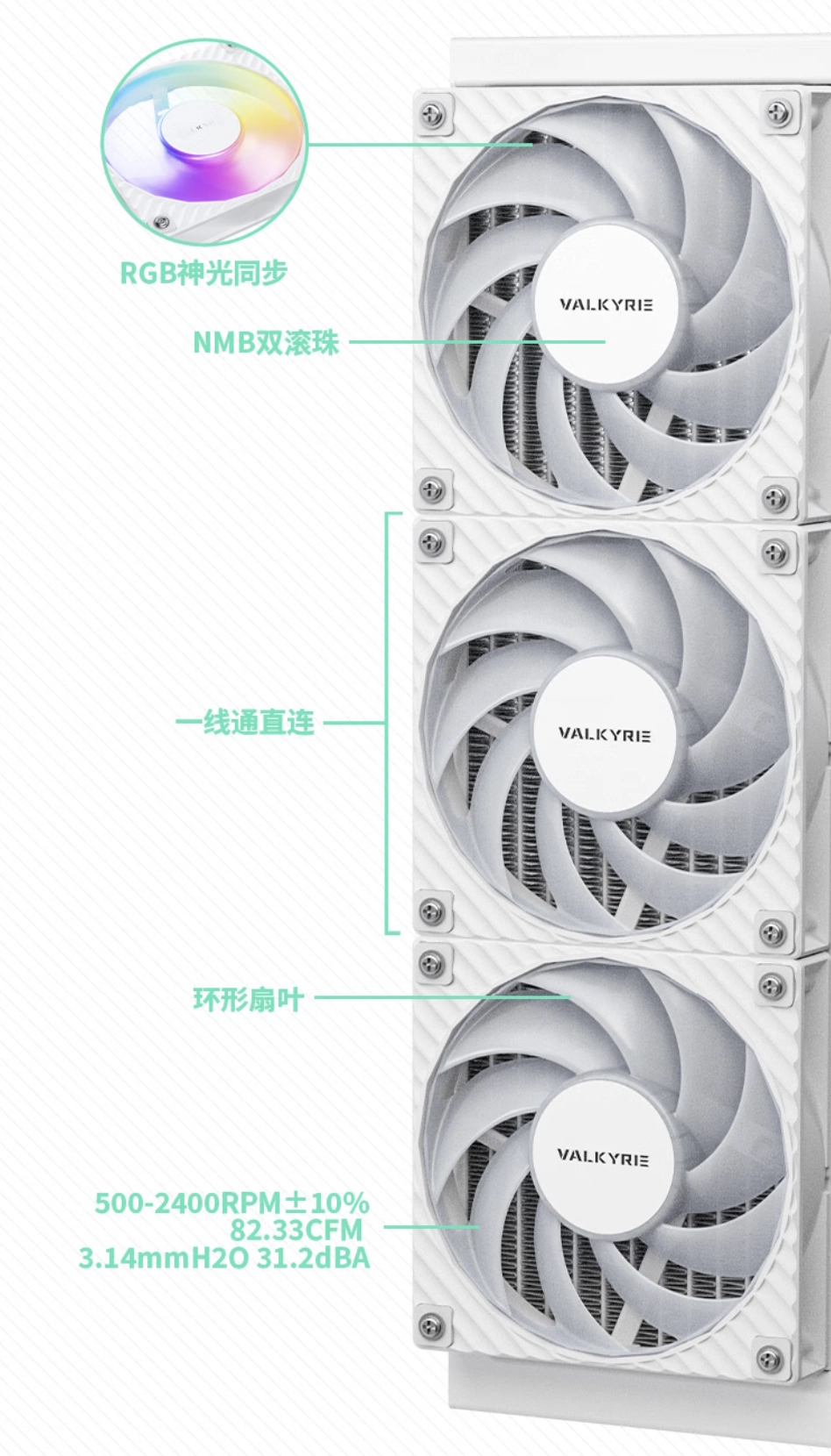
Beneath the massive screen, Valkyrie has implemented several cooling performance features to justify its 300W performance target. Starting with the pump, the N360 VK AIO is a self-developed model featuring a three-phase, six-pole motor and permanent-magnet impeller, utilising ceramic bearings for a longer MTBF. The cold plate employs 0.08 mm micro-channels to maximise the surface area for heat exchange. Moreover, the cooler includes an offset mounting bracket system specifically designed for multi-core processors. By shifting the centre of the cold plate to align with the CPU's actual thermal hotspots, the N360 VK can achieve more efficient heat transfer. Lastly, the 120 mm E2-Pro ring-blade fans featuring dual ball bearings paired with the cooler can operate between 500 and 2400 RPM, delivering up to 82.33 CFM of airflow and 3.14 mmH₂O of static pressure while remaining under 31.2 dBA at full power.
The N360 VK supports a comprehensive range of sockets, including Intel LGA 115x/1200/1700/1851 and AMD AM4/AM5. Available in both black and white finishes, the cooler supports full RGB synchronisation with all major motherboard ecosystems. The cooler is now available for pre-order in China for around £105.
KitGuru says: Given its massive AMOLED screen, built-in processor and 360 radiator, the cooler seems relatively cheap for what it offers. Do you think the N360 VK AIO has what it takes to stand out in the AIO market?
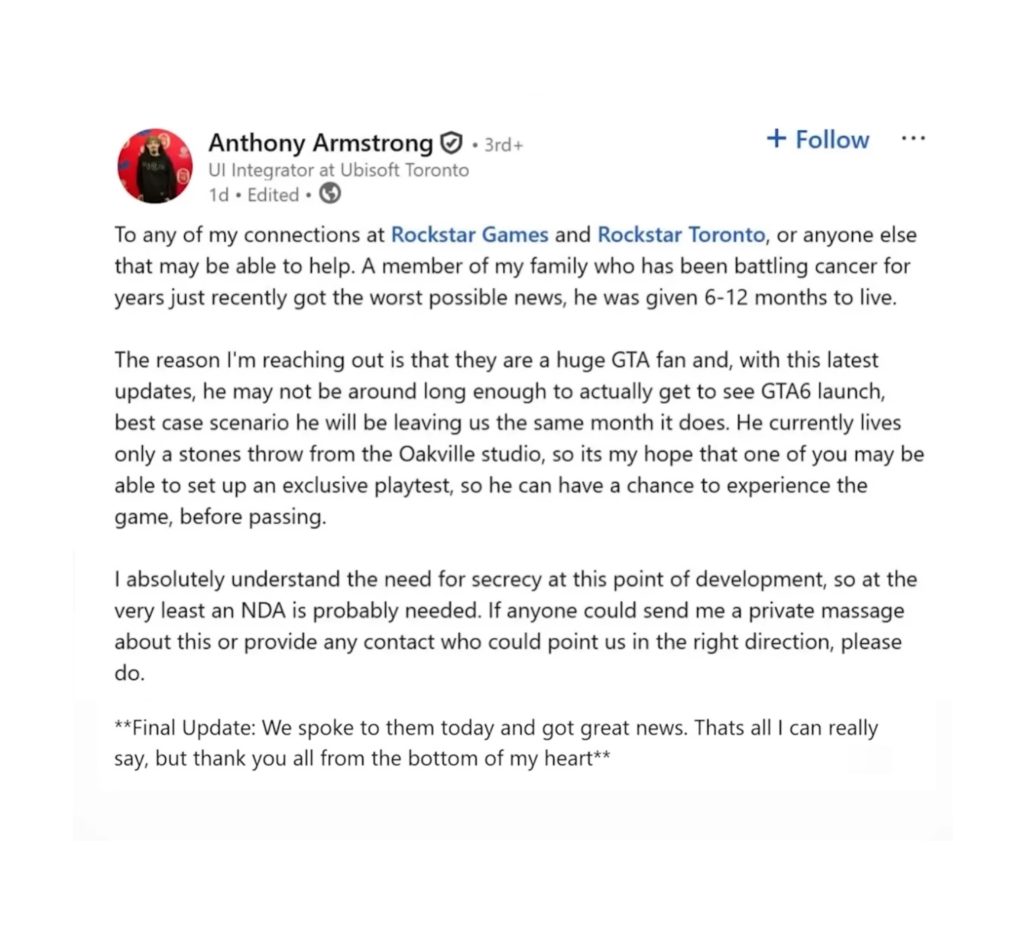
Rockstar Games has reportedly taken steps to grant a terminally ill fan's final wish of playing Grand Theft Auto 6 before its scheduled release on November 19th, 2026. The news emerged after Anthony Armstrong, a UI integrator at Ubisoft Toronto, shared a heartfelt appeal on LinkedIn on behalf of a family member battling cancer.
According to the original post (via GTA VI Countdown), the individual had been given a prognosis of only six to twelve months to live, creating a tragic timeline where they might not survive to see the game's official launch. Armstrong noted that the family member in question lives near the Rockstar Toronto studio in Oakville and expressed hope that an exclusive, confidential playtest could be arranged so they could experience the game.
The story gained significant traction across social media, eventually catching the attention of leadership at Rockstar's parent company, Take-Two Interactive. In a subsequent update before the post was deleted, Armstrong revealed that Take-Two CEO Strauss Zelnick had personally reached out to the family to facilitate a connection with the development team. A final update shared that the family had received ‘great news' after speaking with Rockstar, leading to widespread speculation that an early access session or private demonstration had been approved. The deletion of the LinkedIn thread shortly thereafter is widely believed to be the result of the non-disclosure agreements typical of such sensitive, confidential industry interactions.
This gesture continues a compassionate, albeit rare, tradition within the video game industry. Rockstar Games previously made headlines in 2018 for allowing a terminally ill fan to play Red Dead Redemption 2 several weeks before its debut. Other studios have also allowed gamers in similar circumstances to try out a game ahead of its launch, such as Gearbox Software with Borderlands 4 in early 2025. While Rockstar remains one of the most secretive developers in the world, these exceptions highlight a willingness to prioritise the community's most vulnerable members during critical development phases.
KitGuru says: Rockstar's reputation for secrecy is legendary, but their history of making exceptions for terminally ill fans shows a different side of the studio. While the public will have to wait until November 2026 to try the game themselves, it is heartening to see the industry's biggest players use their resources to provide a meaningful experience for someone in such a situation.
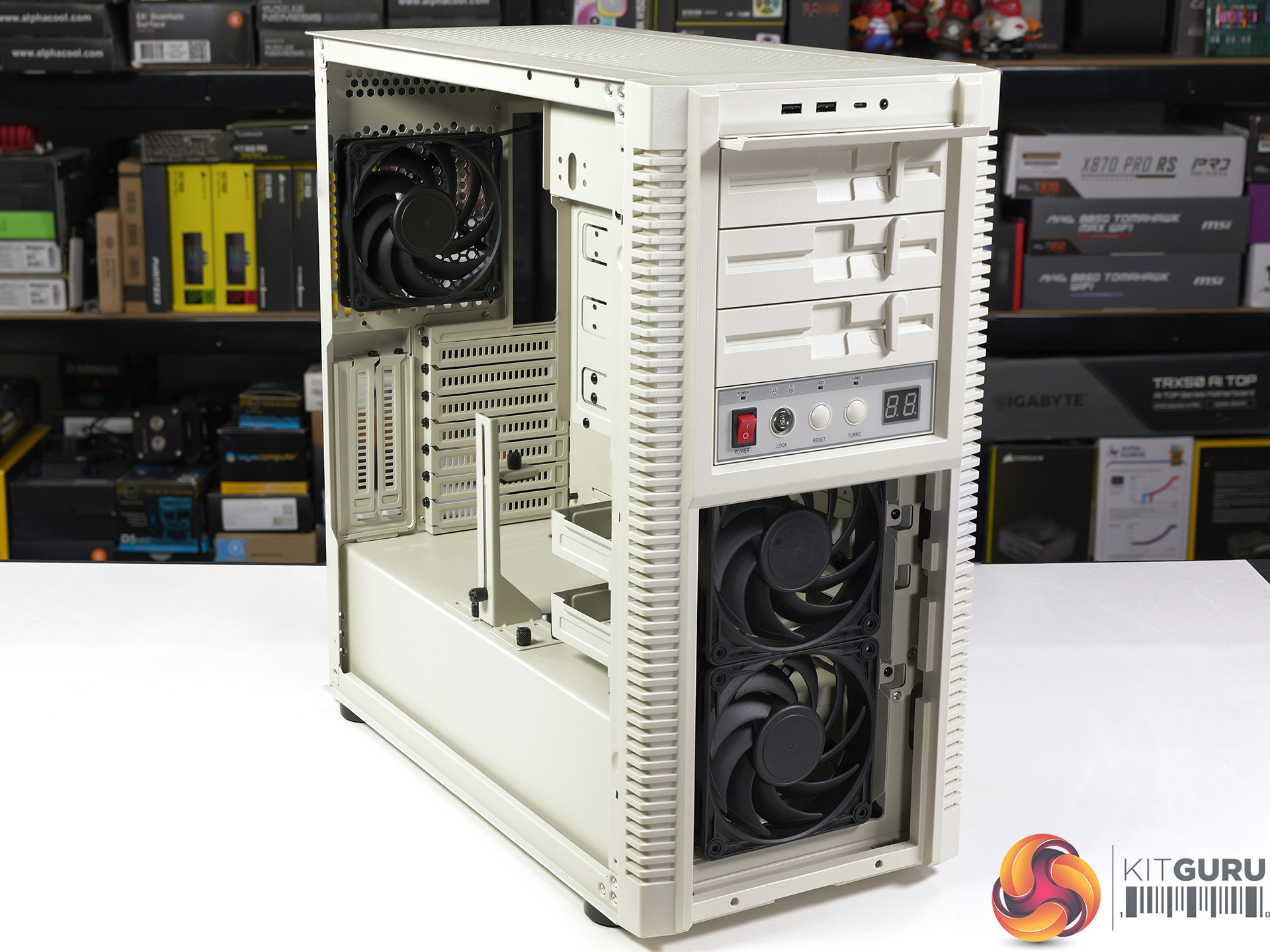
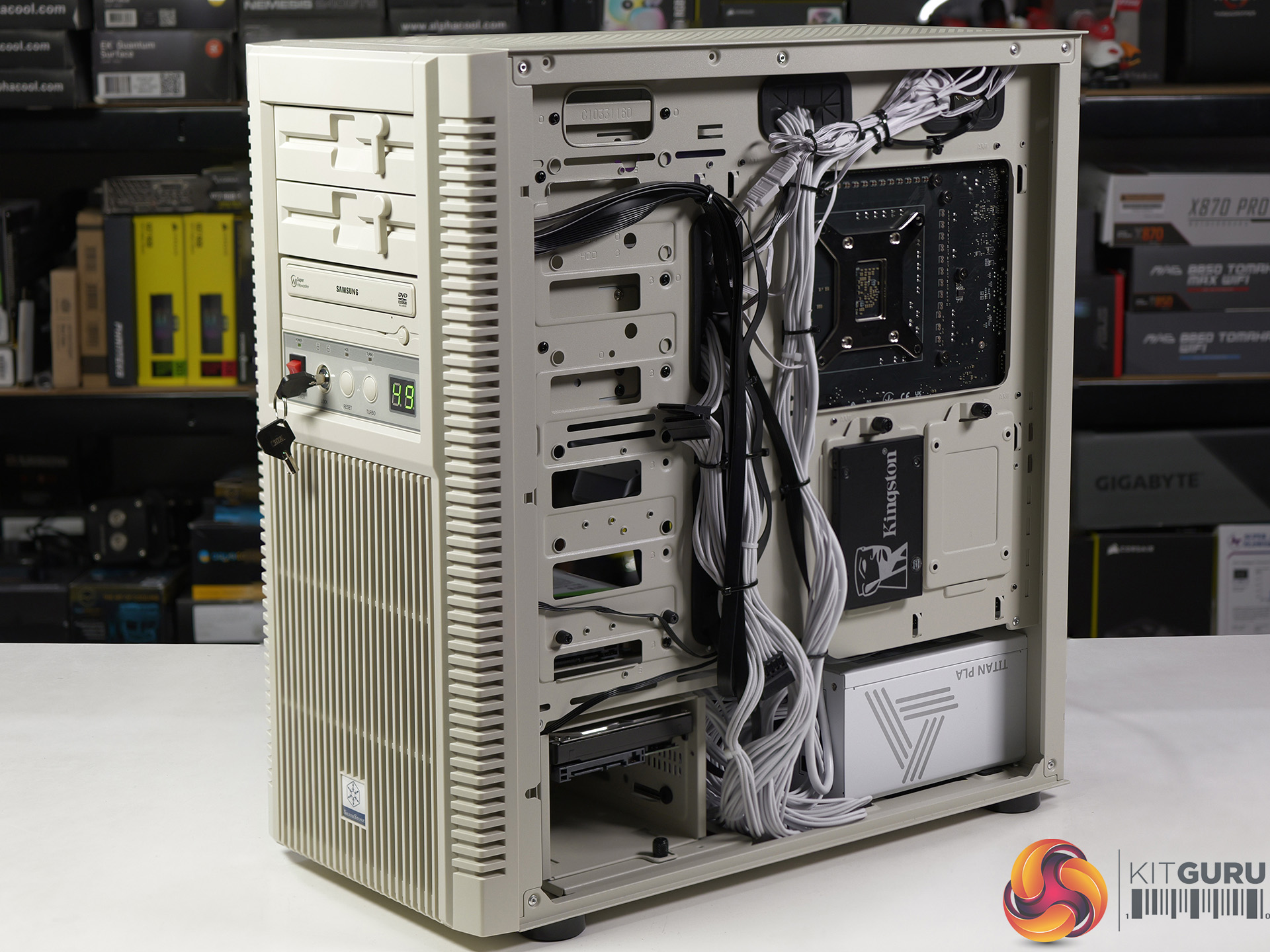
We first saw the retro SilverStone FLP02 at Computex 2025 and loved the charming style and cutesy features. It took a while to receive a review sample and the world has changed significantly in that time. Everything seems to cost too much today and we really don’t want to return to 1995 when 2024 was actually pretty good. Ah, nostalgia.
Main features
Functioning Lock
A key lock mechanism protects the power and reset buttons from accidental activation—useful for families, shared spaces, or anyone who simply prefers an extra layer of control.
Real Segment Display
Shows the active PWM duty cycle—reading “Lo” at low speeds, scaling numerically through mid-range operation, and switching to “HH” when fans are running at full output.
Aesthetic FDD Bays
The case ships with three 5.25-inch bay covers styled like authentic floppy disk slots. They’re cosmetic by default, but each bay is fully compatible with real 5.25-inch devices.
Front I/O ports: 2x USB 3.0 Type-A, 1x USB Type-C, audio.
Dimensions: 494mm H x 472mm D x 232mm W.
Testing
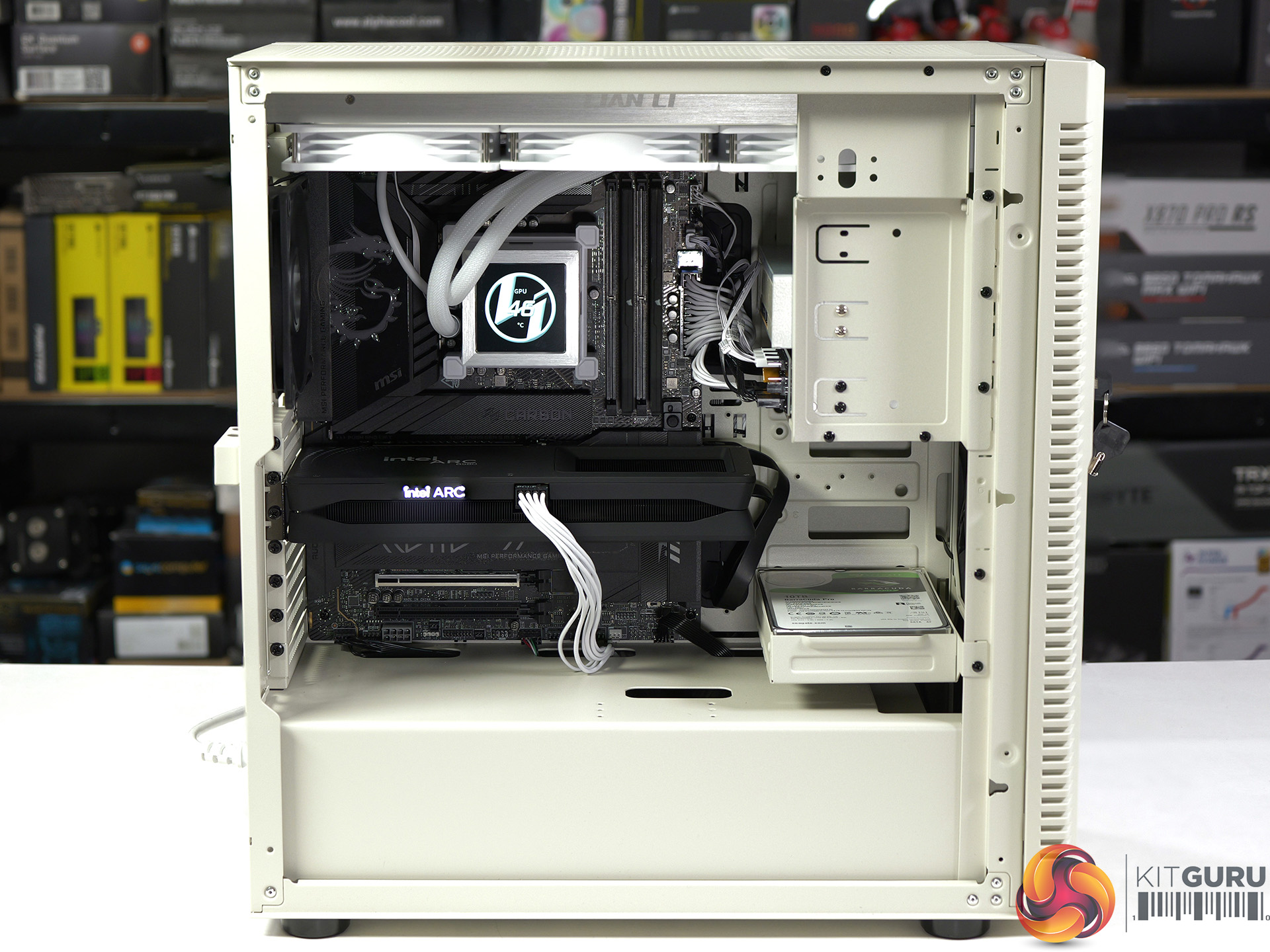
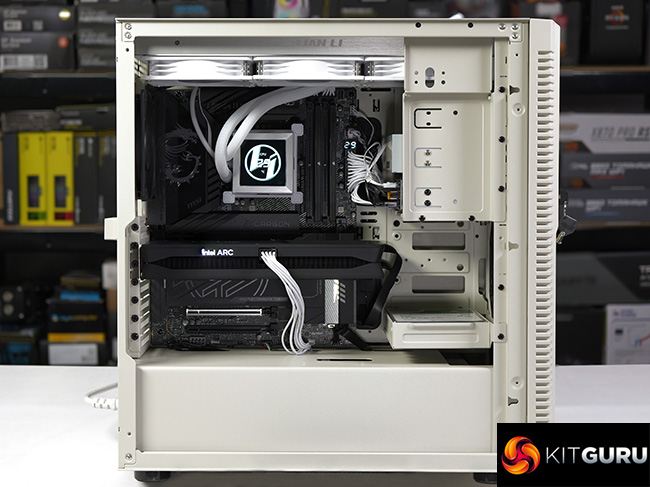
To put this case through its cooling paces we will be using a test system consisting of an Intel Core Ultra 9 285K and an Intel Arc B580 graphics card. This system allows us to effectively test the SilverStone FLP02‘s cooling capabilities.
Test System:
Processor: Intel Core Ultra 285K
CPU Cooler: Lian Li HydroShift LCD 360
Motherboard: MSP MPG Z890 Carbon WiFi
Memory: 32GB Corsair Vengeance LPX DDR5-6800
Graphics card: Intel Arc B580 12GB
Power supply: Montech Titan PLA 1000W
SSD: Crucial T700 5.0 M.2 NVMe
OS: Windows 11
Cooling Performance
Cooling Performance Overview
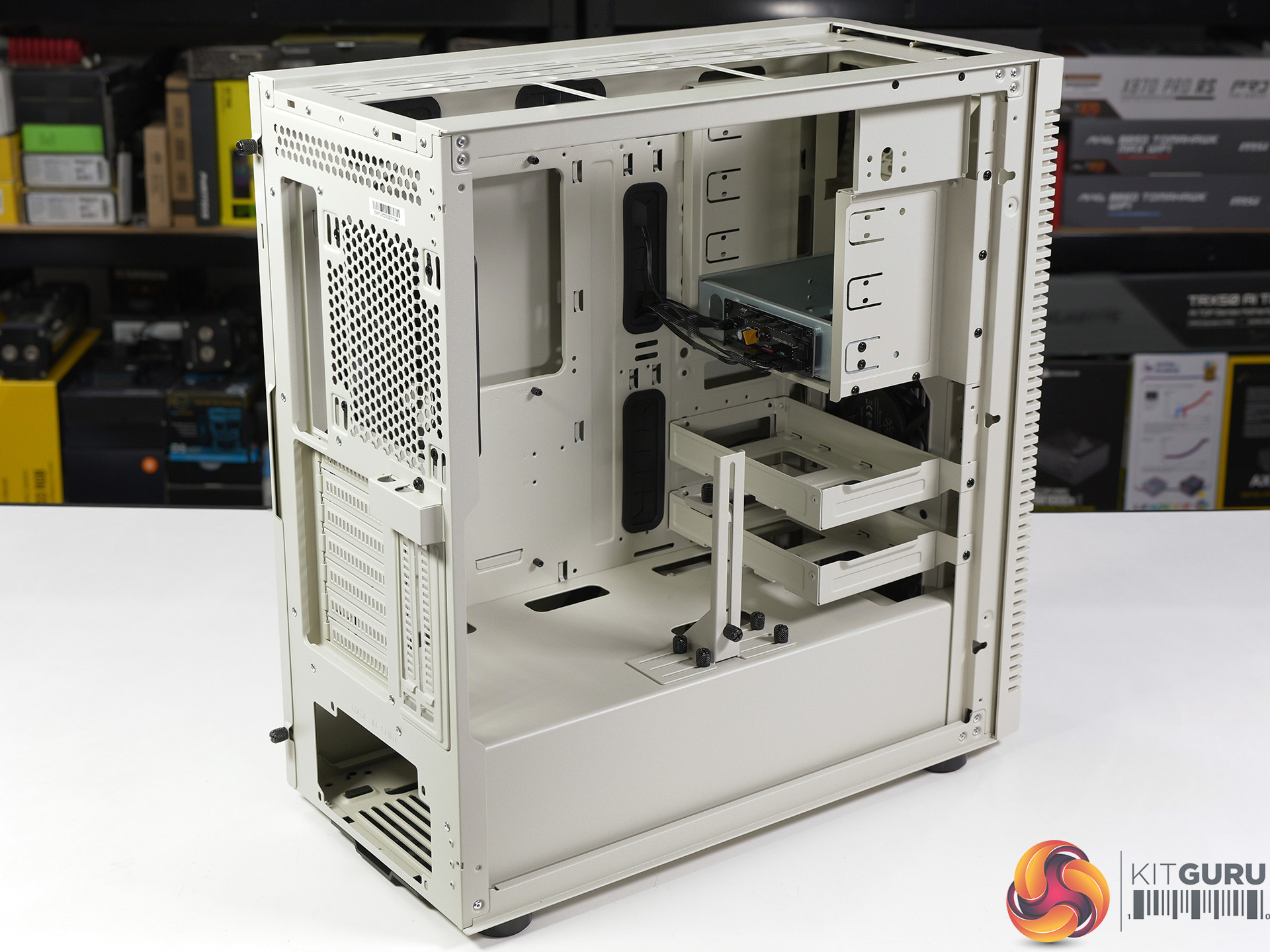
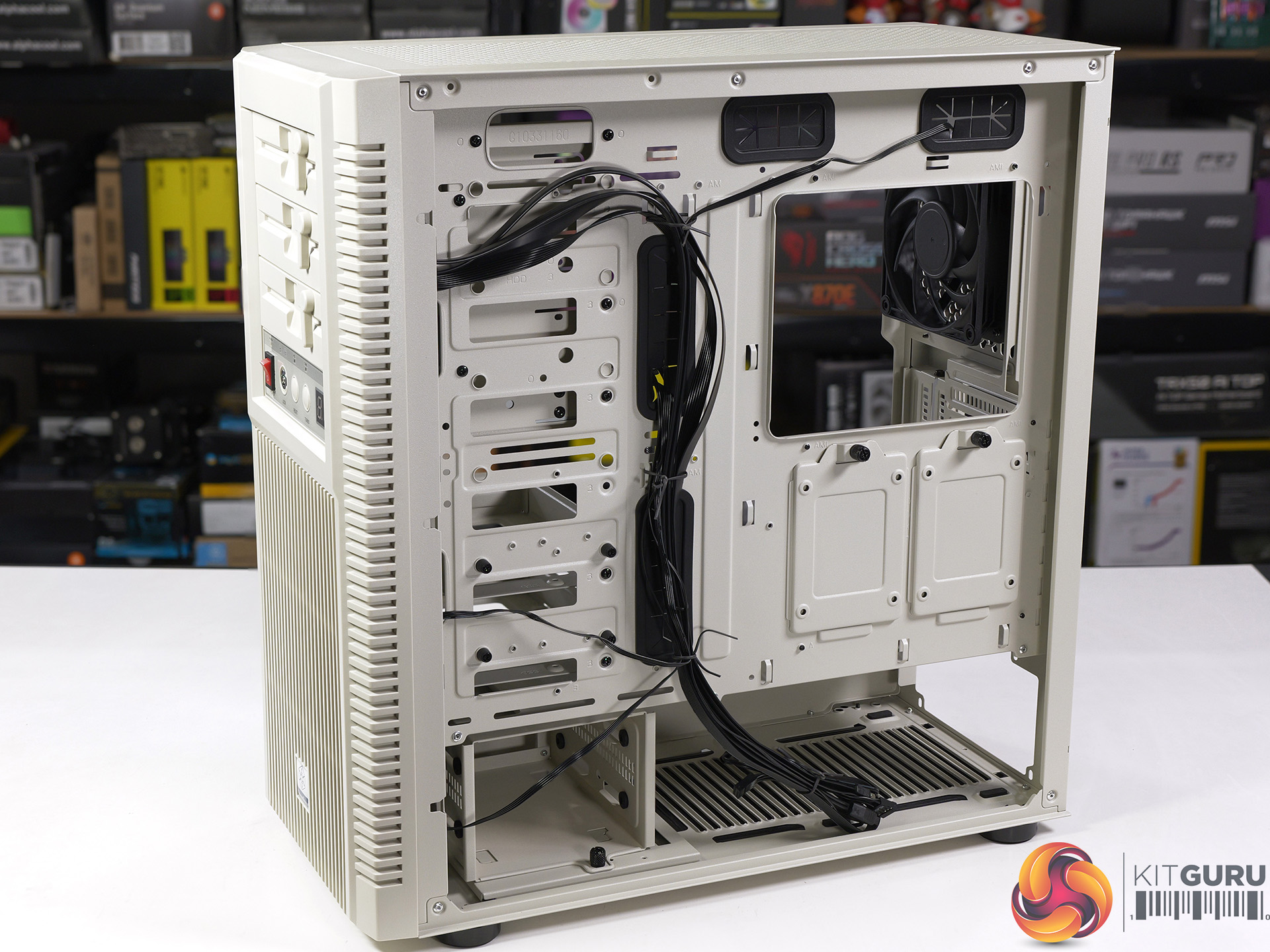
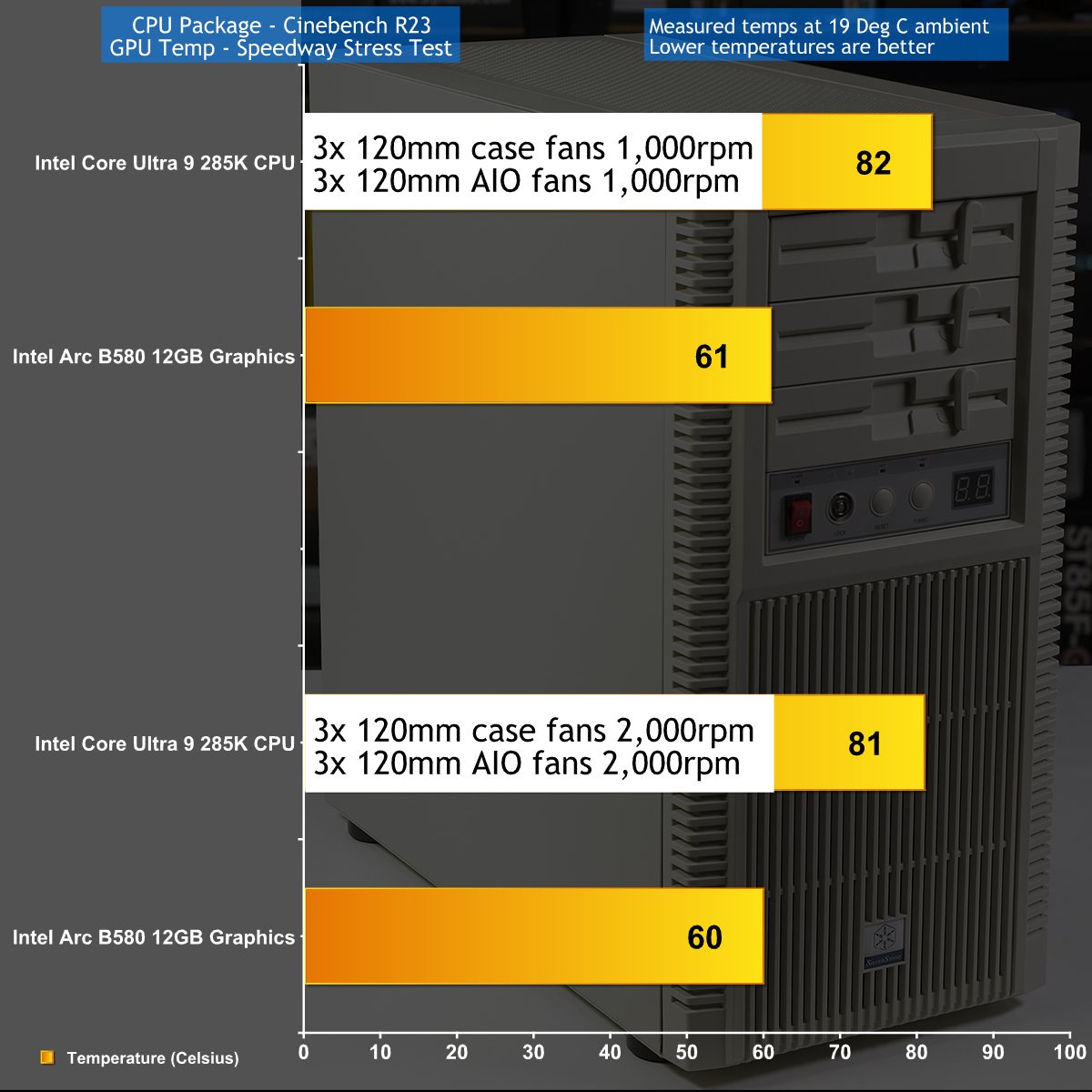
The SilverStone FLP02 has a clear path for air flow from front to back, and also supports cooling in the roof. Balanced against that we have a solid power supply shroud that blocks the area below the graphics card and filters on every vented panel that naturally restrict air flow. For that reason we chose a mid-level PC build that draws 530W under load at the wall socket and the result is that the cooling works perfectly well and without any surprises.
Closing Thoughts
When we first saw the SilverStone FLP02 at Computex it caused us to smile as it was so different to the endless sea of tempered glass and RGB lighting that we typically work with.
In this review we have ended up with mixed views about the case but the single biggest issue is the price which is incredibly high for a case considering the features and hardware on offer.
The key features of the FLP02 are the beige-ish colour scheme and the 5.25-inch drive bays along with the associated front switch panel. Those parts are fun and they work well enough, but they also eat up a chunk of the interior space and slow down the build process.
If you particularly want the Retro look and are happy to lose out on a number of modern creature-comforts, we can see why it would be worth considering, but there are clear limitations considering the price.
AMD is reportedly recalibrating its RDNA 4 production strategy amid the ongoing global memory shortage, which continues to squeeze hardware margins. Although the Radeon RX 9070 series is a success, recent reports suggest that AMD is now winding down production of the standard Radeon RX 9070 to prioritise the more expensive RX 9070 XT. This shift is a direct response to skyrocketing VRAM prices, which have made lower-margin graphics cards increasingly impractical to manufacture.
According to ProHardver (via VideoCardz), because both the RX 9070 and its XT variant use 16GB of GDDR6 memory, the cost of the raw materials for both cards is virtually identical. However, the RX 9070 XT carries a higher retail price, allowing it to better absorb the rising cost of memory chips without requiring drastic price adjustments.
At launch, the RX 9070 was intended to provide a more affordable entry point into high-performance 1440p gaming, priced just £55/$50 below the XT variant. In the current economic climate, where memory producers are prioritising AI data centres over consumer electronics, that narrow price gap has been swallowed up by rising bill-of-materials costs. While AMD does not plan to halt production of the non-XT version completely, the share of this model in total shipments is expected to decrease significantly throughout the first half of the year. This strategy mirrors recent reports from Nvidia, which has also been rumoured to cut shipments to board partners by up to 20% as it navigates the same issues.
For PC builders, this reallocation of resources means that the Radeon RX 9070 XT will remain the primary focus for AMD's board partners for the foreseeable future. Industry analysts suggest that this tricky math for manufacturers will persist until at least 2027, making high-VRAM, mid-range cards like the RX 9070 a rare sight on retail shelves as companies prioritise SKUs that offer the best return on every gigabyte of memory.
KitGuru says: By focusing on the RX 9070 XT, AMD can at least ensure that some high-performance RDNA 4 stock remains available, even if it means the more affordable non-XT version becomes a “ghost” GPU.
Micron Technology is digging deep into its pockets to secure production capacity where it is most strategically valuable. For $1.8 billion in cash, the US memory manufacturer is acquiring Powerchip Semiconductor Manufacturing Corporation’s P5 production site in Tongluo, Taiwan. Formally, this is initially an exclusive letter of intent, with the transaction expected to close in […]
According to available reports, AMD is facing the challenge of offsetting rising costs for graphics memory within the current RDNA 4 generation. At the center of the discussion is the question of whether production and market prioritization will shift more toward the more powerful Radeon RX 9070 XT model, while the non-XT variant loses importance. […]
OpenAI plant, ChatGPT künftig teilweise über Werbung zu finanzieren. Nach Angaben des Unternehmens sollen erste Tests mit Werbeeinblendungen in den USA starten. Betroffen sind die kostenlose Version von ChatGPT sowie der neue Einsteigertarif ChatGPT Go. Höherpreisige Abonnements wie Plus, Pro, Business und Enterprise sollen weiterhin ohne Werbung nutzbar bleiben. Für Nutzer außerhalb der USA, darunter […]
Microsoft had to backtrack. And faster than usual. The regular January patch day not only closed security gaps in several Windows versions, but also opened up new areas of concern. The result was a classic own goal, which is now being patched up with a so-called out-of-band update. Not a glorious moment, but a necessary […]
The matter has been decided, at least for now. China has officially banned imports of the Nvidia H200, thereby setting a clear counterpoint to US export policy in terms of industrial policy. What began as an “urgent recommendation” to Chinese companies not to make any further investments in Nvidia accelerators has now become a formal […]
In a recent ruling, the Federal Court of Justice has fundamentally reassessed the criminal classification of card sharing in the area of pay TV piracy. Contrary to previous practice, the 6th Criminal Division denies that the unauthorized use of encrypted television content causes direct financial damage to providers and thus constitutes computer fraud under Section […]
Today’s article is dedicated to a topic that has been discussed repeatedly for years, yet surprisingly often misses the point. When talking about applying thermal paste, many debates revolve around methods, patterns, and supposedly ideal distribution techniques. This gives rise to entire philosophies and almost dogmatic doctrines that ultimately have one thing in common: they […]
The Rubik's Cube is a timeless toy that needs no introduction, and TCL's latest portable projector, the PlayCube, is inspired by its design. Specifically, the side of the projector can be twisted like a Rubik's Cube in order to more precisely aim over obstacles. Hands-on reports for the device are generally positive, but also framed within
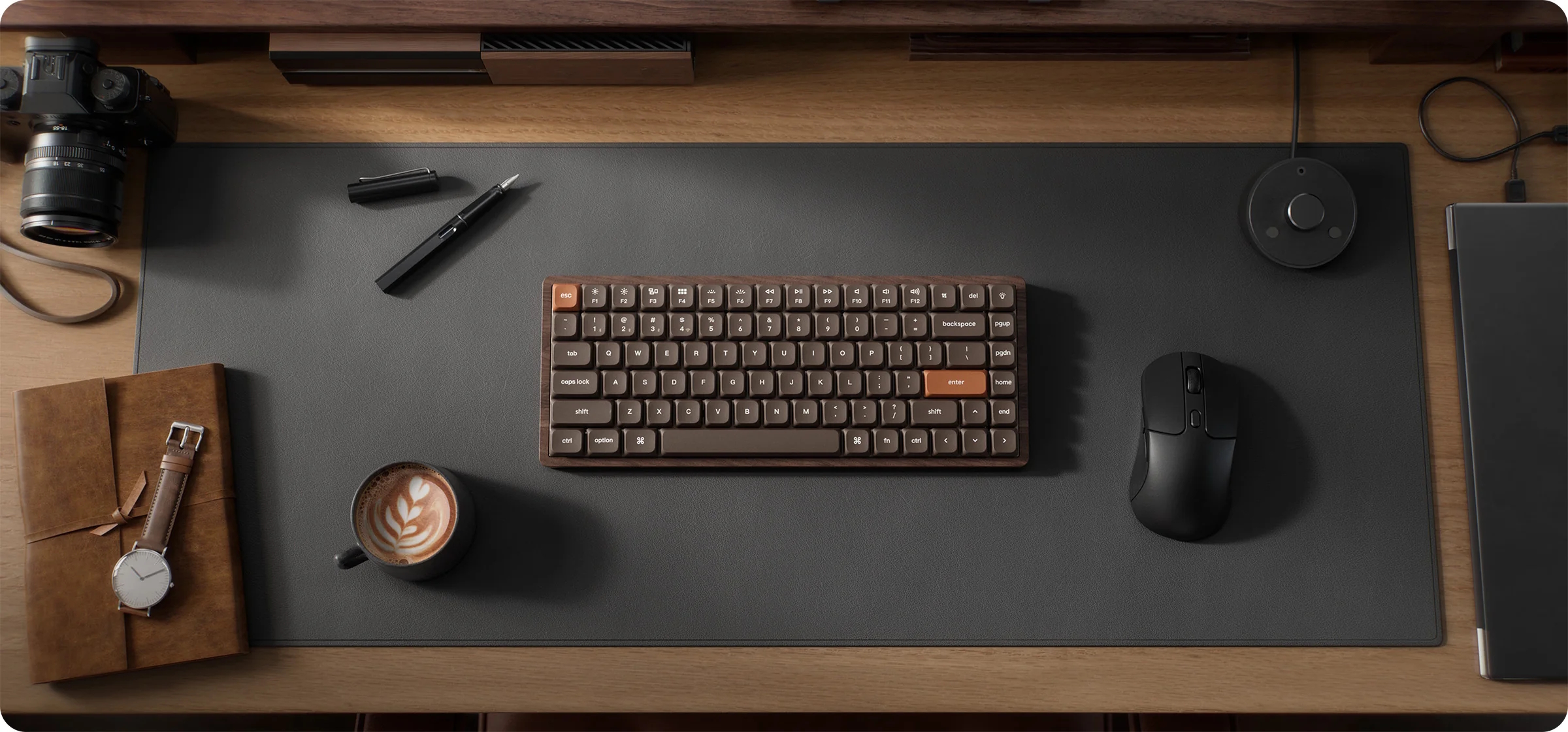
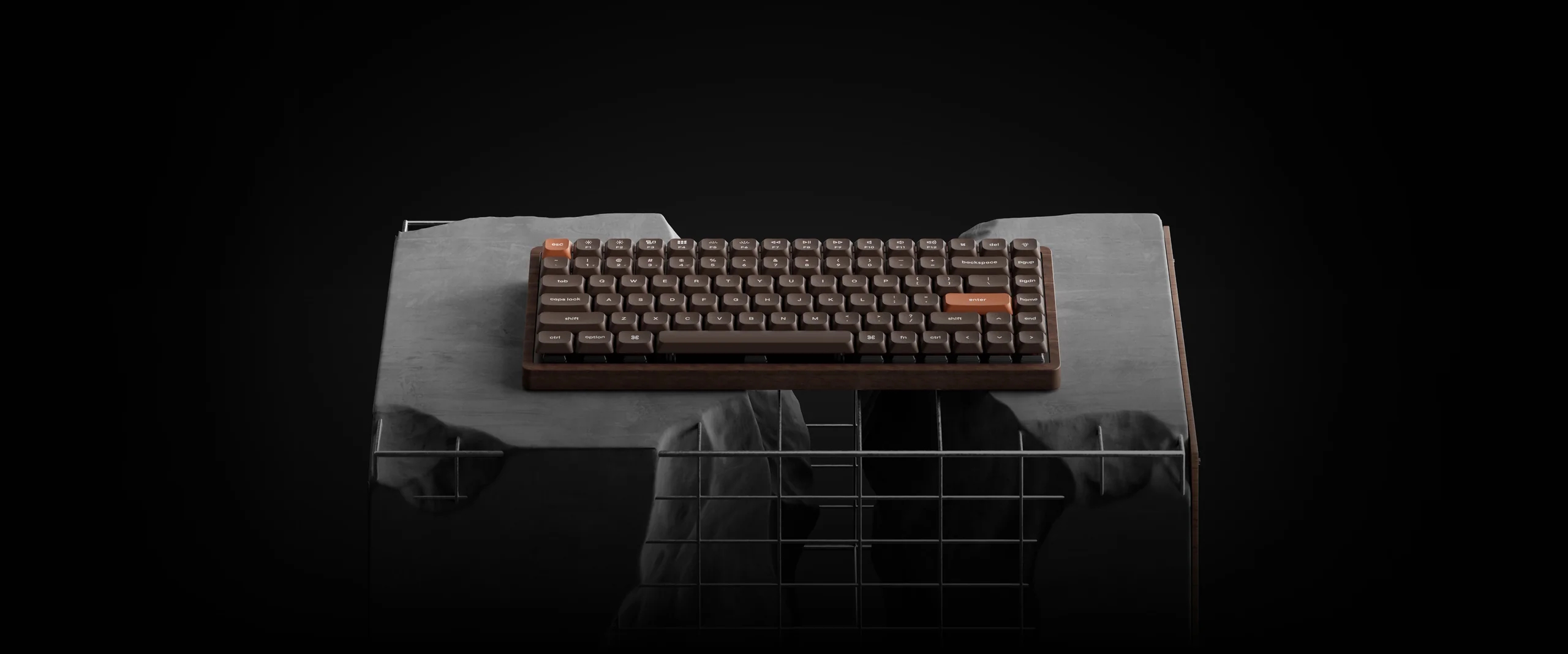
Keychron is continuing its trend of experimenting with unconventional materials. Following the ceramic Q16 HE, the latest addition to the company's lineup is the K3 Max All-Wood Edition, which reinvents the popular 75% low-profile mechanical keyboard with a solid walnut wood chassis.
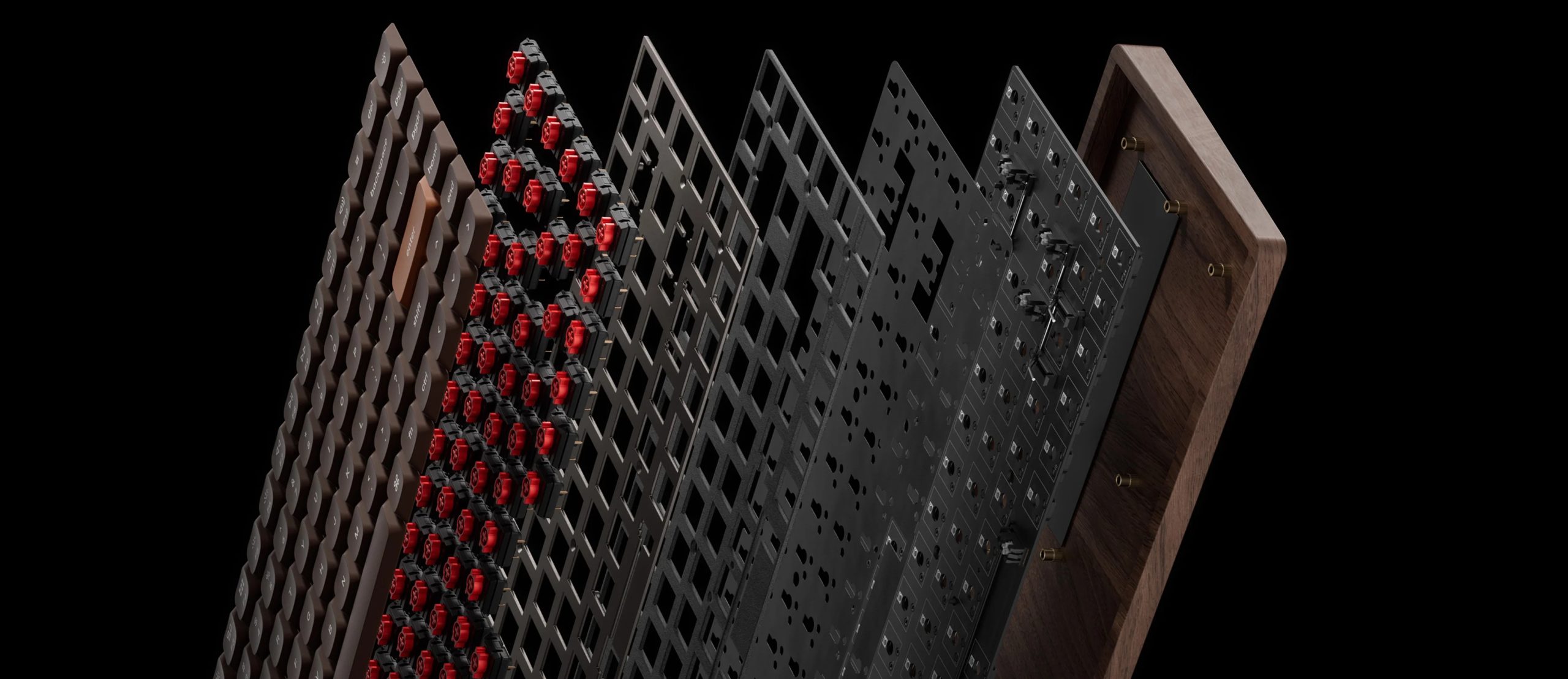
Unlike the previous K2 HE All-Wood Edition, the K3 Max All-Wood Edition has a slim design, measuring only 10.7 mm at the front, or 20.2 mm including the keycaps. This keyboard is only available with Milk POM low-profile switches, which use a full POM housing and stem for improved durability and a smoother keystroke. Buyers can choose between linear red and tactile brown versions, both factory pre-lubed to reduce spring noise and friction. While the board is designed with these specific switches in mind, it remains compatible with other Gateron KS-33 mechanical switches via its hot-swappable sockets.
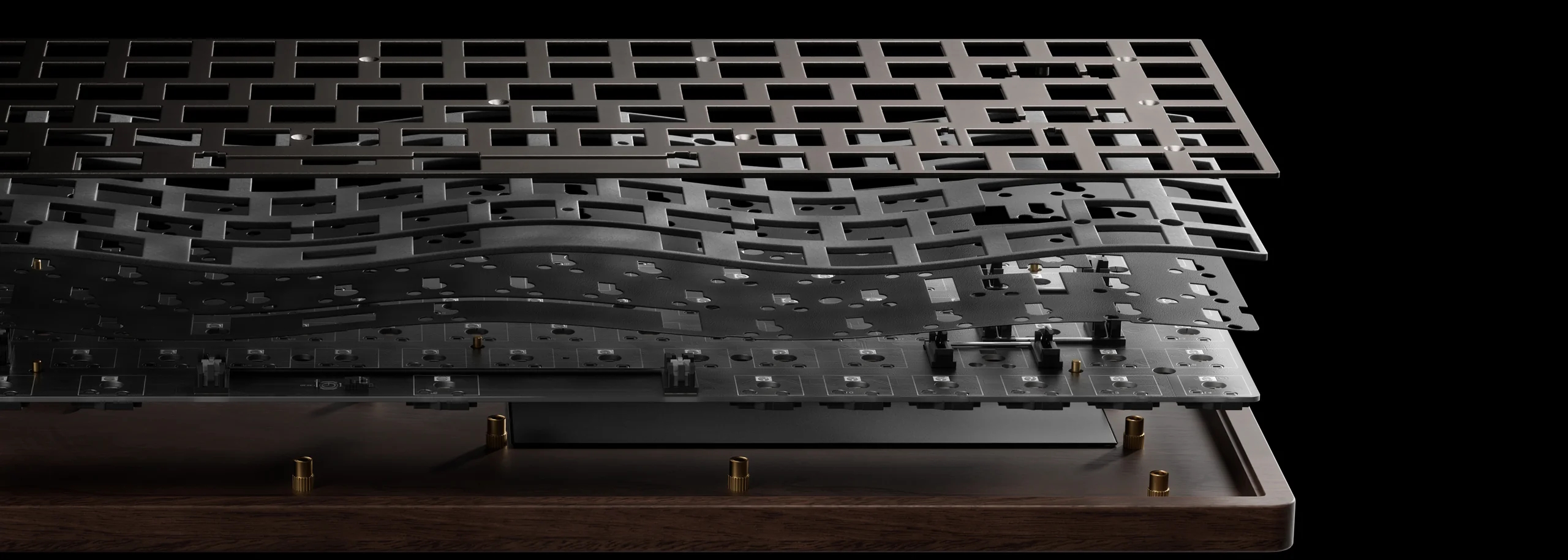
While the exterior is made of walnut, Keychron has retained the original K3 Max's internal aluminium plate to ensure structural rigidity and a consistent typing feel. Connectivity remains versatile, supporting both 2.4 GHz and Bluetooth 5.2 wireless, as well as a wired USB-C mode. The 1550 mAh battery is rated for up to 86 hours of use with the backlighting turned off.
To complete the natural aesthetic, the double-shot PBT keycaps in the LSA profile have been colour-matched to complement the walnut wood tones. Moreover, it also supports QMK, allowing users to create macros and change inputs as they see fit with relative ease. The keyboard is currently listed at $119.99 on Keychron's official website.
KitGuru says: Keychron's foray into wooden enclosures is becoming more refined with each release. The K3 Max All-Wood Edition offers a distinct, organic aesthetic without the ergonomics-breaking thickness usually associated with wooden cases.
The current global political situation increasingly resembles a poorly rehearsed stage play in which Europe is still present on stage but no longer plays a meaningful role. Caught between the fronts of old and new autocracies, we are being reduced to mere extras, regardless of whether the focus is on Asia, Russia, or the United […]
Intel has hired long-time graphics architect Eric Demers. The former developer at Qualcomm and AMD confirmed his move in a public post on LinkedIn. The move comes against the backdrop of a strategic realignment of the company’s graphics and AI division. Demers has decades of experience in the design of modern graphics processors. At AMD, […]
With the January 2026 security updates, the new Windows 11 Start menu is reaching the masses for the first time. Formally, it has been available since the November update, but in practice it remained a feature for a limited group of users for a long time. Now it’s here, and the reaction is as expected: […]
The Predator spyware from the Intellexa Alliance is once again the focus of security analyses. Previous investigations, including those conducted by the Google Threat Intelligence Group, had already provided in-depth insight into the structure and functionality of this surveillance tool. However, new findings from the Threat Lab of Apple security company Jamf show that these […]
The narrative is convenient and politically appealing: artificial intelligence takes over boring routine tasks, while humans take care of the demanding, creative, and strategic tasks. A new study by Anthropic now dismantles this narrative with remarkable sobriety. And the result is uncomfortable for many companies. Because in practice, the opposite is happening. AI is used […]
What happened here has nothing to do with everyday life, gaming, or sensible product use. And that’s exactly why it’s so interesting from a technical standpoint. An extreme overclocker quickly added a second 12V 2×6 power connector to a Geforce RTX 5090, pushing the card to a power consumption that would make even workstation power […]
A malvertising campaign that has been active since at least June 2025, internally known as TamperedChef, uses paid search ads to distribute manipulated PDF software. According to available analyses, this is a large-scale wave of infections in which Windows systems are compromised with an infostealer. The malware disguises itself as a legitimate PDF editor and […]
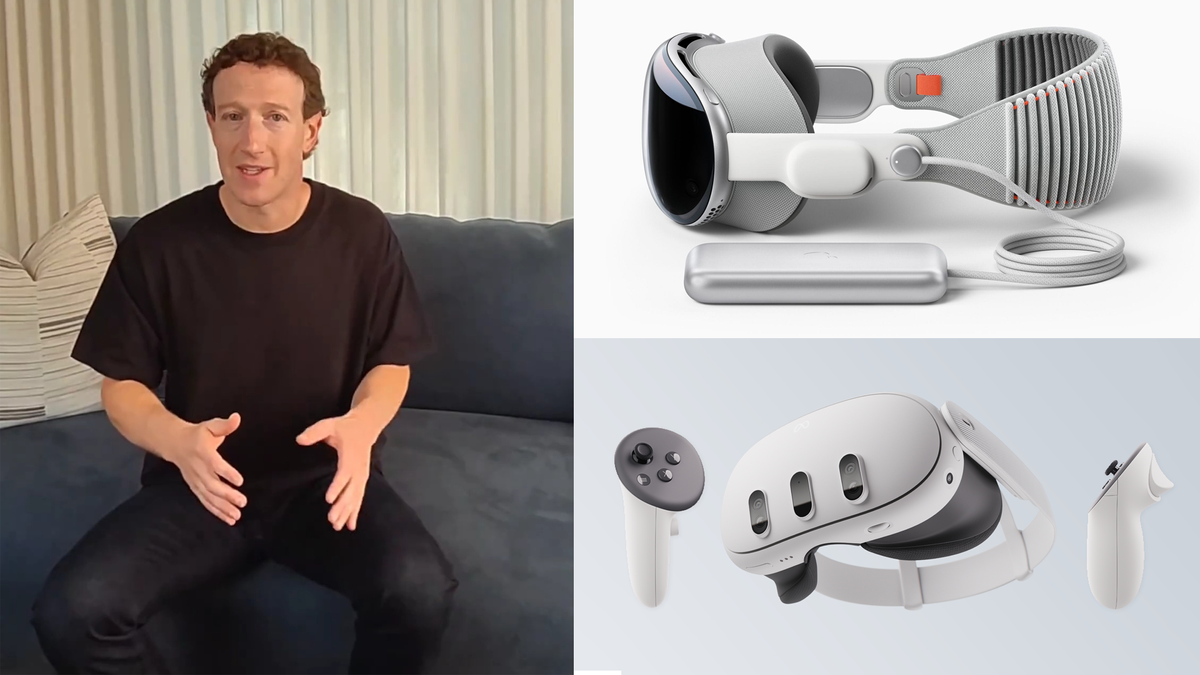
In 2014, Mark Zuckerberg bought Oculus VR for a couple billion dollars with the premise virtual reality was to become the foundation of personal computing.
In 2026, virtual reality is really starting to dig its roots into those foundations with OpenXR and Flatpaks. Operating systems based around VR headsets with eye tracking as a key feature are now receiving updates from Google, Valve and Apple.
New walled gardens are building up fast even as old ones fall down. Valve is coming for gaming, Google is relying on Android APKs, and Apple is building out a new kind of live sports and TV experience, all of it with VR as the display for the entire landscape.
Earlier this week many hundreds of people lost their jobs as Meta announced the most dramatic course-correction to its strategy yet. Even though VR's future has never been brighter, the weight of Meta's shift might lead some to believe "Oculus VR" here was a "legendary misadventure" and virtual reality is dead, again.
That couldn't be further from reality. If you care about the future you should have been reading UploadVR yesterday.
As I look across the last 10 years and try to piece together a picture of how Meta ended up here, I find one key technology conspicuously absent from almost all their headset and glasses designs, save for the failed Quest Pro.
Here's a look at why the absence of eye tracking limits VR's scale and Zuckerberg's ambition for a new social network clouded the Oculus vision.
Eye Tracking In 2017
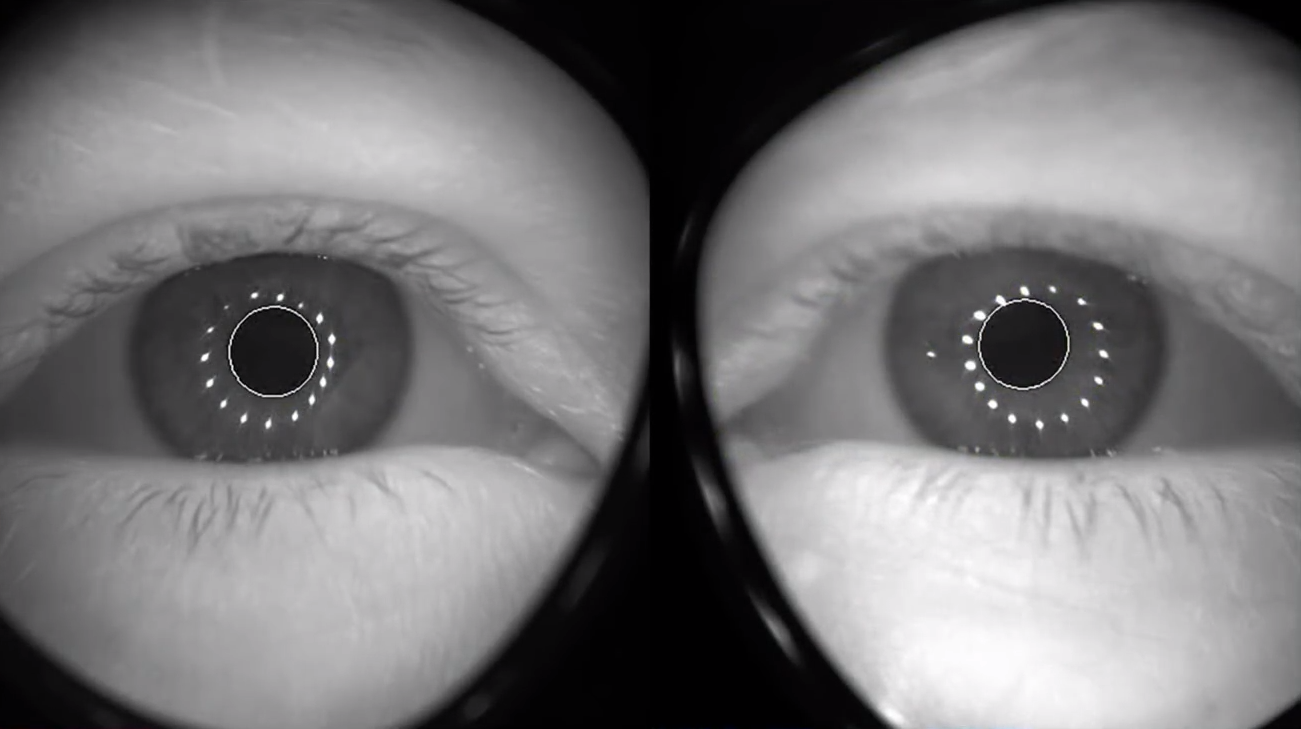
In 2017 I attended a pair of eye tracking demos at GDC, one of them inside Valve's booth. From these demos I started to realize "just how empowering eye tracking will be for VR software designers."
"The additional information [eye tracking] provides will allow creators to make games that are fundamentally different from the current generation," I wrote. "It was like I had been suddenly handed a superpower and I naturally started using it as such — because it was fun. It is up to designers to figure out how much skill will be involved in achieving a particular task when the game knows exactly what you’re interested in at any given moment."
Architecting an entire VR platform over a decade without a solid plan for default implementation of eye tracking is a study in long-term vision meeting short-term execution.
"Apple's eye tracking is really nice," Zuckerberg noted on Instagram in 2024 after saying he tried Apple's headset. "We actually had those sensors back in Quest Pro. We took them out for Quest 3, and we're gonna bring them back in the future."
You could see this tiny comment as one of the first public acknowledgments in which he is starting to realize something is deeply wrong with his current strategy.
When Facebook stopped selling Oculus Go it acknowledged the company wouldn't ever make another 3DoF headset. The same thing should have happened after the Quest Pro launched in 2022 with eye tracking. It didn't. By the time Meta ships a second VR headset with eye tracking, roughly five years will have passed from the first. The company is probably all in on full-body codec avatars being their prize for drawing you into their vision of the metaverse now, after Apple stole their initial thunder with FaceTime and Personas powered by good eye tracking.
I believe we now have evidence that VR headsets that can't see what you want by following the intent of your eyes aren't serious contenders as platform plays. Valve, Google, and Apple are all centered on the technology in their latest headsets for slightly different reasons. When you pull back far, you can see that Steam Frame's DK1 was the HTC Vive in 2016 and Valve Index was its DK2 from 2019.
Valve decided SteamOS in VR is ready for prime time in 2026 with Steam Frame's consumer release, following Apple deciding 2024 was the time to launch Vision Pro. Both use eye tracking to do key things for users.
From Rift To Quest
For Zuckerberg's organization, the ramping investments over the last decade would build the necessary technologies for a complete computing platform, starting with just a few billion to acquire the development team behind the Oculus Rift. Michael Abrash left Valve to found a modern Xerox PARC within Zuckerberg's larger organization, drawn by the commitment to invest in costly long-term research and development.
Meta built those technologies in a fairly public way by showing work as it went, both in sharing research and selling products. Solid ideas like Oculus Medium during this early period were spun out and continued at places like Adobe.
Starting in 2020, Facebook tried forcing the linking of its accounts to the use of Quest headsets and, in early 2021, it tried advertising in virtual reality. VR users quickly rejected both efforts.
Facebook's executives embarked on a rebranding effort to Meta alongside a new accounts system developed as a fresh start for Zuckerberg's new computing platform in headsets and glasses. By the end of 2021, Facebook was Meta.
Quest 2 was selling well. There was a well-curated store, their hand tracking was quickly approaching state of the art, and there was no credible competition in the United States shipping a standalone VR headset. Any stink associated with Facebook was being put behind Meta with Zuckerberg's bold new vision of the "Metaverse."
And a high-end Quest Pro with eye tracking was still coming in late 2022.
A Legendary Misadventure?
"Setting out to build the metaverse is not actually the best way to wind up with the metaverse," warned technical guide John Carmack in 2021. "The metaverse is a honeypot trap for architecture astronauts... Mark Zuckerberg has decided now is the time to build the metaverse....my worry is we could spend years and thousands of people possibly and wind up with things that didn't contribute all that much to the ways that people are actually using the devices and hardware today...we need to concentrate on actual products rather than technology, architecture, or initiatives."
In 2022 Carmack left Meta as he "wearied of the fight" and, four years later, thousands have departed as leadership reshaped the company in the form of VR and AR technologies. Until the layoffs in 2026, Meta's leadership and design failures didn't reek of the failure Carmack specifically warned about. Now they do.
After laying off the vast majority of the game developers Meta hired and tasking the rest to "Horizon" initiatives, do we see Beat Saber and Population: One become a last ditch effort to keep Horizon Worlds alive? Meta's latest move in December, as some of the first Steam Frame kits arrived with devs, was to delist Population: One from the Steam store, noting that it was a move to stop "unfair play" by cheaters using the openness of a PC to break the multiplayer experience.
The legendary misadventure here was the entire Horizon Worlds effort, attempting to force a social network by brute force onto the wrong technology at the wrong time in the wrong way. 2026 represents a reset of Meta's efforts, certainly, but the question is exactly how far back in this timeline Meta needs to go to figure out what went wrong, and which structural changes need to take place to fix it?
Gaming Studios Instead Of Eye Tracking
Meta acquired Beat Saber in November of 2019 and, over the next several years, doubled down multiple times by hiring dozens of developers skilled in the use of Oculus Touch controllers. Some of these decisions were set against unusual behavior patterns due to a generationally significant pandemic keeping people home near their headsets.
During the 2016-2018 period, NextVR streamed NBA games live to VR headsets, a startup called Spaces opened a walk around Terminator VR attraction, and the first decent eye tracking was demonstrated in consumer VR hardware. Apple released a headset that combined all those technologies mentioned from 2017 in a 2024 product.
At Meta, someone made decisions to ship headsets without eye tracking after shipping a single headset that tracks eyes. They have their reasons, but whatever they are may be the cause of Meta losing some of the lead in VR that was bought with Oculus in 2014. Whatever is going on with Meta's decision-making process, leadership tried to rectify it by the end of 2025 with the hiring of a key executive from Apple.
Now Meta faces a world where it might increase production for its non-VR glasses products. Meanwhile, Apple, Google, Samsung, and Valve ship or plan to ship VR headsets with eye tracking.
From Real To Virtual And Virtual To Real
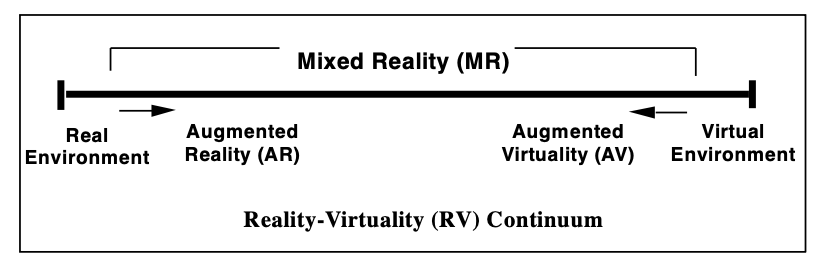
30 years from this chart's appearance in research literature to Apple making a dial to move what you see across the entire Reality-Virtuality Continuum.
Imagine two types of eyewear at opposite ends of this particular continuum from Paul Milgram's seminal 1994 paper. One at the right is a relatively heavy VR headset that is essentially all display. The other at left is a pair of ultra lightweight frames with no display. Today Meta ships Quest 3, 3S, and Ray-Ban glasses in each of these categories, and they all lack eye tracking.
Apple ships only the Vision Pro with eye tracking today and it is a $3,500 device not many people have tried. The headset does a little magic trick with this chart. It is rooted at the right edge of the chart, but software defaults to starting you at the left side. Turn the dial on the headset and the world can shift from your environment being fully "real" to fully "virtual" across the whole continuum.
Apple is surely readying something to secure the left side of the chart. When they launch, what features will they focus on and how might Apple and Meta eyewear differ?
Pointing Cameras In The Wrong Directions
If Vision Pro is a spatial computer I want Apple's answer to the Meta Ray-Ban glasses to function more like a spatial mouse. No display and all input.
Apple could take the sensors for tracking hand movements and eye movements from Vision Pro and put that technology into slim frames with Bluetooth and battery. Thin clear glasses can gather the same eye and finger input as a big enclosed VR headset. It's difficult, surely, but it's more useful than putting in a display system for one eye. The differentiating feature would be a universal remote for everything that's so impossibly advanced it could feel like magic almost everywhere.
You should be able to operate an iPad or Apple TV, and maybe other Apple devices, the same way you do the menu of a Vision Pro. Just pinch and drag in the open air. Ex: While washing the dishes with your hands and watching a movie on your iPad, you look over and pause a movie without touching the tablet with your dirty hands.
You should be able to run your finger along any flat surface as a virtual trackpad for any computer you're looking at.
You should be able to touch type on any surface.
Google told me touch typing on any surface would be a solved problem in a couple of years at the end of 2024. In such a focused design, Apple could conceivably replace the mouse, trackpad and keyboard with eyewear at the opposite end of the spectrum from Vision Pro. I mean that literally because display-free means you only ever see the real environment through a pair of frames, and yet the glasses still track your eye movements the same as they do in Vision Pro.
In Apple Vision Pro, eye tracking is used to target what you're looking at so that when you "mouse click" by pinching your fingers together the whole system responds to exactly what you want in that moment. It's also used to drive the included Persona avatars and even the outward-facing display system showing recreated eyeballs to external viewers. That's a lot of technology, weight and expense Apple introduced in Vision Pro to fully enclose a person in a focused virtual location represented as an Apple home environment, and then anywhere else along the mixed reality spectrum using a dial and software.
None of that seems like a mass market need unless you had an experience in 2017 that instantly made you feel like a superhero in a VR headset. Why do VR headsets need eye tracking? For the same reason a computer needs a mouse. It is how you tell the computer what you want in a graphical user interface, even if you still need something else to select what you're looking at.
Every episode this year just keeps getting better, try it, you'll see. This food podcast brought to by the tech news! Also, 9850X3D this month, welcome back 8GB GPUs, and 2026 will…
Taiwan and the United States have announced what's being described as a $500 billion commitment aimed at expanding semiconductor manufacturing in the U.S., a striking figure that reflects how strategically important chip production has become. Despite the bombastic headlines, though, the structure of the deal is more layered than the big number
 Connexion