The Ace Combat series is easily the most well known in the combat flight sim genre, with the franchise stretching all the way back to 1995. The latest entry, Ace Combat 7: Skies Unknown launched back in 2019 has continued to see consistent sales. Following the official and long-awaited announcement of Ace Combat 8: Wings of Theve, the team have revealed that Skies Unknown has now exceeded 7 million copies sold.
Late last year, in the lead up to the game’s 7th anniversary, Team Aces revealed that 2019’s Ace combat 7 was closing in on 7 million copies sold.
Cut to a month later and the latest entry has now officially hit the 7 million mark in alignment with the game’s 7th birthday – with the team taking to Twitter to say:
“#ACECOMBAT7 SKIES UNKNOWN has now been available for seven years and has surpassed 7 million copies sold worldwide. We are deeply grateful that so many players have continued flying with us for so long. We look forward to meeting you again in the next skies.”
With its successor set to launch some time this year, it will be interesting to see how many copies Skies Unknown will have sold when all is said and done.
KitGuru says: Are you a fan of the Ace Combat series? Have you been satisfied with Skies Unknown or have you been itching for a new entry? Let us know down below.
While SEGA is generally loved by many in today’s day and age, the game publisher is not free from controversy, with game preservation being a particular issue at SEGA – especially when it comes to older titles which have since been re-released. Ahead of the official arrival of Yakuza 3 Kiwami in February, SEGA have confirmed that the original Yakuza 3 Remastered will soon no longer be purchasable standalone.
Ahead of the launch of Yakuza 3 Kiwami and Dark Ties, the team at RGG studio took to Twitter to announce that the arrival of the remake will coincide with the near-complete-removal of 2021’s more rudimentary remaster, writing:
“Those who already own ‘Yakuza 3 Remastered’ will still be able to continue playing it. For those new to the series who wish to experience the original version, it will be available with purchase of the ‘Yakuza Complete Series’ bundle.”
While worded somewhat awkwardly, in essence, the original Yakuza 3 Remaster will no longer be purchasable following the arrival of Kiwami, with the only way to obtain it being through the Yakuza Complete Series package which includes 7 titles (currently costing a total of over £100.)
This isn’t the first time that SEGA has done something like this, with the release of Sonic x Shadow Generations coinciding with a similar soft-delisting of the original game – also only being purchasable through a bundle.
While a close experience to their original counterparts, the Kiwami remakes are very much their own thing, and so it is disappointing to once again see SEGA making the original experience harder to obtain in favour of the remake. Hopefully they reverse course at some point.
KitGuru says: What do you think of this strategy? Is it shady? Should this type of soft-delisting be allowed? Let us know your thoughts down below.
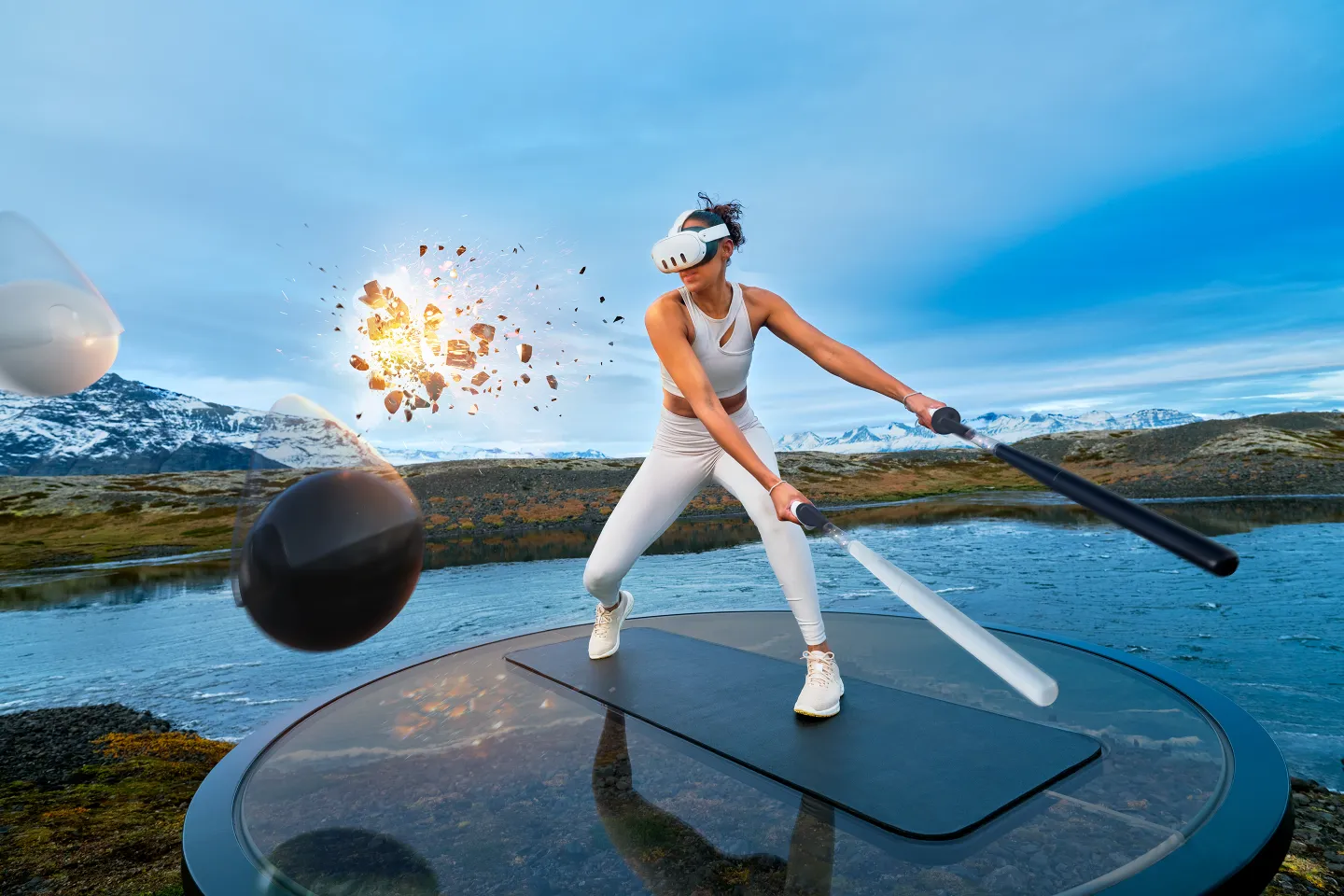
Supernatural continues to rank at or near number one on the Meta Quest charts in the wake of Meta’s decision to pause content updates and lay off much of the team behind one of VR’s most effective fitness apps.
Many in the VR fitness community have been looking into their options.
Supernatural has always been positioned as a premium experience. Access as of this writing is subscription-only, with users paying either $9.99 per month or $99 per year. That recurring revenue, combined with strong engagement and brand recognition, made Supernatural feel like a rare success story in consumer VR fitness.
Meta says the existing library, which spans thousands of workouts, will stay accessible. Current subscribers can continue paying for full access and new users are still able to sign up. In the short term, that keeps Supernatural viable, especially for users already invested in its structure and coaching. What happens to the mainstream music used in the project if licenses expire?
What makes Supernatural’s situation so disruptive is not just the pause in new content, but the loss of certainty. VR fitness depends on habit, trust, and long-term commitment. When a chart-topping, subscription-only app can be upended overnight, the entire health journey some people are may see potential disruption down the line.
In that context, ownership models, studio independence, and transparency do actually matter to many more than production value alone. At a moment when VR fitness is proving its ability to retain paying users and drive real behavior change, Meta appears to be stepping back from one of its strongest examples.
For users navigating this moment, the good news is that the ecosystem is deeper than it once was. The harder question is which platforms feel stable enough to earn long-term trust.
I've tried a number of VR fitness options besides Supernatural to check out what the latest options offer.
FunFitLand
Photo: FunFitLand
I have spent a meaningful amount of time inside FunFitLand, starting back in its early alpha period. Early on, it leaned heavily on Supernatural’s blueprint, with real coaches in 3D as well as beautiful real-world and imaginary scenes for workouts. Over time, it moved past that influence and developed its own identity.
That evolution is most visible in the community and coaching. The tone is supportive and motivational without feeling performative. Coaches have sharpened their virtual instruction skills, with clearer cues, tighter pacing, and better movement guidance. On the workout side, the platform has expanded its movement set with additions like side steps and hammer strikes, giving sessions more physical range.
DanceFit has since evolved into GrooveFit, favoring looser, more expressive routines. The addition of FlowFit has been especially meaningful. It introduces a meditative, tai chi-inspired experience focused on balance, breath, and intentional movement. It reinforces the idea that VR fitness does not need to be all intensity to be effective.
FunFitLand also improved its music selection. The library now spans a wider range of genres, including cinematic tracks and some heavy metal. That added variety helps reduce repetition and gives different workout modes a clearer identity.
FunFitLand mirrors Supernatural’s pricing structure, offering both monthly and annual subscriptions. At the time of writing, a first-year annual discount of $69.99 appears to still be available for new subscribers, undercutting Supernatural’s standard annual fee. The app, which also supports hand tracking, has also launched on Apple Vision Pro, signaling ambition at a time when others are pulling back.
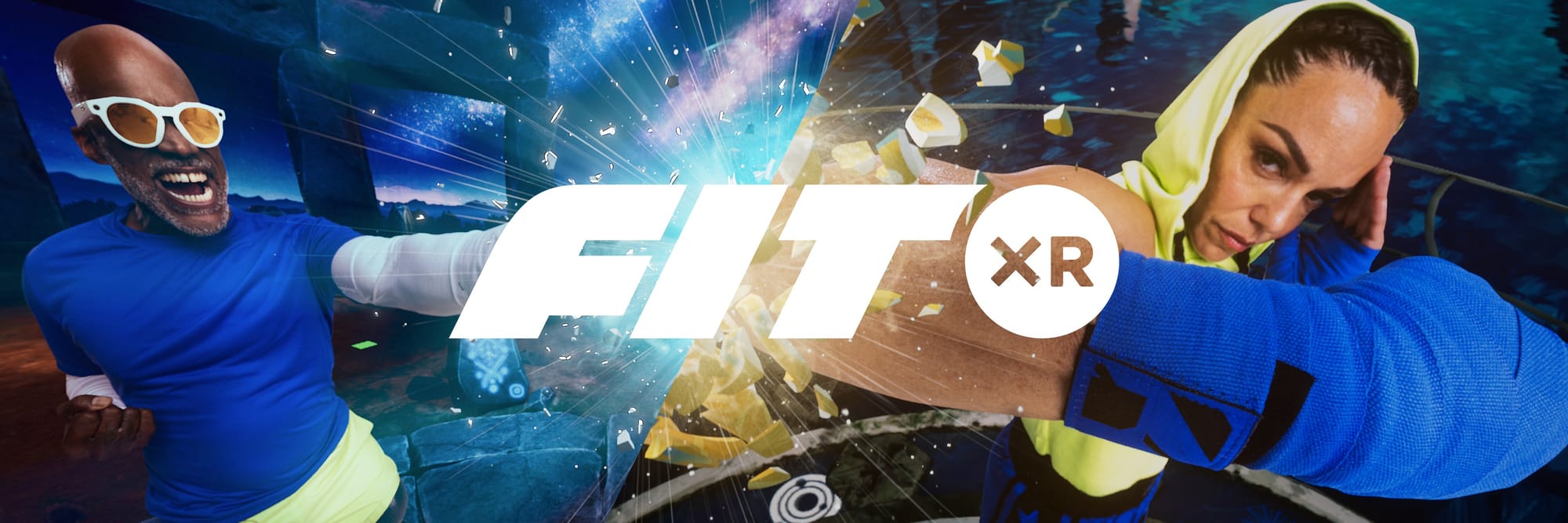
FitXR
Photo: FitXR
FitXR began life as BoxVR in 2017 and has since grown into one of the most feature-rich VR fitness platforms available. It operates on a subscription model priced at $12.99 per month or $108.99 per year.
The platform, which also supports hand tracking, currently offers seven workout types: Box, Combat, HIIT, Sculpt, Dance, Zumba, and the newer mixed-reality SLAM mode. Workouts span multiple intensity levels and are supported by a progression and rewards system designed to encourage consistency. Regular content updates and monthly themed challenges keep the experience from feeling static.
FitXR uses recognizable fitness personalities as coaches, though in some modes, particularly Sculpt, Dance and Zumba, those coaches appear as stylized cartoon avatars. Choreography across disciplines is strong, and the workouts are fully capable of delivering a serious sweat.
Where FitXR falls slightly behind Supernatural and FunFitLand is in environmental range and polish. There are fewer workout environments, and those that do exist are not as breathtakingly beautiful - think functional rather than awe-inspiring. Hit feedback in the boxing and combat modes also lacks the satisfying auditory impact found in FunFitLand, which remains best in class in this area. Even so, FitXR’s breadth, progression systems, and consistent update cadence make it a strong long-term subscription for users who value variety and structure.
FitXR is also expanding beyond Meta’s ecosystem. The app is now available on Samsung’s Galaxy XR headset, running Android XR, marking an early move to support next-generation mixed reality hardware outside the Quest platform.
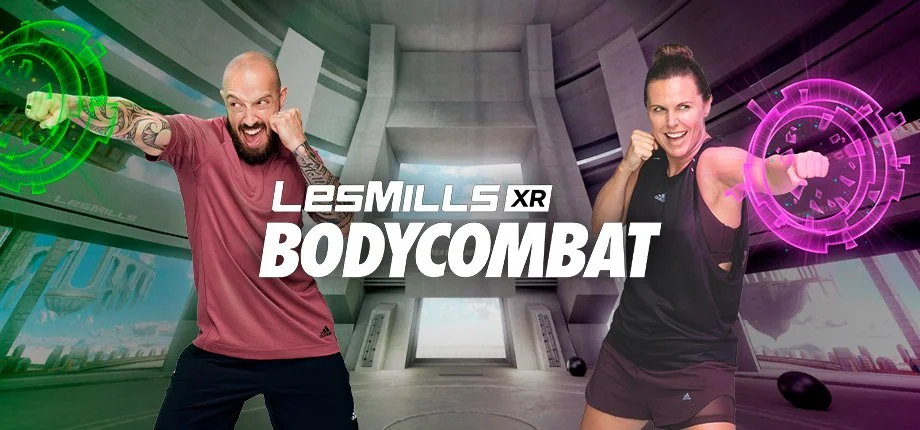
Les Mills XR Bodycombat
Photo: Les Mills XR Bodycombat
Les Mills XR Bodycombat takes a fundamentally different approach. It is sold as a one-time purchase priced at $29.99, with optional DLC packs typically around $9.99. For users wary of subscriptions, that alone makes it appealing.
The workouts are demanding and efficient. Sessions are designed to escalate intensity quickly, and it does not take long to work up a sweat. Real-life Les Mills coaches Dan Cohen and Rachael Newsham appear briefly at the start of sessions as holograms, then transition to voice-only guidance for the remainder of the workout.
The workouts share a familiar structure, and for people who train often, that repetition becomes noticeable over time. Even so, the effectiveness is hard to argue with. The sessions move quickly, the combinations stay demanding, and by the end you feel the work you put in. This is not a gentle program, and that intensity is what many users seek.
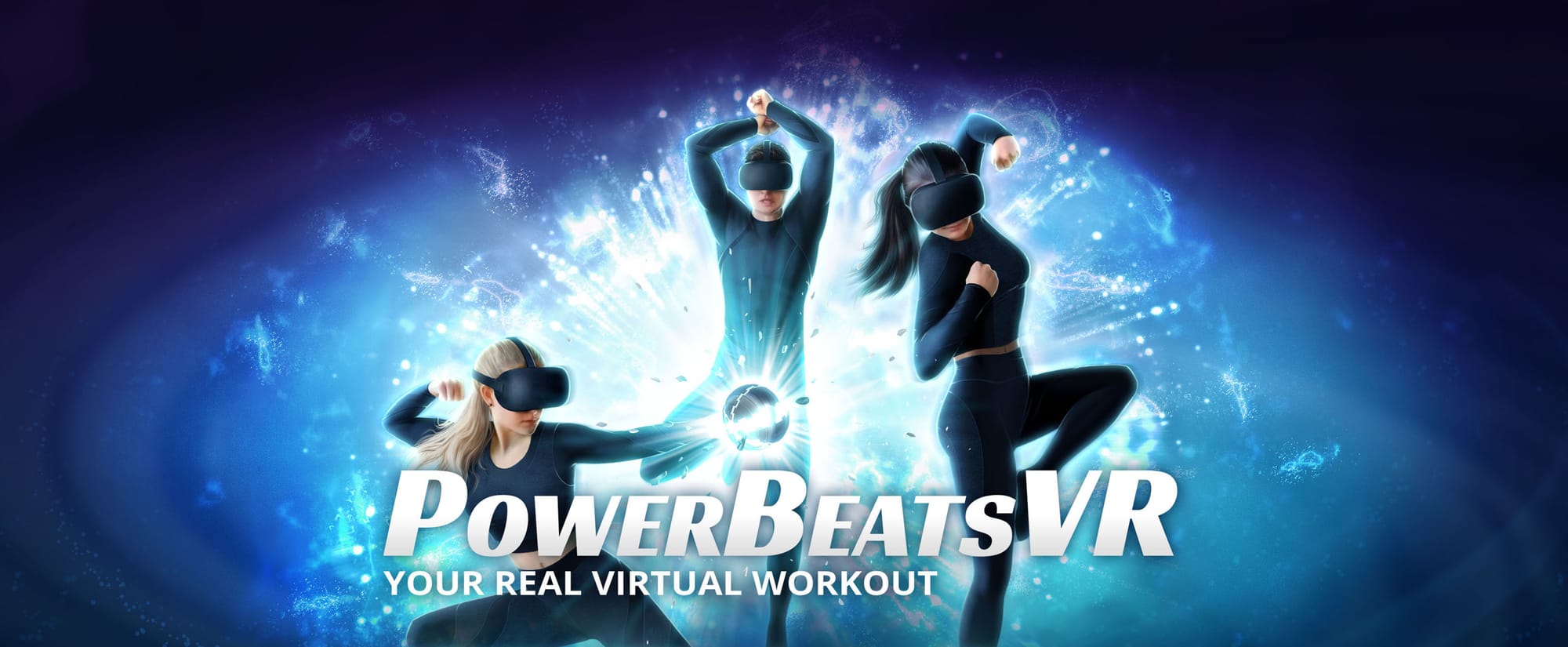
PowerBeats VR
Photo: PowerBeatsVR
PowerBeats VR has been a fixture in VR fitness since launching on SteamVR in 2019 and arriving on Meta Quest in 2021. On Quest, it retails for $22.99, with DLC packs typically priced between $2.99 and $5.99.
Its defining feature is customizability. PowerBeats VR allows users to upload their own music and fully customize workouts, sidestepping licensing concerns entirely. That level of control is uncommon and will appeal to users with established playlists or specific training goals.
The experience itself is less refined than many competitors. Visuals are straightforward, presentation is functional, and there is less emphasis on coaching personality or community. Even so, it remains enjoyable and effective at getting users moving when workouts are tuned to personal preferences.
The one-time purchase model combined with deep customization makes PowerBeats VR compelling for a specific audience. It does not sit in my personal top tier, but it fills a niche for many users.
XR Workout
Photo: XR Workout
XR Workout takes a different approach from most VR fitness platforms by prioritizing open movement and functional, full-body training over scripted classes and cinematic presentation. The app is free to download and use, with the free tier limited to eight minutes per day. A paid Pro membership unlocks the full feature set, including extended workout time, expanded modes, deeper customization tools, and multiplayer functionality.
One of its defining characteristics is controller-free movement through hand tracking, allowing users to exercise without holding controllers for extended sessions. Workouts rely heavily on bodyweight movements such as squats, jumps, running in place, and target-based striking that engages both upper and lower body at the same time. The result feels closer to an open training circuit than a guided class.
XR Workout also supports mixed reality, blending the user’s physical space into the workout environment so surroundings remain visible during sessions. Multiplayer workouts, playlist selection, and the ability to build or customize routines give the app a level of flexibility that most top platforms do not attempt.
XR Workout feels very different from most VR fitness apps. There is little hand-holding, and very little emphasis on presentation. You load in, start moving, and manage your own pace. If you are looking for coaching, structure, or personality, it will likely feel bare. If you are comfortable setting your own rhythm and just want a space to move hard for a few minutes, it does exactly that.
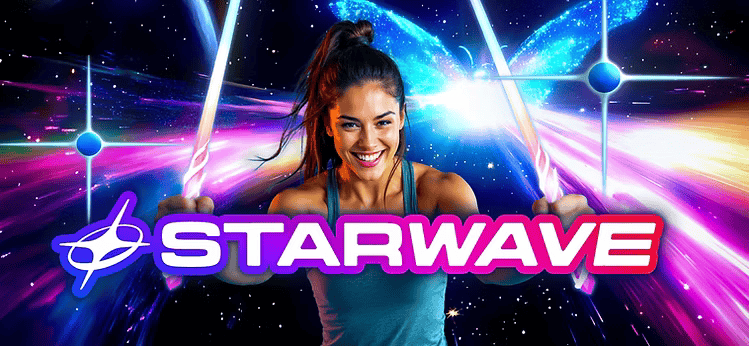
Starwave
Photo: Starewave
Starwave sits closer to the dance rhythm game end of the VR fitness spectrum, but it overlaps in interesting ways with Supernatural’s Flow workouts. Movement is driven by techno and electronic tracks, with players slashing incoming notes using glowing, cosmic batons. The emphasis is on rhythm, timing, and continuous motion rather than precision or scoring.
There are no coaches, no guided programs, and no overt fitness framing. You load in, follow the beat, and keep moving. In practice, the experience can feel meditative in the same way Flow sessions do, especially during longer play sessions where movement becomes more fluid and less deliberate.
I have found Starwave to be an enjoyable and consistent addition to my weekly fitness rotation. It is not a replacement for structured workouts, but it works well as a lighter, movement-focused session that still gets the heart rate up.
Starwave is a one-time purchase, priced at $19.99 on the Meta Quest store. Additional content is offered through an optional DLC pack at $4.99. There is no subscription model.
Other Fitness Experiences
The platforms I picked here represent what I would consider the top tier VR fitness experiences available in VR headsets right now. They combine polish, consistency, ongoing development, and enough depth to support long-term use. There are plenty of other VR fitness apps on the Quest platform, but many are less refined or narrower in scope, but they are still fun and fully capable of working up a sweat. For users experimenting with VR fitness for the first time, those options can still be worthwhile.
I certainly haven't covered everything, so please share your favorite ways to get fit in VR in the comments below too. If you're the developer behind an app building something new in this space, you can also email UploadVR via tips@uploadVR.com.
The massive success of Genshin Impact helped put the studio MiHoYo (now HoYoVerse) on the map, with the highly-popular open-world gacha title being followed up by other successes including Zenless Zone Zero and Honkai Star Rail. Up until now, HoYo’s games have been exclusive to the Epic Games Store on PC. This appears to be finally changing however, with evidence pointing towards an upcoming Steam release.
As discovered by Reddit user ‘hzy980512’ HoyoVerse’s account management system was recently updated to include some Steam-related strings in its ‘localized message file’ indicating that the developer’s suite of popular titles could soon be making their way onto Steam.
As mentioned, Epic and HoYoVerse struck a deal back in the day, with all of the studio’s releases being exclusive to the Epic Games Store on PC. For better or for worse, Genshin Impact; ZZZ and Honkai Star Rail have all found massive audiences and so it being limited to Epic’s platform does present a bit of a barrier to entry.
As such, not only will it be interesting to see how many more players HoYo’s games manage to pick up upon its expected Steam release, but will also offer us a public look at player numbers for the first time – on one platform at least.
Regardless, having HoYoVerse’s library of games on Steam will be a massive boon to both the studio itself and Valve’s platform. Hopefully an official announcement is on its way sooner rather than later.
KitGuru says: What do you think of HoYoVerse’s games? Which is your favourite gameplay wise? Assuming they do come to Steam, what do you think concurrent users will look like on day-1? Let us know down below.
Sea of Stars is an indie RPG from Sabotage Studio – the team that brought you 2018’s excellent retro action-platformer The Messenger. Launching to near-universal acclaim back in 2023, the indie game of the year winner received a number of notable updates including the addition of 3-player couch co-op. Following a bout of silence, the team have now announced that Sea of Stars is officially coming to Android and iOS.
Releasing a brief trailer, publisher Playdigious announced that the excellent indie RPG Sea of Stars is officially coming to mobile platforms in a few months’ time – arriving on both Android / iOS on the 7th of April 2026.
Set to cost $9.9https://youtu.be/PsfCcm1PL_k?si=gX-wOCeWGtaWGmN09 ($8.99 with a 10% launch discount), Sea of Stars is said to have been “carefully redesigned for mobile” with the following features:
Revamped interface – exclusive mobile UI with complete touch control
Google Play Games / iOS achievements
Cloud Save – share your progress between devices (within the same OS family)
Compatible with controllers
Playdigious is one of the biggest publishers for mobile ports of console games, with the likes of Little Nightmares; Dead Cells; Streets of Rage 4; TMNT Shredder's Revenge and more all being ported over.
As smartphones continue to increase in both power and capability, it is encouraging to see more full-blown games being brought over to the platform.
KitGuru says: Were you a fan of Sea of Stars back when it first released? Are you glad to see it coming to mobile? What are you hoping Sabotage Studio works on next? Let us know down below.
Back when we first started to see evidence of generative AI being used in the development of video games, Valve was pretty quick on the draw to set up parameters on their Steam store requiring developers to disclose their use of gen-AI. As the discussion surrounding the controversial technology continues to evolve, Valve have now updated their policy with a greater level of transparency.
As reported by the agency ‘GameDiscoverCo’ via BlueSky, Valve recently updated their AI dev disclosure form to allow studios to differentiate between the varying uses and implementations of gen-AI.
Now, instead of a blanket “does this game use AI?” there are three different levels of usage which developers can disclose – with the questions now being as follows:
“Does this game use generative artificial intelligence to generate content for the game, either pre-rendered or live-generated? This includes the game itself, the storepage, and any Steam community assets or marketing materials.”
“Do you use Al to generate pre-rendered content for your game, its store page, marketing materials, and/or community assets?”
“Do you use AI to live-generate content or code during gameplay?”
With these three different parameters in place, developers now only need to disclose the use of AI publicly if it “ships with your game, and is consumed by players” – meaning the use of the technology during coding for example does not need to be elaborated on.
As gen-AI continues to change and evolve, it is likely that Valve could go back and revisit these rules once again. Regardless, it is good to have any form of AI disclosure in this day and age. Hopefully more storefronts follow suit.
KitGuru says: What do you think of these updated parameters? Is it more fair to developers in this way? What’s your stance on gen-AI? Let us know down below.
Life can be wildly unfair and at times immensely sad, but in a gracious act of kindness, Take-Two Interactive may be putting pieces in motion to allow a terminally ill gamer stricken with cancer to playtest Grand Theft Auto VI long before it comes out. While nothing has been confirmed, the latest update to a now-deleted LinkedIn post on behalf
Early this morning, the internet was shocked to learn of an explosion within the Rockstar North building in Edinburgh, Scotland. Rockstar North is best known as the developer of Grand Theft Auto VI and the wider Grand Theft Auto series back to Grand Theft Auto III, with some forays into other Rockstar properties like L.A. Noire, Max Payne
It's cold out there in parts of the country, but do you know what really warms our heart? Yes, hot cocoa, but we're also smitten with savings. If you are too, then do yourself a solid and check out Best Buy's Winter Sale event, with deep discounts on a wide range of electronics, including OLED TVs, gaming PCs, headphones, and a whole lot more.
Save
ASUS is not planning to release any new smartphones this year, and may be exiting the mobile phone business altogether. That means no more new ROG Phone iterations (making the ROG Phone 9 we reviewed its last gaming handset) and no more premium Zenfone handsets (the last Zenfone model we reviewed was the Zenfone 9 in 2022).
News of the
The 2026 International CES was an extravaganza of new technology and previously unseen innovation with existing tech. We sift through our exhaustive, on-ground coverage of the show to pick our Best of CES winners.
Ubisoft has been one of the better publishers when it comes to updating their back-catalogue of games for current-gen hardware, with multiple Assassin’s Creed titles; Far Cry entries and most recently The Division 1 all getting 60fps patches on PS5 and Series X|S. Following a variety of teasers over the past few weeks, the team at Ubisoft have now confirmed that Far Cry 3 is getting a 60fps patch on PS5 and Xbox Series X|S.
While certainly a welcome addition, it appears as though the update is not making any other changes to the game, meaning it remains at the PS4 Pro / Xbox One X resolution of 1440p with TAA – and will not allow you to alter your player field-of-view.
Regardless, having a 60fps update is welcome nonetheless and will allow those on consoles to experience (or re-experience) this classic in a slightly improved form.
In case you missed it, Ubisoft also recently teased that both Far Cry 3’s standalone DLC ‘Blood Dragon’ and the spin-off ‘Primal’ will also receive 60fps updates. We likely won’t have to wait long for those to also be officially confirmed.
KitGuru says: Are you glad to see Far Cry 3 getting the 60fps treatment? Would you have preferred the game receive a more comprehensive current-gen patch? Let us know down below.
Valkyrie is pushing the boundaries of AIO design with the new N360 VK AIO cooler. While most high-end coolers now include displays, the N360 VK distinguishes itself with a massive 6.67-inch curved AMOLED panel integrated directly into the pump block, a screen size more typical of a modern smartphone than a PC component.
According to EXP Review (via Guru3D), the screen features a 2400 x 1080 resolution display with full lamination for superior clarity. To ensure the screen doesn't impact system performance, Valkyrie has equipped the block with an independent processor, eMMC storage, and its own onboard operating system. This allows the cooler to play back videos, display complex telemetry, and manage local file storage without using your system resources. The screen is attached via a magnetic mounting mechanism, simplifying installation and ensuring the display remains perfectly aligned with the block.
Beneath the massive screen, Valkyrie has implemented several cooling performance features to justify its 300W performance target. Starting with the pump, the N360 VK AIO is a self-developed model featuring a three-phase, six-pole motor and permanent-magnet impeller, utilising ceramic bearings for a longer MTBF. The cold plate employs 0.08 mm micro-channels to maximise the surface area for heat exchange. Moreover, the cooler includes an offset mounting bracket system specifically designed for multi-core processors. By shifting the centre of the cold plate to align with the CPU's actual thermal hotspots, the N360 VK can achieve more efficient heat transfer. Lastly, the 120 mm E2-Pro ring-blade fans featuring dual ball bearings paired with the cooler can operate between 500 and 2400 RPM, delivering up to 82.33 CFM of airflow and 3.14 mmH₂O of static pressure while remaining under 31.2 dBA at full power.
The N360 VK supports a comprehensive range of sockets, including Intel LGA 115x/1200/1700/1851 and AMD AM4/AM5. Available in both black and white finishes, the cooler supports full RGB synchronisation with all major motherboard ecosystems. The cooler is now available for pre-order in China for around £105.
KitGuru says: Given its massive AMOLED screen, built-in processor and 360 radiator, the cooler seems relatively cheap for what it offers. Do you think the N360 VK AIO has what it takes to stand out in the AIO market?
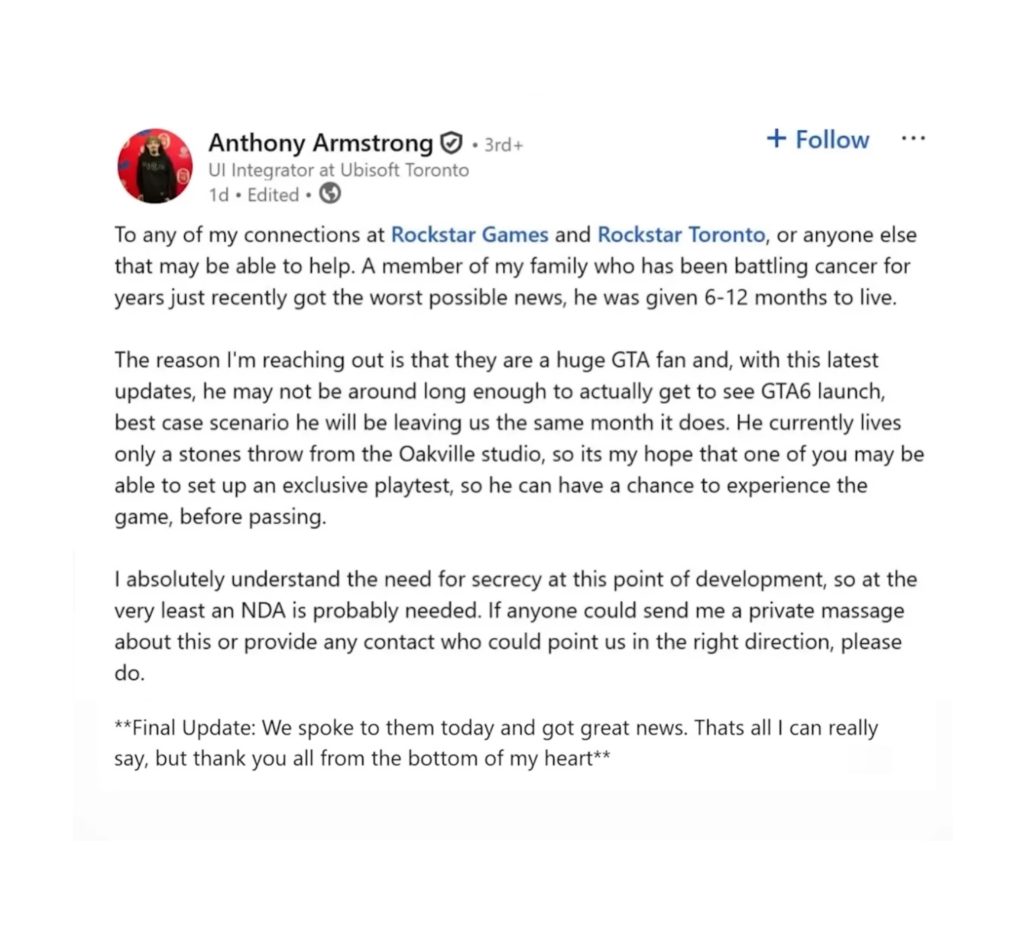
Rockstar Games has reportedly taken steps to grant a terminally ill fan's final wish of playing Grand Theft Auto 6 before its scheduled release on November 19th, 2026. The news emerged after Anthony Armstrong, a UI integrator at Ubisoft Toronto, shared a heartfelt appeal on LinkedIn on behalf of a family member battling cancer.
According to the original post (via GTA VI Countdown), the individual had been given a prognosis of only six to twelve months to live, creating a tragic timeline where they might not survive to see the game's official launch. Armstrong noted that the family member in question lives near the Rockstar Toronto studio in Oakville and expressed hope that an exclusive, confidential playtest could be arranged so they could experience the game.
The story gained significant traction across social media, eventually catching the attention of leadership at Rockstar's parent company, Take-Two Interactive. In a subsequent update before the post was deleted, Armstrong revealed that Take-Two CEO Strauss Zelnick had personally reached out to the family to facilitate a connection with the development team. A final update shared that the family had received ‘great news' after speaking with Rockstar, leading to widespread speculation that an early access session or private demonstration had been approved. The deletion of the LinkedIn thread shortly thereafter is widely believed to be the result of the non-disclosure agreements typical of such sensitive, confidential industry interactions.
This gesture continues a compassionate, albeit rare, tradition within the video game industry. Rockstar Games previously made headlines in 2018 for allowing a terminally ill fan to play Red Dead Redemption 2 several weeks before its debut. Other studios have also allowed gamers in similar circumstances to try out a game ahead of its launch, such as Gearbox Software with Borderlands 4 in early 2025. While Rockstar remains one of the most secretive developers in the world, these exceptions highlight a willingness to prioritise the community's most vulnerable members during critical development phases.
KitGuru says: Rockstar's reputation for secrecy is legendary, but their history of making exceptions for terminally ill fans shows a different side of the studio. While the public will have to wait until November 2026 to try the game themselves, it is heartening to see the industry's biggest players use their resources to provide a meaningful experience for someone in such a situation.
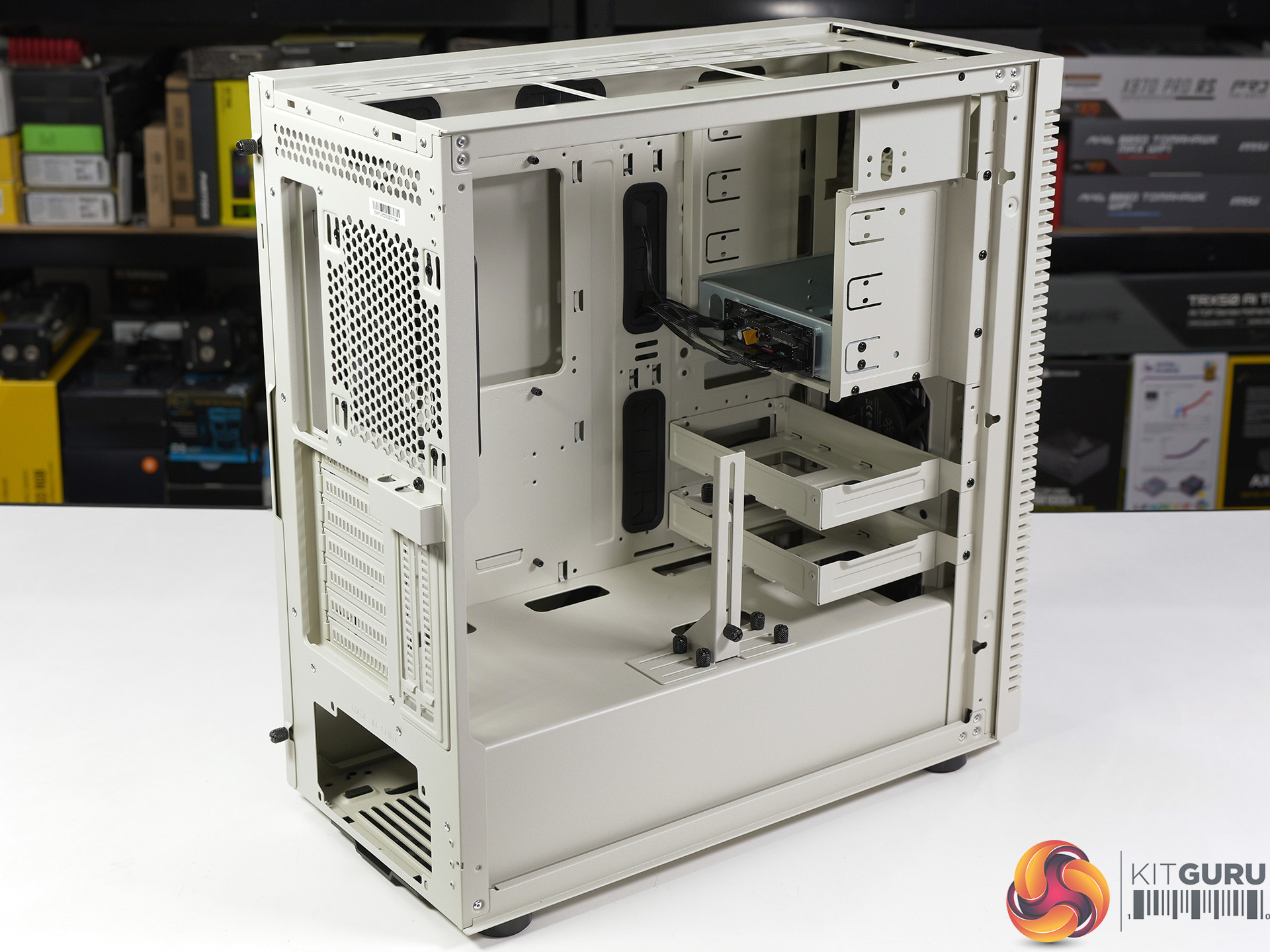
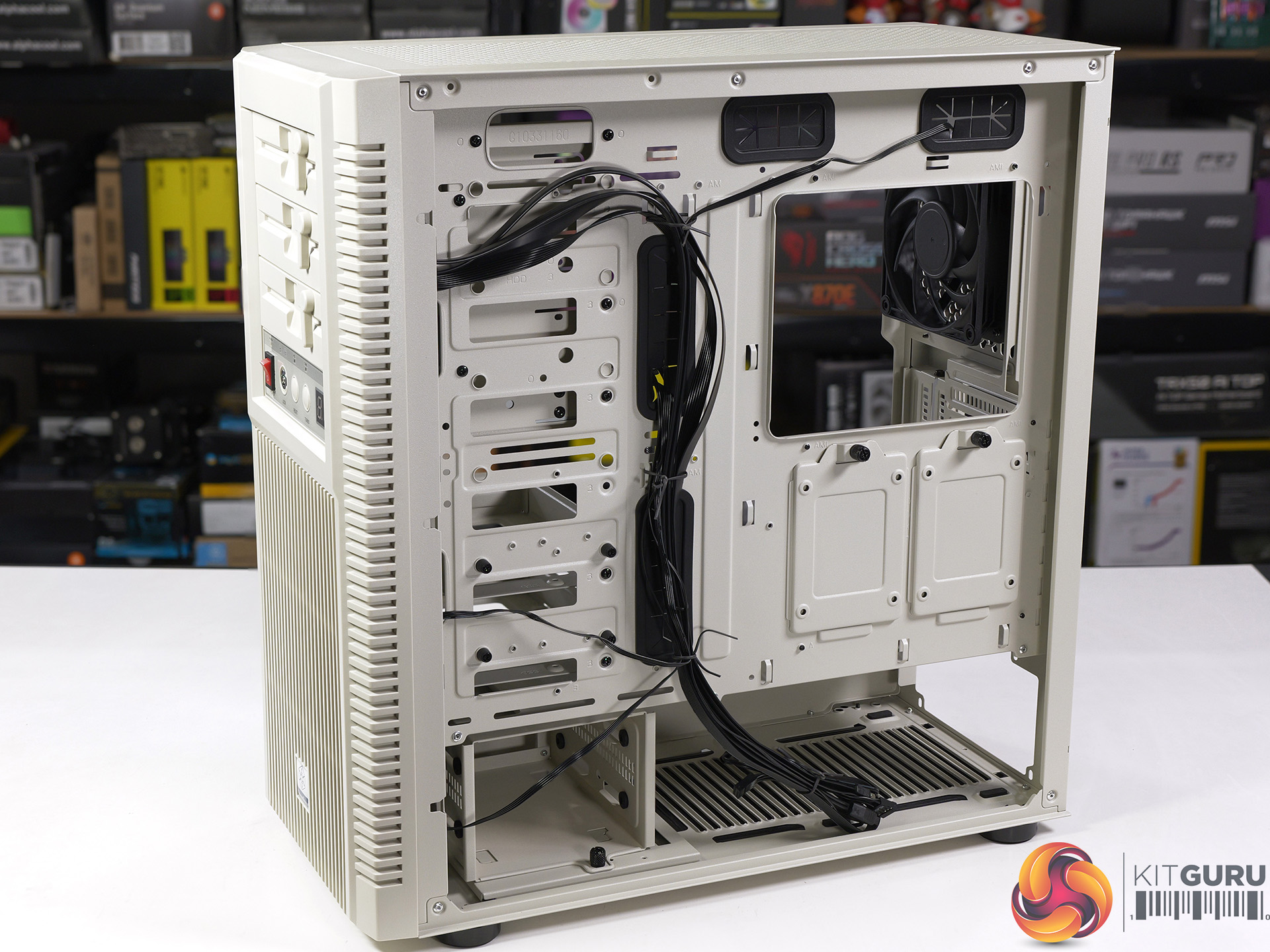
We first saw the retro SilverStone FLP02 at Computex 2025 and loved the charming style and cutesy features. It took a while to receive a review sample and the world has changed significantly in that time. Everything seems to cost too much today and we really don’t want to return to 1995 when 2024 was actually pretty good. Ah, nostalgia.
Main features
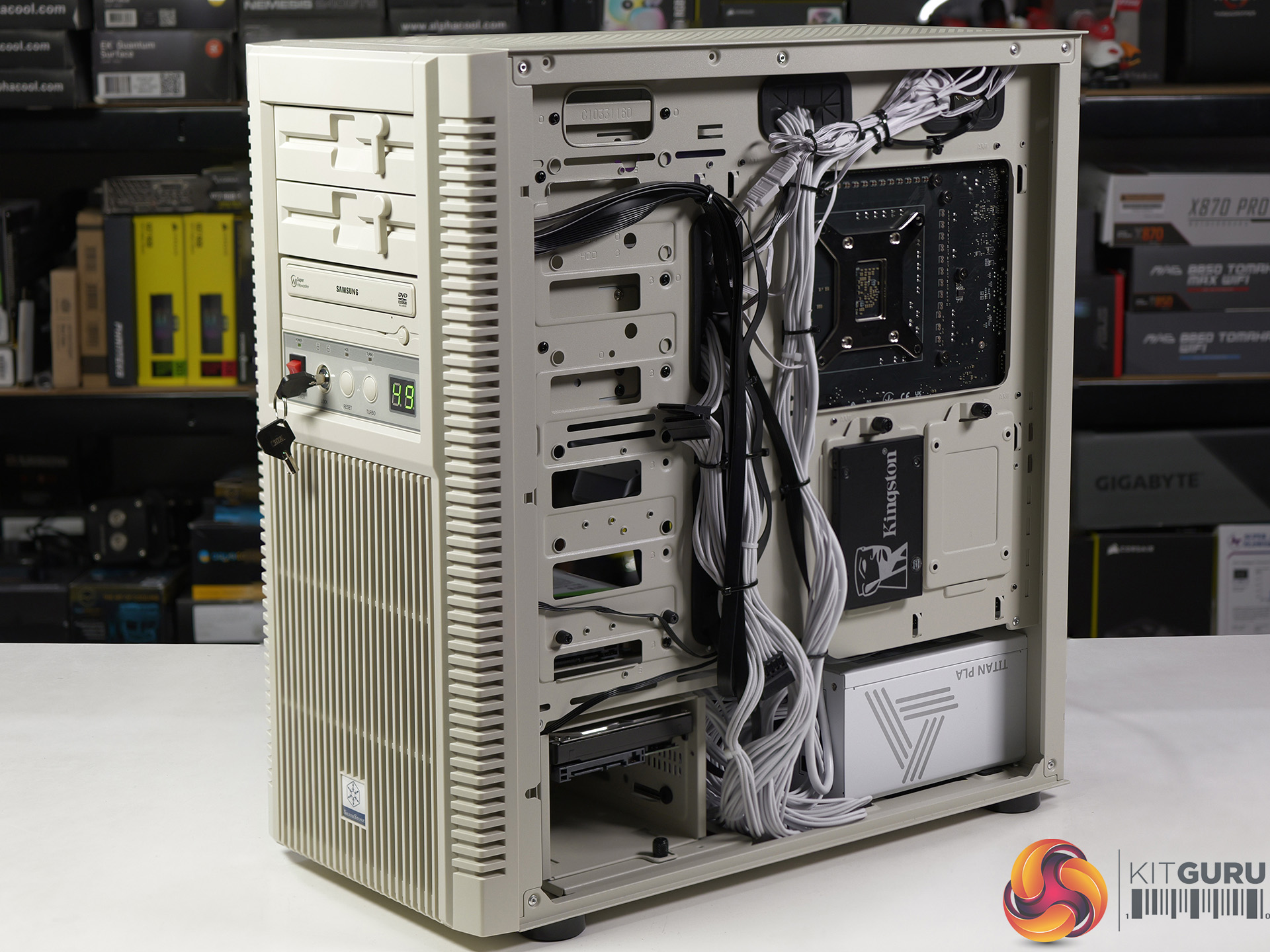
Functioning Lock
A key lock mechanism protects the power and reset buttons from accidental activation—useful for families, shared spaces, or anyone who simply prefers an extra layer of control.
Real Segment Display
Shows the active PWM duty cycle—reading “Lo” at low speeds, scaling numerically through mid-range operation, and switching to “HH” when fans are running at full output.
Aesthetic FDD Bays
The case ships with three 5.25-inch bay covers styled like authentic floppy disk slots. They’re cosmetic by default, but each bay is fully compatible with real 5.25-inch devices.
Front I/O ports: 2x USB 3.0 Type-A, 1x USB Type-C, audio.
Dimensions: 494mm H x 472mm D x 232mm W.
Testing
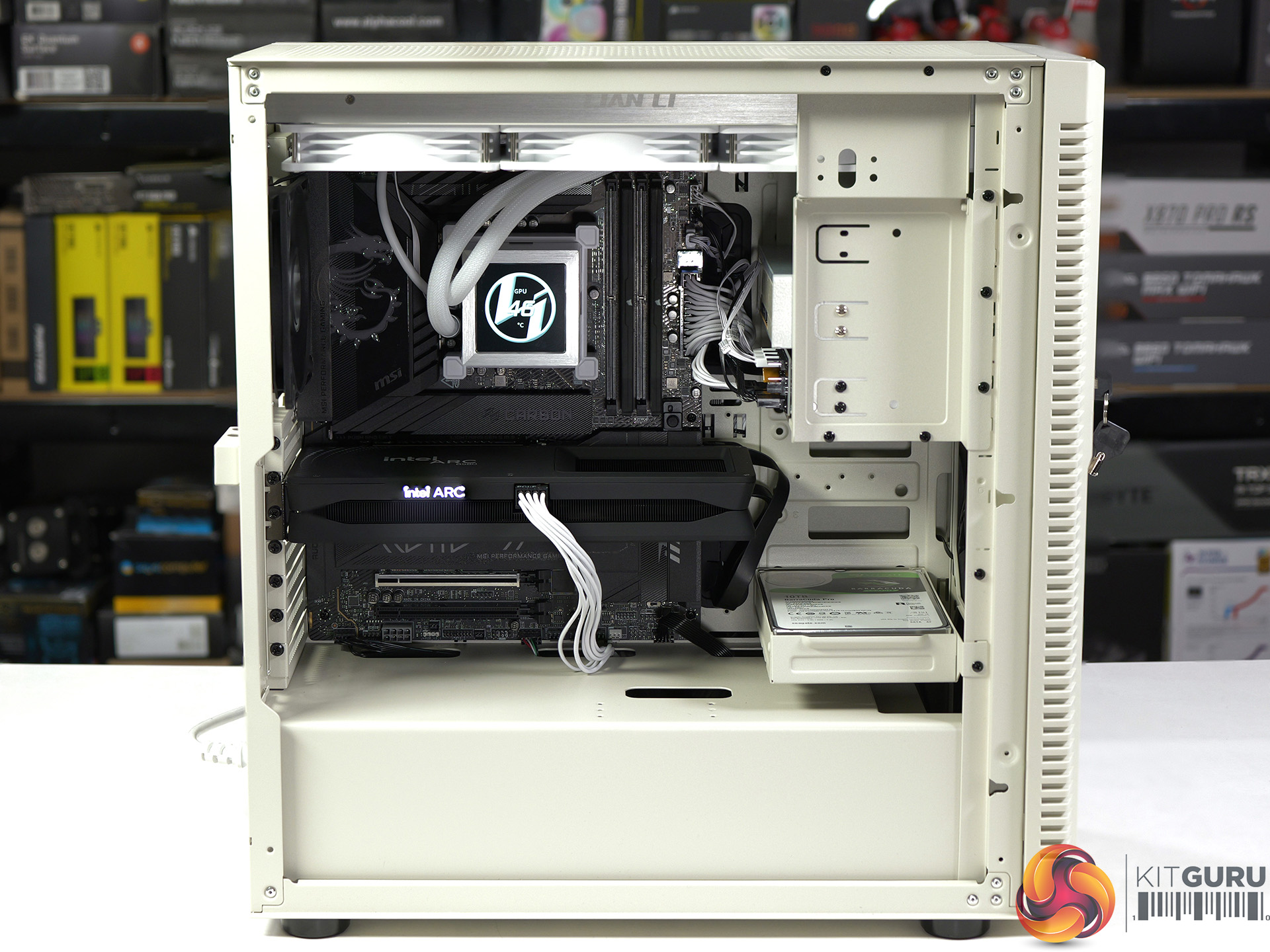
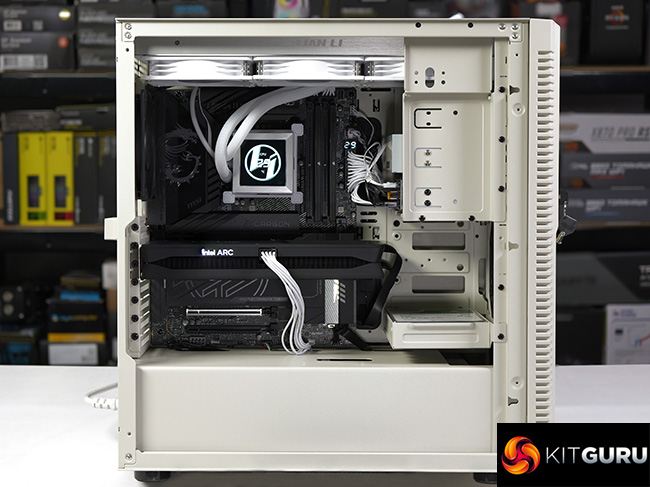
To put this case through its cooling paces we will be using a test system consisting of an Intel Core Ultra 9 285K and an Intel Arc B580 graphics card. This system allows us to effectively test the SilverStone FLP02‘s cooling capabilities.
Test System:
Processor: Intel Core Ultra 285K
CPU Cooler: Lian Li HydroShift LCD 360
Motherboard: MSP MPG Z890 Carbon WiFi
Memory: 32GB Corsair Vengeance LPX DDR5-6800
Graphics card: Intel Arc B580 12GB
Power supply: Montech Titan PLA 1000W
SSD: Crucial T700 5.0 M.2 NVMe
OS: Windows 11
Cooling Performance
Cooling Performance Overview
The SilverStone FLP02 has a clear path for air flow from front to back, and also supports cooling in the roof. Balanced against that we have a solid power supply shroud that blocks the area below the graphics card and filters on every vented panel that naturally restrict air flow. For that reason we chose a mid-level PC build that draws 530W under load at the wall socket and the result is that the cooling works perfectly well and without any surprises.
Closing Thoughts
When we first saw the SilverStone FLP02 at Computex it caused us to smile as it was so different to the endless sea of tempered glass and RGB lighting that we typically work with.
In this review we have ended up with mixed views about the case but the single biggest issue is the price which is incredibly high for a case considering the features and hardware on offer.
The key features of the FLP02 are the beige-ish colour scheme and the 5.25-inch drive bays along with the associated front switch panel. Those parts are fun and they work well enough, but they also eat up a chunk of the interior space and slow down the build process.
If you particularly want the Retro look and are happy to lose out on a number of modern creature-comforts, we can see why it would be worth considering, but there are clear limitations considering the price.
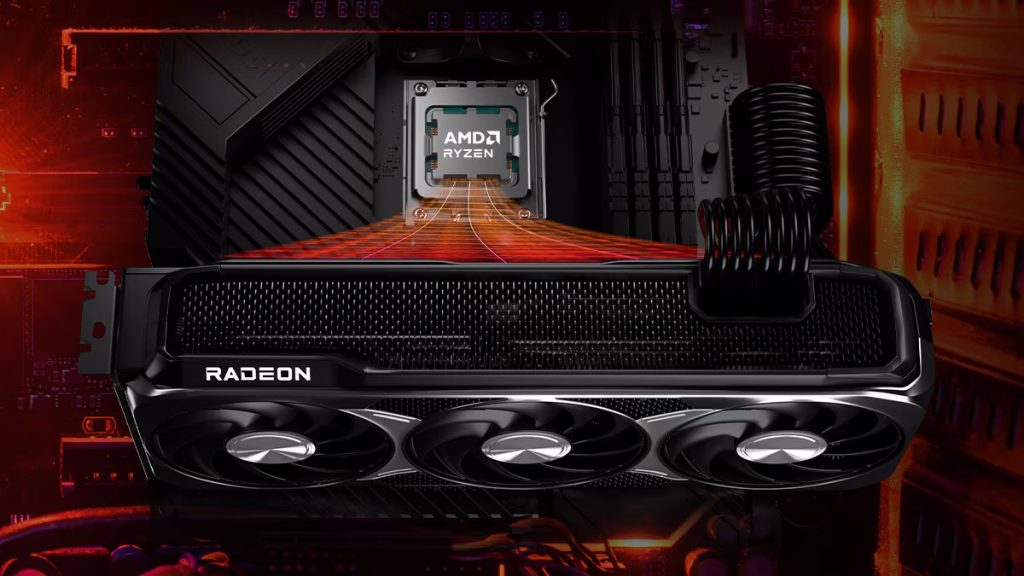
AMD is reportedly recalibrating its RDNA 4 production strategy amid the ongoing global memory shortage, which continues to squeeze hardware margins. Although the Radeon RX 9070 series is a success, recent reports suggest that AMD is now winding down production of the standard Radeon RX 9070 to prioritise the more expensive RX 9070 XT. This shift is a direct response to skyrocketing VRAM prices, which have made lower-margin graphics cards increasingly impractical to manufacture.
According to ProHardver (via VideoCardz), because both the RX 9070 and its XT variant use 16GB of GDDR6 memory, the cost of the raw materials for both cards is virtually identical. However, the RX 9070 XT carries a higher retail price, allowing it to better absorb the rising cost of memory chips without requiring drastic price adjustments.
At launch, the RX 9070 was intended to provide a more affordable entry point into high-performance 1440p gaming, priced just £55/$50 below the XT variant. In the current economic climate, where memory producers are prioritising AI data centres over consumer electronics, that narrow price gap has been swallowed up by rising bill-of-materials costs. While AMD does not plan to halt production of the non-XT version completely, the share of this model in total shipments is expected to decrease significantly throughout the first half of the year. This strategy mirrors recent reports from Nvidia, which has also been rumoured to cut shipments to board partners by up to 20% as it navigates the same issues.
For PC builders, this reallocation of resources means that the Radeon RX 9070 XT will remain the primary focus for AMD's board partners for the foreseeable future. Industry analysts suggest that this tricky math for manufacturers will persist until at least 2027, making high-VRAM, mid-range cards like the RX 9070 a rare sight on retail shelves as companies prioritise SKUs that offer the best return on every gigabyte of memory.
KitGuru says: By focusing on the RX 9070 XT, AMD can at least ensure that some high-performance RDNA 4 stock remains available, even if it means the more affordable non-XT version becomes a “ghost” GPU.
Micron Technology is digging deep into its pockets to secure production capacity where it is most strategically valuable. For $1.8 billion in cash, the US memory manufacturer is acquiring Powerchip Semiconductor Manufacturing Corporation’s P5 production site in Tongluo, Taiwan. Formally, this is initially an exclusive letter of intent, with the transaction expected to close in […]
According to available reports, AMD is facing the challenge of offsetting rising costs for graphics memory within the current RDNA 4 generation. At the center of the discussion is the question of whether production and market prioritization will shift more toward the more powerful Radeon RX 9070 XT model, while the non-XT variant loses importance. […]
OpenAI plant, ChatGPT künftig teilweise über Werbung zu finanzieren. Nach Angaben des Unternehmens sollen erste Tests mit Werbeeinblendungen in den USA starten. Betroffen sind die kostenlose Version von ChatGPT sowie der neue Einsteigertarif ChatGPT Go. Höherpreisige Abonnements wie Plus, Pro, Business und Enterprise sollen weiterhin ohne Werbung nutzbar bleiben. Für Nutzer außerhalb der USA, darunter […]
Microsoft had to backtrack. And faster than usual. The regular January patch day not only closed security gaps in several Windows versions, but also opened up new areas of concern. The result was a classic own goal, which is now being patched up with a so-called out-of-band update. Not a glorious moment, but a necessary […]
The matter has been decided, at least for now. China has officially banned imports of the Nvidia H200, thereby setting a clear counterpoint to US export policy in terms of industrial policy. What began as an “urgent recommendation” to Chinese companies not to make any further investments in Nvidia accelerators has now become a formal […]
In a recent ruling, the Federal Court of Justice has fundamentally reassessed the criminal classification of card sharing in the area of pay TV piracy. Contrary to previous practice, the 6th Criminal Division denies that the unauthorized use of encrypted television content causes direct financial damage to providers and thus constitutes computer fraud under Section […]
Today’s article is dedicated to a topic that has been discussed repeatedly for years, yet surprisingly often misses the point. When talking about applying thermal paste, many debates revolve around methods, patterns, and supposedly ideal distribution techniques. This gives rise to entire philosophies and almost dogmatic doctrines that ultimately have one thing in common: they […]
The Rubik's Cube is a timeless toy that needs no introduction, and TCL's latest portable projector, the PlayCube, is inspired by its design. Specifically, the side of the projector can be twisted like a Rubik's Cube in order to more precisely aim over obstacles. Hands-on reports for the device are generally positive, but also framed within
 Connexion