Forget Thing T. Thing from The Addams Family (yes, that's the full name); modern science has officially brought us a detachable robot hand that can actually skitter across the floor, grab you a beer, and creep the heck out of your guests.
In an engineering development that straddles the line between revolutionary and nightmare fuel, researchers
New data and analysis are rewriting the biography of the Red Planet as evidences suggest that Mars could have held more water (and potential life) than previously thought, where it once hosted a vibrant, blue world dominated by a massive northern ocean.
Delta deposits that appeared on the images of Mars with the coastline. (Credit: ESA/ExoMars,TGO/CaSSIS/Ignatius
ASUS is rolling out a new Wi-Fi 7 router with a comparatively subdued design aesthetic from past models we've seen, trading the aggressive headcrab design found on the ROG Rapture GT-AX11000 we reviewed (as well as some newer models) for more of a block-shaped profile. Make no mistake though, new ROG Strix GS-BE7200 still stands out for a
The 'Never Settle' spirit is facing its most existential crisis yet as reports emerge that OnePlus, the revered flagship killer, is being systematically dismantled by its parent company, Oppo. OnePlus has denied the claims, but signs have been pointing to some kind of downsizing or eventual exit from certain markets.
OnePlus 15 In Sandstorm
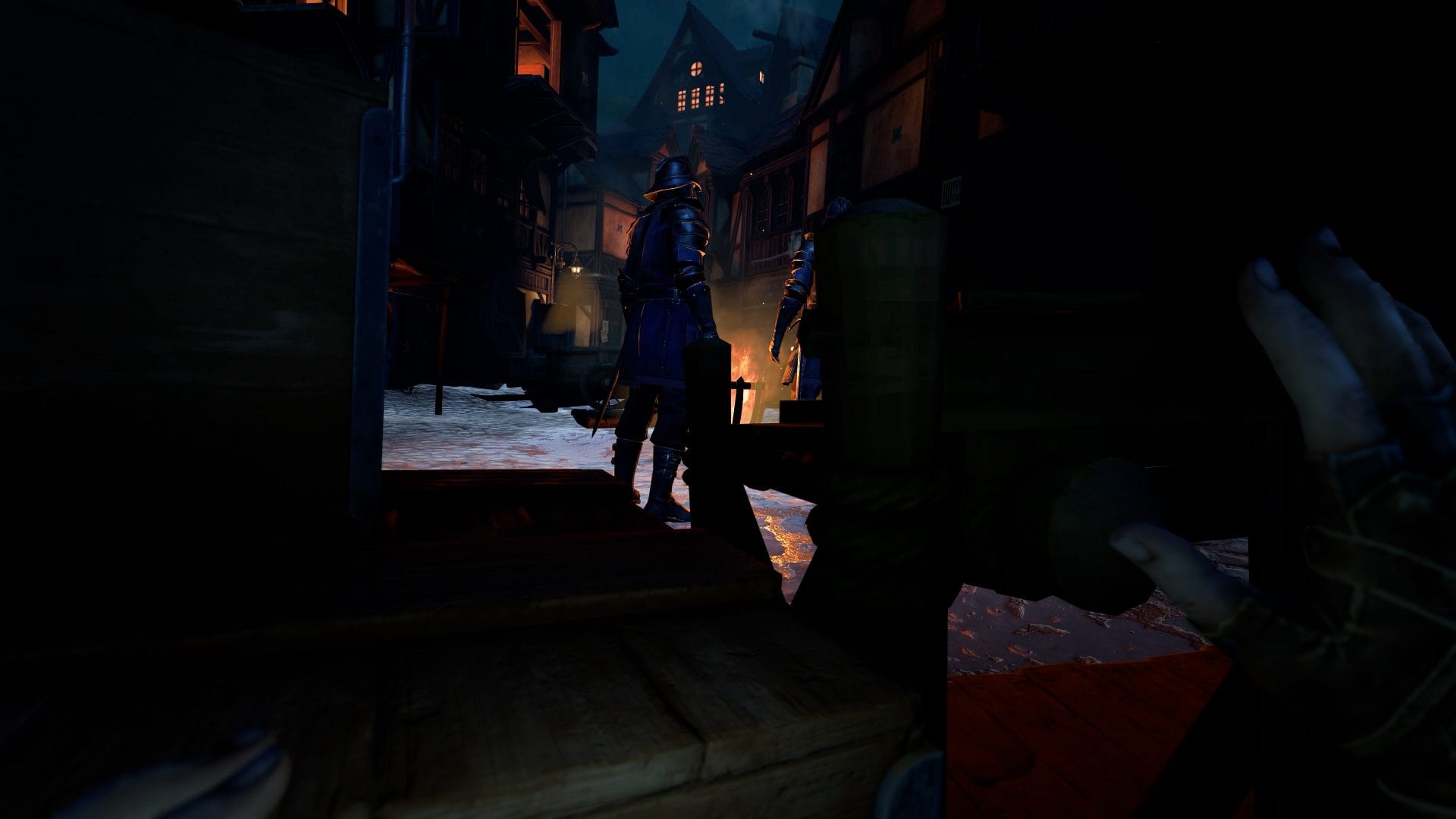
After a launch on December 4, Thief VR: Legacy of Shadow’s developers continue updating with changes to the shadowy adventure.
Out now on all major platforms available, Patch 3.0 in Thief VR: Legacy of Shadow addresses issues raised by the community while improving other aspects of the experience. Developer Maze Theory and publisher Vertigo Games note that the latest changes are built on the foundations of the first patch, released just a week after the game’s release. Graphical improvements aim to balance lighting in the dark environment alongside reduced crashes and bugs.
In Patch 3.0 the game also adds formal support for HTC Vive and Valve Index headsets on the SteamVR version. One of the more immersive mechanics within Thief VR: Legacy of Shadow was the choice to have players’ microphones pick up their sounds, making for unique interactions when luring NPCs from the shadows to their demise. Now players can set the specific mic input source from the options menu.
Our review mentioned “Thief VR: Legacy of Shadow may be a bit modest and rough around the edges, but it's also impressive in the right ways,” and we gave it 4 out of 5 stars. Please share in the comments if you've given the new updates a try.
AMD is finally making local AI easy. With the new AI Bundle, you can run image generation and LLMs directly on your PC, no cloud, no subscriptions, no data leaving your system. We could even run a massive 120B parameter model on a small laptop, something impossible on any consumer GPU.
Back in 2022, the team at 1047 Games announced that they would be shutting down their popular Halo-like arena shooter Splitgate in order to focus work on a dedicated sequel. After years of waiting, Splitgate 2 officially launched last year to plenty of complaints, leading the team to unlaunch the sequel. Now back as Splitgate: Arena Reloaded, 1047 Games have unveiled the first big update coming in the wake of its return.
Splitgate: Arena Reloaded update 2.2 has been officially announced and is set to go live tomorrow on the 22nd of January. Described as a “big” update which “builds on everything we learned from launch,” the patch focuses primarily on overhauling the game’s controversial battle royale mode.
Now known as Arena Royale, this revised BR mode is “designed to bring our previous Battle Royale closer to the speed and intensity of Arena Reloaded” featuring 24 players across 6 teams “built to play at a similar pace and length to a traditional arena match.”
Unlike the original BR mode, this new version takes place within a single biome in order to keep “the experience tight and focused” – though players can vote for which of the 4 biomes the match will take place in.
Beyond this, looting has been streamlined and sped up, with buy stations being removed as “upgrades are handled directly through your inventory, allowing you to make quick decisions without breaking the flow of the match.”
Full details on all the changes made to Arena Royale can be found HERE, but outside of the BR mode, patch 2.2 also brings with it some other welcome additions, including creator maps; new limited time modes and perhaps most excitingly a new mastery camo to unlock for your weapons.
Splitgate: Arena Reloaded has been off to a slow start since its return, with player numbers on Steam in particular being less-than-stellar. That said, Splitgate as a game does offer plenty of fun, and so it will be interesting to see whether this update helps to bring new / returning players into the fold.
KitGuru says: Have you checked out Arena Reloaded since its relaunch? How does it compare to the original Splitgate 2? Is the OG Splitgate still the best? Let us know your thoughts down below.
As Willie Nelson once said, "Turn out the lights, the party's over, they say that all good things must end." Those lyrics date all the way back to the 1950s, and so it's safe to say he was not referring to solid state drive (SSD) storage. He might as well have been, though, because now Kioxia is singing the same tune about the days of cheap
Most of the monitor announcements we see these days are targeted towards gamers, and for good reason—gaming is an ideal outlet for innovations like ultra-fast refresh rates, adaptive sync, and so forth. At first glance, you might assume that BenQ's new RD280UG is another one of those displays, but in a surprise twist, it's built specifically
While the departure of Citizen Sleeper is unfortunate to see (especially as it was a day-one addition), Game Pass subscribers have plenty to check out and look forward to – with Death Stranding in particular being a major boon for the service. Full details on the list of upcoming additions can be found HERE.
KitGuru says: Are you subscribed to Xbox Game Pass? Have they justified the service’s price hike yet? Let us know your thoughts down below.
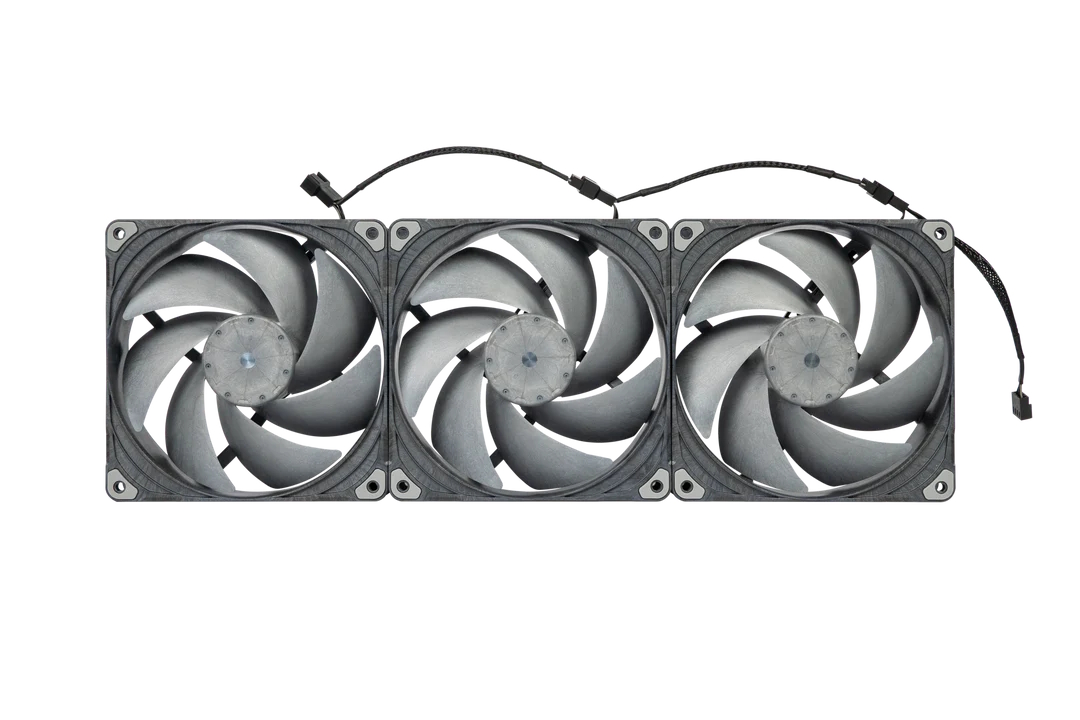
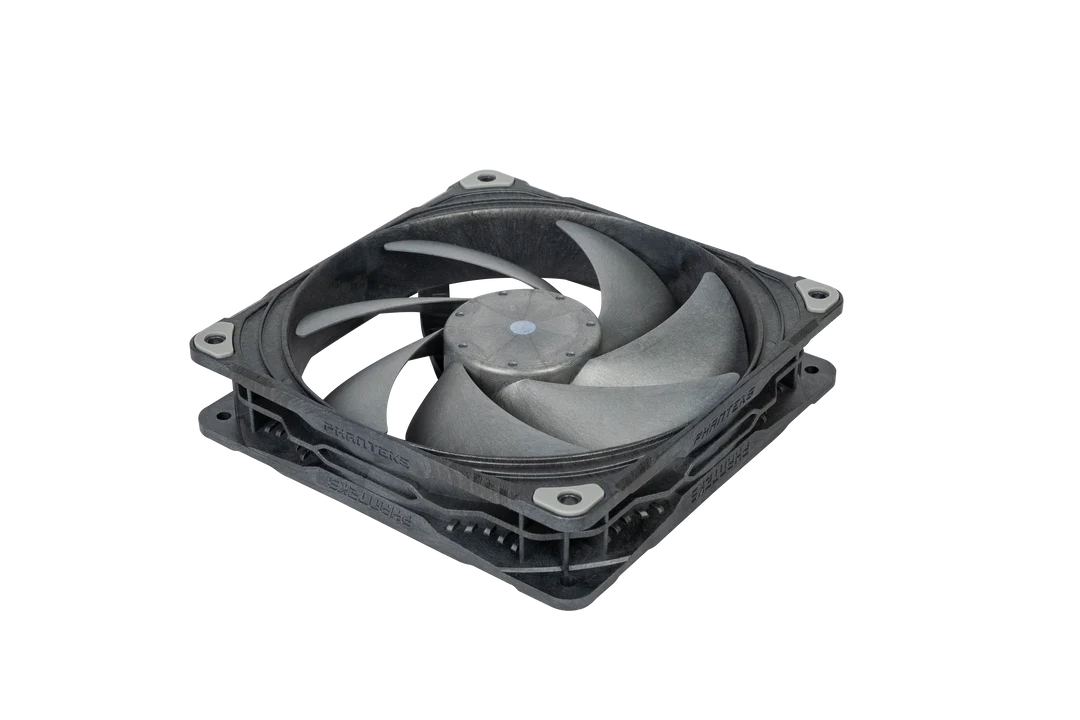
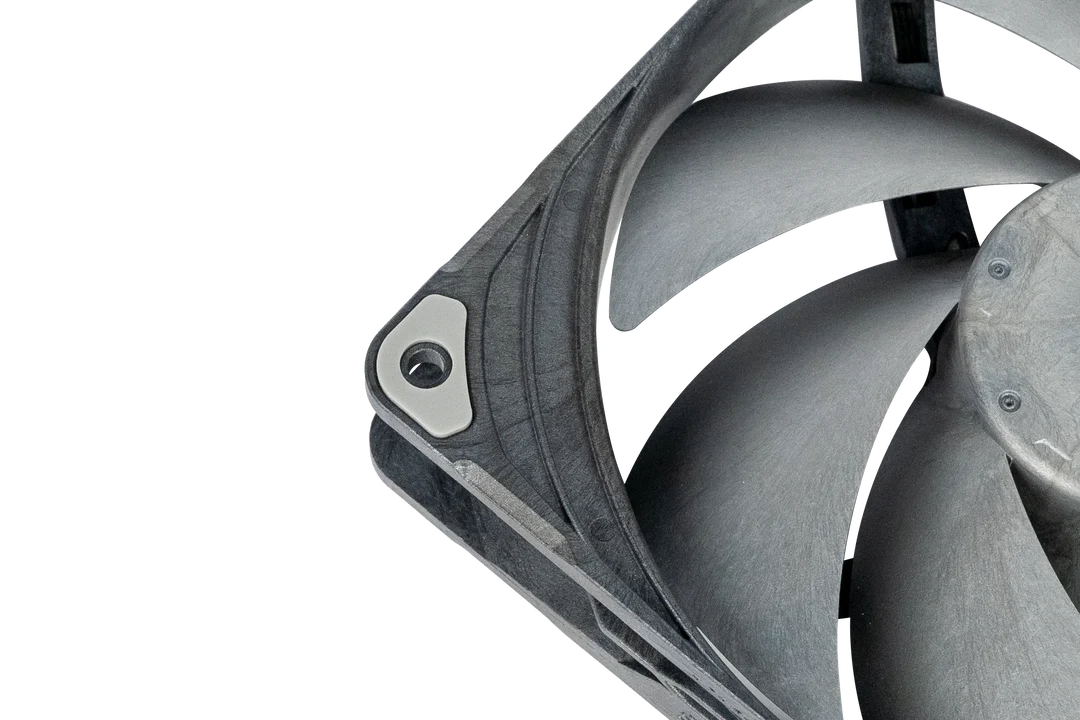
Phanteks has officially launched the T30-140, a 140mm fan that expands the award-winning T30 series into a larger format. Teased at previous events, this fan has been developed in collaboration with Sunon.
The T30-140 distinguishes itself with a non-standard 30 mm frame thickness, providing 25% larger fan blades than traditional 25mm models. This increased surface area allows for much higher static pressure and airflow, making it an ideal candidate for radiators and restrictive dust filters. Both the fan frame and the blades are manufactured from Liquid Crystal Polymer (LCP). This rigid material enables a microscopic 0.8 mm clearance between the blade tips and the frame, designed to reduce air turbulence.
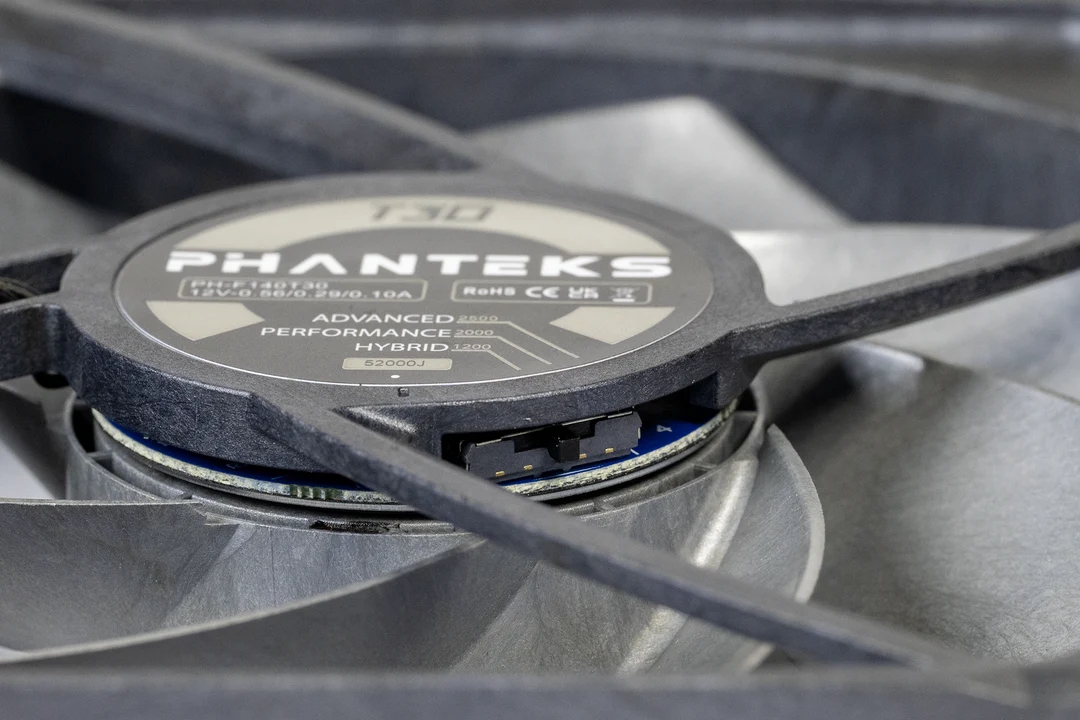
Internal performance is driven by a 6-pole, 3-phase motor paired with Sunon’s magnetic dual Vapo bearing system. This combination ensures stable operation even at high rotational speeds while significantly reducing mechanical friction and motor hum. To cater to a wide range of build types, the T30-140 features a physical three-mode switch on the hub, allowing users to select between Hybrid, Performance, and Advanced profiles.
In Hybrid mode, the fan operates semi-passively, remaining completely silent (0 RPM) when the PWM signal is below 50% and reaching a maximum of 1,200 RPM. Despite the low RPM, it can still deliver up to a claimed 63.2 CFM of airflow at a 1.27 mmH2O static pressure, with a noise level of 23.2 dBA. This mode is perfect for silent office builds or low-load scenarios where noise minimisation is the priority. For those seeking a balance between thermals and noise, the Performance mode caps the fan at 2,000 RPM, delivering a claimed 109.9 CFM and 3.56 mmH2O of static pressure at 38.1 dBA. For overclocking or server environments where raw power is the only metric that matters, the Advanced mode pushes the fan to its 2,500-RPM limit. In this profile, the T30-140 is said to deliver a massive 139.6 CFM and a static pressure of 5.41 mmH2O, though the noise level increases to 44.3 dBA. Despite the high power draw in Advanced mode, Phanteks supports PWM daisy-chaining.
The Phanteks T30-140 is now available in a black-and-grey aesthetic. It is sold in both single and triple packs, with a single unit priced at £34.90/$39.99/€39.90 and the triple pack retailing at £99.90/$114.99/€114.90. Every fan comes with a six-year warranty.
KitGuru says: By sticking to a 30mm thickness and LCP, Phanteks is offering a no-compromise solution for enthusiasts who prioritise thermal headroom over RGB aesthetics. If you are building a high-end 420 mm radiator loop this year, these are some of the fans you definitely have to consider.
Gamdias has officially introduced the Atlas M4, a mid-tower case that aims to deliver a blend of high-performance cooling and pleasing aesthetics. This new addition to the Atlas series is part of the brand's 2026 “Augmented Immersion” vision, which focuses on engineering a seamless connection between the user and their hardware.
The primary visual draw of the Atlas M4 is its seamless tempered glass that wraps around the front and sides, offering a “bottom-to-top” view of the internal components. To achieve this unobstructed panoramic layout, Gamdias shifted the PSU to a front-mounted position. This design choice removes the traditional PSU shroud from the bottom of the case, creating a cleaner main chamber. Furthermore, the chassis is fully compatible with hidden-connector motherboards, enabling a build virtually free of visible internal cabling.
For thermal management, the Atlas M4 employs a chimney-style ventilation design. It draws cool air from the perforated bottom panel and exhausts heat through the top and rear, working with natural thermal convection. The case comes equipped with four pre-installed Notus M1 ARGB fans and an integrated 8-port PWM ARGB fan hub for centralised lighting and speed control. A neat feature of this cooling setup is the adjustable bottom-mounted fan system, which lets users select from six different angles to direct airflow toward graphics cards.
Built for versatility, the Atlas M4 supports ATX, microATX, and Mini-ITX motherboards. It accommodates graphics cards up to 425 mm in length and includes a pre-installed anti-sag bracket to protect the PCIe slot. The front I/O is well-equipped, featuring a USB-C 3.2 Gen 2 port capable of 10 Gbps, along with two USB 3.0 ports. Maintenance is simplified with modular, tool-free panels and magnetic dust filters on the top and sides, making it an accessible option for both first-time builders and seasoned enthusiasts. Priced at $99.9, the case targets builders looking for a premium display-style aesthetic without the traditional price barriers of high-end boutique enclosures.
KitGuru says: The combination of hidden-connector motherboard compatibility, fishtank design and the adjustable GPU fan system makes it stand out in an increasingly crowded segment of PC cases.
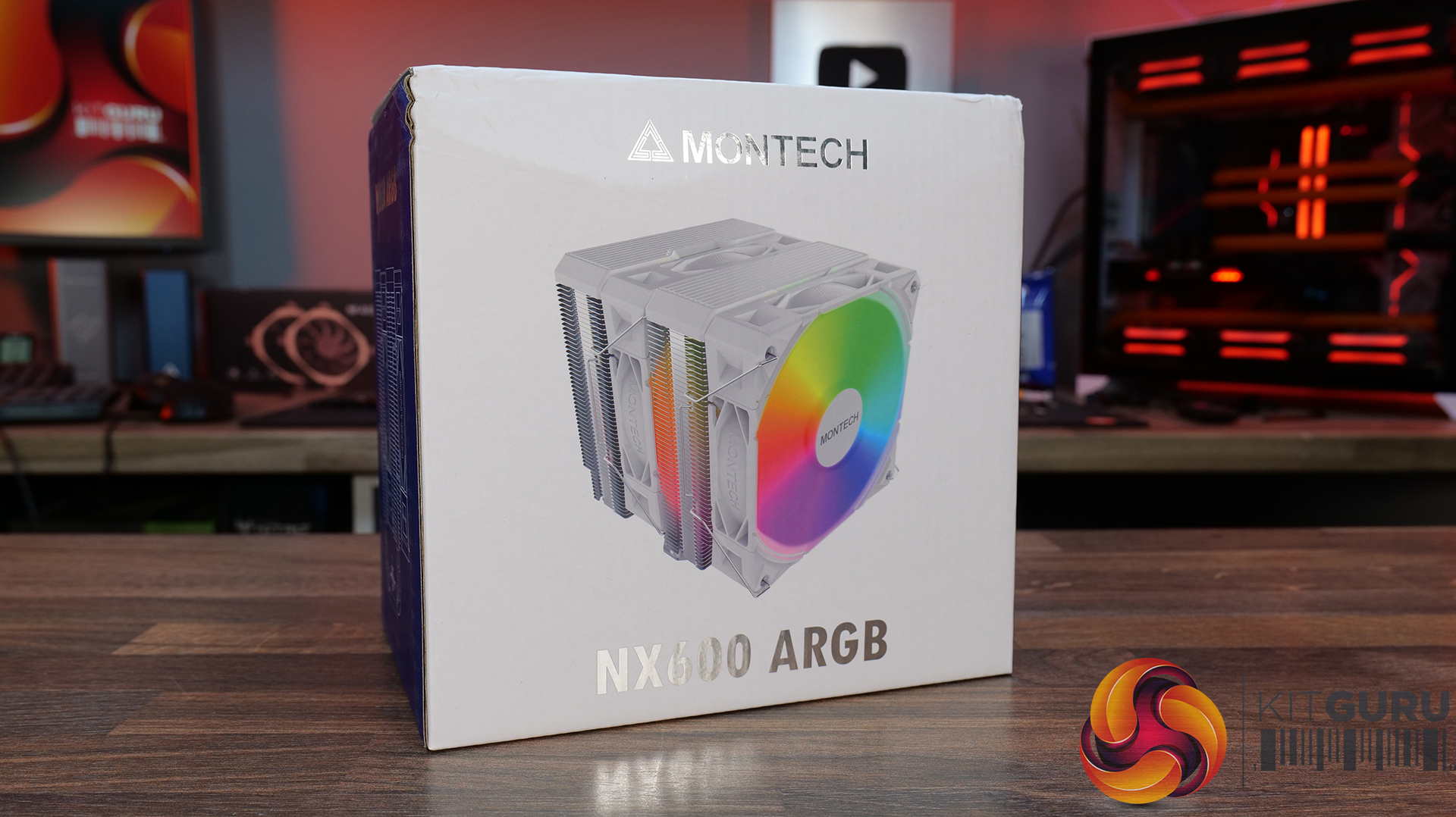
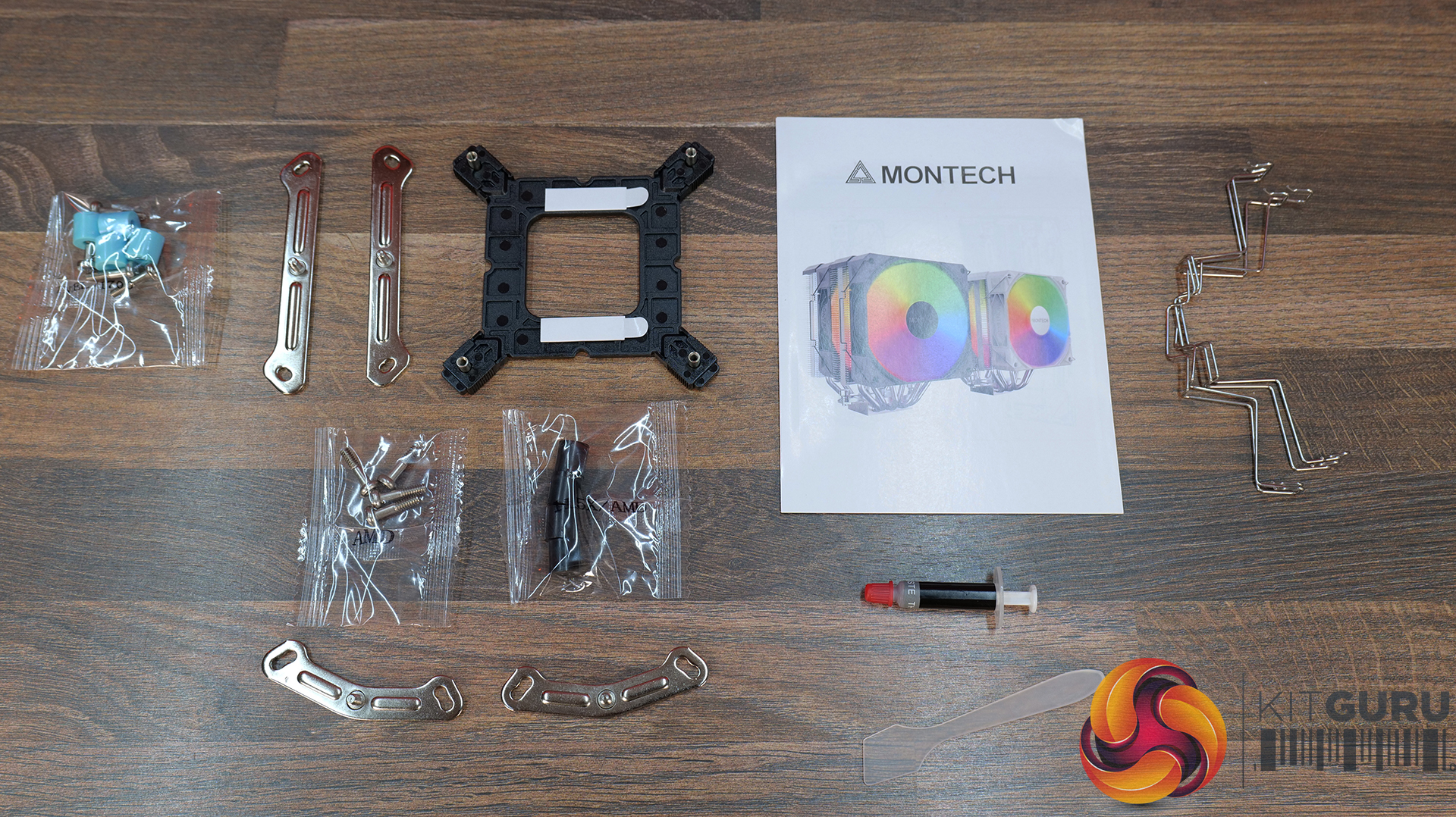
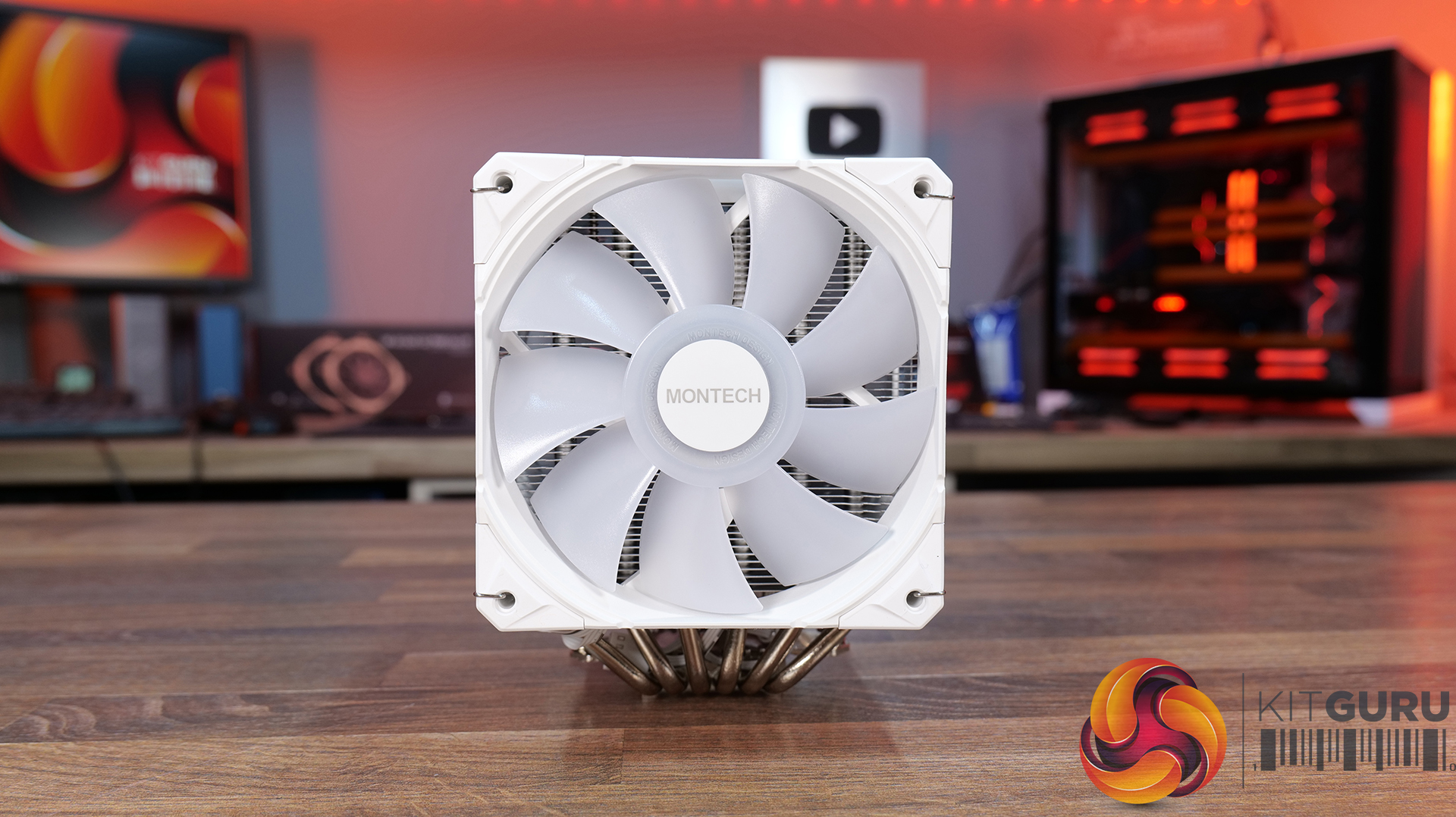
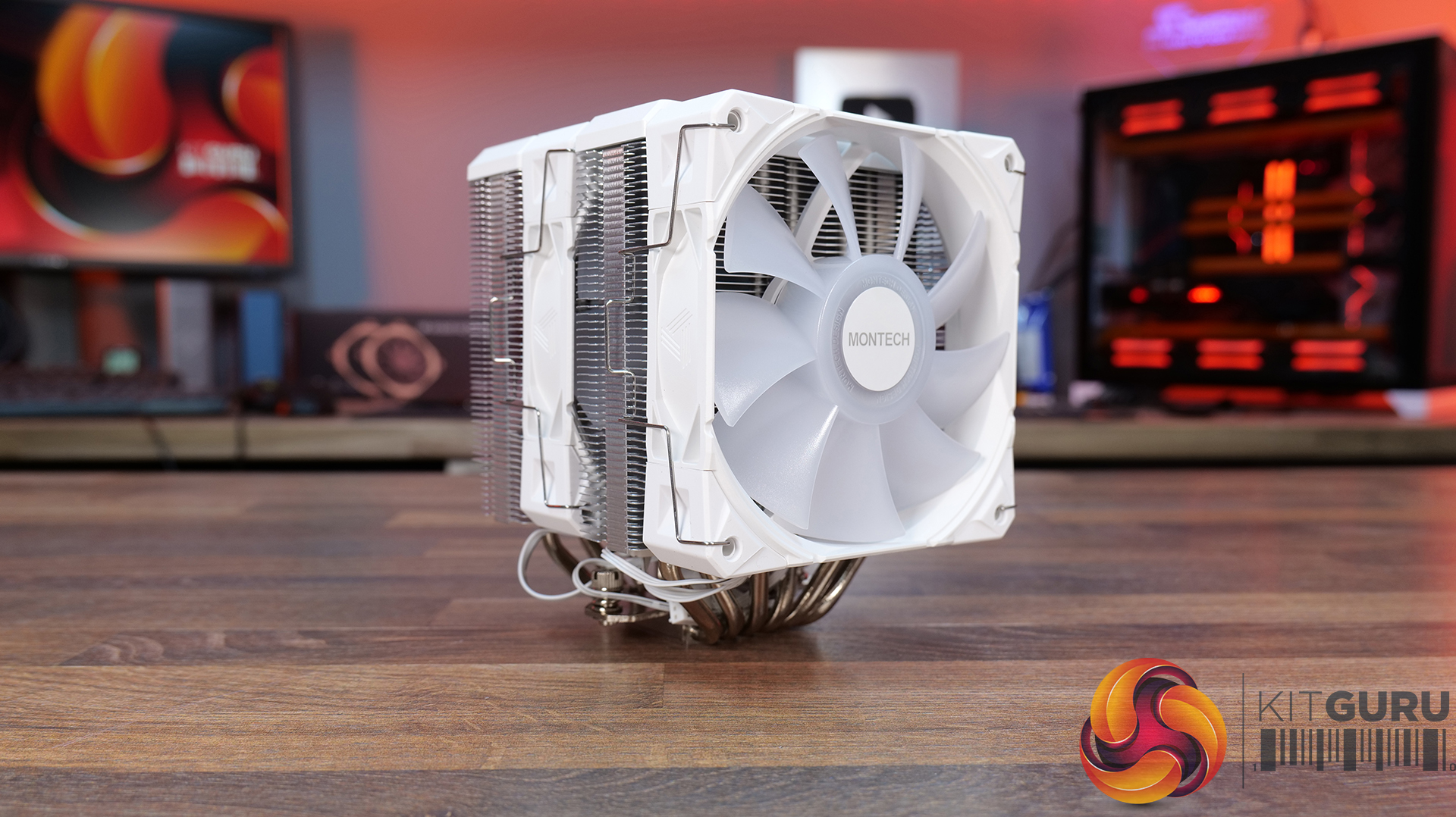
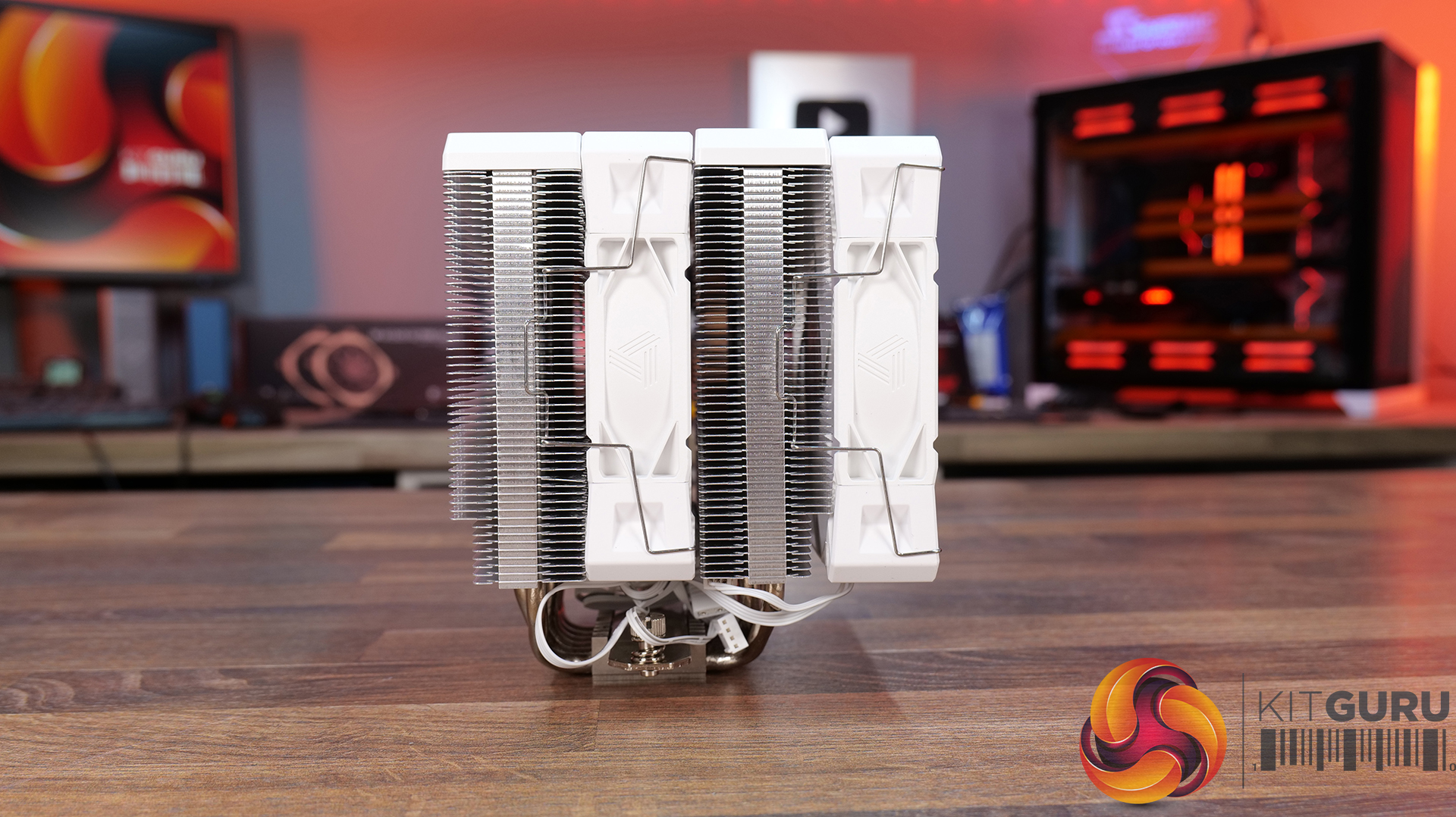
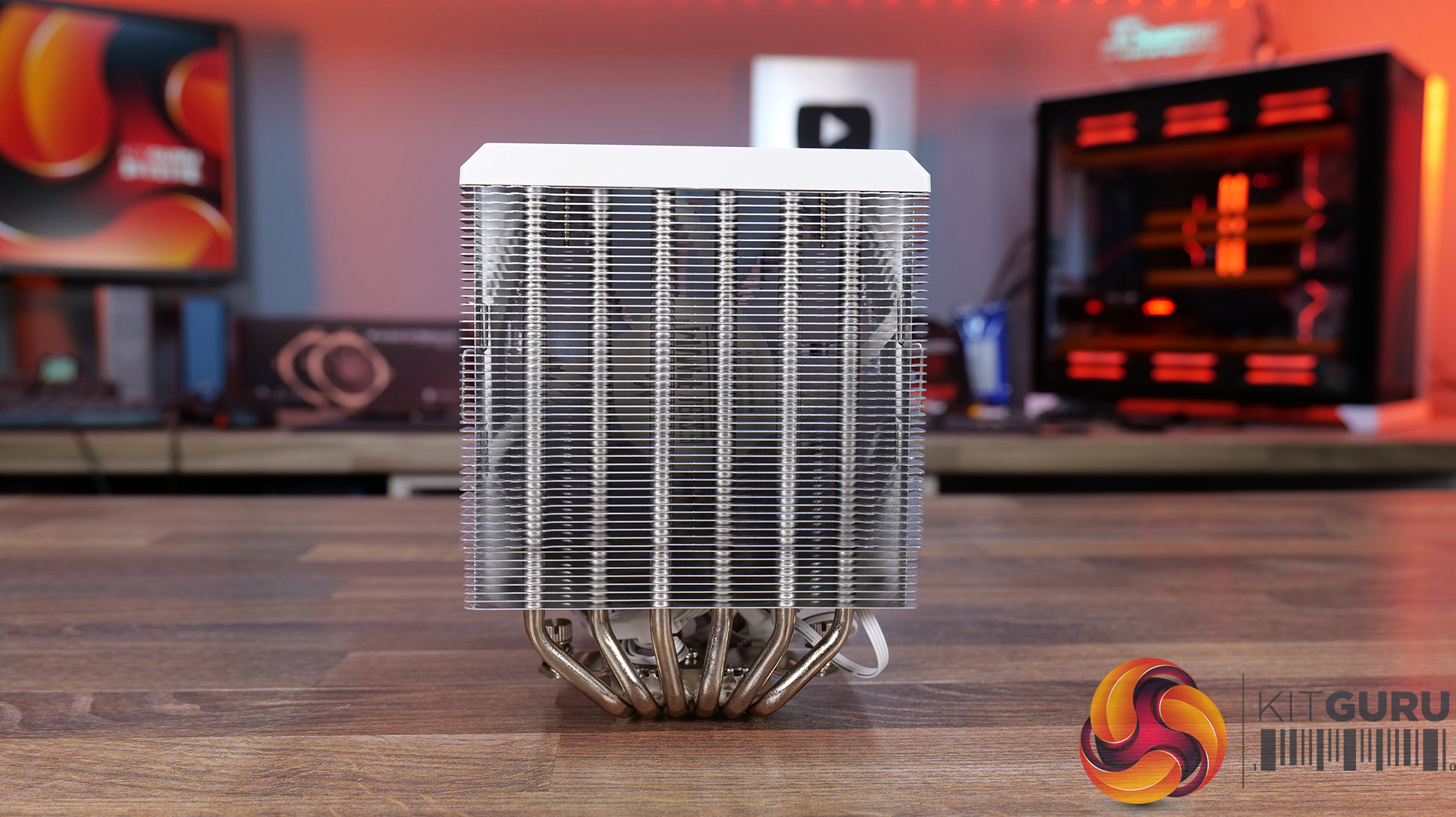
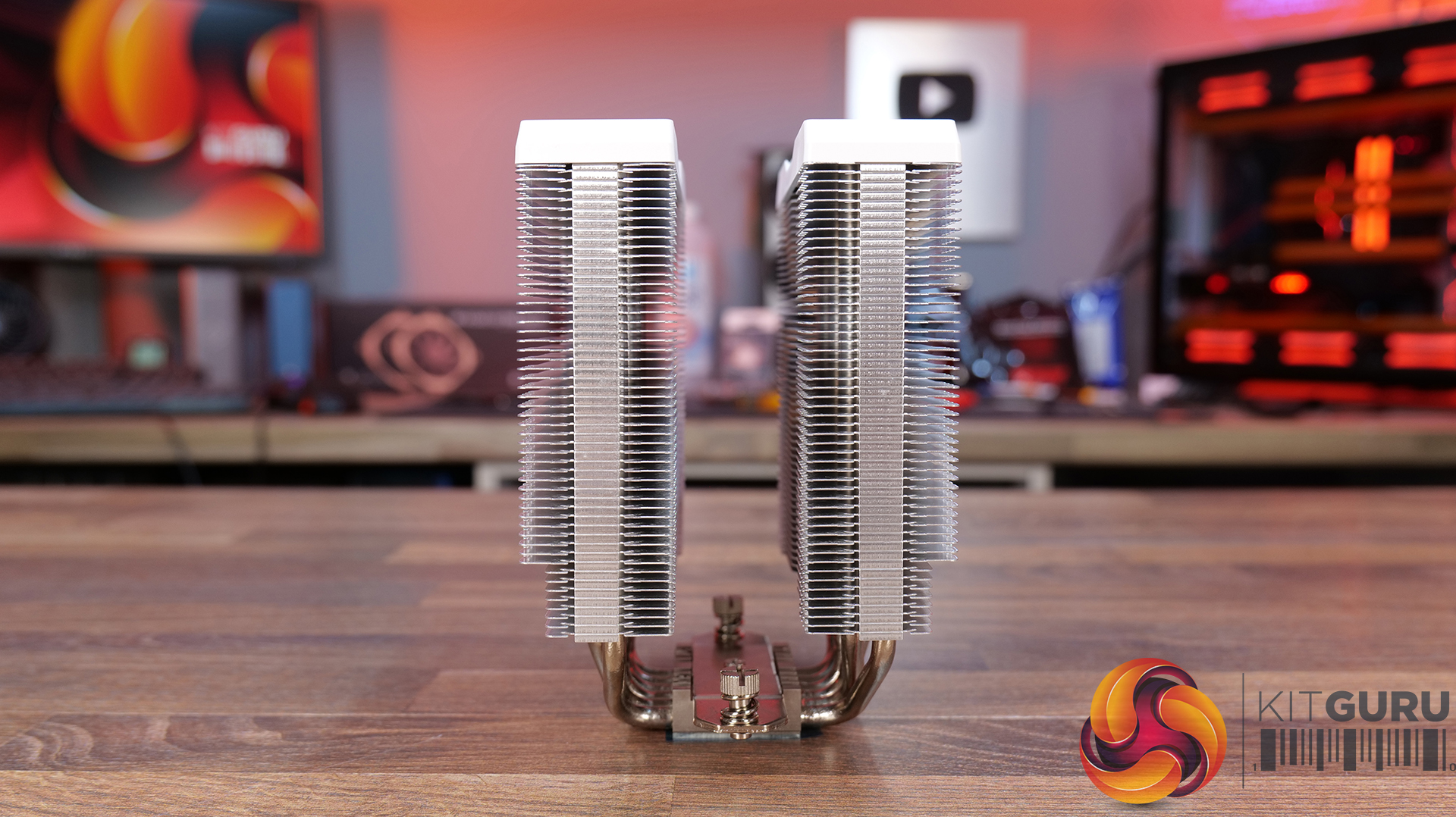
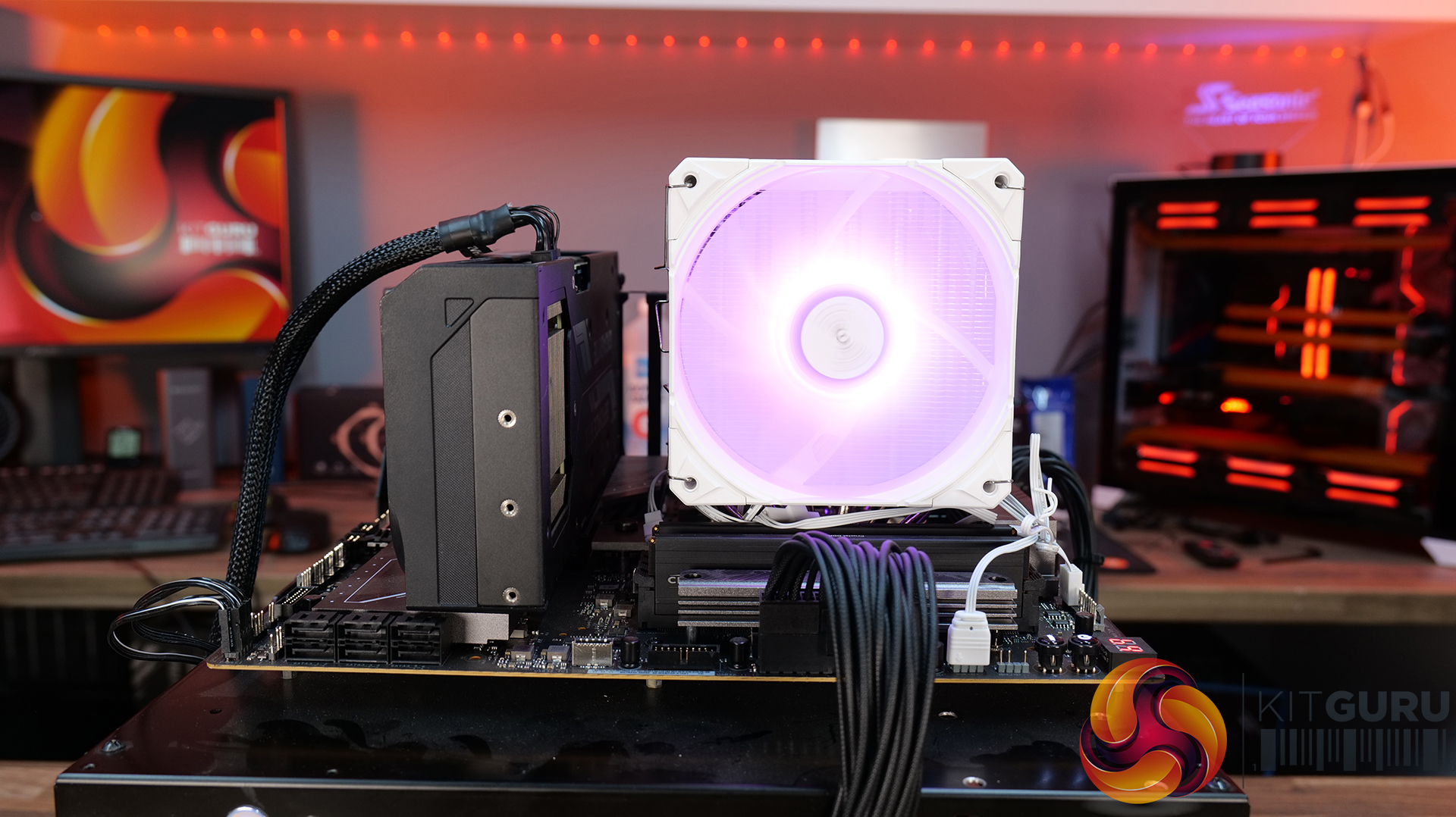
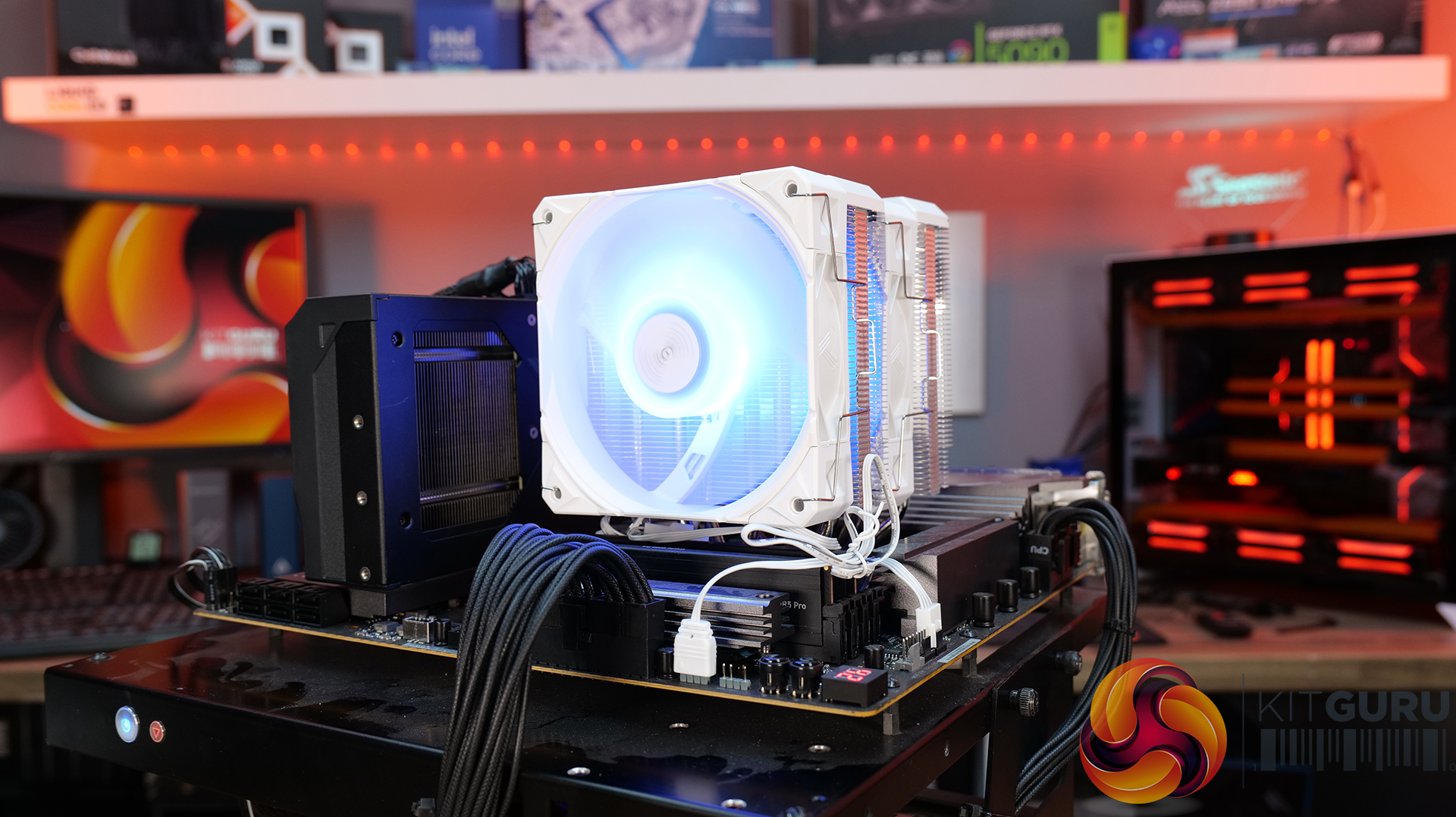
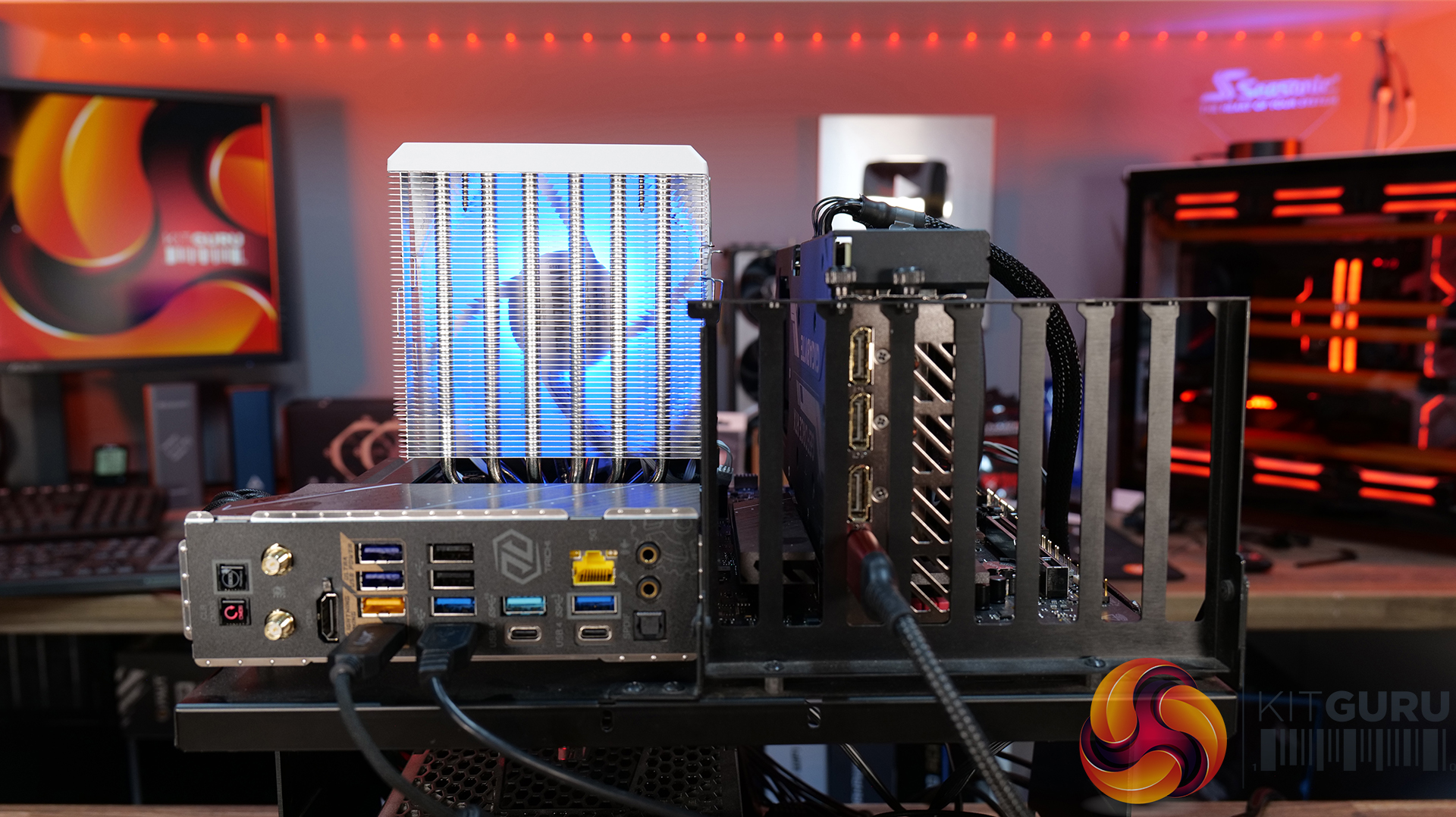
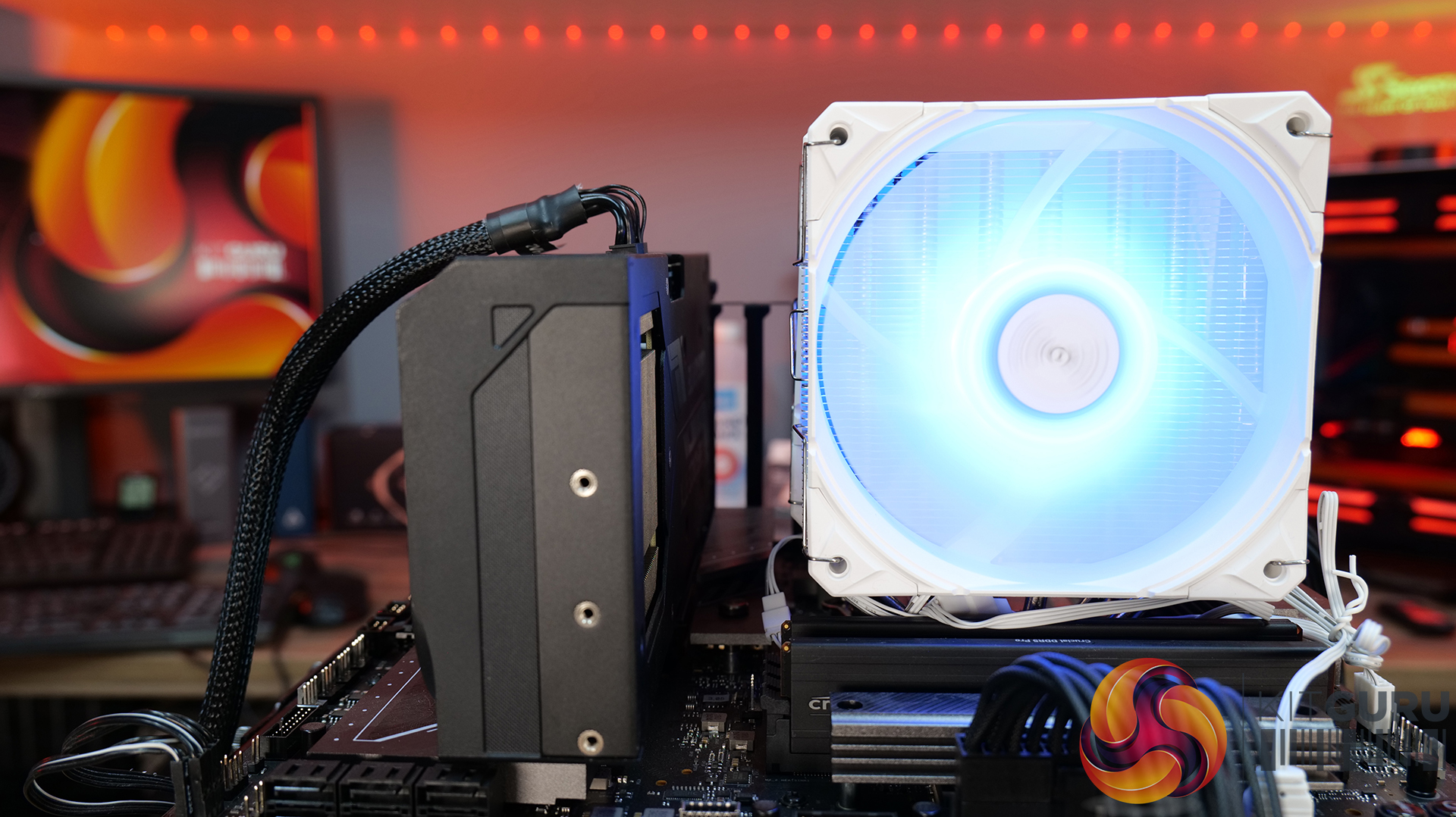
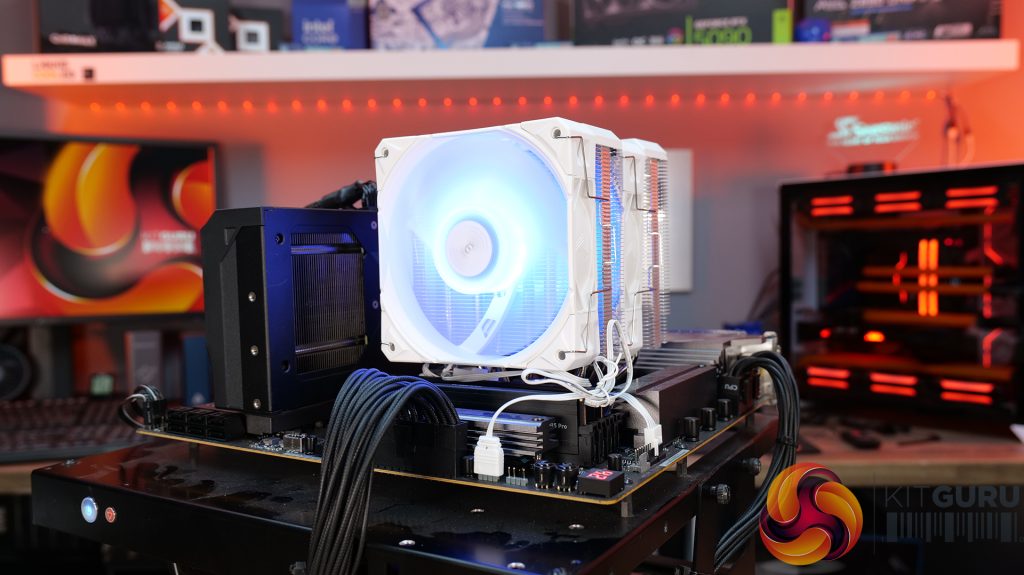
Today we’re taking a look at the Montech NX600 CPU cooler, a dual-tower air cooler that’s aimed designed to deliver maximum bang for your buck. On paper, it promises strong thermal performance, broad socket compatibility, and a clean, understated design. But as we know, specs only tell half the story, so in this review, we’ll be putting it through proper thermal and noise testing to see whether the NX600 is genuinely competitive, or just another budget contender.
Timestamps:
00:00 Intro
00:50 Pricing and Info
02:00 Up Close
03:16 Heatsink and plastic top details
04:15 Fans
05:30 Accessories
06:26 Test System and Installation
07:59 Thermal and Noise Performance
10:11 Worth buying?
Features:
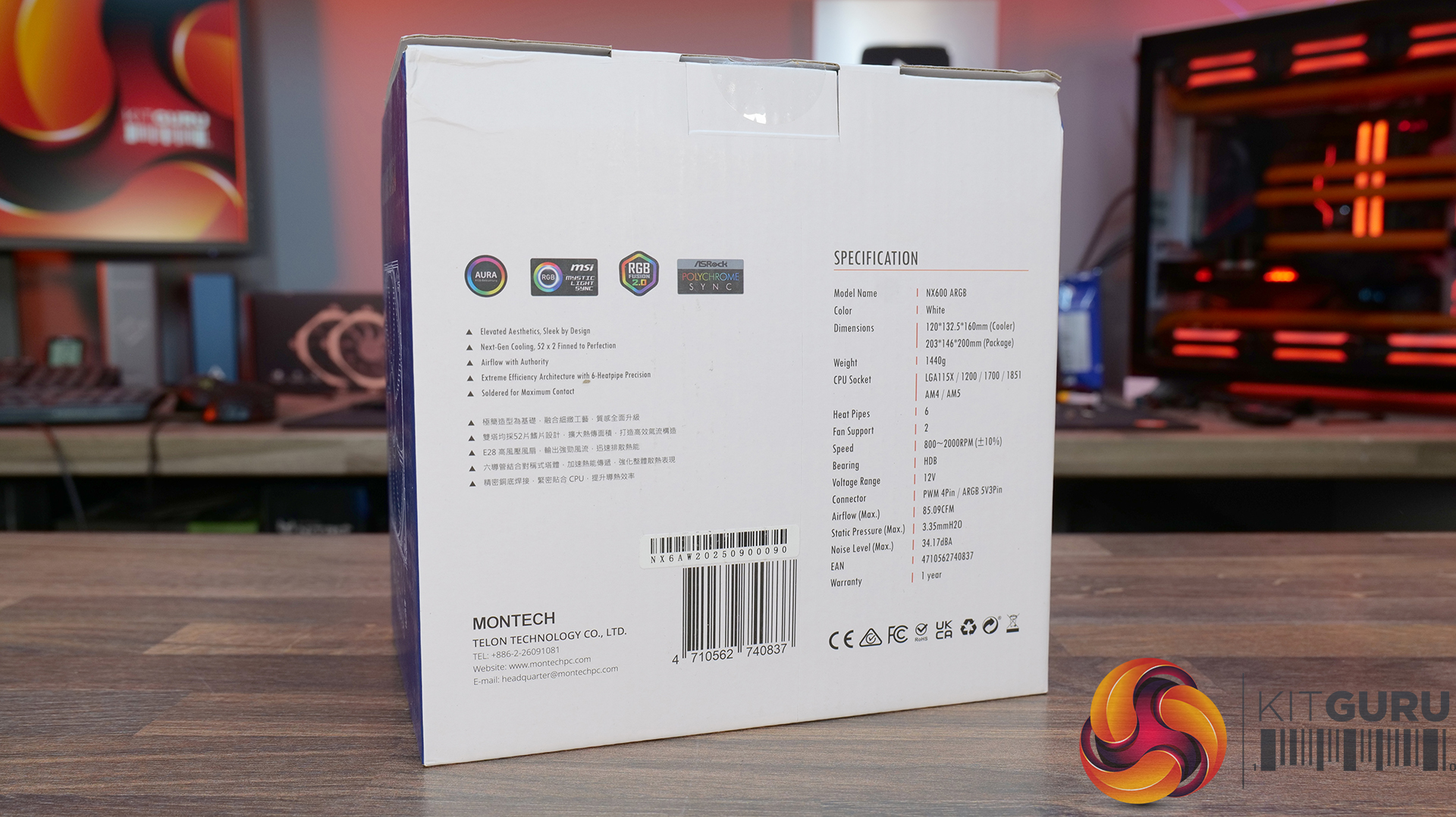
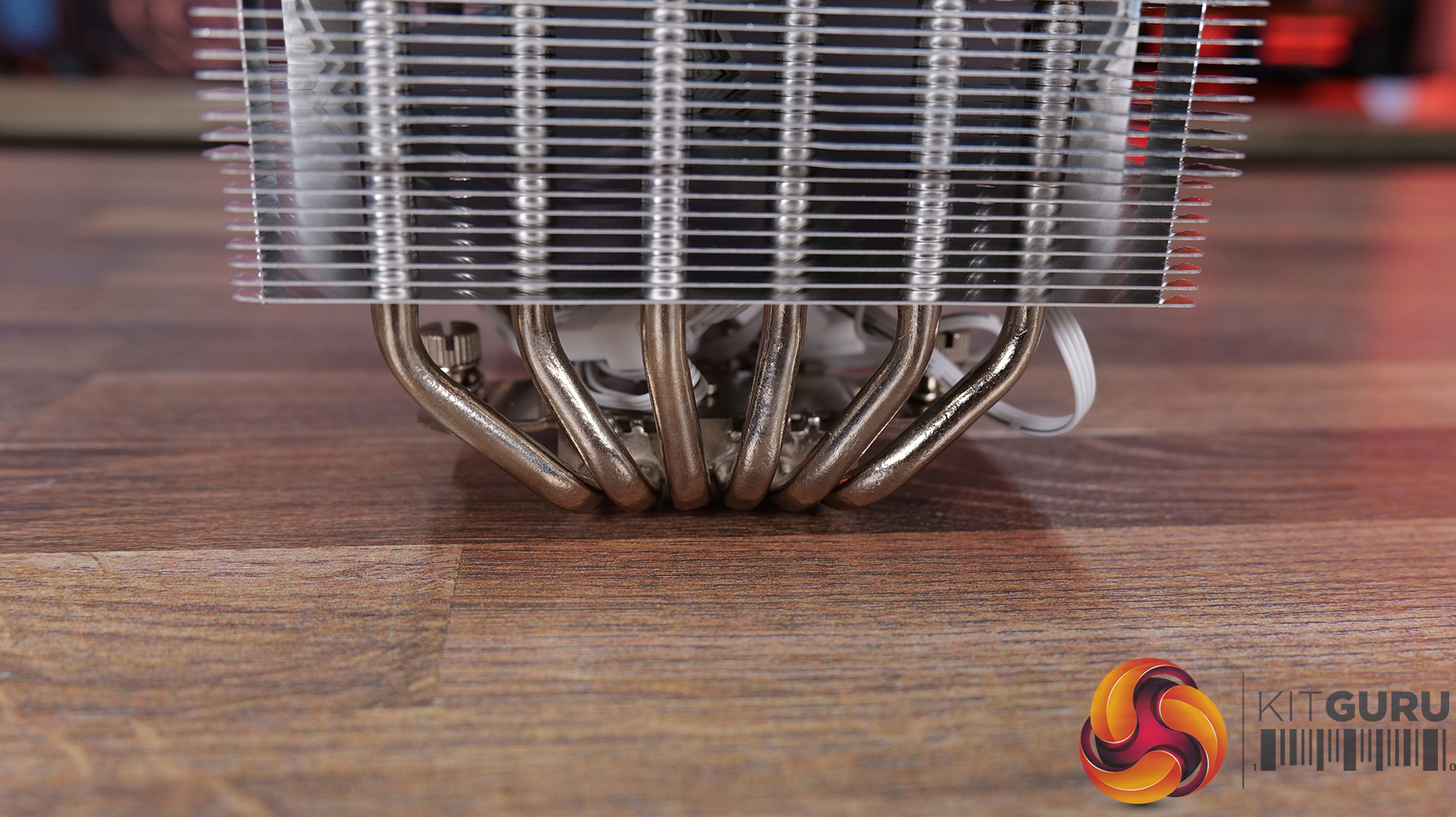
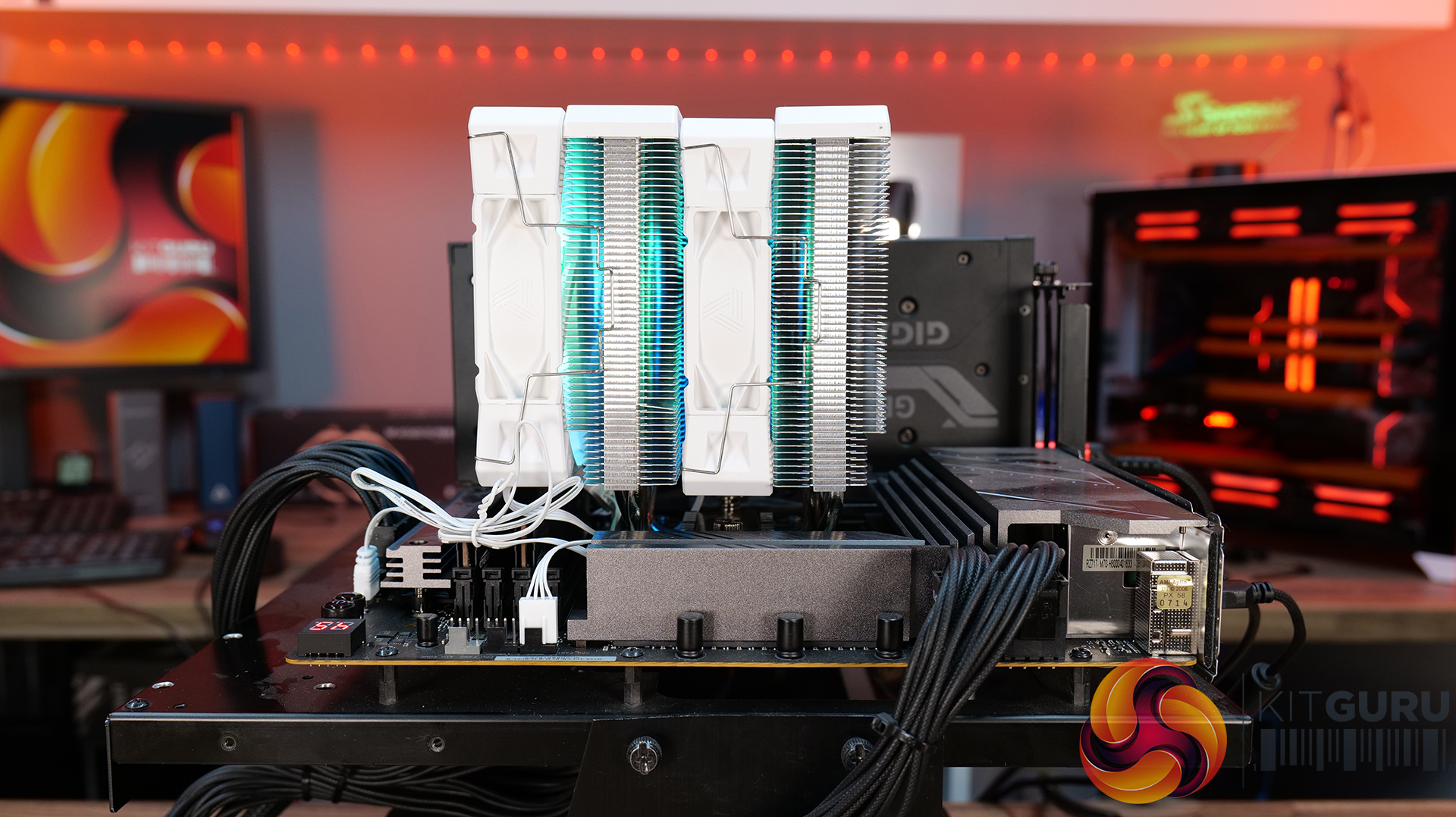
Dual-Tower Cooling — NX600 features dual heat sink fin stacks with 52 fins per stack, six heat pipes, and dual high-performance 28mm thick fans to maximise heat dissipation and airflow efficiency for optimal temperatures even under heavy loads.
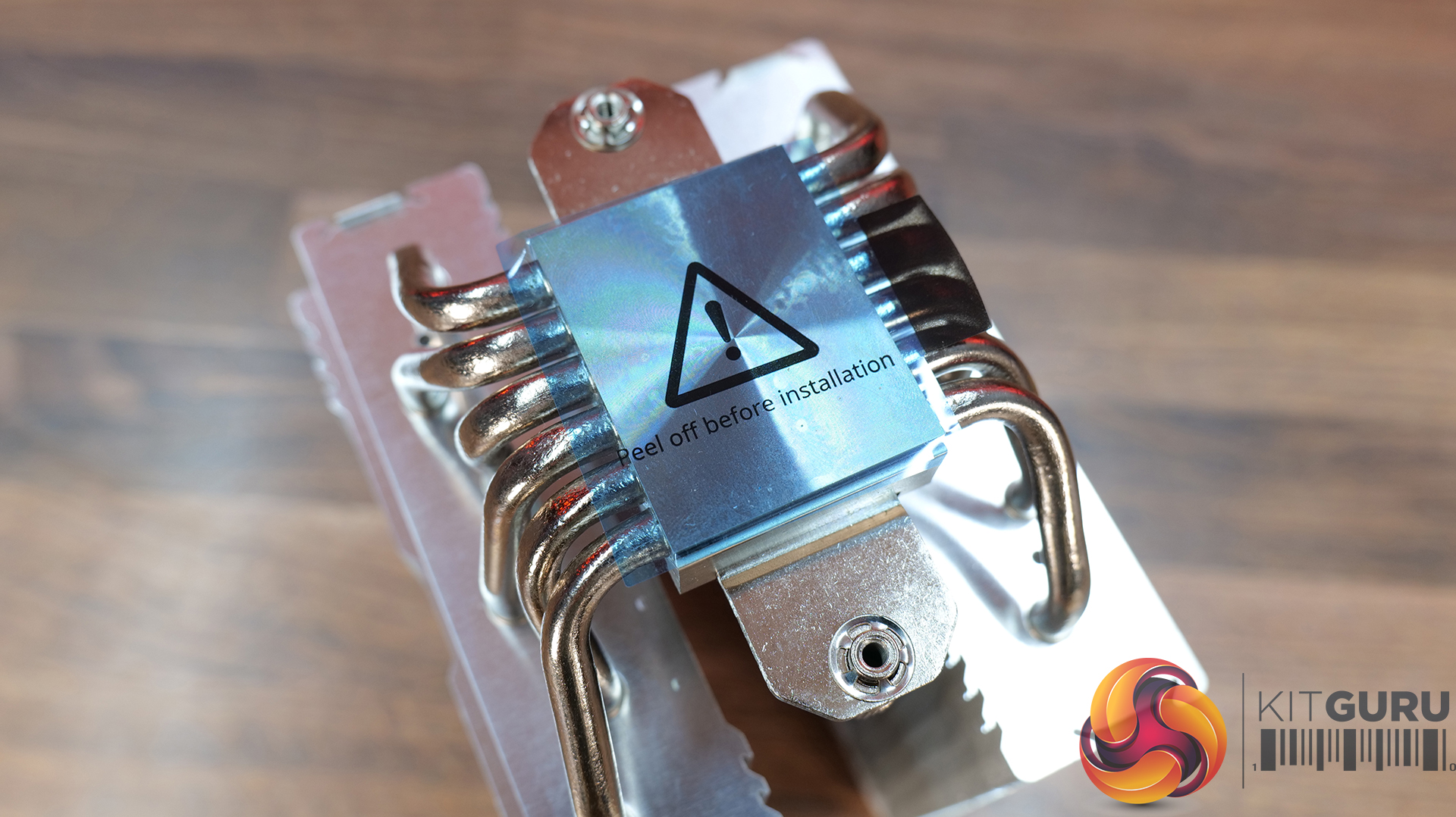
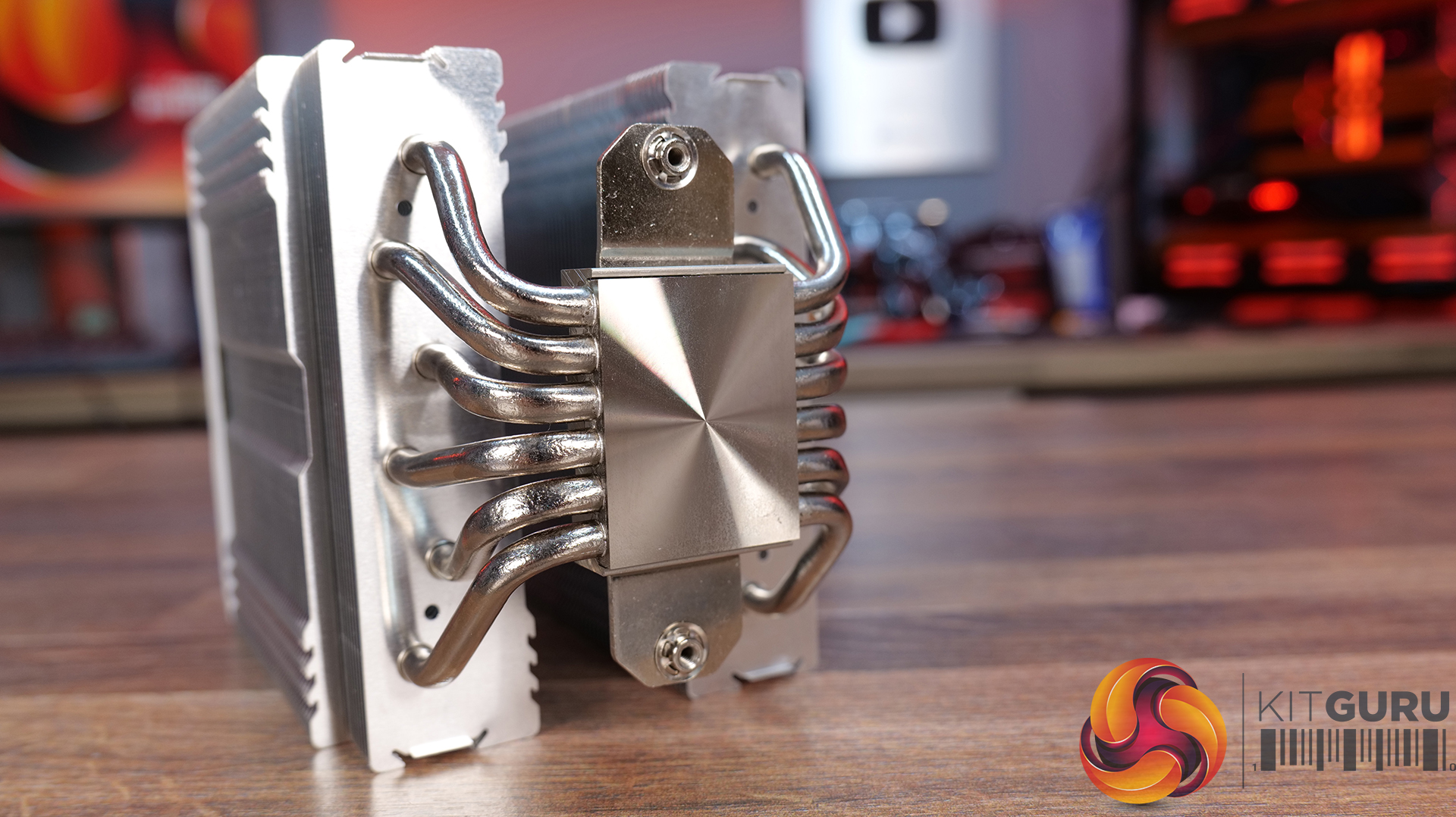
Soldered Copper Base for Efficient Heat Transfer — A flat copper base soldered directly to six heat pipes provides efficient, even heat dissipation from the CPU to the heat sink, keeping CPU temperature under control.
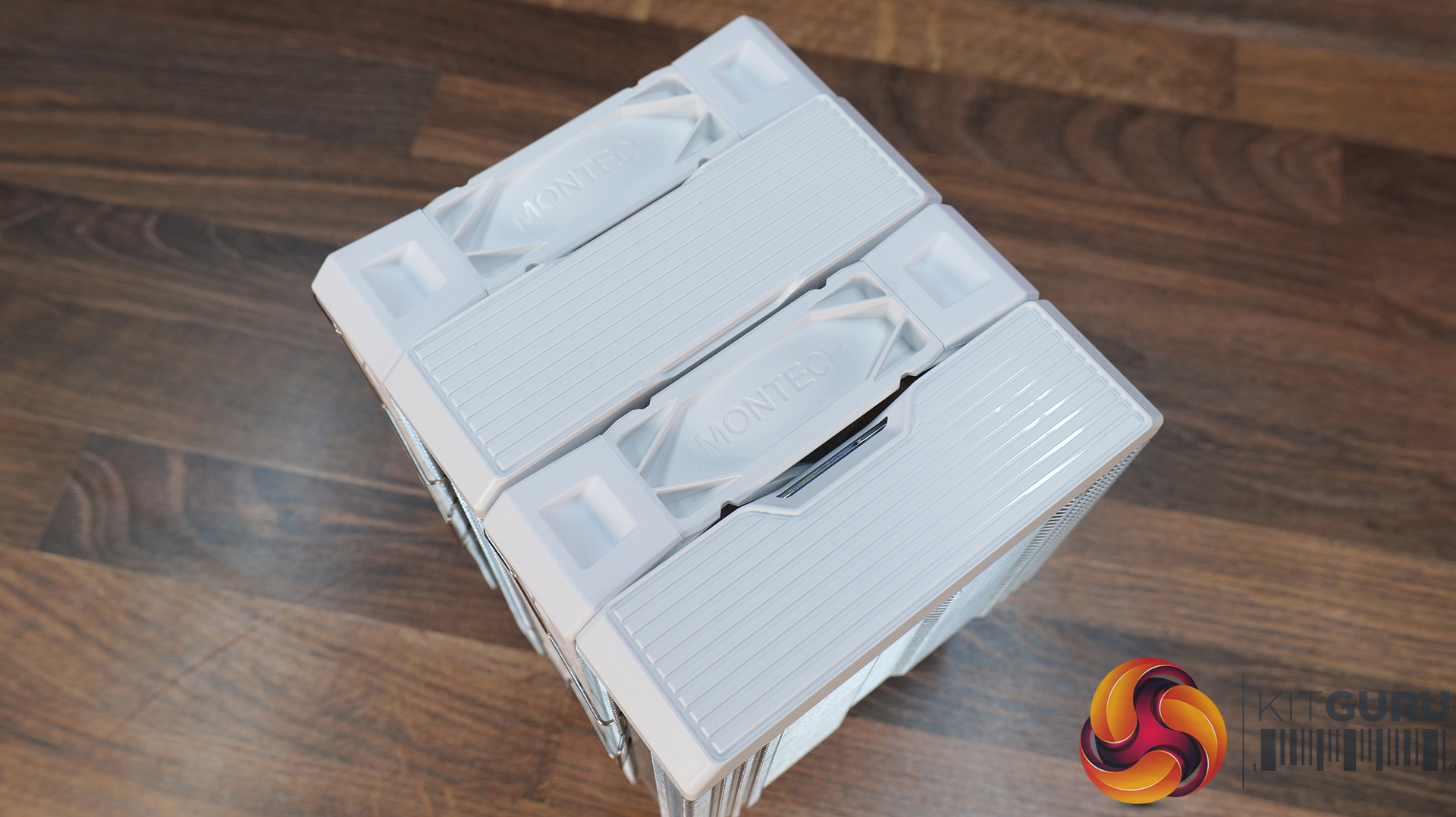
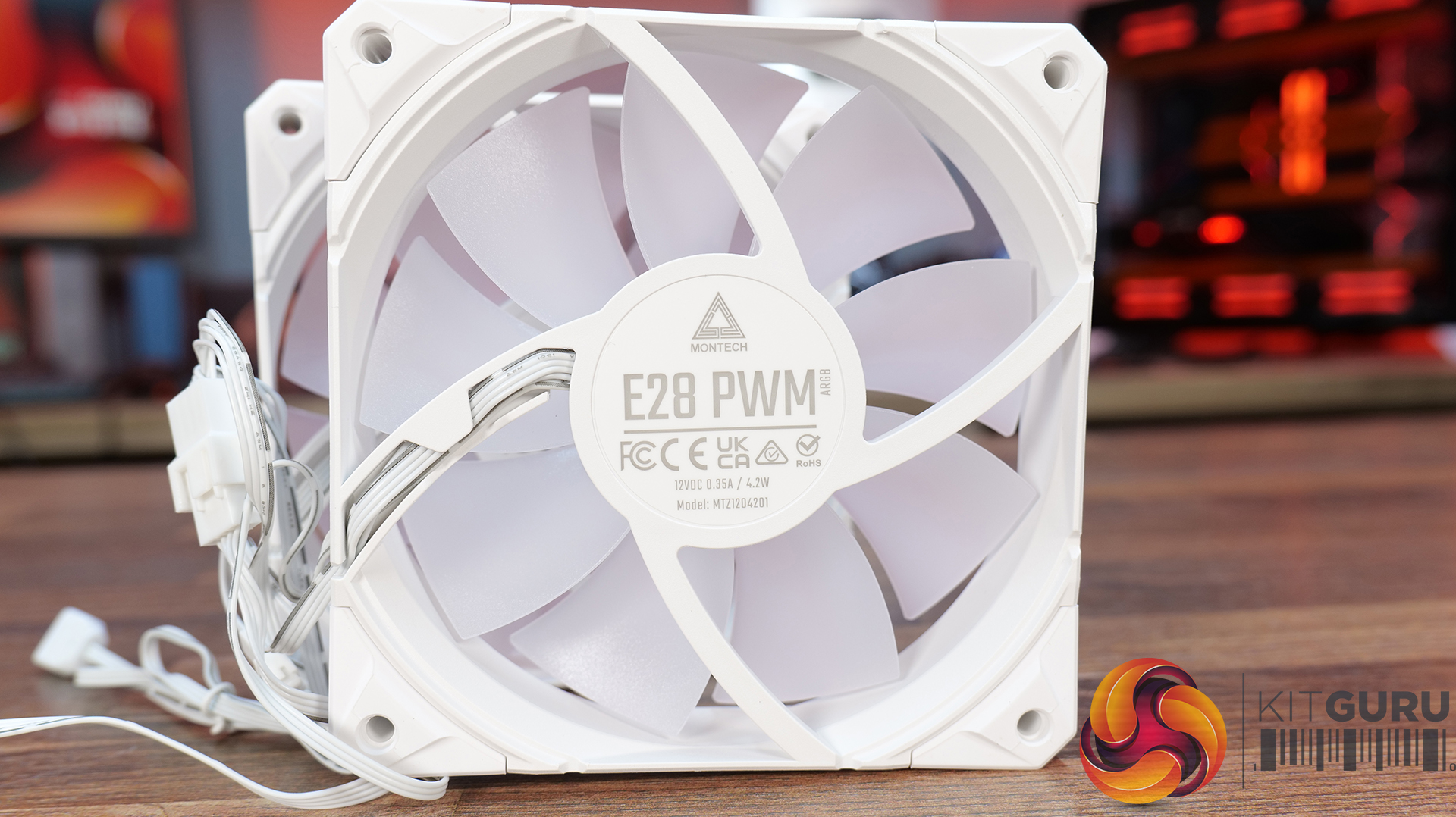
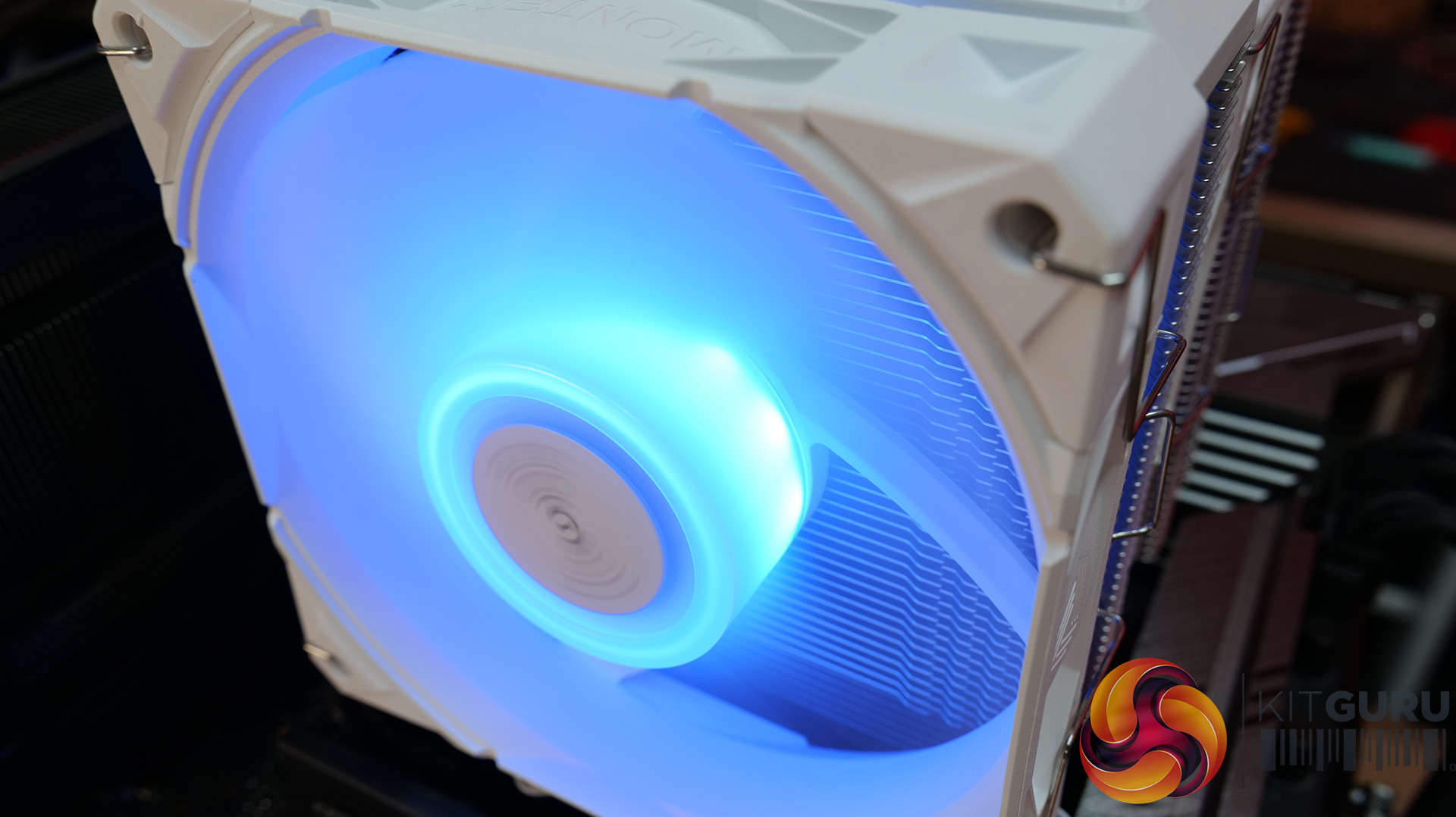
Dual E28 PWM Performance Fans — Equipped with two MONTECH E28 (ARGB) PWM fans tuned for strong airflow and static pressure, providing effective cooling with or without RGB lighting effects.
Broad CPU Socket Compatibility — Supports all major current Intel and AMD sockets, including Intel LGA115X / 1200 / 1700 / 1851 and AMD AM4 / AM5, for stress-free installation and upgrades.
Specifications:
Colour Options: Black / White
Dimensions: 120 × 132.5 × 160 mm (cooler) / 203 × 146 × 200 mm (package)
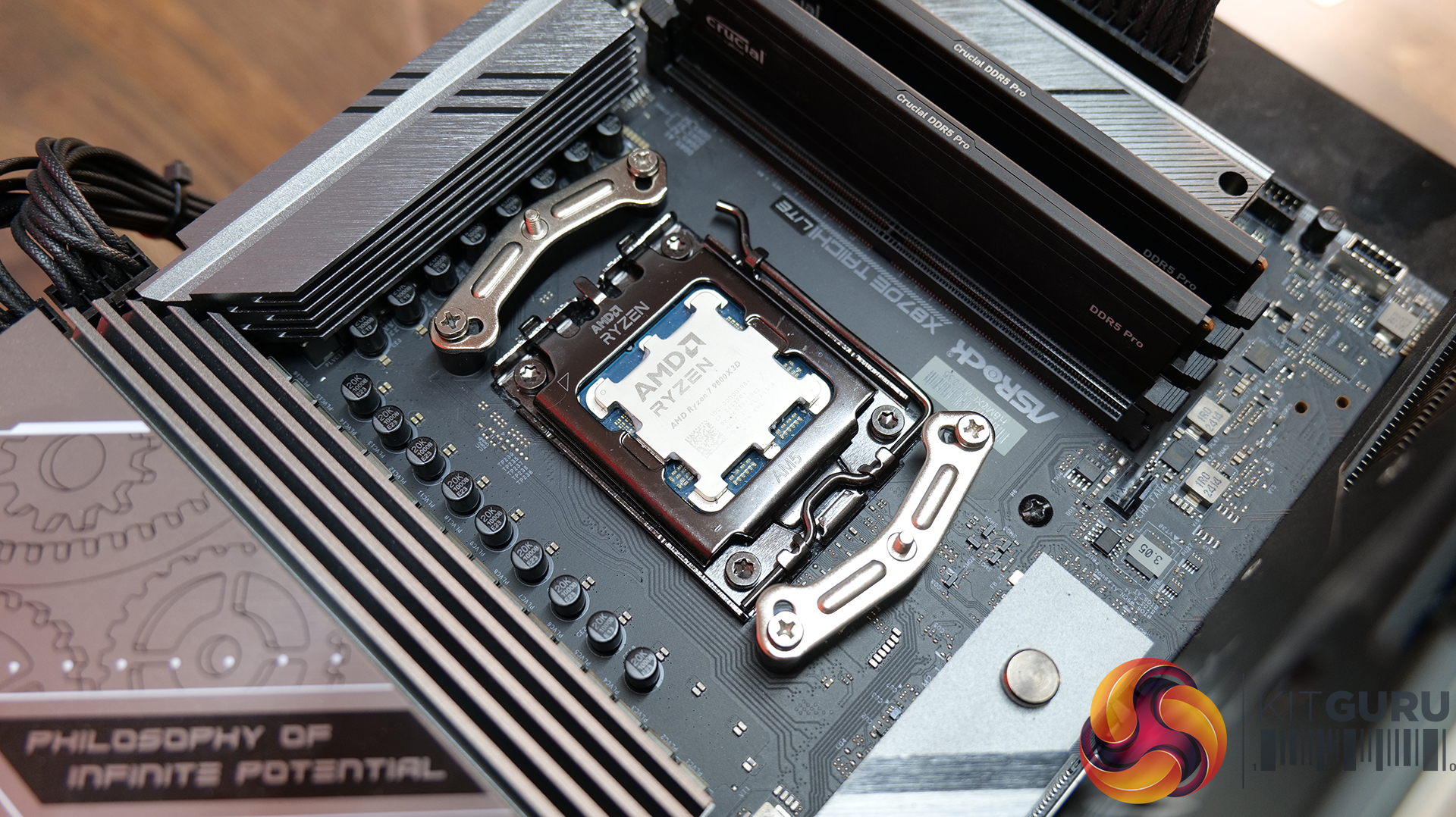
We are primarily focusing on the performance of each cooler at 100% fan speed and also when locked to 40dBA noise output. We will focus on cooling performance using a manual overclock with all-core frequency and VCORE locked to 5.2GHz/1.3v (AMD) and 5.5GHz/1.3v (Intel) and Precision Boost Overdrive performance.
The test data is logged using HWINFO and the final 10 minutes of the data is calculated to find the average CPU temperature and CPU clock multiplier (AMD PBO Test) and then plotted in the charts.
For testing, we use a 30-minute looped run of Cinebench R23 and record the steady-state CPU temperature at the end of the test. This ensures that the CPU has had ample time to warm up and reach a steady state under all of the coolers.
The ambient is maintained at 19-21 degrees Celsius. Where there is variation beyond this temperature range, we add extra repeated tests to ensure consistency. However, this is well controlled now with A/C.
We also test each cooler with at least two fresh installs (typically three) to mitigate the likelihood of poor mounting spoiling results.
Ambient temperature and humidity are controlled via a mini split air conditioning system inside the test room. Ambient temperature is maintained between 22-23°C, Temperature delta figures are shown in the charts (ambient temperature is deducted from the measured component temperature).
Test Results:
Acoustics
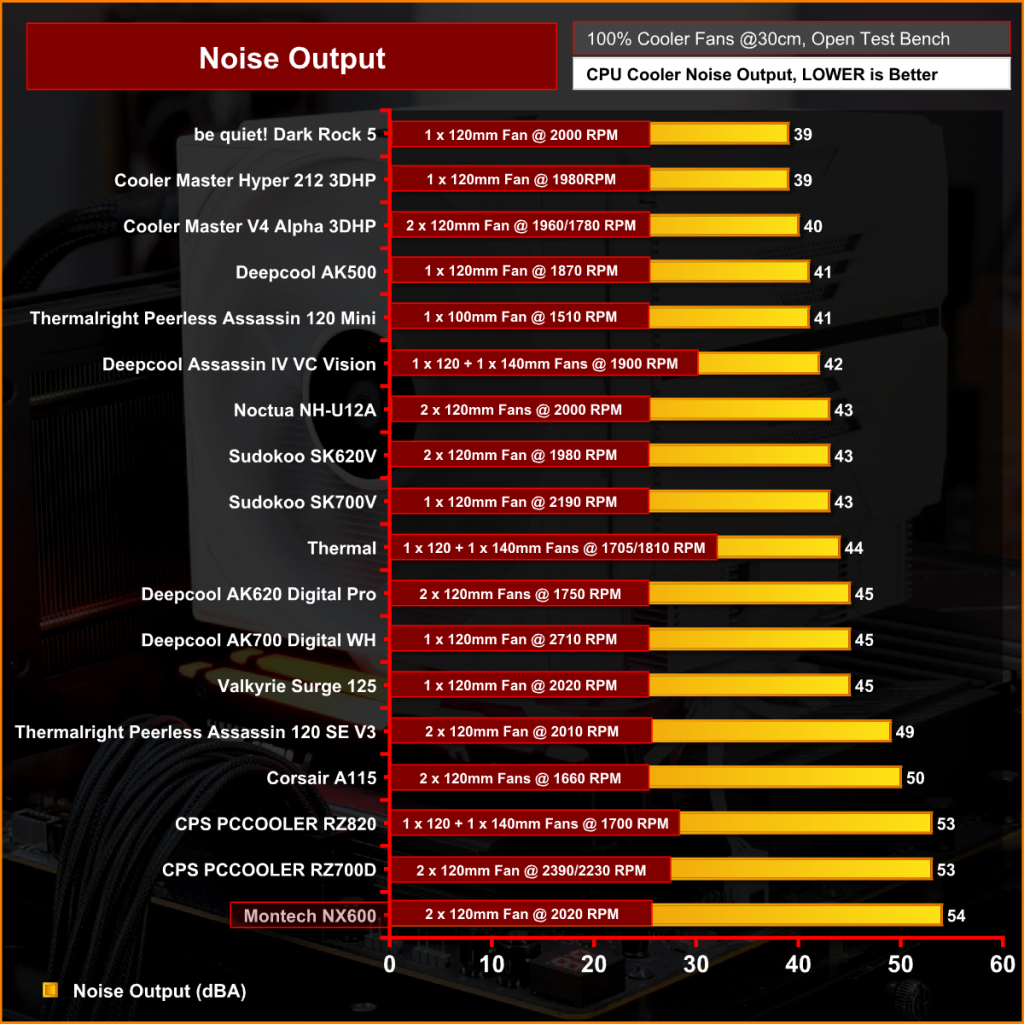
Looking at noise output first, the Montech NX600 sits at the bottom end of the chart, recording 54dBA peak noise output, which makes it the loudest air cooler tested to date. Significantly louder than premium options such as the NH-U12A, Dark Rock 5, AK620 and SK260V and the current budget king, the Thermalright Peerless Assassin 120 SE V3. The NX600 prioritises fan speed over noise, and while tuning the fan curve may help, it’s clearly not aimed at silent PC builds.
Thermal Performance: AMD Ryzen 7 9800X3D
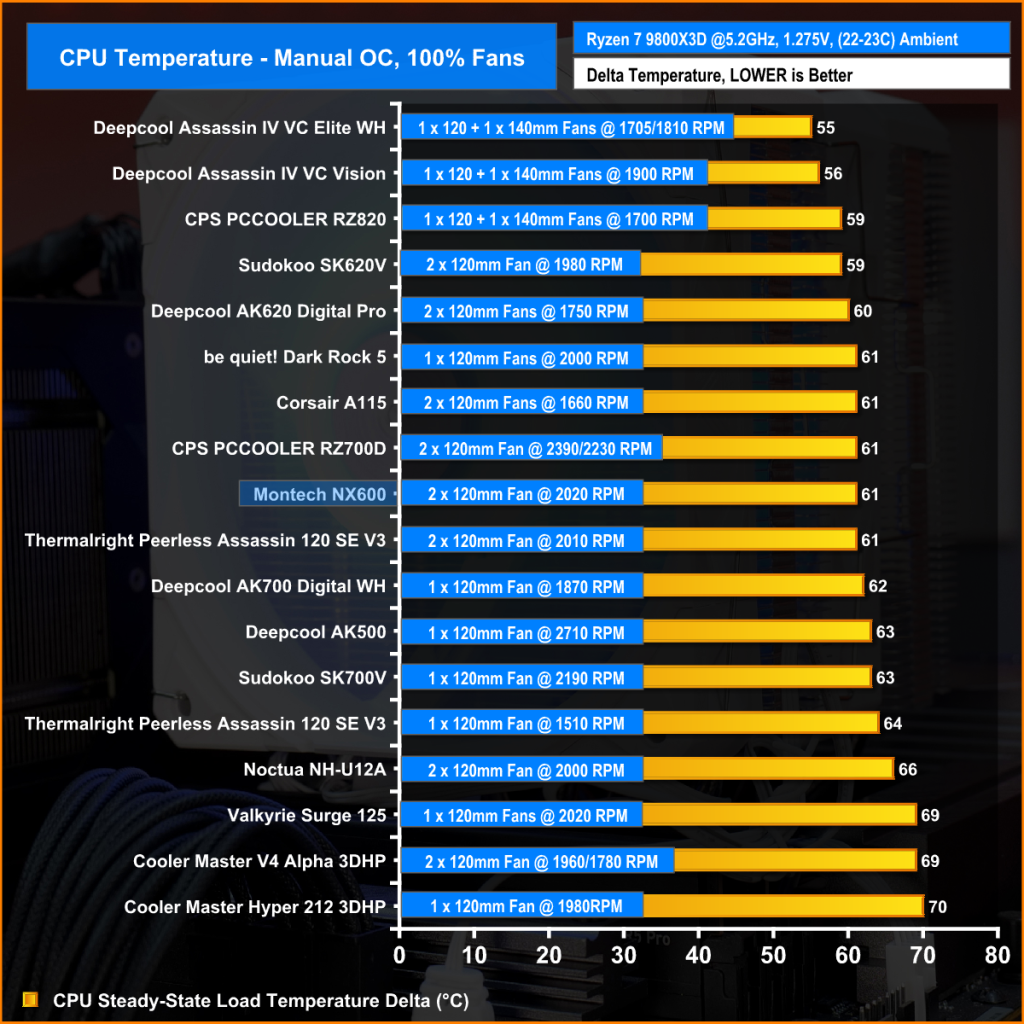
With the fans running at maximum speed, the Montech NX600 delivers solid but not class-leading thermal performance, recording a steady-state CPU temperature of 61°C over ambient. That puts it on par with established air coolers like the be quiet! Dark Rock 5 and Corsair A115 and level with its main competition, the Thermalright Peerless Assassin 120. That said, the NX600 is the loudest cooler in this test.
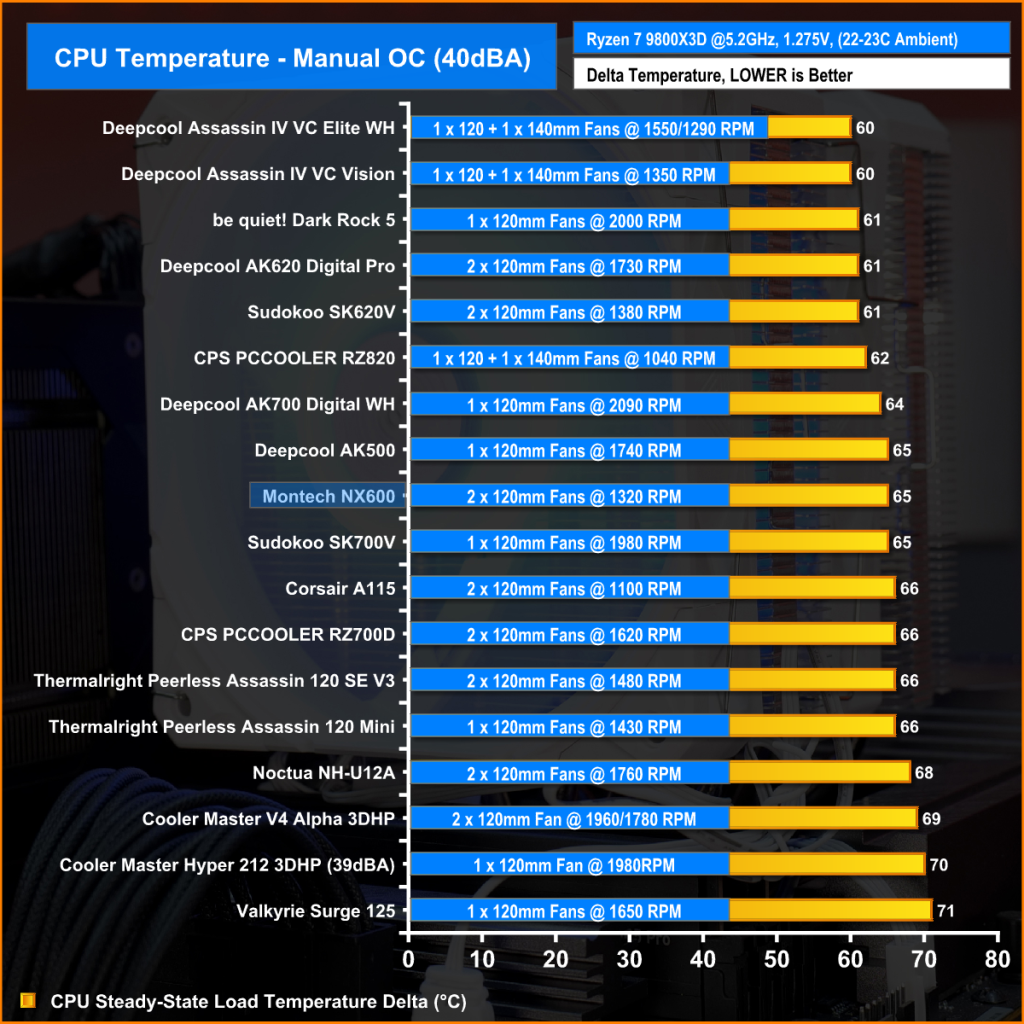
When noise is normalised to 40 dBA, thermal performance drops to 65 °C, which sees the NX600 still hold the middle of the pack, sat just behind the AK620 Digital Pro and the Sudokoo SK620V. But crucially, the NX60 outperforms the Thermalright Peerless Assassin 12 SE in the noise-normalised test, which we'd argue is the most useful metric since users will be more likely to run their system with fan curves rather than with the fans maxed out.
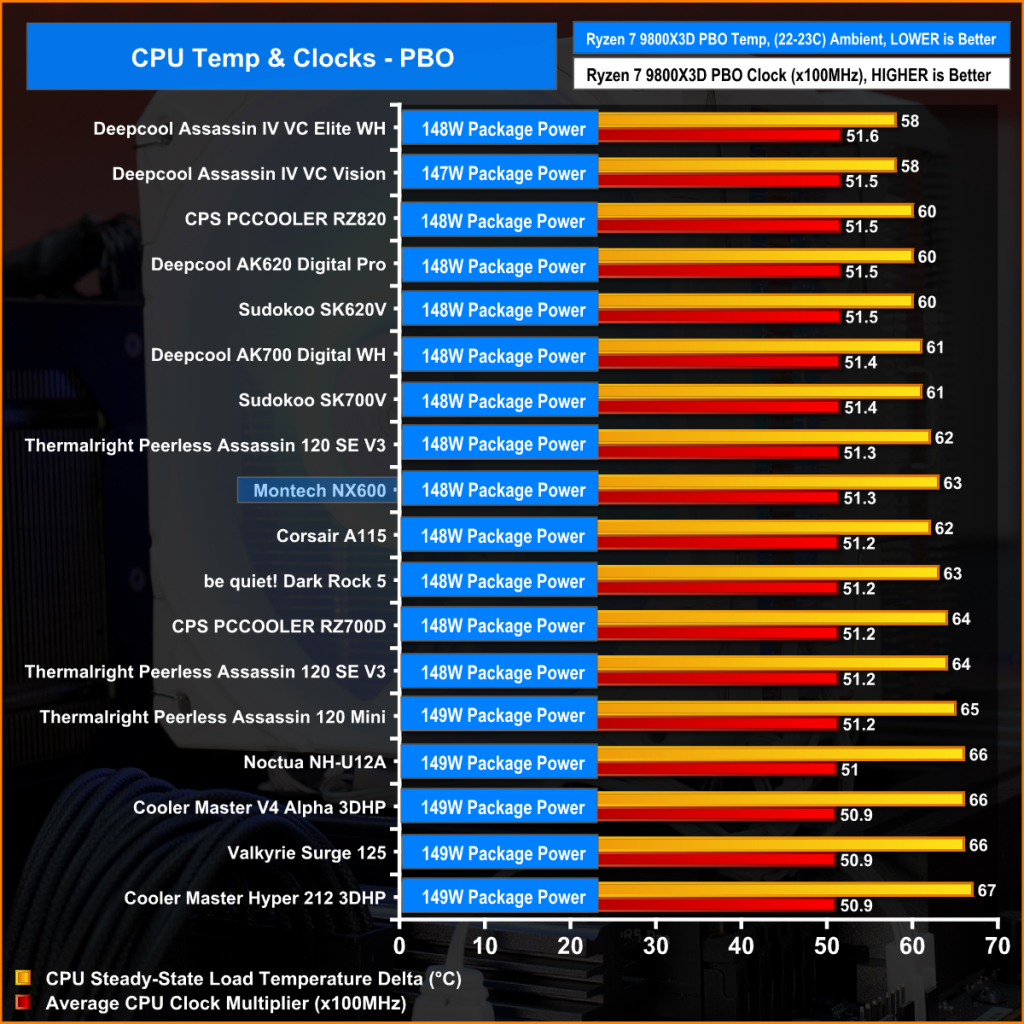
In AMD PBO testing, the Montech NX600 records a steady-state temperature of 63 °C over ambient with an average CPU clock multiplier of 51.3x, placing it in the middle of the chart again. It manages to sustain solid boost frequency, but trails more efficient dual-tower coolers with slightly higher clocks at lower temperatures. However, it again trades blows with what most would consider the best value cooler the Thermalright Peerless Assassin
So the Montech NX600 gives users a problem, but a good one, since now there are two great value budget air coolers to choose from that offer very similar levels of performance.
The Montech NX600/NX600 ARGB is available to purchase now from Scan priced at £24.98 HERE for the regular version and £29.99 HERE for the ARGB model.
Pros:
Very low cost.
Decent thermal performance when noise is normalised.
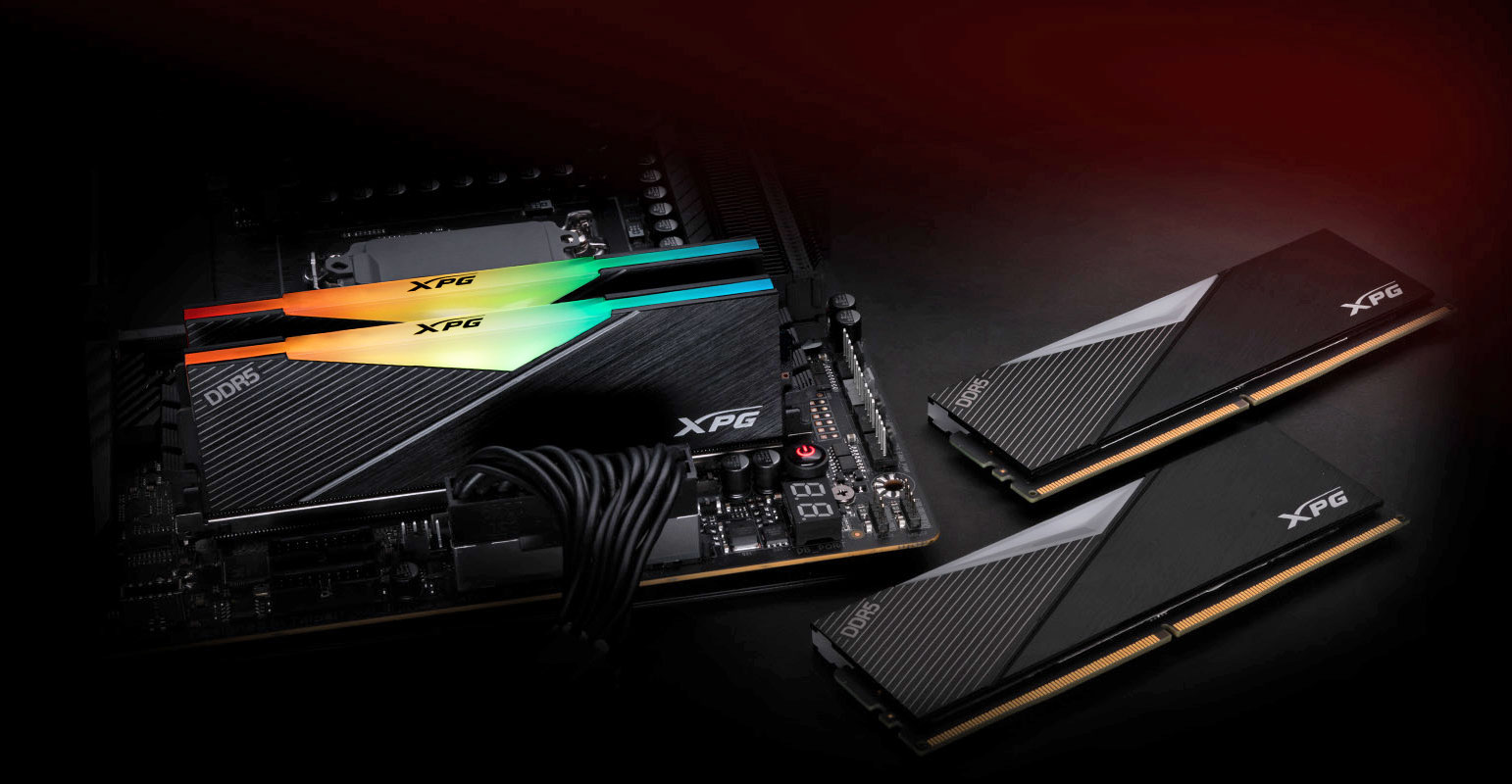
We've teamed up with ADATA to give you the chance to win a brand new 32GB kit of XPG Lancer RGB DDR5 memory! What's more, this competition is open worldwide and entering is dead easy…
We all know that it's a challenging PC landscape at the minute, so when ADATA reached out to see if we'd like to give away a 2x16GB kit of their XPG Lancer RGB DDR5 memory, we were very keen to get this up for our readers.
TO ENTER
Entering this giveaway is very easy. All you need to do is head over to this video on TikTok and:
Leave a comment
Make sure you are following both @adatatechnology and @kitgurutech
And that's it! The giveaway is open worldwide, so no matter where you are, you are in with a chance of winning. All entries must be received by 23:59 GMT on 28th January. Good luck!
In compliance with GDPR, we will not collect or store any personal information as part of this competition. Once the winner has been contacted and their prize received, personal details will be deleted from our email servers. Your details will not be shared, we respect your privacy.
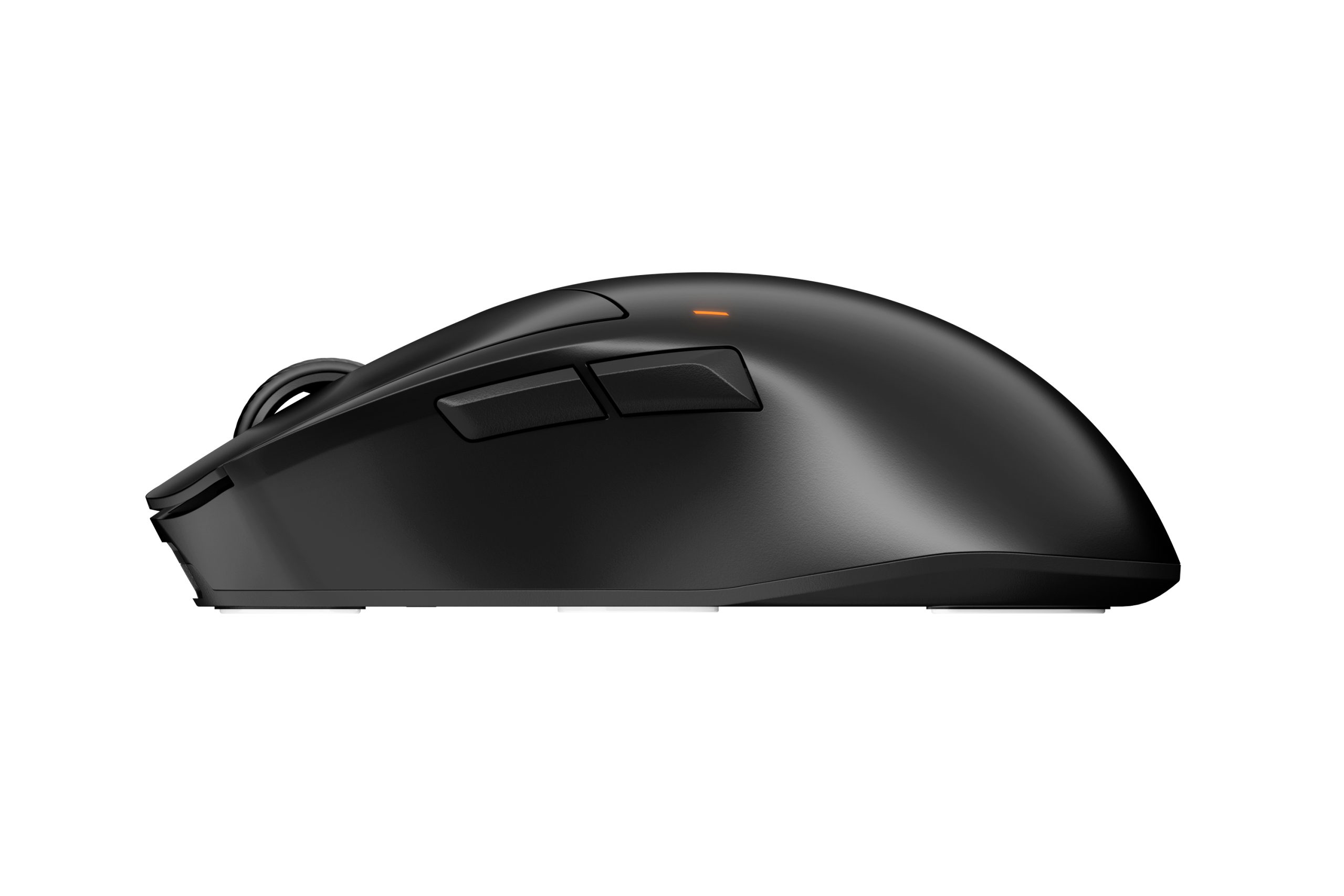
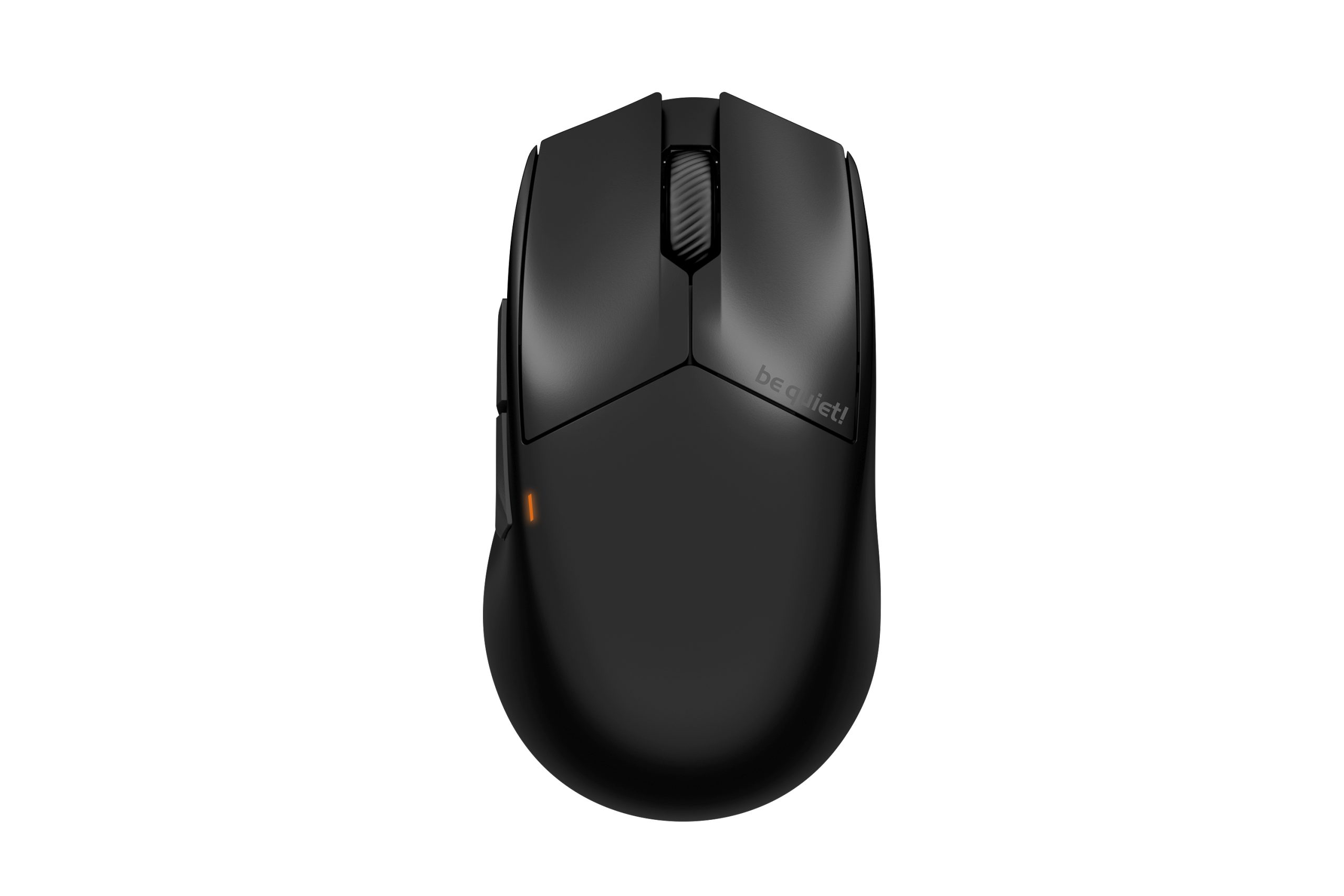
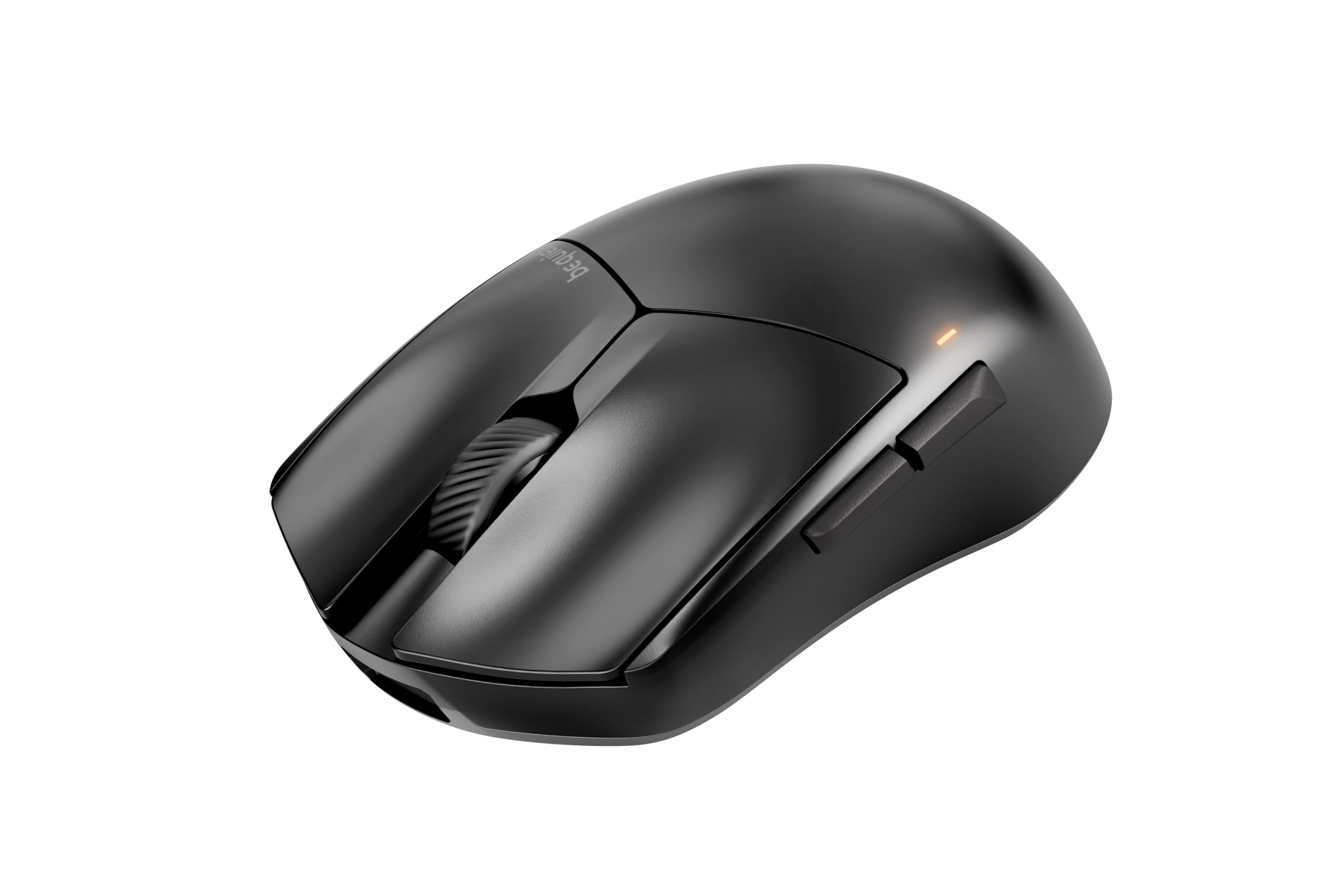
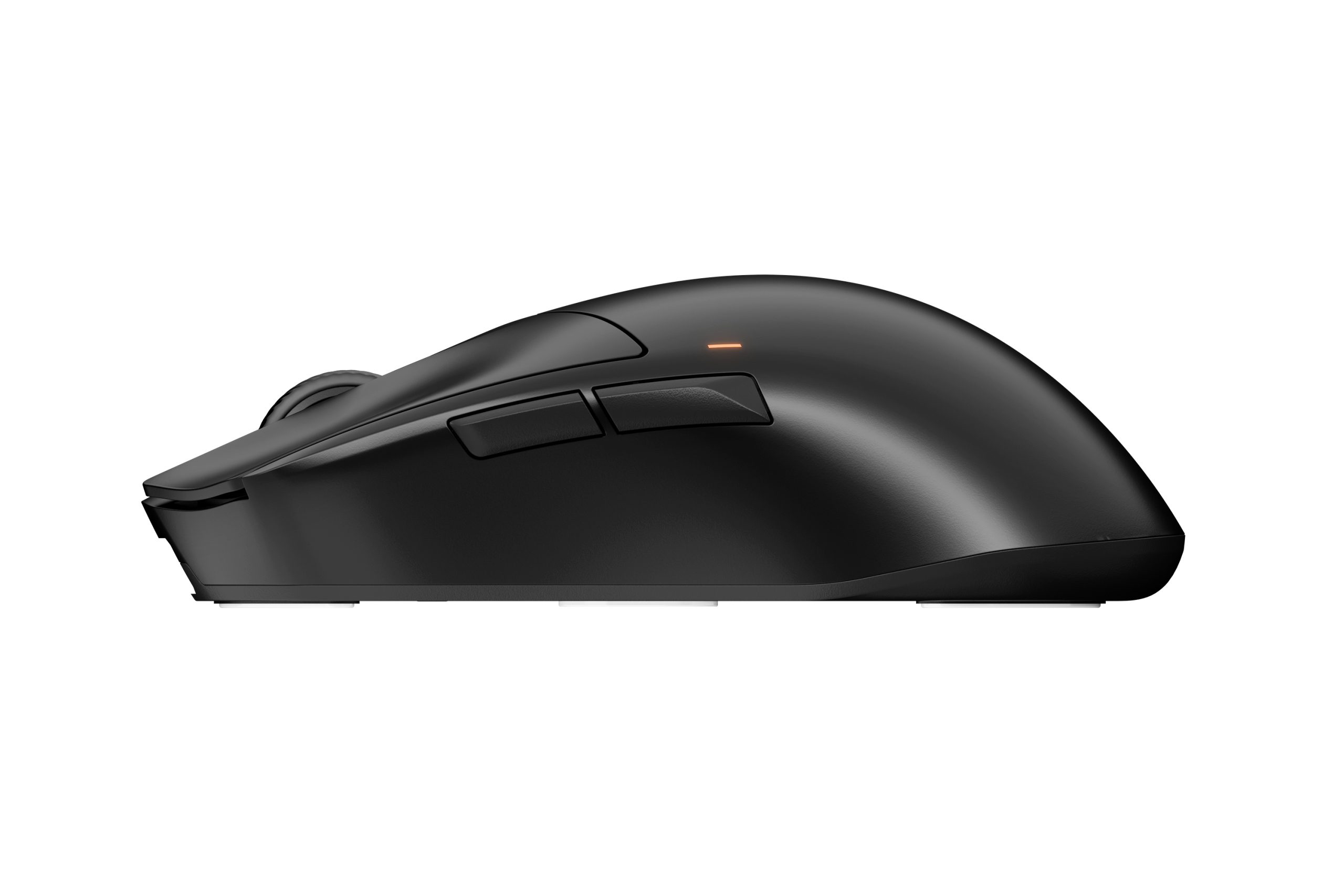
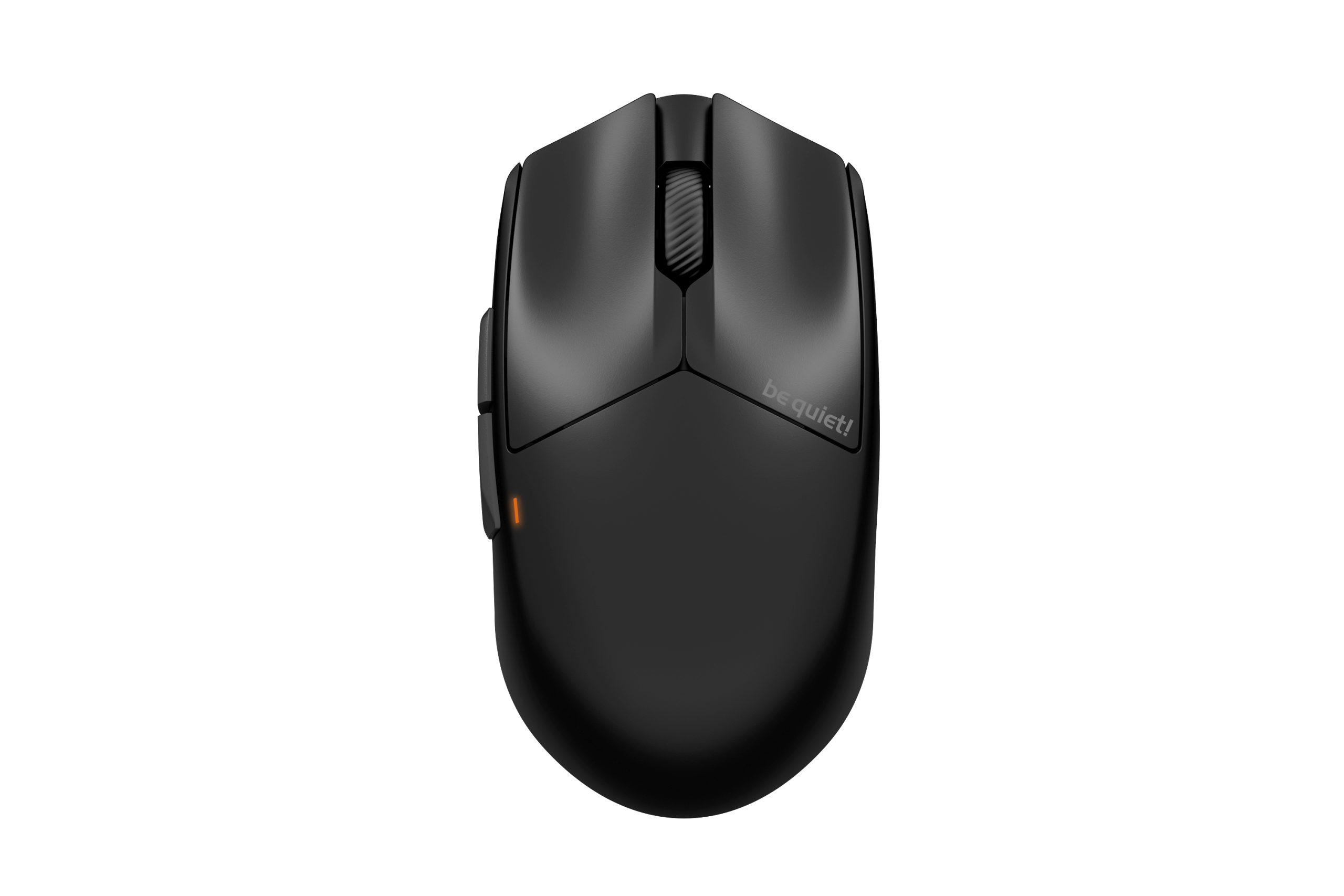
be quiet! has officially entered the gaming peripheral market with the launch of its first-ever gaming mice: the Dark Perk Ergo and Dark Perk Sym. Known for its premium cooling and power solutions, the German manufacturer is now branching out to high-performance peripherals. Both models are designed for the competitive esports segment, featuring an ultralight 55-gram construction.
The Ergo variant provides a sculpted shape tailored for right-handed users, while the Sym offers a symmetrical chassis suitable for both left- and right-handed players. Both use the PixArt PAW3950 sensor, currently regarded as one of the most advanced optical sensors available. It delivers a resolution of up to 32,000 DPI and natively supports 8,000 Hz polling rate in both wired and wireless modes. To manage this high-speed data transmission while preserving battery life, be quiet! has integrated the Nordic nRF54H20 MCU, a microcontroller that allows the mouse to last up to 110 hours of continuous gameplay at a standard 1,000 Hz polling rate. The primary buttons use Omron D2FP-FN2 optical switches, designed to offer near-instantaneous actuation to prevent accidental double-clicks while maintaining a quiet acoustic profile in line with the company’s identity.
Software customisation is handled through the new be quiet! IO Center (Windows or web app). This allows users on Windows, macOS, and Linux to adjust DPI steps, polling rates, and RGB lighting in any Chromium-based browser without installing local drivers. The mice also feature onboard memory, allowing personalised profiles and macros to be saved directly to the hardware for use on different systems. Moreover, each mouse is equipped with rounded 100% PTFE skates to ensure a smooth glide on various surfaces.
The Dark Perk Ergo and Dark Perk Sym are scheduled to launch on February 3rd, 2026, for $109.90/€109.90. Both models ship with a 1.8-metre braided USB-C cable for charging and wired play.
KitGuru says: With keyboards already in the market and mice soon to follow, be quiet! is clearly focusing on expanding beyond PC components. Of the two Dark Perk mice, which would you go for?
Since the end of 2025, there has been a significant increase in the price of current graphics cards on the US market. Models in the upper mid-range are particularly affected, including the Radeon RX 9070 XT from AMD and the GeForce RTX 5070 Ti from NVIDIA. Several international market observations indicate that the street prices […]
Tesla is significantly stepping up its ambitions in the semiconductor sector. What long sounded like typical Elon Musk rhetoric is now taking on a more concrete technical shape. The carmaker not only wants to design its own chips, but also to compete directly with NVIDIA’s high-end solutions. According to Musk, the Dojo project is back […]
The concept of sovereign cloud has become a key buzzword in corporate IT. Nearly all major cloud providers now emphasize local data storage or European operating models. Despite this wide range of offerings, it remains unclear which solutions actually guarantee true sovereignty and which merely fulfill formal criteria. For companies, public authorities, and regulated industries, […]
Auroras are among the most striking atmospheric phenomena on Earth. Over the centuries, they have been interpreted differently depending on the culture, often linked to religious or mythological beliefs. These interpretations had no scientific basis, but arose from attempts to explain a rare and visually dominant phenomenon. With the beginning of systematic scientific research in […]
NVIDIA appears to be on the verge of taking a step that it has been preparing internally for years but has repeatedly postponed: ARM-based laptop SoCs for the consumer market. According to information from Asian supply chains, the N1 and N1X chips are expected to appear in notebooks as early as the first quarter of […]
Intel appears to be on the verge of officially announcing a CPU line that, in its consequences, is almost reminiscent of a quiet U-turn. A recent leak suggests that Bartlett Lake will be equipped exclusively with performance cores, without efficiency cores, without hybrid narrative, without marketing embellishments. Pure P-core architecture, designed for embedded and edge […]
As we all know, after the chair comes before the chair. Anyone who takes a closer look at seating furniture knows that the ideal office chair is not a fixed state, but a continuous attempt to find the perfect solution. No sooner have you gotten used to one model than your requirements, circumstances, or simply […]
Guardians Frontline released a major update on all platforms offering new tools for players to create their own campaigns.
Almost three years after its release Guardians Frontline recently launched its ninth update, focusing on player-built campaigns. Developer VirtualAge working with Fast Travel Games said the goal is to allow its community to create their own adventures in this core system in a beta state.
Devs say they are open to suggestions with the new tools letting map makers create custom campaigns and even giving the ability to place narrative texts and custom lines for more personalized experiences. The community-focused update also adds a new map reporting system to address any content that does not adhere to their guidelines.
The level editor makes the process of tying them up to full-blown campaigns all the more appealing, and the developer encouraged players to share their campaign creations on the Discord with fellow fans. Other than general bug fixes, the sizable patch also includes the implementation of trophies, a new mission system to guide new players through the main and daily campaigns, and more cosmetic skins to support the studio.
0:00
/1:26
A Guardians Frontline video with examples of community-generated levels.
The first-person bug shooter with tinges of Halo, Starcraft, and Helldivers 2 was a hit with UploadVR in our initial review, with "engaging multiplayer modes and the potential for a swathe of community-generated content, Guardians Frontline is easy to recommend."
An upcoming sequel called Guardians Planetfall is planned to release in 2026. Guardians Frontline is out now for Quest and Steam.
 Connexion
 Dell UltraSharp 52 Thunderbolt Hub Monitor (U5226KW) MSRP $2899.99 (W/ Stand), $2799.99 (Without Stand) The Dell UltraSharp 52 (U5226KW) is a massive, beautiful, gently curved Thunderbolt Hub-enabled monitor featuring a 6K2K resolution, 120Hz variable refresh rate and IPS Black panel technology. It's ideal for analysts, creators...