Microsoft has confirmed that it provided BitLocker recovery keys to the FBI in response to a valid legal order, giving investigators the ability to decrypt hard drives that would otherwise have been unreadable. In the case reported by Forbes, the FBI served a warrant in early 2025 related to a fraud investigation in Guam involving alleged
A rather interesting development has come out of the Epic Games vs. Google court case. The court has revealed the existence of an $800 million agreement between the two corporations, and they are insisting that the court no longer needs to enforce its ruling since the two have reached a settlement. The original settlement insists that Google
AMD this week announced that it's next Ryzen processor with second generation 3D V-Cache slapped on, the Ryzen 7 9850X3D, will be available to purchase starting on January 29, 2026. Well, a retailer in Switzerland has jumped the gun and sold the upcoming chip early, according to a user on Reddit who posted a picture of the CPU in its tray.
In
Woot is having a big sale on Samsung gear, and specifically a range of gaming monitors, Galaxy Tab tablets, and some accessories. Advertised savings are up to 56% for the form and up to 80% off the latter, and while those discounts apply to MSRP rather than street pricing, there are some huge, actual discounts on tap. One of those applies
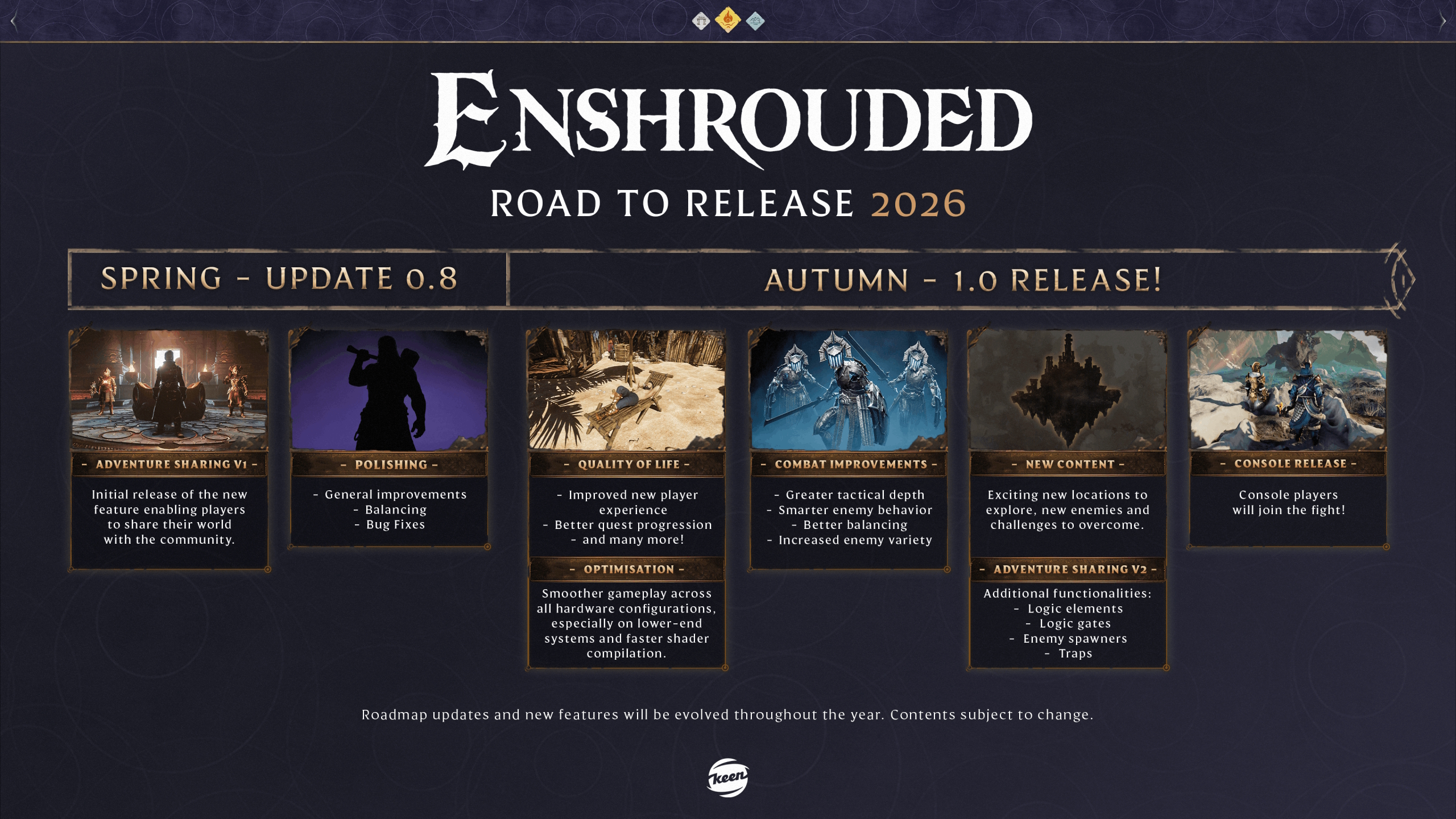
While the original target for the 1.0 release for Enshrouded was set for this spring, the studio has moved the window to fall 2026 to ensure the final transition is as polished as possible. This slight delay follows a year of significant expansion, including the Wake of the Water update, and reflects a commitment to addressing long-standing community feedback on combat depth and technical optimisation before the game reaches full release.
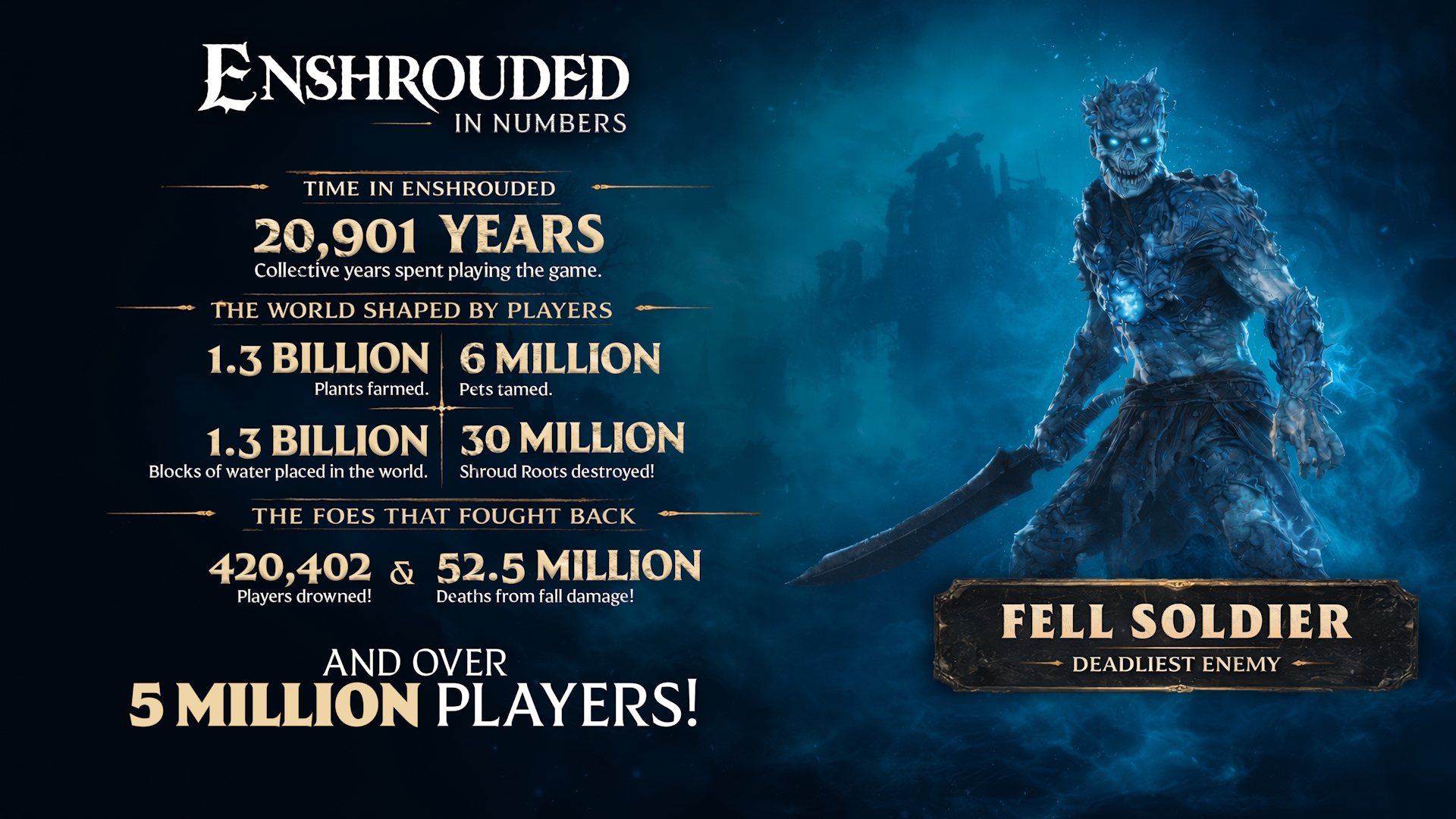
The studio also shed light on community milestones that highlight just how players have been involved in the world of Embervale. Over five million Flameborn have started their journey, collectively spending nearly 21,000 years in-game. Other impressive data points reveal that players have collectively farmed 1.3 billion plants and placed an equal number of water blocks. However, the dangers of the world remain ever-present, as evidenced by the over 52 million deaths from falls alone.
Looking ahead, the road to the 1.0 launch is split into two distinct phases. The upcoming spring update, labelled as version 0.8, will focus on the first iteration of the Adventure Sharing system, allowing creators to share their builds and bases with the wider community. This update will also include general polish and balance tweaks. As for the 1.0 release, it will evolve Adventure Sharing into a more robust creative toolkit with logic elements, traps, and enemy spawners. Furthermore, the 1.0 update is expected to unlock entirely new regions of the map, introduce smarter enemy behaviours, and deliver performance optimisations, such as faster shader compilation on lower-end systems.
In the more immediate term, Patch 13 has just dropped, bringing several QoL improvements, addressing specific combat criticisms by refining parry telegraphy and projectile accuracy, and fixing the somewhat unpredictable behaviour of exploding barrels. For those interested in customisation, a new vanity gear set is now available through Twitch Drops, though players can also earn the armour in-game by undertaking a new quest from the Huntress.
KitGuru says: Have you been playing Enshrouded? Do you think the upcoming updates up to 1.0 will fix the game's current issues?
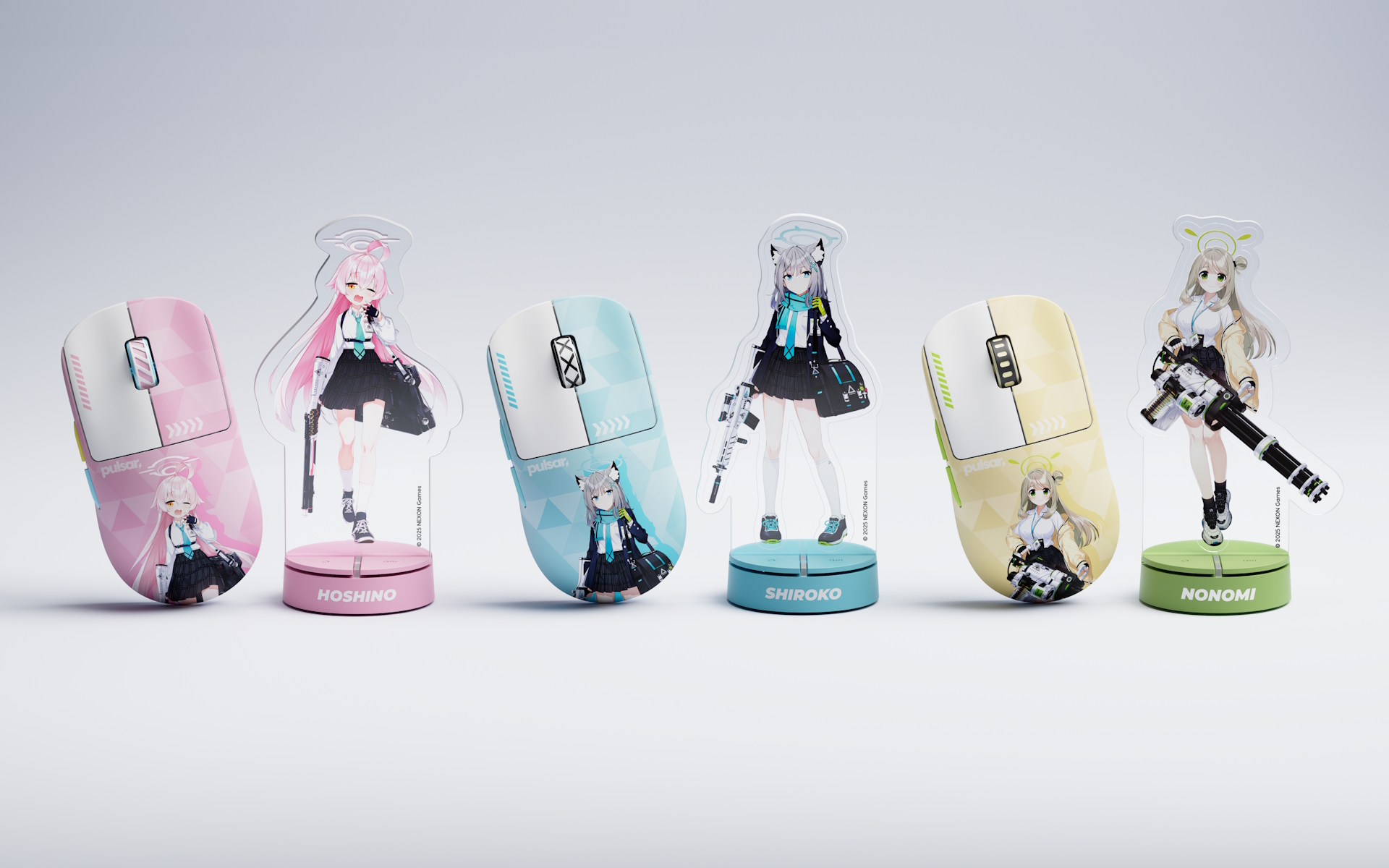
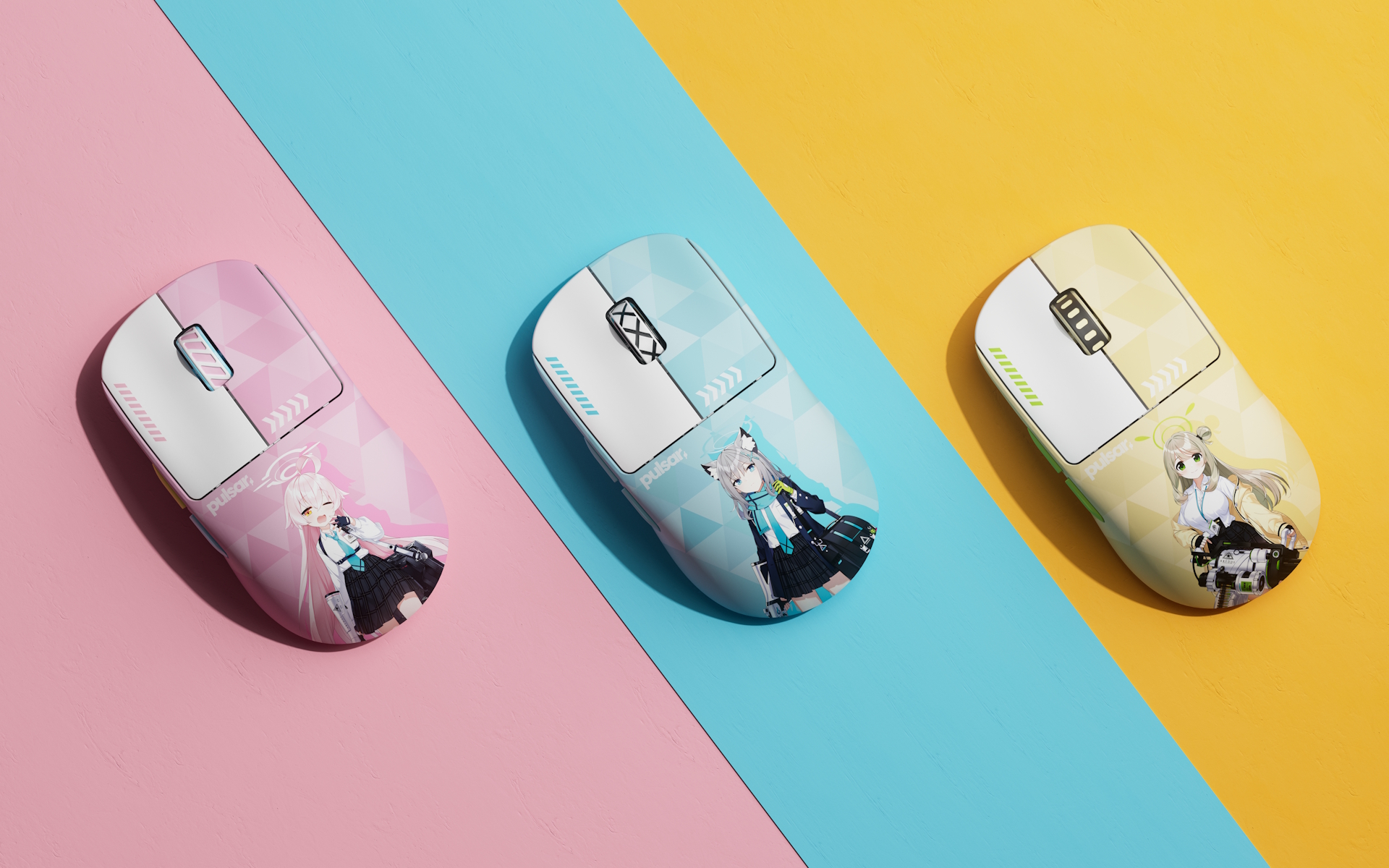
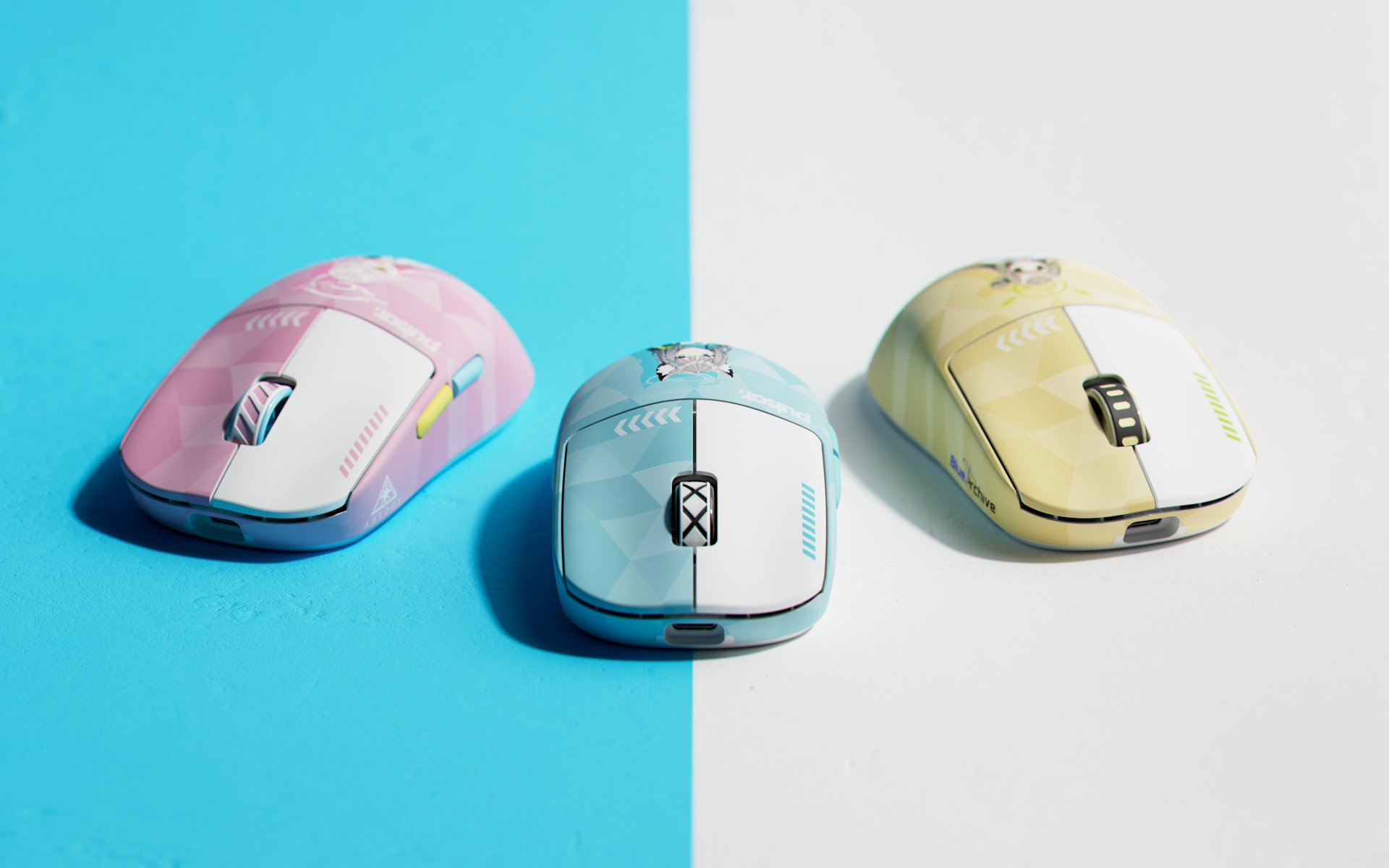
Pulsar has officially revealed its latest landmark collaboration with Nexon Games, introducing a product line inspired by the popular tactical role-playing game Blue Archive. This collection centres on the ultra-lightweight Pulsar X2 CrazyLight gaming mouse, featuring three distinct designs inspired by fan-favourite students from the academic city of Kivotos: Shiroko, Hoshino, and Nonomi.
The collection features the medium-sized X2 CrazyLight, a mouse highly regarded in the esports scene for its low weight of approximately 39 grams. Each unit in the Blue Archive series is equipped with Pulsar's flagship XS-1 sensor, supporting up to 32,000 DPI and a polling rate of 4000 Hz to 8000 Hz for near-instantaneous response times. A unique addition to this limited-edition release is a custom light-up USB dongle with an acrylic character stand, serving as both a functional wireless receiver and a decorative desk piece for collectors.
For users looking to upgrade their gear, these mice offer the latest Pulsar optical switches, rated for 100 million clicks, and a TTC Gold wheel encoder, designed to ensure the hardware is as durable as it is aesthetically pleasing. For customisation, there's a PC program and a web driver for your convenience. Button functionality, polling rate, and DPI can all be easily changed through your preferred option.
The Pulsar X Blue Archive collection is now available globally (excluding China) at a retail price of $149.95.
KitGuru says: The new Blue Archive X2 CrazyLight mice are an example that other brands should follow for collab products. The inclusion of the light-up character dongle is a brilliant touch that turns a standard piece of hardware into a unique collectable for fans without sacrificing the top-tier specs competitive players expect.
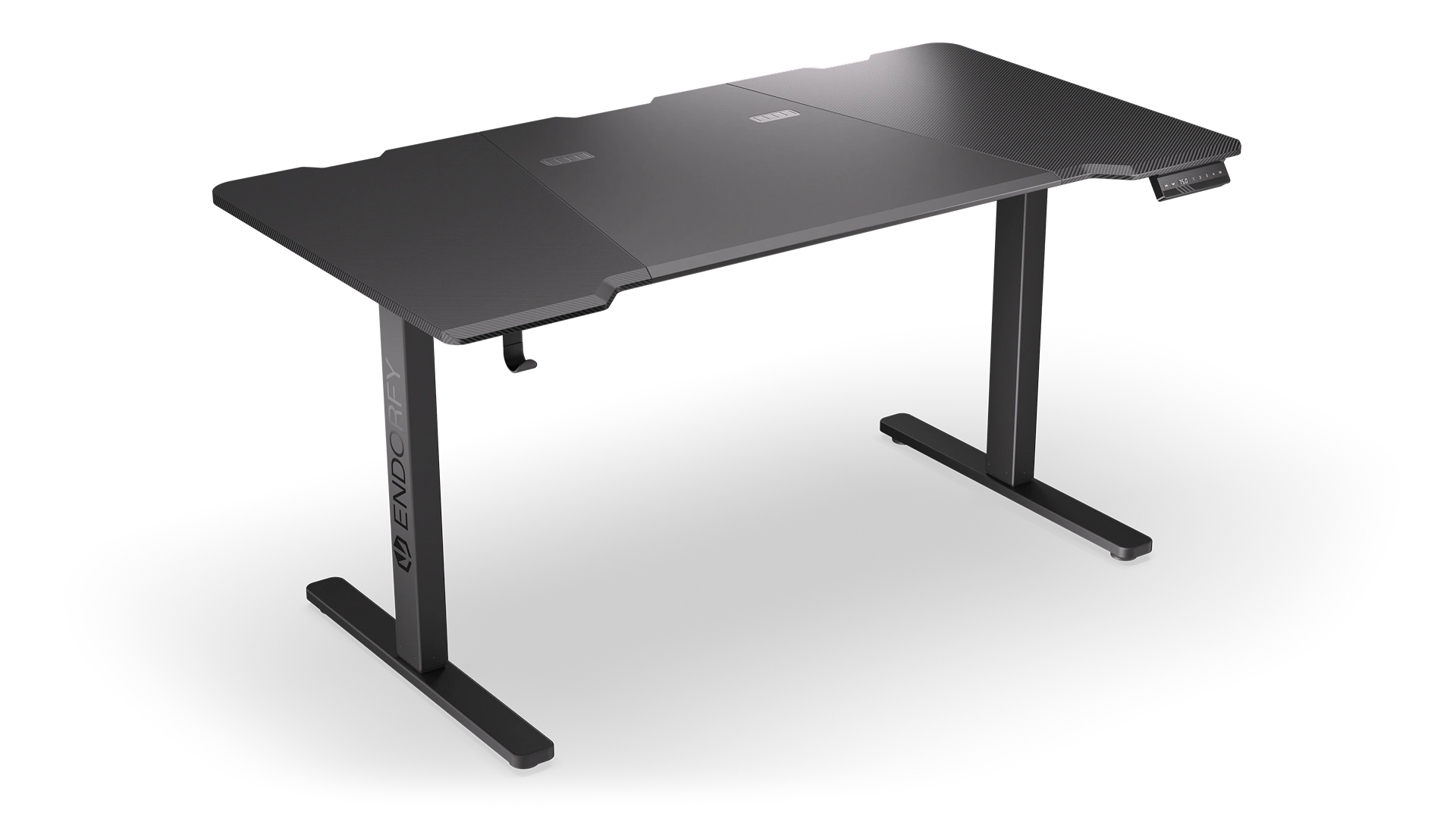
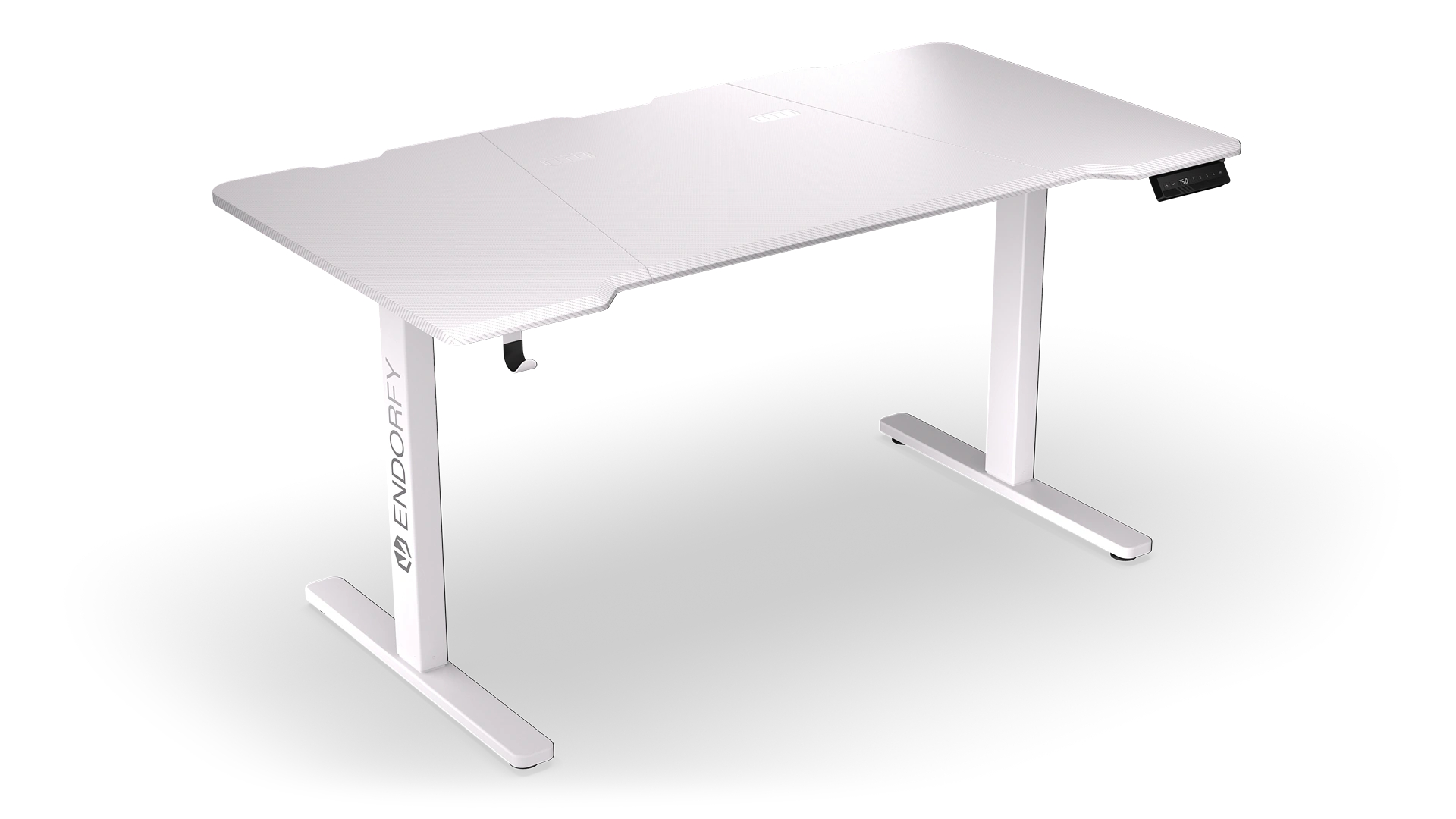
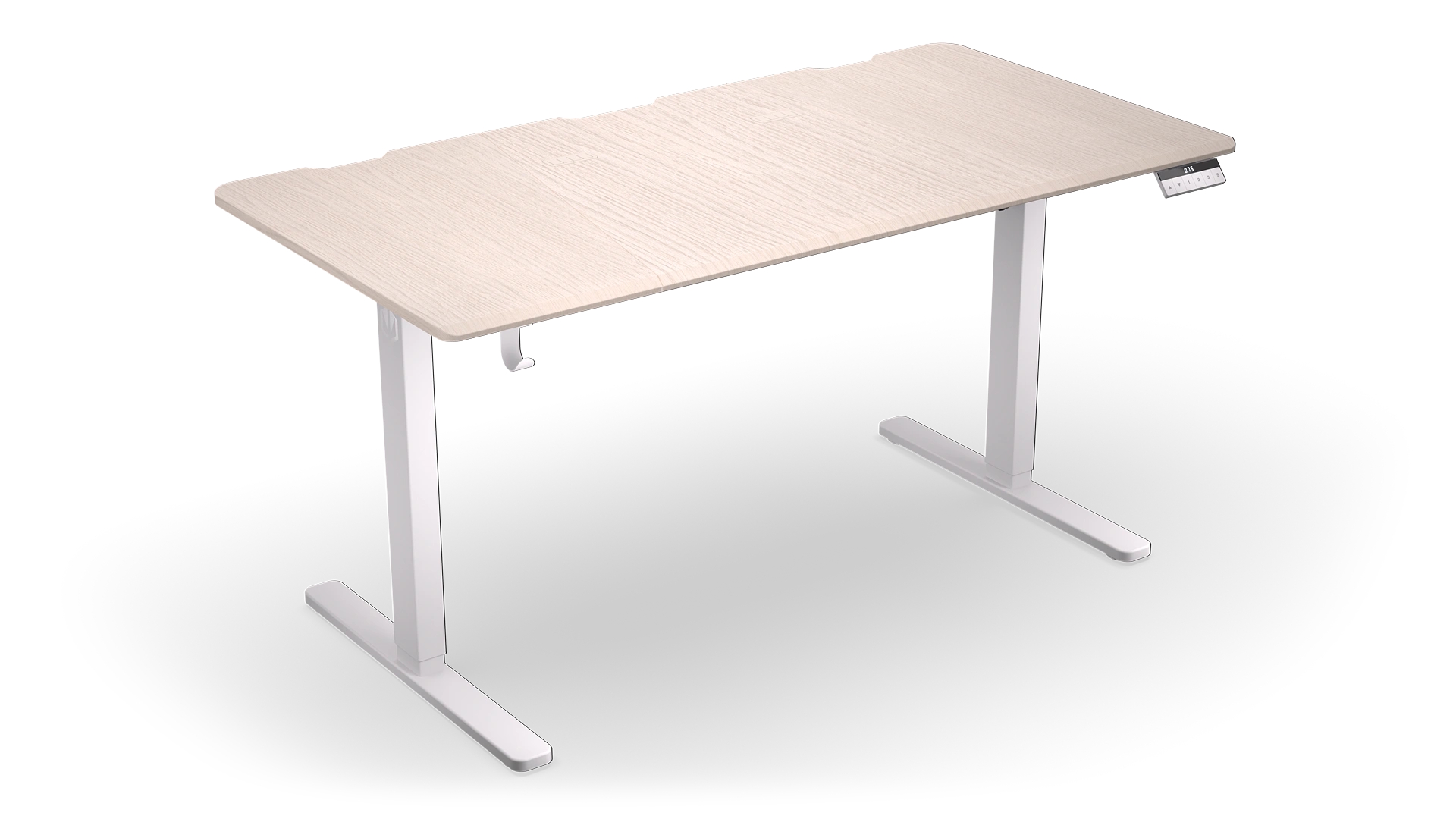
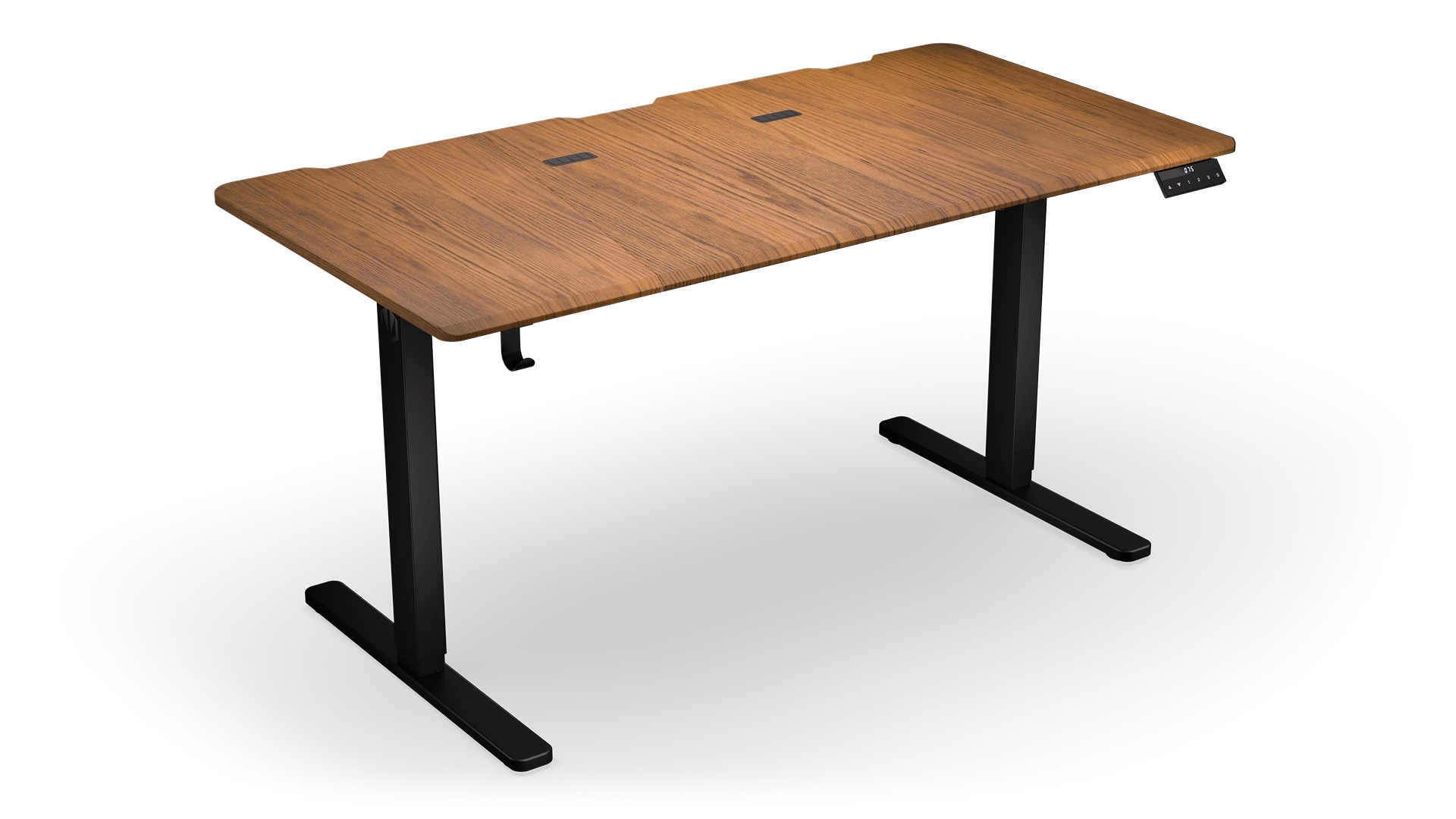
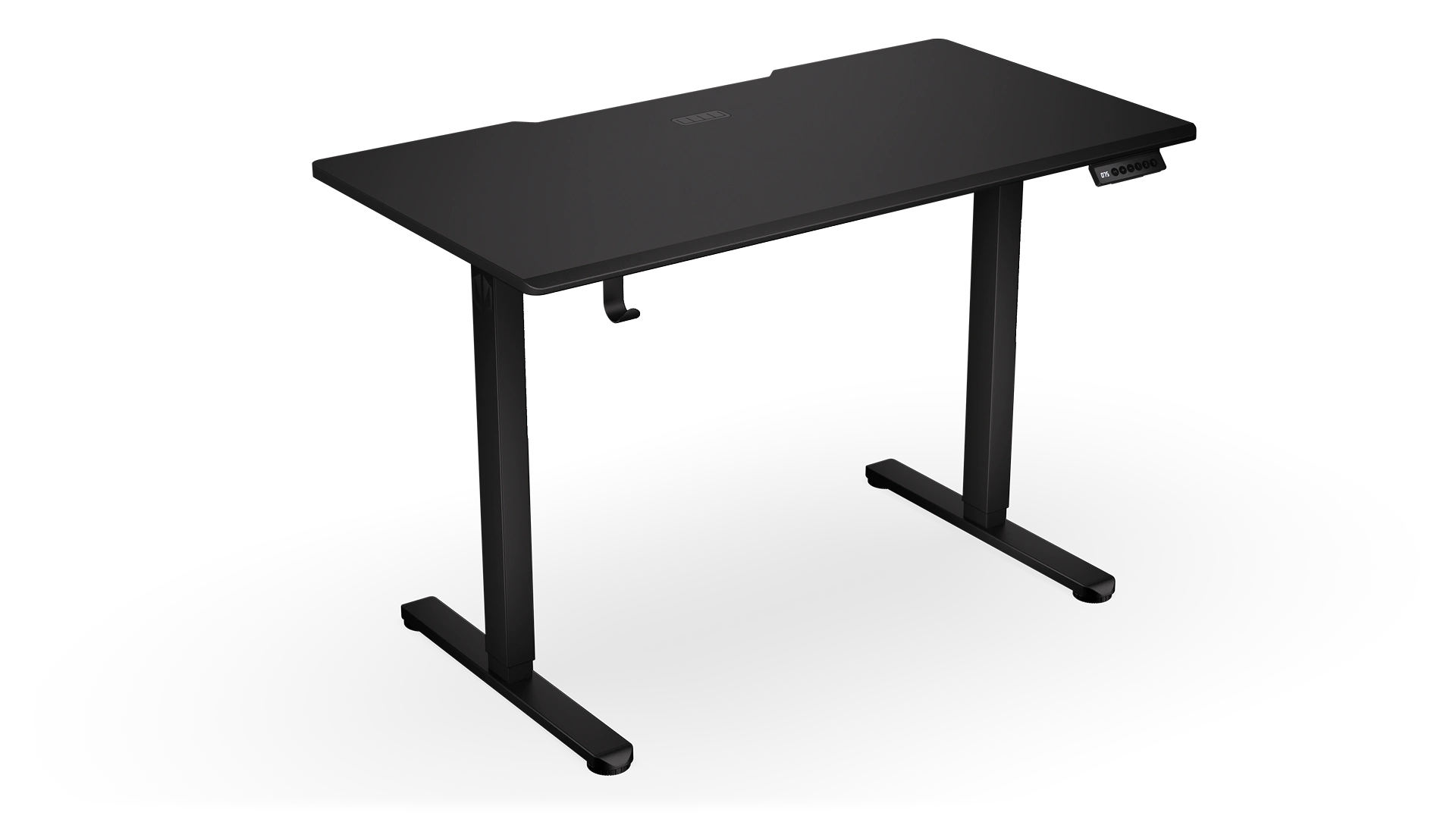
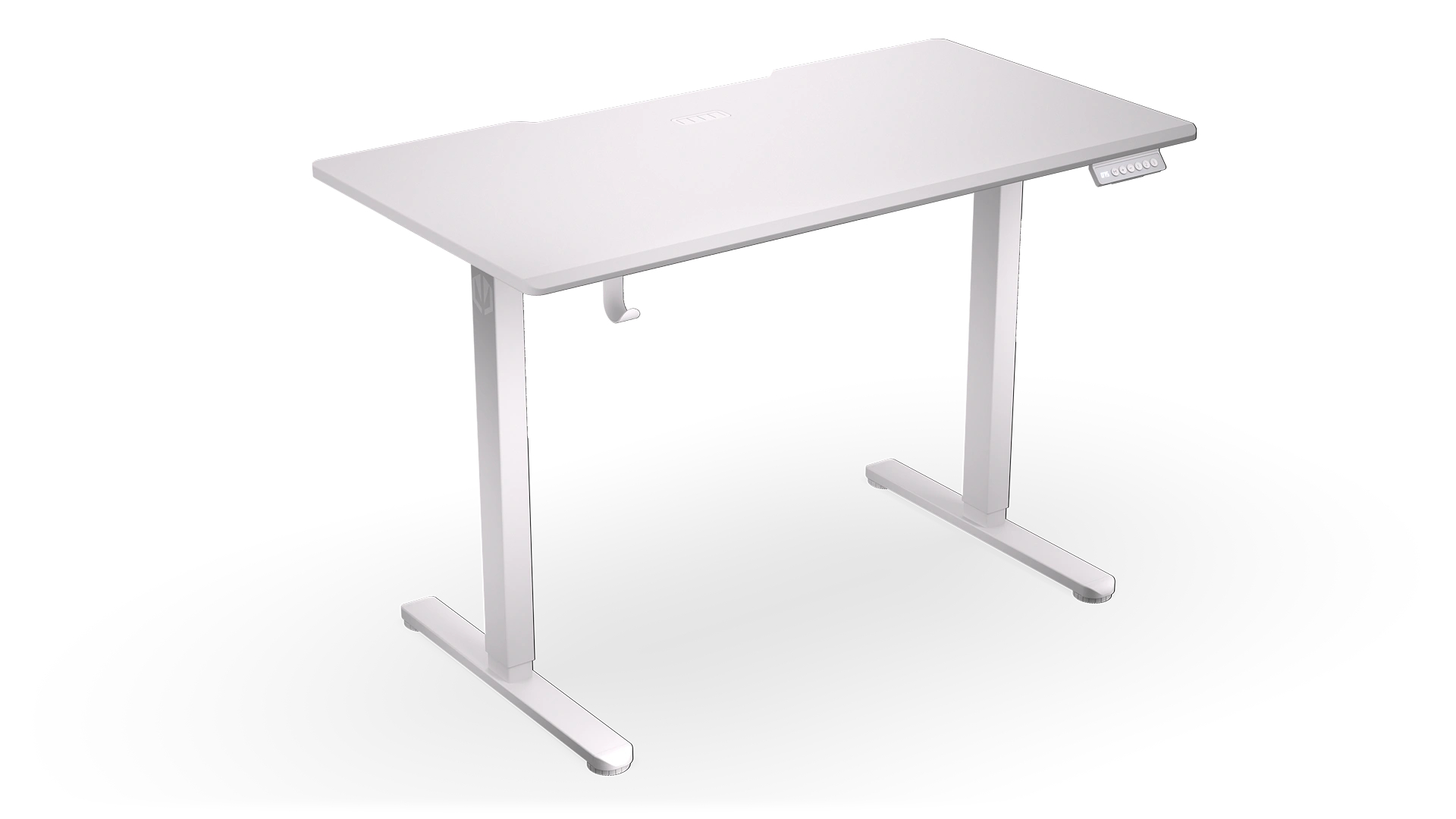
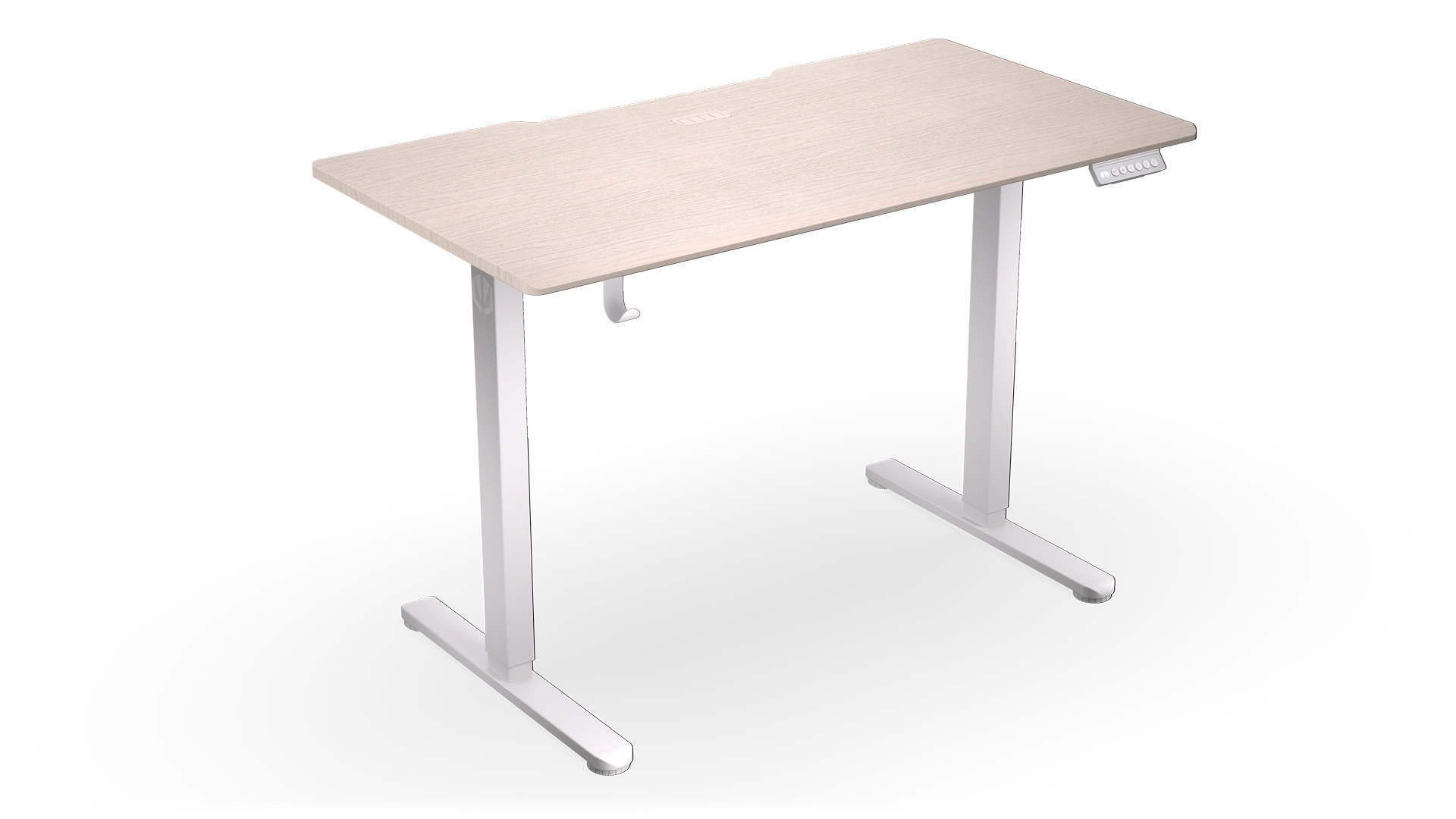
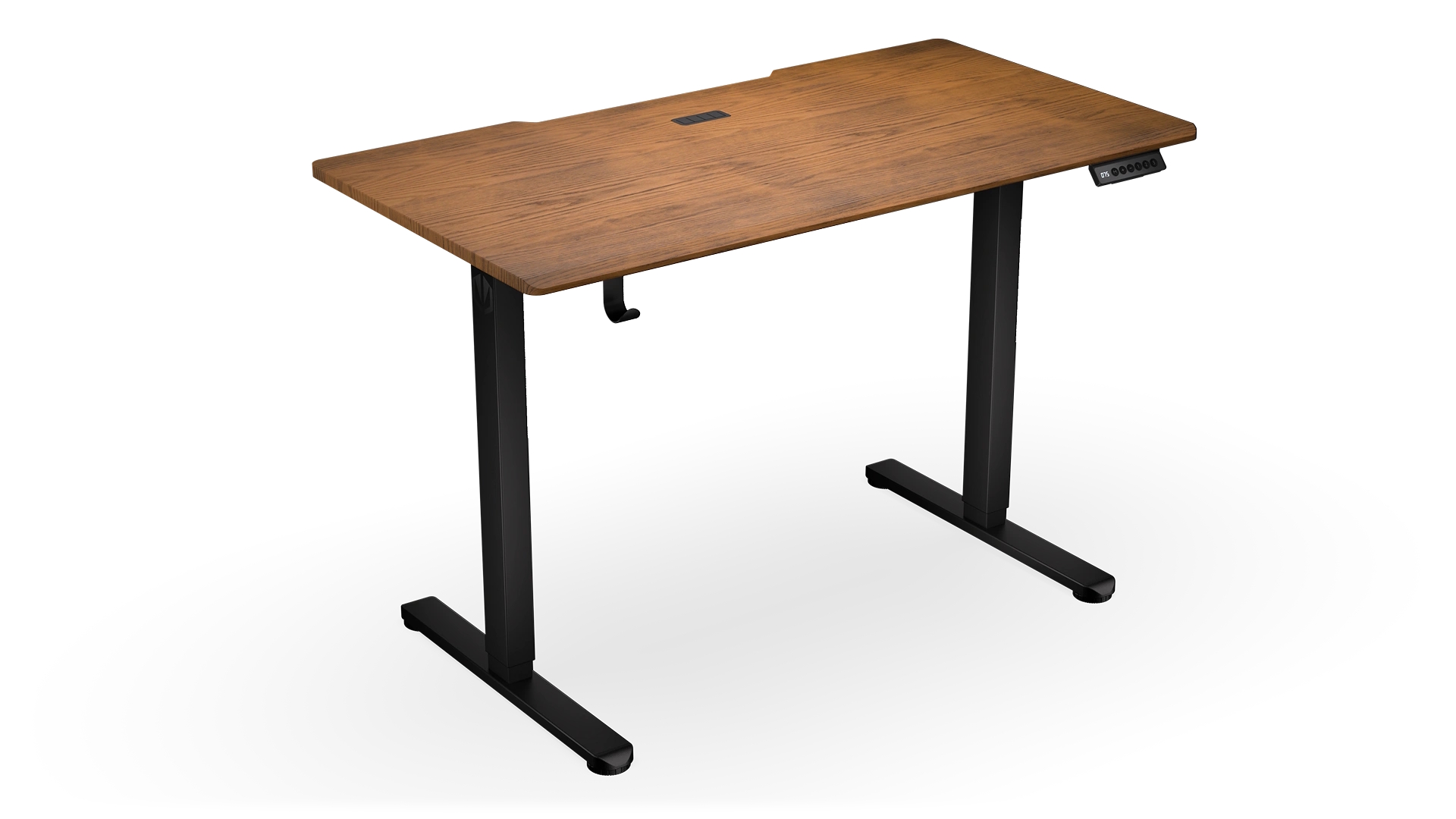
Expanding its footprint in the desk market, Endorfy has officially launched the Atlas Electric desk series, building on the foundation of its standard Atlas desks. The 2026 lineup introduces several key updates, most notably the inclusion of electric motors and Light Wood and Dark Wood finishes alongside the standard black and white options.
This launch focuses on providing a versatile platform for both professional and gaming environments, with the company offering the desks in two distinct sizes to accommodate different spatial requirements. The Atlas Electric series features a motorised height-adjustment system that enables a seamless transition between seated and standing configurations. The L model features a height range from 72cm to 120cm, while the more compact S variant operates between 72cm and 118cm. Both models include a digital control panel that can store up to 3 memory presets, allowing users to save their preferred ergonomic heights.
Structurally, the desks use a heavy-duty steel frame designed to maintain stability at maximum height. For the tabletops, Endorfy chose MDF rather than the more common, less durable particleboard used in entry-level furniture. The company says this choice enhances overall stiffness and moisture resistance, both of which are significant factors in long-term durability. The surface dimensions are well-suited to modern hardware, as the L model offers a 1500×760 mm workspace, while the S model provides a smaller 1140×600 mm footprint. To address the cable clutter typical of high-end PC setups, the desks include integrated rubberised grommets and a dedicated shelf for power strips, hiding the bulk of the wiring from view. The larger Atlas L Electric supports a total load capacity of 80 kg. In contrast, the Atlas S is rated for 50 kg, making the former more suitable for multi-monitor setups and heavy workstations.
Compatibility with third-party hardware has also been a design consideration according to Endorfy. The back edge of the Atlas Electric features precisely milled cutouts for monitor arm clamps, allowing users to mount displays without compromising the desk's placement against a wall. For those concerned with setup time, particularly with the smaller S model, Endorfy claims to have streamlined the assembly process with a more intuitive structural design and clearly labelled components. Some retailers already have these desks listed, with the Atlas L Electric going for around €300 and the Atlas S for €150.
KitGuru says: Which of the two sizes available would you prefer? What colour option do you like the most?
Calendar week 4 of 2026 shows once again that security-related incidents can no longer be viewed as isolated events. Instead, there is growing evidence of structural deficiencies in the handling of access data, patch management, and the protection of critical infrastructure. What is striking is the international spread of events, which affect both large platform […]
The global memory industry is currently experiencing a challenging period, with technological upheavals, geopolitical interests, and explosive growth in demand from the AI sector all coming together. The DRAM market is under particular pressure. Reports from South Korea suggest that major US technology companies have significantly tightened their negotiating strategies in order to secure long-term […]
AMD is countering Intel’s Panther Lake offensive by clearly positioning its current notebook platforms, focusing on Ryzen AI MAX and Ryzen AI 400 and 300 as a direct response to the upcoming Core Ultra Series 3. Even before the official market launch of Panther Lake, AMD is outlining the segments in which it believes its […]
Long considered dead and buried, it is now back in the flesh at the trade fair. Intel has unveiled a functional advanced package with a glass core substrate and integrated EMIB for the first time at NEPCON Japan. No render, no marketing slide for investors, but a real substrate with a clear focus on data […]
Four colors, no filament waste, and a starting price that is likely to make even low-cost manufacturers nervous. The new Quadro from Turkish start-up Co Print reads like a deliberate provocation to established players. Bambu Lab in particular is likely to pause for thought at this announcement. The only question is whether this represents a […]
Critics like to claim that free games are just time-wasters with no substance. That’s a convenient argument, but it’s wrong. Anyone who regularly browses Steam knows that the free-to-play sector in particular is producing an astonishing number of fresh ideas. There are currently six new titles that can be played without paying a penny – […]
In recent weeks, there have been increasing reports of the AMD Ryzen 7 9800X3D showing a noticeably high failure rate on various motherboards. Currently, ASUS motherboards in particular are the focus of attention. The US company has officially confirmed that it is currently investigating why this processor is increasingly failing, especially on 800 series motherboards. […]
The target state formulated by SAP is clear. The new Business Suite is intended to create an integrated platform that combines classic core applications, data, and business AI, with cloud-based ERP as its central element. From a strategic perspective, this approach is consistent and understandable, as the market is clearly moving toward the cloud in […]
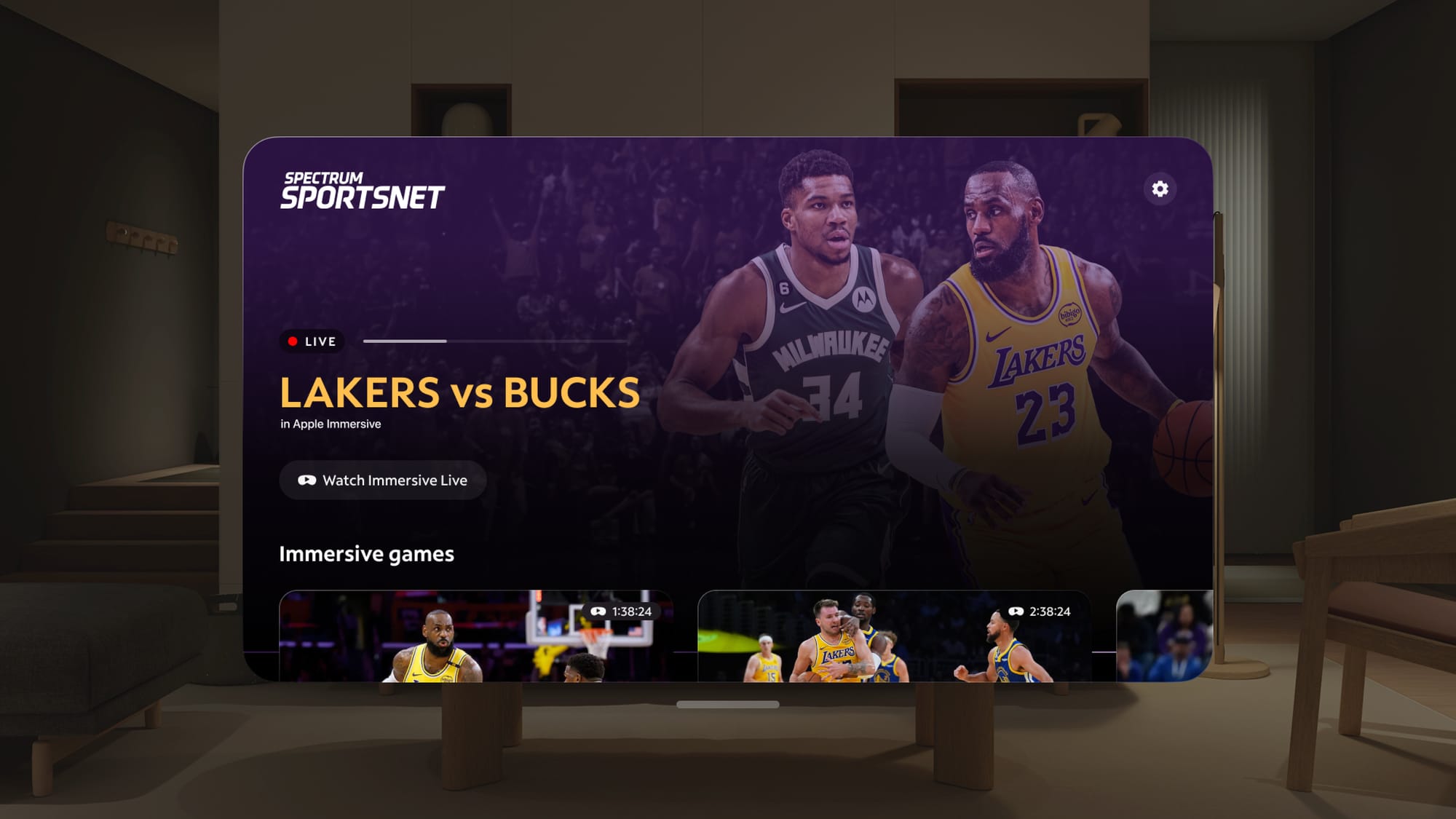
Watching an NBA game in the Apple Vision Pro feels like a glimpse of where sports and entertainment need to go, even if the path forward is still taking shape. Apple is clearly experimenting with what watching sports can feel like when you are no longer locked into a flat television broadcast.
I recently went onto the court at an immersive Lakers game from the confines of Ian Hamilton's Vision Pro I borrowed from him in New York City. This was not a live broadcast, I watched the game on demand via the Spectrum SportsNet app, after the fact, in guest mode on his headset wearing my own personal Dual Knit Band. The experience leaving my Quest 3 behind and spending extended time in an immersive Apple experience left me both impressed, and conflicted.
Presence Or Floating In Space?
Viewers are given a choice about how to watch an NBA game in headset.
You can watch the game on a floating virtual screen, which already feels cleaner and more cinematic than a traditional TV. Or switch into fully immersive 180-degree 3D view for a full two-hour cut-together view of the game from start to finish. That second option is where the experience shows the most potential, but we also shouldn't dismiss the first mode. That first mode can be more easily shared in mixed reality with other apps and people, making the experience of watching there a bit like an IMAX version of an NBA game that's simultaneously without any of the typical distractions. Ian showed me a Jupiter environment in his headset too, and I could've watched the game there, surrounded by the gigantic planet and glimmering stars. All that said, instead, I dropped into the immersive mode for most of my time with the game.
In immersive mode, you are limited to a small set of camera perspectives and a singular timeline through the game. There are cameras mounted beneath each basket at opposite ends of the court, a ground-level center-court view, and a wider angle from up in the stands. Those angles are sufficient for following the game. Most intriguing about my time in this mode is that some of the most compelling moments had little to do with the action on the court.
The cutaways to commentators and sideline reporters stood out immediately. Interviews are presented in 3D and human scale, and that changes how you perceive the people on screen. You see their entire bodies rather than a cropped head-and-shoulders shot, and they feel more like they're standing right there talking to you. The sense of scale is immediate and lasting. You can also tell how tall these players actually are and start noticing details you would never catch on television, like a birthmark on a shoulder or sweat collecting along an arm.
An Apple Immersive NBA broadcast feels intimate in a way traditional broadcasts are not. That intimacy is powerful, but it also highlights a challenge immersive sports production will have to solve. At one moment, feeling present on the court can be a good thing, and the next it can feel uncomfortably close. Immersive broadcasts still need to learn where that line is, and how to stay on the right side of it from moment to moment. In something like the recent Tour De Force MotoGP documentary, the immersive filmmakers had quite a bit more time to prepare around a very specific narrative, and you can feel the difference moment to moment.
For basketball, the immersive cameras provided terrific close-up views of plenty of interesting things outside the game too. Instead of watching commercials you're watching the Laker Girls during breaks, and their performances in 3D at human scale again reinforces the difference from television. You feel as if you are standing there, close enough to appreciate movement, spacing, and physicality. During commercial breaks, you can watch the crew wipe down the court, see players and staff milling about, and catch the in-between moments that usually disappear when the feed cuts away. Those behind-the-scenes details add texture and strengthen the feeling that you are actually inside the arena, not just consuming a polished broadcast.
The experience shows more friction once active gameplay ramps up. When using the center-court camera, the action constantly moves left to right and back again. That means repeatedly turning your head to follow the play unless the feed switches to one of the basket cameras. Over time, that motion becomes tiring.
I found myself wishing for more camera options, or better yet, the ability to manually switch views during the replay. An Immersive Highlights clip separate from the full broadcast pulls together some of the best moments seen from Apple‘s cameras over the course of the game, and at less than 10 minutes long, it offers a great way to see some of LeBron James’ best moments from behind the backboard without giving too much time to neck strain. Basketball broadcasts have always been built around wide shots that let you see the entire floor at once. In immersive VR at certain angles, the constant side-to-side motion means your head and neck are doing more work than they ever would in front of a TV or even at the game itself.
Even with the Dual Knit Strap, the Vision Pro is heavy and coming from extended daily use with a Meta Quest 3, I felt the Vision Pro's weight immediately pushing down on my face, and it stayed there throughout my time. For shorter sessions, it is manageable. For longer viewing, headset weight may be the biggest thing holding this use case back even if it isn't the only thing.
Immersive Broadcasts And Lighter Headsets
Immersive viewing isn't just the future of sports, concerts, and entertainment – it's here today, to quote William Gibson, just "not evenly distributed." The sense of presence here is too compelling to ignore. What feels less certain is how quickly the hardware evolves, how the technical implementation will improve, and how it will scale to become mainstream.
Ian's hands-on experiences with Steam Frame would suggest a much more lightweight experience that could be worn for extended periods, and he showed me how slim the Bigscreen Beyond headset is, which takes the minimal small and light form factor to the extreme. He also hasn't worn the Frame for an extended period, yet, and neither Apple nor the headset manufacturers have shown any indication that Apple's top tier immersive programming is coming to any headset other than one with an Apple logo shown at startup.
So, much as it was in 2016, and in 2024, right now immersive sports still feel like a glimpse of the future even if it works now. It is not a default viewing mode. What Apple is doing with Vision Pro and Apple Immersive is not a finished product. It is a preview. And as previews go, this one is strong enough to make me want more, even as it makes clear how much work remains to create a mass-market experience.
You've probably heard about AMD Ryzen 3D V-Cache ("X3D") CPUs failing in ASRock motherboards, but ASRock is far from the only vendor seeing these failures, and it may not even be the most prominent one. ASUS has now formally acknowledged the rare issue in a statement published today on its website, titled "Official ASUS statement on recent
It's been a long time coming, but Fable is finally back, with a confirmed multi-platform autumn release window across Xbox consoles and services including Play Anywhere, PC, and PlayStation 5. A deep-dive on the new Fable, as well as this release window confirmation, came out during the Xbox Developer Direct along with news of Xbox PC games
Nintendo has a rich history of releasing unique accessories, like the R.O.B (Robotic Operating Buddy) during the Nintendo Entertainment System era and the more recent Alarmo designed to help fans start the day. And the company has a new one on the way based on the Talking Flower from the Super Mario Bros. Wonder game.
The Talking Flower
NZXT finally adds AMD's B850 chipset to its line-up with attractive white and black models, and while it arrives fairly late in the AM5 cycle, the $200 price tag and its unique approach might just be convincing enough to square up to some very stiff competition.
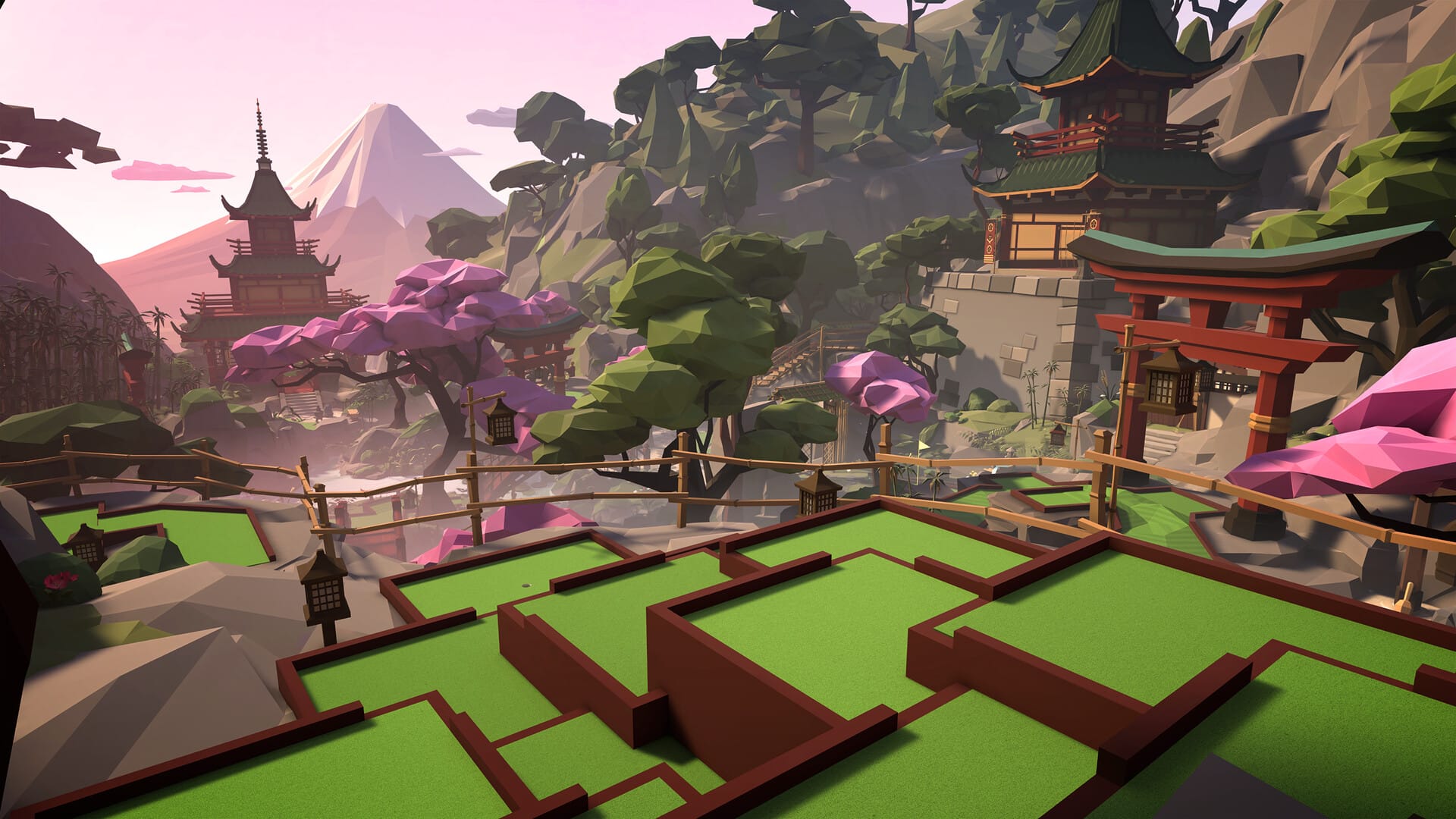
The studio behind Walkabout Mini Golf confirmed layoffs and a course correction to strategy in the wake of Meta's shifting platform ambitions.
Mighty Coconut joins Cloudhead Games and many others in layoffs, with the studios representing two ends of a spectrum of focused VR development that has been influenced directly or indirectly by the shifting spending and priorities at Facebook and Meta. Cloudhead's Pistol Whip and Mighty Coconut's Walkabout Mini Golf remain two of the best ways you can spend your time in a VR headset, but the engines of creativity behind those works keep changing.
Mighty Coconut posted contact information for several former workers to LinkedIn in an attempt to see them recruited elsewhere, and confirmed to UploadVR roughly eight jobs ended in the change with 27 continuing full time.
"We’re feeling the economic pressures of the VR space. It’s an incredibly rewarding place to build games—but it’s also a tough one, especially for studios of our size," a statement reads. "After a lot of long conversations, trimming expenses, and careful number-crunching, it became clear that reducing our size by about 25% was the only sustainable path forward. As a result, we’re losing some immensely talented people that would be an asset to any studio. "
New DLC courses will be priced $4.99 in virtual reality with the parallel Pocket Edition for iPhones seeing a full pause to development, so no new courses outside VR. Existing paid DLC courses will remain $3.99 in VR.
"We’d like to keep crossplay between VR and mobile functional for as long as we can, but we will also be sunsetting that at some point," a development update note explained. "We will be sure to announce that in advance once we do."
When it comes to scheduling, Mighty Coconut is also planning a bigger pause to the release schedule over summer to leave them with one less course in their planned schedule for the year, even as work continues on courses for 2027.
Additional activities in the game like chess and slingshots remain functional but further development is being put into new courses first.
"We feel confident that with these changes, Walkabout Mini Golf will be around for many, many courses to come," the note reads.
Walkabout Mini Golf was shown at standalone headset demo events powered by operating systems from Google and Valve, but Galaxy XR launched with limited controller availability and Steam Frame is still distributing development kits.
In a series of interviews at Davos, Meta's CTO explained why the company is reducing its investment in VR.
If you somehow missed it: last week Meta shut down three of its acquired VR game studios, conducted significant layoffs at a fourth, canceled the Batman: Arkham Shadow sequel, and announced the shutdown of Horizon Workrooms and its Quest headsets for business offering. These actions came a month after the company officially confirmed "shifting some of our investment from Metaverse toward AI glasses and Wearables".
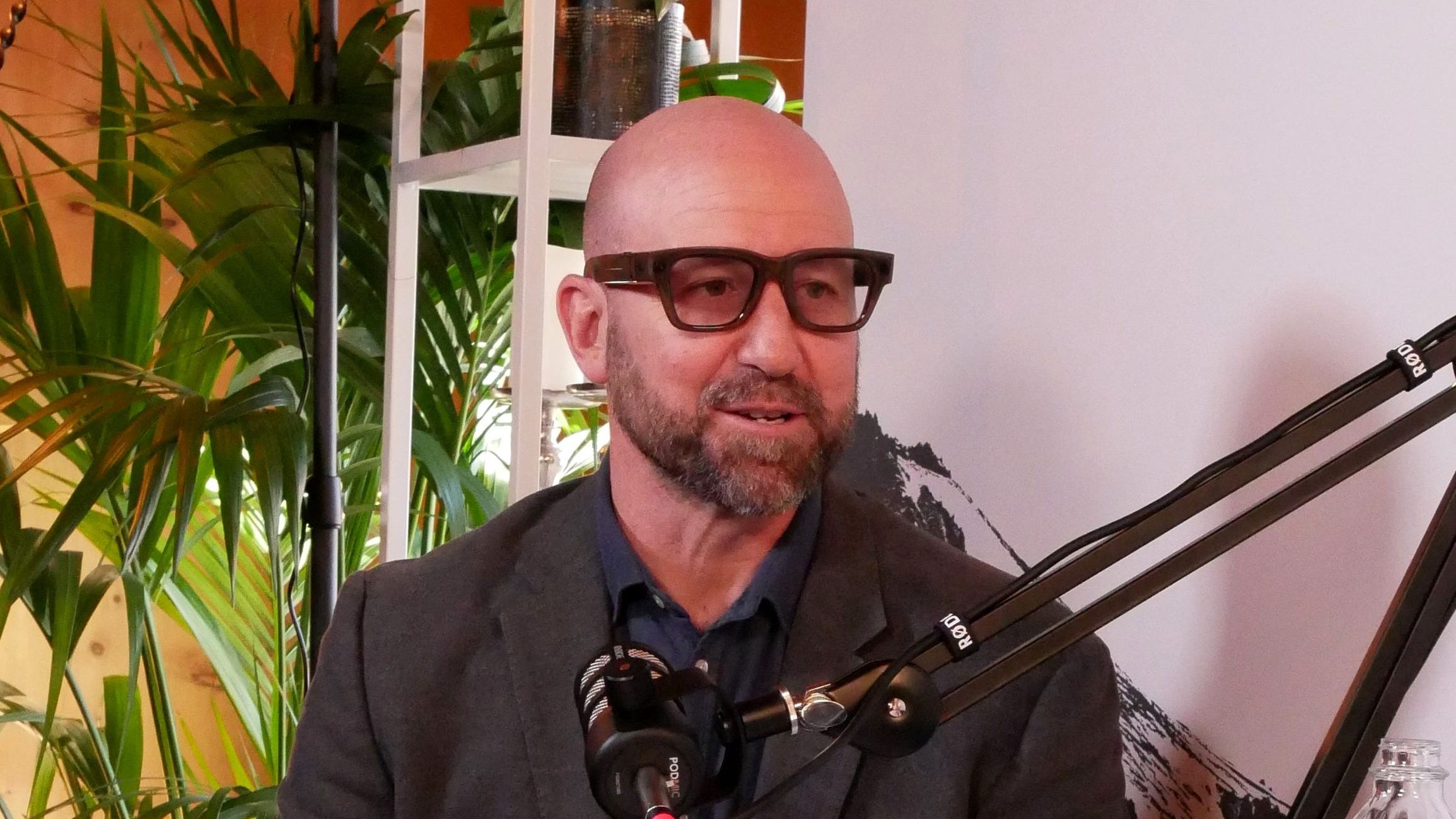
At the World Economic Forum in Davos, Meta CTO Andrew Bosworth has finally made public statements about the VR layoffs and shutdowns, via a series of interviews.
One of the interviews was with veteran tech reporter Alex Heath. While Heath hasn't yet shared the interview (this is set to happen in the coming days), he has published an article with key quotes wherein Bosworth declares that "VR is growing less quickly than we hoped".
“We’re still continuing to invest heavily in this space, but obviously, VR is growing less quickly than we hoped,” Bosworth apparently told Heath. “And so you want to make sure that your investment is right-sized.”
According to Heath, Bosworth claimed that Meta has seen “really, really positive pickup” in Horizon Worlds on smartphones, and plans to double down on this with continued investment in Horizon on mobile.
“You've got a team that actually has product market fit in a huge market on mobile phones, and they're having to build everything twice. They're building it once for mobile phones, and building again for VR. There's a pretty easy way to increase their velocity: just let them build for mobile. So Horizon is very focused now on mobile — not exclusively, but almost exclusively,” Bosworth is quoted as saying.
Another interview, available in full on YouTube, was conducted by Axios' chief technology correspondent Ina Fried.
In it, Bosworth gave a very similar explanation for Meta's shift in strategy.
"It's like any investment, you're gonna look at how you do over the course of years and you're gonna reinvest in some areas and trim your losses in others.
For us, we're seeing tremendous growth of our metaverse on mobile. You know, Horizon is this thing that started on VR headsets. But obviously there's much more users today on mobile phones. We've been pivoting over the last year to focus on the mobile market and it's going really well, and so you kinda wanna double down on that."
Bosworth also seemed to suggest that Meta's significant investment in the VR side of Horizon Worlds, and repeated pushes to convince Quest headset wearers to use it, came at "an expense of user experience".
"We're gonna let VR be what it is, what it does", Bosworth said. "We're gonna have focus a lot more on the third party content library, the ecosystem that's developed there."
That seems to suggest that Meta will pull back on pushing Horizon Worlds for VR users and on making its own content, leaving the content ecosystem to third-party developers and letting headset owners choose the content they want.
Each week, the Epic Games Store gives away a title or two as part of the company’s free game program. This week, all those with an Epic account can get their hands on the top-down open world action-adventure comedy Rustler (Grand Theft Horse).
Available to add to your library from now until the 29th of January at 4PM UK time, Rustler (Grand Theft Horse) is a top-down GTA inspired comedy set in a “historically inaccurate medieval setting” in which you play as ‘The Guy’, experiencing “feudal injustice, inquisition, witch-hunting” and much more.
Developed by Jutsu Games (the team behind the indie hit 911 Operator series), Grand Theft Horse is certainly not for everyone, with its focus on humour landing with some but not others.
That said, the game was received well, with its mix of old-school GTA gameplay and a mediaeval setting lending itself to plenty of fun moments – as long as you can tolerate some jank. Either way, for the price of free, there is no reason not to add the game to your library and give it a go.
Rustler (Grand Theft Horse) will be available to add to your library from now until the 29th of January, at which point it will be replaced by the business management sim ‘Definitely Not Fried Chicken’.
KitGuru says: What do you think of this week’s offering? Had you heard of Grand Theft Horse before? What’s your favourite style of humour? Let us know down below.
California-based Singer has unleashed the Sorcerer, the first customer commission (of 99) for its DLS Turbo program, effectively turning the clock back to the golden era of endurance racing while catapulting the Porsche 911 into a 700-horsepower future. TL;DR, we want one.
The Singer Sorcerer is far more than a restored classic; it's a
 Connexion
 Microsoft has confirmed that it provided BitLocker recovery keys to the FBI in response to a valid legal order, giving investigators the ability to decrypt hard drives that would otherwise have been unreadable. In the case reported by Forbes, the FBI served a warrant in early 2025 related to a fraud investigation in Guam involving alleged