Valve continues unwaveringly on its course. Proton 10.0-4 is a new stable version of the compatibility layer that makes Windows games run on Linux and is much more than a routine maintenance update. It is another step in a long-term strategy that aims to gradually make Windows obsolete as a mandatory gaming platform without openly […]
The generational change in mobile processors marks a strategically important moment for Intel. With Panther Lake, the company is introducing a completely redesigned hybrid architecture based on the 18A manufacturing process for the first time, combining Cougar Cove performance cores with Darkmont efficiency cores. While previous generations focused primarily on clock frequencies, core counts, or […]
Emails are one of the invisible constants of everyday digital life. Hardly anyone enjoys checking their inbox, yet it is the central hub for online identities, contractual relationships, administrative procedures, and personal communication. Over the years, highly sensitive information accumulates there, from private messages and invoices to password resets. This makes it all the more […]
The rediscovery of a freely accessible database containing around 149 million stolen usernames and passwords dramatically illustrates how fundamentally the threat landscape in the digital space has changed. The incident came to light after a security researcher identified the unprotected database and informed the hosting provider, whereupon access was shut down. The sheer volume of […]
On paper, Windows 11 is not a slow operating system. It has modern schedulers, good SSD support, and solid multicore scaling. And yet, many users are left with an uneasy feeling: some menus open with a slight delay, context options seem sluggish, and dialog boxes take a moment too long. It’s not a disaster, but […]
BamBuddy is not just a nice craft project, but a clear challenge to Bambu Lab’s cloud-centric ecosystem. While the manufacturer consistently pushes its users toward always-on cloud, MakerWorld integration, and mandatory accounts, BamBuddy takes the opposite approach. Local, controllable, traceable. No dependence on third-party servers, no black box processes, no silent policy changes overnight. The […]
Introduction and unboxing I had known for quite some time that I definitely wanted to test a keyboard from Mode Designs. So I was all the more delighted to finally have the opportunity to set up the Mode Envoy, one of the manufacturer’s best-known 65% keyboards, and try it out in everyday use. In addition, […]
With its latest TR300 Series TG (and WS) cases, Thermaltake includes a 6-inch 1480 x 720 display for users that want to take their customization to the next level. We've seen case mods integrate mini-monitor before, and ASRock even sold an entire 1080p monitor made to be attached to your case, but this is one of the more practical solutions
In its fourth major update since release, Thief VR: Legacy of Shadow refines its gameplay mechanics for a smoother experience.
Available now on all major platforms, Thief VR: Legacy of Shadow launched its 4.0 update, focusing on refining the gameplay experience for an overall smoother feel. As its 3.0 patch was released just shy of two weeks ago, it is clear developer Maze Theory and publisher Vertigo Games are on top of things, quick to apply any feedback shared to deliver a better game. Other improvements include more flexible customization options for the Steam version, such as higher-quality dynamic shadows and character models, and general quality-of-life bug fixes.
One of the flagship upgrades to this new patch is revamped crouch mechanics. As a marquee ability, players are supposed to spend a lot of time doing so while hiding in the shadows. While never broken since its initial release, it did feel that certain aspects of the game could have done with more time in the oven, as we mentioned in our review: “Sometimes objects fail to load in properly, like a treasure chest going transparent whenever I face it from the front—or an entire basement visually deloading momentarily if I walk too close to an adjoining wall.”
0:00
/0:38
A gameplay video recorded by UploadVR showcasing patch 4.0.
Previous upgrades mainly brought visual improvements and continued stability to the experience. No DLC or sequel has been mentioned as yet, but this ongoing support is at least a step in the right direction.
Another ASRock motherboard that packs in a generous set of hardware features despite a sub-$200 price tag. It also offers impressive VRM and SSD cooling. The Livemixer is not without its niggles, but you do get an awful lot of motherboard for the money.
The development team behind the wildly popular ARC Raiders has already set out its goals for this year, which include a new set of maps alongside tweaks to gameplay it hopes will challenge players in new and interesting ways. The latest update, however, is incremental and delivers several quality-of-life improvements, along with new rules
The controversy around the Windows 11 January 2026 Update won't stop rolling in—and now, Microsoft is intentionally disabling support for legacy hardware, not simply breaking it on accident. Specifically, in the January 13th KB5074109 update, four essential dial-up modem drivers were removed. These driver files included agrsm64.sys, agrsm.sys,
What's the purpose of a computer chassis? If you said "to protect my parts from the environment," (or to protect your home from your parts), you might as well click off this post right now. If you instead said "to hold my parts in place," well, we've got exactly the minimalist micro-ATX chassis for you. Check out Geeek's new EXO 1, an open-air
Meta CFO Susan Li says the company still has "optimism in the future of VR", and confirmed that it's still "building future headsets".
Li made the comment during Meta's Q4 2025 earnings call this week, in response to a Deutsche Bank analyst asking whether the Reality Labs division would have a "narrow focus on wearables".
"However, consumer adoption of VR has generally been on a slower growth path than wearables, and we are rebalancing our Reality Labs portfolio to reflect this", Li also said, reiterating what CTO Andrew Bosworth declared in Davos last week.
"So, we are meaningfully reducing our investment in VR and Horizon this year, but we’re growing our investment in wearables to capitalize on the momentum that we’re seeing in our position as a market leader", she continued.
Meta first officially confirmed this shifting spending strategy in December. Then, earlier this month the company shut down three of its acquired VR game studios, conducted significant layoffs at a fourth, canceled the Batman: Arkham Shadow sequel, and announced the shutdown of Horizon Workrooms and its Quest headsets for business offering.
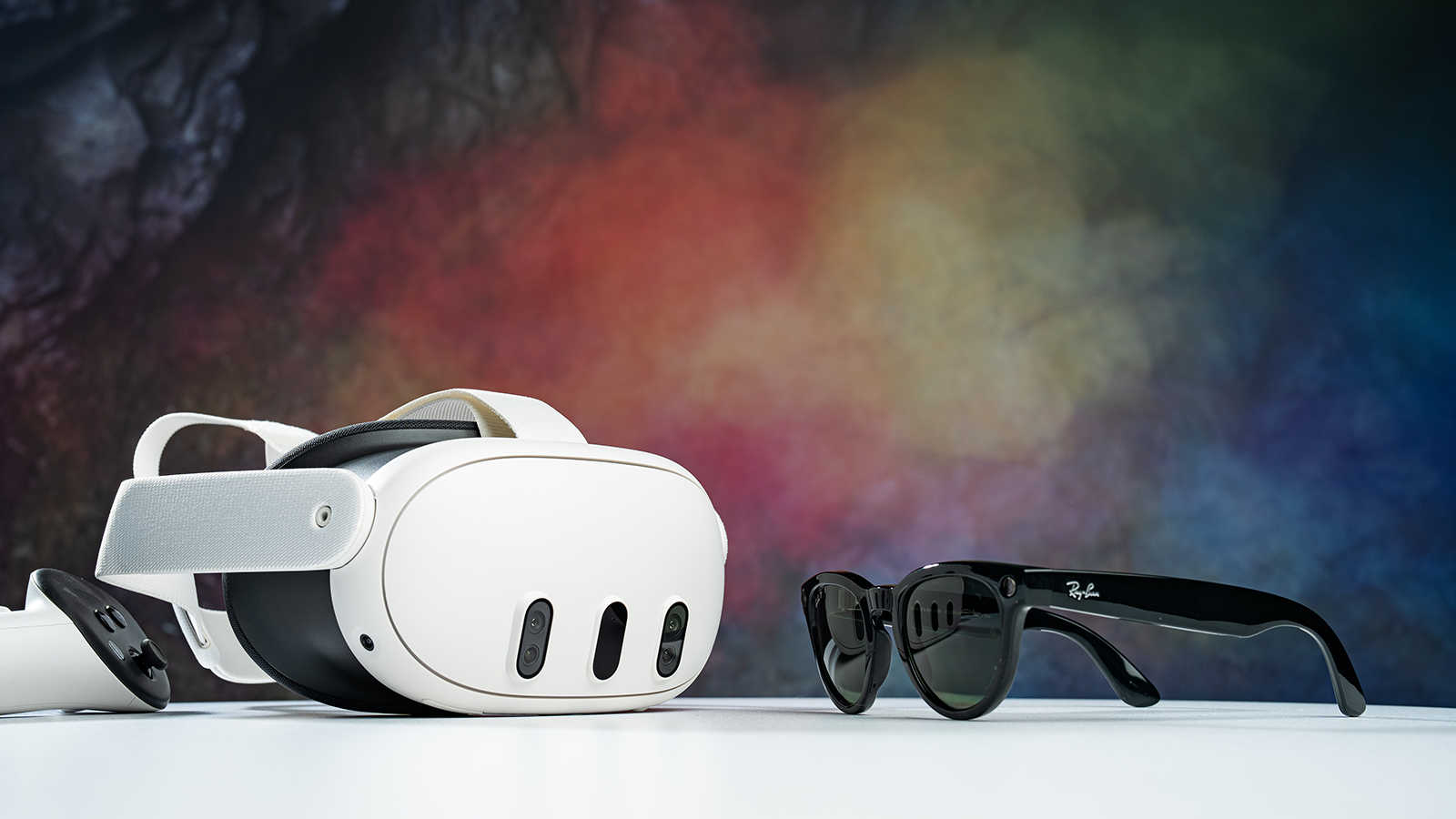
That decision came after 2025 saw Quest headset sales decrease compared to 2024, while Ray-Ban Meta smart glasses sales tripled.
Earlier in the Q4 earnings call, Mark Zuckerberg told investors that the company's reduction in spending would make VR "a profitable ecosystem over the coming years".
The Reality Labs division of Meta, which handles VR, Horizon Worlds, and smart glasses, recorded record spending in Q4, just shy of $7 billion. Given revenue of just under $1 billion, that resulted in a "loss" of around $6 billion.
Reality Labs continues to be heavily focused on research and development, though, and much of this "loss" is actually the spending towards developing true AR glasses, the "holy grail" consumer tech product that companies like Apple, Meta, and Google believe will define the next wave of personal computing.
Zuckerberg told investors to expect Reality Labs losses to finally peak in 2026, with Li stating that it's Meta's "expectation" that the losses will start to decrease in 2027, depending on how the market develops.
As to the "headsets", plural, that Susan Li was referring to, leaked internal memos from early December revealed that in addition to the widely reported ultralight headset with a tethered puck, Meta was also now working on a traditional new Quest focused on "immersive gaming".
The memo indicated that the headset, which wouldn't be expected until late 2027 at the very earliest, should bring a "large upgrade" over Quest 3, but no longer be subsidized, carrying a higher price. That tracks with Zuckerberg's reference to VR becoming "profitable" for Meta "over the coming years".
Many in the industry have speculated that this headset may have already been canceled in the wake of Meta's other VR cuts, but Li's reference to "headsets" may suggest it's still in the works. Only time – or yet another leak – will tell.
Thermaltake has announced the TR300 Series Mid Tower Chassis, a new ATX lineup focused on space efficiency, airflow, and modern customisation. The range includes two models, the TR300 TG and TR300 WS, both available in black or white colour options.
The key difference between the TR300 TG and the TR300 WS is the front panel. The latter uses real wood slats at the front, while the TG uses a more standard mesh front panel. Both should offer good airflow for your intake fans, so choosing between them should primarily come down to whether or not you like the modern wood-PC fusion.
The chassis uses a front‑mounted PSU layout with an adjustable rack offering four mounting positions, improving internal space, airflow, GPU clearance, and radiator support. It accommodates up to ATX motherboards, with optimised PCIe slot placement to maintain proper GPU alignment. Cooling support includes up to eight 120mm fans and room for a 360mm radiator at the top.
Both models support Thermaltake’s optional 6‑inch LCD Screen Kit (1480 × 720), enabling system monitoring, JPG/GIF playback, AI Forge visuals, and mobile control via the TT PlayLink app. Additional features include removable dust filters, support for two 3.5‑inch HDDs and three 2.5‑inch SSDs, and front I/O with dual USB 3.0 Type‑A, USB 3.2 Gen 2 Type‑C, HD Audio, and dedicated power/reset buttons.
KitGuru Says: Will you be considering the TR300 for a future build?
At CES earlier this month, Corsair officially revealed the Galleon 100 SD, a new full-size keyboard that replaces the numpad with Elgato Stream Deck functionality. Now following on from multiple ‘Best of CES' awards, the new keyboard is ready to hit the market.
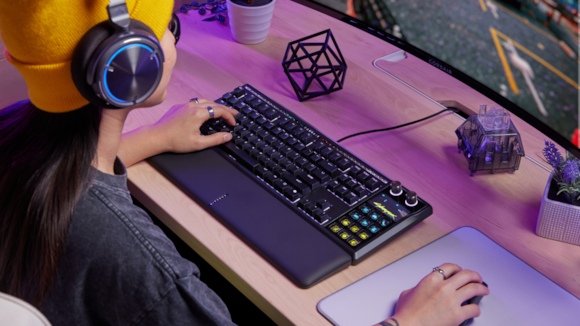
The new Corsair Galleon 100 SD is a new full-size keyboard from Corsair, but rather than having a numpad, the keyboard has been equipped with a 12-key Elgato Stream Deck. Corsair says the device combines engineering from both Corsair and Elgato to meet long‑standing community requests for a single input solution that handles gameplay, apps, and device control.
The keyboard includes 12 LCD keys, two multifunction dials, and a 5‑inch colour display for real‑time system and game information. All controls are configured through the Stream Deck app, with support for folders, profile switching, and the full plugin ecosystem.
Beyond the Stream Deck features, the Galleon 100 SD uses Corsair’s AXON engine with polling rates up to 8000Hz, plus FlashTap SOCD handling for directional‑input control. The board ships with pre‑lubed MLX Pulse switches, gasket mounting, six layers of dampening, and an aluminium frame.
The Corsair Galleon 100 SD is now shipping worldwide as of today. Over in the US, it will cost $349.99. Here in the UK, it is retailing for £309.99 directly via Corsair's webstore.
KitGuru Says: This keyboard looks to pack the best of two product lines, but it is also very expensive. Are you thinking about getting one of these?
The next round of games for GeForce Now has been announced. There are ten new titles joining the cloud gaming library this week, including new releases like Half Sword, as well as classics like Prototype.
Aside from the new games joining the library, there is another major GeForce Now update happening this week. For the first time, a native Linux client is now available, expanding GeForce Now's reach across native Linux PCs, Windows, macOS, Chromebooks, smart TVs and mobile devices.
Here is the full list of new games joining GeForce Now today:
The Midnight Walkers (New release on Steam, Jan. 28, GeForce RTX 5080-ready)
Cairn (New release on Steam, Jan. 29, GeForce RTX 5080-ready)
Prototype (New release on Ubisoft Connect, Jan. 29)
Prototype 2 (New release on Ubisoft Connect, Jan. 29)
Warhammer 40,000: SPACE MARINE 2 (New release on Xbox, available on Game Pass, Jan. 29, GeForce RTX 5080-ready)
Half Sword (New release on Steam, Jan.30, GeForce RTX 5080-ready)
Vampires: Bloodlord Rising (New release on Steam, Jan. 30, GeForce RTX 5080-ready)
The Bard’s Tale Trilogy (Steam and Xbox, available on Game Pass)
The Bard’s Tale IV: Director’s Cut (Steam and Xbox, available on Game Pass)
Total War: Three Kingdoms (Epic Games Store)
There are four titles joining the RTX 5080 servers for GeForce Now Ultimate members too, including Cairn, The Midnight Walkers, Half Sword and Warhammer 40,000: Space Marine 2.
KitGuru Says: Will you be playing any of this week's new GeForce Now titles?
Google's dream of Android for desktop is not dead yet. Recently, Aluminium OS (ALOS) leaked through a bug report on Google's Issue Tracker. This new feature appears to be a built-in Samsung DeX-style visualisation for Android 16.
The leak, which surfaced through screen recordings from an HP Elite Dragonfly Chromebook (via 9to5Google), shows a hybrid UI that blends the simplicity of Android with the heavy-duty multitasking capabilities of a desktop OS. The “Aluminium OS” interface features a recognisable Android taskbar at the bottom and a status bar at the top, complete with mobile-like WiFi and battery indicators. However, the functionality is purely desktop, supporting windowed applications, split-screen multitasking, and a Chrome browser with desktop extensions. You can see ALOS in action in the video uploaded by Android Authority.
This development suggests that Google may be looking to bridge the gap between Android and ChromeOS, potentially allowing future Android tablets and high-end phones to function as full-scale workstations when docked.
KitGuru says: Would you like to see Google offering Aluminium OS as standard for all Android-based devices? Would such a feature make you more inclined to choose Android over iOS?
Following a leadership shift involving one of its original co-founders, GOG is now apparently expanding its technical reach by developing a native Linux version of GOG Galaxy.
The move was revealed through a job posting (via The Bryant Review) for a Senior C++ Software Engineer, specifically tasked with building the application's architecture with Linux compatibility as a core priority “from day one”. This marks a major pivot for the platform, which has historically relied on community-driven or third-party tools, such as the Heroic Games Launcher, to serve Linux users.
The initiative aims to bring native high-value features such as cloud saves, automatic updates, and cross-platform library management (including Epic, Xbox, and Steam) to the Linux ecosystem.
While GOG has always been praised for its DRM-free standalone installers, the lack of a dedicated Linux client has been a significant point of friction for Steam Deck and Linux desktop users who want a unified experience. By designing for a “wide array of hardware” and prioritising long-term platform development, GOG signals that its Linux support will be a pillar of its commitment to preserving retro games.
KitGuru says: Do you own a Linux system where you would like to install the GOG Galaxy app?
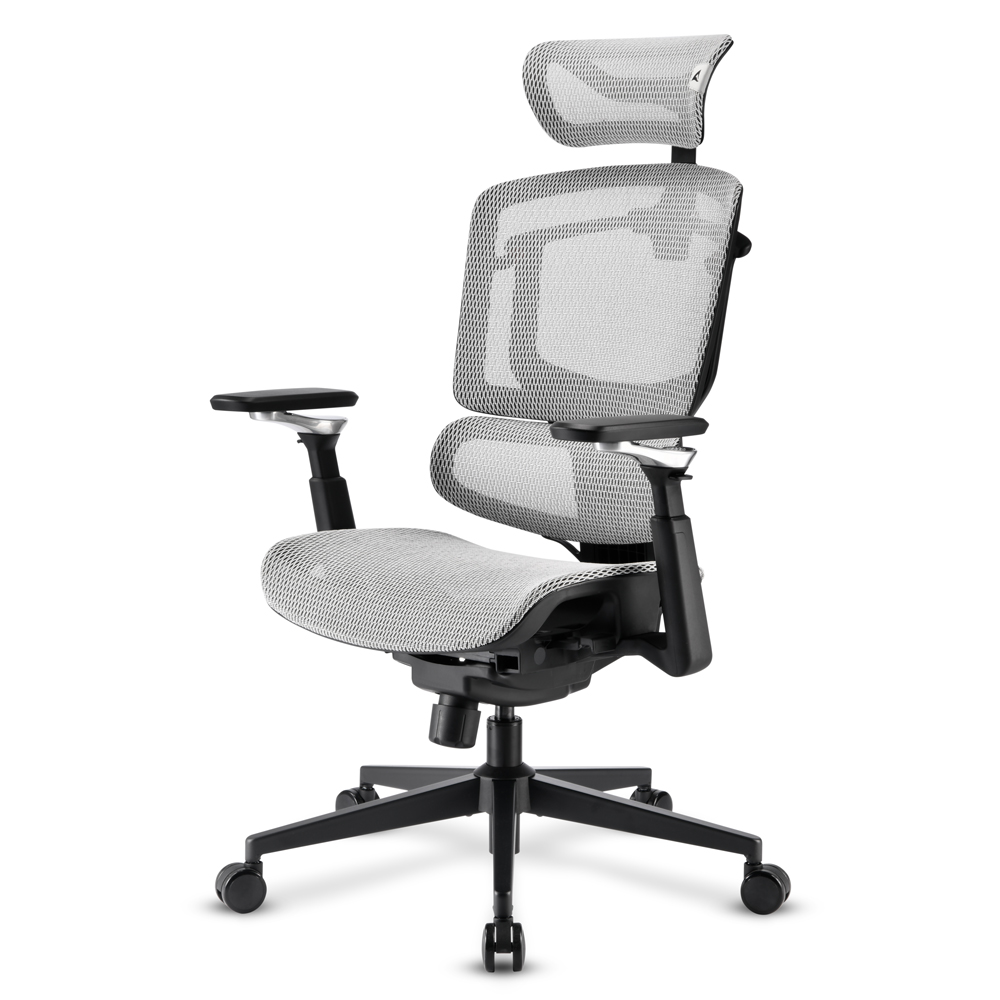
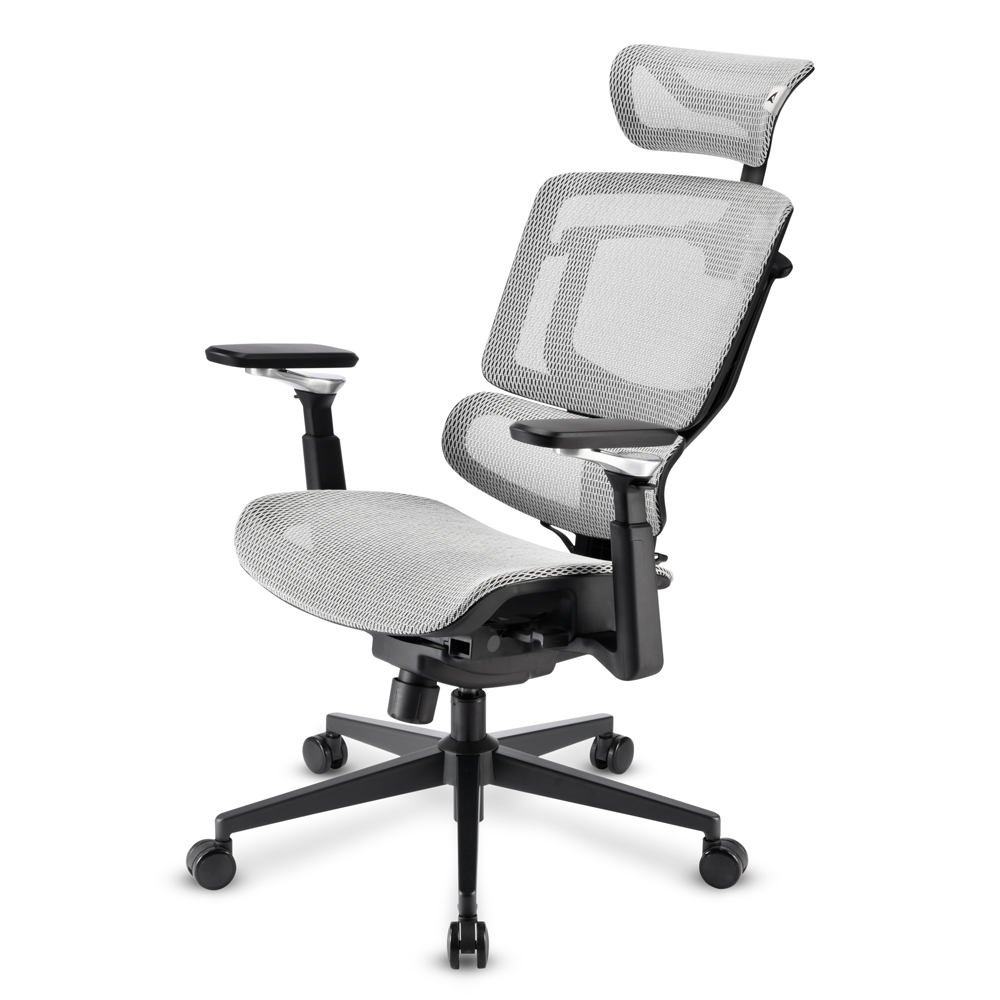
In recent years, Sharkoon has been rolling out a series of office chairs. This month, the company is launching its best yet, the OfficePal C50 and C50M, both offering a classic mesh style suitable for offices, along with plenty of adjustments so you can dial it in for optimal posture support.
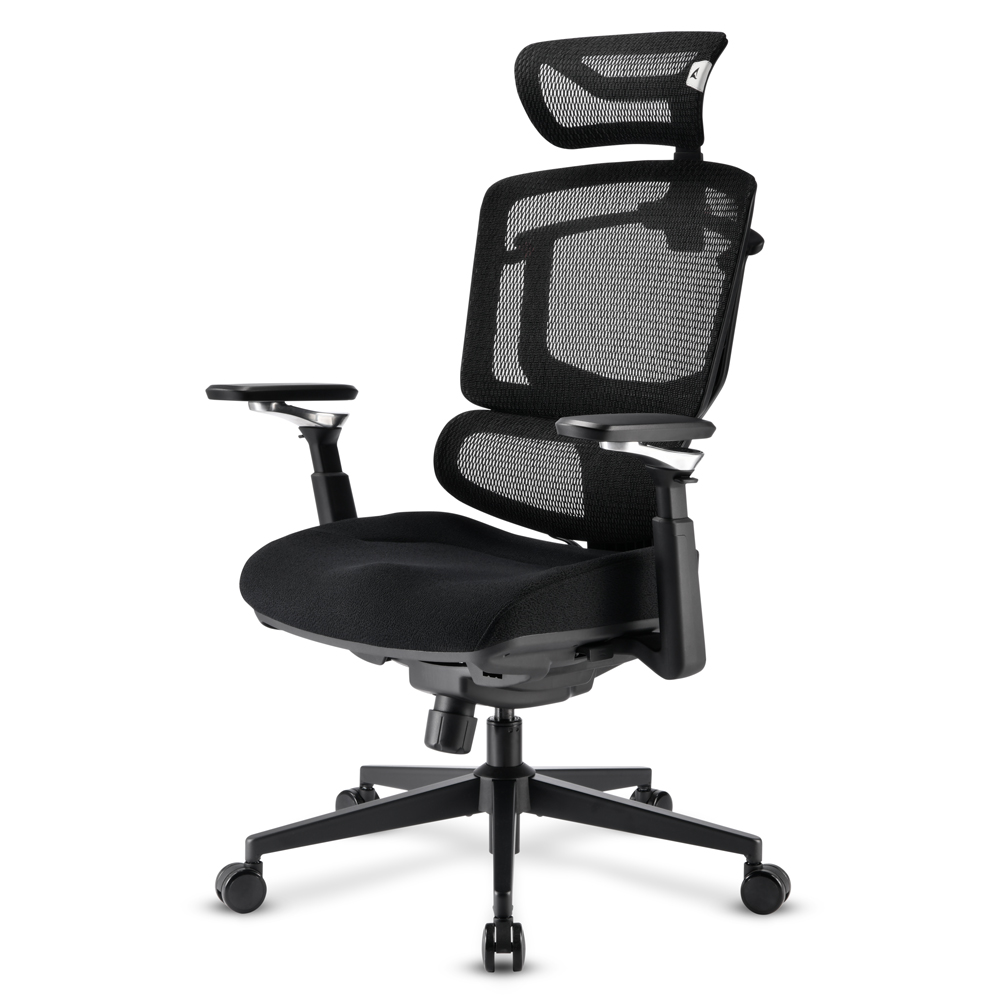
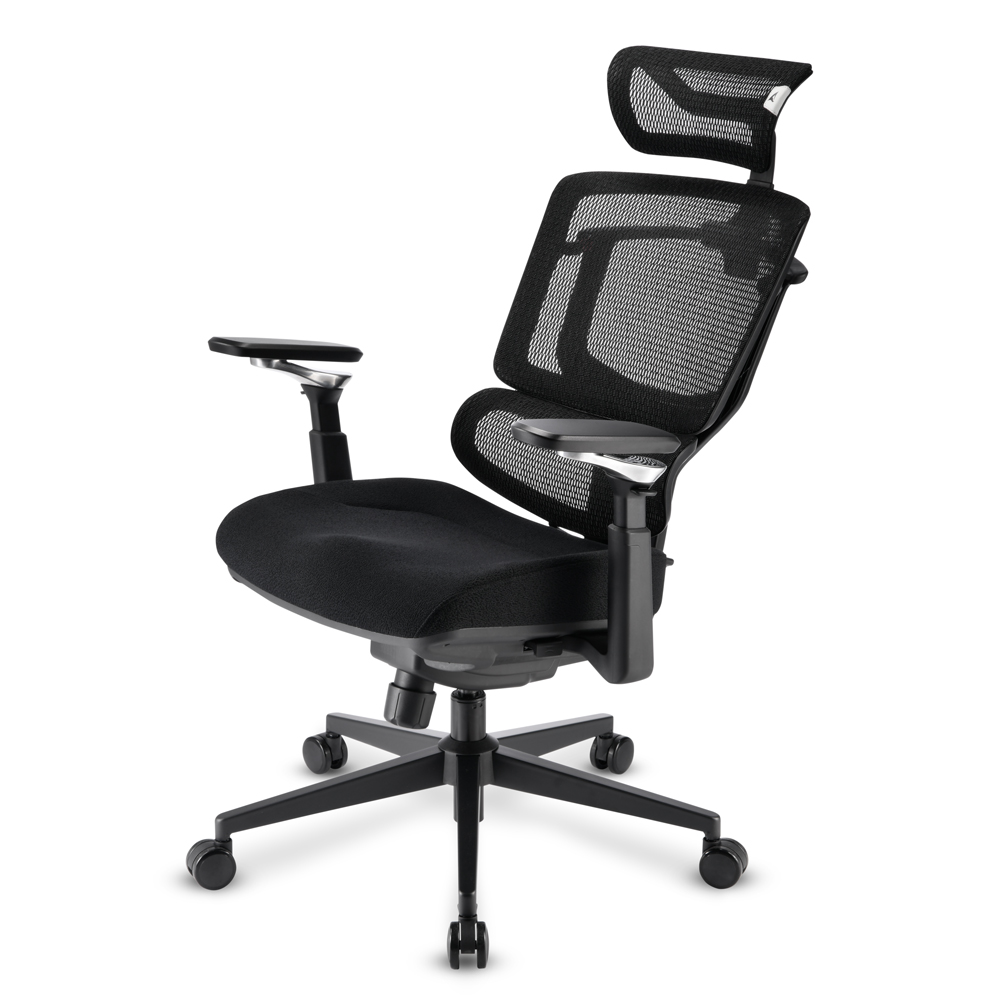
The OfficePal C50 features a breathable mesh backrest paired with a traditionally upholstered seat base. It also has 5D armrests that can be adjusted in five directions, giving users the freedom to fine‑tune arm support for typing, reading, or general desk work.
To support optimal ergonomics, the C50 offers adjustable seat depth, seat height, and a flexible backrest that can be adapted to individual requirements. An integrated lumbar support system and height‑adjustable headrest provide targeted support for the lower back and neck, helping maintain a healthy posture throughout the day.
The chair also includes a tilt function, enabling gentle movement while seated to promote circulation during long periods of sitting. A sturdy metal five‑star base and large 60mm casters ensure stability and smooth mobility across a variety of floor surfaces.
The OfficePal C50 and OfficePal C50M are now available at a recommended retail price of €299.90 each. While the standard C50 has an upholstered seat base, the C50M swaps this out for a mesh seat instead.
KitGuru Says: What do you think of the latest chairs from Sharkoon?
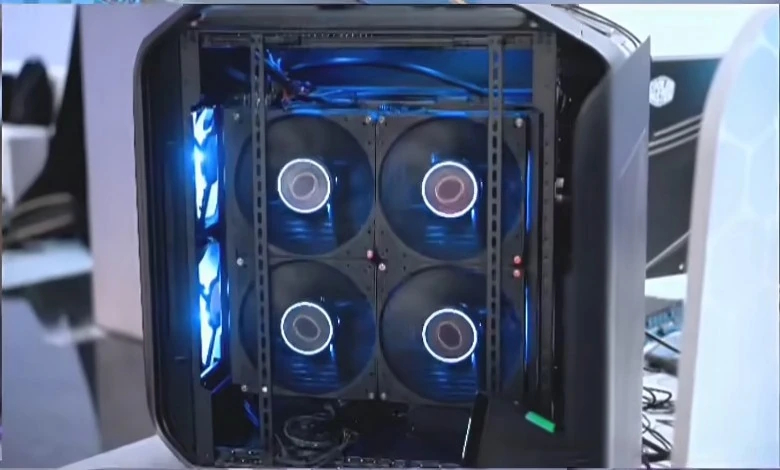
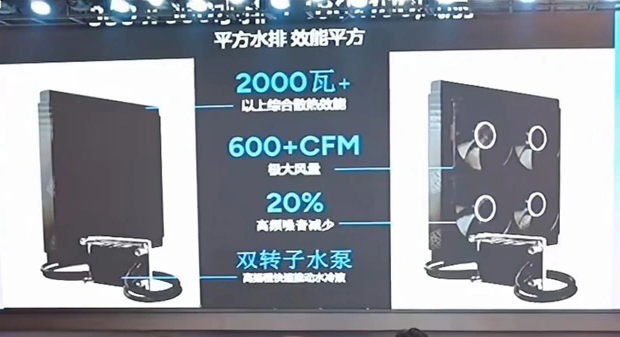
Cooler Master has showcased a new AIO liquid cooling concept at a recent event in Huizhou, China, breaking away from the traditional linear fan arrangement. Instead of the standard three-fan row, this massive workstation-oriented cooler features four 180mm fans arranged in a 2×2 square grid. This creates a radiator footprint of approximately 360 x 360mm, making it compatible with the manufacturer's recently announced Cosmos case.
According to ITHome (via VideoCardz), this AIO uses a dual-rotor pump and specialised “180×30” fans that reportedly reduce high-frequency noise by 20%. Most impressively, Cooler Master claims the whole cooling system can dissipate over 2000W of heat, positioning it as a specialised tool for extreme workstation builds rather than standard consumer PCs. The square shape presents unique mounting challenges, meaning this likely won't fit in your average mid-tower without some serious modifications.
While this remains a concept for now, the company confirmed that other AIO models shown at the event will hit the market in March, followed by the B360 TV, a CPU cooler featuring a 7-inch 16:9 display, in April 2026.
KitGuru says: As expected from a 360 x 360 AIO cooler, it offers a massive amount of surface area to cool high-TDP CPUs. As far as we know, there isn't any commercially available CPU with a rated 2000W TDP that the cooler is ready for. Still, if it ever comes, Cooler Master is already prepared.
Remember the Samsung 9100 PRO? We reviewed it back in August. It's an amazing performer, and despite being a high-end PCI Express 5.0 SSD offering sequential speeds in excess of 13GB/second, it actually runs pretty cool thanks to the use of a custom 5nm "Presto" SSD controller. If you wanted an SSD 9100 PRO but you've only got an M.2-2242
Forget rotisserie chicken and oversized barrels of mayo, Costco's hottest commodity right now just might be RAM and GPUs. With prices of computer memory, storage, and graphics cards going for two to three times more than normal, shoplifters have been hitting big box stores like Costco and Walmart, and those business are now taking action.
Costco
NASA has taken the wraps off Athena, the space agency's most potent supercomputer yet. It'll be tasked with things like aircraft and spacecraft modeling, rocket launch simulations, large-scale AI training, etc.
Housed at NASA’s Modular Supercomputing Facility (within Ames Research Center in Silicon Valley) and just brought fully online
 Connexion