In just a matter of weeks, NVIDIA's original Shield TV console will turn 10 years old. What makes the milestone particularly remarkable is that even after a full decade of service, NVIDIA continues to dish out Android updates, and it has no plans of stopping. It's true that device makers have gotten better about longer term support for Android
Early last year, there was talk that the newly-discovered Asteroid 2024 YR4 had a really small, but probable chance of striking the Moon in 2032. Now, scientists are revealing what might occur if such as an event took place and the implications it could have on Earth.
Orbital path of YR4 (Credit: ESA Orbit Visualization Tool)
Currently,
For those of you who find smartwatches bulky or too much of a hassle to wear and fitness rings too limited, Rogbid's Fusion might be your jam. The Fusion takes the middle ground by being a smartring with a display that can also be worn as a smartwatch.
The Rogbid Fusion is basically a 2-in-1 hybrid. On one hand (or rather, finger), it
Not to beat a dead horse (too late), but a memory chip shortage is wreaking havoc on consumer device availability and pricing. That includes graphics cards, the all-important component for a gaming PC, which employ varying amounts onboard video RAM (VRAM). According to a fresh rumor, the situation has caused NVIDIA and its hardware partners
Apple's financial results for its fiscal 2026 first quarter shattered expectations, with revenue skyrocketing to a $143.8 billion, up 16% from the same quarter a year ago. It ranks as Apple's best quarter in the company's nearly 50-year history, and it's thanks in large part to record demand for iPhone devices.
"iPhone had its best-ever
It would seem that the rumours of an incoming Nintendo Direct showcase are picking up steam. Multiple additional sources have since corroborated the claim that a new stream will be taking place in February.
Followed on from NatetheHate, GameXplain and VGC have also corroborated the claim that a Nintendo Direct will be happening next week. However, VGC adds that this is going to be a partner showcase, so don't expect any first-party Nintendo game announcements.
The stream is supposed to take place on Thursday, February 5th, focusing on new third-party games heading to the Switch and Switch 2 consoles. There are already some likely candidates in mind for the showcase.
Titles like Borderlands 4 and Elden Ring are still yet to receive official release dates for the Switch 2. Recent rumours also indicated that Final Fantasy 7 Rebirth is due to land on the Switch 2 later this year. There have also been rumblings around a Switch 2 upgrade for The Witcher 3, and Capcom also reportedly wants to bring Monster Hunter Wilds over to Nintendo's new system.
KitGuru Says: Fans of Nintendo's exclusive franchises will have to wait a while longer for news. In the meantime, there will be plenty of new ports on the way for the latest Switch console.
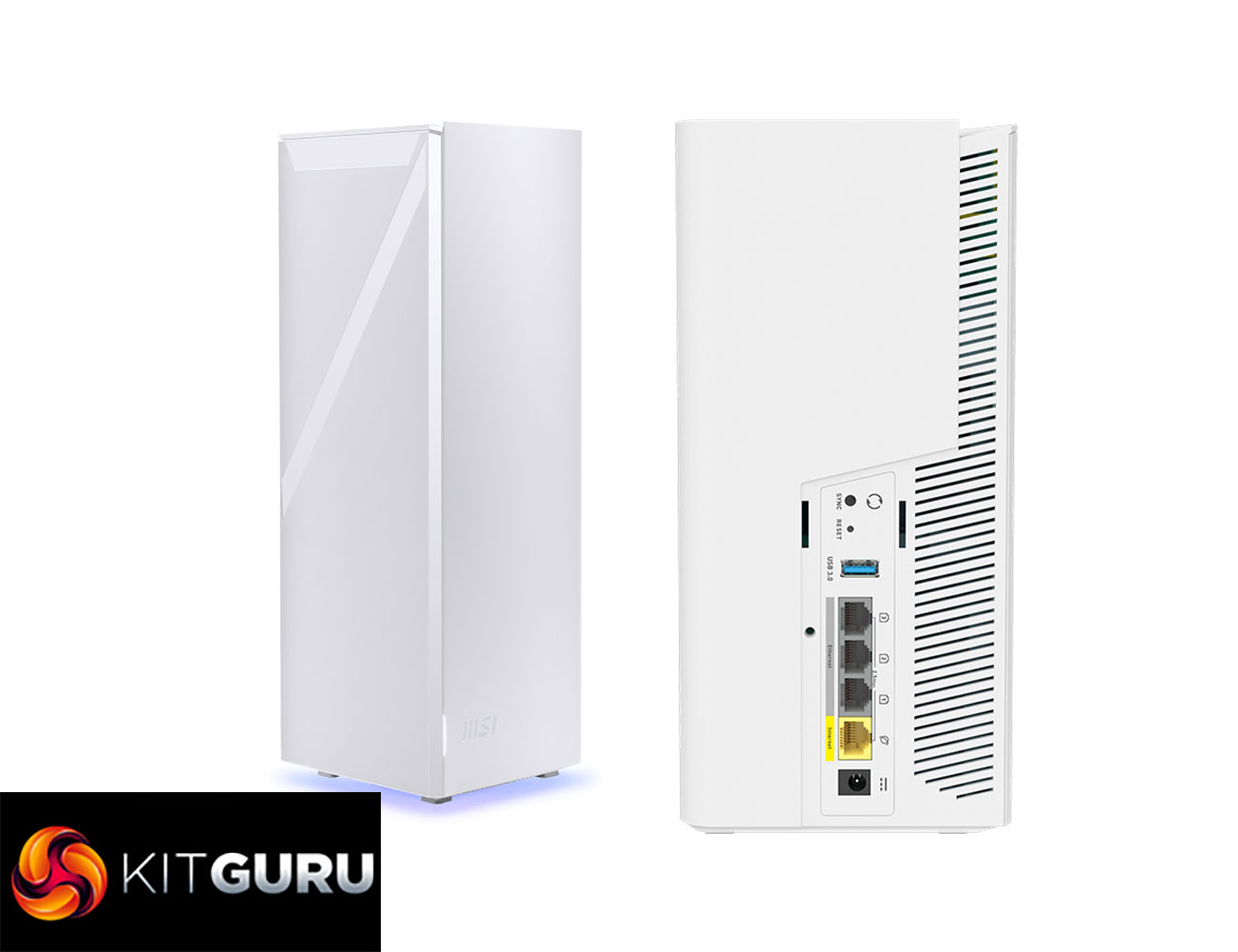
WiFi 7 is finally starting to gain traction, although we're still waiting for more client devices to arrive. If you're looking to upgrade your wireless network, it would now be a false economy not to future-proof yourself with the latest standard. Joining the WiFi 7 fray is MSI with its Roamii BE mesh system. It comes in two forms – Lite and Pro. The former offers just two radio frequencies, while the Pro we tested adds 6GHz, promising monster wireless network bandwidth. We put the Roamii BE Pro through our comprehensive WiFi mesh test suite to find out if the practice matched the theory.
The Roamii BE Pro is a BE11000 system, meaning it combines 5,764Mbits/sec at 6GHz, with 4,323Mbits/sec at 5GHz, and 688Mbits/sec at 2.4GHz, although MSI only promises a maximum combined throughput of 9.4Gbits/sec. The benefit of WiFi 7 (and WiFi 6 BE) is that 6GHz and 5GHz can be combined (with a compatible client) for maximum throughput. The Lite version loses the 6GHz, so offers just BE5000 performance.
You get 6x internal antennae (so two per waveband) with the Roamii BE Pro, plus additional router software and hardware features. The system can allegedly cover a 6,000 square feet area, although of course this will depend on obstructions. That's likely to be more than enough for a three story house, such as the one we use for testing.
The Roamii BE Pro has a solid wired networking specification too, with four 2.5Gbit Ethernet ports, one of which would be used for WAN duties on the router, while remaining available for wired devices on the satellite. There is a USB port on both units too, ready for network storage sharing.
Coming in at under £300, the Roamii BE Pro looks like good value too, giving you mesh WiFi for the price of a midrange standalone router. Read on to find out if the performance and capabilities make this a bit of a bargain.
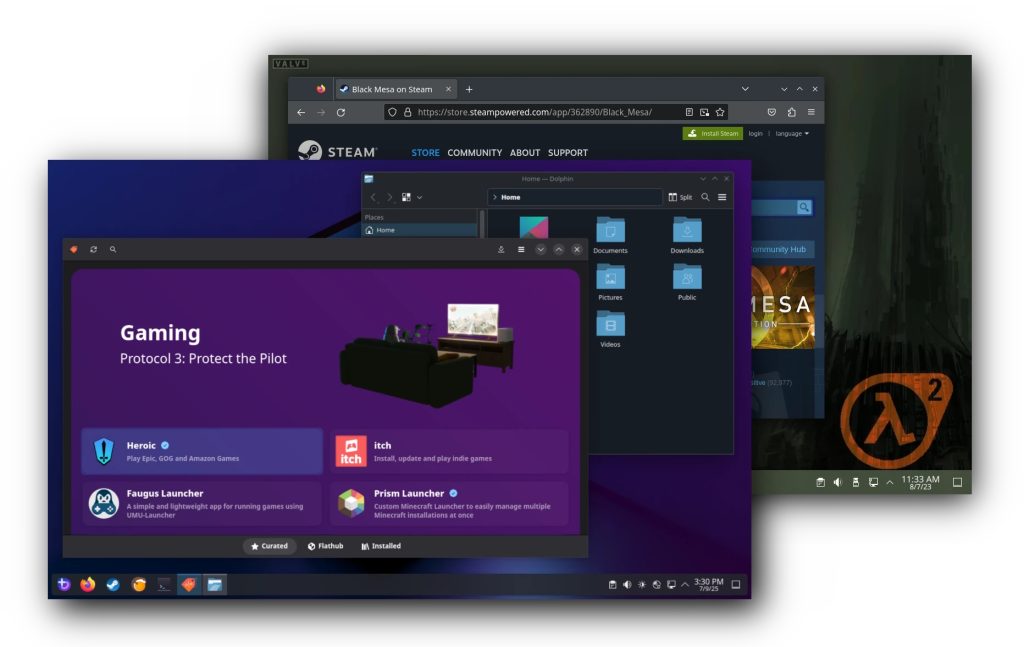
A number of major Linux gaming projects are joining forces to form the Open Gaming Collective. The goal here is to reduce duplicated work across several crucial projects and centralise development efforts for critical components like kernel patches, input frameworks and display compositors.
The OGC's technical strategy (via GamingOnLinux) centres on an “upstream-first approach”. Rather than maintaining permanent forks or bespoke patches, the group intends to submit all improvements and hardware fixes directly to the source projects (such as the mainline Linux kernel or Mesa). Early deliverables include a shared, gaming-optimised OGC Kernel and a specialised fork of gamescope designed to expand hardware support across a wider range of handhelds and desktop GPUs.
Bazzite, one of the founding members, has already outlined immediate changes resulting from joining the collective. The distribution will phase out its custom Handheld Daemon (HHD) in favour of InputPlumber, a unified input remapper already utilised by SteamOS, ChimeraOS, and Nobara. Additionally, Bazzite will integrate features like RGB and fan control directly into the Steam UI where possible, further bridging the gap between custom Linux distros and the native Steam Deck experience.
Besides Bazzite, other companies and partners include Nobara, ChimeraOS, Playtron, Fyra Labs, PikaOS, ShadowBlip, and Asus Linux.
KitGuru says: The formation of the OGC is an important step for the Linux gaming community. Standardising the kernel and input layers could finally bring the “it just works” stability of SteamOS to the broader Linux desktop world.
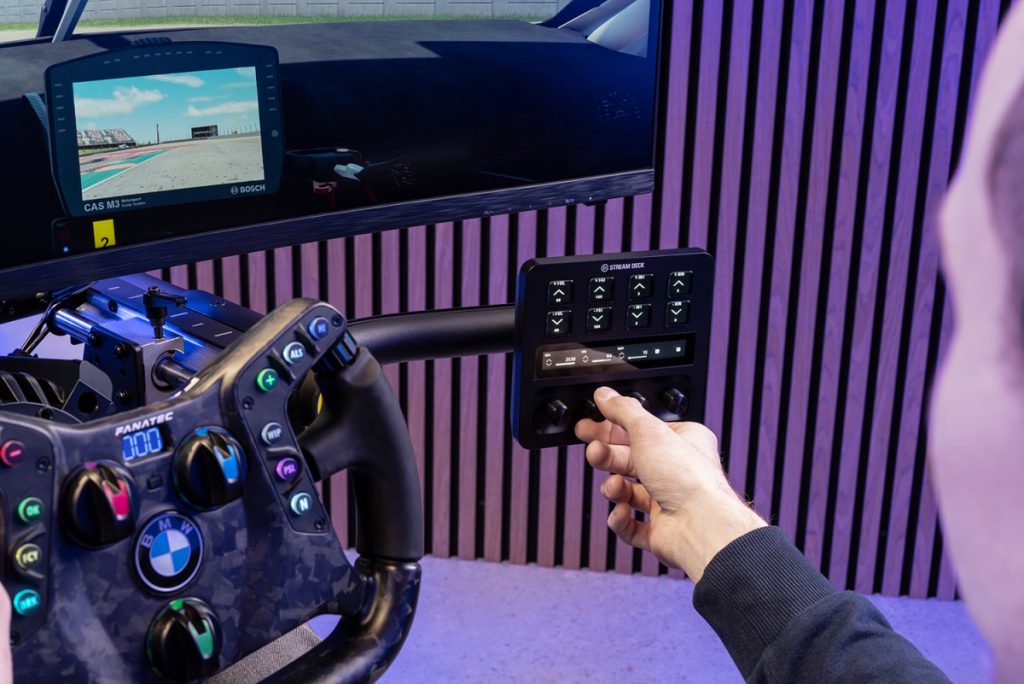
Fanatec has officially released its first-party Stream Deck plugin. Available for free on the Elgato Marketplace, the plugin transforms the Stream Deck into a real-time telemetry display and hardware tuning hub for racing sims.
This collaboration marks one of the first major synergy projects since Fanatec's integration into the Corsair family, leveraging Elgato's software expertise to enhance the racing experience. The plugin supports the entire Stream Deck lineup, with optimised, pre-configured profiles specifically for the Stream Deck XL and the dial-equipped Stream Deck +.
For the first time, racers can use the Stream Deck as a digital “dashboard” to monitor critical race data, including tyre temperatures, fuel levels, track position, and flag warnings. Beyond telemetry, the most powerful feature is direct access to the Fanatec Tuning Menu, which lets drivers use Stream Deck buttons or dials to adjust force feedback strength, brake sensitivity, and other hardware parameters on the fly.
KitGuru says: Are you interested in sim racing setups? If you had or have one, would something like Elgato's Stream Deck with this new plugin be something you would consider adding?
Aside from a slightly adjusted shape and lower weight of 46 g, the ambidextrous Harpe II Ace comes with ASUS's latest 42,000 CPI AimPoint Pro sensor, ASUS optical main button switches, 8000 Hz wireless polling, Bluetooth support, and an improved battery life of more than 100 hours without RGB lighting.
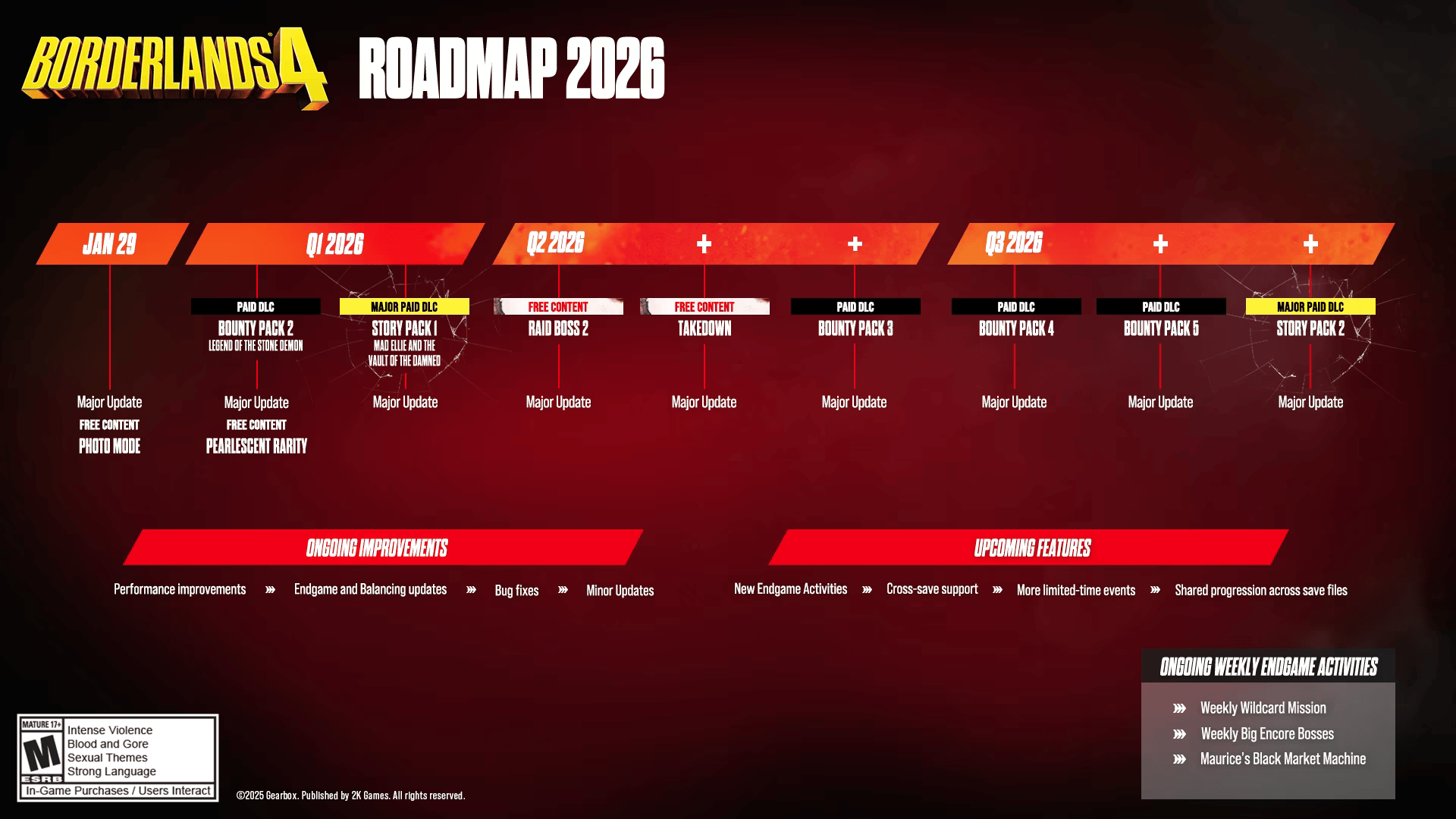
Borderlands 4 is in a bit of an awkward spot currently. While the game is in many ways the best the series has seen, a relative lack of end-game content for hardcore fans and a plethora of performance issues especially at launch led to softer-than-expected sales. That said, the team at Gearbox appear committed to improving Borderlands 4, with the team now offering an updated roadmap for 2026.
Taking to their blog, the team at Gearbox officially showcased their full 2026 roadmap. While we knew some of what to expect from Borderlands 4’s post-launch plans (even prior to the game’s release), we’ve now gotten a more comprehensive look.
Looking to the future however, Borderlands 4’s 2026 is set to be as follows:
Q1 2026
Bounty Pack 2 (paid)
Pearlescent rarity (free)
Story Pack 1 (paid)
Q2 2026
Raid Boss 2 (free)
Takedown (free)
Bounty Pack 3 (paid)
Q3 2026
Bounty Pack 4 (paid)
Bounty Pack 5 (paid)
Story Pack 2 (paid)
Each of these new pieces of content (both free and paid) will be released alongside a ‘major’ update. Other ancillary additions with no specific timeline include:
Performance improvements
Endgame and balancing updates
New Endgame activities
Cross-save and shared-progression
Limited-time events
While the game certainly came in a bit hot, Borderlands 4 is a fun time and so it is encouraging to see the team at Gearbox try to address as many fans' complaints as possible – while still sticking to their initial plans.
KitGuru says: What do you think of this updated roadmap? What’s your opinion on Borderlands 4 in its current state? Does it have the potential to be the best entry in the series? Let us know your thoughts down below.
World War Z is a fun 3rd-person co-op shooter in the vein of Left4Dead and other horde shooters. Released back in 2019, the team at Saber Interactive have blessed the title with a ton of post-launch support – much of which was free. 4 months on from its last major update, the game has now gotten its first big crossover DLC, with World War Z x The Walking Dead available now.
Purchasable right now for the relatively low price of £7.99, World War Z x The Walking Dead offers a ton of content for fans of both Saber Interactive’s shooter as well as watchers of the show, adding:
New Story Campaign with 3 chapters
The Prison
Alexandria Safe Zone
Grady Memorial Hospital
4 playable survivors
Rick Grimes
Daryl Dixon
Michonne
Negan
Two melee weapons
Michonne’s Katana
Negan’s Bat Lucille
Two weapon skins
Rick’s Revolver
Daryl’s Crossbow
Visual overhaul of enemies to look like TWD’s ‘walkers’
New special enemy ‘spiked walker’
While there have been a bunch of different games based on The Walking Dead, very few have been received well. As such, for many this represents what might be one of the better Walking Dead experiences out there – despite only being a crossover.
KitGuru says: What do you think of this latest DLC? Are you a fan of The Walking Dead? What other zombie properties would you like to see World War Z collab with? Let us know down below.
Rainbow Six: Siege is arguably one of Ubisoft’s biggest games of all time, with the now decade-old title continuing to make money in-part through its plethora of cross-overs. Following on from the likes of Chun-Li; Master Chief; 2B and even Pickle Rick, Solid Snake himself is set to join the Rainbow Six Siege roster.
Teasing their upcoming Year 11 Roadmap reveal event (going live on the 15th of February) Ubisoft offered a slight hint at what players can expect in the way of announcements.
Though very little was given away, we do know that the iconic Solid Snake himself is set to crossover into Rainbow Six: Siege.
Unlike all other crossovers, Snake is set to be a full-on operator as opposed to simply being a skin for a pre-existing character – meaning he should have his own unique abilities, equipment and more.
Unfortunately, we did not get to hear Snake speak in the teaser, and so it is unknown whether the operator will feature brand new voice lines (and who will voice him) or if they will simply reuse old audio. We will have to wait until the 15th of February to find out.
KitGuru says: Are you surprised to see Snake coming to Siege? Will he be voiced by David Hayter? Who’s your favourite operator? Let us know down below.
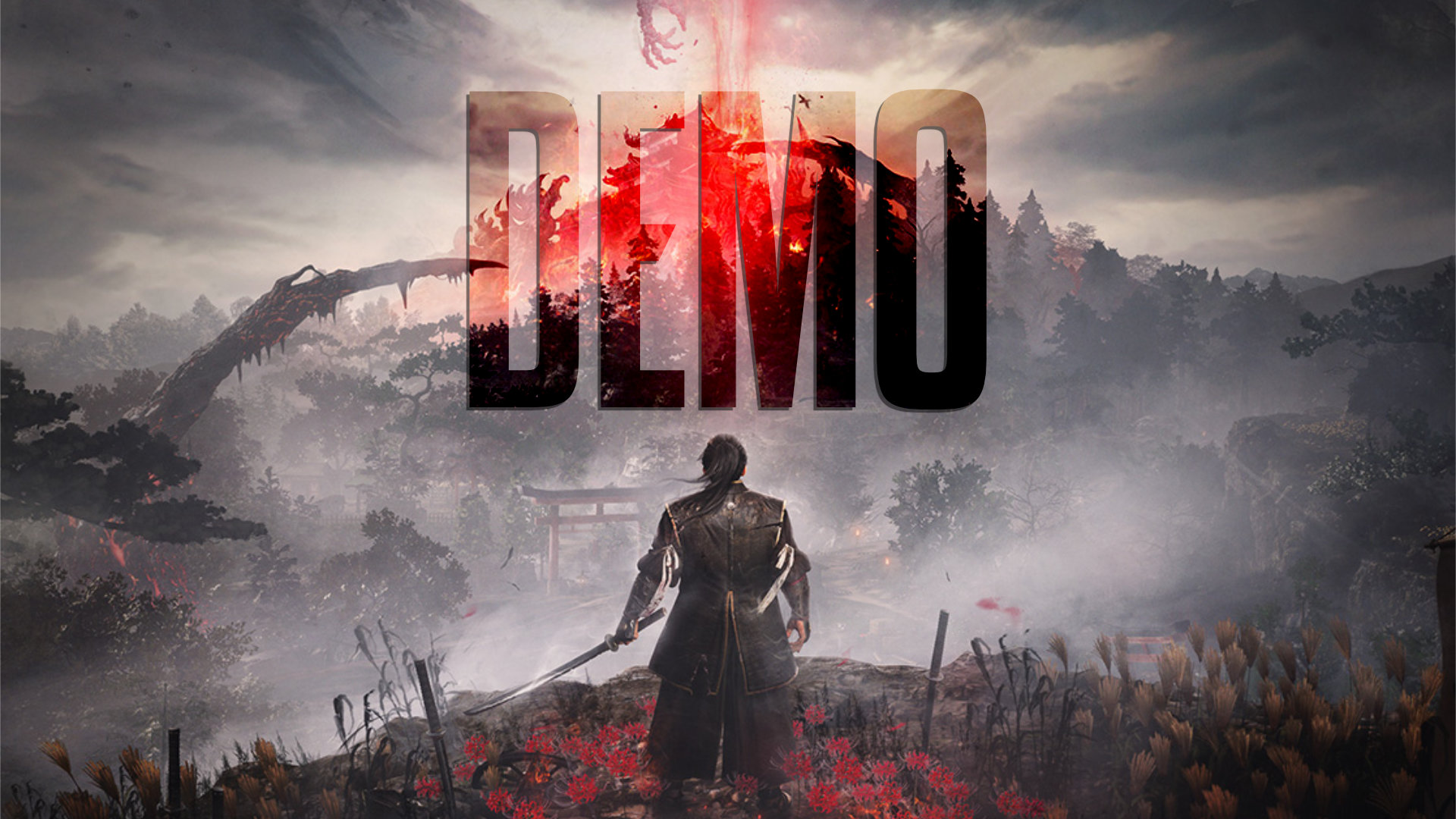
Team Ninja have been great in supporting their upcoming releases with free demos for all to check out and enjoy. Such has been the case with the Nioh series, offering various alpha, beta and timed-limited demos across its previous two entries. Following the initial Nioh 3 demo from last year, the studio has now released a more complete demo ahead of the game’s February release date.
With Nioh 3 just a week away from launch, Team Ninja have now published a brand new demo for the game, letting you try out the title for yourself ahead of its 6th of February release date.
Unlike the limited-time demo released back in June following its initial unveiling, this new demo is available on both PS5 and PC, and will allow you to transfer your save data over to the full game upon its release.
As expected, the demo features the opening section of the game and so switching over to the full release should be relatively painless. Those who do complete the demo prior to the 15th of February will also receive a bonus in-game item as a small reward.
While no end date has been given for this demo, Team Ninja have delisted various demos in the past, and so you might want to check Nioh 3 out for free while you can – even if you don’t plan on buying the title immediately.
KitGuru says: Are you looking forward to Nioh 3? What’s your favourite modern Team Ninja game? Let us know your thoughts down below.
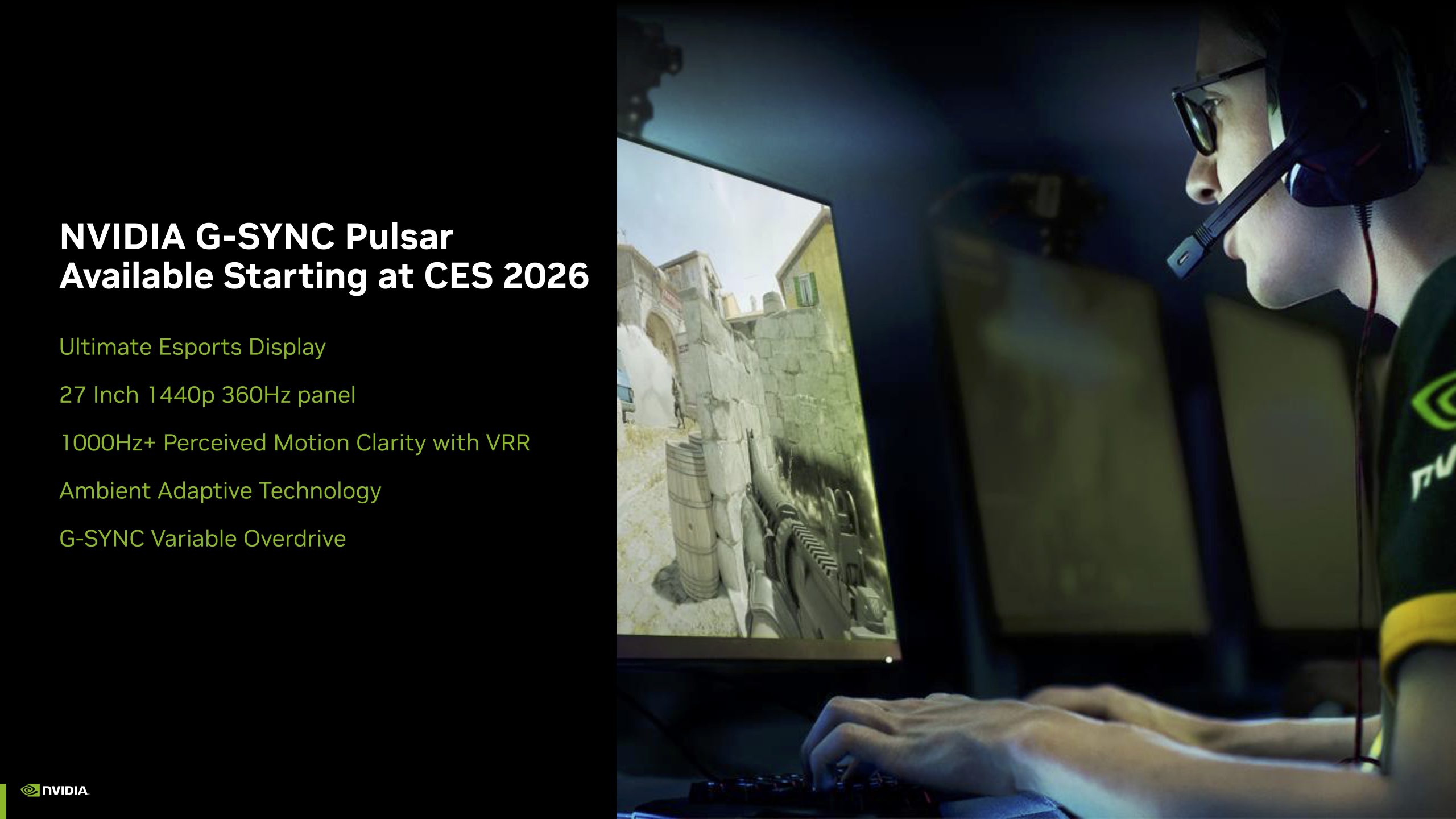
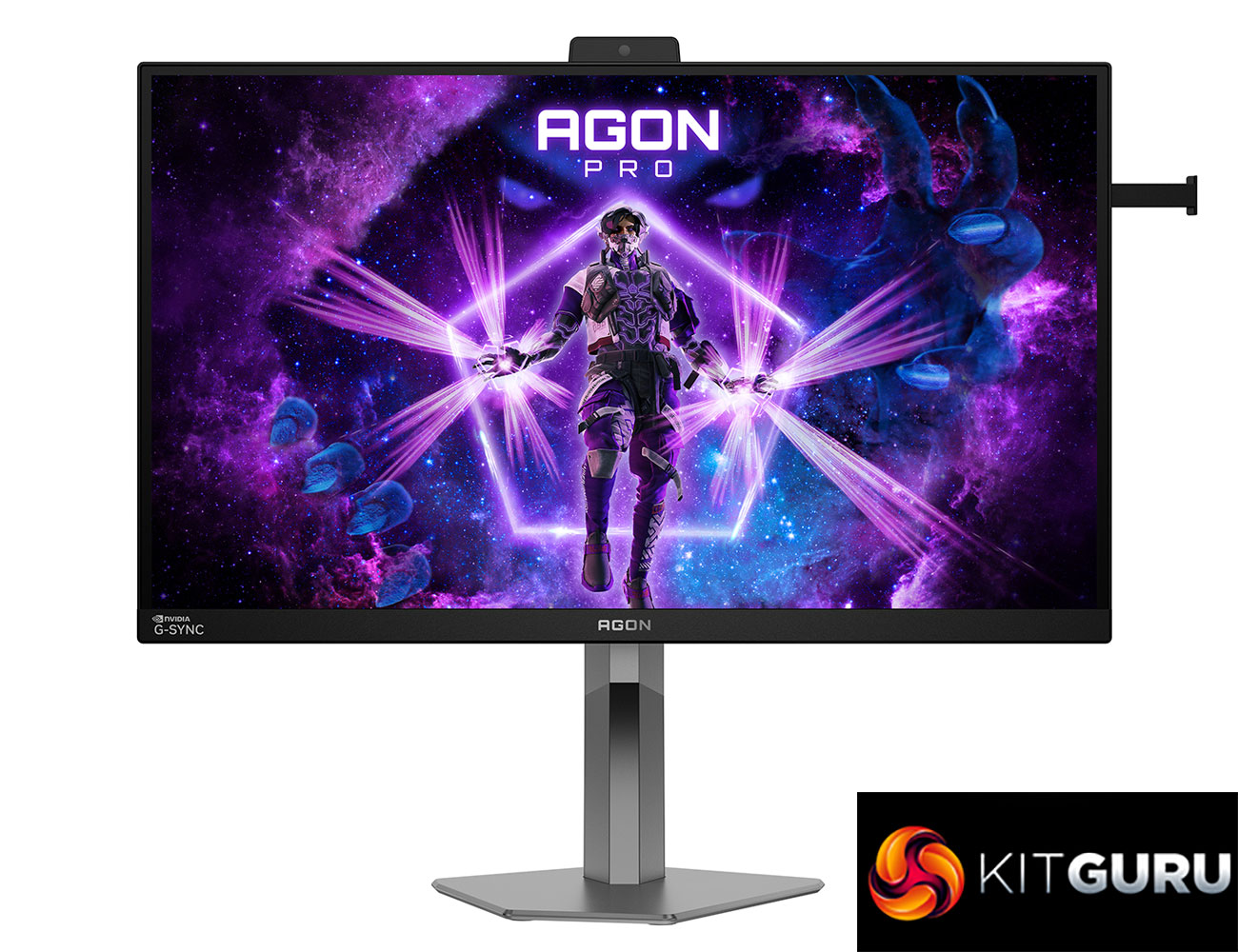
Today we're checking out the AOC Agon Pro AG276QSG2. The model number may not make it immediately obvious, but this is a rather exciting monitor for one main reason – it supports Nvidia's new G-Sync Pulsar backlight strobing technology that was officially launched at CES 2026. It's built around a 27in 1440p IPS panel with a 360Hz refresh rate, so that alone sounds pretty competitive – but what does Pulsar bring to the table? We find out today.
Timestamps:
00:00 Intro
00:57 Pricing and other Pulsar models
01:31 But what is G-Sync Pulsar?
03:43 Pulsar motion clarity examples
06:00 Overdrive and response times
07:28 Panel testing
10:30 Real-world gaming experience
12:17 Monitor design
13:36 Closing thoughts
First things first – pricing. The AOC AG276QSG2 is listed for pre-order on both Scan and OCUK for just under £560, making it the cheapest of the two other G-Sync Pulsar monitors that are currently listed here in the UK, given Acer's model is £600, and the ASUS is £629. Given all Pulsar monitors use the same panel, and considering Pulsar behaviour itself is tuned by Nvidia, performance between all three is likely to be near-identical, so the lower price alone could swing a lot of buyers towards this AOC model.
G-Sync Pulsar
But we're getting ahead of ourselves, so let's take a step back and first answer the question – what exactly is G-Sync Pulsar?
We don't need to go into too much depth here, as it was announced back at CES 2024, we got hands-on in April that year, and more recently Nvidia published an in-depth blog explaining exactly how the technology works.
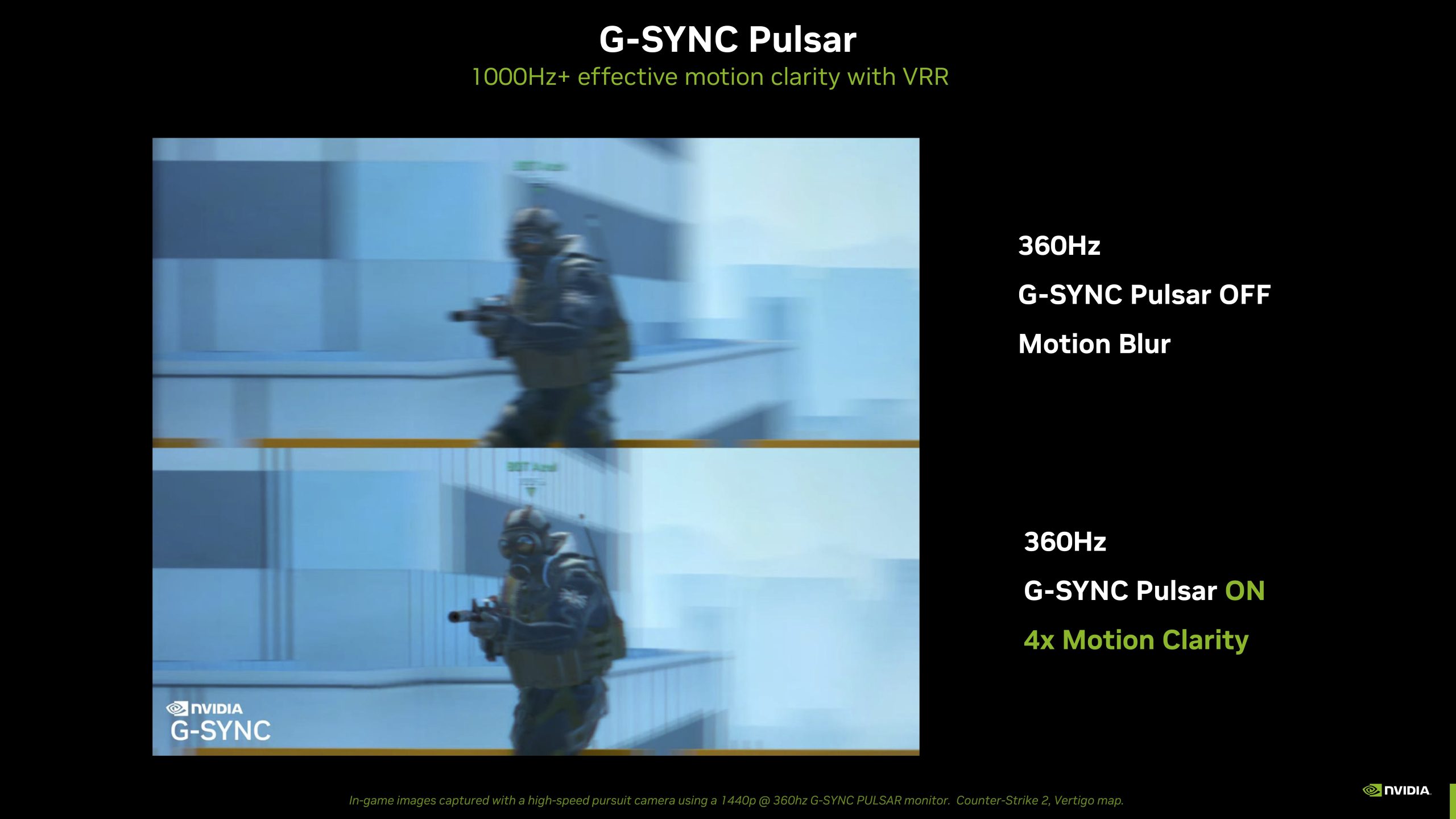
In a nutshell, Pulsar is the combination of high-tech backlight strobing and G-Sync variable refresh rate technology. While some monitors have married adaptive sync and backlight strobing together in the past, Pulsar is a much more advanced system that is designed to dramatically improve perceived motion clarity throughout the VRR window.
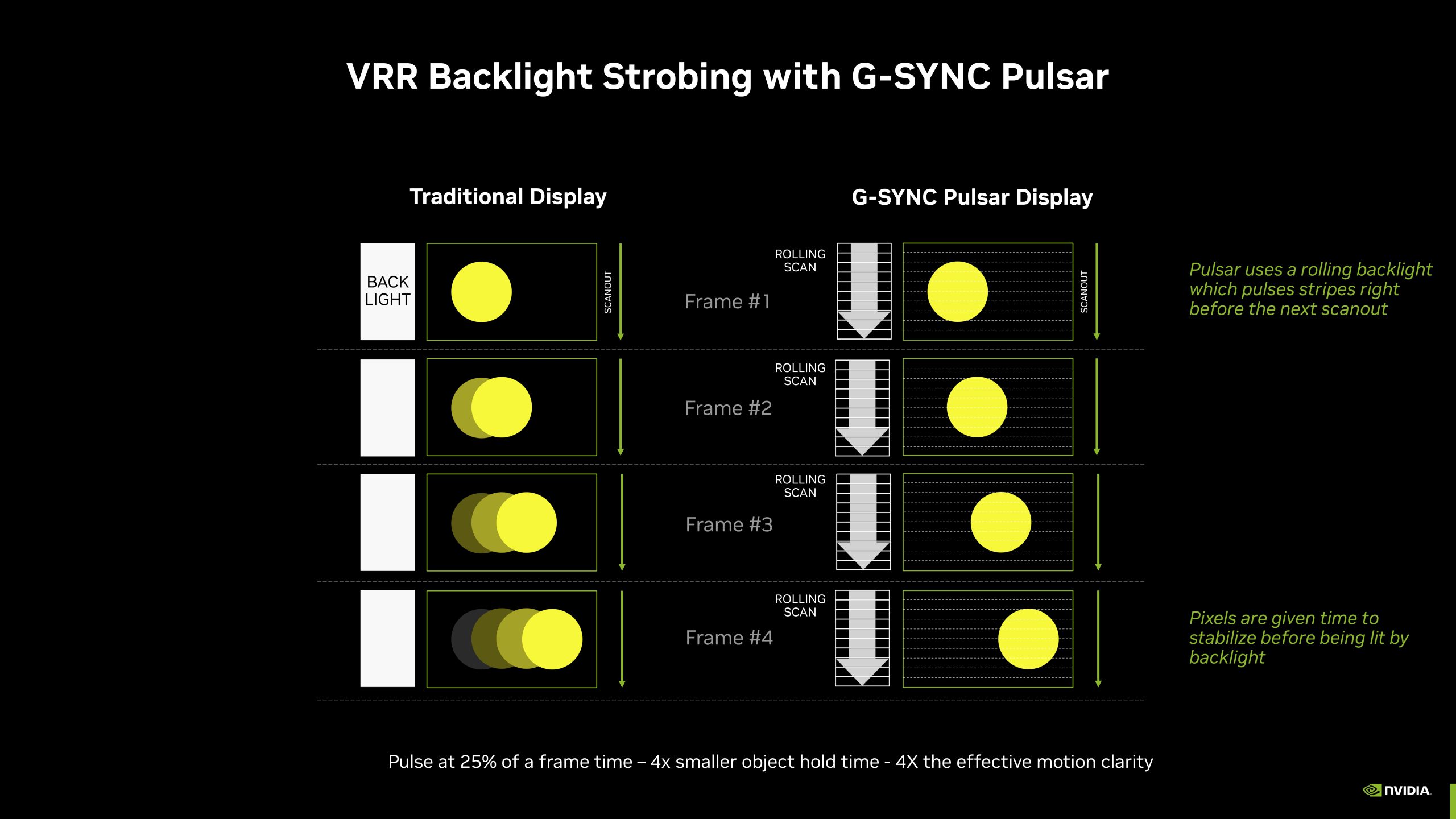
At its most basic level, backlight strobing works by reducing the amount of time each frame is visible. With Pulsar, Nvidia says that the backlight is only pulsed for 25% of the frame time, meaning each image is only briefly illuminated once the pixels have fully settled. In theory, that 1/4 frame visibility translates into 4x lower persistence, and this is how the company claims ‘1000Hz+ effective motion clarity'.
The G-Sync integration is the added secret sauce. More basic backlight strobing implementations typically run at fixed refresh rates and fire the backlight at a fixed point in the refresh cycle, regardless of how long the GPU took to deliver the frame or how well the panel transitions have completed. That leads to the usual strobing artifacts we're used to seeing, like crosstalk, double images, and inconsistent clarity especially at lower refresh rates. Pulsar, however, is driven directly by the MediaTek scaler which now has G-Sync built in, so the display knows exactly when a frame starts, when pixel response has stabilised, and when to flash the backlight.
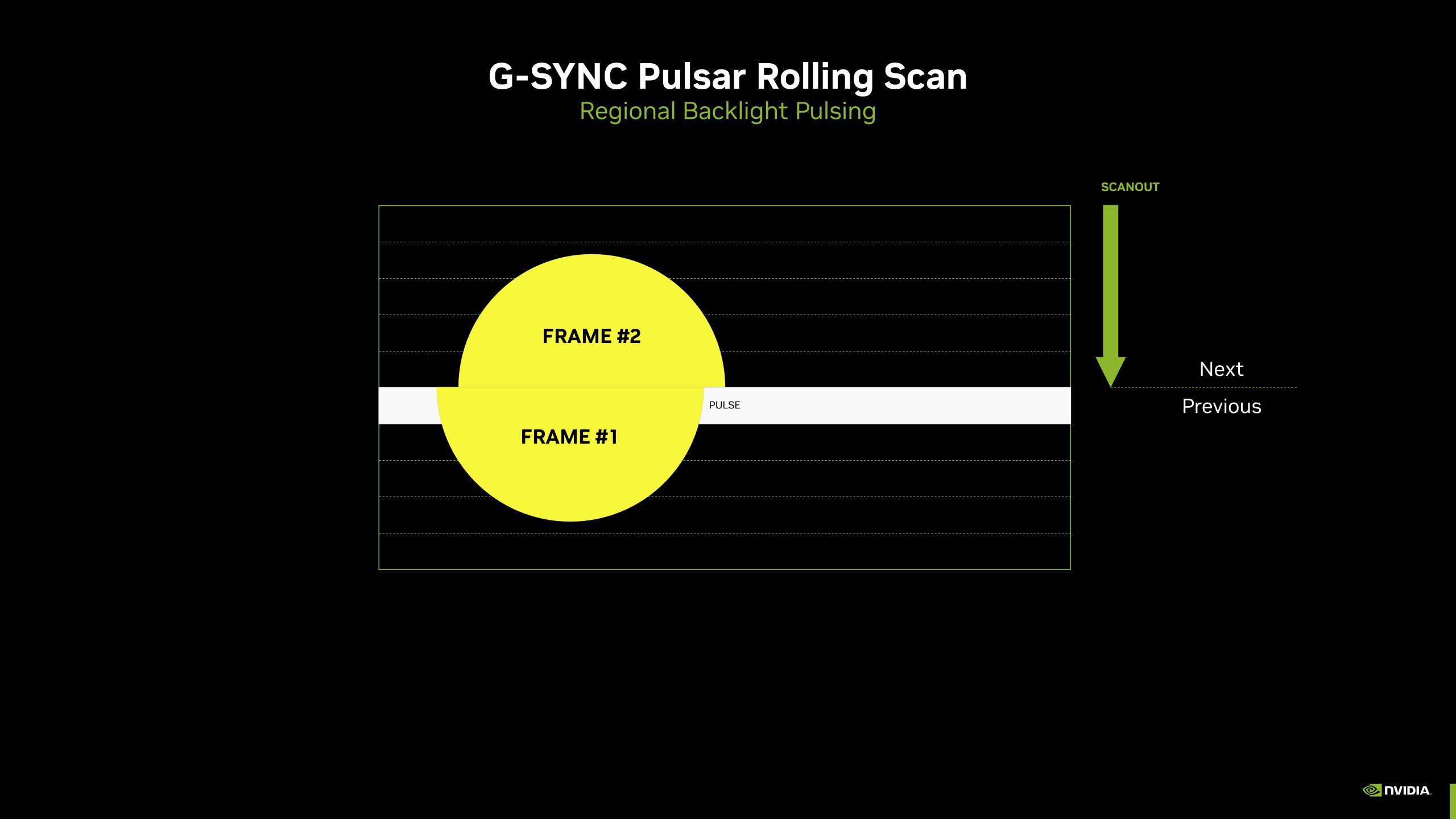
On top of that, Pulsar incorporates what Nvidia calls a ‘rolling scan'. By utilising multiple horizontal backlight strips that can be pulsed independently, Pulsar strobes different sections of the panel sequentially, rather than the whole panel being strobed at once. This should lead to dramatically reduced crosstalk and consistent clarity from top to bottom, something that isn't true for previous backlight strobing implementations.
Valve continues unwaveringly on its course. Proton 10.0-4 is a new stable version of the compatibility layer that makes Windows games run on Linux and is much more than a routine maintenance update. It is another step in a long-term strategy that aims to gradually make Windows obsolete as a mandatory gaming platform without openly […]
The generational change in mobile processors marks a strategically important moment for Intel. With Panther Lake, the company is introducing a completely redesigned hybrid architecture based on the 18A manufacturing process for the first time, combining Cougar Cove performance cores with Darkmont efficiency cores. While previous generations focused primarily on clock frequencies, core counts, or […]
Emails are one of the invisible constants of everyday digital life. Hardly anyone enjoys checking their inbox, yet it is the central hub for online identities, contractual relationships, administrative procedures, and personal communication. Over the years, highly sensitive information accumulates there, from private messages and invoices to password resets. This makes it all the more […]
The rediscovery of a freely accessible database containing around 149 million stolen usernames and passwords dramatically illustrates how fundamentally the threat landscape in the digital space has changed. The incident came to light after a security researcher identified the unprotected database and informed the hosting provider, whereupon access was shut down. The sheer volume of […]
On paper, Windows 11 is not a slow operating system. It has modern schedulers, good SSD support, and solid multicore scaling. And yet, many users are left with an uneasy feeling: some menus open with a slight delay, context options seem sluggish, and dialog boxes take a moment too long. It’s not a disaster, but […]
BamBuddy is not just a nice craft project, but a clear challenge to Bambu Lab’s cloud-centric ecosystem. While the manufacturer consistently pushes its users toward always-on cloud, MakerWorld integration, and mandatory accounts, BamBuddy takes the opposite approach. Local, controllable, traceable. No dependence on third-party servers, no black box processes, no silent policy changes overnight. The […]
Introduction and unboxing I had known for quite some time that I definitely wanted to test a keyboard from Mode Designs. So I was all the more delighted to finally have the opportunity to set up the Mode Envoy, one of the manufacturer’s best-known 65% keyboards, and try it out in everyday use. In addition, […]
With its latest TR300 Series TG (and WS) cases, Thermaltake includes a 6-inch 1480 x 720 display for users that want to take their customization to the next level. We've seen case mods integrate mini-monitor before, and ASRock even sold an entire 1080p monitor made to be attached to your case, but this is one of the more practical solutions
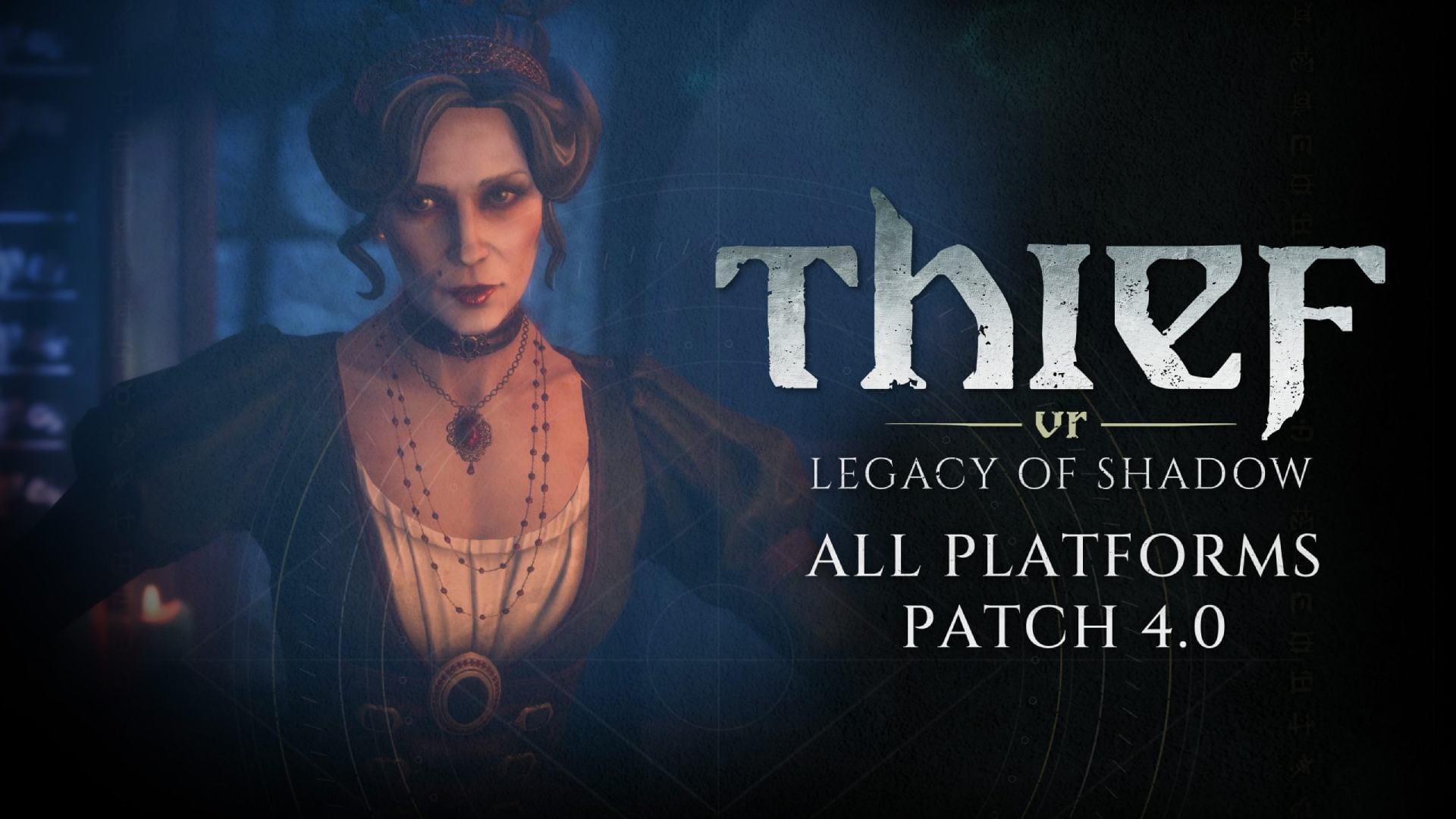
In its fourth major update since release, Thief VR: Legacy of Shadow refines its gameplay mechanics for a smoother experience.
Available now on all major platforms, Thief VR: Legacy of Shadow launched its 4.0 update, focusing on refining the gameplay experience for an overall smoother feel. As its 3.0 patch was released just shy of two weeks ago, it is clear developer Maze Theory and publisher Vertigo Games are on top of things, quick to apply any feedback shared to deliver a better game. Other improvements include more flexible customization options for the Steam version, such as higher-quality dynamic shadows and character models, and general quality-of-life bug fixes.
One of the flagship upgrades to this new patch is revamped crouch mechanics. As a marquee ability, players are supposed to spend a lot of time doing so while hiding in the shadows. While never broken since its initial release, it did feel that certain aspects of the game could have done with more time in the oven, as we mentioned in our review: “Sometimes objects fail to load in properly, like a treasure chest going transparent whenever I face it from the front—or an entire basement visually deloading momentarily if I walk too close to an adjoining wall.”
0:00
/0:38
A gameplay video recorded by UploadVR showcasing patch 4.0.
Previous upgrades mainly brought visual improvements and continued stability to the experience. No DLC or sequel has been mentioned as yet, but this ongoing support is at least a step in the right direction.
 Connexion
 In just a matter of weeks, NVIDIA's original Shield TV console will turn 10 years old. What makes the milestone particularly remarkable is that even after a full decade of service, NVIDIA continues to dish out Android updates, and it has no plans of stopping. It's true that device makers have gotten better about longer term support for Android