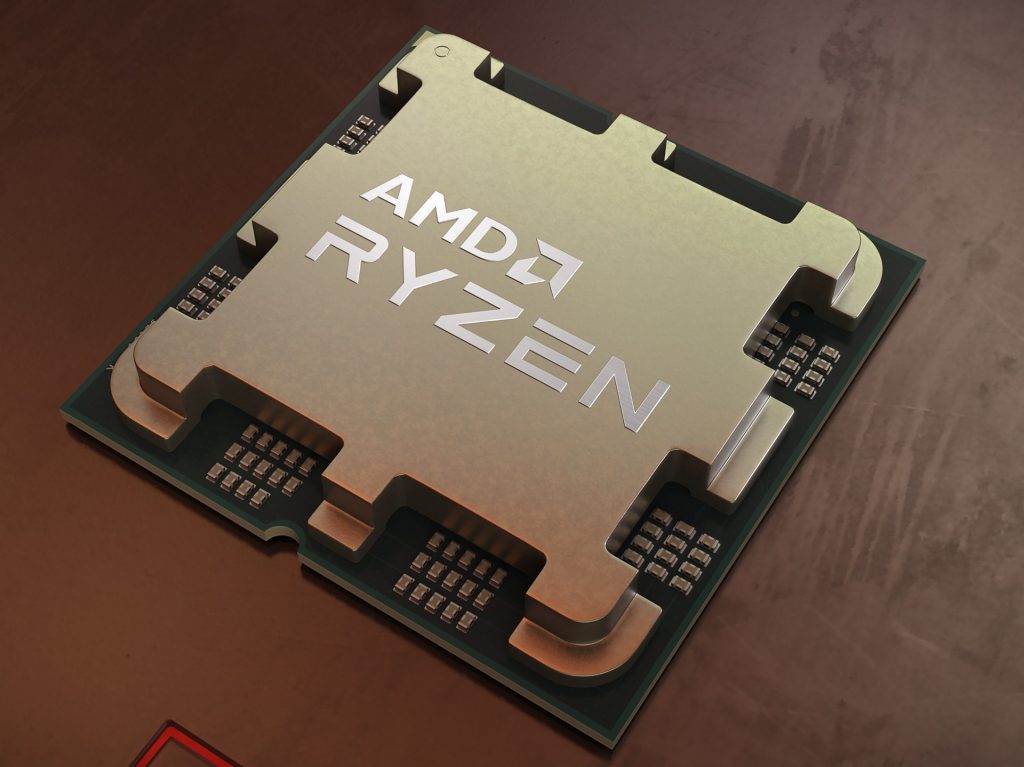
The following quotes reflect the current consensus on the AMD Ryzen 7 9850X3D and are listed individually by source. I have sorted them according to positive, neutral, and negative assessments and listed each source individually, provided that clear conclusions are available. Positive reviews pcgameshardware.de describes the 9850X3D as the fastest desktop CPU in the gaming […]
Some of you may have already heard of Moltbot or its former name, ClawdBot. However, both names are now a thing of the past, as the project has changed its name again within a short period of time and is now called OpenClaw. These frequent renamings have caused confusion among many users and, at the […]
At first glance, the idea that computer games will no longer be developed but generated in the future seems like the logical next step in the evolution of AI. After text, images, audio, and video, it now seems to be the turn of interactive entertainment. In fact, there are now systems that generate playable 3D […]
The Federal Council has approved a new law that will make it much easier to cancel online purchases and digital contracts in the future. Consumers will be able to reverse their decision within the statutory period of 14 days using a clearly visible and easily accessible cancellation button. This will put an end to a […]
Berlin-based health tech provider Recare is continuing to drive forward the use of artificial intelligence in everyday hospital life and is increasingly positioning itself as a technical infrastructure partner for administrative processes in the healthcare sector. With a new AI agent, the company aims to relieve medical and nursing staff of time-consuming documentation and coordination […]
The next generation of smartphones could mark a remarkable break with a long-established pattern. Rumor has it that Android flagships featuring Qualcomm’s Snapdragon 8 Elite Gen 6 and MediaTek’s Dimensity 9600 will be released in the same month as Apple’s iPhone 18 series. This would eliminate a key advantage that Apple has consistently exploited in […]
We review the Ryzen 7 9850X3D, alongside DDR4 and storage price analysis and head smacking moments. We also discuss GOG's Linux focus and Intel's latest financial results. Windows 11 woes, BitLocker Keys,…
When you think NVIDIA, you think "GPUs." It's easy to forget that NVIDIA's been making system-on-a-chip products for nearly 20 years; the first Tegra SoC came out in early 2008. The company's chips haven't really found their way into mainstream laptops, but that's about to change with the release of the N1/N1X processors.
Speaking to Taiwanese
Google has a deeply-vested interest in cybersecurity and unparalleled resources to take down bad actors. The latest target on Google's kill list was a malicious proxy network called IPIDEA, and through coordinated efforts inside and outside of Google's umbrella, IPIDEA has been taken down. However, cybercriminals are a notoriously resourceful
AMD’s next‑generation “Zen 6” microarchitecture may bring some notable changes, according to a new rumour shared by leaker HXL (via VideoCardz). The post claims AMD is considering increasing the core density of its standard CPU Complex Die (CCD) for the first time, moving from the long‑standing 8‑core layout to a 12‑core configuration. The same rumour also mentions a shift to TSMC’s latest process node and a larger L3 cache per CCD.
HXL claims that the new Zen 6 CCDs are full-performance cores designed to maintain high clock speeds, effectively giving the mainstream AM5 platform a 50% boost in multi-core processing power per chiplet. HXL also claims that the increased core count would be enabled by higher transistor density from TSMC’s rumoured N2 (2nm) process.
Cache capacity is also part of the rumour. The L3 cache per CCD is said to increase from 32MB to 48MB, and when paired with a stacked 96MB V‑Cache layer, a single Zen 6 CCD could reach 144MB of L3 cache. Under this scenario, a dual‑CCD, 24‑core CPU might offer up to 288MB of total L3 cache. None of these numbers have been verified by AMD.
KitGuru says: A move to a 12‑core CCD would be a major shift. If AMD were to release a single‑CCD, 12‑core X3D model, it could avoid the scheduling quirks seen on dual‑CCD parts like the 7950X3D while offering more cores than today’s 8‑core gaming‑focused chips. For now, though, all Zen 6 details should be treated as unconfirmed.
A new rumour circulating on the Board Channels forum suggests Nvidia may be shifting its supply strategy for the GeForce RTX 50 series. According to the post, rising VRAM costs could be pushing the company to prioritise lower‑capacity models.
According to a Board Channels Forum user (via VideoCardz), 8GB versions of the RTX 5060, RTX 5060 Ti and the 12GB RTX 5070 may account for as much as 75% of total GPU shipments for the quarter. It is implied that this is due to price hikes around memory, brought about by booming AI data centre demand.
If accurate, Nvidia may be aiming to remain competitive with AMD's 16GB GPUs by maintaining a steady supply of RTX 5070 GPUs. While AMD has reportedly prioritised these 16GB cards due to their stronger market appeal, Nvidia's claimed focus on 8GB and 12GB variants suggests it is leaning into volume over VRAM capacity.
KitGuru says: Do you think the memory, SSD and GPU markets will bounce back for consumers this year?
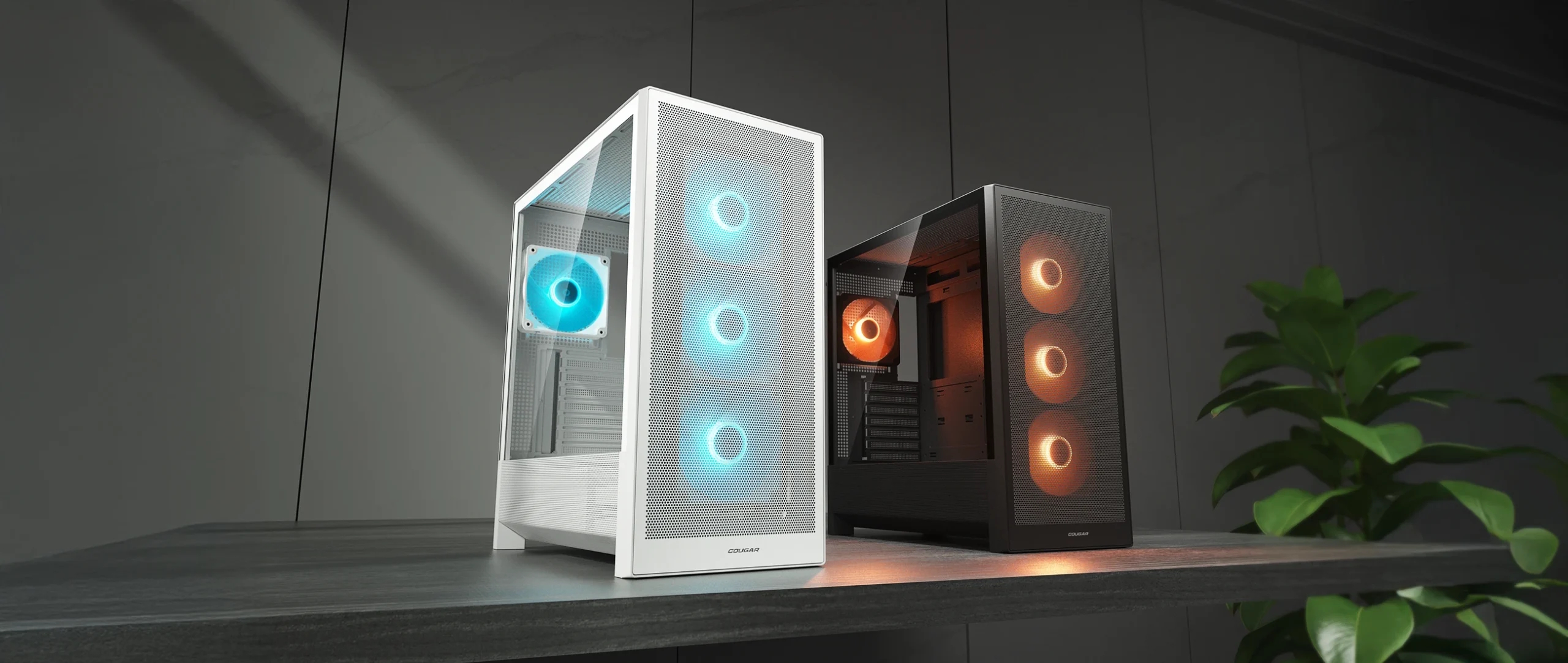
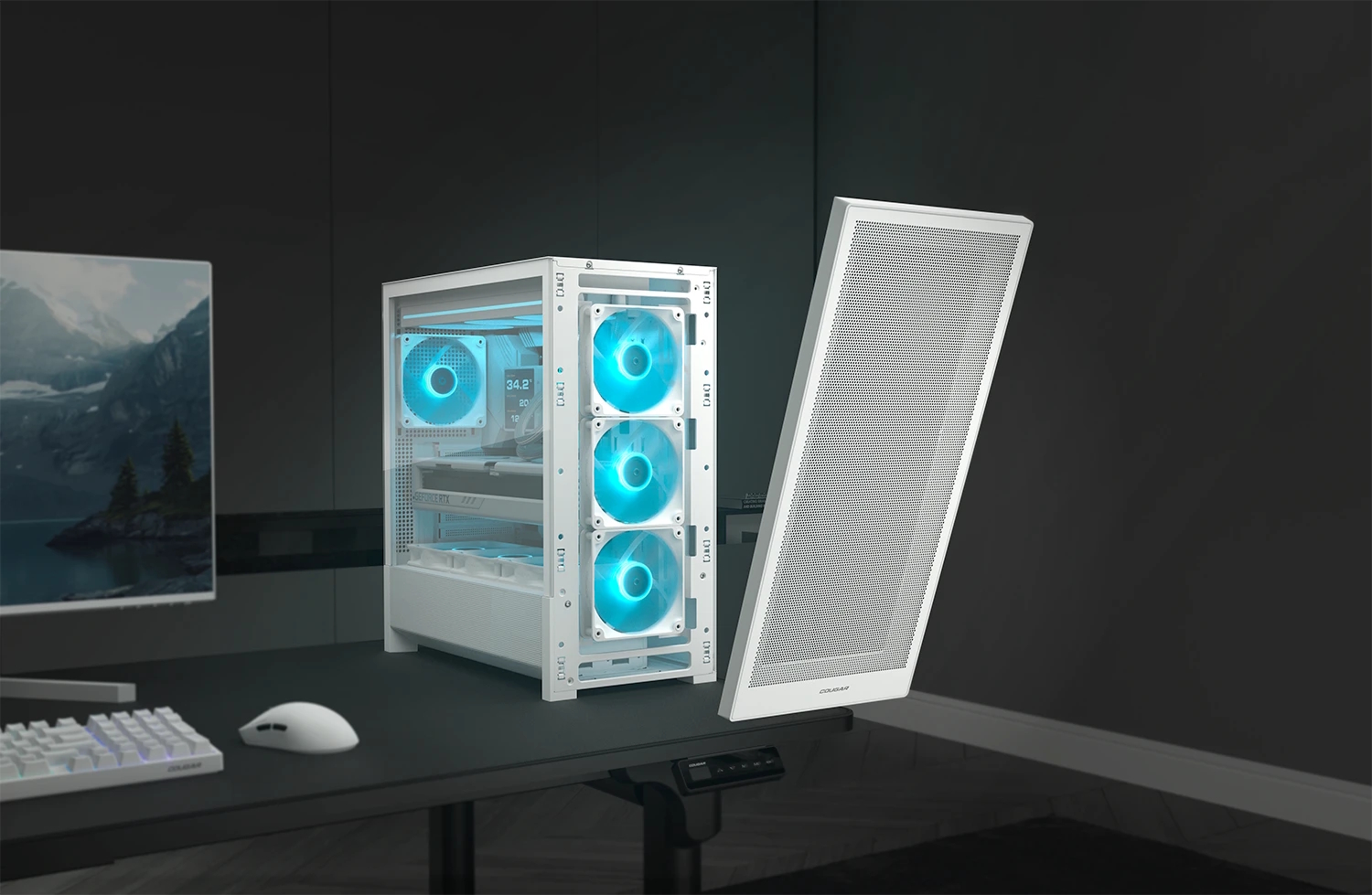
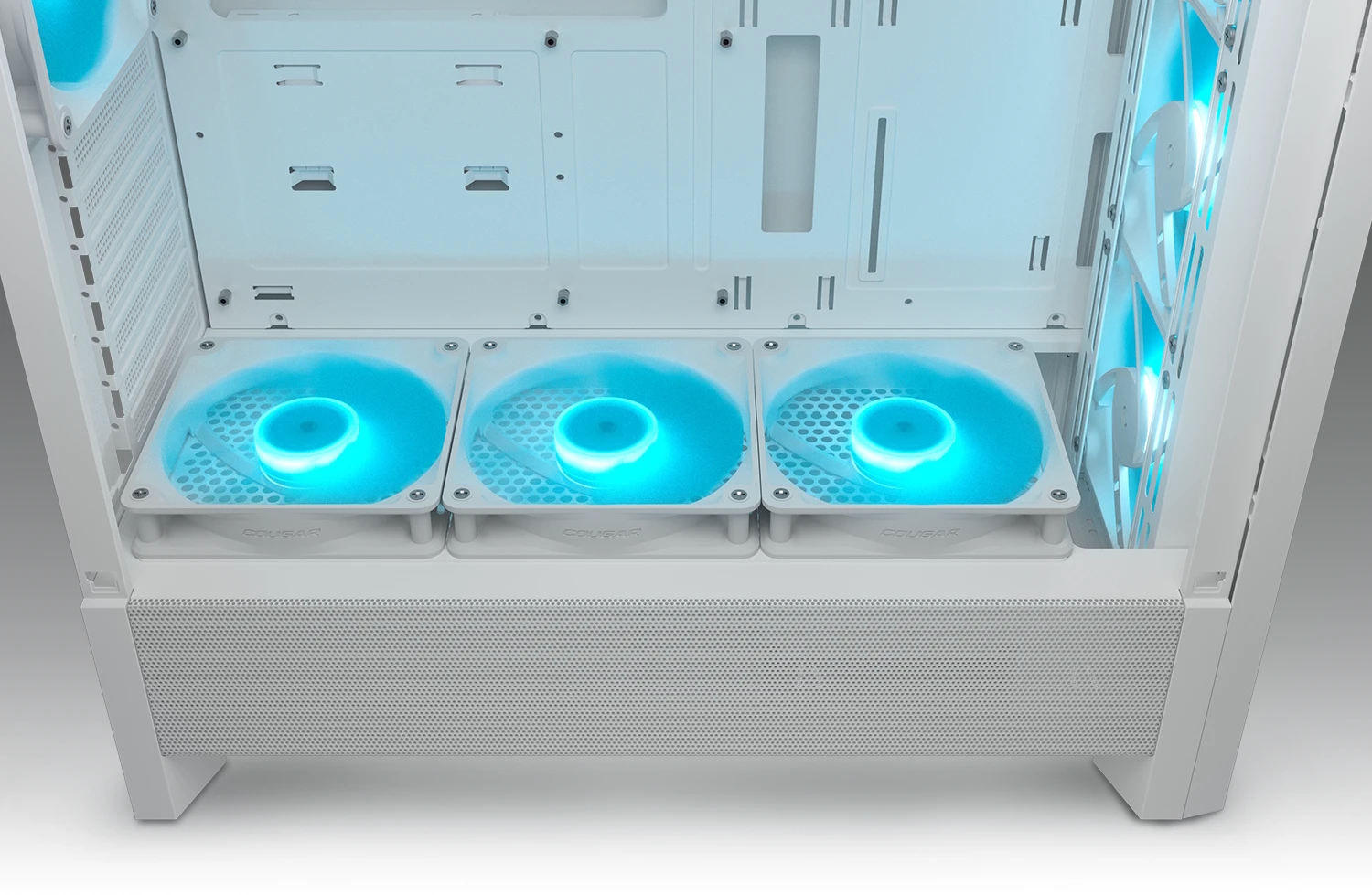
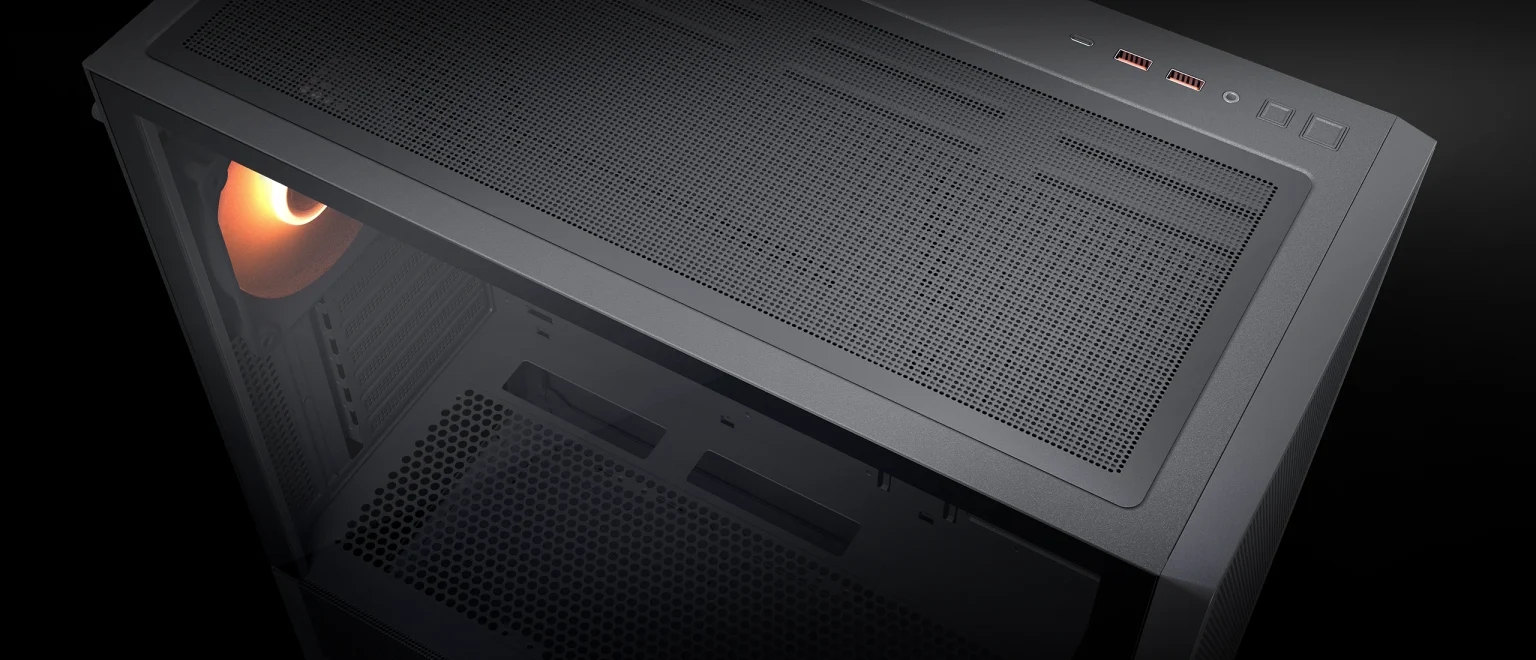
Cougar has officially unveiled the MX230 RGB, a mid-tower chassis that prioritises thermals over the “fish tank” aesthetic trend. The MX230 focuses on airflow, featuring a front mesh panel and an angled mesh bottom panel. This “airflow-first” philosophy aims to create a vertical thermal column that delivers fresh air directly to components, a departure from the side-heavy glass layouts that have dominated in recent years.
The MX230 RGB (via CowCotland) stands out with its triple-fan-capable PSU shroud, which can accommodate three 120 mm fans. This design is engineered to provide ample cabling clearance, ensuring that intake air is not choked by internal hardware. Out of the box, the MX230 is equipped with four 120 mm ARGB fans (three front, one rear), but it supports a maximum of 10 fans. For liquid cooling enthusiasts, the top panel supports radiators up to 360 mm.
Despite its compact dimensions (475 x 220 x 445 mm), the MX230 offers flagship-tier compatibility. It supports E-ATX motherboards, 170 mm tall CPU coolers, 200 mm long PSUs, and graphics cards up to 400 mm long. Additionally, the case supports 2 x 3.5″ HDDs or 1+1 2.5″ SSDs.
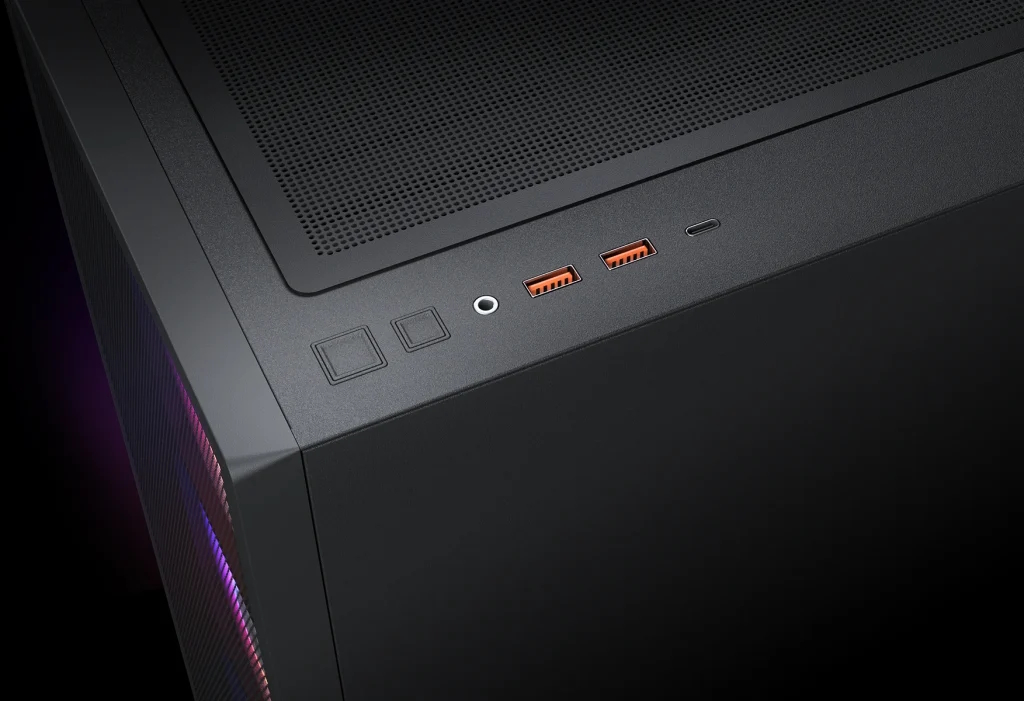
Builders will appreciate the tool-less maintenance offered by the snap-fit metal front panel and the high-speed connectivity of the front I/O, which includes a USB-C 3.2 Gen 2 (10Gbps) port. The case will be available in black and white.
KitGuru says: Although simple, the MX230 RGB looks quite nice and offers pretty much everything (and a bit more) the average PC gamer needs from a case.
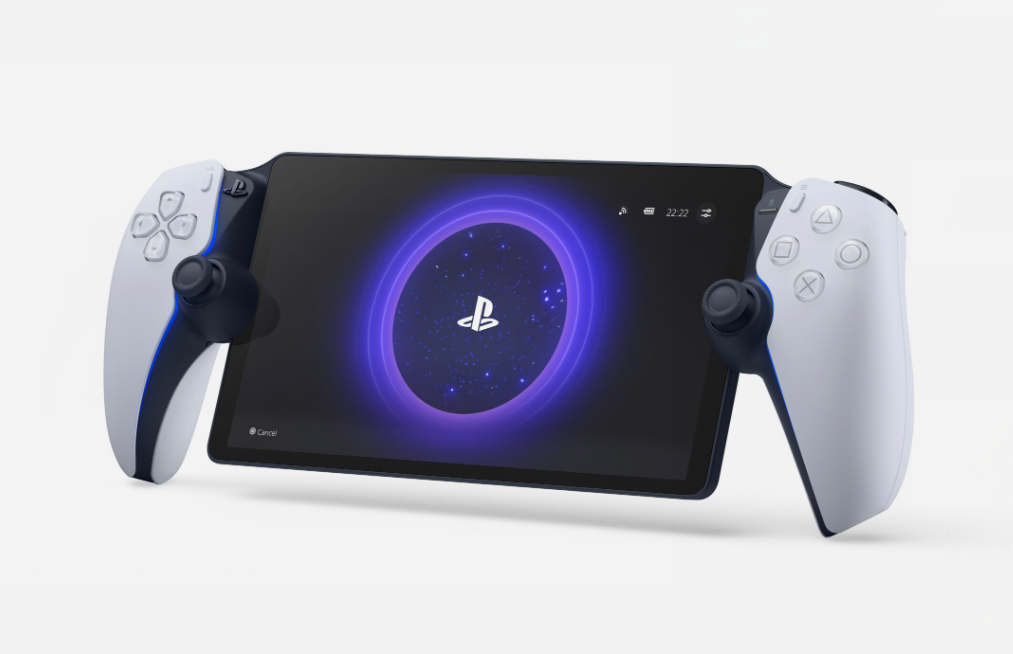
Sony appears to be aggressively repositioning itself in the portable gaming market for 2026. According to recent leaks, the company is preparing a two-pronged approach: a near-term OLED refresh of the existing PlayStation Portal and a much more powerful gaming handheld powered by AMD's RDNA 5 graphics.
The report comes from Kepler_L2 (via r/GamingLeaksAndRumours), who states that the PlayStation Portal OLED is expected to launch in 2026. While internally similar to the current version, the move to an OLED panel addresses the primary criticism of the original's LCD screen, black levels and contrast. Following the recent software update that enabled cloud streaming for the Portal, the hardware refresh marks Sony's intent to turn the device into a more premium “cloud-first” companion.
However, the real excitement lies with Sony's upcoming handheld console, also referred to in previous reports as Project Canis. This long-rumoured device is expected to be a native powerhouse rather than a streaming peripheral. This console is expected to be powered by AMD's next-gen RDNA 5 (potentially branded as UDNA), LPDDR5X memory, and a low-power target (something like 15W TDP), optimising it for portable battery life.
As you may have heard, Sony has reportedly added a mandatory “low power mode” to PlayStation 5 development kits. This would allow developers to easily scale existing PS5 titles to run natively on the handheld's hardware. While the native handheld is likely to launch closer to the PlayStation 6, the OLED Portal refresh will act as a bridge, keeping Sony's foot in the door of the handheld market throughout 2026.
KitGuru says: Do you already have a Portal console? Would the upcoming OLED version convince you to buy one?
Are you ready for some football?! The Super Bowl featuring New England Patriots (woohoo!) and Seattle Seahawks (boo!) is just a week away, and if you want to hear every bone-crunching hit, you'll want to ditch your TV's wimpy built-in speakers for a discrete audio setup. You don't have to break the bank, either, not when there are several
Philips Evnia is laying claim to what it says is the world's first dual-mode gaming monitor to hit a blistering-fast 1,000Hz refresh rate. While HKC may take umbrage with the claim, Philips Evnia's new flagship 27M2N5500XD is certainly in an elite class, one that will likely grow in number as time goes on but, for now, stands out from the
The fifth calendar week of 2026 illustrates with particular clarity that the security policy reality of digital infrastructures is increasingly diverging from the officially communicated targets. While strategic papers, digitization programs, and cloud strategies refer to a high degree of resilience and control, operational practice once again paints a different picture. Leakwatch does not view […]
The Windows update KB5074109, which Microsoft distributed at the end of January 2026, is causing significant performance issues in games on systems with Nvidia GeForce graphics cards for many users. Originally declared as a routine security and stability update for Windows 11 (24H2/25H2), the patch is now the subject of massive complaints from the community, […]
With the release of FritzOS 8.20 and hotfix version 8.21, manufacturer AVM is expanding the supply of the latest firmware to several routers. Three additional models from different connection classes are affected. The fiber optic Fritzbox 5690 and the DSL Fritzbox 7690 will receive FritzOS 8.20, while the cable-based Fritzbox 6670 Cable will be equipped […]
With RTX Remix Logic, Nvidia is unlocking the next stage of its Remix platform, addressing a key problem in the modding scene: dynamic effects without access to the game’s source code. Announced at CES 2026, it is now officially available and marks a clear shift in strategy away from pure graphics upgrades toward logic-driven scenarios. […]
Apple achieved new records in sales and profits during the traditionally strong Christmas quarter. This was largely due to high demand for the current iPhone 17 model series, which proved to be a key growth driver in the important year-end business. The group grew significantly both operationally and financially, exceeding the expectations of the financial […]
For years, Elon Musk has been promoting the humanoid robot Optimus as the next game changer in the industry. Autonomous, capable of learning, suitable for mass production—that was the narrative. Optimus was supposed to not only reduce production costs, but also replace human labor in factories in the long term. Now, at the beginning of […]
The InWin Shift is completely open and a perfect home for components with an exhibitionist bent. It's also great for modders and those that test a variety of hardware and need easy…
The vast majority of IoT devices, from webcams to toasters get abandoned a few years after their release and often without any notification to the owners of the devices. This means that…
With Horizon OS v85 PTC, Quest 3 can turn any surface into a virtual keyboard, and Meta says you can remap the Quest 3S action button.
The Public Test Channel (PTC) is the beta release channel of Quest's Horizon OS. If you opt in, your headset receives a pre-release build of each upcoming version.
Note that there are often features in the eventual stable version not present in the PTC, and occasionally (but rarely) features or changes in the PTC don't make it to the stable version.
Here are 2 key features Meta is testing in Horizon OS v85 PTC:
Surface Keyboard
Text entry is a notorious challenge for XR devices when you're not carrying a connected Bluetooth keyboard.
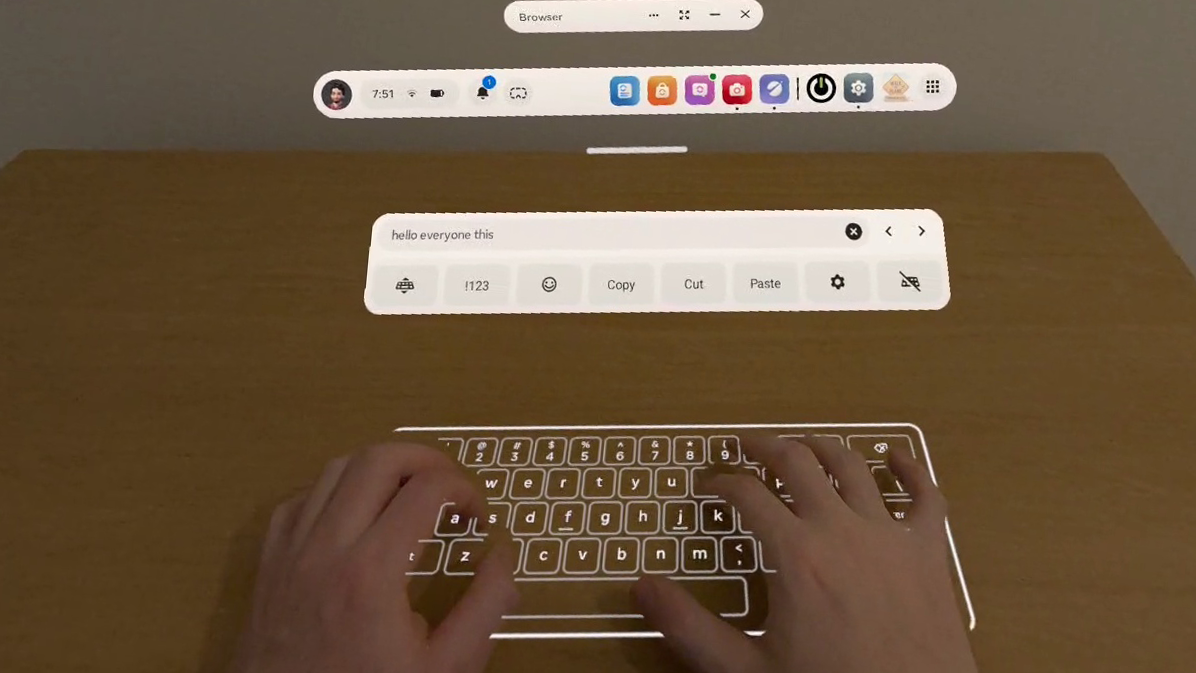
Exclusively available as an experimental feature on Quest 3, and not the cheaper Quest 3S, Surface Keyboard adds a virtual keyboard on top of any surface, such as a table or desk.
To set it up, you place your hands flat on the table where you want the keyboard to be positioned, and a few seconds later it spawns. This is the height calibration step.
0:00
/1:05
UploadVR testing the Horizon OS v85 PTC Surface Keyboard.
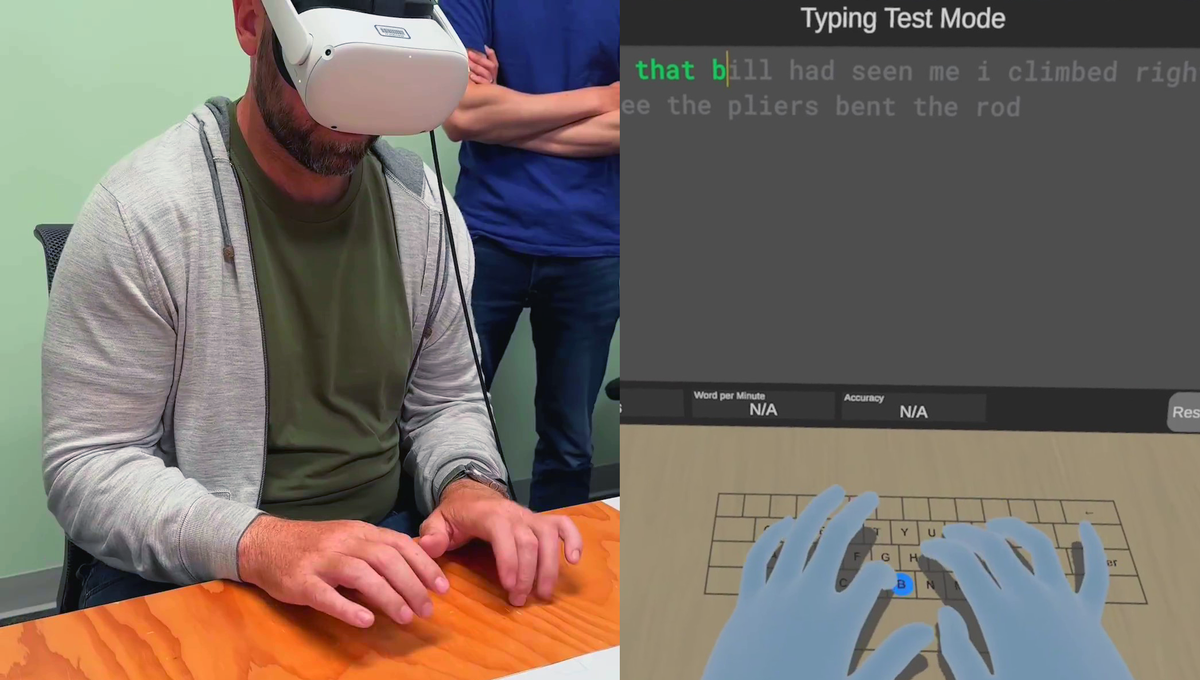
Testing Surface Keyboard out for the first time, as you can see in the video below, I found it to be remarkably accurate. The ability to rest my hands makes it far preferable to a floating virtual keyboard, and I can type far faster already.
For me, and on the current build at least, it only shows up in the Horizon OS home space, passthrough or virtual. Meta has an API for developers to use the floating keyboard, and we'll keep an eye out for any signs of a similar API for Surface Keyboard when the feature launches to the stable channel.
Meta has been researching this technology for at least six years, and executives showed off a well-along prototype in 2023, with Mark Zuckerberg claiming he could reach 100 words per minute. However, that prototype required a tracking marker tag on the table, as could be seen in the clips Meta shared at the time. And the company didn't disclose the error rate of the prototype.
Then, in 2024, researchers from Meta and ETH Zurich said that they had solved the problem of turning any surface into a keyboard, without markers, by combining a neural network that predicts touch events with a language model.
Meta hasn't said whether this research is what led to the shipping feature, but it seems likely to at least be related.
You can find Surface Keyboard in the Advanced settings on Horizon OS v85 if you have a Quest 3.
It's unclear why the feature isn't (yet) available on Quest 3S.
Remap Quest 3S Action Button
While Quest 3S doesn't currently have the Surface Keyboard feature, it does get its own new exclusive feature in Horizon OS v85 PTC, according to Meta.
Quest 3S has an 'Action Button', which, since the headset launched, has served one function: toggling passthrough. Press it while in a VR game and the game will pause and you'll see the real world. It's essentially a "pause VR, I need to see my surroundings" button.
Now, with v85 PTC, Meta says that Quest 3S owners can remap the Action Button.
Our Quest 3S does not yet have v85 PTC, so we don't yet know what it can be remapped to. If you have a Quest 3S running Horizon OS v85 PTC and have this ability, please let us know in the comments below.
Navigator Set To Be Default & Horizon Feed Removed
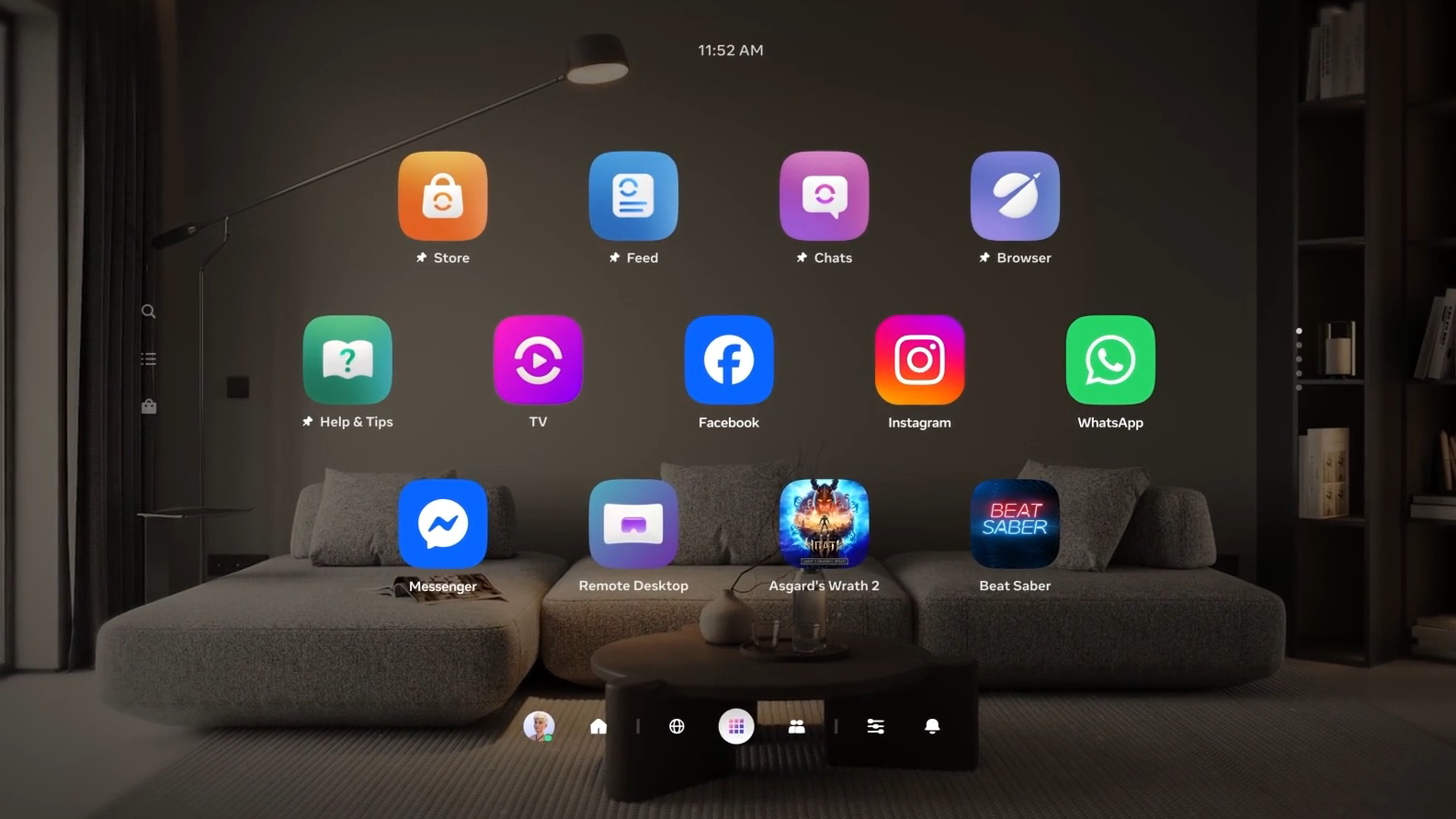
If you missed it, earlier this week we reported Meta's announcement that "starting" in Horizon OS v85 stable, the new 'Navigator' UI will become the default, and, separately, the Horizon Feed will be removed.
 Connexion