Connexion
DC Byte analysis warns the era of ‘cheap and abundant RAM’ is over

The era of cheap, abundant RAM is ending, according to new analysis from data‑centre intelligence firm DC Byte. The analysts say memory prices are rising, availability is tightening, and AI workloads are now dictating how global supply is allocated, although consumer-facing companies can combat this with longer life cycles, software optimisation and careful planning.
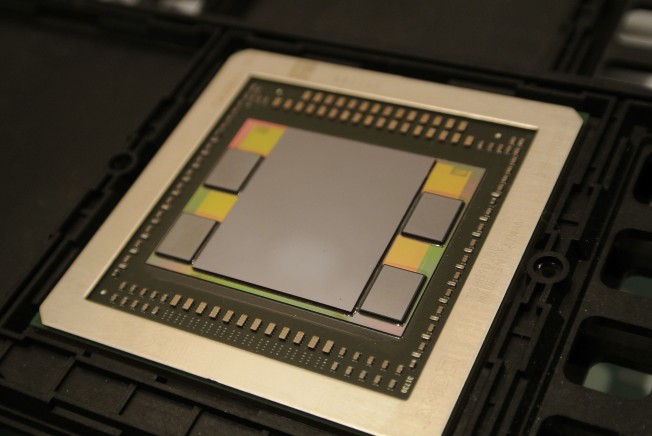
DC Byte argues the core issue isn’t a shortage of factory capacity but a deliberate industry pivot. Manufacturers are shifting production away from DDR5 and toward High Bandwidth Memory (HBM), which has become essential for AI accelerators. HBM requires more complex packaging and consumes significantly more wafer capacity, reducing the volume of traditional RAM available to the wider market. We have already seen at least one example of this shift in the market, as Micron confirmed a short while ago that it would be killing off its consumer facing brand and moving more towards supplying data centre customers.
The surge in AI demand has also led to large operators securing multi‑year supply agreements that insulate them from volatility. DC Byte points to major hyperscale projects like OpenAI’s Stargate as examples of deployments capable of absorbing a substantial share of global memory output. The end result is less supply to go around for consumer-oriented tech products.
The analysis suggests that companies may need to shift their planning for future product cycles. Memory procurement is now a strategic risk factor and reduces the margin for error. Architectural decisions may need to be made earlier and companies may face less predictable volumes.
The RAM situation may ease eventually though. Right now, the industry is in a transition period but as the number of HBM production lines increases, the squeeze may ease up on memory typically destined for the consumer market. Companies can also adapt to the new reality by focusing on software efficiency to extract as much value out of its chips as possible. The days of throwing more RAM at a problem might be over, but software developers can navigate this as they have in years past.
That last note could be of particular importance in the gaming market. Over the past few hardware generations, developers have relied less on careful memory management within games as graphics cards and video game consoles continued to up the ante with plentiful memory resources. Moving forward, developers may need to tighten things up, as 8GB GPUs and lower capacity memory kits become the norm.
KitGuru Says: While there aren't a lot of positives to be found amid rising component costs, longer life cycles of current technology could lead to less FOMO-driven upgrades and a greater focus on software optimisation from developers could be hugely beneficial as well. Perhaps Windows developers will finally cut out some bloat and game developers will stop asking for endless amounts of video memory to achieve smooth performance.
The post DC Byte analysis warns the era of ‘cheap and abundant RAM’ is over first appeared on KitGuru.