George Washington never binged-watched a TV series on a big and glorious OLED display, but you certainly can. Upgrading to an OLED TV doesn't have to put a big hit on your bank account, either. Best Buy is serving up discounts on whole bunch of OLED TVs in its Presidents' Day sale, with savings of up to $1,300 off the suggested pricing.
Samsung's
Attention all Chrome users, Google is rolling out an emergency patch to address a high-severity zero-day security flaw in the world's most popular browser (by market share), and it's not one you want to ignore. That is because Google confirmed attackers are actively exploiting the flaw in the wild, making it an actual threat rather than a
There has been considerable chatter over the past several months about Apple releasing a lower-cost MacBook, perhaps in an attempt to combat the growing army of budget Windows laptops and Chromebooks. If such a thing comes to fruition, there will obviously need to be concessions made to lower the cost, but the overall design could end up being
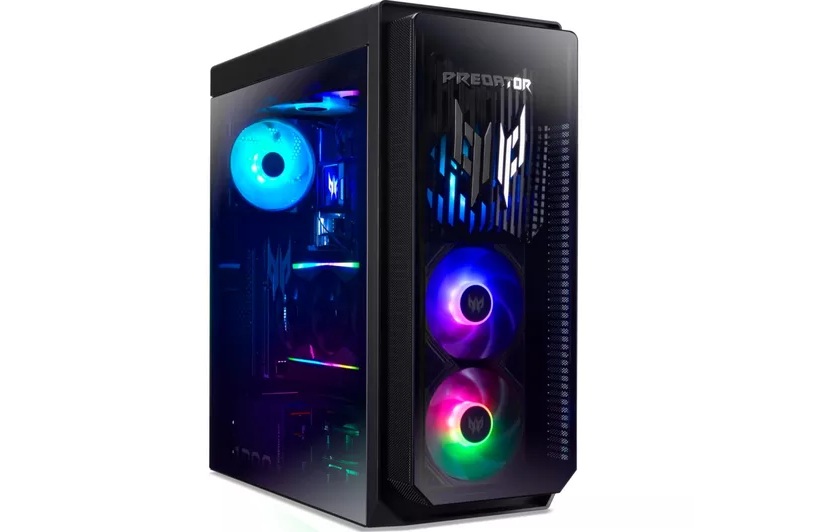
At the latest IEM Katowice tournament, Acer provided competitors with Predator Orion 7000 gaming PCs to play on. Now that the event has come to an end, Acer is now shipping this PC to the masses with stock now available throughout the UK.
The Acer Predator Orion 7000 is a prebuilt PC built for high-performance gaming, packing an Intel Core Ultra 7 processor, along with an Nvidia GeForce RTX 5080 GPU. With this combination, you'll have more than enough horsepower to drive games at ultra-fast frame rates, even at resolutions as high as 4K. The PC also boasts high-end cooling, thanks to its unique CycloneX 360 triple fan array and AIO liquid cooler.
Other important specs include 32GB of DDR5 memory, a 2TB M.2 SSD, support for WiFi 7 and Gigabit Ethernet, and customisable RGB lighting, which can be controlled via Acer's PredatorSense control centre.
For a limited time, any UK buyers picking one of these up can also claim £139 in free gaming accessories, so you can get a full peripheral set-up to go with your new rig. The Acer Predator Orion 7000 is in stock now at Curry's, priced at £3,299.
KitGuru Says: Are you in the market for a new prebuilt gaming PC?
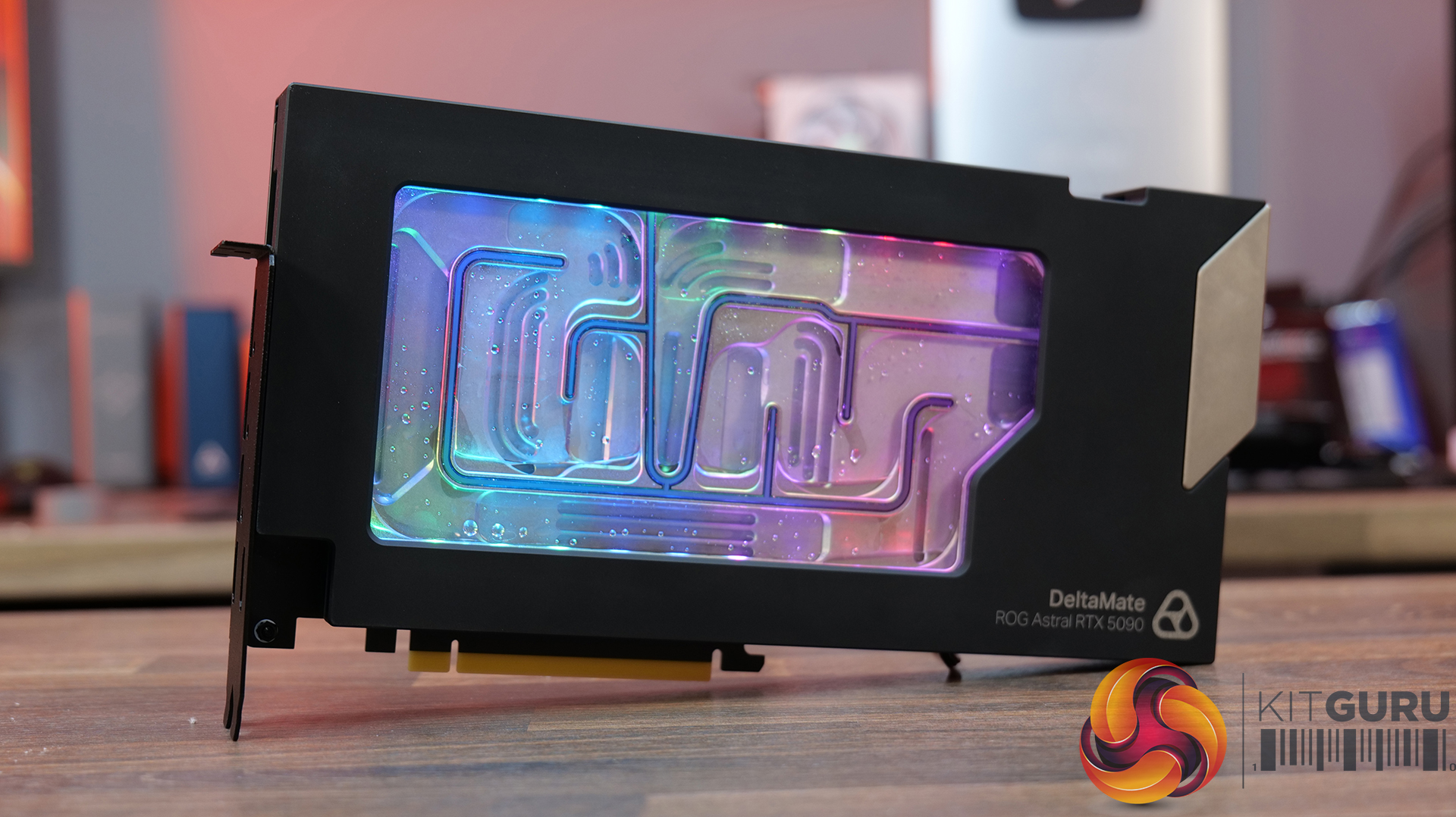
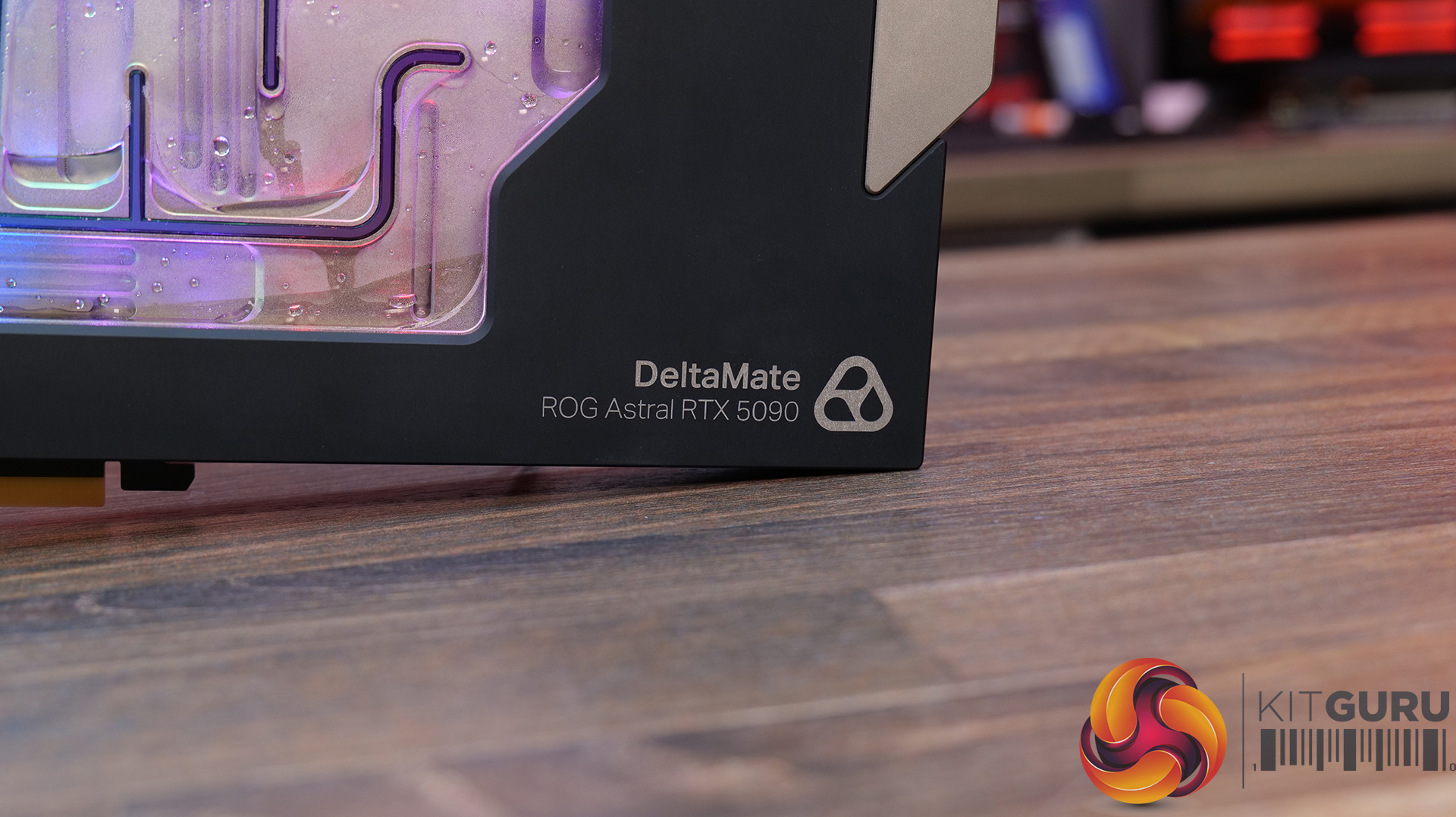
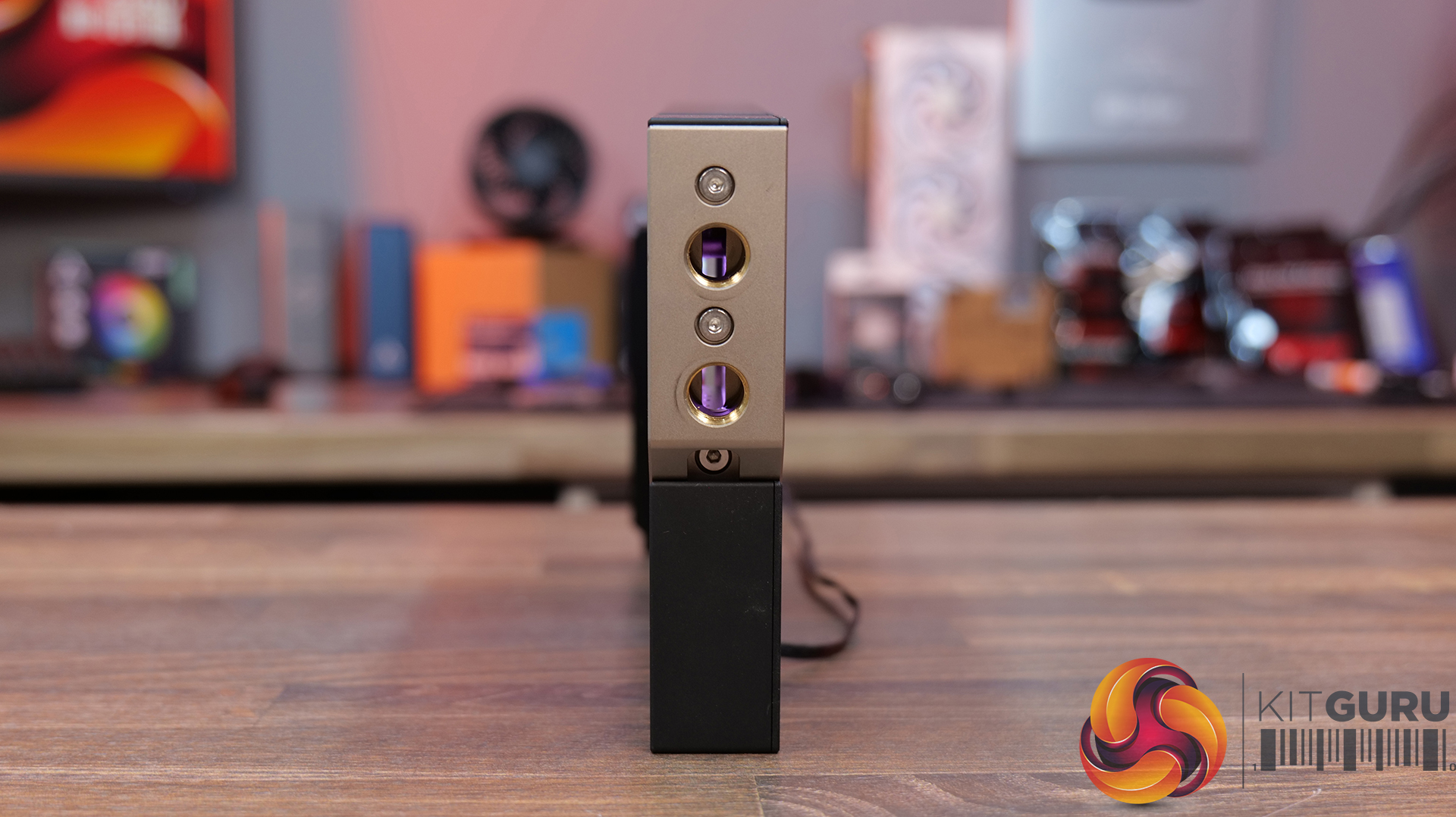
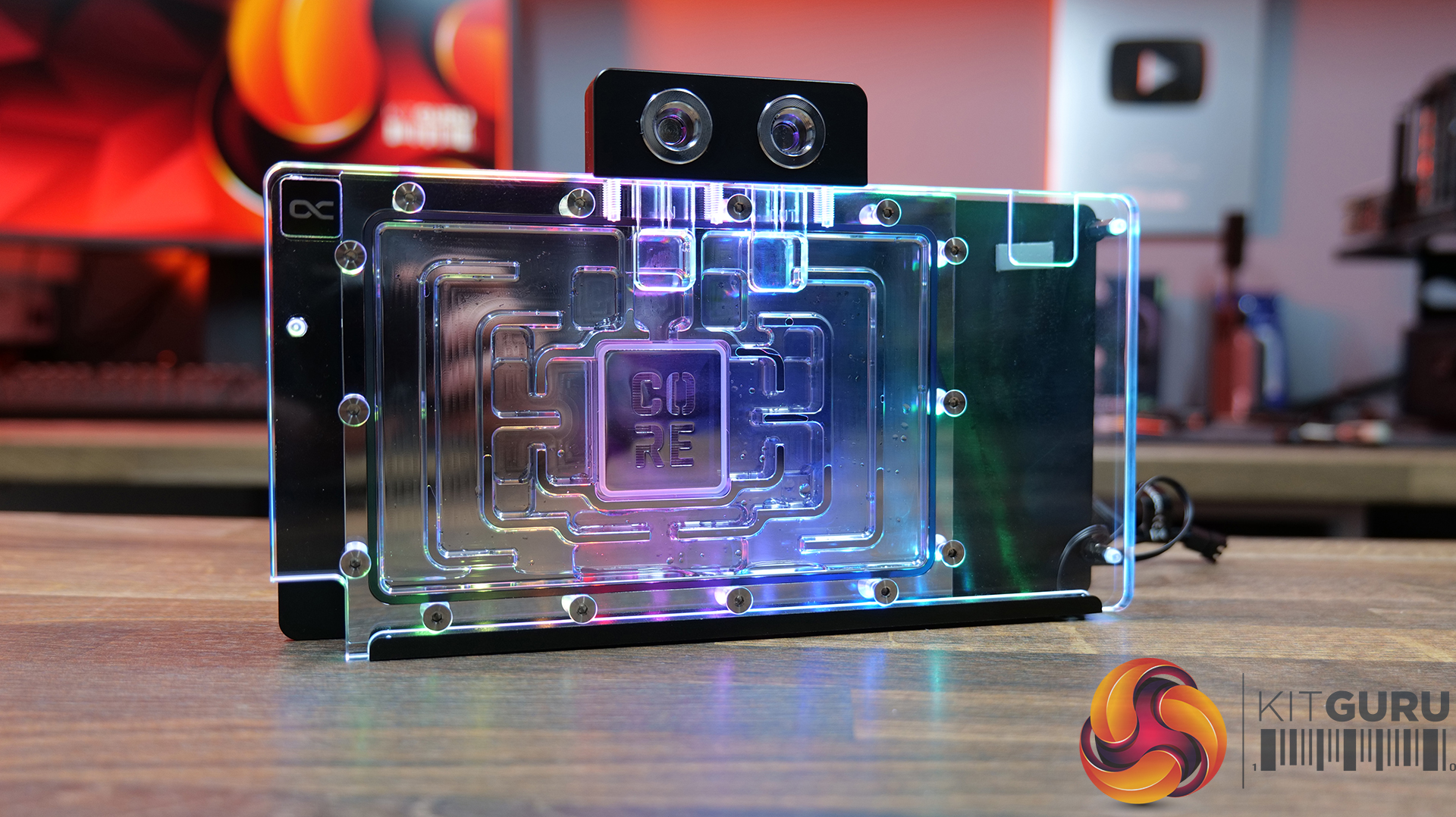
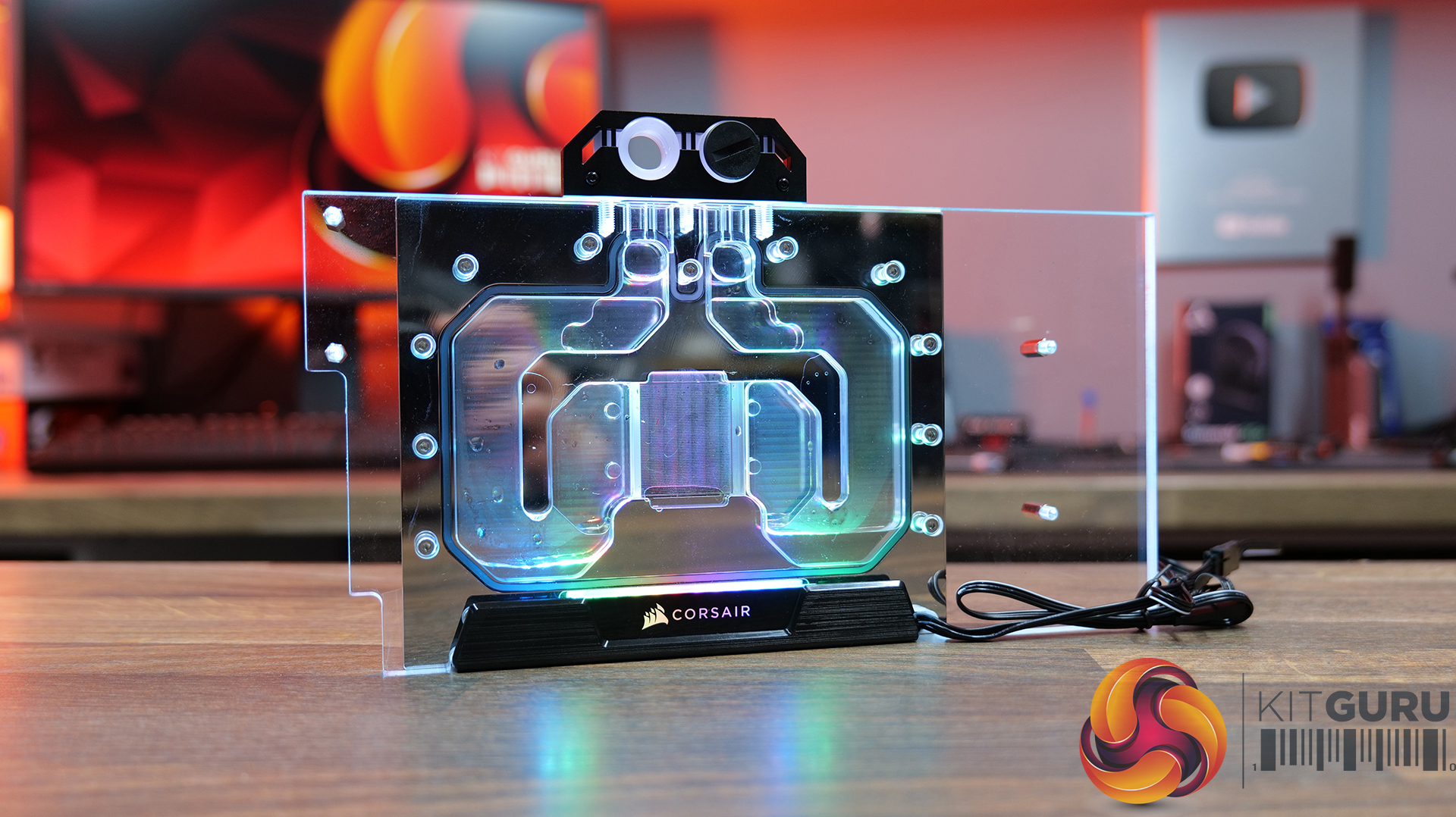
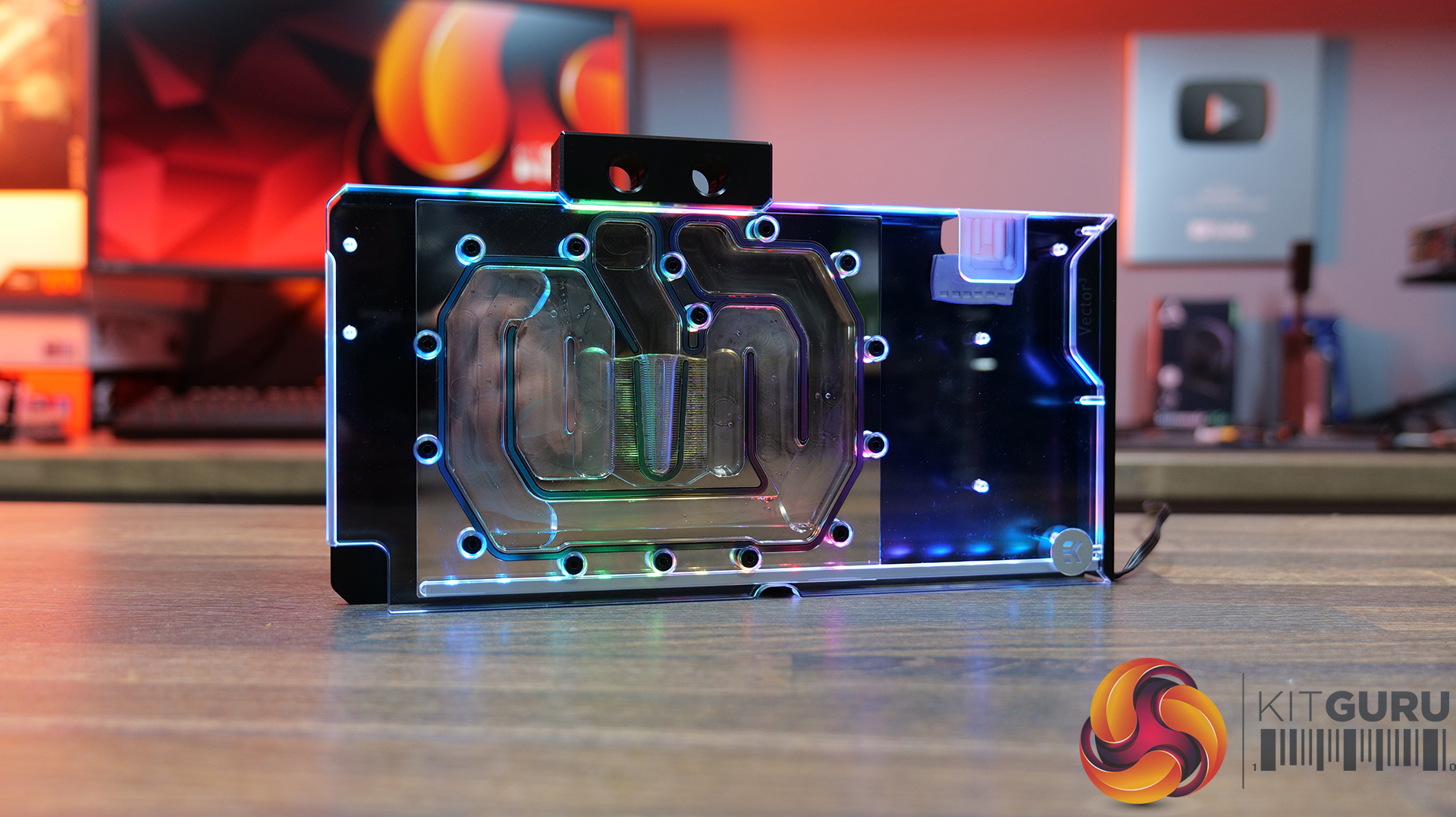
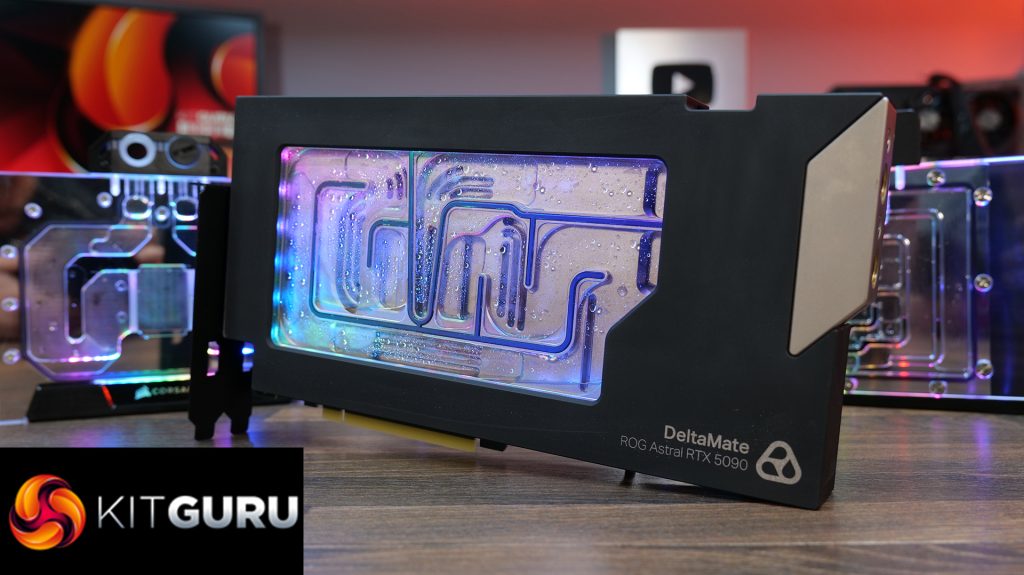
In our previous video we looked at a final engineering sample of the Thermal Grizzly DeltaMate water block for the ROG Astral RTX 5090. This time around, it’s all about performance. We’re putting up the final retail version against three competing GPU blocks, from Corsair HydroX, Alphacool and EK, testing under identical conditions, to see how it stacks up for temperatures, overall performance and value. So let's dive straight into it…
Timestamps:
00:00 Thermal Grizzly DeltaMate
00:49 Final retail version / pricing against others
02:06 Unboxing
05:14 Install process
06:49 Block is installed -a closer look
08:29 Test Methodology
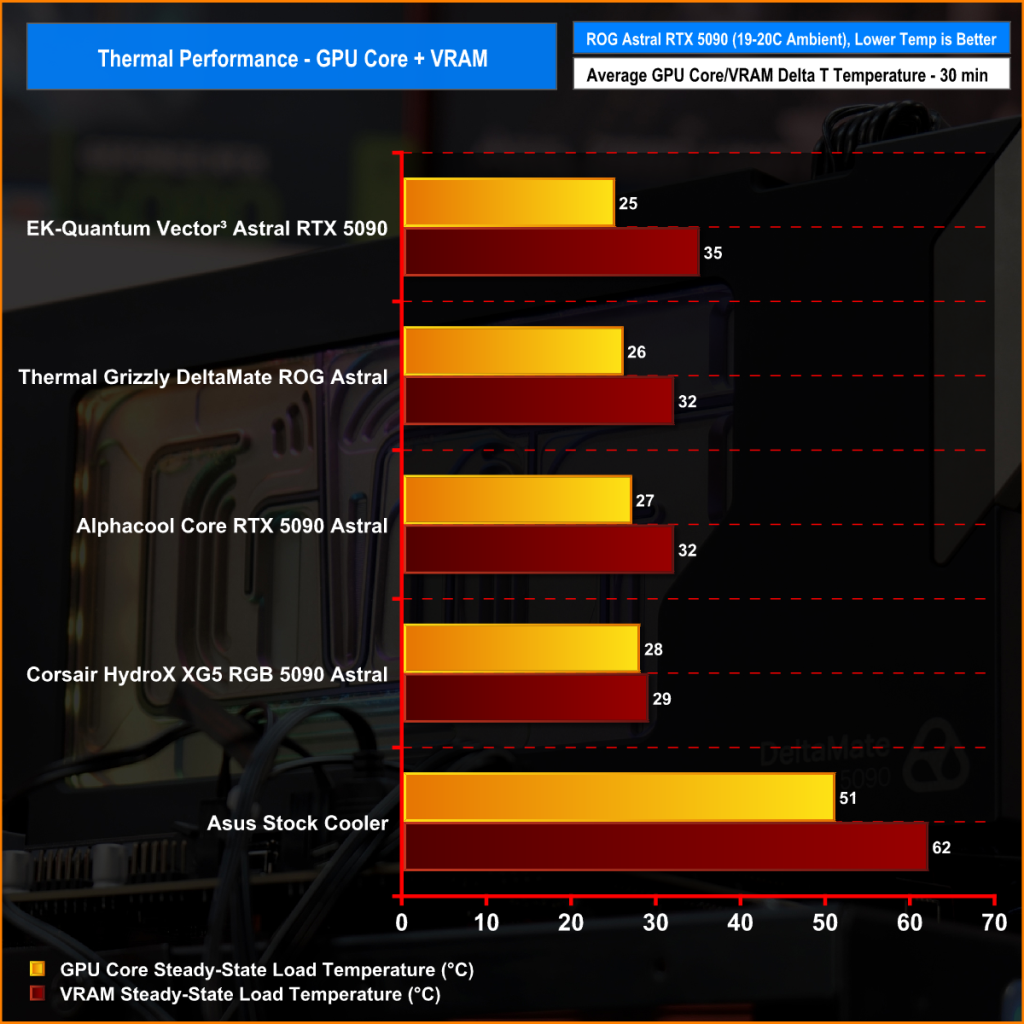
08:50 Temperatures
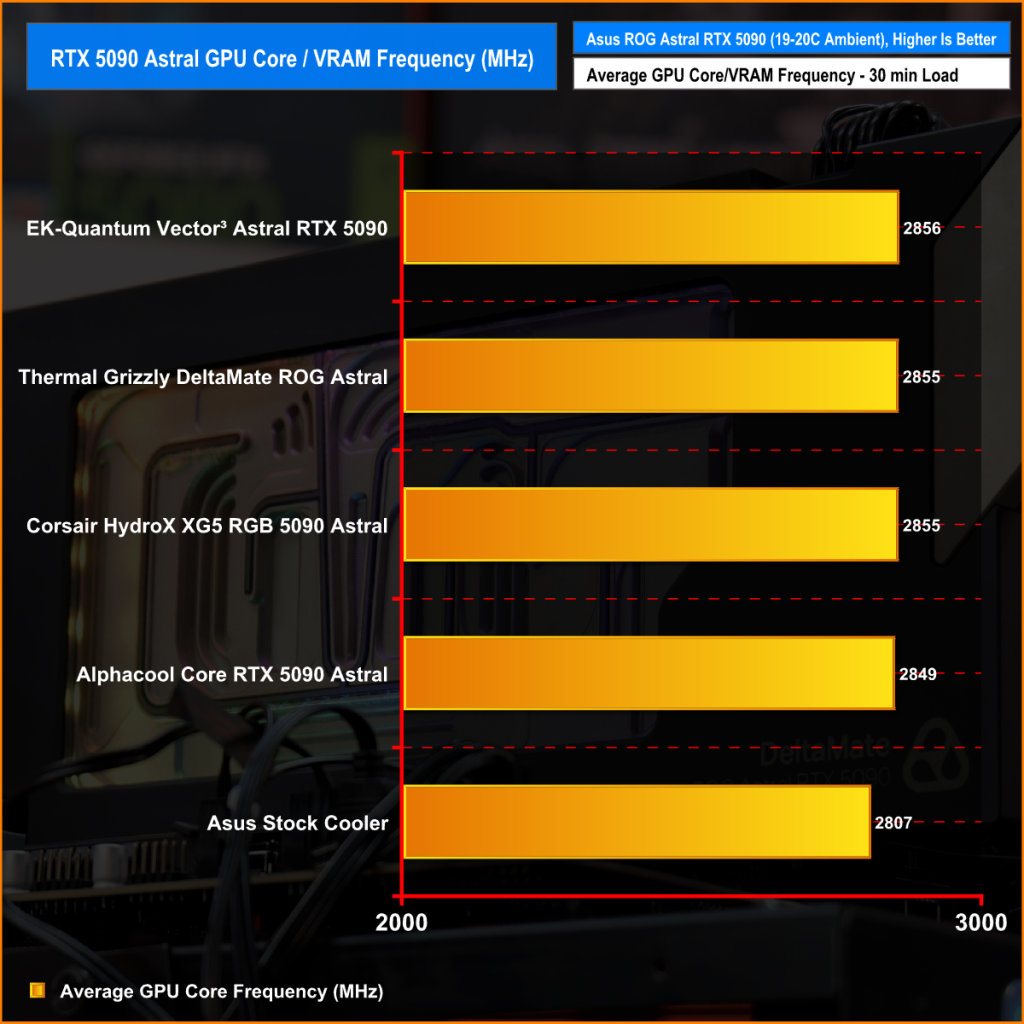
09:20 Core Frequency
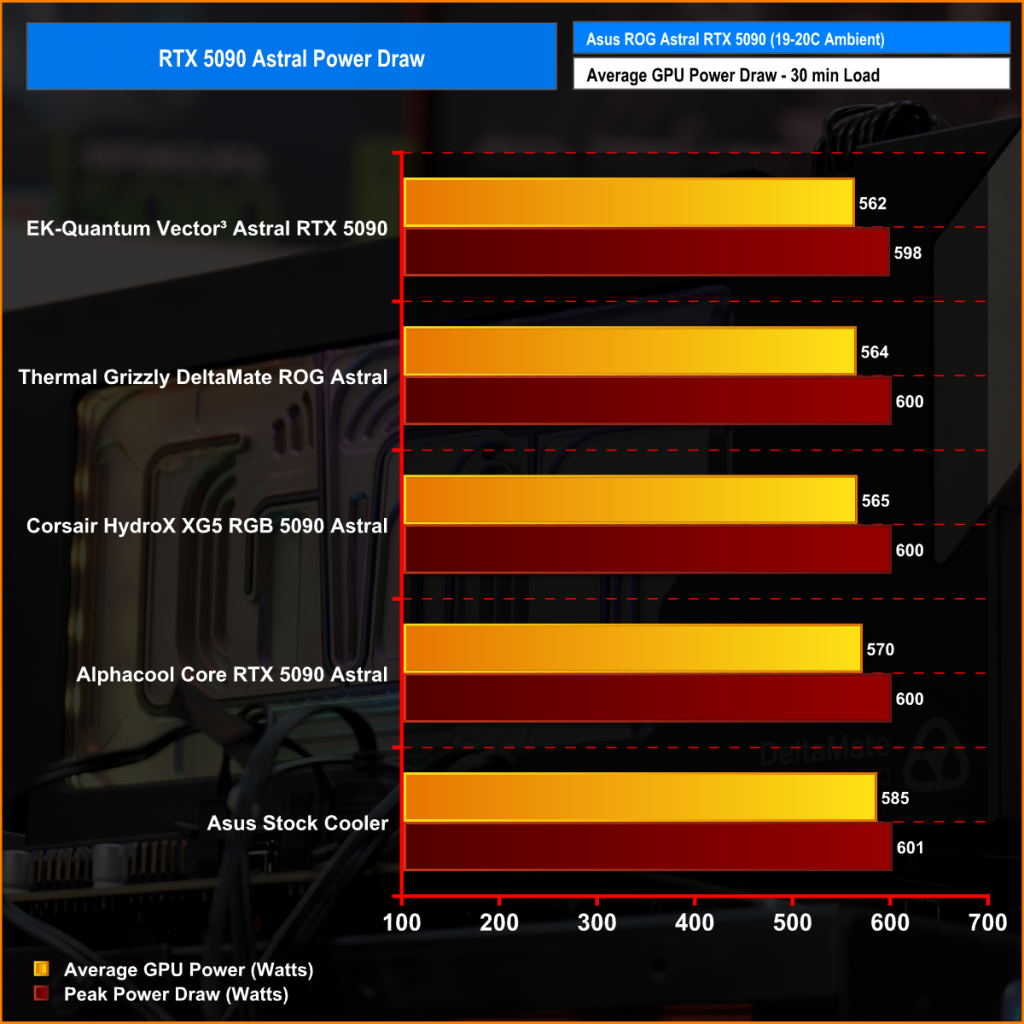
09:42 Power Draw
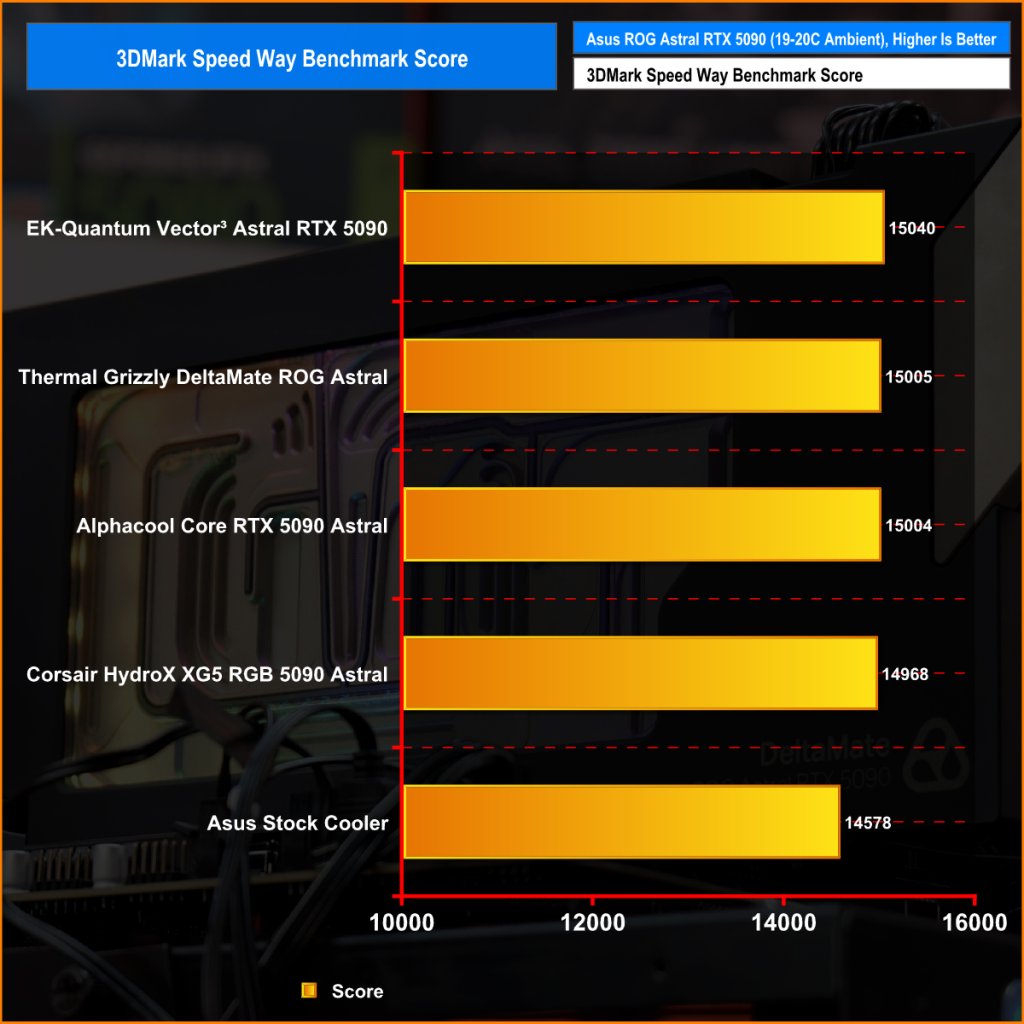
10:01 Benchmark Performance
10:23 Results?
11:00 Installation thoughts and accessories
12:38 The Overall Experience
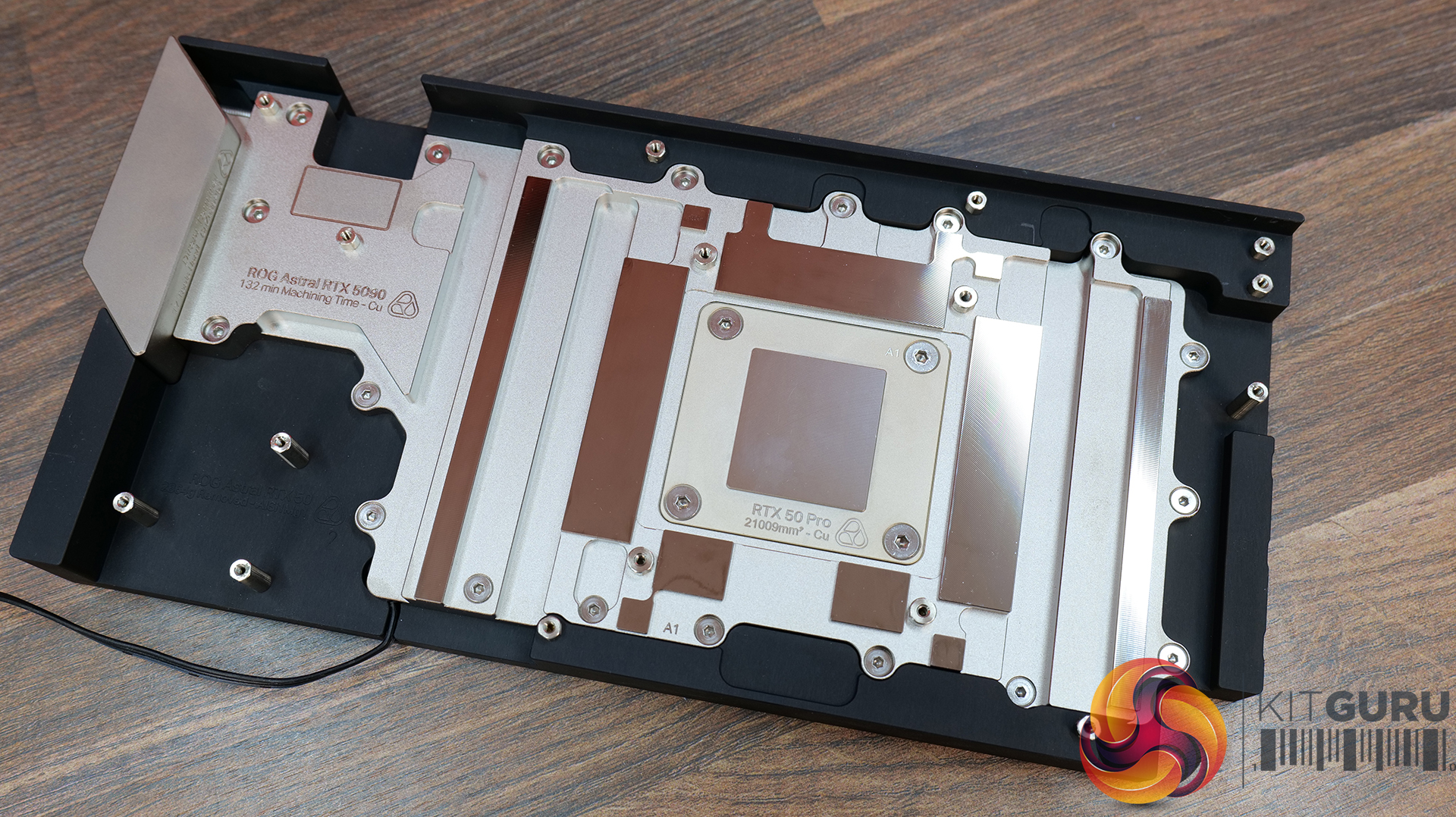
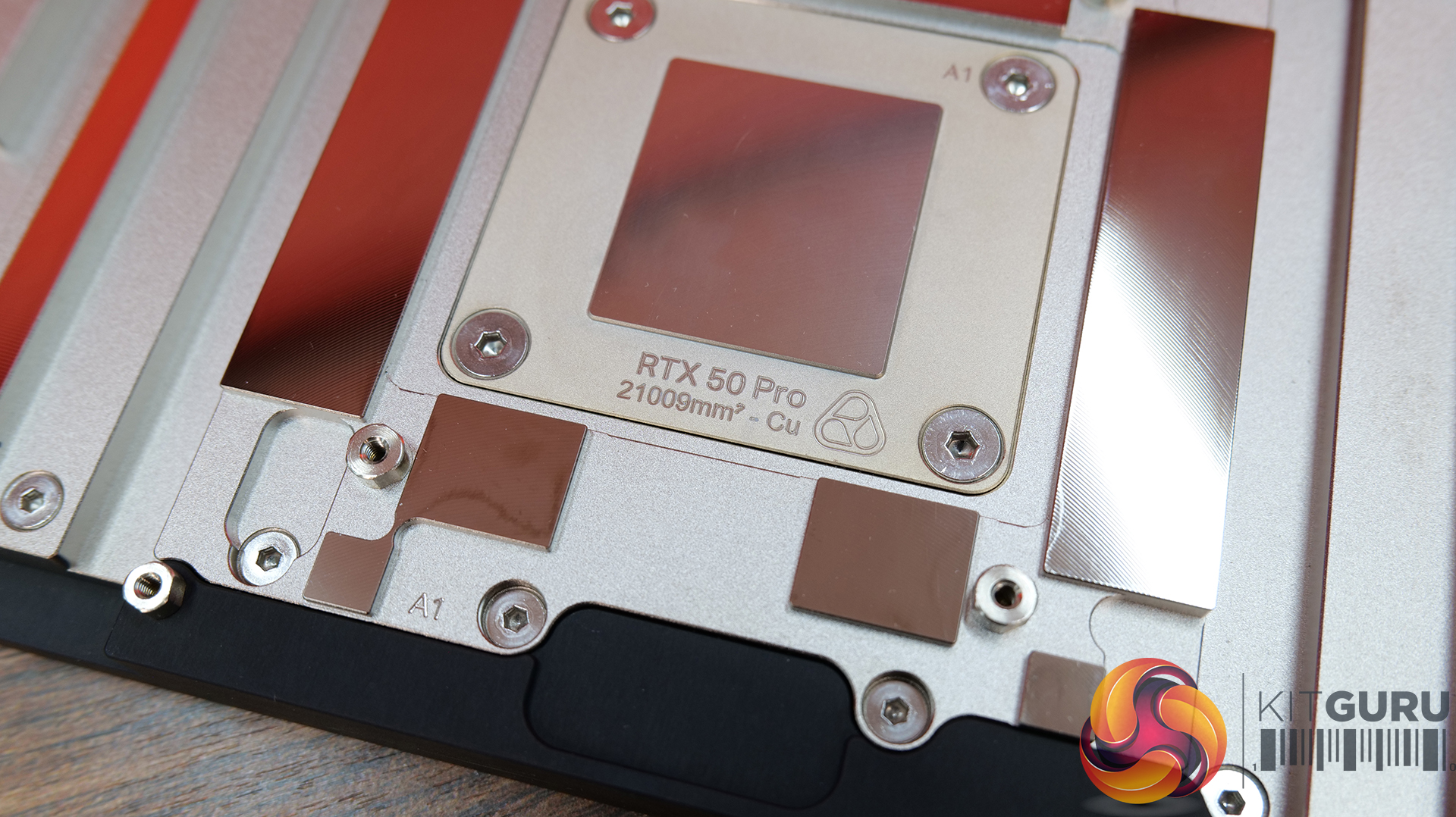
High-density microfin coldplate design – DeltaMate uses a 0.20 mm microfin array over the GPU core for maximum cooling surface area and optimal heat transfer efficiency.
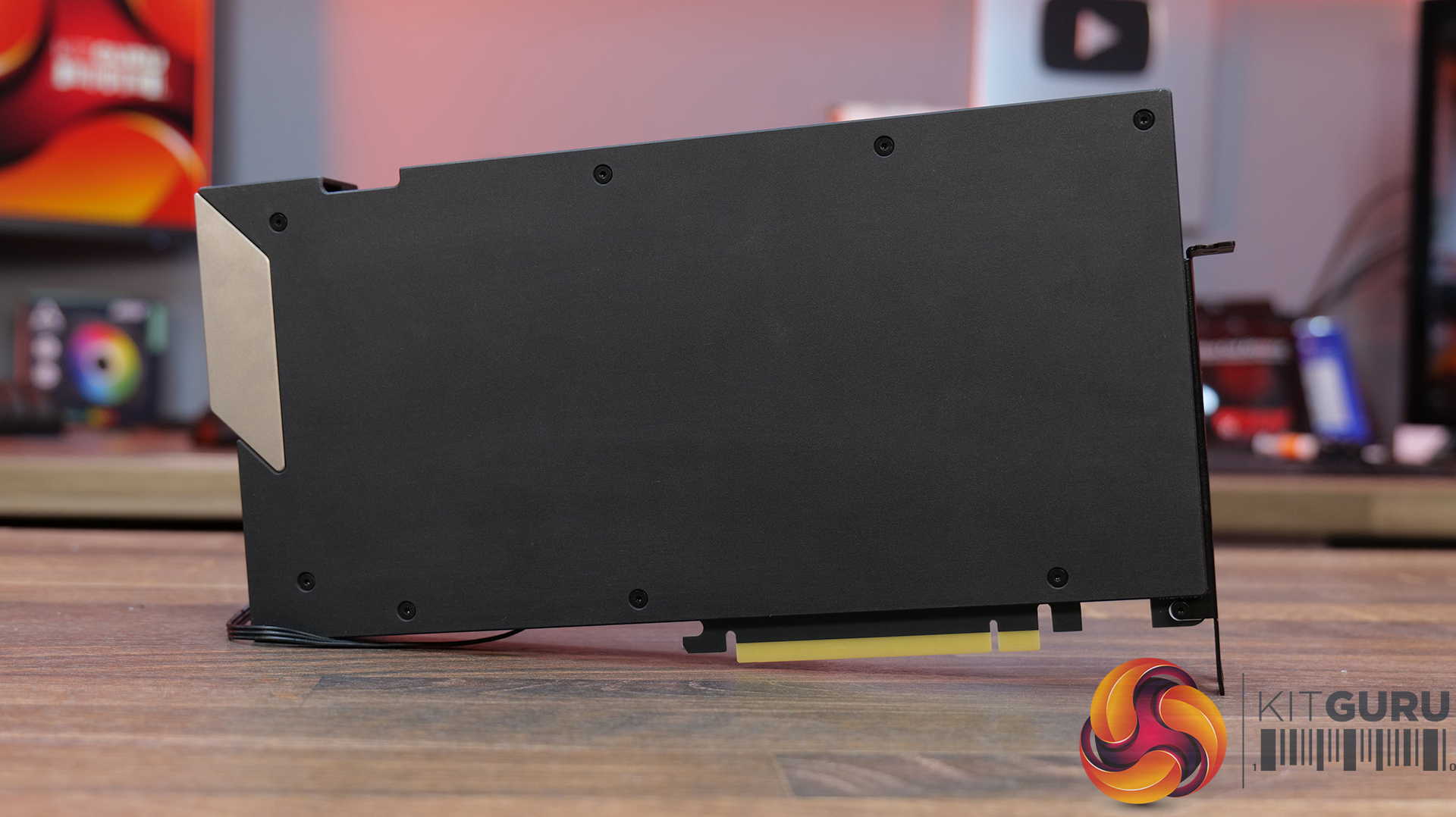
Full-cover cooling for memory and VRM – Integrated dedicated nickel-plated copper contact surfaces for the VRAM and power delivery components, ensuring comprehensive thermal management across the PCB.
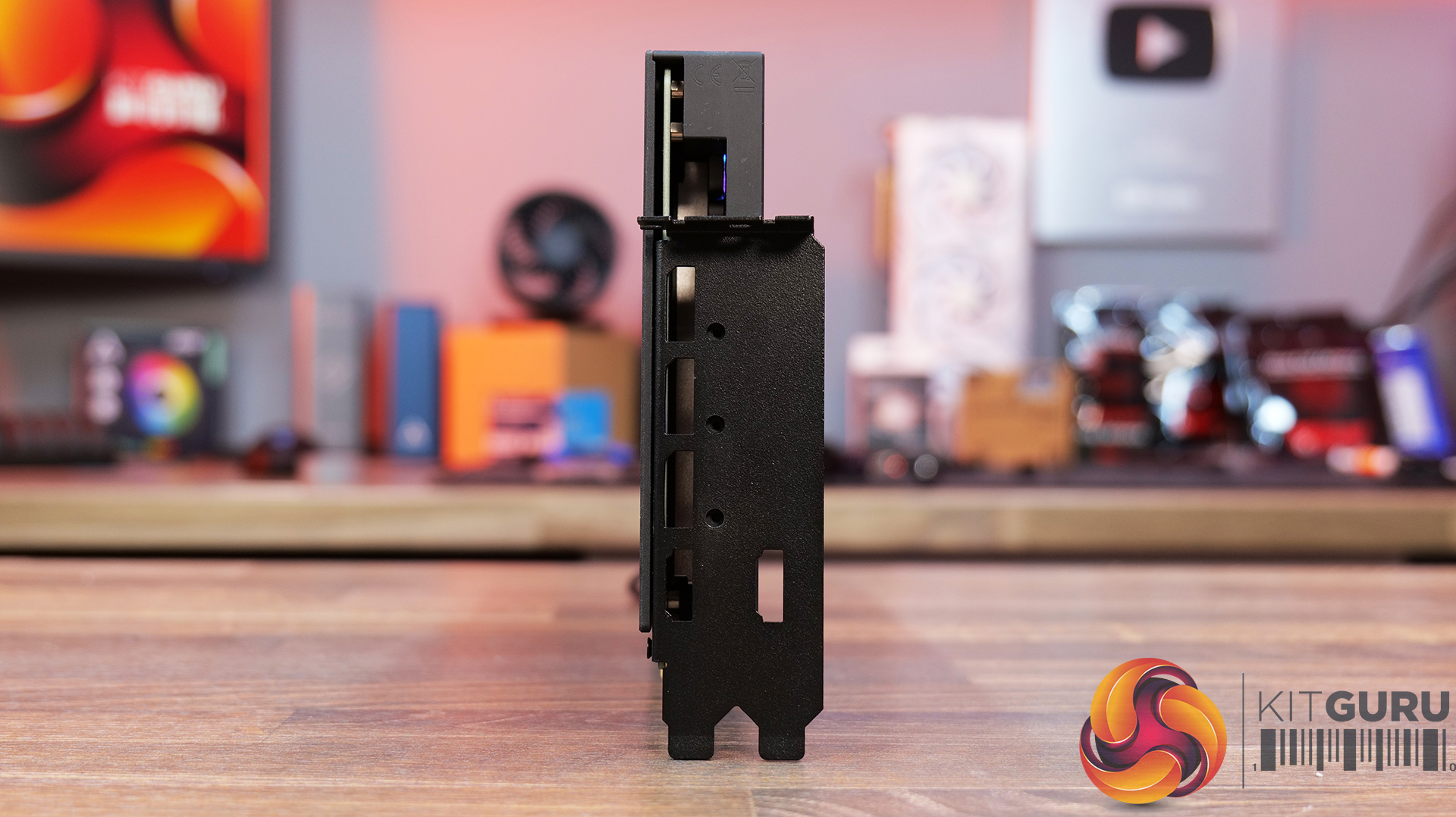
Robust metal construction with configurable terminal options – The block features a full metal housing for rigidity, an acrylic RGB illuminated window and a choice of 2 terminal configurations (pass-through sold separately), offering loop layout flexibility.
To measure the thermal performance, GPU core frequency and power draw of the ROG Astral RTX 5090, we run a 30-minute 3Dmark Speed Way stress test. An additional 3Dmark Speed Way Benchmark is performed with each water block installed to measure potential gaming performance.
The test data is logged using HWINFO and the final 10 minutes of the data is calculated to find the average GPU core / VRAM temperature, GPU core frequency and power draw. Plus a 3Dmark Speed Way benchmark run to measure gaming performance.
For testing, we use a 30-minute looped run of 3Dmark Speed Way and record the steady-state values at the end of the test. This ensures that the GPU has had ample time to warm up and reach a steady state under all of the coolers.
The ambient is maintained at 19-20 degrees Celsius. Where there is variation beyond this temperature range, we add extra repeated tests to ensure consistency. However, this is well controlled now with A/C.
Ambient temperature and humidity are controlled via a mini split air conditioning system inside the test room. Ambient temperature is maintained between 19-20°C, Temperature delta figures are shown in the charts (ambient temperature is deducted from the measured component temperature).
If we look at the temperature first we can see that compared with the stock ASUS cooler, there's a huge drop in GPU core and VRAM temperature, from mid-50s over ambient on the GPU core using the stock cooler, down to mid 20s on all GPU blocks, but there's virtually nothing in terms of GPU core and VRAM temperature between all of the custom blocks, just 3 degrees Celsius between the best and worst. However, the Corsair block produces the best VRAM temperature.
GPU Core Frequency
Looking at core frequency, the drop in temperature with the custom blocks also gives us a modest improvement in GPU core temperature when the GPU is allowed to boost automatically. Installing the custom water blocks gives an extra 50 MHz GPU frequency, but again there's not much at all to separate the performance of the custom water blocks.
Power Draw
Average power draw follows a similar pattern, but in all scenarios, the peak power draw is 600 watts, even with the stock cooler. There is some slight variation between the custom water blocks, with the EK block achieving the lowest average power draw and the Alphacool block the highest, but only 8 watts separate them.
3DMark Speed Way Benchmark
Then finally benchmark performance. As we have seen with the other tests, there is a noticeable improvement in 3DMARK Speed Way benchmark performance with the custom blocks installed. Speed Way performance increases by 400 plus points using the custom water blocks with Thermal Grizzly DeltaMate, EK and Alphacool blocks, all very close at around 15000 points.
Closing Thoughts
Since thermal performance, GPU core frequency benchmark performance is very close between all of the GPU blocks tested, it all comes down to build quality, the installation process, looks and the overall experience of using the block which will determine the one you choose. There's no denying that installing a water block to the Asus ROG Astral RTX 5090 will give you a significant improvement in thermal headroom, so if you want to overclock the card this will be the path you need to take.
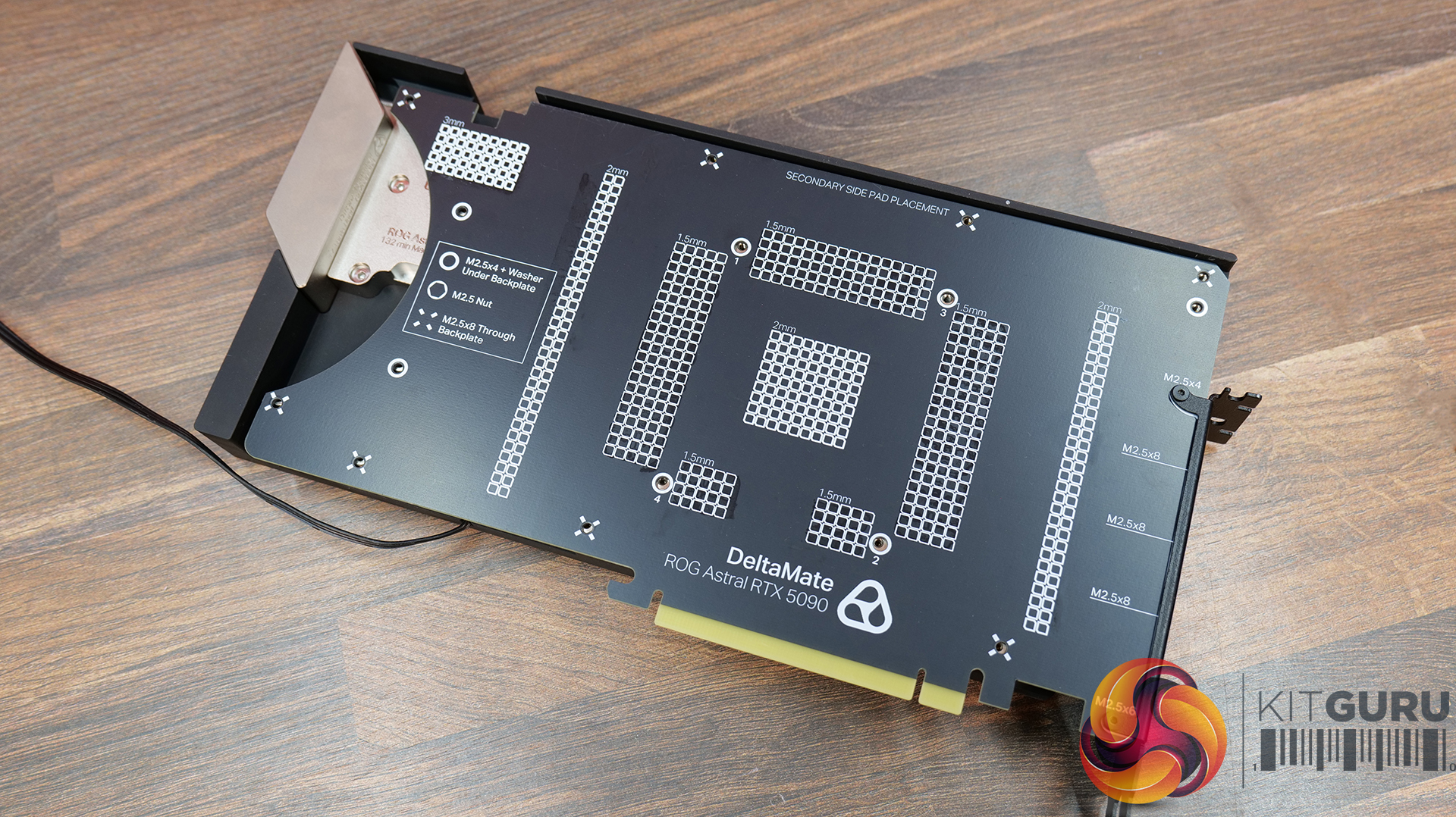
If budget is no worry and you want a water block that feels special, then the Thermal Grizzly block wins hands down. The build quality and attention to detail with the GPU water block are top-tier. There are quality-of-life features included with the DeltaMate that you don’t get with the others, like the dummy PCB, which is a great accessory for helping cut thermal pads to the correct size and laying out the placement of them, but also the user can install the block into their system and build the loop using the dummy PCB before installing the actual graphics card.
Thermal Grizzly also includes thermal putty with the DeltaMate block, so if you want to use putty or thermal pads you have the choice. Putty may offer some thermal benefit, but it can be messy which is why Thermal Grizzly includes both, which the others don’t do. However, you are paying a high premium for these options since the DeltaMate block is almost twice the cost of the EK block and more than double the cost of the Alphacool.
But when you are splashing out over £2500 on a graphics card, you will no doubt want the very best GPU block when it comes to water cooling so for most, it might be a price worth paying. Plus the attention to detail in terms of the engineering that has gone into making the DeltaMate block is second to none – it truly is the very highest of high-end and makes the other blocks look like budget lower quality budget models, even if they are not.
The Thermal Grizzly DeltaMate ROG Astral RTX 5090 is available to purchase now directly from Thermal Grizzly priced at €499.90 HERE.
Pros:
Superb engineering attention to detail.
Included dummy PCB is a great idea.
Great thermal performance improvement over the stock cooling solution.
Cons:
Expensive compared to some alternatives.
KitGuru says: If you have an Asus ROG Astral RTX 5090 and want to water cool it, this is the option to go for if you have change left over from your £3000+ graphics card purchase.
Just weeks after the game was finally officially released to the world, Riot Games’ 2XKO has already encountered a number of roadblocks, with the much-anticipated title seeing its dev team majorly downsized following a less-than-explosive launch. Despite this, the team are planning to continue to support the 2v2 fighter, officially announcing the next two Champions alongside a new local duo mode.
Taking to their blog to make the announcement, the team at Riot Games officially detailed the first major post-launch update for 2XKO, writing: “We wanted to give you a quick preview of what’s upcoming for 2XKO. We would have made a video to talk about this face-to-face, but the team is heads down and we wanted to chat ASAP.”
The full blog post can be found HERE and goes into various details surrounding the game’s competitive scene, community support and more. The most interesting however is confirmation that “we've been prototyping a Local Duo Mode experience that will let you and a friend play couch co-op together against the world”. Though not yet available, this feature is said to be “a top priority and we're working to get it into the game as quickly as possible.”
In terms of characters, Riot have teased the next two Champions planned to release. Though no official date has been given, the team confirmed that the “sharp, stylish ninja” Akali, and Senna (who “wields the power of light and shadow”) are next in line to join the roster.
As mentioned, 2XKO is in a bit of a weird place, with the long-awaited title finally releasing after years of development and testing to lower-than-expected player numbers. That said, the game itself is fun and so hopefully over time, as more Champions and features get added, 2XKO will find a solid and dedicated audience.
KitGuru says: what do you think of 2XKO so far? Does it have the potential to blow up in popularity? What’s your favourite style of fighting game? Let us know down below.
Looking to stretch your mind in VR? Here are some of our favorite puzzle games available on Quest today.
There’s something unique about puzzle games in VR. When you can reach out and touch the world around you, the genre transforms into something magical. Games like Lumines Arise and Tetris Effect: Connected wrap you in a warm sensory blanket while narrative puzzlers like Red Matter and Ghost Town immerse you in their story in ways wholly unique to VR.
Meta Quest users have no shortage of puzzle games. From meditative and musical experiences to emotionally powerful narrative puzzlers that challenge your mind and stir your emotions, here are some of the best the genre has to offer.
0:00
/2:00
Tetris Effect: Connected
With Tetris Effect, Tetsuya Mizuguchi and his colleagues at Enhance tapped into something remarkable. The 2018 release took the classic puzzle game from the 1980s and transformed it into a musical trance masterpiece. In 2020, the updated Tetris Effect: Connected added co-op and competitive multiplayer, and it remains one of the best puzzle games to this day.
Tetris Effect: Connected wraps you in reactive visuals and music that evolve with your moves. Every rotation, every slammed block, every cleared row adds a new dimension to the soundtrack so that playing Tetris Effect: Connected becomes less about traditional gaming and more about entering a flow state. It’s the ultimate VR vibe game, and beautifully demonstrates VR’s power to elevate traditional gameplay into something greater.
If you love mechanical puzzles, secret compartments, and mysterious artifacts, Fireproof Games’ The Room VR: A Dark Matter is an essential game for your Quest collection. Not only is it one of the most immersive puzzle games on Quest, it’s also one of the most visually impressive.
In this narrative puzzle game built exclusively for VR and set in 1908 London, you’re tasked with investigating the mysterious disappearance of a renowned Egyptologist after a police investigation yields no result. The 5-6 hour-long adventure will have you exploring cryptic locations with fantastic gadgets as you work your way through an opaque mystery.
In addition to its standalone release, Fireproof Games has also bundled The Room VR: A Dark Matter into a two-pack alongside the team’s extraordinary Ghost Town (mentioned later in this list).
Part slapstick comedy, part absurd escape room, part mid-century spy parody, the I Expect You To Die series drops you into increasingly ridiculous and deadly scenarios, and tasks you with saving yourself (and the world) from the nefarious super-villain Dr. Zor. You’ll explode, get swarmed by bees, zapped by lasers, and try to survive, all from the comfort of your Quest headset. Clever design rewards experimentation, and the tongue-in-cheek humor makes failure feel fun.
There are three mainline I Expect You To Die games on Quest, which can be purchased separately, or bundled together as part of the Phoenix Rising Trilogy.
As Leonardo Da Vinci’s most promising apprentice, you are summoned to Florence only to find that Leonardo has mysteriously disappeared. Thus begins The House of Da Vinci, a challenging puzzle mystery that our reviewer described as “one of the best VR puzzle games I've ever played, delivering an experience that's been lovingly created with reverence to its historical inspiration.”
Gameplay takes the shape of escape room-style challenges in which we manipulate complex machines, peer into the past, and solve puzzles based on Da Vinci’s real-life inventions. Gorgeous visuals and advanced riddles make this a perfect game for puzzle fans and art history buffs alike.
The latest phenomenal mystery from Fireproof Games, Ghost Town is a narrative puzzle game set in the 1980s that puts players in the shoes of Edith, an Irish witch turned exorcist and ghost hunter. “What follows,” says Henry Stockdale in our review last year, “is a thoroughly gripping narrative that sees us searching for Edith's missing brother. Fireproof's not afraid to have some fun with this story[...]”
One of Ghost Town’s great strengths is that it strikes a great balance. It tells a story, but does so with both humor and suspense, and its puzzles, while challenging, never feel overly difficult. The end result is, as our review put it, “one of the best VR games so far this year.”
Humanity is a third-person puzzle-action game in which your goal is to guide a massive mob of humanity to the end point of each level. You lead the pack as a cute Shiba Inu, leading the seemingly mindless humans as they jump, turn, push, float, shoot, and climb their way toward salvation across 90 story-mode stages.
Another game from Tetsuya Mizuguchi’s Enhance, Humanity is a flatscreen critical darling that has really stuck the landing on Quest. It was voted VR Game of the Year at the 2023 EDGE Awards, ranked Best Puzzle Game of 2023 by Game Informer magazine, and was nominated for Best VR / AR Game at The Game Awards in 2023.
As with most of Mizuguchi and Enhance’s games, there’s more than meets the eye here. And while the game’s online servers and user-generated level support are ending in March, 2026, there’s enough meat on the base game’s bones to warrant a thorough chewing.
These narrative-heavy adventures blend environmental puzzles with atmospheric world-building and deliver some of the most impressive visuals yet seen on Quest headsets.
The first game drops you into a retro-futuristic Cold War space race where you play as Agent Epsilon, sent to a deserted Volgravian base on Rhea, Saturn’s mysterious moon to investigate a secret project with the potential to change humanity’s destiny forever. And once you’re done with that, fire up Red Matter 2 for yet another stunning story.
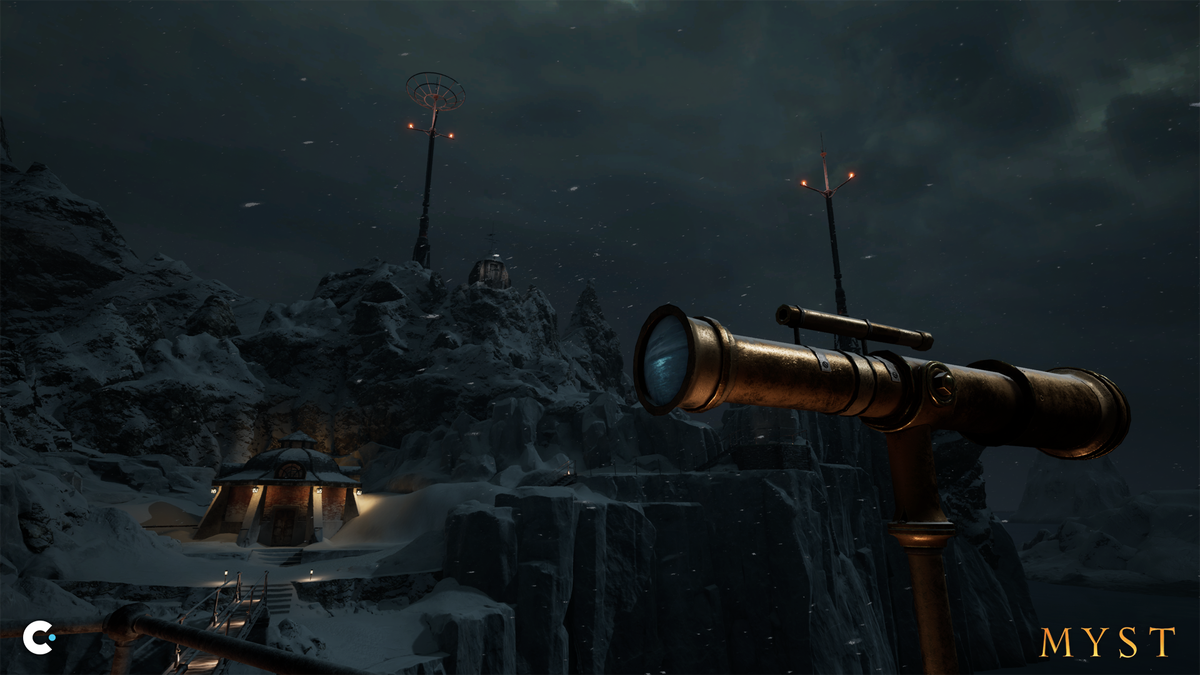
Few games define the puzzle genre like Myst. For most gamers of a certain age, it was the first puzzle game we’d ever played (and the first we’d ever owned on CD-ROM). In VR, its enigmatic puzzles and lonesome island feel more tangible than ever.
Built from the ground up by Cyan Worlds, the indie studio that created the beloved classic way back in 1993, Myst for Quest is a definitive reimagining of one of the greatest puzzle games ever made. It brings new art, new sound, new interactions, and optional puzzle randomization.
When you’ve finished unraveling the mysterious island of Myst, you may be tempted to jump into its sequel, Riven. While Riven is a must-play for fans of the original flatscreen version, or for those who simply can’t get enough of the Myst universe, in truth, Riven on Quest is not a very strong adaptation. It’s good, just not as great as Myst.
Called “One of the most unique and creative VR games ever” by Polygon, and “the best puzzle game since Portal” by Beardo Benjo, The Last Clockwinder is a creative and clever game that our own review described as “a true delight and gem of a puzzle game that’s well worth your time.”
The main mechanic of the game centers on mapping your real-life physical actions to several robotic “clones” which will repeat your actions indefinitely. This allows you to create a sort of production line that moves fruit from one place to another, feeding the health of a mystical tree. It’s a gameplay hook that defies explanation, but it’s one that’s totally engaging and superbly executed. Add to this a mysterious story that’s “an absolute delight to unravel” and we have all the makings of a VR classic.
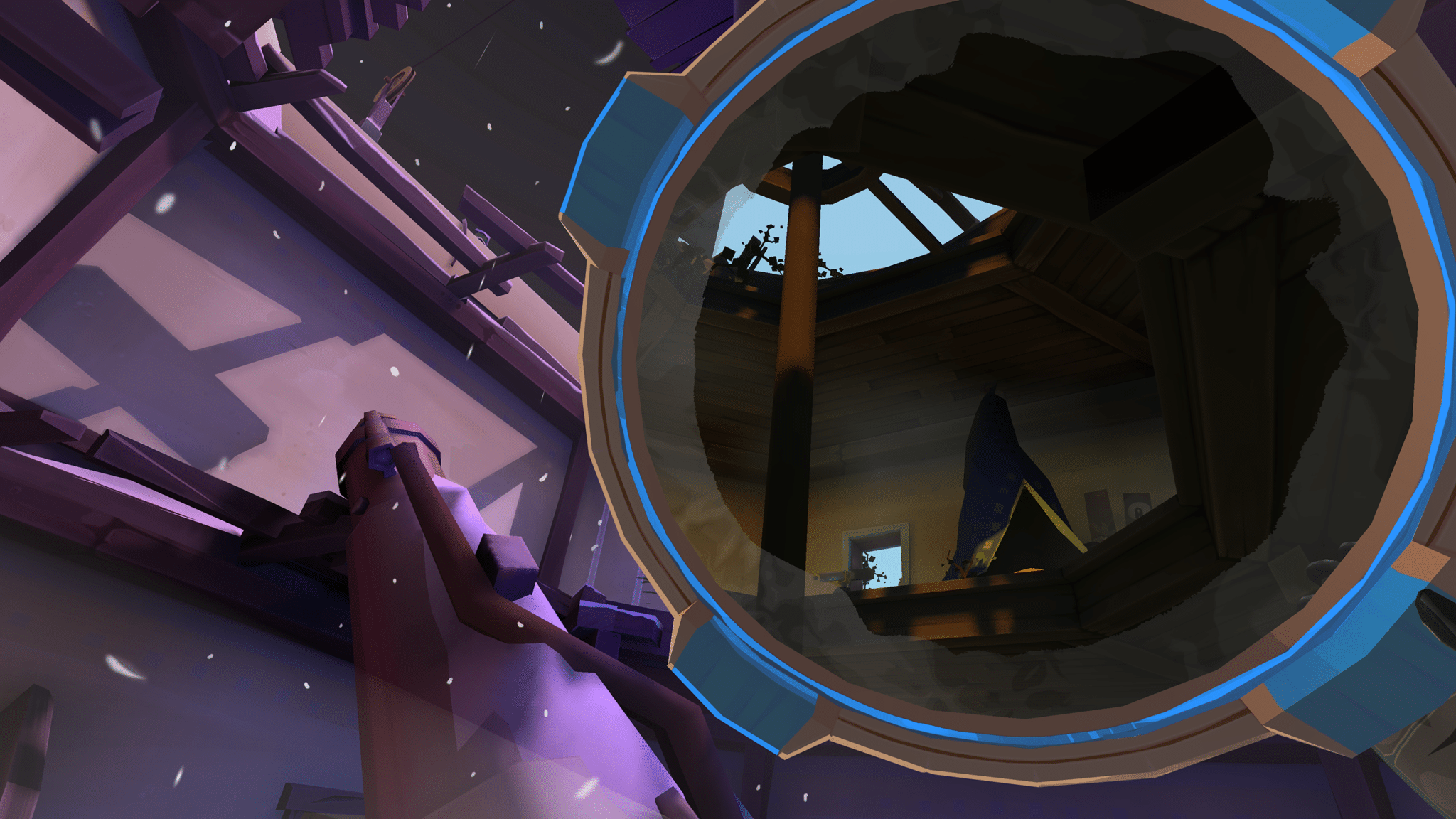
In A Fisherman’s Tale, you play as a reclusive fisherman puppet who awakens locked inside a lighthouse. In the center of the room sits a model of the very same lighthouse, with a tiny version of yourself inside, and a larger one outside, mimicking your every move. The perspective-bending puzzles begin from there.
When we reviewed the game some years ago, we gave it 5 out of 5 stars and said it "might be the first [Quest game] to achieve a perfect storm of gameplay, immersion and narrative in a single experience. [A Fisherman's Tale] fuses experience and interactivity to really show what this medium is capable of."
The game's sequel, Another Fisherman’s Tale, doubles down on the original's creativity with whole new gameplay mechanics. It’s imaginative, slightly absurd, and filled with tactile puzzle design.
Another special experience that could only exist in VR, Puzzling Places lets you build gorgeous photorealistic dioramas of beautiful places from all over the world, either in full VR or in the familiar comfort of your own space in mixed reality. There are no timers, no pressure; just pure, mindful building at a peaceful puzzling pace, alone or with others in online multiplayer and local MR co-op modes.
The base game includes 25 puzzles, and a massive collection of DLC puzzles continues to grow. The most recent, a gorgeous Van Gogh-inspired impressionist diorama, joins previous themed puzzles such as cities of the world, a haunted house, underwater seascapes, and dozens more.
Clean shapes and floating blocks, Cubism strips puzzle design down to its essentials. You rotate and place geometric shapes into transparent containers, building increasingly complex forms in full VR or MR modes. Hand tracking makes the game play seamlessly and intuitively, and the balance of relaxation and challenge is perfectly struck.
While the concept of Cubism is great, what really sets it above is the game's minimalist aesthetic. As in old Japan Studio games like Echochrome, or Keita Takahashi's Katamari Damacy, there's a simplicity of concept that we also find in Cubism. As we shift pastel-colored shapes into place, the resonant strings of a rich piano strum a beautiful backing soundtrack. The overall vibe is elegant, calming, and clever.
Gadgeteer lets you build elaborate chain-reaction machines in both VR and MR using ramps, marbles, dominoes, and motors, creating chain reactions that may even end up tearing apart the fabric of space-time.
There are over 60 physics puzzles, plus sandbox environments that let you build whatever wild machines you like. Hundreds of community-made puzzles round out the experience. For older gamers who might remember launching the MS-DOS build of The Incredible Machine on some ancient PC, watching your Gadgeteer contraption unfold in 3D space feels like a dream come true.
Shadow Point is a story-driven puzzle game in which you'll explore a vibrant kingdom and solve mind-bending puzzles as you uncover the mystery of missing schoolgirl, Lorna McCabe who vanished from Shadow Point Observatory twelve years ago. As your adventure unfolds, you will manipulate gravity, play with shadows, work with your own reflection, walk on walls, peer through a magical lens to reveal an alternate reality and much more.
Narrated by Sir Patrick Stewart, Shadow Point combines over 80 puzzles with a reflective story about memory and mentorship. Its paper doll-esque art style is gorgeous and evocative and its light-and-shadow mechanics are clever. We recommended the game in our review some years ago, though we felt Stewart to be underutilized. More than anything else, however, the game's emotional framing elevates it to a must-play.
Whether you want a musical flow state (Tetris Effect, Lumines Arise), a story-rich adventure (Red Matter, Shadow Point), or relaxing brain training (Cubism, Puzzling Places), Quest offers some of the most inventive puzzle design in gaming today.
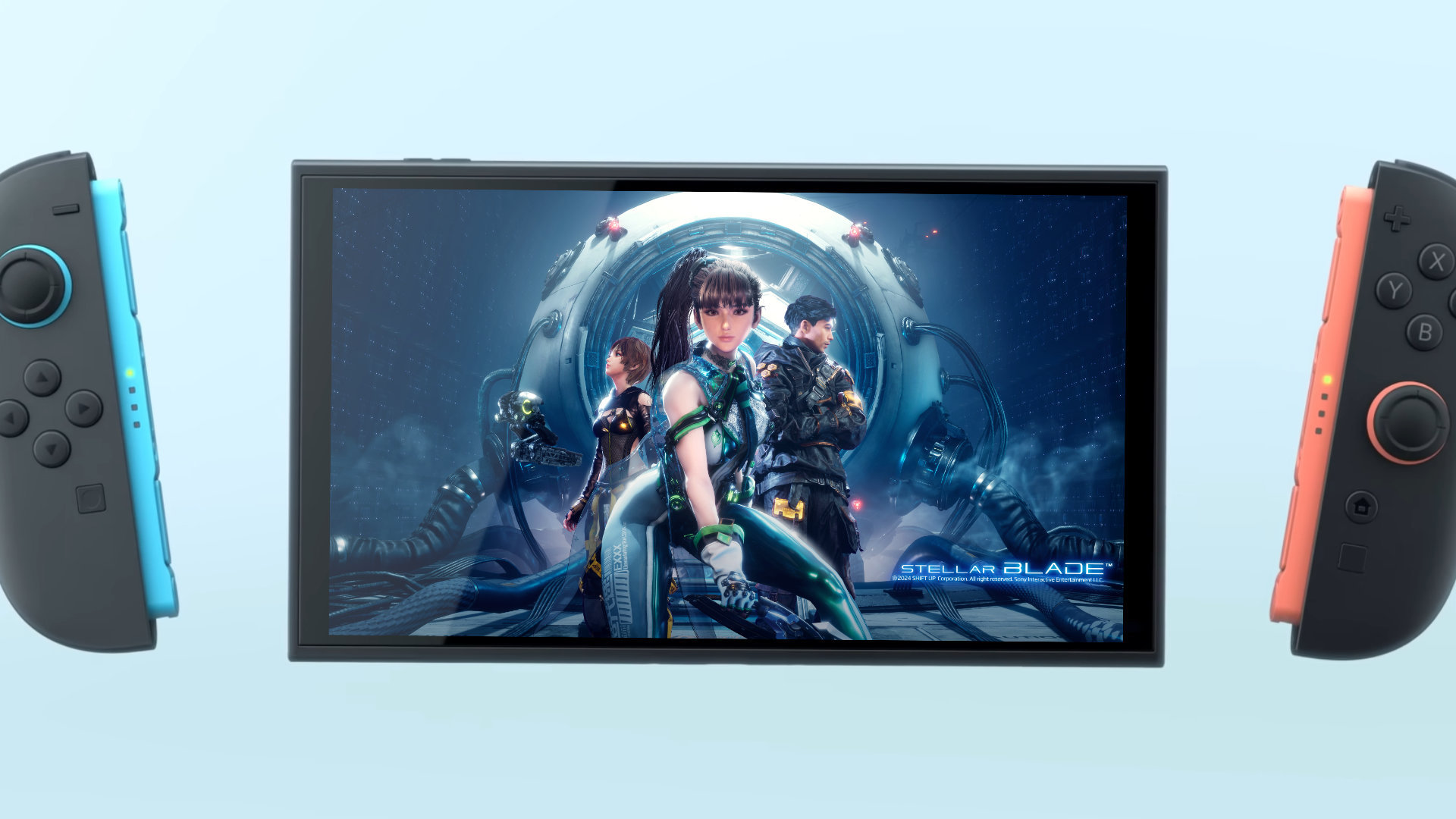
Stellar Blade has been one of the most successful new IPs released in recent years under Sony, with the PlayStation Studios’ published title selling millions of copies across both the PlayStation 5 (and later on) PC. While a sequel is already announced to be in the works, it appears as though studio SHIFTUP are planning to further expand Stellar Blade to additional platforms this year.
“Stellar Blade has established itself as a steady, long-tail IP, supported by sustained sales momentum and strong user reception since launch. Building on this foundation, development of the next project is progressing in a structured manner, and we are reviewing plans to share additional details on the follow-up project within the year.”
Adding further context, they continued, “In parallel, we are reviewing platform expansion beyond PS5 and PC to broaden audience reach. This approach is expected to both introduce the title to new players and gradually build anticipation for the next chapter in the series. We expect 2026 to be a year in which more users experience the existing title while momentum and anticipation builds toward the next phase of the franchise.”
As mentioned, Stellar Blade initially started life as a PlayStation 5 exclusive. In the wake of its success however, the title was ported over to PC one year later. Given this fact, the only two platforms which the studio is likely referring to is Xbox and the Switch 2.
While it is possible that Stellar Blade could come to Xbox, the Switch 2 seems more likely – especially as all SHIFTUP developers were gifted free Switch 2’s following the game’s strong launch.
Regardless, it is exciting to see that Stellar Blade is continuing to be a success and will hopefully find an even wider audience throughout the next year as the title is eventually brought over to more platforms.
KitGuru says: What do you think of Stellar Blade? Would you like to see it ported to more platforms? Is an Xbox or Switch 2 release more likely? Let us know down below.
If you've ever wanted to review tech, then this is a perfect opportunity as we are now hiring for a new reviewer to join our team! Prior experience is not strictly necessary, but we would like to see some example works from applicants.
We are looking for someone who will be able to produce reviews of a range of tech gear in video format and in the KitGuru style. Any experience in this sector is beneficial; however, we are open to all applicants provided you can give us a sample of your written or video work so we can assess your abilities.
KitGuru is a great company to work with, we are all tech enthusiasts who enjoy gaming, so we all have very similar interests. Behind the scenes it is very close-knit environment and many of our team have been with us for several years.
To be considered for this position you need:
Skillset to present well on camera – and in English.
The ability to meet tight deadlines.
Strong communication skills.
Some knowledge of video editing would be useful, but we have that capability in-house if we find the right candidate.
Strong writing ability.
This is a freelance position.
The successful applicant must be based in the United Kingdom, and we pay very well for this kind of work. If you are interested and feel you can meet the criteria above and want to work in this fast-moving sector then please send your CV along with any samples of your work to our Editor in Chief, Allan Campbell – allan(at)kitguru.net.
KitGuru says: We look forward to receiving your application!
Bloober Team have been quite a busy studio in recent years, with the Silent Hill 2 Remake developers having released a new title every year for the past 3 years. Despite this, Bloober began to tease another project at the start of 2026 – finally revealing it to be the next entry in their Layers of Fear series.
At the start of the year, Bloober Team shared a link to a website which was clearly hinting at the studio’s next project alongside a countdown timer leading up to Valentines Day. With the annual event having now come and gone, so too has Bloober’s countdown, with the team officially revealing that their next project is Layers of Fear 3.
For the uninitiated, Layers of Fear is Bloober Team’s biggest original IP, with the horror title first releasing back in 2016. Since then, the game received a sequel and a remake of sorts, with the latter coming out just a few years ago in 2023.
While the series is far from the most iconic in the horror space, Bloober have seemingly upped their game in recent years, with the likes of Silent Hill 2 Remake and Cronos: The New Dawn being received far more favourably – and so hopefully they are bringing their learnings over to Layers of Fear 3.
Bloober Team is a highly interesting studio to observe. While they started off as very much a mid-tier developer, Bloober’s cache has risen over time, and so here’s to hoping that Layers of Fear 3 will be their most atmospheric and layered game to date.
KitGuru says: What do you think of the announcement? Were you expecting it to be Layers of Fear related? Have Bloober Team earned your trust at this point? Let us know down below.
In recent years Valve has expedited the rate at which they introduce new features to their ever-popular Steam platform, with previous updates introducing a new UX; an overhauled library sharing with family, Steam Deck optimisations and much more. As part of Steam’s latest Beta Client update, users can now directly attach their PC’s specs to any reviews published for added clarity and context.
Making the official announcement, the team at Valve confirmed that the latest Steam Client Beta introduces a brand new option for players when writing reviews for games – adding “the option to attach hardware specs when writing or updating a Steam User Review on a game's store page.”
While certainly a small feature, its implications could be major, with potential buyers of games now having much more context to work with when it comes to statements of performance issues pointed out in reviews.
Many players, especially on PC, will go to Steam when looking at reviews for games, with the platform being a particularly strong place to go for a wide variety of opinions. Of course, with PCs each person’s experience can differ – especially when it comes to performance – and so being able to contextualise a player’s review with their hardware specs will be highly appreciated and welcome.
Full details on the latest Steam Client Beta (including other smaller additions/tweaks) can be found HERE.
KitGuru says: What do you think of this addition? Are you surprised it wasn't introduced sooner? Let us know down below.
Meta is apparently considering equipping its smart glasses with facial recognition features in the future. This is based on internal considerations about how the devices can be further developed technologically, particularly in conjunction with artificial intelligence. While the company officially emphasizes that it is carefully examining various options and taking possible steps with caution, the […]
The United States and Taiwan have agreed on an expanded trade policy framework that is particularly significant for the semiconductor industry. The agreement focuses on stabilizing and securing investments by Taiwanese technology companies in the US. Especially in the context of geopolitical tensions, growing export controls, and possible tariff measures, the agreement signals a strategic […]
Since the end of 2024, the Federal Ministry for the Environment, Climate Protection, Nature Conservation, and Nuclear Safety has been promoting the message that the uniform charging cable is now standard. This refers to USB-C, whose introduction as a mandatory charging connector for many newly sold devices in the European Union was already decided in […]
Anyone who once believed that purchasing a high-end microscope for the price of a luxury car would provide years of peace of mind is probably unaware of the special form of time travel hidden in the control unit of a Keyence VHX-7000N. On the outside, it features precision optics of the highest standard; on the […]
During the Super Bowl, Amazon's Ring advertised a feature called Search Party in collaboration with Flock Safety, which was billed as an AI-accelerated way to make it easy for Ring customers to "help families find lost dogs" and help users "be a hero in your neighborhood". The backlash was swift and widespread, citing privacy concerns due
The next bottleneck is approaching. After DRAM and NAND, it is now the turn of traditional hard drives. Western Digital has effectively announced that it is sold out for the 2026 calendar year. CEO Irving Tan confirmed during the Q2 earnings call that capacity is fully committed to firm orders. The key phrase: “pretty much […]
Ubisoft made the shocking decision to cancel its Prince of Persia: The Sands of Time remake several weeks ago, alongside a number of other unannounced projects. Now thanks to a new report, we may know exactly which unannounced games were scrapped during the publisher's restructuring.
According to Insider Gaming's sources, aside from the Prince of Persia remake, the cancelled games at Ubisoft last month included Project Aether, Project Pathfinder (formerly Project U), Project Crest, Assassin's Creed Rebellion and Assassin's Creed Singularity.
We will break down a little more about what we already knew of each project based on prior rumours. For starters, Project Pathfinder was originally discovered more than five years ago when it was being worked on under the Project U name. This game was apparently set to be a co-op PvPvE shooter, with a handful of teams taking on hordes of robot enemies and bosses, while also trying to survive other players in the vicinity.
Assassin's Creed Rebellion was one of a handful of free-to-play mobile game attempts from Ubisoft. The game has actually been available from as far back as 2018 but apparently support is now ending this year. The other cancelled Assassin's Creed game, Singularity, was reportedly set to be a new mobile game, one that would also launch on PC.
Project Crest was a mystery game that had not really leaked previously, but apparently it was going to be a World War 2 extraction shooter. From the sounds of it, Ubisoft had multiple projects in the works targeting similar genres, so it is no wonder that some of these got cancelled.
Finally, Project Aether is another game that hadn't really been reported on in prior leaks until after its cancellation. Nothing is really known about this one, but it had apparently started development in 2019, before being rebooted and handed over to another studio. It was cancelled as part of Ubisoft's recent cost-cutting efforts.
KitGuru Says: Most of these cancellations aren't too surprising. Clearly, the Prince of Persia remake is still the standout and probably the one that hurts fans the most.
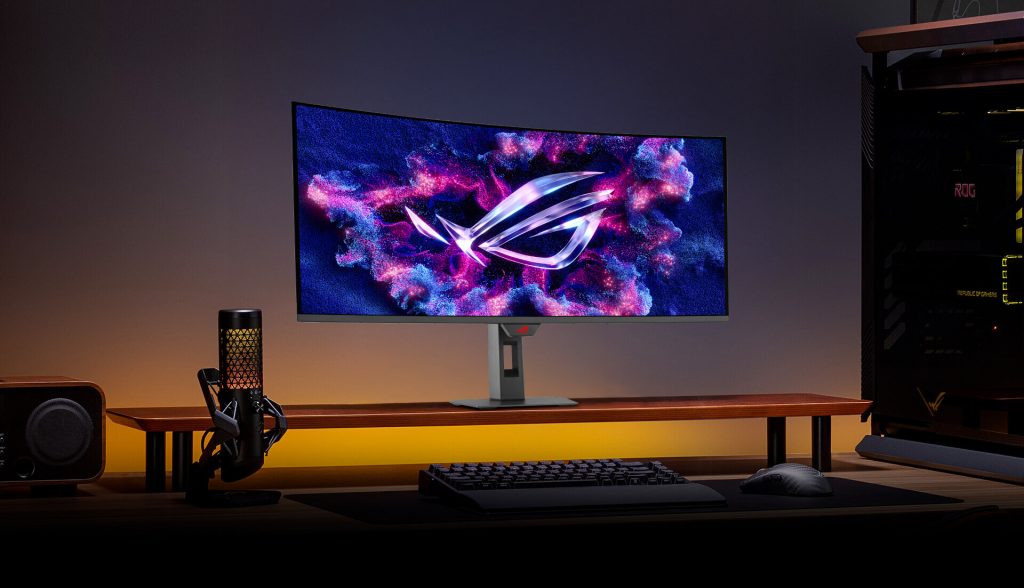
Asus ROG has launched the Strix OLED XG34WCDMTG, a specialised variant of the monitor first announced at CES 2026. While the original XG34WCDMS focused on high-performance gaming, the “TG” model brings a key feature, making it the first dedicated gaming monitor to integrate Google TV functionality natively. Interestingly, this smart monitor has become available for purchase even before the standard version showcased at CES.
As first reported by Notebookcheck, the XG34WCDMTG runs a version of Google TV based on Android 14, allowing it to function as a standalone entertainment hub without a connected PC or console. To support this, the monitor includes Wi-Fi 6 connectivity, a dedicated remote control, voice control features, and wireless projection support. Asus has even pre-installed Nvidia GeForce Now, enabling high-end cloud gaming directly through the monitor's internal hardware.
On the technical front, the monitor is built around a 34-inch ultra-wide QD-OLED panel with a resolution of 3440 x 1440 and a gentle 1800R curvature. It is engineered for high-end performance, featuring a 240 Hz refresh rate and a 0.03 ms GTG response time. While typical SDR brightness is rated at 250 nits, the panel can reach peak highlights of 1000 nits in HDR mode, further enhanced by Dolby Vision support. For connectivity, the monitor provides two HDMI 2.1 (FRL) ports, a DisplayPort 1.4, and a USB-C port that supports DP Alt mode and 90W Power Delivery for charging laptops.
The XG34WCDMTG is currently listed on Amazon for £949 and on the Asus US store for $1,199.
KitGuru says: Asus is clearly taking a page out of Samsung's and LG's playbook by turning the monitor into a multi-purpose entertainment hub. While most PC gamers might find built-in Google TV redundant, it's a nice feature for those in smaller living spaces who want their primary gaming screen to double as a smart TV. However, that convenience comes at a premium.
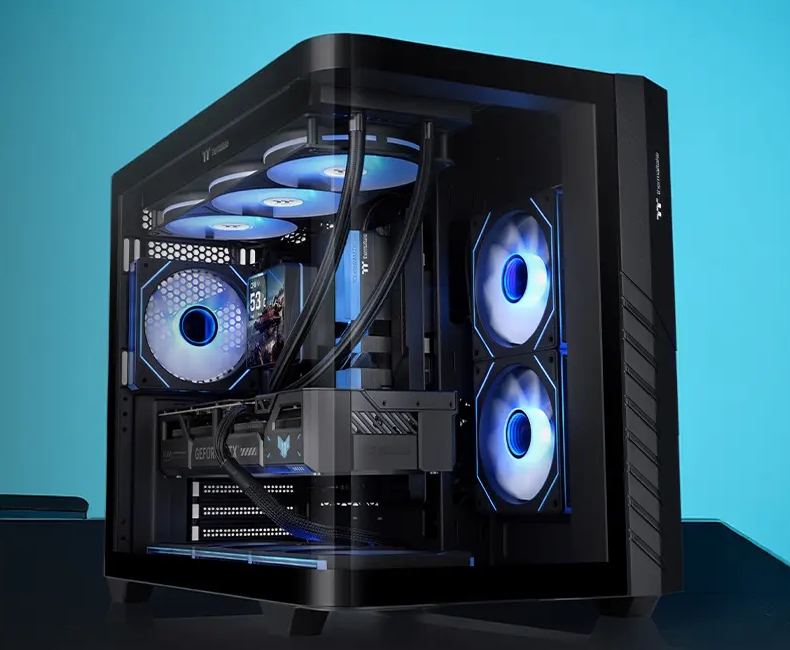
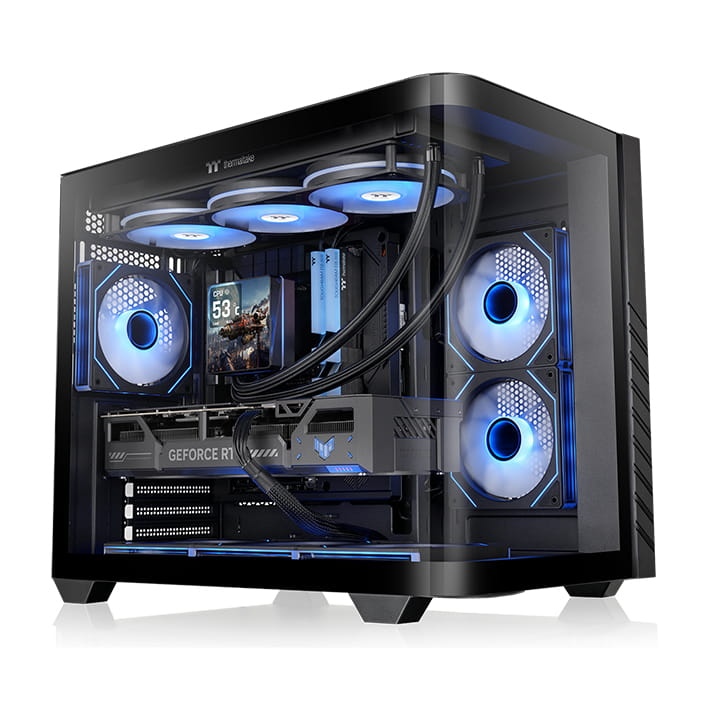
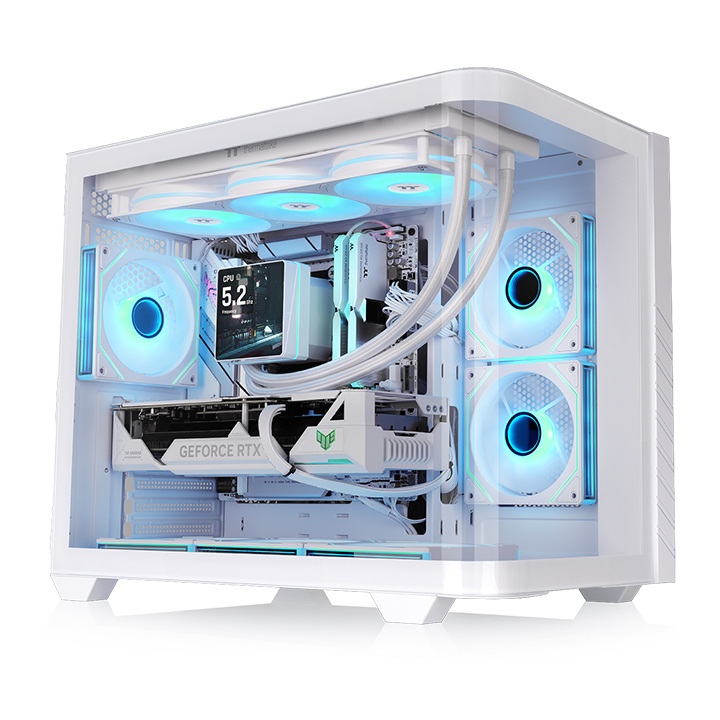
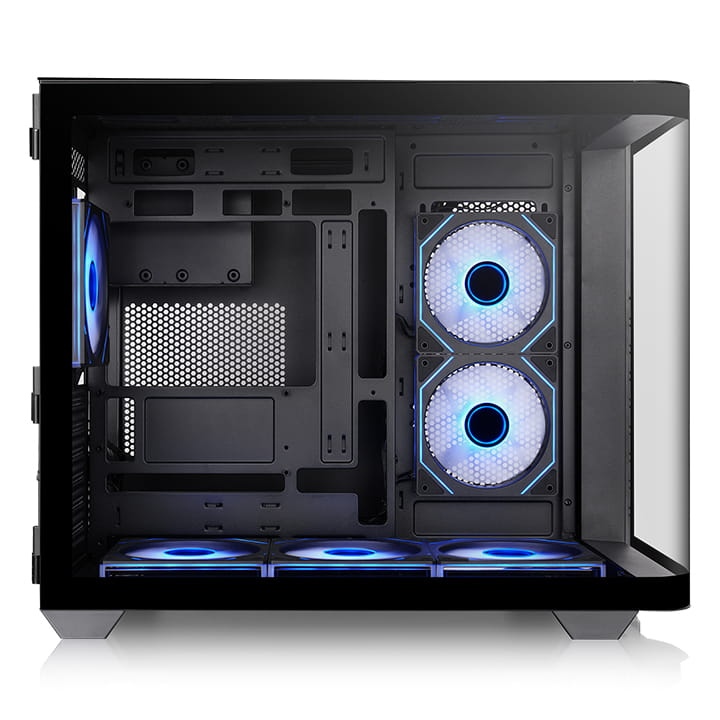
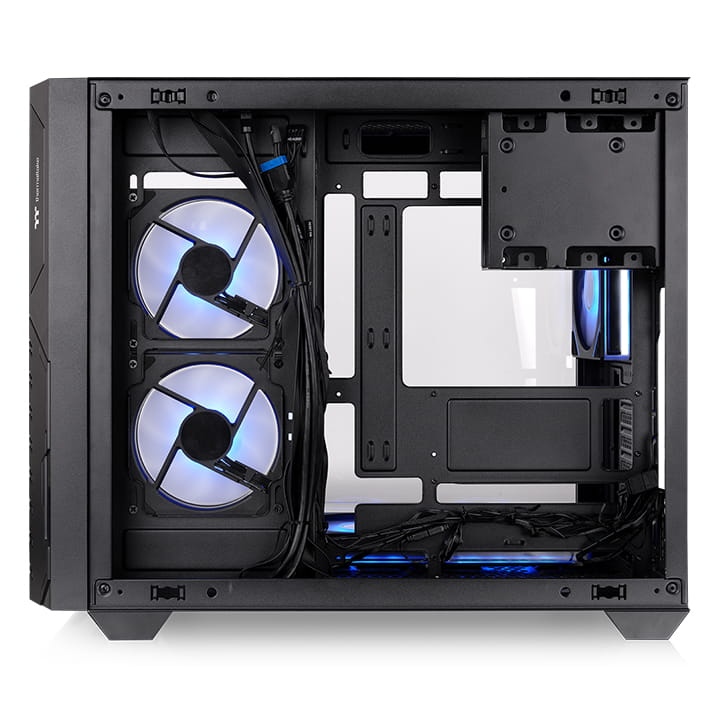
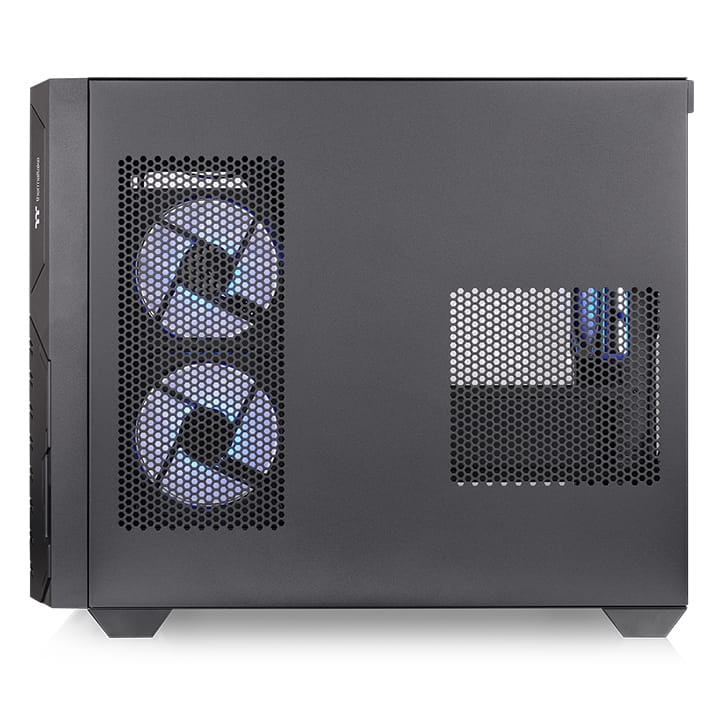
Thermaltake has introduced the Vision 330 CR, a mid-tower chassis that leans heavily into the popular “aquarium” aesthetic while distinguishing itself with a single-piece, curved tempered glass side and front panel.
While the two-compartment design follows a familiar industry trend, Thermaltake has prioritised immediate value by equipping the Vision 330 CR (via Club DNS) with six pre-installed ARGB fans. The lighting features an “infinite mirror” effect in both the centre and on the sides of the fans, spinning up to 1500 RPM to ensure significant internal airflow.
The internal layout is designed to accommodate back-connect motherboards, such as the Asus BTF and MSI Project Zero series, though using the top-mounted storage cage may partially obstruct these connections. Still, the case accommodates GPUs up to 420 mm long, CPU coolers up to 175 mm tall, and PSUs up to 250 mm long. Moreover, there's space for a 360 mm radiator on top, a 240 mm radiator on the side, and up to 9x 120 mm fans.
The front I/O is somewhat conservative, offering two USB 3.0 ports, two audio jacks, and a single USB-C port. Storage options are handled by a cage that fits two 3.5″ drives and one 2.5″ drive, with an additional 2.5″ mounting point at the bottom.
KitGuru says: While the curved glass is a beautiful touch, the real selling point is the inclusion of six fans, a rarity in the current market that saves builders a significant secondary expense.
InWin has officially unveiled the W50, a mid-tower chassis that marks a departure from standard boxy designs with its unique architectural “W” aesthetic. The W50 uses a distinctive W-shaped split-line configuration across three tempered glass panels to provide an expansive panoramic view of the internal hardware.
The W50 features two-way mirrored glass that maintains a sleek mirror finish when the system is powered down, but becomes transparent to reveal the system's interior when turned on. The W50 is built for high-performance builds, offering native support for E-ATX motherboards and specialised back-connect ATX motherboards. The interior is quite spacious, accommodating flagship graphics cards up to 435 mm long, CPU air coolers up to 175 mm tall, and PSUs up to 238 mm long. The case also offers 8x expansion slots and an optional modular bracket for vertical or horizontal mounting.
The case ships with four pre-installed Vortex VX120 fans but can accommodate up to nine similarly sized fans. It also supports 360 mm radiators on both the top and side panels simultaneously. An integrated ARGB hub handles the lighting with 19 presets, while the top I/O provides a high-speed USB 3.2 Gen 2×2 Type-C (20 Gbps) port. Maintenance is simplified thanks to the magnetic dust filters on the top and side, complemented by a convenient pull-out filter at the bottom.
KitGuru says: InWin has always been quite innovative in its PC case designs, and the W50 looks to follow that trend.
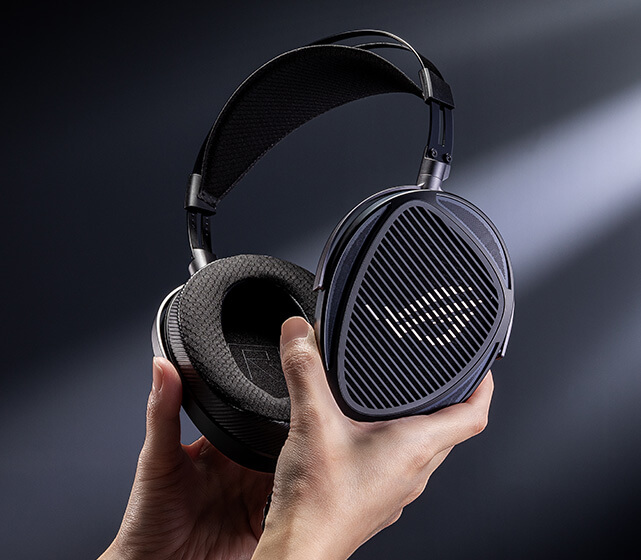
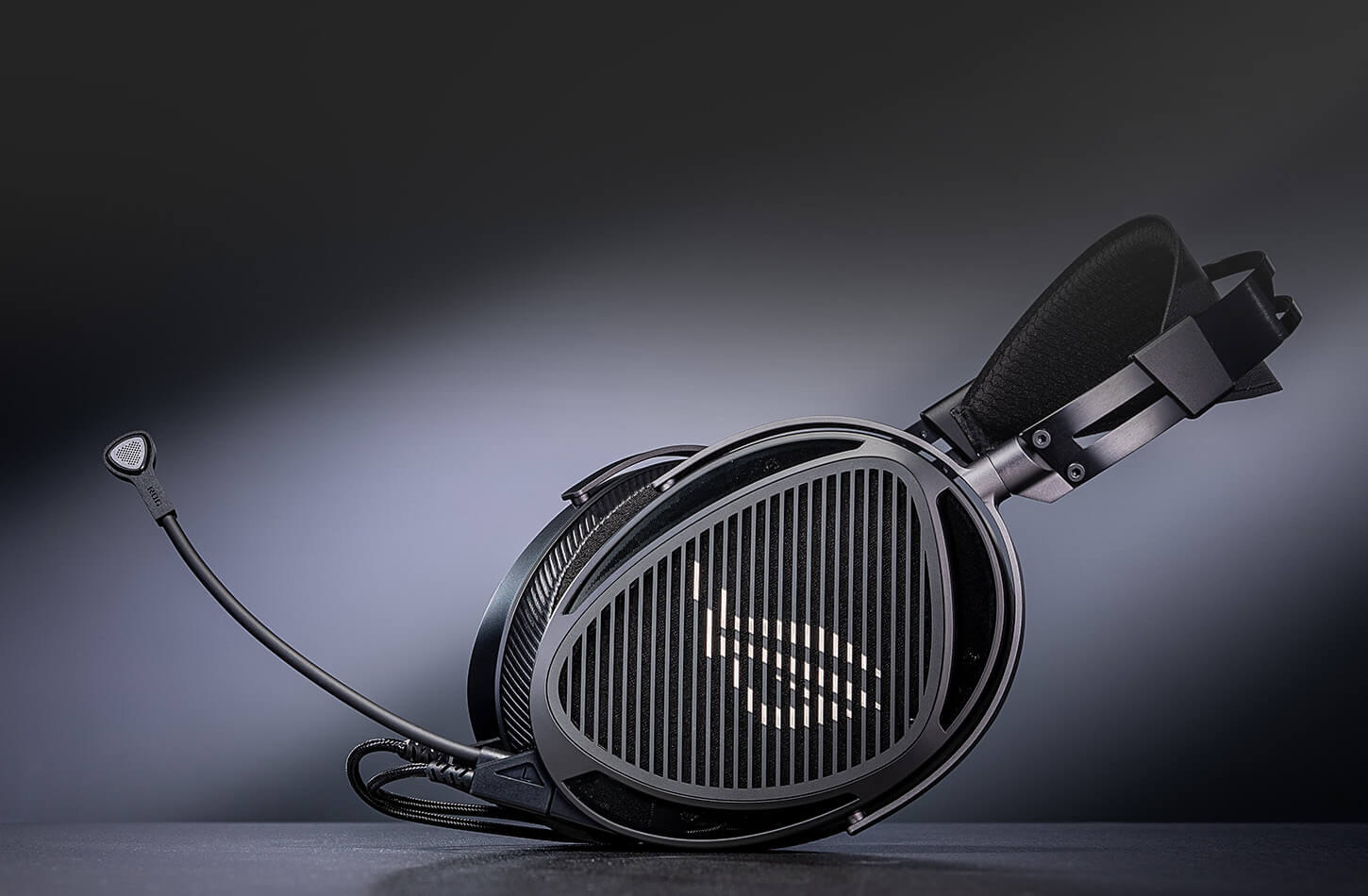
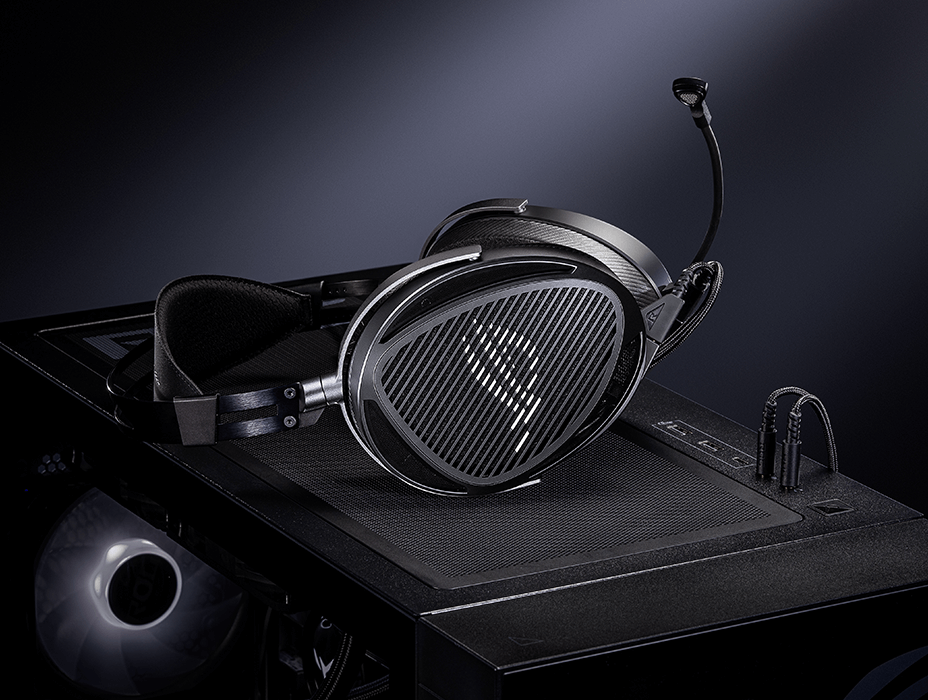
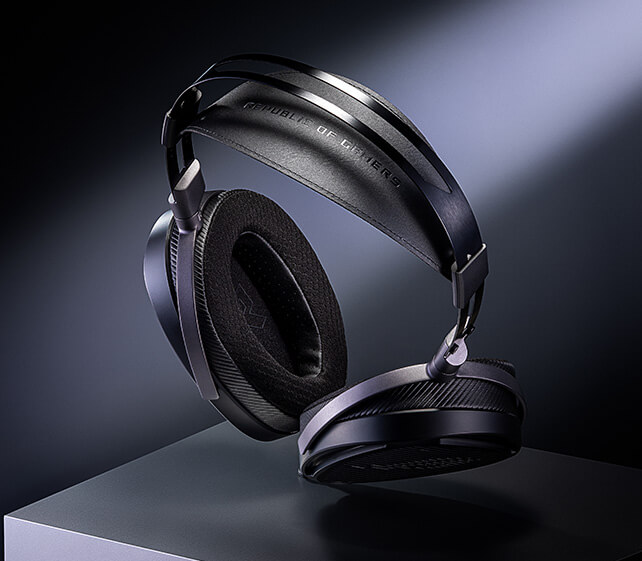
The Asus ROG Kithara marks the company's first high-fidelity planar magnetic headset. Developed in partnership with the audiophile specialists at HIFIMAN, it was designed to deliver an immersive, studio-grade experience.
The Kitara headset features 100mm Hifiman planar magnetic drivers with an ultrawide frequency response of 8Hz to 55kHz, delivering the clarity needed for competitive gaming. The open-back architecture of the ROG Kithara is a departure from traditional gaming headsets, specifically chosen to create an expansive, natural soundstage. By allowing sound waves to pass through the earcups freely rather than reflecting within an enclosed space, the headset prevents overlapping frequencies and muddy audio, resulting in superior sound separation. While this design does not offer passive noise isolation and is best suited for quiet environments, it significantly enhances spatial awareness and imaging accuracy.
For communication, the Kithara features a detachable, full-band MEMS boom microphone covering the 20Hz to 20kHz range. Unlike most analogue headsets, which share a ground for audio and microphone signals, the Kithara's cable separates these signal channels to remove crosstalk. The MEMS technology also provides a higher signal-to-noise ratio (SNR) than traditional ECM microphones.
The headset features a high-quality OFC balanced cable with 3-in-1 swappable plugs. This includes a 4.4mm balanced plug for reduced electrical noise, alongside 3.5mm and 6.3mm single-ended plugs for broad compatibility with DACs, amplifiers, PCs, and consoles. Additionally, it includes a USB-C-to-dual-3.5mm adapter. The ROG Kithara features a metal frame and an aluminium hinge design. The 8-way adjustable headband works in tandem with plush memory foam padding to distribute weight across various head shapes.
The ROG Kithara is available globally, with regional pricing varying. In the United States, the headset is priced at $299.99. In Europe, it retails for €319.90.
KitGuru says: There are not many open-back gaming headsets with planar drivers, so there is some novelty here with this headset.
Clair Obscur: Expedition 33 has won a ton of awards in recent months. This week, as part of the 29th annual DICE awards, the team at Sandfall Interactive added yet another GOTY trophy to their list of accolades, alongside several other awards.
While Sandfall Interactive dominated the tally, Sucker Punch Productions also had a significant showing with Ghost of Yotei. The Ghost of Tsushima sequel secured three awards, including Adventure Game of the Year and high marks for its original music. Other multi-award winners included Blue Prince and Death Stranding 2: On the Beach, both of which earned two distinctions each. The ceremony also recognised a spread of titles across other genres, with trophies going to Mario Kart World, Arc Raiders, and Hades II.
The full list of nominees and winners can be found below:
Game of the Year
Arc Raiders
Blue Prince
Clair Obscur: Expedition 33 – WINNER
Dispatch
Ghost of Yōtei
Outstanding Achievement in Animation
Death Stranding 2: On The Beach
Ghost Of Yōtei
Monster Hunter Wilds
South of Midnight – WINNER
The Midnight Walk
Outstanding Achievement in Art Direction
Clair Obscur: Expedition 33 – WINNER
Death Stranding 2: On The Beach
Dispatch
Ghost Of Yōtei
The Midnight Walk
Outstanding Achievement in Character
Clair Obscur: Expedition 33 – Esquie
Clair Obscur: Expedition 33 – Maelle
Dispatch – Courtney/Invisigal
Dispatch – Robert Robertson III/Mecha Man
Ghost Of Yōtei – Atsu – WINNER
Outstanding Achievement in Original Music Composition
Clair Obscur: Expedition 33
Ghost Of Yōtei – WINNER
Herdling
Mario Kart World
Sword of the Sea
Outstanding Achievement in Audio Design
Arc Raiders
Death Stranding 2: On The Beach – WINNER
Ghost Of Yōtei
Lumines Arise
Split Fiction
Outstanding Achievement in Story
Clair Obscur: Expedition 33 – WINNER
Consume Me
despelote
South of Midnight
The Drifter
Outstanding Technical Achievement
Arc Raiders
Assassin's Creed Shadows
Death Stranding 2: On the Beach – WINNER
Donkey Kong Bananza
Doom: The Dark Ages
Action Game of the Year
Absolum
Arc Raiders
Doom: The Dark Ages
Hades II – WINNER
Ninja Gaiden 4
Adventure Game of the Year
Blue Prince
Dispatch
Donkey Kong Bananza
Ghost Of Yōtei – WINNER
Hollow Knight: Silksong
Family Game of the Year
LEGO Party! – WINNER
LEGO Voyagers
Lumines Arise
Marvel Cosmic Invasion
POPUCOM
Fighting Game of the Year
2XKO
Capcom Fighting Collection 2
Fatal Fury: City of the Wolves
Mortal Kombat: Legacy Kollection – WINNER
WWE 2K25
Racing Game of the Year
EA Sports F1 25
Kirby Air Riders
Mario Kart World – WINNER
Wheel World
Role-Playing Game of the Year
Clair Obscur: Expedition 33 – WINNER
Citizen Sleeper 2: Starward Vector
Kingdom Come: Deliverance II
Monster Hunter Wilds
The Outer Worlds 2
Sports Game of the Year
EA Sports FC 26
PGA Tour 2K25
MLB The Show 25
NBA 2K26
Rematch – WINNER
Strategy/Simulation Game of the Year
The Alters – WINNER
Drop Duchy
Europa Universalis V
The King is Watching
StarVaders
Immersive Reality Technical Achievement
Ghost Town
Hotel Infinity
Marvel's Deadpool VR
Star Wars: Beyond Victory – A Mixed Reality Playset
Unloop
Immersive Reality Game of the Year
Demeo x Dungeons & Dragons: Battlemarked
Ghost Town – WINNER
Marvel's Deadpool VR
The Midnight Walk
Thief VR: Legacy of Shadow
Outstanding Achievement for an Independent Game
Baby Steps
Blue Prince – WINNER
Consume Me
despelote
Dispatch
Hades II
Mobile Game of the Year
Persona 5: The Phantom X – WINNER
Umamusume: Pretty Derby
What The Clash?
Where Winds Meet
Online Game of the Year
Arc Raiders – WINNER
Battlefield 6
Mario Kart World
Marvel Rivals
Split Fiction
Outstanding Achievement in Game Design
Arc Raiders
Blue Prince – WINNER
Hades II
Kingdom Come: Deliverance II
Öoo
Outstanding Achievement in Game Direction
Blue Prince
Clair Obscur: Expedition 33 – WINNER
Ghost of Yōtei
Hades II
Kingdom Come: Deliverance II
KitGuru says: Seeing a fresh IP from a relatively new studio beat out industry juggernauts for Game of the Year is a rare and refreshing sight.
Pulsar Gaming Gears and Vaxee have officially launched their jointly developed eS series, marking the start of a strategic partnership to provide high-performance esports equipment to competitive gamers. This initial product wave features the FS-1 gaming mouse, the PD170 mousepads, and a range of arm sleeves, all intended for professional play.
The flagship FS-1 mouse is engineered for stability and consistency, featuring a 56g symmetrical design, 100M-click optical switches, and a 32K XS-1 flagship optical sensor. Also worth noting is the inclusion of the Link 8K Dongle, which acts as an active tournament controller rather than a standard passive receiver. This device allows players to instantly adjust critical settings like DPI, polling rate, and LOD via built-in buttons, facilitating on-the-fly changes without the need for software or flipping the mouse during intense matches. The dongle supports an 8000Hz polling rate, powered by a dual-MCU design, to ensure a stable wireless connection.
Moving on to the eS PD170 mousepads, these are available in XL and XL SQ sizes. Because of their sturdy, hard base, which removes cushion compression, these mousepads allow the mouse to glide more steadily across the surface. The rounded edges should also help reduce wrist interference. Lastly, the series also includes the eS eSports Arm Sleeves, available in M, L, and XL sizes.
The series follows a phased rollout schedule, beginning with a pre-launch event at the VCT NA venue in Los Angeles. The official launch on all Pulsar web stores is set for February 19th, followed by a secondary launch phase on February 25th. In terms of pricing, the eS FS-1 gaming mouse is listed at $179.95/€179.90, while the PD170 mousepads range from $49.95/€59.99 to $59.95/€64.99, and the gaming arm sleeves are available for $19.95/€24.99.
KitGuru says: Are you a Pulsar fan? Interested in any of the company's new eS series products?
 Connexion
 George Washington never binged-watched a TV series on a big and glorious OLED display, but you certainly can. Upgrading to an OLED TV doesn't have to put a big hit on your bank account, either. Best Buy is serving up discounts on whole bunch of OLED TVs in its Presidents' Day sale, with savings of up to $1,300 off the suggested pricing.
Samsung's
George Washington never binged-watched a TV series on a big and glorious OLED display, but you certainly can. Upgrading to an OLED TV doesn't have to put a big hit on your bank account, either. Best Buy is serving up discounts on whole bunch of OLED TVs in its Presidents' Day sale, with savings of up to $1,300 off the suggested pricing.
Samsung's