NZXT is taking another stab at the SFF case, nearly six years after the original H1. The H2 Flow sports the same form factor but has been redesigned from the ground up. This successor manages to be a solid option for those looking to build a compact system, even if NZXT is trying to market a few parts of it as better than they actually are.
Watching a movie or chilling out with a meditative VR experience can meaningfully expand the use case and the amount of time someone might be willing to spend in a headset.
Unfortunately there are many factors that push against this trend. Most notably the soft cloth head straps that ship with the Quest 3 and 3S (and the Quest 2 previously) are not comfortable for many people, especially for longer sessions.
The dream of a personal theater to view movies and other entertainment is not new, born out of the Oculus revolution. But early VR was developed mainly for gaming, with head straps prioritizing stability on the head for movement rather than comfort lying down.
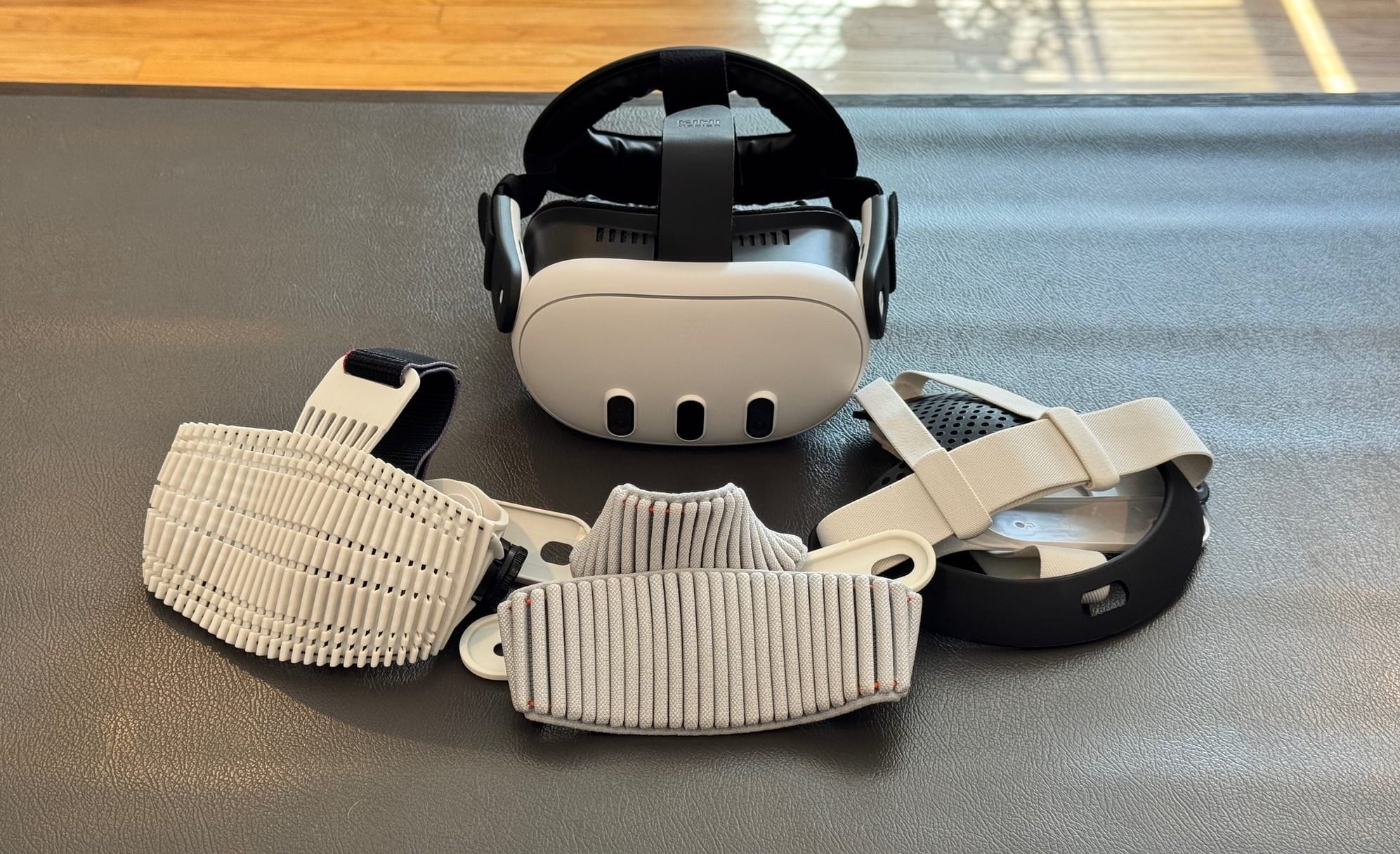
The lying down use case is now being served by many more consumer choices than ever before. I've been testing these options to bring them to light for others like me, who are seeking a comfortable solution.
Apexinno A3 Ultra-Light Head Strap
Photo: Craig Storm
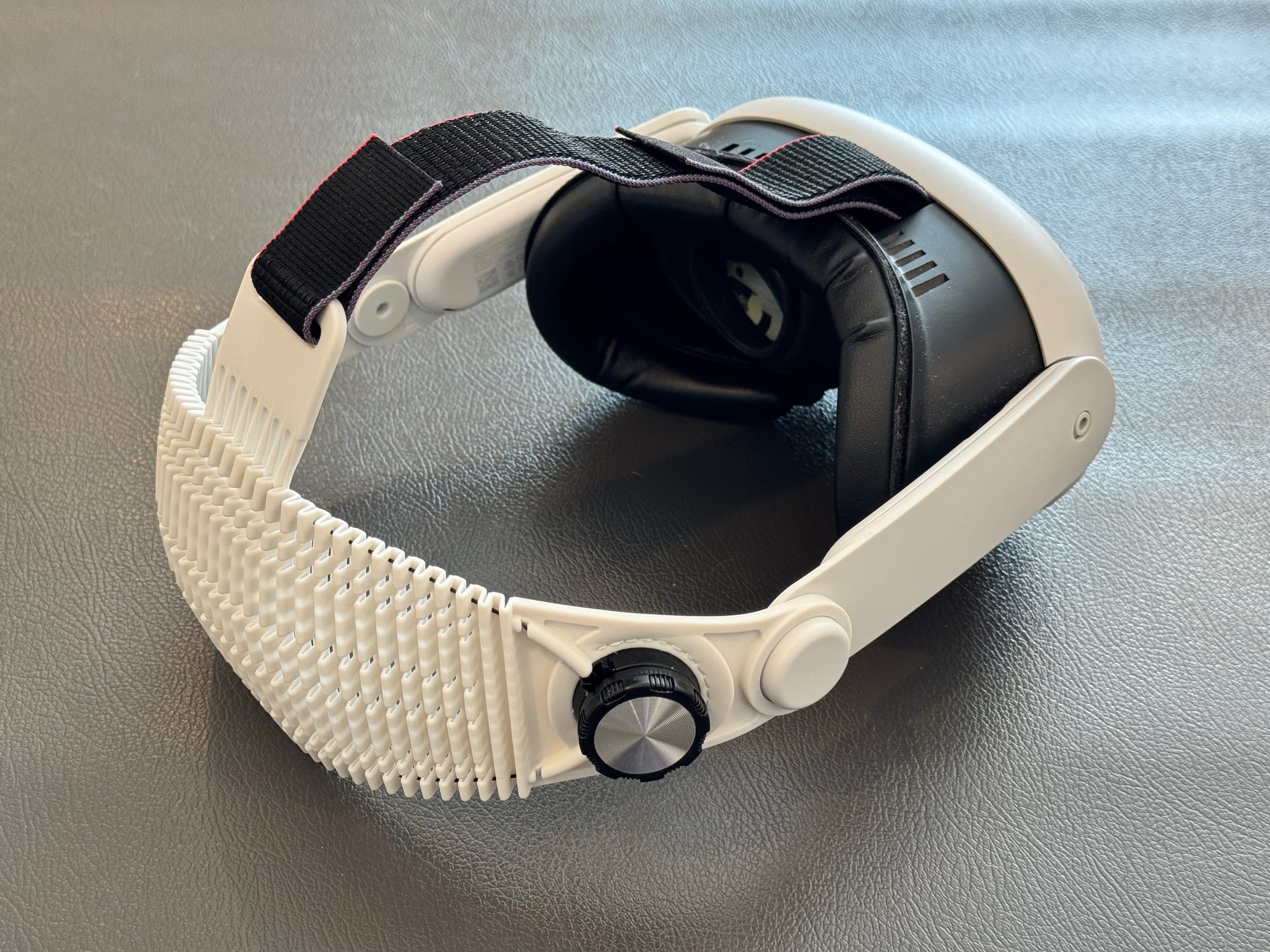
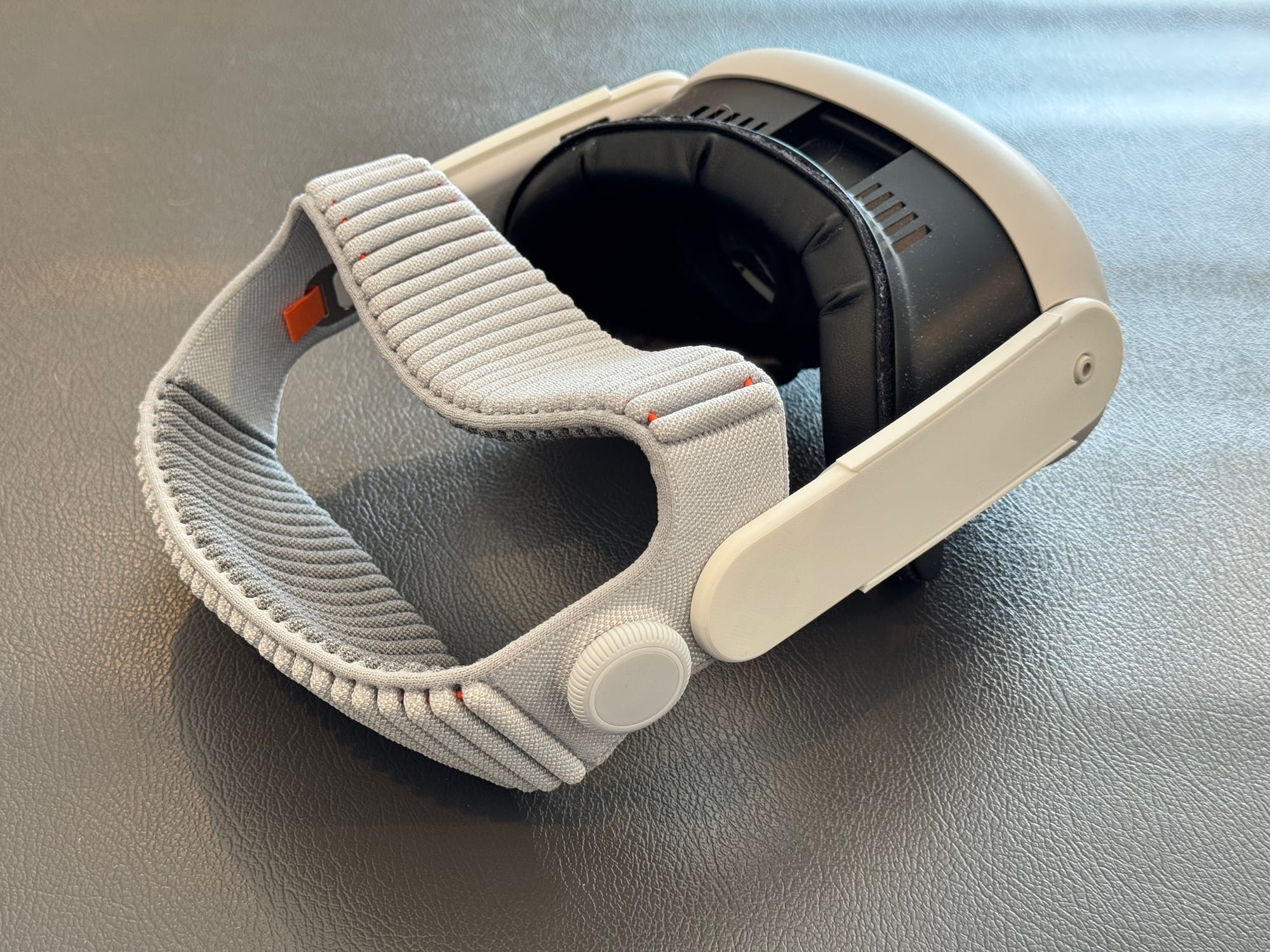
Apexinno has introduced a new lightweight head strap that uses a silicone accordion rear strap, reminiscent of the Apple knit straps for Vision Pro. The top strap is a fabric and Velcro piece that sits front-to-back to provide lift on the headset to reduce pressure on the face and cheekbones.
The A3 successfully replicates much of the satisfying gathering, cupping sensation that the Apple knit straps provide on the back of the head. It makes for a comfortable and lightweight solution that essentially disappears once you're lying down. There is a scroll wheel on the right hand side that tightens the rear strap. To loosen you pull outward on the knob and the rear strap relaxes.
For someone looking for a solution similar to the Apple Vision Pro Knit strap but for far less money, and without having to go with 3rd party adapters, the Apexinno A3 is a compelling choice. You can find the A3 available for $29.99 on the Apexinno website or Amazon.com
Editor’s Note: Apexinno provided a review unit of the A3 head strap for this article.
Kiwi Design K4 Flex Comfort Elite Head Strap
Photo: Craig Storm
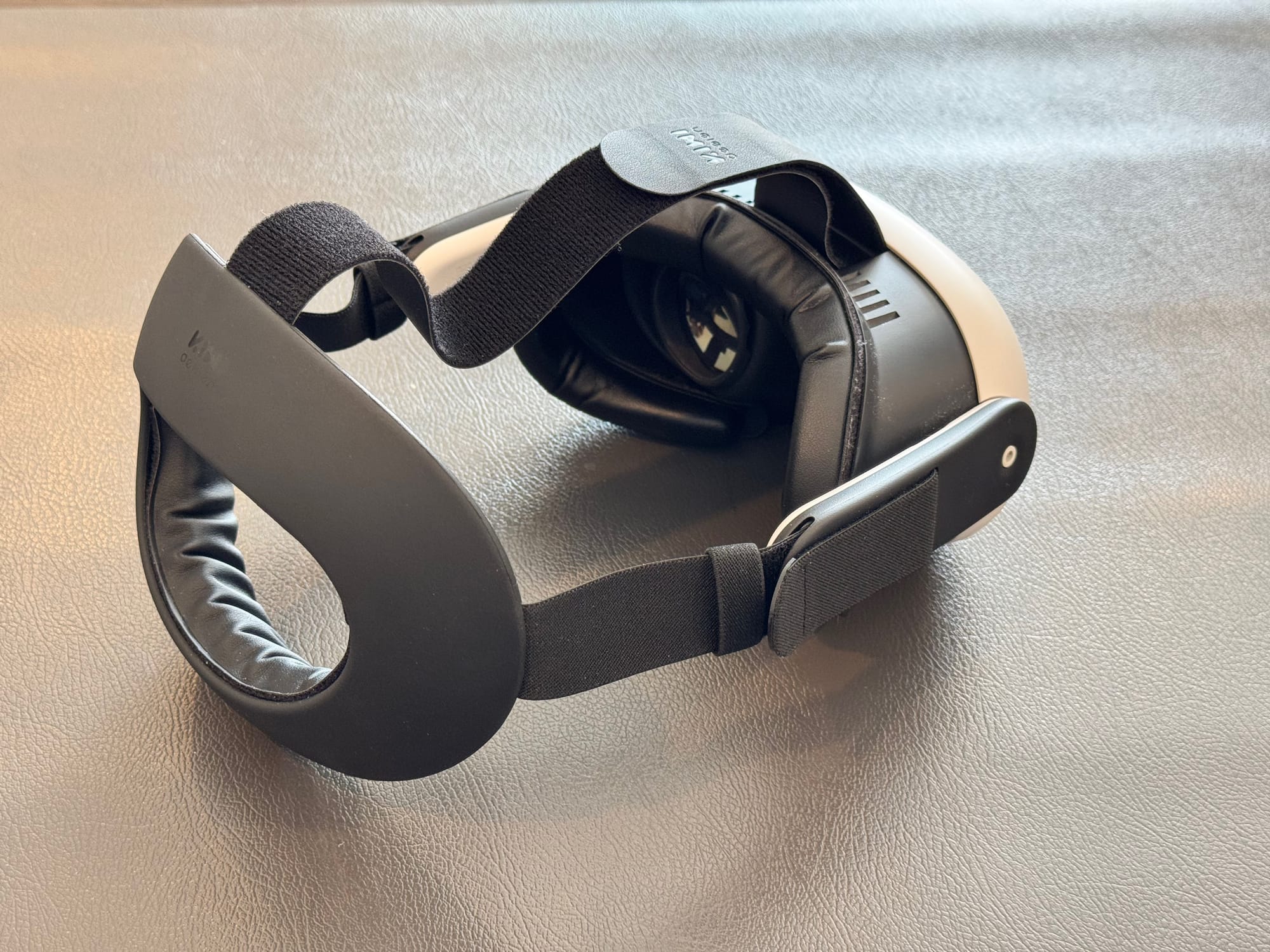
Kiwi Design’s K4 Flex takes a different approach. It combines a rigid yet flexible rear pad and elastic side straps to create a secure yet very comfortable experience for the user. The rear is well cushioned with a synthetic leather pad and a front-to-rear top strap is also present to provide lift for the headset off the face. Also noticeable is the high level of fit and finish and attention to detail in the design and construction of the K4 Flex. It feels and behaves like a high-quality product.
In practice this is one of the most comfortable head straps I've used on my Quest. During lying down sessions the rear pad is more apparent than the Apexinno, and some people might find it not as suited to full horizontal VR. However, it is well padded and flexible enough that it was never uncomfortable for me, just noticeable.
My impression of the K4 Flex is that it neatly falls between a true lying down solution and a capable elite-style head strap, with some valuable qualities of both types. And in the end might be the most compelling for all-around use.
The K4 Flex is available on the Kiwi Design website for $34.99 or Amazon.com.
Meta Quest 3 Stock Head Strap With 3rd Party Head Pad
Photo: Craig Storm
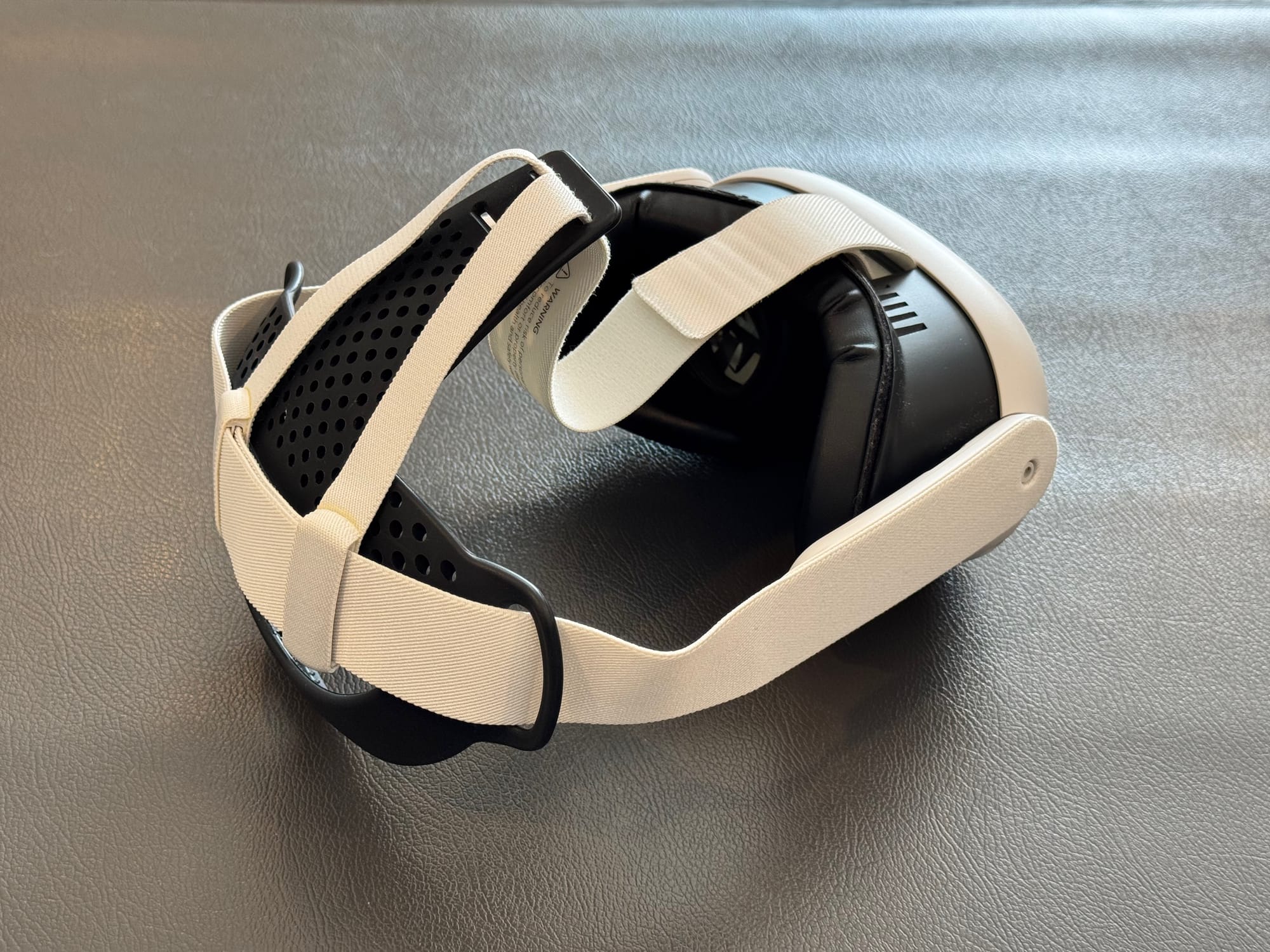
A low cost solution I found that greatly improved the comfort of the stock Meta Quest head strap is the addition of a rear head pad. This spreads the pressure of the strap more widely and evenly across the back of the head and reduces the “hot spots” where I would get sore using the stock strap alone.
These are commonly available on Amazon and other online marketplaces. Apexinno features one on their website. I purchased mine from AliExpress for less than $10.
Apple Vision Pro Dual Knit Band With 3rd Party Adapters
Photo: Craig Storm
I previously wrote about my experience adapting an Apple Dual Knit band to my Meta Quest 3, using 3rd party adapters from an Etsy vendor. While this is easily the most expensive solution here, it also has some unique advantages.
The Dual Knit strap is exceptionally well made and designed, no surprise given its Apple design and lofty price tag. The woven material is soft and luxurious to the touch. The adjustment knob serves a dual function, and does so with a feeling of quality and precision. The tungsten weights built into the rear strap and the cross-head design instead of a front-to-back design means that weight is managed differently. Given the Quest 3’s lighter weight than the Vision Pro, this makes for a very balanced and comfortable solution that offers terrific adjustability.
The comfort of Apple's design demonstrates that the Vision Pro was designed with the reclined or lying down use case in mind. Quest owners can now experience Apple's design choices for themselves.
Thoughts On Comfort & Convenience
One added benefit of these soft straps is the convenience afforded when traveling with your Quest. I was able to simply roll the entire thing up, headset and strap, into a sweatshirt and stick it in my bag – no special travel case required. As someone who travels for work frequently, it's not a small thing to have that option. Convenience is king when making decisions about what to bring along.
What all of these options really highlight is an acknowledgment of the broader spectrum of how many people actually use VR. For years, head strap design decisions were built around the assumption that users would be standing, moving, and playing. But a lot of us also want to lean back, watch a movie, or spend some quiet time in a headset. Comfort for those moments looks different than it does for active gaming, and the industry is finally starting to recognize that.
If you thought your Bambu X1 Carbon was fast, a new 3D printing technique that can fabricate complex millimeter-scale objects in just 0.6 seconds may bring some buyer's remorse. To achieve such performance, the tech uses holographic light fields to solidify resin all at once, obviously taking away the wait needed for layer-by-layer process
Don't let an aging wireless router hold back your home network. These days, practically everything is downloaded and streamed, from triple-A games to movies and TV shows. Practically everything is a connected device too, and if your router is a few generations old, then consider upgrading to take advantage of features only found in later protocols.
Wi-Fi
Apple is preparing to integrate a native video experience directly into the Apple Podcasts app this spring (the feature is also currently available in limited beta). With the company aiming to provide a seamless transition between listening and watching, Apple Podcasts is positioning to bring some heat to the likes of YouTube and Spotify.
Announced
There have been rumblings of Apple launching new products in the coming weeks and there's now a confirmed event to go along with the chatter. Apple has been sending out invitations for what it's describing as a "special Apple Experience" in New York. There's no mention or even hint of what products will be announced, but we have some guesses.
Apple
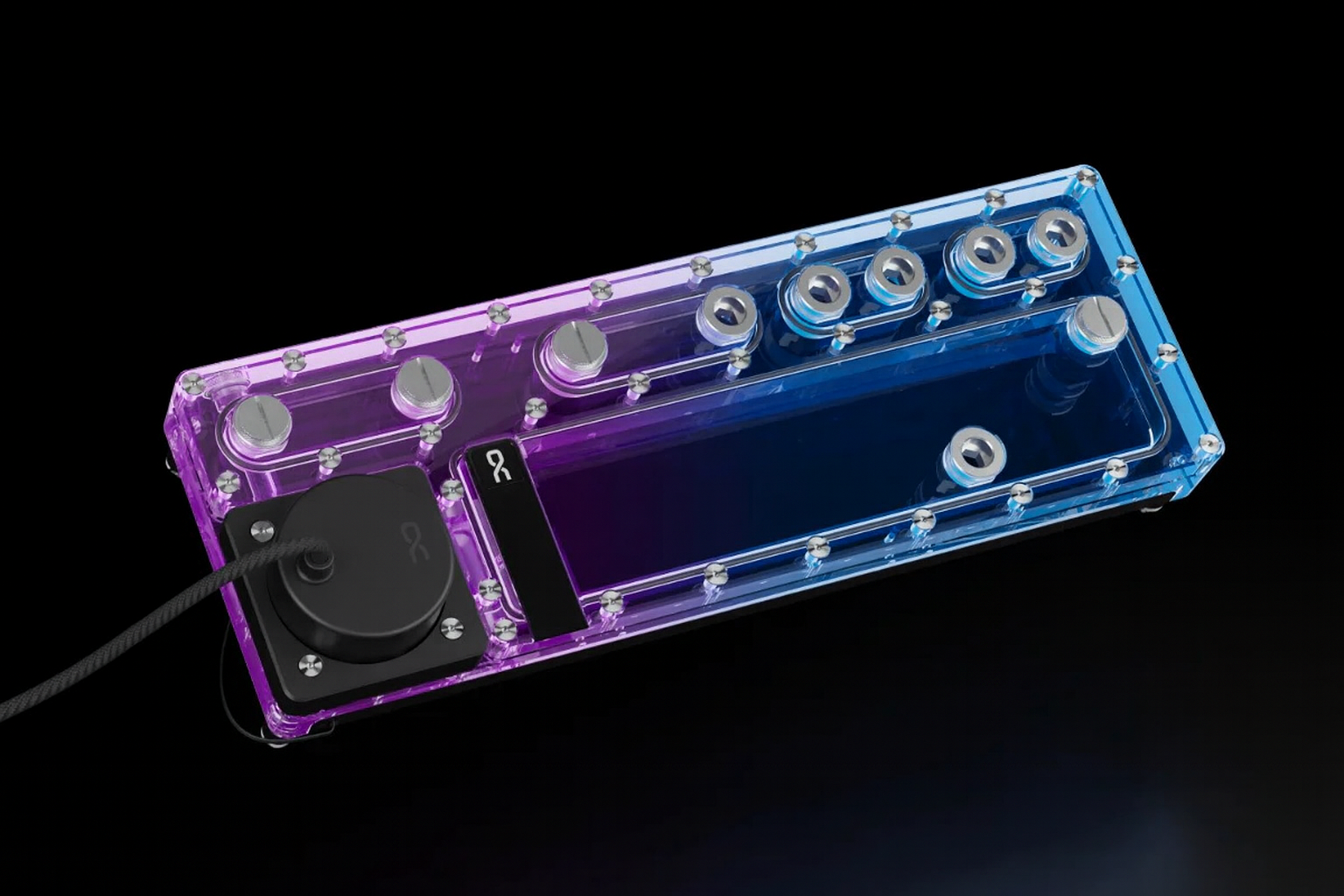
Alphacool has expanded its water‑cooling lineup with the Core Distro Plate V2, a redesigned distribution plate aimed at simplifying custom loop planning and installation. The updated model focuses on flexibility, offering a slimmer profile, revised port layout and an integrated drain port to support shorter tubing runs and easier maintenance.
The plate is manufactured from clear acrylic glass to provide an unobstructed view of the coolant, with digital aRGB lighting built in for system illumination. You will also find chrome‑plated brass G1/4 fittings are embedded directly into the acrylic body to improve durability and reduce the risk of leaks.
Alphacool has also reworked the pump mounting system, allowing users to install VPP/D5 or DDC pumps depending on their build requirements. The included VPP Apex pump uses a ceramic shaft and updated motor design intended to deliver quieter, more efficient operation through PWM control. A Core Push Mounting Kit is supplied for secure installation.
The Core Distro Plate V.2 is available in 240mm and 360mm sizes, with options for left or right-side pump placement to accommodate different case layouts. The 240mm version will be priced at €249.98 while the 360mm version will be priced at €279.98.
KitGuru Says: Are you planning on making the jump to a custom watercooling loop this year? Will you be opting for a Distro Plate to simplify the whole process?
From time to time, physical copies of highly anticipated videogames make their way out to fans early. Some very notable examples of this in recent years include the likes of Starfield, Kingdom Hearts 3 and The Legend of Zelda: Tears of the Kingdom. Capcom has found itself joining that list this week with Resident Evil Requiem.
Physical copies of Resident Evil Requiem are now out in the wild, following on from a report that distributors began receiving physical copies of the game earlier this week. With some fans now in possession of the game, it is likely that spoilers and leaks will follow.
Capcom will end up issuing DMCA takedown notices against early footage uploaded to sites like YouTube and Twitch, but these leaks often spread fast, so some gamers may encounter spoilers despite these efforts.
If you are planning on picking up Resident Evil Requiem when it drops on February 27th, you would do well to avoid the certain subreddit pages and gaming forums, as well as the For You page on sites like X / Twitter.
KitGuru Says: Resident Evil Requiem is set to serve as a grand finale to the excellent ‘soft reboot' trilogy, which kicked off with Resident Evil 7 many years ago. Are you looking forward to the new game?
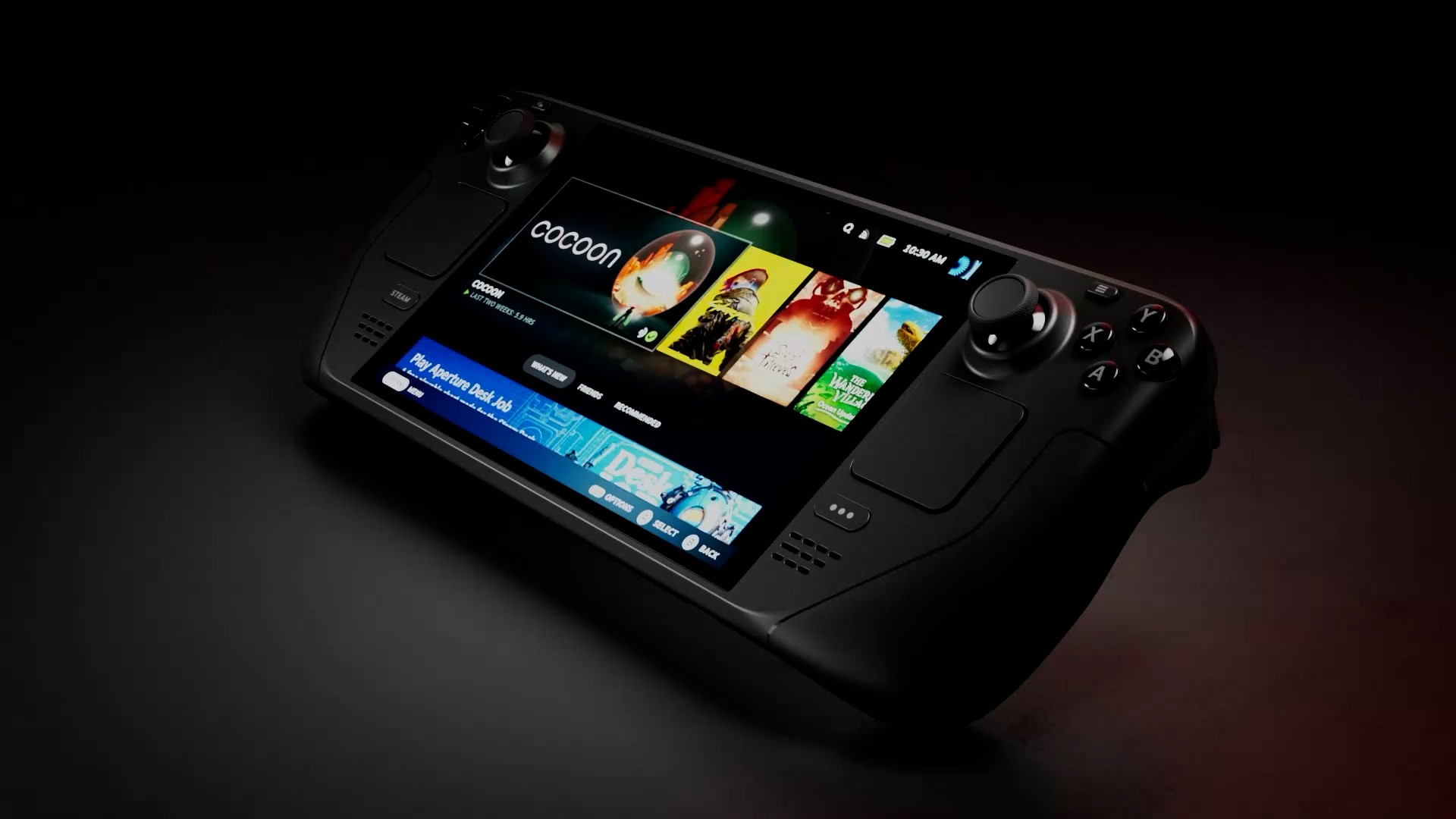
The Steam Deck has sold out in some regions, most notably in the US, and Valve has a bit of a problem on its hands, as it is now facing difficulties securing regular memory and storage supplies to produce more.
The Steam Deck handheld has been an increasingly popular option for PC gamers over the past few years and for the most part, Valve has been able to meet demand for the system for that duration of time. Unfortunately, over the past few months, AI-focused corporations have begun buying up the vast majority of available memory supply, resulting in a much smaller slice of the pie to cover consumer electronic devices like game consoles, consumer-grade graphics cards, smartphones and more.
Speaking on the issue, Valve said that the Steam Deck OLED “may be out of stock intermittently in some regions due to memory and storage shortages”. They also added that the 256GB model of the Steam Deck LCD is “no longer in production”, meaning it will soon no longer be available once current stocks run out.
This situation isn't great timing for Valve either, as last year, the company announced a renewed push on hardware with the Steam Machine and Steam Frame devices, both of which may now face delays.
KitGuru Says: PC gamers in particular have had a rough decade. In 2016 to 2018, we faced GPU shortages due to a cryptomining boom. In the early 2020s, we faced massive chip shortages due to the pandemic. Now just after recovering from that, we have a new shortage to contend with, brought about by growth in the AI datacentre sector.
Call of Duty: Warzone Mobile has been on the market for just under two years. However, the game has not met Activision's expectations and as a result, it will soon be shutting down.
Activision announced today that it is winding down services for its dedicated mobile version of the popular Call of Duty Warzone battle royale. Online services will cease to function starting on April 17th and then, the game will be delisted from mobile App stores in May.
Call of Duty Warzone Mobile launched in March 2024, so it has had a pretty short shelf life, especially compared to Activision's main Call of Duty Mobile game. Unfortunately, the game was simply too big to run comfortably on many cheaper smartphones, leading to a somewhat negative reception around launch due to graphics and performance issues. On a high-end device though, the game was quite impressive, particularly with its faithful core gameplay and map detail.
Players won't have to stray too far to get their Battle Royale fix though. The already popular Call of Duty Mobile also has its own Battle Royale mode, alongside other fan favourite modes. With that in mind, it is no wonder why the standalone Warzone Mobile didn't take off.
KitGuru Says: Did any of you try Warzone Mobile? Was it any better than the Battle Royale offering in the main Call of Duty Mobile game?
The second wave of Game Pass titles for February 2026 has now been announced, with massive RPGs like The Witcher 3 Complete Edition and Kingdom Come Deliverance 2 leading the charge.
The Witcher 3 has been available on Game Pass previously, but this time around, CD Projekt Red has put the full Complete Edition up on the service. That means Game Pass subscribers will be able to finish the entire base game, and the excellent Hearts of Stone & Blood and Wine expansions. Kingdom Come Deliverance 2 is also a surprise addition to the library, arriving roughly one year after the game's initial launch on PC and consoles.
Here is the full list of titles coming to Game Pass over the next two weeks along with platforms and dates:
Death Howl (Cloud, Xbox Series XS, Handheld, PC) – February 19
EA Sports College Football 26 (Cloud, Xbox Series XS) – February 19
The Witcher 3: Wild Hunt – Complete Edition (Cloud, Console) – February 19
TCG Card Shop Simulator (Cloud, Xbox Series XS, Handheld, PC) – February 24
Dice A Million (PC) – February 25
Towerborne (Console, Handheld, PC) – February 26
Final Fantasy III (Cloud, Xbox Series XS, PC) – March 3
Kingdom Come: Deliverance II (Cloud, Xbox Series XS, PC) – March 3
Alongside these games, Microsoft has also announced today that Avowed is now available on Game Pass Premium and is no longer reserved only for Game Pass Ultimate subscribers.
KitGuru Says: Will you be installing any of this month's new Game Pass titles?
This week, Nvidia has revealed a new batch of DLSS-supported games coming out. The headliners are Styx: Blades of Greed and Star Trek: Voyager, along with the latest game from Tripwire Interactive – NORSE: Oath of Blood.
Styx: Blades of Greed is Cyanide Studio and Nacon’s latest stealth-action game, improving on its predecessors, Styx: Shards of Darkness and Styx: Master of Shadows, by making freedom and creativity central to the experience. In it, GeForce RTX GPU users can activate DLSS 4 with Multi Frame Generation, and NVIDIA Reflex.
NORSE: Oath of Blood is a turn-based tactics game that plunges players into the heart of the Viking Age. The game launches later today and will have day-one support for DLSS Frame Generation and DLSS Super Resolution. With the override in the Nvidia app, users can also force enable DLSS 4 with Multi Frame Generation.
Star Trek: Voyager – Across the Unknown is a new game set aboard the U.S.S. Voyager, deep within the unexplored reaches of the Delta Quadrant. The game launches February 18th, featuring native support for DLSS 4 with Multi Frame Generation, DLAA and NVIDIA Reflex.
Finally, this week also sees the launch of Battlefield 6 Season Two. The game continues to support all of the latest DLSS features, just as it did at launch.
KitGuru Says: What do you think of this week's new DLSS titles?
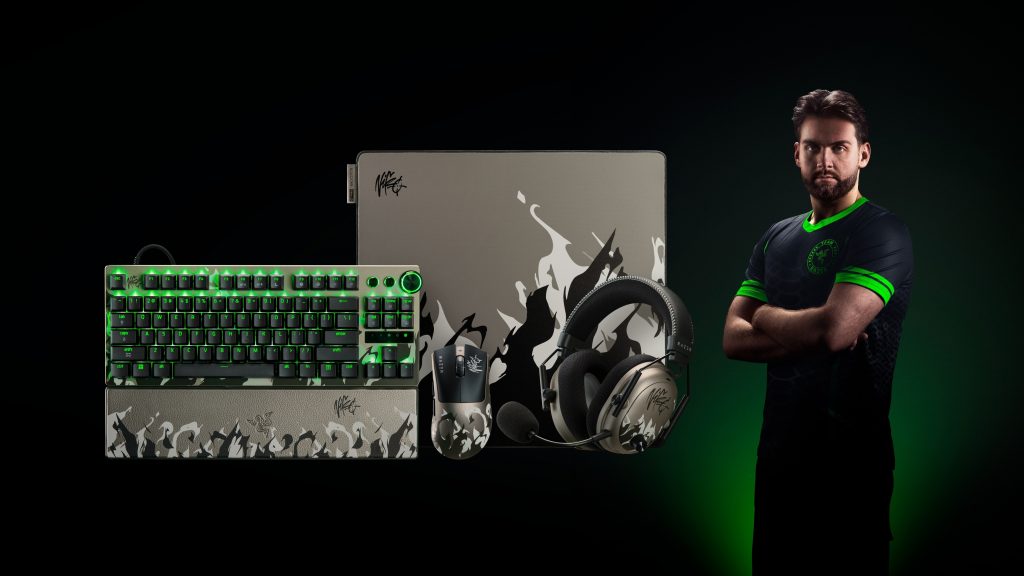
Razer has officially launched the NiKo collection, an exclusive line of peripherals co-designed with Counter-Strike legend Nikola “NiKo” Kovač. This milestone collaboration follows a year of partnership within Team Razer and was unveiled shortly after NiKo secured his 10th career HLTV MVP title at the Blast Bounty 2026 Season 1 LAN Finals in Malta.
For those who may not know him, NiKo is probably one of the best CS riflers in the world. With seven Top 5 finishes, eight HLTV Top 20 rankings, and an incredible 52 kills in a single CS Major map, few people can hope to match the records that NiKo has set. His ESL One rating of 1.70 in New York (2017) is, to this day, one of the most outstanding achievements in Counter-Strike history.
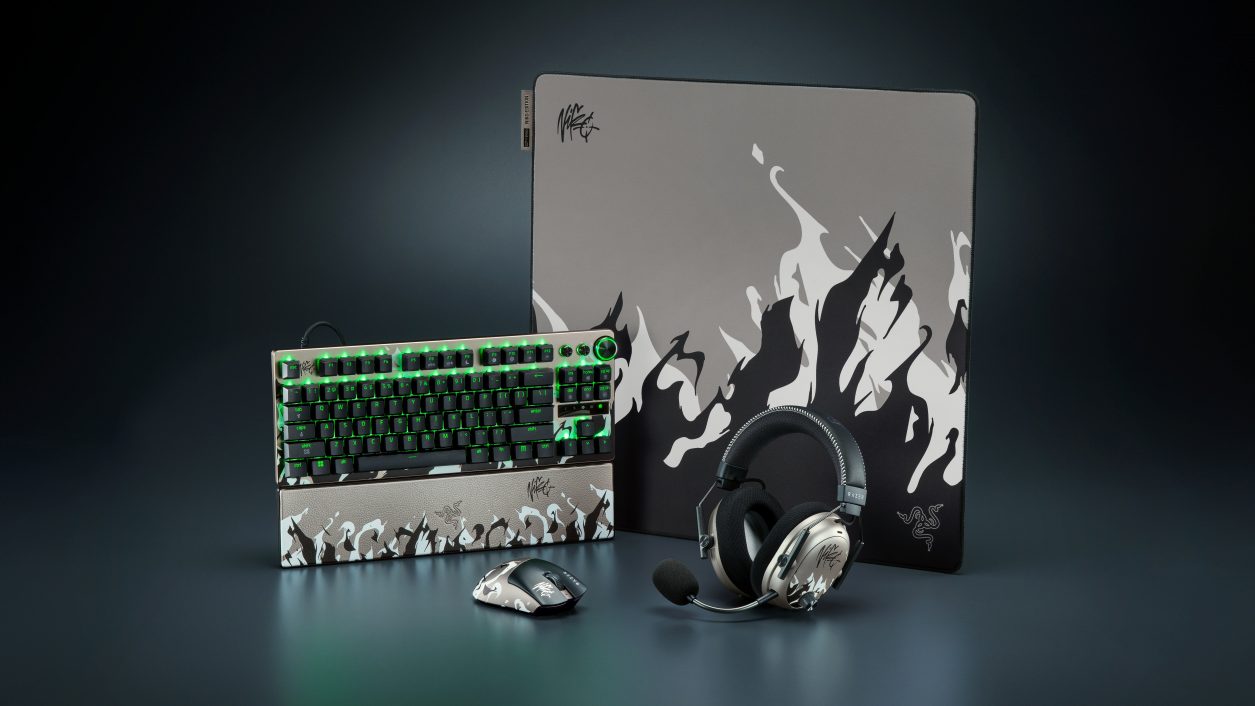
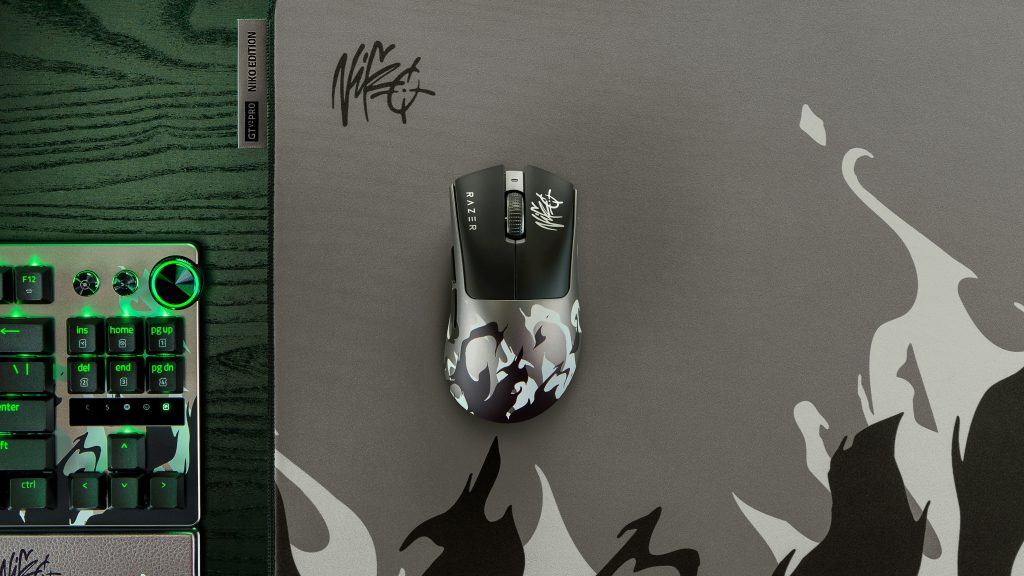
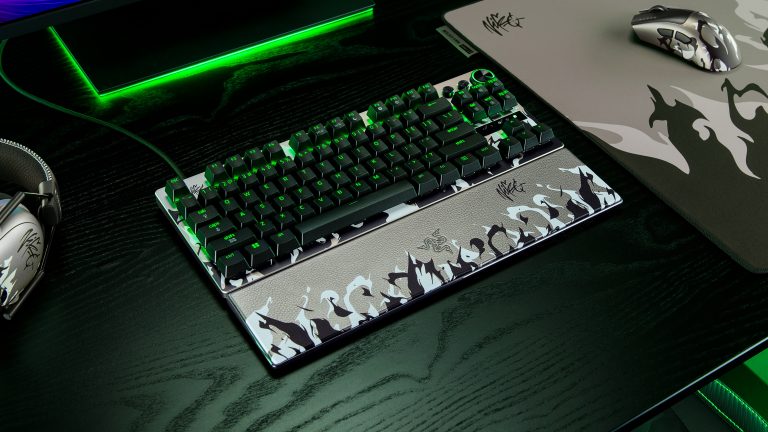
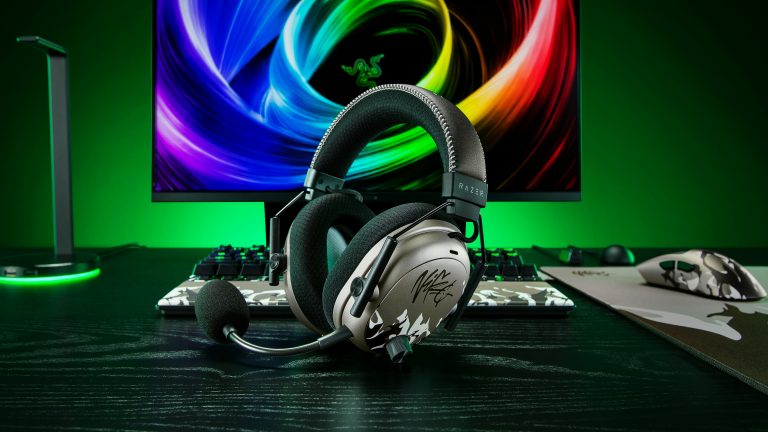
The collection, which features a signature “flame motif” inspired by NiKo's aggressive playstyle, is built on Razer's latest esports-focused hardware. The products belonging to this collection are:
Razer DeathAdder V4 Pro NiKo Edition: An ultra-lightweight ergonomic mouse featuring HyperSpeed Wireless Gen-2 and a true 8,000 Hz polling rate for near-instant responsiveness. It is priced at £189.99/$189.99/€199.99.
Razer Huntsman V3 Pro TKL 8KHz NiKo Edition: This tenkeyless analogue optical keyboard is powered by Razer's Gen-2 switches, featuring Rapid Trigger Mode and fully customisable actuation. It is available for £249.99/$249.99/€269.99.
Razer BlackShark V3 Pro NiKo Edition: A wireless flagship headset built for maximum focus, featuring Hybrid Active Noise Cancellation (ANC) and a 12 mm HyperClear Full Band microphone. It is priced at £269.99/$269.99/€279.99.
Razer Gigantus V2 Pro NiKo Edition: A soft mouse mat utilising Razer's proprietary GlideCore Foam to provide a cushioned feel with precision stopping control. It retails for £69.99/$69.99/€79.99.
The NiKo Collection is available now through Razer.com and official RazerStores, with wider retail availability expected to follow shortly.
KitGuru says: Are you a fan of NiKo? Would you be interested in acquiring some of the gear from its collection?
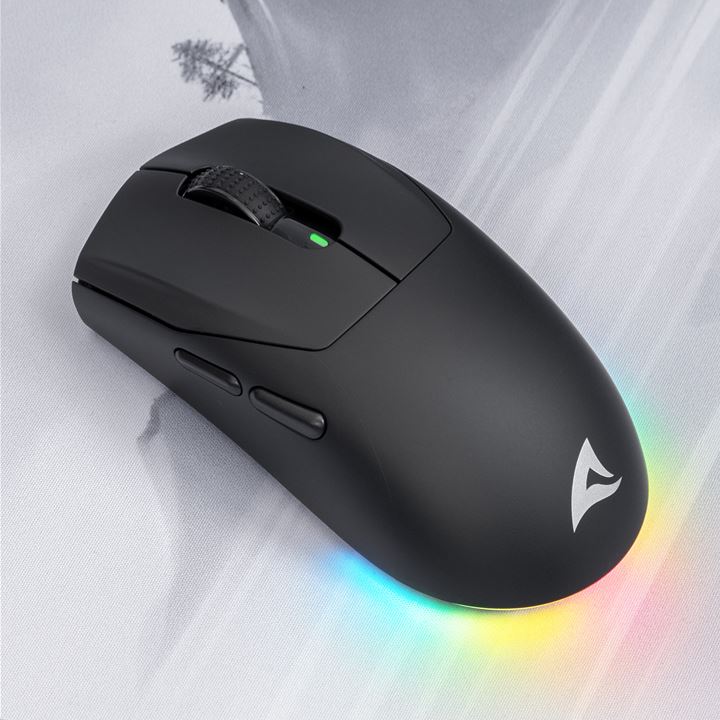
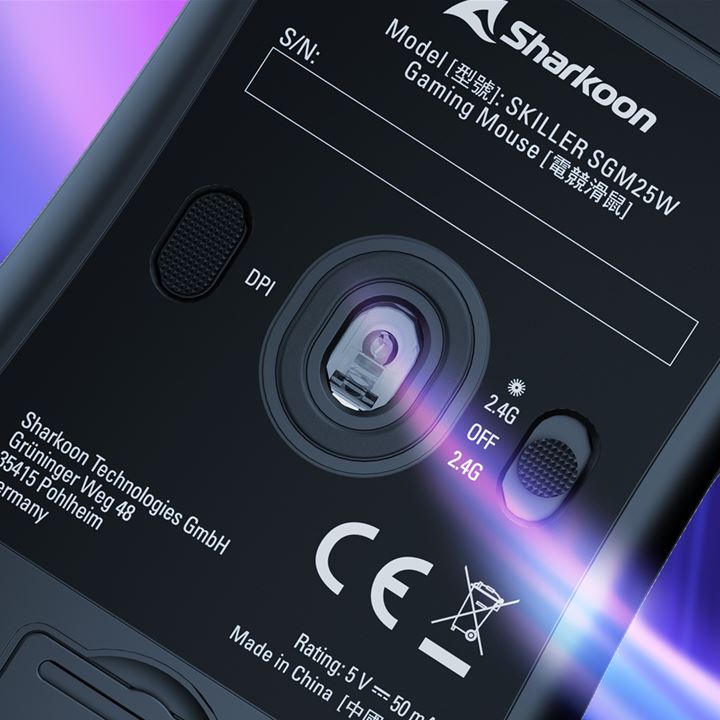
Sharkoon is expanding its Skiller lineup with the SGM25W, a dual-mode gaming mouse designed for competitive gaming at a budget-friendly price. Weighing just 59 grams, the SGM25W focuses on agility and precision, making it a good option for fast-paced competitive play.
The Skiller SGM25W is powered by the PixArt PAW3311 optical sensor, which offers resolution tracking up to 12,000 DPI. This sensor delivers a maximum tracking speed of 300 IPS and supports an acceleration of up to 35G, ensuring pixel-perfect accuracy during rapid “flick” movements. To ensure longevity and tactile feedback, Sharkoon has equipped the mouse with Huano switches, rated for up to 20 million clicks.
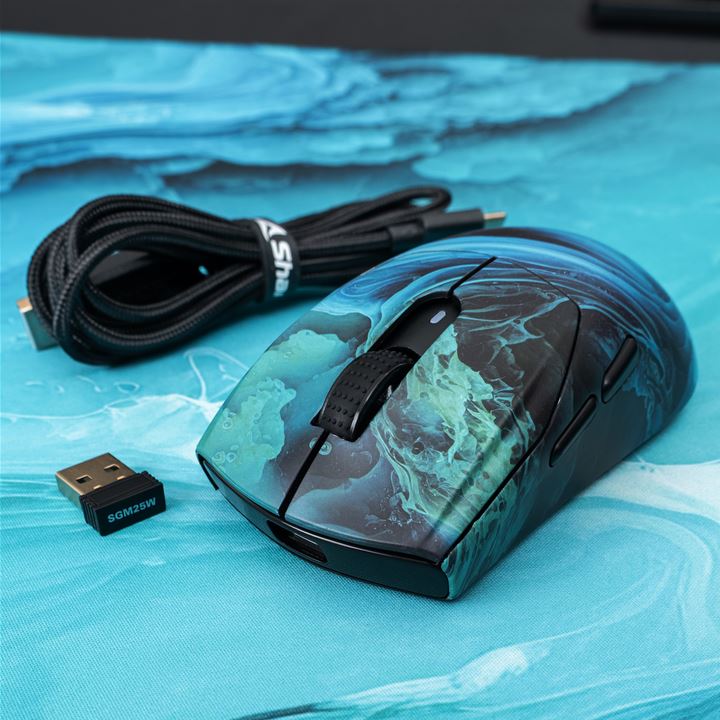
The SGM25W features dual-mode operation, allowing gamers to choose between 2.4GHz wireless and wired modes. The former offers the freedom of movement with a 400mAh battery that offers up to 40 hours of runtime, while the latter provides uninterrupted play while charging via the included 180 cm textile-braided USB cable.
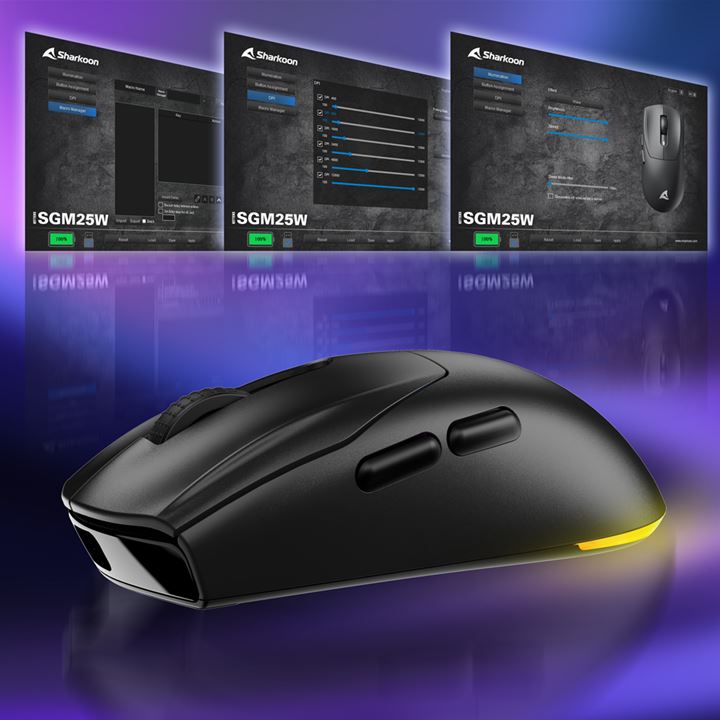
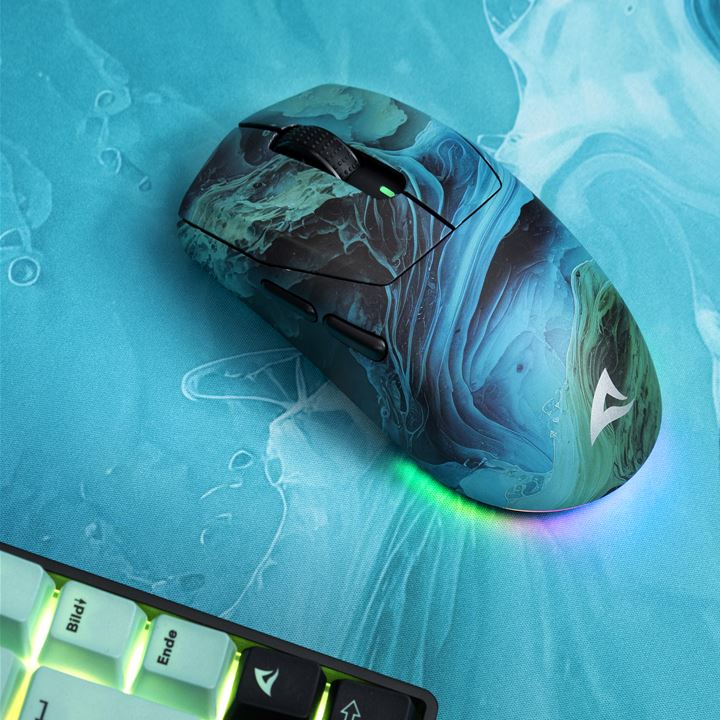
Available in black or in its ocean-themed option, the mouse features a symmetrical right-handed design optimised for claw and fingertip grips. Its underbelly is fitted with smooth-sliding PTFE skates for effortless gliding across mouse pads. Dedicated gaming software allows users to customise the mouse by creating macros, reassigning the six programmable buttons, and adjusting the RGB illumination. The software also allows fine-tuning of DPI levels and the polling rate (up to 1,000 Hz) to suit individual playstyles. The Sharkoon SKILLER SGM25W is available now at €24.99 in both the Black and Ocean versions.
KitGuru says: For its price, the Skiller SGM25W looks like a perfectly suited option for someone looking for a wireless gaming mouse without breaking the bank.
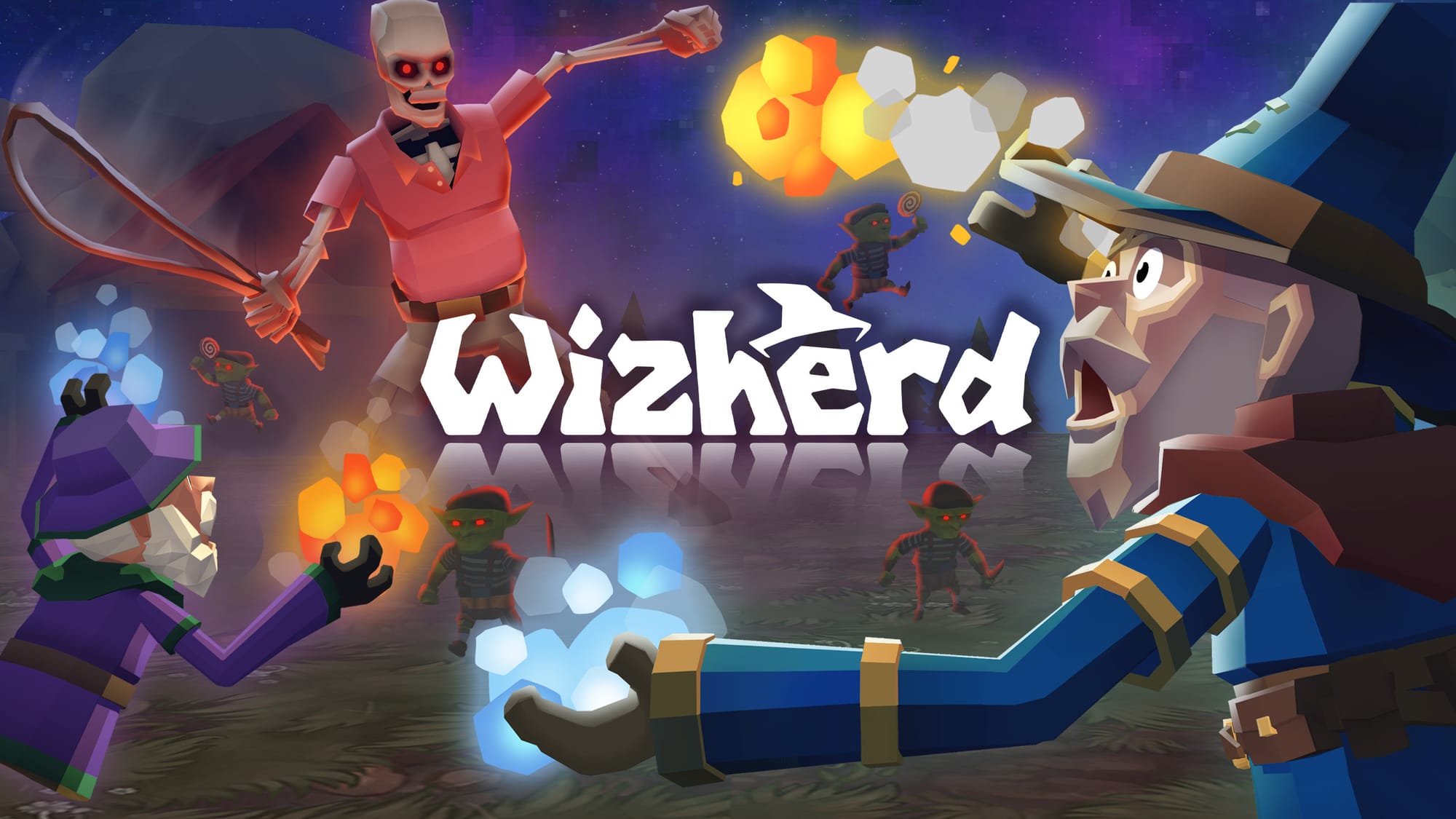
Earlier this month, No More Rainbowsand DigiGodsdeveloper Squido Studio announced that it was partnering up with gaming streamer jmancurly's video game publishing company CurlyBlue to create VR experiences - the first being a colorful dungeon crawler named Wizherd.
The lore of Wizherd goes that in ancient times, the world was protected by a magical group called "the herd." Life was once peaceful, but now zombies and other evil forces threaten the world. As a result, players now take on the role of wizards as they embark on missions to hold off the forces of darkness.
The Facts
What is it?: A magic-based, dungeon-crawling adventure title that lets players conjure spells and team up with other would-be wizards. Platforms: Meta Quest Release Date: February 12, 2026 Developer: Squido Studio Publisher: CurlyBlue LTD. Price: Free To Play
As a fan of magic and fantasy games, I was curious to see Wizherd in action, especially after seeing the game's blocky art style that calls back to the old Final Fantasy games from the original PlayStation era. Unfortunately, new players are greeted to a steep and confusing learning curve that could sour the experience for most.
When you first boot up Wizherd, you are instantly thrust into a magical hub with little in the way of an introduction to the world you and your fellow would-be sorcerers must explore. There are tutorial missions posted to a bulletin board, but they amount to little more than grinding the player's experience level by venturing off into the wilderness to battle undead monsters. The bulletin board also features daily and weekly quests that any player can perform. Once you complete a mission, you can claim your reward by opening a treasure chest beside the board.
Players can customize their Wizherd character.
Players can move their character in one of two ways in Wizherd, by either moving the right joystick or physically swinging their arms at the ground to propel forward. The former doesn't always work, and the latter takes some getting used to. Once the player gets a handle on moving around, the world outside the hub consists of sunny hillsides, castle-like structures, and underground caverns flooded with lava.
Wizherd's magic system is simple enough: the player chooses between three different elemental spells at the start of the game and equips their selection to their hands. By holding down the trigger and releasing it in the middle of a tossing motion, the player can throw a ball of fire or ice at an enemy, though this action can be somewhat clunky and frustrating in the middle of a frantic battle. Melee-based spells like fire swords, on the other hand, are quite fun to swing around once you have them unlocked.
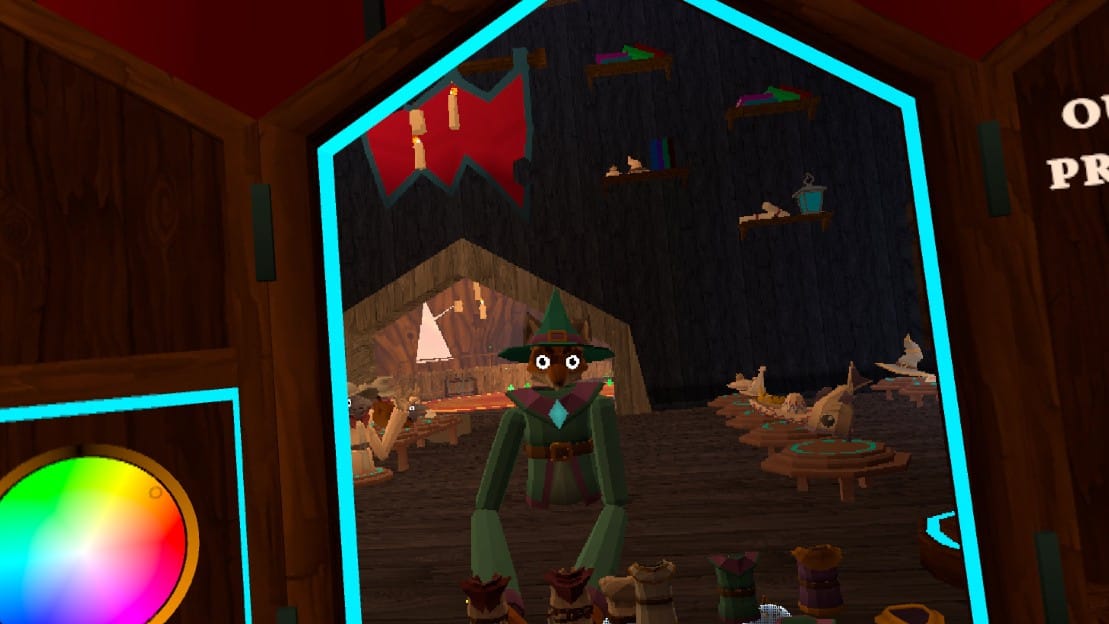
Spells can be upgraded at certain parts of the hub by spending coins and crystals. You can also customize your wizard avatar's look by purchasing cosmetic items like robes, hats, and even animal faces you can equip at a vanity. There is even a color slider you can use to adjust your character's skin tone.
Wizherd is free-to-play, though there are two different types of in-game currency. Coins are earned by defeating enemies, while crystals can be obtained by completing tasks or spending real-world money. The rewards for completing quests can be quite small at first, so you might have to either grind for a while or bust out your wallet.
0:00
/0:26
Combat and exploration can be hit or miss.
The overall presentation can be hit or miss. As mentioned before, there is a sort of retro charm to Wizherd's blocky graphics, but the music and sound isn't anything you haven't heard before in Minecraft. Most of the time you'll be hearing the chatter of other players who are just as confused as you.
So far, Wizherd has some potential, but getting started can be tedious if you don't want to spend due to the grind needed to get a decent loadout. There is some potential here, but only time will tell if the game has enough staying power to keep players coming back.
Nintendo's strangest Switch 2 accessory has arrived: a remarkably faithful recreation of the Virtual Boy.
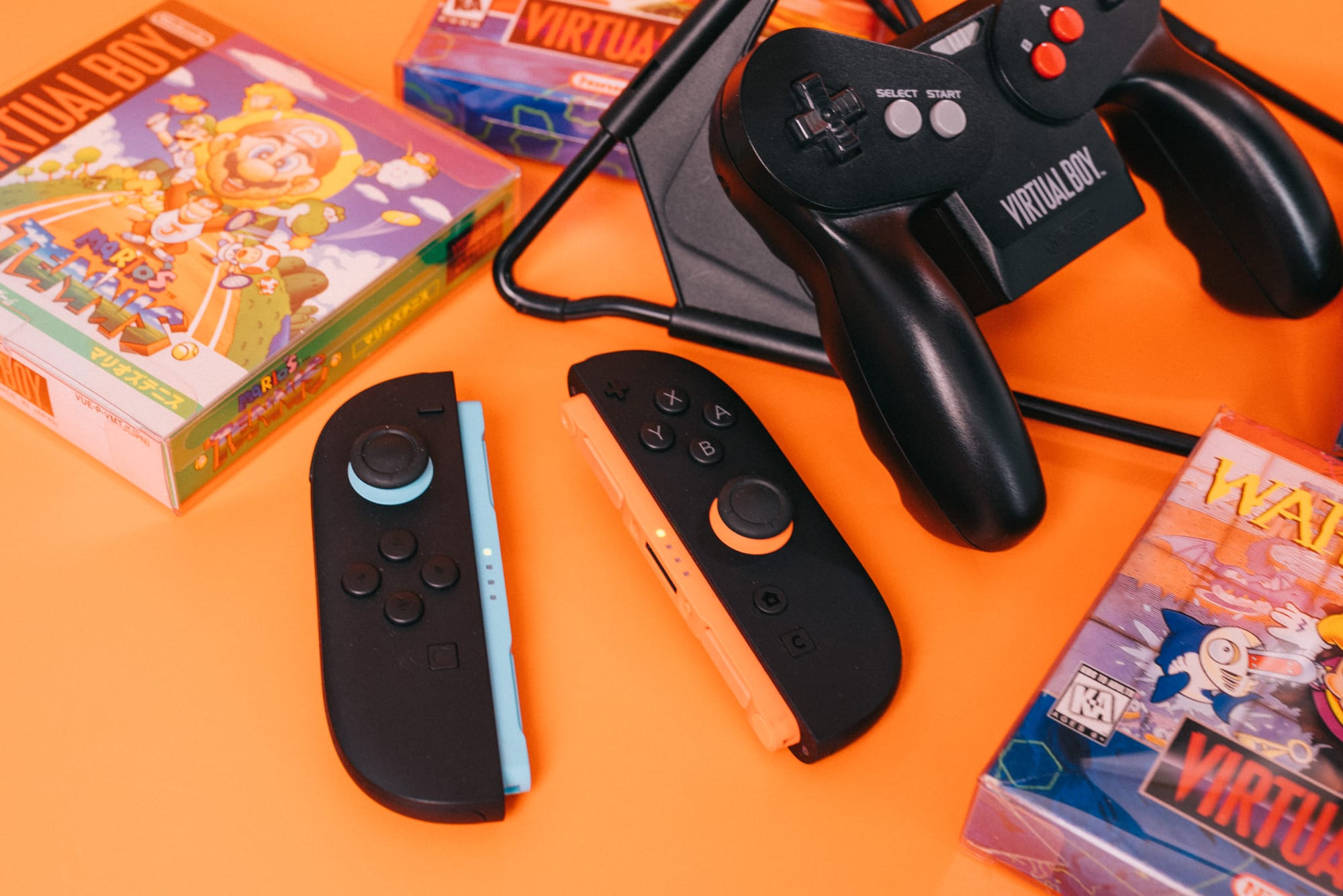
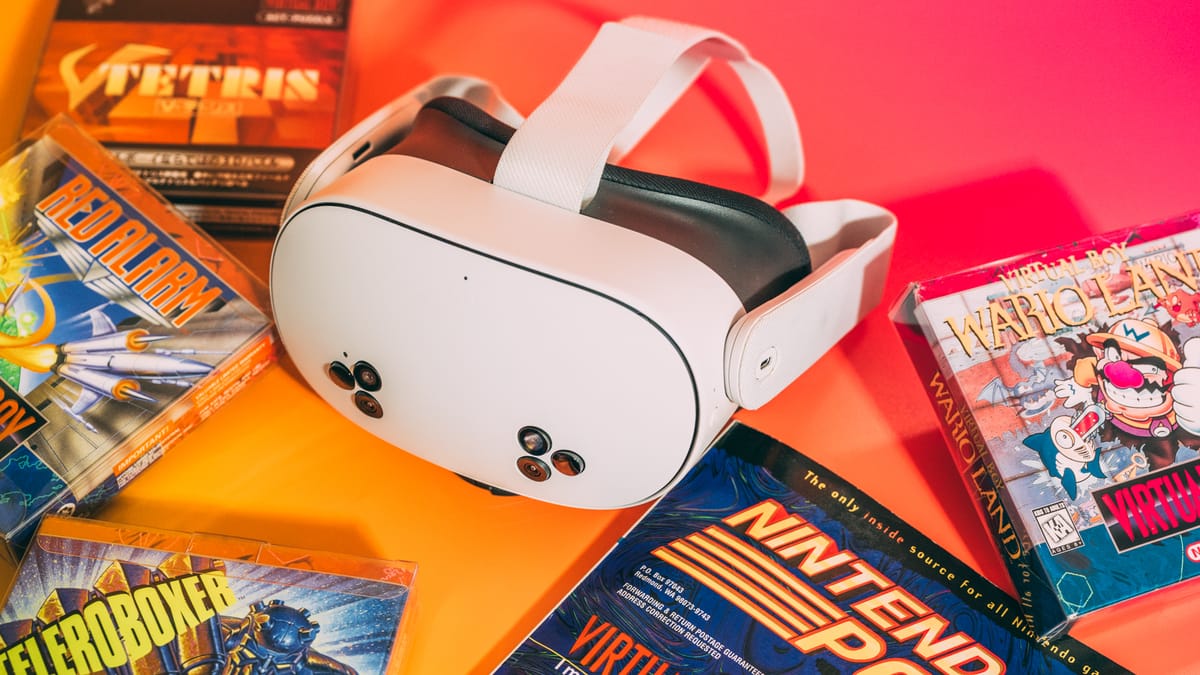
Toward the end of last year, Nintendo dropped the surprise announcement that Virtual Boy games would soon be playable on Switch and Switch 2 via the company's subscription-based membership service, Nintendo Online + Expansion Pack. For the first time in 30 years, Nintendo fans would be able to play Virtual Boy games like Red Alarm, Wario Land, and Mario's Tennis on a current-gen Nintendo console.
Perhaps even more surprising was the announcement that the catalog of Virtual Boy games would be accompanied by two new accessories: an inexpensive cardboard "headset" priced at $24.99, and a full-on replica Virtual Boy for $99.99. In both cases, the Switch and Switch 2 slot into these accessories (like a dock) in order to play the old games.
Editor's Note: What Exactly Was The Virtual Boy?
We're aware that not everyone knows what the Virtual Boy was, so here's a quick rundown.
Released in 1995, Nintendo's Virtual Boy was the first standalone home stereoscopic 3D gaming system, providing a 384×224 red-only image to each eye via its two lenses. While often described as a "VR headset", Virtual Boy lacked any kind of head tracking, not even rotational, and had a tiny field of view of around 20 degrees. That's not to say it wasn't an interesting 3D device - it just wasn't really VR.
Virtual Boy was a market failure, selling very few units, and was discontinued after just one year. But it had a lasting cultural impact in the gaming world, and is looked back on fondly by many in the VR industry.
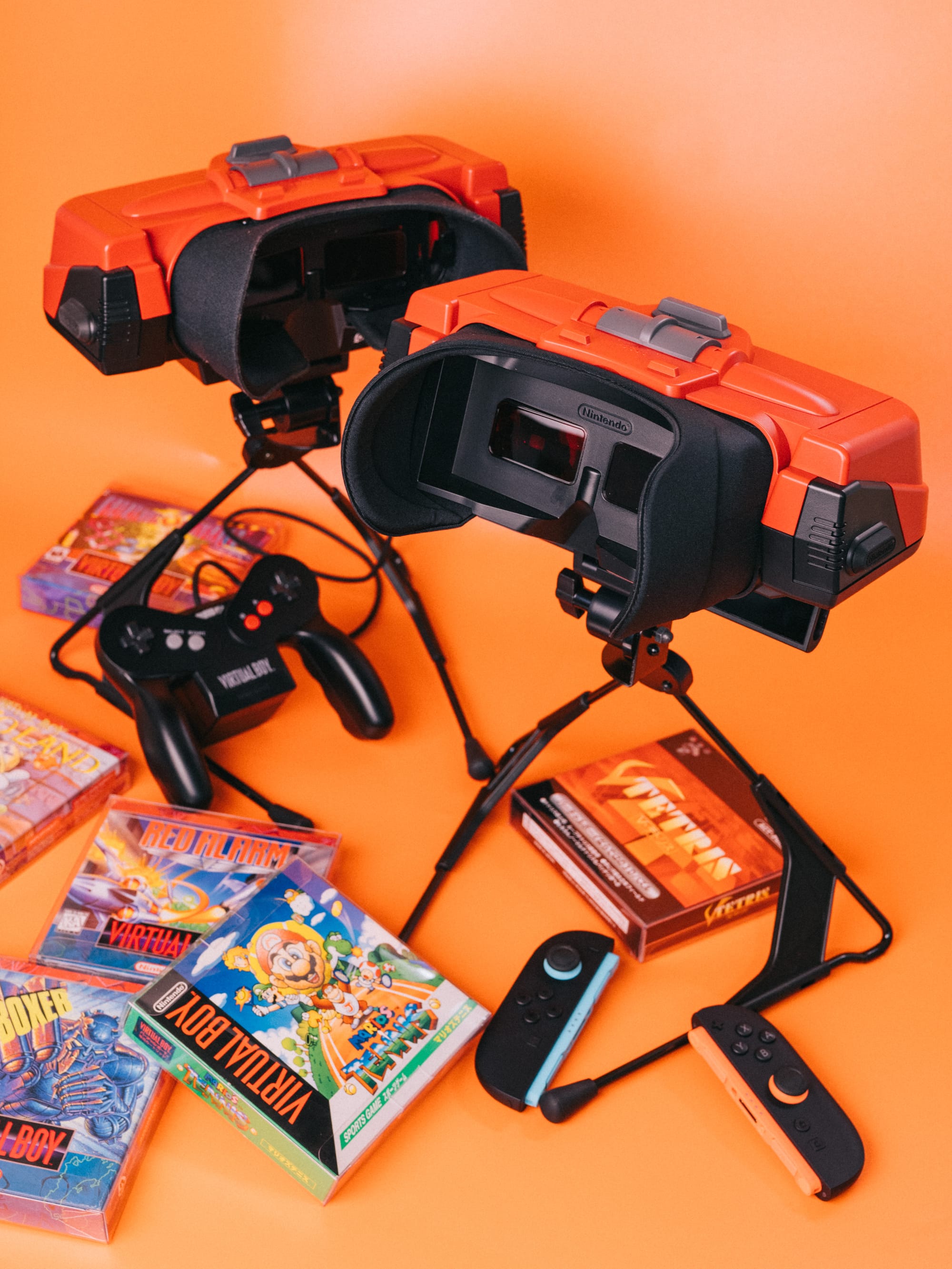
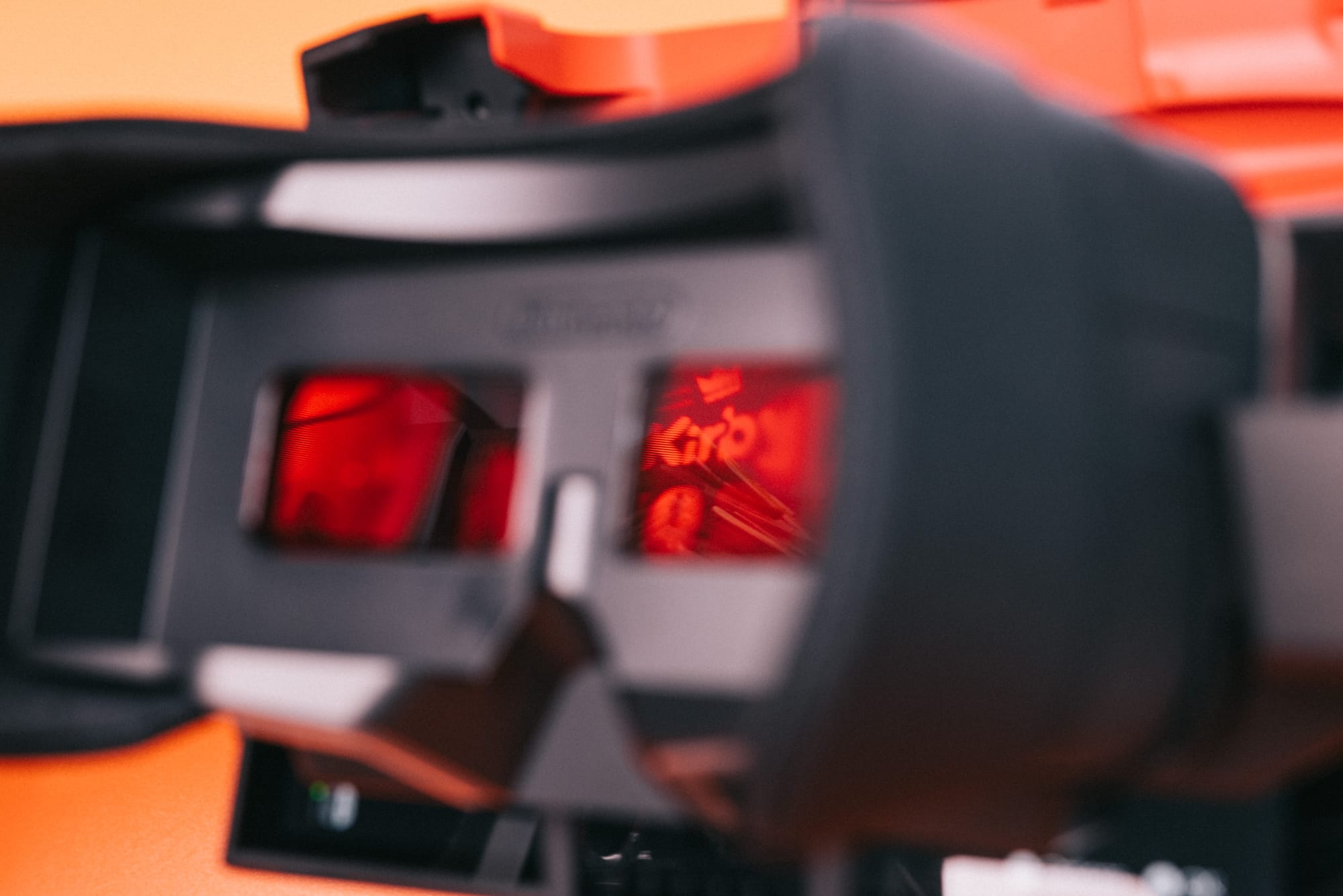
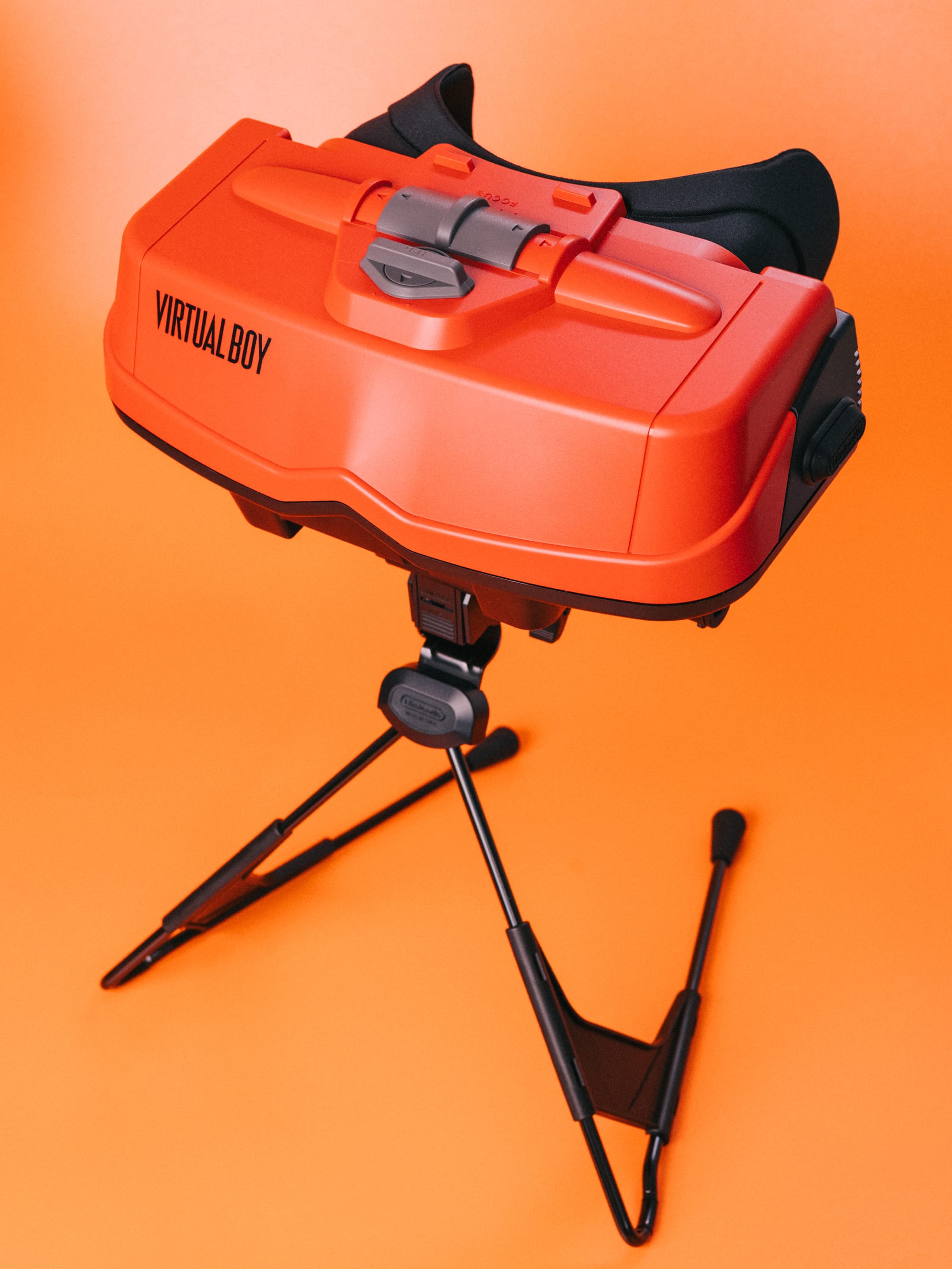
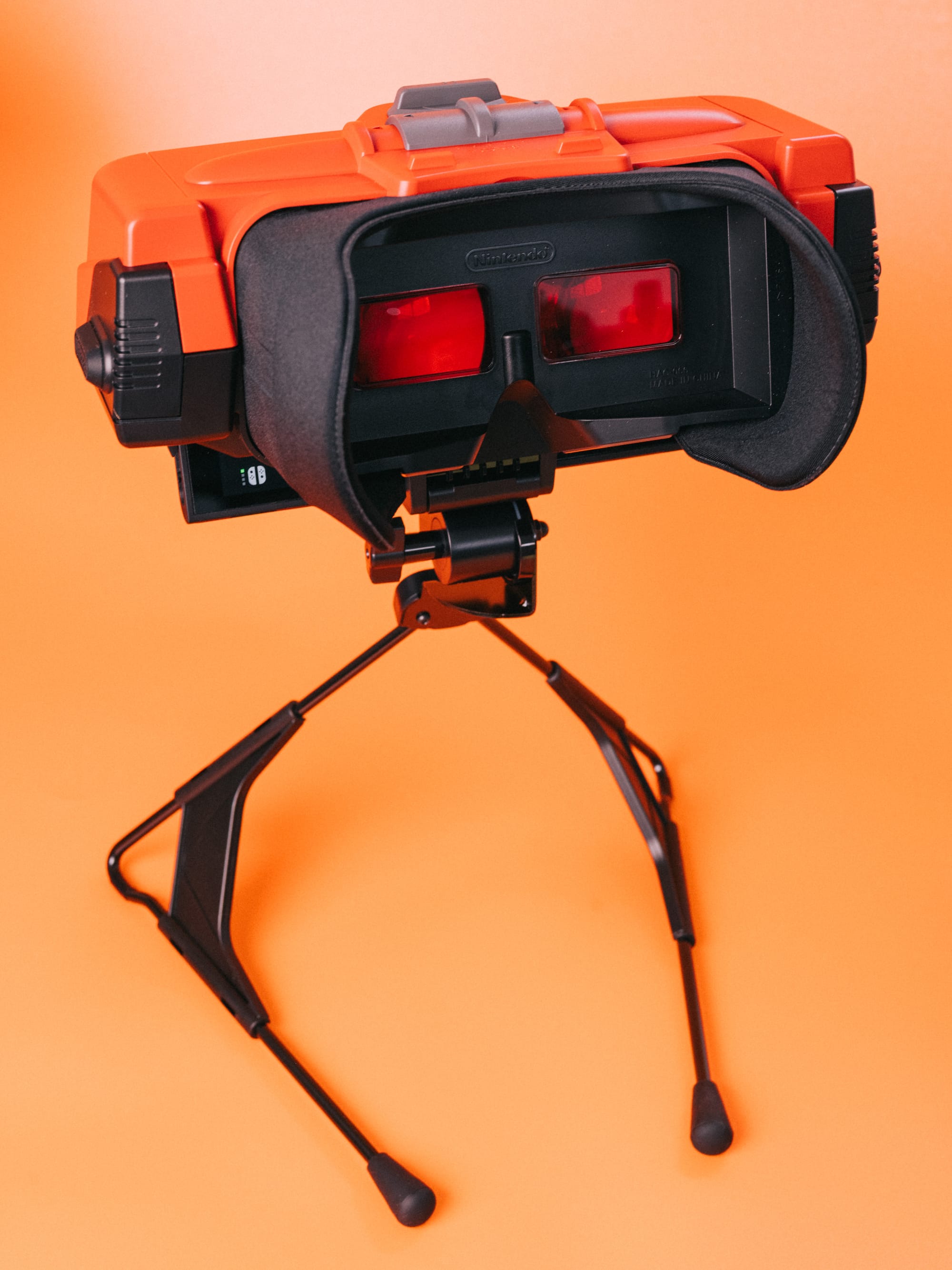
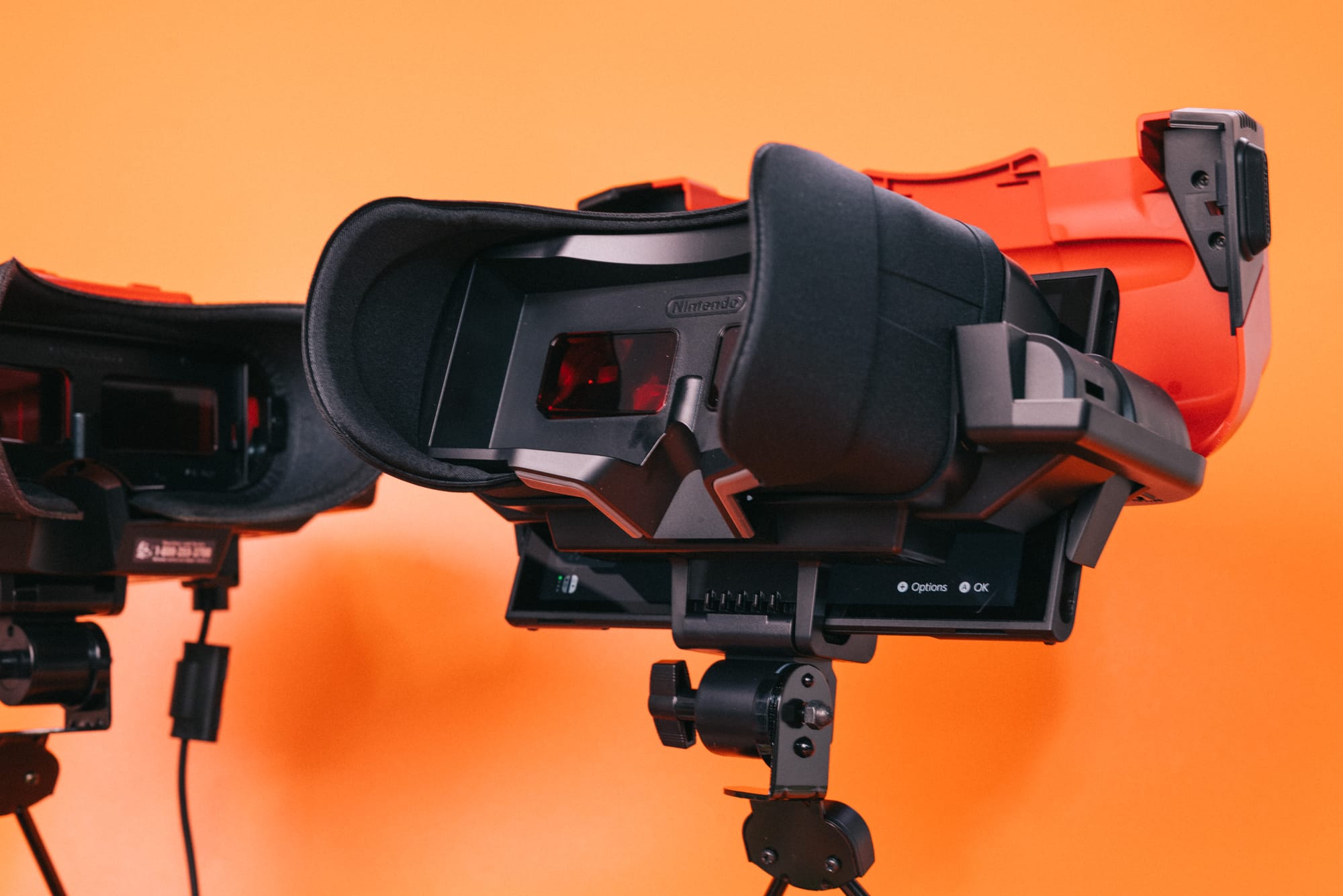
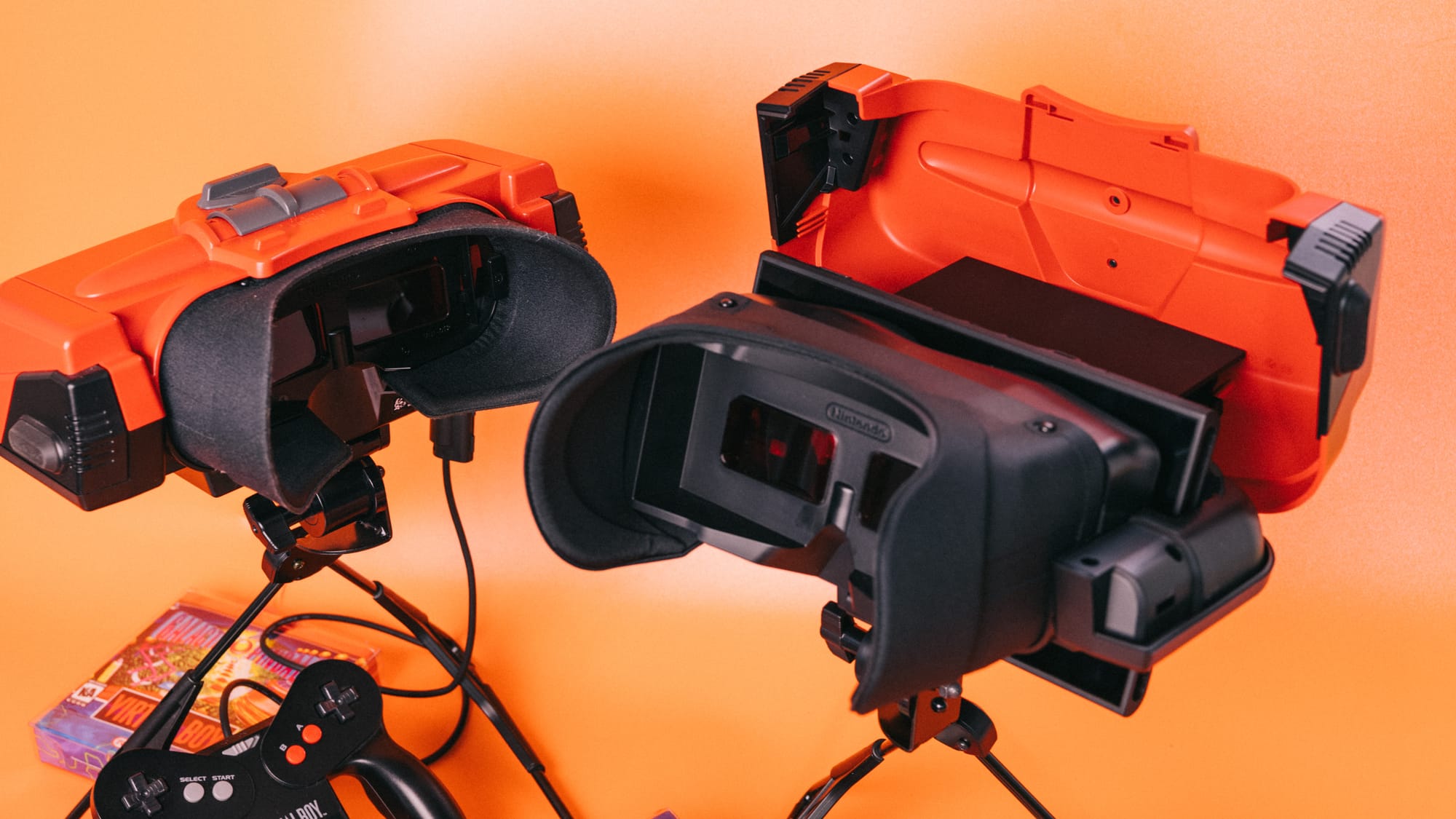
Virtual Boy for Switch (foreground) is a remarkably faithful remake of the original system (background).
A couple of items of note: To start, due to the way that Virtual Boy games are displayed, you will need to buy one of Nintendo's official accessory "headsets" to play the Virtual Boy's catalog on Switch and Switch 2.
Second, I'm using the term "headset" loosely. Virtual Boy was never, in fact, a headset, as Nintendo opted to sell it on a stand, rather than in a configuration that allowed mounting the unit to your head. This was the right call, since the original Virtual Boy was ridiculously heavy, and though the new replica "headset" is lighter, it's indeed a replica. The new model is not a headset, either.
Hardware First
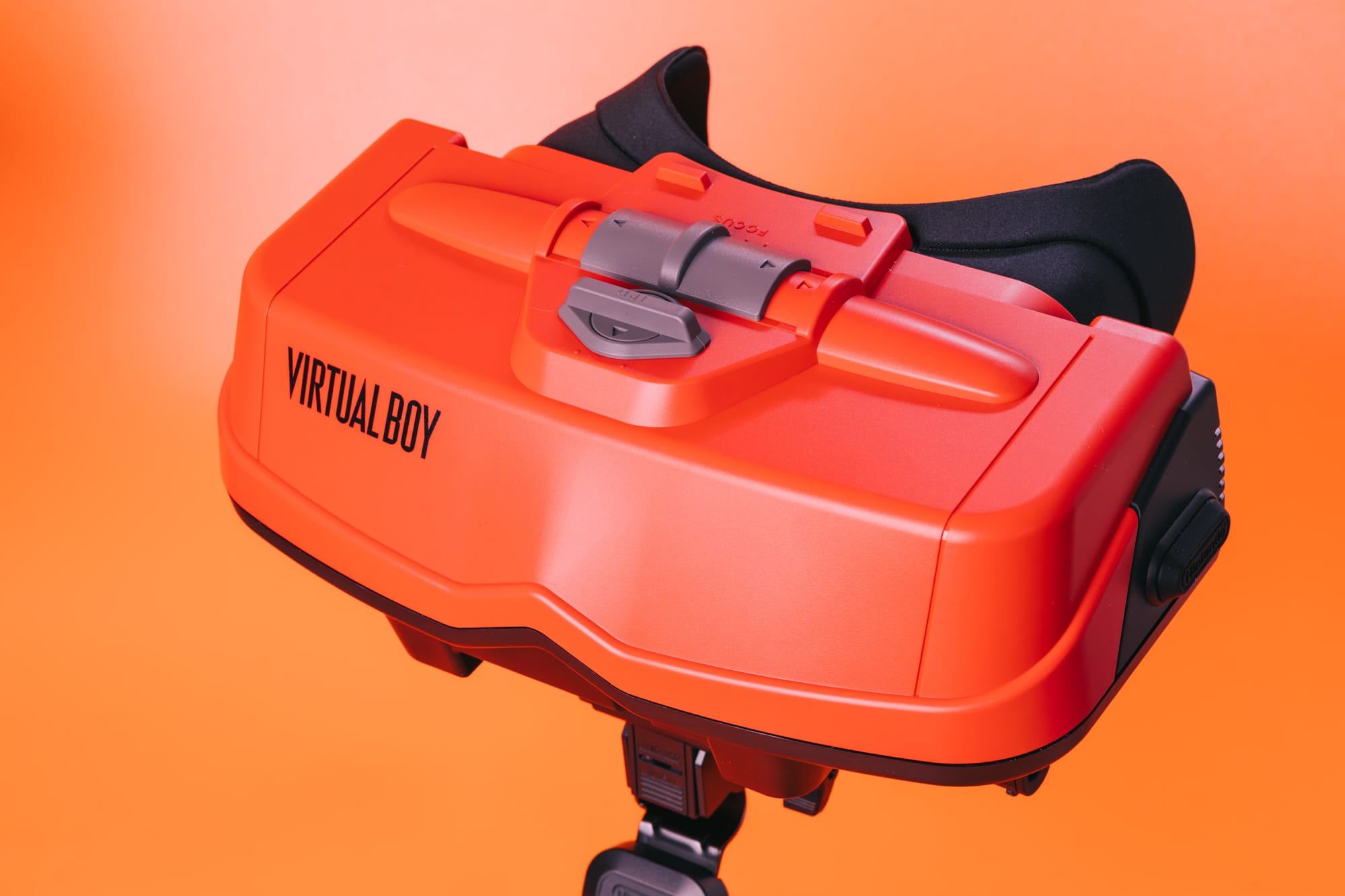
What most surprised me when the headset arrived was just how faithful its design is to the original system. Owning my launch edition Virtual Boy from 1995 gave me a great opportunity to put the two pieces of hardware side by side, to compare the units and take some photos.
It's so identical that my ten-year-old daughter (who I taught to solder on my original Virtual Boy when its ribbon cables detached) saw the new unit and asked, "You bought another Virtual Boy?"
It's true that the new Virtual Boy is slightly larger than the original, but then again, we need to slot a Switch or Switch 2 inside it. That naturally requires some extra space. That said, the small details are incredibly accurate. The rubber bumpers on the side of the unit, the rubber nubs at the end of the stand's legs, the focus and IPD controls, the (fake) volume control and headphone jack and EXT. port, they're all here and replicated perfectly. Even the stand's adjustment mechanism utilizes a virtually identical acorn nut as the original.
The next thing you'll notice is that it's remarkably well made. The stand feels good, deploys tightly, and holds the unit well. The adjustment point on the stand also cinches tightly. The plastic feels dense and solid, the spring-loaded docking cradles work beautifully and hold the Switch in place nicely, and the satin foam of the eye-shroud feels more comfortable than the original.
In short, Nintendo did a great job making an almost perfect replica of their least successful gaming system.
It should also be noted that the new Virtual Boy arrives configured to work with Switch 2. To use the original Switch, we are required to install an adapter plate, which involves unscrewing four screws, swapping the plate, and reattaching the screws. The adapter plate comes packaged with the unit.
Do you need to spend $99.99 on a replica Virtual Boy headset? Probably not. Despite it being well made and effective at its one and only job, unless you're a big fan of weird tech and oddball experimental products, you'll almost certainly regret buying this thing.
Additional strikes against it would come down to the fact that these games are only accessible on Switch or Switch 2 via Nintendo's subscription service. You won't really own these games on Switch unless Nintendo releases some sort of purchasable collection. As of now, you're buying a headset to play games that you're essentially renting.
And if you've never played Virtual Boy and simply want to try out some old, weird games, there are cheaper and easier ways to experience Virtual Boy's compact library.
But if you're like me and love the Virtual Boy, well, you've probably already spent the money.
If you'd like your own Virtual Boy for Switch and Switch 2, you'll have to be a member of Nintendo Online, and then grab one via the company's website. We'll have an overview of all the Virtual Boy games playable on Switch and Switch 2 soon.
Cyber Acoustics sent over their creatively named CA-2110USB stereo speakers, with a handy integral cable that supports both USB-A and USB-C. They are plug and play audio for a Mac, PC…
Try getting your hands on a Steam Deck these days and you're likely to be frustrated by the lack of inventory. That's understandable for the original LCD version of the Steam Deck, which also happens to be the most affordable variant, as Valve confirmed in December that it had discontinued that model. But even the Steam Deck OLED models are
One of the biggest first-party Nintendo titles scheduled to release this year (so far) is Pokemon Pokopia – a life-sim sandbox experience “devoted to crafting, creating, and building”. While initial impressions upon its reveal left plenty to be desired, the spin-off appears to be more than meets the eye, with Pokopia said to be partner studio Omega Force’s biggest project to date.
Ahead of the game’s launch on the 5th of March, the Japanese publication Famitsu sat down with Pokopia’s leads to discuss the upcoming title. When asked about the scale of the game and its development, Omega Force’s Takuto Edagawa stated (as translated by ResetEra user Neha):
“I can't share the exact number of staff, but among all the titles developed by ω-Force [Omega Force] up to now, this one involves the largest number of people in the team's history.”
All that said, with a price tag of $70, Pokemon Pokopia could be a bit of a tough sell for fans – even with it being Omega Force’s biggest game so far.
KitGuru says: What do you think of Pokemon Pokopia? Does this latest revelation give you more hope for the project? Have you tried Dragon Quest Builders 2 previously? Let us know down below.
Amongst all the battle royale shooters which have come and gone, Respawn Entertainment’s Apex Legends remains a consistent performer. Even so, the live-service title has slowly but surely seen a drop in players over the game’s two-dozen plus Seasons. As part of the game’s 7th anniversary celebrations however, the team have unveiled the next year’s worth of planned updates.
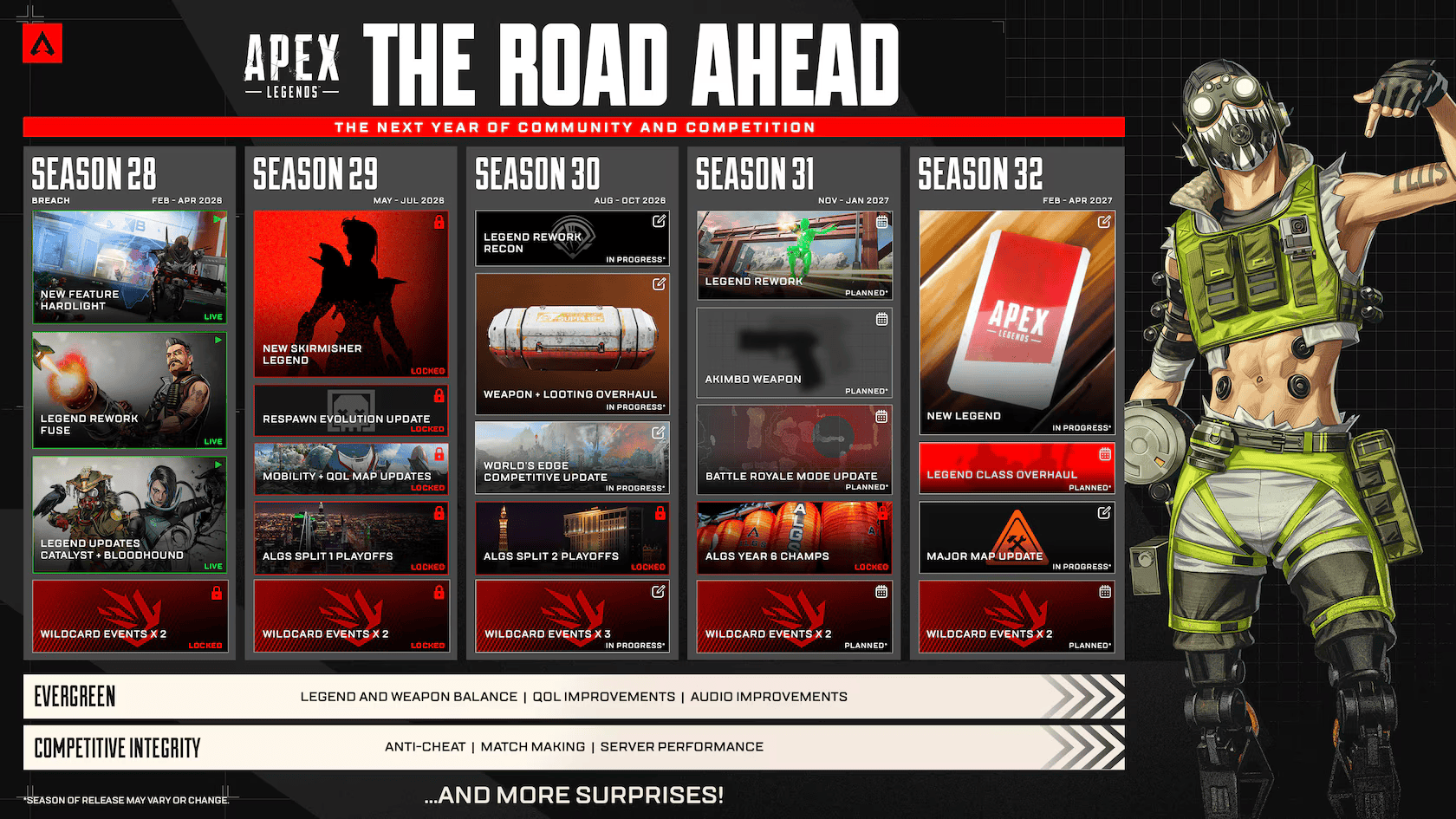
Making the announcement via a video titled ‘the road ahead’ (and expanded upon via a blog post), the team at Respawn Entertainment officially detailed Apex Legends’ next 4 Seasons. The full breakdown can be found HERE, but the most notable additions coming with each Season is as follows:
Season 29 (May-July 2026):
New Legend ‘Skirmisher’
Respawn Evolution Update
Map updates for improved mobility / QoL
Season 30 (August-October 2026):
Legend Rework
Weapon and looting overhaul
World’s Edge competitive update
Season 31 (November 2026 – January 2027):
Another Legend rework
New akimbo weapon
BR mode update
Season 32 (February-April 2027):
New Legend
Legend class overhaul
Major map update
Alongside all this, each season will also feature a couple different Wildcard events, with other ancillary improvements (such as weapon balance patches) occurring on a regular basis.
Of course, all of this is subject to change, but assuming it does go to plan then Apex Legends could be quite the different experience come this time next year. Hopefully these plans aren’t too rigid however. The full blog post can be found HERE.
KitGuru says: What do you think of Apex Legends in 2026? Has the game grown stale for you? Is the next year of updates enough in your opinion? Let us know down below.
As part of the closer for Sony’s recent PlayStation State of Play, the console maker revealed that Sony Santa Monica is currently working on remaking the original God of War trilogy. While the project remains in its early stages, the studio is reportedly gearing up to announce another as-of-yet-unknown title later this year – with its releases scheduled for 2027.
Reportedly under the direction of Cory Barlog (who served as creative director for 2018’s God of War and Ragnarok), Sony Santa Monica is seemingly set to officially unveil this illusive new IP this year, with insiders Shinobi602 and NateTheHate both suggesting that the game will likely be announced this Summer alongside a 2027 release date “unless a major delay happens.”
bring night space wallpaper with glowing starfield vector
As mentioned, there has been no official announcement for this project, and so everything revealed so far should be taken with a pinch of salt. That said, we have heard various different details pertaining to the project, with previous leaks and rumours claiming that it would be a brand new IP in a sci-fi setting (though this has seemingly since been somewhat disproven).
Regardless of what this new project winds up being, here’s to hoping that we do get an official announcement sooner rather than later – if for no other reason than to satiate the ongoing curiosity.
KitGuru says: What do you think Cory Barlog’s next project is? Would you want it to be a new IP? Let us know down below.
Known industry leakers insider-gaming recently published a piece discussing the half a dozen games which Ubisoft recently cancelled, including multiple Assassin’s Creed titles and the aforementioned Sands of Time Remake.
While certainly a disappointment, the one silver lining seems to be the fact that the long-rumoured Black Flag Remake is still planned to release.
Of course, as we just saw with 6 other projects, the future of this remake is not guaranteed until it is in the direct hands of players. Still, it is somewhat encouraging at the very least to learn that one of the most anticipated projects has not been unceremoniously deleted from existence.
KitGuru says: What do you think of Ubisoft’s recent actions? If you could save one game from being cancelled, which one would it have been? Let us know down below.
As an enthusiast model, the GeForce RTX 5090 Lightning Z traditionally stands for maximum technical ambition, sophisticated power supply, uncompromising cooling concepts, and a manufacturing quality that is deliberately designed to stand out from the mainstream. It is therefore not surprising that this model in particular is currently attracting increased attention, not because of overclocking […]
While the AI market has almost reflexively focused on NVIDIA’s Blackwell accelerators, SoftBank is attempting to redefine the playing field with a comparatively modest but strategically astute idea: hardware-level GPU partitioning for AMD’s Instinct accelerators. At the heart of this is close collaboration with AMD and the use of a proprietary orchestrator that divides AMD […]
 Connexion

.jpg)