Everyone's favorite leather jacket enthusiast and AI goldmine architect Jensen Huang gave an exclusive interview to Korea Economic Daily where he made some pretty interesting remarks, and key among them was the statement that NVIDIA has "prepared some new chips that the world has never seen before." But what was he actually talking about?
When
Arc Raiders, one of the biggest hits of 2026, has been fighting cheats and exploits since day one. Recently, however, a particular item duplication exploit was popularized by streamer TheBurntPeanut, whose videos on the matter received over 130K views. Embark Studios previously voiced its displeasure with this issue and patched it out with
Microsoft’s Project Silica has achieved a breakthrough in data preservation by developing a higher-density glass storage system capable of archiving digital data for thousands of years without degradation. By utilizing femtosecond lasers to etch data into quartz glass, researchers have created a medium that is virtually indestructible, resisting
Once again, Amazon-owned Woot is hosting a huge sale on Grade-A refurbished Apple iPhone models spanning the iPhone 16 Pro Max all the way down to the iPhone XR, with prices starting at a very low $119.99. In addition, it's also hawking Grade-A refurbished Apple Watch models, including the Apple Watch Ultra 2nd Gen. If you've been wanting
Scientists using a trio of some of the world’s most powerful observatories, the Hubble Space Telescope, ESA’s Euclid, and the Subaru Telescope, have pulled back the curtain on a ghost galaxy that is nearly 99% dark matter, detected thanks solely to its four associate globular clusters.
The discovery centers on the object named Candidate
A wide-scale investigation has revealed that the headphones millions of people wear daily for work, exercise, and leisure are leaching a cocktail of hazardous forever chemicals and endocrine disruptors (think BPA) directly into their bodies. Conducted by the ToxFree LIFE for All project and spearheaded by the environmental group Arnika, the
Corsair is slapping a fresh coat of paint on its popular Frame 4000D chassis for a limited edition run, and what makes the new color schemes so unique in a sea of PC cases is that the color shifts depending on the viewing angle and ambient lighting. There are two options to choose from, both of which are part of a new Frame 4000D Vault Series:
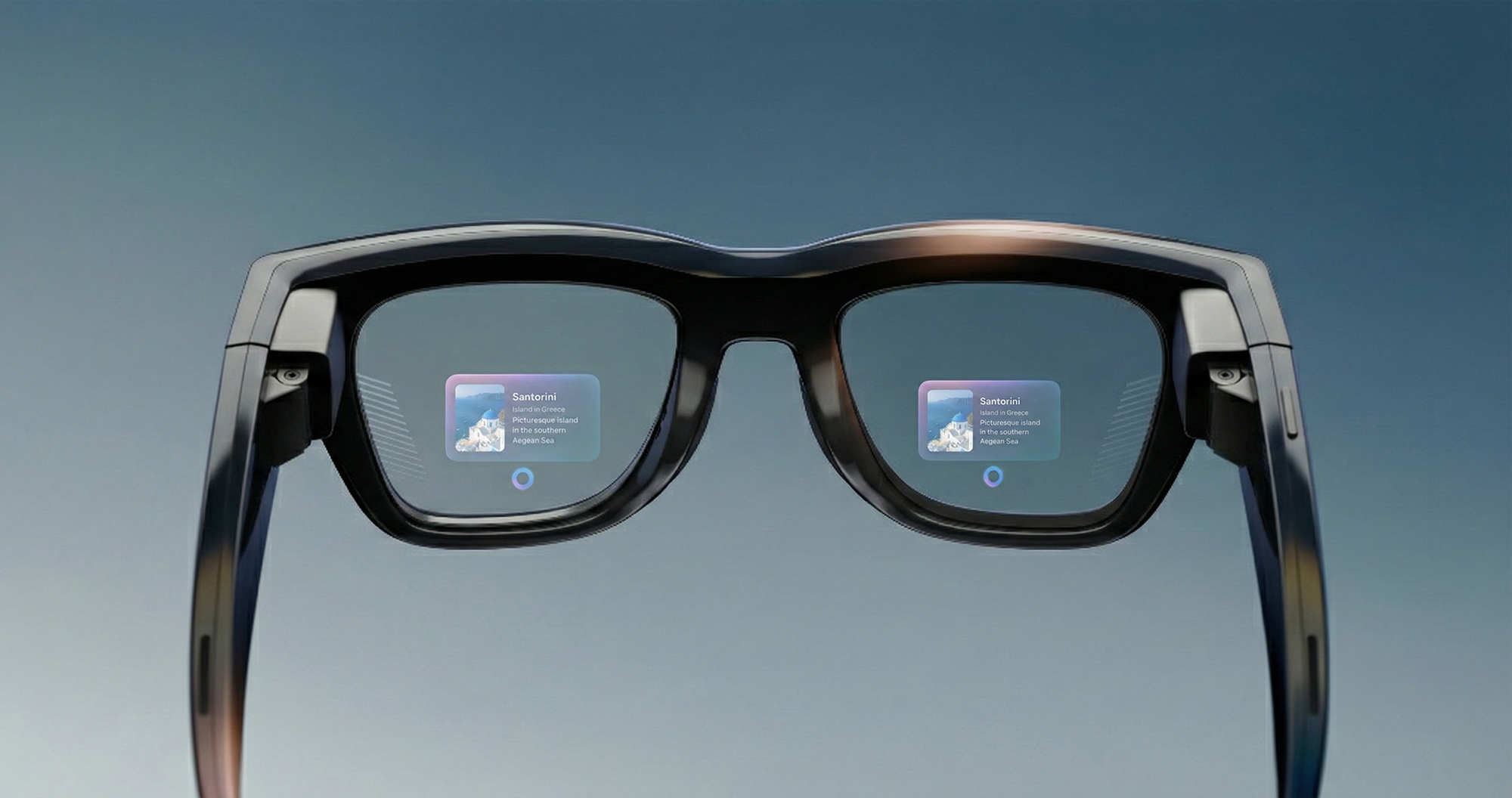
Meta is accelerating its plans for a Meta Ray-Ban Display successor, hoping to launch later this year, The Information reports.
The current Meta Ray-Ban Display, exclusively available in the US for just under five months now, is a monocular device. It has a small display in the right lens, while your left eye sees nothing. In our review, we described how this "just feels wrong", inducing a constant minor feeling of eyestrain when the display is active for more than a few seconds.
The reason that Meta Ray-Ban Display is monocular is that, as Meta's CTO pointed out in the weeks before the device's launch, the components for a binocular device would cost more than twice as much, since it also requires implementing disparity correction. It would also drive up the bulk and weight, harming social acceptability even further than it already is.
But the cost of in-lens waveguides and miniature light engines should decrease with scale, and Meta executives have described the demand for Meta Ray-Ban Display as significantly higher than expected, leading to the delay of the plan to launch the product internationally.
During development, Meta Ray-Ban Display was internally codenamed Hypernova. Last year, Bloomberg's Mark Gurman reported that Meta plans to release a successor, codenamed Hypernova 2, in 2027. Hypernova 2 would include a display in both eyes, he wrote at the time.
This timeline was corroborated by supply-chain analyst Ming-Chi Kuo, who also said Meta would replace the first-generation product with a successor in 2027.
Now, though, The Information's Jyoti Mann reports that Hypernova 2 will launch this year, not in 2027. While the report doesn't go into much detail, Mann describes Meta executives as being "concerned that launching too many devices in quick succession could confuse customers".
Given that Meta plans to launch its ultralight Horizon OS headset in early 2027, and that multiple sources point towards the company aiming to launch its first true AR glasses in the second half of 2027, shipping binocular HUD glasses this year may make for a less confusing release sequence.
Mann's report says Meta has also revived plans to launch a smartwatch, hoping to release that later this year too.
With the binocular HUD glasses, Meta could be hoping to get ahead of Apple's upcoming smart glasses, widely believed to be launching in early 2027. With Apple's first glasses lacking a display at all, Mark Zuckerberg could be hoping to present Meta as the technology leader in the smart glasses space.
Keep in mind that Meta's hardware roadmap is constantly shifting, and the company frequently spins up and cancels headsets before they ship. When a specific product gets close to shipping, we'll bring you any reliable rumors of its imminent arrival. Until then, be ready for anything planned to get canceled or delayed.
Brought to you by the same team that gave us the ability to play Unreal Gold and the original Unreal Tournament, OldUnreal are now hosting Unreal Tournament 2004. It is playable on…
Today's article was originally meant to be an in-depth analysis of PCSpecialist's Element Elite R – a prebuilt PC packing a Ryzen 7 9700X and RTX 5070 into the mini-ITX TR100 chassis from Thermaltake. However, it quickly became obvious that something was not right with this system, so instead of a traditional review, we'll be highlighting what happened, how we fixed it, and the questions raised by this incident…
Timestamps
00:00 Intro
01:00 We found a fundamental issue
02:20 How we fixed it
02:51 Before/after thermals
04:37 Noise levels + fan RPMs
05:07 Two issues raised by the error
06:24 Closing thoughts
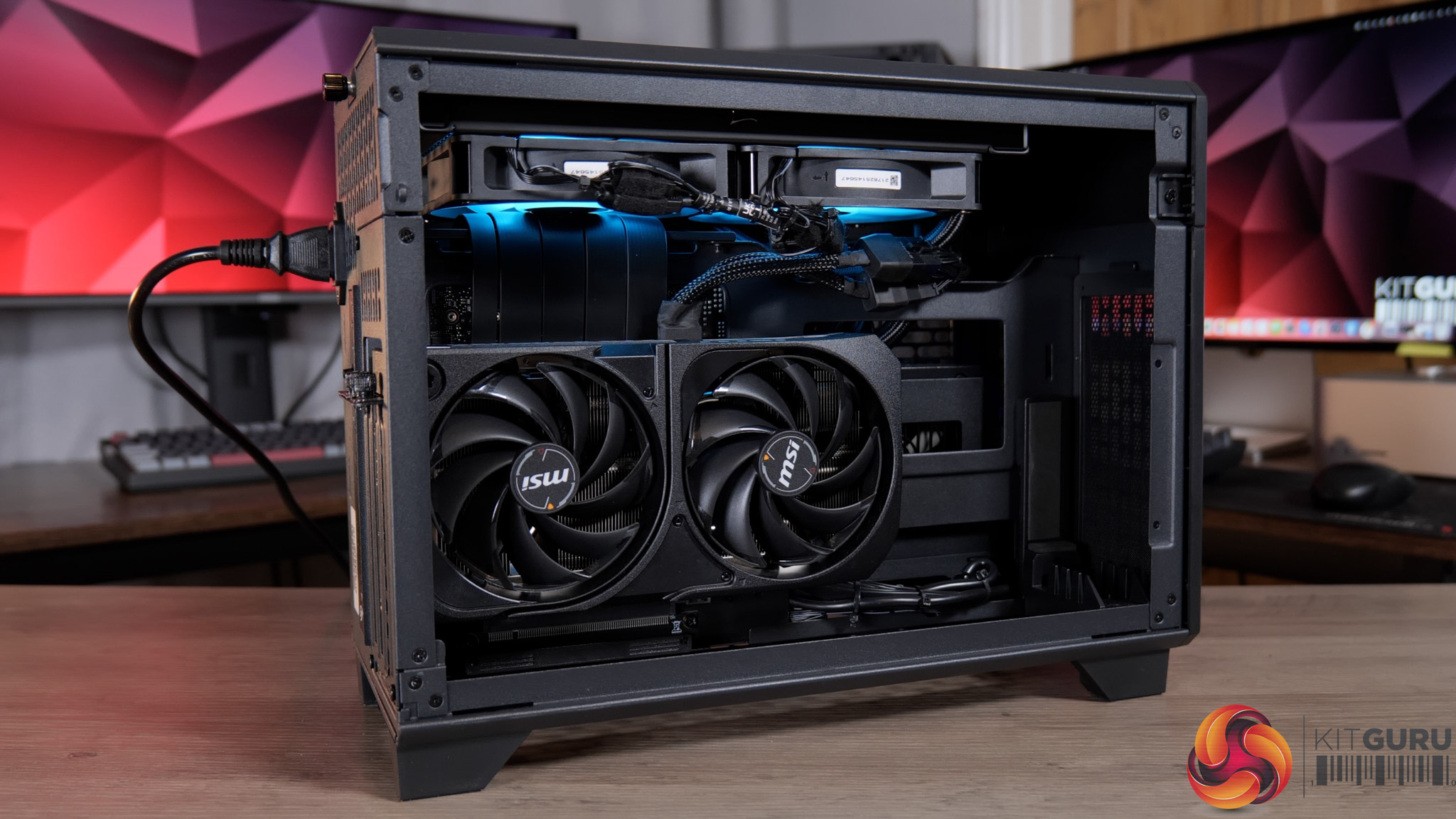
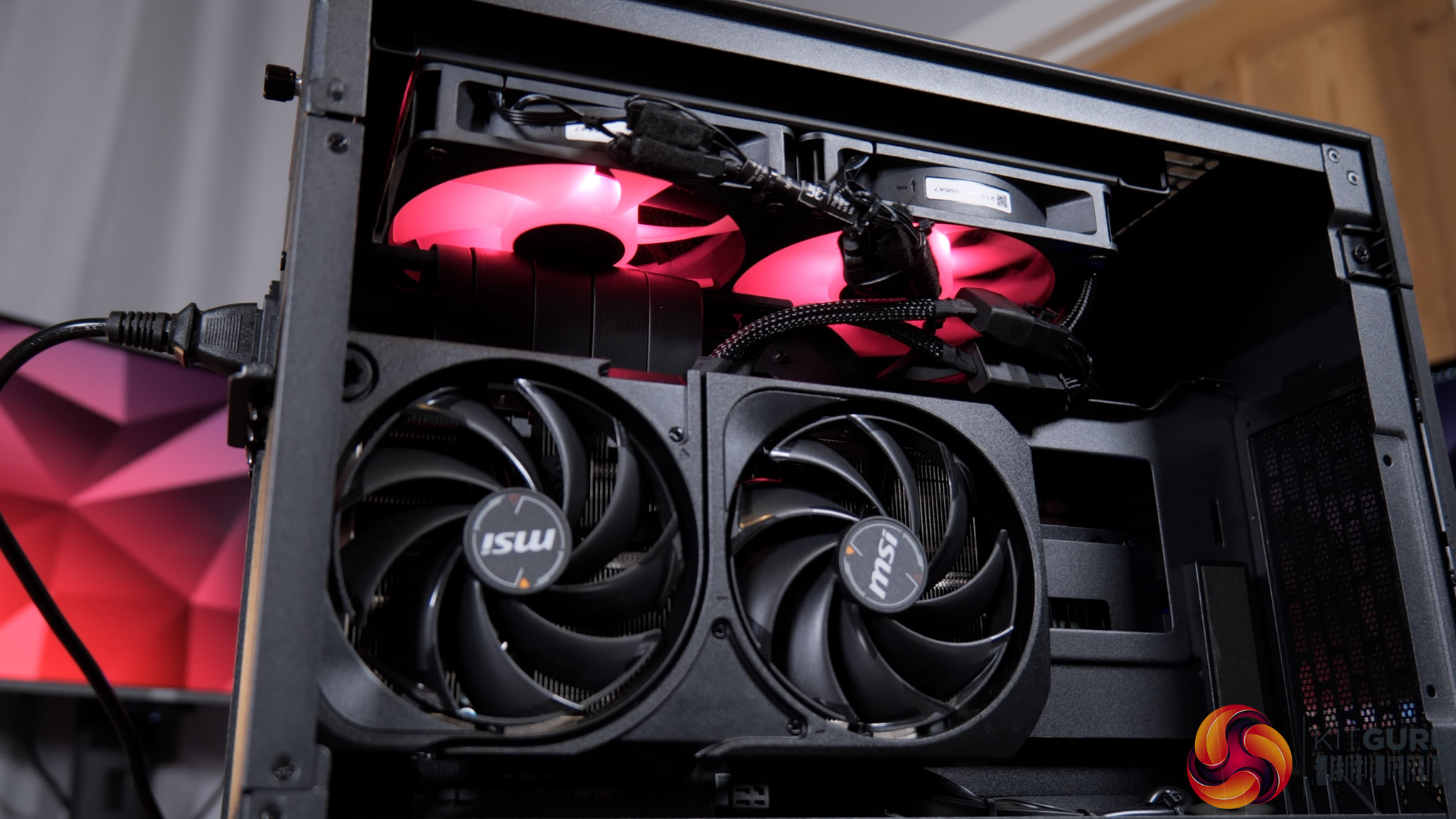
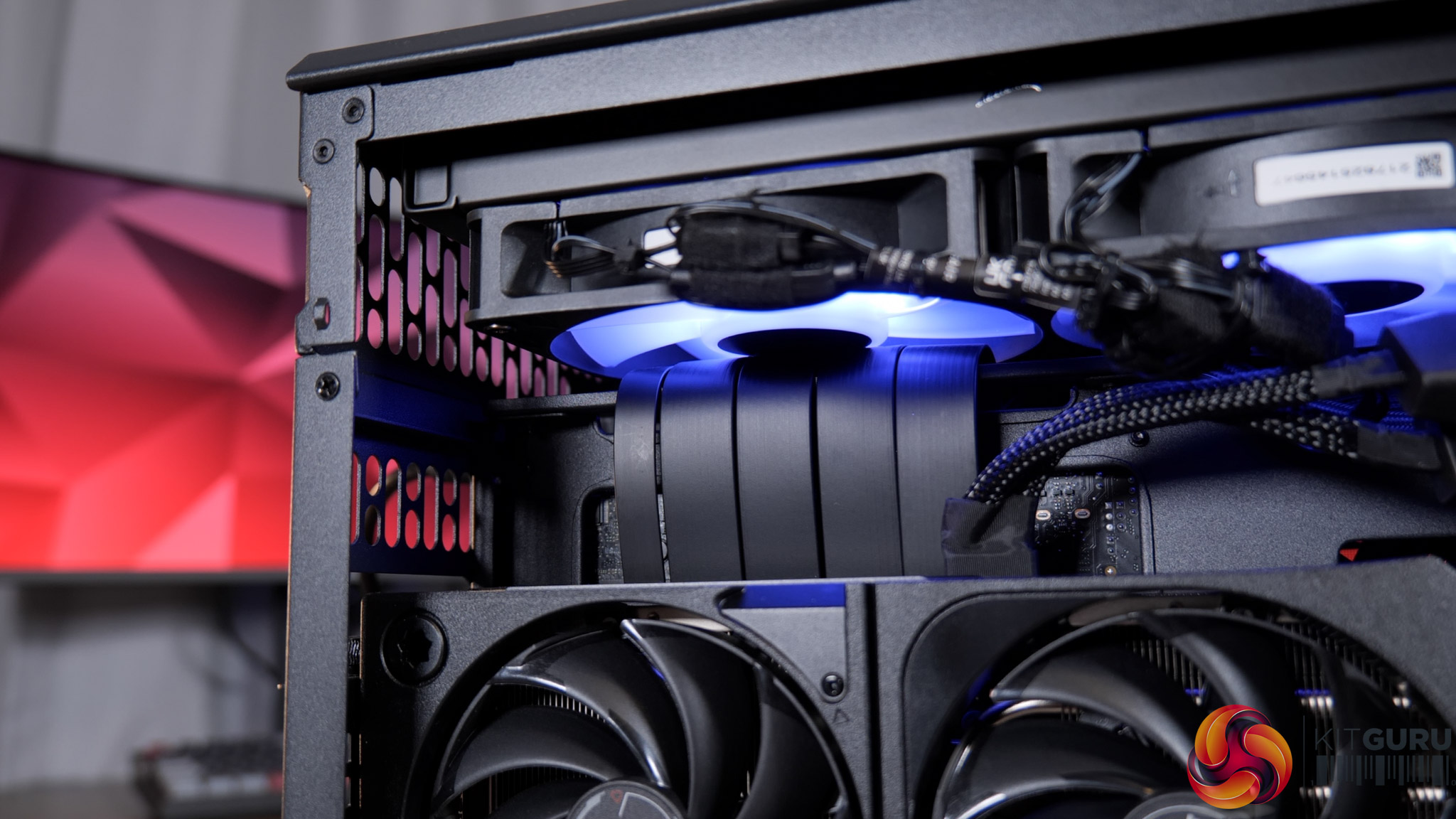
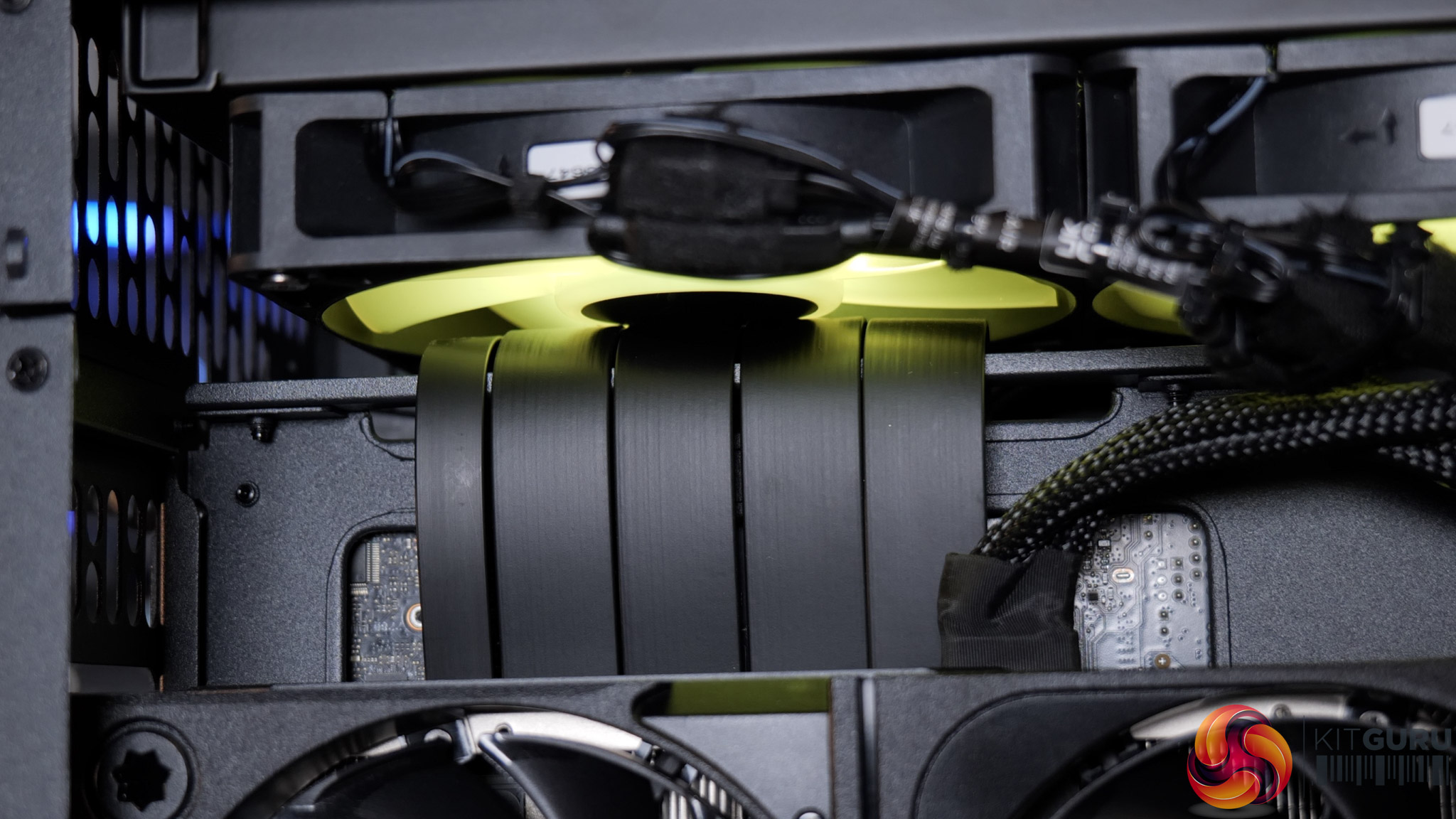
If you're not familiar with the Thermaltake TR100, it uses a split-chamber layout with the GPU in a separate compartment, connected to the motherboard via a PCIe riser. Unfortunately, that PCIe riser is the cause of the system's problems, as it has not been routed properly – or even routed at all – and has instead simply been jammed into one of the radiator fans, stopping it from spinning entirely.
I'd not used this case before but it was immediately obvious upon removing the side panel that something wasn't right. Re-visiting James' build in the TR100 from last year showed me that there's actually a dedicated crossbar, or bracket, for the PCIe riser, designed to prevent this exact thing – but here the riser has simply been looped over the top.
Fixing it took me about five minutes – I removed the radiator mount, reseated the riser properly, then secure the bracket on top, and that was job done. But clearly this is a huge oversight from PCSpecialist that raises significant questions.
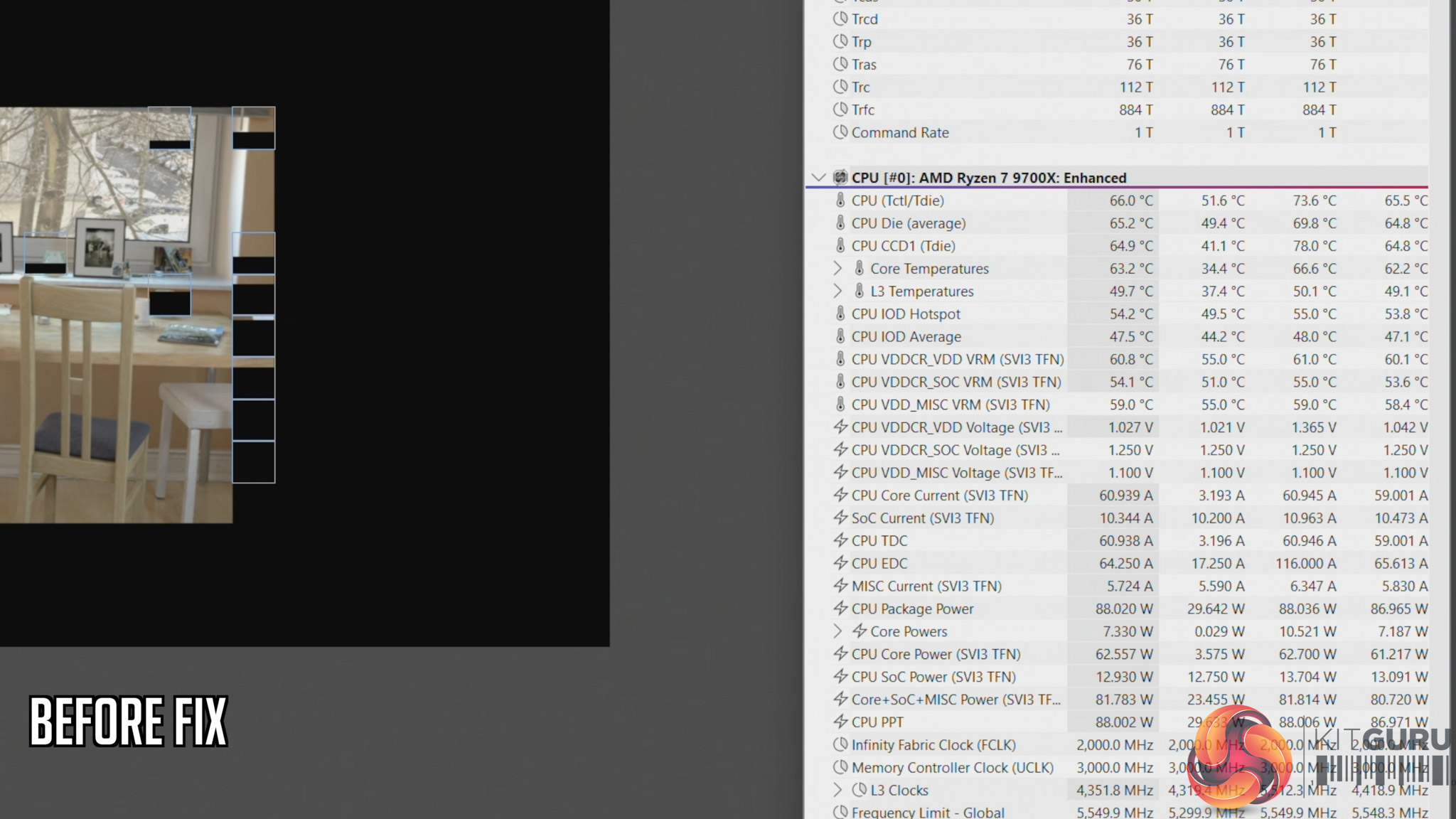
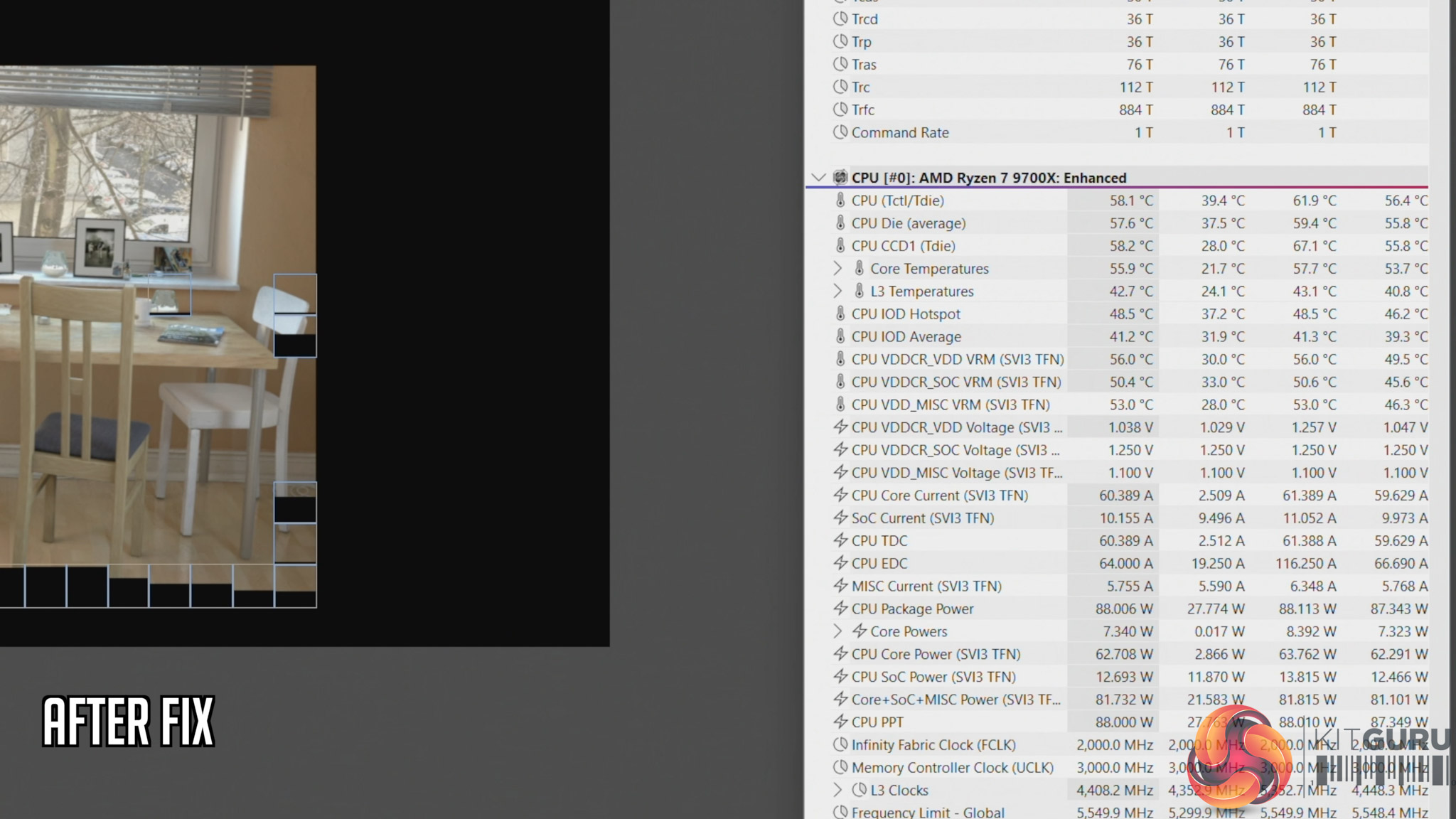
We also ran thermal tests on the CPU to see the impact of this error. Here's a quick breakdown of what we found, but be sure to watch the embedded video for the full analysis:
Cinebench, before fix: 66C steady-state, 73.6C peak
Cinebench, after fix: 58C steady-state, 61.6C peak
Cyberpunk 2077, before fix: 70C steady-state, 71.C peak
Cyberpunk 2077, after fix: 65C steady-state, 69.6C peak
This raises two key issues that I expand on in the video – the first being how much training are PCSpecialist builders given, considering something like this occured. And secondly, how extensive are the company's testing and quality control procedures? PCSpecialist's website talks about ‘extensive' stress tests and says all systems go through ‘a quality control checklist to ensure all components are correct and follows our stringent guidelines'. But clearly, the guidelines can't be that stringent if something like this slipped through from start to finish completely unnoticed.
Indeed, you could consider PCSpecialist ‘fortunate' that the system we received has a relatively low-power 9700X pulling approx 88W. However, you can manually configure builds in the TR100 with up to a 9950X, a CPU that draws well over 200W, and losing half your radiator airflow with that CPU would have a far more detrimental effect.
KitGuru says: PCSpecialist needs to do significantly better.
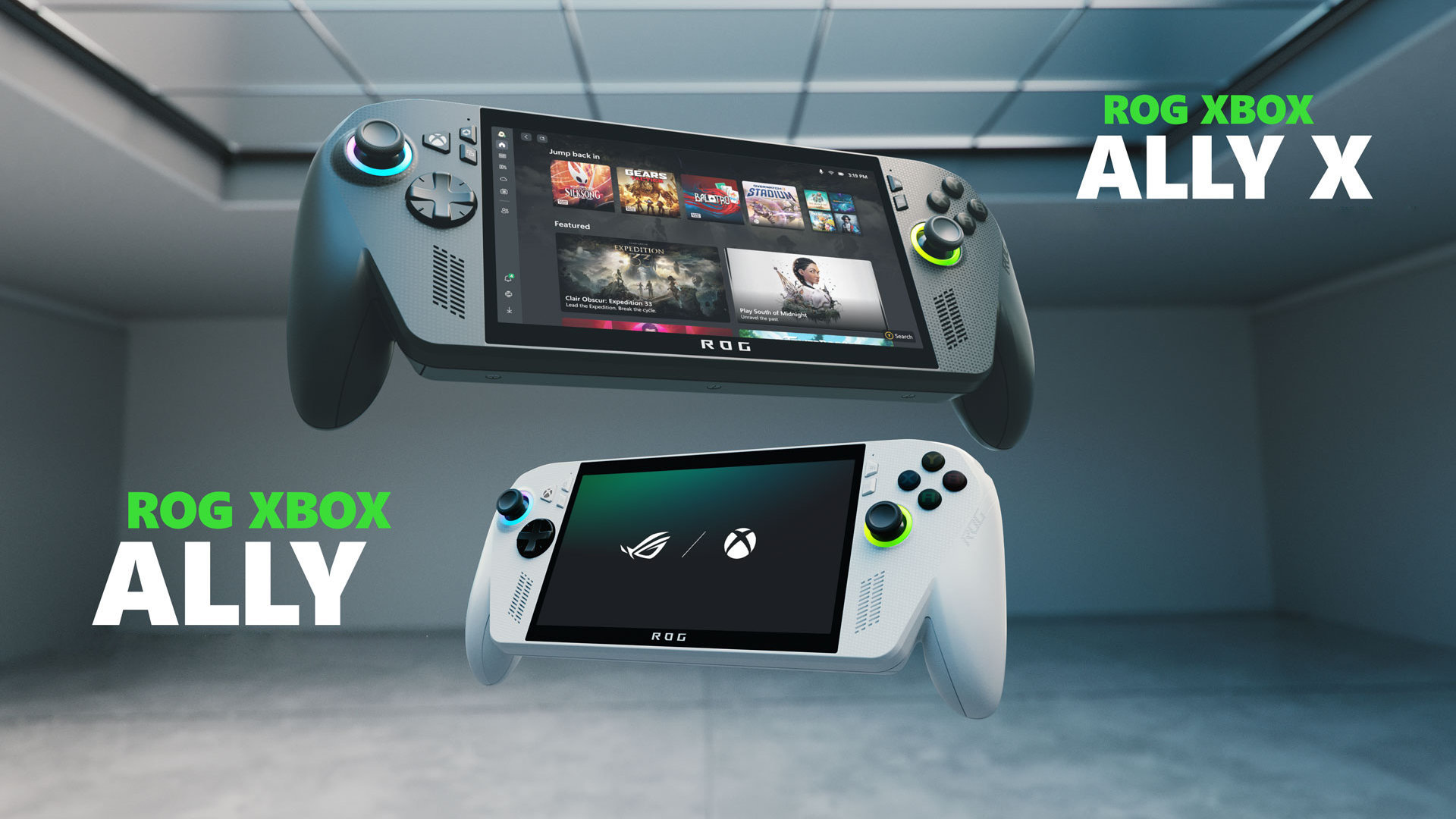
In the wake of the overwhelming success of the Nintendo Switch, we’ve seen a rise in the number of handheld consoles being released by other manufacturers. While Valve’s Steam Deck is likely the most notable, Xbox’s ROG Ally partner handheld marked Microsoft’s own take on the format. Unsurprisingly however, it seems the Xbox Ally has failed to see the same level of interest, with sales reportedly not making a dent in the Steam Deck’s adoption.
Taking part in an interview conducted by the ‘Xbox Expansion Pass’ podcast, known industry analyst Matt Piscatella was asked about the current state of the ROG Xbox Ally handheld. According to Piscatella:
“It had a nice month one and has come back down quite significantly since then. And you're…you know you're not talking massive amounts of volume there. It's…it's kind of just chugging along at you know what you would expect for that price point for that type of audience. It's just kind of…it's hanging out being groovy.”
When asked for clarification as to whether the Ally has “put a dent in the Steam Deck” sales-wise, Piscatella simply responded with “no.”
Of course, while the Steam Deck and ROG Ally are two similar devices, the Ally operates at an entirely different price level, with the lower-end version coming in at roughly the same price as the higher-end Steam Deck OLED.
Regardless, both the Steam Deck and ROG Ally are low-volume devices, and so neither were expected to sell 10s of millions of units. That said, it would be interesting to learn exactly how many units each system has managed to push out.
KitGuru says: What do you think of the ROG Xbox Ally? How does it compare to the Steam Deck? Let us know your thoughts down below.
Destiny 2 has been in a bit of an awkward spot for the past few years, with the live-service shooter having seen a notable drop in both player counts as well as reception towards the game as a whole. In a surprise move, the team at Bungie have now announced that the game’s next major Update – which was set to release in March – has been delayed by three whole months.
Taking to BlueSky to make the announcement, the official D2 page wrote the following: “Our next Major Update, Destiny 2: Shadow and Order, is undergoing large revisions and will be delayed. This update is being changed and expanded to include sizable quality-of-life updates and as a result, will also be renamed. This update will now launch on June 9, 2026.”
For now, information on the changes remain light, however Bungie did confirm that the update will still include “expanding Tiered Gear to all Raid and Dungeon activities, Pantheon 2.0, Tier 5 stats for Exotic Armors, and more.”
Unfortunately, it seems as though little is planned for the interim, with Bungie simply stating that between now and June, Destiny 2 will “continue to have routine bug fixes and stability improvements, continued portal modifiers, Guardian Games (March), and the return of a more frequent Iron Banner cadence (April).”
The team concluded by saying “Thank you for your continued patience and support. We will have more information on our next major update and future plans for Destiny 2 closer to launch.”
Sentiment surrounding Destiny has been far from great as of late, with a lack of content being one of the primary issues. Considering that Shadow and Order has now been delayed by 3 months to facilitate additional features, Bungie has to make sure that the next update is pretty much universally liked.
KitGuru says: What do you think of this announcement? Does it give you more or less confidence in Destiny 2’s future? Let us know down below.
Sony Santa Monica recently had a big presence at PlayStation’s State of Play, with the studio confirming that they are working on a remake of the classic God of War Trilogy, with Kratos’ original voice actor TC Carson returning to reprise his role. In a slight teaser, the VA for Kratos in the recent Norse duology – Christopher Judge – revealed that his next project with SSM could be announced as soon as this Summer.
Talking to a fan during a recent convention appearance, Christopher Judge was asked whether he would be playing the role of Kratos in the newly-announced remake trilogy. Judge reaffirmed that TC Carson is returning for the trilogy, however did tease that “you'll hear about what we're doing, probably late summer.”
Interestingly, Judge kept things vague and so it remains to be seen whether he is referring to another God of War entry. This lines up with recent leaks from insiders which claimed that Sony Santa Monica’s next game would be revealed this Summer alongside a 2027 release date.
That said, it is expected that this title won’t be God of War related, and so perhaps Judge is set to take on a different role in this new game? We will have to wait and see, but it isn’t too uncommon for leads in one game to have a smaller role in the studio’s next. Regardless, hearing more of Christopher Judge’s voicing talents will be exciting – whether or not it is in the context of God of War.
KitGuru says: What do you think Christopher Judge is teasing? Are you hoping Sony Santa Monica is working on something other than God of War? Let us know down below.
Dell has quietly launched a pair of affordable 27-inch gaming monitors starting at a low $129.99, and despite the budget-friendly price tags, they both feature a reasonably fast 240Hz refresh rate. They're also both AMD FreeSync Premium models. Dell's launch is a refreshing change of pace when the cost of gaming on the PC platform continues
Bethesda Game Studios’ Creation Engine is a bit of a double edged sword. While the first-party engine certainly has its benefits, many of BGS’ biggest failings tech-wise can be attributed (at least partially) to it. Despite previously stating that The Elder Scrolls VI would make use of Starfield’s Creation Engine 2, Todd Howard has now revealed that TES6 will in fact be running on their newly-announced Creation Engine 3.
Taking part in a recent interview conducted by Kinda Funny Games, Bethesda’s Todd Howard spoke on a number of topics ranging from Fallout 76 to Starfield and of course The Elder Scrolls VI.
In discussing the long-awaited Skyrim successor, Howard revealed that “We’ve spent the last several years bringing Creation Engine 2, which powers Starfield, up to Creation Engine 3, which is going to power Elder Scrolls 6 and beyond.”
While it was expected that TES6 would feature some improvements over Starfield, this marks the first time that a new iteration of the engine has been spoken of, with Howard claiming back in 2021 that CE2 would be used for both Starfield and the next Elder Scrolls.
What improvements Creation Engine 3 will have over the previous is currently unknown, but here’s to hoping that the team have focused on reducing the number of loading screens necessary. We will have to wait and see.
KitGuru says: What do you think of the Creation Engine? Was CE2 a notable improvement over the tech used in Fallout 4? When do you think The Elder Scrolls VI will officially release? Let us know down below.
NVIDIA continues to expand its position in the global AI infrastructure market and deepens its collaboration with Meta as part of a multi-year, multi-generational partnership. The cooperation includes the comprehensive integration of current and future NVIDIA architectures into Meta’s data center strategy and marks a significant step in the competition for the world’s most powerful […]
According to recent reports, Apple is working on a new wearable AI device that will be about the size of an AirTag and could be worn as a counterpart. Internally, the project is said to be described as a kind of “eyes and ears” for the iPhone. The concept envisages a permanently active wearable device […]
When compliance becomes a mere formality, a single programming error is enough to bring even the most sophisticated security architecture crashing down. That is exactly what happened with Microsoft Copilot. A bug in the code allowed the AI assistant to display confidential content from Outlook folders, even though this content was protected by data loss […]
A blind test with over 1,000 participants reveals an uncomfortable truth: upscaling is no longer the compromise that many still sell it as. In a community comparison by ComputerBase, DLSS 4.5 clearly outperformed native resolution with TAA and AMD’s FSR 4. The result is clear and strategically explosive. Test setup: 4K, quality preset, no marketing […]
Cloud gaming has long been the industry’s promise to retire the console. Now Nvidia is setting the next strategic marker: GeForce Now is officially launching on select Amazon Fire TV devices for the first time. Specifically, the Fire TV Stick 4K Max and Fire TV Stick 4K of certain generations are supported, among others. What […]
It’s been quite a while since we last tested a computer from this manufacturer, so we have some catching up to do. While AMD devices have always performed quite well, Intel-based offerings have tended to fall short, so it will be interesting to see how they fare this time around. Read on to find out! […]
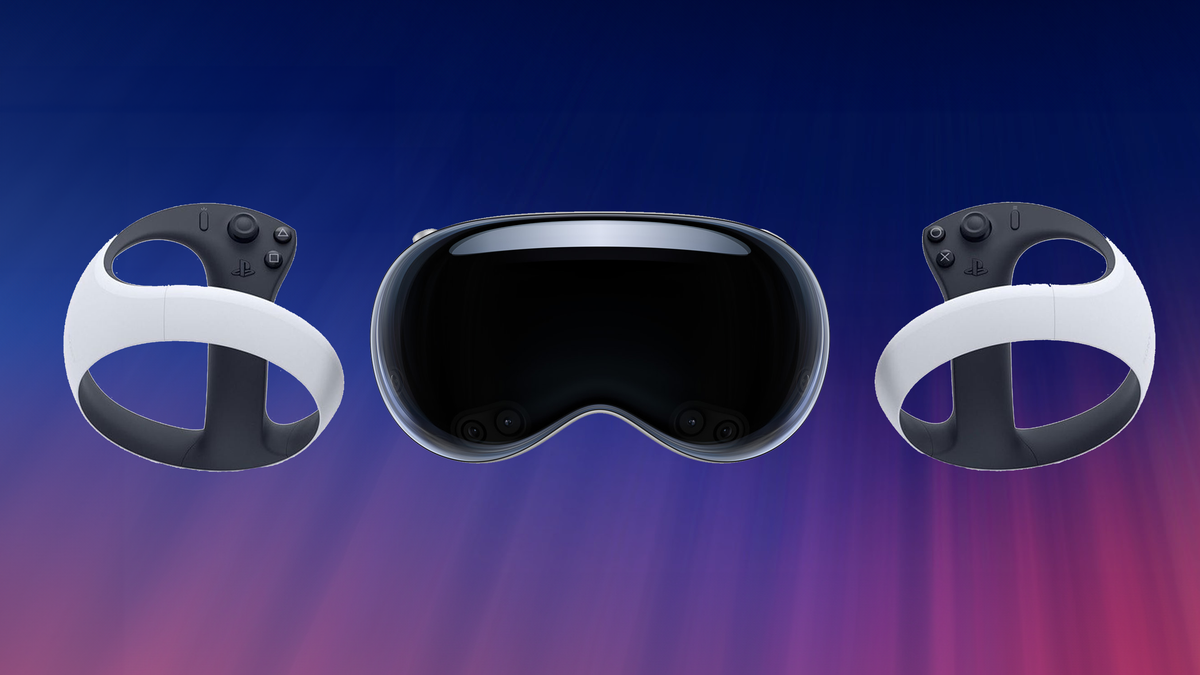
Apple Vision Pro is officially getting PC VR foveated streaming, and Samsung Galaxy XR now has the feature via Guy Godin's Virtual Desktop.
Before you continue reading, note that foveated streaming is not the same as foveated rendering, though the two techniques can be used alongside each other. As the names suggest, while foveated rendering involves the host device actually rendering the area of each frame you're currently looking at with higher resolution, foveated streaming refers to sending that area to the headset with higher image quality than the rest of the frame.
It's a term you may have heard in the context of Valve's Steam Frame, where it's a fundamental always-on feature of its PC VR streaming offering, delivered via the USB PC wireless adapter by default.
0:00
/0:05
Valve's depiction of foveated streaming.
Given that the video decoders in headsets have a limited maximum resolution and bitrate, foveated streaming helps prioritize resolution and compression quality where you're currently looking.
Apple Vision Pro: visionOS 26.4
visionOS 26.4 will bring foveated streaming to Apple Vision Pro, enabling higher-quality wireless VR remote rendering from a local or cloud PC.
Unlike the macOS Spatial Rendering introduced in the main visionOS 26 release last year, which is a relatively high-level system that only supports a local Mac as a host, Apple's developer documentation describes the new Foveated Streaming as a low-level host-agnostic framework.
The documentation highlights Nvidia's CloudXR SDK as an example host, while noting that it should also work with local PCs. Apple even has a Windows OpenXR sample available on GitHub, which to our knowledge is the first and only time the company has even mentioned the industry-standard XR API, never mind actually using it.
The lead developer of the visionOS port of the PC VR streaming app ALVR, Max Thomas, tells UploadVR that he's currently looking into adding support for foveated streaming, but that it will likely be "a lot of work".
Because of how the feature works, Apple's foveated streaming might even enable foveated rendering for tools like ALVR.
Normally, visionOS does not provide developers with any information about where the user is looking – Apple says this is in order to preserve privacy. Instead, developers only receive events, such as which element the user was looking at as they performed the pinch gesture. But crucial to foveated streaming working, the API tells the developer the "rough" region of the frame the user is looking at.
This should allow the host to render at higher resolution in this region too, not just stream it in higher resolution. As always, this will require the specific VR game to support foveated rendering, or to support tools that inject foveated rendering.
0:00
/0:24
Clip from Apple's visionOS foveated streaming sample app.
Interestingly, Apple's documentation also states that visionOS supports displaying both rendered-on-device and remote content simultaneously. The company gives the example of rendering the interior of a car or aircraft on the headset while streaming the highly detailed external world on a powerful cloud PC, which would be preferable from a perceived latency and stability perspective to rendering everything in the cloud.
We'll keep an eye on the visionOS developer community in the coming months, especially the enterprise space, for any interesting uses of Apple's foveated streaming framework in practice.
Samsung Galaxy XR: Virtual Desktop
Meanwhile, Samsung Galaxy XR is getting foveated streaming via Guy Godin's Virtual Desktop, a $25 third-party app available on Google Play.
Virtual Desktop's latest update also brings foveated streaming to Meta Quest Pro and Play For Dream MR, though this is less notable as those headsets could already achieve foveated streaming through Valve's Steam Link.
Virtual Desktop without foveated streaming (left) and with it (right).
The feature should also work on any future eye-tracked headset where Virtual Desktop is available, Guy Godin tells UploadVR.
Here's the full changelog for Virtual Desktop 1.34.16:
• Added Foveated streaming with eye tracked headsets (Quest Pro, PFD & Galaxy XR) • This uses eye tracking to improve the quality of the image where you are looking.
• Improved color gradients and color accuracy with all codecs by using the full RGB color range instead of limited range (for desktop and PCVR)
• Added 96 fps and 100 fps support on Quest 2, 3/3S (only available on Quest v85 PTC)
• Added Gamepad vibration support (also for controllers when emulating gamepad)
• Added adaptive quantization support with AMD GPUs using H.264/H.264+
• Improved initial connection reliability (for real this time)
• Added 21:9 resolutions for virtual monitor on macOS
• Improved thumbstick scroll on macOS and now it respects the natural scrolling option
• Fixed distorted image with some laptop monitor resolutions • Fixed rare black flash issue when playing some PCVR games • Fixed hand joints offsets and interference with other drivers in SteamVR • Fixed compatibility with Roblox anti-cheat • Fixed more issues with AndroidXR invalid controller poses • Fixed button support for some recent UE5 games • Fixed reprojection stutters with some Unity (OVRPlugin) games
Co-op parcel delivery horror game Deadly Delivery adds a new 'Mystery Room', door microphone, and other new mechanics.
We previously reviewed Flat Head Studio's Deadly Delivery, finding it to be a "clever, effective, and genuinely funny VR co-op that nails the feel of physical play in a spooky, comic world." Flat Head has already updated the game with new content several times since its December launch, adding a new Ice Caves location and several quality of life features.
The Mystery Room adds a new room to the Bloodmoon and Ice Cave levels with more doors for players to explore. Some doors now have a microphone where players have to declare themselves before proceeding with the drop-off. A new item called the Door Reuser is available to purchase from the in-game shop as well, allowing players to deliver an extra package to a door.
0:00
/1:00
The update also includes general bug fixes, an ammo increase for the Roulette Gun, and wider passages in certain areas to allow multiple players to move around easier.
Deadly Delivery is available on Meta Quest and Steam for $9.99.
 Connexion
 Everyone's favorite leather jacket enthusiast and AI goldmine architect Jensen Huang gave an exclusive interview to Korea Economic Daily where he made some pretty interesting remarks, and key among them was the statement that NVIDIA has "prepared some new chips that the world has never seen before." But what was he actually talking about?
When
Everyone's favorite leather jacket enthusiast and AI goldmine architect Jensen Huang gave an exclusive interview to Korea Economic Daily where he made some pretty interesting remarks, and key among them was the statement that NVIDIA has "prepared some new chips that the world has never seen before." But what was he actually talking about?
When