The current calendar week, that is week 10 from March 2 to March 8, 2026, was significantly denser from a security and operational perspective than many of the previous weeks. In addition to classic data leaks and vulnerability reports, three patterns emerged particularly clearly this time. First, the threat landscape in war and crisis regions […]
Microsoft has updated three key tools from the Sysinternals suite. What initially appears to be a minor maintenance update reveals a typical Microsoft strategy upon closer inspection: ensuring stability in the Windows ecosystem while simultaneously integrating Linux more closely as an infrastructure platform. With Process Explorer 17.1, SDelete 2.06, and Sysmon 1.5.1 for Linux, administrators, […]
After the market launch of the Blackwell generation, isolated reports emerged about graphics cards with certain render units disabled or misconfigured. Initially, these reports mainly concerned consumer models of the GeForce RTX 50 series, in particular the RTX 5090. Now, a new case suggests that a similar problem may also occur with a professional workstation […]
A group of leading Chinese scientists and industry representatives has published an unusually critical analysis of the current state of the domestic semiconductor industry. The article describes the industry as “small, scattered, and weak.” Despite years of government investment and extensive support programs, the structure of the industry remains too fragmented to keep pace technologically […]
Perhaps some of you play the popular extraction shooter ARC Raiders. The game is hugely popular and played by hundreds of thousands of gamers. A few days ago, however, a critical security flaw was discovered in the Discord integration. This bug caused all private chat histories to be stored in a local text file. In […]
In case you missed the memo, Intel's been kicking butt in the mobile arena lately. Its Core Ultra 200V "Lunar Lake" processors offered a great blend of CPU compute, GPU horsepower, and excellent power efficiency, and the latest Core Ultra 300 "Panther Lake" chips continue that trend, ramping up performance in every area while maintaining fantastic
Some signs are pointing toward an imminent release date and pricing reveal for the Steam Machine, Steam Frame, and Steam Controller. Not only did Valve recently release a blog post reaffirming its commitment to "shipping all three products this year", but data miners on SteamDB noticed a "Coming soon" listing change for all of the new Steam
This new Corsair keyboard is full sized but instead of sporting a numpad you will find two programmable control dials, a 5-inch display, and 12 LCD keys which will be very familiar…
Microsoft continues it's war against it's users, trying to force Copilot down their throats regardless of whether we want to use it or not. The latest assault was revealed in an Insiders…
Summer is fast approaching and if you're planning to catch a flight to go on vacation, heads up that United Airlines now has the explicit right to remove passengers who refuse to wear headphones or earbuds and instead choose to blast audio through their laptop, smartphone, or tablet.
The new rule is part of a recent revision to the airline's
Geopolitical tensions between the US and China have increasingly impacted the global semiconductor market in recent years. This is particularly evident in the case of NVIDIA, whose AI accelerators play a central role in training modern language models and in data centers. New reports suggest that the company needs to rethink its production strategy after […]
OpenAI has introduced GPT-5.4, a new generation of its Frontier model, taking a significantly different approach than in previous versions. While earlier models were more divided into different specializations, GPT-5.4 aims to combine reasoning, programming, knowledge work, and agentic tasks in a single system. The goal is to create a more universal model that can […]
With the iQoo 15 Ultra, Vivo subsidiary iQoo presents a smartphone that specifically combines gaming features with classic high-end specifications. The device is therefore not aimed exclusively at mobile gamers, but attempts to deliver as complete a package as possible, covering performance, camera, and battery life. The first thing that stands out is the smartphone’s […]
Whether used as a host for Docker or other services, Debian is probably the most widely used operating system in homelabs and for servers. Famous for its absolute stability and reliability, which are considered more important than the latest features or versions, it is an excellent choice. This basic guide covers only the installation of […]
Samsung officially announced its latest Galaxy S26 family of devices last week, powered by an exclusive version of Qualcomm’s Snapdragon 8 Elite Gen 5 mobile platform. The lineup consists of the flagship Galaxy S26 Ultra ($1299), Galaxy S26+ ($1099), and base model Galaxy S26 ($899)m all of which receive some incremental updates. In...
Upon its release, Ayaneo's Pocket Air Mini received praise for its build quality, strong Nintendo GameCube emulation performance, and entry-level pricing under $100. While the price of the device has increased over time, it's still a solid budget handheld. Now, Ayaneo is celebrating with a refresh by releasing a new model in collaboration
Thanks to official posts by OnePlus boss Li Jie, we already know that the OnePlus 15T will feature ultra thin bezels and gaming-optimized performance. Not ending there, Li also confirmed that the device will pack a battery that will put the S26 Ultra and iPhone 17 Pro Max to shame in a 6.32-inch form factor.
Over at Weibo, OnePlus president
Following 2024's Burst II Air, the 56 g Burst II Pro retains the ambidextrous shape and optical main buttons switches, but adds 8000 Hz wired and wireless polling. PixArt's PAW3950 sensor is used, and Turtle Beach advertises up to 150 hours of battery life at 1000 Hz and 40 hours at 8000 Hz.
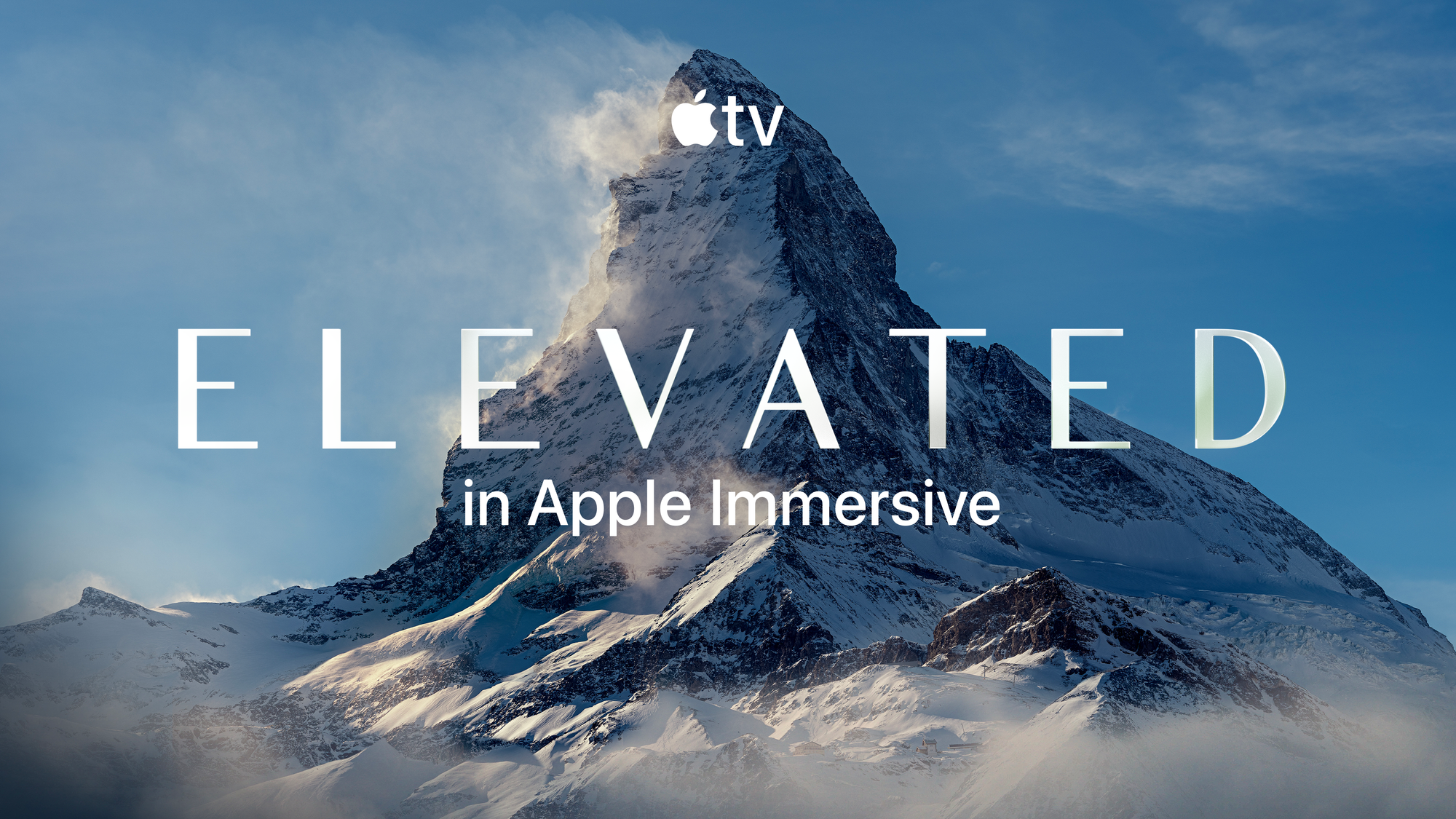
The Apple Immersive series Elevated reaches the Alps in its new Switzerland episode, with its narrative, visual, and audio choices giving these vantage points meaning.
Perspective in the Apple Immersive Video series Elevatedis not just about altitude. It is rooted in how narrative, visual and audio choices work together to give those vantage points meaning.
What Is Apple Immersive Video?
The Apple Immersive Video format is 180° stereoscopic 3D video with 4K×4K per-eye resolution, 90FPS, high dynamic range (HDR), and spatial audio. It's typically served with higher bitrate than many other immersive video platforms.
We highly praised Apple Immersive Video in our Vision Pro review. It's not possible to cast or record Apple Immersive Video though, so you'll have to take our word for it unless you have access to a Vision Pro.
Switzerland is the newest episode of Elevatedavailable, following sweeping journeys over islands of Hawai’i (Episode 1) and Maine (Episode 2).
Across all three episodes of the series so far, a consistent creative approach gives each immersive episode the feeling of an authentic, elevated experience that grounds sweeping landscapes in context and perspective.
Storytelling That Creates A Sense of Journey
Majestic landscapes are never presented as simply beautiful and often unreachable views. Each episode carries visitors over dramatic terrain with local narrators framing these destinations as living, ever-changing environments. From landscapes shaped by powerful forces of nature in Hawai‘i to the breathtaking beauty of autumn in Maine, the episodes reinforce that our earth is alive and constantly evolving. This storytelling makes each journey over the real, visually stunning ultra-high-resolution moments captured in 180-degree stereoscopic video feel that much more precious.
Image for the Maine episode (02) of the Elevated series.
Consistent Scale and Changing Perspectives
Another important creative choice of Elevated is not just the heights it reaches, but the scale it preserves. Visitors’ sense of scale in relation to these environments remains consistent and true to life, creating the sense of presence as oneself within each destination. From a small number of moments where you begin seemingly standing on the ground in Maine and Switzerland, to rising above snowcapped mountains, rugged coastlines, or dense forest - the visitor's proportion to the landscapes holds. This has not always been the case with Apple Immersive content.
Also, while these moments on the ground are limited in the series so far, beginning at ground level before lifting into the grandeur of elevated views makes a meaningful difference. The moment in Switzerland when I'm standing at the base of mountains is now a visceral memory for me, just as much as flying over The Alps. Seeing the detail of fall leaves up close at the beginning of Maine deepened my appreciation for the vast canopy revealed moments later from above. Establishing proportion on the ground reinforces the scale that follows. The contrast is what gives the ascent weight. Elevation feels more powerful when I understand the texture, distance, and human scale of what exists below.
Image for the Hawai'i episode (01) of the Elevated series.
Camera Movement and Transitions That Feel Natural
Movement in immersive experiences is critical to get right when it's not the visitor controlling it. The speed and steadiness of the camera movement in this series offers a consistent almost ethereal quality to the pace of the flights giving visitors time to look around and absorb detail before the perspective shifts. Transitions between views also feel fluid, and not rushed or abrupt. Instead, the change in scene often feels as if perfectly timed to when visitors may have simply chosen to turn their head to look out another window into new scenery. Like previous episodes, Switzerland maintains that discipline, guiding visitors through an expansive journey across the country’s hard-to-reach terrain.
Action Entering From Outside the Frame Challenges Immersion
In the opening scene of Switzerland, the episode begins at ground level, allowing me to register the scale of the surrounding mountains and the quiet beauty of the ice skating path in front of me before ascent. For the first time in the series, it also experiments with introducing people into the opening scene before ascent. Two skaters enter from my right on the ice path and glide ahead in the direction I had already taken in. Instinctively, I turn to see where they came from and meet the edge of the frame of the 180-degree immersive video. In earlier episodes, I was engaged with the details of the evolving landscapes in my field of view and never felt compelled to look beyond them. Here, the entry point pulled my attention outside the designed field of view. Had the skaters entered and locked eyes with me, or stopped to playfully pick up some snow, for example, the moment could have anchored focus forward instead of prompting curiosity toward uncaptured space.
Frictionless Control Expands Moments
Epic content like this benefits from how naturally Apple Vision Pro features can be controlled. The visuals of Switzerland are so expansive and pausing to take them in with a simple gaze and pinch feels instinctive, not disruptive to the sense of immersion. My time in Switzerland felt longer than eight minutes because of that. I paused when up-close with an old castle overlooking a village. I easily found the beginning of the scene to fly right next to the Matterhorn mountain multiple times.
More of This Please
Switzerland reinforces what Elevated consistently demonstrates. Beautifully detailed visuals, compelling narrative, thoughtful pacing and preserved scale work together to create a true sense of journey. In a medium where spectacle is easy, creating the illusion of immersion is harder, especially with a limited field of view. Elevated proves that the most compelling immersive travel experiences are not only defined by where you go, but by how thoughtfully you are taken there with the best technologies available to the storytellers.
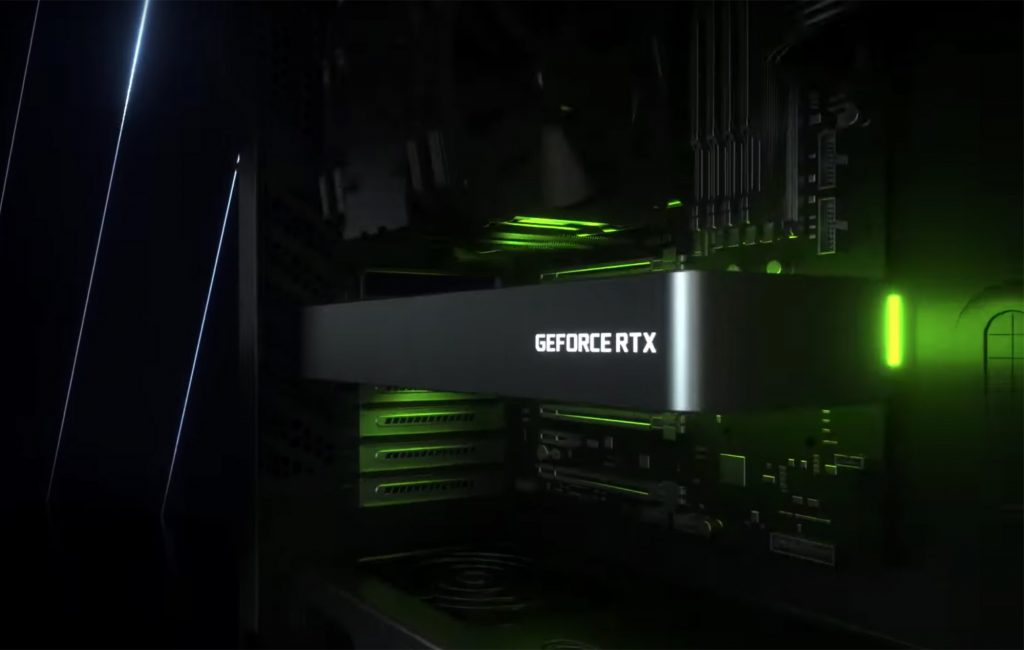
The legendary GeForce RTX 3060 is reportedly set for a mid-March 2026 revival, nearly five years after its initial debut. According to reports, Nvidia is preparing to restock its partners with “installation kits” (GPU die and memory bundles) for the Ampere-based card.
Why the RTX 3060 specifically? Well it is speculated that Nvidia might be facing a ‘node bottleneck', with current Blackwell and Ada GPUs relying on TSMC's 4N node, which is also being used for high-margin AI accelerator GPUs. By contrast, the RTX 3060 uses Samsung's 8nm process node, so there is likely to be more production capacity available for something like an RTX 3060, versus a newer-gen GPU. These older cards also use GDDR6 memory, which may be easier to source right now versus current-gen GDDR7 modules.
According to the Board Channels forum post (via VideoCardz), it remains unclear whether Nvidia will favour the original 12GB (192-bit) model or the later 8GB (128-bit) variant. Providing a fresh supply of 12GB cards would allow Nvidia to offer a “value” alternative that can still handle modern VRAM-heavy titles at 1080p.
If this all proves true, then it is expected that board partners will reuse existing cooling shrouds and PCB designs to bring a fresh wave of RTX 3060 graphics cards to market quickly. For gamers, the success of this relaunch will hinge entirely on pricing. With the RTX 5050 starting at £230, the revived RTX 3060 would need to start below the £200 mark to be competitive against used hardware and other entry-level alternatives.
KitGuru says: In a normal year, a 5-year-old mid-range card returning to production would be seen as regression. However, with the global memory crunch, the entry-level price point is rising, making the RTX 3060 exactly what budget buyers need.
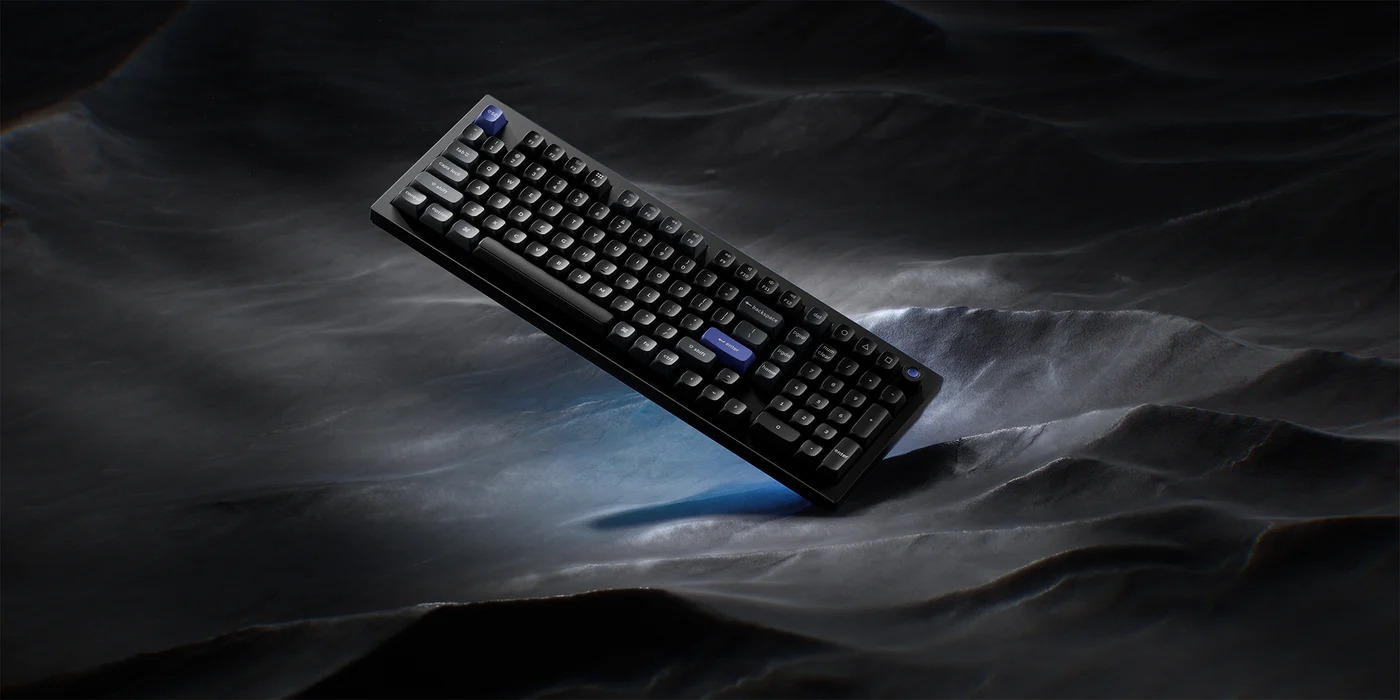
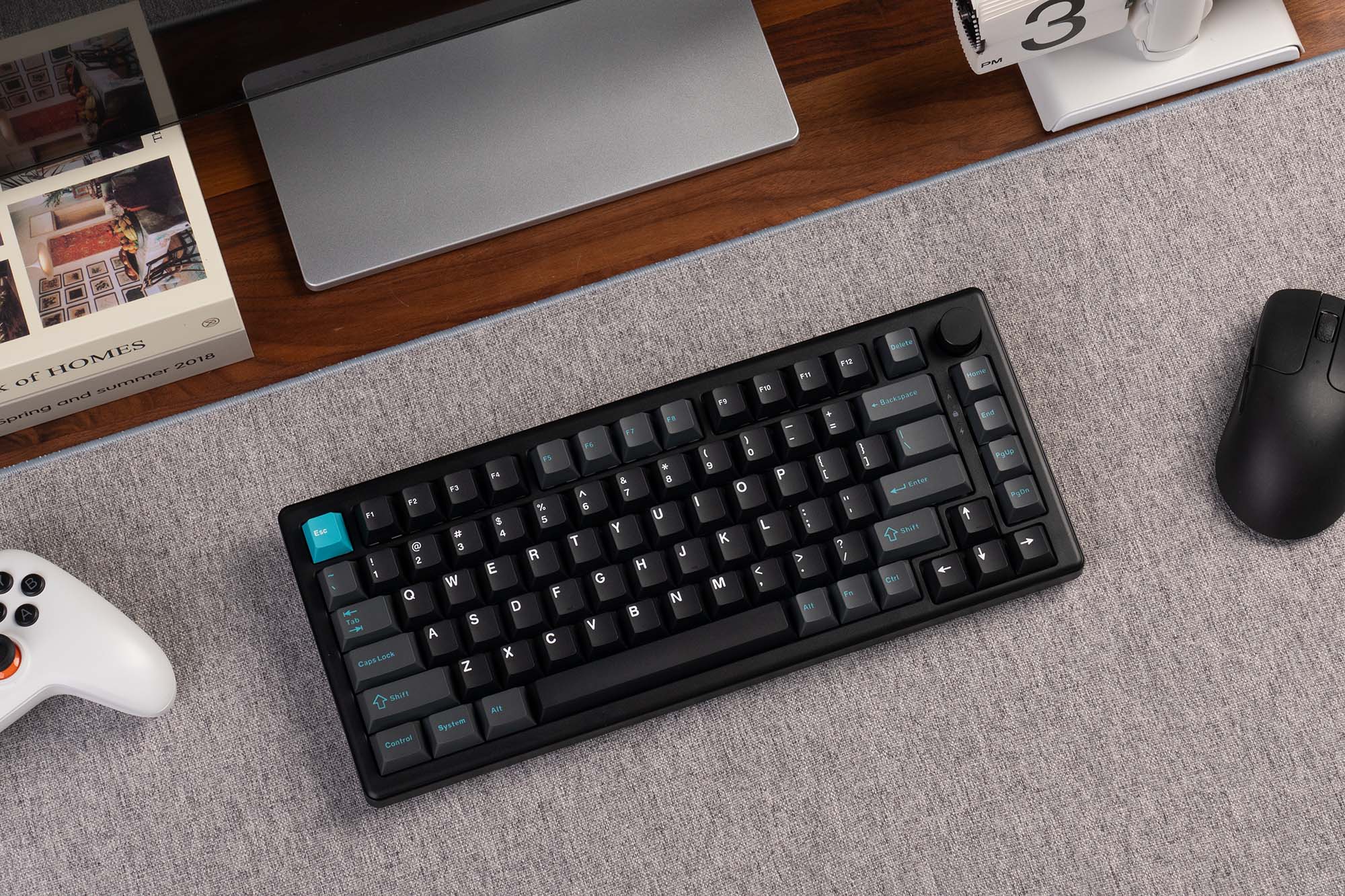
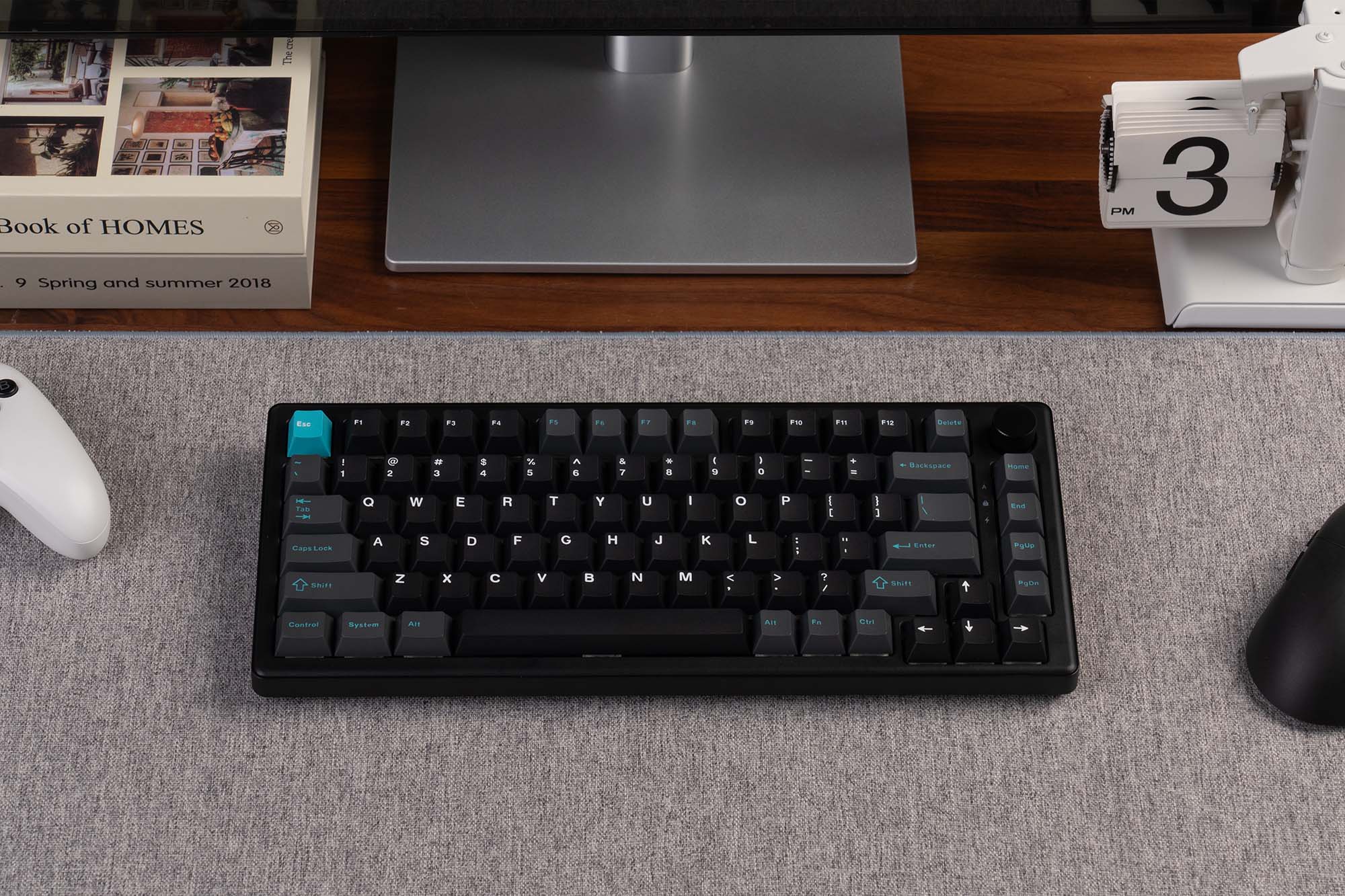
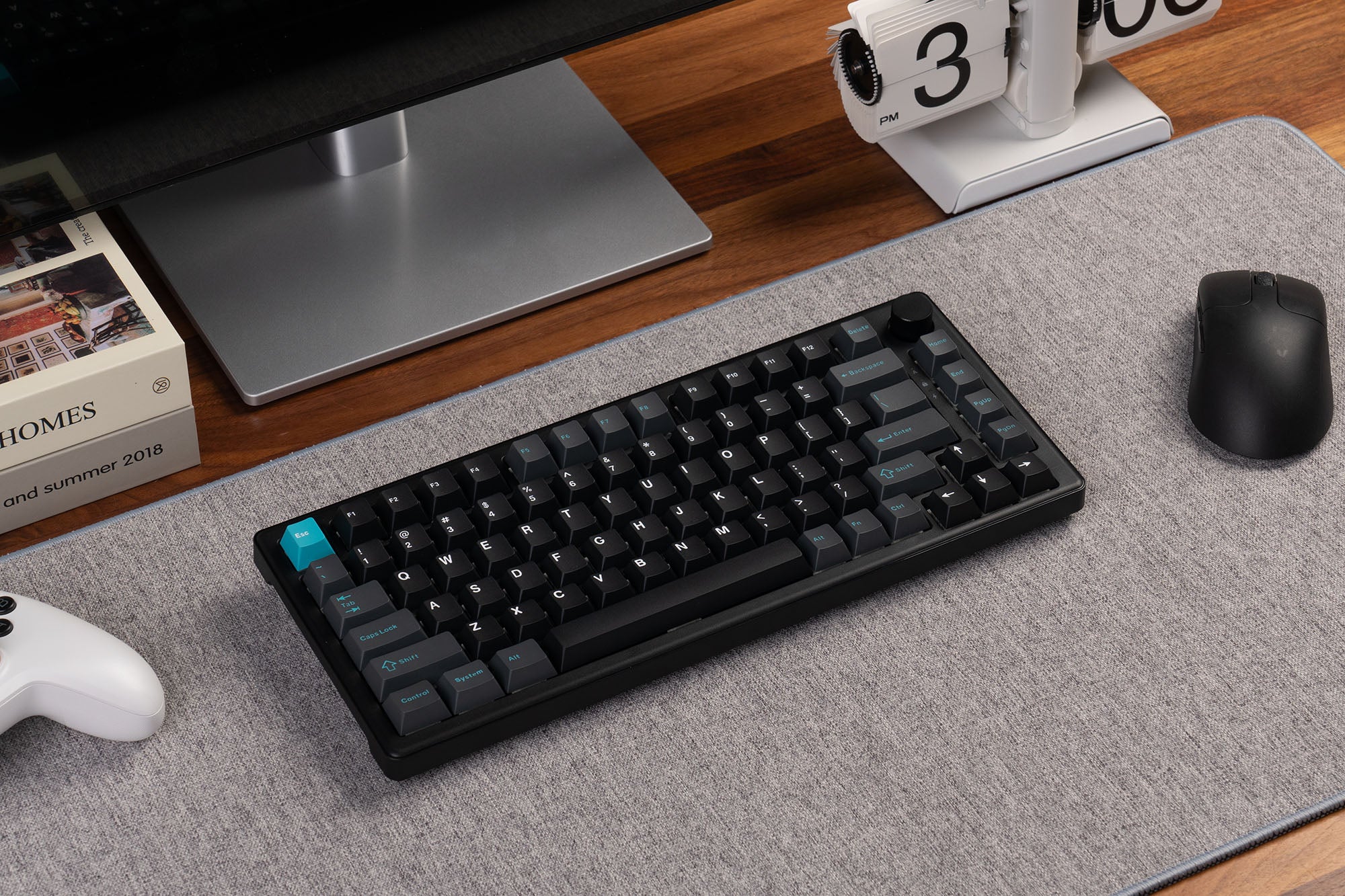
Keychron is growing its already enormous keyboard lineup with a couple more entries. In addition to the Q5 HE 8K, the latest addition to the Q HE 8K-series, the company is also introducing its cheapest HE 8K keyboard, the J2 HE 8K.
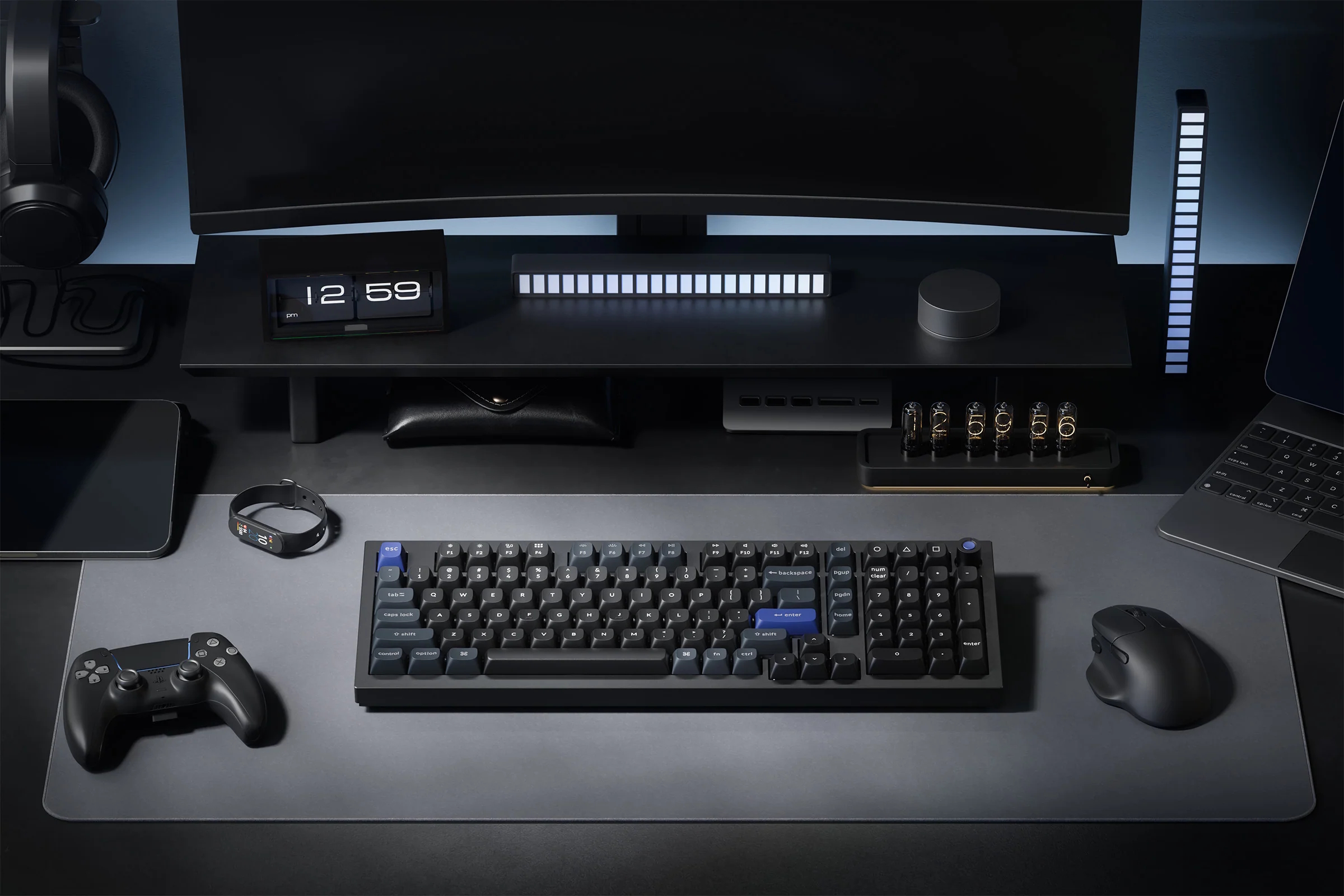
Priced at $239.99, the Q5 HE 8K (via TechPowerUP) targets gamers who require a Numpad but prefer a more streamlined footprint than a traditional full-sized board. The Q5 HE 8K is currently available in black and white and features a compact 1800 layout, which condenses the board to 408 mm in length. Despite its smaller size, it retains a full-sized zero key on the numpad and adds a programmable knob and a row of dedicated macro keys. The board uses Keychron's Magnetic Lime switches and OSA double-shot PBT keycaps, and features south-facing RGB lighting and an 8K polling rate. Because this is a wired-only model, Keychron was able to reduce the front height to 20.6 mm, improving ergonomics for long gaming sessions.
On the software side, the Q5 HE 8K is fully compatible with the Keychron Launcher web app, enabling advanced analogue features such as Rapid Trigger, adjustable actuation points, Snap Click, Last Key Priority (LKP), and Dynamic Keystrokes (DKS). The keyboard also features hardware-level toggles for OS switching (macOS/Windows) and profile selection, ensuring that your custom macros and settings are accessible across different systems without needing background software. As per usual for a keyboard at this price, the Q5 HE is hot-swappable.
Moving on to the J2 HE 8K, this is a 75% wired keyboard that aims to democratise high-end magnetic switch technology. Priced at just $99.99, the J2 HE 8K brings the performance of its premium Q HE series to a much more accessible price bracket. While the flagship Q-series models feature heavy CNC aluminium chassis, the J2 HE 8K utilises a more streamlined plastic construction to maintain its competitive edge without sacrificing the core internal hardware that defines the 8K experience.
Like the Q5 HE 8K, the J2 HE also comes with hot-swap sockets, double-shot PBT keycaps, and Lime Magnetic switches, allowing it to offer some of the analogue features of the more expensive model, including adjustable actuation points. Also like the Q HE 8K series, the J2 HE 8K is a wired-only device with an 8K polling rate. This design choice ensures the stability and bandwidth required to maintain a consistent 8K signal while keeping the front height lower for better ergonomics.
Customisation is handled through the Keychron Launcher web app, removing the need for bloatware and allowing users to rebind keys, program macros, and configure other settings directly in a browser. The keyboard also features the signature Keychron hardware OS switch, enabling seamless transitions between macOS and Windows layouts. Despite the budget-friendly price, it still includes high-end features like south-facing RGB lighting and the ability to emulate controller inputs.
KitGuru says: Of the two new Keychron keyboards, which one looks the most interesting to you?
Polish developer Reikon Games has unveiled Ruiner 2, the sequel to its 2017 cult-classic twin-stick shooter. While the original was a focused, brutal blast of cyber-violence, the sequel is aiming for a broader scope, shifting into a cyberpunk action RPG.
Returning players will find themselves back in Rengkok, but this time the gameplay is built around the Shell System. Rather than being locked into a single class, you play as a hacker capable of hijacking the bodies of fallen heroes. These bodies, also known as Shells, allow you to swap between different combat styles on the go, adapting to every situation.
The depth of the RPG systems in Ruiner 2 appears to be a love letter to theory-crafters. Each Shell comes with four unique skills, each featuring branching progression nodes that fundamentally alter how the ability functions. Balancing your build is a game of logistics, as every piece of equipment draws from a dedicated resource pool of power, CPU, and memory. With no “free” gear slots, every upgrade is a direct trade-off. This is further supported by the Neural Network, a persistent hacker-level passive tree that provides buffs across your entire roster of Shells.
Combat has been redesigned to favour high-speed synergies, whether you are playing solo or with friends. In single-player, you control a team of three Shells simultaneously, switching between them to chain abilities into devastating loops. The sequel also introduces three-player online co-op, where a full team can bring up to six Shells into the fray, creating screen-clearing combos that wouldn't be possible alone. For those who live for the grind, Reikon has confirmed an “endless endgame” featuring escalating tiers of difficulty and loot, ensuring that the only ceiling on your progression is the efficiency of your build.
The minimum system requirements have already been published and can be found below:
KitGuru says: Reikon Games is taking a bit of a gamble by pivoting from a twin-stick shooter to an ARPG, but the Shell System looks like a good fit for the franchise. Have you played the original Ruiner? Were you hoping it would get a sequel?
 Connexion