↩ Accueil

Vue lecture

Antec 900 Case Review (2026)

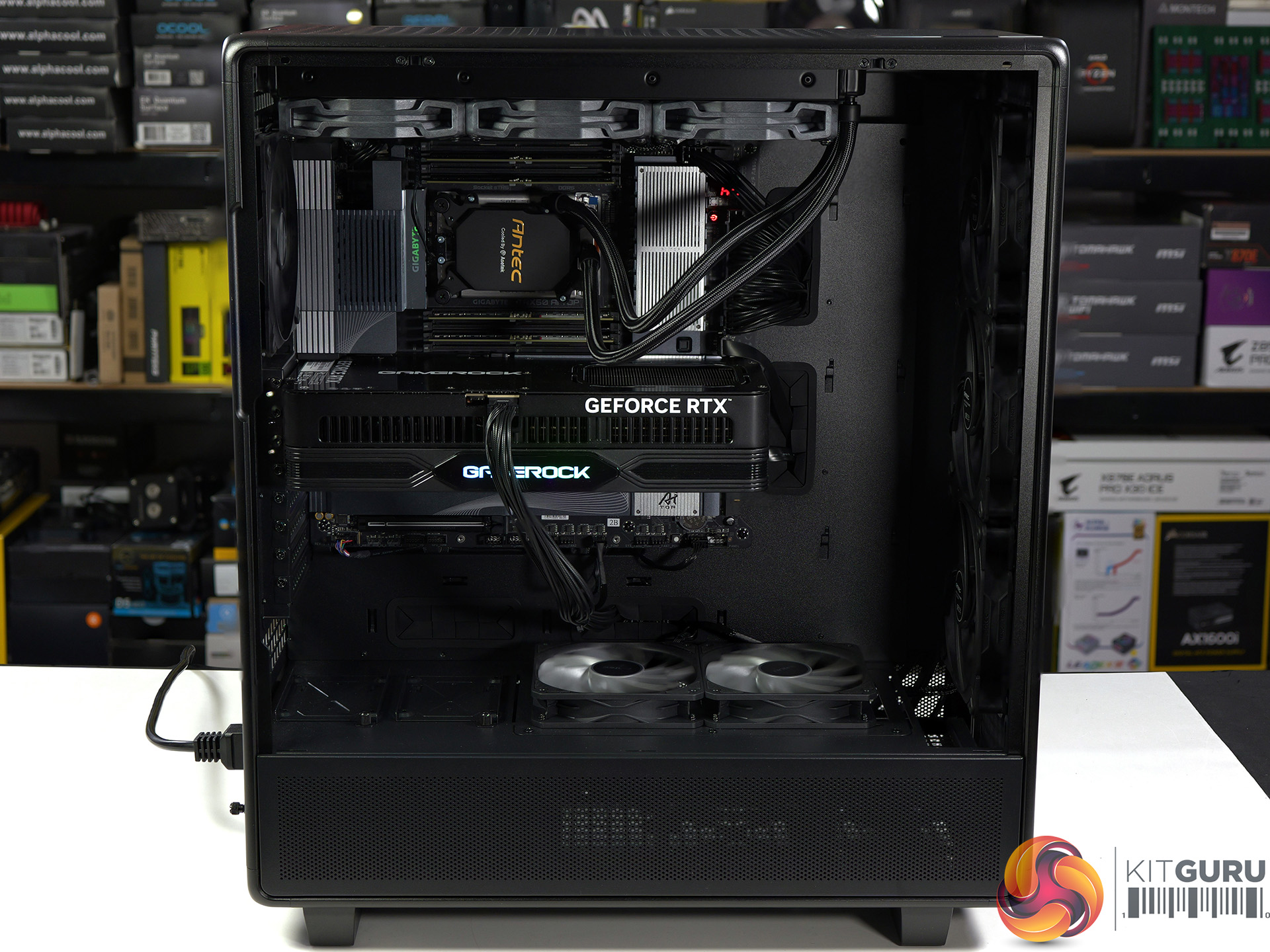
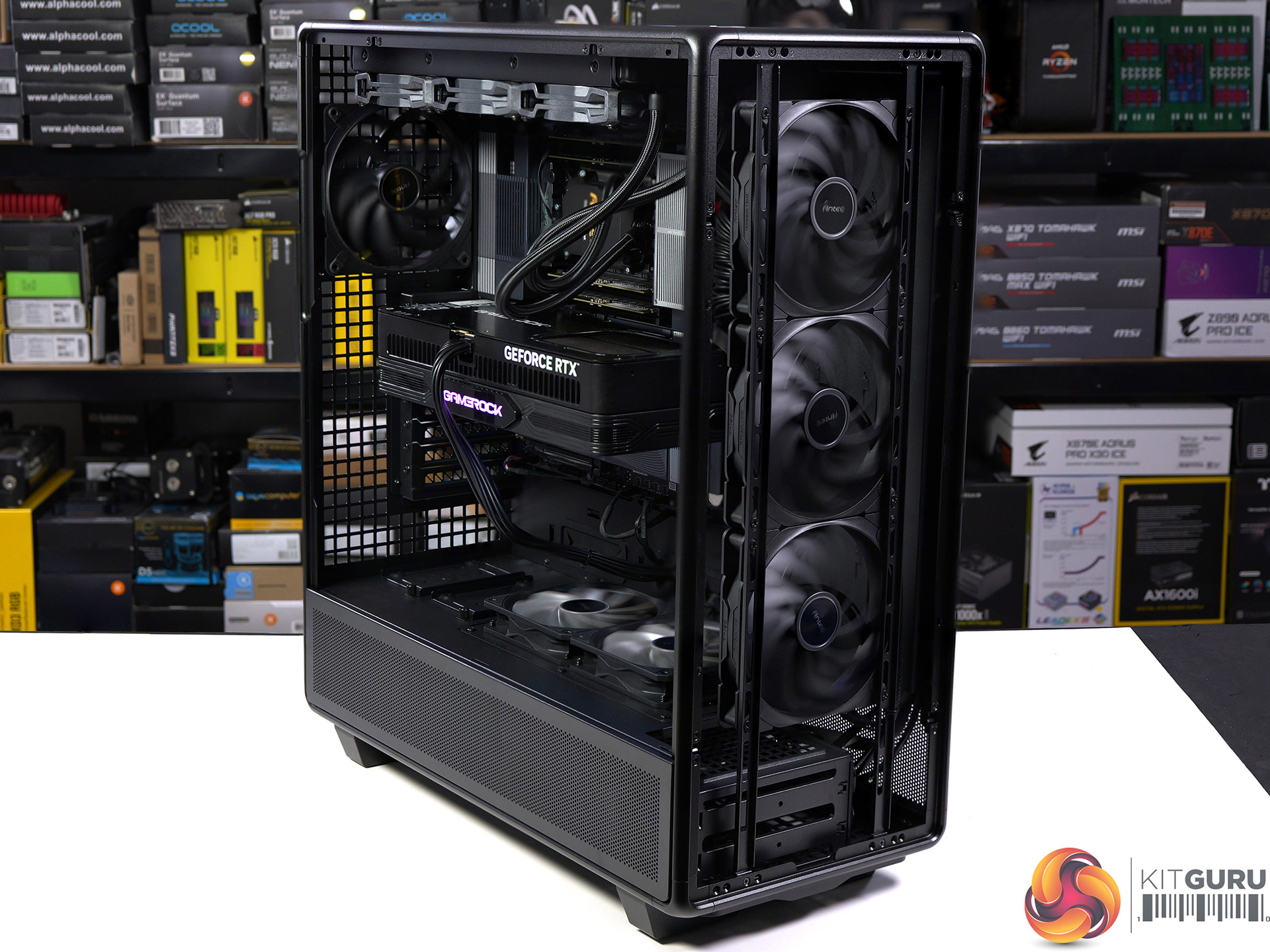
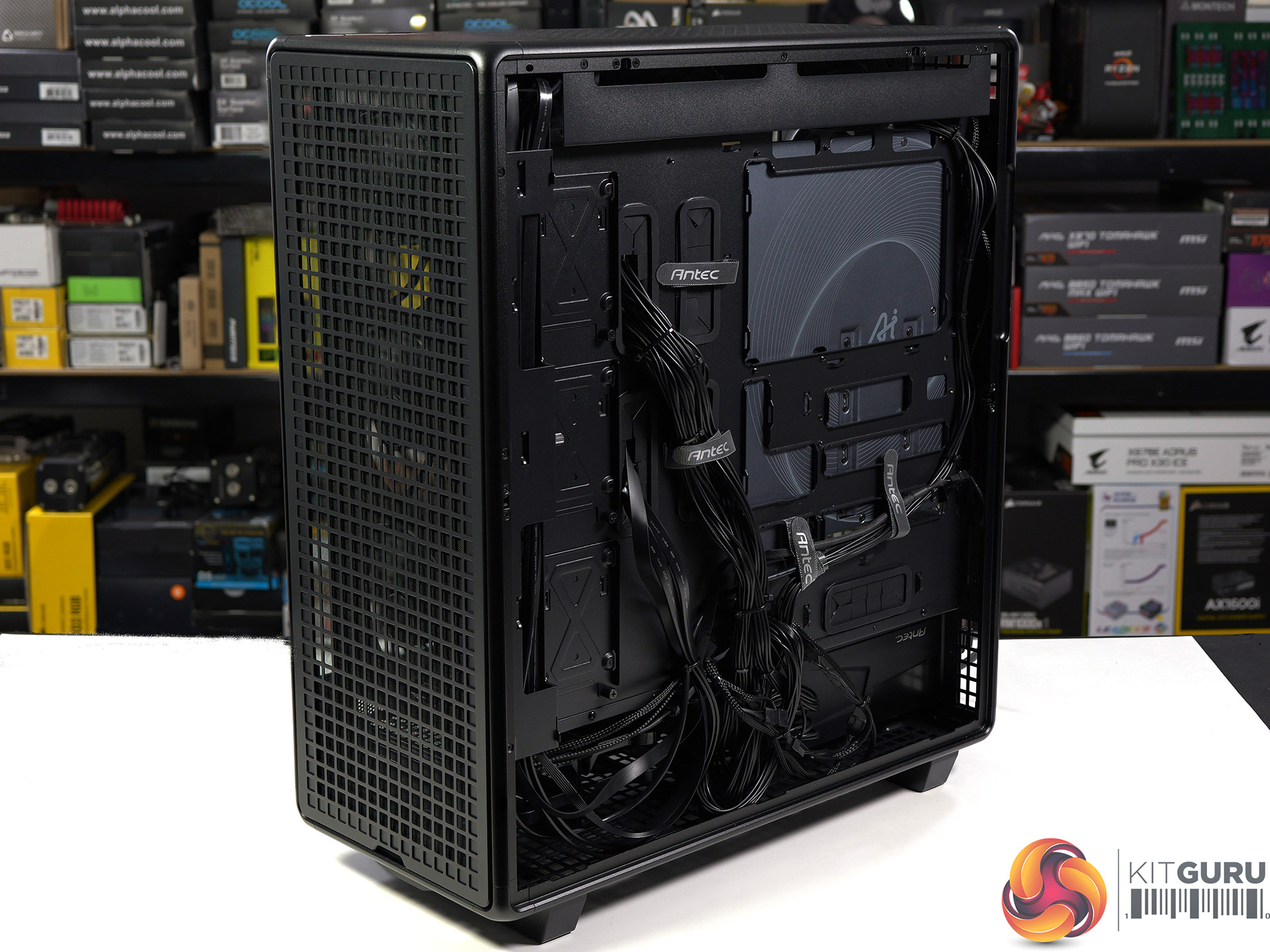
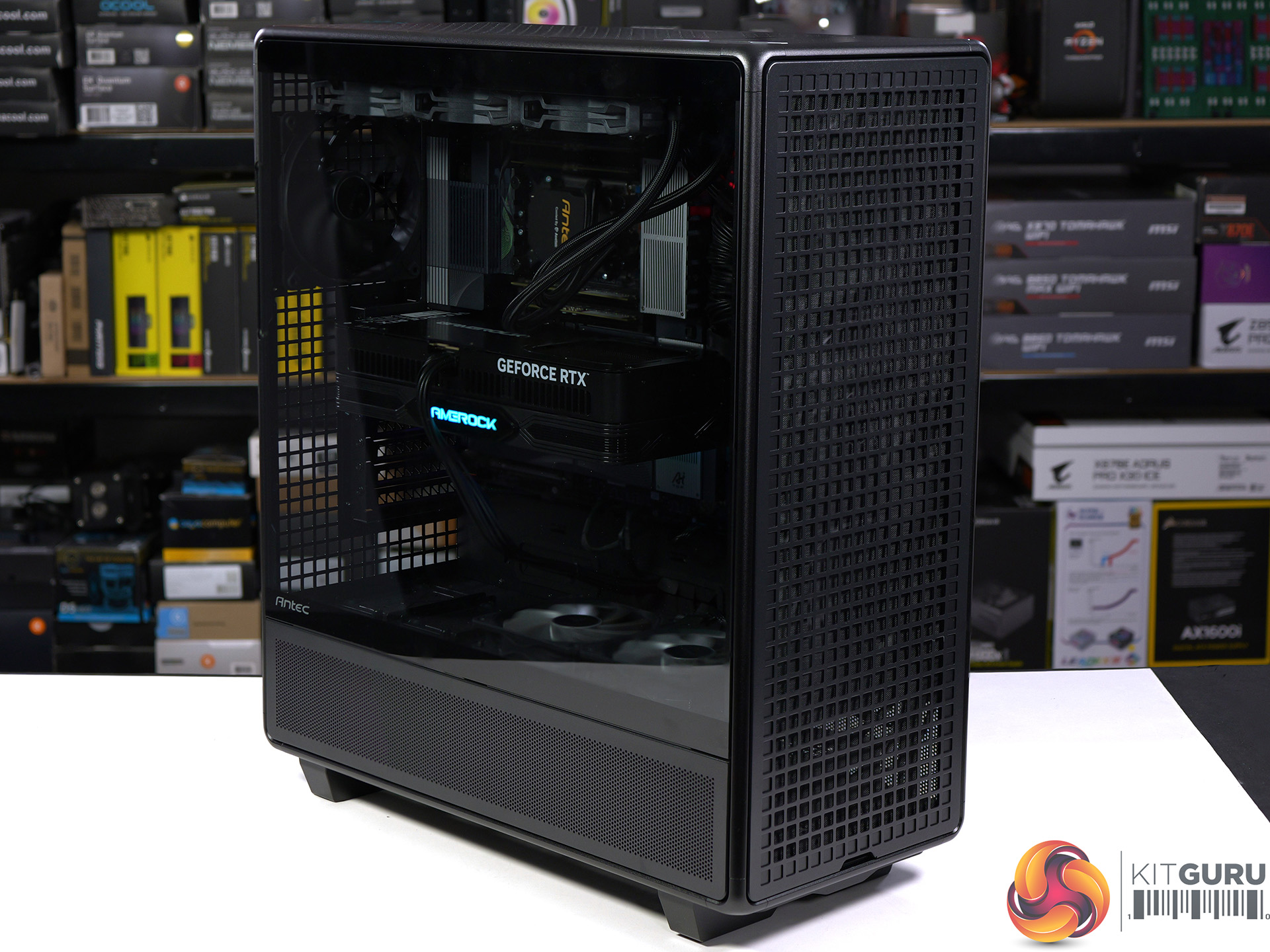
Antec launched the original 900 case way back in 2006 which means this brand new 900 marks the 20th anniversary of this model. The name is the only thing they have retained while everything else has changed, and that is good as the original 900 was a bit weird. One major change is that the original 900 was aimed squarely at gamers while this new 900 is more of a workstation case, with acres of space and huge amounts of cooling.

Time stamps
00:00 Intro
00:39 Starting the tear down
01:55 Getting to the rear
02:23 Storage details
03:23 Fan connections / cooling support
05:39 System hardware
06:46 The PSU iShift kit
09:03 CPU cooler + GPU going in
10:10 Thermal tests
11:33 Closing thoughts
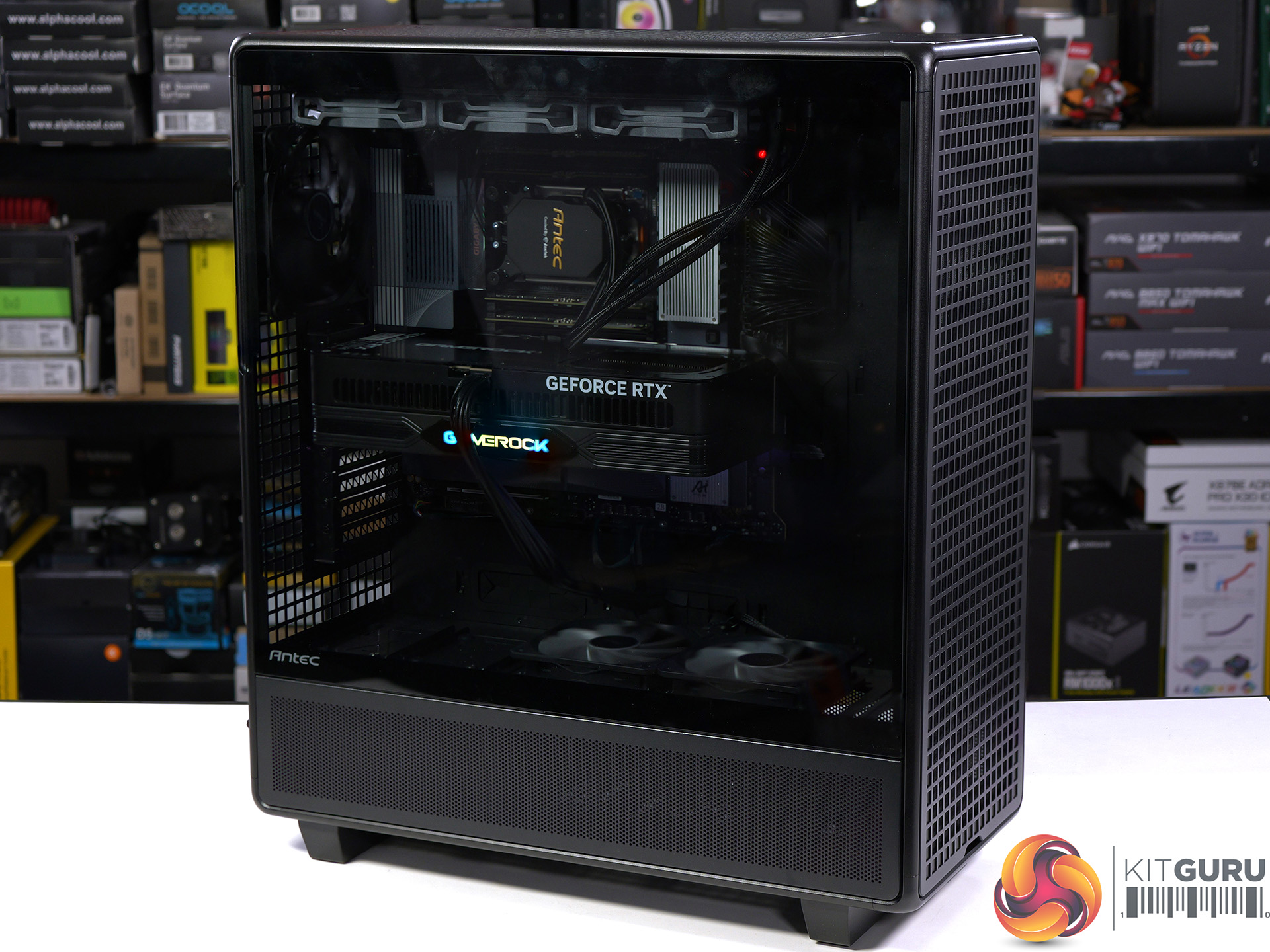
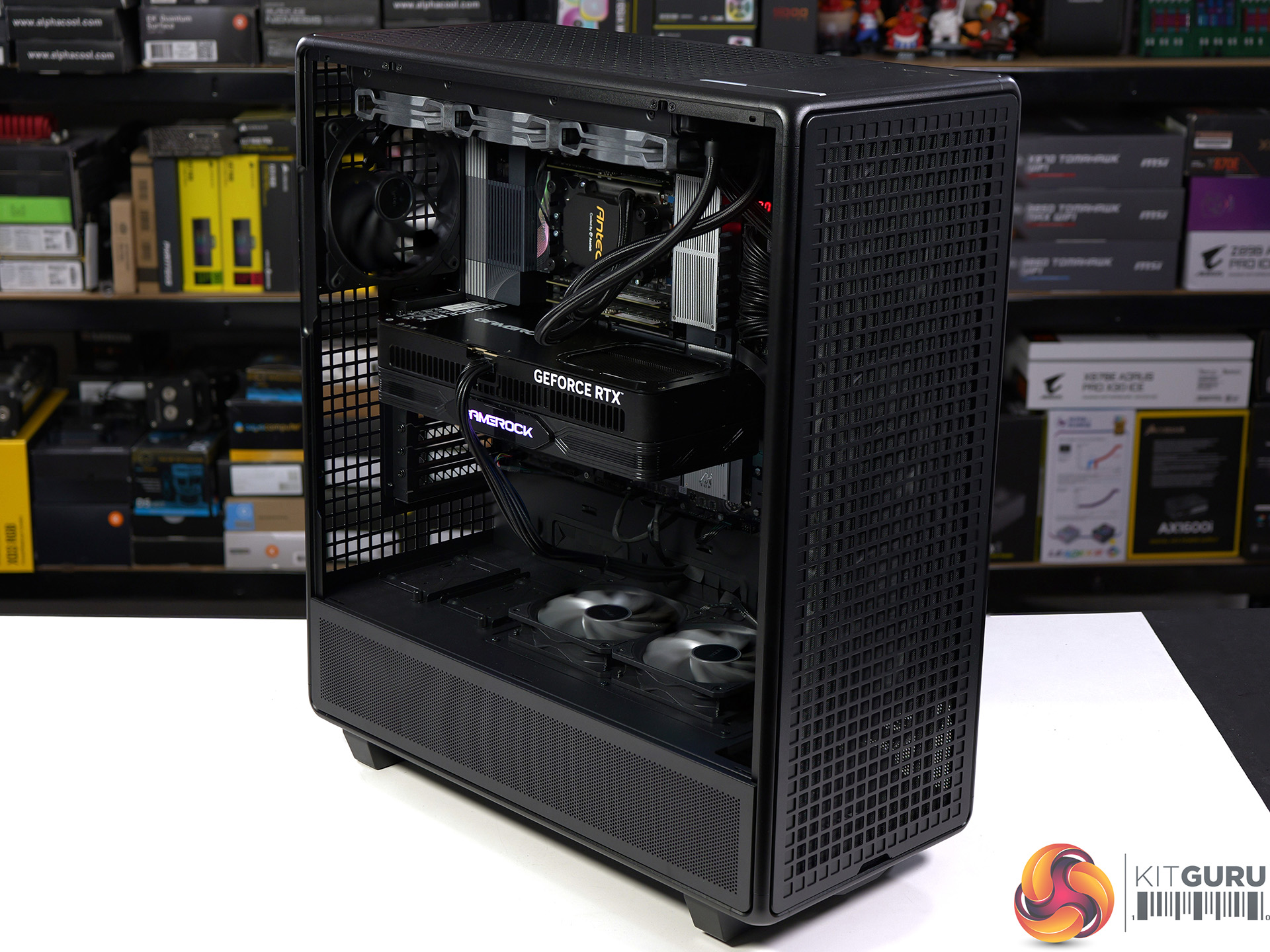
Specification:

  • Motherboard support: ATX, E-ATX, SSI-CEB and SSI-EEB.
  • Power supply support: ATX.
  • Expansion slots: 8.
  • Included fans: 3x 140mm Tranquil front intake, 2x 120mm P12R on the PSU shroud, 1x 140mm Tranquil rear exhaust.
  • Fan mounts: 3x 120mm/140mm or 2x 200mm front, 3x 120 or 2x 140mm roof, 2x PSU shroud, 1x 120mm/140mm rear.
  • Radiator mounts: 360mm/420mm front, 280mm/360mm roof.
  • 5.25-inch optical drive bays: None.
  • Internal drive bays: 4x 3.5-inch/2.5-inch, 5x 2.5-inch.
  • Front I/O ports: 1x USB 3.0 type-A, 1x USB 3.1 type-C, audio.
  • Dimensions: 622mm H x 547mm D x 250mm W.

Testing

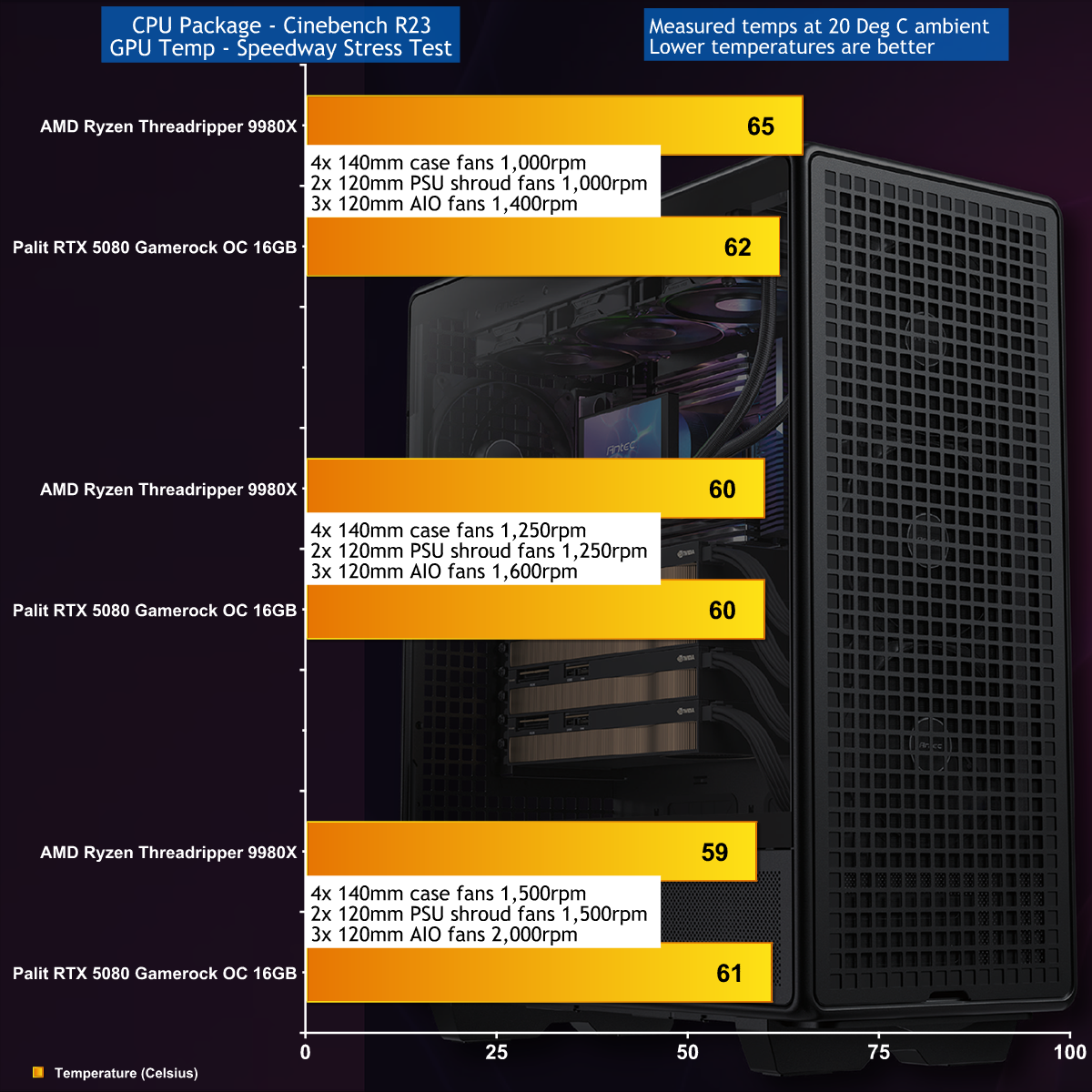
To put this case through its cooling paces we will be using a test system consisting of an AMD Ryzen Threadripper 9980X, Palit RTX 5080 graphics and an SSD. This system allows us to produce a substantial amount of heat and effectively test the Antec 900‘s cooling capabilities.

Test System:

  • Processor: AMD Ryzen Threadripper 9980X
  • CPU Cooler: AMD Threadripper AIO cooler
  • Motherboard: Gigabyte TRX50 AI TOP
  • Memory: 128GB G.Skill T5 Neo RDIMM DDR5-6400 in Quad Channel
  • Graphics card: Palit RTX 5080 Gamerock OC 16GB
  • Power supply: Antec Signature 2200 Platinum 2200W
  • SSD: Crucial T705 Gen5 M.2 NVMe
  • OS: Windows 11

The loads on our test system were very high with a total system power draw of 880W at the wall socket, split evenly between the 64-core Threadripper CPU and RTX 5080 graphics card. We found the Antec 900 was able to cool efficiently without too much noise, however when we ramped up the fans to around 2,000rpm the noise levels became offensive.

Closing Thoughts

In the 20 years since Antec launched the original 900, every single aspect of PCs, gaming and workstations has changed. While we like the nod to the original name we feel it is slightly confusing and best forgotten, as the Antec 900 (2026) is completely different to the Antec 900 (2006), and we mean that in a good way.
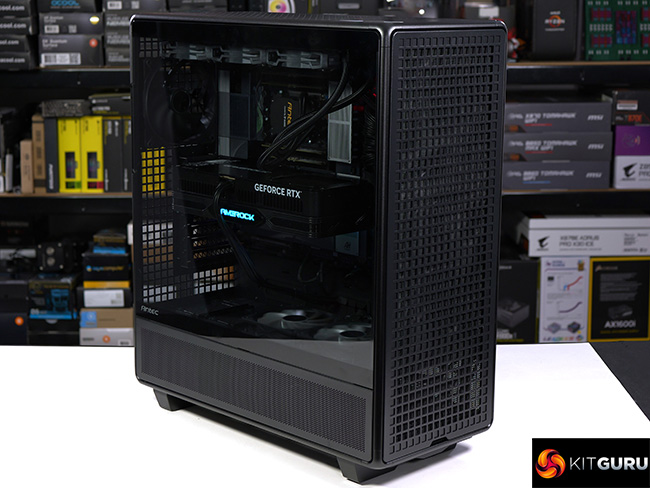
You can pack a huge amount of hardware in this cavernous case, and you can see that our huge Threadripper motherboard and mighty Palit RTX 5080 graphics card are somewhat lost in all that space. The upside is that you can run your cooling system low and slow and still get a good temperatures with low noise. On the other hand we recommend you don't move your finished PC around too much as it is likely to weigh a tonne.

MSRP pricing for the Antec 900 is £249/€289 EURO inc VAT.

Pros:

  • Massive main compartment.
  • Smart styling.
  • Easy access to the storage bays and power supply.

Cons:

  • A PWM hub is not included.
  • The position of the top fan/radiator mounts don't have much flexibility.
  • The accessory kit doesn’t include spare catches for the panel mounts.

KitGuru says: The new Antec 900 is big and beefy and well-suited to your next workstation build.

The post Antec 900 Case Review (2026) first appeared on KitGuru.
  •  

Asus Zenbook Duo UX8407 Review (Dual OLED!)

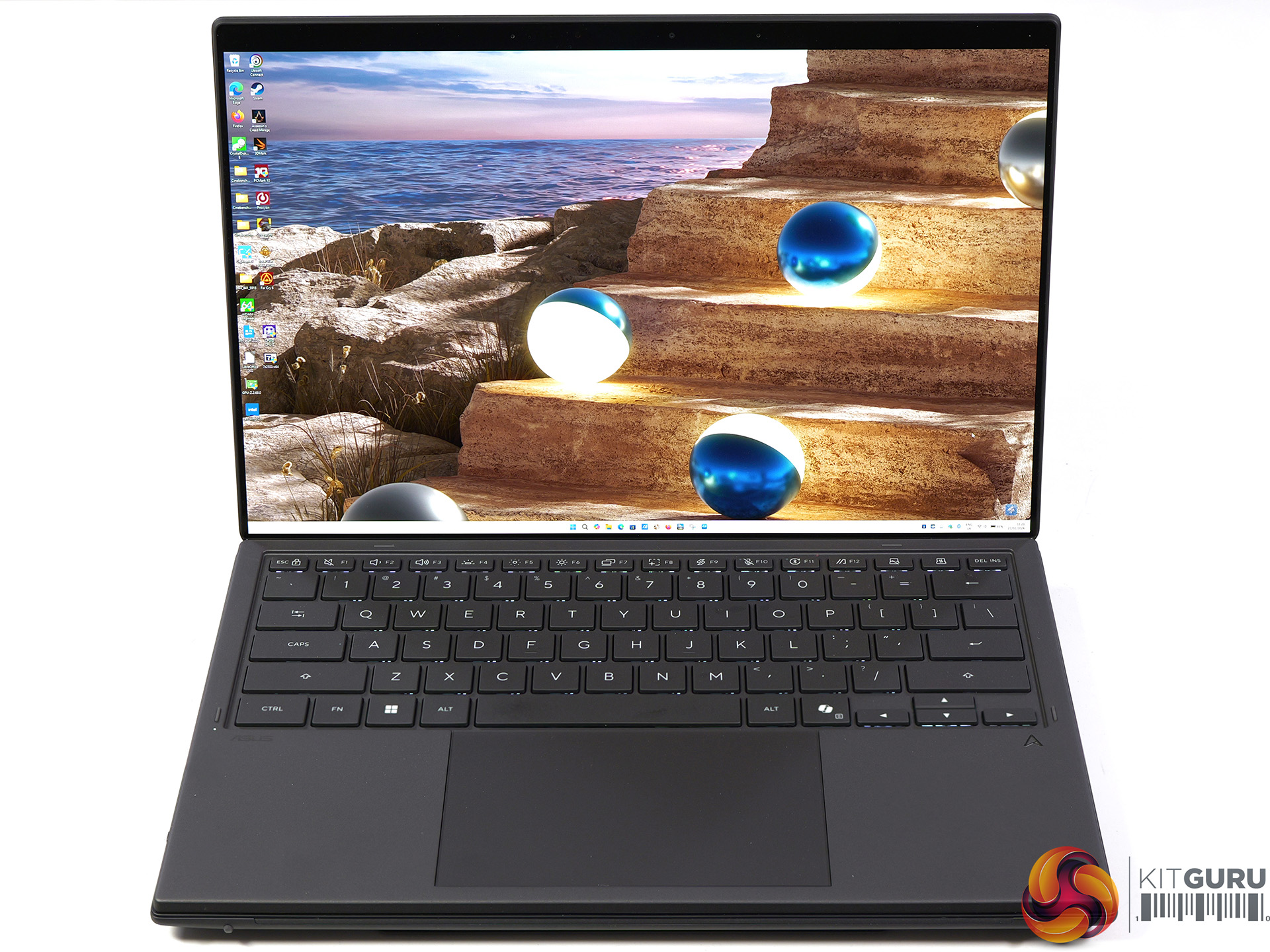
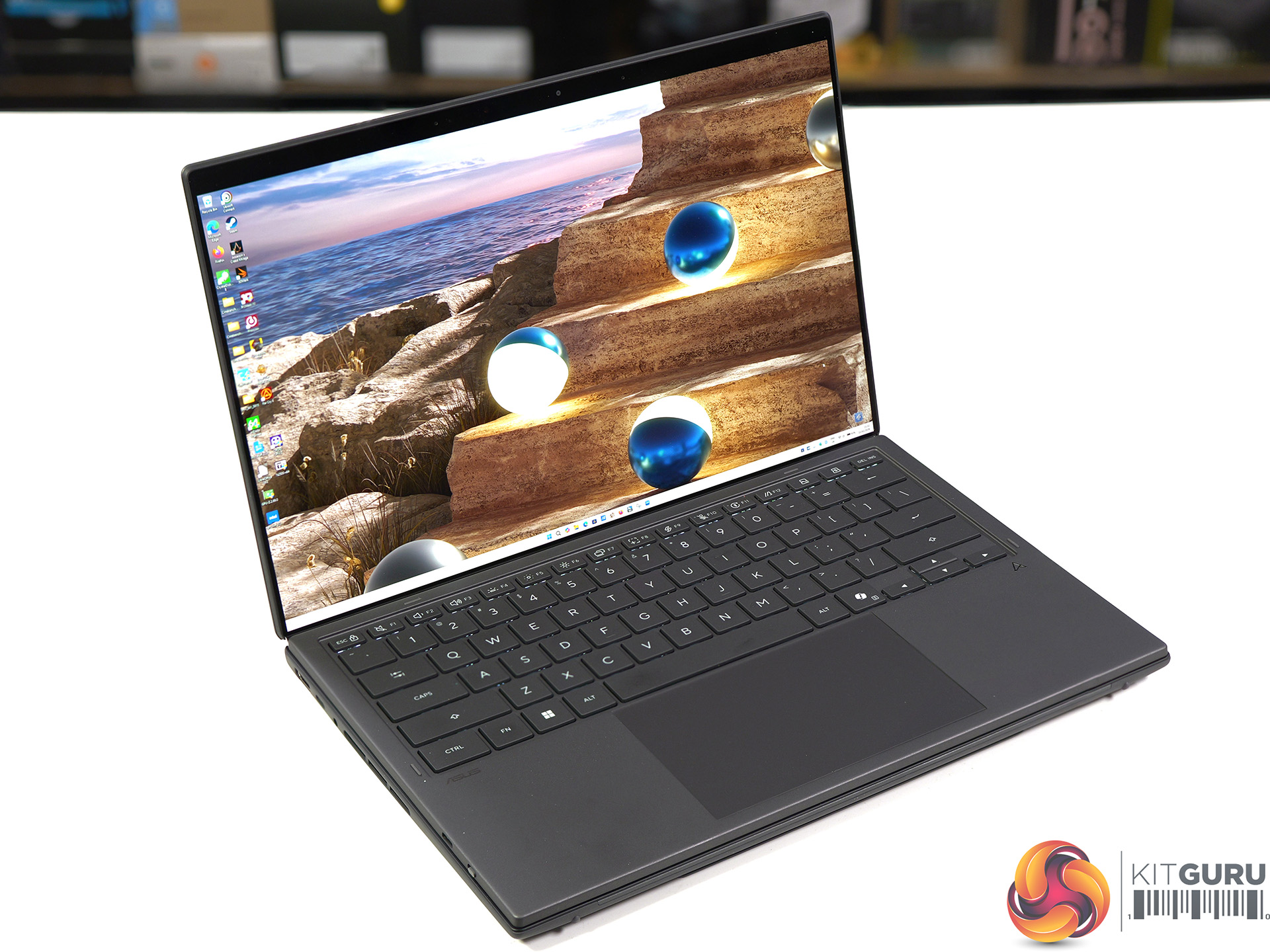
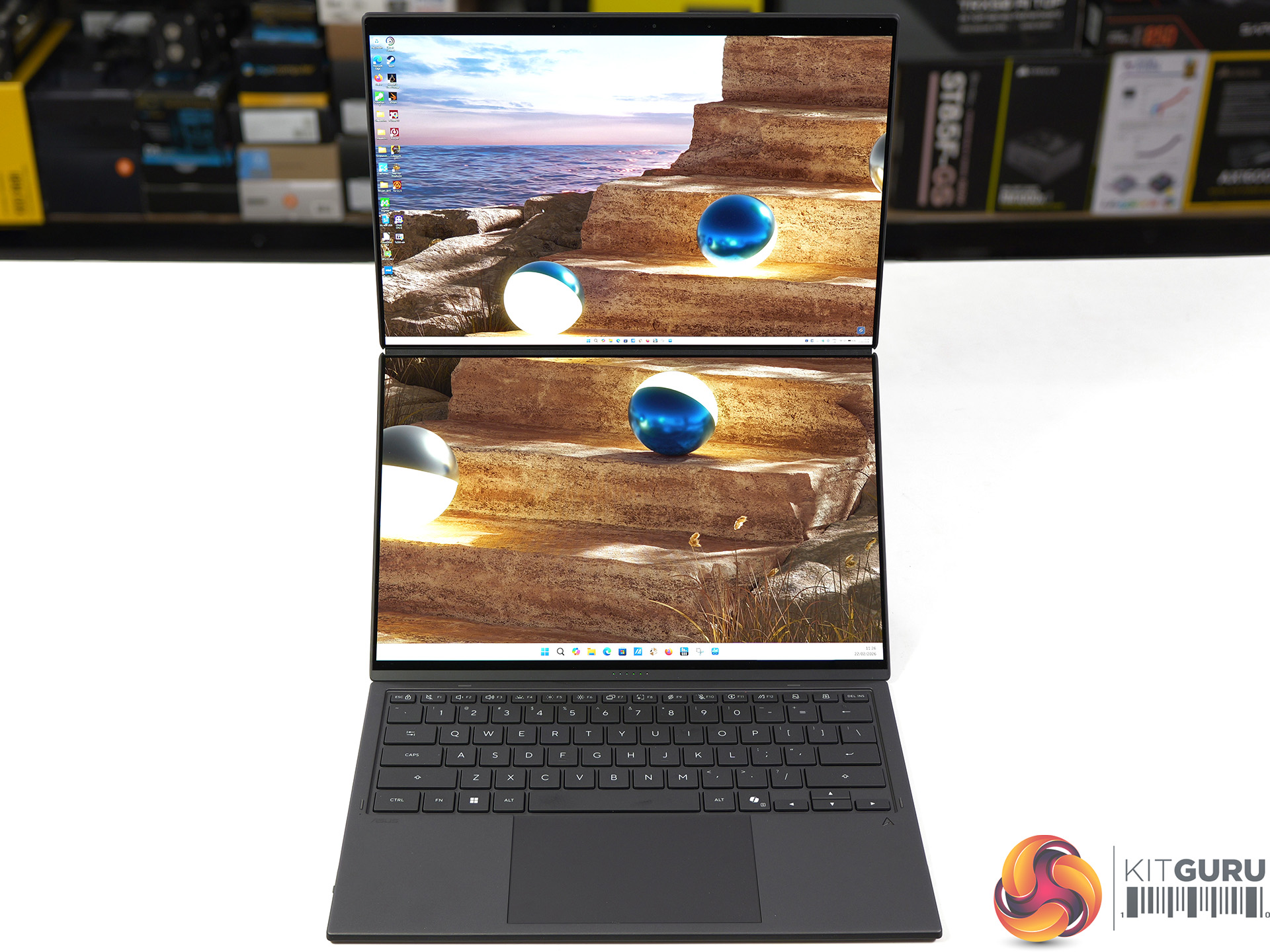
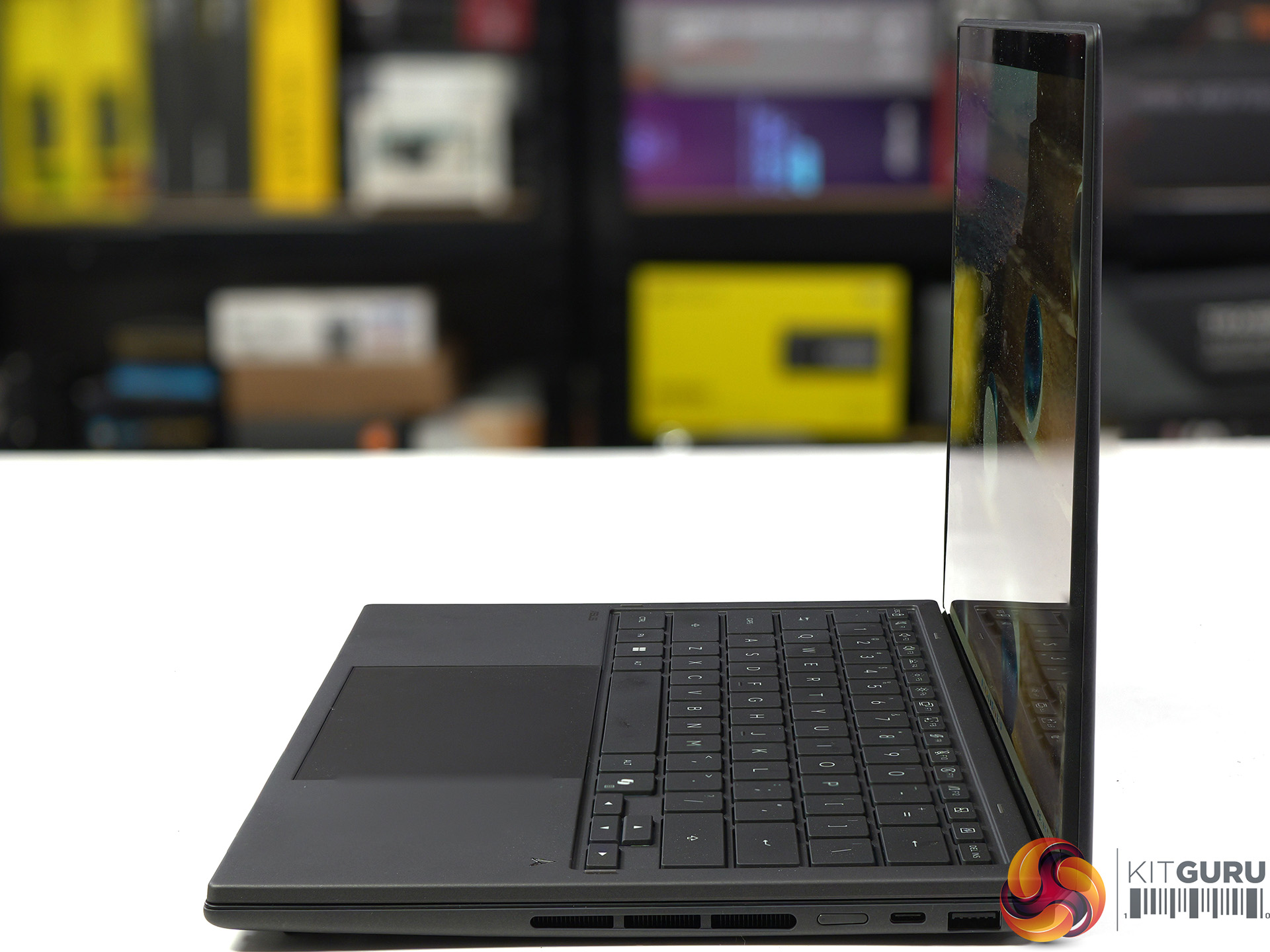
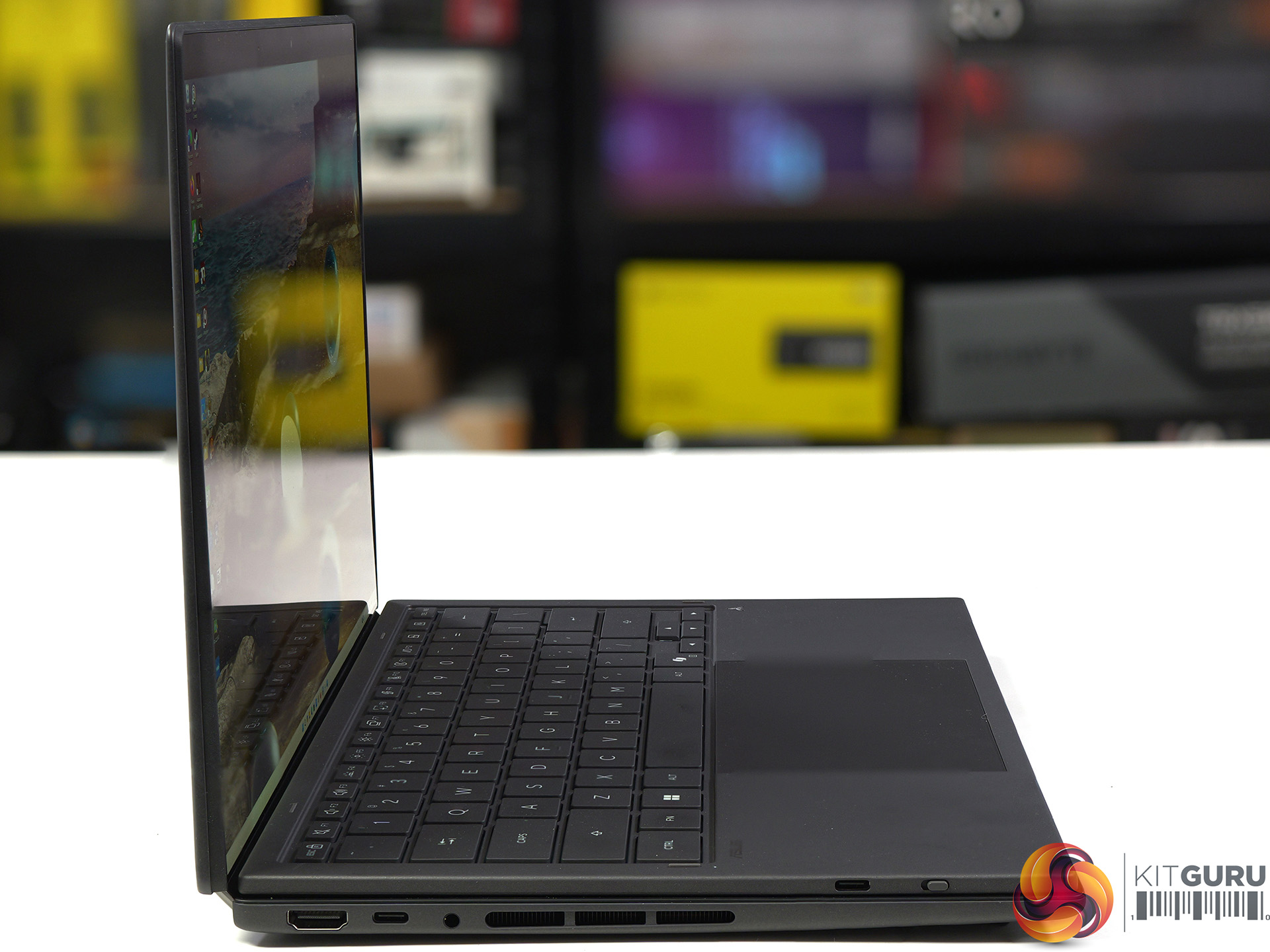
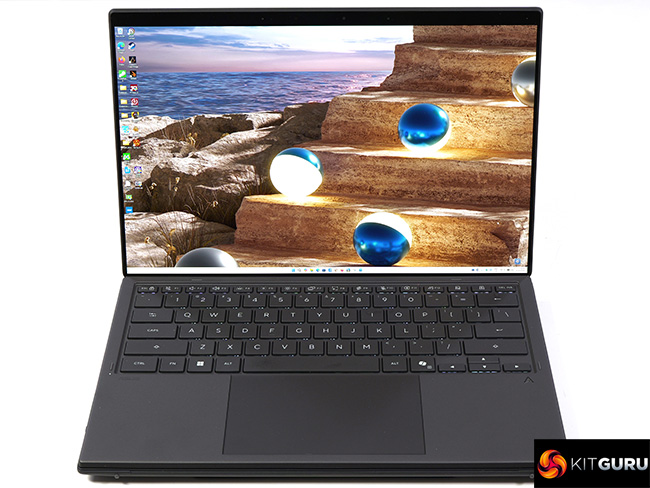
We first saw the new Intel Panther Lake laptop chip in action at their event in Arizona last October, and today we can review the finished result. This 2026 Asus Zenbook Duo packs the most grunty Panther Lake of them all, the Core Ultra X9 388H. The hardware includes 16 CPU cores and 12 Xe3 graphics cores but the headline feature is the Duo part of the name which refers to the dual 14-inch OLED screens. As you will see, it is pretty nifty.

Timestamps:

00:00 Intro
01:11 Meet the Duo!
02:02 Duo-screen basics and functionality
05:16 The quirks of the design
06:16 Core spec
07:25 CPU benchmark results
10:40 System test results
10:10 Game benchmarks
15:07 We’ve not taken it apart…
15:44 Dual batteries – does that explain benchmark curiosities?
17:04 Leo’s pros and cons

Features

  • The most compact Zenbook Duo ever with new hideaway hinge design and nearly 20-inches expansive view.
  • Perfect for mobile multitasker to enjoy professional-grade viewing: Dual 14-inch 3K 144Hz Asus Lumina Pro OLEDs, 1000 nits touchscreen display. Anti-reflection clarity outdoors.
  • Lightweight mobile studio provides peak performance of up to Intel Core™ Ultra X9 Series 3 with discrete-level GPU acceleration, unlocking exceptional power for AI, rendering, and gaming on the go.
  • Dual-screen laptop with 18+ hour battery life.
  • From Ceraluminum chassis, hinge, kickstand to the screens, setting the gold standard for durability in portable computing.
  • Versatile modes with intuitive smart gesture control. Asus Pen 3.0 support.

Specification

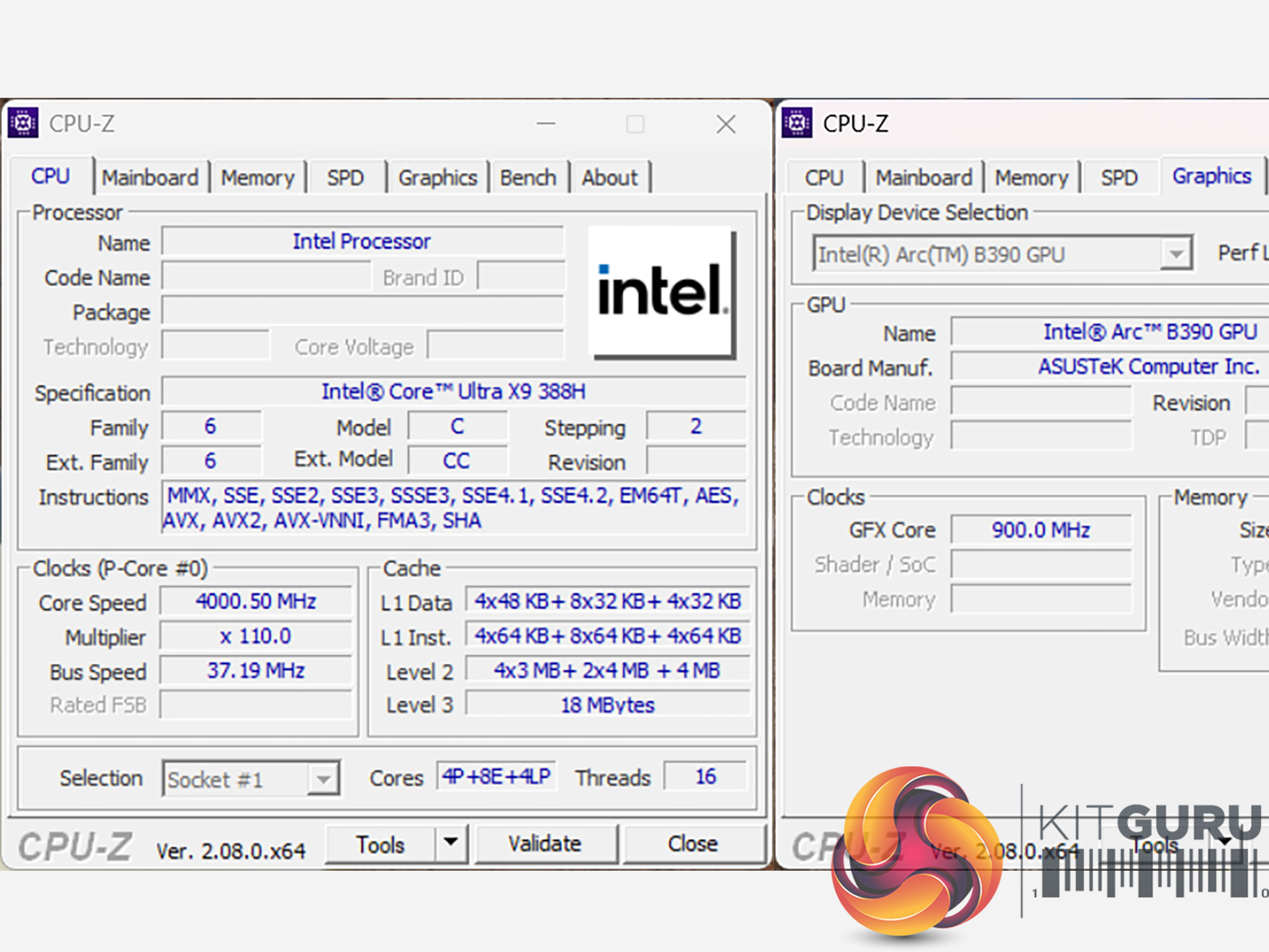
  • Processor: Intel Core Ultra X9 Processor 388H (4x P-cores, 8x E-cores, 4x LP-cores)
  • Graphics: Intel Arc B390
  • Neural processor: Intel NPU (up to 50 TOPS)
  • Display: 14.0-inch, 3K (2880 x 1800) OLED, 16:10, 0.2ms response time, 144Hz refresh rate, 500 nits typical, 1000 nits HDR peak
  • Memory: 32GB LPDDR5X 9600MT/s (onboard)
  • Storage: 1TB Samsung PM9C1b M.2 NVMe PCIe 4.0 SSD
  • Ports (left side):
    • 1x HDMI 2.1
    • 1x Thunderbolt 4 (40Gbps, display and power delivery)
    • 1x Headset jack
  • Ports (right side):
    • 1x USB 3.2 Gen 2 Type-A (10Gbps)
    • 1x Thunderbolt 4 (40Gbps, display and power delivery)
  • Keyboard & touchpad: Soft keyboard, 1.7mm key travel, Precision touchpad
  • Camera: FHD camera with IR (Windows Hello support)
  • Audio: Built-in array microphone with Cortana support
  • Network: Wi-Fi 7 and Bluetooth 5.4
  • Battery: 99Wh, 4S1P, 4-cell Li-ion
  • Power supply: 100W USB Type-C
  • Dimensions: 31 cm (W) x 21 cm (D) x 2.3 cm (H)
  • Weight: 1.68 kg (plus 0.48 kg charger and mains cable)
  • Operating system: Windows 11 Home

Testing and Performance

Geekbench 6 Multi Core

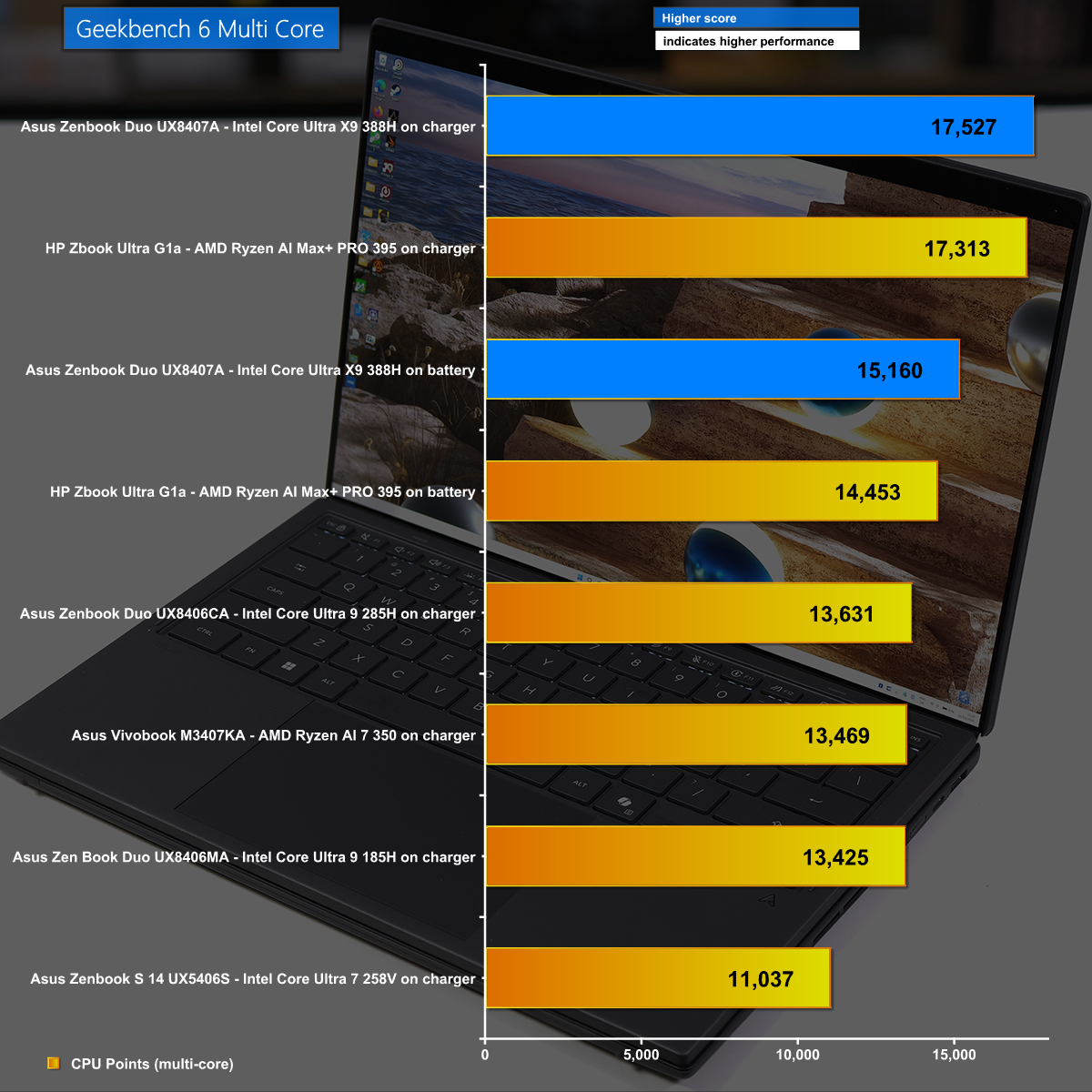
in Geekbench 6 Multi Core we see the Asus Zenbook Duo performing well, with the Intel Core Ultra X9 388H some 30% ahead of the previous Core Ultra 9 285H.

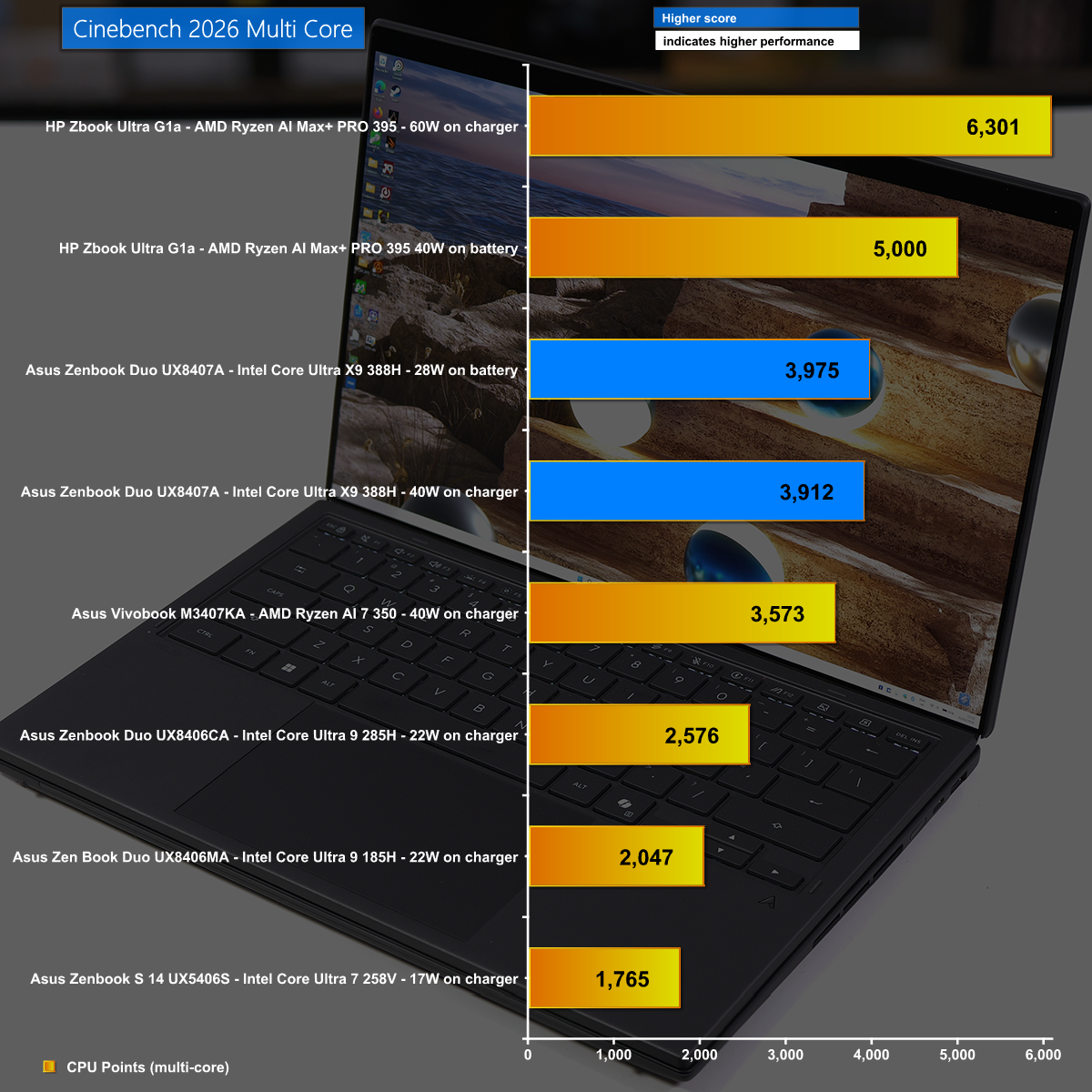
Cinebennch 2026 Multi Core

It is a slightly different story in Cinebench 2026 Multi Core where we again see the new Intel Panther Lake wreck the previous Lunar Lake, however the top honours go to AMD with the mighty Strix Halo in the HP Zbook Ultra G1a.

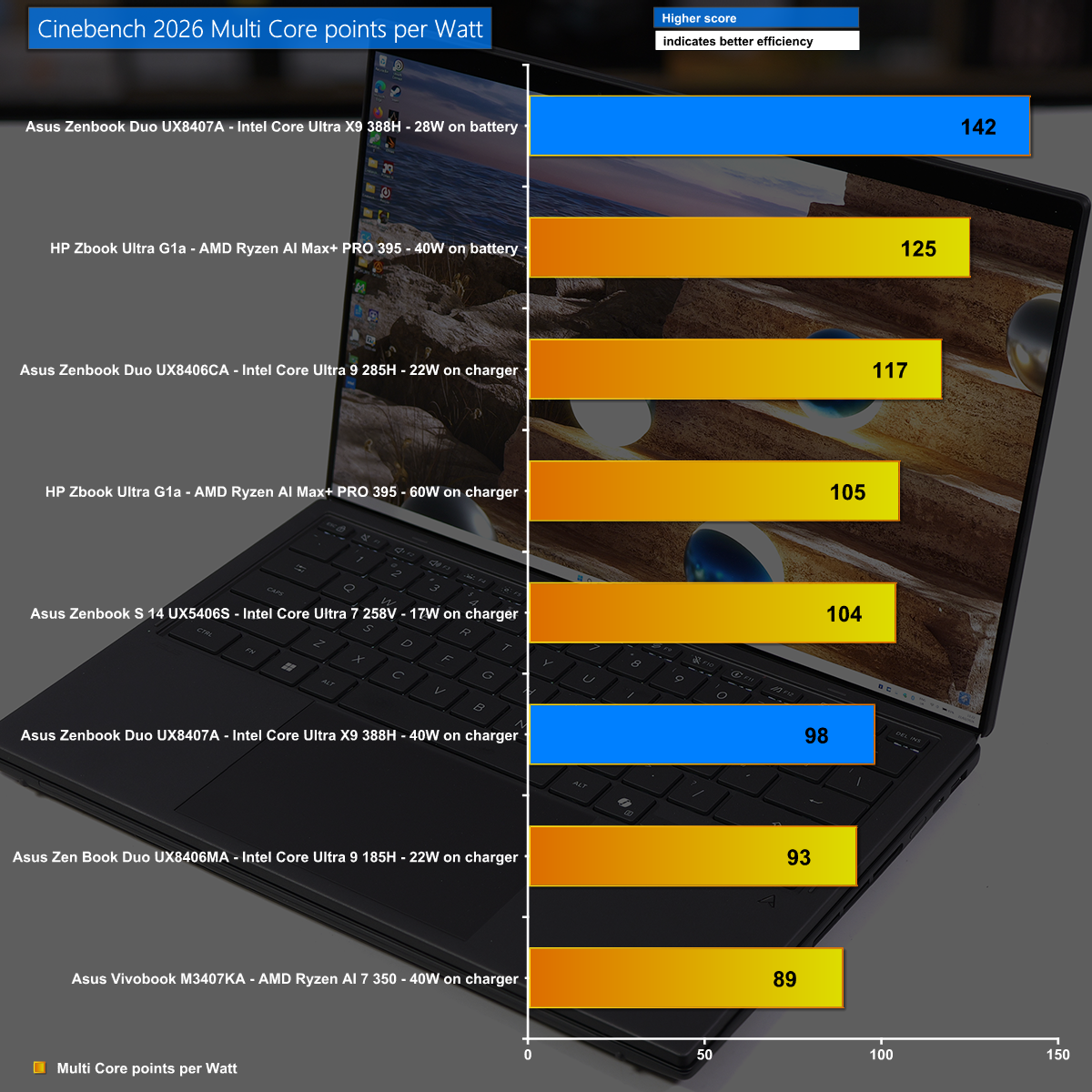
Cinebench 2026 Multi Core points per Watt

Our Cinebench 2026 power efficiency calculation shows the amazing efficiency of Intel's new Core Ultra X9 388H which has good performance and very low power draw.

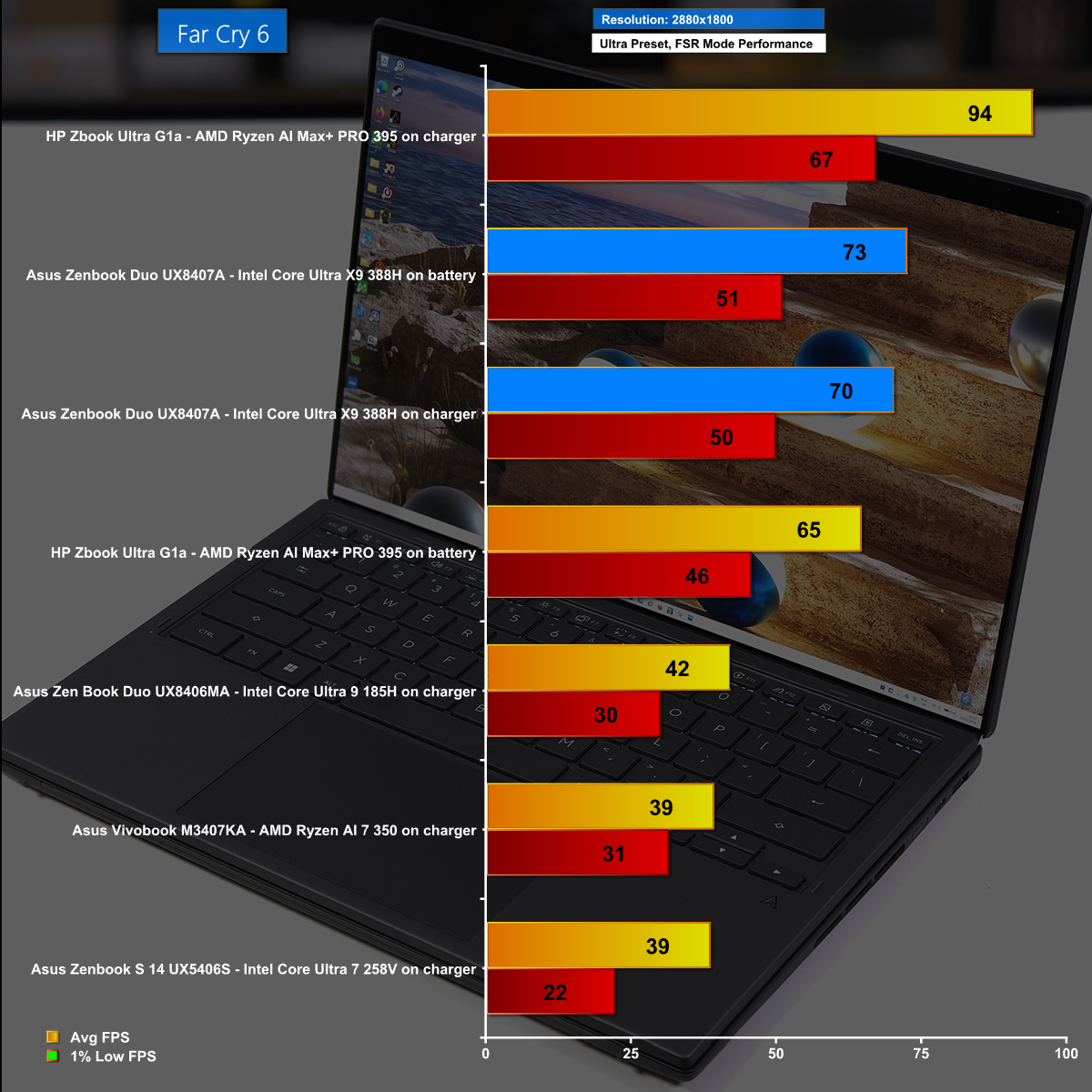
Far Cry 6 at 2,880×1,800 with FSR Performance Mode

In Far Cry 6 at the massive resolution of 2,880×1,800 running on the Ultra preset we used the FSR Performance Mode and saw average frame rates north of 70fps. This is remarkable performance from Intel's latest iGPU and it looks great on the Asus OLED screen.

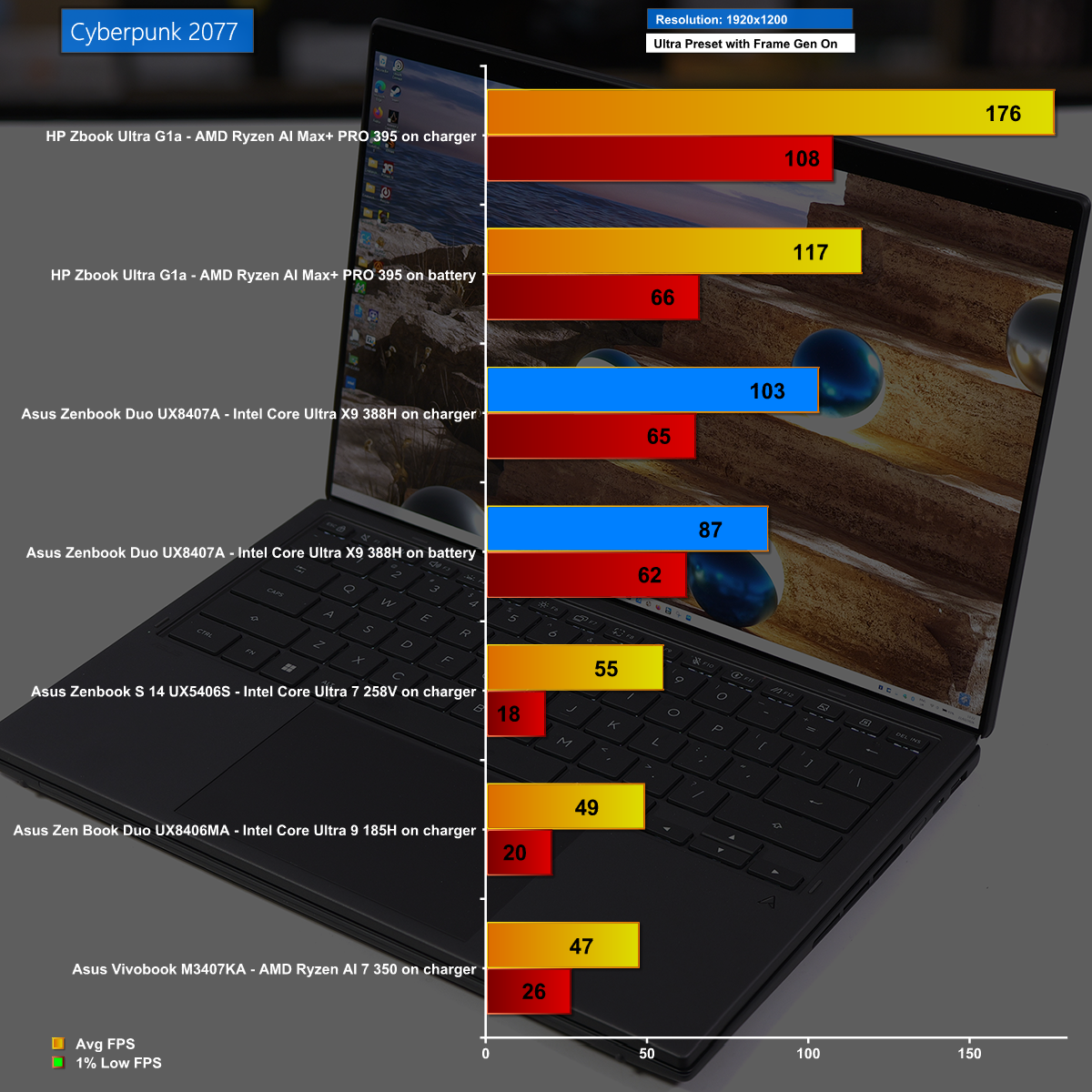
Cyberpunk 2077 at 1,920×1,200 with Frame Gen Enabled

Cyberpunk 2077 is a stiff test with the Ultra preset, but running at 1,920×1,200 with Frame Gen Enabled we saw excellent frame rates from the Asus Zenbook Duo. Having said that, the HP Zbook Ultra G1a smashed it out of the park.

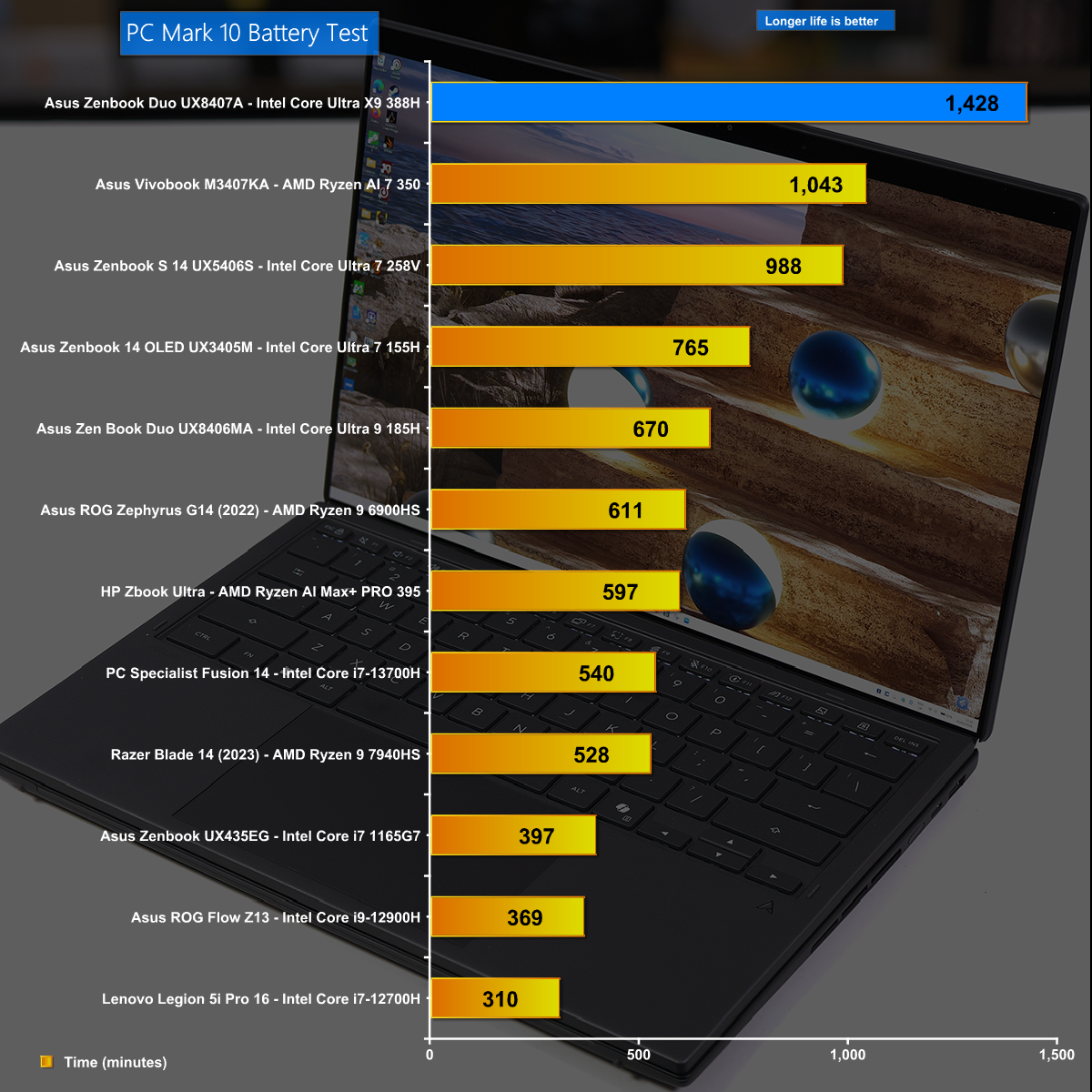
Battery Life

Battery life is a critical aspect of a laptop and the new Zenbook Duo does monumentally well, running for just under 24 hours. This is a superb testament to both Asus and Intel.

Closing Thoughts

The changes made by Asus to the 2026 version of Zenbook Duo are very good and we love the way the dual OLED screens almost merge into one display. As an added bonus the 2026 laptop is notably more compact than previous versions, and this approach to packing two full sized 14-inch displays into a fairly regular laptop demonstrates some impressive engineering by Asus.

The new Intel Core Ultra X9 388H is an impressive piece of silicon and our first impressions mark the Intel 18A process as a success. The CPU part of the chip has decent performance and requires very little power. In addition the 12x Xe3 graphics core delivers sufficient performance for daily use as well as serious gaming sessions.

You can buy the Asus Zenbook Duo UX8407A for £2,499.99 HERE

Pros:

  • The dual 14-inch OLED screens are superb.
  • Battery life is monumental.
  • Intel 12x Xe3 graphics are impressive.
  • Intel Panther Lake CPU is good.

Cons:

  • Zenbook Duo is somewhat chunky and slightly heavy.
  • Price is high.
  • Ports and connectors are rather close together.

KitGuru says: The latest version of Asus Zenbook Duo comes with Intel Core Ultra X9 and delivers a superb experience. 

The post Asus Zenbook Duo UX8407 Review (Dual OLED!) first appeared on KitGuru.
  •  
❌