Connexion
RUMBLE Delivers Demanding Earthbending Duels On Quest

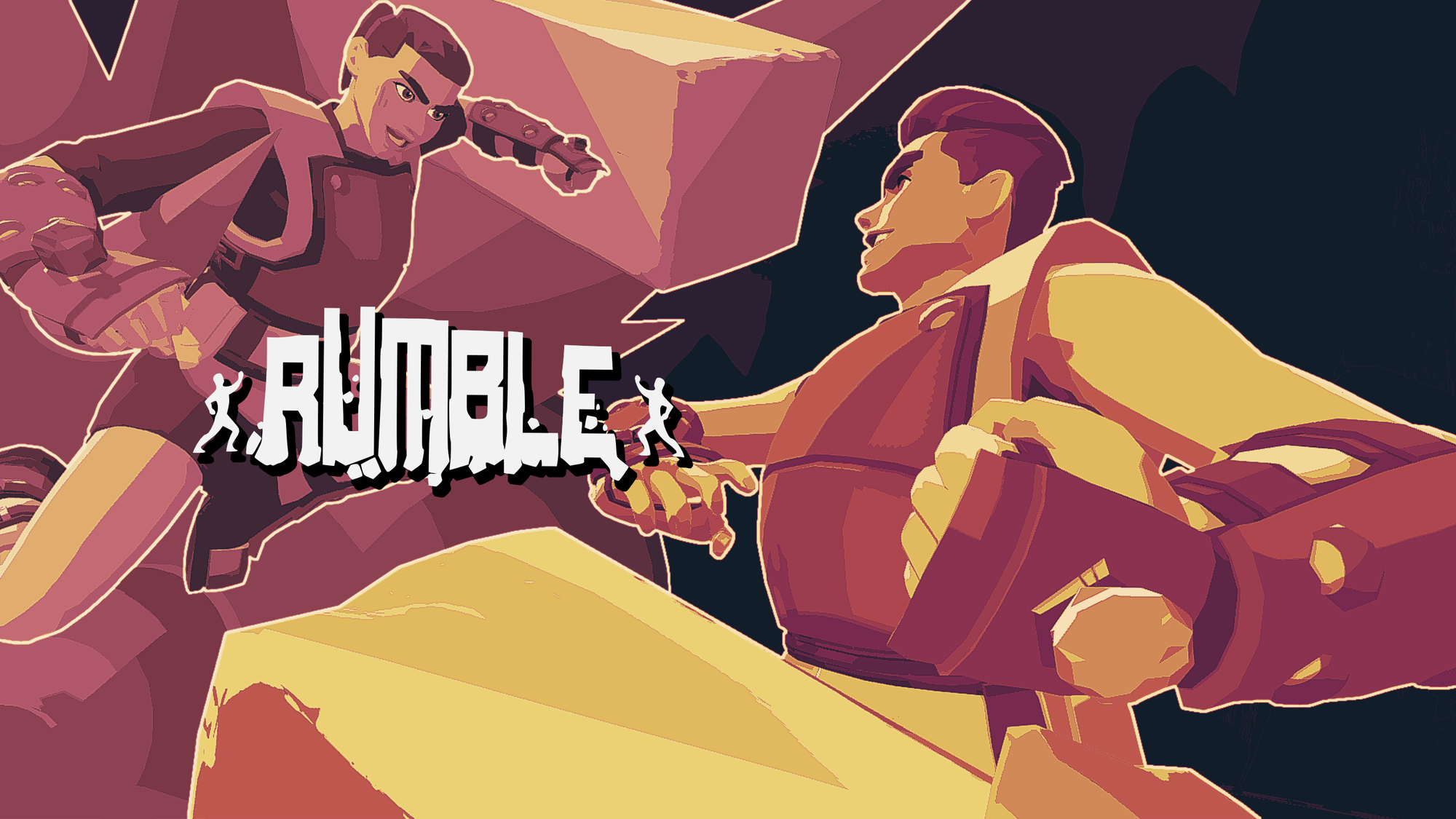
RUMBLE, a competitive PvP earth-bending game that originally launched in early access on Steam back in 2022, is now on Quest. Read on for our first impressions.
Over the years, RUMBLE has cultivated an active and dedicated community as the developers have continued to evolve their game. Buckethead Entertainment have now brought the full version of RUMBLE to Quest, introducing its notoriously high skill-floor combat to standalone VR.
RUMBLE is a purely online competitive experience with no solo mode to speak of, outside of a training arena designed to help players learn the fundamentals. And trust me - you are absolutely going to need it.
Let’s Get Ready To Rumble
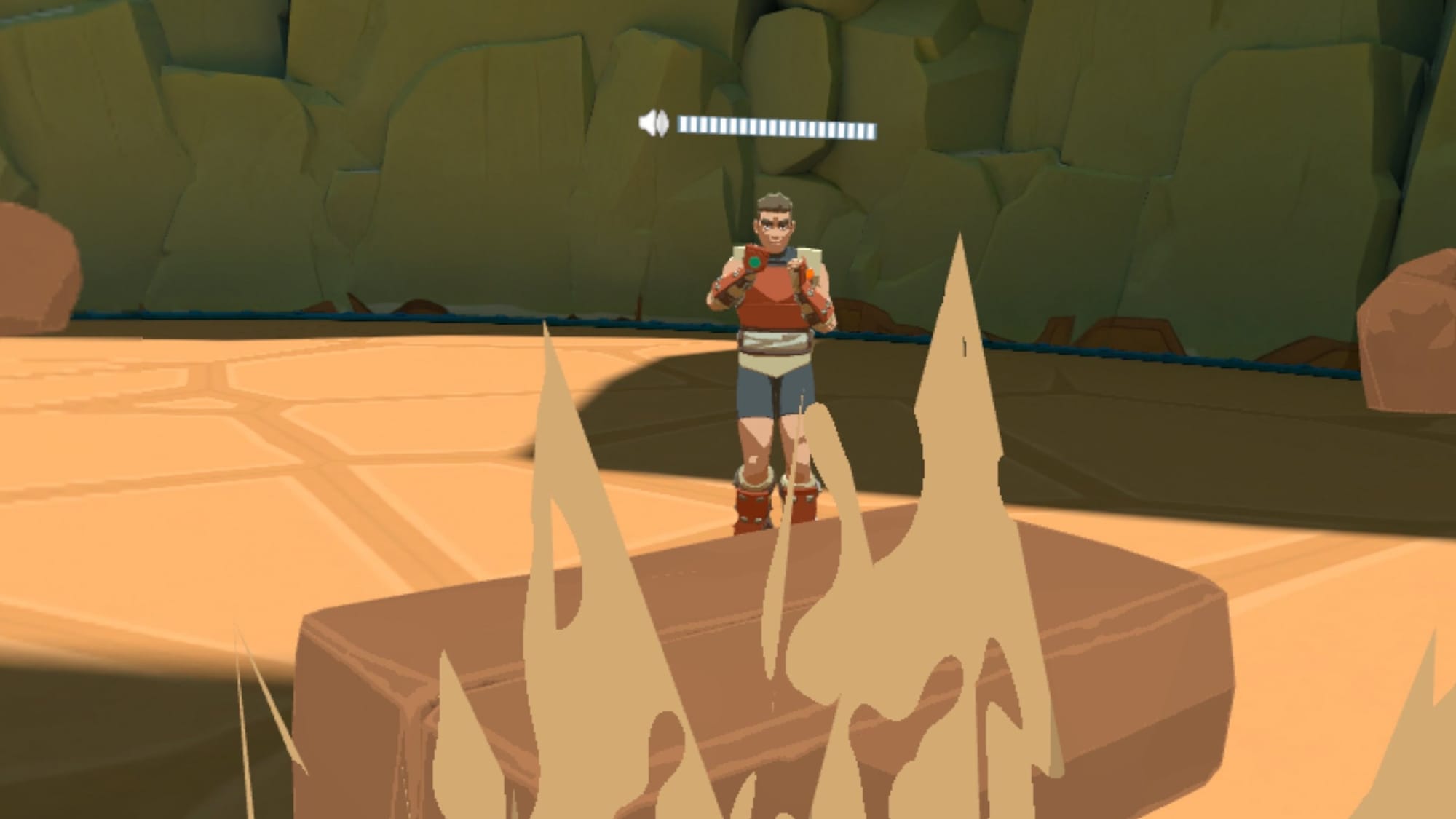
At its core, RUMBLE is built entirely around gesture-based combat. Players manipulate earth-bending abilities through physical poses and movements, summoning rocks and launching attacks against opponents in one-on-one arena battles. The entire experience lives or dies on your ability to correctly perform these gestures, many of which resemble martial arts stances that can be chained together into increasingly complex combinations.
Gesture-based magic systems are among my favourite mechanics in VR, and I’ve played just about every title that experiments with them. That context is important, because when I say RUMBLE is incredibly difficult to learn, it isn’t coming from a place of inexperience. Difficulty here is intentional. The game demands precision, patience and repetition before it begins to reveal what makes it compelling.
Between A Rock And A Hard place
My early encounters with RUMBLE were not especially positive. In fact, during the first hour I genuinely wondered if something was broken. Even when matching the on-screen ghost poses as closely as possible, abilities frequently failed to trigger. Movement also feels unusually slow and even activating the sprint gesture proved frustratingly inconsistent.
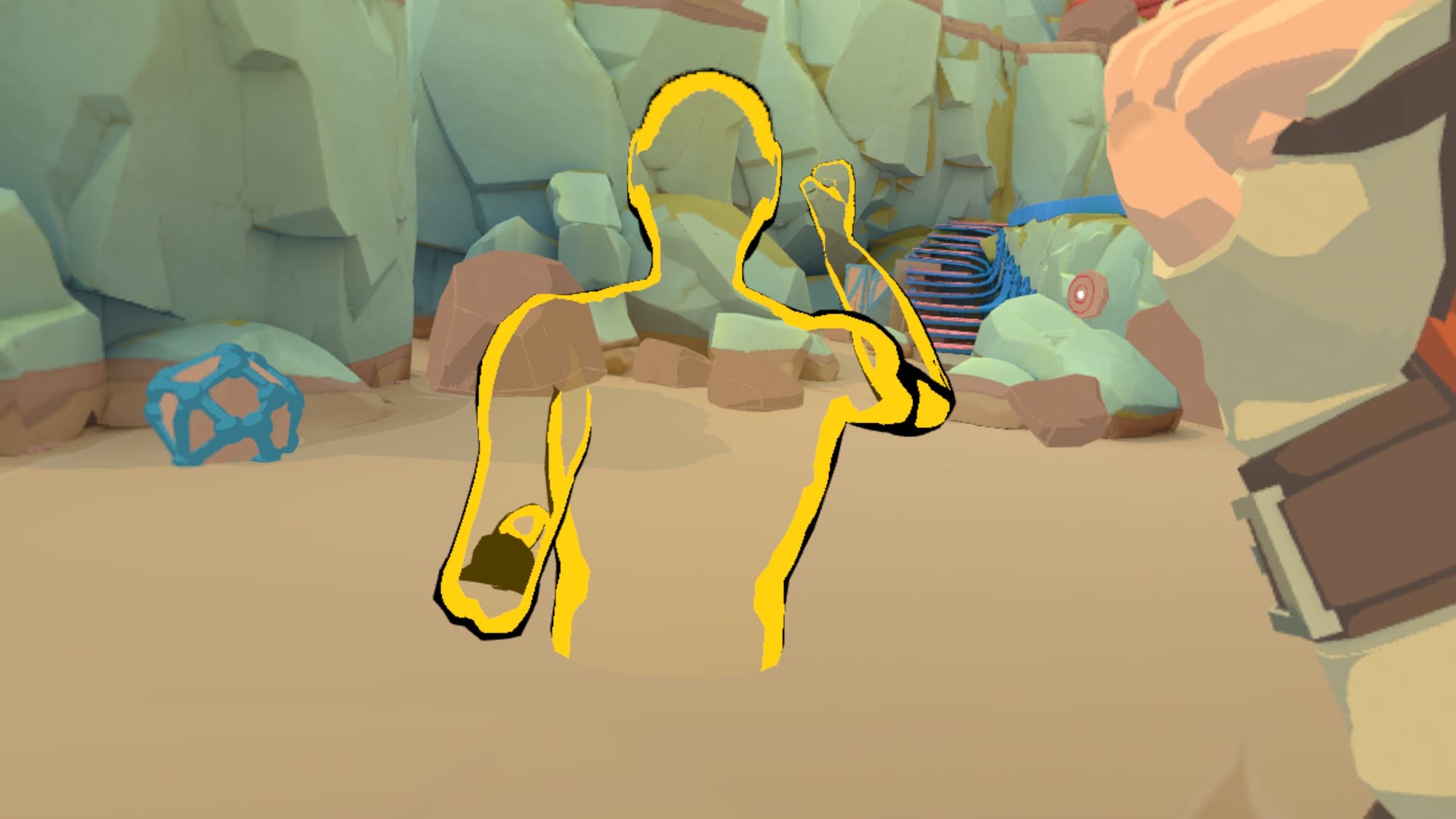
At that point, I would have been more than ready to walk away entirely. However, covering the game meant quitting that early wasn’t an option - and thankfully so. After watching several helpful tutorial videos and spending time with members of the community willing to demonstrate proper form, things eventually began to click.
Once gestures shifted from conscious effort to muscle memory, the experience transformed. Summoning rocks and launching attacks stopped feeling like a technical struggle and instead became a fluid expression of learned skill. This is the point where RUMBLE finally comes alive, and if you have the patience to get there, it’s definitely worth the time.
Those Who Throw Stones
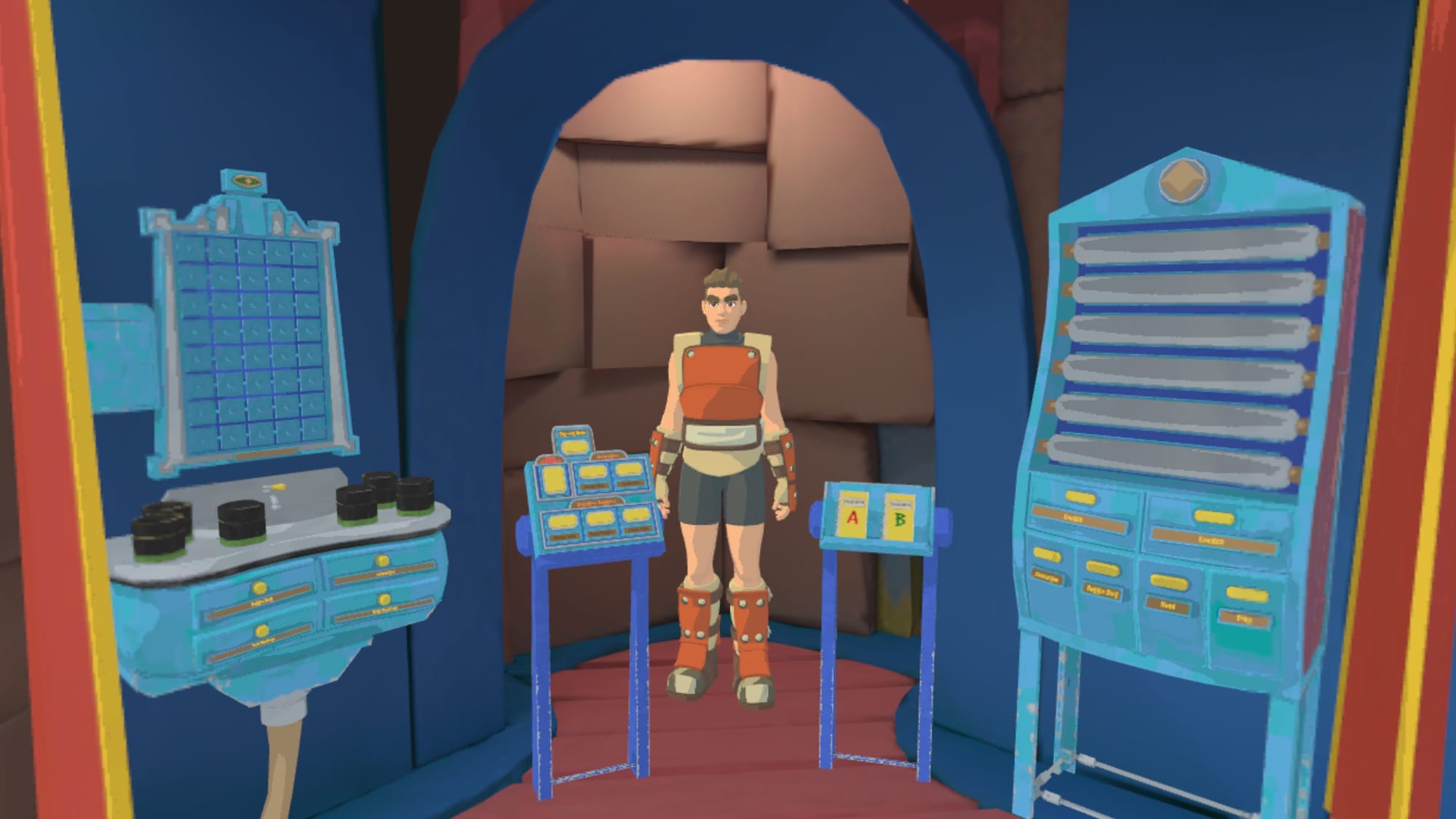
RUMBLE possesses an undeniably deep combat system. Moves can be chained into devastating combos and matches between equally skilled players quickly become tense, tactical duels. The game introduces mechanics gradually through a belt-based progression system which sees new moves unlocked over time.
Initially this restriction felt frustrating, but in hindsight it proves to be an effective way to prevent new players becoming overwhelmed. As experience is earned and new techniques unlock, players steadily expand their combat vocabulary and begin experimenting with more advanced strategies.
Working through some moves in the training arena
The core experience revolves around one-on-one arena battles, though social spaces such as the Park provide more relaxed environments to practice and interact. Through several play sessions at both peak and off-peak hours, matchmaking was consistently active. I was regularly paired with fellow beginners, alongside more experienced players who - encouragingly - often took time to help refine my technique.
There were occasional frustrations common to competitive online games, including players relying on spamming attacks or veterans who showed absolutely no mercy, but these moments were far from the norm.
That said, some of the game’s design choices remain divisive. The painfully unforgiving gesture detection often feels less like genuinely earning a skill and more like unnecessary gatekeeping that is likely to hurt the game's broader appeal. Combined with the slow default movement speed - particularly in the hub area - and the learning process can feel harsher than necessary and the ‘fun’ can take too long to present itself.
Mastering RUMBLE clearly requires dedication, but a slightly more lenient gesture controls would make that journey far more enjoyable without sacrificing any of the game’s depth.
Rock On!
After several hours with RUMBLE on Quest, one thing becomes abundantly clear: this is not a game interested in instant gratification. It is neither easy to learn nor casually approachable. In fact, it is hard to learn and even harder to master.
For players seeking a deep, progression-driven competitive experience - one that rewards patience, practice and genuine skill development - RUMBLE may well become an obsession. Its combat system offers depth once understood, supported by an active community and meaningful mastery curve.
However, those looking for fast-paced, immediately accessible earth-bending action may find the experience overly demanding. If your goal is simply to throw rocks around and have some fun, more arcade-style alternatives like Elements Divided may be more your speed.