 Connexion
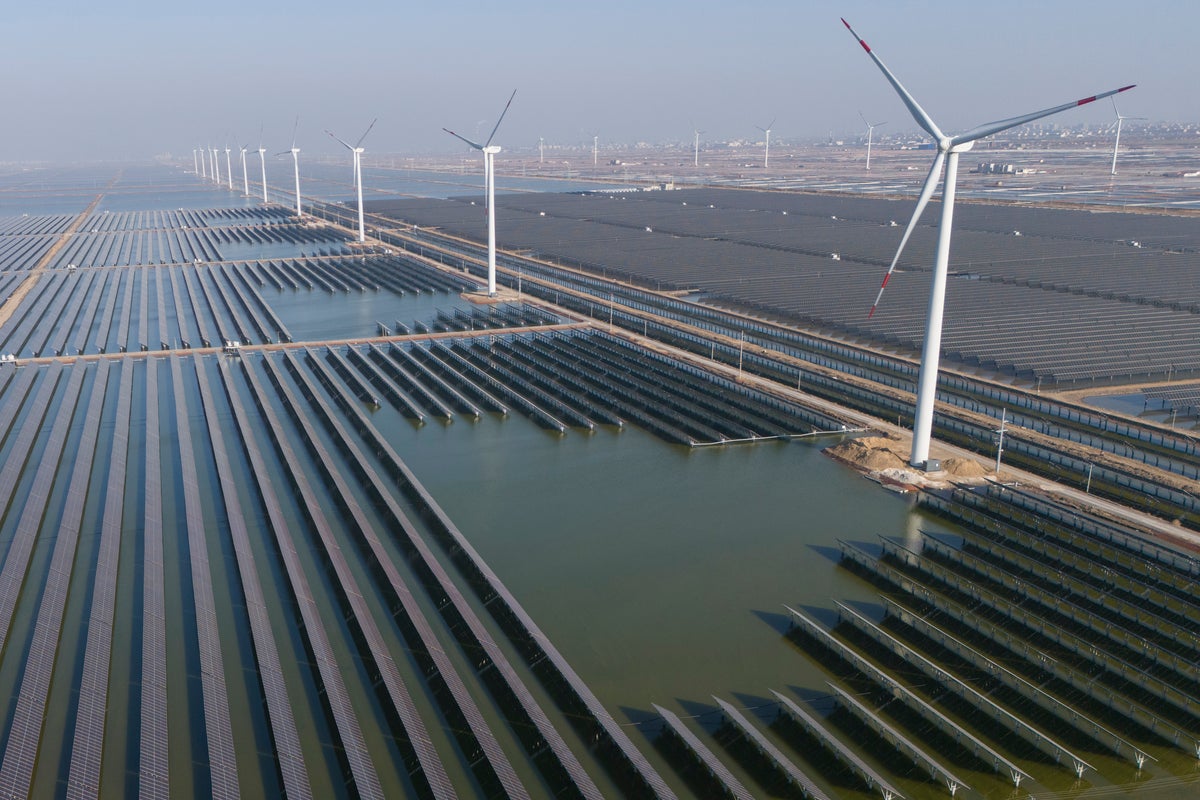
China’s solar capacity set to overtake coal in ‘historic’ shift

Wind and solar combined are projected to account for about half of China’s total installed power capacity
© Copyright 2024 The Associated Press. All rights reserved
Wind and solar combined are projected to account for about half of China’s total installed power capacity
© Copyright 2024 The Associated Press. All rights reserved

© Copyright 2025 The Associated Press. All rights reserved

© ASSOCIATED PRESS
© Copyright 2026 The Associated Press. All rights reserved
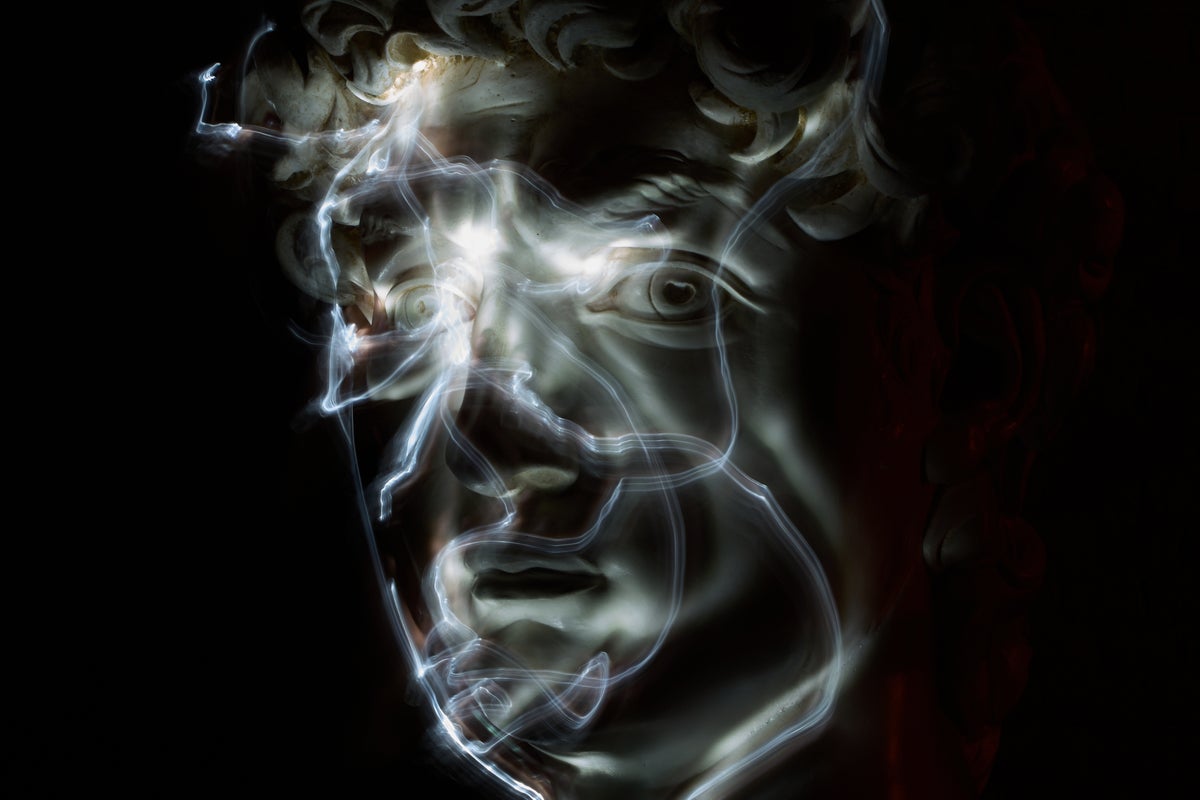
Italy's art-filled cities have no shortage of tourists, but they haven’t always been welcoming to visitors with visual impairments or other disabilities.

© Copyright 2026 The Associated Press. All rights reserved

© Copyright 2026 The Associated Press. All rights reserved
Zelensky says Russia's massive attack on Kyiv and other cities has impacted his team's preparations for today's peace talks

© Annabelle Gordon/AFP via Getty Images

© Lothar Speer

© ASSOCIATED PRESS


UPFs have been linked to poor health, including an increased risk of obesity, heart disease, cancer and early death

© PA
Alex Pretti had courage and empathy. This, not Maga’s conception of male power, is what we must teach young men
The first thing that grabbed me about the Rapture’s 2011 song It Takes Time to be a Man was the warbly, analogue fuzz of its recurring guitar and piano riff. Once that drew me in, what kept me listening were the lyrics’ hard-marriage of masculinity and empathy. In the final verse, Luke Jenner tells us that: “Well there’s room in your heart now / for excellence to take a stand / And there’s tears that need shedding / it’s all part of the plan”.
For the past year, rightwing voices have waged war on empathy. According to Elon Musk, empathy is “the fundamental weakness of western civilisation”. Others go further, calling it “toxic”, “suicidal” and even “sinful”. Certainly, the macho wing of the Maga right sees no place for it amid its (mis)appropriation of medieval history and imagery that is visible everywhere from the face paint and horned headdress of the “QAnon shaman”, convicted for his role in the US Capitol siege, to the tattooed arms and body of Donald Trump’s secretary of war, Pete Hegseth.
And yet, consider the ideal of chivalry held by medieval knights: generosity and suspicion of profit, courtesy, honesty and the bind of your word, hospitality, abiding by the rules of combat and granting mercy to your adversary – whose life a knight takes only as a last resort. I say this not because I think the medieval knight should be the new standard for modern men, but to point out that Maga men would fail, miserably so, to live up to their own ideals.
Alexander Hurst is a Guardian Europe columnist. His memoir, Generation Desperation, is published in January 2026

© Photograph: Roberto Schmidt/AFP/Getty Images

© Photograph: Roberto Schmidt/AFP/Getty Images

© Photograph: Roberto Schmidt/AFP/Getty Images
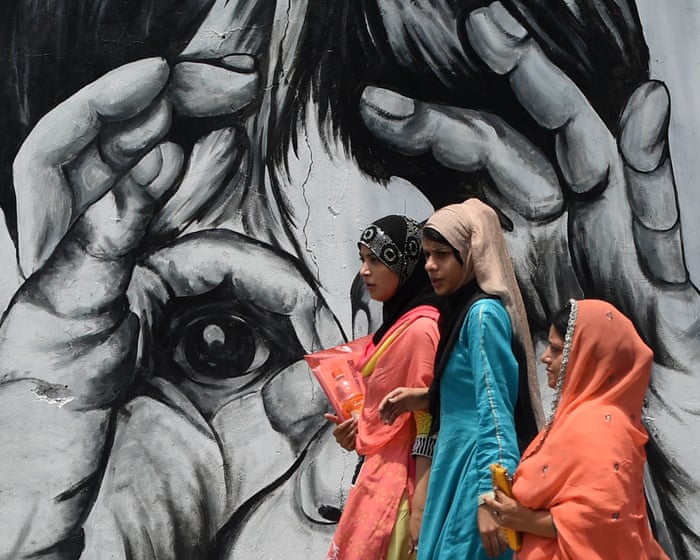
I live in a country where a woman’s value is often measured by motherhood, but for me and many others fulfilment simply looks different
I booked an online appointment with a gynaecologist in Karachi during the pandemic. I had a severe urinary tract infection and needed immediate relief. Everything felt routine at first: the doctor joined the video call late, held her phone awkwardly and asked about my symptoms. I explained, she prescribed medication, and then came the expected questions: Was I married? For how long? Any children? When I said “no,” her tone shifted as she asked, “Bachay tou chaihiye na aap ko?” (You do want children, right?). It felt subtly menacing – the assumption was clear: not wanting kids meant something was wrong.
What shocked me more was my own response. “Ji, ji, bilkul,” (Yes, yes, of course) I mumbled. Later, I was furious with myself for crumbling under pressure – for not being honest.
Continue reading...
© Photograph: Arif Ali/AFP/Getty Images
© Photograph: Arif Ali/AFP/Getty Images
© Photograph: Arif Ali/AFP/Getty Images
Jump of £37bn in budget deficit by 2040 would force government to increase taxes, NIESR predicts
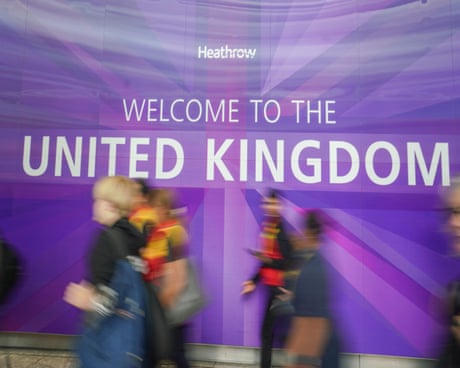
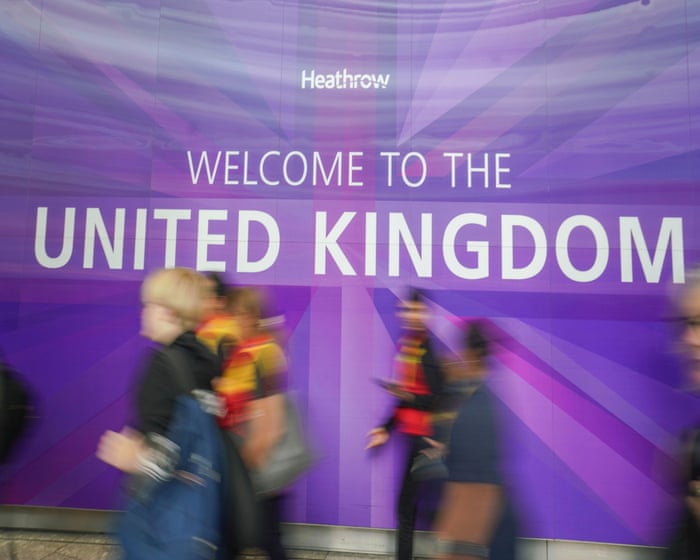
The UK economy would be 3.6% smaller by 2040 if net migration fell to zero, forcing the government to raise taxes to combat a much bigger budget deficit, a thinktank has predicted.
The National Institute of Economic and Social Research (NIESR) said falling birthrates in the UK and a sharp decrease in net migration last year had led it to consider what would happen if this trend continued to the end of the decade.
Continue reading...
© Photograph: Amer Ghazzal/Alamy Stock Photo/Alamy Live News.
© Photograph: Amer Ghazzal/Alamy Stock Photo/Alamy Live News.
© Photograph: Amer Ghazzal/Alamy Stock Photo/Alamy Live News.
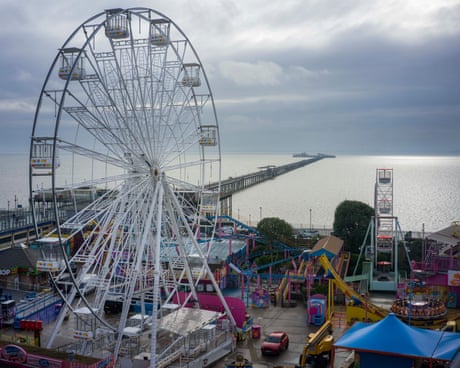
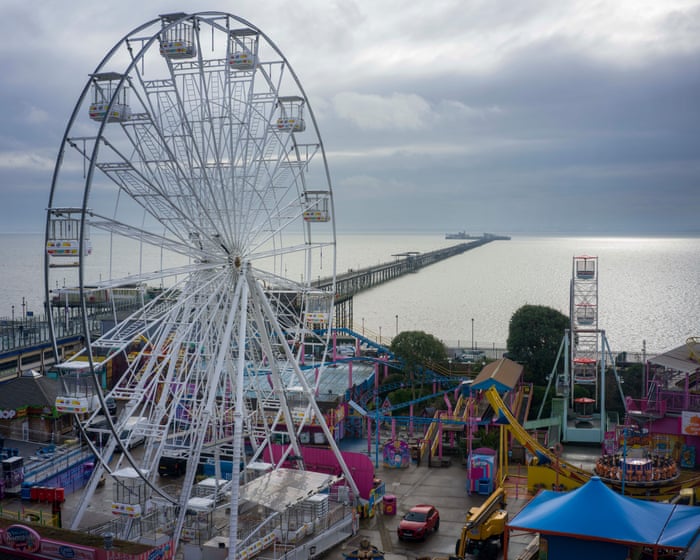
When Essex University’s Southend campus opened, it was a message of hope for a ‘left behind’ UK seaside town. Its closure will be felt far beyond its 800 students, some of whom will not get their degrees
The seaside city of Southend-on-Sea, on England’s east coast, looks grey on a winter afternoon in term-time. Its cobbled high street, bordering the university campus, is sparsely populated with market stalls, vape shops and discount retailers, and feels unusually quiet.
“There used to be lots of shops, restaurants and youth clubs around here,” says 23-year-old Nathan Doucette-Chiddicks. Now, the city is about to lose something else that it can scarcely do without.
Continue reading...
© Photograph: The Guardian
© Photograph: The Guardian
© Photograph: The Guardian


Tory leader Kemi Badenoch has demanded that the PM explain the vetting process for the former ambassador

© US Department of Justice


Sanae Takaichi is betting on her high approval ratings to secure a clearer mandate. If she wins, Japan’s first female prime minister will reshape politics, pushing a hawkish agenda while sidelining moderates, analysts tell Maroosha Muzaffar

© AFP via Getty

© Copyright 2026 The Associated Press. All rights reserved
The incident came ahead of planned talks between Iran and the United States

© US NAVY/AFP via Getty Images
