Swiss snowboard pioneer Ueli Kestenholz, who won bronze at snowboarding's 1998 Olympic debut in Nagano, died at age 50 in an avalanche, officials said Tuesday.
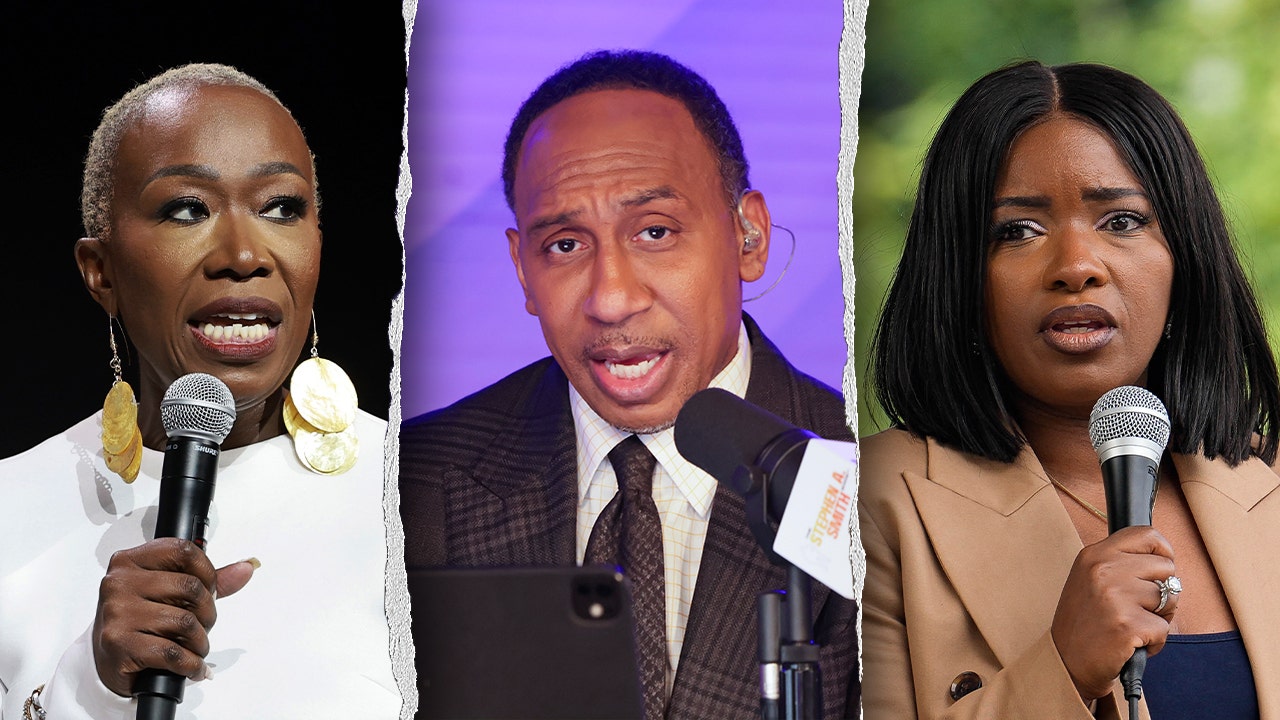
Stephen A. Smith fired back at Joy Reid and Jasmine Crockett on Monday, and said they should be "ashamed of themselves" after arguing he had a history of attacking Black women.
The Fox News Lifestyle Newsletter brings you trending stories on family, travel, food, neighbors helping neighbors, pets, autos, military veterans, heroes, faith and American values.
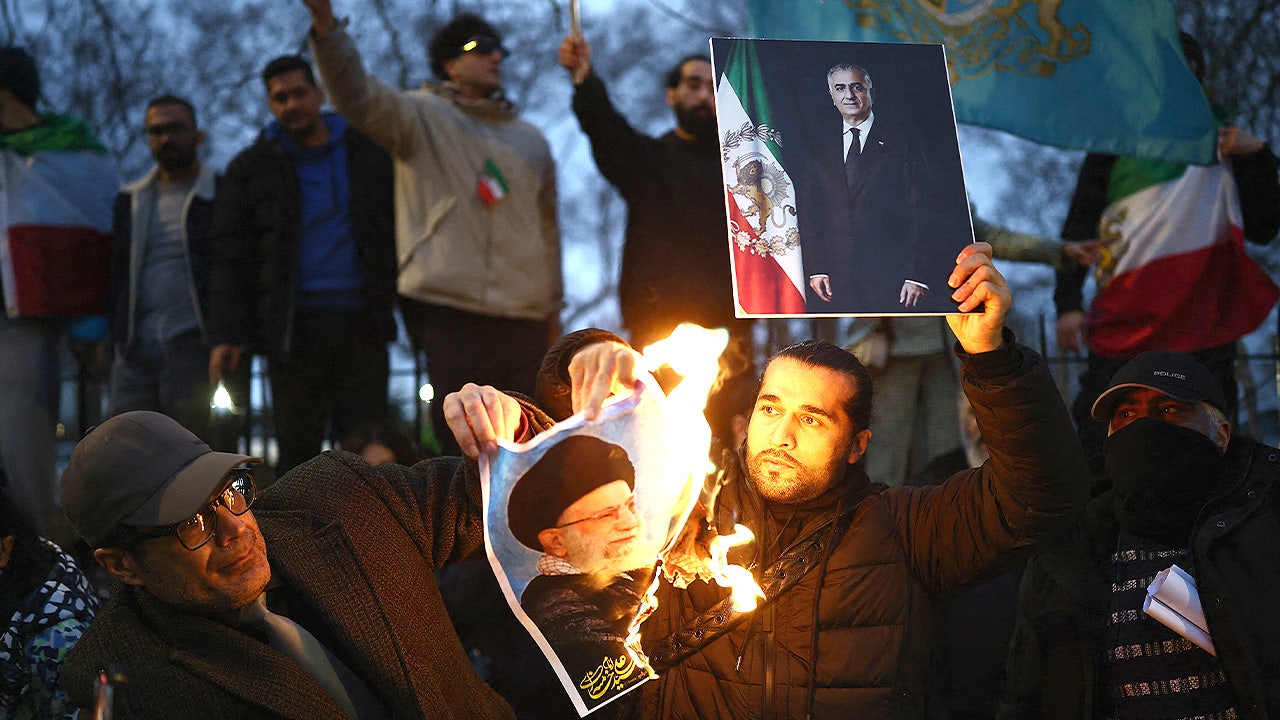
Iran unrest signals "beginning of the end" for Islamic regime, exiled Crown Prince Reza Pahlavi tells Fox News, calling pressures on leadership a "golden opportunity."
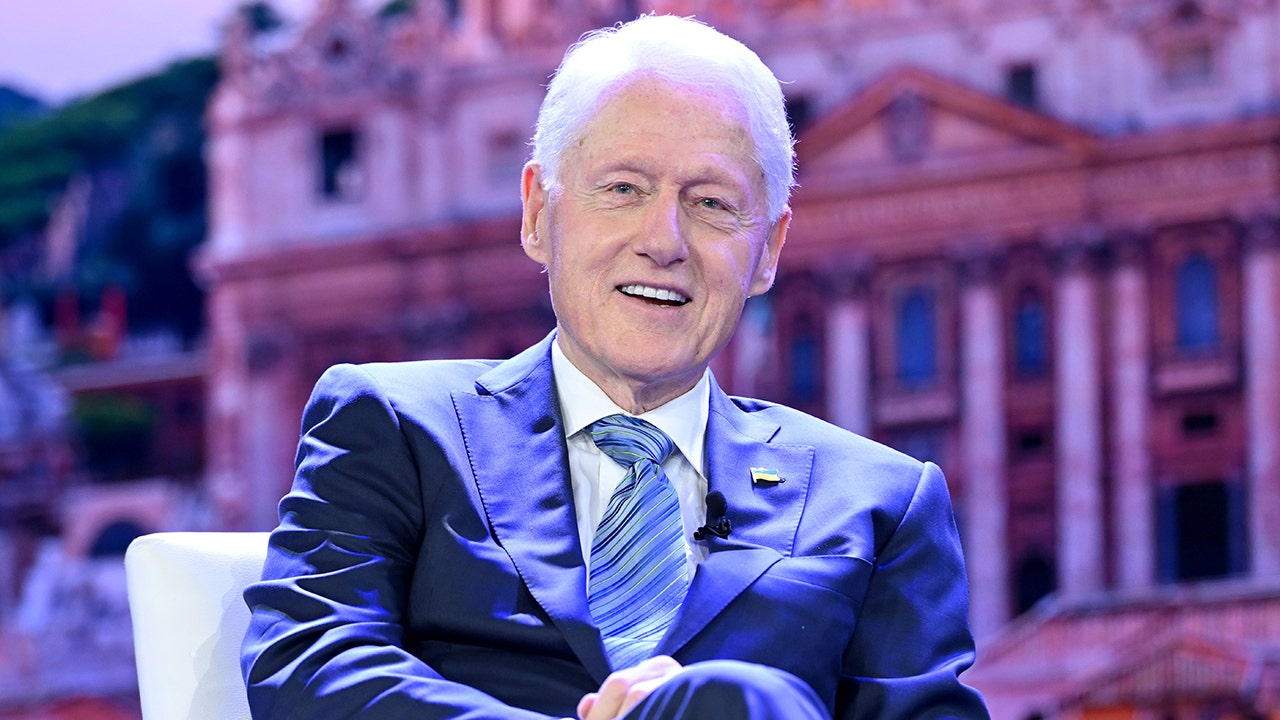
Former President Bill Clinton failed to appear in the House Oversight Committee's probe into Jeffrey Epstein on Tuesday despite being issued a subpoena.
Dramatic video shows US Border Patrol agents smashing a car window and dragging a man from his vehicle at a Speedway gas station in St. Paul, Minnesota during a federal immigration enforcement operation as tensions remain high following the recent deadly ICE shooting in Minneapolis.
Brandon London brings the latest on the Yankees’ ongoing negotiations with star free agent outfielder Cody Bellinger. The two sides remain engaged in a stalemate with just one month remaining before pitchers and catchers report for spring training. READ: https://trib.al/4KYcuWk
The Trump administration is ending temporary protection status for Somalia, affecting several thousand Somalis currently living in the U.S. and several hundred currently living in Minnesota.
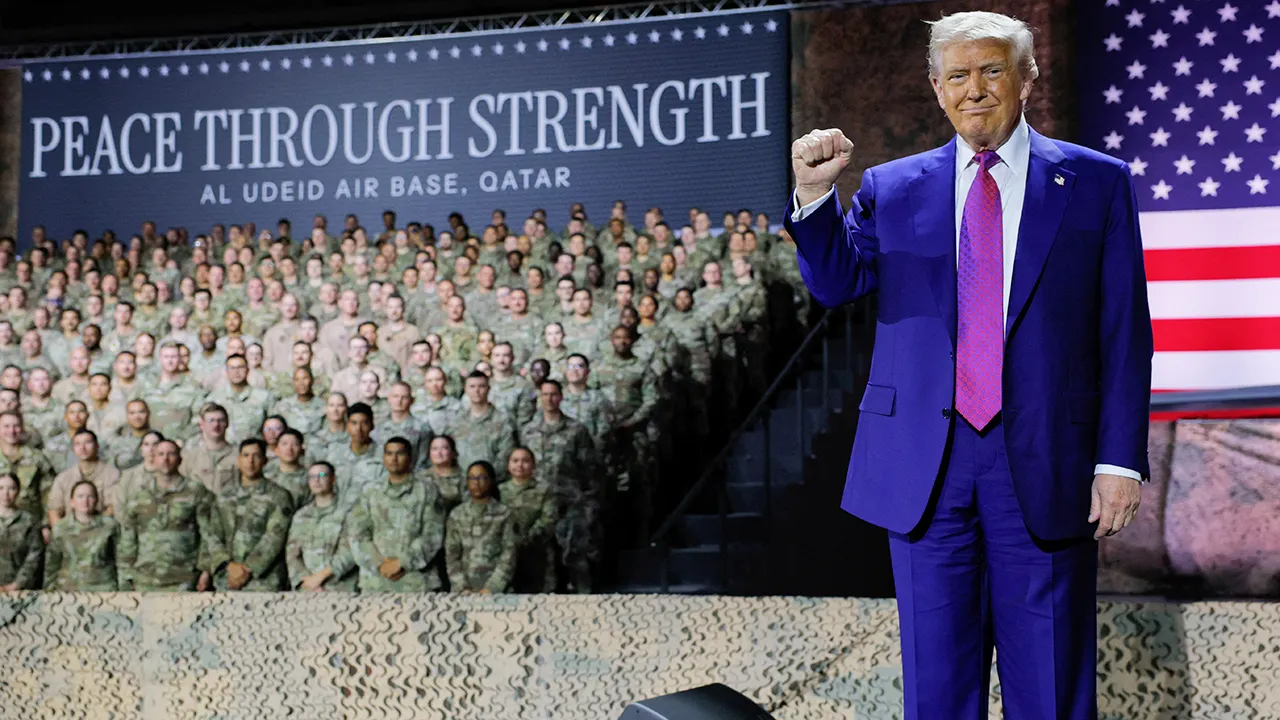
President Trump called on Iranian protesters to take over government buildings Tuesday in one of his starkest calls yet for a regime-change revolution to topple the Islamic Republic.
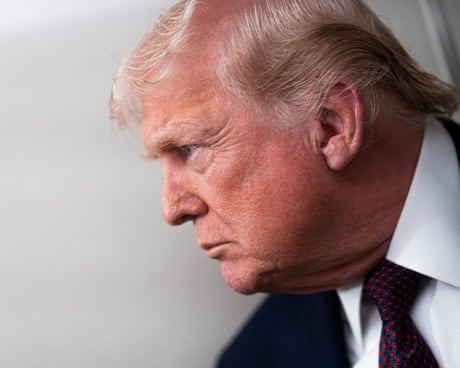
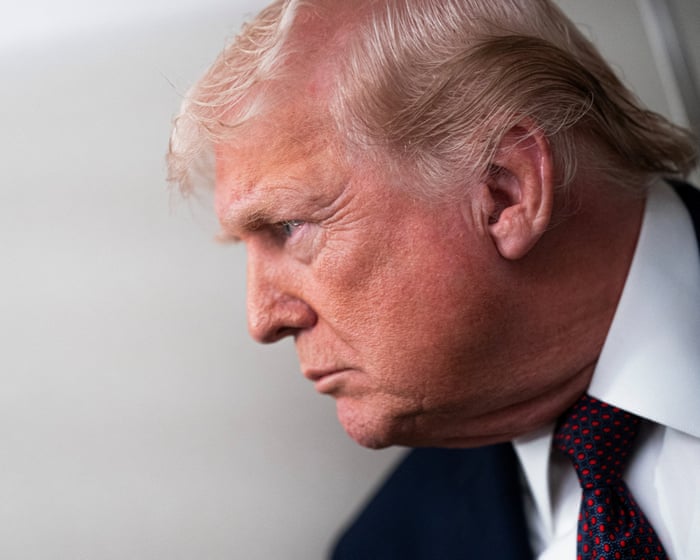
US president is suing for defamation over documentary that joined two parts of speech he made on 6 January 2021
President Trump is expected to come under pressure to make rare disclosures about his properties and business interests as part of his $10bn lawsuit against the BBC, the Guardian understands.
Trump is suing the BBC for defamation over a Panorama documentary that spliced together two parts of the president’s address to a rally on 6 January 2021. The BBC has already apologised and said the edit was misleading, but has denied it defamed Trump.
With fear, surveillance and brute force only set to increase, there are disturbing parallels with Saddam Hussein’s Iraq
Sanam Vakil is director of Chatham House’s Middle East and North Africa programme
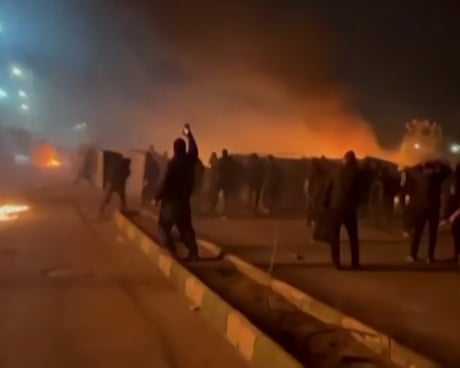
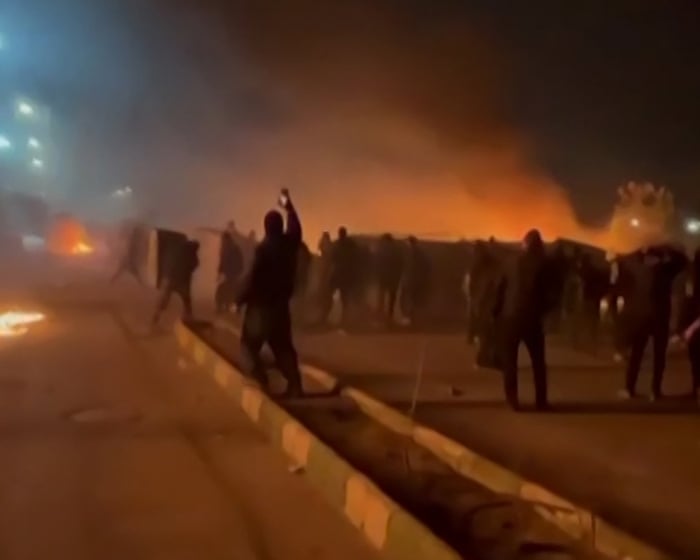
Iran is once again convulsed by protests that are threatening the Islamic Republic’s stability and future. What began as demonstrations over a collapsing currency and rising inflation has rapidly evolved into one of the most destabilising episodes of unrest the regime has faced in years. The protests have exposed both the resilience of Iranian society and the growing brittleness of a political system stubbornly unwilling to reform.
It’s the scale, spread and momentum of the demonstrations that have been most alarming to the authorities. Protests have erupted across all provinces in the country, reaching more than 180 towns and cities, cutting across class, ethnic and regional lines. This time, the turn to openly anti-regime slogans has been rapid and widespread. Protesters are no longer demanding relief from within the system. They are rejecting it outright, directly challenging the authority of the supreme leader, Ali Khamenei – and the wider establishment.
Sanam Vakil is the director of Chatham House’s Middle East and North Africa programme
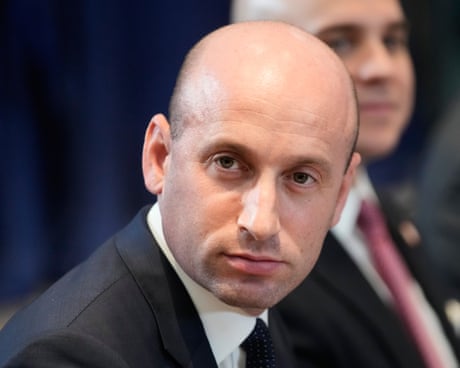
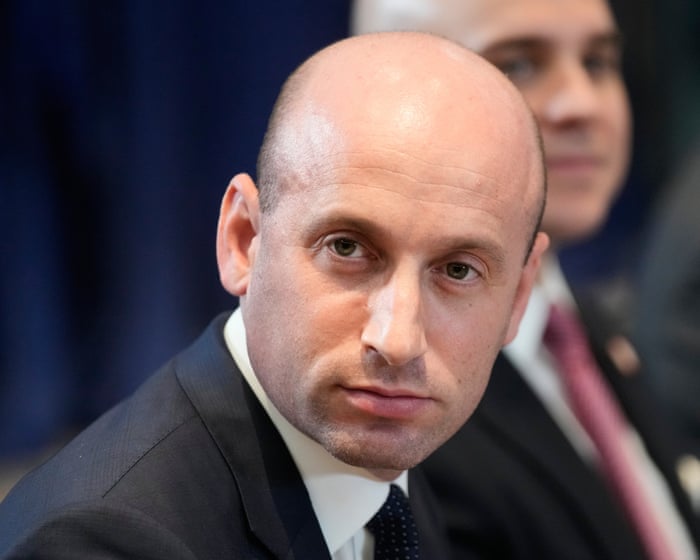
Some of Trump’s aides refer to his deputy chief of staff as ‘the prime minister’, with many of the most shocking policies leading back to him. Worrying about his actions isn’t enough
If you want to understand what’s happening in the US right now, and what is likely to happen next, don’t just focus on Donald Trump. Rather, pay close attention to Trump’s deputy chief of staff, Stephen Miller. It’s increasingly clear that Miller, a man who has said that “America is for Americans and Americans only” and who is on a mission to “save the west” is the driving force behind the Trump administration’s most extreme policies. Per a recent Bloomberg profile, some of Trump’s aides even privately call Miller “the prime minister”.
Miller’s influence stretches across both foreign and domestic policy. Those masked immigration agents pulling people off the street, and occasionally shooting unarmed citizens in the face? You can trace their aggressive tactics back to Miller. The plot to get rid of birthright citizenship? Miller’s hands are all over it. The capture of Venezuelan President Nicolás Maduro? He helped plan it. The campaign to Maga-fy universities? Miller again! All right-leaning roads seem to lead back to Miller.
 Connexion