 Connexion
The War in Ukraine Has Become a Way of Life

The war in Ukraine can look like the future and the past at once. But it’s just our present, the only one we know.


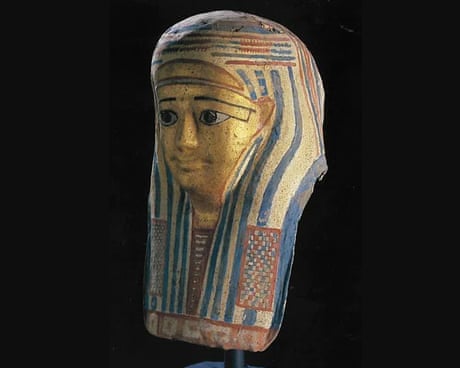
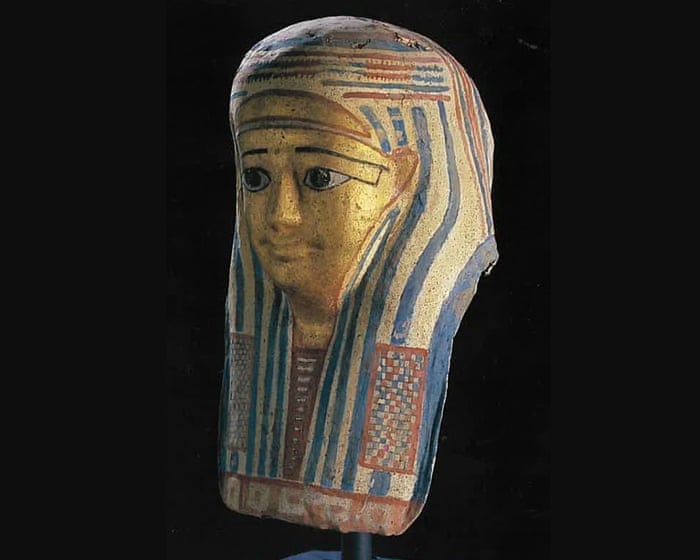
Man charged after 2,600-year-old cat sculpture, mummy mask and necklace stolen from Caboolture museum
Get our breaking news email, free app or daily news podcast
Queensland police have arrested a man accused of staging a brazen cat burglary of priceless Egyptian artefacts from a museum in Caboolture, north of Brisbane.
The man, 52, of no fixed address, was arrested on Russell Island in Moreton Bay on Saturday evening, after police allegedly found most of the stolen artefacts in a camper van parked at a ferry terminal.
Continue reading...
© Photograph: Queensland Police
© Photograph: Queensland Police
© Photograph: Queensland Police
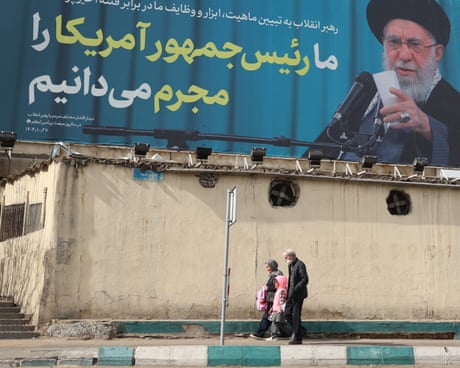
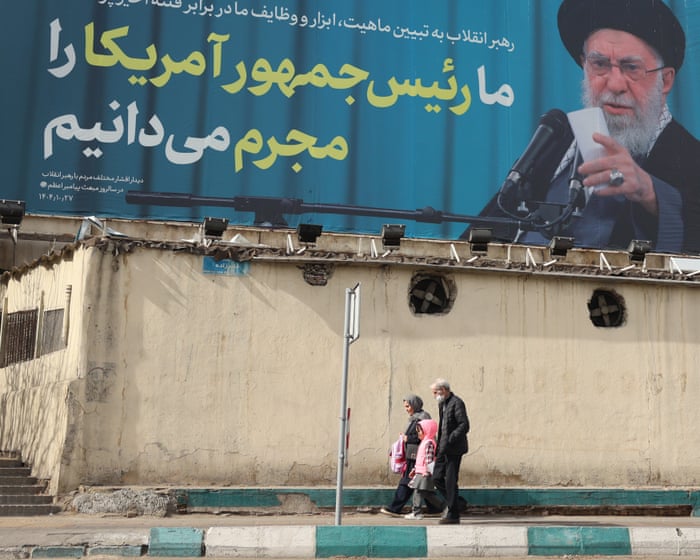
The similarities between now and events preceding the shah’s exile are striking. The radical clerics benefited then, but who would prevail this time?
A critical moment looms for Iran, and so for the Middle East. The global consequences of any upheaval in Tehran have been made amply clear since the revolution in 1979 that ushered in the rule of radical Islamist clerics. In Oman, the Iranian foreign minister Abbas Araghchi and his team have begun indirect talks with a high-powered US delegation. Many analysts believe the gap between the two sides is too wide to be bridged, and that a conflict is inevitable. Just this weekend, having already threatened military action, Donald Trump said regime change is the “the best thing that could happen” in Iran. The tension, and risks grow higher.
The hold on Iran of those who came to power in the aftermath of the 1979 revolution is now at stake. The ultimate objective of the US appears to be regime change. This may, in fact, already be under way. In December 2025 and January 2026, the most extensive wave of protest since the early 1980s swept Iran, with hundreds of thousands taking to the streets from Mashhad to Abadan.
Jason Burke is the international security correspondent of the Guardian and author of The Revolutionists: The Story of the Extremists Who Hijacked the 1970s
Continue reading...
© Photograph: Abedin Taherkenareh/EPA
© Photograph: Abedin Taherkenareh/EPA
© Photograph: Abedin Taherkenareh/EPA
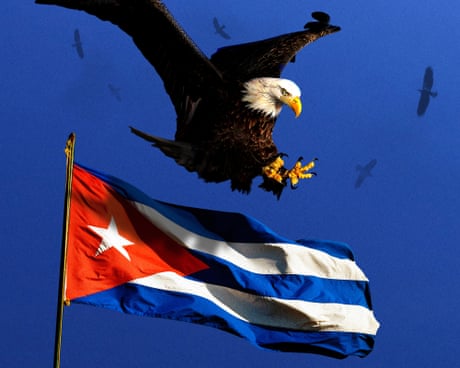
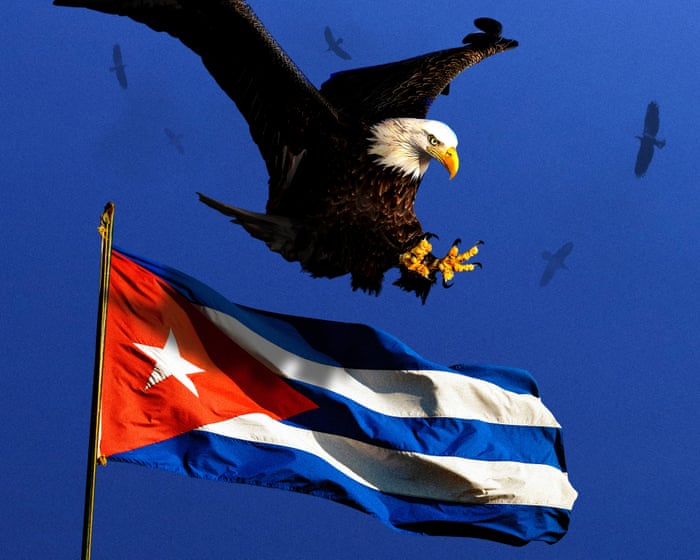
Diplomats in Havana are preparing for an alternative Trump tactic: the country being starved until people take to the streets and the US can step in
Among the verdant gardens of Havana’s diplomatic quarter, Siboney, ambassadors from countries traditionally allied to the United States are expressing increasing frustration with Washington’s attempt to unseat Cuba’s government, while simultaneously drawing up plans to draw down their missions.
Cuba is in crisis. Already reeling from a four-year economic slump, worsened by hyper-inflation and the migration of nearly 20% of the population, the 67-year-old communist government is at its weakest. After Washington’s successful military operation against Cuba’s ally Venezuela at the beginning of January, the US administration is actively seeking regime change.
Continue reading...
© Composite: Artwork by Alex Mellon and Guardian Design. Source Photographs by Getty Images
© Composite: Artwork by Alex Mellon and Guardian Design. Source Photographs by Getty Images
© Composite: Artwork by Alex Mellon and Guardian Design. Source Photographs by Getty Images
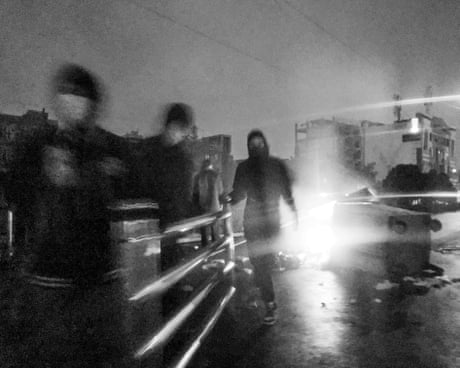
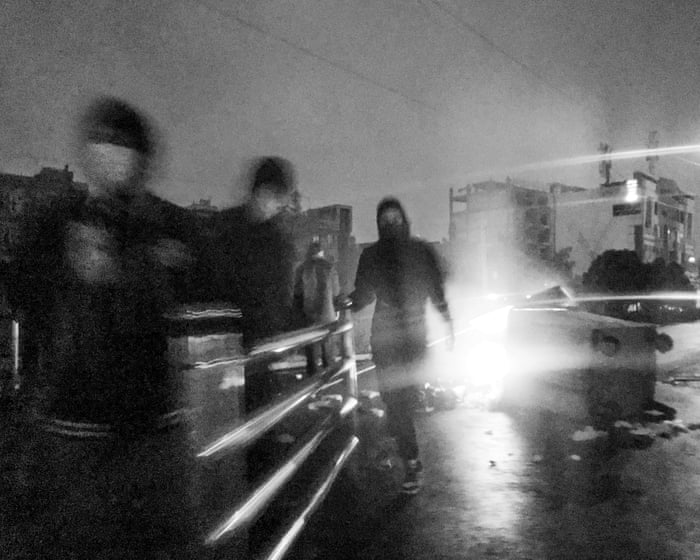
Exclusive: images and testimony from the January uprising, when Iranian security forces are believed to have killed thousands of men, women and children who had flocked on to the streets
After imposing a nationwide internet blackout, the Iranian regime appears to have largely obscured the mass killing of protesters. However, a photographer in Tehran has managed to share their documentation of what happened, along with the testimony of those who joined in and survived the protests.
© Photograph: X
© Photograph: X
© Photograph: X
Does it only affect weak people? Is work always the cause? Burnout myths, busted by the experts
Once, after surviving yet another round of redundancies in a former job, I did something very odd. I turned off the lights in my room and lay face-down on the bed, unable to move. Rather than feeling relief at having escaped the axe, I was exhausted and numb. I’m not the only one. Fatigue, apathy and hopelessness are all textbook signs of burnout, a bleak phenomenon that has come to define many of our working lives. In 2025, a report from Moodle found that 66% of US workers had experienced some kind of burnout, while a Mental Health UK survey found that one in three adults came under high levels of pressure or stress in the previous year. Despite the prevalence of burnout, plenty of misconceptions around it persist. “Everybody thinks it’s some sort of disease or medical condition,” says Christina Maslach, the psychology professor who was the first to study the syndrome in the 1970s. “But it’s actually a response to chronic job stressors – a stress response.” Here we separate the facts from the myths.
Continue reading...
© Photograph: Tal Silverman/The Guardian
© Photograph: Tal Silverman/The Guardian
© Photograph: Tal Silverman/The Guardian
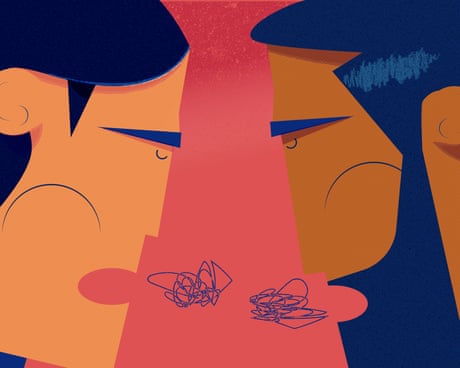
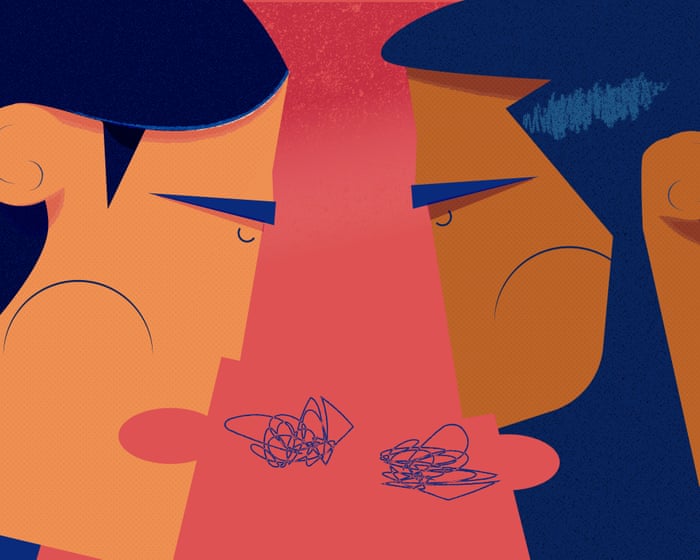
It’s possible this is a platonic relationship, but your concerns are valid and your husband isn’t providing any reassurance
My husband and I are in our 60s. We have been married for 40 years, some of it happily, some not so much. Our children are grown up and gone, and we have recently retired. Some of our tensions over the years have been around my husband’s tendency to be undermining and belittling. He claims not to understand why I might find certain things upsetting, yet refuses to engage with couples counselling (apparently I would tell lies). We have muddled through and mostly get on well now, though he dislikes most of my friends and siblings, and won’t socialise with them. To be fair, he is self-contained and doesn’t seem to need friends in the way I do – he has one friend.
A few months ago, an ex-colleague got in touch with my husband and asked to meet for coffee. They met, had a long lunch, and my husband mentioned a few weeks later that they were arranging to meet again as he had enjoyed the catchup. I was a bit thrown. I found it odd that she couldn’t confide in her partner or friends, but my husband exploded and we had one of our worst, most vicious arguments in years. He accused me of not wanting him to have friends (the opposite is true) and threw up the fact that I have platonic male friends; true, but my male friends and I go back 30-plus years and we don’t meet one-to-one. This just feels a bit out of character and potentially inappropriate.
Continue reading...
© Illustration: Alex Mellon/The Guardian
© Illustration: Alex Mellon/The Guardian
© Illustration: Alex Mellon/The Guardian


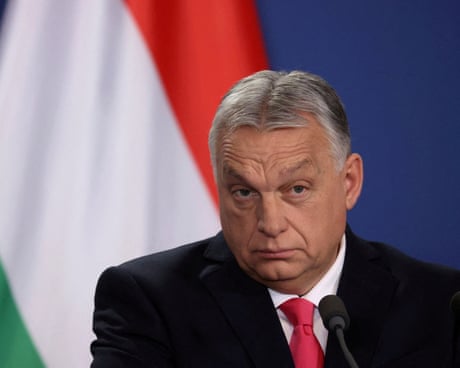
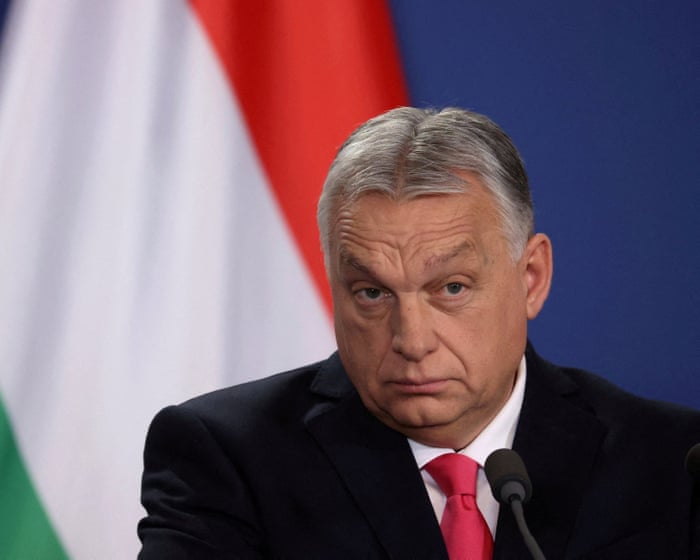
Opposition challenger Péter Magyar is ahead in the polls on a promise of hope. Orbán is betting on fear of war to stay in power
After 16 years of uninterrupted power, Viktor Orbán is facing his biggest electoral challenge. For years Hungary’s prime minister has spun weak policy performance as success. The rise of a rival, Péter Magyar, and the opposition Tisza party has exposed the limits of that strategy.
The economy is stagnating, despite repeated promises of a long-awaited takeoff. Over the past decade and a half, Hungary has slipped from being one of central and eastern Europe’s strongest performers to one of its weakest. Public services, from healthcare to transport, are widely seen as neglected, and Policy Solutions surveys show that voters have noticed. Hungary is not alone in facing a cost of living crisis, but comparisons offer little consolation to voters who were assured that Orbán’s model would deliver exceptional results.
András Bíró-Nagy is a senior research fellow at the ELTE Centre for Social Sciences in Budapest and director of Policy Solutions. He is the author of The Path of Hungary’s EU Membership
Continue reading...
© Photograph: Bernadett Szabó/Reuters
© Photograph: Bernadett Szabó/Reuters
© Photograph: Bernadett Szabó/Reuters
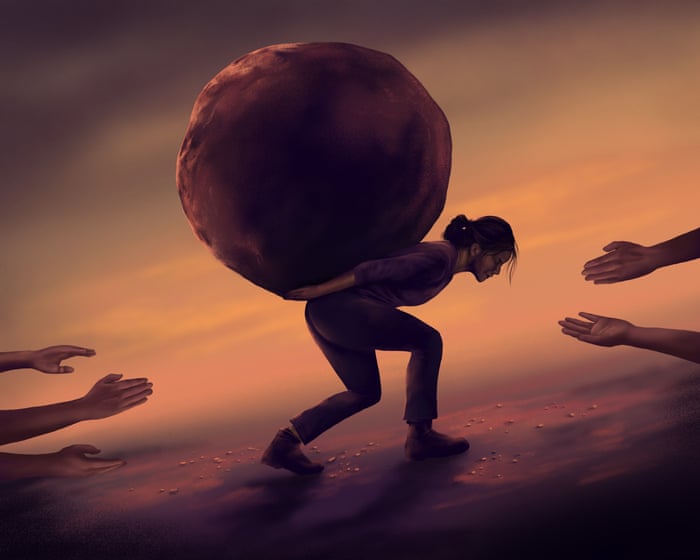
Self-reliance is often encouraged over asking others for help in the modern world. But doing everything yourself can be a sign that you are scared of intimacy
When a relative was seriously ill and in intensive care for more than a month, Cianne Jones stepped in. “I took it upon myself to be that person in the hospital every single day – chasing doctors, taking notes, making sure I understood why they were doing things.” It was so stressful, she says, that at one point her hair started falling out, but she ploughed on.
It was Jones’s therapist who gently questioned whether she was going to ask for help. Jones laughs. “The hair falling out didn’t suggest to me that I needed help, it was somebody else looking in and saying that.” She has a large, close family who would have helped immediately – and did, once Jones asked – it’s just that it didn’t occur to her to ask. “I had taken that role on: ‘I’m just going to get everything done.’ I just took off, and that was it.”
Continue reading...
© Illustration: Grace Russell/The Guardian
© Illustration: Grace Russell/The Guardian
© Illustration: Grace Russell/The Guardian


Australian hits out at online trolls who have targeted her appearance
Former prodigy to call time on professional career at end of 2026
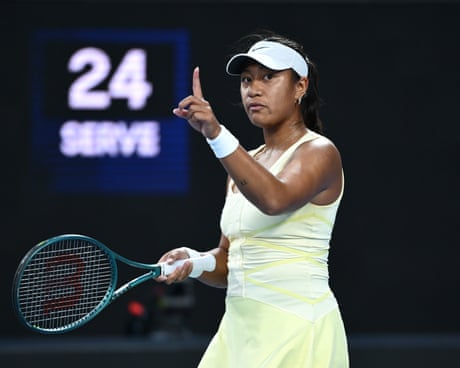
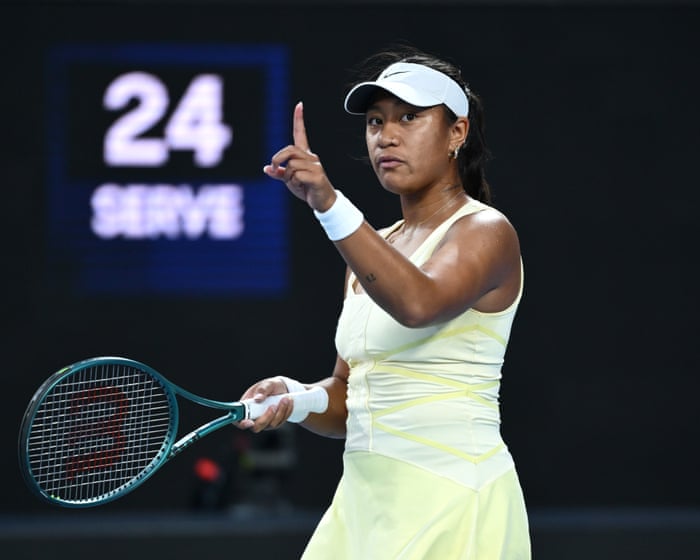
Australia’s Destanee Aiava has announced her plans to retire from professional tennis in a scathing and expletive-laden statement on social media.
The 25-year-old hit out at a tennis culture she said was “racist, misogynistic, homophobic and hostile to anyone who doesn’t fit the mould”, as she revealed plans to call time on her playing career at the end of 2026.
Continue reading...
© Photograph: Hannah Peters/Getty Images
© Photograph: Hannah Peters/Getty Images
© Photograph: Hannah Peters/Getty Images


