↩ Accueil

Vue lecture

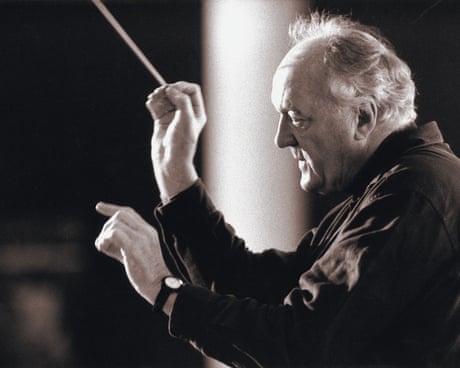
Havergal Brian: The Gothic album review – Ole Schmidt tames a vast, eccentric score

LSO/Schmidt
(Heritage)
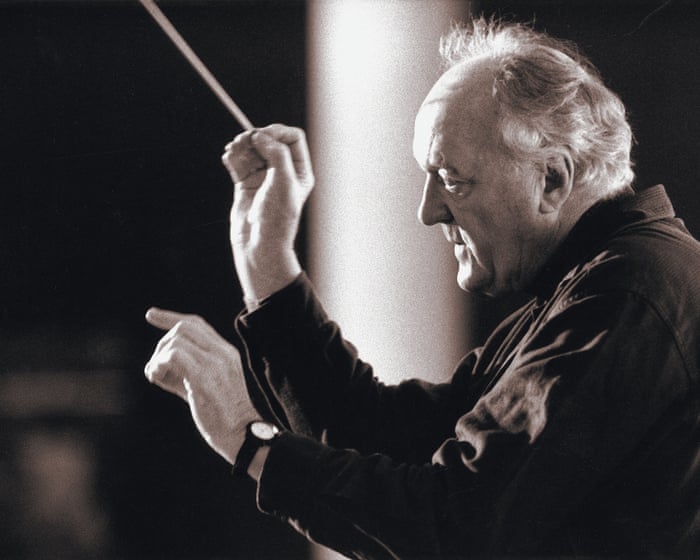
A 1980 live recording reveals the Danish conductor’s assured handling of a colossal symphony – a balance of architectural clarity and gothic extravagance

Havergal Brian has often been looked at askance, his vast gothic symphony approached like climbing Everest – merely because it’s there – rather than taken seriously as a milestone in 20th-century British music. For the 150th anniversary of the composer’s birth, the Heritage label has brushed off this 1980 BBC live broadcast from the Royal Albert Hall under Danish conductor Ole Schmidt, the fourth recording of the complete work to enter the catalogue.

Written over eight years and completed in 1927, the work was inspired by the magnificence and eccentricities of the gothic age, Brian’s idiosyncratic response ranging from guileless melody to wickedly complex polyphony. The 35-minute part one is a persuasive three-movement symphony all on its own, but it’s the challenging, hour-long setting of the Te Deum that demands the listener’s concentrated attention. Influences include Bruckner, Berlioz and Sibelius.

Continue reading...
© Photograph: Aarhus
© Photograph: Aarhus
© Photograph: Aarhus
  •  

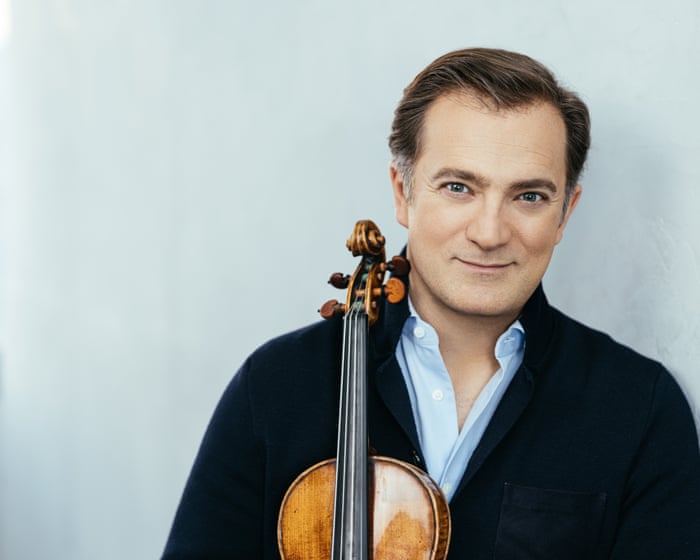
Bach: Sonatas & Partitas album review – Capuçon brings warmth, restraint and reflection

Renaud Capuçon
(Deutsche Grammophon)
These performances of Bach’s solo works are elegant and persuasive – balancing a modern tone with an alert awareness of period style

To celebrate his 50th birthday, Renaud Capuçon has recorded Bach’s solo sonatas and partitas, works the French violinist has been familiar with since childhood. These impressive accounts are elegant and thoughtful, his generous tone lit up from within with sufficient vibrato to caress the ear while simultaneously acknowledging current thinking on period performance practice.

Tempi are steady throughout, occasionally leisurely in slow movements, but always persuasive. There’s a generous body to his sound and a tasteful restraint when it comes to decoration. Phrasing is instinctual, his articulation of Bach’s fugal elements a model of clarity, while his sure-footed handling of the various doubles and prestos eschews any sense of virtuosity for virtuosity’s sake. In the mighty chaconne that ends the D minor partitas, Capuçon finds a reflective lightness and intimacy that frequently draws the ear.

Continue reading...

© Photograph: benjamin@decoin.com/Benjamin Decoin

© Photograph: benjamin@decoin.com/Benjamin Decoin

© Photograph: benjamin@decoin.com/Benjamin Decoin

  •  
❌