↩ Accueil

Vue lecture

Brilliant, battered and unkillable: Josh Allen lurches towards the Super Bowl

The Buffalo Bills quarterback is not only a danger to opponents. His bravery and skill inspires his teammates to elevate their play

Two things about the NFL playoffs are predictable: Josh Allen will play out of his skin ... and Josh Allen will suffer a soul-sucking, stupefying loss. Except, maybe, this year.

We all know about the postseason heartbreaks and shortfalls over the years for Allen and the Buffalo Bills. In each season since 2019, Buffalo’s ride has ended in either the divisional or conference championship round, usually at the hands of Patrick Mahomes and the Kansas City Chiefs. But with no dominant team coming out of the regular season and no Mahomes this postseason, maybe it’s time for Allen and the Bills to finally capture the franchise’s first Lombardi Trophy.

Continue reading...

© Photograph: Megan Briggs/Getty Images

© Photograph: Megan Briggs/Getty Images

© Photograph: Megan Briggs/Getty Images

  •  

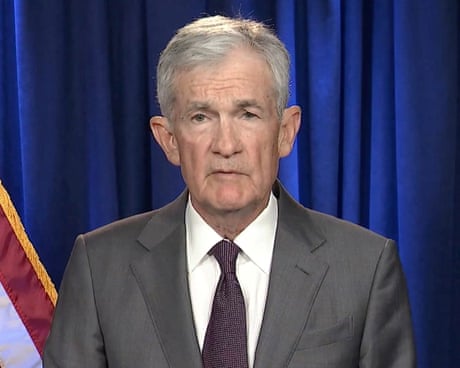
Dollar weakens after US prosecutors launch criminal investigation into Federal Reserve chair Jerome Powell – business live

Rolling coverage of the latest economic and financial news

In the UK property sector, a higher proportion of homes in London were sold at a loss than any other region in England and Wales last year.

Estate agency Hamptons has reported that nearly 15% of London sellers sold for less in 2025 than they originally paid, almost double the national average of 8.7%.

Last year, the average homeowner in England & Wales sold for £91,260 more than they paid, a value increase of 41.0% over an average holding period of 9.0 years. This is £570 less than the 2024 average of £91,830.

Stronger recent price growth in Northern regions has boosted returns, meaning many sellers in the North of England achieved proportionally higher gains than those in much of the South.

Flat sellers were four times more likely to make a loss than house sellers in England & Wales (19.9% vs 4.5%).

Continue reading...

© Photograph: US Federal Reserve/Reuters

© Photograph: US Federal Reserve/Reuters

© Photograph: US Federal Reserve/Reuters

  •  

FA Cup third round: 10 talking points from the weekend’s football

Crystal Palace’s stars wilt, Manchester City’s youngsters shine, and Liam Rosenior starts in stylish fashion

Playing against lower-league opposition as a top-flight side in the FA Cup is like batting on the first morning of a Test match – you cannot really win and failure can prompt humiliation and reputational damage. To that end, some members of the Crystal Palace side deservedly beaten by Macclesfield perhaps learned a valuable lesson at Moss Rose. Marc Guéhi and Adam Wharton are linked regularly with big moves away from Palace, but part of succeeding at elite clubs – the pair are admired by Manchester City and Manchester United respectively – is coping with being overwhelming favourites. Oliver Glasner, too, may have designs on bigger things, with United again a possible destination, but to see his side schooled by part-timers was a blow to his burgeoning reputation. Glasner slammed his players after the defeat but the Austrian must take a portion of the blame. They must all do better. Dominic Booth

Report: Macclesfield 2-1 Crystal Palace

Report: Manchester City 10-1 Exeter

Report: Manchester United 1-2 Brighton

Report: Derby 1-3 Leeds

Continue reading...

© Composite: Guardian Picture Desk

© Composite: Guardian Picture Desk

© Composite: Guardian Picture Desk

  •  

I’m sick of avocado toast – I just want to keep my local, untrendy cafe | Rhiannon Lucy Cosslett

With its pasties, decent brews and staff who are happy to chat, it’s a vital community space. So why are its days numbered?

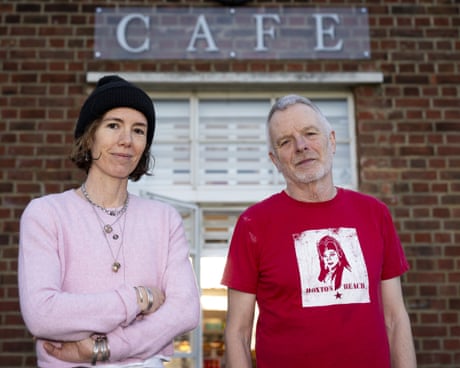
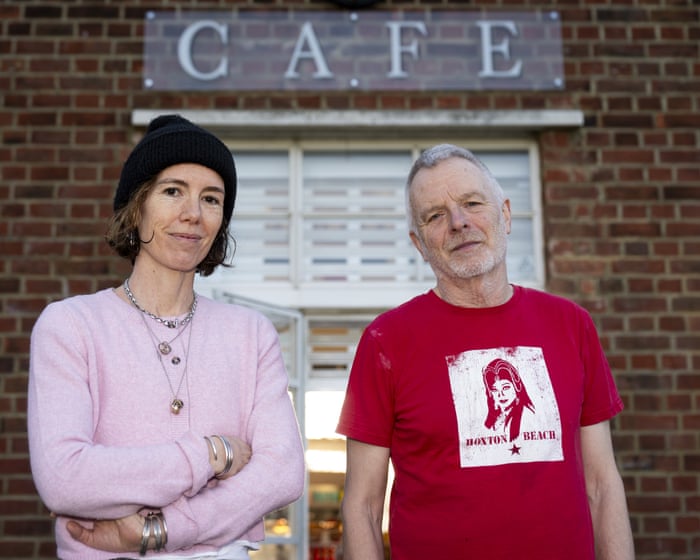
What do James McAvoy and my three-year-old son have in common? Very little, you might think, notwithstanding their shared awareness of the book The Dinosaur That Pooped a Planet. Yet their lives overlap in a more tangible way, because they, along with Benedict Cumberbatch, patronise the same cafes on Hampstead Heath. Both actors have signed a petition protesting against the takeover of four family-owned north London cafes by the Australian-inspired chain Daisy Green. It’s a move that has dismayed the local community, leading to protests, and threats of legal action against the landowner, the City of London Corporation, whose new funding model for green spaces prioritises “income generation”.

You’re probably wondering why you should care, either about what Hollywood actors think, or about this notoriously chi-chi part of London. And yet, like them, and like me, you probably have a favourite cafe, one that feels very special. So please indulge me in describing mine: the Parliament Hill cafe, which has been run by the D’Auria family for more than 40 years.

Rhiannon Lucy Cosslett is a Guardian columnist

Continue reading...

© Photograph: Aaron Chown/PA

© Photograph: Aaron Chown/PA

© Photograph: Aaron Chown/PA

  •  

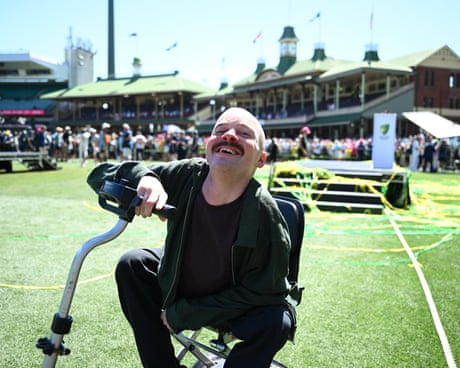
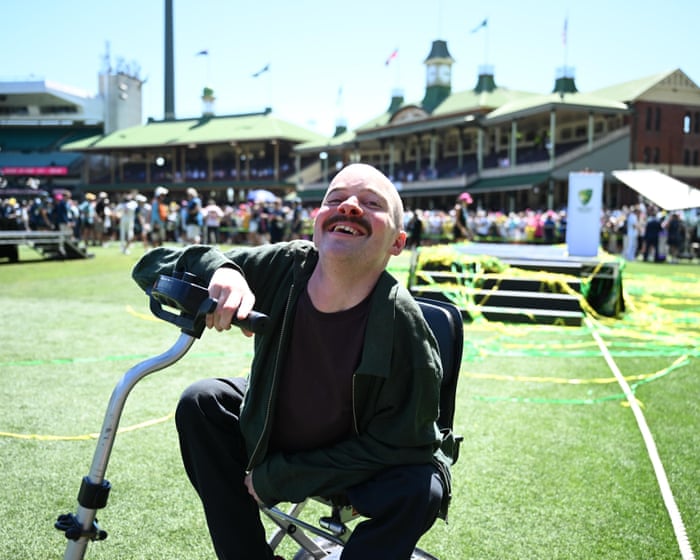
England’s Ashes has been a disaster but touring Australia with a disability has been ‘too easy’

Going to Australia as a freelance journalist with a form of muscular dystrophy was not without trepidation but an away Ashes was too good to pass up

“Australia is not for weak men.” Had I heard Ben Stokes’s words in Brisbane earlier perhaps I wouldn’t have decided to cover the Ashes series as a freelancer. Had I known how England were going to play, I almost certainly wouldn’t.

My attendance was not in any way predicated on how well England might do in the series – making decisions based on the potential success of the English cricket team can only lead to madness. But having been born with a form of muscular dystrophy, the physical requirements of an eight-week tour to Australia were more of a consideration.

Continue reading...

© Photograph: Gareth Copley/Getty Images
© Photograph: Gareth Copley/Getty Images
© Photograph: Gareth Copley/Getty Images

  •  

Is it true that … stretching before exercise prevents injury?

Loosening your muscles is beneficial, but choosing the right type of movement for your chosen exercise is key

It depends on what kind of stretching you’re doing, says Dr Alex Dinsdale, senior lecturer in sport and exercise biomechanics at Leeds Beckett University.

Injuries, he says, happen for all sorts of reasons, from poor footwear to fatigue. Two key factors are not having the range of motion required or not being strong enough to control that motion. “You might go for a run and lift your knees higher than your hamstrings can manage,” he says. Or you might lack the muscle strength needed to handle moving a limb at speed.

Continue reading...

© Illustration: Becky Barnicoat/The Guardian

© Illustration: Becky Barnicoat/The Guardian

© Illustration: Becky Barnicoat/The Guardian

  •  

How a family were shocked by allegations about a dead dad’s double life: best podcasts of the week

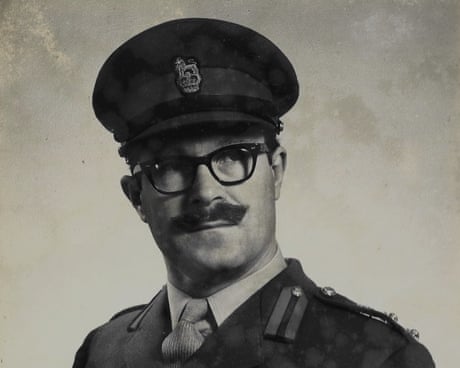
Was British army major Robbie Mills leading a secret double life? Or was his post-humous accuser hoodwinking Mills’ family? A true-crime investigation finds out

A true-crime investigation into the supposed secret double life of British army major Robbie Mills. After Mills died in 1955, apparently from an accident on a submarine, a man called John Cotell turned up at his home claiming to be a friend of his – and a fellow spy. Journalist Eugene Henderson tells the troubling tale of Cottell, who rapidly insinuated his way into the Mills family’s lives. Alexi Duggins
Widely available, episodes weekly

Continue reading...

© Photograph: PR

© Photograph: PR

© Photograph: PR

  •  

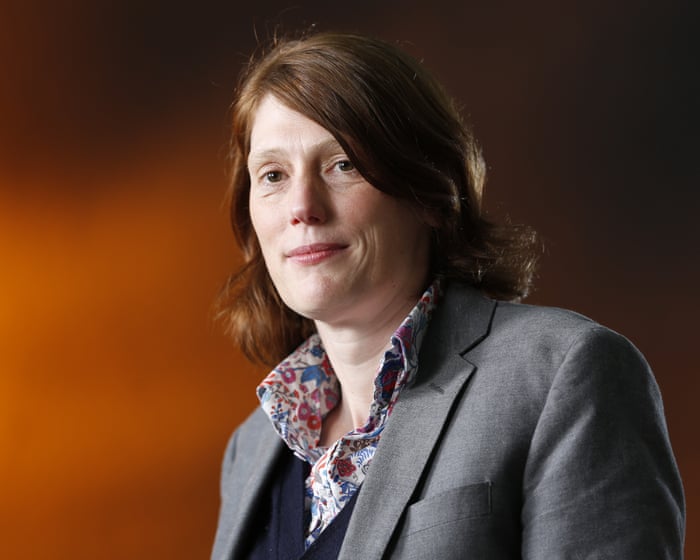
Seven by Joanna Kavenna review – a madcap journey to the limits of philosophy

With its cast of thinkers, gamers and artists, this romp across Europe explores our desire to define reality – even as it slips from our intellectual grasp

Joanna Kavenna’s two decades as a writer have seen her beat a gorgeously unconventional path through a plethora of subjects and genres, from polar exploration to motherhood to economic inequality, and from travelogue to academic satire to technological dystopia. “I like genre,” Kavenna said in a 2020 interview, “because there’s a narrative and you can kind of work against it, test it.” That being said, her seventh published book, Seven, is a curiously uncategorisable, protean thing: a slim, absurdist novel, but chunky with ideas.

Of all the genres Kavenna has worked within – or, more accurately, vexed the boundaries of – Seven (Or, How to Play a Game Without Rules) is probably closest to an academic satire. We first encounter the novel’s thoroughly anonymised first-person narrator in Oslo in the summer of 2007, where he or she or they are employed as a research assistant to a renowned Icelandic philosopher named Alda Jónsdóttir. Jónsdóttir is described as “eminent, tall, strong and terrifying”, and likes to host dinner parties for her histrionic institutional peers. The hapless narrator’s job is to help facilitate her work in “box philosophy”: “the study of categories, the ways we organise reality into groups and sets […] the ways we end up thinking inside the box, even when we are trying to think outside the box”.

Continue reading...

© Photograph: Murdo Macleod/The Guardian

© Photograph: Murdo Macleod/The Guardian

© Photograph: Murdo Macleod/The Guardian

  •  

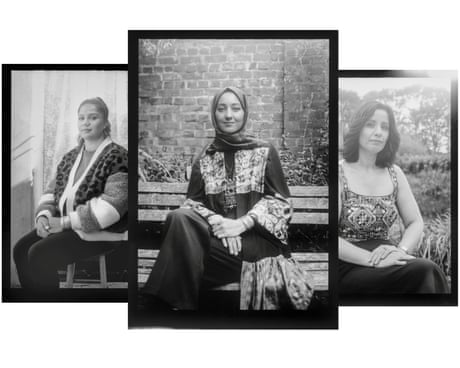
Afghan women in the UK: amplifying their voice – a photo essay

Over four years have passed since the Taliban returned to power in Afghanistan. Claudia Janke’s photographic series features 7 Afghan women who have found safety in the UK after escaping at great personal risk. She worked using an Instant Box Camera, the only type of camera allowed under the Taliban’s first regime, reclaimed for the these women to amplify their voices

Since the Taliban’s return to power in Afghanistan in 2021, the regime has imposed sweeping restrictions on the rights of women and girls, with devastating consequences for society. Girls are barred from attending school beyond the sixth grade, and women are prohibited from working, appearing on television, leaving the house alone, and singing or speaking in public. They have been systematically erased from public life.

A recent UN Women report underscores the scale of this repression. The Afghanistan Gender Index 2025 reveals, among other findings:

No female representation in national or local decision-making bodies.

A complete ban on secondary education for girls.

A staggering 76% gender gap across health, education, finance, and governance – one of the worst in the world.

Continue reading...

© Composite: Claudia Janke

© Composite: Claudia Janke

© Composite: Claudia Janke

  •  

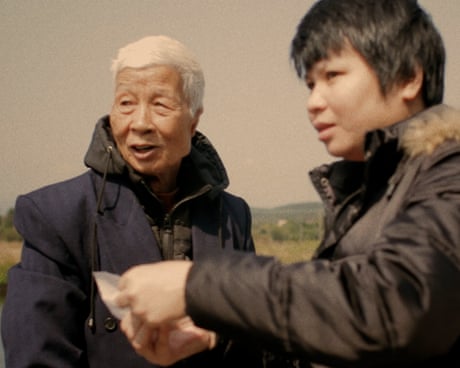
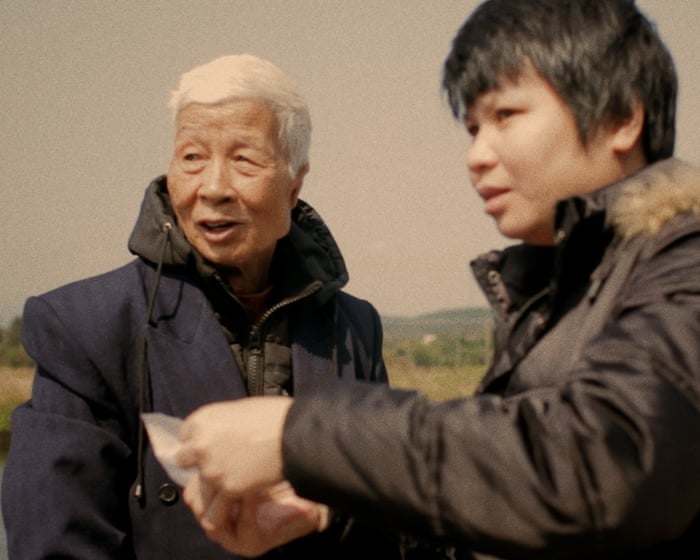
Guián review – celebration of multicultural identity through a Chinese grandmother in Costa Rica

Director Nicole Chi Amén embarks on a journey to learn more about her own mixed cultural heritage after the death of her Guangdong-born grandma

Nicole Chi Amén, a Costa Rican woman of Chinese descent, has always been on the outside looking in. The opening scene of her moving debut feature replicates this predicament visually: her face pressed against a metal barricade, she looks through a hole in the opaque facade with interest. The camera is observing, too, and the sight of a house being torn down gradually comes into view. This was once the home of her maternal grandmother, a Guangdong native who emigrated to Costa Rica more than 60 years ago. Conceived in the aftermath of her passing, Amén’s film probes the fragility as well as the resilience of cultural heritage as she embarks on a journey of self-discovery.

Since neither Amén nor her grandmother speaks the other’s native language, a barrier looms large in their relationship. Even “guián”, the name Amén used to call her grandma, is a linguistic hiccup; the word refers to a paternal grandmother in the Enping dialect, a variation of Cantonese. In fact, miscommunication surrounds Amén wherever she goes. In a revealing sequence stitched together from various taxi rides, she is constantly queried by drivers confused by her multicultural identity. Seemingly innocuous, their prying betrays startling ignorance and racist prejudice. The same situation recurs when she travels to Guangdong to get closer to her roots, only this time the people asking these questions look like her.

Continue reading...

© Photograph: True Story

© Photograph: True Story

© Photograph: True Story

  •  

A new start after 60: I adopted a Guide Dog mum – and found true love, community and confidence

After her husband died suddenly, and her children left home, teacher Helen Smith started to question everything in her life. Then a radio programme about a shortage of Guide Dogs gave her an idea

Helen Smith was cleaning her bathroom and listening to the radio, some time after the pandemic, when a story came on about a shortage of guide dogs. The pandemic had made it hard to breed puppies. One vision-impaired owner faced a two-year wait for a new dog. Knowing the importance of her own relationship with dogs, Smith was overcome with sadness for him. Right then, she thought, “Well, what am I going to do with the rest of my life?”

She was living in the south of Hesse, in Germany, having moved in 1998 from Shropshire for her husband’s work. Their daughters were nine and three. The family settled. They got a dog. Smith found tutoring work and started a business teaching English.

Tell us: has your life taken a new direction after the age of 60?

Continue reading...

© Photograph: Guide Dogs

© Photograph: Guide Dogs

© Photograph: Guide Dogs

  •  

March of the penguins: the Golden Globes red carpet marks the return of the staid black suit

The performative male was over at the 2026 Golden Globes, where even risk-takers like Timothée Chalamet, Jacob Elordi and Jeremy Allen White did little to temper the black tie stuffiness

Timothée Chalamet was the final clue. As he arrived in good time on the Golden Globes red carpet, the star of Marty Supreme put pay to speculation as to whether the chromatic marketing of the film’s ping pong balls would have him wearing orange. Instead, he wore a black T-shirt; vest, jacket and Timberland boots with silver buttons by Chrome Hearts, souped up with a five-figure Cartier necklace. Kylie Jenner, his partner and sartorial foil, was nowhere to be seen.

Styled by Taylor McNeill, who was also responsible for Chalamet’s wildly amusing if chaotic red carpet campaign for the film, the look was bad boy Bond. It also set the tone for an evening of subdued tones. If we thought the penguin suit had gone extinct, we were wrong. The performative male is over – welcome to the return of the staid suit.

Continue reading...

© Composite: Guardian Design

© Composite: Guardian Design

© Composite: Guardian Design

  •  

Publishers fear AI search summaries and chatbots mean ‘end of traffic era’

Media bosses expect web referrals to plunge and want journalists to emulate content creators, report finds

Media companies expect web traffic to their sites from online searches to plummet over the next three years, as AI summaries and chatbots change the way consumers use the internet.

An overwhelming majority are also planning to encourage their journalists to behave more like YouTube and TikTok content creators this year, as short-form video and audio content continues to boom.

Continue reading...

© Photograph: NurPhoto/Getty Images
© Photograph: NurPhoto/Getty Images

© Photograph: NurPhoto/Getty Images

  •  

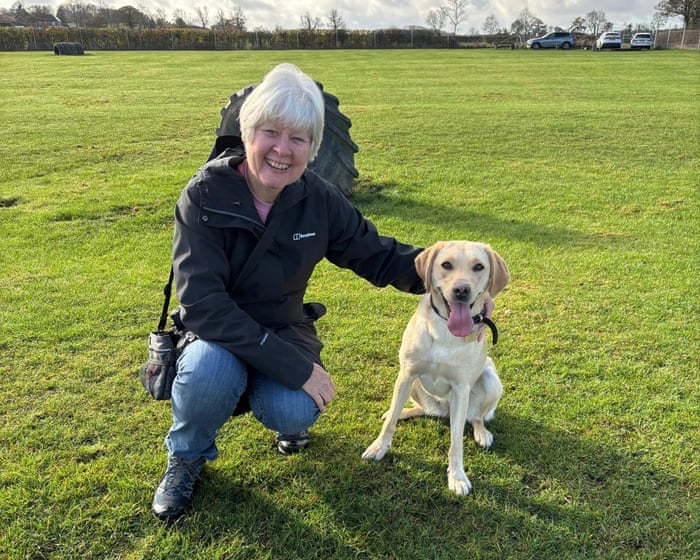
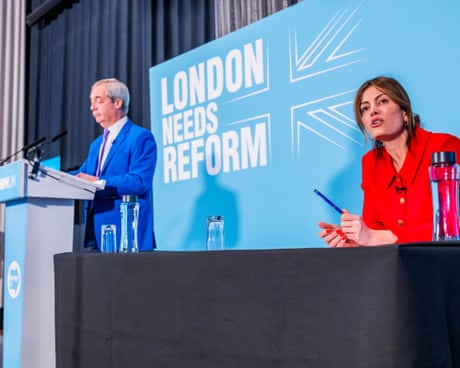
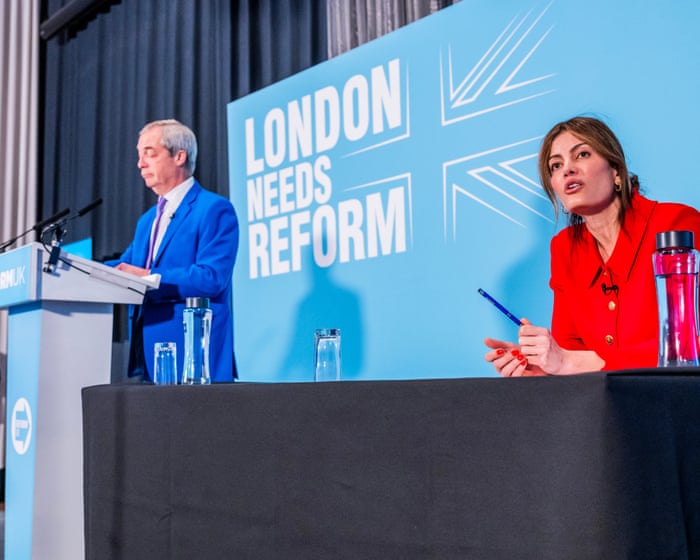
Sorry, Trump and Farage – London is no lawless ‘warzone’. Violent crime is lower than ever | Sadiq Khan

Reform’s new candidate for mayor claims people pity Londoners for living in an unsafe capital. But the evidence is clear: we’re making our streets safer

Last year, something extraordinary happened in London. As the conversation about crime got even louder, London quietly reached the lowest per capita homicide rate in its recorded history. Even London’s harshest critics have to accept this is impressive progress.

For too many, it will no doubt come as a surprise. In recent years, politicians and commentators have sought to spam our social media feeds with an endless stream of distortions and untruths – painting a dystopian picture of a lawless place where criminals run rampant.

Sadiq Khan is the mayor of London

Continue reading...

© Photograph: Guy Bell/Shutterstock

© Photograph: Guy Bell/Shutterstock

© Photograph: Guy Bell/Shutterstock

  •  

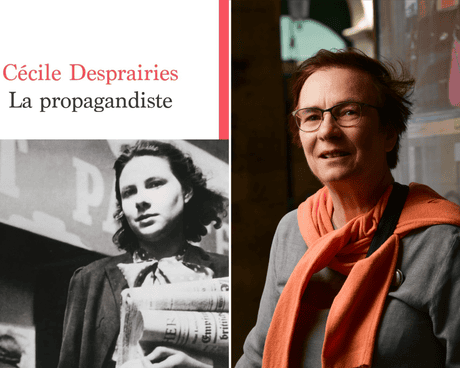
‘Act of family vengeance’: French defamation case highlights perils of writing autofiction

Complaint against Cécile Desprairies over Nazi collusion novel alleges that ‘resentment permeates the entire work’

The Polish poet Czesław Miłosz is famously credited with the line: “When a writer is born into a family, the family is finished.” In contemporary European literature, a book these days is often the beginning of a familial feud. With thinly disguised autobiographical accounts of family strife undergoing a sustained boom across the continent, it can increasingly lead to family reunions in courtrooms.

Such was the case with the French historian Cécile Desprairies, who on Wednesday was sued for defamation by her brother and a cousin over the depiction of her late mother and her great-uncle in her 2024 novel La Propagandiste.

Continue reading...

© Composite: pr

© Composite: pr

© Composite: pr

  •  

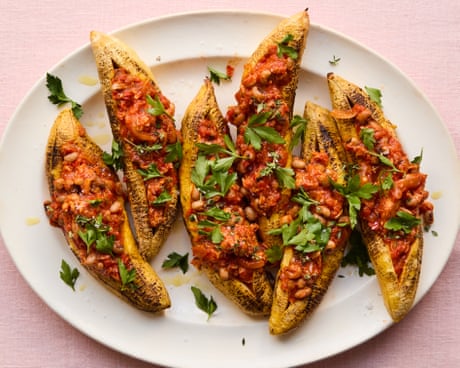
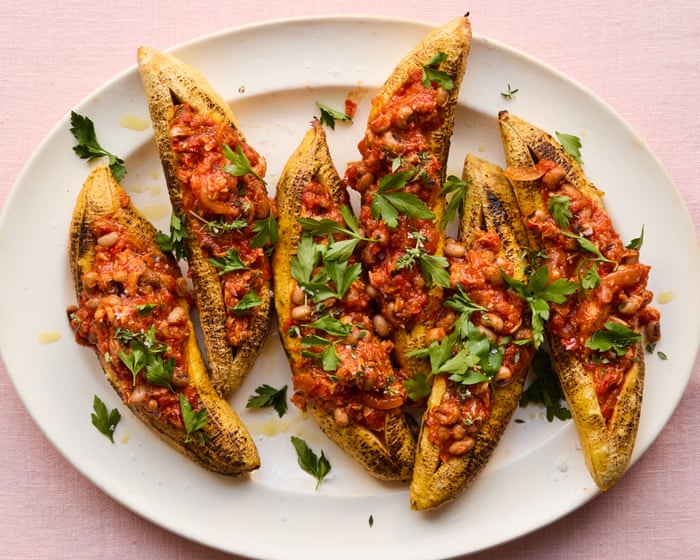
West African sunshine dishes: Toyo Odetunde’s chicken yassa pot pie and stuffed plantain boats – recipes

Beat the winter blues with a soul-soothing, Senegalese-inspired spiced chicken pie and hearty Nigerian plantain boats stuffed with black-eyed beans

If there’s anything that can assuage my winter blues, it’s a soul-soothing chicken pie. I’ve long enjoyed innovating fusions between west African and other cuisines, and today’s marriage of a deeply flavourful Senegalese chicken yassa-inspired filling in buttery, flaky puff pastry is one of my all-time favourites. But, first, my take on hearty Nigerian stewed beans – ewa riro – using tinned beans for added convenience. Typically paired with ripe plantain, I use the rich beans to fill canoas (plantain boats) in a playful, Latin American-inspired twist.

Continue reading...

© Photograph: Ola O Smit/The Guardian. Food styling: Tamara Vos. Prop styling: Florence Blair. Food styling assistant: Lucy Ellwood.

© Photograph: Ola O Smit/The Guardian. Food styling: Tamara Vos. Prop styling: Florence Blair. Food styling assistant: Lucy Ellwood.

© Photograph: Ola O Smit/The Guardian. Food styling: Tamara Vos. Prop styling: Florence Blair. Food styling assistant: Lucy Ellwood.

  •  

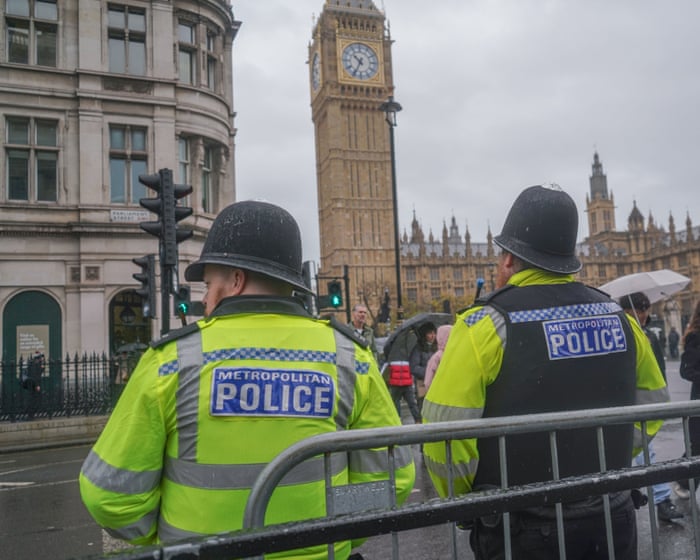
London’s homicide rate drops to lowest in more than a decade

Sadiq Khan says ‘public health’ approach has made the capital one of the safest cities in the western world

London’s murder rate has dropped to its lowest in more than a decade with police in the capital and the mayor saying it is now one of the safest cities in the western world.

The figures come as those on the radical right criticise the city for having a crime problem, hoping to gain politically from such claims being believed.

Continue reading...

© Photograph: Amer Ghazzal/Shutterstock

© Photograph: Amer Ghazzal/Shutterstock

© Photograph: Amer Ghazzal/Shutterstock

  •  

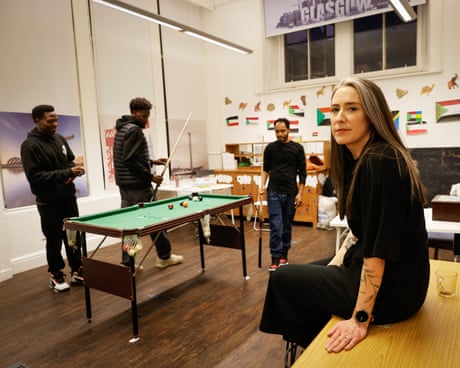
‘The response is a beautiful thing’: how Glasgow is squaring up to Reform

In the face of Nigel Farage, flag-waving and a longstanding housing crisis, some Glaswegians are taking on anti-immigration rhetoric

Selina Hales has a thing about pineapples. She is talking in a quiet office, set aside from the bustle of Refuweegee, the charity she founded 10 years ago, and the walls are festooned with tissue paper cutouts of the fruit, which is an international symbol of hospitality.

Refuweegee – its name a combination of the words “refugee” and “Weegee”, local slang for Glaswegian – has expanded exponentially over the decade into an operation that supports hundreds of asylum seekers and refugees in the city every day. Back then, she had a simple idea about making welcome packs, each one including a handwritten letter from a Glasgow resident. “One of our very favourite early letters said: “Welcome to Glasgow. I like pineapples. What do you like?”

Continue reading...

© Photograph: Murdo MacLeod/The Guardian

© Photograph: Murdo MacLeod/The Guardian

© Photograph: Murdo MacLeod/The Guardian

  •  

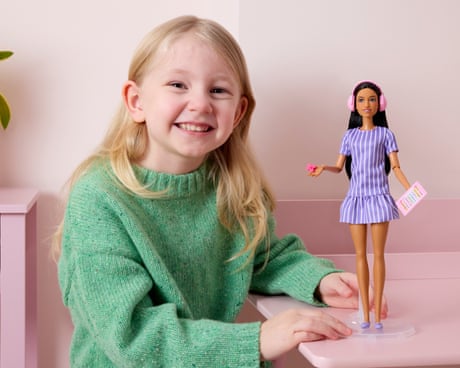
Mattel launches its first autistic Barbie

Company says doll is the latest expansion of its commitment to representation and inclusion

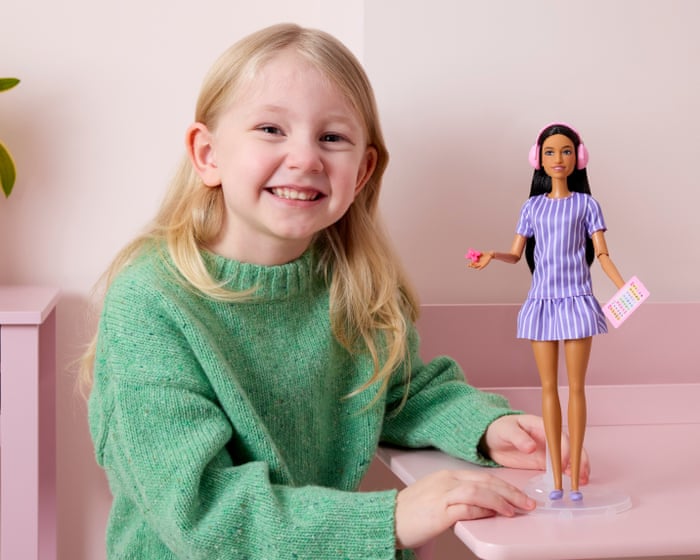
With an animated Barbie film in development, following the success of Greta Gerwig’s 2023 blockbuster movie, Mattel Studios will certainly have a diverse range of characters to bring to life.

On Monday, Mattel launches its first autistic Barbie. Coming barely six months after its first doll with type 1 diabetes, this newest addition to Barbie’s Fashionistas range is designed so that more children “see themselves in Barbie” and to encourage all children to play with dolls that reflect the world around them.

Continue reading...

© Photograph: Paul Michael Hughes

© Photograph: Paul Michael Hughes

© Photograph: Paul Michael Hughes

  •  

The friendship secret: why socialising could help you live longer

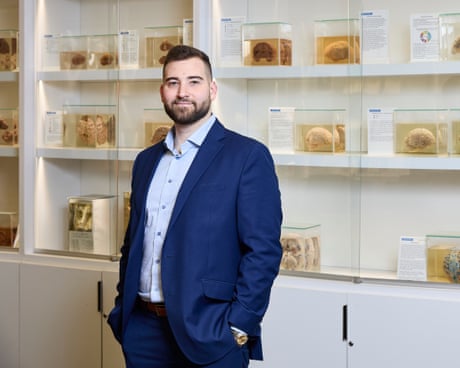
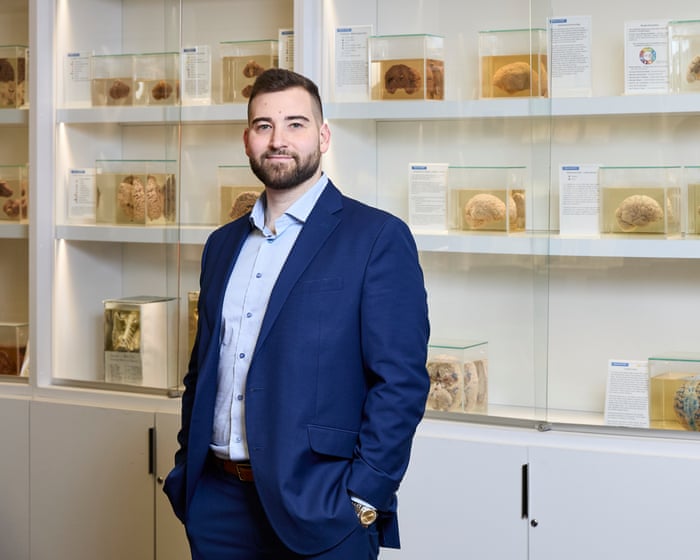
Neuroscientist Ben Rein is on a mission to show that being around others not only feels good, but can even improve recovery from strokes, cancer and heart attacks. So why are so many of us isolated and glued to our phones?

‘I hate it.” I’ve asked the neuroscientist Ben Rein how he feels about the online sea of junk neuroscience we swim in – the “dopamine fasts”, “serotonin boosts” and people “regulating” their “nervous system” – and this is his kneejerk response. He was up early with his newborn daughter at his home in Buffalo, New York, but he’s fresh-faced and full of beans on a video call, swiftly qualifying that heartfelt statement. “Let me clarify my position: I don’t hate it when it’s accurate, but it’s rarely accurate.”

He draws my attention to a reel he saw recently on social media of a man explaining that reframing pain as “neurofeedback, not punishment” activates the anterior cingulate cortex (a part of the brain involved in registering pain). “That’s genuinely never been studied; you are just making this up,” he says. He posted a pithy response on Instagram, pleading with content creators to “leave neuroscience out of it”. “That’s why I think it’s especially important for real scientists to be on the internet,” he says. “We need to show the public what it looks like to speak responsibly and accurately about science.”

Continue reading...

© Photograph: Brandon Watson/The Guardian

© Photograph: Brandon Watson/The Guardian

© Photograph: Brandon Watson/The Guardian

  •  

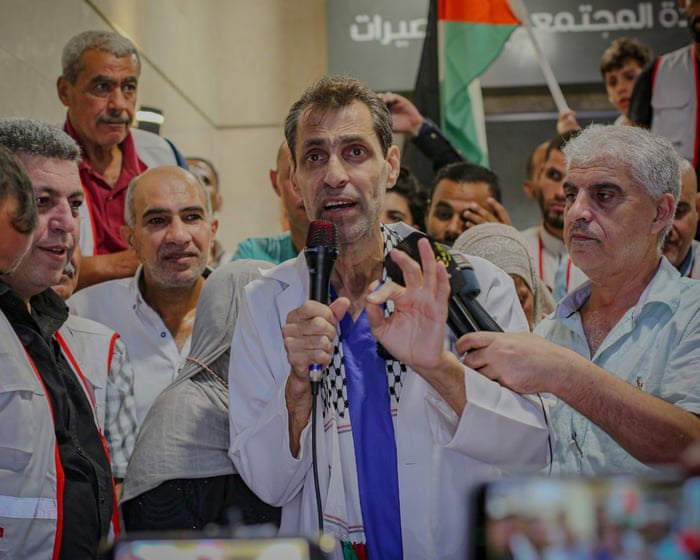
No staff, no equipment, no medicine: a doctor on returning to Gaza after 665 days in an Israeli prison

Dr Ahmed Muhanna, one of the country’s most senior emergency care consultants, says the scale of destruction he saw on his release brought him to tears

The only thing that kept Dr Ahmed Muhanna going during his 22 months inside Israeli prisons and detention centres was dreaming of his return to his family and to Gaza. When he was finally released after 665 days as a prisoner, he arrived home to find every place he had returned to in his memories had been obliterated.

While in prison, he and the other inmates were “completely cut off from the outside world”, he says. When he was released he was driven over the border and through Gaza to his hospital, the al-Awda. The scale of the destruction he saw “made my skin crawl … my chest tightened and my tears began to flow”.

Continue reading...

© Photograph: courtesy

© Photograph: courtesy

© Photograph: courtesy

  •  

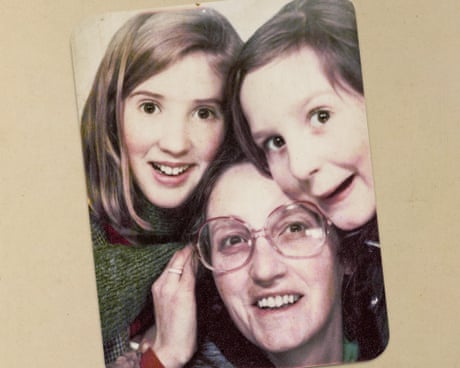
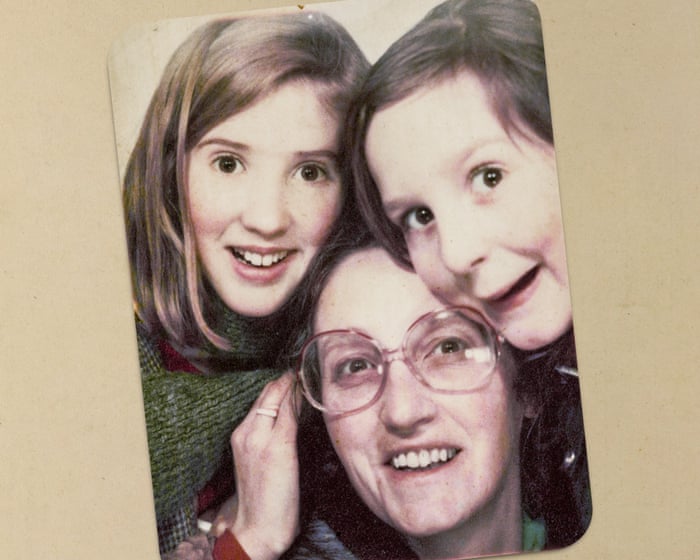
My favourite family photo: ‘We’re plainly not allergic to our mother here, as her legend always had it’

Our politically engaged mother loved deriding me and my sister for being stroppy and delinquent. This picture tells another story – and is a testament to our sunny dispositions

My mother, Gwen, liked to describe things in broad brush strokes. Me and my sister’s teenage years, mid-80s to early 90s, she’d cover with: “Zoe was delinquent, couldn’t get a word of sense out of her.” Or: “1986? That was the year Stacey was awful.” Going through photo albums to make a montage for her funeral, all her pictures from that era were testament to our ill-behaviour: me, sniffing a geranium, sarcastically; Stace, outside a cafe in an indeterminable European city where you can almost lip-read her stroppy “piss off” to camera in the still moment.

Gwen was politically engaged – you’d come downstairs on a Wednesday morning to find a handwritten letter starting, “Dear Pérez de Cuéllar, I cannot deplore enough your silence on the matter of the Western Sahara” – and heavily involved in progressive politics: our kitchen was full of posters that would have to catch on fire before they’d ever get taken down. There was one fighting pit closures, for example, right next to one about having no planet B, and mum went heavy on the spoof public information campaigns. Instead of the government’s “protect and survive” leaflets, telling you how to survive a nuclear war by taking a door off its hinges and propping it against a wall, there was a “protest and survive” poster; a rip-off of the “Don’t Die of Ignorance” HIV campaign, which said something like “Don’t Die of Tories”, and “Heroin isn’t the only thing that damages your mind”, featuring a man reading (I think?) The Sun.

Continue reading...

© Composite: Guardian Design; handout

© Composite: Guardian Design; handout

© Composite: Guardian Design; handout

  •  

What can the EU and Nato do to stop Trump from trying to claim Greenland?

The territory and the European bloc are trying to see off the US president, who has said control of Greenland is essential to national security

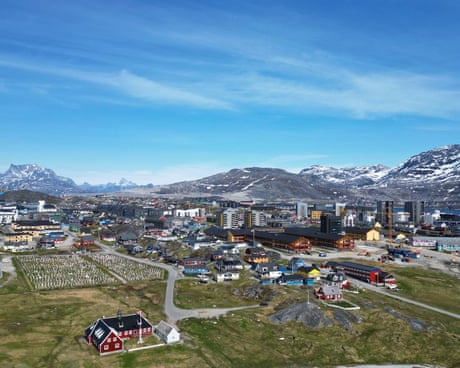
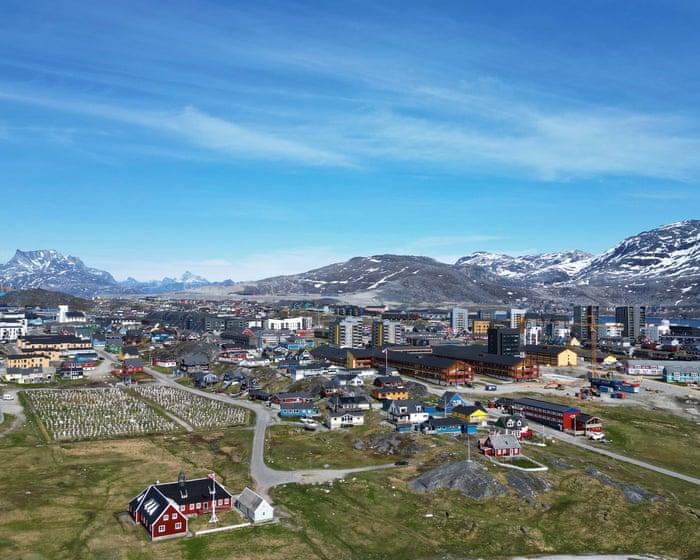
The Trump administration has said repeatedly that the US needs to gain control of Greenland, justifying its claim from “the standpoint of national security” and warning that it will “do something” about the territory “whether they like it or not”.

This puts the EU and Nato in a difficult spot. Greenland, a largely self-governing part of Denmark, is not a member of the bloc but Denmark is; while the Arctic island is covered by the defence alliance’s guarantees through Denmark’s membership.
Continue reading...

© Photograph: Kwiyeon Ha/AP

© Photograph: Kwiyeon Ha/AP

© Photograph: Kwiyeon Ha/AP

  •  

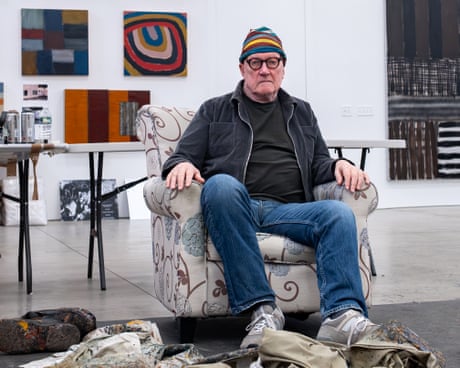
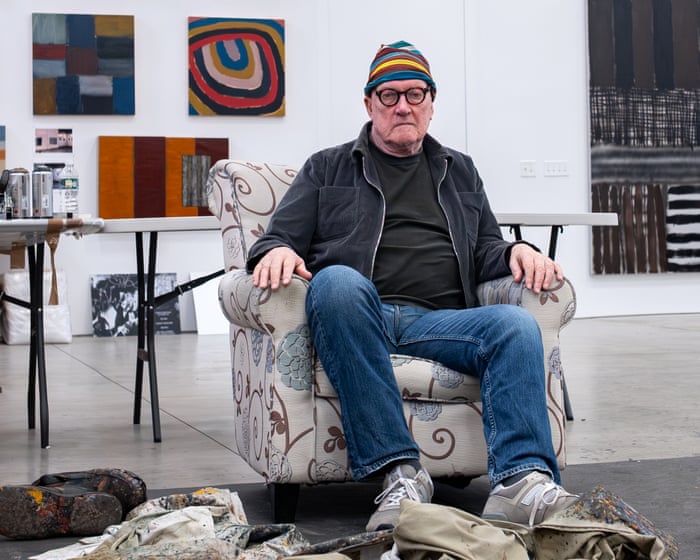
‘I’m the product of a smashed-up family’: how Sean Scully became the greatest abstract painter alive

He has survived loss, breakdown and schooling by ‘scary nuns’, but the anguish is still there in his art. As his new show thrills Paris, the US-based, Irish-born artist talks about the pain that drives him

When I ask Sean Scully what an abstract painting has over a figurative one it’s music he reaches for. “You might ask, what’s Miles Davis got over the Beatles? And the answer is: doesn’t have any words in it. And then you could say, what have the Beatles got over John Coltrane? Well, they’ve got words.”

It’s clear which choice he has made. Scully, who paints rectangles and squares and strips of colour abutting and sliding into each other, is an instrumentalist in paint rather than a pop artist. The meaning of his art is something you feel, not something you can easily describe. He has more in common with Davis and Coltrane than with the Beatles. In addition to improvisational brilliance, his new paintings even colour-match with Coltrane’s classic album Blue Train and Davis’s Kind of Blue. For Scully, the greatest living abstract painter, is playing the blues in Paris. In his current exhibition at the city’s Thaddaeus Ropac Gallery, long, textured blue notes as smoky as a sax at midnight alternate and mingle with black and red and brown in a slow, sad, beautiful music that doesn’t need words, art that doesn’t require images.

Continue reading...

© Photograph: Richard Beaven/The Guardian

© Photograph: Richard Beaven/The Guardian

© Photograph: Richard Beaven/The Guardian

  •  
❌