 Connexion
Power without a throne: how Khalifa Haftar controls Libya – and is answerable to no one

When Nato helped overthrow Gaddafi in 2011, there were hopes of a new beginning. A decade later, this former CIA asset runs the country – and Libya has become yet another lesson in the unintended consequences of foreign intervention
In July 2025, four of Europe’s most senior officials landed in eastern Libya for an urgent meeting. Italy’s interior minister had watched migrant arrivals surge during the previous six months. Greece’s migration chief was reeling after 2,000 people reached Crete in a single week. Malta’s home minister feared his island was next. And the EU’s migration commissioner was scrambling to rescue an agreement worth many hundreds of millions that was visibly failing to stop the boats.
Libya is a place where crises converge. Its 1,100-mile coastline, the Mediterranean’s longest, has become the main departure point for migrants heading north. Since Muammar Gaddafi was toppled in 2011, the country has been torn apart by successive civil wars. Russia, Turkey, Egypt and the UAE arm rival factions, and the contest no longer stops at Libya’s borders. From military bases in the south, Russia and the UAE funnel weapons and fighters into Sudan’s civil war, which has driven hundreds of thousands more refugees north towards Libya’s coast.
Continue reading...
© Composite: Artwork by Alex Mellon and Guardian Design. Source Photographs by Reuters/AFP/Getty Images
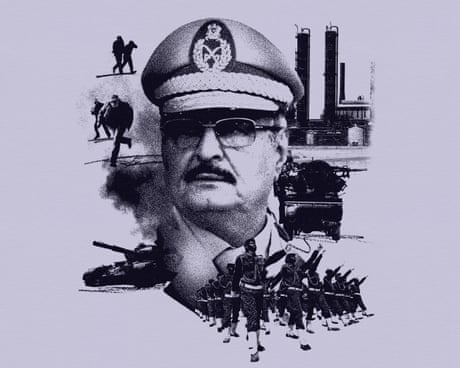
© Composite: Artwork by Alex Mellon and Guardian Design. Source Photographs by Reuters/AFP/Getty Images
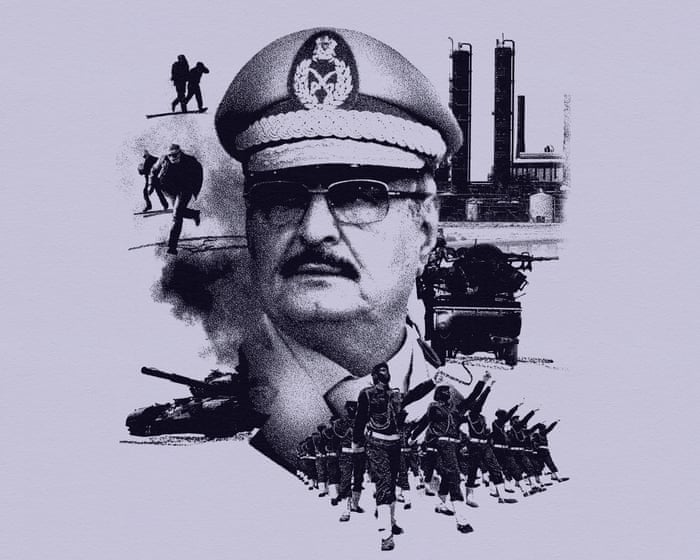
© Composite: Artwork by Alex Mellon and Guardian Design. Source Photographs by Reuters/AFP/Getty Images
