Connexion
I suddenly went blind 2,000 miles from home – alone, penniless and confused

In 1990, Gary Williamson was 18, backpacking in Europe, when his vision began to fail. It was the start of a perilous journey
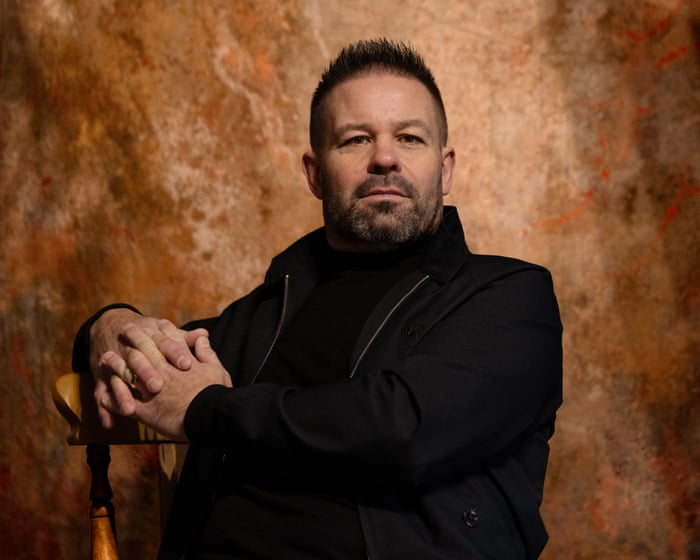
The first sign that something was wrong was the blurred text in the book Gary Williamson was reading. The problem with his vision had come on suddenly – the day before, it had been normal. Williamson thought perhaps he was tired, or run down. He was 18 and had arrived in Gibraltar after travelling through Europe for two weeks, sleeping rough and not eating or drinking properly. “I’ll go and get some water and something to eat. I thought: maybe it’s nothing. I’ll see how I am tomorrow. The next day, I woke up and it was bad again.” He remembers cautiously getting out his book to test his eyesight: “It’s actually getting worse. I can’t read it now. The lines were starting to blur.” He had relied on a map to get him that far. “I remember thinking: that’s going to become useless very soon. I need to work out what I’m doing.” He needed to get home.
It was 1990, and Williamson didn’t think to call home to ask for help. With no money left – he had made it to Gibraltar four days earlier with the intention to find work – he decided to hitch a lift, thinking a UK-bound lorry would be his best bet. He made it to the gates where the haulage lorries left the port, threw down his backpack by the side of the road and waited. None of the lorries stopped to pick him up. He was, he says, “panicking a little bit, thinking: what do I do? It was harder than I thought it was going to be.” Around 6pm, he gave up. He went back to where he had been sleeping, on a patch of sandy ground behind a sandwich stall over the Spanish border. Before he went to sleep, he wished that he would get a lift the next day, and that his eyesight wouldn’t be any worse. When he woke up, it was.
Continue reading...
© Photograph: Gary Calton/The Guardian

© Photograph: Gary Calton/The Guardian
© Photograph: Gary Calton/The Guardian