 Connexion
In the age of the ‘rough sex defence’, Emerald Fennell’s treatment of Wuthering Heights’ Isabella Linton is grotesque

By portraying the young woman Heathcliff abuses as a sexily willing participant in her own degradation, Fennell’s adaptation betrays the book, and her audience
Tragedy is the beating heart of Emily Brontë’s Wuthering Heights; it’s a gothic novel that takes place in a society built on hierarchy and oppression, and exposes the fragility of love and how easily it is distorted into dangerous obsession. Unsurprisingly, there is no happy ending.
Although every character in the novel is stalked by tragedy, few suffer as much as Isabella Linton. Unaware of Heathcliff’s vindictive motives, she becomes trapped in an intensely abusive marriage, one she is only freed from by fleeing to London. While she is undoubtedly a victim, in the end the character also has agency; Isabella is able to escape her abuser, though not without considerable scars. It’s a pivotal moment for her character, and one that she’s been stripped of in Emerald Fennell’s quote-unquote “adaptation”.
Continue reading...
© Photograph: Warner Bros. Ent. All Rights Reserved/PA
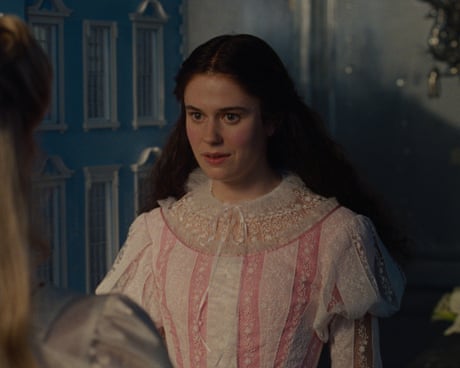
© Photograph: Warner Bros. Ent. All Rights Reserved/PA
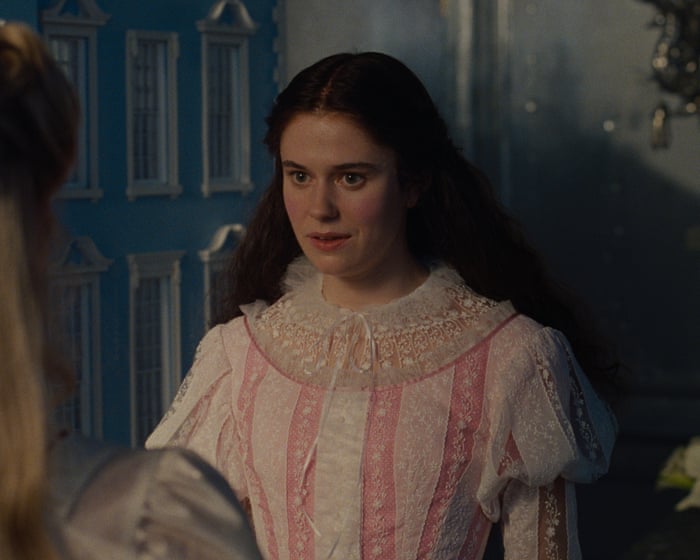
© Photograph: Warner Bros. Ent. All Rights Reserved/PA
