 Connexion
Why food justice isn’t being served in America

Advocates often assume communities of color just don’t know any better when it comes to eating healthy
I met the man I’ll call Randy Johnson 13 years ago, as I began research in South Central Los Angeles. I’m an anthropologist who explores how people think about food and use food in their everyday lives. As executive director of a large food justice organization focused on K-12 education throughout the city, Randy was a key source. He talked to me about South Central’s status as a food desert, where its majority Latinx and Black residents had little access to groceries or healthy food. A middle-aged white man, Randy told me of his work in South Central, which centered around encouraging school-age children to eat more fresh vegetables.
He described South Central as a wasteland of sorts. “There is just nothing there,” he said, pointing to the common but false idea that there were no grocery stores there. He then pivoted to talking about the residents. “I see them having almost zero education when it comes to [making healthy eating choices]. They don’t know that what they’re eating is destroying them slowly. It’s just that we, as a society, have failed our citizens to educate them that they shouldn’t be buying the fries every day.”
Hanna Garth is assistant professor of anthropology at Princeton University
Continue reading...
© Photograph: Allen J Schaben/Los Angeles Times/Getty Images
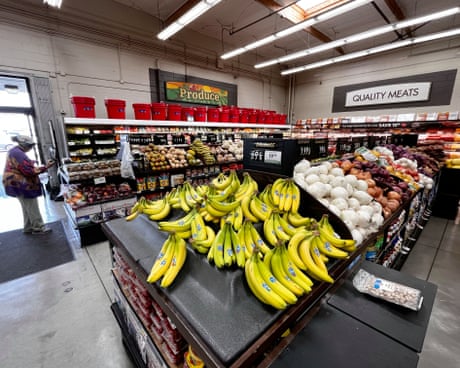
© Photograph: Allen J Schaben/Los Angeles Times/Getty Images
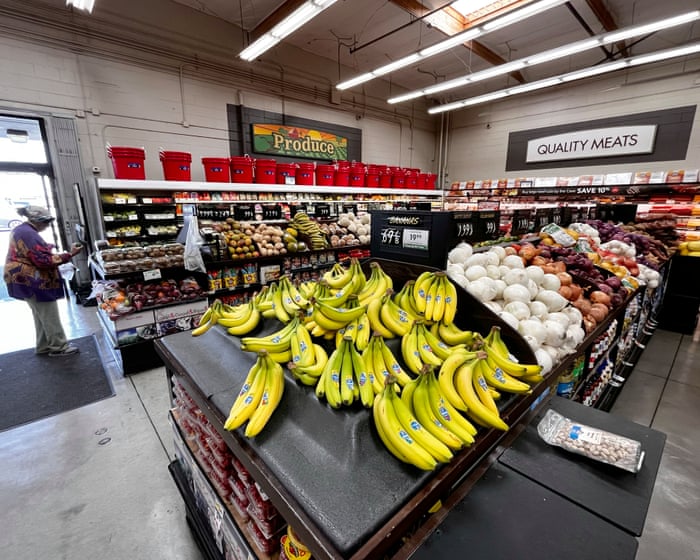
© Photograph: Allen J Schaben/Los Angeles Times/Getty Images
