 Connexion
Glyph by Ali Smith review – bearing witness to the war in Gaza

This second novel in a sharp duology offers a powerful interrogation of language in the age of mechanical mass destruction
Never knowingly unknowing, Ali Smith pre-empts the most likely criticism of her latest novel, Glyph, when a character says: “I’m just not sure that books that are novels and fiction and so on should be so close to real life … or so politically blatant.”
Glyph, which follows sisters Petra and Patch as they reflect on childhood attempts to grapple with the finality of death following the loss of their mother, goes further than any of Smith’s recent work in robustly answering this charge. While the Seasonal Quartet playfully anatomised the social fracture of post-Brexit Britain, and immediate predecessor Gliff dealt with the violence of the securitised state, Glyph, in its explicit engagement with the Israeli government’s apartheid and genocide in Palestine, raises the ethical stakes decisively. To engage in a Smithian pun – this is Art in the Age of Mechanical Mass Destruction.
Continue reading...
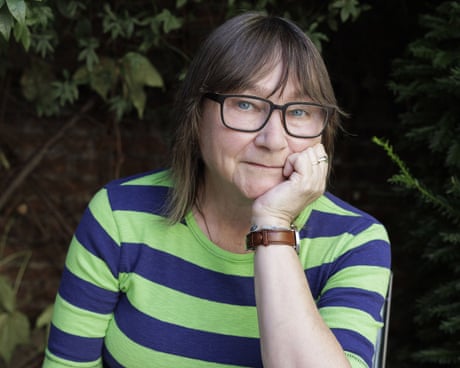
© Photograph: Isabella De Maddalena/opale.photo/eyevine
© Photograph: Isabella De Maddalena/opale.photo/eyevine
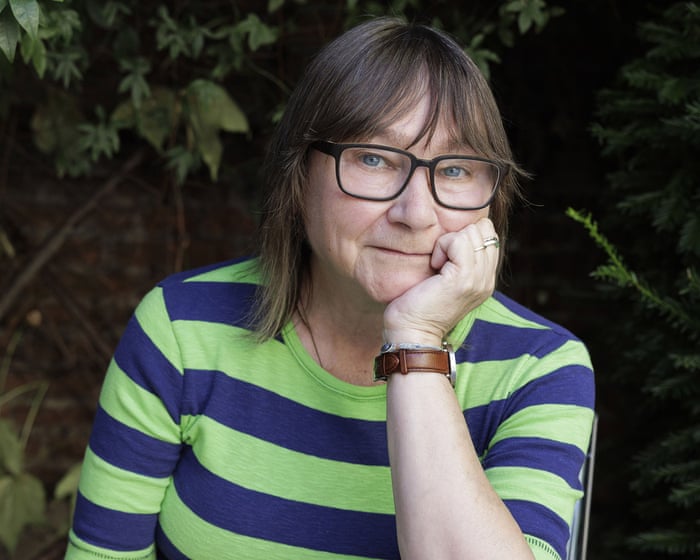
© Photograph: Isabella De Maddalena/opale.photo/eyevine
