While consoles are of course first and foremost used to play video games, their utility as an all-round media player is not to be dismissed, starting with support for DVDs, then Blu Rays and streaming services. With the console now over 20 years old, Netflix has announced they are officially dropping support for the PS3 next month.
As discovered by one ResetEra user, in going to the Netflix app on PS3 subscribers are now met with the message “Unfortunately, Netflix will no longer be available on this device after March 2, 2026.”
While not too much of a surprise given the age of the console, many users have expressed disappointment with the announcement, especially as the PS3 version allowed for native 4:3 content support (and did not feature any ads).
Still, while unfortunate to see, it was only a matter of time. Given the continued popularity of the PS4, it will be interesting to see how many more years of support it will receive.
KitGuru says: Did you stream Netflix on your PS3 back in the day? How many people do you reckon were still using the console in 2026? Let us know your thoughts down below.
MindsEye was easily one of 2025’s biggest fumbles, with the ambitious title from ex-Rockstar president Leslie Benzies and studio Build A Rocket Boy receiving less-than-stellar reviews upon its initial launch last year. Being the first title released via IO Interactive’s publishing division, MindsEye was not the greatest of starts for this partnership – with studio Build a Rocket Boy now reportedly set to cut ties with its publisher.
As reported by known leaker Tom Henderson via Insider-Gaming, Build a Rocket Boy “are planning to announce soon that they have decided to part ways with their publisher, IO Interactive.”
According to the report, this decision is being made in order to “bring its publishing in-house and gain more control over its future. That includes faster decision-making, simpler communication, and greater control over the player experience.”
As per the report, the choice to part ways was supposedly made by Build a Rocket Boy and not IOI. That said, back in September of last year IO Interactive revealed that they would be backing away from publishing other studios’ titles – and so Build a Rocket Boy’s desire to part ways likely came as a relief to IOI.
Regardless, with the MindsEye x HITMAN crossover said to no longer be happening, it will be interesting to see what Build a Rocket Boy has planned for the game – and whether it can ever become more than what it currently is.
KitGuru says: What do you think of this decision? Is it for the best? Can MindsEye ever become a game worth playing? Let us know your thoughts down below.
For a while, Microsoft was pushing its Xbox PC app quite heavily, with the promise of Game Pass and Xbox Play Anywhere giving users a reason to purchase their PC titles through Xbox as opposed to other storefronts. With Steam continuing to dominate the space however, it appears as though Microsoft might be conceding to the platform – with insiders claiming that more PC titles are set to make their way over to Steam.
As reported by known Xbox insider Jez Corden (via Windows Central), Microsoft “wants to bring more of its experiences to Windows and Steam alike” claiming to have “heard some heavy-hitting Xbox first-party experiences, presently not on Steam, will show up there in the coming months.”
No further details were provided, but given the fact that most of the first-party Xbox games from the past generation launched day-and-date on Valve's platform, Corden is likely referring to older releases.
With Microsoft owning the likes of Zenimax and Activision, there are dozens of games no longer available on Steam – either due to them never appearing on the platform in the first place, or were eventually delisted for whatever reason.
Of course, there have been various leaks and rumours claiming that older Transformers titles published under Activision back in the day could make a return. Similarly, older Wolfenstein and Prey titles were delisted from Steam years ago.
By far the biggest deal however would be if Microsoft were to bring Minecraft and World of Warcraft to Steam – though this is little more than speculation.
Regardless, having more titles available on as many platforms would be welcome to see, for the sake of preservation if nothing else.
KitGuru says: What do you think of this rumour? What titles do you think Corden is referring to? What older/delisted Xbox games would you like to see brought over? Let us know down below.
2025 was a great year for kart racers, with the latest entry in the Mario Kart series launching alongside the Nintendo Switch 2, and SEGA’s Sonic Racing series returning in all its glory after some less-than-stellar entries. Following the announcement that Sonic Racing Crossworlds had sold 1 million copies in its first month, SEGA has now offered updated sales data.
“We recently announced that worldwide cumulative sales have surpassed 1 million units. However, initial performance did not meet our expectations, and we are aiming to sell approximately another 1 million units within this fiscal year.”
Fukazawa continued, “We aim to sustain long-term sales by encouraging players to enjoy the game over time through the continued support of the title including ongoing release of additional downloadable content.”
It is interesting to see that the 1 million figure has not been to SEGA’s satisfaction, especially as Crossworlds represents the most expensive Sonic game yet – retailing initially for $70. Of course, unlike Nintendo’s Mario Kart, Crossworlds has already had multiple sales and so it will likely continue to slowly but surely push more units.
Additionally, Crossworlds still has plenty of previously-announced post-launch content to drop, which should further bring in more players as and when they are released.
Even so, despite being far superior to its last entry, Crossworlds still has quite a ways to go in order to surpass the sales of 2019’s Team Sonic Racing.
KitGuru says: What do you think of Sonic Racing Crossworlds? How does it compare to Mario Kart? Is it the best Sonic Kart racer yet? Let us know your thoughts down below.
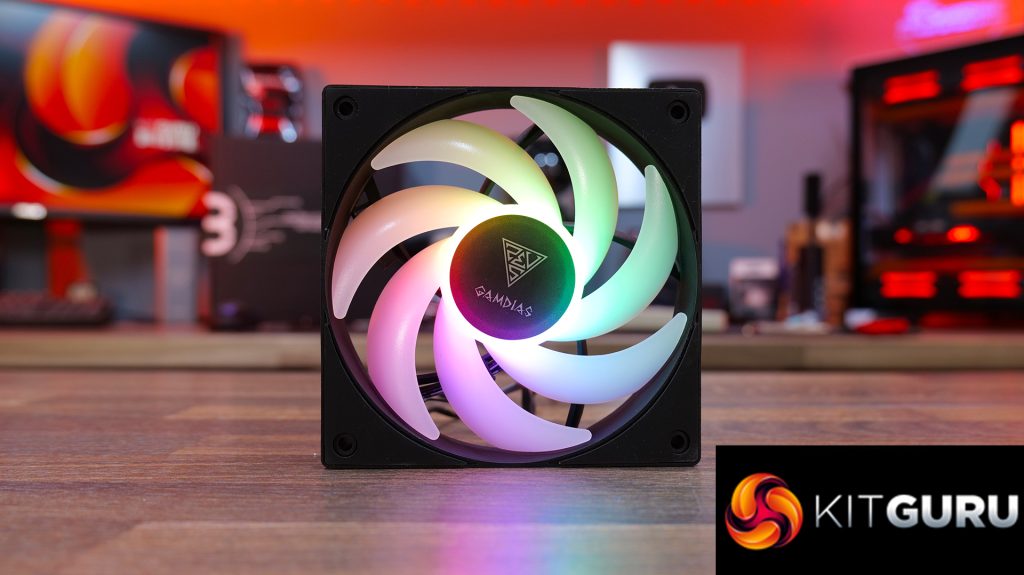
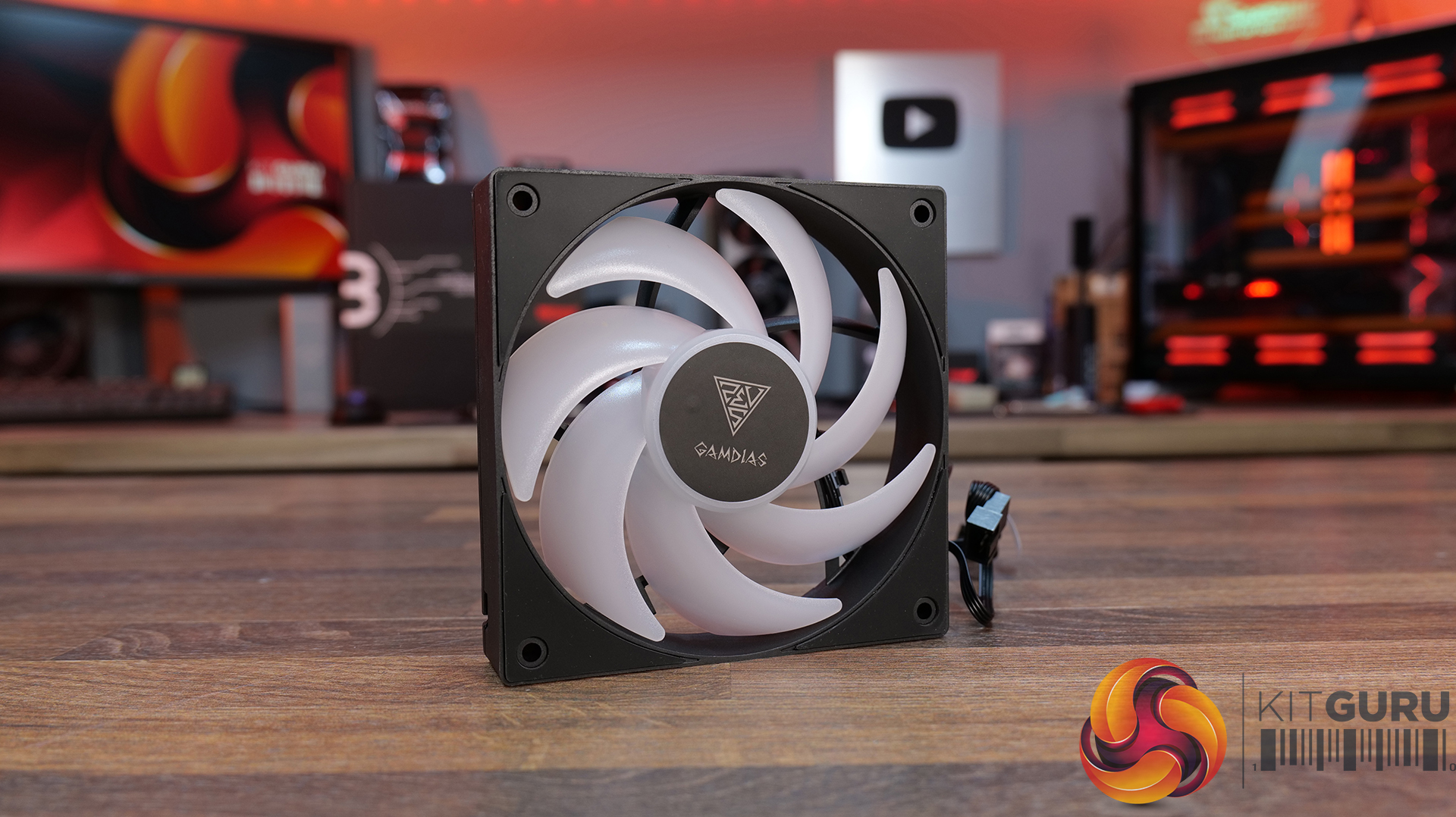
Today we are taking a look at some budget 120mm fans with reversible blades. The Gamdias Notus M1-1201 ARGB fans take the pain out of selecting forward and reverse blade fans for your build, with both forward and reverse blades included in the kit that can be quickly swapped out to suit fan placement in your case. We’ll test noise, CPU/GPU temperature and case thermals in this review to see if they represent good value or just another noisy budget fan.
Features:
Clean ARGB implementation – Notus M1-1201 ARGB is equipped with addressable RGB lighting that connects directly to a standard 3-pin 5V headers, allowing simple synchronisation with motherboard software.
Optimal cooling performance – Featuring a speed range of 400–1600 RPM, maximum airflow of 57.56 CFM and 1.75 mmH₂O max static pressure, making it suitable for both case ventilation and use on radiators and heat sinks.
Refined acoustics and operation – A hydraulic bearing and narrow blade-tip clearance help keep noise levels under control, to provide a sensible balance between airflow and acoustics rather than prioritising one over the expense of the other.
Useful design choices – Anti-vibration pads and the inclusion of interchangeable forward and reverse blades adds flexibility for different airflow setups without overcomplicating installation.
Specifications:
Model: Notus M1-1201 ARGB
Package contents: Fan x1, Reverse fan blade x1, Lubricant x1
Fan size: 120 mm
Dimensions: 120 × 120 × 25 mm
Lighting effect: Addressable RGB (ARGB)
LED count: 8 LEDs
Bearing type: Hydraulic bearing
Connectors: 4-pin PWM fan connector, 3-pin ARGB connector
Fan speed: 400–1600 RPM (±10%)
Maximum airflow: 57.56 CFM
Static pressure: 1.75 mmH₂O
Rated voltage: 12 V (fan) / 5 V (LED)
PWM support: Yes
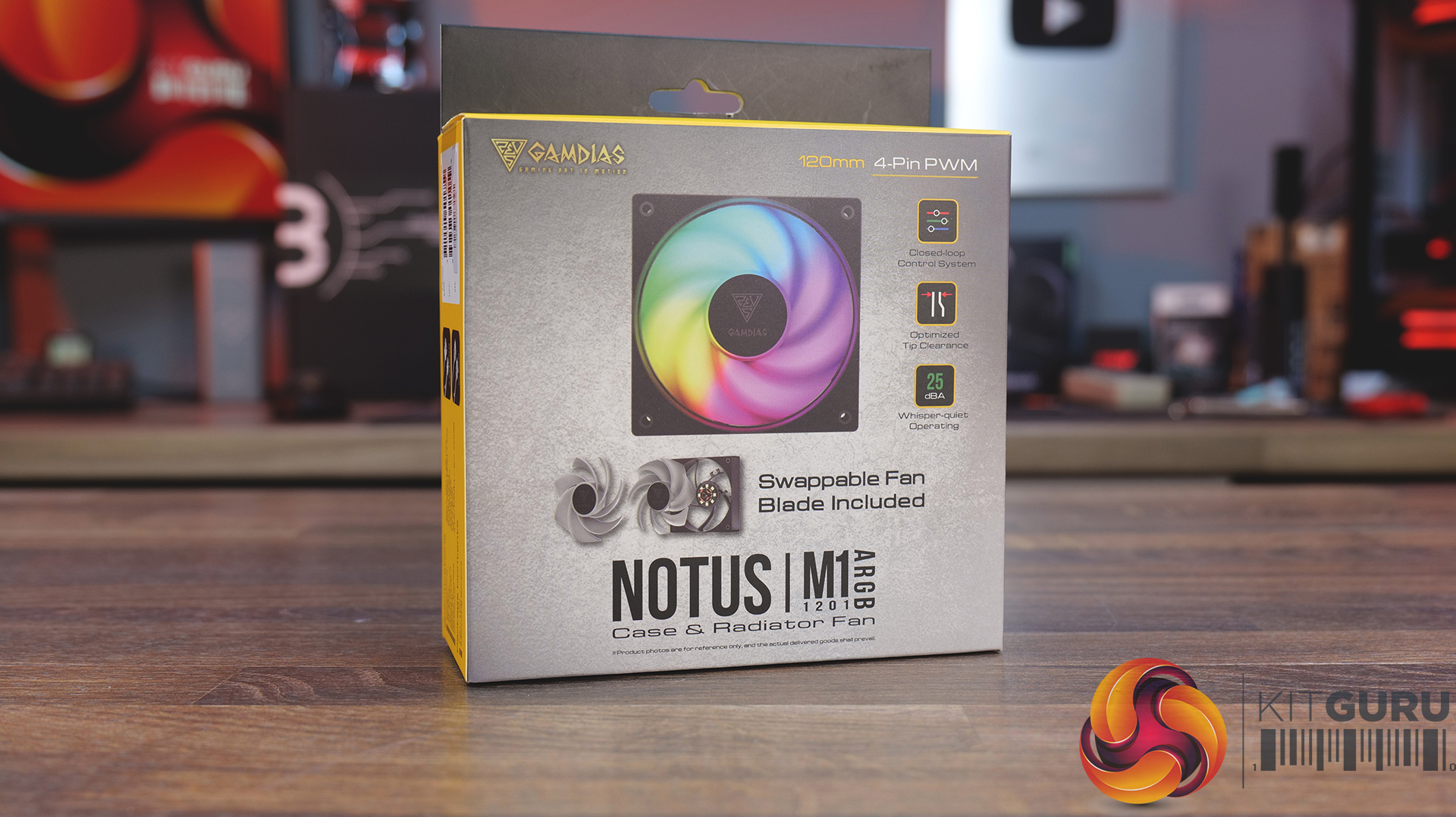
Gamdias Notus M1 fans come in two different pack sizes, either single or 3 packs, branded 1201 or 1203, respectively. They are essentially the same fans, just the quantities inside the boxes determine the model name.
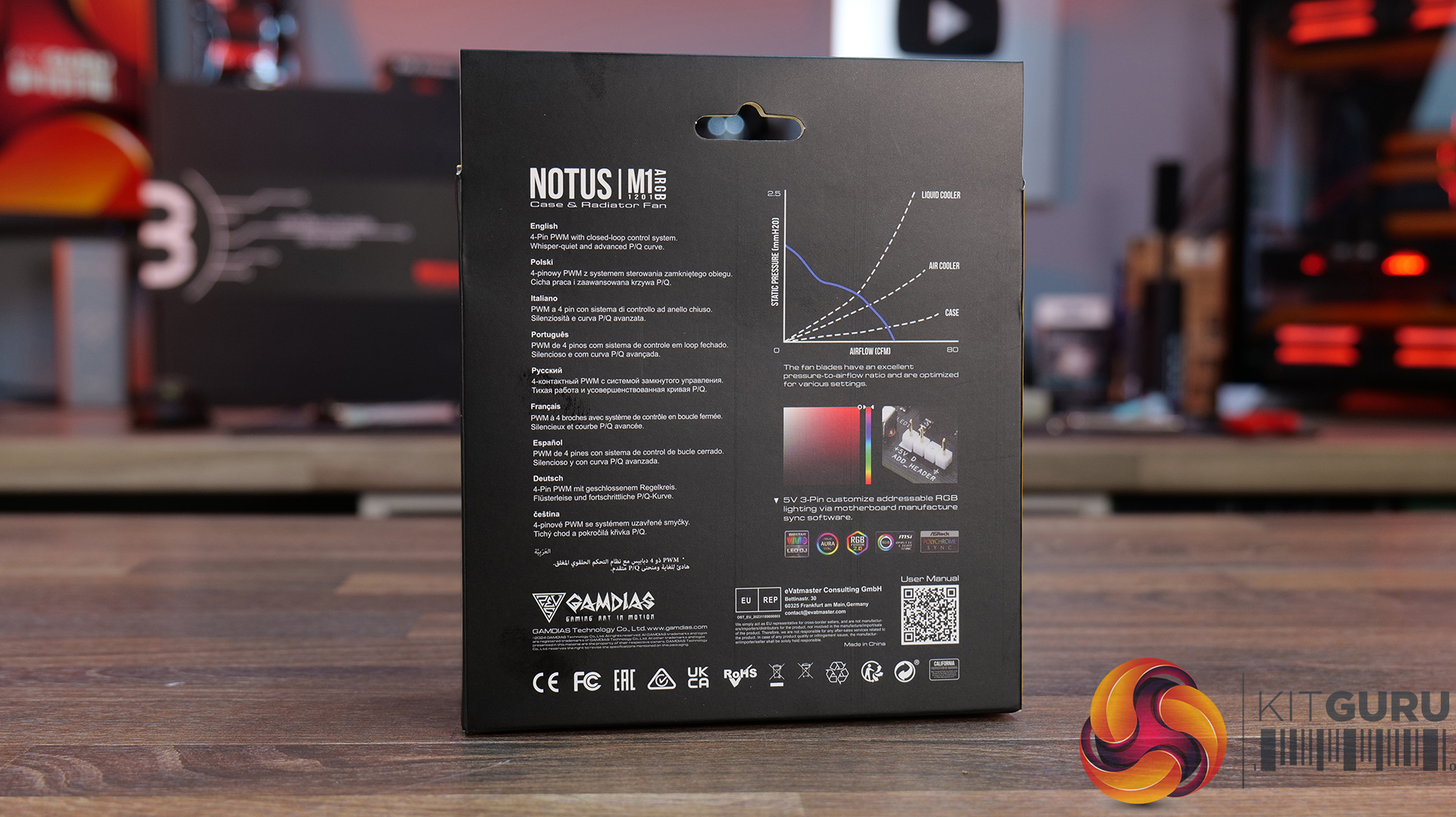
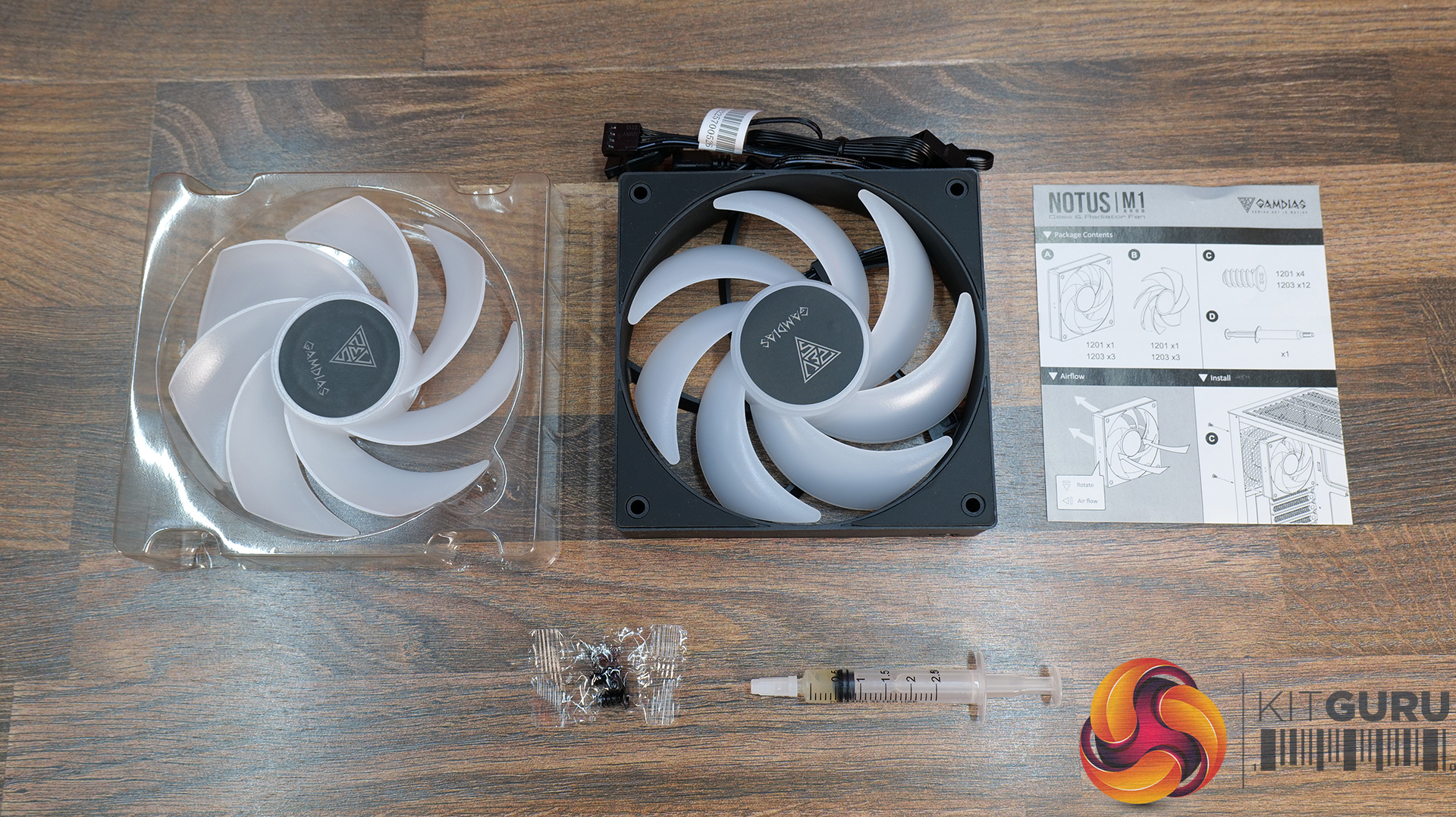
We are looking at the single pack, so 1201 branding, which comes with a single fan packed in a cardboard box. On the front of the box are several images of the fans and some key features listed. On the rear are the specifications and performance charts. Inside is the fan, an extra reverse blade, a user manual, mounting screws and some bearing lube.
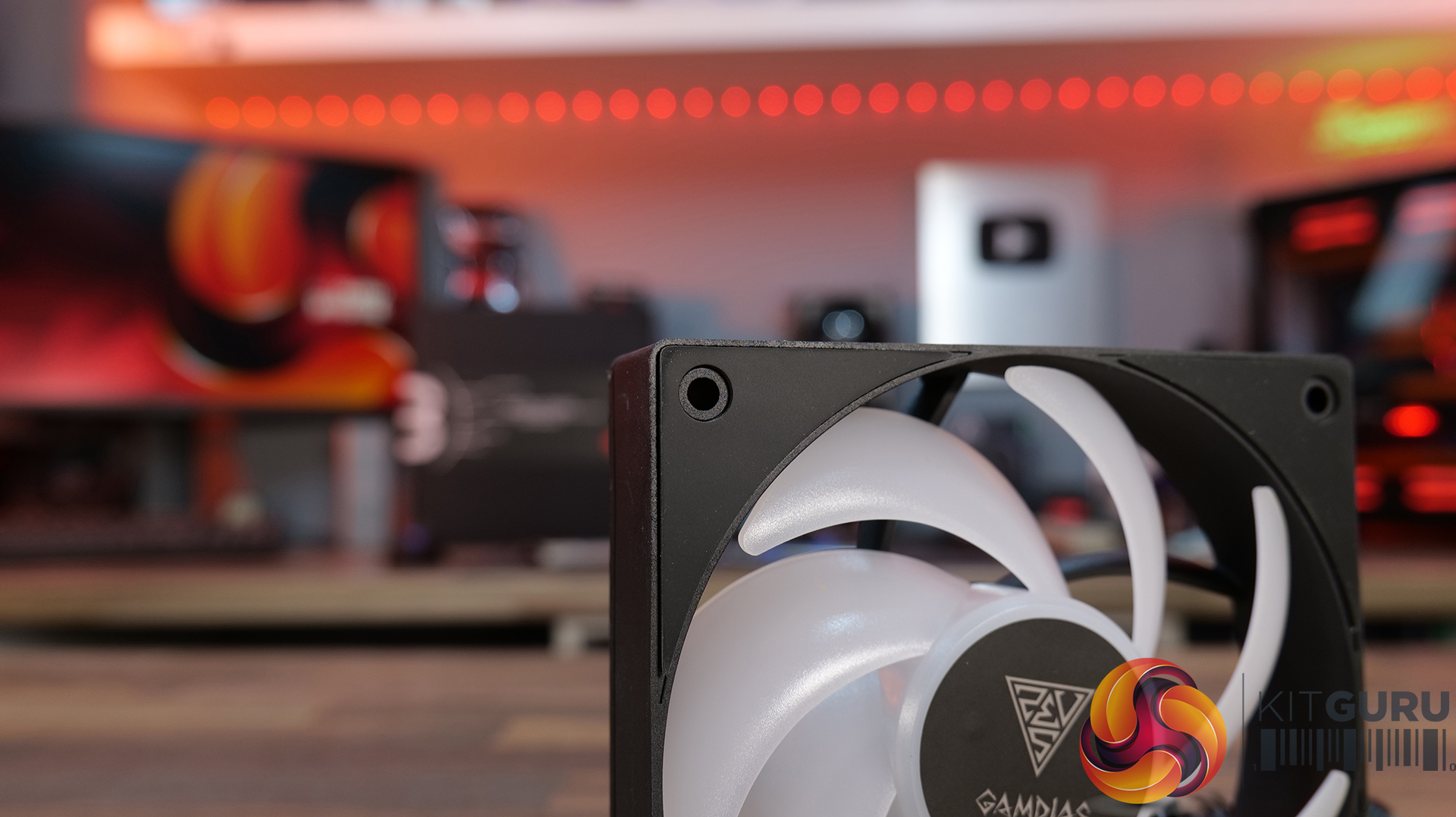
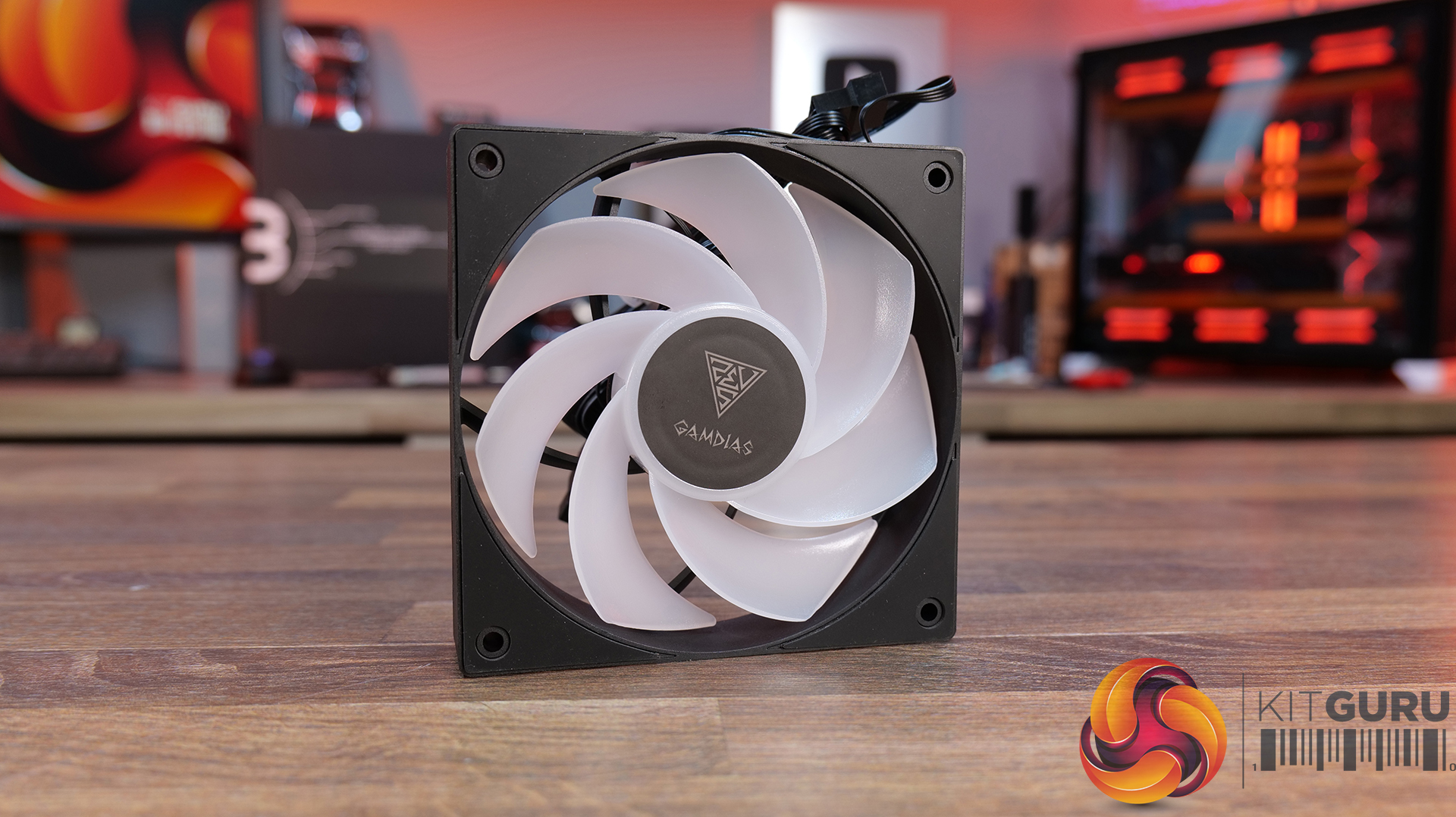
The fan frames are built from PBT (Polybutylene Terephthalate) material, which is widely used in electronic equipment due to its strength and durability. There are rubber anti-vibration pads fitted to the mounting points and the fan blades are opaque in colour to display and diffuse the RGB lighting.
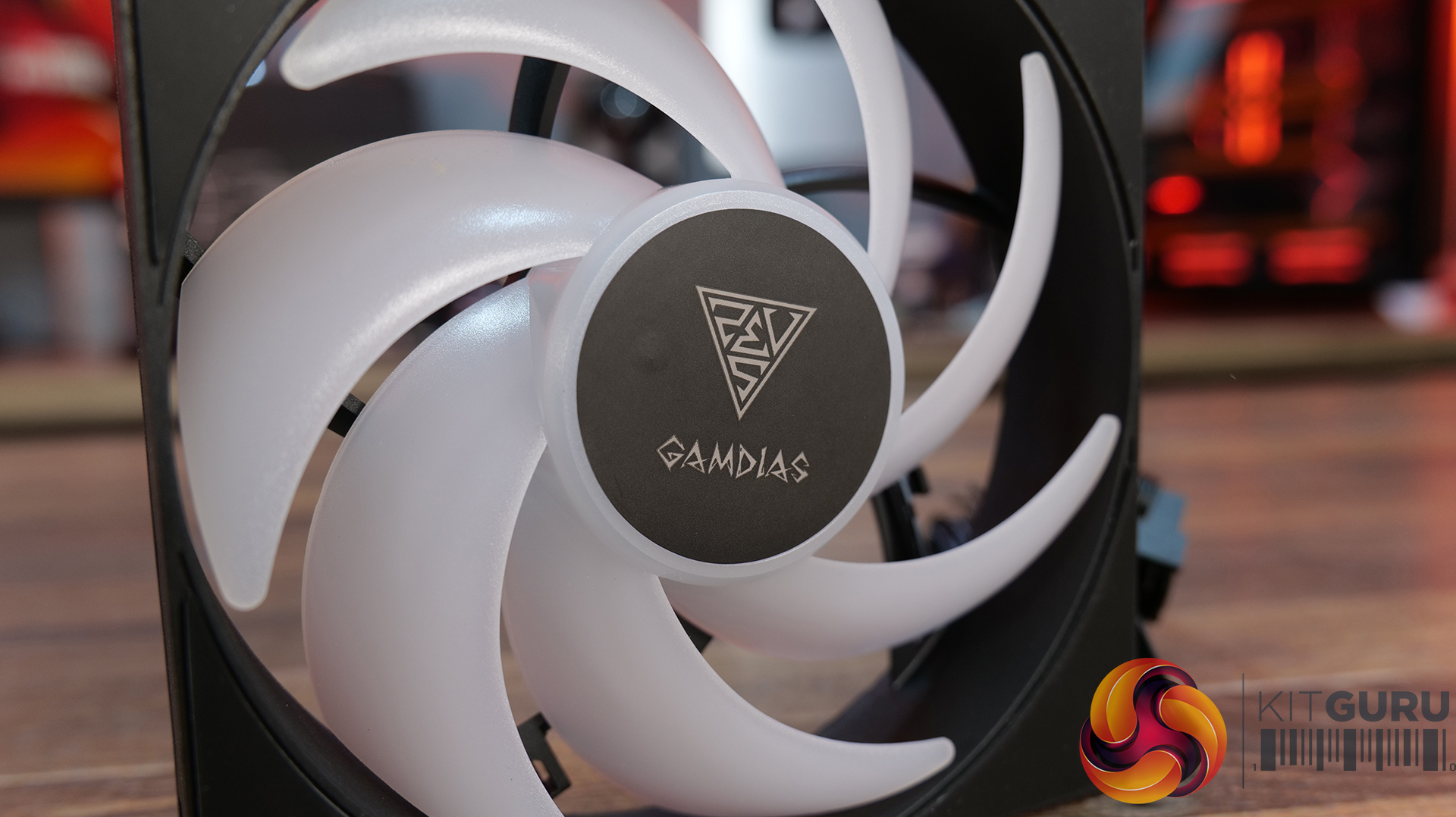
The rear frame of the fan has strengthening bars to mount the motor, there's anti-vibration rubber pads on the rear of the mounting points, as well as a label showing some brief information and the Gamdias branding.
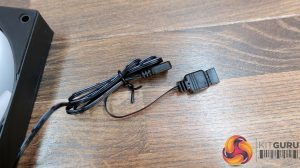
All wiring uses standard headers. There's a 4-pin PWM cable that has a daisy-chainable tail so users can interconnect fans and use a single motherboard header to connect multiple units. RGB lighting can also be interconnected and uses a 3-pin 5V connection that can be connected to the motherboard or an ARGB hub. Interestingly, the PWM cable has a warranty void sticker on it, which seems like an odd thing to attach to a cable.
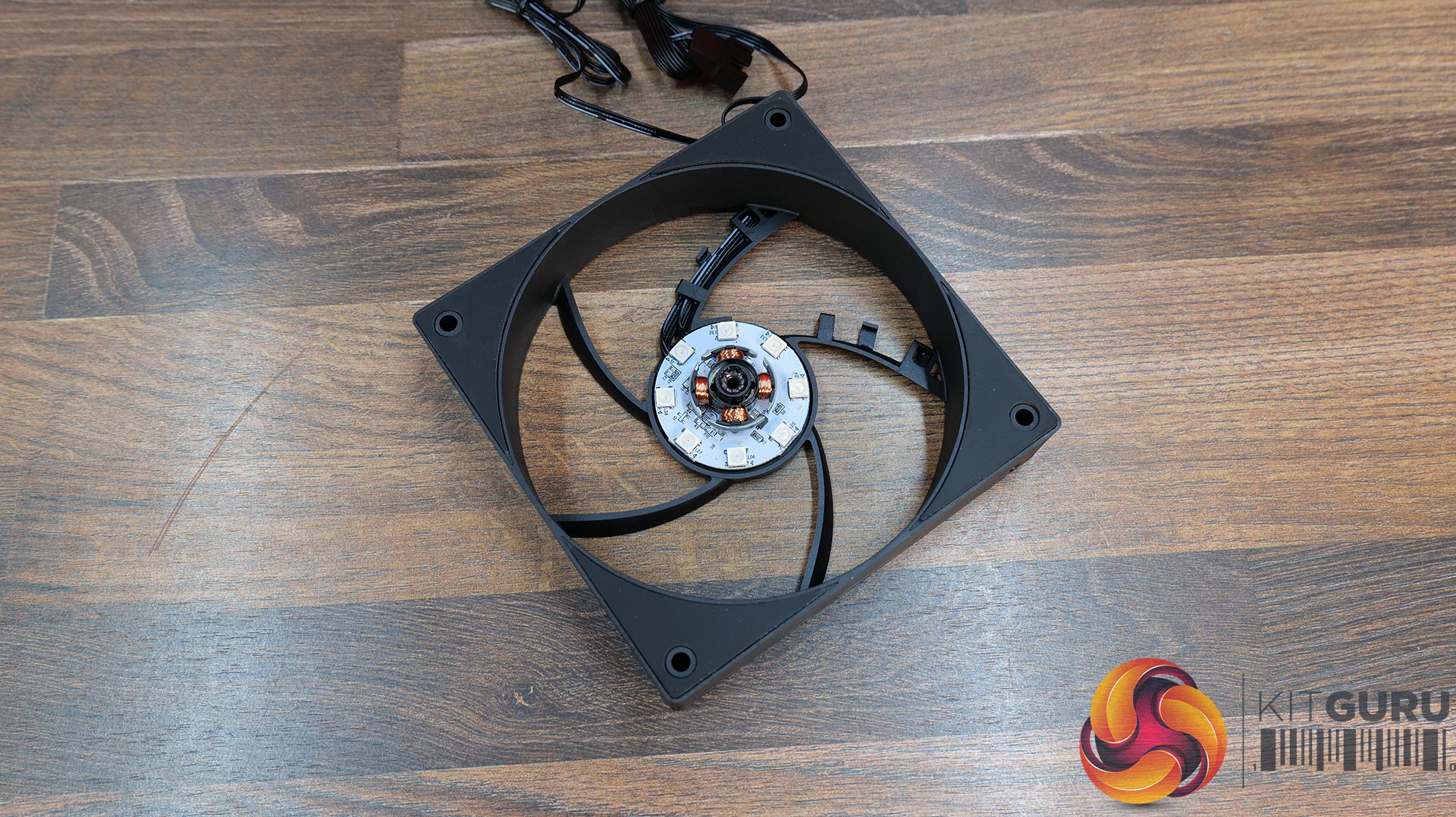
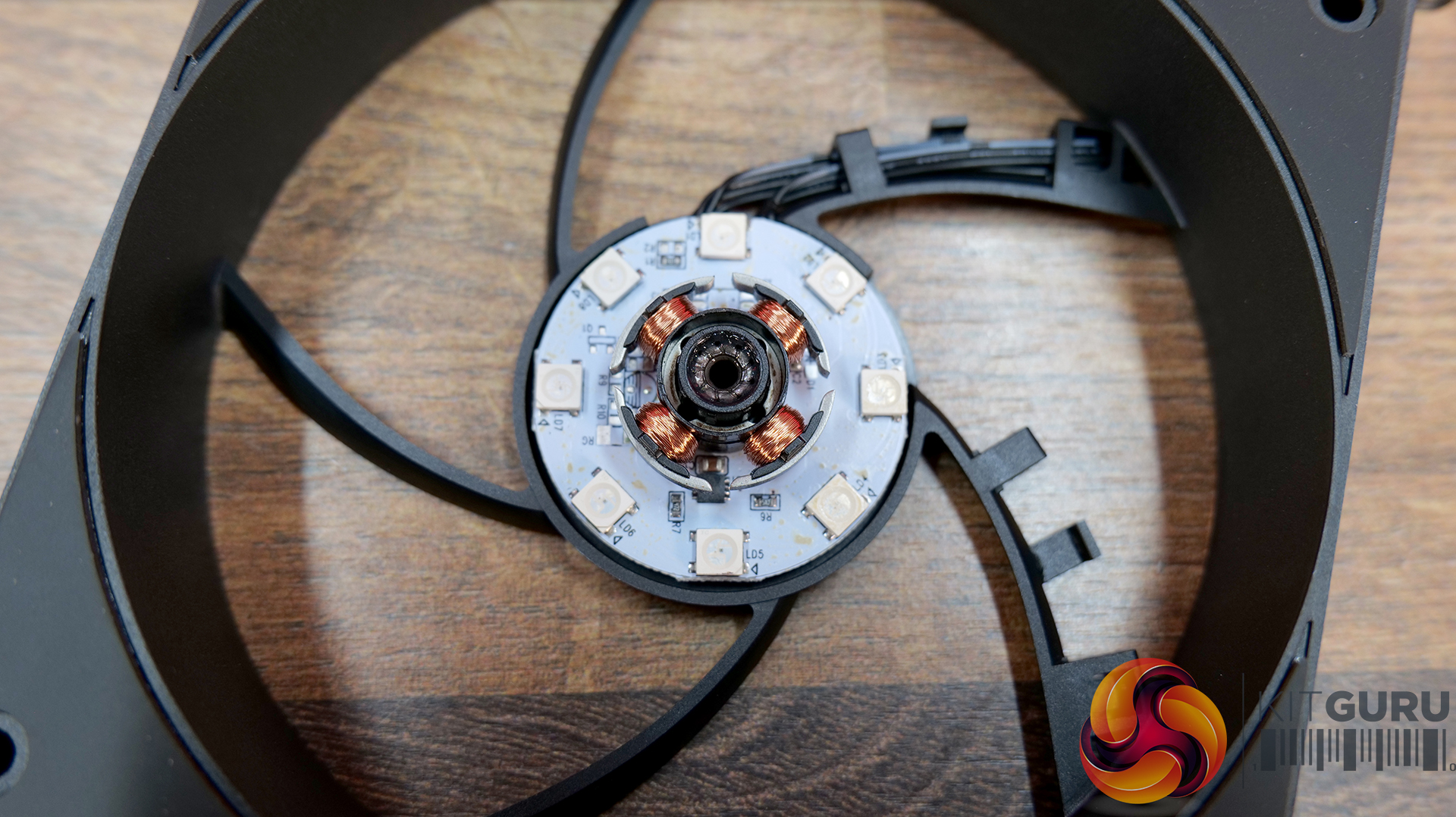
A key feature of the fans is the option to change the fan blade. Forward and reverse blades are included in the pack, and it’s a simple case of pushing one blade off and clipping the replacement blade in place. When the blade is removed, you can see the motor windings, the PCB and LEDs for the ARGB lighting, too.
During a recent pre-briefing, we learned about the new Intel Xeon 600 series processors. The new generation of workstation-grade chips will be launching very soon, with ‘budget' options around the $500 mark, moving all the way up to massively powerful $7,699 versions.
The new Xeon chips are based on Intel's new Granite Rapids architecture and is designed to replace the previous Xeon W-2500 and W-3500 series, which were divided up into two distinct tiers. The new line-up offers a single, scalable line-up, simplifying things for those looking to go with Intel for their next workstation upgrade.
You can see the full specifications for each new Intel Xeon 600 series SKU in the table below:
SKU
P Cores
Turbo Boost Max (GHz)
All-Core Turbo (GHz)
Base Frequency (GHz)
L3 Cache (MB)
Base TDP (W)
Unlocked
Memory Channels
MRDIMM Speed
PCIe 5.0 Lanes
RCP Price
698X
86
4.8
3.0
2.0
336
350
Yes
8
8000
128
$7699
696X
64
4.8
3.5
2.4
336
350
Yes
8
8000
128
$5599
678X
48
4.9
3.8
2.4
192
300
Yes
8
8000
128
$3749
676X
32
4.9
4.3
2.8
144
275
Yes
8
8000
128
$2499
674X
28
4.9
4.3
3.0
144
260
Yes
8
8000
128
$2199
658X
24
4.9
4.3
3.0
144
250
Yes
8
—
128
$1699
656
20
4.8
4.5
2.9
72
210
No
4
—
128
$1399
654
18
4.8
4.5
3.1
72
200
No
4
—
128
$1199
638
16
4.8
4.5
3.2
72
180
No
4
—
80
$899
636
12
4.7
4.5
3.5
48
170
No
4
—
80
$639
634
12
4.6
3.9
2.7
48
150
No
4
—
80
$499
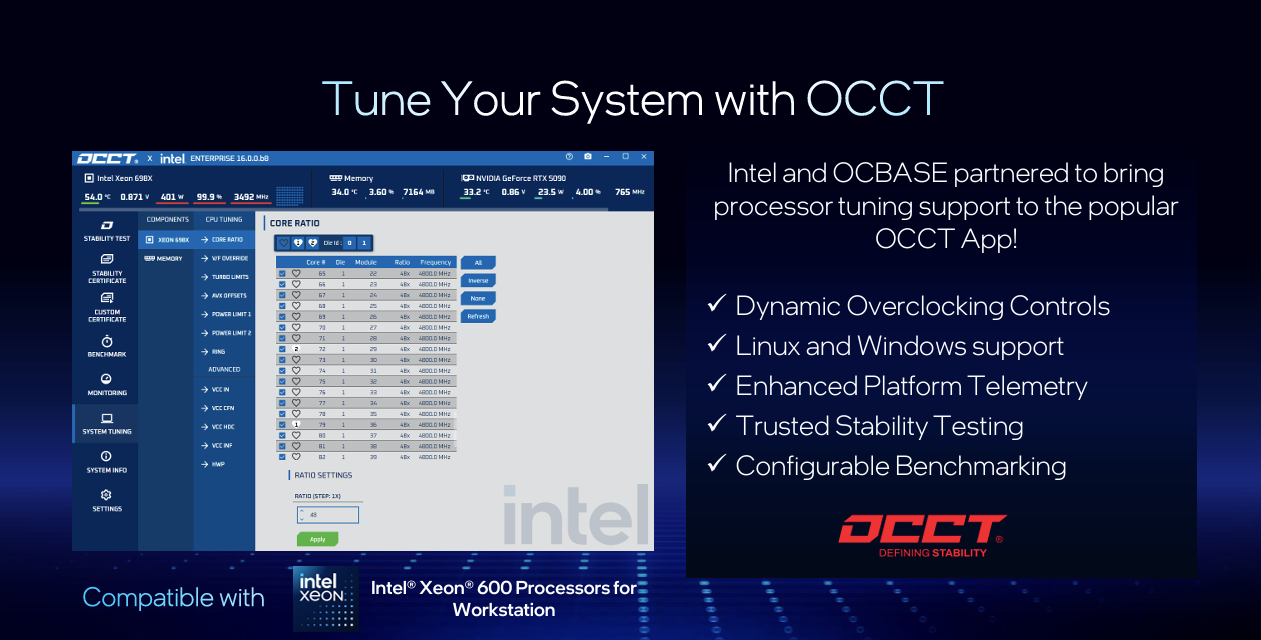
While not noted in the table, every single chip in the line-up supports DDR5 memory speeds of 6400MT/s and supports Intel vPro Technology. Only a handful of these CPUs will be offered in boxed form as well, including the Xeon 696X, 678X, 676X, 658X and the Xeon 654. As always, the chips listed as ‘unlocked' are overclockable for those with the necessary cooling to squeeze out the extra performance.
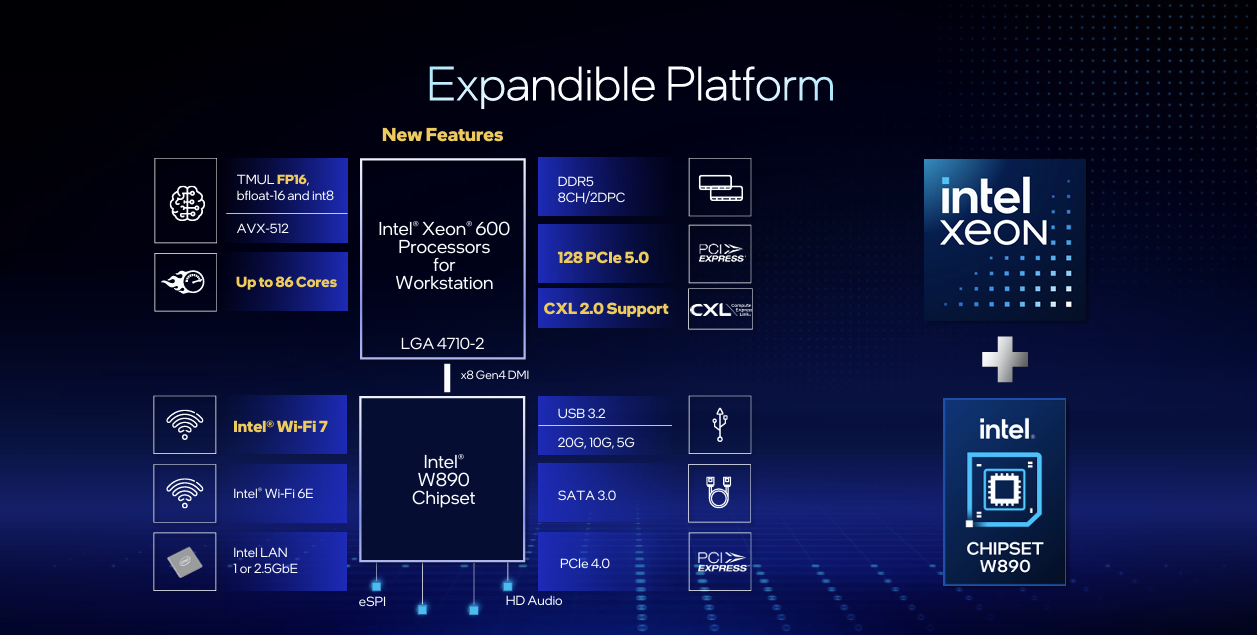
In the slides above, you can get a closer look at all of the new features Intel announced.
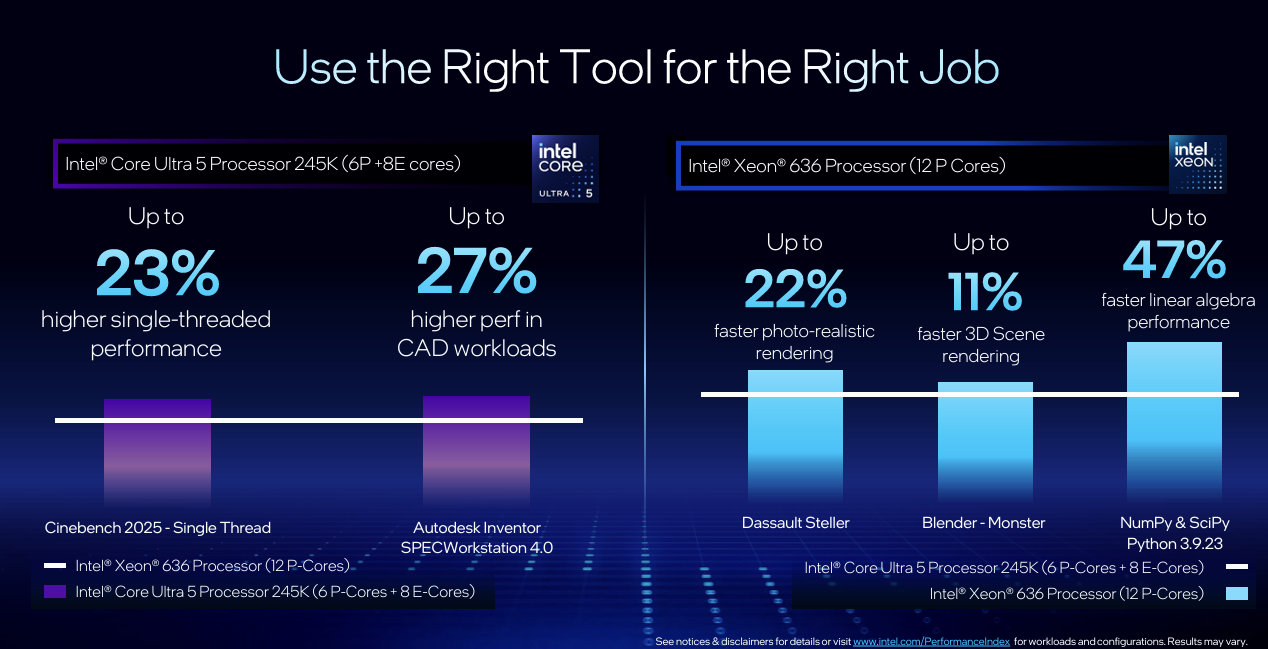
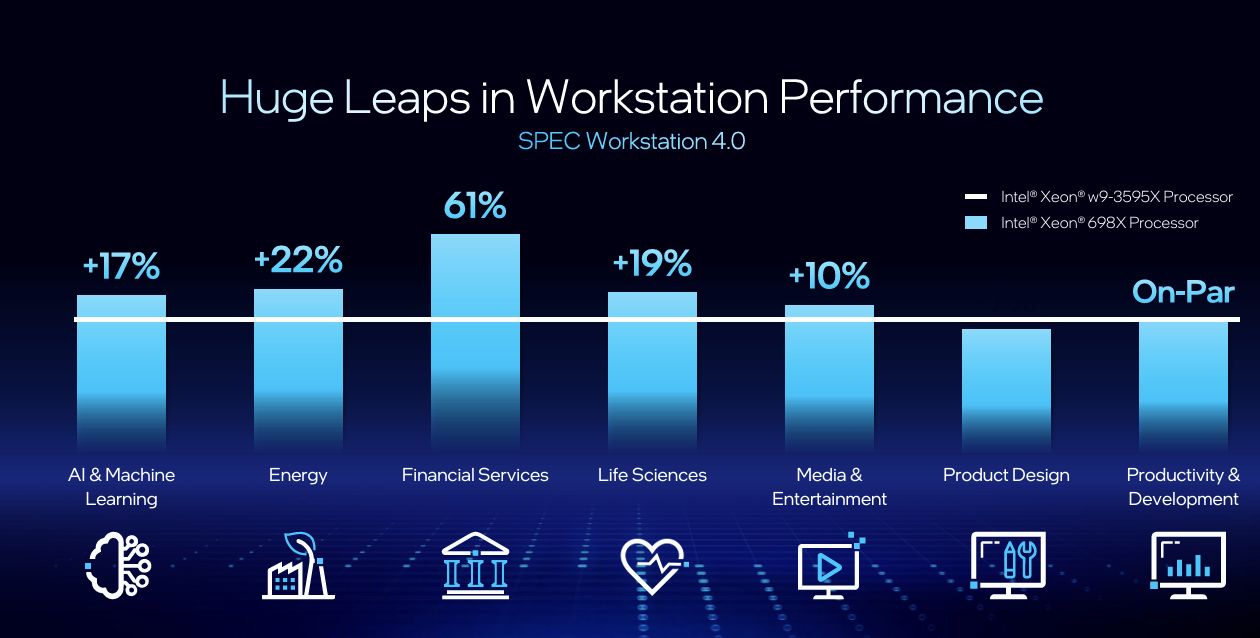
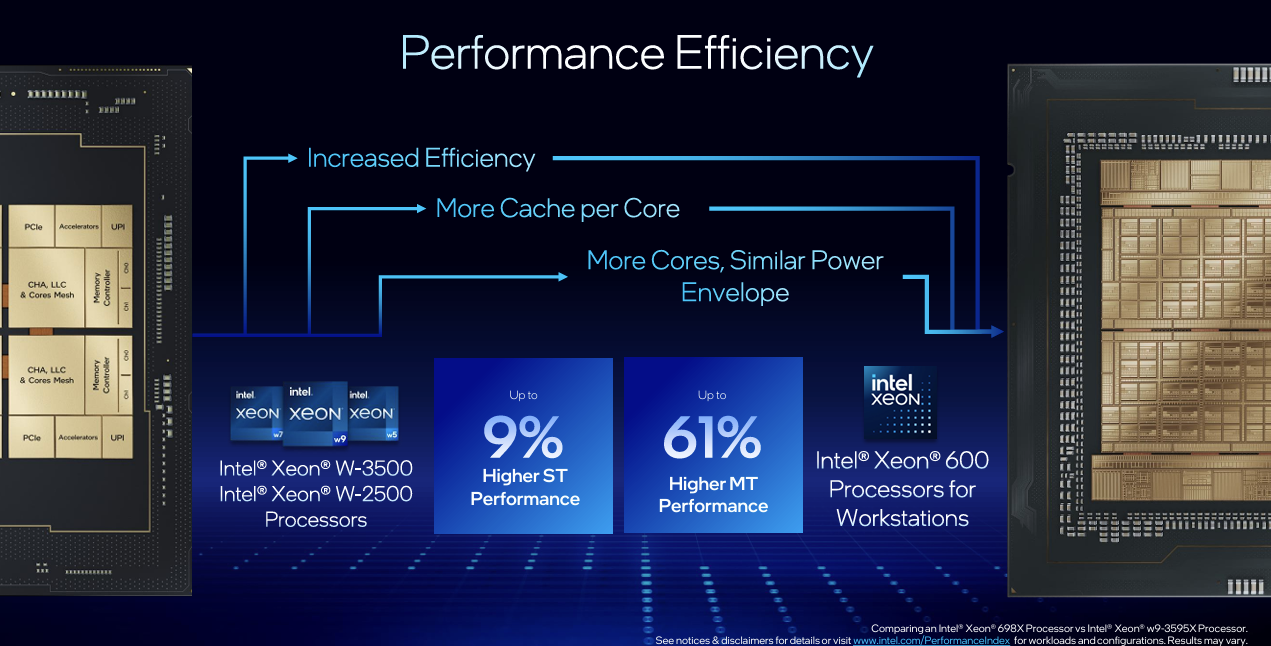
Each new Xeon 600 CPU is built using the new Intel 3 manufacturing process, as well as Redwood Cove cores. Intel says this has led to improved power efficiency versus the previous generation Sapphire Rapids Xeon processors. Compared to the 60-core Xeon W-3595X, Intel reports up to 9% higher single-thread performance and up to 61% higher multi-thread performance, depending on workload.
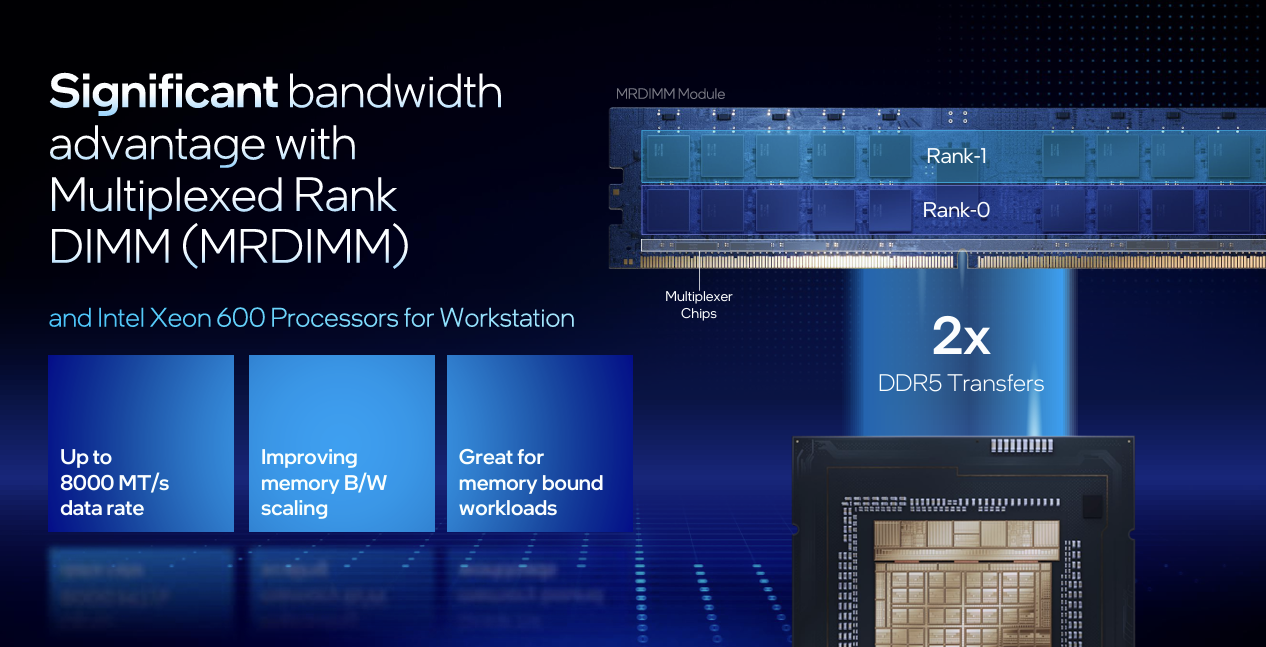
Intel is also introducing MRDIMM (Multiplexed Rank DIMM) support with this new line-up, enabling memory speeds of up to 8000MT/s on select SKUs. While MRDIMMs trade maximum capacity for bandwidth, Intel says they deliver meaningful gains for memory-bound workloads such as simulations and data analytics.
Alongside the new Xeon 600 series CPUs is the W890 chipset, which adds new features like WiFi 7, faster USB, PCIe Gen 4 expansion and more.
Systems based on Xeon 600 processors are expected to become available from major OEMs and system integrators starting in March 2026.
KitGuru Says: What do you think of Intel's new Xeon line-up?
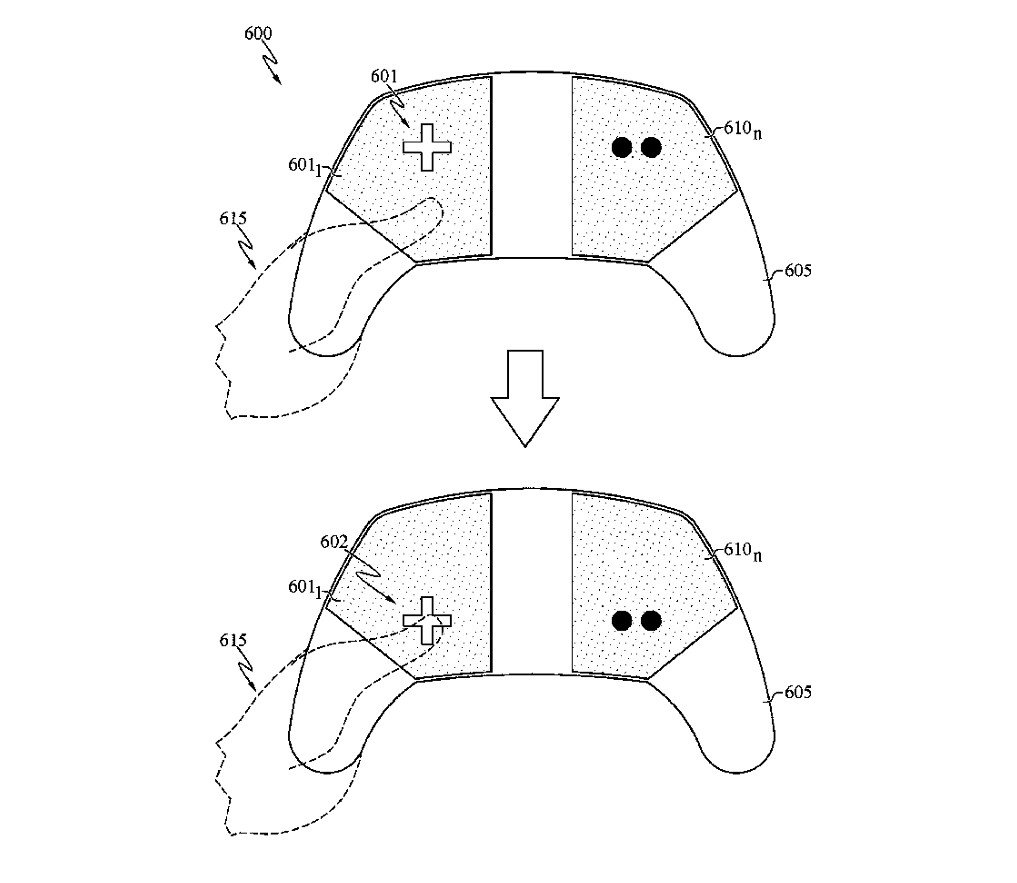
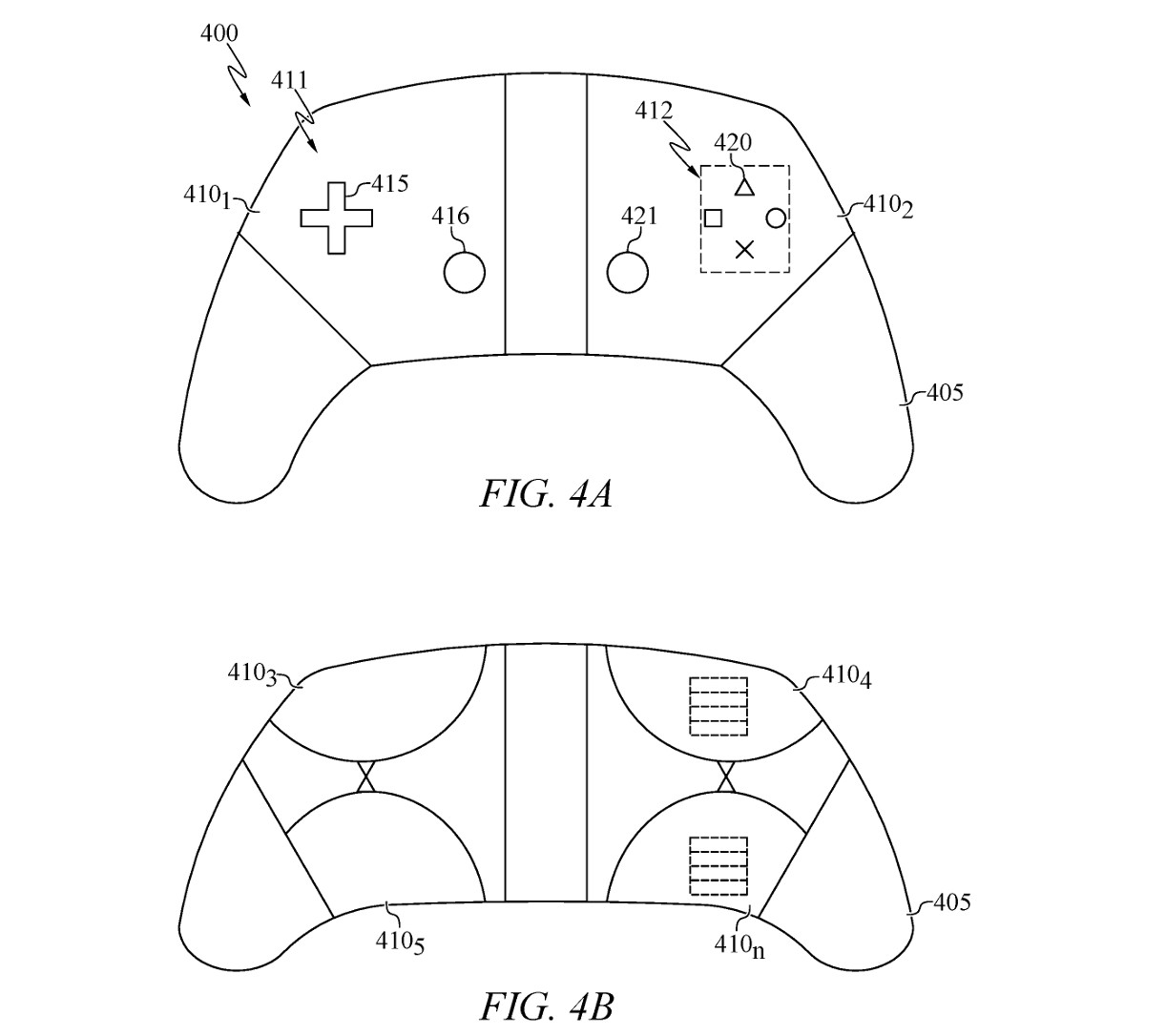
Sony has filed a new patent in the US that describes a departure from traditional gamepad design, envisioning a controller in which a large touchscreen replaces a significant portion of its front. This proposed interface would, in theory, allow users to reposition, resize, and entirely reconfigure digital versions of the D-pad, thumbsticks, and face buttons to suit their specific ergonomic or accessibility requirements.
According to the patent description (via VGC), the current static nature of inputs is a drawback for modern gaming peripherals, as a one-size-fits-all approach inevitably leaves some users struggling with reach or placement. This patent tries to solve that by allowing the input buttons to be dynamically allocated and configured.
By utilising displays, the controller could change its layout based on the game's genre and even resize its buttons, adapting to the user's needs. The patent also mentions temperature and pressure sensors for these displays, which might allow users to have different outputs based on pressure or create a dead zone to ignore inputs.
While the prospect of a screen-based DualSense successor with dynamic layouts might interest some, it is important to remember that companies often patent experimental technology that never reaches mass production. Assuming Sony does move forward with this concept, it would likely result in a premium optional accessory rather than a standard controller for a future console.
KitGuru says: Sony's patent filings are often a window into its R&D lab rather than an indication of an upcoming product. While a fully customisable surface would be exceptional for accessibility, the idea of playing a high-intensity action game on a flat touchscreen doesn't seem all that exciting.
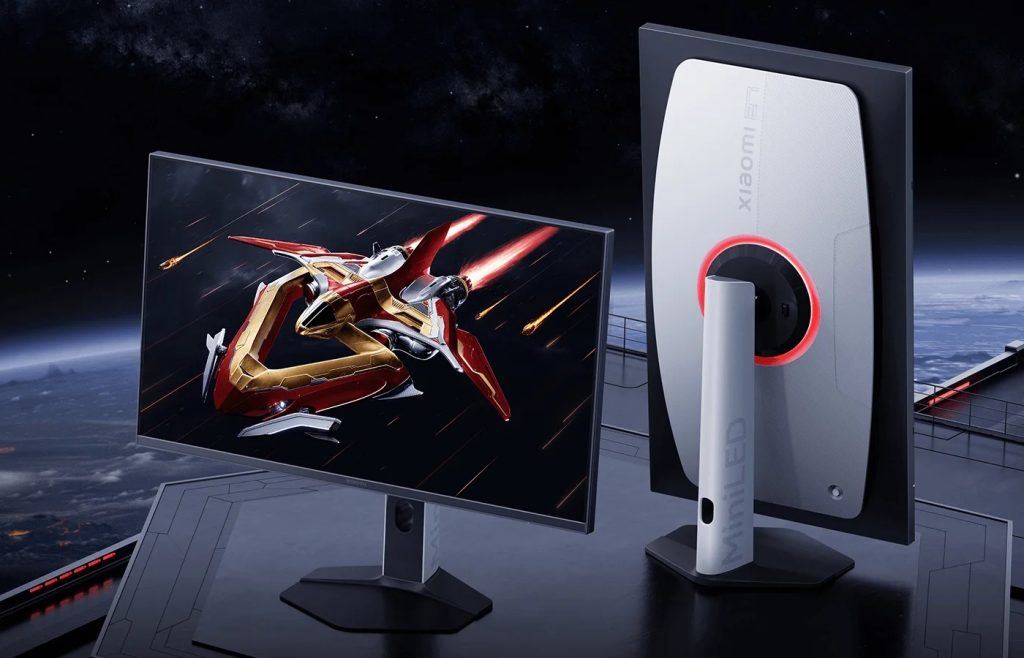
Xiaomi has expanded its display roster with the global release of the G Pro 27Qi (2026). While its predecessor was already a sought-after entry in the budget Mini LED segment, the 2026 refresh increases luminance and colour coverage.
Already available at a few retailers and appearing on Xiaomi's global site, the G Pro 27Qi (2026) (via NotebookCheck) maintains the sweet spot 1440p resolution and 180Hz refresh rate but pushes the hardware envelope in ways rarely seen at its price point. The standout feature of this new revision is the Mini LED backlight, which features 1,152 local dimming zones, nearly double the count of many competitors in its class. This dense array allows the monitor to hit a claimed peak brightness of 2000 nits, earning it a VESA DisplayHDR 1000 certification.
Xiaomi has included a “custom engine” that utilises AI scene recognition and a proprietary local dimming algorithm to minimise blooming and preserve shadow detail down to a claimed 0.0001 nits. The G Pro 27Qi (2026) covers 99% of the DCI-P3 and Adobe RGB gamuts, with a factory calibration ensuring Delta-E values below 1. Connectivity is varied enough, with two DisplayPort 1.4 and two HDMI 2.0 ports. A nice touch is the flip-out headphone holder integrated into the top corner, paired with a fully ergonomic stand and a subtle RGB ring on the rear.
On the official website, the monitor is listed at $475 (£347). However, at this retailer, the same monitor is much cheaper at just €285 (£247), suggesting there might be a launch promo.
KitGuru says: Do you think the G Pro 27Qi has what it takes to stand out from its competitors?
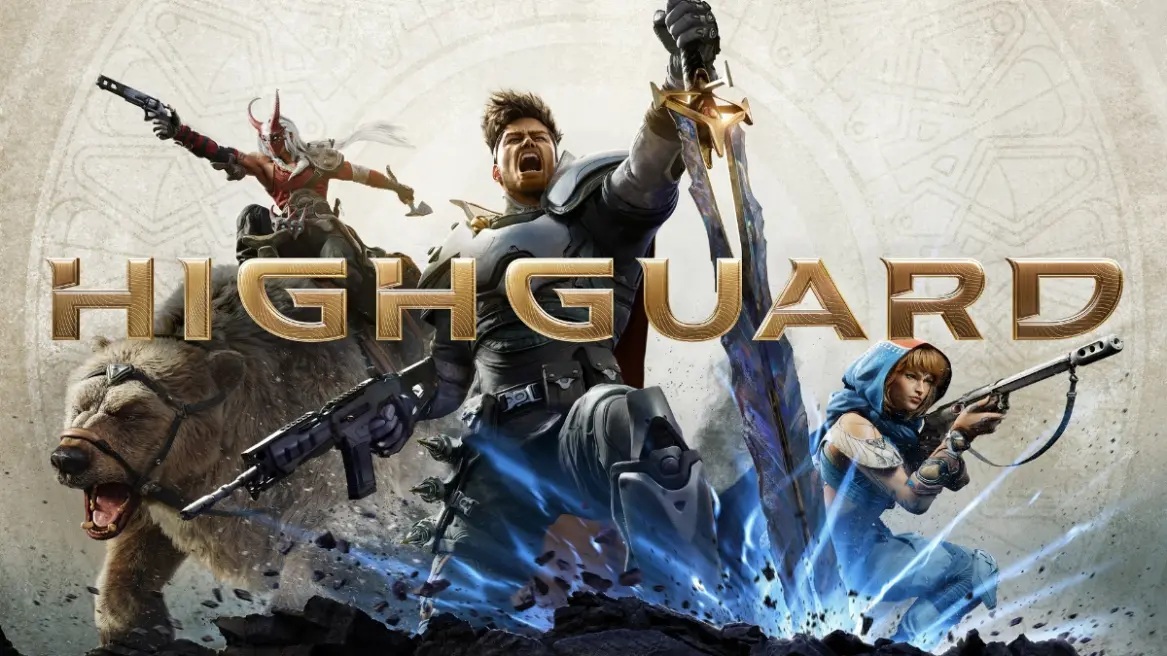
When Highguard launched last week with its 3v3 PvP mode, many players were quick to complain that the map feels like it was designed for larger-scale battles. Now just days later, the developers have put out an experimental 5v5 mode.
Highguard now has a 5v5 mode, allowing larger teams to better cover the game's large map. The new mode was well received, and the growing sentiment seems to be that this should have been the launch mode. Unfortunately, it won't last for long.
While 5v5 is available for now, it is listed as a limited-time mode, so it is just a matter of time before it goes away again. The developers have also not yet addressed complaints around the loot-farming phase of matches, which many players say is a trivial and boring part of the game.
It is unclear if 5v5 will end up becoming a permanent mode in Highguard, or if the developers will just introduce smaller maps in the future, but it seems quite clear that 5v5 is a mode that players want to stick around.
KitGuru Says: Have you tried Highguard's 5v5 mode?
Nikita Buyanov, the creator of Escape from Tarkov, has further fuelled speculation regarding his next project, Cor3, with a teaser trailer that seemingly confirms a leap into the sci-fi genre. Following a month of cryptic social media teases and an interactive terminal set in the year 2251, the latest video, titled ‘PRJRPNT_BLUEMARS_FO', gives us the clearest look yet at what could well be “Tarkov in space”.
The trailer begins with a familiar sight for Battlestate fans, with a first-person perspective of a PMC-like operative holding a futuristic ‘Kalash Corp' rifle. The video also includes various other references to Escape from Tarkov, namely a patch for the “Bogatyr.bs First Navy Squad”, suggesting a connection to the BEAR special squads in Escape from Tarkov. The setting, however, is far from what you would expect from the streets of Tarkov. Instead, it shows a destroyed city (apparently named Mariner) on a planet that doesn't look like Earth.
You can find some lore of the game in the Cor3.gg interactive site, but besides that, not much more is known about the game. As expected from a teaser trailer, it's light on concrete gameplay details, leaving fans to wonder if this will be a hardcore extraction shooter like EFT or something else entirely.
Battlestate Games has been notably quiet about this game, leading some to wonder whether Cor3 will be a single-player title or something more familiar to Tarkov's studio. The heavy emphasis on first-person military hardware alongside space-bound “Navy Squads” suggests a connection to Tarkov, but it isn't enough to be sure it's yet another extraction shooter.
KitGuru says: What do you think Cor3 will be like? Will it be more of the same in space or a game completely different from Tarkov?
Nioh 3 is about to come out and just like its predecessors, the game will be a PS5 console exclusive. While neither Nioh or Nioh 2 have ever made it over to a non-PlayStation console, that might change with this entry.
In its latest trailer for the game on the PlayStation YouTube channel, Sony confirms that it has a six-month exclusivity agreement in place for the game. That means that Nioh 3 could potentially appear on other consoles, like the Nintendo Switch 2 or Xbox Series X/S, before the end of the year.
PC players don't have to worry about the console exclusivity agreement at all, as the game will be available on PC from day-one. This is pretty typical for PS5 console exclusives, as Sony has begun allowing more and more games to ship on PC alongside the PS5 launch date. Sony itself has also been ramping up the number of its exclusives that come to PC, with the likes of Horizon Zero Dawn, Horizon Forbidden West, Spider-Man and Spider-Man 2, as well as the most recent God of War titles all making their way over to Steam.
Nioh 3 will launch on PC and PS5 on the 6th of February.
KitGuru Says: Are you planning on picking up Nioh 3 later this week, or are you going to be waiting for it to land on another console platform?
Last week, Google rolled out an experimental AI program called Project Genie, which could generate new playable game worlds through text prompts. While most of the core gaming crowd wasn't impressed by this, it seems investors were, as many pulled money out of several gaming companies.
With Project Genie, users can generate new explorable worlds and create a playable character, with options to specify movement properties, or camera placement – such as first-person or third-person. Shortly after the unveiling, VGC notes that a number of game publishers, like Nintendo, CD Projekt, Take-Two and more saw drops in stock value.
The move seems to indicate that a number of investors view Google's new tech as a direct threat to current game publishers. However, Project Genie itself does have a number of limitations. As Unity CEO, Matther Bromberg puts it, the need for prompts currently “limits the level of determinism and precision required for production-grade game mechanics”. Unity itself is currently building its own agentic AI to prepare the engine for future generative tools like Google's Genie.
Most of the companies that saw dips last week have started to rebound on the stock market but none of them have reached their pre-dip levels just yet.
KitGuru Says: Did you see the Project Genie announcement last week?
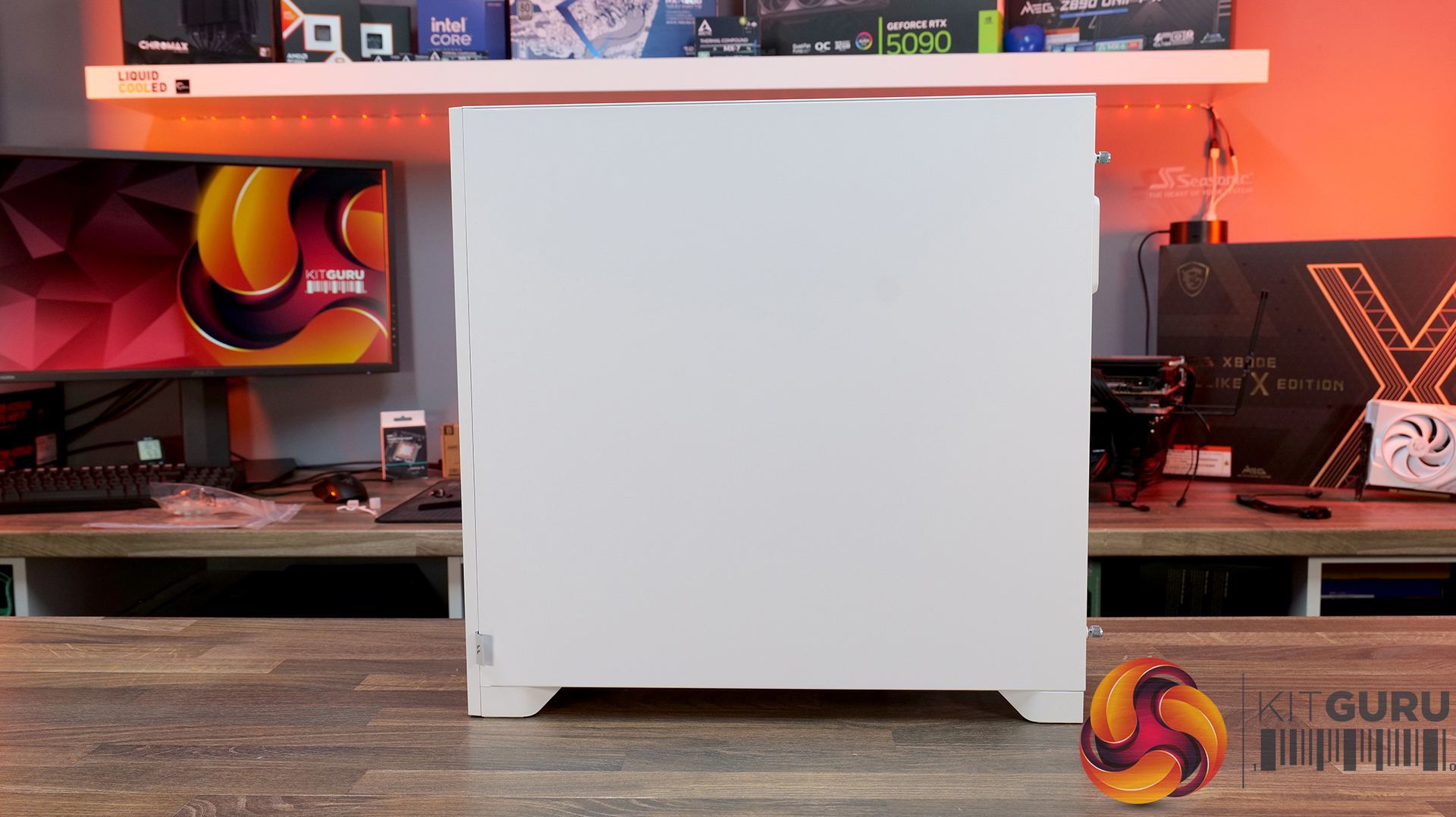
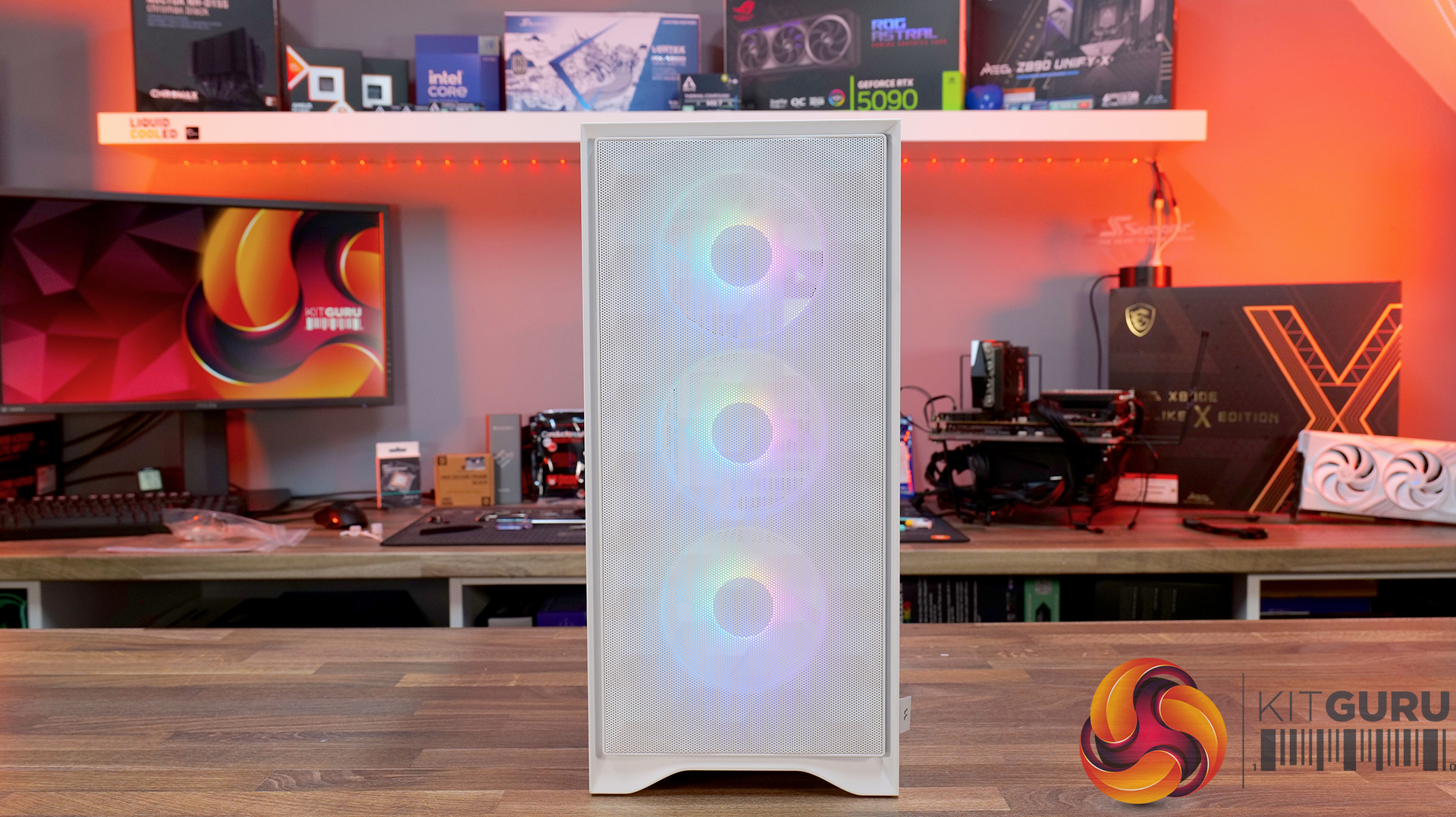
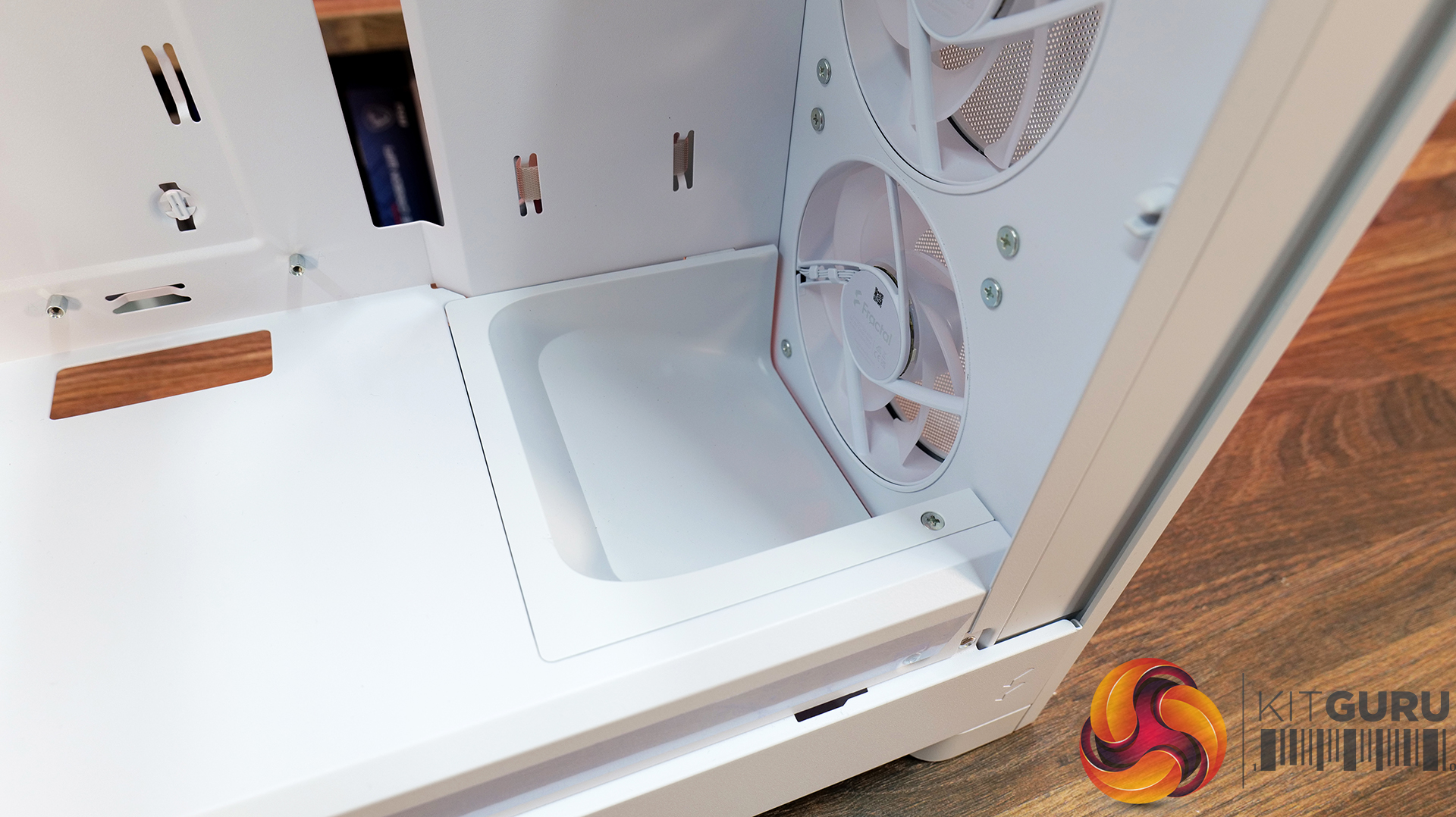
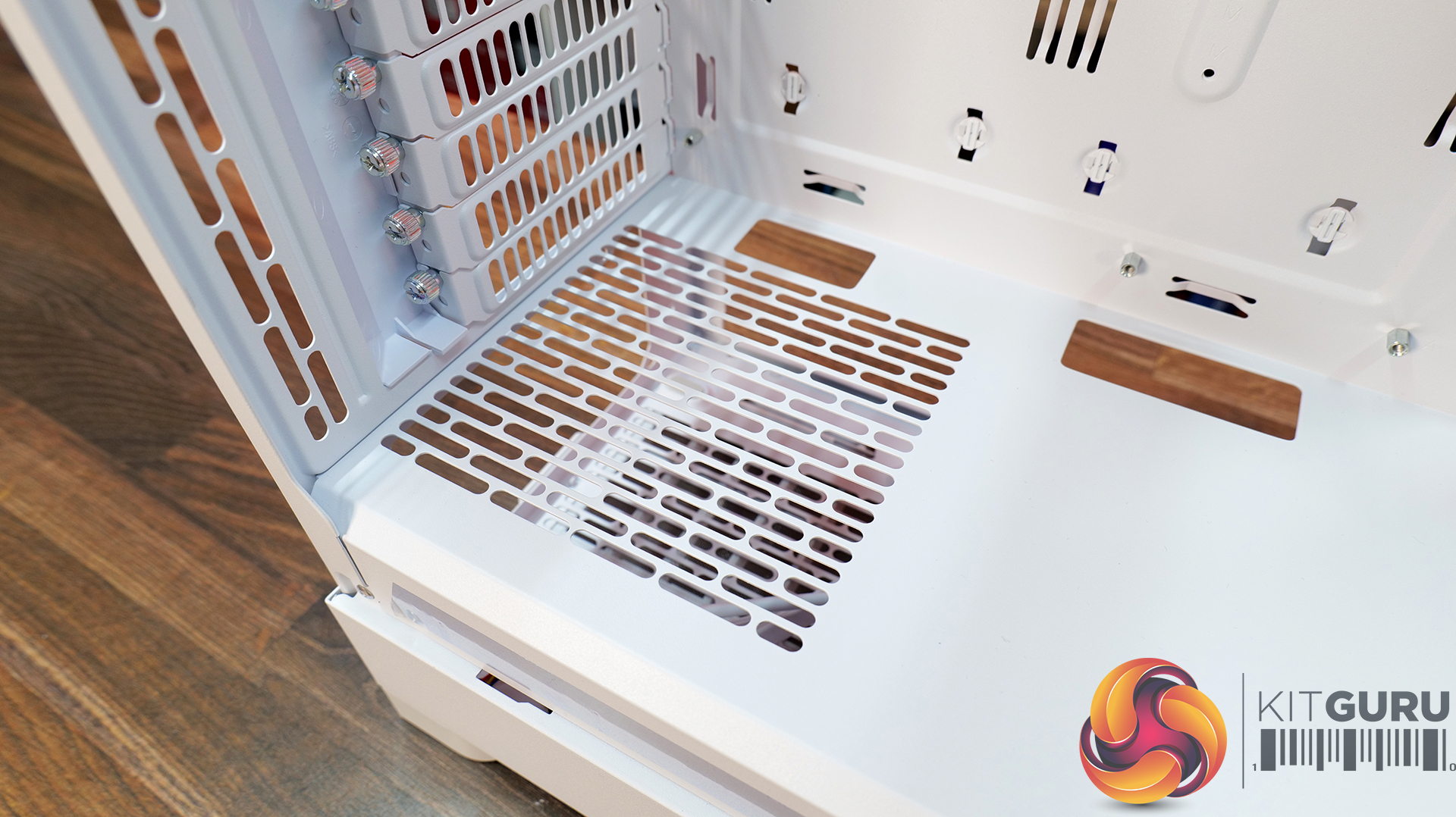
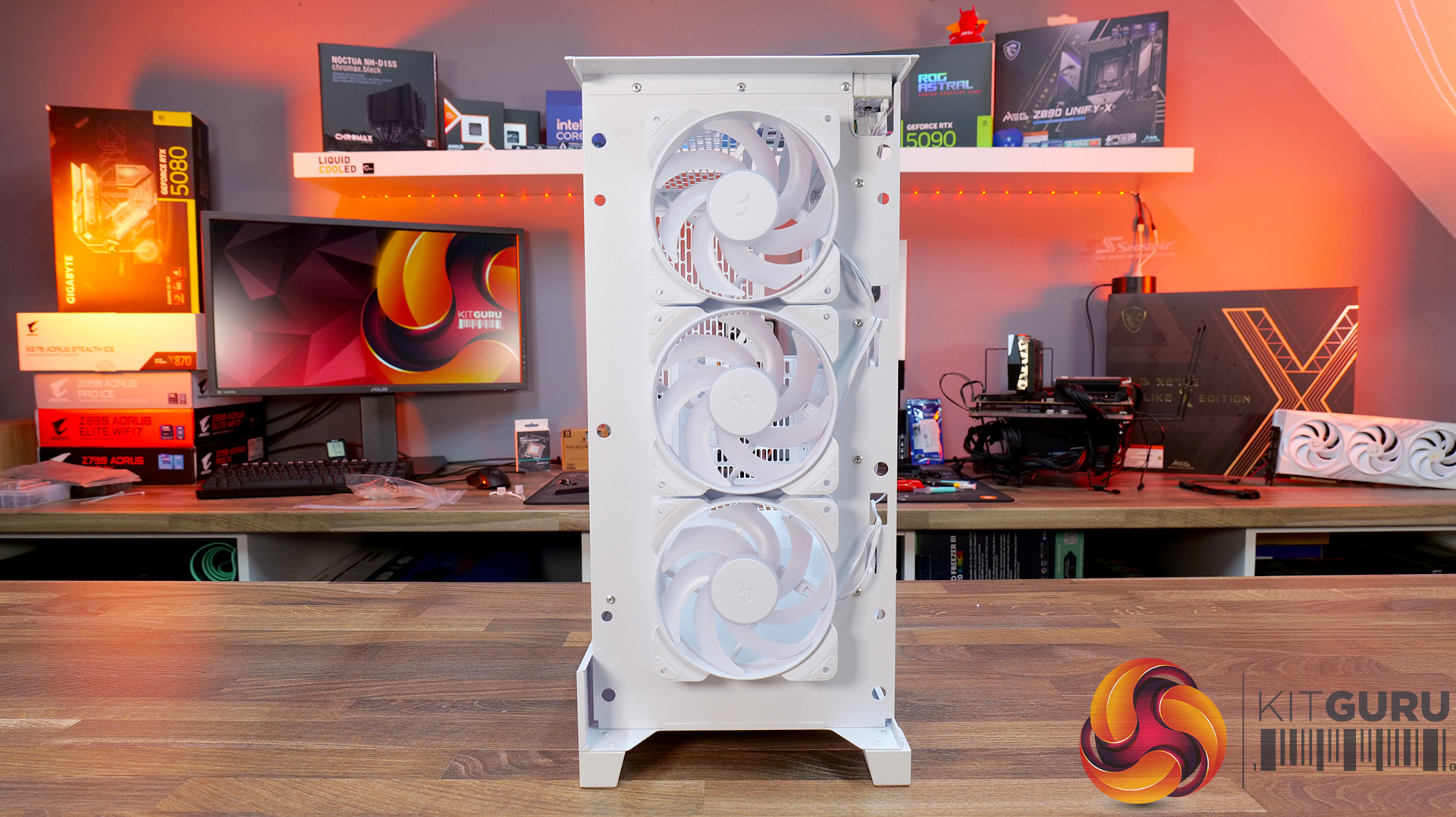
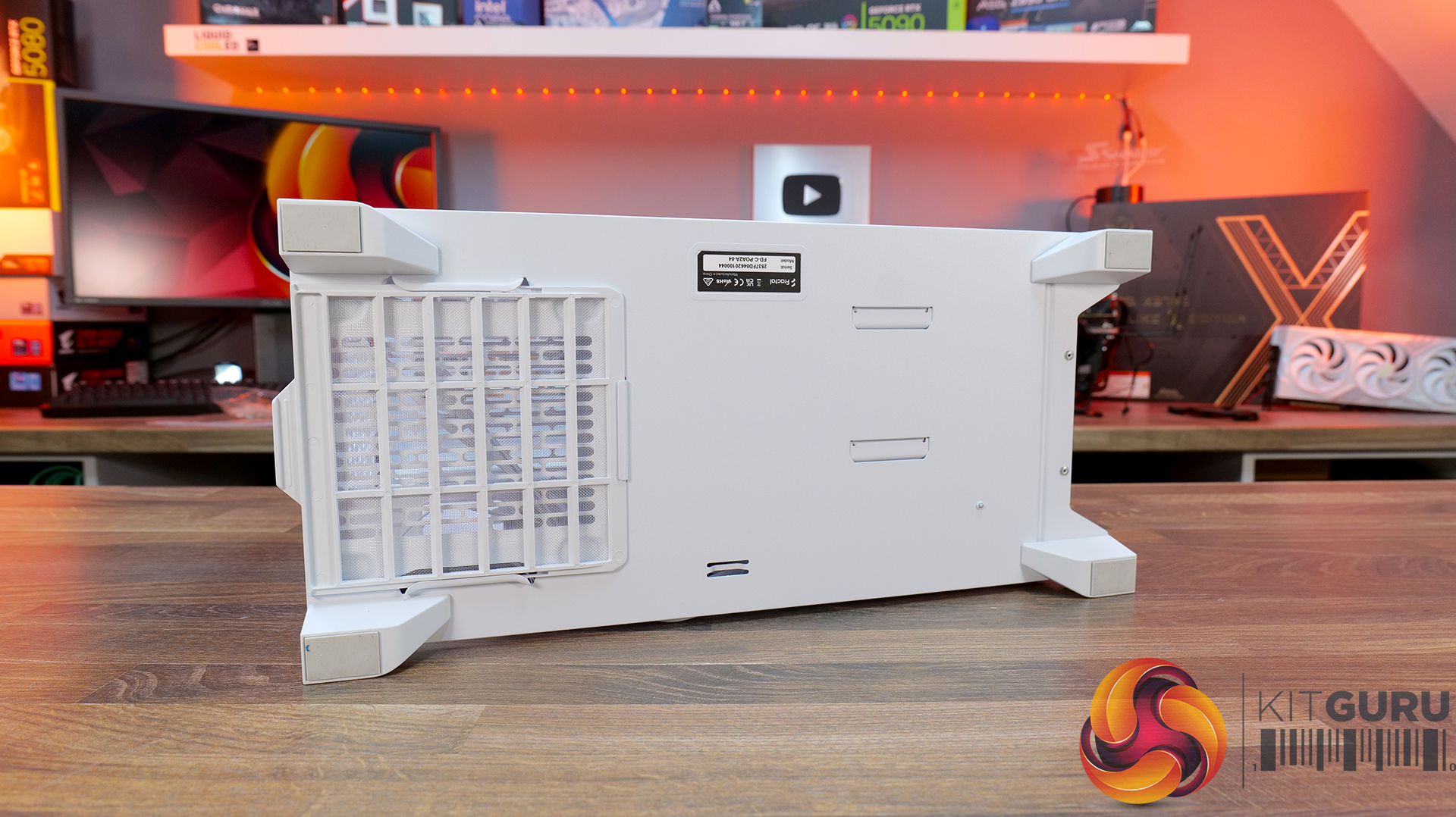
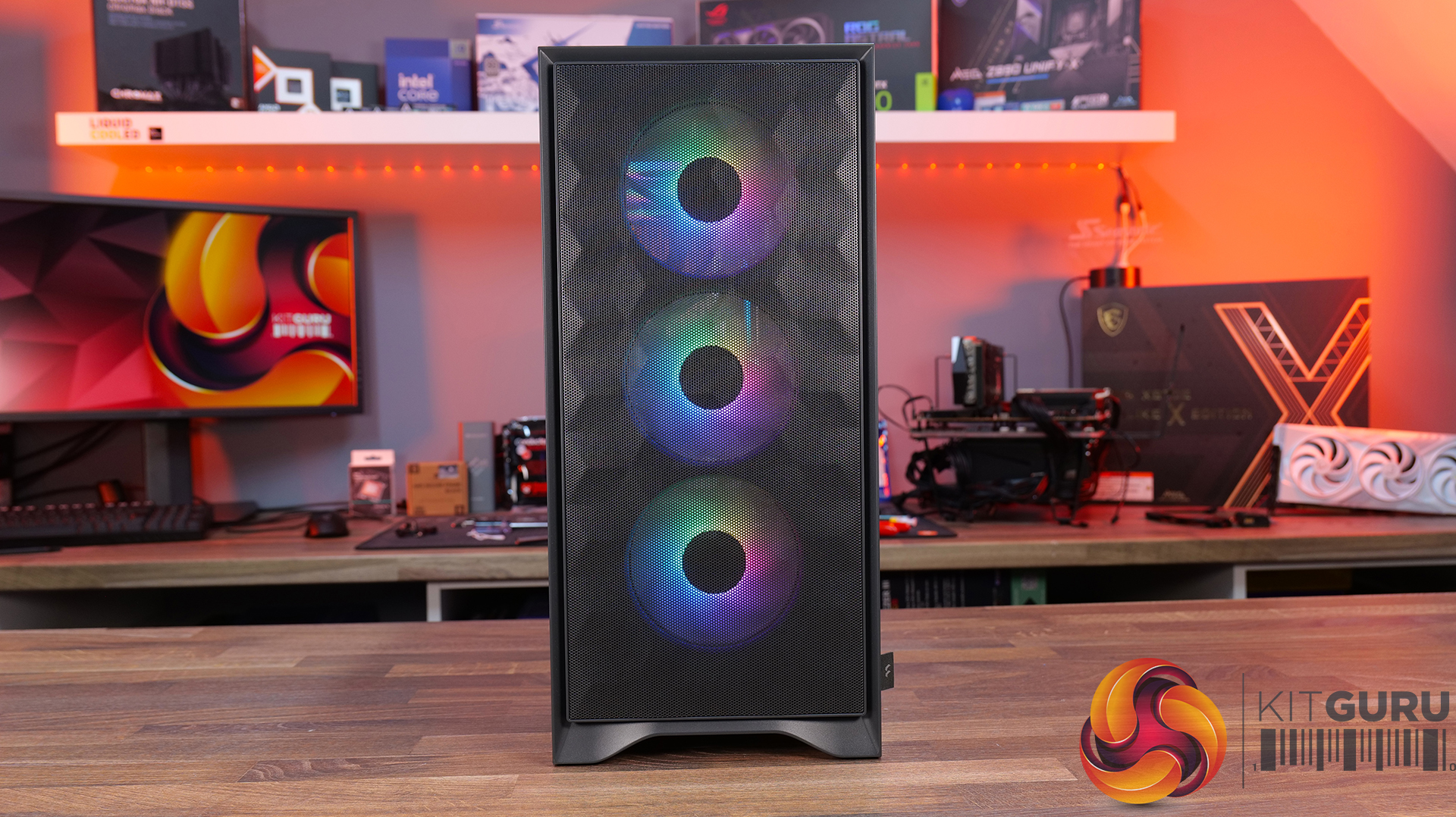
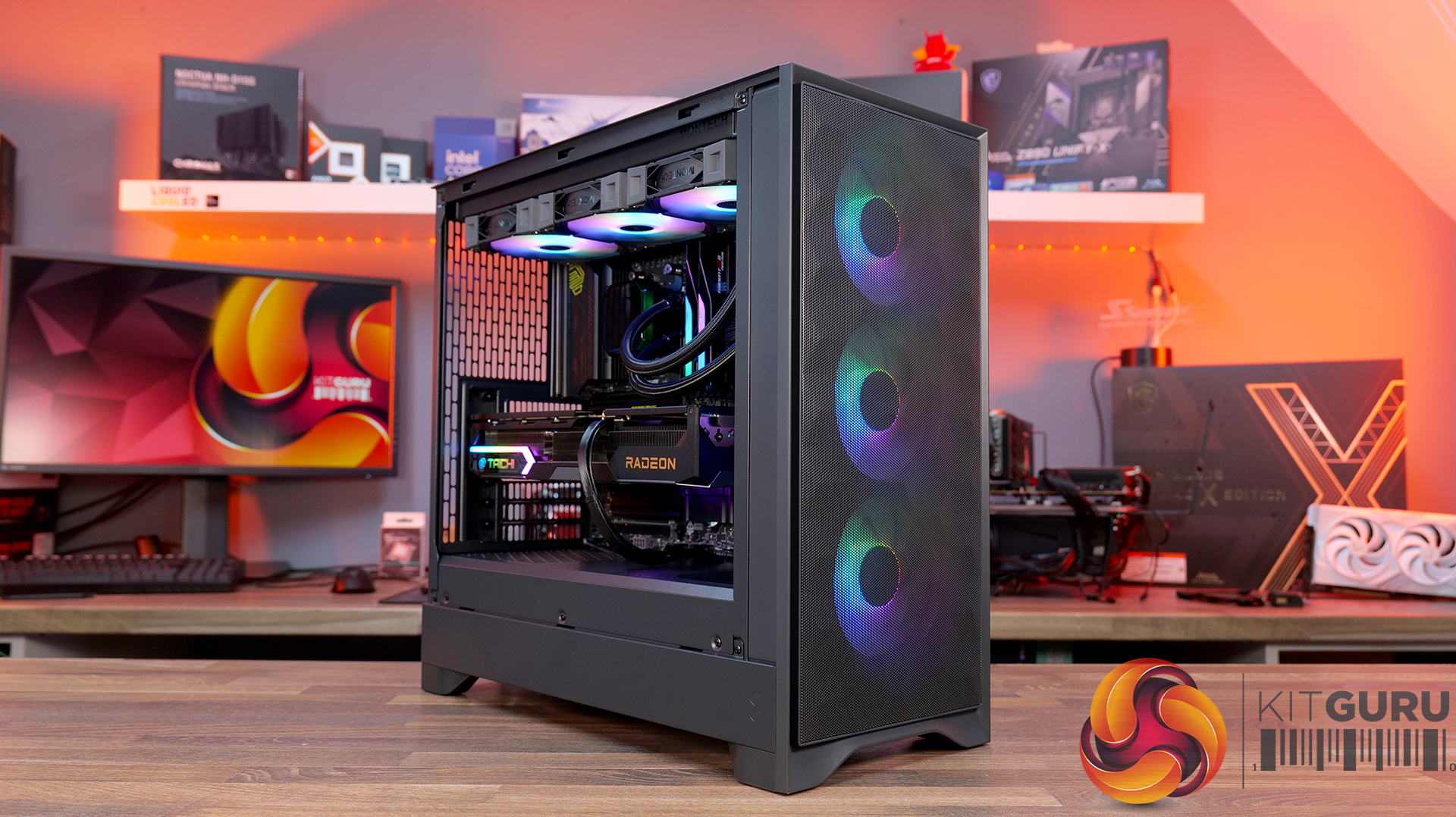
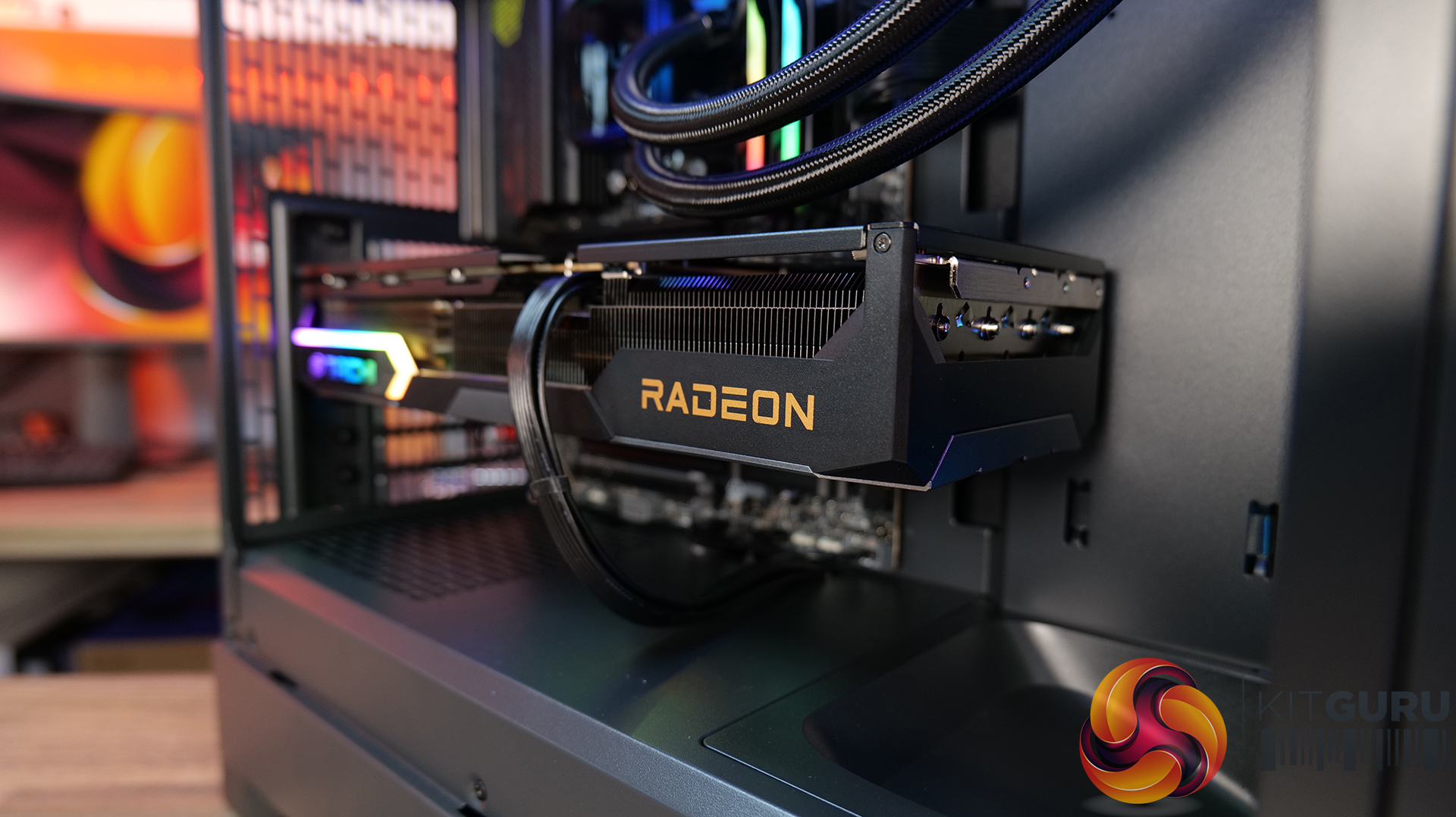
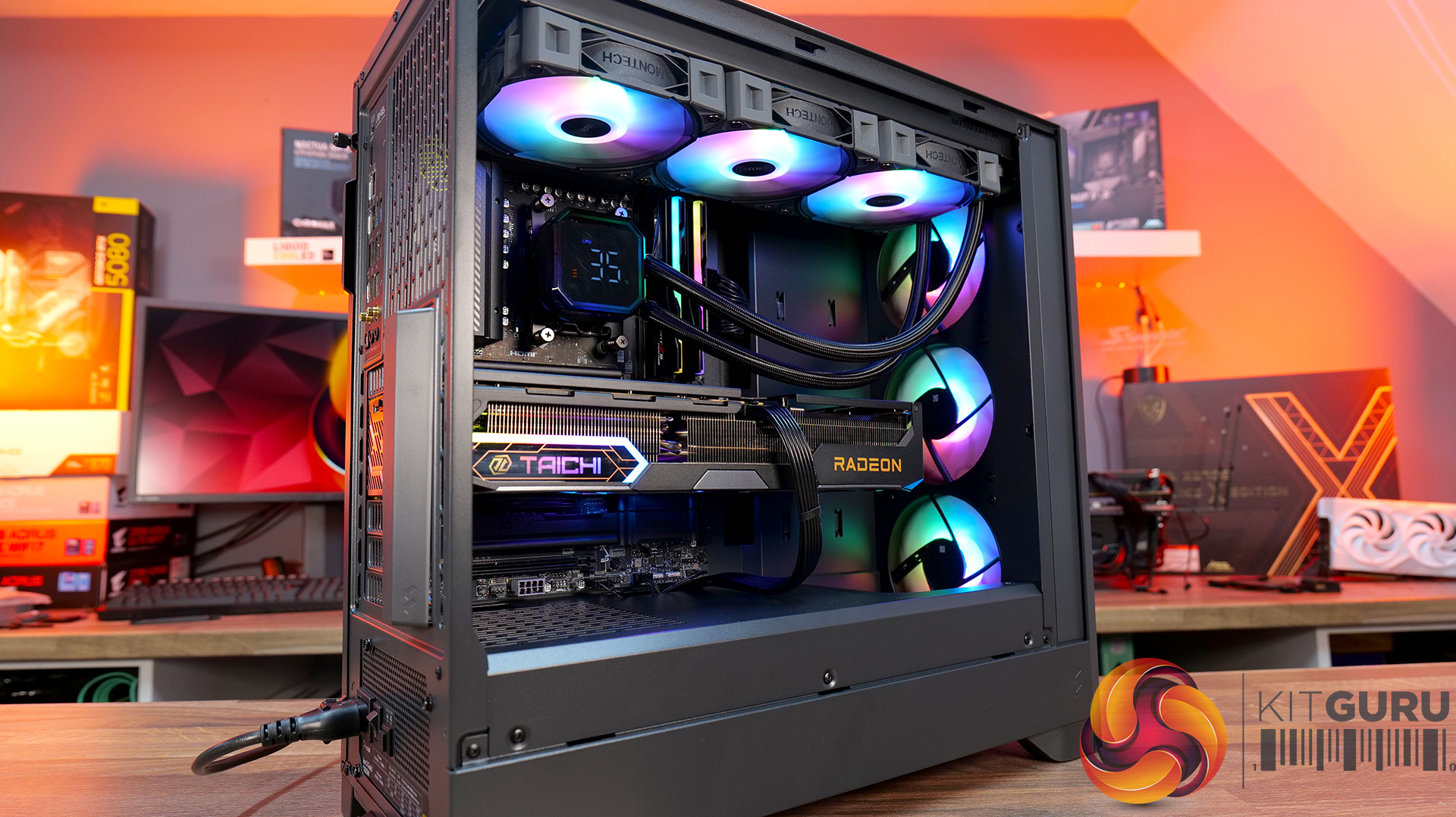
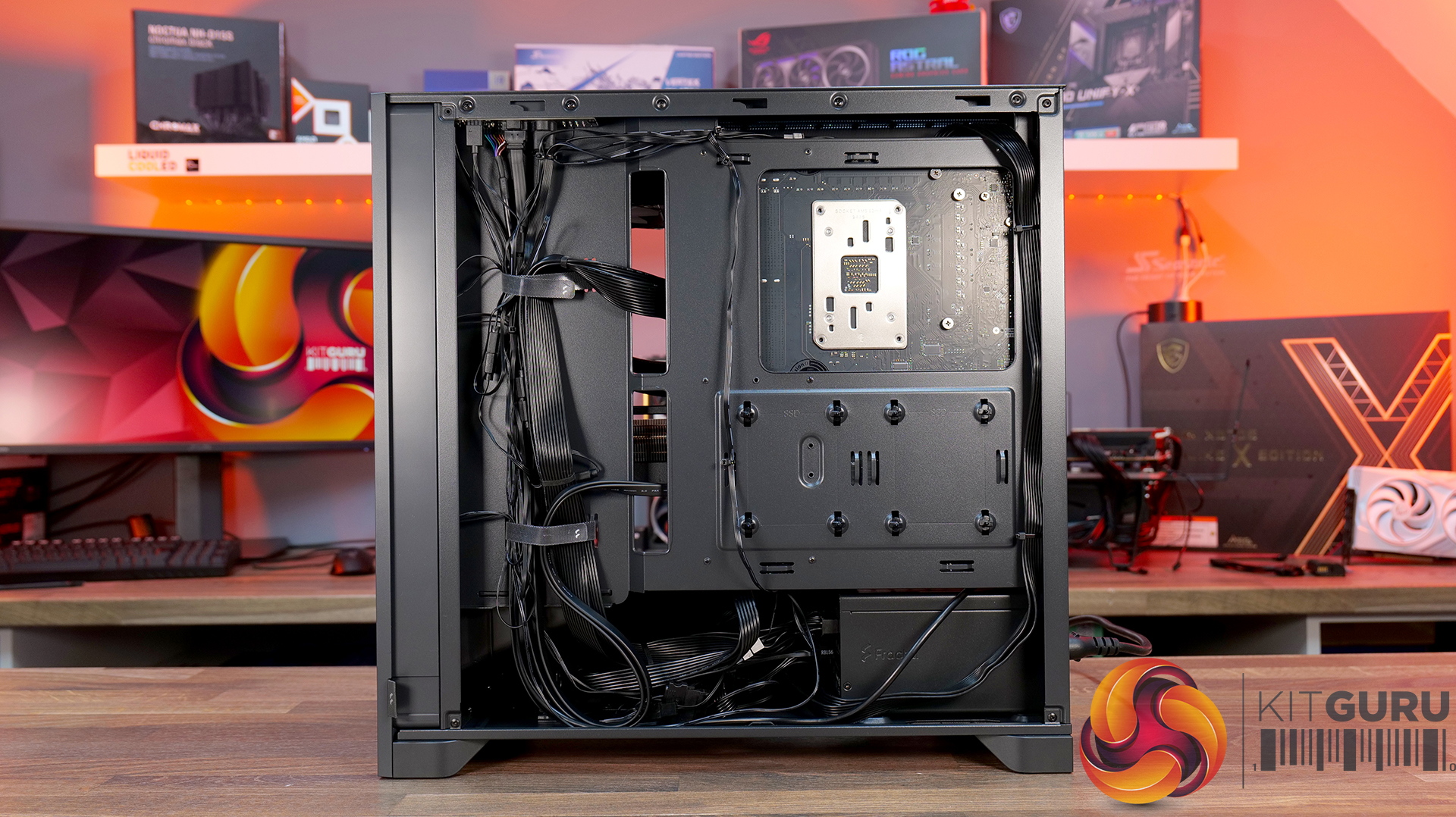
Today we’re taking a look at the Fractal Design Pop 2 Air, a mid-tower case focused on airflow and simplicity. It uses a full mesh front and ventilated top panel, comes with three 120mm fans pre-installed, and includes a GPU air guide designed to improve graphics card cooling. Support covers motherboards ranging from ATX down to Mini-ITX, large air coolers, long GPUs, and up to 360mm radiators. In this review, we’ll be checking build quality, layout, and thermal performance to see how it stacks up.
Timestamps:
00:00 Intro
00:44 Key specs and pricing
02:11 Starting the teardown
03:52 GPU air guide + included fans
05:38 Other features, sizings and compatibility
06:50 Rear of the case / mobo tray
08:01 RGB hub
08:38 Storage support
09:34 Underside
10:09 Included accessories
10:47 Thermal performance + noise
12:04 Performance summary and James’ thoughts
13:34 Closing thoughts
Fractal Pop 2 Air Features:
Airflow-focused design: Pop 2 Air features a fine cubic-pattern mesh front and a ventilated top panel with three included Aspect 12X RGB fans.
Component compatibility: It supports graphics cards up to 416 mm long, CPU coolers up to 170 mm tall and top-mounted radiators up to 360 mm.
Integrated GPU air guide: Pop 2 is equipped with a front air guide to direct airflow specifically toward the graphics card area, to help improve GPU cooling performance.
Pre-installed Fans: 3 x 120mm Aspect 12X RGB non-PWM(Front)
Fan Support: 3 x 120mm (Front), 3 x 120mm (Top), 1 x 120mm (Rear)
Radiator Support: Up To 360mm(Top)
Dust Filters: Top (Steel) PSU (Nylon)
Font I/O: 1 × USB Type-C (5 Gbps), 1 × USB Type-A (5 Gbps), 1 × Audio/Mic combo jack
LCD Screen: N/A
Thermal Performance Testing
To simulate thermal demand, we run the Cinebench R23 multi-thread benchmark and 3DMark Speed Way stress test simultaneously in a loop for 30 minutes to load the system fully. This gives the CPU and GPU enough time to reach constant steady-state temperature. With this data, we can compare how the system handles the thermal demand and measure peak noise levels.
Thermal performance is measured with the case in various configurations, such as the default, with the tempered glass left-hand side panel removed and with the front panel removed to see how these configurations affect the CPU and GPU temperature. During testing, only stock case fans are used unless otherwise specified. All water pumps are set to maximum RPM and fans are set to a custom RPM curve by the Motherboard software/BIOS.
All temperature measurements are presented as Deltas – meaning the ambient temperature has been deducted from the CPU temperature, giving us a Delta. Data shown in the charts represent the average component temperature over the length of the test as measured by HWiNFO, and then the last 15 minutes of the data are calculated to get the average. The ambient temperature during thermal tests is between 19-20⁰C.
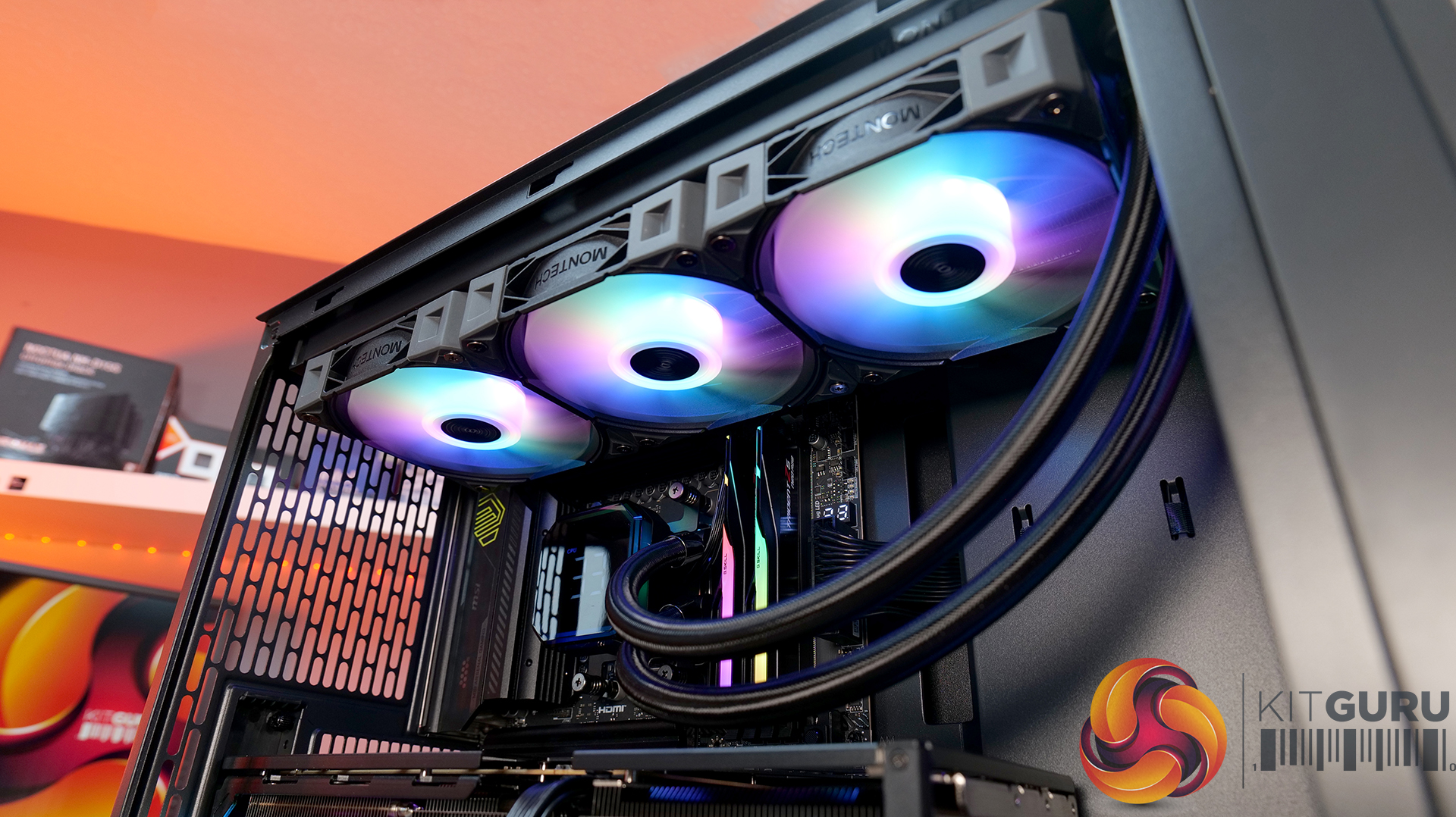
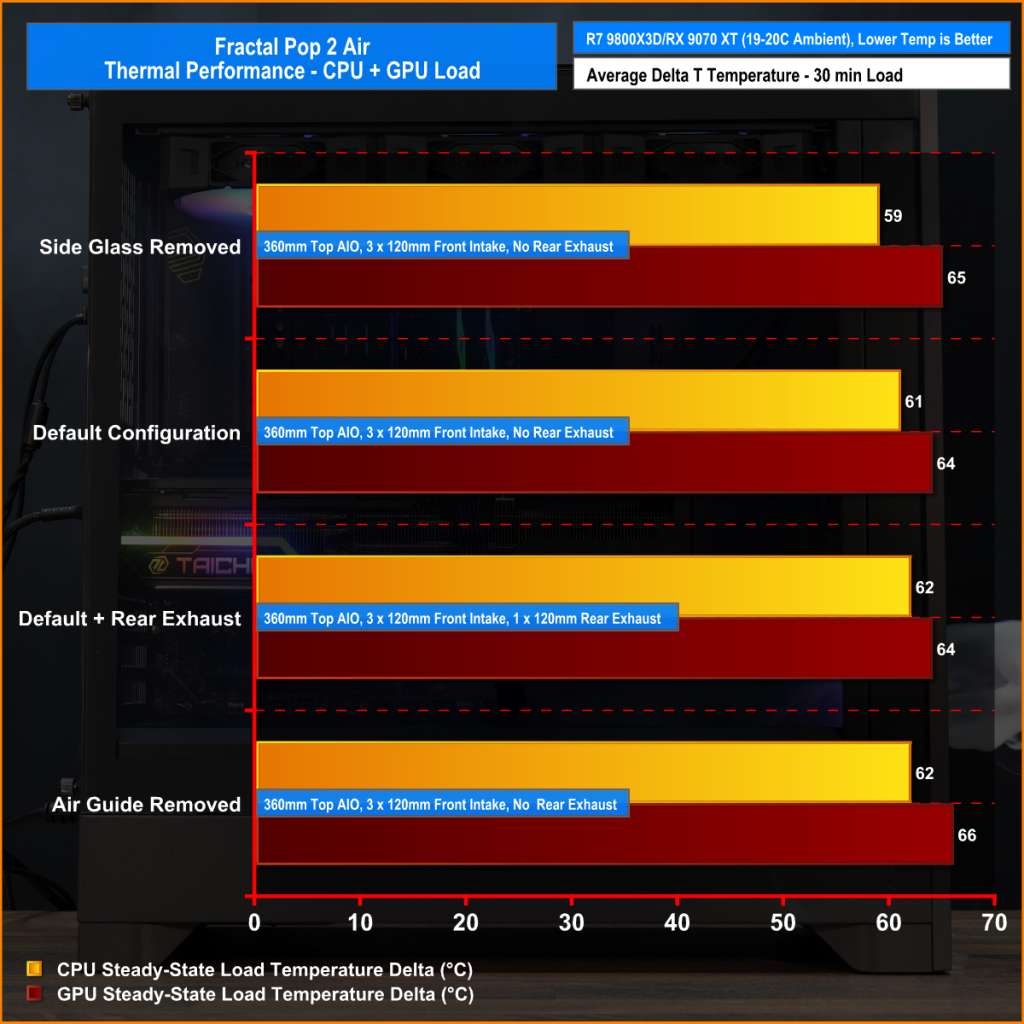
We tested the case thermals with a 360mm AIO as the exhaust at the top and in several different configurations. The default configuration shown in the charts is with the 360mm AIO at the top, 3 x 120mm Front intake fans and with all panels installed.
CPU temperatures are close across all test configurations, ranging from 59°C to 62°C over ambient. Removing the side panel produces the lowest CPU temperature at 59 °C, while the default layout and added rear exhaust both sit 1-3 degrees °C higher, indicating the stock airflow path is already optimised. GPU temperatures show minor variation, with the default configuration achieving the lowest result at 64 °C. Removing the GPU air guide results in the highest GPU temperature at 66 °C, showing its effectiveness in directing airflow toward the graphics card with minimal impact on CPU cooling.
Noise Output
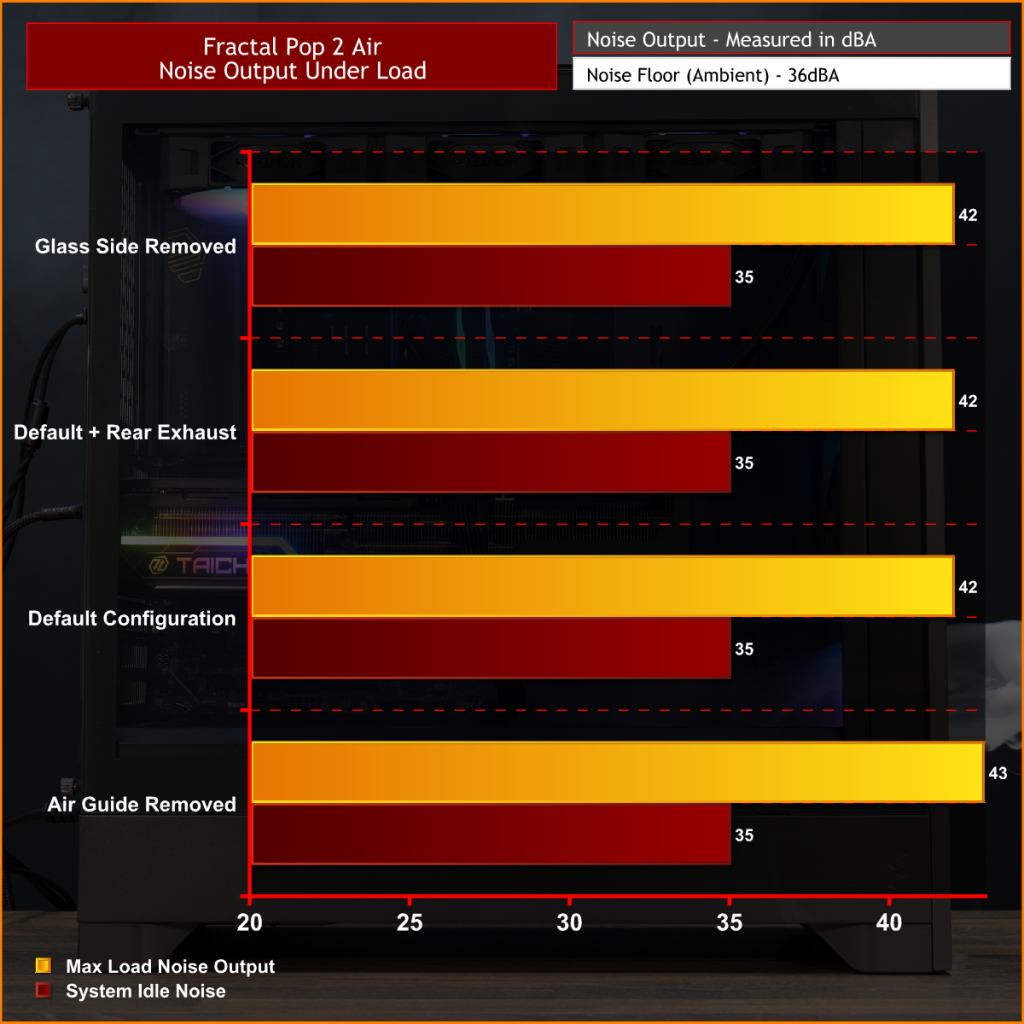
Under load, the Pop 2 Air shows very consistent noise output across configurations, measuring 42 dBA with the side panel removed, in the default layout, and with an added rear exhaust fan. Removing the GPU air guide results in a minor increase to 43 dBA, suggesting it provides a small benefit in controlling airflow under load with slightly lower fan speed. At idle, all configurations sit at 35 dBA, indicating stable fan behaviour and no additional noise coming from airflow changes.
Closing Thoughts
In some key areas, the FractalPop 2 Air shows a shift in direction compared to the original Pop series. Some of the more distinct features that made it popular are gone, like the 5.25-inch drive bay and the bold and bright internal colour options that gave the earlier models a bit of personality. In their place, Fractal has moved more towards mainstream airflow-focused design, which will likely appeal to cooling enthusiasts wanting to squeeze all the performance from their hardware, even if it means losing some of that original charm.
On the positive side, the updates applied in the Pop 2 Air make sense for modern high-performance gaming systems. Support for up to a 360mm top-mounted radiator is a welcome addition, and the included GPU air guide proves to be more than a gimmick, offering a small benefit to graphics card temperatures in our testing. Cooling performance overall is solid, and the default fan configuration does a good job, and quietly.
That said, there are some notable omissions at this price point. There are no removable radiator or fan brackets to help with installation, no built-in GPU anti-sag support, and the included fans are non-PWM, which limits fine speed control and adjustment. These aren’t deal-breakers, but they are features that competitors often include at this price range, and their absence will be noticed by more advanced and experienced enthusiast system builders.
Build quality is, for the most part what we’ve come to expect from Fractal Design – generally good, except for the top panel which is quite weak and flexible without any fans or radiator mounted.
Taken as a whole, the Fractal Pop 2 Air is a competent, airflow-focused mid-tower that prioritises cooling and compatibility over the fun and functional extras seen in its predecessor. It’s not the most feature-rich case in its class, but if you value straightforward design and solid thermal performance, it may appeal to you as it is reasonably priced too at under £90 with fans, glass and RGB included.
The Fractal Pop 2 Air is available to purchase now from Scan in either black or white, priced from £79.99 HERE.
Pros:
Good thermal performance.
Improved radiator support over the original Pop.
Good build quality.
Cons:
The distinctive Pop colours have gone.
Lost 5.25-inch drive support.
No back-connect motherboard support.
Included fans are not PWM.
Very basic in some areas, with no fan hub, modular parts or GPU support brackets etc.
KitGuru says: We miss some of the features of the original Pop in this new version, but if your focus is solid cooling and high-end hardware support at a low cost, then the Pop 2 Air might be ideal for you.
Back in 2022, it was reported that Sony had entered into talks with Amazon to develop a live-action adaptation of the console maker’s highly-popular God of War franchise. While production was off to a slow start, work on the project appears to be progressing smoothly – with a majority of the cast now being officially announced.
Back in January, Amazon started to promote their upcoming God of War show, confirming early casting details including the role of Kratos (being played by Ryan Hurst). Since then, we’ve gotten additional casting details including some familiar voices reprising their roles.
As reported by Deadline, Ólafur Darri Ólafsson (known for Severance and The Secret Life of Walter Mitty) is officially set to play the role of Thor in the show. Joining him (as per Variety) are Max Parker as Heimdall; Mandy Patinkin as Odin – and Danny Woodburn / Jeff Gulka playing Brok / Sindri respectively.
Perhaps the most surprising casting choice however is Alastair Duncan as Mimir, who actually played the character in the games (and whose voice would be highly familiar to those who experienced the duology). Serving as one of the primary narrators for 2018’s God of War and Ragnarok, Alastair Duncan reprising his role is a welcome surprise.
While it is still too early to glean much regarding Amazon’s God of War adaptation, the casting choices so far are certainly encouraging.
KitGuru says: What do you think of the casting choices so far? Are you glad to see Alastair Duncan return? Who do you think they’ll get to play Atreus? Let us know down below.
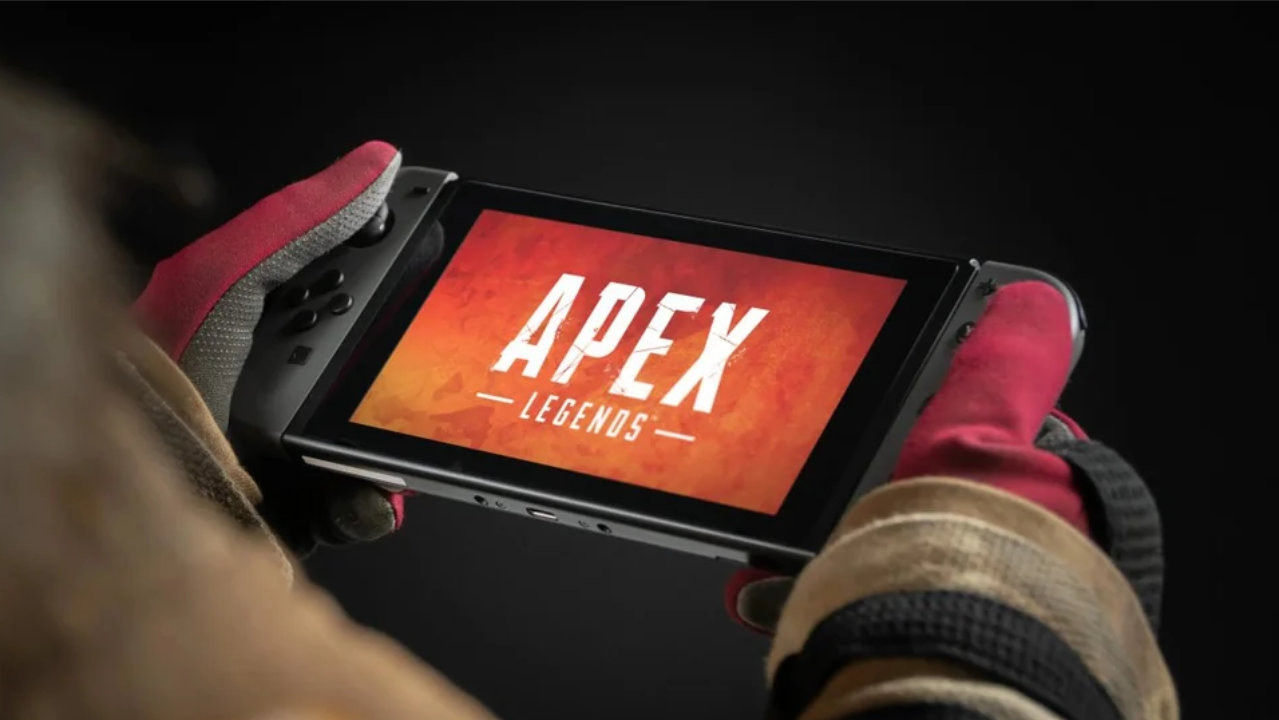
Making the announcement via their blog, the team at Respawn Entertainment wrote: “Hey legends, we want to share an important update about Apex Legends on the Nintendo Switch. Season 29 will be the final update for Apex Legends on Nintendo Switch. Future seasons of Apex Legends will continue to be available on Nintendo Switch 2.”
For the uninitiated, Season 29 ends on the 3rd of August, and so there is still plenty of time to play the game between now and then (even if the OG Switch version is arguably the worst). Regardless, as all your progress is tied to your EA account, those who wind up picking Apex back up on Switch 2 will be able to continue right where they left off.
Even back when it released in 2021, the Switch 1 version of Apex Legends was far from the optimal way to experience a competitive multiplayer shooter and so it’s not surprising to see it being discontinued. It will be interesting to see how much longer the last-gen PS4 and Xbox One versions persist for.
KitGuru says: Did you ever try the game on Switch 1? How was it? When do you think the other last-gen versions will be discontinued? Let us know down below.
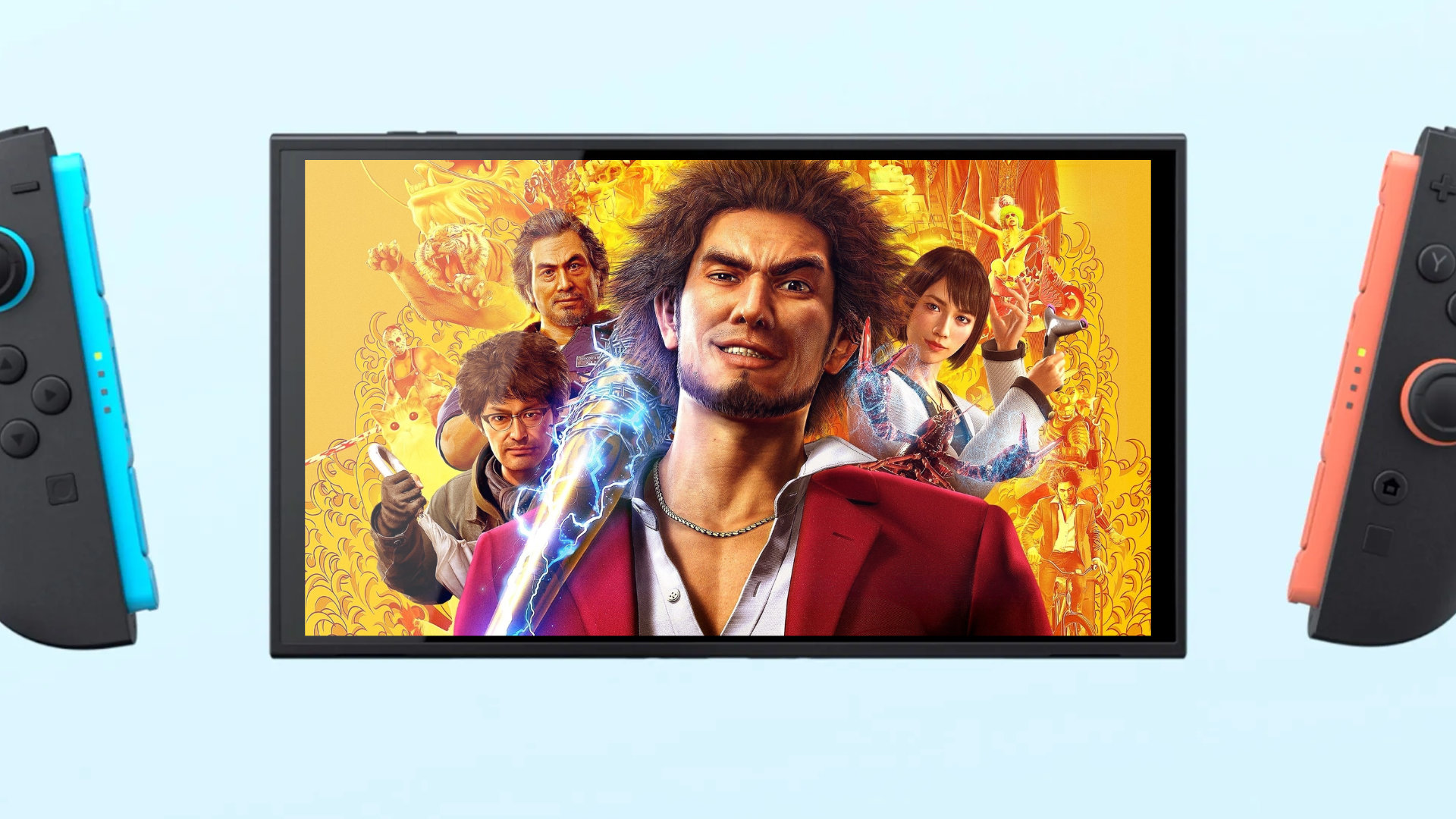
SEGA and RGG Studio have been pretty good with supporting Nintendo platforms in recent years, with the Switch 1 receiving plenty of ports over its lifetime. The Yakuza series in particular has seen strong representation with 0, 1, 2 and (soon) 3 available on the platform. According to the studio, even more entries could be coming “if fans tell us more.”
Releasing a promotional video to YouTube for the upcoming Yakuza Kiwami 3 & Dark Tides, the team at RGG Studio spoke on their support for the Nintendo Switch platform in particular, with Masayoshi Yokoyama stating:
“We've had Yakuza 0, 1, 2 and now 3. So, on Switch 2 with Yakuza Kiwami 3 & Dark Ties, we're releasing everything that we can at the moment. From here on, the number may increase if fans tell us more.”
Yokoyama continued, “I've always thought that being able to play anywhere is really important for Switch 2, and I think it's a great piece of hardware that will make the dreams of people who wanted to play games in the past but were restricted by location to come true. When the Switch 2 came out, the game actually worked because the performance has also improved, so I decided from the beginning that I wanted to port the game (Yakuza Kiwami 3) over no matter what.”
As mentioned, RGG Studio have brought over quite a few Yakuza games to Nintendo at this point, with the original Kiwami reportedly “selling like hotcakes” on the OG Switch. That said, there are still plenty of entries not available on the platform, and so it will be interesting to see if and when the remainder of the Yakuza / Like a Dragon series find their way over to the Switch 2.
KitGuru says: What do you think of the earlier Yakuza games? Would you like to see Like a Dragon also come to the platform? Do you prefer the turn-based or real-time entries? Let us know down below.
HBO’s adaptation of The Last of Us helped spearhead the surge in quality adaptations of video game properties, amassing record-breaking views and winning a ton of awards. Like with the games themselves however, Season 2 of the show proved to be somewhat more contentious than the first. While a 3rd Season was greenlit even before the second season came out, it appears as though the next chapter of HBO’s TLOU might be its last.
Though it was never explicitly stated, prior to the launch of series 2 for HBO’s The Last of Us showrunner Craig Mazin alluded to the fact that there could be up to 4 Seasons required to tell the story of the two games.
Whether these plans were ever more than a vague idea or not, it seems as though HBO’s The Last of Us will most likely conclude with its next Season, with HBO chief Casey Bloys responding to the question of whether S3 will be its last by stating: “It certainly seems that way, but on decisions like that, we will defer to the showrunners. So you can ask them.”
Based on the wording, it appears as though the decision to go with 3 seasons instead of 4 has come from the creative side of the company, and less so the management (especially as Bloys spoke on the matter back in July stating “Craig is still working it out whether it will be two more seasons or one more long season. It hasn't been decided yet, and I'm following Craig's lead on that”).
This should hopefully mean that when it does eventually release, series 3 will encapsulate the remainder of Part II’s story in a satisfactory (and not rushed) manner. We will have to wait and see however.
KitGuru says: What do you think of HBO’s The Last of Us? Was series 2 a disappointment to you? What were your opinions on the games? Let us know down below.
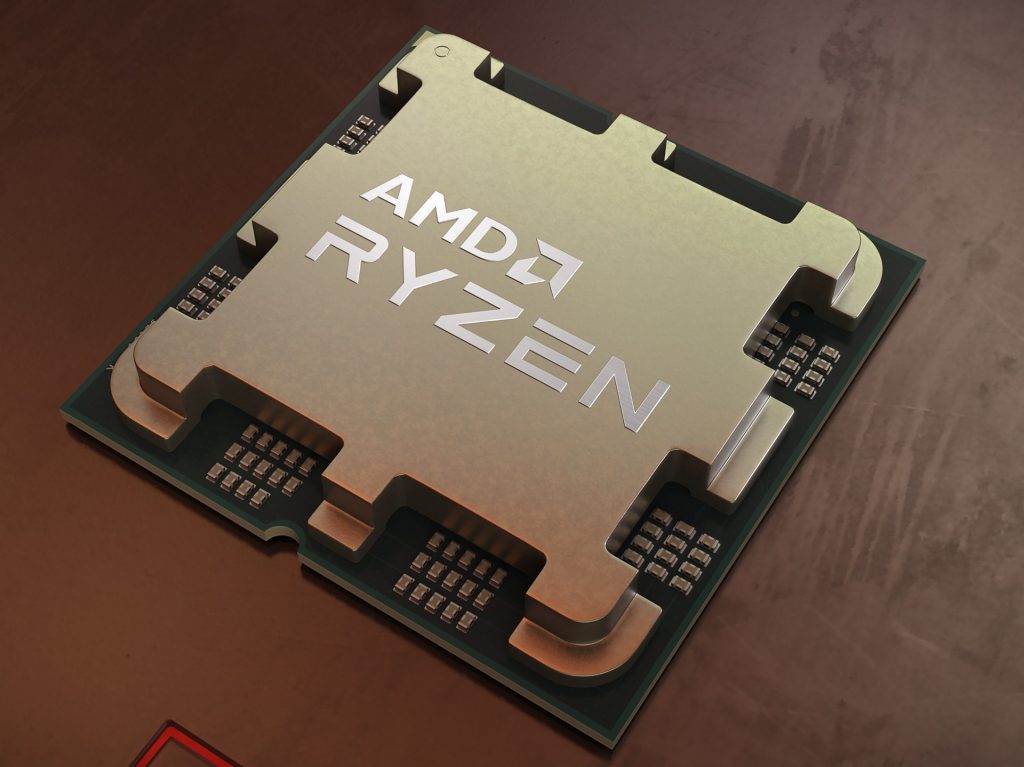
AMD’s next‑generation “Zen 6” microarchitecture may bring some notable changes, according to a new rumour shared by leaker HXL (via VideoCardz). The post claims AMD is considering increasing the core density of its standard CPU Complex Die (CCD) for the first time, moving from the long‑standing 8‑core layout to a 12‑core configuration. The same rumour also mentions a shift to TSMC’s latest process node and a larger L3 cache per CCD.
HXL claims that the new Zen 6 CCDs are full-performance cores designed to maintain high clock speeds, effectively giving the mainstream AM5 platform a 50% boost in multi-core processing power per chiplet. HXL also claims that the increased core count would be enabled by higher transistor density from TSMC’s rumoured N2 (2nm) process.
Cache capacity is also part of the rumour. The L3 cache per CCD is said to increase from 32MB to 48MB, and when paired with a stacked 96MB V‑Cache layer, a single Zen 6 CCD could reach 144MB of L3 cache. Under this scenario, a dual‑CCD, 24‑core CPU might offer up to 288MB of total L3 cache. None of these numbers have been verified by AMD.
KitGuru says: A move to a 12‑core CCD would be a major shift. If AMD were to release a single‑CCD, 12‑core X3D model, it could avoid the scheduling quirks seen on dual‑CCD parts like the 7950X3D while offering more cores than today’s 8‑core gaming‑focused chips. For now, though, all Zen 6 details should be treated as unconfirmed.
A new rumour circulating on the Board Channels forum suggests Nvidia may be shifting its supply strategy for the GeForce RTX 50 series. According to the post, rising VRAM costs could be pushing the company to prioritise lower‑capacity models.
According to a Board Channels Forum user (via VideoCardz), 8GB versions of the RTX 5060, RTX 5060 Ti and the 12GB RTX 5070 may account for as much as 75% of total GPU shipments for the quarter. It is implied that this is due to price hikes around memory, brought about by booming AI data centre demand.
If accurate, Nvidia may be aiming to remain competitive with AMD's 16GB GPUs by maintaining a steady supply of RTX 5070 GPUs. While AMD has reportedly prioritised these 16GB cards due to their stronger market appeal, Nvidia's claimed focus on 8GB and 12GB variants suggests it is leaning into volume over VRAM capacity.
KitGuru says: Do you think the memory, SSD and GPU markets will bounce back for consumers this year?
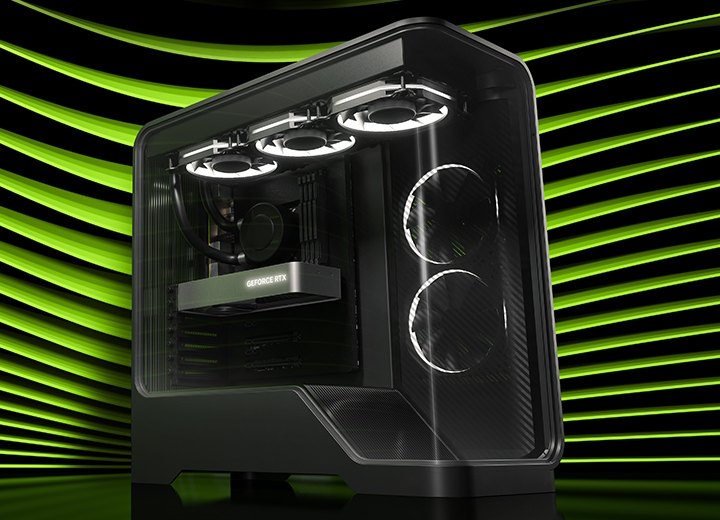
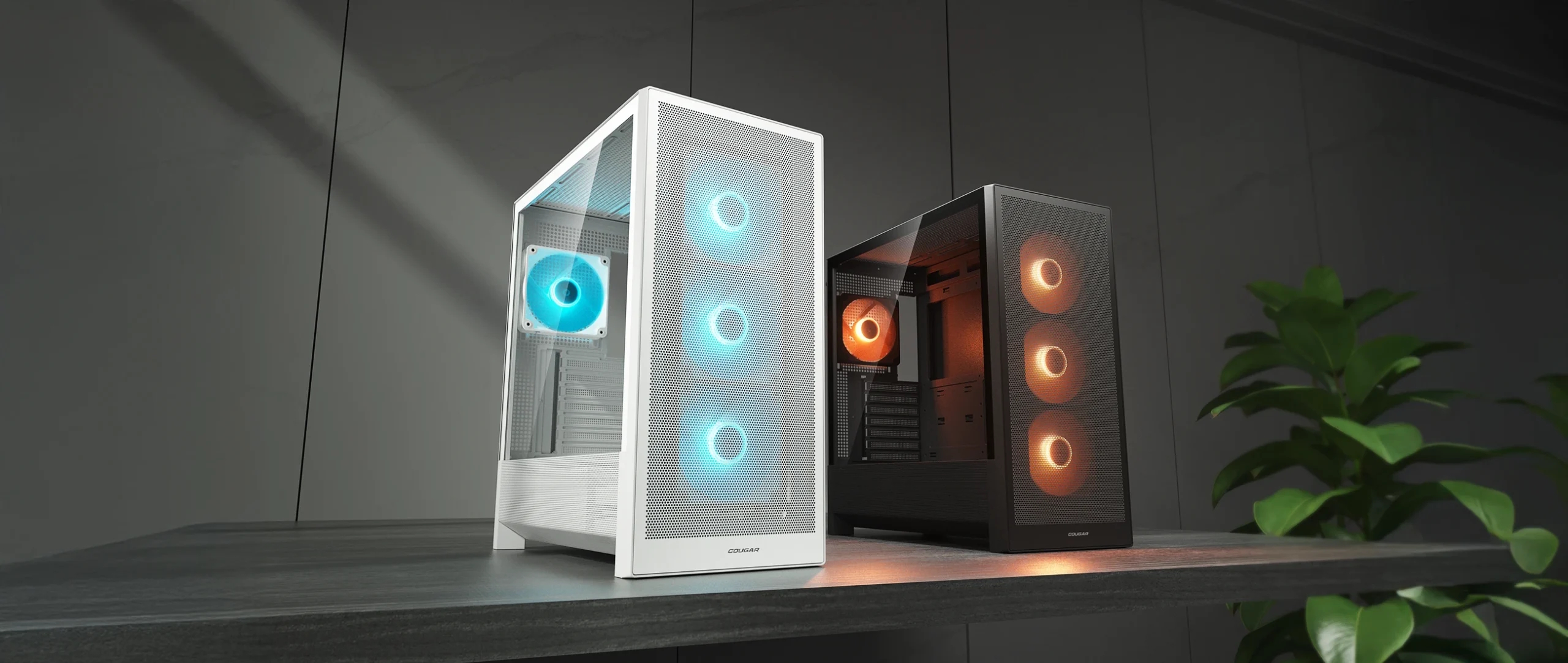
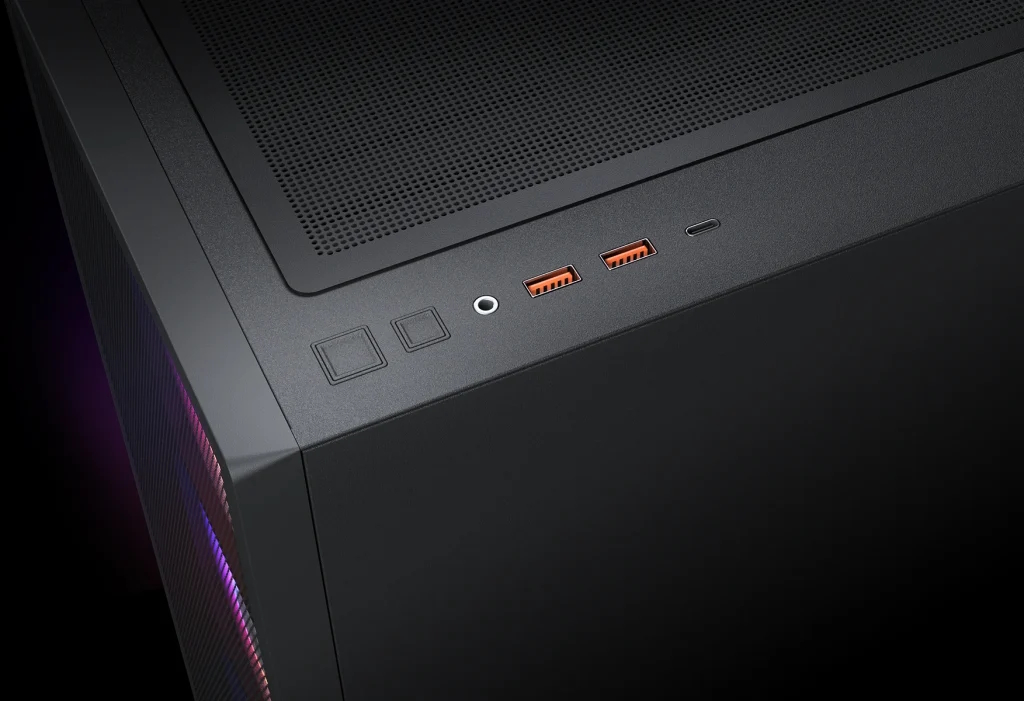
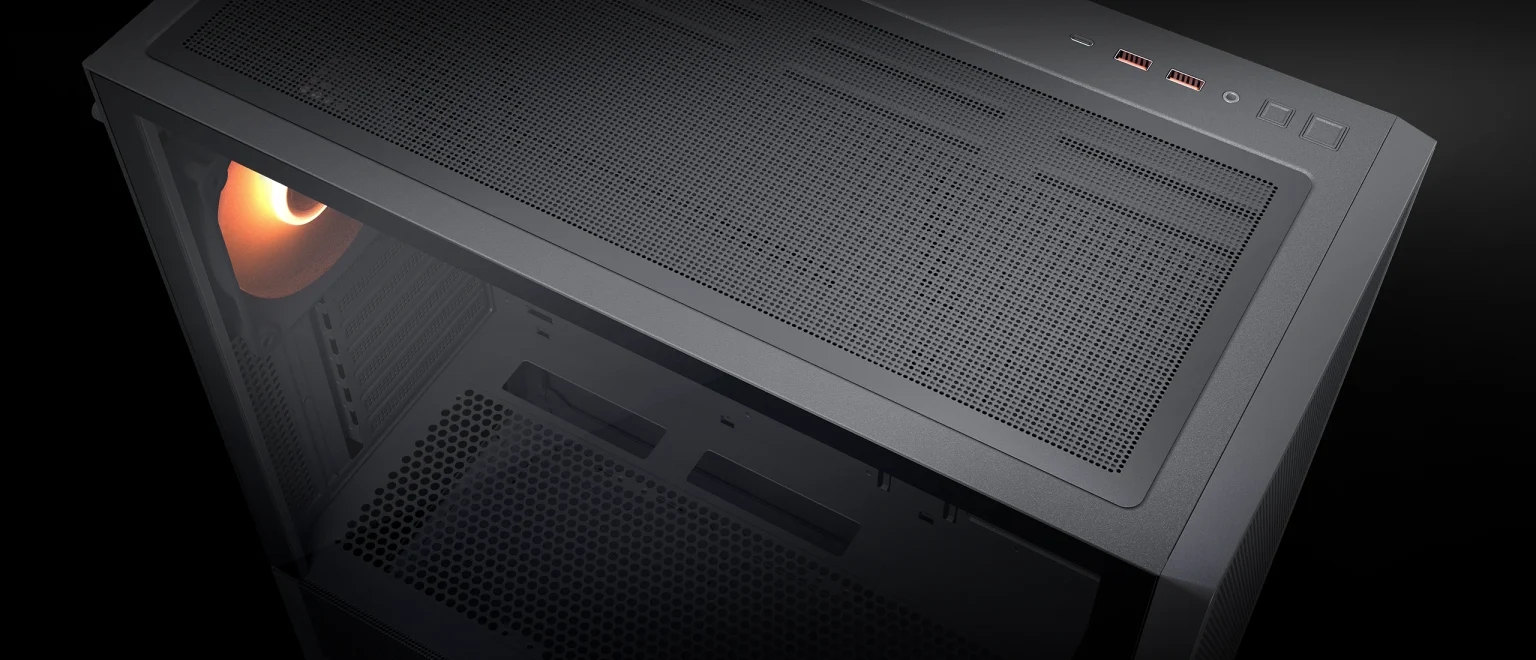
Cougar has officially unveiled the MX230 RGB, a mid-tower chassis that prioritises thermals over the “fish tank” aesthetic trend. The MX230 focuses on airflow, featuring a front mesh panel and an angled mesh bottom panel. This “airflow-first” philosophy aims to create a vertical thermal column that delivers fresh air directly to components, a departure from the side-heavy glass layouts that have dominated in recent years.
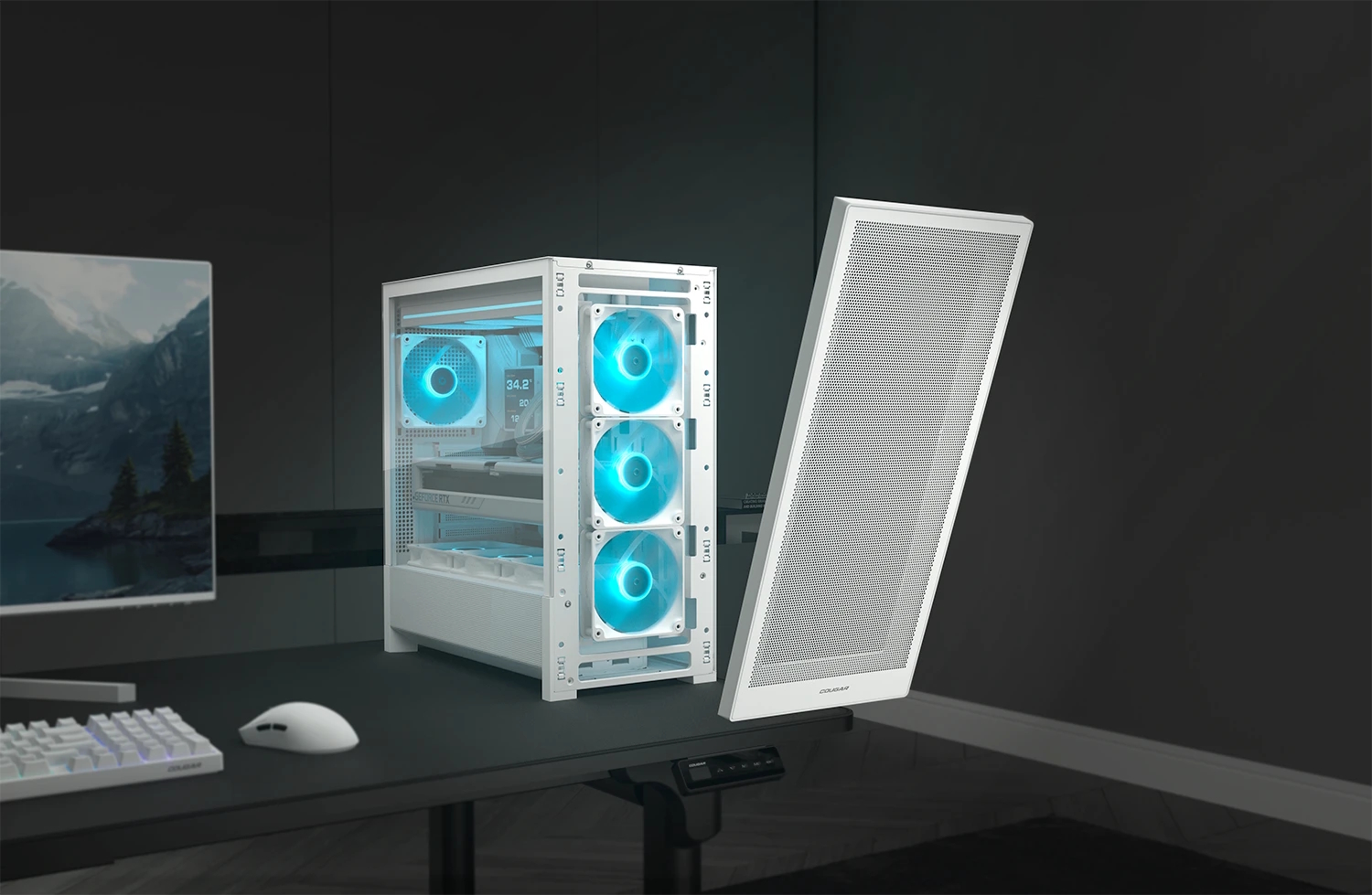
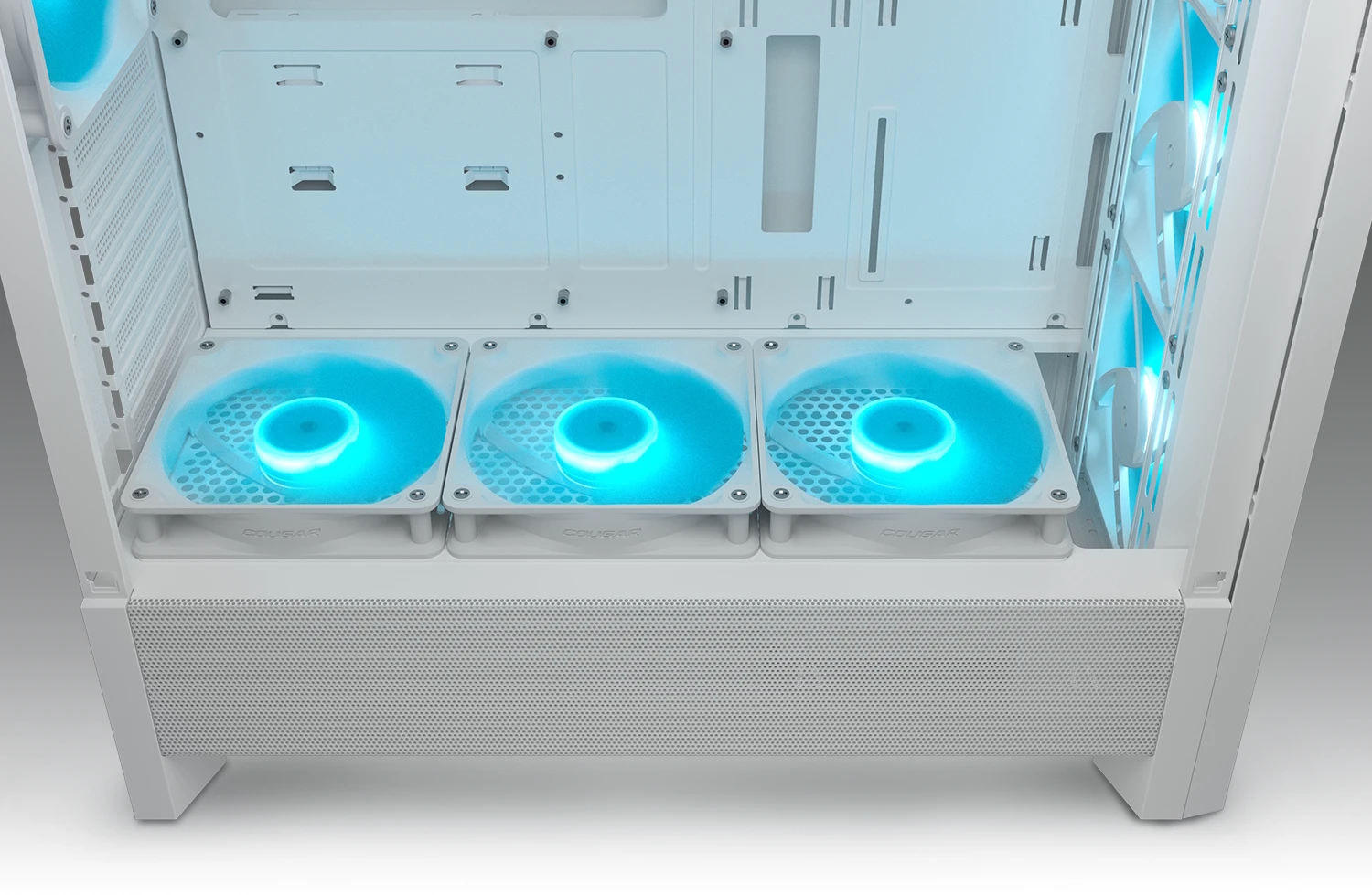
The MX230 RGB (via CowCotland) stands out with its triple-fan-capable PSU shroud, which can accommodate three 120 mm fans. This design is engineered to provide ample cabling clearance, ensuring that intake air is not choked by internal hardware. Out of the box, the MX230 is equipped with four 120 mm ARGB fans (three front, one rear), but it supports a maximum of 10 fans. For liquid cooling enthusiasts, the top panel supports radiators up to 360 mm.
Despite its compact dimensions (475 x 220 x 445 mm), the MX230 offers flagship-tier compatibility. It supports E-ATX motherboards, 170 mm tall CPU coolers, 200 mm long PSUs, and graphics cards up to 400 mm long. Additionally, the case supports 2 x 3.5″ HDDs or 1+1 2.5″ SSDs.
Builders will appreciate the tool-less maintenance offered by the snap-fit metal front panel and the high-speed connectivity of the front I/O, which includes a USB-C 3.2 Gen 2 (10Gbps) port. The case will be available in black and white.
KitGuru says: Although simple, the MX230 RGB looks quite nice and offers pretty much everything (and a bit more) the average PC gamer needs from a case.
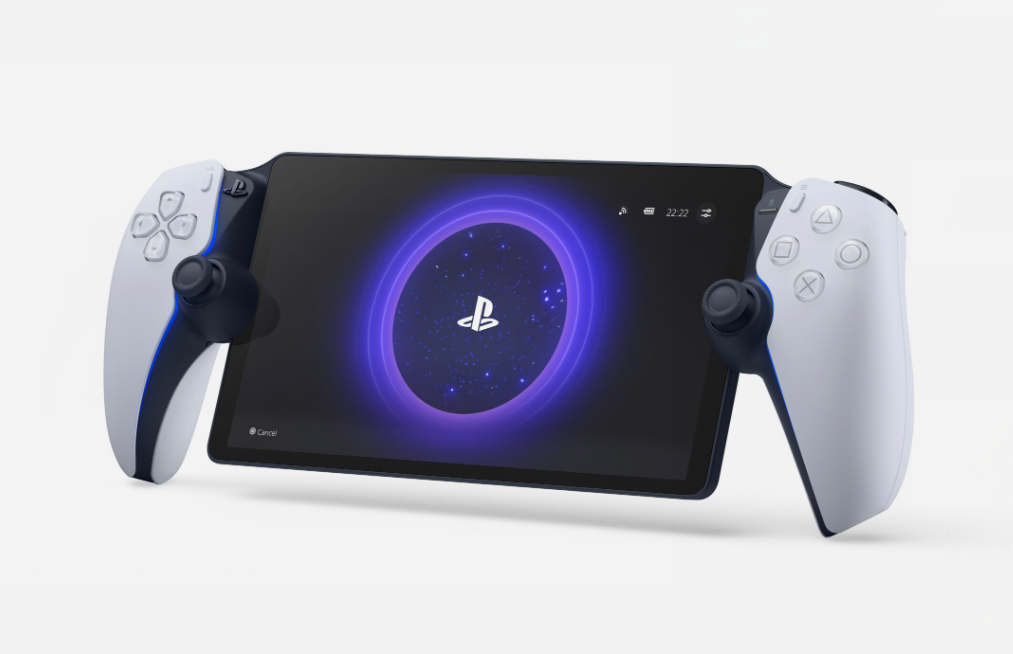
Sony appears to be aggressively repositioning itself in the portable gaming market for 2026. According to recent leaks, the company is preparing a two-pronged approach: a near-term OLED refresh of the existing PlayStation Portal and a much more powerful gaming handheld powered by AMD's RDNA 5 graphics.
The report comes from Kepler_L2 (via r/GamingLeaksAndRumours), who states that the PlayStation Portal OLED is expected to launch in 2026. While internally similar to the current version, the move to an OLED panel addresses the primary criticism of the original's LCD screen, black levels and contrast. Following the recent software update that enabled cloud streaming for the Portal, the hardware refresh marks Sony's intent to turn the device into a more premium “cloud-first” companion.
However, the real excitement lies with Sony's upcoming handheld console, also referred to in previous reports as Project Canis. This long-rumoured device is expected to be a native powerhouse rather than a streaming peripheral. This console is expected to be powered by AMD's next-gen RDNA 5 (potentially branded as UDNA), LPDDR5X memory, and a low-power target (something like 15W TDP), optimising it for portable battery life.
As you may have heard, Sony has reportedly added a mandatory “low power mode” to PlayStation 5 development kits. This would allow developers to easily scale existing PS5 titles to run natively on the handheld's hardware. While the native handheld is likely to launch closer to the PlayStation 6, the OLED Portal refresh will act as a bridge, keeping Sony's foot in the door of the handheld market throughout 2026.
KitGuru says: Do you already have a Portal console? Would the upcoming OLED version convince you to buy one?
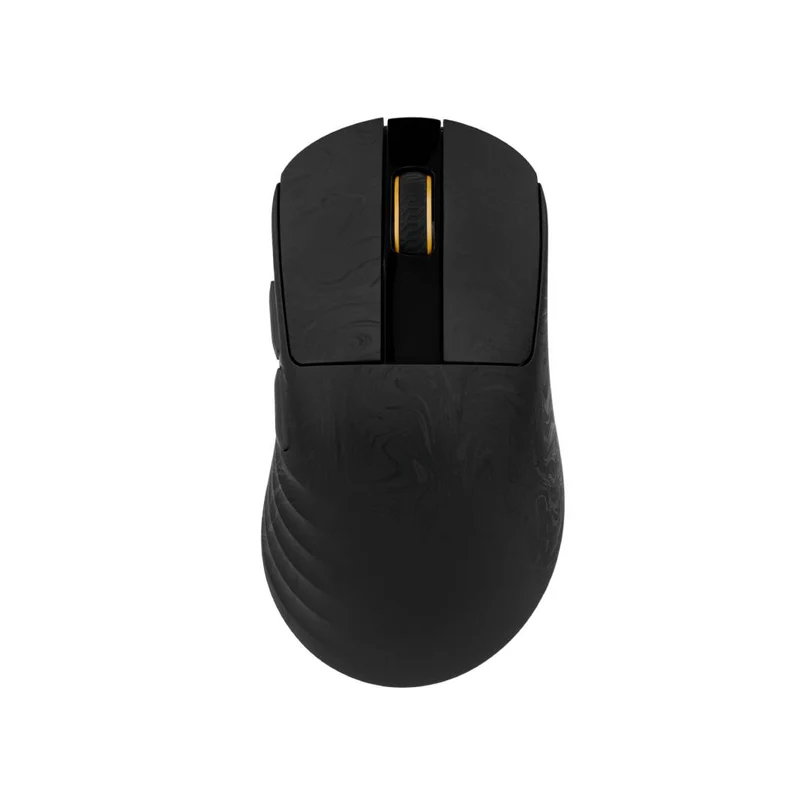
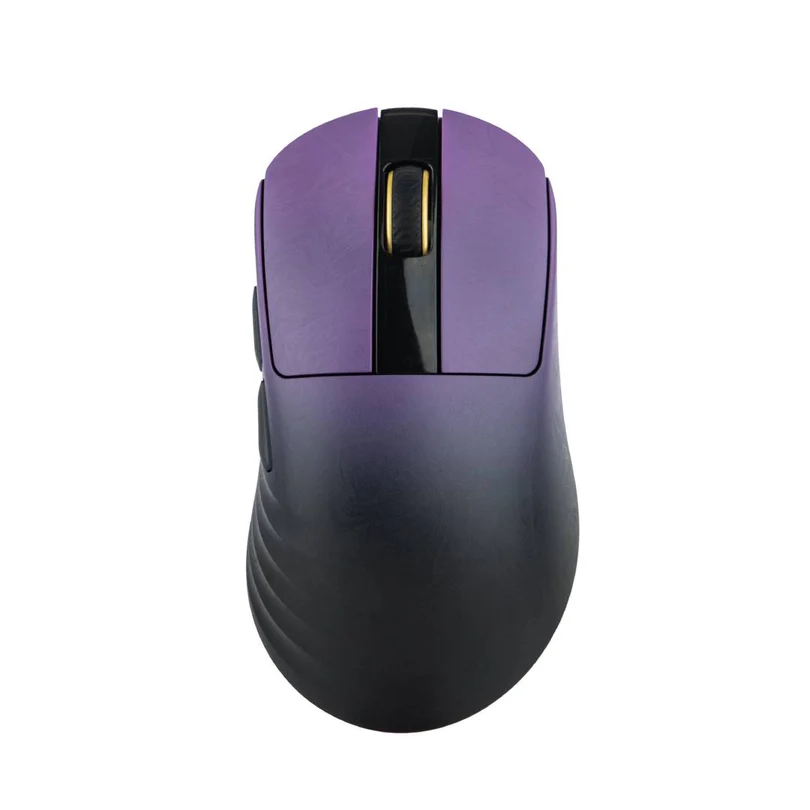
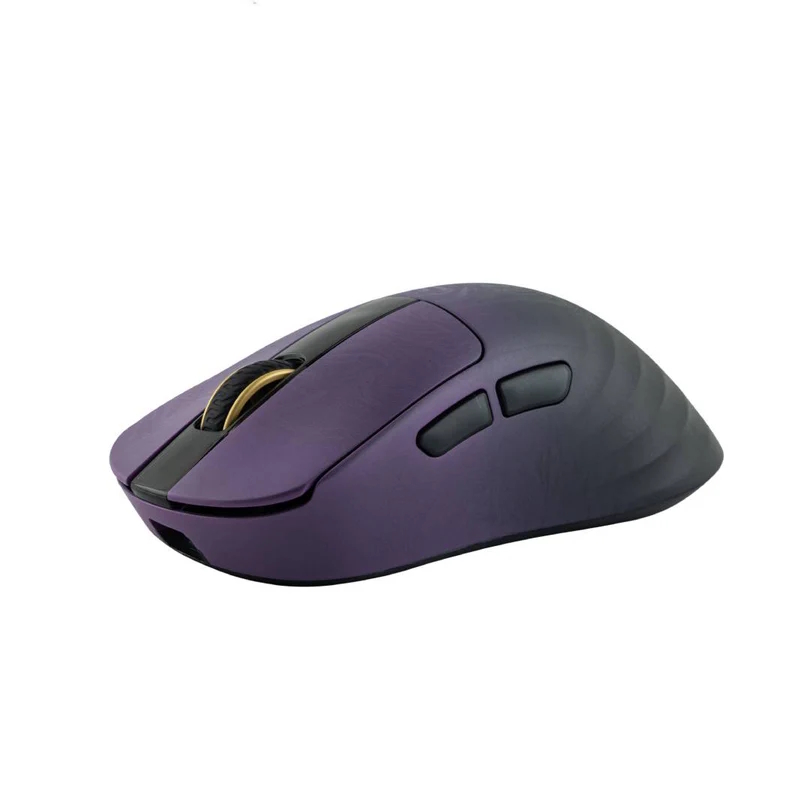
Epomaker is expanding its carbon mouse lineup with the Carbonis, a solid-shell, ergonomic carbon fibre gaming mouse. While its predecessor, the CarbonX, utilised a lattice-style honeycomb frame to save weight, the Carbonis adopts a solid right-handed ergo shape reminiscent of the Razer DeathAdder V4 Pro.
Using carbon fibre, Epomaker aims to deliver a structurally rigid frame that remains lightweight. Under the shell, the Carbonis (via TechPowerUP) is equipped with the flagship PixArt PAW 3950 sensor and the Nordic N54L MCU. This combination supports a native 8000 Hz (8K) polling rate for minimal input latency. Another standout feature is the integrated smart LCD screen on the top of the mouse, which provides real-time feedback on DPI settings, battery life, and current polling rates.
The device uses an online, web-based driver, allowing users to customise settings via a browser without the need for traditional software installations. As for aesthetics, the mouse will be available in two models: a black forged carbon pattern with a matching dongle, and a purple gradient with a transparent purple dongle.
The Carbonis is currently in its final pre-launch phase. Epomaker is offering a $1 early-bird reservation that entitles buyers to a $15 discount when the mouse officially goes on sale later this month. Pricing is yet to be defined.
KitGuru says: Carbon fibre is becoming quite common for enthusiast mice. Most of them are quite pricey, but from what we know about Epomaker, this one will likely be cheaper than its rivals.
Earlier this month, Ubisoft restructured its entire business and cancelled a number of projects, while also delaying others. Interestingly, Beyond Good and Evil was named as one of the main franchises to survive the restructuring and now, the sequel's director has confirmed that Ubisoft remains ‘committed' to the game.
Beyond Good and Evil 2 was announced all the way back in 2017 but the project has gone through many changes since then. At numerous points, fans have speculated that the project may have been cancelled but over the past year, numerous job listings have confirmed that the game is still in active development.
In a statement (via VGC), Beyond Good and Evil 2 director, Fawzi Mesmar said that Ubisoft “remain committed and focused” on delivering the long-awaited sequel. Mesmar also said that the game is “unaffected by the recent changes” at the publisher.
It is still unclear exactly when Beyond Good and Evil 2 will resurface, or when fans can expect to get their hands on it. If it ends up arriving in 2027, it will be the second 10-year project that Ubisoft has released in recent years, following Skull & Bones, which began development in 2013, but didn't release until 2024 due to numerous delays.
KitGuru Says: Beyond Good and Evil 2 is a bit of a headscratcher. It is a sequel to a cult classic game from the 2003, one that many had forgotten about until the sequel was announced in 2017. Ubisoft has much more popular classics under its wing that could do with a return to the spotlight, including the likes of Splinter Cell and Prince of Persia.
It would seem that the rumours of an incoming Nintendo Direct showcase are picking up steam. Multiple additional sources have since corroborated the claim that a new stream will be taking place in February.
Followed on from NatetheHate, GameXplain and VGC have also corroborated the claim that a Nintendo Direct will be happening next week. However, VGC adds that this is going to be a partner showcase, so don't expect any first-party Nintendo game announcements.
The stream is supposed to take place on Thursday, February 5th, focusing on new third-party games heading to the Switch and Switch 2 consoles. There are already some likely candidates in mind for the showcase.
Titles like Borderlands 4 and Elden Ring are still yet to receive official release dates for the Switch 2. Recent rumours also indicated that Final Fantasy 7 Rebirth is due to land on the Switch 2 later this year. There have also been rumblings around a Switch 2 upgrade for The Witcher 3, and Capcom also reportedly wants to bring Monster Hunter Wilds over to Nintendo's new system.
KitGuru Says: Fans of Nintendo's exclusive franchises will have to wait a while longer for news. In the meantime, there will be plenty of new ports on the way for the latest Switch console.
 Connexion