↩ Accueil

Vue lecture

PlayStation is shutting down Bluepoint five years after acquisition

Back in 2021 in the midst of an acquisition spree, Sony acquired Bluepoint Studios to bolster its first-party PlayStation game development pipeline. Now just a few years later, Sony is shutting the studio down.

In a very unexpected move, Sony PlayStation has confirmed today that it is winding down its Bluepoint studio. The news was first broken by Bloomberg's Jason Schreier, confirming that around 70 employees will lose their jobs due to the shutdown.

In a statement, a PlayStation spokesperson confirmed the news saying: “Bluepoint Games is an incredibly talented team and their technical expertise has delivered exceptional experiences for the PlayStation community. We thank them for their passion, creativity and craftmanship.”

The decision to close Bluepoint comes after a recent Sony ‘business review'. Apparently, after shipping the Demon Souls remake during the PS5's launch period, Bluepoint spent some time working on a live service God of War game, but this project was ultimately cancelled last year. The studio had been putting new game pitches together throughout 2025 but Sony seemingly opted to not pick any of them up.

Prior to joining PlayStation Studios in 2021, Bluepoint was viewed as the gold-standard studio for remasters, having worked on the Uncharted Nathan Drake Collection, Gravity Rush Remastered, the God of War Collection, and the Metal Gear Solid HD Collection. Considering that Sony just announced full remakes of the original God of War Trilogy, the closure of Bluepoint certainly comes at an odd time – they likely would have been perfect for such a project.

KitGuru Says: This shutdown came out of nowhere but unfortunately, Sony wasted a lot of money on cancelled live service projects over the past six years, so some cuts were bound to be made at some point.

The post PlayStation is shutting down Bluepoint five years after acquisition first appeared on KitGuru.
  •  

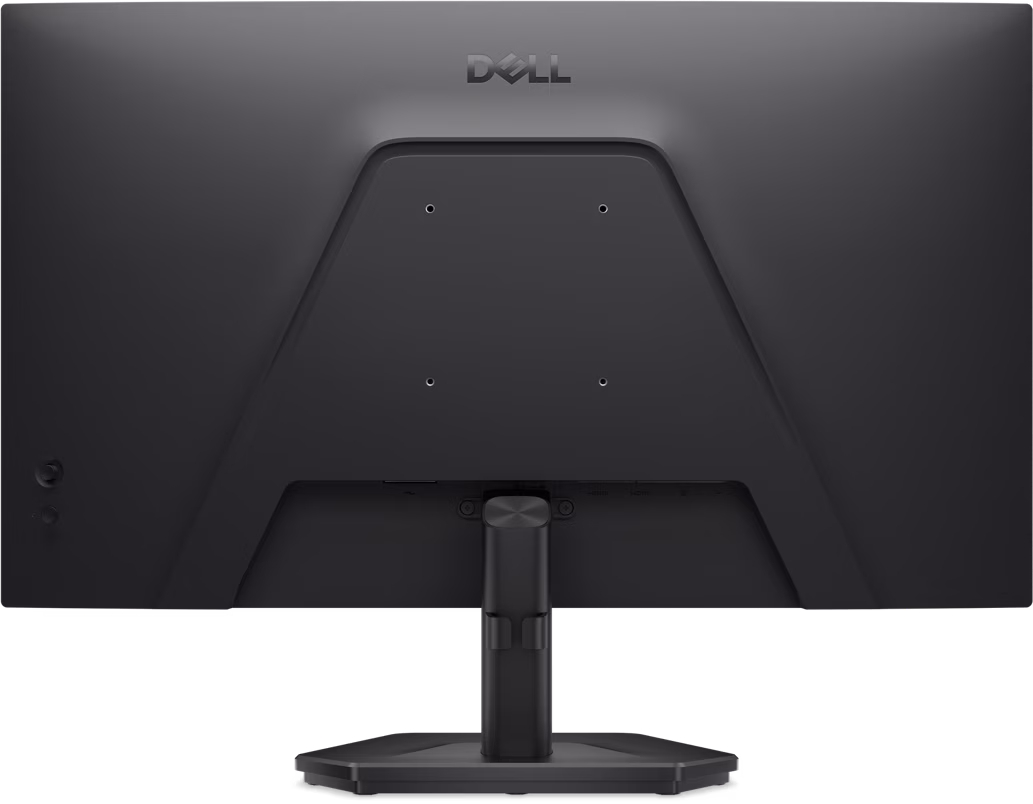
Dell launches two new affordable 27-inch FullHD gaming monitors

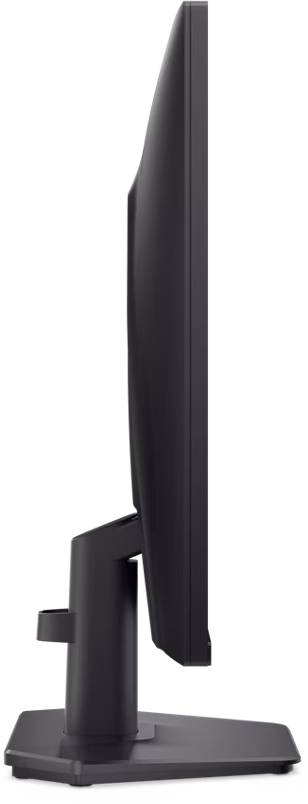
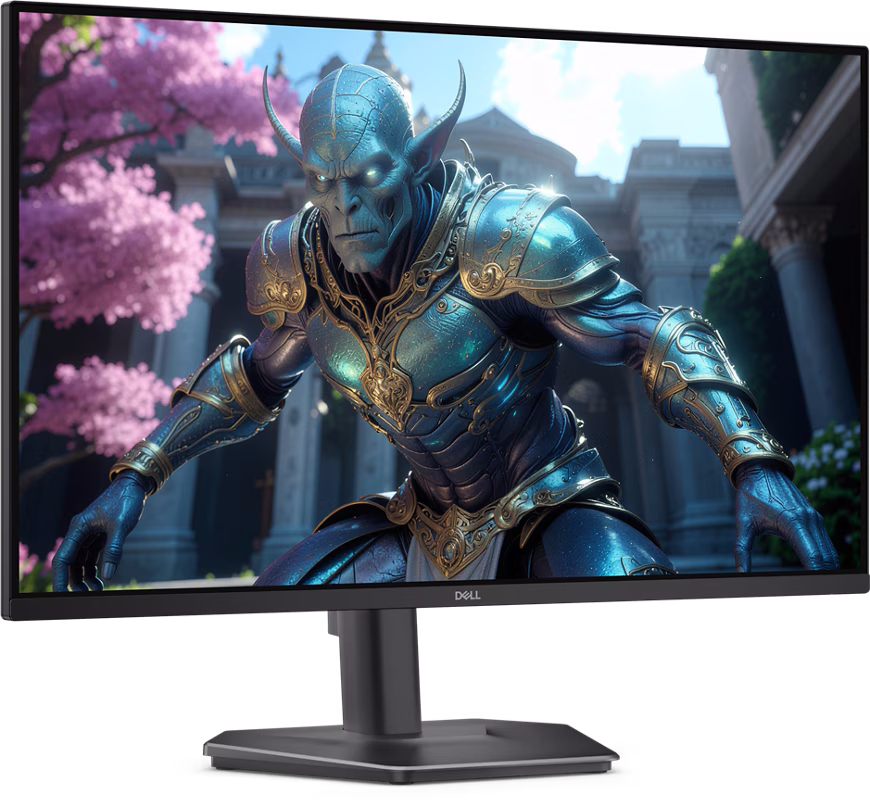
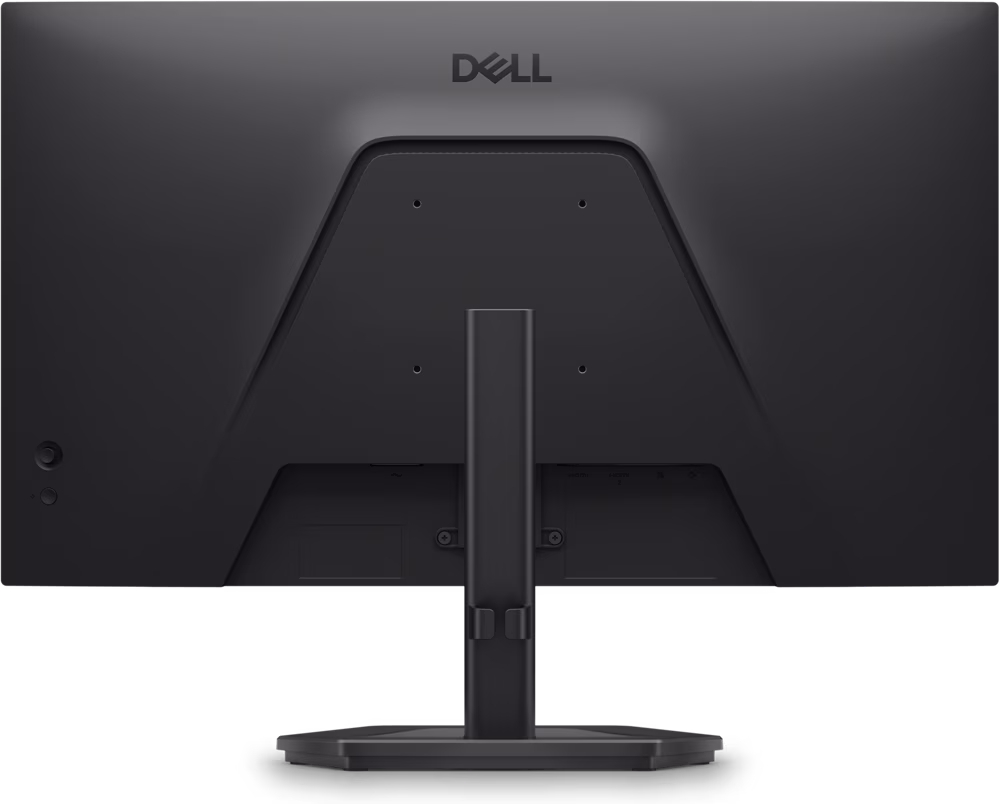
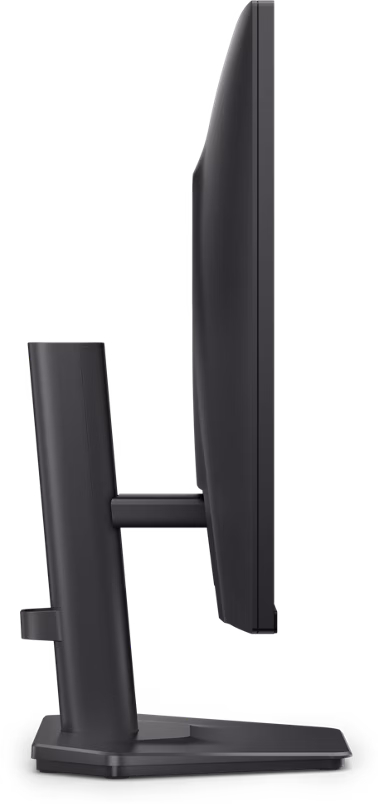
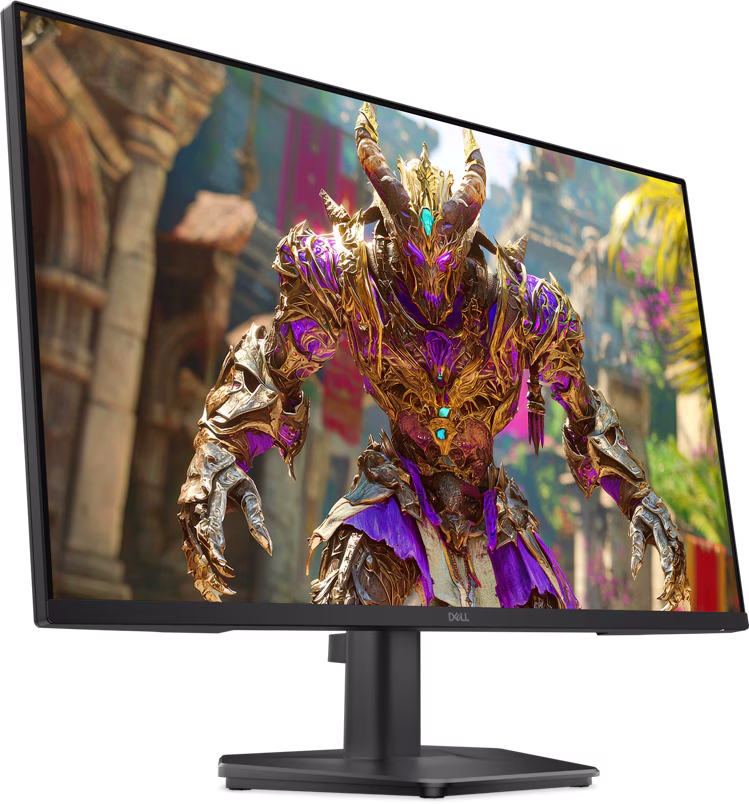
Dell has expanded its 2026 gaming monitor lineup with two 27-inch displays, the Dell SE2726HGS and the Dell SE2726HG. Designed to bring high-refresh-rate gaming to the entry-level market, they share the same specs and cater to two distinct desk setups.

Both the SE2726HGS and the SE2726HG (via DisplaySpecifications) are built around a 240 Hz Fast IPS panel with a 1080p resolution, offering a balance of speed and colour accuracy. With a minimum response time of 0.5 ms and support for AMD FreeSync Premium, these displays are clearly aimed at gamers who prioritise motion clarity over pixel density.


The visual specifications are also identical across the board, featuring 300-nit typical brightness, a 1000:1 contrast ratio, 8-bit colour depth, and 99% sRGB coverage. Connectivity is also shared between both models, with each sporting dual HDMI 2.1 ports (operating via TMDS) and a DisplayPort 1.4 input. To protect long-term eye health during marathon sessions, Dell has integrated its ComfortView Plus hardware-level blue light filter, which reduces harmful blue light emissions without sacrificing screen colour temperature.

The divergence between these two models lies in their physical architecture and price. The Dell SE2726HGS, priced at $170, features an ergonomic stand with 110 mm of height adjustment and a massive 173-degree swivel range. On the other hand, the Dell SE2726HG is a more utilitarian option at £130/$130, featuring a static stand with only basic tilt functionality.

KitGuru says: While the SE2726HG is lighter and has a smaller footprint, the extra $40 for the HGS model effectively buys you the ability to align the screen with your eye level.

The post Dell launches two new affordable 27-inch FullHD gaming monitors first appeared on KitGuru.
  •  

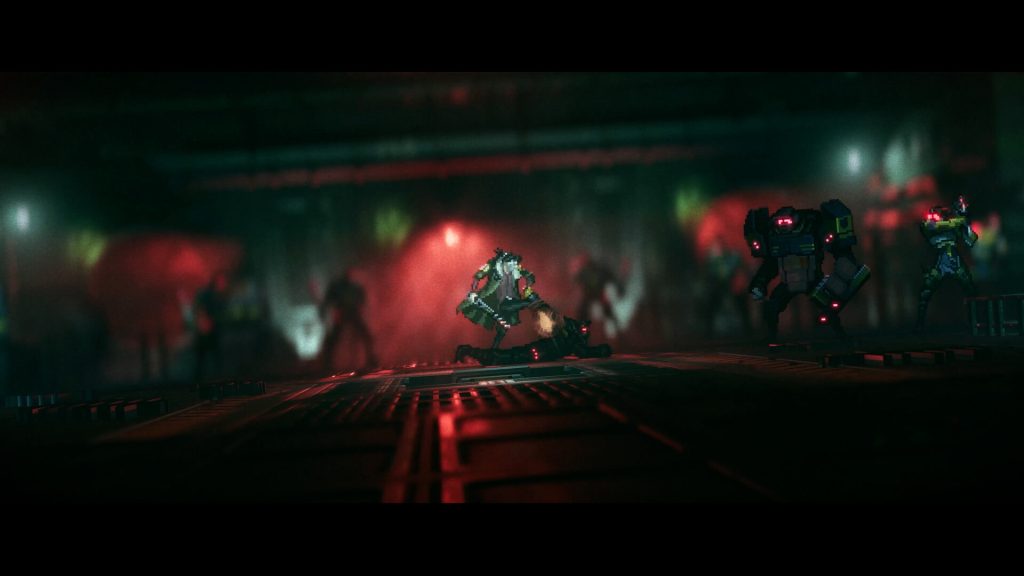
Sad Cat Studios moves Replaced release date to April

Sad Cat Studios has announced that the anticipated cyberpunk action-platformer Replaced will see its release date pushed from March 12th to April 14th. This update, shared by the developer and publisher Thunderful, comes in as both want to do a final push to ensure the game meets the team's quality standards.

While several years of delays have preceded this, the studio maintains that this short one-month extension is intended solely for “polishing and refinement”, rather than major content overhauls. The decision to delay was influenced by feedback from the game's first public Steam demo, which launched earlier this month. While the response was positive, specific critiques regarding movement feel and technical hitches prompted the team to spend extra time ironing them out.

Sad Cat Studios described the game as “technically finished.” Still, they emphasised that as a small team working on their debut title, they want the version players experience on day one to be exactly as they envisioned.

When it finally arrives this spring, Replaced will be available on Xbox Series X|S and PC through Steam, Epic Games Store, GOG, and the Microsoft Store. It is also confirmed as a day-one addition to the Xbox Game Pass library. For those who cannot wait until April, the developers have noted that the demo remains live on Steam, allowing players to experience the early sections of R.E.A.C.H.'s journey before the full game debuts.

KitGuru says: This isn't the game's first delay, but hopefully it will be its last. In the end, it might be better for them, as Crimson Desert's launch would be around the same time as Replaced's. 

The post Sad Cat Studios moves Replaced release date to April first appeared on KitGuru.
  •  

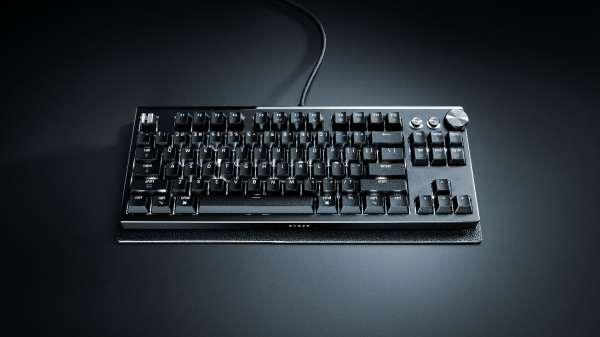
The Razer Huntsman Signature Edition arrives with £500 price tag

This week, Razer is launching its most expensive keyboard to date. The new Huntsman Signature Edition lands with a £500 price tag. For that money, you get a high-end Analog Optical Switch keyboard with a focus on type-feel, high-performance polling rate and acoustics.

The keyboard combines Razer Analog Optical Gen 2 Switches with true 8000Hz HyperPolling and Rapid Trigger Mode, enabling fast actuation, rapid resets, and low‑latency input suited to competitive play. Razer says the model reflects years of development in switch design, reliability, and sound tuning.

The chassis is CNC‑milled from 6063 anodized aluminium, with key exterior elements finished using PVD coatings, which are typically found in high‑end watches and automotive components. These surfaces are hand‑polished to achieve a reflective finish, while the keyboard ships with textured doubleshot PBT keycaps and a mirror‑polished metallic triple‑headed snake keycap.

Internally, the Huntsman Signature Edition uses a layered acoustic structure with tuned foams and dampening materials to produce a fuller typing sound and consistent key feel. Each switch sits within this system to maintain uniform response across the board.

The keyboard is backed by a 5‑year warranty and is positioned as a premium desktop centrepiece. The Razer Huntsman Signature Edition is available now at £499.99 / $499.99 / €499.99 MSRP.

KitGuru Says: This is Razer's most expensive keyboard to date at launch, but it is also extremely good looking, in part due to the extra money put into polishing up the chassis.

The post The Razer Huntsman Signature Edition arrives with £500 price tag first appeared on KitGuru.
  •  

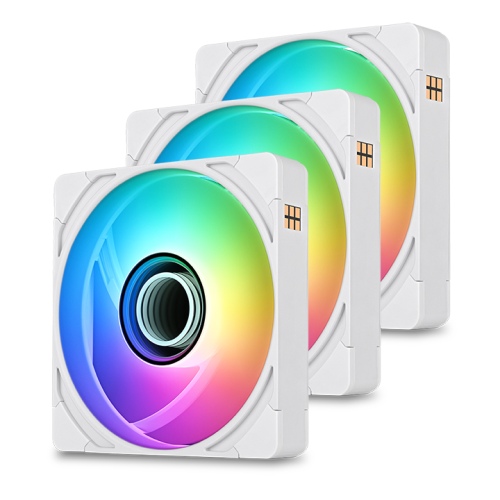
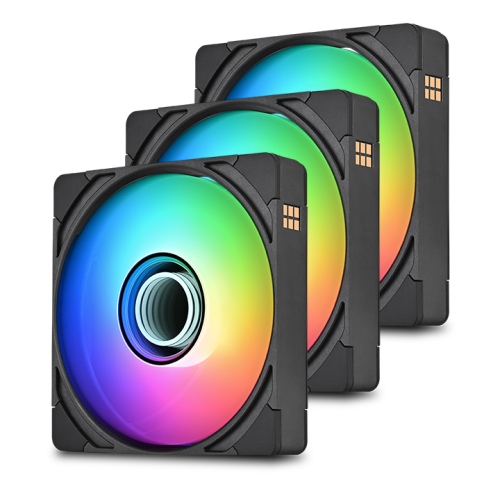
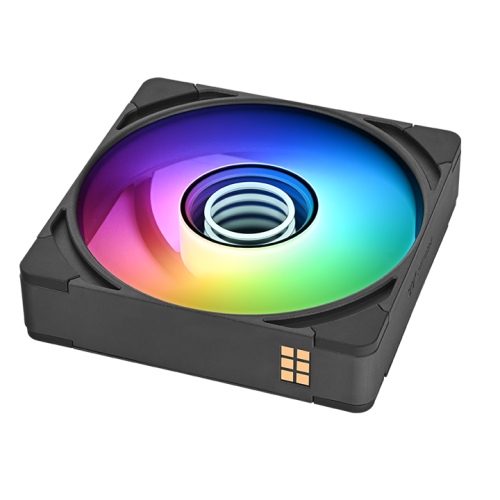
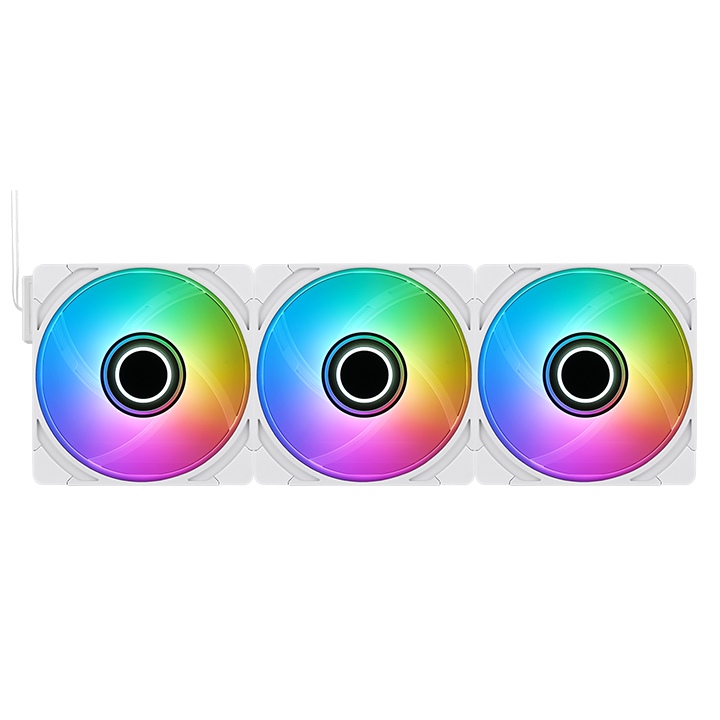
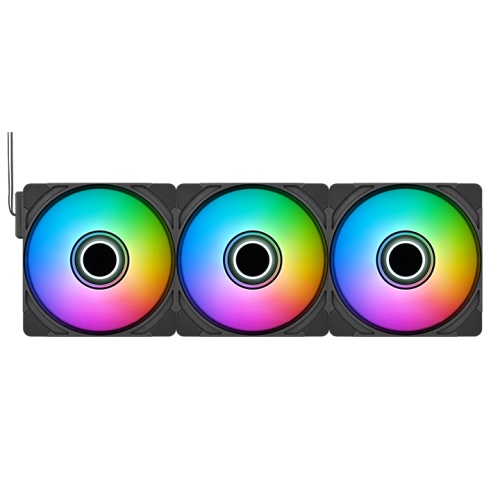
Thermaltake introduces the CT120 EX Infinity ARGB 120mm fans

Thermaltake has expanded its ecosystem with the launch of the CT120 EX Infinity, a more streamlined alternative to the Swafan EX Infinity series that recently hit the market. While the CT series has traditionally served as the brand's entry-level offering, these new models elevate the aesthetic by incorporating an infinity mirror lighting system.

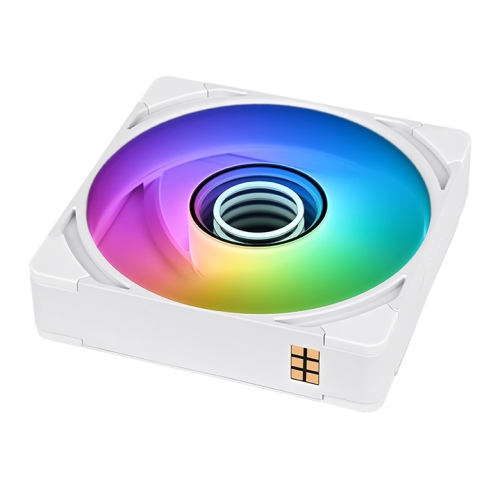
As seen by the images shared by Thermaltake (via Cowcotland), this design features a fixed white inner ring on the fan hub paired with a fully customisable ARGB outer ring. This creates a layered visual effect that is far more refined than previous standard CT models. The CT120 EX Infinity 3-packs are available in black and white versions.

Performance-wise, Thermaltake has pushed the CT120 EX Infinity well beyond the typical “case fan” expectations. The fans operate at a PWM range of 500 to 2000 RPM, generating a robust 68.20 CFM of airflow and a static pressure of 3.05mmH₂O. Despite these figures, the hydraulic bearing design and non-detachable anti-vibration rubber pads help keep noise levels at approximately 28.5 dBA, ensuring the fans remain relatively quiet even at full throttle. To further improve cooling efficiency, Thermaltake has increased the fan frame thickness to 28mm, enabling better air pressure and airflow than conventional 25mm models thanks to the thicker fan blades.

These new fans also feature MagForce 2.0 Quick Connect, a magnetic daisy-chaining system that uses Pogo pins twice the size of those on original Swafan EX models. Thanks to this system, the risk of misalignment and the mess of multiple cables is reduced. For builders who still require individual placements, Thermaltake includes three separate magnetic cables in the 3-fan pack, allowing each unit to function independently with standard PWM and ARGB connections. Additionally, the fans feature a “hidden screw” design with small plastic covers that snap over the mounting screws.

KitGuru says: Pricing isn't known yet, but considering they're part of the CT series, we expect it to be relatively affordable, even considering its feature set.

The post Thermaltake introduces the CT120 EX Infinity ARGB 120mm fans first appeared on KitGuru.
  •  

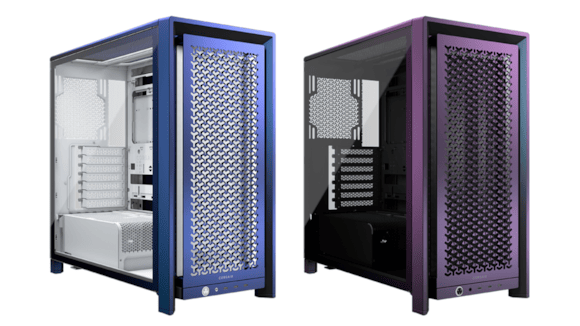
Corsair launches colour-shifting Galaxy and Nova FRAME 4000D cases

CORSAIR has added two limited‑edition models to its FRAME 4000D lineup, introducing the Vault Series Nova and Galaxy cases with unique colour‑shift finishes. Nova moves from blue to teal to purple depending on the angle, while Galaxy transitions from pink to green to grey.

Both editions build on the FRAME 4000D chassis and include a compact PSU shroud that leaves room for a 120mm floor fan, a full tempered‑glass side panel, and an upgraded front I/O layout. The updated panel offers three USB‑C ports, with one being an ultra-fast 20Gbps port, while the remaining two offer 5Gbps bandwidth. There is also a 3.5mm audio jack and an ARGB‑lit power button using an MX‑style green mechanical switch.

As part of the FRAME Modular Case System, the Vault Series supports extensive customisation, including panel swaps, component upgrades, and alternative cooling layouts. The InfiniRail fan‑mounting system allows flexible positioning and supports up to 200mm front fans and 140mm fans in the roof. The chassis accommodates dual 360mm radiators and up to 13x120mm fans, with a GPU anti‑sag arm included to support modern graphics cards. The internal side panel can act as a cable cover or be removed to mount additional fans.

Storage options include removable trays for one 3.5‑inch drive or two 2.5‑inch SSDs, and the case integrates cable hooks, tie‑downs, and a mounting pocket for the iCUE LINK System Hub to simplify cable routing. Unfortunately, neither version of the case ships with any pre-installed fans, so you'll need to have some extra budget left over to acquire some.

KitGuru Says: Would you like to see more colour-shifting PC cases on the market?

The post Corsair launches colour-shifting Galaxy and Nova FRAME 4000D cases first appeared on KitGuru.
  •  

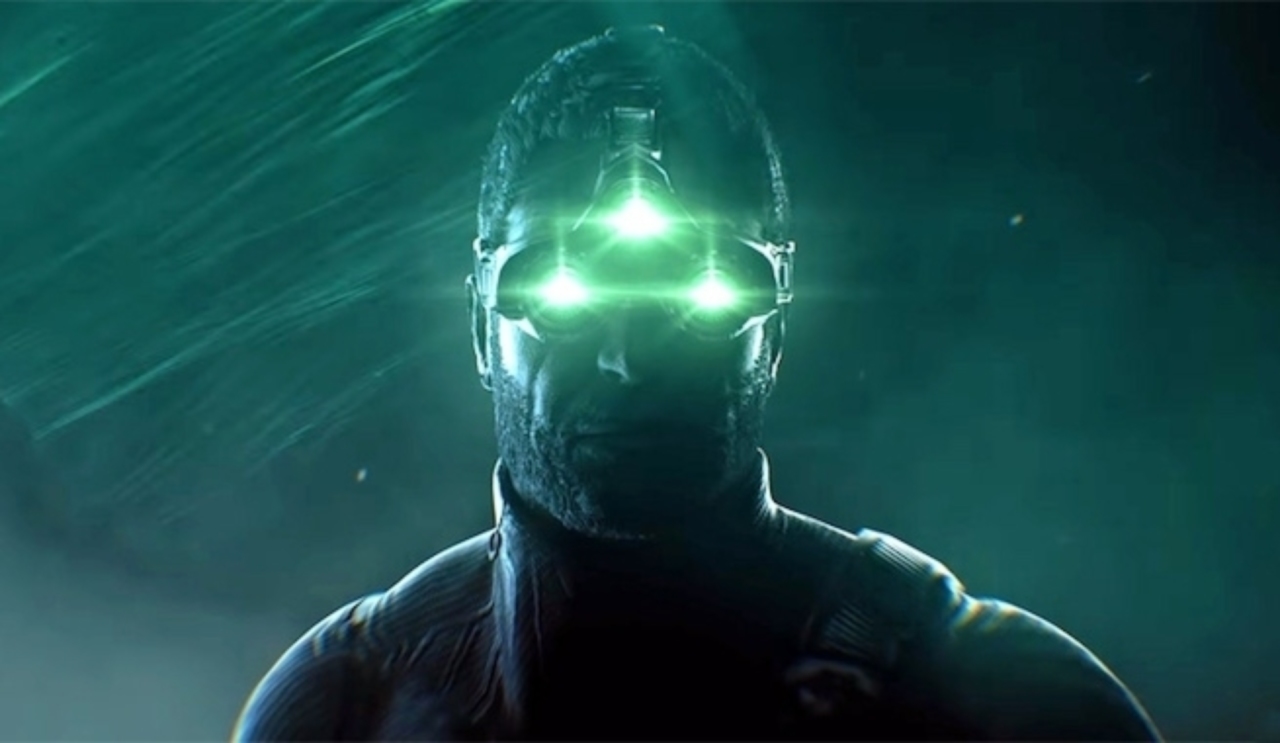
Splinter Cell Remake studio hit with layoffs

Ubisoft Toronto, the studio in charge of the upcoming Splinter Cell Remake, has been hit with layoffs – although the publisher insists that the remake remains unaffected. 

Today, Ubisoft confirmed a new round of cost-cutting efforts, this time impacting its studio location in Toronto, Canada. Ubisoft is letting go of around 8% of its staff there, equalling around 40 employees.

In an internal email (via VGC), Ubisoft stated that despite the cuts, the Toronto studio will remain “a key contributor” to several co-development efforts, on top of its continued work on the Splinter Cell Remake, which unlike the Prince of Persia remake, has not been cancelled… for now at least.

Ubisoft Toronto is best known for its work on Far Cry 6, Watch Dogs: Legion, Splinter Cell Blacklist and the upcoming Splinter Cell Remake. The studio has also worked as a support studio on Star Wars Outlaws, Far Cry 5, Rainbow Six Siege and other projects.

KitGuru Says: Chances are if these layoffs are happening, the Splinter Cell Remake is still some ways away from going into full-scale production. 

The post Splinter Cell Remake studio hit with layoffs first appeared on KitGuru.
  •  

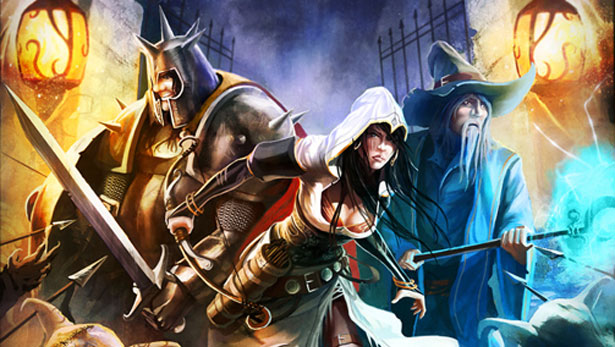
GeForce Now adds twelve new games this week

The next round of games for GeForce Now has been announced. There are twelve new titles joining the cloud gaming library this week, including the classic Trine series, on top of a slew of new releases.

The TRINE series of videogames grew to popularity over the 2010s. As of this week, all four mainline games are now playable across GeForce Now via multiple storefronts, including Steam and The Epic Games Store. Brand-new titles like Ys X, Styx: Blades of Greed and Diablo II Resurrected Hellfire Edition are also joining the service.

Here is the full list of new games joining GeForce Now today:

  • Norse: Oath of Blood (New release on Steam, Feb. 17)
  • Diablo (New release on Ubisoft Connect, Feb. 18)
  • Diablo + Hellfire Expansion (New release on Ubisoft Connect, Feb. 18)
  • Star Trek: Voyager – Across the Unknown (New release on Steam, Feb. 18, GeForce RTX 5080-ready)
  • STALCRAFT: X (New release on Epic Games Store, Free Feb. 19)
  • Styx: Blades of Greed (New release on Steam, Feb. 19, GeForce RTX 5080-ready)
  • Ys X: Proud Nordics (New release on Steam, Feb. 20)
  • KILLER INN (Steam)
  • Trine Enchanted Edition (Epic Games Store)
  • Trine 2: Complete Story (Epic Games Store)
  • Trine 3: The Artifacts of Power (Steam and Epic Games Store)
  • Trine 4: The Nightmare Prince (Epic Games Store)

KitGuru Says: Will you be playing any of this week's new GeForce Now titles?

The post GeForce Now adds twelve new games this week first appeared on KitGuru.
  •  

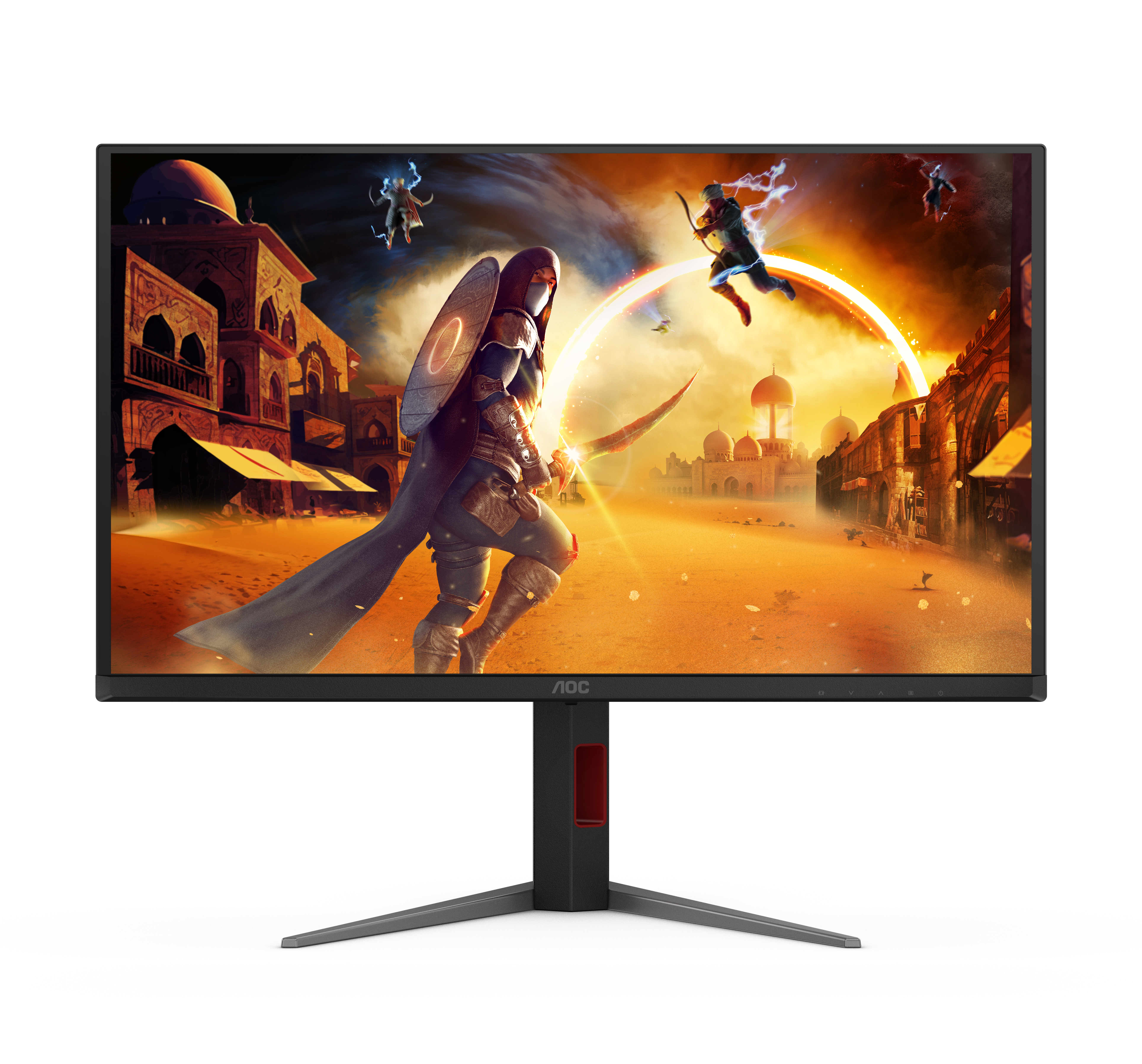
AOC adds affordable 280Hz Q27G4ZD to its QD-OLED monitor line-up

AOC is adding another QD-OLED monitor to its line-up this week. The new 27-inch Q27G4ZD sits between the previous Q27G4ZDR and Q27G4SDR models, pairing a 280Hz refresh rate with DisplayHDR True Black and ultra-low 0.03ms response times.

The Q27G4ZD expands AOC’s more accessible OLED line-up, giving players a mid‑range option that retains the core benefits of OLED, including ultra-fast refresh rates, but without the premium price tag of a 360Hz+ model. With a QD-OLED panel, you'll benefit from colour accuracy, an extremely high contrast ratio, and crucially for gaming, very low GtG response times.

For connectivity you will get two HDMI 2.1 ports and one DisplayPort 1.4, along with support for FreeSync and G-Sync, making this monitor a great option for both PC and console gaming. A four-port USB hub is included and if you want to use your own monitor arm, then the monitor also supports the standard VESA 100×100 mounting system.

To keep the monitor in peak condition, AOC has OLED Care protections in place to maintain uniform pixel brightness across the panel and avoid burn-in. If you encounter any issues, there is a 3-year warranty in place.

The AOC GAMING Q27G4ZD will be available starting this month, priced around £419.99.

KitGuru Says: Are you thinking of making the jump to an OLED gaming monitor this year?

The post AOC adds affordable 280Hz Q27G4ZD to its QD-OLED monitor line-up first appeared on KitGuru.
  •  

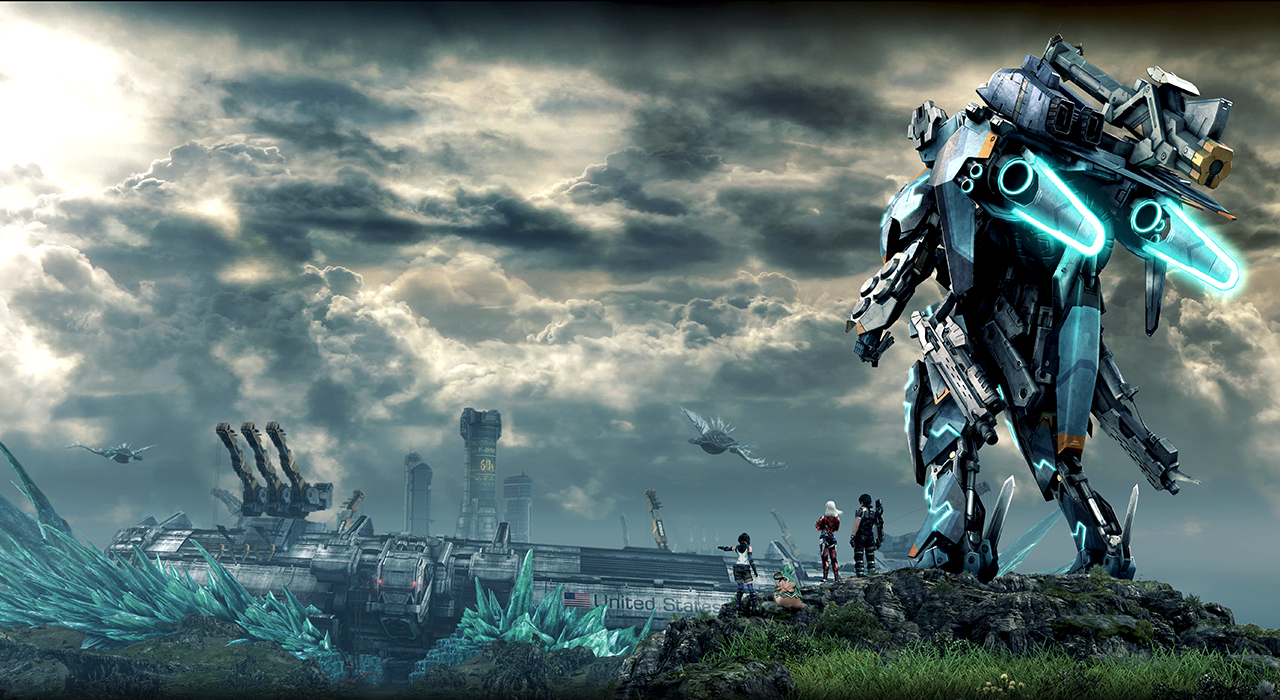
Nintendo is finally updating Xenoblade for the Switch 2

Back when the Switch 2 first launched, dataminers had discovered code within Xenoblade Chronicles X that suggested a Switch 2 update was on the way. Nintendo stayed quiet for many months but today, the Switch 2 Edition of the game quietly dropped. 

Xenoblade Chronicles X: Definitive Edition, the most recent game in the series to end up on the Nintendo Switch platform, now has an official Switch 2 version. The new version of the game offers higher resolution gameplay, as well as 60FPS performance.

In docked mode, the game will run at up to 4K/60FPS, while in handheld, it will run at the Switch 2's native 1080p resolution, again at 60FPS, a huge improvement over the previous Switch 1 and Wii U versions of the game.

Unfortunately, Nintendo has not yet revealed any plans to update the other Xenoblade Chronicles games for the Switch 2. Xenoblade Chronicles: Definitive Edition, Xenoblade Chronicles 2 and Xenoblade Chronicles 3 would all benefit greatly from a resolution bump and a frame rate boost on the newer console, as they can all reach sub-HD resolutions in handheld and docked mode in their current form, resulting in a very blurry image.

KitGuru Says: I've been waiting to play through the full series again on Switch 2, but the updates are unfortunately arriving very slowly. Now with Xenoblade Chronicles X out of the way, I hope we won't have to wait too much longer for the remaining games to get updates. 

The post Nintendo is finally updating Xenoblade for the Switch 2 first appeared on KitGuru.
  •  

PCSpecialist Element Elite R Prebuilt Review

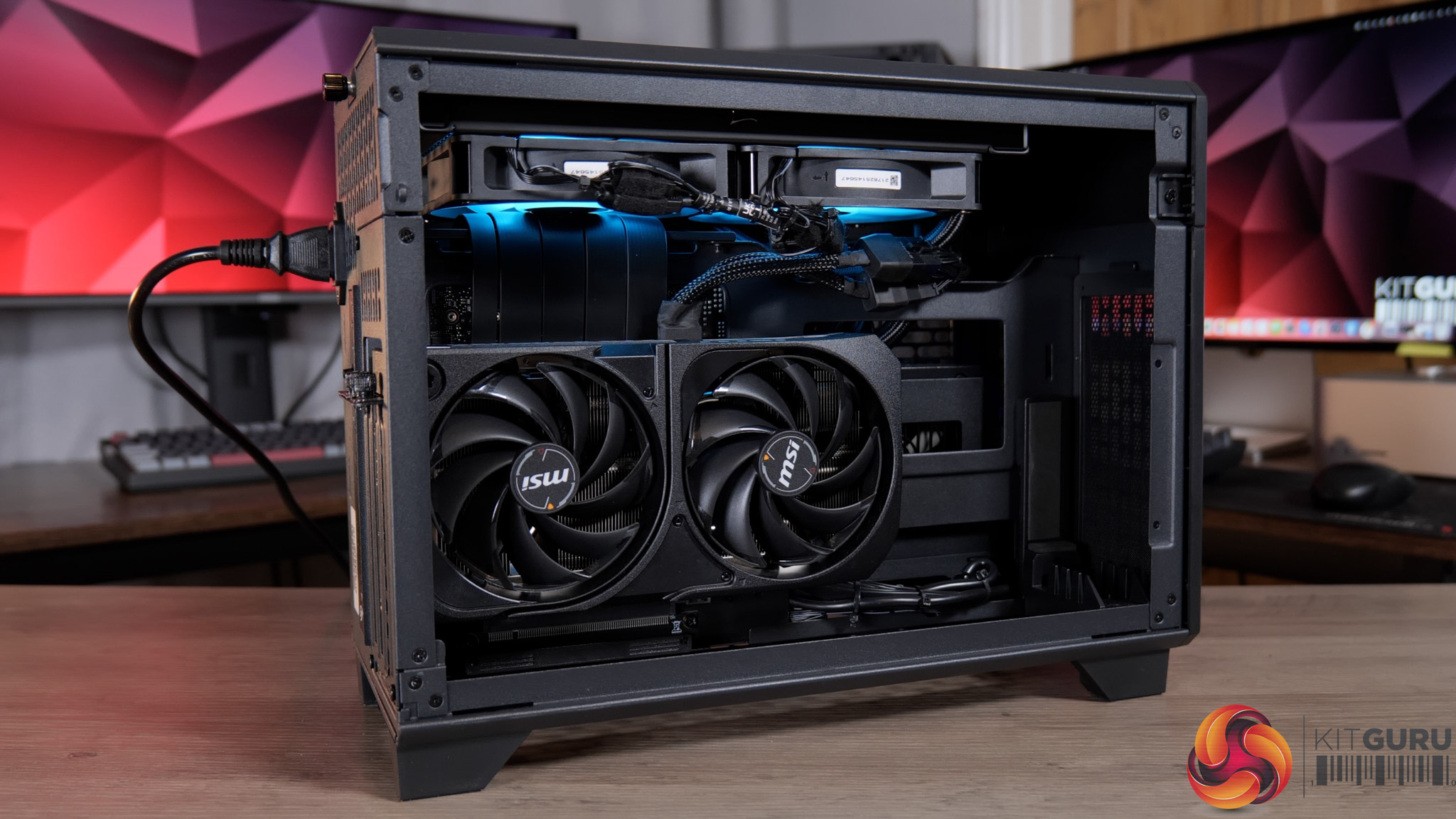
Today's article was originally meant to be an in-depth analysis of PCSpecialist's Element Elite R – a prebuilt PC packing a Ryzen 7 9700X and RTX 5070 into the mini-ITX TR100 chassis from Thermaltake. However, it quickly became obvious that something was not right with this system, so instead of a traditional review, we'll be highlighting what happened, how we fixed it, and the questions raised by this incident…

Timestamps

00:00 Intro
01:00 We found a fundamental issue
02:20 How we fixed it
02:51 Before/after thermals
04:37 Noise levels + fan RPMs
05:07 Two issues raised by the error
06:24 Closing thoughts

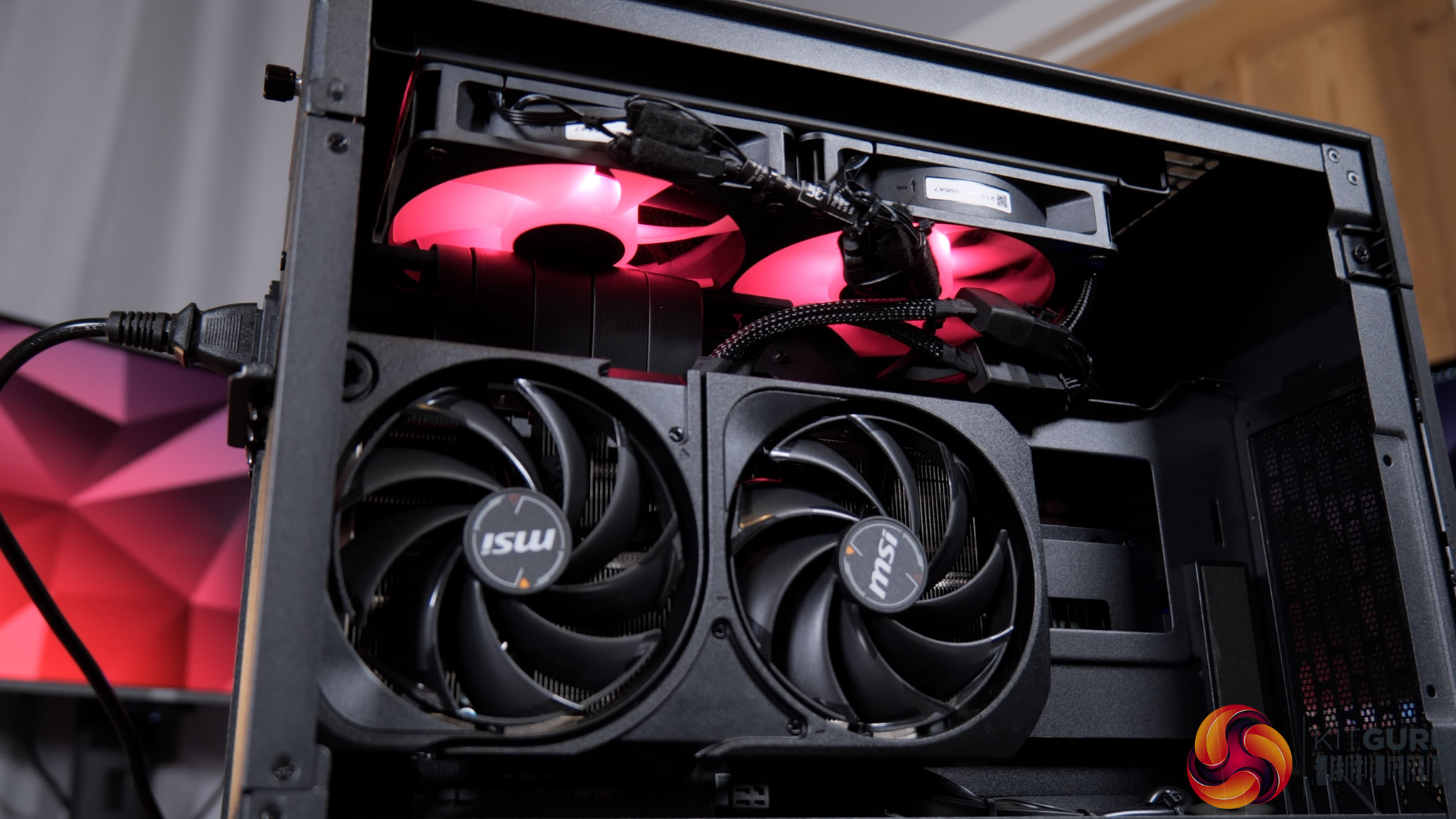
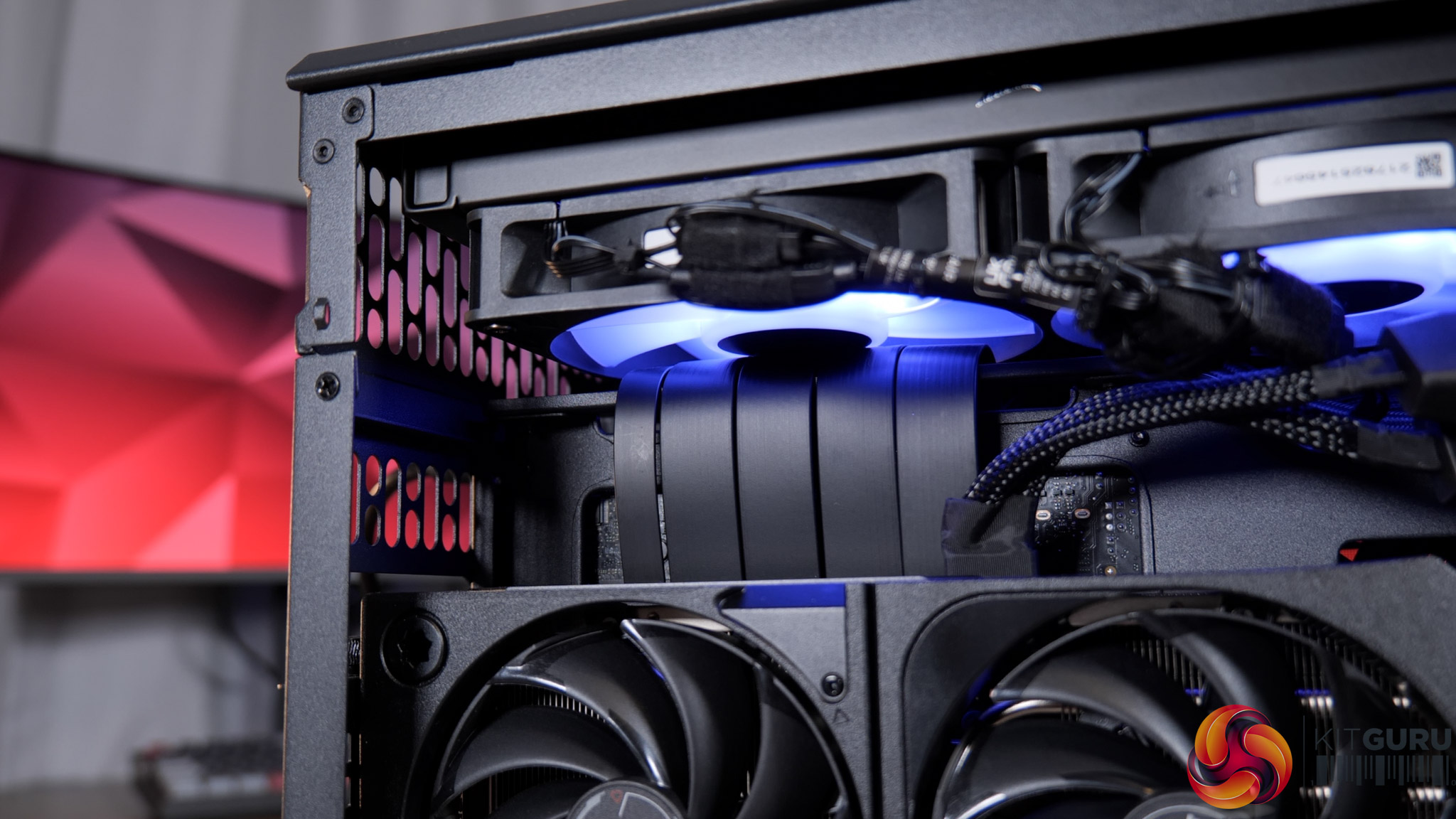
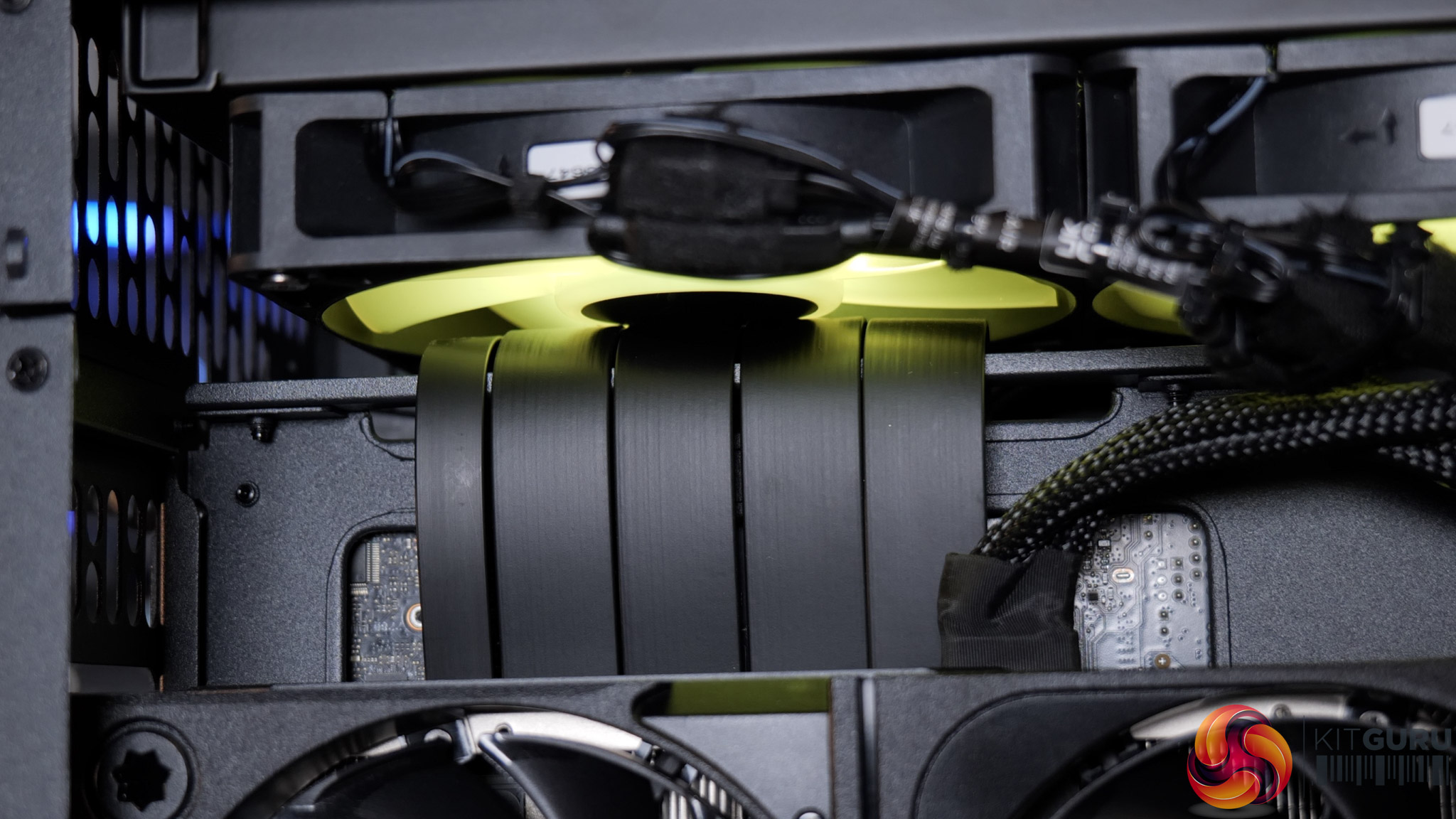
If you're not familiar with the Thermaltake TR100, it uses a split-chamber layout with the GPU in a separate compartment, connected to the motherboard via a PCIe riser. Unfortunately, that PCIe riser is the cause of the system's problems, as it has not been routed properly – or even routed at all – and has instead simply been jammed into one of the radiator fans, stopping it from spinning entirely.

I'd not used this case before but it was immediately obvious upon removing the side panel that something wasn't right. Re-visiting James' build in the TR100 from last year showed me that there's actually a dedicated crossbar, or bracket, for the PCIe riser, designed to prevent this exact thing – but here the riser has simply been looped over the top.

Fixing it took me about five minutes – I removed the radiator mount, reseated the riser properly, then secure the bracket on top, and that was job done. But clearly this is a huge oversight from PCSpecialist that raises significant questions.

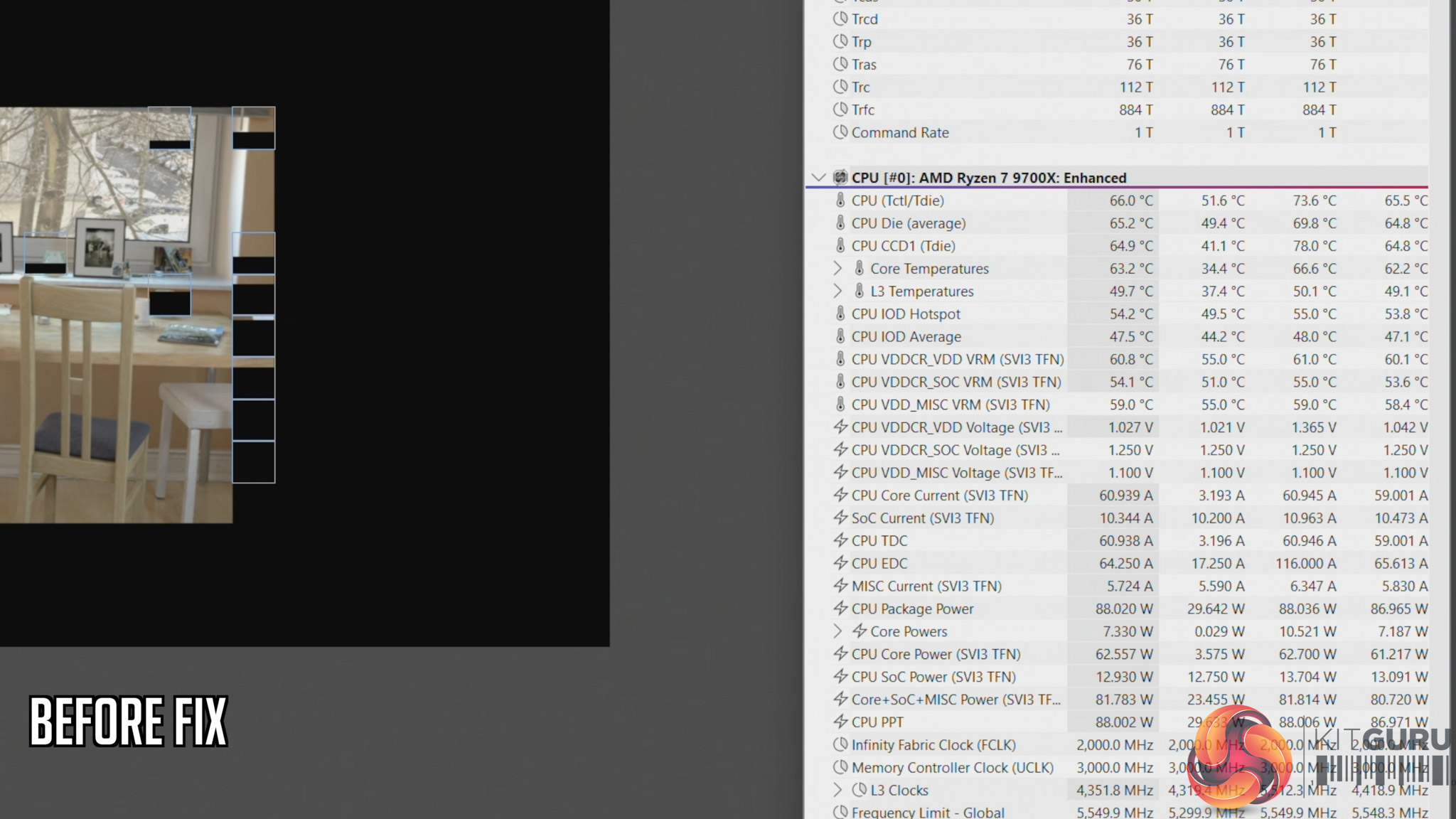
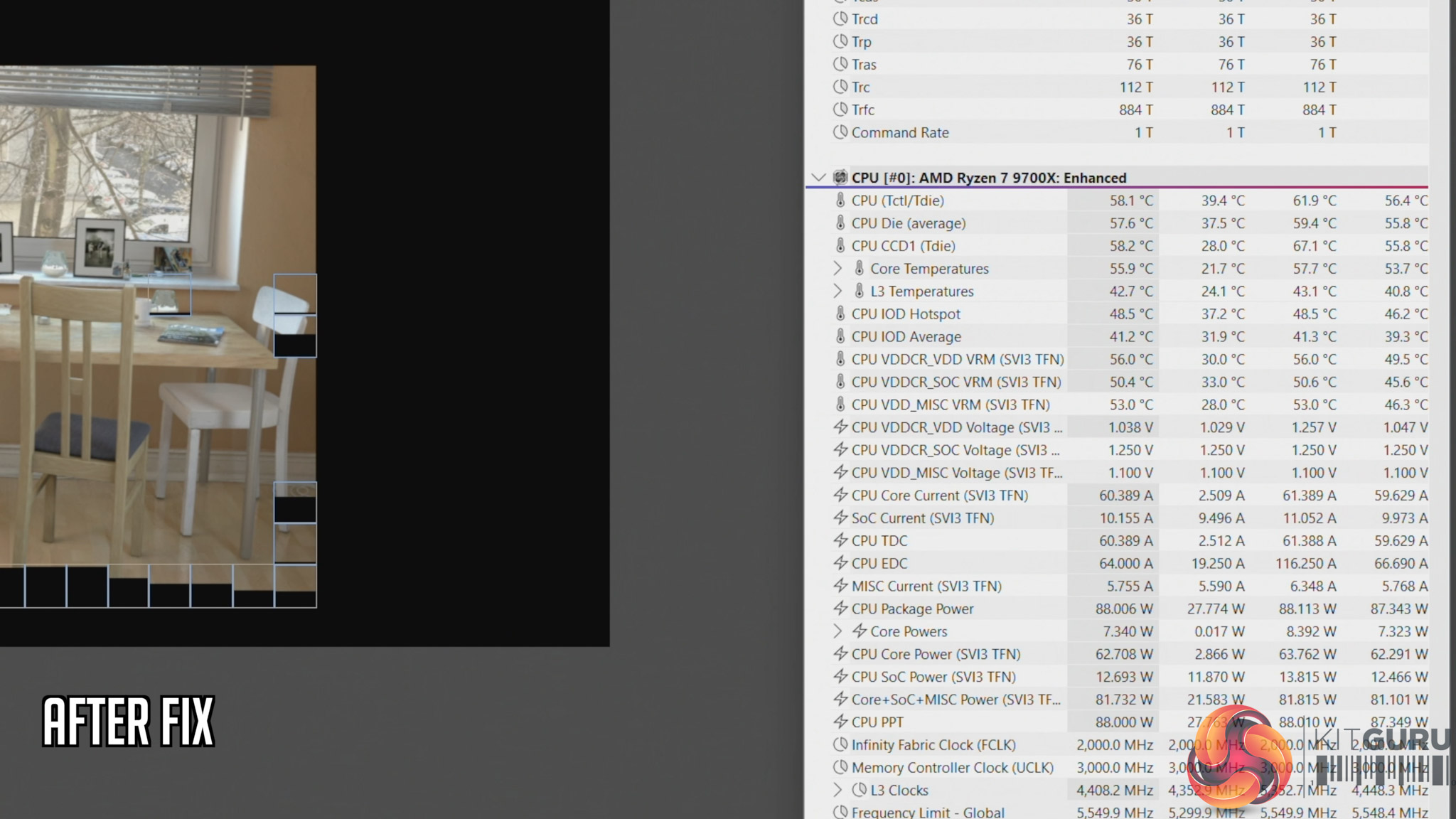
We also ran thermal tests on the CPU to see the impact of this error. Here's a quick breakdown of what we found, but be sure to watch the embedded video for the full analysis:

  • Cinebench, before fix: 66C steady-state, 73.6C peak
  • Cinebench, after fix: 58C steady-state, 61.6C peak
  • Cyberpunk 2077, before fix: 70C steady-state, 71.C peak
  • Cyberpunk 2077, after fix: 65C steady-state, 69.6C peak

This raises two key issues that I expand on in the video – the first being how much training are PCSpecialist builders given, considering something like this occured. And secondly, how extensive are the company's testing and quality control procedures? PCSpecialist's website talks about ‘extensive' stress tests and says all systems go through ‘a quality control checklist to ensure all components are correct and follows our stringent guidelines'. But clearly, the guidelines can't be that stringent if something like this slipped through from start to finish completely unnoticed.

Indeed, you could consider PCSpecialist ‘fortunate' that the system we received has a relatively low-power 9700X pulling approx 88W. However, you can manually configure builds in the TR100 with up to a 9950X, a CPU that draws well over 200W, and losing half your radiator airflow with that CPU would have a far more detrimental effect.

KitGuru says: PCSpecialist needs to do significantly better.

The post PCSpecialist Element Elite R Prebuilt Review first appeared on KitGuru.
  •  

ROG Xbox Ally has reportedly not made a dent in Steam Deck sales

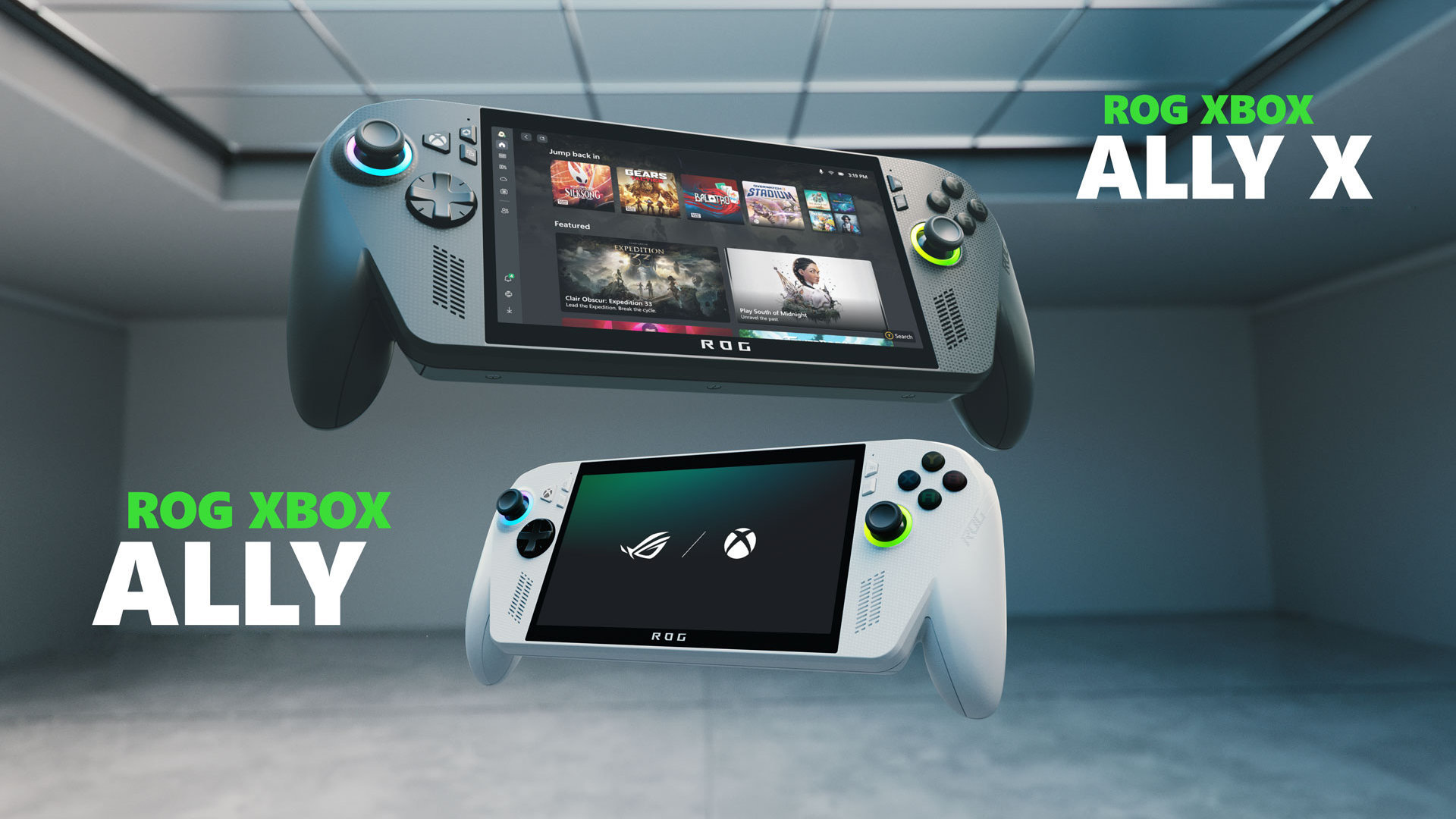
In the wake of the overwhelming success of the Nintendo Switch, we’ve seen a rise in the number of handheld consoles being released by other manufacturers. While Valve’s Steam Deck is likely the most notable, Xbox’s ROG Ally partner handheld marked Microsoft’s own take on the format. Unsurprisingly however, it seems the Xbox Ally has failed to see the same level of interest, with sales reportedly not making a dent in the Steam Deck’s adoption.

Taking part in an interview conducted by the ‘Xbox Expansion Pass’ podcast, known industry analyst Matt Piscatella was asked about the current state of the ROG Xbox Ally handheld. According to Piscatella:

“It had a nice month one and has come back down quite significantly since then. And you're…you know you're not talking massive amounts of volume there. It's…it's kind of just chugging along at you know what you would expect for that price point for that type of audience. It's just kind of…it's hanging out being groovy.”

When asked for clarification as to whether the Ally has “put a dent in the Steam Deck” sales-wise, Piscatella simply responded with “no.”

ROG Steam Deck

Of course, while the Steam Deck and ROG Ally are two similar devices, the Ally operates at an entirely different price level, with the lower-end version coming in at roughly the same price as the higher-end Steam Deck OLED.

Regardless, both the Steam Deck and ROG Ally are low-volume devices, and so neither were expected to sell 10s of millions of units. That said, it would be interesting to learn exactly how many units each system has managed to push out.

KitGuru says: What do you think of the ROG Xbox Ally? How does it compare to the Steam Deck? Let us know your thoughts down below.

The post ROG Xbox Ally has reportedly not made a dent in Steam Deck sales first appeared on KitGuru.
  •  

Destiny 2: Shadow and Order Update delayed by 3 months

Destiny 2 has been in a bit of an awkward spot for the past few years, with the live-service shooter having seen a notable drop in both player counts as well as reception towards the game as a whole. In a surprise move, the team at Bungie have now announced that the game’s next major Update – which was set to release in March – has been delayed by three whole months.

Taking to BlueSky to make the announcement, the official D2 page wrote the following: “Our next Major Update, Destiny 2: Shadow and Order, is undergoing large revisions and will be delayed. This update is being changed and expanded to include sizable quality-of-life updates and as a result, will also be renamed. This update will now launch on June 9, 2026.”

For now, information on the changes remain light, however Bungie did confirm that the update will still include “expanding Tiered Gear to all Raid and Dungeon activities, Pantheon 2.0, Tier 5 stats for Exotic Armors, and more.”

Destiny 2 Bungie

Unfortunately, it seems as though little is planned for the interim, with Bungie simply stating that between now and June, Destiny 2 will “continue to have routine bug fixes and stability improvements, continued portal modifiers, Guardian Games (March), and the return of a more frequent Iron Banner cadence (April).”

The team concluded by saying “Thank you for your continued patience and support. We will have more information on our next major update and future plans for Destiny 2 closer to launch.”

Sentiment surrounding Destiny has been far from great as of late, with a lack of content being one of the primary issues. Considering that Shadow and Order has now been delayed by 3 months to facilitate additional features, Bungie has to make sure that the next update is pretty much universally liked.

KitGuru says: What do you think of this announcement? Does it give you more or less confidence in Destiny 2’s future? Let us know down below.

The post Destiny 2: Shadow and Order Update delayed by 3 months first appeared on KitGuru.
  •  

Christopher Judge teases Sony Santa Monica’s next game will be revealed “probably late Summer”

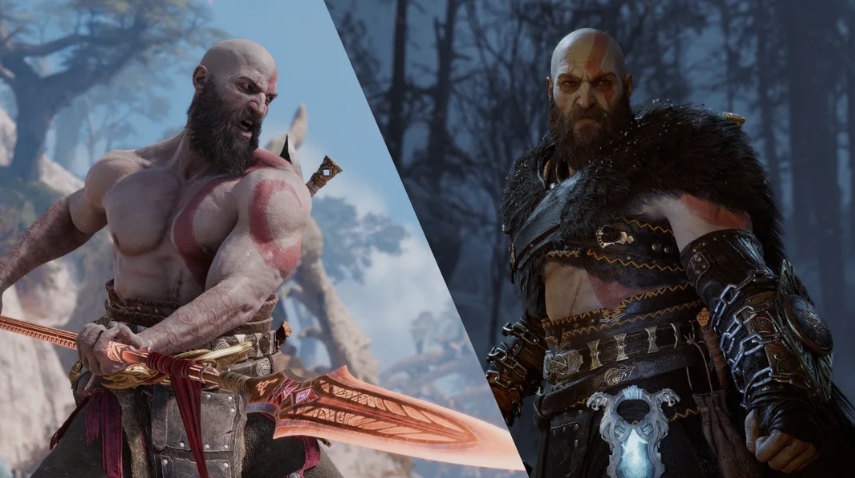
Sony Santa Monica recently had a big presence at PlayStation’s State of Play, with the studio confirming that they are working on a remake of the classic God of War Trilogy, with Kratos’ original voice actor TC Carson returning to reprise his role. In a slight teaser, the VA for Kratos in the recent Norse duology – Christopher Judge – revealed that his next project with SSM could be announced as soon as this Summer.

Talking to a fan during a recent convention appearance, Christopher Judge was asked whether he would be playing the role of Kratos in the newly-announced remake trilogy. Judge reaffirmed that TC Carson is returning for the trilogy, however did tease that “you'll hear about what we're doing, probably late summer.”

Sony Santa Judge

Interestingly, Judge kept things vague and so it remains to be seen whether he is referring to another God of War entry. This lines up with recent leaks from insiders which claimed that Sony Santa Monica’s next game would be revealed this Summer alongside a 2027 release date.

That said, it is expected that this title won’t be God of War related, and so perhaps Judge is set to take on a different role in this new game? We will have to wait and see, but it isn’t too uncommon for leads in one game to have a smaller role in the studio’s next. Regardless, hearing more of Christopher Judge’s voicing talents will be exciting – whether or not it is in the context of God of War.

KitGuru says: What do you think Christopher Judge is teasing? Are you hoping Sony Santa Monica is working on something other than God of War? Let us know down below.

The post Christopher Judge teases Sony Santa Monica’s next game will be revealed “probably late Summer” first appeared on KitGuru.
  •  

The Elder Scrolls VI will run on Creation Engine 3 according to Todd Howard

Bethesda Game Studios’ Creation Engine is a bit of a double edged sword. While the first-party engine certainly has its benefits, many of BGS’ biggest failings tech-wise can be attributed (at least partially) to it. Despite previously stating that The Elder Scrolls VI would make use of Starfield’s Creation Engine 2, Todd Howard has now revealed that TES6 will in fact be running on their newly-announced Creation Engine 3.

Taking part in a recent interview conducted by Kinda Funny Games, Bethesda’s Todd Howard spoke on a number of topics ranging from Fallout 76 to Starfield and of course The Elder Scrolls VI.

In discussing the long-awaited Skyrim successor, Howard revealed that “We’ve spent the last several years bringing Creation Engine 2, which powers Starfield, up to Creation Engine 3, which is going to power Elder Scrolls 6 and beyond.”

Elder Scrolls Creation Engine 3

While it was expected that TES6 would feature some improvements over Starfield, this marks the first time that a new iteration of the engine has been spoken of, with Howard claiming back in 2021 that CE2 would be used for both Starfield and the next Elder Scrolls.

What improvements Creation Engine 3 will have over the previous is currently unknown, but here’s to hoping that the team have focused on reducing the number of loading screens necessary. We will have to wait and see.

KitGuru says: What do you think of the Creation Engine? Was CE2 a notable improvement over the tech used in Fallout 4? When do you think The Elder Scrolls VI will officially release? Let us know down below.

The post The Elder Scrolls VI will run on Creation Engine 3 according to Todd Howard first appeared on KitGuru.
  •  

Nvidia DLSS 4.5 beats native resolution and AMD FSR 4 in blind image quality test

ComputerBase conducted the online blind test involving thousands of gamers to evaluate the visual quality of current video rendering technologies. The study compared Nvidia's latest Deep Learning Super Sampling (DLSS) 4.5 against AMD's machine learning-based FSR 4 and native resolution rendering with standard Temporal Anti-Aliasing (TAA).

ComputerBase's test was performed at Ultra HD (4K) resolution using the “Quality” presets for both AI upscalers across six major titles: Anno 117, ARC Raiders, Cyberpunk 2077, Horizon Forbidden West, Satisfactory, and The Last of Us Part II. To eliminate brand bias, the comparison utilised videos labelled only with numbers for the first two weeks of the survey.

The final results revealed a significant preference for Nvidia's DLSS 4.5, which emerged as the winner across all games tested. On average, approximately 48% of participants voted DLSS 4.5 as having the best image quality, while roughly 24% preferred native rendering and only 15% chose AMD's FSR 4. The margin of victory for DLSS 4.5 was particularly substantial in titles like Satisfactory and Horizon Forbidden West, where it received 60.9% and 56.3% of the total votes, respectively. Interestingly, Cyberpunk 2077 presented the closest contest, with DLSS 4.5 nearly equal to native-resolution rendering. That suggests that in some cases, DLSS 4.5 may not be the preferred option.

In contrast, AMD's latest ML-based video technologies in the “Redstone” package struggled to win over the community. While FSR 4 provides a meaningful boost in frame rates and improves upon previous iterations by reducing ghosting and better preserving particle effects, it failed to surpass native resolution during this test. The detailed results of this test can be found below:

Native + TAA Nvidia DLSS 4.5 AMD FSR Upscaling AI Equivalent Total
Anno 117 282
(22.8%)
621
(50.1%)
204
(16.5%)
132
(10.7%)
1,239
(100%)
ARC Raiders 328
(27.3%)
570
(47.4%)
166
(13.8%)
138
(11.5%)
1,202
(100%)
Cyberpunk 2077 372
(32.4%)
394
(34.4%)
122
(10.6%)
259
(22.6%)
1,147
(100%)
Horizon Forbidden West 208
(19.4%)
604
(56.3%)
125
(11.7%)
135
(12.6%)
1,072
(100%)
Satisfactory 155
(15.1%)
627
(60.9%)
128
(12.4%)
119
(11.6%)
1,029
(100%)
The Last of Us Part II 274
(25.9%)
433
(40.9%)
268
(25.3%)
83
(7.8%)
1,058
(100%)
Final result
In total 1,619 3,249 1,013 866 6,747
Average 24.0% 48.2% 15.0% 12.8% 100%

As noted by ComputerBase, the test results show only how frequently each option was rated “the best image quality”. The results, however, don't show the second- and third-best choices. Neither the wording of the question nor the surveys themselves were designed to reveal this. Therefore, stating something like “FSR Upscaling looks worse than native” based on these results is invalid.

KitGuru says: Do these results match your own experience with native, DLSS 4.5, and FSR 4?

The post Nvidia DLSS 4.5 beats native resolution and AMD FSR 4 in blind image quality test first appeared on KitGuru.
  •  

God of War (2018) and Ragnarok reportedly generated over $1.4 billion

It is no secret that the God of War franchise soared to new heights of popularity with its 2018 soft-reboot on PlayStation 4. Since then, the duology of God of War (2018) and God of War Ragnarok have generated a lot of money for Sony, bringing in well over $1 billion between the two of them. 

According to a LinkedIn update from a Senior Managing Producer at Sony Santa Monica Studios (via Insider Gaming), to date, God of War and its sequel, Ragnarok, have generated more than $1.4 billion, a massive number considering both are single-player titles with somewhat limited replay value and zero multiplayer components to sell microtransactions.

While the original God of War trilogy was popular during the PS2 and PS3 eras, God of War 2018 made huge strides in cinematic storytelling and successfully modernised Kratos for a whole new audience of gamers both young and old.  The two newer games moved away from Greek mythology and focused on Norse gods, telling the story of Kratos and his son, Atreus, following the death of Kratos's wife.

A new God of War title is said to be in development at Sony Santa Monica at the moment but little is known about it. On top of that, Sony just announced last week that it is going back and remaking the full original trilogy, although we have yet to see any gameplay footage or screenshots.

KitGuru Says: God of War became one of my favourite game franchises during the PS4 era. Considering the quality of both titles, it is no surprise to see that both games have done huge numbers financially. 

The post God of War (2018) and Ragnarok reportedly generated over $1.4 billion first appeared on KitGuru.
  •  

It turns out Tencent helped fund Highguard

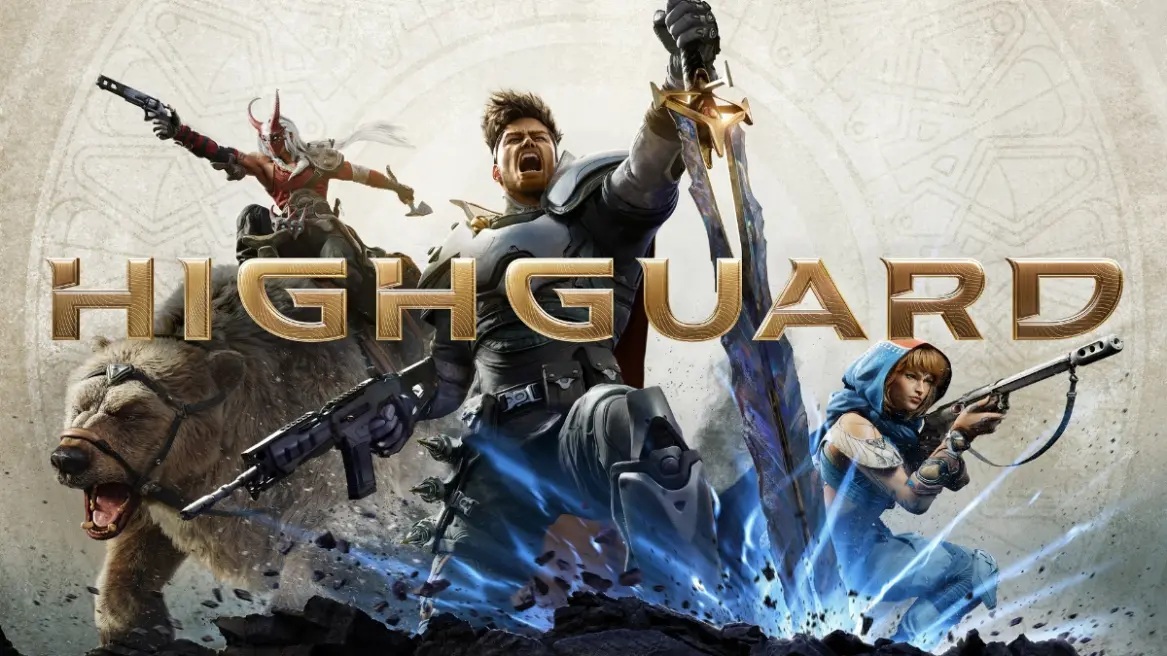
Highguard burst on to the scene with very little build-up, but the game did receive criticism from the jump due to its positioning as the final game reveal at The Game Awards this year. Considering Wildlight is a brand-new studio, this caught many off guard but as it turns out, the company did have the backing of a games publishing giant – Tencent. 

According to Game File, Tencent was the behind-the-scenes partner for Wildlight Entertainment, helping to fund their first game, Highguard. Neither company has publicly discussed this financial relationship before, but at least now we have an idea of where the funding for the game came from. This isn't an unusual move for Tencent either, as the publisher has deals in place with many start-up studios in search of a major hit.

Unfortunately, that funding appears to have dried up pretty fast. The official website for the game went down earlier today, something that Wildlight Entertainment says is a low priority on its list of things to fix, as it is primarily focused on creating new content for the game to try and retain and grow its player base.

Two weeks after Highguard's launch, Wildlight Entertainment did also undergo a major cost-cutting initiative, letting go of a large chunk of the studio in favour of a leaner team. This smaller core team of devs will now be in charge of fulfilling the game's massive year-long content roadmap.

KitGuru Says: Have you tried Highguard since the new 5v5 mode was added to the game? 

The post It turns out Tencent helped fund Highguard first appeared on KitGuru.
  •  

Bethesda adds 60FPS mode to Skyrim on Switch 2

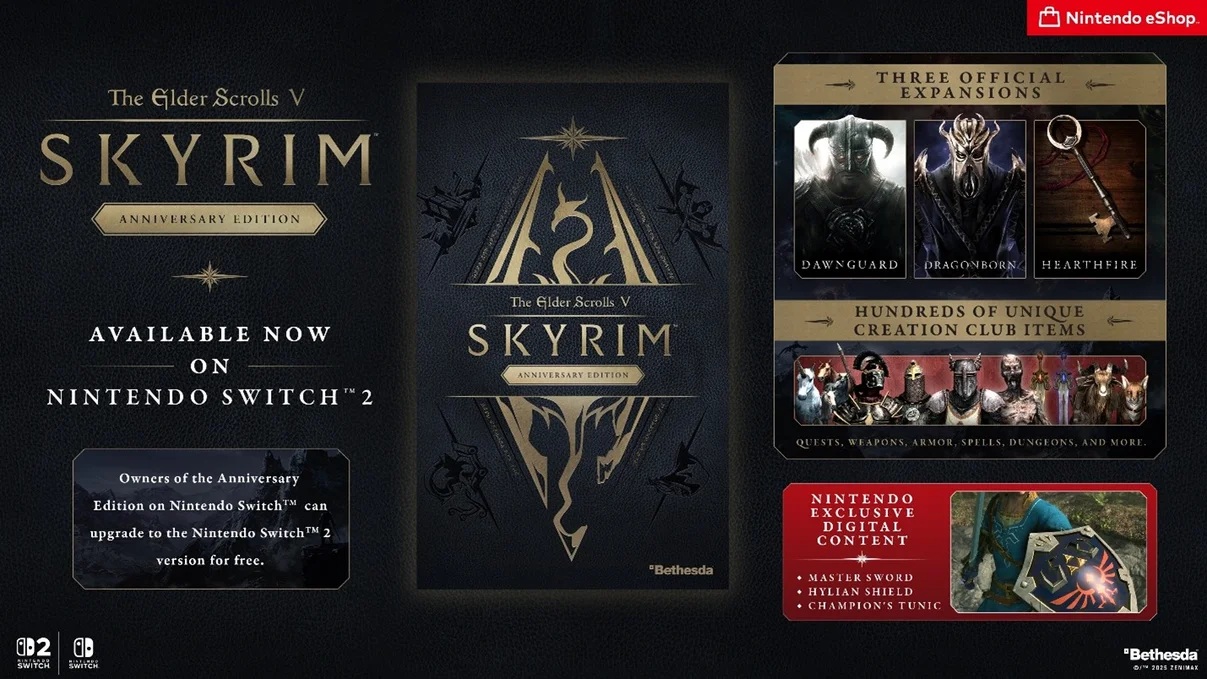
A couple of months ago when the Switch 2 update for Skyrim began rolling out, fans were immediately disappointed. Despite the massive jump in power from the Switch 1 to the Switch 2, performance remained capped at 30FPS, while storage requirements grew for minimal visual gain. Now with its latest patch, Bethesda is addressing the problem. 

The new 1.2 patch for Skyrim on the Switch 2 has added a 60FPS mode, giving users an option to toggle between ‘prioritise visuals' or ‘prioritise performance'. The new performance mode will allow players to achieve a much smoother 60FPS frame rate target. On top of that, the ‘prioritise visuals' mode has also been properly capped at 30FPS, which should fix up issues with frame pacing and hitching.

Other important fixes in this new update include:

Crashes and Performance Fixes:
  • Fixed a crash that occurred when reading “The Crimson Dirks Vol. 4” book for the “Tilted Scales” quest in German.
  • Fixed an audio-related crash.
  • Fixed a crash, infinite load, and game freeze that sometimes occurred when rapidly selecting “Load” multiple times in the pause menu.
  • Fixed a crash that occurred when the “Transmute Ore” spell was repeatedly cast outside of the Haltered Stream Camp.
Improved FPS performance drops that occurred in the following locations:
  • during the Hide and Seek quest in Kynesgrove
  • during combat at Secunda’s Kiss
  • when discovering the “Drelas’ Cottage” location
  • when engaged in combat with a giant at the Talking Stone Camp.
Visuals Issues Fixes:
  • Viewing water planes from a distance or within menus caused them to shift up and down.
  • Distant aspen trees appeared with a blue tint.
  • Transitioning out of caves caused an outline of the entrance to linger during the fade-to-back loading screen.
User Interface Fixes:
  • Switching between mouse and controller mode while in dialogue or the Help menu, caused different options to be highlighted.
  • Switching between mouse and controller mode while in help menus or user hints, did not dynamically update callout prompts.
  • The “Ready/Sheathe” option was missing from the Joy-Con 2 Mouse Controls menu.
  • The “Delete” prompt remained grayed-out within the Load menu when swapping between mouse and controller mode.
  • Deleting a save in the Save/Load menus reset the highlighted selection to the top of the menu list.
  • While in mouse mode, the cursor remained stuck within a smaller section of the screen when changing between docked/undocked modes or interfacing with GameChat.
Controls Fixes:
  • The “Eagle Eye” Archery perk remained active after switching between mouse and controller mode.
  • Holding down the Right Joystick while reassigning a button caused that button to disappear from the Controls list.
  • The Joy-Con 2 controllers provided haptic feedback while in mouse mode.
  • Buttons became unresponsive when controls were remapped while moving the Joy-Con 2 controllers in mouse mode.
  • Rotating the map in mouse mode was slower and less smooth than in controller mode.
Audio Issue Fix:
  • Scrolling SFX continued to play while holding up or down on the Left Joystick or buttons at the top or bottom of the Save/Load menus.

The new update is available now. As a reminder, if you own Skyrim on the Switch 1, you need to first upgrade to the Anniversary Edition before you can access the Switch 2 upgrades.

KitGuru Says: The initial patch was disappointing but the addition of a 60FPS mode on Switch 2 should go a long way towards addressing complaints. 

The post Bethesda adds 60FPS mode to Skyrim on Switch 2 first appeared on KitGuru.
  •  

Nvidia sells off its stake in Arm

Several years ago, Nvidia entered into an agreement to acquire ARM in a deal that, at the time, was worth $40 billion. Ultimately, regulators did not approve the merger and as a result, the deal fell apart. Now, Nvidia has sold its remaining $140M stake in the company, although it will continue to work with Arm on a number of partnerships. 

Several major tech companies became very nervous about Nvidia buying Arm, as the company has long held an open licensing model, serving the wider industry, including giants like Apple, Google and Microsoft.

While Nvidia had promised to keep Arm's licensing model in-tact after the merger, it could not convince regulators that the deal would not form a monopoly, putting an end to its acquisition bid.

Now as spotted by Bloomberg, Nvidia has sold the 1.1 million shares it held in Arm at a value of around $140 million. While Nvidia will no longer hold a significant stake in Arm, Nvidia will continue to work with the company on a range of products, including Arm-based supercomputer units like Grace and Vera, amongst other areas.

KitGuru Says: Nvidia did ultimately lose money by failing to complete the Arm acquisition, but the company likely isn't missing that cash now, as the AI boom has seen its sales go through the roof. 

The post Nvidia sells off its stake in Arm first appeared on KitGuru.
  •  

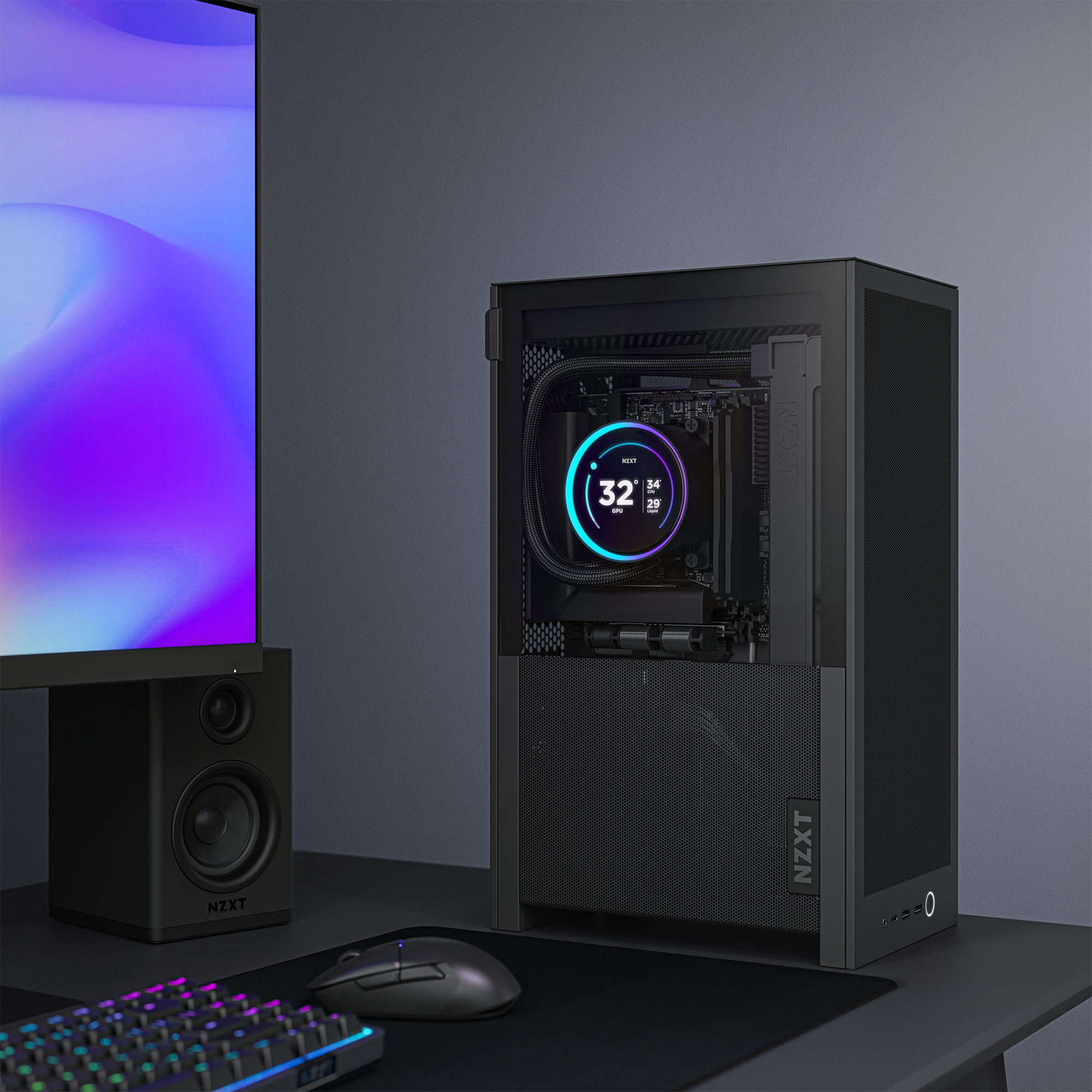
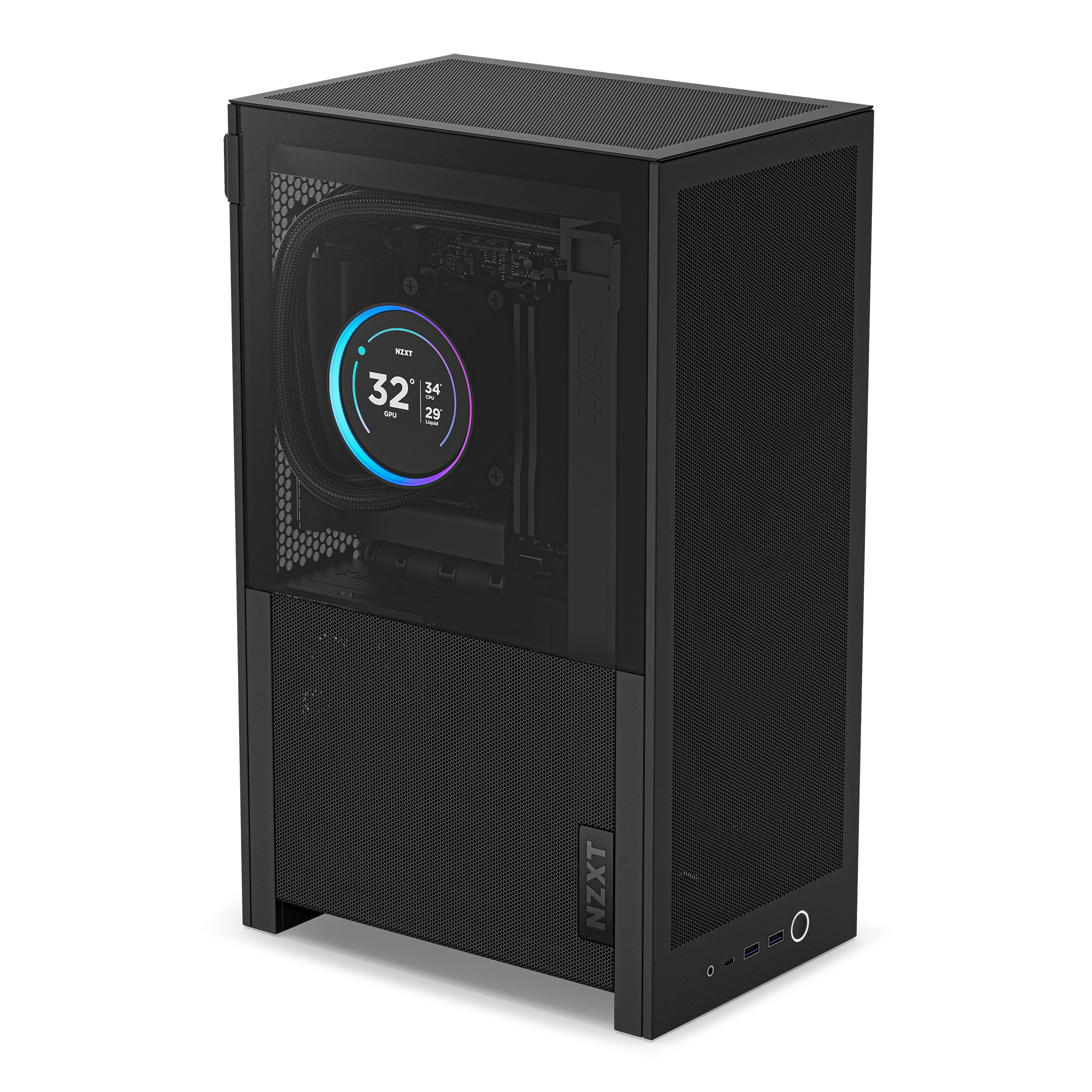
NZXT expands its SFF lineup with new H2 Flow case, C850 SFX PSU and Mini PC

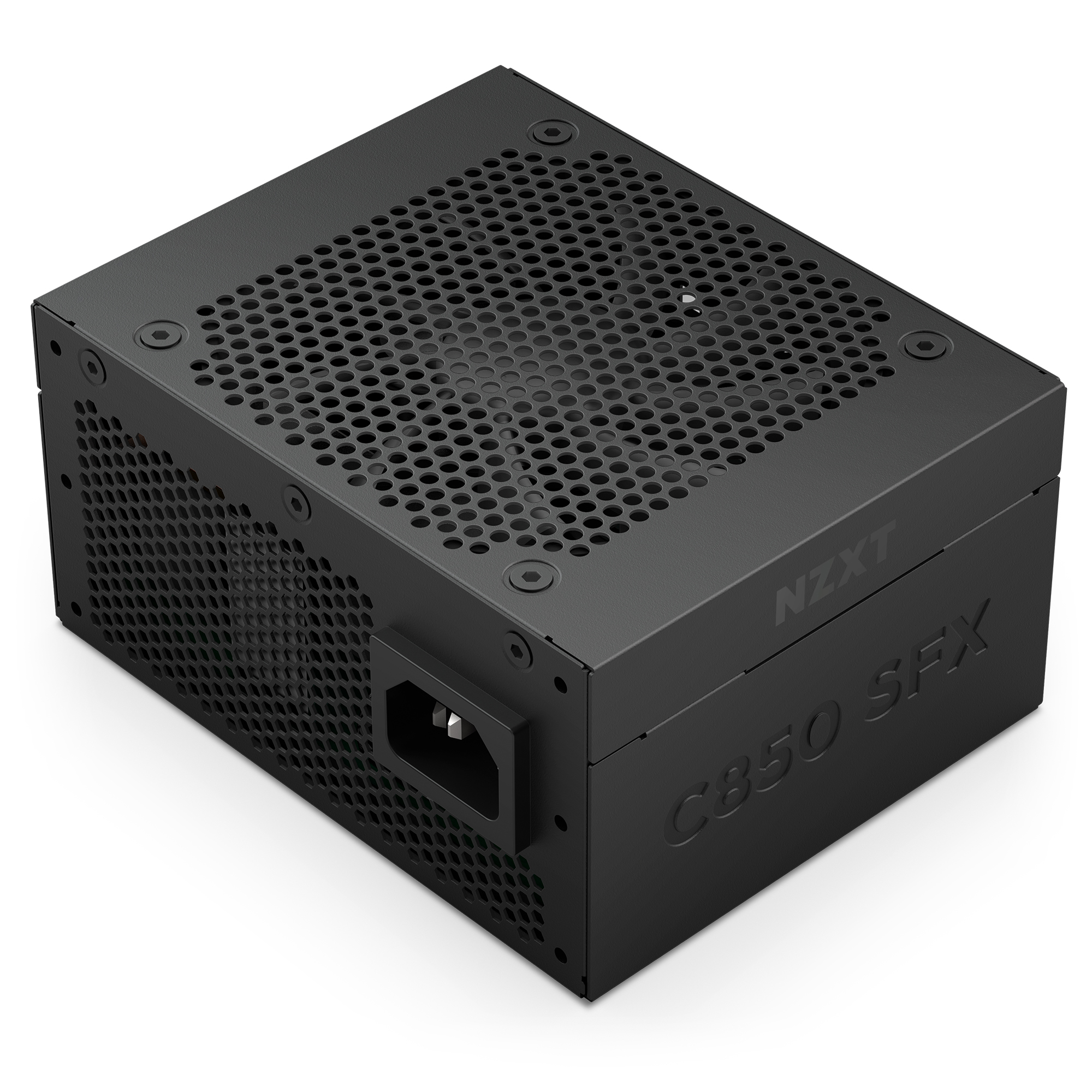
NZXT has introduced the H2 Flow Mini‑ITX case and the C850 SFX power supply, two compact components aimed at small form factor builders who want high‑end hardware support without moving to a larger chassis. On top of that, the company is also releasing a high-end limited‑run H2 Mini PC, although it will only be available in the US for now.

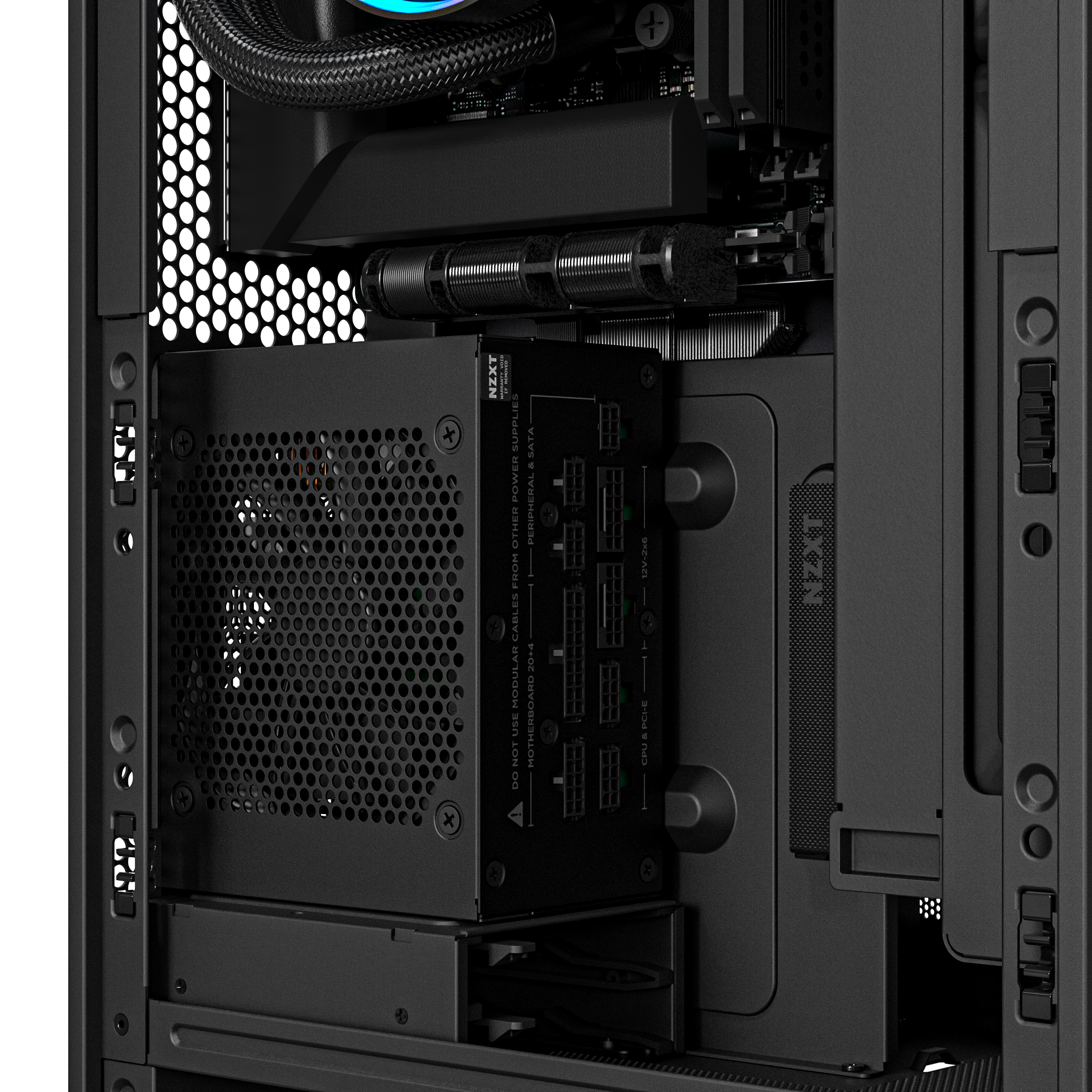
The H2 Flow is a 20.7L vertical Mini‑ITX chassis designed to maximise airflow while keeping the desk footprint small. Its layout supports up to 280mm AIO liquid coolers and graphics cards up to 331mm long, giving it headroom for modern CPUs and GPUs despite the compact size. Tool‑less fine‑mesh panels on all sides maintain cooling performance while helping with dust control, and NZXT includes a PCIe 5.0 riser cable for vertical GPU mounting alongside two pre‑installed F120Q fans.

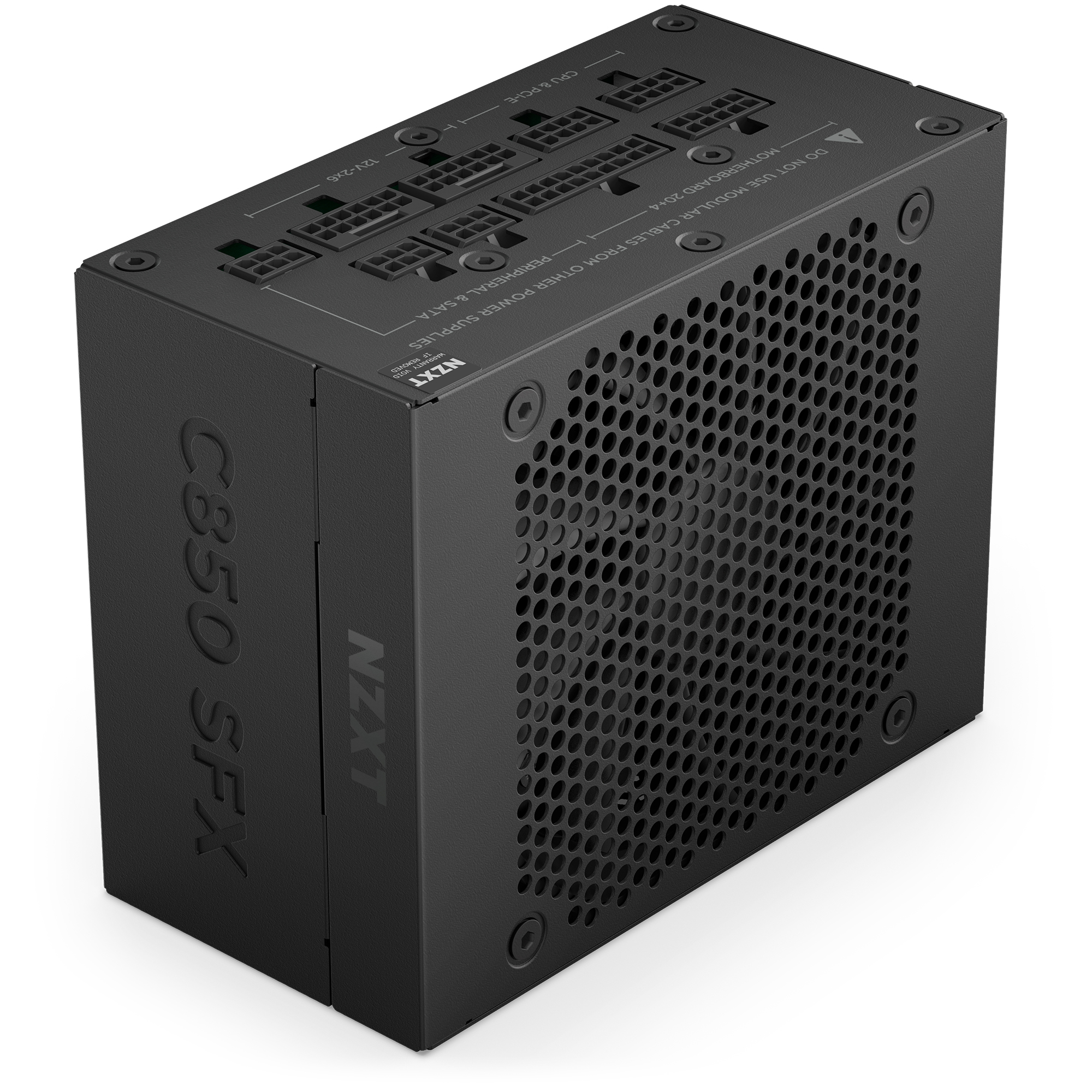
The C850 SFX power supply is built for current and next‑generation GPUs, offering ATX 3.1 certification, 80 Plus Gold and Cybenetics Platinum efficiency ratings, and a 600W 12V‑2×6 connector. It uses a fully modular design with embossed cabling, a 92mm fan with a zero‑RPM mode for silent operation at low power loads, and Japanese capacitors rated for 105°C. NZXT backs the unit with a 10‑year warranty.

For buyers who prefer a ready‑made system, the H2 Mini PC brings the H2 Flow design to a prebuilt configuration assembled and tested by NZXT. It ships with either an AMD Ryzen 9800X3D or Intel Core Ultra 285K processor, a Gigabyte Mini‑ITX motherboard, an RTX 5080 graphics card, 32GB of DDR5 memory, 2TB of M.2 storage, a Kraken Elite 240mm AIO cooler, an 850W PSU, and Windows 11 Home. NZXT positions it as a way to access high‑performance SFF gaming without the complexity of building in a smaller enclosure.

All three products are launching this week. The H2 Flow Mini‑ITX case is priced at $149.99 / €149.99 / £129.99, while the C850 SFX PSU costs $199.99 / €159.99 / £139.99. The H2 Mini PC will be available exclusively in the US for $3499.

KitGuru Says: What do you think of the latest trio of products from NZXT? Would you like to see the Mini PC available in more countries? 

The post NZXT expands its SFF lineup with new H2 Flow case, C850 SFX PSU and Mini PC first appeared on KitGuru.
  •  

Mewgenics has sold 1 million copies in its launch week

Mewgenics, the “cat breeding magnum opus” from Edmund McMillen, creator of Binding of Isaac, and Tyler Glaiel, creator of The End is Nigh, has achieved a massive commercial milestone. It has sold over 1 million copies in just 7 days since its launch on PC, Mewgenics has become the first indie success of the year.

The news was brought to us by one of the creators via X.com. Player engagement for the tactical roguelike has also been quite good, according to SteamDB, reaching an all-time high of 115,428 concurrent players on February 15th. This figure surpasses the peak of 112,947 concurrent players set by the previous genre leader, Hades 2, officially making Mewgenics the most-played roguelite in Steam's history. Currently, the game sits at a 92% Steam review score with over 20K reviews.

Tyler Glaiel also posted other fun stats about Mewgenics, stating that the game had around 400k wishlists before reviews came out. However, that number increased considerably after reviews began to be published, reaching 600K.

As of now, the game is available on Steam with a 10% launch discount, bringing the price down to £22.49/$26.99/€26.09 from its standard £24.99/$29.99/€28.99. This promotional offer ends on February 24th, after which the game will return to its full retail price.

KitGuru says: Have you already tried Mewgenics, or are you planning to? 

The post Mewgenics has sold 1 million copies in its launch week first appeared on KitGuru.
  •  

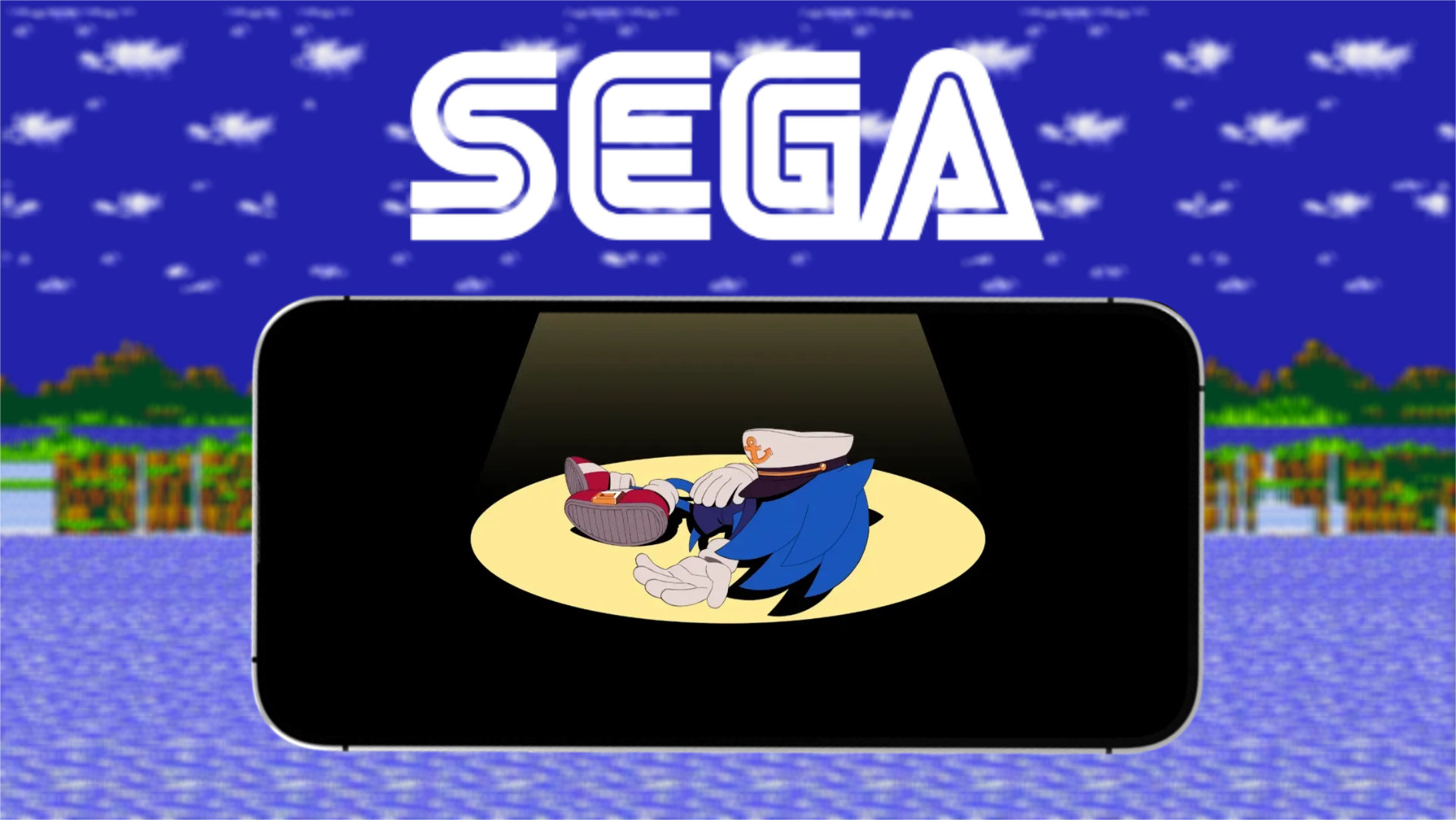
Sonic the Hedgehog 1 and 2 are being delisted from mobile storefronts

As a publisher, SEGA had been pretty good when it comes to supporting mobile platforms, with the company releasing both original titles to both Android/iOS as well as bringing ports of their classics to smartphones. That said, last year the publisher began to delist a bunch of games from the iOS/Android app stores – with only a few titles still remaining. Unfortunately, it seems these too are now set to be delisted, with Sonic the Hedgehog 1 and 2 both being updated with ‘End of Service’ messages.

As reported by Wario64 via BlueSky, the mobile ports for both Sonic the Hedgehog 1 and 2 have been updated to include a pop-up message citing the game’s impending delisting, writing: “End of Service: Support for this game will be discontinued, but you can continue playing offline.”

This latest announcement comes as quite the disappointment. Alongside the fact that Sonic 1 and 2 were some of the only mobile ports of Classic SEGA titles still available to download, the ports themselves were excellent, featuring dynamic aspect ratio support; quality-of-life improvements and much more – making their removals extra unfortunate to see.

SEGA Sonic

As mentioned, 2025 saw SEGA remove a ton of classics from the iOS App Store / Google Play Store, including but not limited to:

  • Sonic CD
  • Sonic 4 Episodes 1 and 2
  • Super Monkey Ball
  • Virtua Tennis
  • Crazy Taxi
  • Golden axe
  • Streets of Rage

With Sonic 1 and 2 now also being removed, it seems SEGA’s Forever Classics experiment has officially come to an end. Here’s to hoping that the publisher plans to reintroduce these titles in one form or another – though hopefully not as a subscription. We will have to wait and see, but make sure to pick up the few remaining classics while they’re still available.

Discuss on our Facebook page HERE.

KitGuru says: What did you think of SEGA’s classics program? Why do you think they’re all being discontinued? What’s the best way to play Sonic 1 + 2 now? Let us know your thoughts down below.

The post Sonic the Hedgehog 1 and 2 are being delisted from mobile storefronts first appeared on KitGuru.
  •  

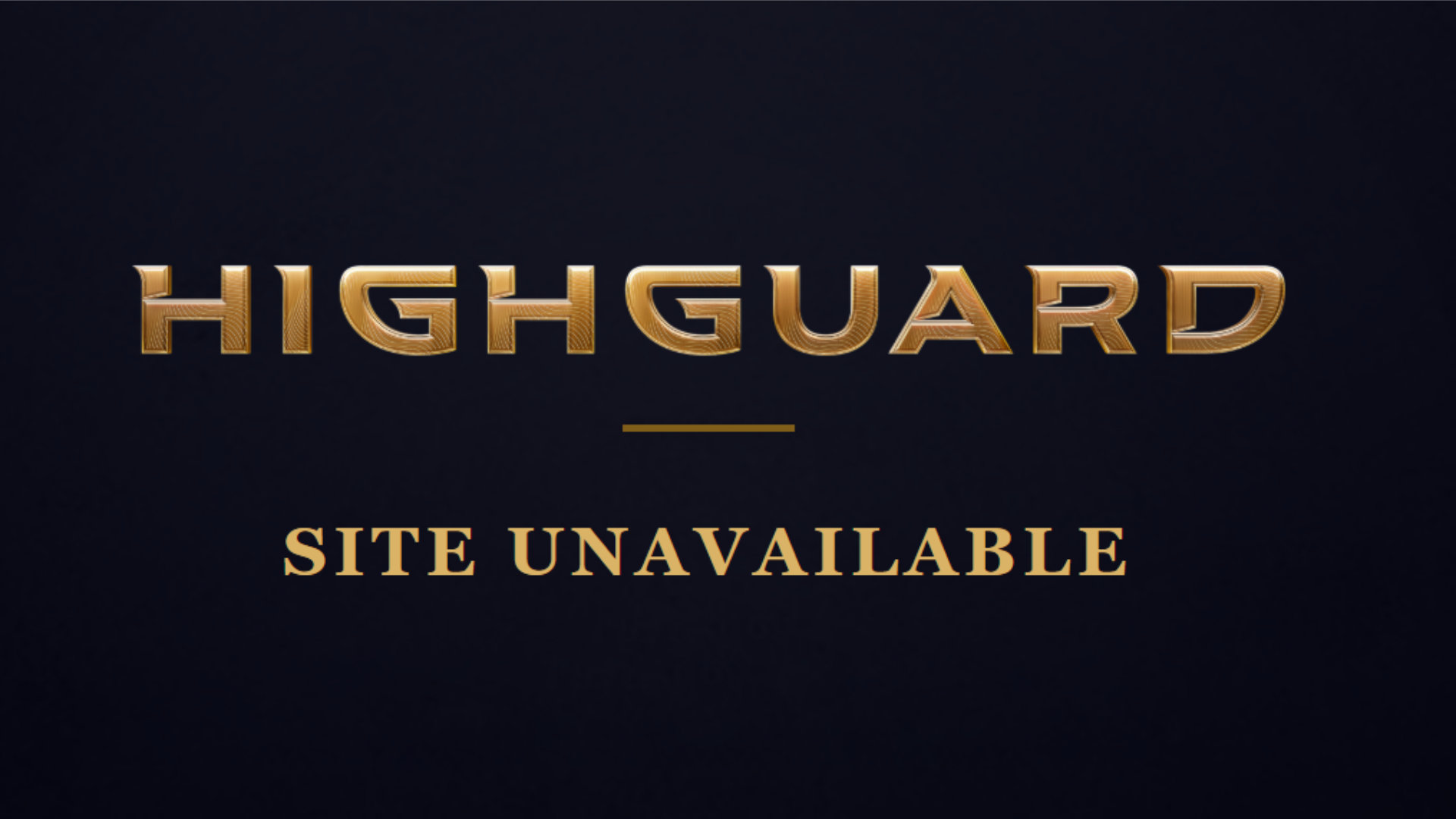
Highguard website goes offline, sparking concerns for the game’s future

Initially unveiled at the tail end of the 2025 Game Awards, Highguard is a live-service hero shooter developed by ex-Respawn Entertainment devs at Wildlight Entertainment. Despite a negative response to its initial announcement, the game managed to achieve a peak of nearly 100k concurrents on Steam following its launch last month. Since then however, interest has dwindled significantly, and while the team promised to support the game for the long-term, Highguard’s official website is no longer available – sparking concerns for the game’s future.

As discovered by multiple users, the official ‘playhighguard’ website has been taken offline, with the homepage simply stating: “Highguard – This site is currently unavailable. Please contact support@codethirtytwo.com for assistance.”

As of now, the game itself remains online and playable, however the lack of any communication from Wildlight Entertainment regarding the site’s current status has led some to fear for Highguard's future.

Wildlight Website

For the uninitiated, Highguard launched to a rather negative reception, in part due to the game itself but also the general sentiment surrounding hero shooters. Despite this, the team promised to offer long-term support, sharing a roadmap which covers the entirety of 2026.

Considering the fact that the studio has already had to lay-off a bunch of developers however, and the recent issues with its official website, Highguard's future is looking quite concerning. Hopefully Wildlight Entertainment addresses this latest issue sooner rather than later.

Discuss on our Facebook page HERE.

KitGuru says: Did you check out Highguard at launch? What did you think? Could the game succeed given enough time and care? Let us know your thoughts down below.

The post Highguard website goes offline, sparking concerns for the game’s future first appeared on KitGuru.
  •  
❌