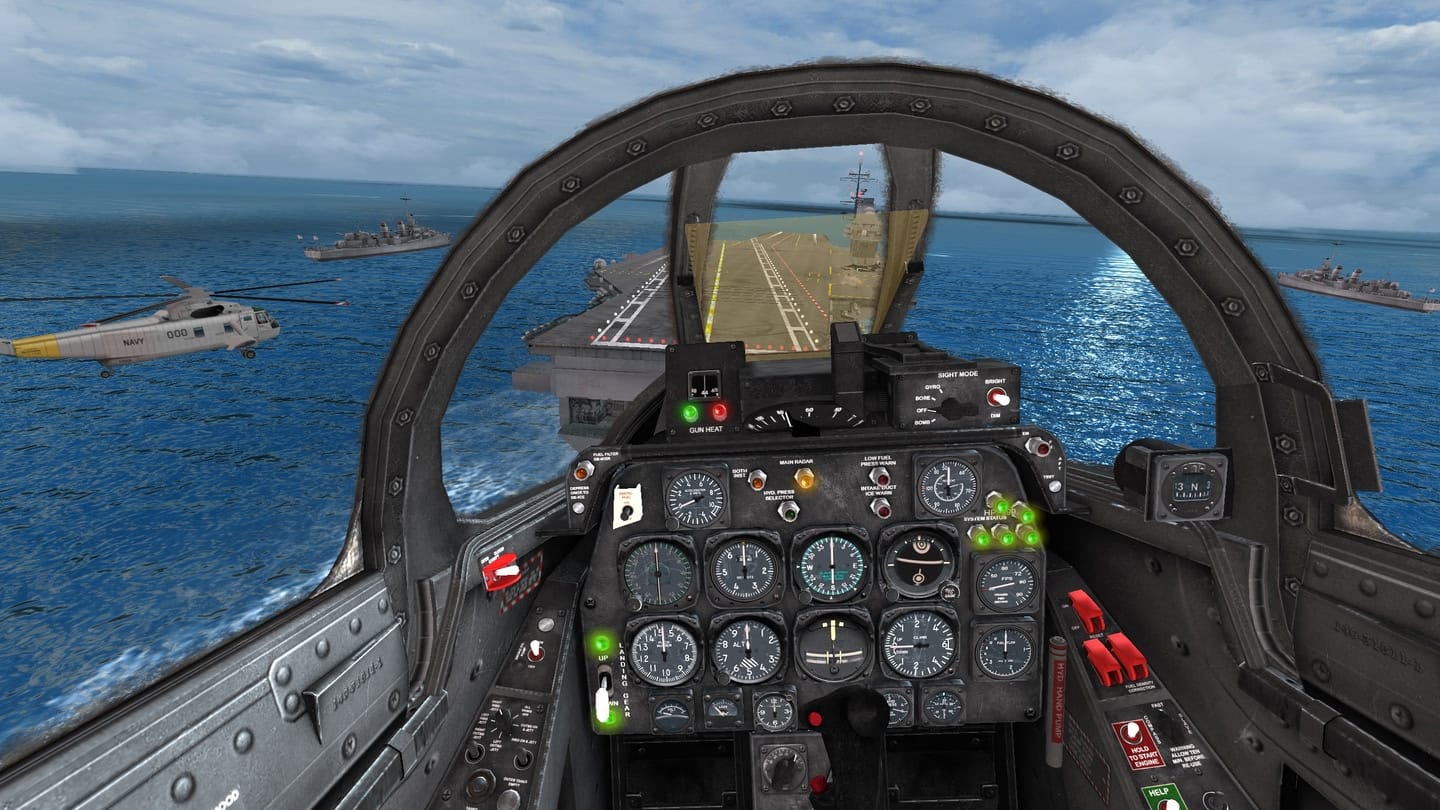
Dawn of Jets gets multiplayer support for the VR aerial combat game, and it's now left early access on Quest.
We initially covered eV Interactive's Dawn of Jets following its early access launch. Featuring ten different aircraft with the promise of more to come, this gives you a fully interactive cockpit with the stick, throttle, weapons systems, and more as you go dogfighting across the skies. Now, it's received online multiplayer alongside its full release.
0:00
/1:00
Multiplayer footage
Detailed further in a recent update post, Dawn of Jets' new multiplayer mode supports up to seven other friends in free-flight, deathmatch, and team-based matches. eV Interactive states more modes and missions are coming “in the future,” though a specific release window wasn't mentioned for these.
Multiplayer joins three previously available gameplay modes in Dawn of Jets. These include a Career mode with dozens of missions, alongside different Challenges where you compete for the top of the leaderboards across combat, race, and aviation scenarios. Finally, Flight mode lets you explore this world at a more leisurely pace.
Dawn of Jets is available now on the Meta Quest platform.
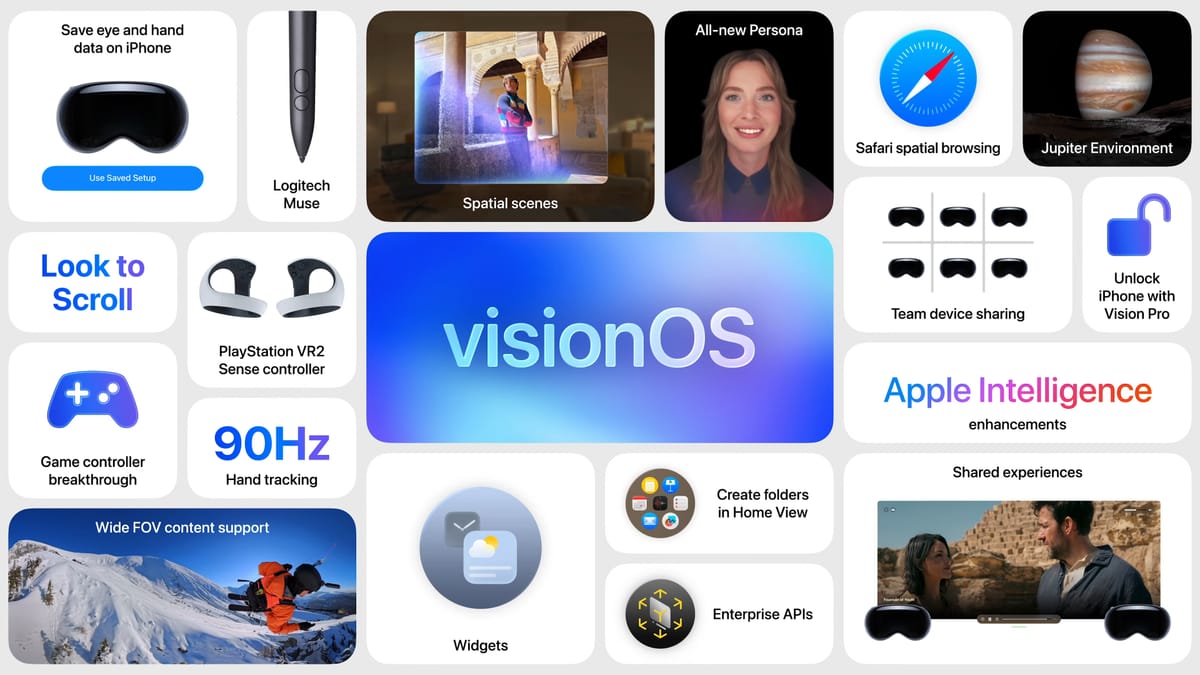
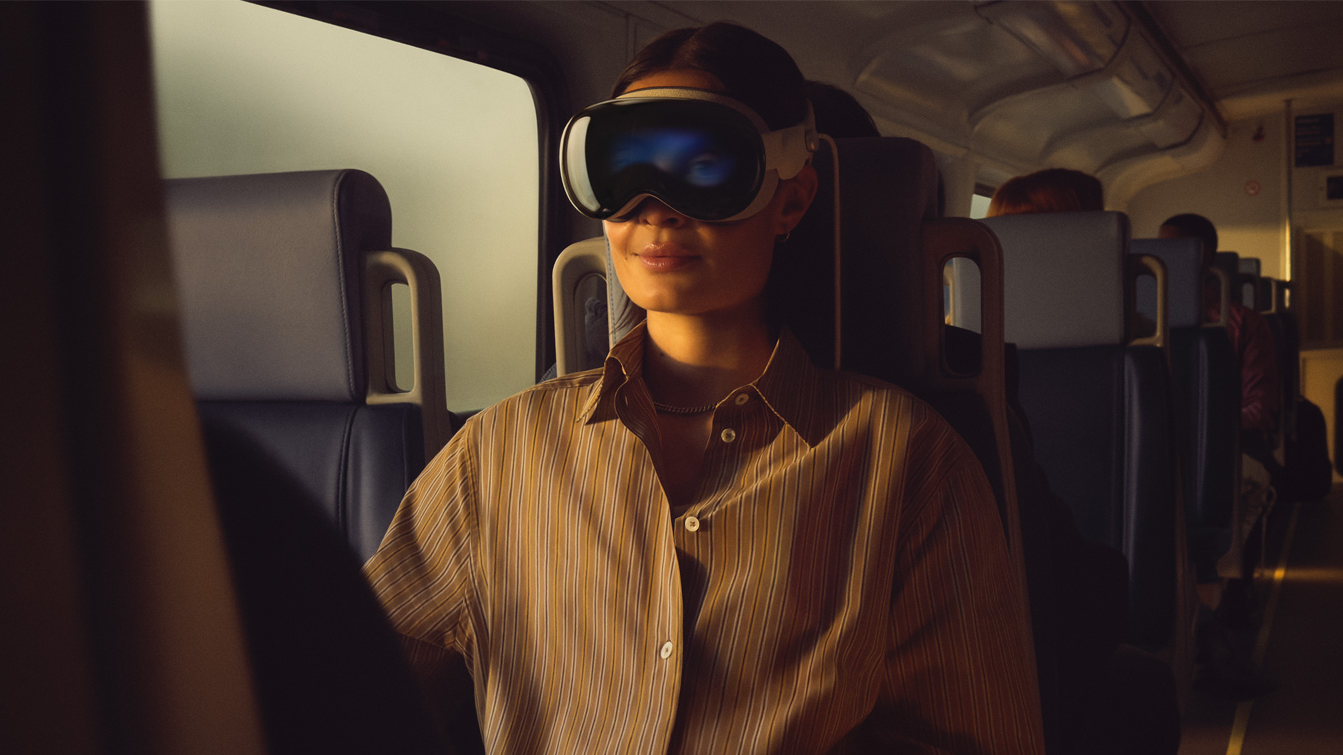
visionOS 26.2 brings official support for using Apple Vision Pro in cars and buses via improved tracking in Travel Mode.
Apple Vision Pro was the first headset to deliver a Travel Mode, meaning a toggle that makes its positional tracking system work while in a moving vehicle, when it launched in early 2024.
Since then, over the years, Meta, Pico, Snap, and Google have followed with their own implementations of Travel Mode for their headsets.
At launch, Apple's Travel Mode was specifically designed for airplanes. With visionOS 2 last year, it was updated to officially support trains. And now with visionOS 26.2, released last week, Apple Vision Pro officially supports cars and buses too.
I say "officially" because the feature did already work in these scenarios. When picking up Apple Vision Pro in New York at launch, I used its Travel Mode in the back of an Uber. It worked, with some minor jitter.
I'll be sure to try Apple Vision Pro's Travel Mode again next time I'm in a long distance Uber, Waymo, or bus, as I'm curious to see how much improvement the official support brings.
The update arrived on the same week that Google announced and started rolling out a Travel Mode for Android XR on Galaxy XR, which officially only supports planes.
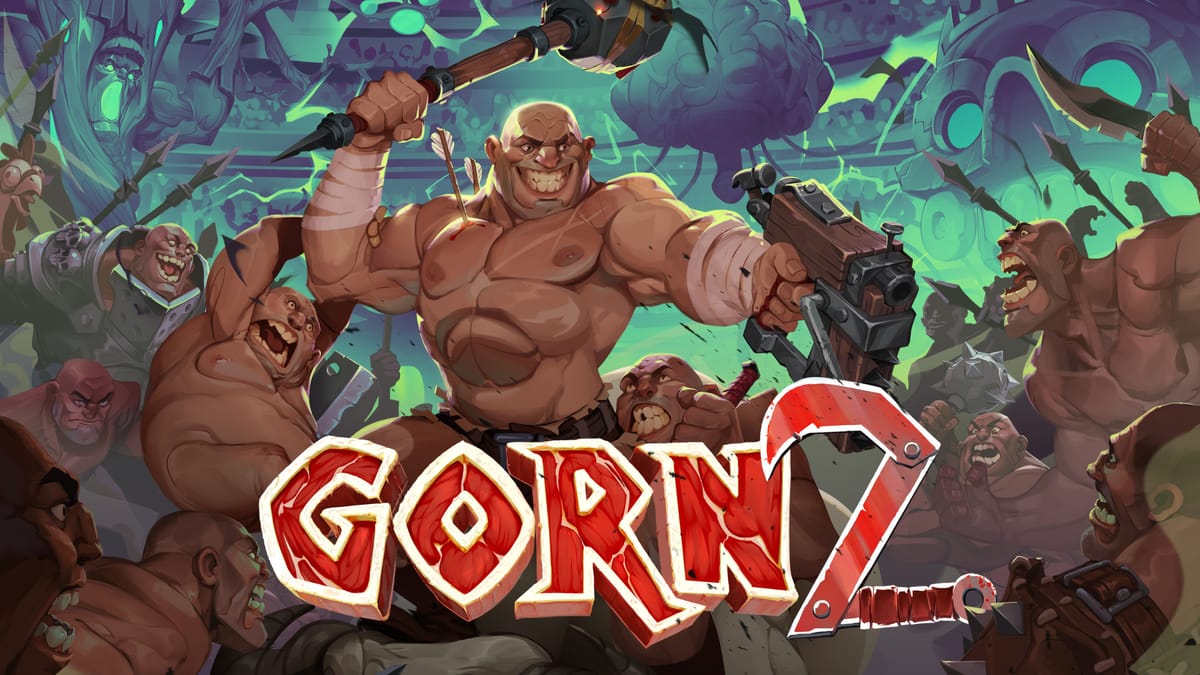
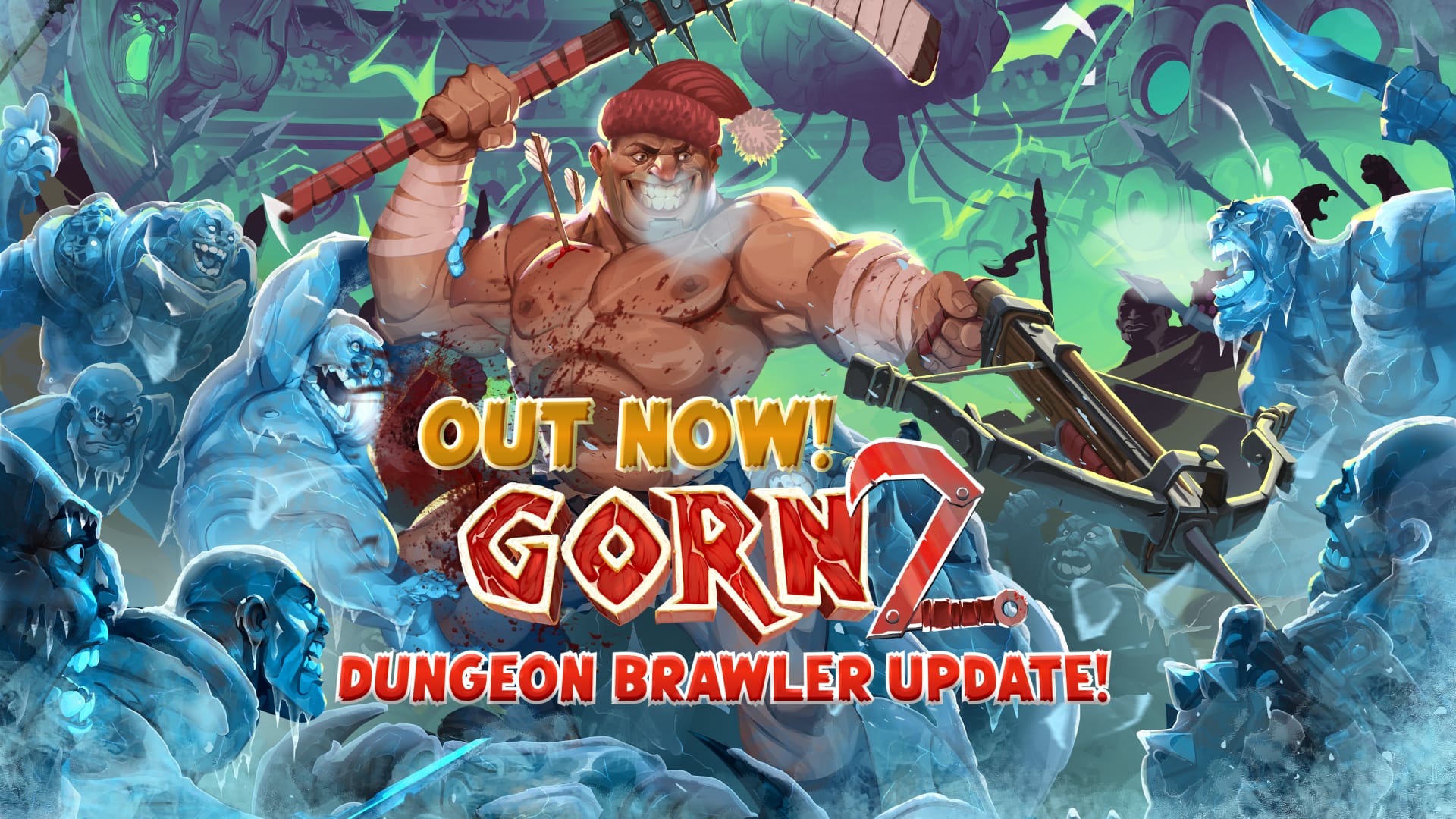
GORN 2 received a new “dungeon brawler” mode in its winter-themed update on Quest, PC VR, and PlayStation VR2.
Now live on all platforms, GORN 2 is the comically over-the-top arena brawler where you battle the five sons of the God of the Afterlife after reaching your untimely demise. While the main campaign puts you into a series of arena fights as you defeat muscular gladiators, publisher Devolver Digital announced it's now received a dungeon crawler mode.
0:00
/0:42
Appropriately known as the 'Dungeon Brawler' update, this also comes with various winter-themed additions like icy floors, new dungeon hazards, and the ability to freeze enemies. New weapons include hockey sticks, icicle swords, ice arrows, pitchforks and more, while developer Cortopia also introduced a jump button to leap over enemies.
New story content is also promised and this dungeon crawler mode features 25 unique rooms, with the studio confirming player and weapon modifiers can be found as you progress. Additional missions are also available for unlocking the dungeon crawler weapons.
This joins a growing list of seasonally themed updates that GORN 2 has received. October's 'Fight of the Living Dead' update celebrated Halloween by letting you fight the undead, also adding a crossbow, scythe, and a Resurrection Spire. That was followed last month by 'Shanksgiving' with its timed-exclusive 'Turkey Hunt' game mode.
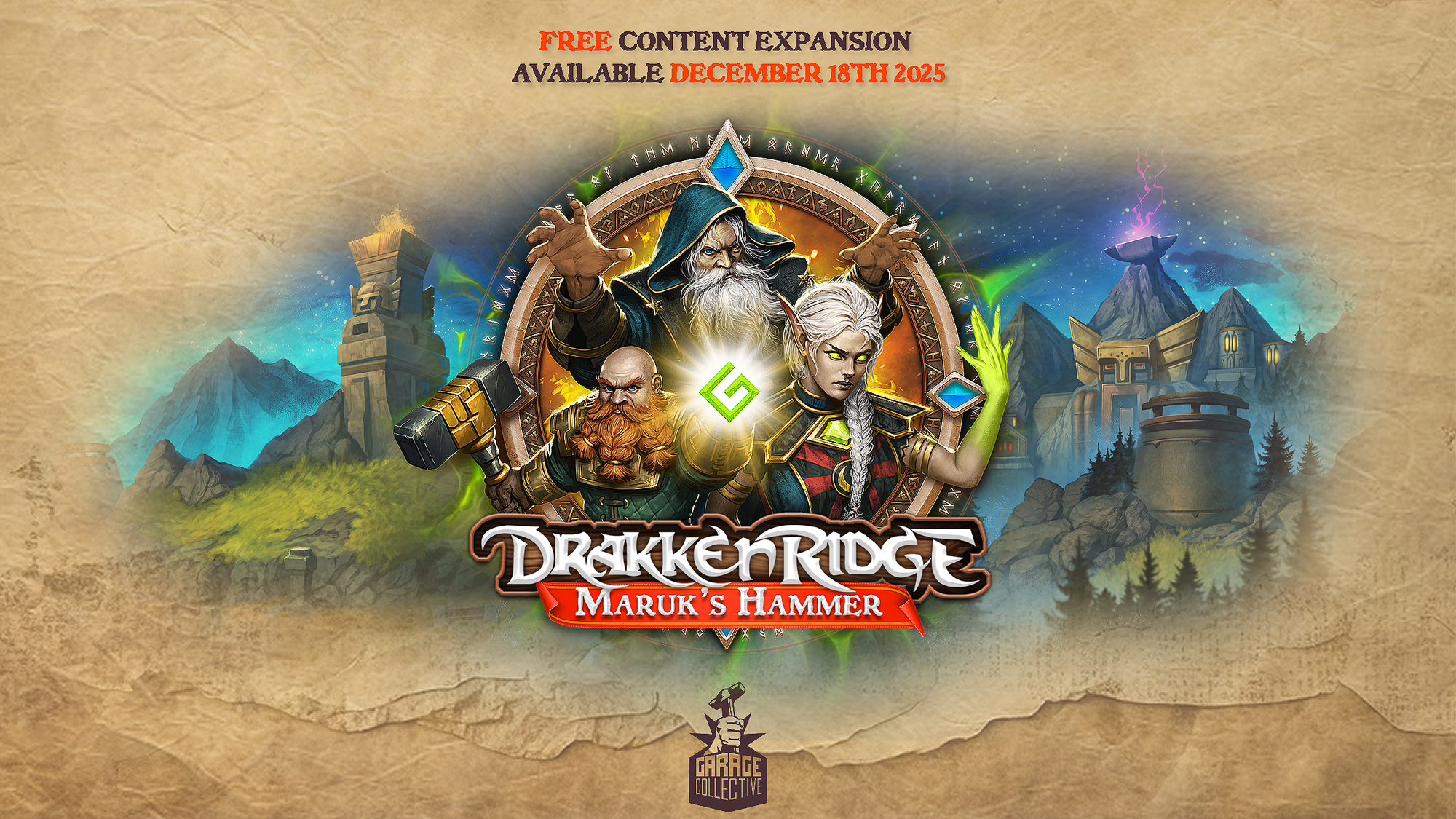
DrakkenRidge gets a free expansion tomorrow on Quest 3 and 3S, adding a new island, new enemies, and more.
Launched in September, DrakkenRidge is a retro-themed VR fantasy adventure that we favorably compared to old-school RuneScape in our impressions. As a Novice of the Mage Order, you're tasked with policing magic use across this land while exploring dungeons and solving puzzles. Now, it's receiving the Maruk's Hammer expansion as a free update.
While the main game sees you exploring five unique islands across the DrakkenRidge archipelago, Maruk's Hammer introduces a distant Dwarven Island that's home to a mythical Forge. With the island under siege from mysterious invaders and an ancient threat, you must fend off this threat to help the Dwarves defend their home and save the Forge.
This occurs over a multistep main quest, with four new side quests also available. You can find two new weapons, such as the talking 'Void Whisper' sword that's possessed by an ancient evil. New elemental arrows can also be crafted, while new enemies in this expansion include a new Dragon, a Frost Howl, Battlemages, and Corrupted Paladins.
It's the biggest update DrakkenRidge has received since its September launch, and Garage Collective previously released fourseparate updates. Patch 1.3 added a new distance grab ability and the option to summon weapons by grabbing from over your shoulder, while last month's Inventory Update delivered a new inventory layout and auto-sorting ability.
DrakkenRidge is out now on Quest 3/3S, while the Maruk's Hammer expansion goes live tomorrow at 10am PT.
Pocket Lands delivers a promising new sandbox for building digital worlds, and it's out now in Early Access on Quest. Read on for our full impressions.
Creative minds always find a way to express their individuality, no matter the means at their disposal. Pen, paintbrush, digital tools. Video games such as Minecraft exploded in popularity through the freedom of shaping its voxel art world, to the point where people created futuristic spaceships, sprawling cities, and medieval towns by hand. If you build it, they will come, so the old quote goes. Pocket Lands aims to deliver a world-building sandbox to allow those with inspiration a new avenue to convey their imagination. It shows signs of a promising future, even if what's here in early access leaves me wanting.
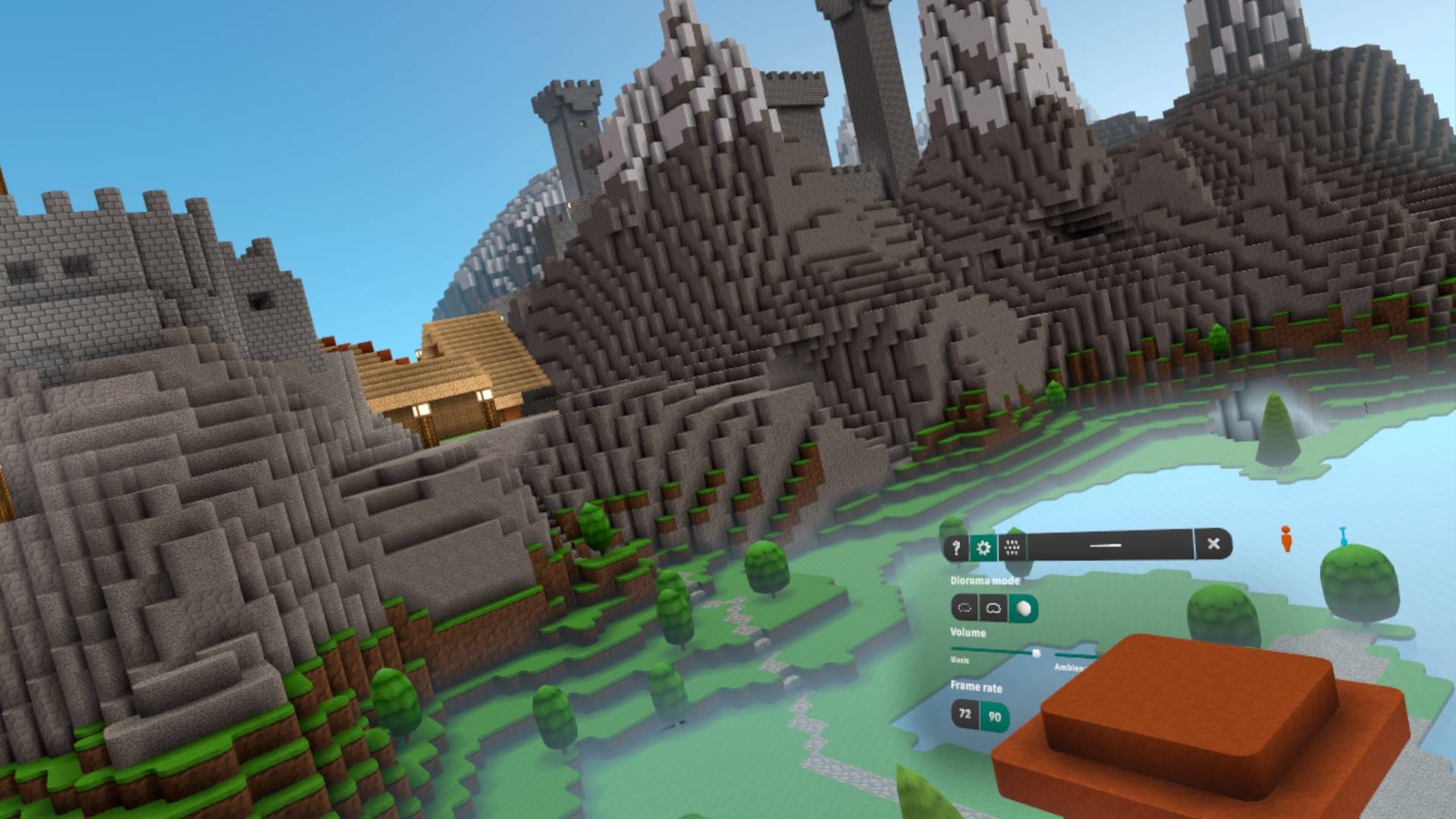
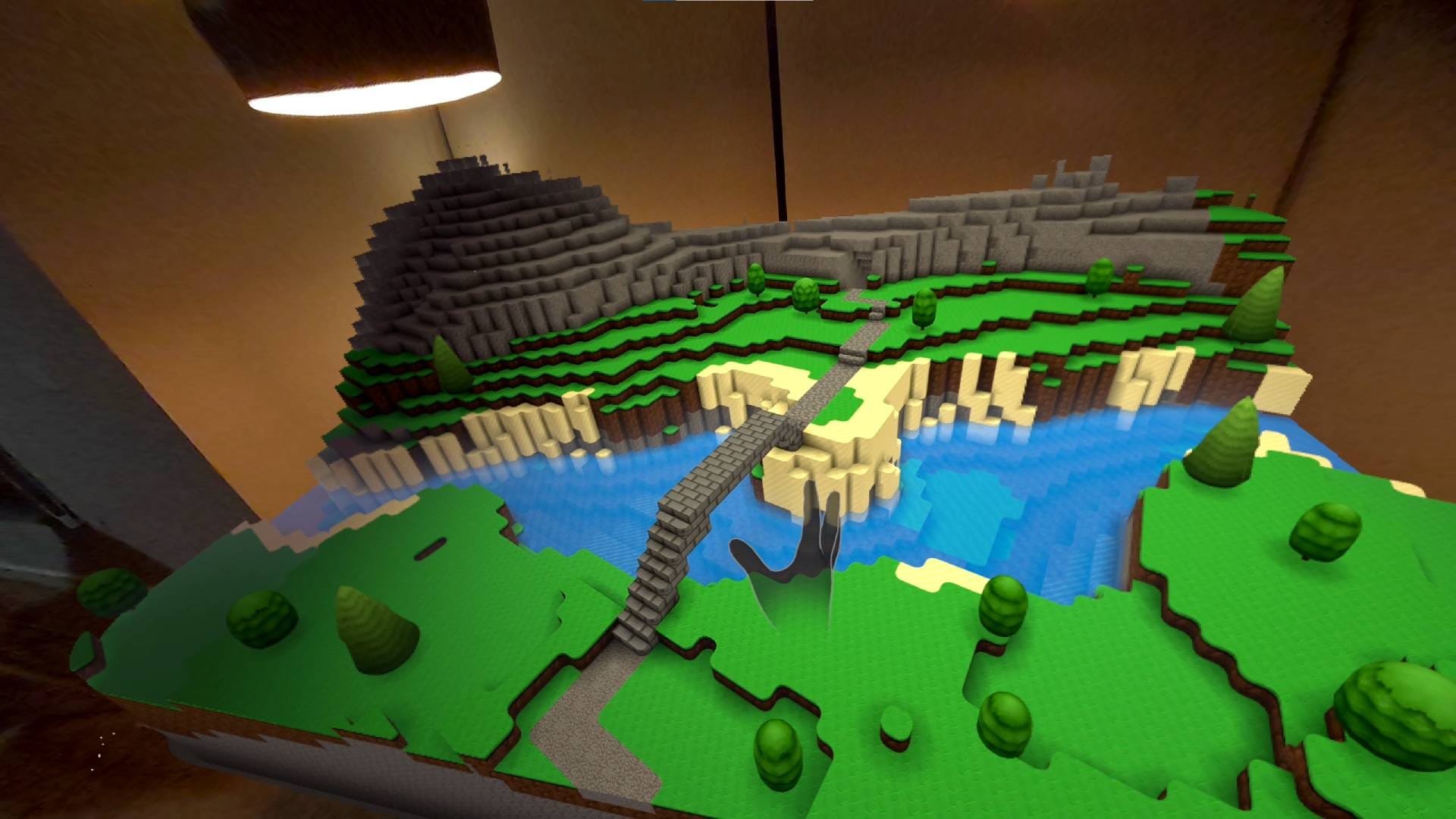
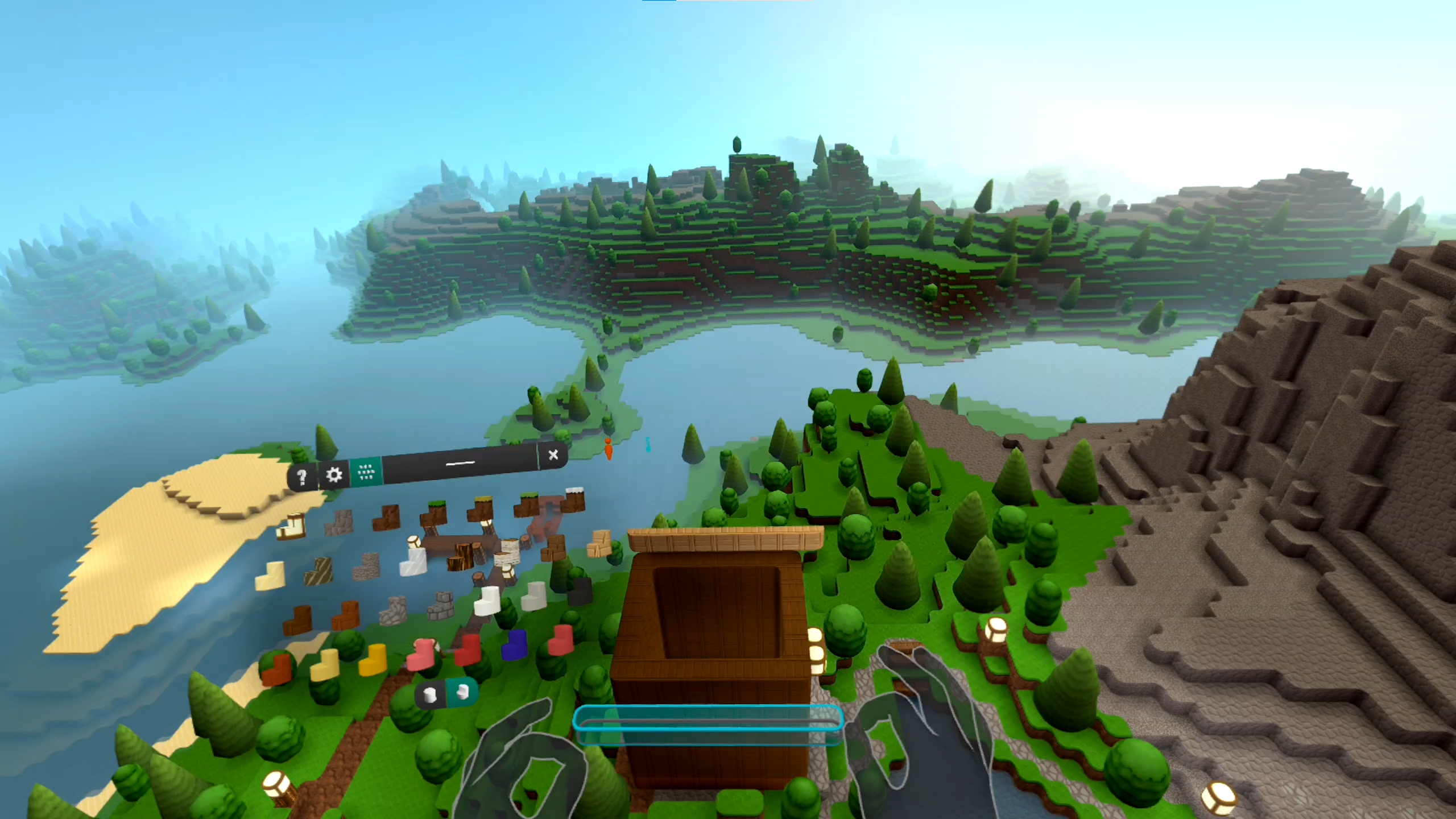
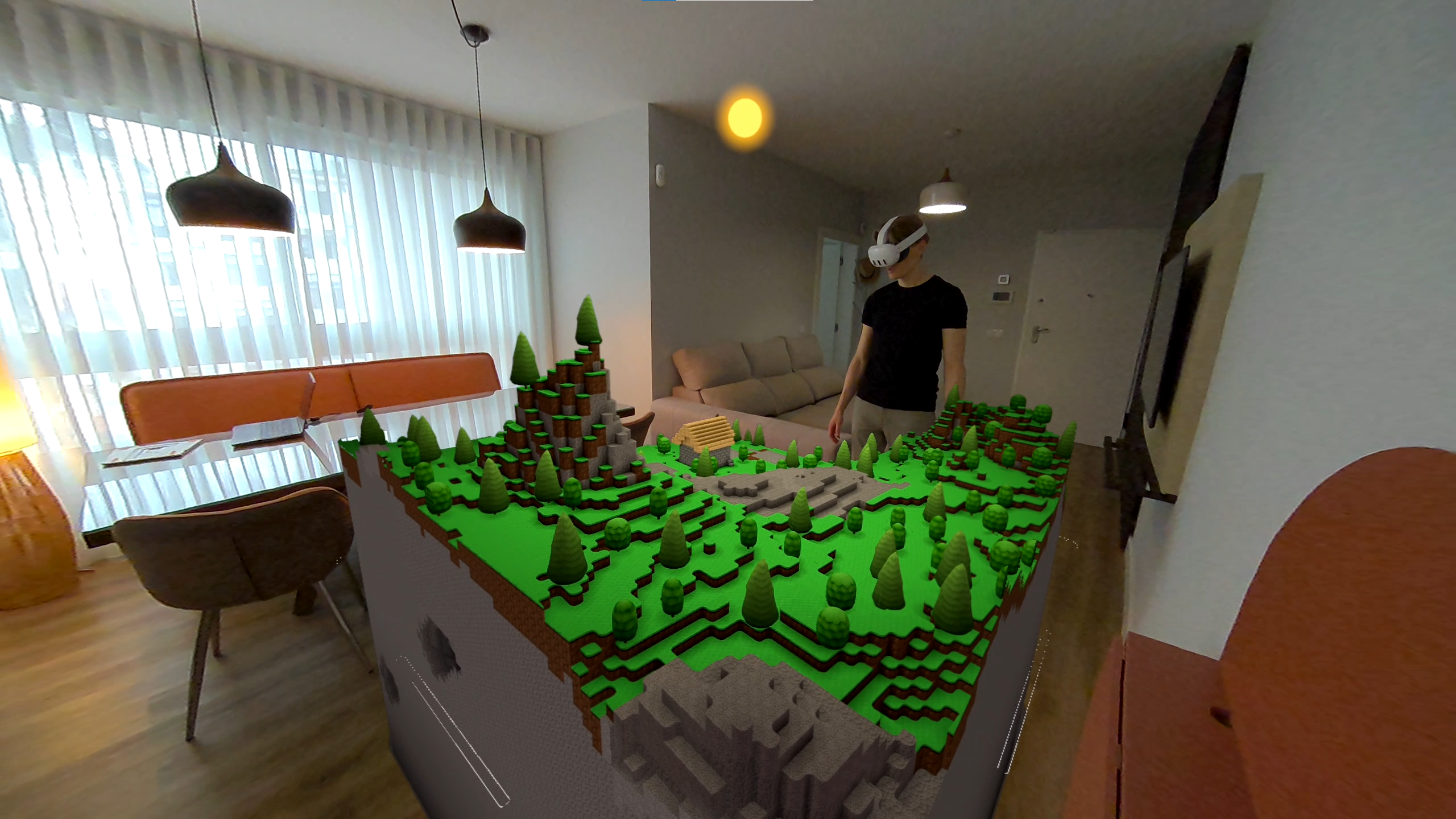
There is a prebuilt landscape that you can start working from.
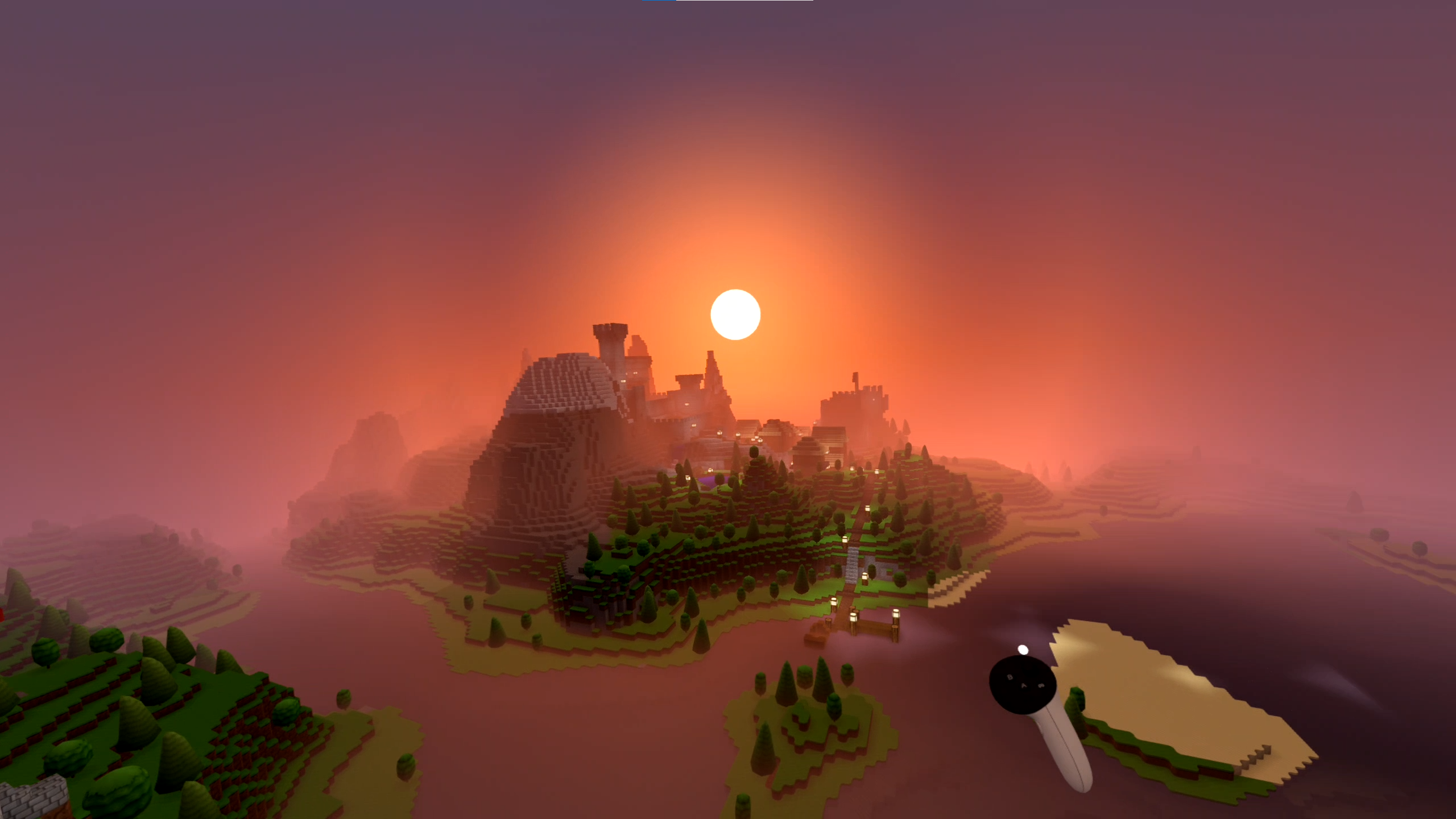
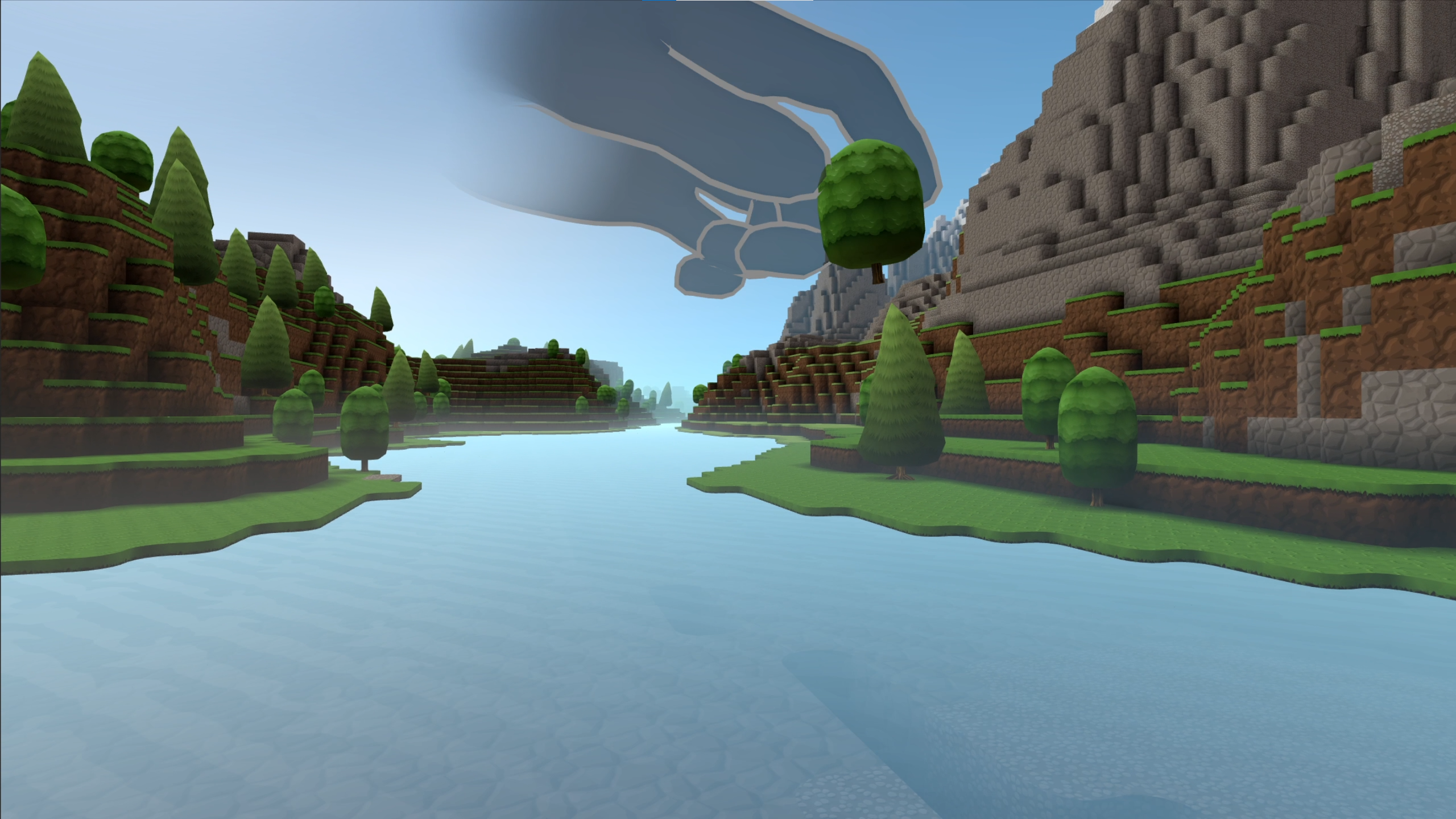
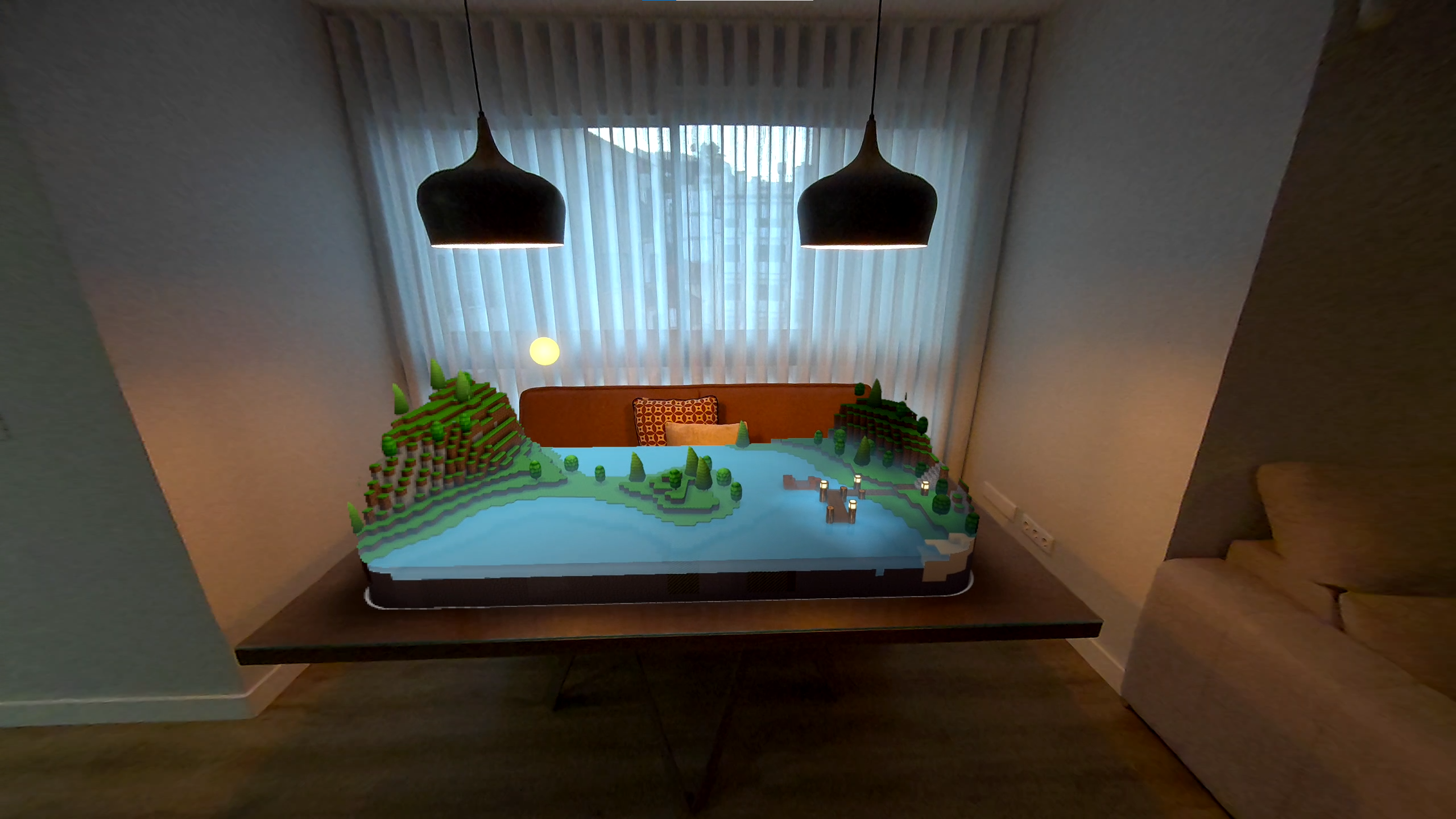
A full-scale playground to design complex architectural ideas is not a new concept, as previously seen in cyubeVR and RealmCraft among others, yet Pocket Lands stands out for several small but defining features. The first is its flexible way to engage with your blank canvas, as the diorama is viewable from three different perspectives: a resizable island in mixed reality, as that same snippet of the world but with your surroundings covered, or a sprawling fully immersive mode where everything is rendered in the voxel world, even the day-night cycle. Snappy hand tracking or a controller quickly lets you see how expansive your imaginative kingdom is becoming.
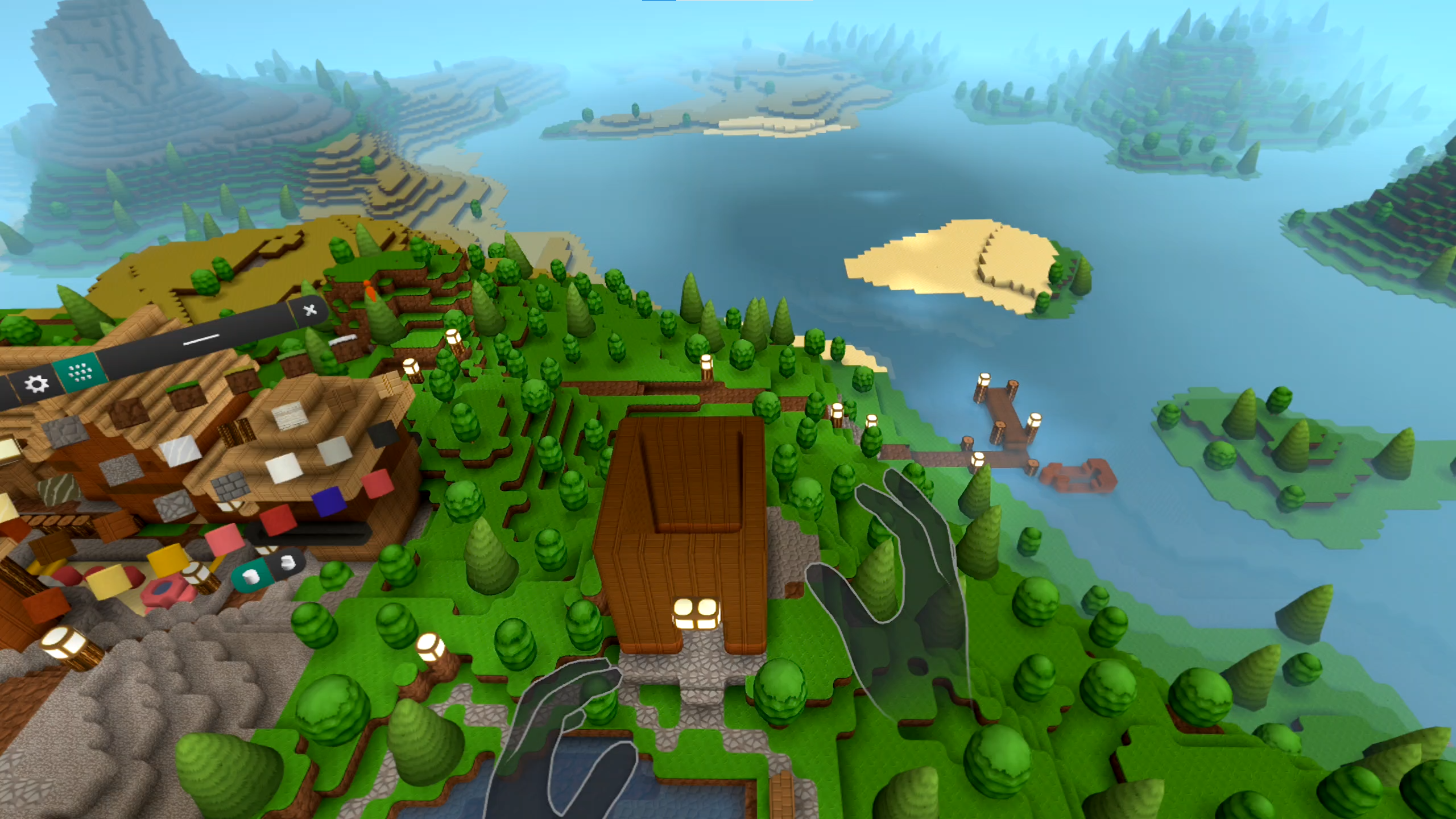
Second is the fact that you can drop into your own world at any moment, going from a God-mode perspective to walking around next to your creations. This feeling, especially once laser-focused on more elaborate constructions, is a brilliant addition that inspires awe. That's helped by the ability to jump and, most importantly, fly around the map to look at the environment from another area. This entices you to perhaps add a new tower to your castle, mast to your airship, or neighboring skyscraper to your skyline.
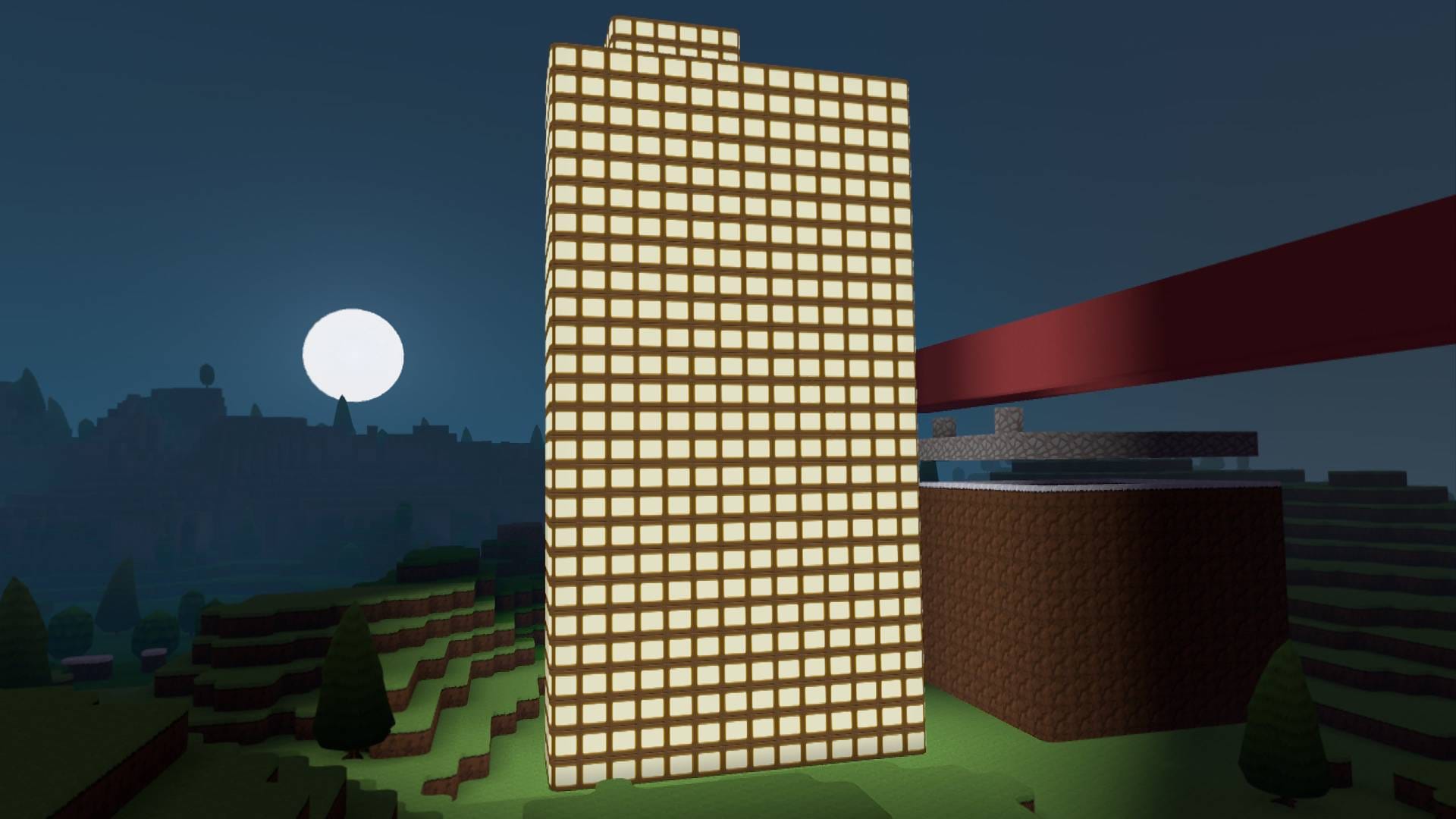
The day-night cycle is quite jaw-dropping when building skyscrapers out of lamps.
Finally, no creative sandbox is complete without accessible building tools. From a quick 17-slide tutorial where Pocket Lands succinctly explains how it all works, the onboarding to pick up and play is as easy as it gets. Making the motion of grabbing a rectangle from two opposite sides lets you spawn a figure as long, wide, or short as you wish. A handy menu with over 25 full and half block types awaits to accommodate every type of building. Concrete, sand, wood, and lampshades are but a few foundations to build unique creations on. The calming music, ranging from medieval Oblivion-esque melodies to soothing piano sounds, instills a relaxing vibe in the creation process.
However, hand tracking feels a little hit or miss right now. There is a nifty feature that by tapping your thumb to your hand, you can “scroll” through the map as you would a smartphone, turning it yellow to signify selection. You can close your fist to move around the map, pinch to move the edges of the mixed reality diorama, or grab blocks and add new ones. But Pocket Lands doesn't always register when I stop making a fist gesture, only to end up on an entirely different side of the map. Or worse, the diorama itself ends up in another area of the room.
While Mountainborn Studios is aware of these false positives, the only current solution is to be gentle with the movements so that they can be properly registered to avoid such nuisances. A bit of comic relief against these issues is the addition of arm-swinging locomotion, which doesn't add much, but it's undoubtedly fun to make that primal motion while exploring. For the avoidance of doubt, artificial stick-based locomotion is also available.
0:00
/0:17
An unexpected but welcome addition.
I wish that I could do more in Pocket Lands right now. Yes, it's a wonderful Early Access release with all the aforementioned details. But I'd love to see more items, block types, and creatures added. Thankfully, the latter is in development, along with new biomes and multiplayer. It's a great playground for creative minds, one that hopes to fill a void after Microsoft abandoned VR support for Minecraft. Here’s hoping that this sturdy foundation builds a lasting legacy.
Pocket Lands is out now in Early Access for the Meta Quest platform.
The Meta Horizon Store's 2025 Holiday Sale discounts blockbuster Quest games for the next three weeks.
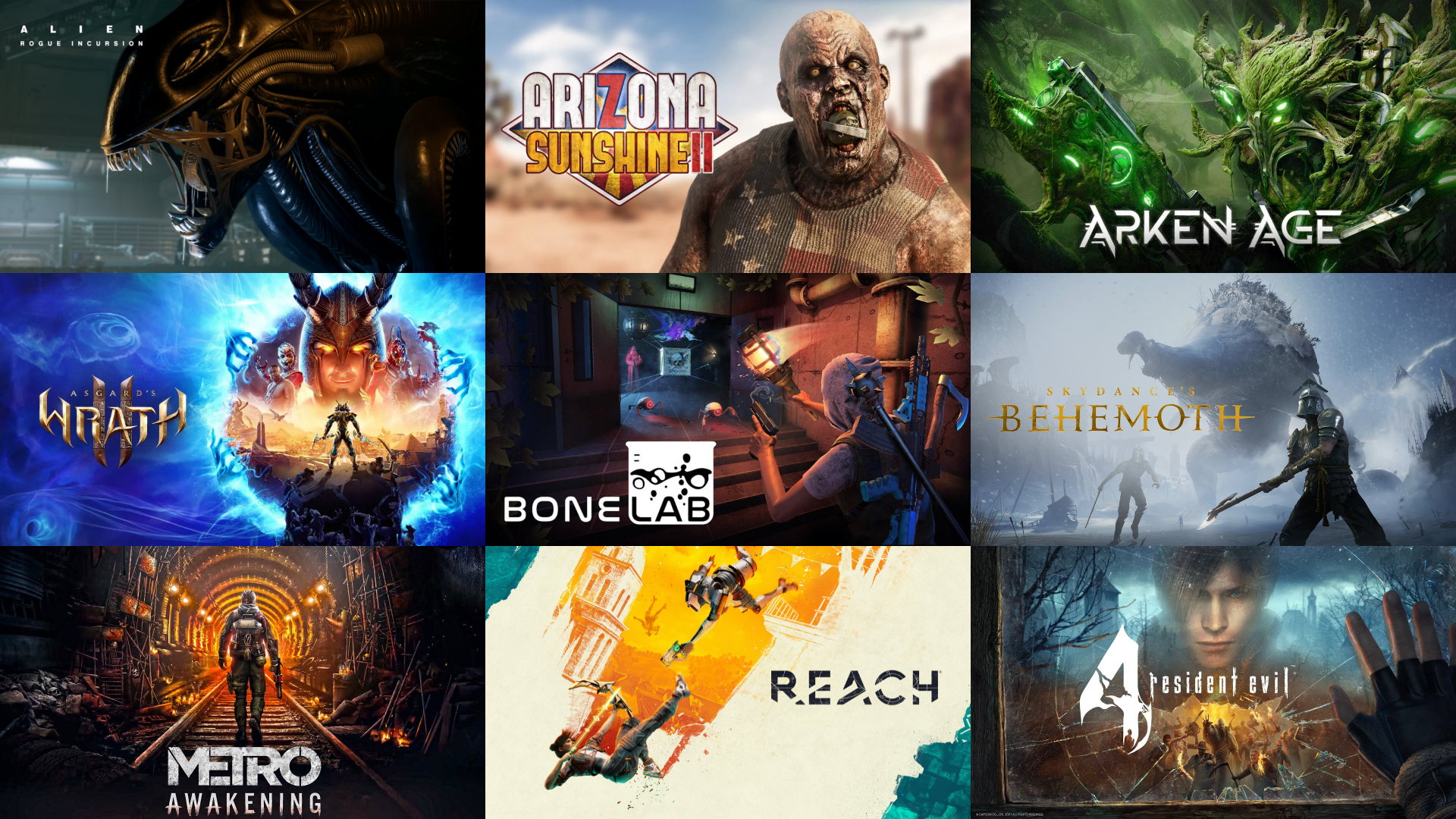
You can currently get the Quest versions of titles like Alien: Rogue Incursion, both Arizona Sunshine games, Asgard's Wrath 2, Skydance's Behemoth, Metro Awakening, Reach, and Resident Evil 4, for between 20% and 65% off.
You'll also find discounts on a range of indie titles, such as Arken Age, Bonelab, Dungeons of Eternity, Eleven Table Tennis, Figmin XR, GOLF+, Into Black, Myst, Pistol Whip, Titan Isles, Walkabout Mini Golf, and VRider SBK.
The sale ends at 11:59pm PT on January 4, just under three weeks from now, giving plenty of time for people receiving a Quest headset as a gift this Christmas to get some of the top titles at a discounted price.
Puzzling Places adds Journey Mode, remastered puzzles, improved hand tracking and more in a free update.
The Realities.io developed VR jigsaw game, known for turning real-world locations into tactile 3D puzzles, is rolling out a large update for the holiday season. Its headline feature is Journey Mode, a new way to play designed to offer a calmer, low-effort experience.
Rather than the game's normal loop, where the player gets all the pieces of a disassembled puzzle at once, Journey Mode begins with a single central piece and offers only a small set of pieces to add at a time. Players then attach pieces to grow the center, allowing the scene to gradually assemble in an almost guided progression.
0:00
/2:18
Today's update also overhauls hand tracking, which Realities.io says has been optimized for sharper responsiveness and more intuitive reactions. Updated tutorials have been added, as well as “natural gestures” like poking puzzle pieces to inspect them, dragging them to switch tabs, and a “throw-back” motion to return pieces to their staging area.
Quality of life updates are also promised. These include the addition of a new in-game menu, an updated start screen with quick-start options, personalized stats, and tailored puzzle pack recommendations. Puzzling Places' library features more legible thumbnails for easier browsing, and puzzle and pack ratings are now visible directly from the storefront.
Lastly, the base game's lineup of puzzles has been refreshed, swapping out older puzzles for community favorites. Four puzzles have been remastered with new animations and effects as well.
Puzzling Places' Holiday Update is available now as a free download on Quest, PS VR2, and Pico. The game is also available on Apple Vision Pro, and coming to Steam at a later date.
On Dec. 21, 2025, Ebenezer Scrooge will be haunted for the last time by disembodied spirits wearing Quest 2 or newer headsets.
Thereafter, the first fully embodied telling of A Christmas Carol by Charles Dickens in consumer VR will play on loop around the holiday each year, replaying the spatially captured performance by Agile Lens.
"One of our white whales we finally achieved this holiday was a method for perfectly recording EVERYTHING that happens during a live show," wrote architect and producer Alex Coulombe over direct message. "Mocap, show cues, audio, even everything the audience does. And we can play it back completely on demand."
Since 2021, Agile Lens has put together the experimental VR telling of A Christmas Carol using the latest cutting edge capture and streaming technologies, including Unreal's MetaHuman avatars. The production, along with other Agile Lens projects like a gigantic holodeck selling real estate in Texas, led the group to develop a tool called "Stage Presence" for the creation of future theatre-based productions in VR.
"We have no plans to shut down the app at this time— after the all-day VR replays on Christmas Eve, likely we’ll leave it as a bit of a museum where you can visit Charles Dickens’s study and see our old “Next Show in…” counter," Coulombe wrote. "Who knows? Maybe someday we’ll find a good reason to bring it out of retirement."
Tickets are free in Quest 2 or newer VR headsets to the final live showings held from Friday to Sunday. The performance stars Ari Tarr as Dickens and Scrooge with Debbie Deer as the ghosts, both of them wearing Quest Pro headsets for face and body capture. You’ll become a ghost yourself during the tellings this weekend, and visible to Scrooge as a disembodied spirit helping him come to terms with his behavior.
"I'm really proud of it. I'm going to miss it a lot. It's been such a joy and such a useful resource to come back to," said Kevin Laibson, who worked as a producer on the production. "You really can't mess up a Christmas Carol – everyone knows it and loves it."
"Likely next year we’ll pick a few dates to trigger some shared VR replays," Coulombe wrote. "The 'live' audience will be there as ghosts of the “present” right alongside the audience ghosts of the “past”— it will all get very meta."
We're extremely curious to see what Agile Lens and their creators do next with theatre in VR and with their Stage Presence tool. There have been some impressive theatrical experiences like The Under Presents and The Tempest and much more made in VR by others, but nothing that's been able to keep a troupe of actors employed continuously.
"VR live theatre is wonderful in terms of accessibility, but it’s still far from the ideal of actual breathing people in the same venue gasping and laughing together," Coulombe wrote. "And so we’d love the chance to combine our mixed reality theatre toolset with our virtual reality theatre toolset for a production that caters to an on-site audience while also inviting participants from around the world to join in. That’s the goal of Stage Presence— a modular toolkit to service a wide range of live XR productions."
Stealth shooter Espire: MR Missions gets a standalone release in early access, and existing Espire 2 owners get it for free.
Revealed last month, Espire: MR Missions expands upon the mixed reality mode previously seen in Espire 2: Stealth Operatives. This comes with 29 different missions that dynamically adapt to your home, taking out guards and navigating traps between 21 small-scale single-room missions and eight large-scale multi-room missions. That's out now for the wider Quest platform.
0:00
/1:30
Detailing its reasons for making this a standalone launch, developer Digital Lode advised that it's “proven very difficult to maintain the MR mode within the larger Espire 2 VR game” as mixed reality technology evolves. The developer also believes that roomscale mixed reality offers a different appeal compared to Espire 2's fully immersive VR missions.
As such, Espire 2: Stealth Operatives will return to being 100% focused on VR and its existing MR support will eventually be removed. Because of this, anyone who bought Espire 2 on Quest before today's launch will receive MR Missions for free, while all future Espire 2 owners will get a discounted rate.
As for its latest additions, the early access release of MR Missions comes with five new missions and a new target shooting game mode. Digital Lode advised that its core 'Espire Spatial Adaptation System' for adapting levels to your space has seen “tonnes of improvements,” while some mechanics have been simplified. There's also a new user interface that's been designed for mixed reality.
Espire: MR Missions is out now in early access on Quest for $8.99. A full release date is unconfirmed, though the studio advised that it's preparing a roadmap of “new missions, modes, features, and content.”
Originally released in early access in 2018, Zero Caliber by XREAL Games is one of VR's older FPS hits that have since appeared on most major VR platforms. This comes with a campaign that supports single player and up to four-player co-op, PvP game modes, and a Zombies mode. Having originally targeted a December 12 launch, it's now arrived on PlayStation VR2 following a brief delay.
We've yet to go hands-on with this new edition, so we're unsure whether this features any PlayStation VR2-specific enhancements at launch. In a social media reply, the studio confirmed that adaptive triggers support would arrive “either in a day-1 or week-1 patch.” We've contacted the studio asking for further details, and we'll update this article if we learn more.
It's the first time we've seen the Zero Caliber series reach PlayStation, and you may recall a port was planned for the original PlayStation VR. The studio later confirmed this was based on the Quest edition, Reloaded, citing “hardware limitations” as to why it couldn't port the PC VR version. This ultimately never materialized, and today's release is based on the PC VR edition.
As for what's next, XREAL Games previously advised it's planning to bring the sequel, Zero Caliber 2, to Sony's headset following October's PC VR remastered launch. However, a specific release window is currently unknown. Elsewhere, the studio released a new Zero Caliber 2 quality of life update on Quest with new weapons, and a Steam update for Remastered is also arriving soon.
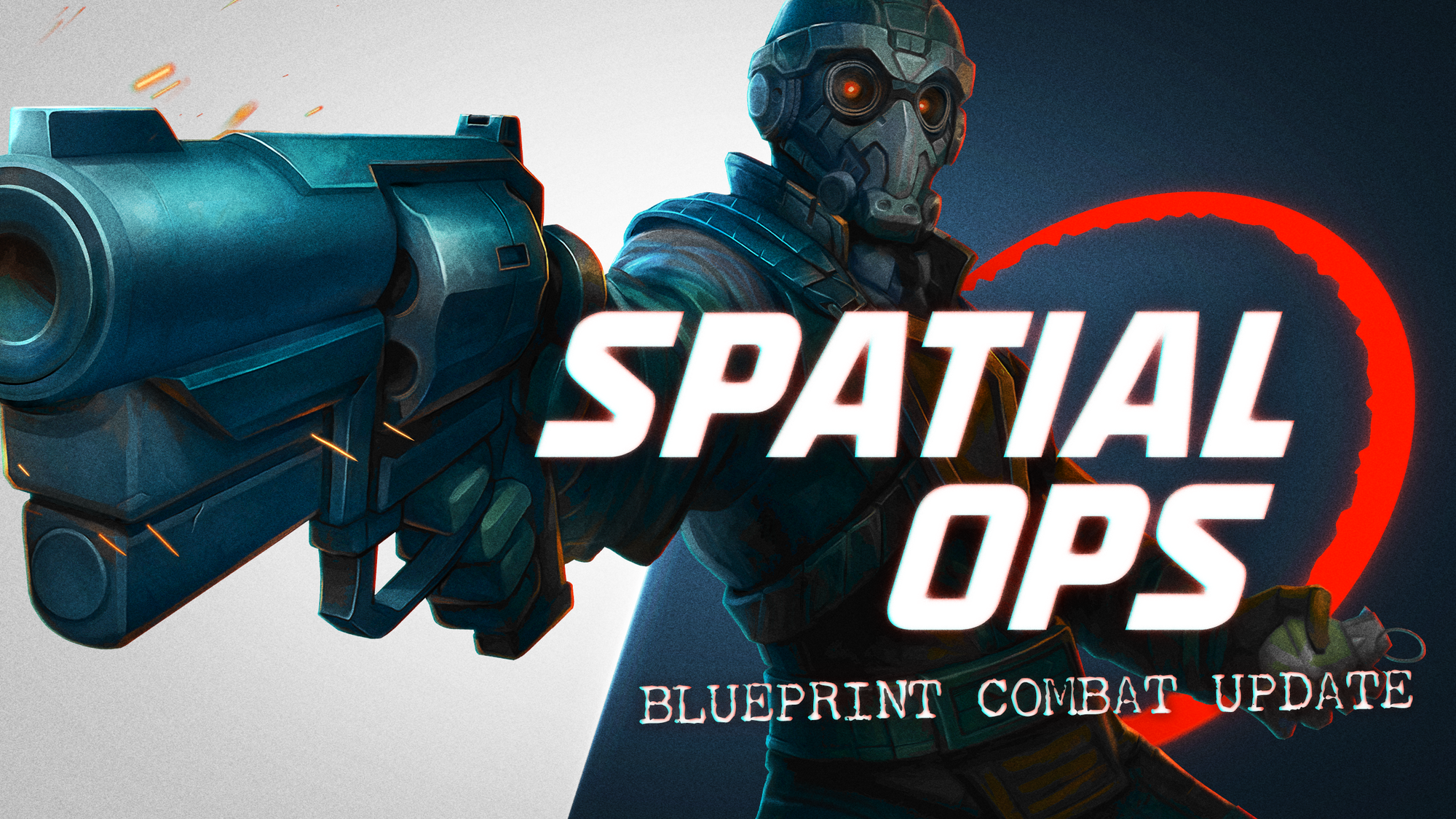
Spatial Ops expands the mixed reality FPS's map creation tools in today's free update on Quest, also adding custom rulesets and a new co-op survival mode.
In the 'Blueprint Combat Update', developer Resolution Games has introduced the ability to edit Spatial Ops maps in real time before beginning a multiplayer match, where everyone can see the changes immediately. This also adds 'Undo' and 'Redo' tools, hazardous damage zones that slowly drain health, floating barriers, and the option to place text in levels to better guide players.
As for other changes, Spatial Ops now features an online map library, the ability to save a host's map, and new map templates. Custom rulesets can now be saved to individual maps, letting you tweak elements like bot difficulty, friendly fire toggles, weapon tuning, armor visibility settings, and more.
It's also getting a co-op survival mode for taking on challenges together with other players. Supporting this is a new 'Enemy Spawner' object to determine where foes appear, alongside a Flashbang weapon. Finally, there's also a new paid DLC called the “Corrupted Technology Theme,” offering unique props for your toolkit.
It's the latest post-launch update since Spatial Ops entered full release last year, and this August saw Resolution Games release the 'Pulse Protocol' update. That introduced bHaptics support for the TactSuit, TactSleeve, and TactVisor, in-game achievement tracking, campaign rebalancing, an extra large map template, and new features for the Quest-exclusive Arena Mode.
Spatial Ops is available now on the Meta Quest platform. While it didn't receive today's update, a 'Campaign Edition' is also on Pico.
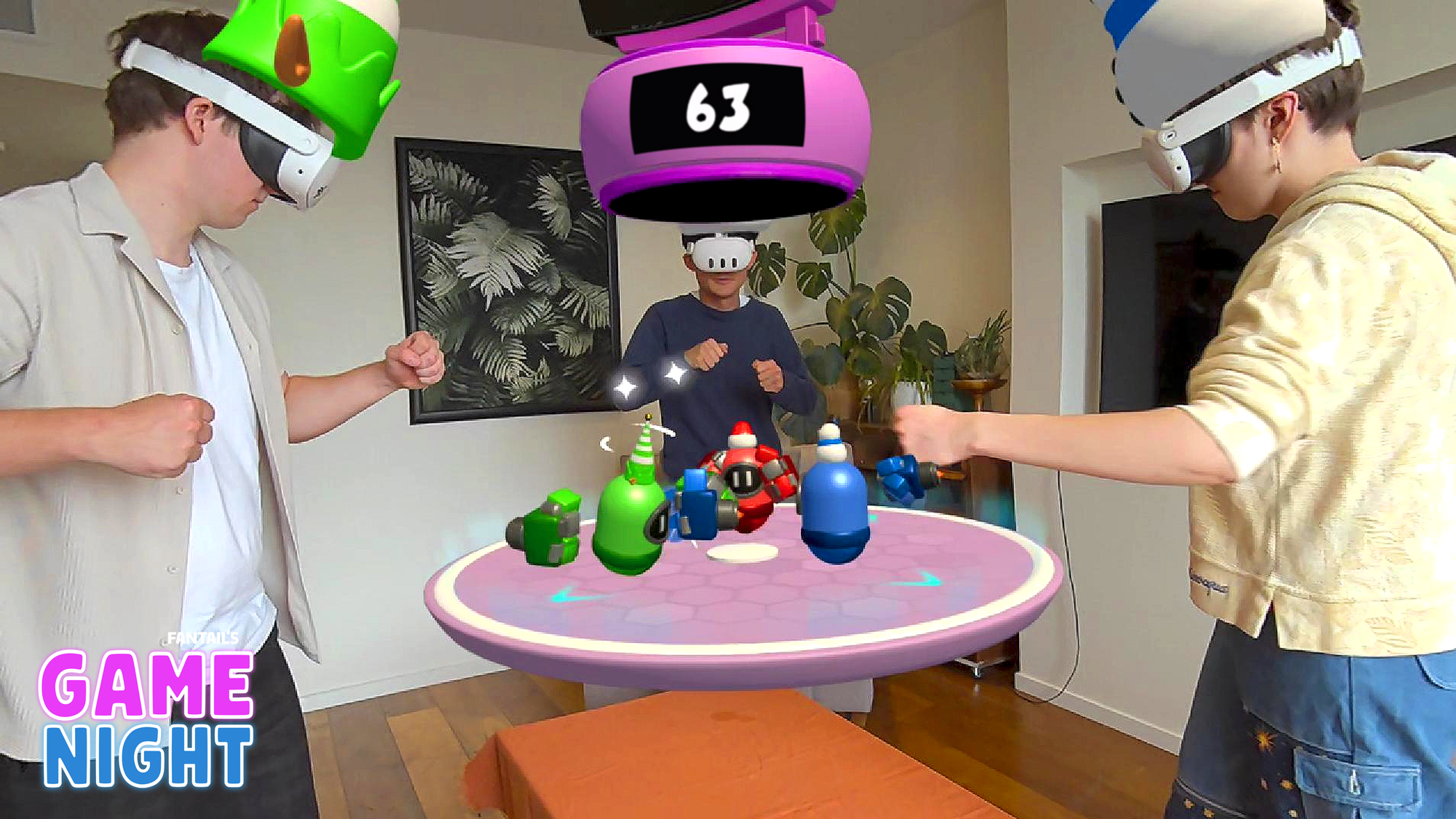
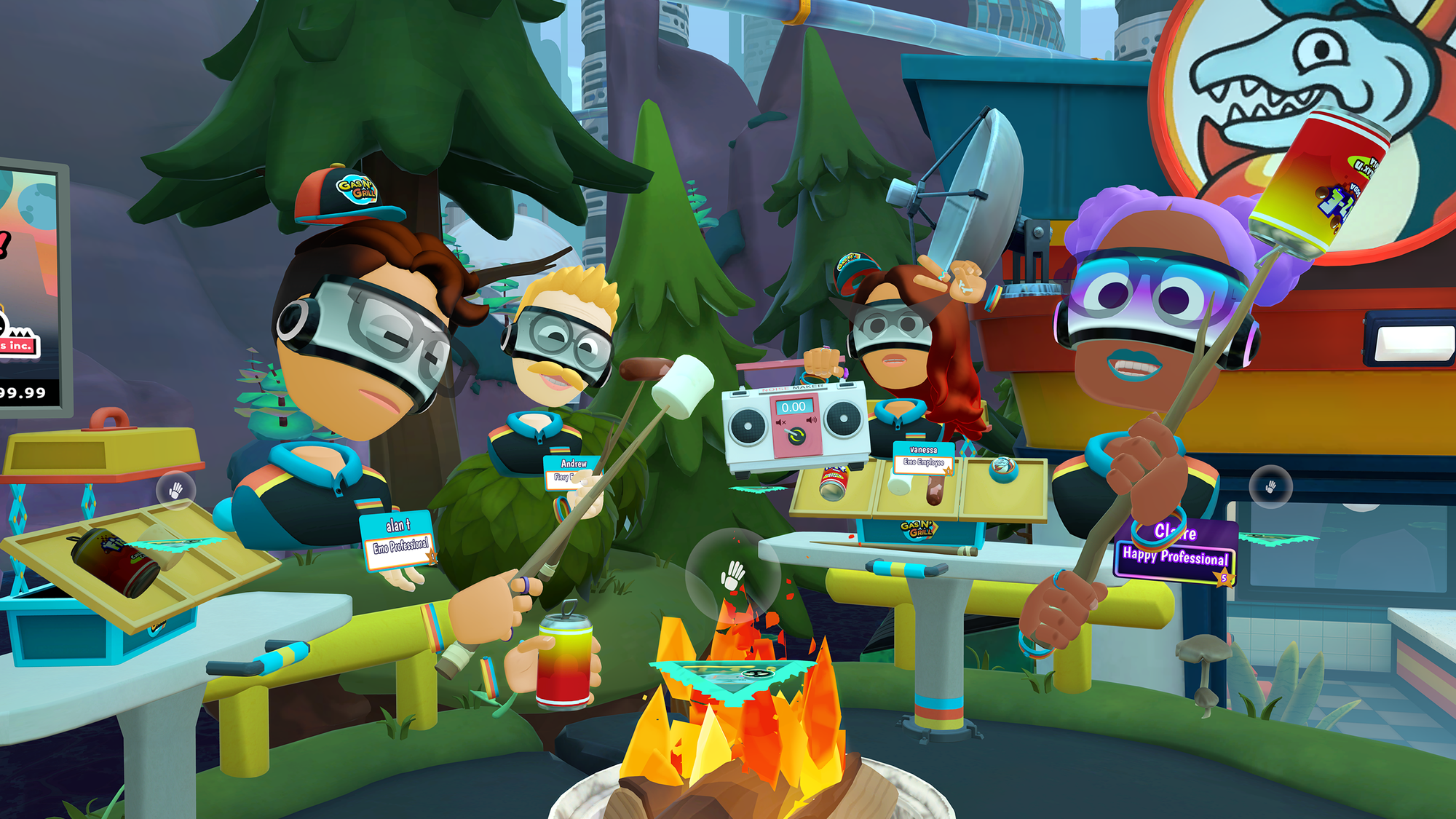
Game Night's new minigame blends Rock ’Em Sock ’Em Robots boxing with Sumo, and it's out now for the co-located mixed reality party title.
Released last year in early access, Game Night by New Zealand studio Fantail Games is a family-friendly roomscale title that's playable solo or with up to four players locally. Joining this minigame collection as a free update, Final Throwdown only uses hand tracking as you directly control the fists of your robot avatar to punch opponents out of your shared arena.
Designed around “short, high-intensity rounds,” Final Throwdown sees you knocking other players out of the ring to score points. Throwing them into hoops earns bonus points, while bosses force you to decide whether to cooperate with your opponents or use the disruption to your advantage. Arena height adapts to the shortest player, which allows for seated play. Fantail also states arm reach is normalized to give adults and children equal advantage.
Final Throwdown marks the seventh minigame so far in Game Night, and the fourth it's received since last year's early access launch. Other featured games include Fishing Frenzy where you scoop up and deliver fish, a match-3 spatial puzzler where you connect matching plushies in a conga line, penguin ice hockey, a Whack-A-Mole game to test reactions, and more.
Game Night is out now in early access on the Meta Quest platform.
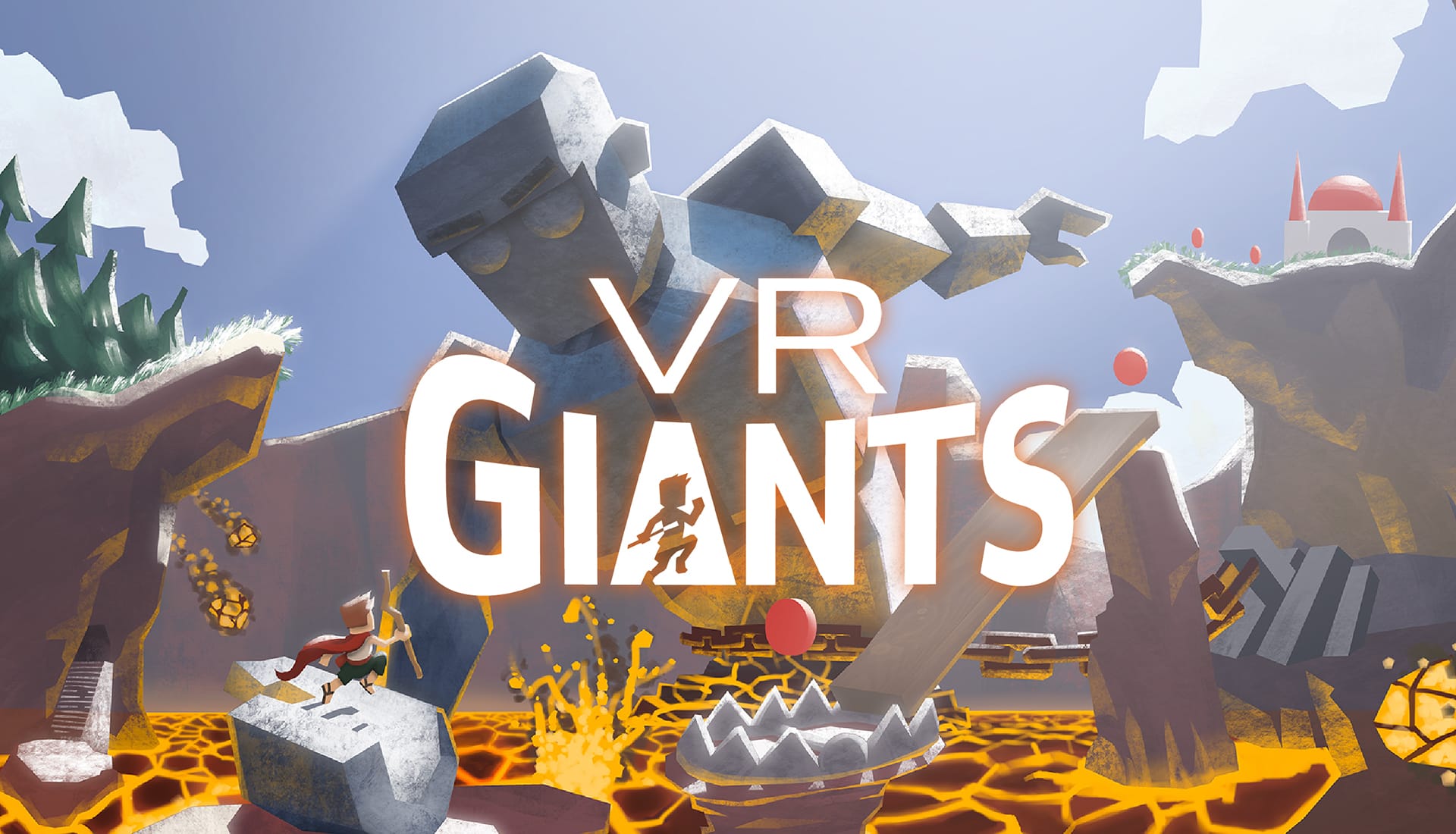
Co-op platformer VR Giants is now available on Quest 3 and 3S, and you can invite a friend to join you at no extra charge.
Originally released in 2023 on Steam, VR Giants by Risa Interactive is an asymmetric platformer where one player controls a giant called Goliath and another controls a human companion called David. Goliath will guide David through various obstacles by lifting him or acting as a shield, solving puzzles and avoiding hazards as a team to get through.
Promising a campaign length of 8 hours, VR Giants features cross-platform multiplayer across Quest and Steam. A 'Free Friend's Pass' system (also on PC) lets you invite someone else to join in as David without both of you buying the game, and that uses a room code system.
It features 23 levels across four biomes: Ice, Desert, Volcano, and Pasture. Each area features new hazards, and Goliath can transform into three different forms to help advance. For example, 'Fire Goliath' gives you a lava form, while 'Temporary Goliath' only appears when the button is held. Unlockable Goliath cosmetics are also included.
Both players use VR headsets with the Quest 3 and 3S edition, which differs from the Steam release since that has one flatscreen player using a gamepad for David. Risa Interactive confirmed the Steam version has also been updated to allow online co-op, which was previously limited to local multiplayer only.
Two additional camera modes can also be chosen for David on Quest 3 and 3S, one of which aims for “maximum immersion in VR.” The other more closely matches the flatscreen setup on Steam by offering a 'Cinema Mode' instead, letting you view his role across a virtual 2D screen.
VR Giants is out now in early access on both PC VR and Quest 3/3S.
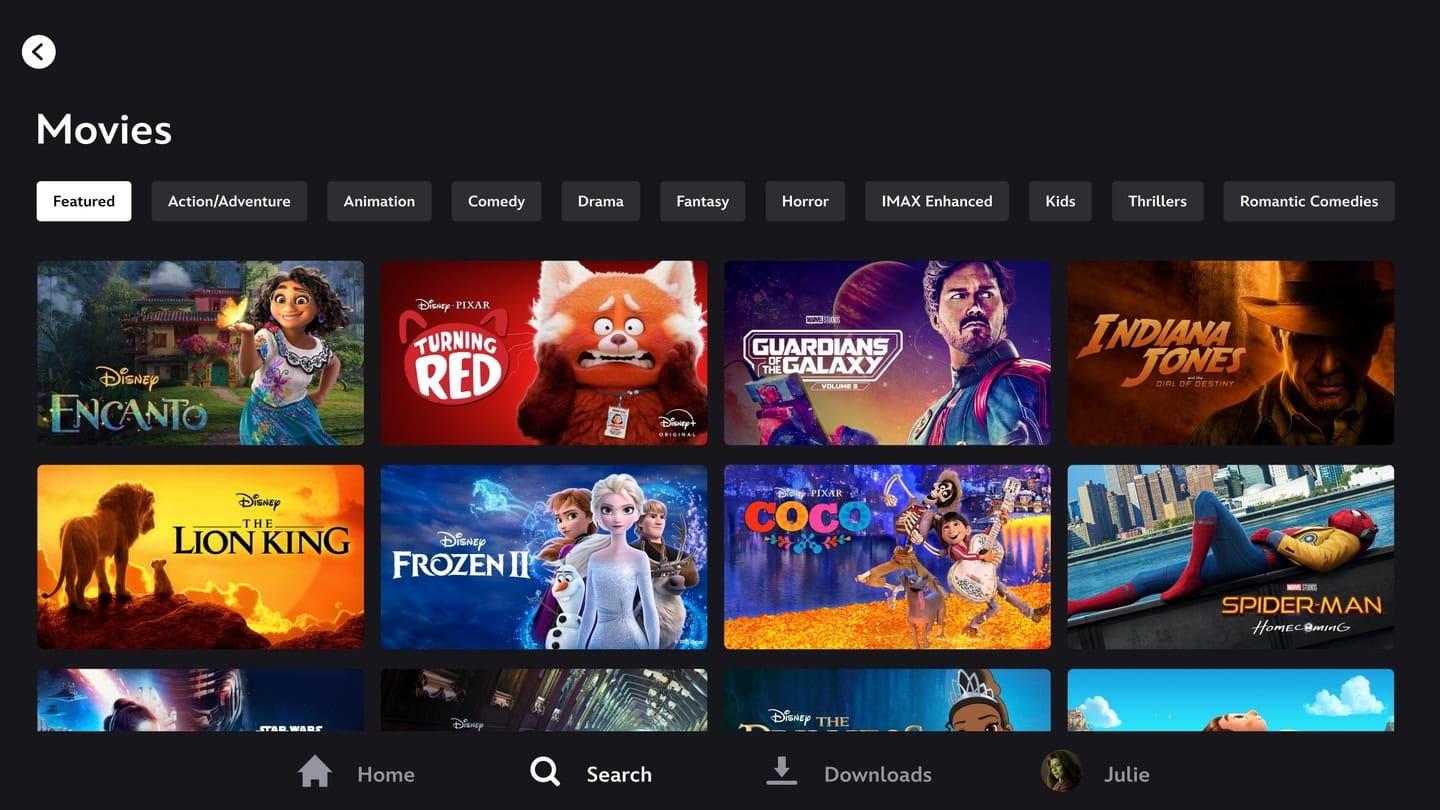
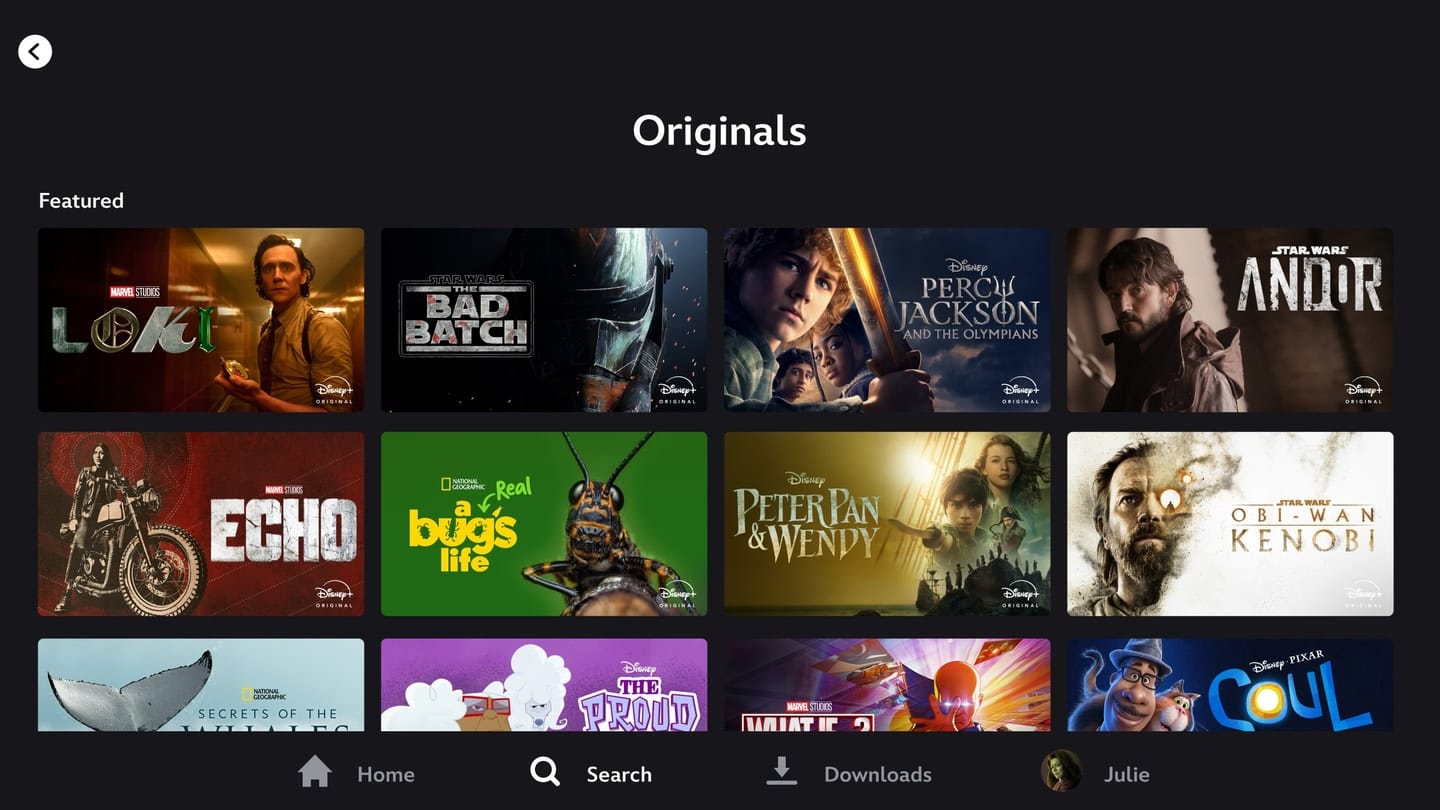
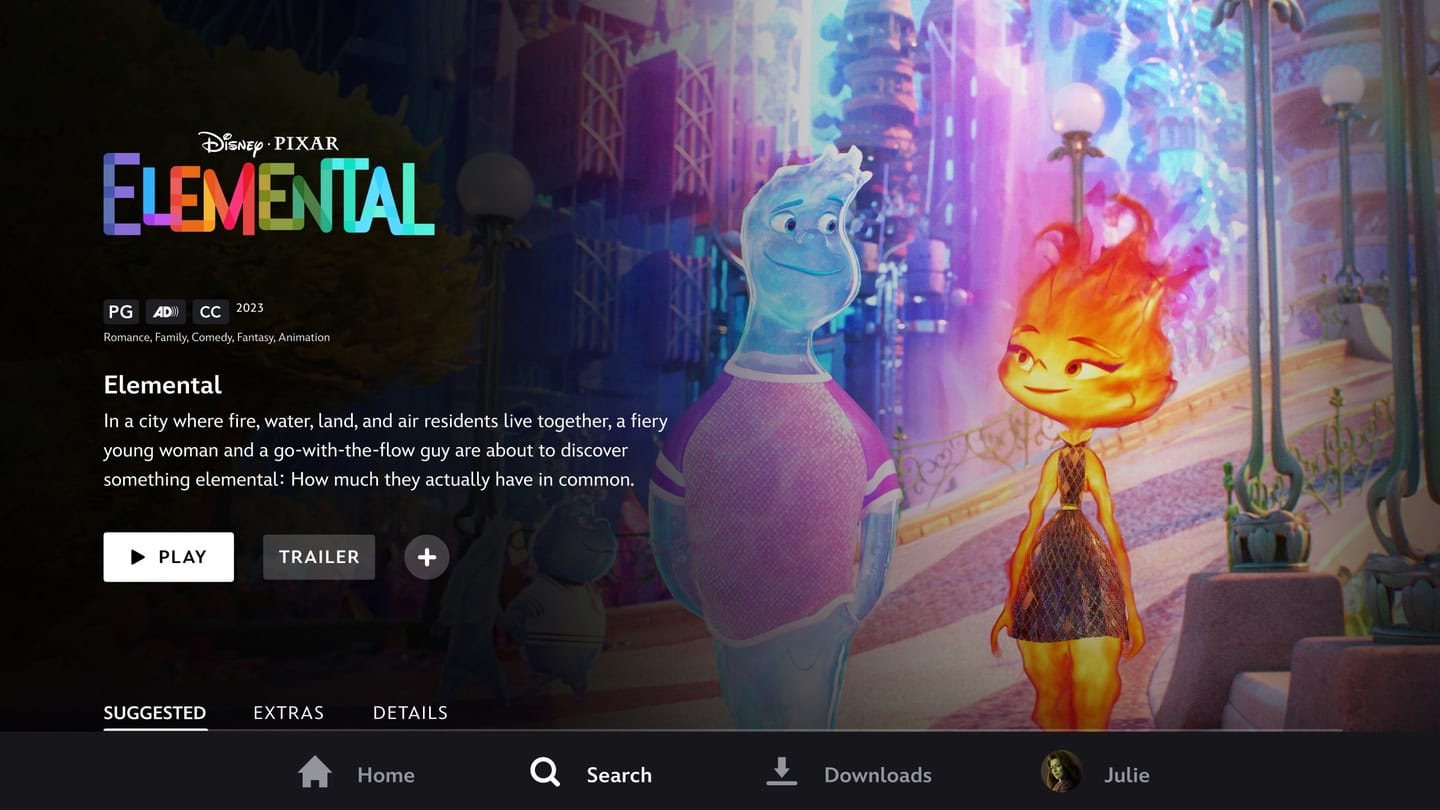
Quest headsets now have an official Disney+ app, with support for downloads and Dolby Atmos immersive audio.
It was already possible to watch Disney+ via the website in the Horizon OS web browser, but this is limited to 720p.
With the official app, Meta says Disney+ streams at up to 4K resolution with Dolby Vision HDR for all subscribers of the service. Quest 3 only has 2K regular LCD panels, so the direct benefits of 4K and HDR over 1080p SDR will be marginal, but the increased bitrate that comes alongside the higher resolution version should be very noticeable on the giant virtual screen, in terms of seeing fewer compression artifacts.
Subscribers of the Disney+ Premium tier also get Dolby Atmos immersive audio in supported titles, a feature added to Horizon OS in v71 last year, as well as the ability to download content for offline viewing. That means you can now bring your Quest on a plane and watch Disney+ movies you've prepared, for example.
Window screenshots of Disney+ on Quest.
What isn't supported on the Quest Disney+ app that is on the visionOS version, however, is 3D. Despite headsets being the ideal way to watch 3D movies, solving the problems of traditional 3D glasses in cinemas, the Quest app is limited to 2D only. It also lacks the custom 3D environments of the visionOS Disney+ app, such as the Alien: Earth Containment Room.
You can grab Disney+ on the Meta Horizon Store for free, and you'll need a Disney+ subscription, of course. Meta claims that the app is currently only available in the US, but I was able to download and use it in the UK, despite not using a VPN or proxy of any kind.
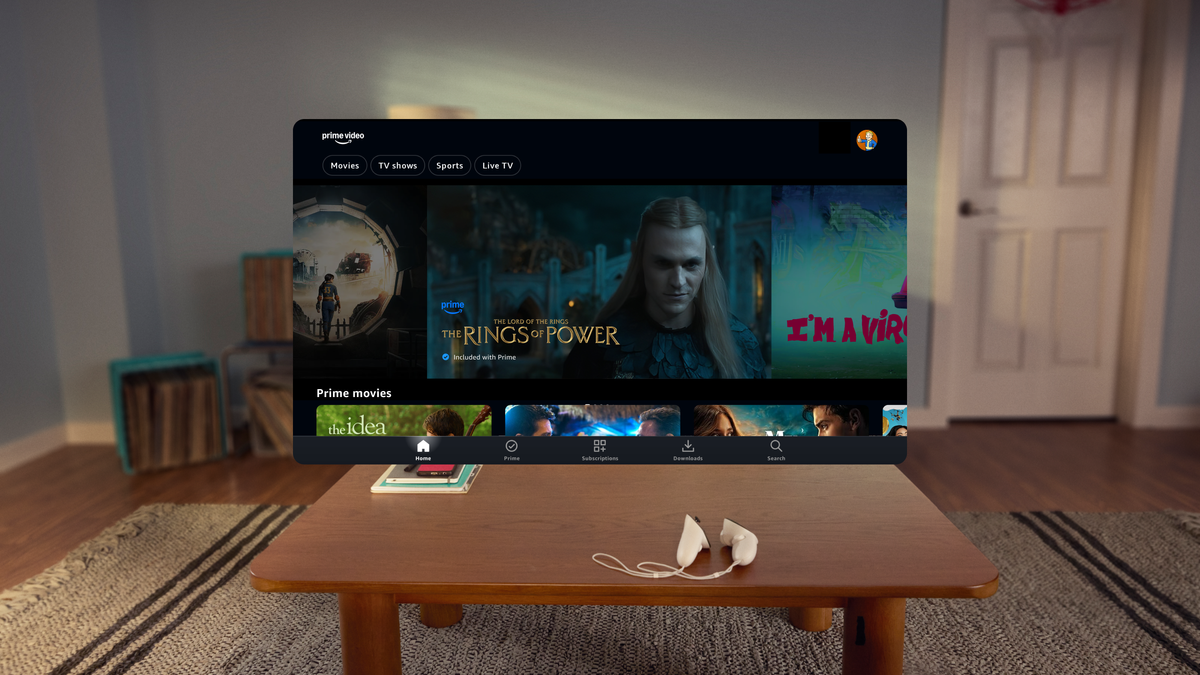
The only other major streaming platform with an app on Quest's store with download support is Amazon Prime Video, which arrived on Meta's platform alongside the launch of Quest 3S.
Netflix, meanwhile, is available in the web browser at up to 1080p, due to Meta working with the platform last year to implement full DRM support.
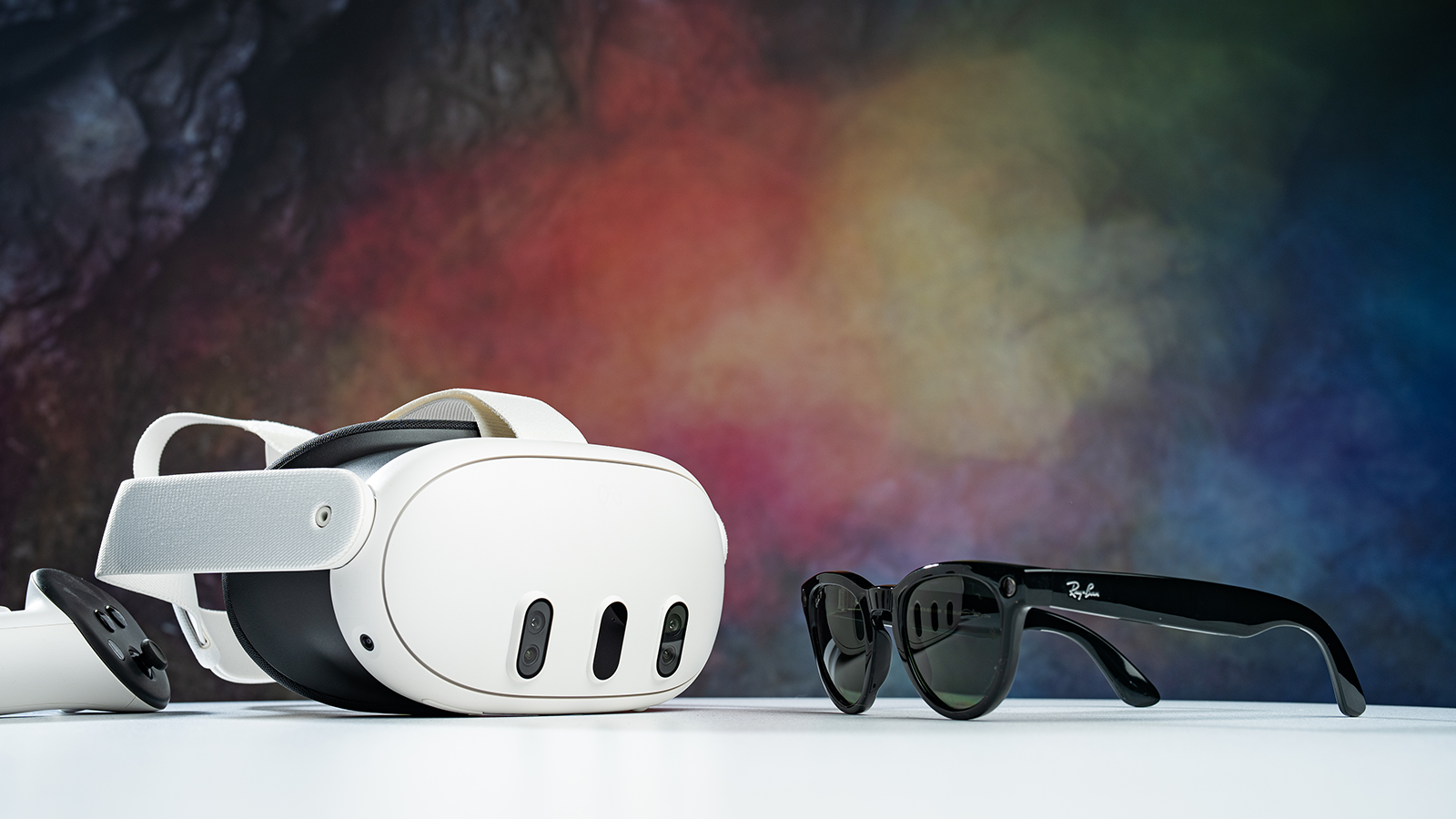
Meta's CTO has responded to speculation of VR being "dead" at the company.
After reports from outlets like Bloomberg, The New York Times, The Wall Street Journal, and Business Insider suggested that Meta is "considering" a cut "as high as 30%" for its "metaverse" teams, Meta issued an official statement confirming "shifting some of our investment from Metaverse toward AI glasses and Wearables".
"Within our overall Reality Labs portfolio we are shifting some of our investment from Metaverse toward AI glasses and Wearables given the momentum there," the official statement read. "We aren't planning any broader changes than that."
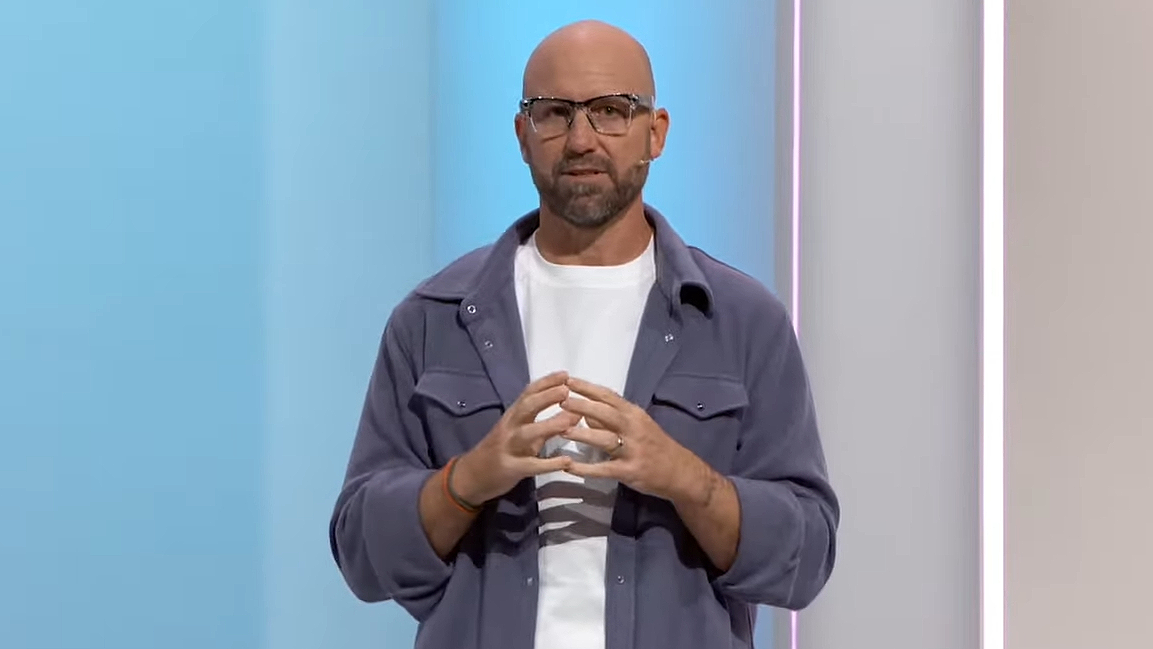
Following this, in an "ask-me-anything" session on his Instagram page, Meta's CTO Andrew Bosworth was asked the question "Is VR dead for Meta now? You seem to have moved on to glasses and AI?".
Here's how Bosworth responded:
0:00
/1:00
Every now and then there's just a narrative that people cannot help writing, and I'll give you the way to know.
First of all, the answer is no: VR is not dead. We're also investing a lot in glasses and AI, and that's the trick.
The way to know if there's a convenient narrative is if it appears zero-sum. Meta is a big company. We can invest in many things. We can invest in VR, glasses, and AI — and by the way, we have been for years.
Every year we go through a budget process, and in that budget process, we ask every team, "Hey, can you do the same work more effectively?" We've got better tools, we've got AI, we've got things. You're trying to right-size it. How big is the market? How fast is it growing? Is that what we expected? If it's slower than we expected, let's make sure our burn rate is lower. If it's faster than expected, let's double down and make sure we take advantage and don't cede it to other people. You're being smart about it, but it's normal stuff.
Bosworth's response doesn't contradict Meta's official confirmation of shifting some investment "from Metaverse toward AI glasses and Wearables", but seems to push back on the framing of a 30% spending cut meaning the company no longer investing in VR at all, suggesting that it can work on VR, glasses, and AI concurrently.
Meta's funding shift from Horizon Worlds and VR to smart glasses comes just over a year after a leaked memo from Bosworth told Reality Labs staff that 2025 will determine whether their projects are "the work of visionaries or a legendary misadventure".
In the memo, Bosworth described 2025 as "the most critical year in my 8 years at Reality Labs", and told staff they "need to drive sales, retention, and engagement across the board but especially in MR". Note that at the time, Meta was using MR to refer to VR too, a nomenclature that it ended earlier this year.
"And Horizon Worlds on mobile absolutely has to break out for our long term plans to have a chance", Bosworth added.
Since then, Reality Labs saw its highest-ever quarterly revenue in Q4 2024 with the launch of Quest 3S, which was the top-selling console on Amazon US for Christmas. But this momentum did not carry through into 2025 at all.
The first two quarters of 2025 saw Quest sales decline year-over-year, revealing that while Quest 3S was a popular stocking stuffer, it simply is not a successful year-round product. While Q3 saw a rebound, Meta explained that this was due to retailers stocking up on Quest 3S for this year's holiday season.
Meanwhile, Meta has continued to push its Horizon Worlds "metaverse" platform with multi-million-dollar creator competitions, especially focused on smartphone-only worlds, as the company hopes to scale the platform from a social VR space to a cross-platform Roblox and Fortnite competitor. But this doesn't seem to have gained much traction.
This relative stagnation in its Quest and Horizon Worlds efforts comes as the company is seeing skyrocketing sales and significant public and investor interest in its smart glasses.
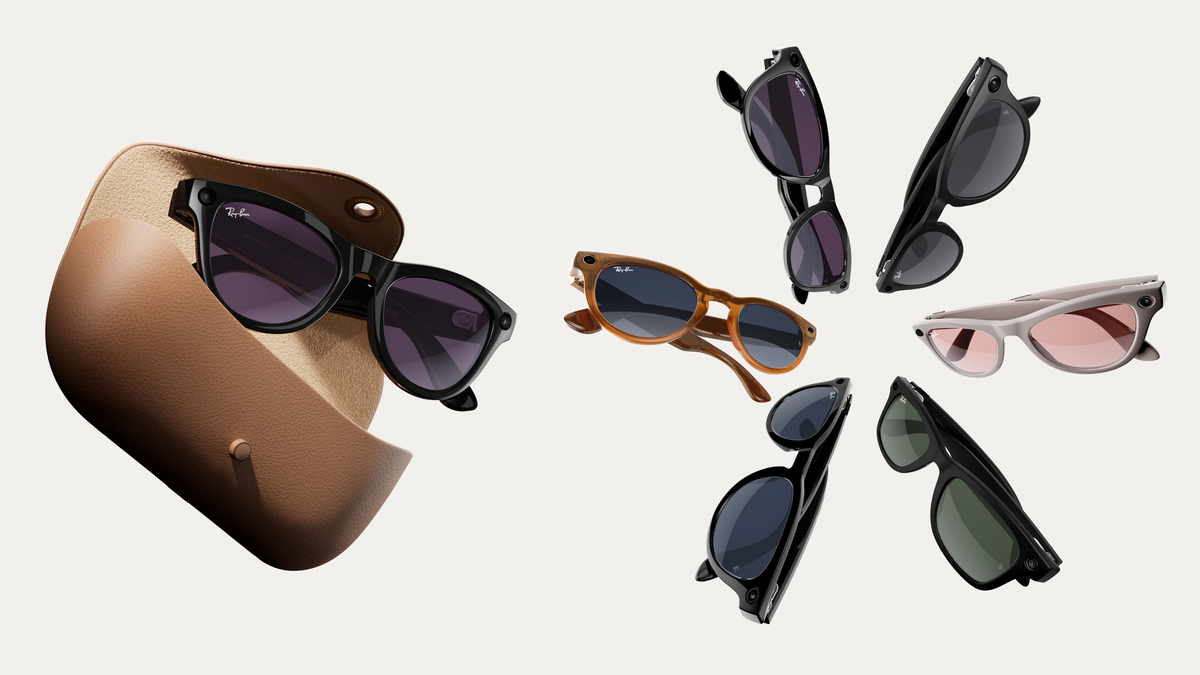
Back in February, in its Q4 2024 earnings call, Meta's partner EssilorLuxottica said that the Ray-Ban Meta glasses had sold 2 million units, and in its Q2 2025 call in July said that sales had more than tripled since last year, performing "exceptionally well".
In its Q2 2025 call in July, the company said that the glasses were performing "exceptionally well" in the market, with sales having more than tripled compared to 2024.
This doesn't mean Meta isn't working on new headsets, though. Leaked memos reveal that it plans to launch its rumored ultralight headset with a tethered compute puck in the first half of 2027, and that it recently started work on a gaming-focused Quest 4 set to be a "large upgrade" over Quest 3, though at a higher price.
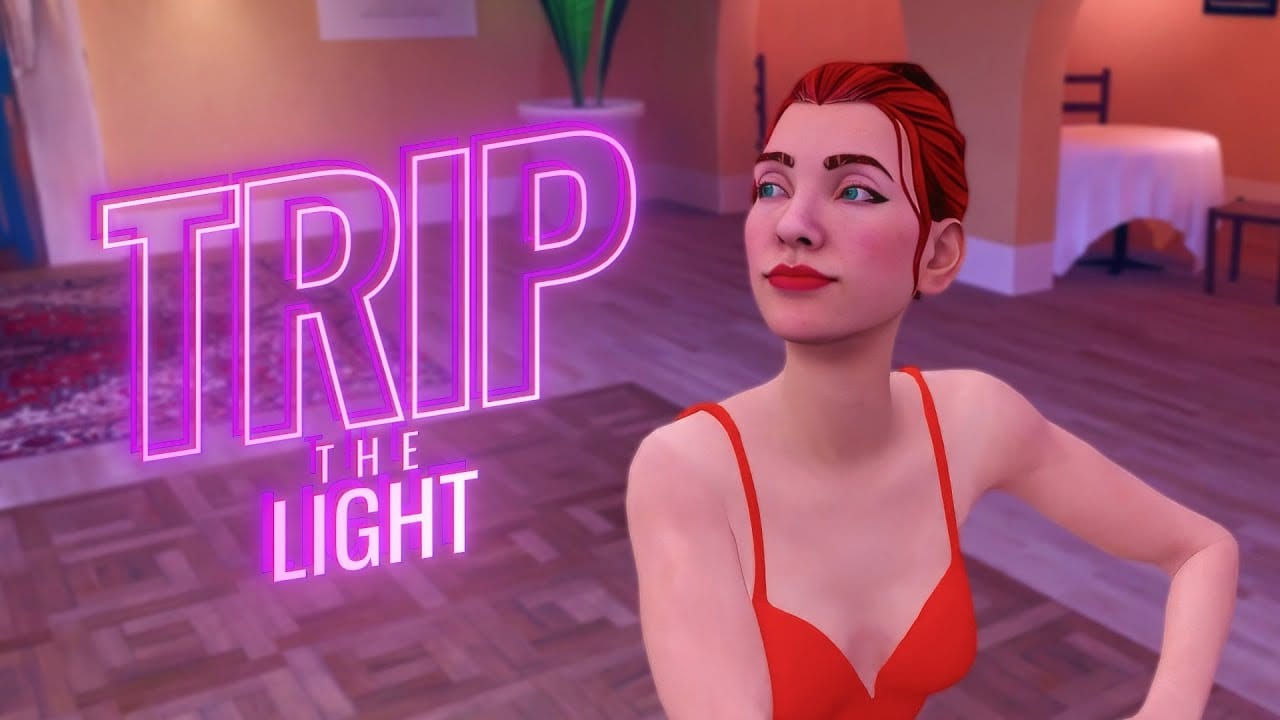
Trip the Light is a VR dancing game that recently entered early access on Quest.
Developed by Dark Arts Software, Trip the Light is a dancing game that uses both fully immersive VR environments and mixed reality passthrough to see your own surroundings. First appearing last month on the wider Quest platform, the game lets you work with a digital partner to learn new dance routines, complete challenges, score points, and gradually build up combos.
In its current early access build, Trip the Light aims to teach you Salsa using virtual instructors that the studio states are based on real-life professionals. There's also a 'Rhythm Challenge' mode that tests you to follow solo dance styles like hip-hop, line dancing, and club moves.
More dance styles are promised to be coming soon, and buying the early access release grants you the 'First Dance Edition.' It's not clear what further features can be expected for the full release, though Dark Arts Software confirmed that early adopters will receive “all of the basic modes, features, and assets that we build between now [and] then.”
Trip the Light is out now on the wider Meta Quest platform.
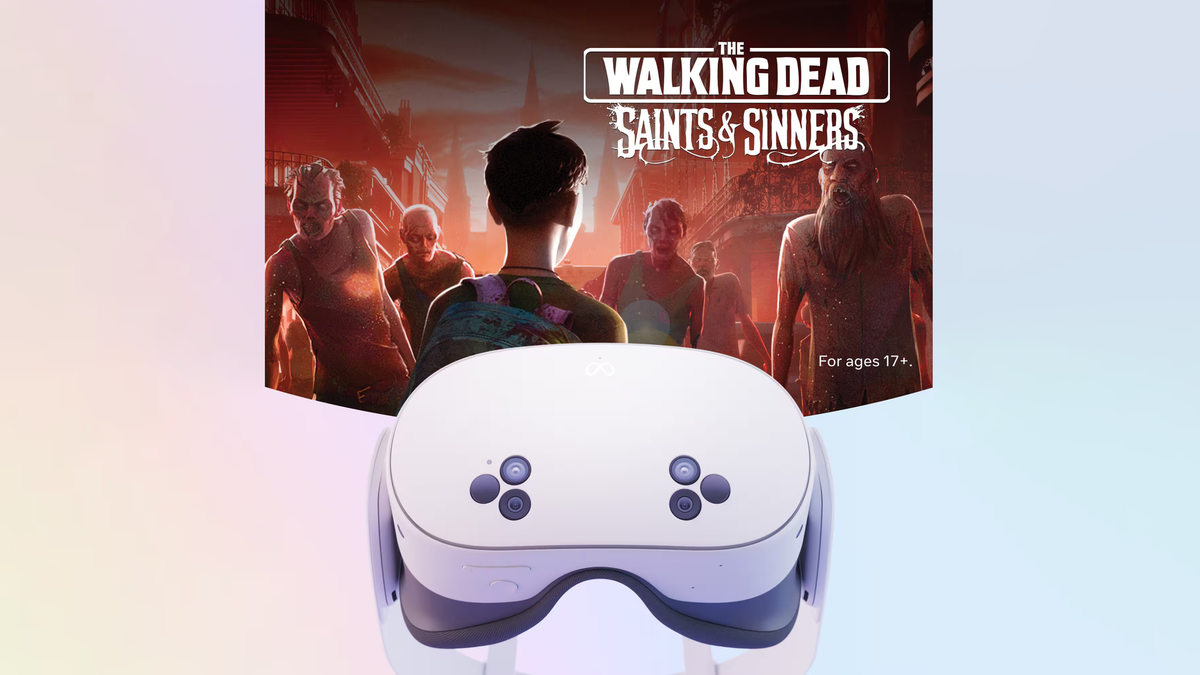
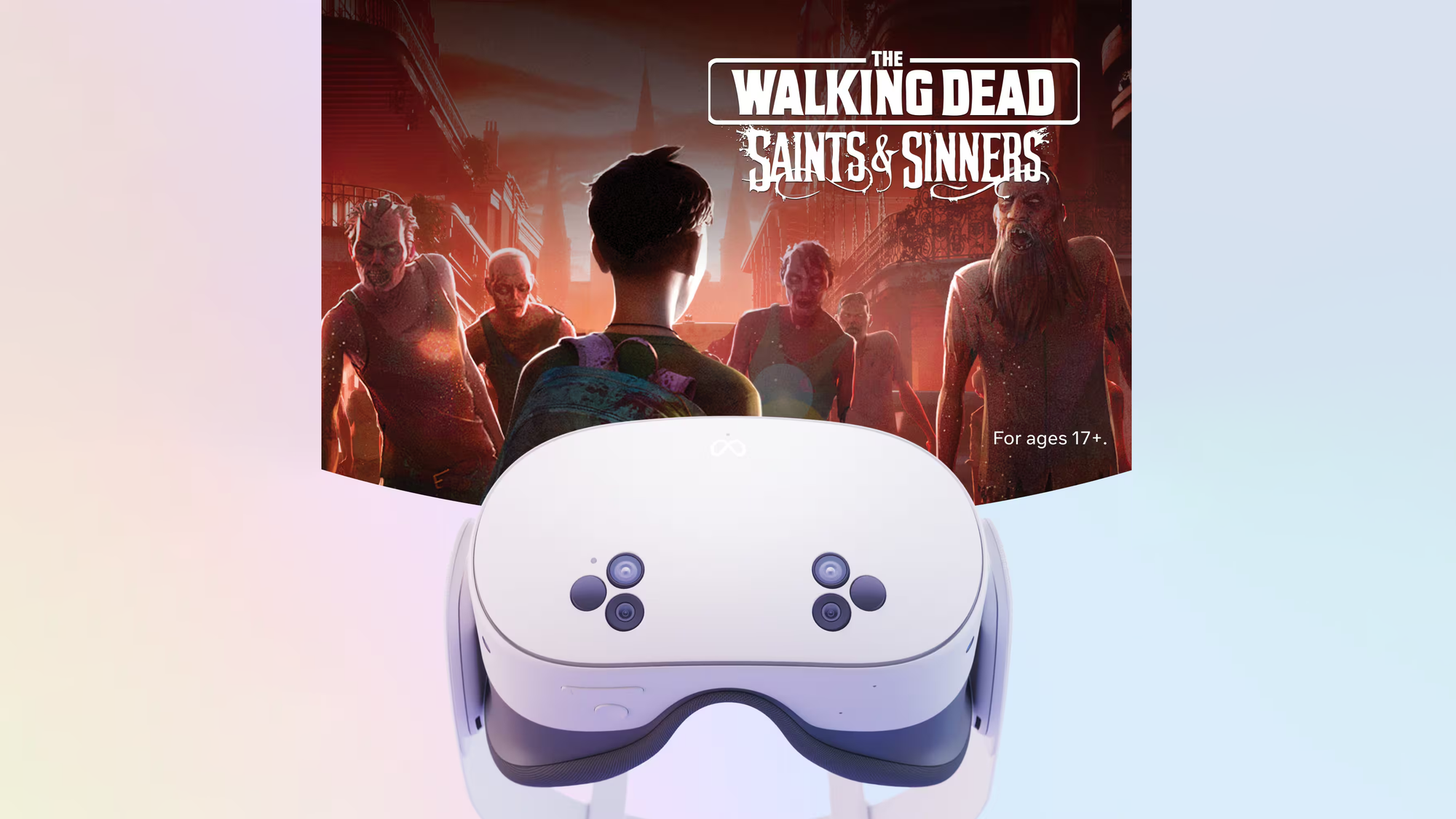
Quest 3S is on sale for $250 again, and from Best Buy it comes with a $50 gift card, 1 month of Xbox Game Pass Ultimate, and The Walking Dead: Saints & Sinners.
For Black Friday 2025, the 128GB model of the headset was on sale for $250 ($50 off its regular $300 price), and the 256GB storage model for $330 ($70 off its regular $400 price), in a sale that ended after December 2. On top of this, Best Buy was providing $110 of perks. Now, Meta has brought the sale back, and Best Buy has brought its deal back too.
You can find the deal for the 128GB base model of Quest 3S here, and for the 256GB model here.
Both deals end after 11:59 pm PT on January 3, giving plenty of time to order for a holiday season gift.
In both cases, you still get 3 months of the Meta Horizon+ subscription, as with all purchases of new Meta Quest headsets.
You could use the $50 Best Buy gift card to get the Elite Strap to make the headset more comfortable for just $20, for example, while during the 1 month of Xbox Game Pass Ultimate (normally $30) you can play popular flatscreen games like Call of Duty on a giant virtual screen.
As for The Walking Dead: Saints & Sinners, it's also normally $30, and it's widely considered to be one of the best VR games of all time due to its physics-based combat system, earning an 'Essential' score in our review.
While Quest 3S can run all the same content as Quest 3, and has the same fundamental capabilities (including the same XR2 Gen 2 chipset and 8GB RAM), if you have the funds we always recommend Quest 3 over Quest 3S. The proper Quest 3 features Meta's advanced pancake lenses which are clearer and sharper over a wider area, have a wider field of view, and are fully horizontally adjustable, suitable for essentially everyone's eyes. These pancake lenses also enable Quest 3 to be thinner, which makes the headset feel slightly less heavy.
Still, at $250 and with $110 worth of perks Quest 3S is hard to say no to, and it could be an impulse gift for the holiday season to bring a friend or loved one into VR and mixed reality.
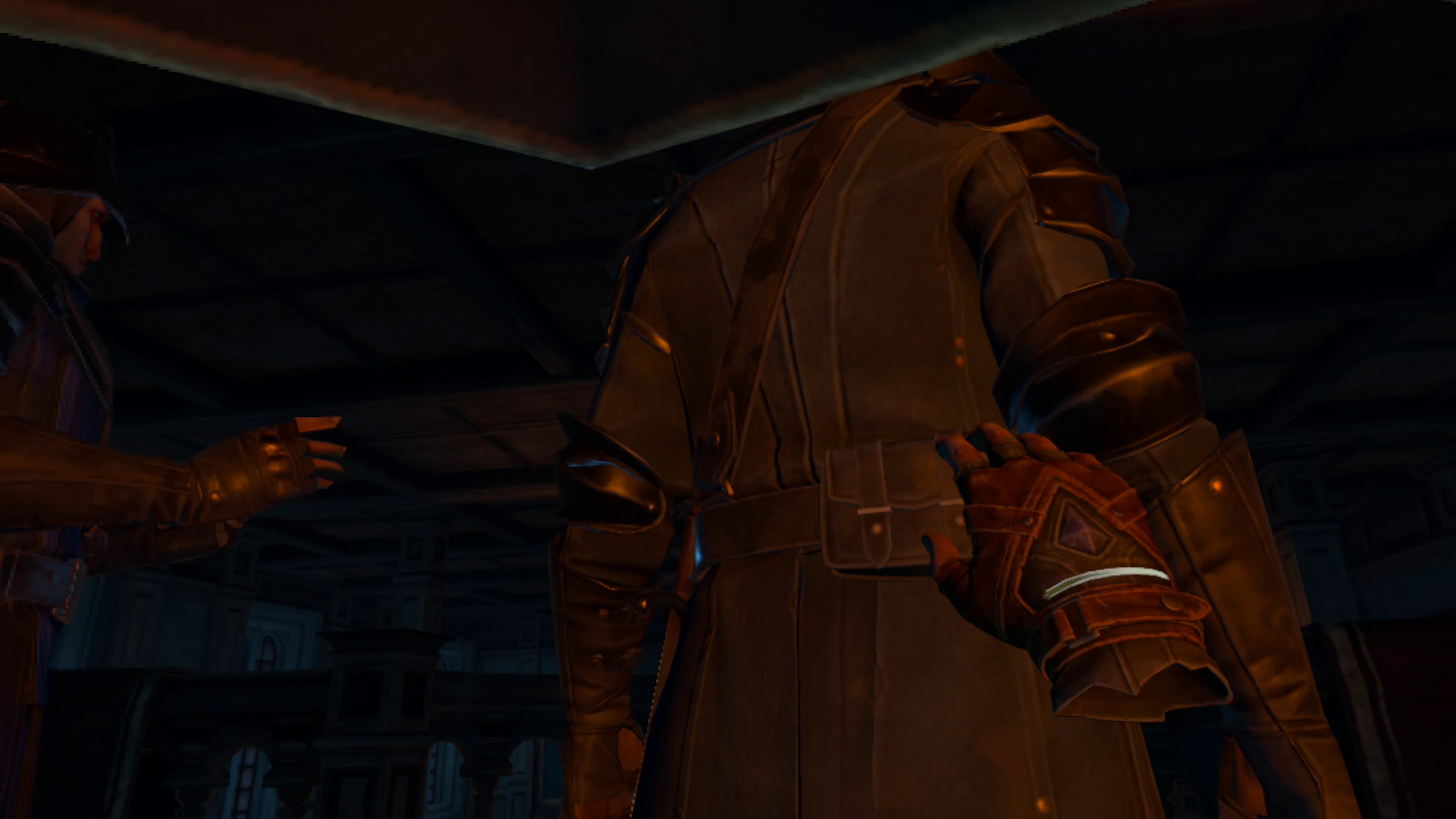
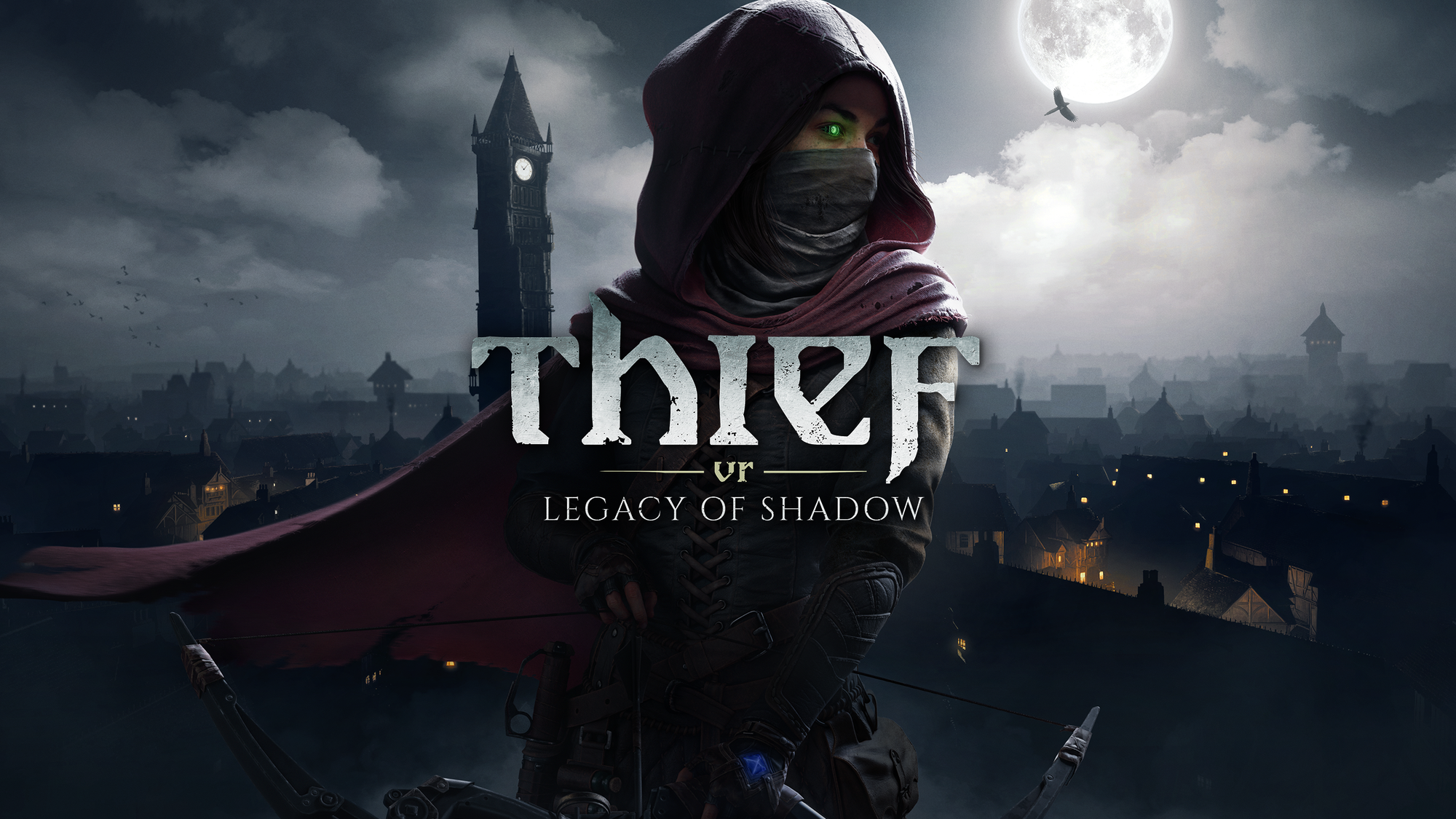
As series go, Thief boasts quite the checkered history. Originally born of Looking Glass Studios, the first two entries are celebrated as helping pioneer the Immersive Sim genre. The latter was also Looking Glass' swansong. Then the next two entries were the fairly divisive Thief: Deadly Shadows (also Ion Storm's swansong) and Eidos Montreal's THIEF (2014), which left things uncertain if we'd ever see a return to Garrett's gloomy, snarkily charming world of steampunk thievery. Yet here we are with Maze Theory's Thief VR: Legacy of Shadow.
And incredibly – they pulled it off! Mostly. It wouldn't be a Thief game without some jank, and we'll get to that shortly. Regardless, I'm truly astonished at how well Legacy of Shadow weaves the old world with the new. Whether this is your first time with the series or you've been following along since the Y2K days, there's reason to strap your headset on for this one.
The Facts
What is it?: A single-player VR stealth game with puzzle elements Platforms: Quest, Steam, PS VR2 (reviewed on Quest 3) Release Date: Out now Developer: Maze Theory Publisher: Vertigo Games Price: $29.99
Now a little additional context is in order. You see, it was always hinted that THIEF (2014) wasn't actually a hard reboot. There are nods to the world of the first three games as ancient history. If anything, there are some hints to suggest that Garrett's hometown possibly operates on Legend of Zelda reincarnation rules. And without getting into spoilers... I like the way Maze Theory finally addresses this. Set in the centuries between the third and fourth games, there's just enough connective tissue to make things work.
Easy does it...
I believe Maze Theory knew they were dealing with a fanbase that pays attention to these details. The nods made here aren't simply for show, but elaborate on the early years of the Northcrest family's dogmatic, tyrannical reign over The City. In turn, the dialogue between new protagonist Magpie and Garrett (voiced perfectly as always by Stephen Russell from the original trilogy), is sharply written. There's no profound takeaways here, but what's delivered is satisfying.
That's well and good, but all the loving appreciation for a setting wouldn't be worth a guard's coin purse if the game played poorly. Fortunately, Legacy of Shadow is superb – when it's working properly. The goal is simple: grab everything not nailed down worth any coin, accomplish whatever primary objectives are set before you, and maybe tackle a few secondary goals if you're up for more of a challenge. It feels far more like free-form puzzle solving than an archery game, which is a relief because that's how Thief should feel.
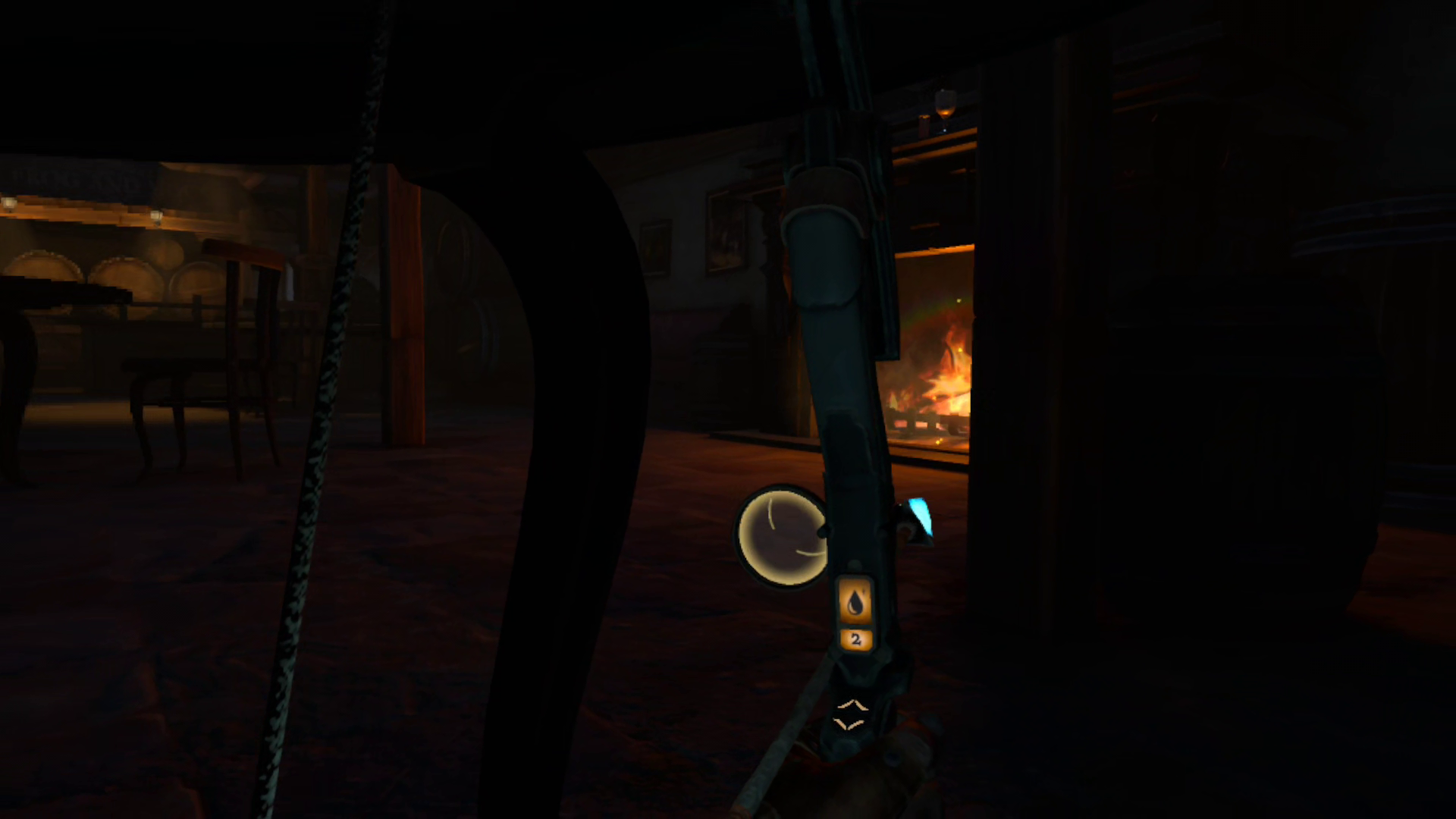
Seeing as Magpie is still a rather young thief, she stumbles more often and has far fewer resources. She has to skulk around in the shadows carefully. Direct confrontations are best avoided entirely, as even in a best-case scenario, you'll take more hits than it's worth. Instead, to ensure they stay hidden, you can whip out a bow with a limited arsenal of arrows, a nightstick for knocking out most (but not all types of) enemies, activate a special vision mode that highlights tactically advantageous things, and surprisingly... you can wield your voice.
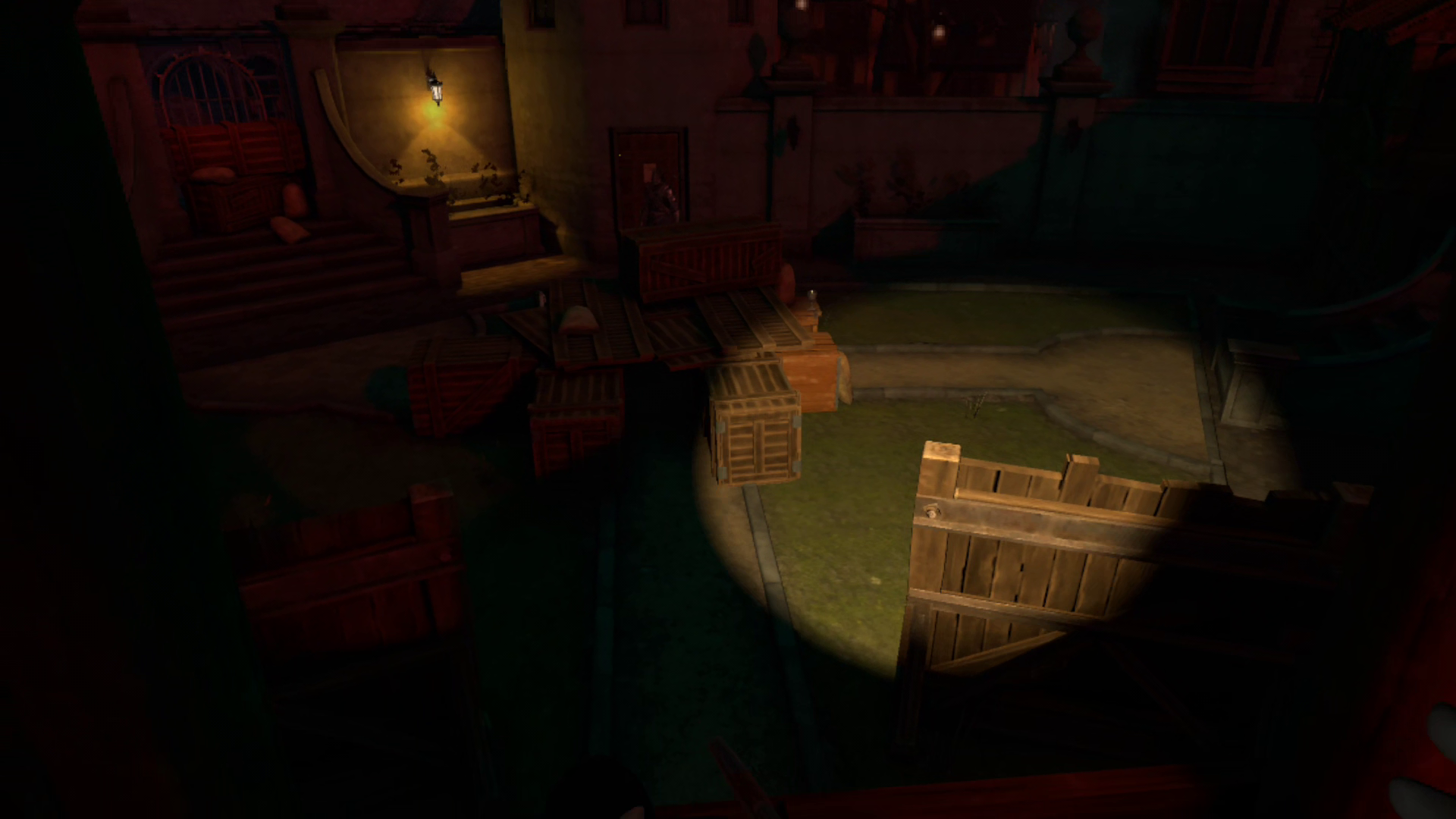
This game is going to seriously mess with you if you have a fear of heights.
I was dubious at first of that final option, remembering how ill-fated other attempts in gaming's past have failed at incorporating voice input. And yet, Legacy of Shadow makes great use of it. You can limit it to just being able to blow, which lets you summon a friendly bird for some extra coin or lure guards, and blow out candles. With the fully immersive setting on, any talking is translated into a noise in-game that can tip enemies off to your presence. Cursing under your breath can actually lead to you jumping when someone suddenly and audibly responds to it – a welcome inclusion. That said, it's probably best to turn it off if you've got family talking in the background.
Comfort
Thief VR: Legacy of Shadow is certainly one of the more involved VR games on the market. Full body motion is a requirement, including climbing sections that if failed can lead to Magpie's death. The bow has to be manually strung and aimed with precision, wobbling easily. Almost all abilities require reaching around to your head, shoulders, and waist.
This is not a game for players who want to sit back and relax. While there are accessibility options, including customizable snap turning, they only ease things to a certain extent. Expect a lot of stretching, reaching, and waving around. Don't have anything fragile nearby. There is a limited automatic ducking function and a crouch button, but further crouching in real life is advisable to avoid detection. This is not for those with weak stomachs or easily strained joints.
There is, at least currently, one small exploit though, if nothing else. If you crouch in real life, go into settings, and reset your height calibration, it can make you taller. This makes you more easily spotted, but those struggling to reach certain handholds or items may find this useful. This is still present after patches as of this writing.
The special vision mode is a returning feature from THIEF (2014), though in a very different form. In the prior game, it's essentially a super-thief mode moderated by a limited use meter that has to be refilled manually. It could also be upgraded. That's not how it works in Legacy of Shadow. Here it's infinitely usable, but overheats if used for too long, and is demonstrably less powerful. It's most effective at identifying lootable items you may have missed and tracing electrical circuits to disable some security tech. No super speed pick-pocketing. Sometimes it can reveal hints left by a mysterious new organization reminiscent of the Keepers of the original Thief trilogy.
Magpie's bow is a bit more of a mixed bag. The biggest issue is it starts off so limited that you'll barely use it. Unlike in most Thief games, you can't use your coin from prior missions to buy what you need – instead, you have to complete Reward Objectives, which grant you a choice of one of three perks. Some of these perks are absolutely useless, like having slightly more health in a game where combat is the last thing you should engage in. Others are darn near necessities, like starting every mission with three rope arrows in your quiver, minimized fall damage, and moving unconscious bodies faster. As such, the bow is something you're likely to only use for key objectives and replaying missions.
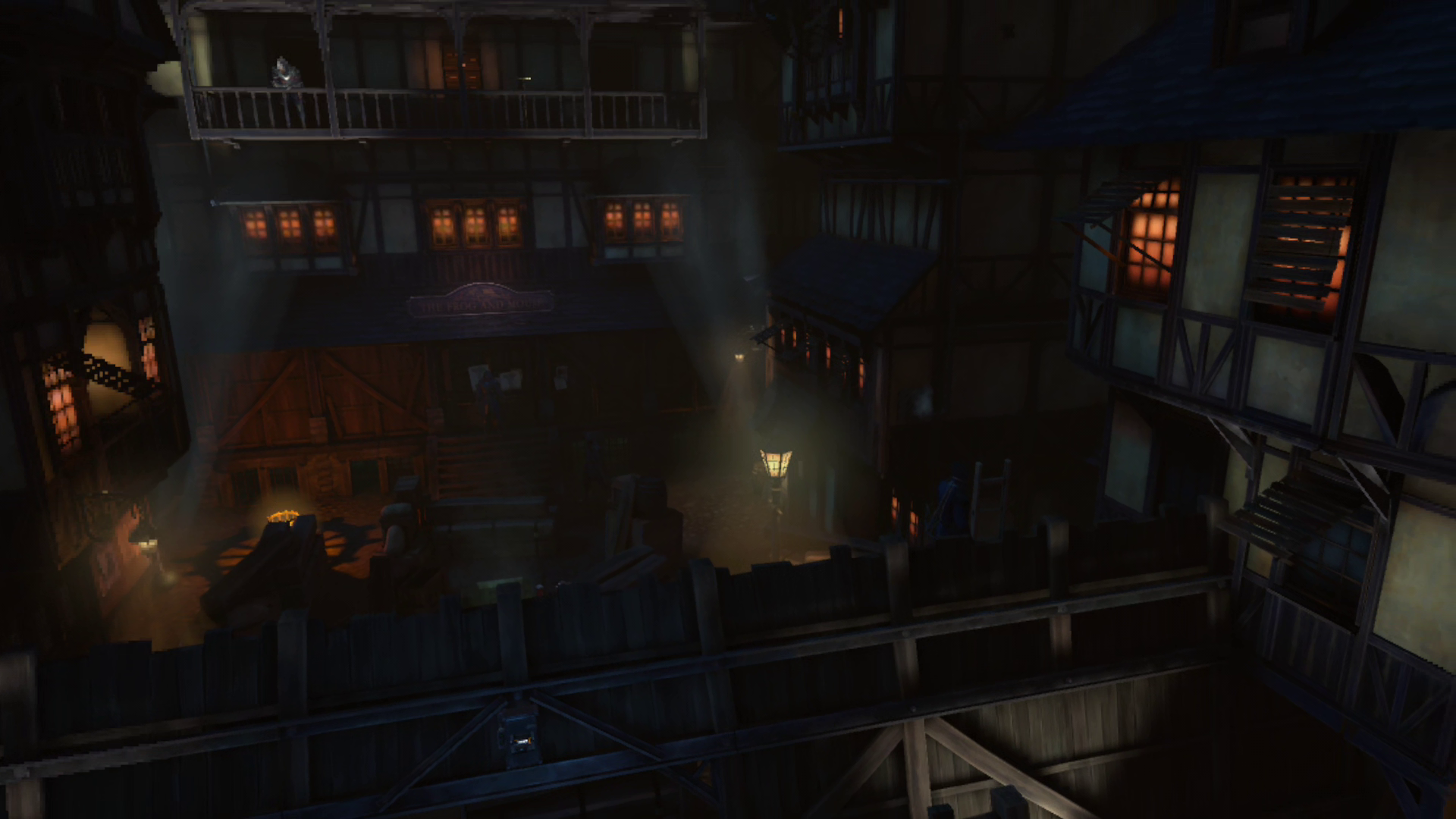
Despite the cramped space afforded to most areas, the visuals still capture a gorgeous, towering city landscape.
What doesn't help matters while playing is how the two perks relating to health would always appear first. It's like they were impatiently waiting for me to pick them, so I'm being drip-fed one worthwhile upgrade each time I earn a reward. It'd be better if the perks offered each time were randomized. At least it gives you something to work for when replaying missions, since you can vary your approach with every perk. Still, for most players, the nightstick and ghosting about should be their go-to. Swipe a guard's legs, then conk them on the head to be dragged off out of sight. Easy, relatively reliable, and it guarantees you'll get the pacifist stat every single mission.
The real highlights are the thrill of grabbing everything in sight without getting caught. At one point, I'm weaving between writing desks, plucking items from out of view while a guard was looming overhead. It's not even a setpiece, and completely optional, but it has me engaged like it's some key moment in a heist movie. A little white dot appears when there's loot to grab, an effective stand-in for a sense of touch, though there's also some nice kinetic feedback from your controllers. Even patting your other palm with your nightstick elicits a slight sensation. Thief VR's attention to detail is quite welcome.
That same tactile approach is taken when keying hidden compartments behind bookshelves and paintings, as well as rotating your controllers to pick locks. It's all well integrated and flows smoothly. There's a few key moments that require environmental observation as well, with the potential to either alarm guards or feel like the smartest person in the world if you pull off a heist properly.
On a personal note, I love how versatile guards' helmets are. You can find them strewn about levels, and they're actually quite useful. You can wear them, toss them as a distraction, or even knock some guards out with them! Is the game at Immersive Sim levels of depth? No, but it is marvelously fun sneaking around, using every tool in your arsenal.
The only aspect that makes things less exciting is how your opponents are not clever. Most guards are easily fooled, and checkpoint resets are generously well placed for when the guards are actually a threat, particularly the nightstick-invulnerable heavy guards. From what I can discern, it's only possible to eliminate them by going lethal, which costs precious fire arrows.
Water arrows are your friends. Guards relighting chimneys beneath you afterwards are not.
Speaking of disappointments, let's rip off the band-aid: In my time with the game, there have been some peculiar issues. Sometimes objects fail to load in properly, like a treasure chest going transparent whenever I face it from the front – or an entire basement visually deloading momentarily if I walk too close to an adjoining wall. Nothing that breaks gameplay, but obviously has a negative impact on immersion. You can pick the lock of an invisible chest as easily as a visible one, but it's less than ideal for maintaining atmosphere.
That said, the ragdoll physics for unconscious enemies can be peculiar as well. The most astonishing instance of this was when, while dragging a guard who curled over himself unconscious, his ragdoll somehow sent me up through the floor to the second story of Northcrest Manor. If you're reading this after a few more patches - we've seen twoalready - you might be getting something a little more stable and immersive.
While I'm also not one to be too flummoxed by graphical limitations, there certainly are clear compromises on Quest 3. It's nothing horrendous and still looks good, though Thief VR's resolution and texture quality take an understandable hit on Quest systems. PC VR offers a notable visual upgrade, though I can't personally speak for how the PlayStation VR2 edition compares.
That's one of the heavy guards. Don't get caught by them.
I cleared Thief VR: Legacy of Shadow in roughly five and a half hours and that's with thorough exploration. A few levels are repeated, though with updated layouts and objectives in each that help them stand out enough to feel distinct. There's novelty to be found in the remixed locations. Your prior knowledge is an asset, rather than a frustration. I can absolutely see someone blazing through Legacy of Shadow in a weekend. Replaying levels to either ghost or blitz through can be enjoyable, though some additional difficulty modifiers or a challenge mode map like in THIEF (2014) would be welcome.
Thief VR Review - Final Verdict
Crucially, Legacy of Shadow is all about encouraging the player to try for a little bit more. Between secondary objectives, bonus markers like completing a mission without alerts or finding every bit of gold lying around, and reward objectives that grant new perks? There's some meat on the bone, even if it's still lean meat. I'll always take good but short instead of longer but worse. These levels are wonderfully detailed despite their small scope, yet a more exploration-inclined player such as myself is likely to see most of each in their first run.
Thief VR: Legacy of Shadow may be a bit modest and rough around the edges, but it's also impressive in the right ways. It melds modern sensibilities with a retro mindset, welcoming new players to the series. Magpie is a charmingly impish lead aided greatly by Garrett's ghostly reprisal. The foundations set here can deliver a proper fresh start for this classic series. I can see Magpie's story continuing, though time will tell if that's the case. Either way, Maze Theory pleasantly surprises with the next generation of Thief.
UploadVR uses a 5-Star rating system for our game reviews – you can read a breakdown of each star rating in our review guidelines.
Free-to-play multiplayer racer Boom Karts VR is out now on Quest, supporting crossplay with the mobile edition.
Originally launched on iOS and Android, free-to-play racing game Boom Karts has now received a VR edition from Finnish developer Zaibatsu Interactive. This arcade racer sees you try to secure the race wins using power-ups while avoiding obstacles and traps, racing friends and sabotaging rivals along the way. Now, it's come to Quest 2, Pro, 3, and 3S.
Featuring ranked leagues and ranked matches, Boom Karts VR also comes with an adventure mode and quests. Cars and characters can be customized alike through both cosmetic items and unlocking additional upgrades. Compared to the mobile edition, the VR edition of Boom Karts contains various new features like playing in a theater mode.
Game-specific friend lists are also available, as is a 'Teams' option that sees your group unlocking rewards, upgrades, and new items to upgrade your kart. One and two-handed control schemes are supported for the Meta Quest's Touch controllers, as are USB controllers.
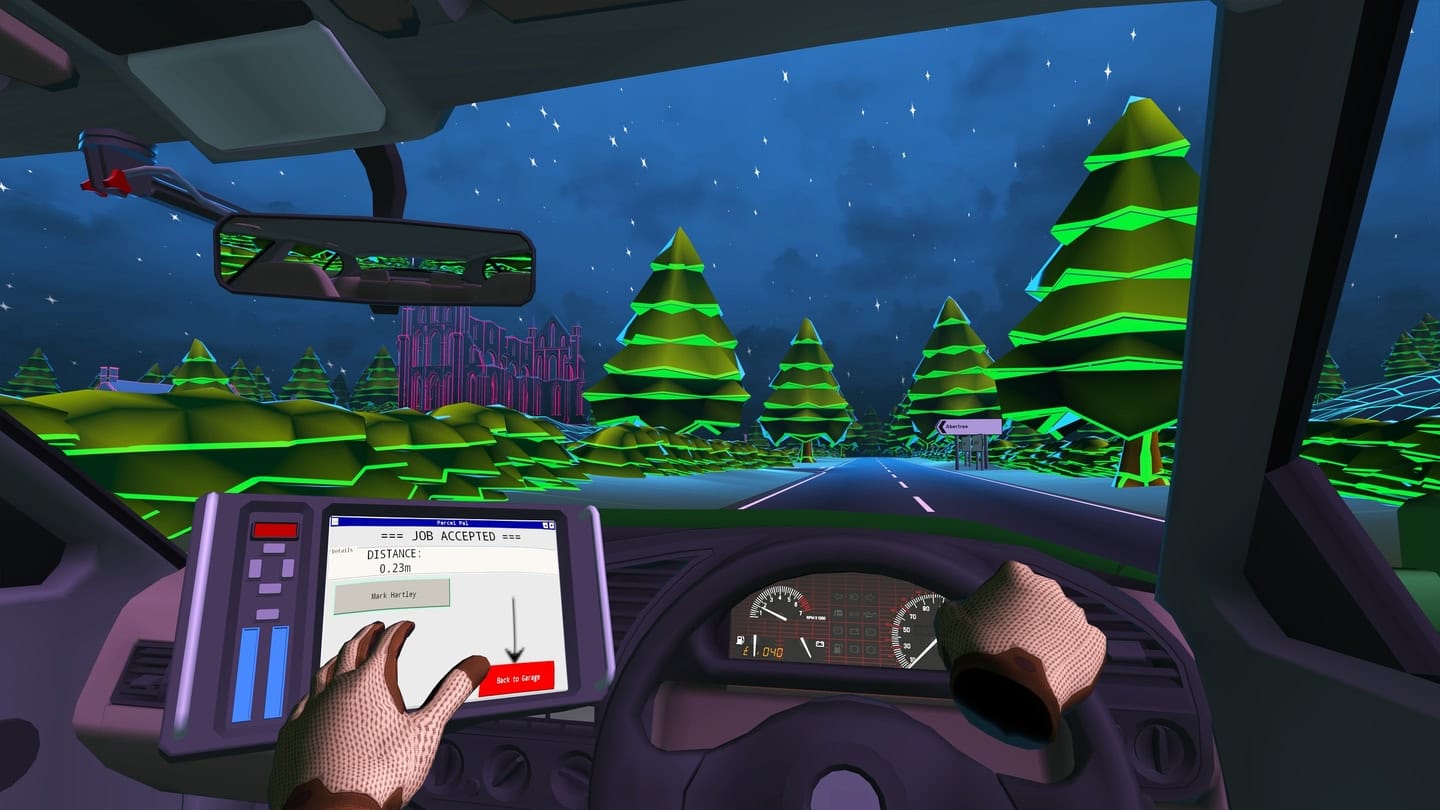
Transmission: Shortwave, a casual VR delivery driving sim set in a retro-futuristic Great Britain, is now available on Quest.
Marking the debut VR game from British indie studio Cardboard Sword, you may recall Transmission: Shortwave recently appeared in the UploadVR Winter Showcase. Taking place in an alternative 1990s Great Britain, you're tasked with delivering parcels across these UK-inspired landscapes at your own pace as a member of ParcelPal.
Detailing this further, Cardboard Sword calls Transmission: Shortwave a reflection of the team's “tongue-in-cheek humour and nostalgia.” Leaning into the retro aesthetic, Transmission: Shortwave comes with an original soundtrack that's inspired by early electronic dance music.
The developer states you can simulate driving “as much or as little” as you'd like, letting you use optional shifters, handbrakes, and turn signals. As you progress across the game, you can customize your courier by gradually unlocking different car models and colors.
Transmission: Shortwave is out now as a Meta Quest exclusive for $4.99.
Pocket Lands, a mixed reality sandbox game where you can create miniature worlds, is out now in early access on Quest.
Originally announced at last month's VR Games Showcase, Pocket Lands is a tabletop voxel sandbox game from Thomas van den Berge (Vermillion) through Mountainborn Studios. You can create diorama-like worlds across different biomes in mixed reality with support for both Touch controllers and hand tracking, then explore them in first person with fully immersive VR.
0:00
/1:23
In its current early access release, Pocket Lands features various biomes and the ability to create worlds of different sizes. The game also supports a day and night cycle, empty dioramas for building without distractions, quick construction tools, and a virtual camera to record and share your different builds.
For the full release, Thomas van den Berge previously advised Pocket Lands will launch in “the second half of 2026”. The store page's “coming soon” section lists planned features such as multiplayer, cave systems, underground biomes, new surface biomes, creatures that roam these lands, and more. However, it's unclear if each feature will arrive at full release or across incremental updates.
Pocket Lands is out now in early access on the Meta Quest platform. We'll bring you our full impressions soon.
Update Notice
This story was initially published on December 11, 2025. It was updated on December 13, 2025, with a new trailer.
Dimensional Double Shift is out now on Samsung Galaxy XR, coinciding with the game's “largest update ever.”
Previously released on Quest in early access, Dimensional Double Shift is a hand tracking party game where you serve food orders and fix motor vehicles for the locals of each dimension you visit. Following October's New Joysey DLC, it's now available on Samsung Galaxy XR headsets and offers cross-platform multiplayer support with Meta Quest headsets.
Today's Samsung Galaxy XR launch is also joined by Dimensional Double Shift's free Winter Update. Developer Owlchemy Labs confirmed that this includes Solo Practice Experiment, its first single-player mode for the former co-op only experience, which teaches you the game's core systems.
Other new features include rotating weekend Boosters, starting with a limited-time 'Midas Touch' modifier where everything you touch turns to gold. Other Boosters include turning your mouth into a flamethrower, stretching your arms further, and more. Finally, the game's celebrating 'Snow-vertime Fest' from December 18 until January 5, adding a festive hub alongside winter-themed avatar cosmetics and new interactions.
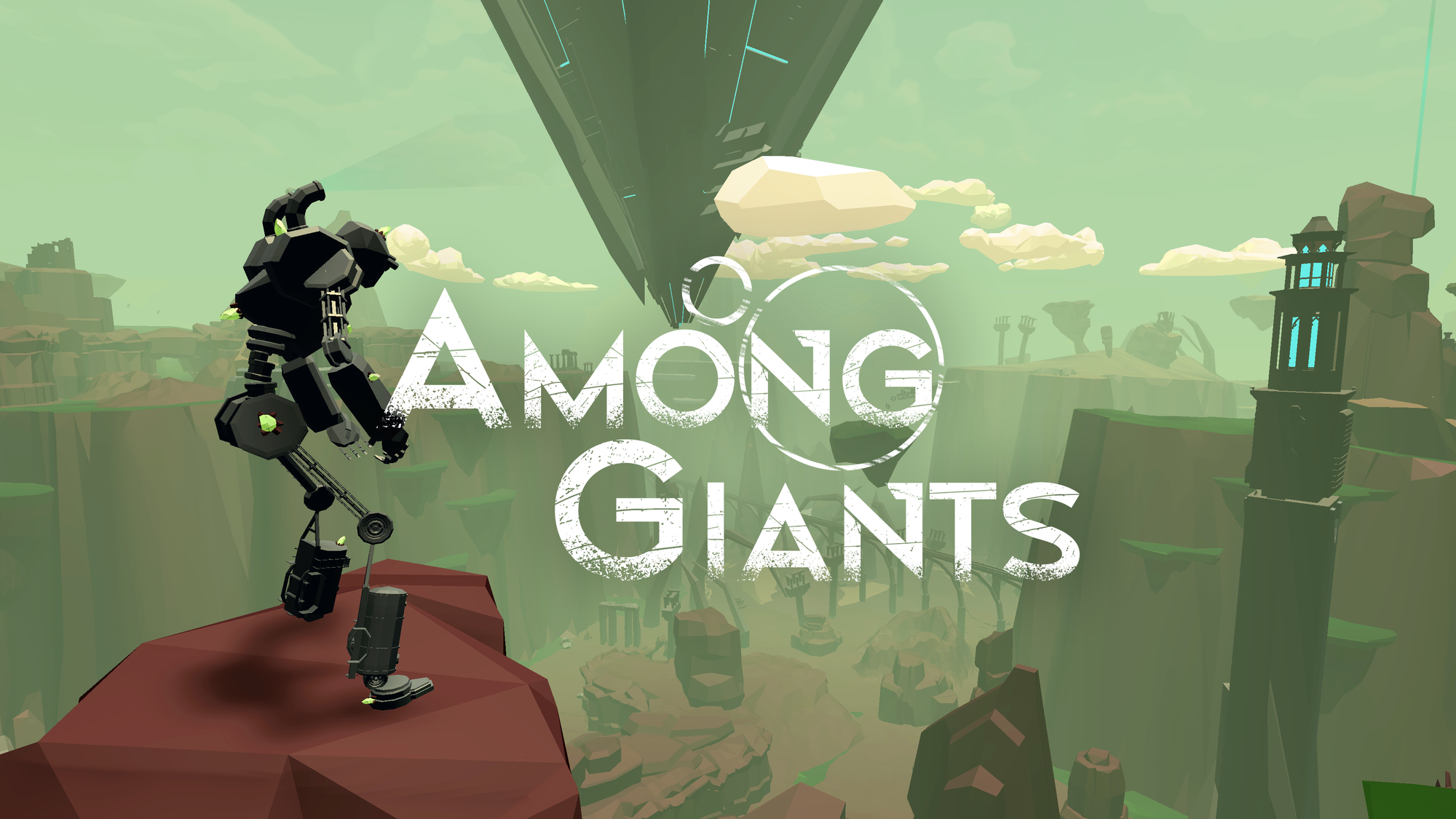
Among Giants is an open world VR adventure from a solo developer that's heading to Quest 3 and 3S next year.
Created by K Monkey Games, Among Giants takes direct inspiration from Shadow of the Colossus and The Legend of Zelda: Breath of the Wild. Playing as Erya across a world filled with ancient giants, you're tasked with exploring the remnants of this lost civilization as you decode its mysterious alien language. Hunting down these giants lets you extract their final memories, as you discover what happened to humanity.
Featuring a 25 km² environment, you're accompanied on this journey by a tiny robot companion called R-011, and a rideable horse you can summon from anywhere using a horn. Over 10 types of enemies are promised, ranging from droids to the “colossal death worm.” Erya comes armed with a bow and arrow, and other non-reloadable weapons can also be found.
Other forms of traversal include gliding through the air, using grappling hooks to navigate cliffs, and swimming underwater. Among Giants also features a dynamic weather system alongside a day and night cycle, where you'll need to carefully navigate heavy rain, blizzards, and scorching deserts alike across this journey.
K Monkey Games informed UploadVR that Among Giants targets a Q1 2026 launch on Quest 3 and 3S. Other platforms are currently unconfirmed, though the Meta Horizon Store presently lists Quest Pro support too.
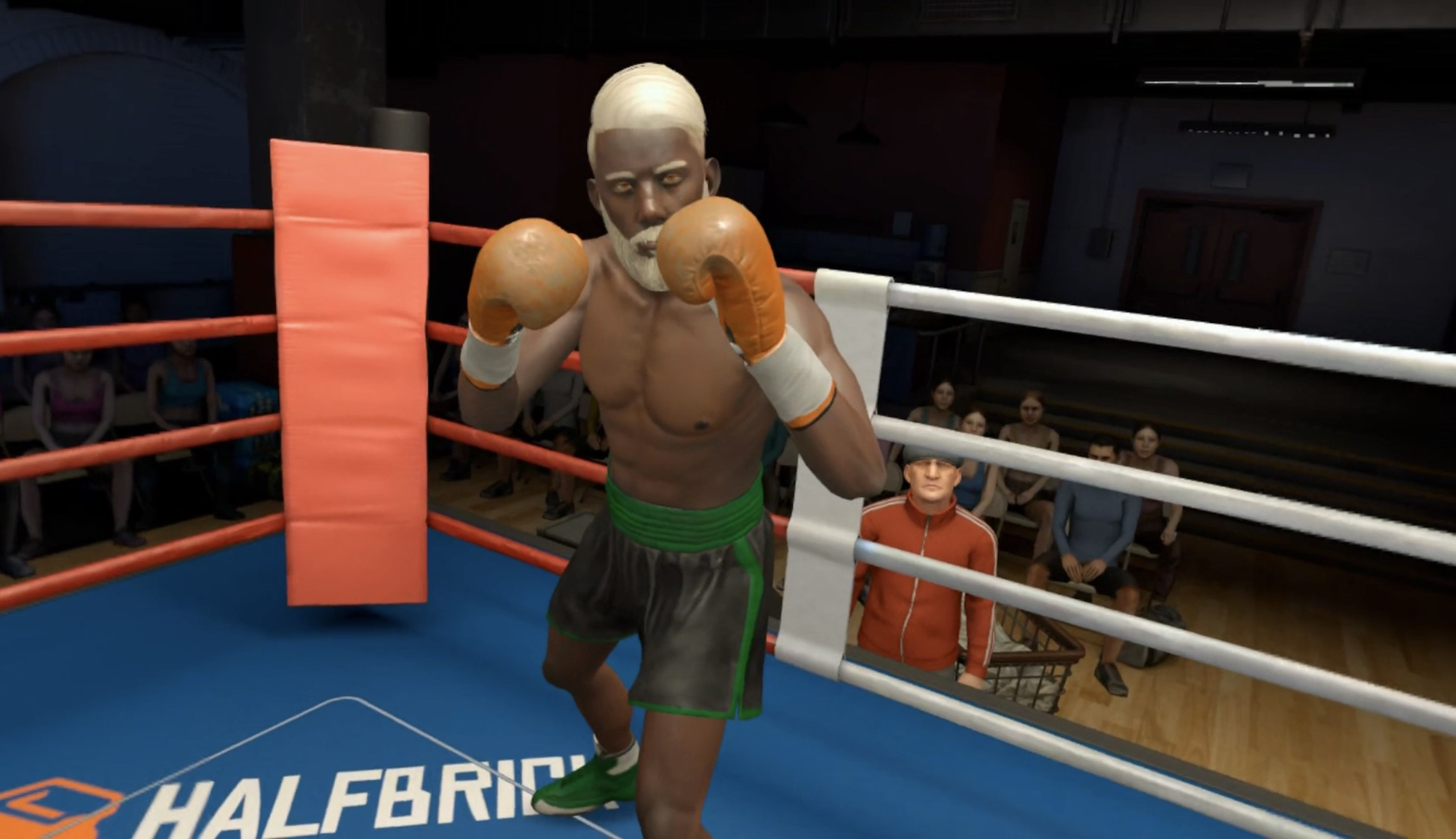
The Thrill of the Fight 2 with career mode is available now on Quest headsets, so I put on my boxing gloves to throw some punches.
As a fan of the original The Thrill of the Fight, I had high hopes for the sequel coming into this, buying The Thrill of the Fight 2 in early access to try its multiplayer mode. I encountered arm-flailing multiplayer matches that saw spam fighters rack up damage, so I put it down and decided to wait for the more fleshed-out full release, which arrived several weeks ago.
The Facts
What is it?: A boxing simulator with training, career, and multiplayer modes. Platforms: Quest (reviewed on Quest 3) Release Date: Out now Developer/Publisher: Halfbrick Studios Price: $19.99
Facing off in career mode
The Thrill of the Fight 2 welcomes you with a main menu presented on a small tablet held in your gloved hands. After it calibrates your height and arm length, you hold a stylus to choose multiplayer, career, or training mode. Training mode practices with a dummy or spars with a bot fighter. There are also settings for customizing your fighter to make them look reasonably unique.
Comfort
The Thrill of the Fight 2 is intended as a standing game that engages your body in physical exertion. That said, there aren't many comfort options to speak of. If you don't have much room in your physical space to play, there is an optional standing mode. Analog stick-based turning can be assigned to either the left or right hand. Health warnings are present when the game starts, and users must agree to those before proceeding to play.
I chose Career mode first and find myself inside a ring for my first fight. Coming from the first Thrill of the Fight, the updated difficulty is an immediate shock. Following on from the previous game, I wasn't expecting the AI to be this intense.
0:00
/0:37
I throw out jabs it sees coming and deftly dodges, infuriating me. I lean in and get called for a foul. Occasionally the bot will clip directly into me while throwing punches and a foul gets called on my behalf instead. The game repeatedly fails to detect how much space I have around me to fight in “roomscale” mode, forcing me to smaller confines for standing mode during fights. This contributed to the problem of stepping outside of bounds while the AI fighter is still sending punches my way. Whenever the fighting gets intense, I can see flashes of my room boundary as the fists fly.
Coach yells directions at you during the fight, and the jeers of the crowd can be heard too. Outside the ring, they realistically move in their seats, craning their necks for a better view. I saw solid performance across each stage with strong immersion throughout.
I backed on up to training mode and tried sparring. Sparring mode provided a better onboarding experience with practice for proper fighting form. Training with a dummy gives instruction via tutorial videos on how to punch with drill exercises to perfect different moves. Still, I can't land punches as well as I want to because of my scores.
0:00
/0:24
Testing the dummy in training mode
The numbers next to the training dummy show how much force is applied to each move you make, including how much “body effort” is included. Body effort is a way for The Thrill of the Fight 2 to grade punches with the aim of stopping players from cheating during matches. The problem is it doesn't record the effort in my punches properly most of the time.
You can see how the camera moves as I swing; I'm not sitting there and flailing my arms. I'm not being sufficiently graded for my efforts, and it cuts into the fun. Difficulty is never a dealbreaker for me, but the system needs a few fixes. Is head movement calculated as part of the attack? How does it impact the sensitivity of the movement detection? Currently, the fighting system feels like pillows – not gloves – have been put on my hands.
At the end of each training session, there are points for attack and defense added to my profile. The numbers for these didn't make much sense; they change depending on the training session type you choose.
Career mode provides a certain amount of fights to win in order to qualify for a tournament. If you miss out, you can skip to the next year to continue training and fighting. Although I'm happy to win after training so much, my desire to keep fighting in career mode eventually evaporated. I opted to switch to multiplayer mode to experience facing off against other players instead.
0:00
/0:42
A good multiplayer fight
Multiplayer is greatly improved in the full release for The Thrill of the Fight 2. You can either fight players to rank on a global list, or you can pick a round of casual sparring. I matched up in a casual round with a player who paused and evaluated where I was throwing punches before he moved in. Within a few swings, I'm knocked out.
Despite the swift loss, I laughed because I'm still having a good time. The other player was sportsmanlike, and we made sure to touch gloves as a sign of respect. While I can't guarantee everyone you face in multiplayer will be as polite, I'm impressed by the game mode improvements. I hope to never meet another flailing toddler in the ring again.
The Thrill of the Fight 2 - Final Verdict
The Thrill of the Fight 2 is a bit of a departure from the first game and might surprise anyone expecting more of the same. You should instead look forward to improving your boxing form and working more seriously toward beating the challenges in this installment. The damage system needs further work to detect when you put your body into a punch, and the bot should not clip into you during fighting.
What's working for this title are beautiful graphics and a great choice in how you choose to play the game. You can spend time in multiplayer exclusively, try to conquer career mode, or enjoy both. My muscles may be sore from playing this sequel, but I'm not complaining there. This game can eventually be an all-timer with some improvements, just like the first installment is.
UploadVR uses a 5-Star rating system for our game reviews – you can read a breakdown of each star rating in our review guidelines.
 Connexion