Connexion
Snap Spins Out AR Specs Into Its Own Subsidiary

Snap spun its Specs AR glasses into its own subsidiary, and reconfirmed that it plans to launch the consumer product this year.
"Establishing Specs Inc. as a wholly-owned subsidiary provides greater operational focus and alignment, enables new partnerships and capital flexibility including the potential for minority investment, allows us to grow a distinct brand, and supports clearer valuation of the business as we work towards the public launch of Specs later this year", the company behind Snapchat says.
The new Specs Inc subsidiary is currently hiring for nearly 100 open roles globally, it says, in preparation for the launch.
What Are Snap Spectacles & Snap Specs?
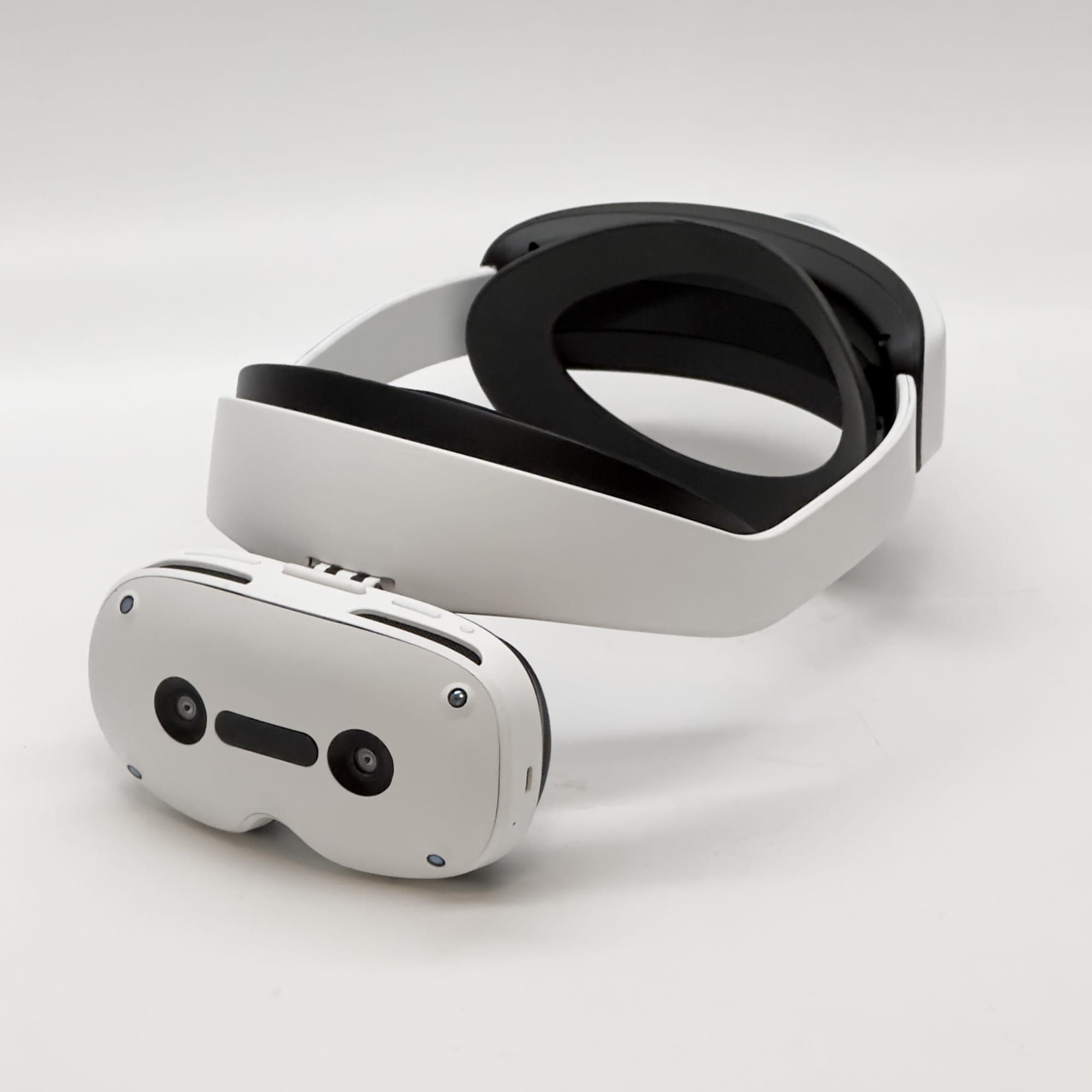
The current Snap Spectacles are $99/month AR glasses for developers ($50/month if they're students), intended to let them develop apps for the Specs consumer product the company intends to ship this year.
Spectacles have a 46° diagonal field of view, angular resolution comparable to Apple Vision Pro, relatively limited computing power, and a built-in battery life of just 45 minutes. They're also the bulkiest AR device in "glasses" form factor we've seen yet, weighing 226 grams. That's almost 5 times as heavy as Ray-Ban Meta glasses, for an admittedly entirely unfair comparison.
But Snap CEO Evan Spiegel claims that the consumer Specs will have "a much smaller form factor, at a fraction of the weight, with a ton more capability", while running all the same apps developed so far.
As such, what's been more important to keep track of, to date, is Snap OS, not the developer kit hardware.
Snap OS is relatively unique. While on an underlying level it's Android-based, you can't install APKs on it, and thus developers can't run native code or use third-party engines like Unity. Instead, they build sandboxed "Lenses", the company's name for apps, using the Lens Studio software for Windows and macOS.
In Lens Studio, developers use JavaScript or TypeScript to interact with high-level APIs, while the operating system itself handles the low-level core tech like rendering and core interactions. This has many of the same advantages as the Shared Space of Apple's visionOS: near-instant app launches, interaction consistency, and easy implementation of shared multi-user experiences without friction. It even allows the Spectacles mobile app to be used as a spectator view for almost any Lens.
Snap OS doesn't support multitasking, but this is more likely a limitation of the current hardware than the operating system itself.
 UploadVRDavid Heaney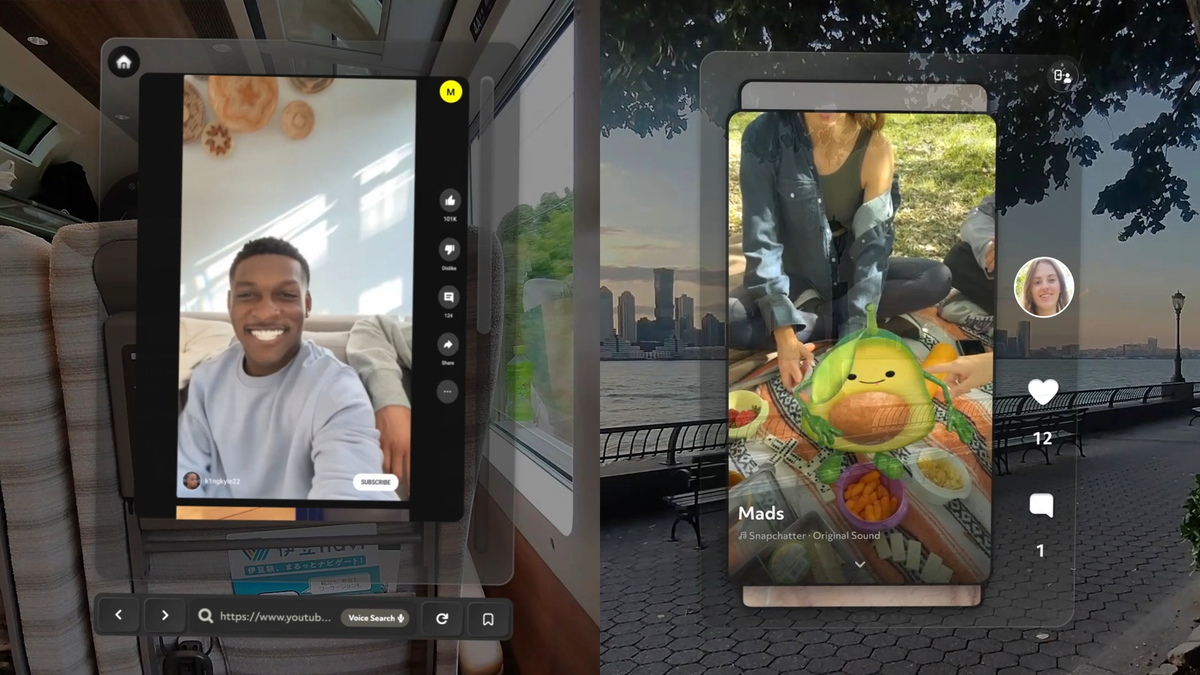
Since releasing Snap OS in the latest Spectacles kit in late 2024, Snap has repeatedly added new capabilities for developers building Lenses, and late last year launched Snap OS 2.0, adding and improving first-party apps like Browser, Gallery, and Spotlight to bring the AR platform closer to being ready for consumers.