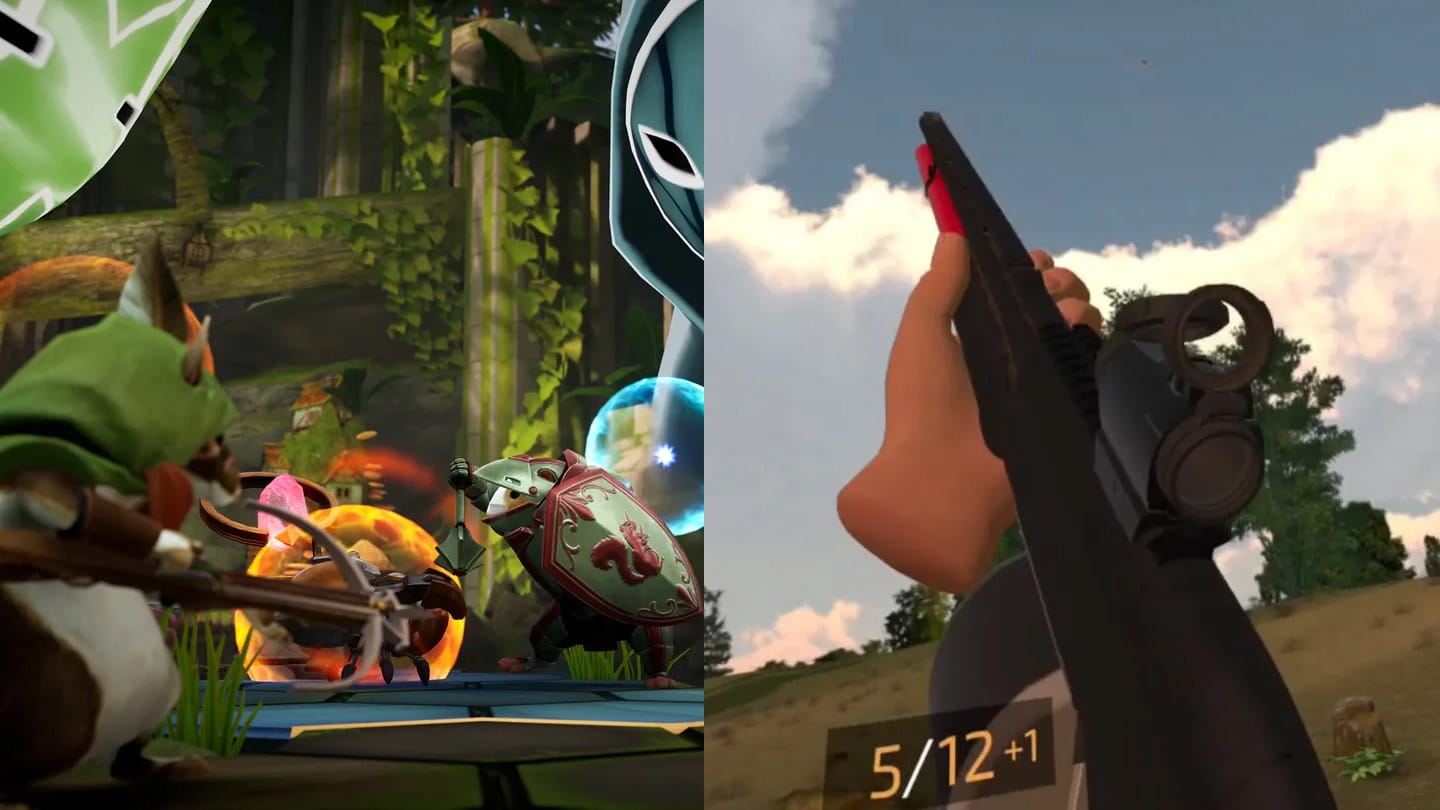
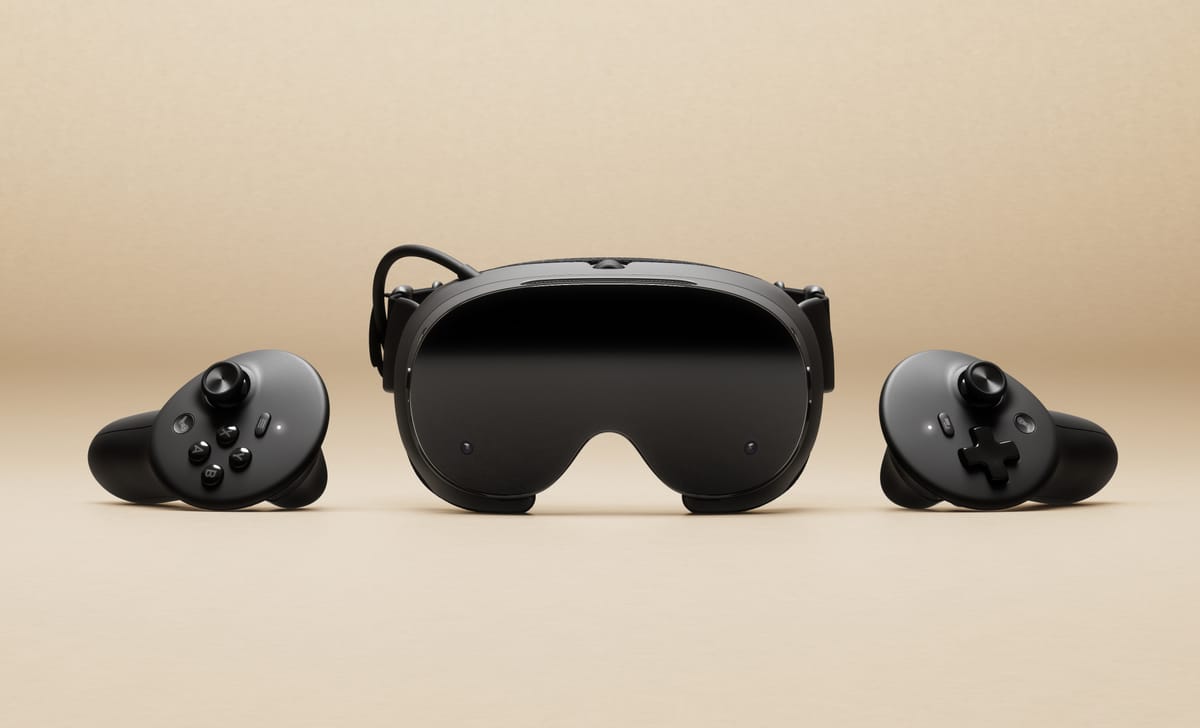
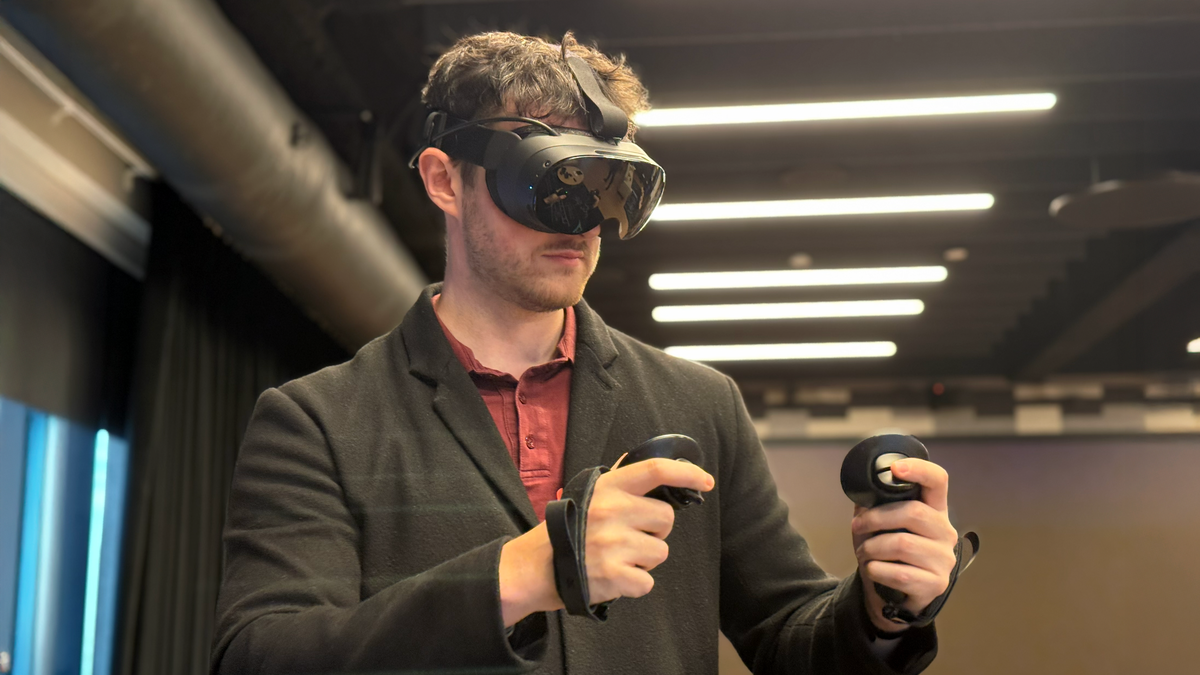
In an interview with Alex Heath, Meta CTO Andrew Bosworth seemed to confirm the leak that a Quest 4 is still on the roadmap.
Back in June, UploadVR reported that the 2026 candidates for a Quest 4 series, codenamed Pismo Low and Pismo High, had been canceled. Then, in December, internal Meta memos leaked that revealed the company is working on a gaming-focused headset set to be a "large upgrade" over Quest 3, but without subsidization, suggesting a notably higher price.
This, to be clear, is in addition to the widely reported ultralight mixed reality headset with a tethered puck that the memo suggested should launch in the first half of 2027.
Given Meta's recent announcement of "shifting some of our investment from Metaverse toward AI glasses and Wearables", which was followed by the shutdown of three of its acquired VR game studios, significant layoffs at a fourth, the cancelation of the Batman: Arkham Shadow sequel, and the deprecation of Horizon Workrooms and its Quest headsets for business offering, many in the industry have speculated that the new Quest 4 candidate may have already been canceled.
Last month, Meta's CFO Susan Li told investors that the company still has "optimism in the future of VR", and that it's still "building future headsets". While this did spark hope of a Quest 4 still in the works, nothing in the statement confirmed what kind of headsets these were. But a recent statement from Meta's CTO Andrew Bosworth seems to.
When asked during his Davos interview with veteran tech journalist Alex Heath, which you should go watch in full, whether "the metaverse is over", Bosworth's reply included "I think it's officially leaked we've got two devices on the roadmap that we're super excited about coming out over the course of a period of time".
The "leak" Bosworth mentions is clearly the December memos – and by bringing this up now and speaking in the present tense, it strongly suggests that the gaming-focused Quest 4 candidate has not been canceled.
0:00
/0:29
Bosworth's comment from the interview with Alex Heath.
As to when we might expect these future Meta headsets, Bosworth stays tight-lipped. When pressed by Heath on what "a period of time" meant, he simply replied "a period of time - it could be anything, could be tomorrow".
Based on the leaked memos and conversations with sources back in December, UploadVR's understanding is that the ultralight headset should arrive in the first half of 2027, and the more traditional Quest 4 no earlier than the second half of 2027.
Additionally, Horizon OS firmware sleuth Luna reports that one codename floating around for the new Quest 4 is "Griffin".
Meanwhile, names for candidates for the ultralight headset with tethered puck have included "Puffin", "Loma", and "Phoenix".
The ultralight headset will be primarily focused on spawning virtual screens for productivity and entertainment, while the Quest 4 would continue the traditional Quest focus on immersive gaming.
One codename floating around for Meta Quest 4 is Project "Griffin"
Keep in mind that Meta's hardware roadmap is constantly shifting, and the company frequently spins up and cancels headsets before they ship. When a specific product gets close to shipping, we'll bring you any reliable rumors of its imminent arrival. Until then, be ready for anything planned to get canceled or delayed.
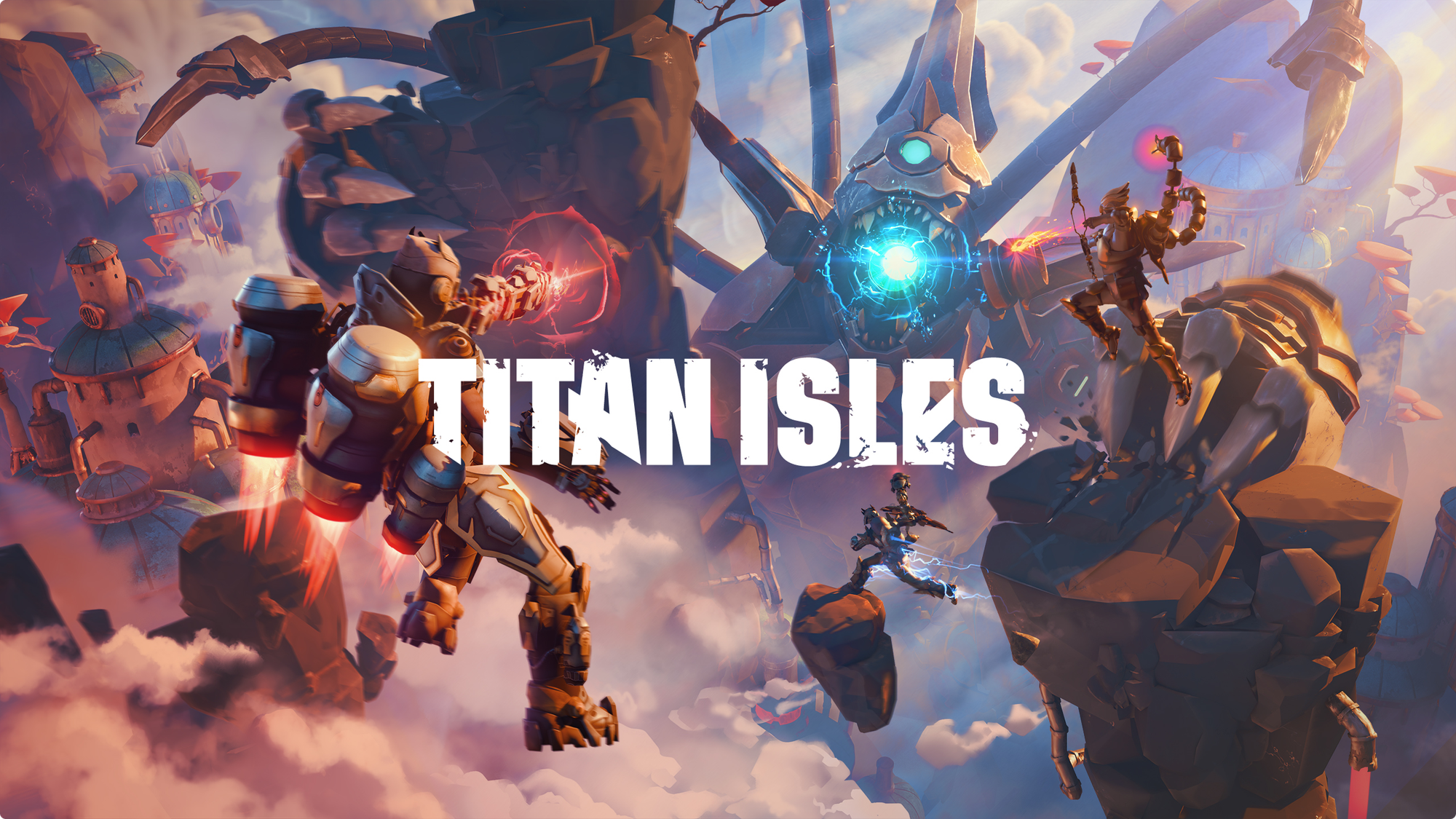
The PlayStation VR2 port of Titan Isles is coming on February 24th.
When Psytec Games announced last September that their high-mobility action-adventure shooter Titan Isles was coming to PS VR2, they didn't specify a release date. That changed during today's Sony State of Play, where it was announced that Titan Isles will be swinging onto PS VR2 on February 24th.
Designed to make the most of PS5's hardware, the PS VR2 port runs at a native 90fps on base PS5, boosted to 120fps on PS5 Pro. The game's devs also confirmed that both versions utilize native resolution and eye-tracked foveated rendering for maximum visual clarity.
0:00
/1:09
Psytec Games has also made the most of the PS5 controller's adaptive triggers, giving each weapon its own resistance, plus headset haptics and full bHaptics support.
We reviewed Titan Isles when it debuted on Meta Quest, where we found it to be "a compelling action adventure that's equally enjoyable in co-op and single-player." Furthermore, our reviewer called it "the most fun I've personally had with a VR co-op experience since Dungeons of Eternity."
Titan Isles will be available on the PS VR2 store from February 24, and will cost $24.99. The game is available now on Steam and Quest.
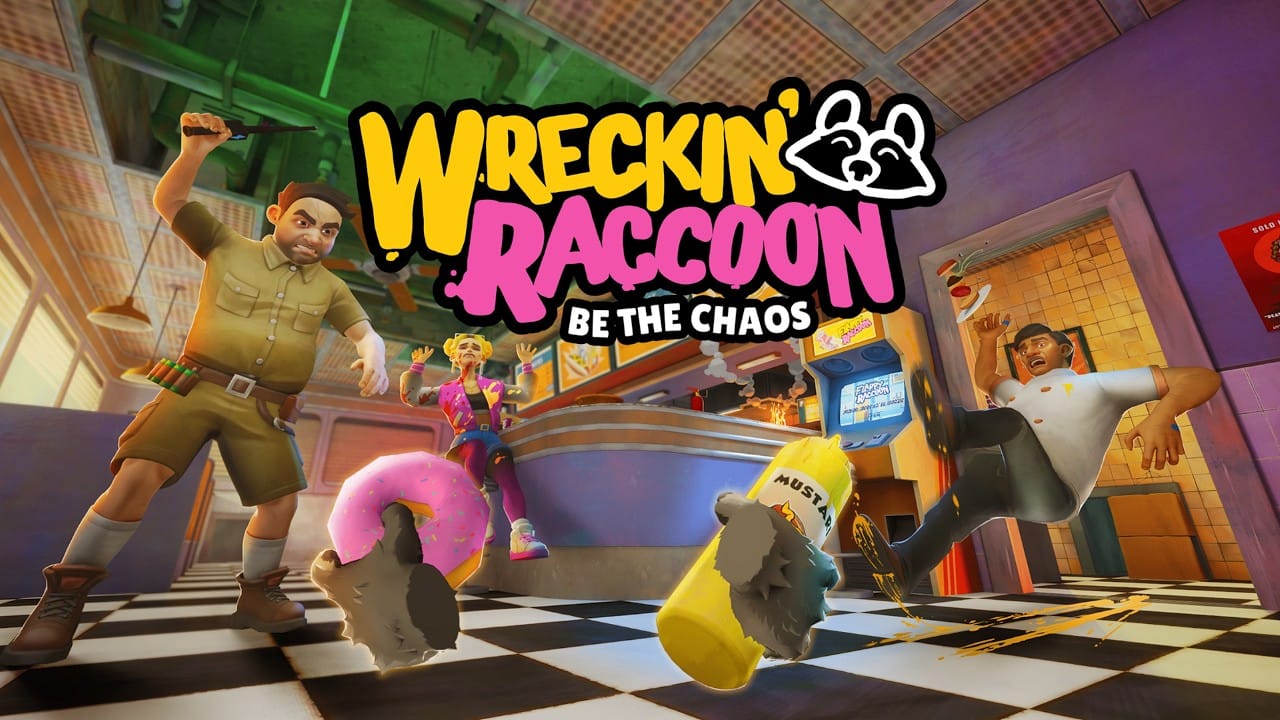
Unhinged chaos sim Wreckin' Raccoon, nDreams' answer to games like I Am Cat and Gorilla Tag, has left Early Access for full release on Quest.
Developed by nDreams' newest studio, Compass, Wreckin' Raccoon is a sandbox game in which you play as the titular trash panda, spreading chaos and destruction everywhere your paws touch. Taking place at a roadside diner, you'll dig through food, smash bottles, make a mess, and generally torment the diner's staff and customers in ways that only a horrible little critter can.
0:00
/1:10
You can drink from a toilet, deep fry your own excrement, and squirt ketchup into the face of the grumpy exterminator. If you couldn't tell from that description, or the trailer embedded above, nDreams' latest release is clearly targeting a younger audience.
Wreckin' Raccoon is banking on replicating the success of games like I Am Cat and the ever-popular Gorilla Tag, which throw users into heavily physical experiences in which the primary goal is to move around and cause chaos.
Charming clockwork puzzler Tin Hearts: Act 1 arrives on Quest today, bringing its heartfelt story and inventive Lemmings-like gameplay to standalone headsets.
Celebrated for its emotional story and richly detailed Dickensian environments, Tin Hearts combines a lovely narrative with classic Lemmings-inspired puzzle mechanics. In Tin Hearts, players manipulate time and interact with objects in the environment to direct and redirect an ever-marching column of tiny toy soldiers. Along the way you'll solve puzzles and uncover a deeply personal tale about family, love, and compromise.
0:00
/1:35
Tin Hearts originally released in VR on PS VR2 and Steam last year. The game's publisher, Wired Productions, has said that today's Act 1 port to Meta Quest will be followed by Acts 2, 3, and 4 "in the coming weeks," though no specific release dates have been confirmed.
We previewed Tin Hearts VR years ago, where we felt it offered "well-considered mechanics," plus "enjoyable puzzles and an intriguing whimsical setting."
The complete Tin Hearts series is out now on flatscreen platforms, PS VR2, and PC VR, while Tin Hearts: Act 1 arrives today on the Meta Quest platform.
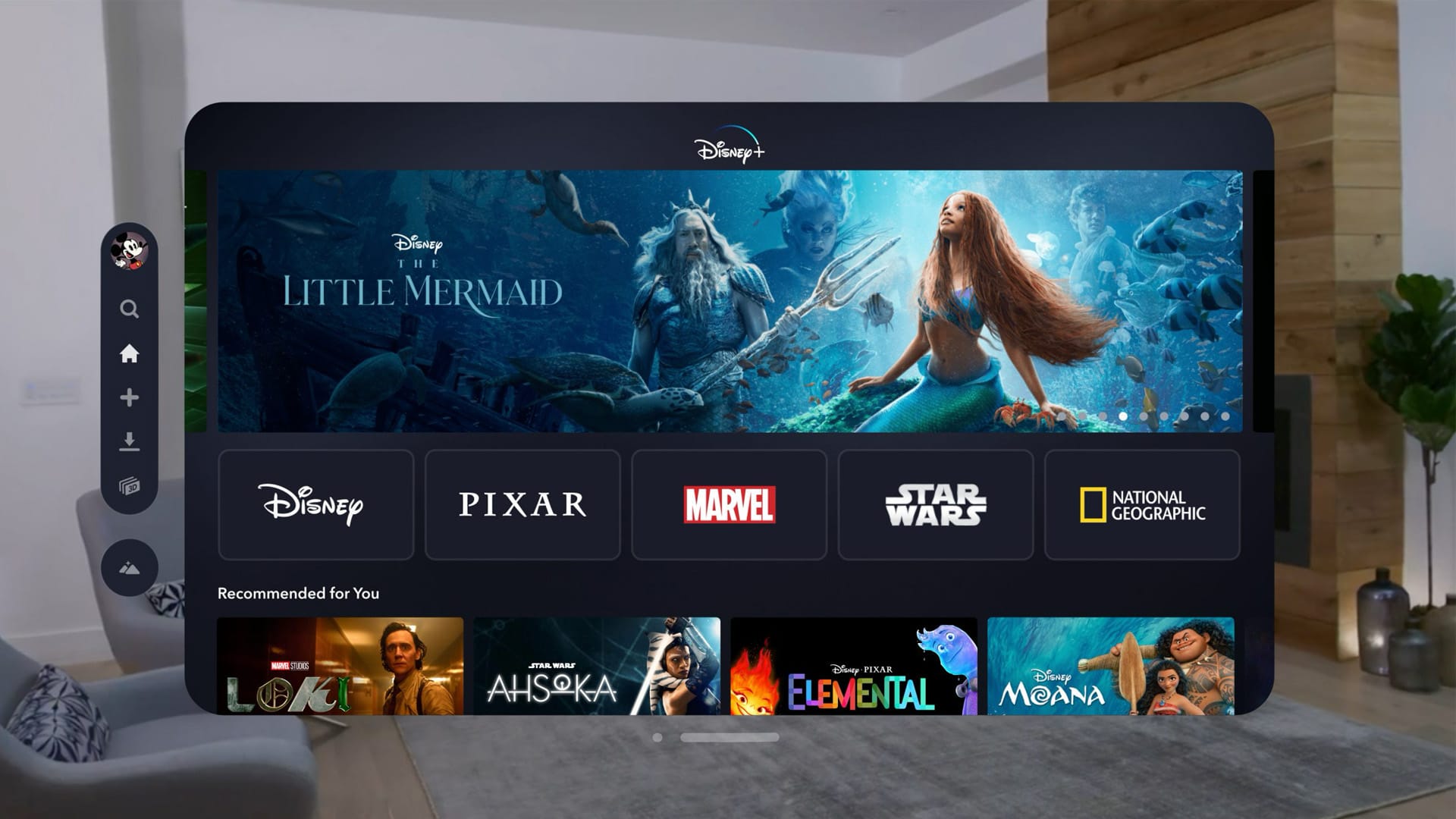
Dolby Vision and 3D have been removed from Disney+ in several European countries, disabling stereoscopic movie playback on Apple Vision Pro.
Premium subscribers to Disney+ typically receive access to content in up to 4K UHD, HDR10, and Dolby Vision, provided the content supports those formats. In addition, the Premium tier includes a selection of 3D movies for Apple Vision Pro users, including blockbusters such as the Avatar series, Marvel Avengers films, and multiple Star Wars titles.
But Dolby Vision and 3D support now appear to have been removed in various European countries, according to user reports on Reddit and other platforms. The change reportedly began in Germany late last year and has since expanded to neighboring markets.
UploadVR reviewed the Disney+ support pages for Germany, France, Italy, and the UK and found no mention of Dolby Vision support, only HDR10, suggesting that references to Dolby Vision were removed recently. In Germany and France, a notice states that 3D is currently unavailable. No such notice appears on the Italian support page. In the UK, meanwhile, 3D content remains listed as supported.
Notably, references to Dolby Vision have also been removed from the U.S. support page, even though 3D content remains listed as supported there. In other markets, such as Australia, all major video formats, including 4K UHD, HDR10, Dolby Vision, and 3D, continue to be listed as available.
According to an official statement given to FlatPanelsHD, “technical challenges” are the reason for the downgrade of the Premium tier. “Dolby Vision support for content on Disney+ is currently unavailable in several European countries due to technical challenges. We are actively working to restore access to Dolby Vision and will provide an update as soon as possible,” Disney said.
At the same time, there have been reports that an ongoing patent dispute between InterDigital and Disney+ is playing a role in the removal. InterDigital is a U.S.-based company that develops wireless and video technologies and is known for actively enforcing its portfolio of standard-essential patents through licensing negotiations and, when necessary, litigation.
In November, InterDigital announced that Germany’s Munich Regional Court granted an injunction against Disney for infringing one of InterDigital’s patents related to streaming video content using HDR technology. Dolby Vision is an advanced form of HDR that uses dynamic metadata to adjust brightness, contrast, and color accuracy scene by scene, or even frame by frame.
The injunction could explain why the removal began in Germany and has since expanded to neighboring markets. As companies typically operate unified EU-wide services and infrastructure, changes implemented to comply in Germany may be rolled out across multiple EU markets, as has happened before with other patent rulings by the German court.
Still, it remains unclear why 3D content is also affected. One possible explanation is that 3D films on Disney+ also use Dolby Vision, according to Disney’s initial Apple Vision Pro announcement.
An injunction in the German market should have no impact on the U.S. market, but it is worth noting that InterDigital is currently also pursuing a patent case against Disney in the United States.
Even in Europe, it remains unclear how the dispute will ultimately be resolved. Disney could appeal the decision by the German court or reach a settlement with InterDigital.
For Vision Pro users in these markets, the removal of 3D is a significant loss, as while there are also 3D movies available to rent on Apple TV, Disney+ offered a plethora of 3D movies with the subscription, and films of this kind remain one of the headset’s standout features.
As the space-faring simulator orbits into its tenth year, its latest update adds new tools, gear, and gameplay.
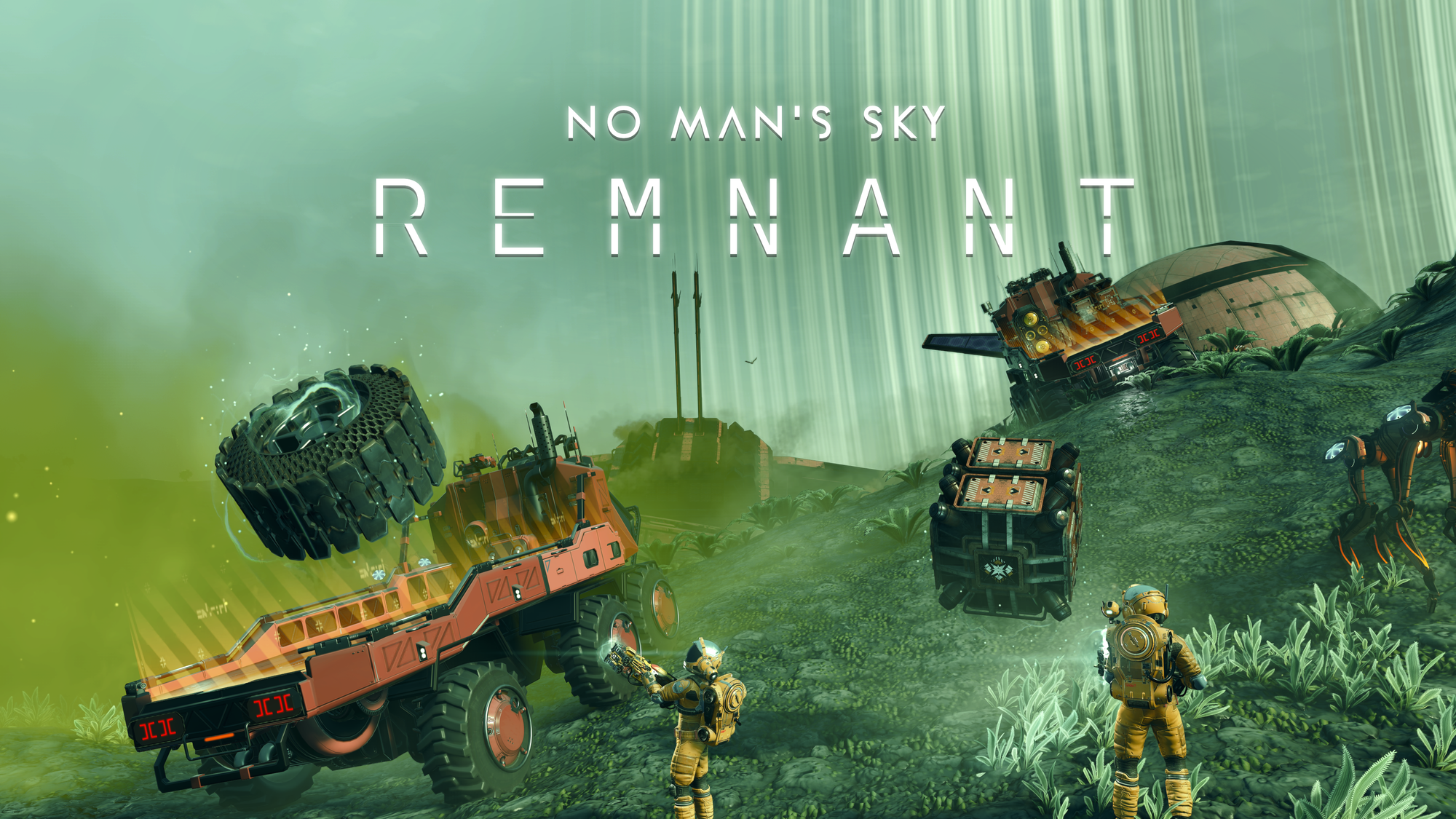
Hello Games has launched an update for No Man's Sky, called Remnant, which adds a new tool to the game's ever-expanding arsenal - the Gravitino Coil. This anti-gravity "gun" is described by the game-makers as "a powerful [...] module for your multi-tool. Allowing you to grab large objects and fling, toss or carefully carry them around the world."
More than just a toy or industrial tool, the Gravitino Coil doubles as an improvised ballistic weapon, with heavy objects becoming deadly projectiles (should the need arise).
0:00
/1:09
In addition to the gravity gun, the Remnant update also adds a new game loop centered on scavenging and recycling. Working alone or in groups with others, players and crews can scavenge debris from planets and wrecks, loading the collected salvage materials onto cargo trucks to be driven to industrial yards where the materials may be recycled to gain new loot and rewards including dozens of new vehicle parts and an all-new armor set.
A limited-time community expedition has been added, too, in which travelers will work in convoys to clean up and reclaim a planet covered in wrecks and garbage. Full patch notes for the latest No Man's Sky update can be seen here.
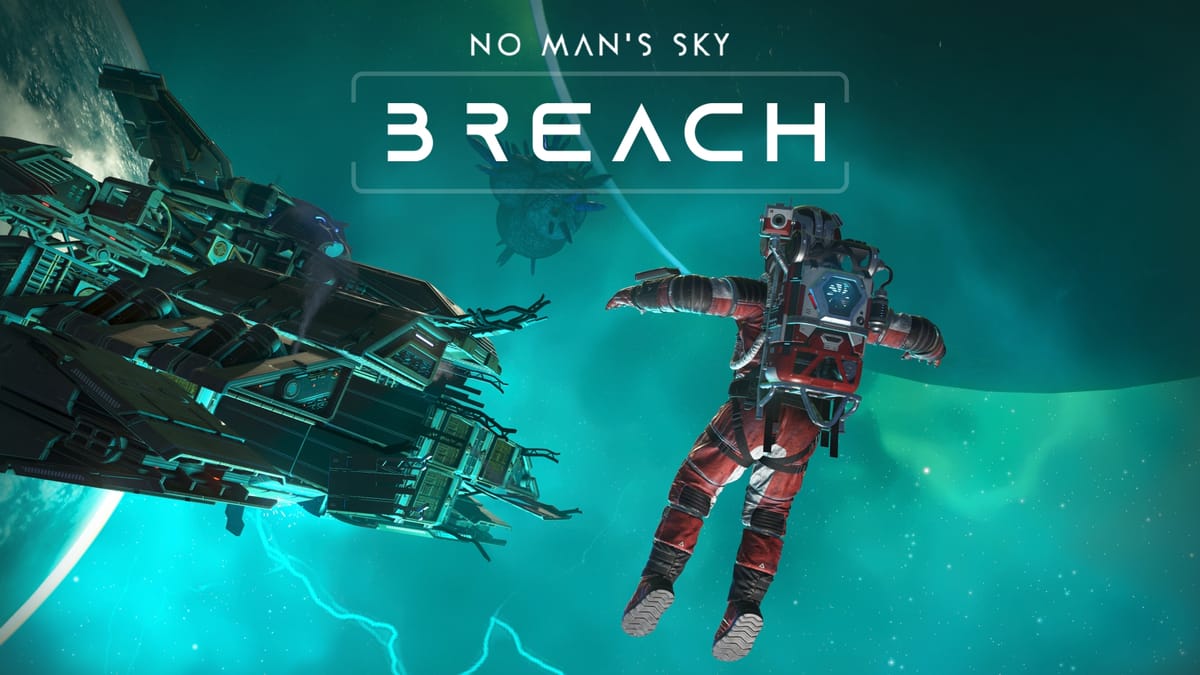
Remnant builds on the previous No Man's Sky update, Breach, which added explorable derelict space wrecks. It is the latest in a long string of No Man's Sky updates, a game which launched nearly ten years ago on flatscreen platforms and which has received continuous updates and improvement ever since.
In the VR space, too, No Man's Sky has been a trailblazer. It was the first PlayStation VR2 game to use PS5 Pro's PSSR AI upscaling, technology which uses a neural network trained on game footage to upscale games with much higher quality results than traditional image upscaling techniques.
No Man's Sky's Remnant update is available today on Steam, PS VR2, and flatscreen platforms.
The developers of the 4v1 multiplayer horror game Inverse announced that servers will shut down at the end of March.
MassVR, who originally started developing location-based (LBE) VR experiences in 2017, posted an update on Inverse's Steam page announcing the shutdown. Per the post, the game servers will shut down on March 31, 2026. MassVR clarified "Until that time, all online features/servers will remain active, and you can continue to play and enjoy the game as usual."
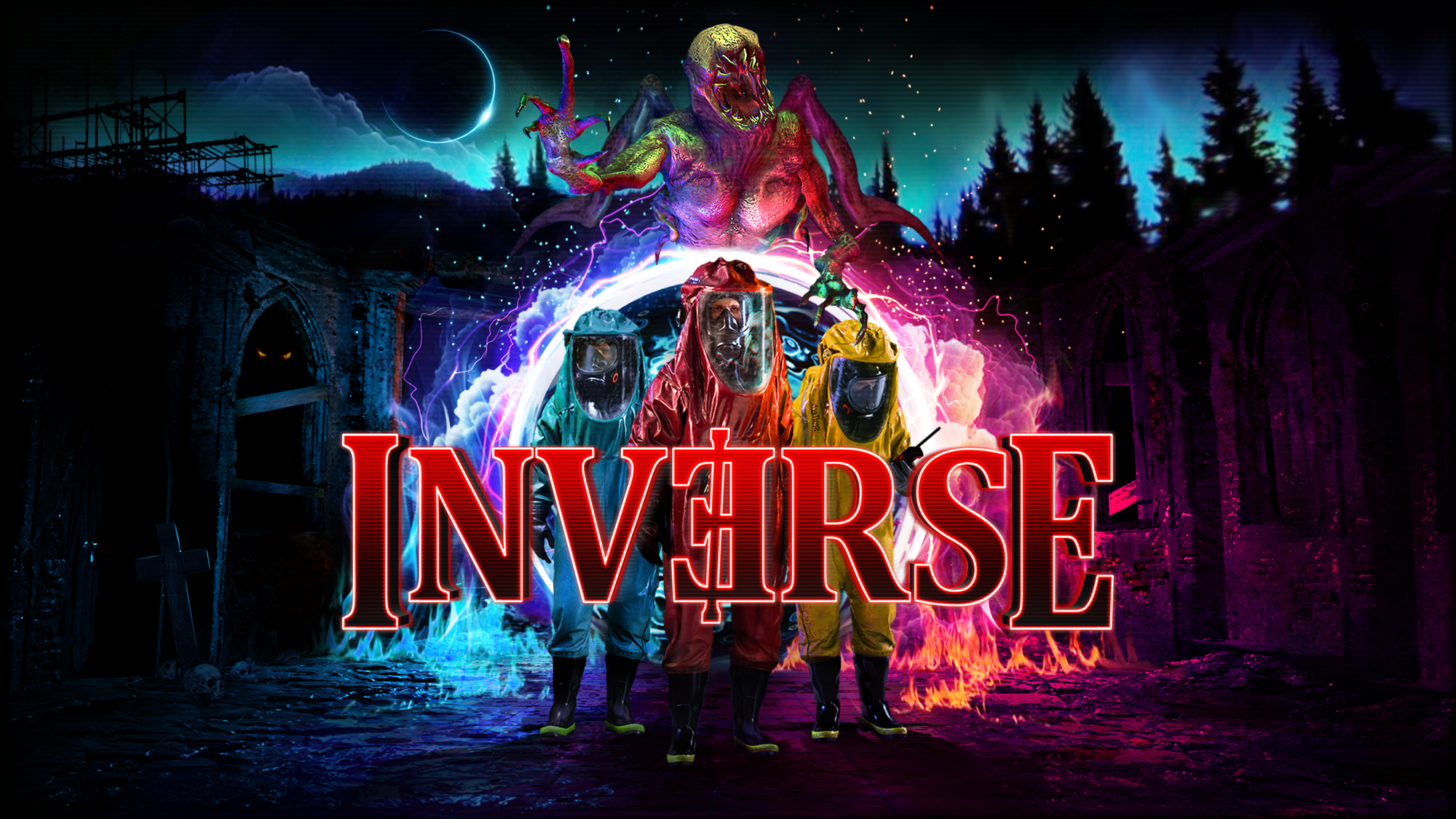
Inverse is a 4v1 asymmetric survival horror game drawing inspiration from the popular flatscreen title, Dead by Daylight. Four players play as HAZMAT suit-clad agents against one opponent playing as a monster. The agents have to repair three control panels within a short time limit to unlock gun cases and kill the monster. The monster can either kill all of the agents or simply outlast the time limit to win.
0:00
/0:25
Inverse Release Trailer
Inverse first launched on Quest App Lab in June 2023 as a limited-feature free-to-play title. A PCVR version followed in November of the same year. Its full release was priced $29.99 and was later dropped to $14.99. The game has already been delisted on Steam. At the time of this article, it remains available on Meta Quest 2/Pro/3/3S for $9.99.
The update brings 25 new cards, a new card type, new legendary cards for each faction, fully revitalized card artwork, and more.
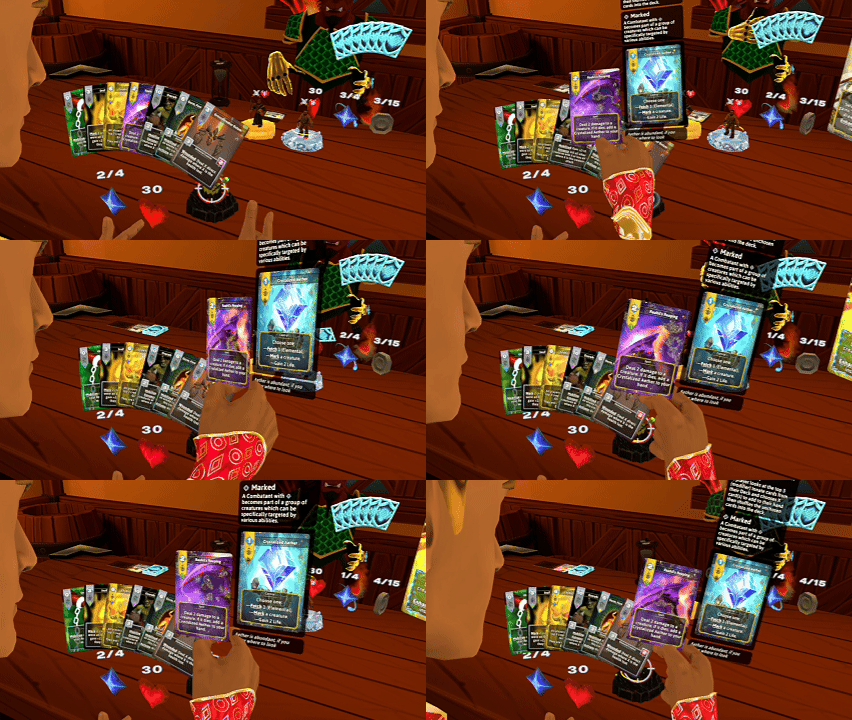
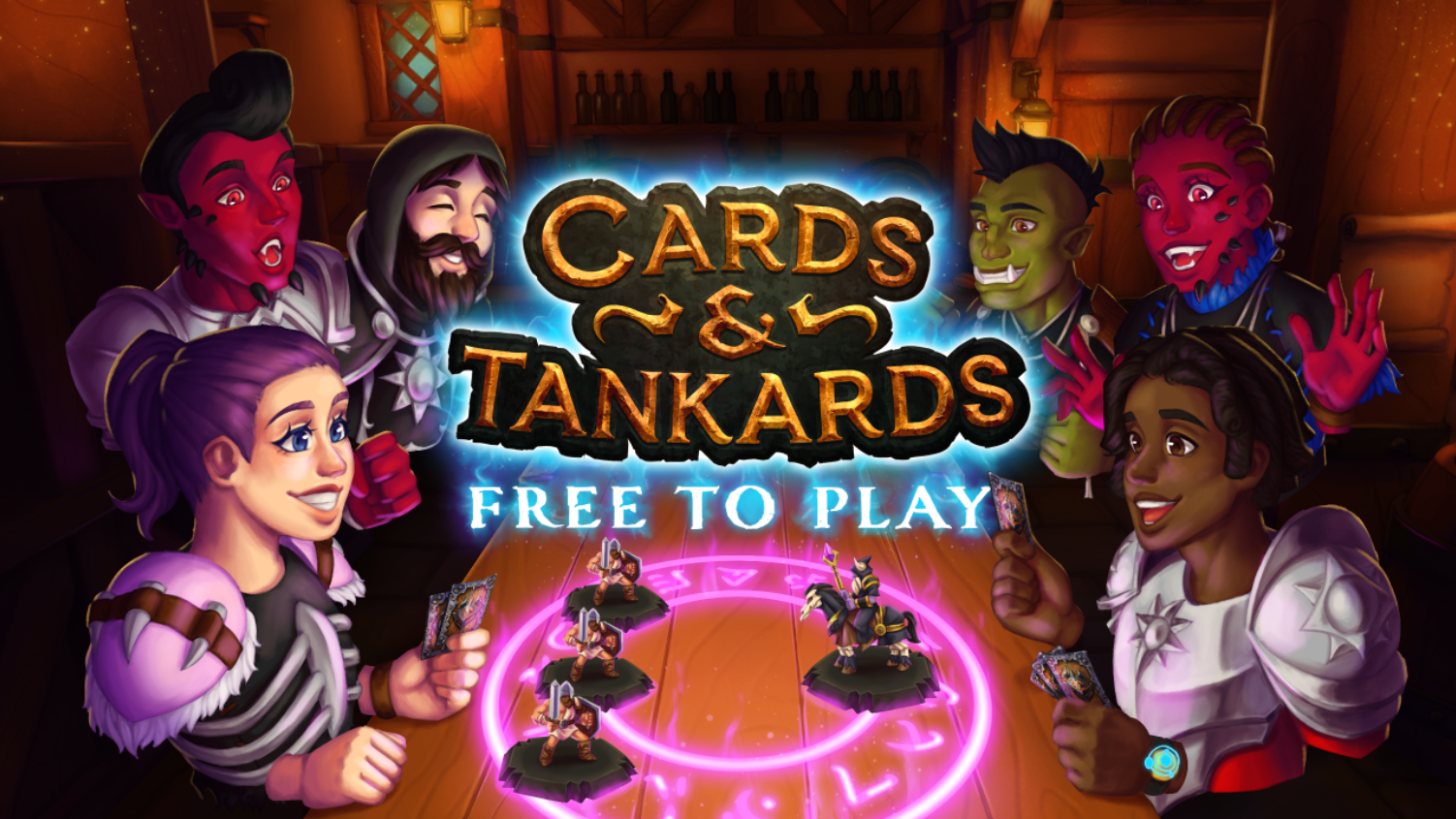
Cards & Tankards, a free-to-play VR social game where players hang out and battle each other in collectible card games and other traditional board games, will receive a massive update in March. The coming update ushers in Season 3, and brings several significant additions to the game as well as new mechanics and features including:
25-card expansion at launch, with an additional 25 cards released gradually throughout Season 3
New card type: Relics are available to all factions, summoned into play like "creatures" but do not participate in combat and do not exhaust when played. Each Relic contains a limited number of Sparks of Aether, which are spent to activate its effects. Once those sparks are depleted, the Relic is destroyed. Relics are designed to add long term planning and resource management to gameplay without overwhelming the board state.
New Legendary Cards (one per faction)
Major mechanical balancing derived through collaboration between the development team and the community-driven Card Design and Balance Team
0:00
/1:28
The forthcoming update follows on from last year's major update, which added a new social area, chess and checkers boards, new physical shops to peruse, taverns in which to chill, and hidden corners tucked amongst a bustling town center.
The developer team has spent the period between updates rolling out several major quality of life and progression adjustments, including:
Achievements System in the Town, rewarding milestones with gold and titles
Global Deck Sharing via the Town Schoolhouse
Deck Sharing and Copying directly from the deck editor
Daily Quests and Streak Rewards
Focus Card System to guarantee specific cards over time
Expanded Deck Building, allowing over 40 cards for theory crafting
Deck Privacy Settings to hide deck information while editing
The team has also recently rebuilt the card visuals, giving all the cards a fresh and modern look.
Cards & Tankards is available on Quest and Steam, and the update is coming in March.
One of Meta Quest's top-selling VR brawlers will make the leap to PC VR headsets in spring.
Haymaker is a physics-first VR combat brawler focused on authentic body mechanics and replayability. You'll grab, grapple, block, kick, and strike adaptive AI enemies across a variety of environments specifically built for mayhem such as a skyscraper rooftop, a seedy billiard parlor, and more.
Console Studios has just announced both a content update for its physics-based VR brawler Haymaker, and that it intends to bring the title to PC VR via Steam in just a few months' time. The updated Steam release will also benefit from enhanced graphics and dynamic lighting.
0:00
/1:00
In addition to the Steam port, Haymaker will receive noteworthy updates on Quest, where the game has been available in Early Access since November. Coming updates include an expanded sandbox mode with deeper character customization and fresh designs to diversify the game's brutal street fights, a new MMA-style Octagon arena, and a tournament mode.
When the Steam port launches, it will do so with content parity with the Quest version.
Haymaker is available in Early Access on Quest headsets, priced at $14.99. It's currently on Meta's top-seller list, and has a strong 4.7/5 user rating.
Soul Retreat is a new Quest 3 & 3S app that uses real-world location captures to take users on a relaxing virtual getaway.
The new VR meditation app from Soul Retreat Labs takes users to photorealistic landscapes inspired by real locations like Scotland's Glen Coe and Spain's La Besurta.
These soothing locales have been recreated through a system the developer calls GroundedPresence, an advanced photogrammetry stack. The result is a realistic experience that replicates the feeling of relaxing on a sunny beach or hiking through breezy hills.
0:00
/1:16
A voiceover guides you through their meditation, talking you through breathing exercises or telling short stories to distract you from whatever stress you have in the day, and you can shift the time from day to night with a simple gesture or voice command. This narrator adapts with each session, with the studio promising a personalized experience.
Soul Retreat is currently available to download for free on Meta Quest 3 and 3S, with an optional Soul Retreat Plus subscription service costing either $6.99 a month, $34.99 a year, or a $69.99 lifetime payment.
The free option gives you access to two environments with a third being rotated weekly, while the paid option lets you explore all 10 current retreats. More will be added as Soul Retreat continues its development, the studio promises.
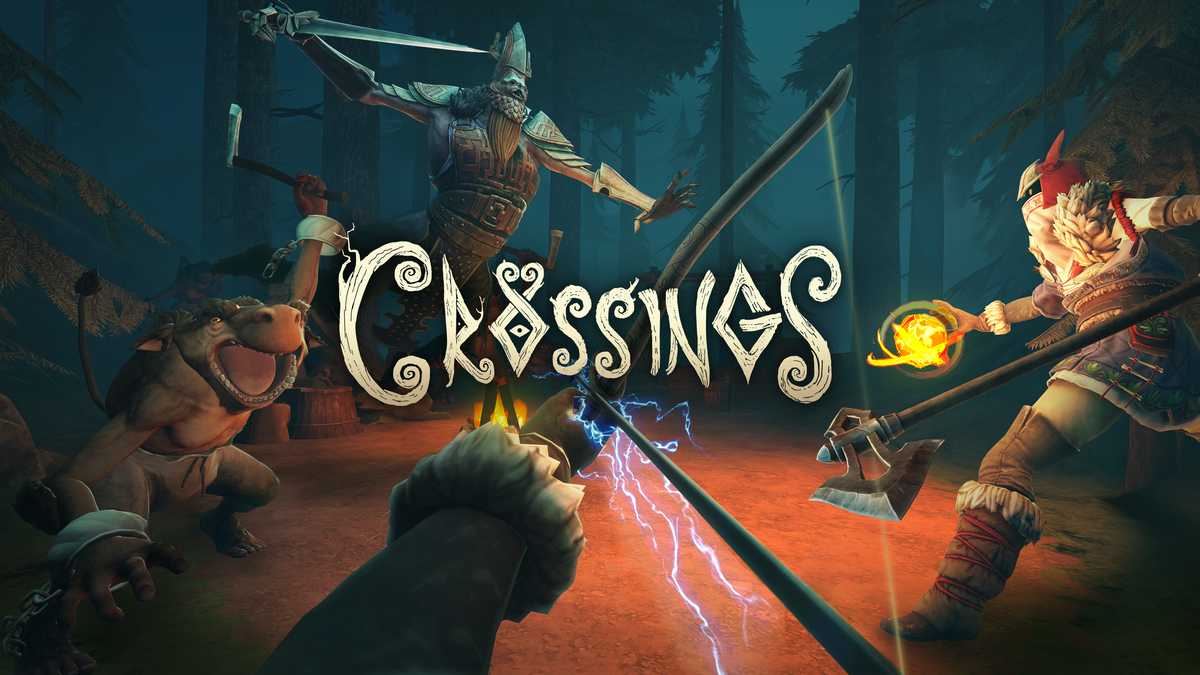
Crossings offers up incredibly visceral and engaging combat by keeping things simple while still offering a variety of choices for players. However, it has a lot of rough edges that show the more you play it.
Coincidentally or not, Crossings is one of two Norse mythology-based roguelites that released for Meta Quest in December. However, the similarities between it and Soul Assembly's Street Gods end with the setting. Neat Corp, whose previous titles include the stealth thriller Budget Cuts series and cozy island farming sim Garden of the Sea, set a dark tone from the instant you load in. With the previously delayed co-op mode and Steam version now available, read on for our full review.
The Facts
What is it?: A Norse mythology roguelike Platforms: Meta Quest 3/3S; SteamVR (played natively on Quest 3 and SteamVR via Virtual Desktop) Release Date: December 18, 2025 (Quest); February 6, 2026 (Steam) Developer: Neat Corp Publisher: Creature Label Price: $9.99
Crossings on Meta Quest. Captured by UploadVR
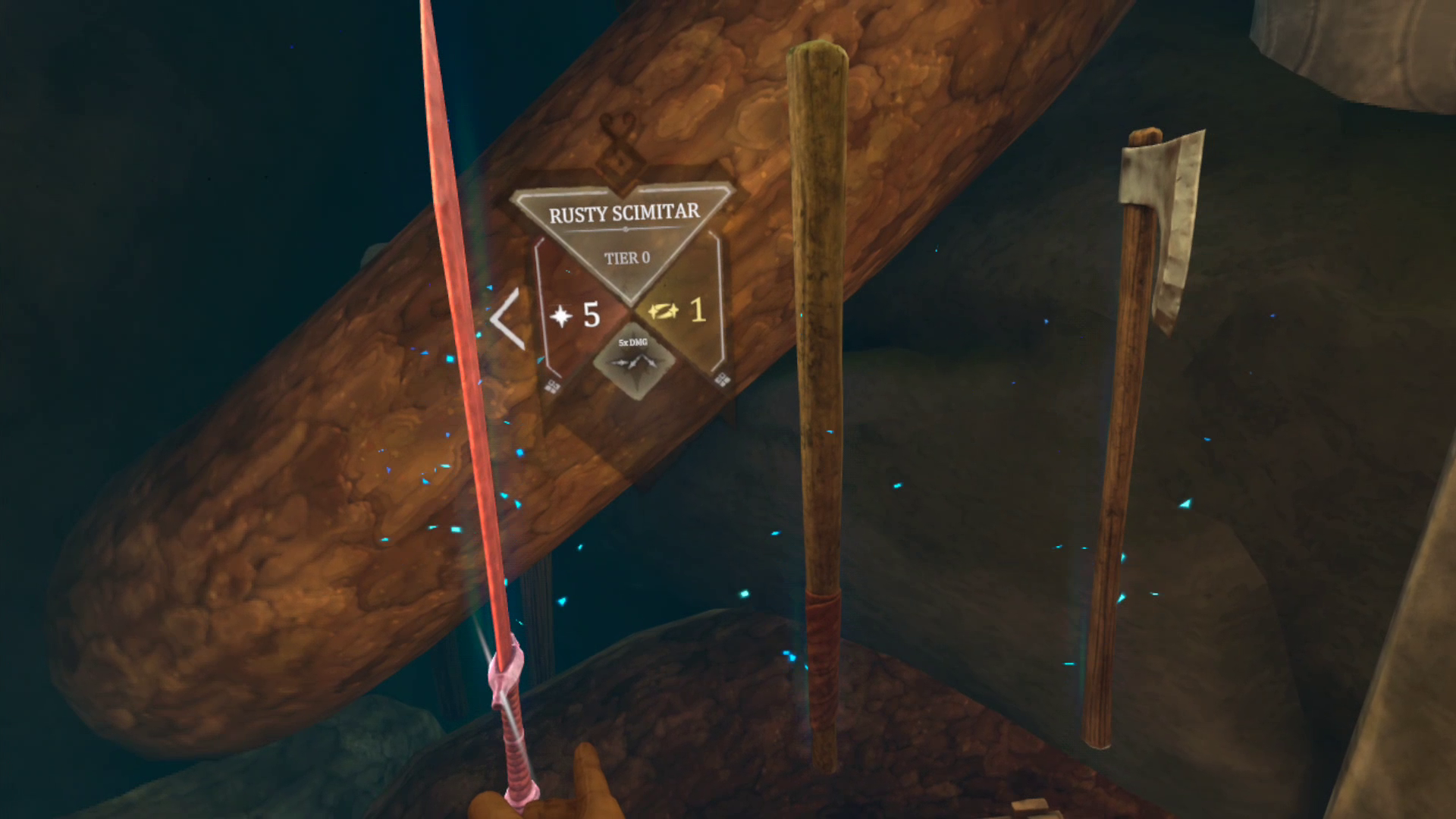
In Crossings, you awaken in the Norse afterlife, starting in a forest blanketed in fog with a choice of weapons to start your run with. Each weapon has a tier, damage stats, and special gesture-based combo attacks that offer a buff such as a damage multiplier or status ailment, if performed correctly. If you pick another weapon, it simply replaces the original. There is no full body avatar here, just hands and wrists, which are replaced with your weapon (primary hand) or item (secondary hand) when in use. The floating hands are nothing new to VR, but seeing them disappear in favor of an item was jarring and a bit immersion breaking.
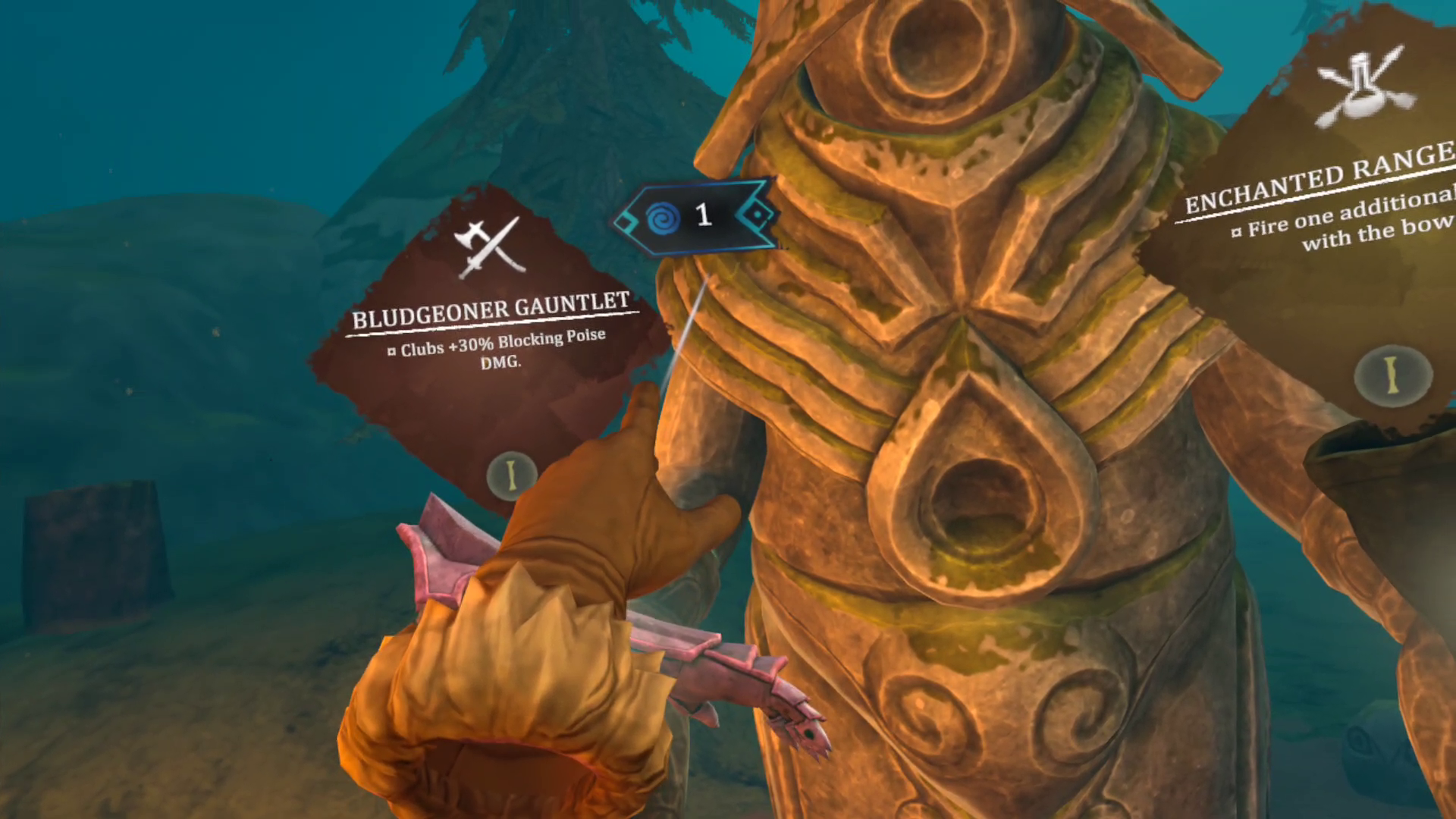
You continuously come across weapons in treasure chests, so you're not married to the same weapon until the run ends. Some of the perks you come across are tied to specific weapon types, like increasing the block damage when using a club, incentivizing you to backtrack for a weapon you passed on earlier because there's an upgrade available.
0:00
/0:18
Fighting an enemy in Crossings. Captured on Quest 3 by UploadVR.
The same goes for magic. Each run starts with the same three wind magic attacks, triggered by a simple, unarmed, dual-arm gesture: crush, lift, and push. As the run progresses, you come across podiums with three statues offering your choice of replacement spells for one of the gestures, bringing different more powerful elemental attacks. Every perk and spell replacement costs units of either health or mana. You will randomly get offered a choice of an extra unit of health or mana from translucent statues that pop up after defeating enemies, so you're never forced to skip an upgrade because you can't 'afford' it.
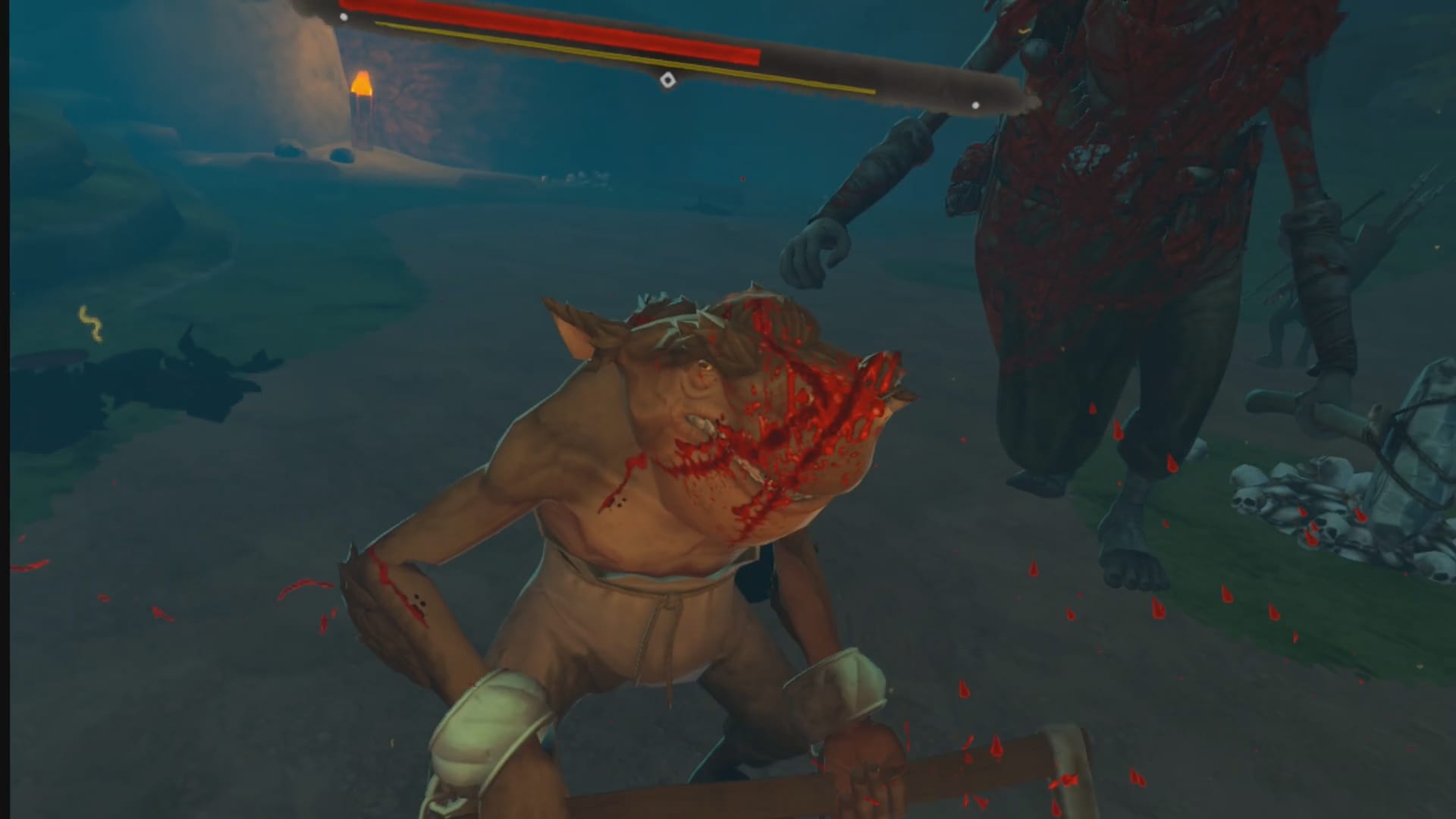
The combat is almost brilliant in its simplicity. It feels, for lack of a better term, chunky. Enemies visibly take damage and react accordingly when hit. Every hit registers thanks to terrific sound design and the standard fighters can quickly close the distance on you with far-ranging leaping attacks or throwing spears. A lone enemy is a threat to hurt you in Crossings which is a nice change of pace from the horde-like feeling in other roguelites.
0:00
/0:27
Fighting a boss in Crossings - Captured on Steam by UploadVR
This is still a roguelite though, so expect to see the same enemies quite often. Getting to the third boss fight only to find out it's the same (or very similar) model as the first with a couple of new attacks was a bit of a letdown. Also, this is a slower-paced, more measured rogue, closer to something like In Death or Ancient Dungeon VR than the recent Roboquest. This isn't necessarily a bad thing. I quite enjoyed it. Just a point of comparison.
You will spend just as much time exploring and looting as in combat. Successful runs can get quite lengthy, so if you are doing well and fully exploring an area, expect to be in headset for over an hour before you go down. A run save feature would be welcome in future updates.
Comfort
Crossings uses artificial stick-based locomotion. You can choose between snap and smooth turning, but there are no settings for degrees on snap turning or speed for smooth turning. There are also no available vignettes for those prone to motion sickness.
Your weapon defaults to your primary hand with your inventory appearing on your other hand, but this can be changed in settings.
Unfortunately, Crossings still shows signs of an early release. The options lack, well, options like turn speed/angles and vignettes. You can only run in a straight line. Trying to strafe or draw your weapon slows you back down. The magic gestures, specifically the crush spell, can be hit-or-miss at times. I used push more than anything else simply because it registered more consistently than crush or lift. At times, I triggered them accidentally and lost mana.
0:00
/0:28
Selecting an upgrade. Captured on Quest 3 by UploadVR.
Then there's the co-op gameplay. Crossings originally released in Early Access on Quest without the promised co-op mode. That was added later, shortly before the Steam release, and it still feels unfinished. There is no voice chat, which to my understanding was a deliberate move by the developers to force communication via body language and hand motions. A curious choice when Discord exists (and will soon have native Quest integration) and players on Quest can use the Horizon OS voice chat to communicate. I'm curious how many players will opt for the silent communication approach as intended.
Your friend joins with a full body, a curious choice given you yourself just have hands. Mercifully, you do not see your buddy's arm transform into a club/sword/axe/mace when they pull their weapon, but the weapon floats awkwardly at their wrist instead of appearing to be actually held. Same with the bow and arrow and the lamp that keeps you on the right path forward. This doesn't affect the gameplay, but it's tough to unsee.
The aforementioned translucent statues randomly appear for each player while being unseen by the other. When you both arrive at the upgrade statues, if one player selects an upgrade, that statue shuts down, even if the other player wanted the upgrade in the other hand. Passing inventory items, like potions, to each other was quite cumbersome. It's surprisingly clunky, especially coming from a seasoned developer like Neat Corp. Crossings in general feels better as a singleplayer experience than a co-op one.
PC Specs Used
For this review, Crossings was played and captured on both Meta Quest 3 and PC. My PC uses an RTX 5070 Ti with a Ryzen 5 5600X processor and 64GB of RAM.
When playing on PC, Crossings was played on a Quest 3 using Virtual Desktop on the Ultra preset. The in-game graphics were set to the highest level.
You can find the minimum and recommended specs on the Steam page to learn more.
From a technical standpoint, Crossings nails the atmosphere. Fog is used quite liberally, even in some interior areas, but that's to be expected since you're in the afterlife. This is paired with excellent music and sound design to create a dark, unnerving world. However, the world-building here is light. Ethereal voices make references to whatever quest you're on and runs play out in a mostly linear fashion, despite the open maps to explore.
In terms of fidelity, there's not a great deal of difference between the standalone and PC versions. Visually, it does feel like the Quest version was the priority. Both versions were performant with no major bugs or issues to speak of, other than occasional hitching in co-op.
Crossings - The Final Verdict
Crossings manages to mask its flaws with strong, well-designed combat and a moody atmospheric world to explore. The co-op experience comes up short and the game lacks several comfort features, but these are all fixable issues and with an attractive $10 price point, it's a welcome addition to one of the most crowded genres in VR.
UploadVR uses a 5-Star rating system for our game reviews – you can read a breakdown of each star rating in our review guidelines.
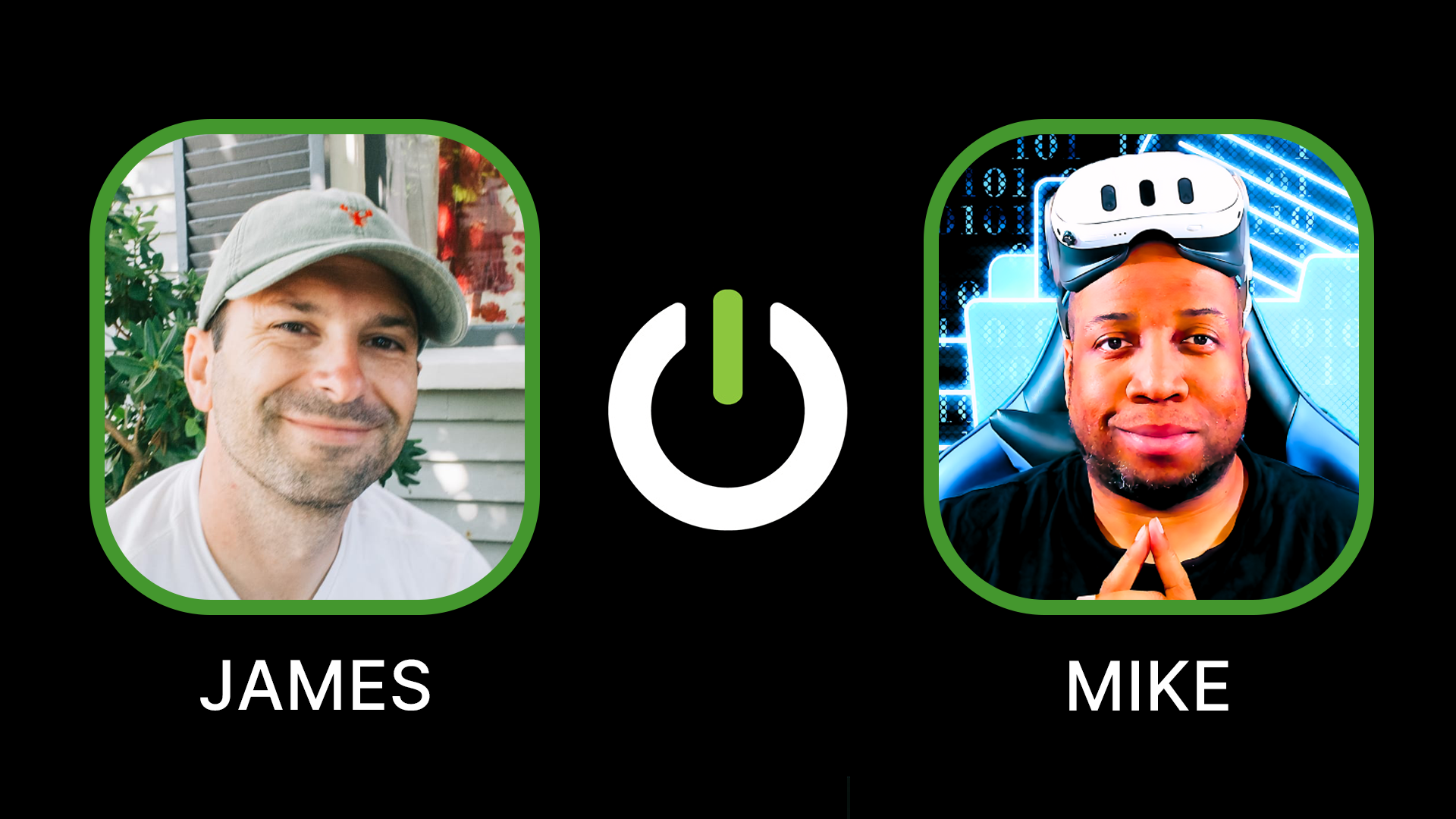
UploadVR is taking on two new staff writers, James Tocchio and Mike Johnson, to continue to be the best source of VR gaming news, impressions, and reviews.
James Tocchio is a games writer whose interest in VR began after reading about Nintendo’s then-upcoming Virtual Boy in the August 1995 issue of Nintendo Power. His work has appeared in Game Informer, Retro Gamer, Unwinnable, and Unwinnable Exploits, as well as in books published by Lost in Cult, HarperCollins, and Ninty Media. He has also previously contributed news, features, and game reviews to UploadVR as a freelance writer.
Mike Johnson is a games writer and video producer who got his start in VR in 2018 at a virtual reality arcade. He began producing VR content in 2021 on Twitch, where he still livestreams to this day. He previously worked as a Community Manager for XR developer 3lb Games. He has also previously contributed to UploadVR as a freelance writer and video producer.
James started at UploadVR last week, while Mike will be formally joining us from next week.
As we ramp our output back up following staff transitions, we also want to assure everyone that we will continue to bring you the latest news, reviews, comments, and interviews from this industry via our passionate and dedicated team of staff writers and supporting freelancers – both 100% human. It is their content and their livelihoods that you support when you read and share our articles.
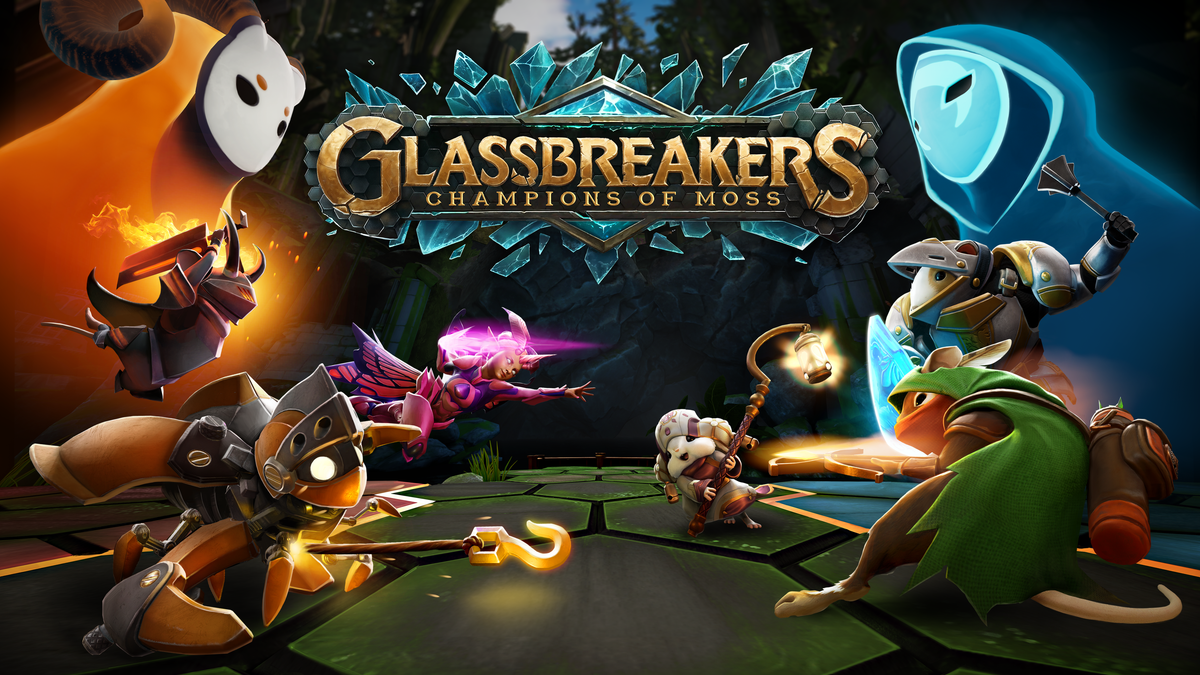
Glassbreakers: Champions of Moss and Clay Hunt VR are this February's Horizon+ monthly games on Quest.
February 2026 brings a number of new games to the Horizon+ Monthly Games Catalog, including one of the best strategy games in VR, and an engaging target practice shooter. In addition, previously redeemed games will remain in your library while subscribed to the service.
Here's what you need to know about this February's offerings.
Glassbreakers: Champions of Moss
0:00
/1:35
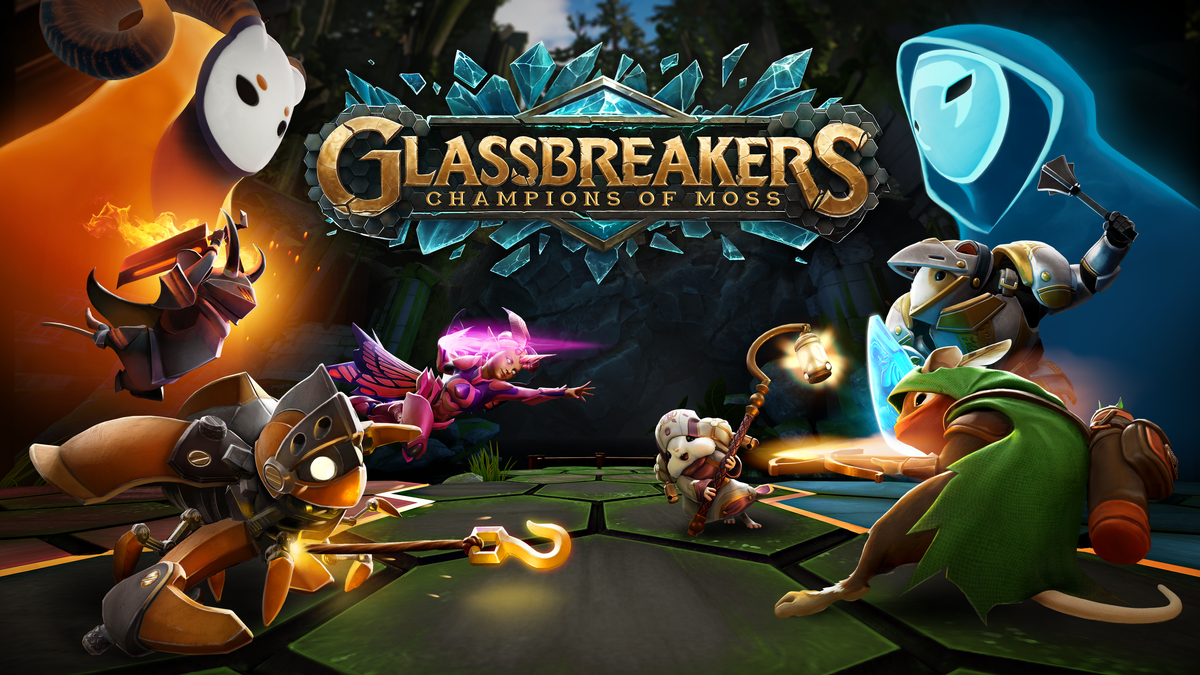
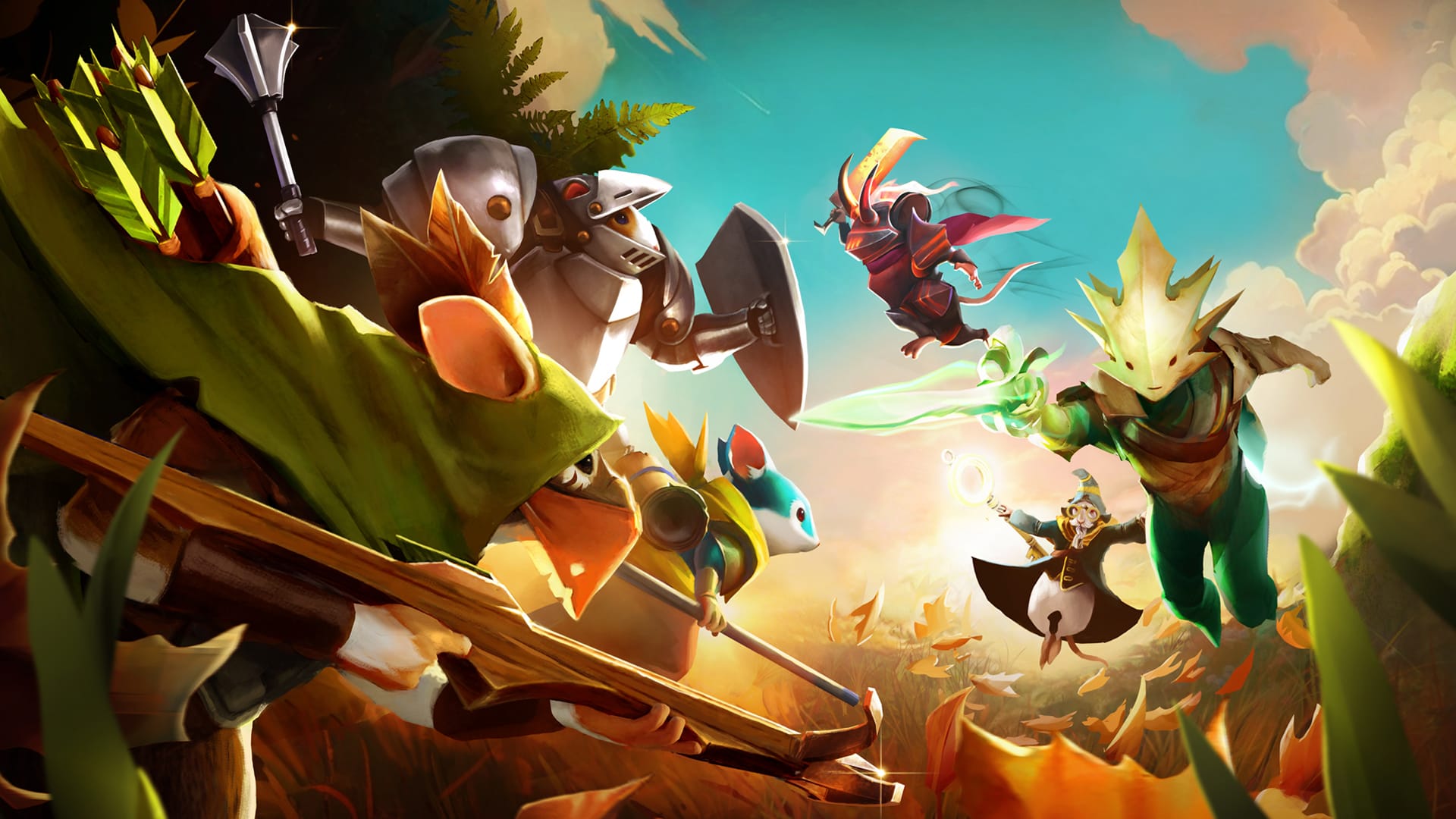
The star of February's Horizon+ Monthly Games, Glassbreakers: Champions of Moss is, as our review put it, a "smart, competitive, and [...] one of the best strategy experiences available in VR." The tabletop strategy game, which features characters and lore from the Moss and Moss 2 game universe, blends the strategic depth of RTS games with the character personality and squad mechanics of the best MOBAs.
Clay Hunt VR is a relatively simple shotgun shooting game which challenges you to hone your aim against clay targets, ducks, and other game animals. A multiplayer mode allows shooting with friends in public or private rooms, and customizable weaponry allows players to tune their favorite guns.
Horizon+ Games Catalog Games
Horizon+ continues offering a Games Catalog of Quest titles that any subscriber can access. Meta can add new games to and remove games from the catalog at any time. Here is the current Horizon+ Games Catalog in the US:
Angry Birds VR: Isle of Pigs
Asgard’s Wrath 2
Assassin’s Creed Nexus VR
Bartender VR Simulator
Blacktop Hoops
Cubism
Deisim
Demeo
Demeo Battles
Dungeons of Eternity
Eleven Table Tennis
Final Fury
Fruit Ninja 2
Ghosts of Tabor
Green Hell VR
Grimlord
Human Fall Flat VR
iB Cricket
I Expect You To Die 3
In Death: Unchained
Into Black
Into the Radius
Job Simulator
Kingspray Graffiti
LES MILLS BODYCOMBAT: Fitness workouts
Maestro
Medieval Dynasty New Settlement
Moss
Pets & Stuff
Pistol Whip
Premium Bowling
Project Demigod
Puzzling Places
Racket Club
Real VR Fishing
Red Matter
Red Matter 2
Starship Home
Synth Riders
Tetris Effect: Connected
The Climb 2
The Light Brigade
The Thrill of the Fight
Thief Simulator VR: Greenview Street
Titans Clinic
Townsmen VR
War of Wizards
Zero Caliber: Reloaded
Horizon+ Indie Catalog Games
Meta continues to add new games to the separate Indie Games Catalog, and you can see the entire list here.
Alvo
Apex Construct
Arcade Paradise VR
Battlenauts
Bocce Time!
Cactus Cowboy - Desert Warfare
Chess Club
Coffee Quest VR
Crumbling
Cybrix
Darksword: Battle Eternity
Disc Frenzy
Discovery 2
Elysium Trials
Espire 1: VR Operative
Final Overs - VR Cricket
Galaxy Kart
Ghost Signal: A Stellaris Game
Gravity League: Galactic Football
Iron Guard
Ironlights
Killer Frequency
Laser Thief
LAX VR
Make it Stable
Motion Soccer PRO
Mythic Realms
Noun Town Language Learning
Operation Serpens
Retropolis 2: Never Say Goodbye
Rogue Ascent VR
Rogue Pinatas: VRmageddon
RUNNER
Shooty Fruity
Slot Car VR
Space Elevator
Squingle
Stupid Cars
Sushi Ben
Tactica
Taiko Frenzy
The Curious Tale of the Stolen Pets
The Pirate Queen: A Forgotten Legend
The Secret of Retropolis
The Wizards
Tiny Archers
Towers and Powers
Ultimate Swing Golf
Underworld Overseer
Vibe Punch
Windlands 2
Meta Horizon+ is a subscription service that gives players access to a monthly selection of games for $7.99 USD per month, or $59.99 USD a year. New users can give Meta Horizon+ a try for a month.
The Khronos Group is aiming to standardize Gaussian splatting by proposing a release candidate for an integration into the widely adopted glTF 3D format.
Khronos is a non-profit industry consortium that manages OpenGL, Vulkan, and WebGL. In the context of XR specifically, it pioneered OpenXR, an open industry-standard API for XR application development and runtimes. OpenXR provides developers with access to a single standardized API, allowing them to build an app once and then easily port it to other platforms, facilitating cross-platform availability. OpenXR is supported by most major stakeholders in the XR industry, including Meta, Valve, HTC, ByteDance, Epic Games, Unity, Nvidia, and Qualcomm. A notable exception is Apple, which maintains its own proprietary APIs.
In 2015, Khronos introduced glTF (Graphics Language Transmission Format), a standard for the efficient transmission and loading of 3D scenes and models by game engines and applications. Often framed as the “JPEG of 3D,” it provides a streamlined, universal format that allows creators to export high-quality 3D assets from any tool while ensuring consumers can view them instantly and consistently across any device or web browser. Today, glTF is the most widely adopted 3D asset format on the web.
Standardizing Delivery: Why glTF Is Key To Mainstream Adoption
While capturing Gaussian splats has become easier, sharing them remains the primary hurdle, an issue Khronos is now directly addressing. The new glTF extension enables the storage of 3D Gaussian splats directly within glTF files. By doing so, Khronos is standardizing the delivery of Gaussian splats within an already established and widely adopted 3D ecosystem, paving the way for the technology to move into the mainstream.
“Instagram made it easy to share photos; TikTok brought about an explosion in short-form video social sharing. Until now, 3D has lagged behind 2D media formats because 3D models are so much harder than photos or videos to create and share. With Gaussian splatting, you can easily imagine an app that enables a mobile user to move their phone to quickly capture a scene or object to create a splat-based 3D model. As an open standard, glTF makes it possible to share that model. A splat stored in a glTF file could be shared on social media and displayed with full interactivity on any client device,” explains Neil Trevett, president of Khronos, in a written statement to UploadVR.
Khronos’s decision to formally embrace Gaussian splatting sends a clear message that lifelike 3D is here to stay, says Michael Rubloff, Managing Editor of Radiance Fields, a news blog specialized in Gaussian splatting and similar technologies.
“With that level of impact approaching, it becomes critical to build the foundations carefully. A glTF extension, built on the most widely adopted 3D asset format, helps derisk fragmentation as industries shift from 2D to 3D while giving developers confidence that what they build today can ship across ecosystems rather than remain locked to a single platform,” says Rubloff.
Gaussian Splatting: A New Form Of 3D Graphics Representation
Gaussian splats represent a fundamental departure from traditional mesh-based graphics. While standard 3D modeling relies on connected triangles to define an object’s surface, Gaussian splatting treats a scene as a dense cloud of volumetric data points, with each point defined by properties including position, scale, rotation, color, and opacity. The benefits over traditional 3D graphics rendering include the ability to capture complex geometries like hair or smoke and highly realistic lighting effects, such as reflections and refractions, that are notoriously difficult to achieve with polygonal meshes.
The new glTF extension acts like an instruction manual, telling the software to render these points as smooth, overlapping shapes, creating a realistic 3D image rather than the flat, jagged surfaces usually seen in video games.
Still, there is work to be done. The extension is currently in a release candidate phase, with the Khronos 3D Formats Working Group inviting feedback from engine developers, creators, and artists to test the specification ahead of a formal ratification targeted for the second quarter of 2026. So far, companies such as Autodesk, Bentley Systems, Huawei, Niantic Spatial, and Nvidia have contributed to the extension.
The release candidate was developed with the rapid and ongoing evolution of Gaussian splatting in mind. For example, it does not yet define a standard compression approach, which is crucial for making Gaussian splatting performant on mobile devices. To maintain flexibility, the specification is intentionally designed to be extensible, leaving room for future additions as Gaussian splatting techniques evolve and eventually become standardized within the glTF ecosystem.
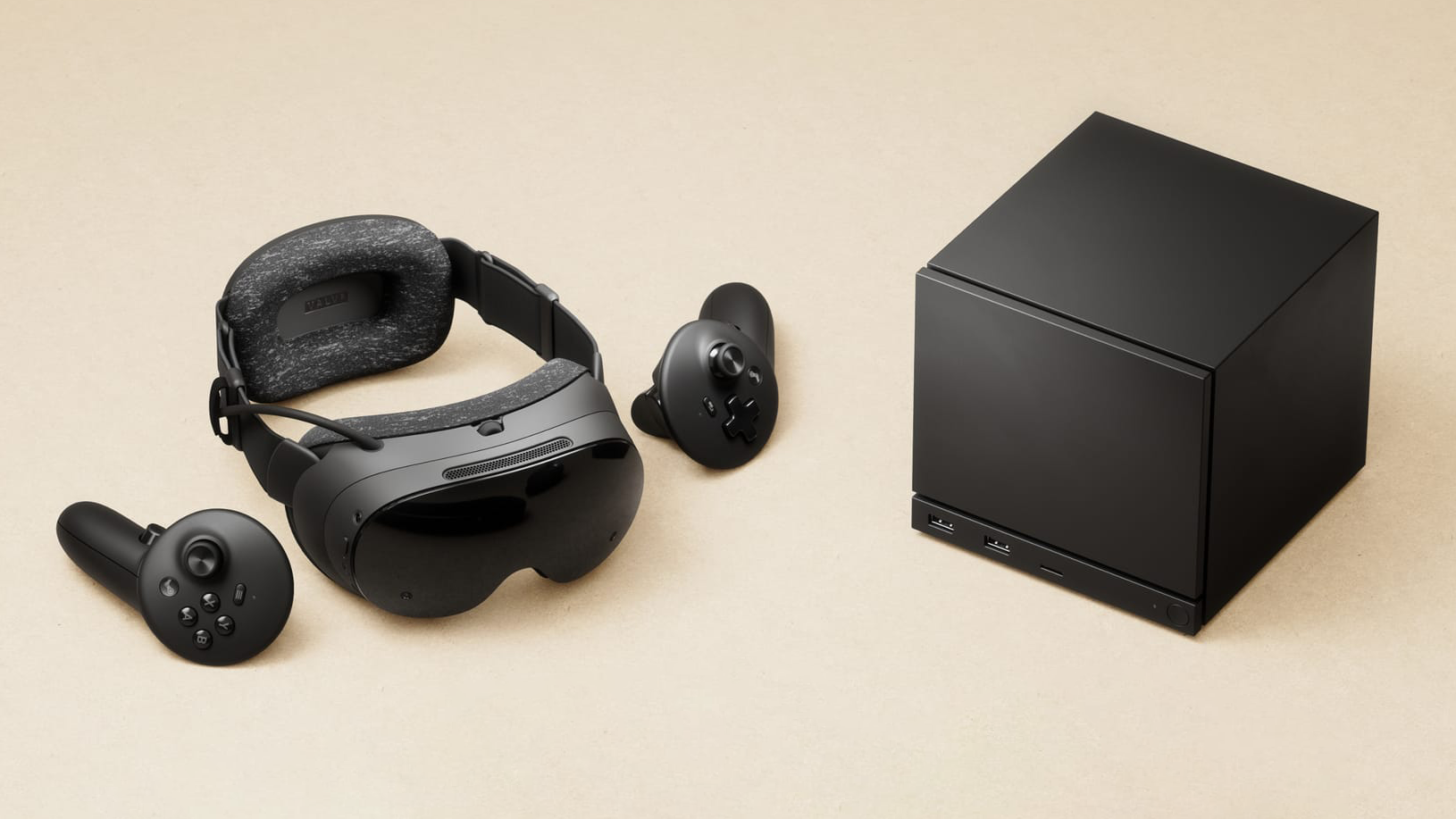
Valve says it needs to "revisit our exact shipping schedule and pricing" for Steam Frame and Steam Machine amid the global memory and storage shortage.
When announcing the headset and consolized PC back in November, Valve said they would ship in "early 2026". For pricing, it told UploadVR it was "aiming" to sell Steam Frame for less than the $1000 Index full-kit, and suggested that the Steam Machine would be competitive with building a PC with similar parts.
Now, in a blog post on Steam, Valve says that while it had originally planned to share prices and release dates by now, the "limited availability and growing prices" of memory and storage mean it "must revisit" its plan for both.
"When we announced these products in November, we planned on being able to share specific pricing and launch dates by now. But the memory and storage shortages you've likely heard about across the industry have rapidly increased since then. The limited availability and growing prices of these critical components mean we must revisit our exact shipping schedule and pricing (especially around Steam Machine and Steam Frame).
Our goal of shipping all three products in the first half of the year has not changed. But we have work to do to land on concrete pricing and launch dates that we can confidently announce, being mindful of how quickly the circumstances around both of those things can change. We will keep you updated as much as we can as we finalize those plans as soon as possible."
The company says its goal is still to ship in the first half of this year, but notes that it has "work to do" to "land on" concrete prices and launch dates.
"We will keep you updated as much as we can as we finalize those plans as soon as possible", Valve promises.
Snap spun its Specs AR glasses into its own subsidiary, and reconfirmed that it plans to launch the consumer product this year.
"Establishing Specs Inc. as a wholly-owned subsidiary provides greater operational focus and alignment, enables new partnerships and capital flexibility including the potential for minority investment, allows us to grow a distinct brand, and supports clearer valuation of the business as we work towards the public launch of Specs later this year", the company behind Snapchat says.
The new Specs Inc subsidiary is currently hiring for nearly 100 open roles globally, it says, in preparation for the launch.
What Are Snap Spectacles & Snap Specs?
The current Snap Spectacles are $99/month AR glasses for developers ($50/month if they're students), intended to let them develop apps for the Specs consumer product the company intends to ship this year.
Spectacles have a 46° diagonal field of view, angular resolution comparable to Apple Vision Pro, relatively limited computing power, and a built-in battery life of just 45 minutes. They're also the bulkiest AR device in "glasses" form factor we've seen yet, weighing 226 grams. That's almost 5 times as heavy as Ray-Ban Meta glasses, for an admittedly entirely unfair comparison.
But Snap CEO Evan Spiegel claims that the consumer Specs will have "a much smaller form factor, at a fraction of the weight, with a ton more capability", while running all the same apps developed so far.
As such, what's been more important to keep track of, to date, is Snap OS, not the developer kit hardware.
Snap OS is relatively unique. While on an underlying level it's Android-based, you can't install APKs on it, and thus developers can't run native code or use third-party engines like Unity. Instead, they build sandboxed "Lenses", the company's name for apps, using the Lens Studio software for Windows and macOS.
In Lens Studio, developers use JavaScript or TypeScript to interact with high-level APIs, while the operating system itself handles the low-level core tech like rendering and core interactions. This has many of the same advantages as the Shared Space of Apple's visionOS: near-instant app launches, interaction consistency, and easy implementation of shared multi-user experiences without friction. It even allows the Spectacles mobile app to be used as a spectator view for almost any Lens.
Snap OS doesn't support multitasking, but this is more likely a limitation of the current hardware than the operating system itself.
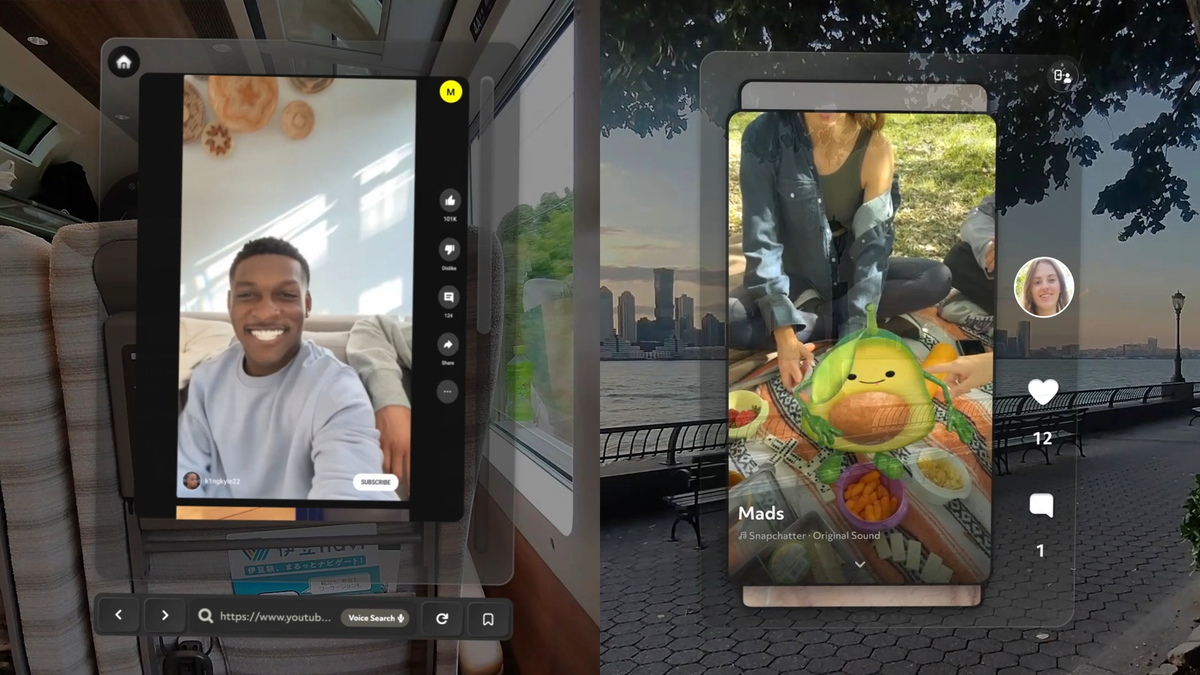
Since releasing Snap OS in the latest Spectacles kit in late 2024, Snap has repeatedly added new capabilities for developers building Lenses, and late last year launched Snap OS 2.0, adding and improving first-party apps like Browser, Gallery, and Spotlight to bring the AR platform closer to being ready for consumers.
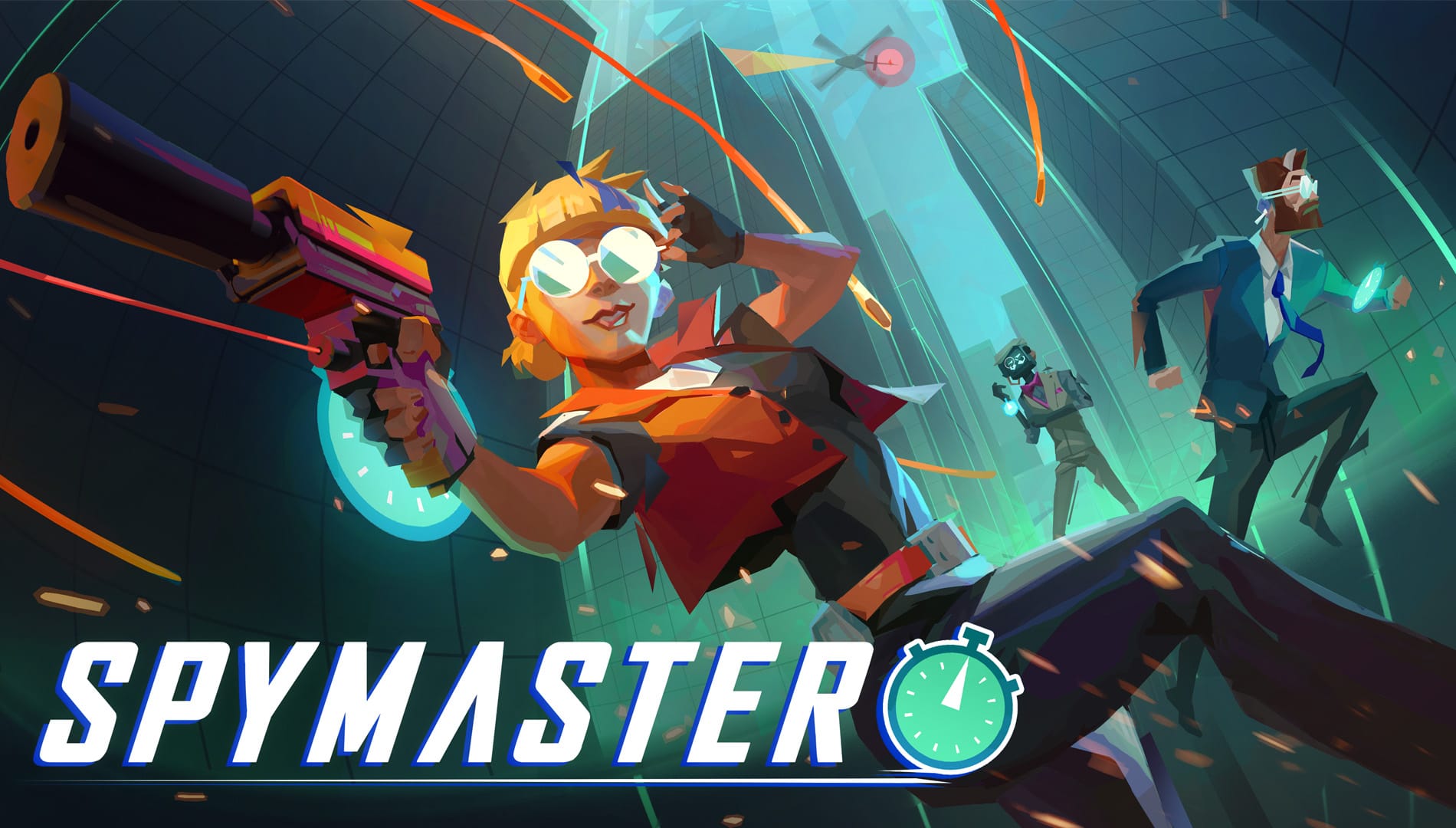
InnerspaceVR, the studio behind popular titles like Maskmaker and A Fisherman's Tale, just announced a brand-new VR game titled Spymaster.
In Spymaster, developer InnerspaceVR draws influence from classic spy thrillers like Mission: Impossible and Ocean’s Eleven to deliver a suave, stylish experience that will allow gamers to live out their James Bond fantasies in immersive VR. The player controls three secret agents, each with their own special skills and abilities, as they set out to stop the evil Protocore organization from using a global surveillance system to enact their nefarious plans for world domination.
0:00
/0:38
As part of the spy agency NODE, the player will have access to a special gadget to help with their mission: the C.A.S.S.E.T.T.E device that allows them to rewind time. This in turn lets them replay missions and try to devise the perfect strategy to save the day. Players can also run, climb, slide, zipline, and shoot through increasingly perilous environments on dynamic missions that include defusing bombs and poisoning criminals.
In Spymaster's announcement press release, InnerspaceVR co-founder Balthazar Auxietre says that this latest game has been the most challenging for the studio to produce, as it required the devs to explore a new type of gameplay that combines "puzzle and action mechanics in a way that has never been done in VR," while still building on the narrative frameworks from past projects like A Fisherman's Tale.
There is no exact release date for Spymaster yet, but InnerspaceVR plans to launch the game in Early Access at some point in 2026 on Meta Quest and PC VR by way of SteamVR. The developer will also demo Spymaster at the upcoming GDC Festival of Gaming in San Francisco next month.
GOLF+, shared a new video showcasing an in-development mixed reality golf simulator.
As part of last week's GOLF+ roadmap announcement, which we covered here, CEO Ryan Engle mentioned golf simulators as a key focus for the company. Today, Engle has revealed a short video demonstrating how just such a technology would work in the real world.
Golf simulators use screens and launch monitors to allow players to shoot their shot with physical clubs and real golf balls. The velocity and path of the ball are shown on a large screen in real time, allowing the player to play courses from all over the world without ever stepping foot outdoors. Players can play in bars, clubs, at dedicated golf sim facilities, in cities, in their own homes, etc.
Golf simulators have become more popular over the last few years as technology has improved. The big challenge with golf simulators, however, lies in their relative inability to successfully replicate the sport's short game and putting.
0:00
/1:11
Engle believes the solution to this shortcoming is a combined ecosystem of launch monitor and VR headset, and if the video provided is anything to go by, the team may be onto something. While this is a project very much in the development phase, things do look promising.
We'll be sure to keep you updated on future developments in GOLF+, and in the virtual golf space at large.
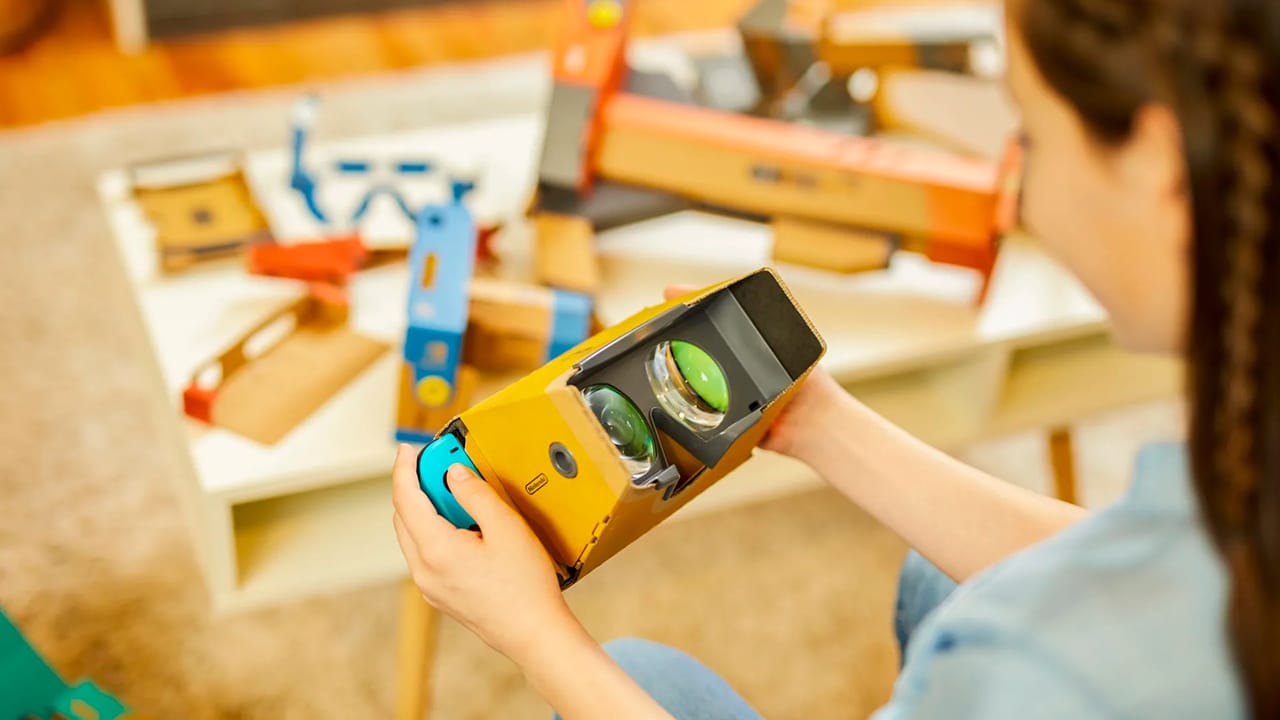
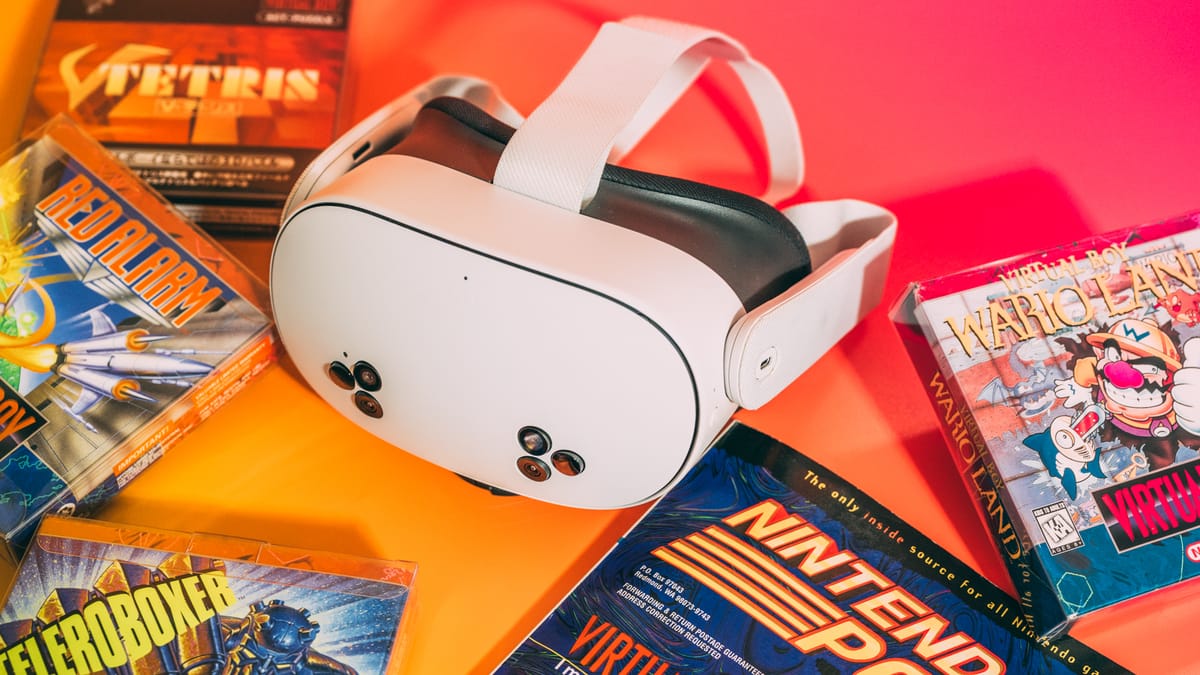
Though not officially supported, Nintendo's upcoming Virtual Boy library may be playable on Labo VR, the DIY cardboard headset from 2019.
Beginning February 17, Nintendo will offer Virtual Boy Classics via their Switch Online subscription service, bringing the concise library of Virtual Boy games to new audiences for the first time in over 30 years.
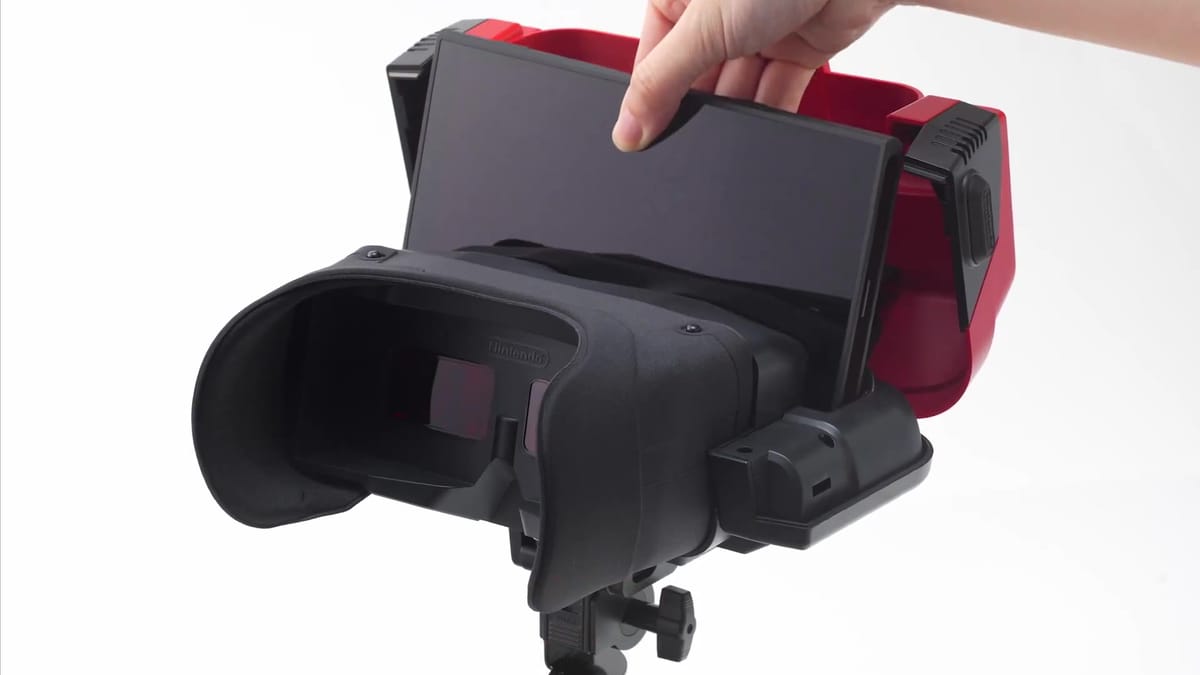
In order to play these games, which are stereoscopic 3D experiences, users will need to have an active subscription to the Nintendo Switch Online + Expansion Pack service, as well as buy one of Nintendo's official Virtual Boy headsets, which the company is offering in two varieties: the plastic replica Virtual Boy ($99.99 / £66.99), and the cheaper cardboard model ($24.99 / £16.99).
However a third option may exist.
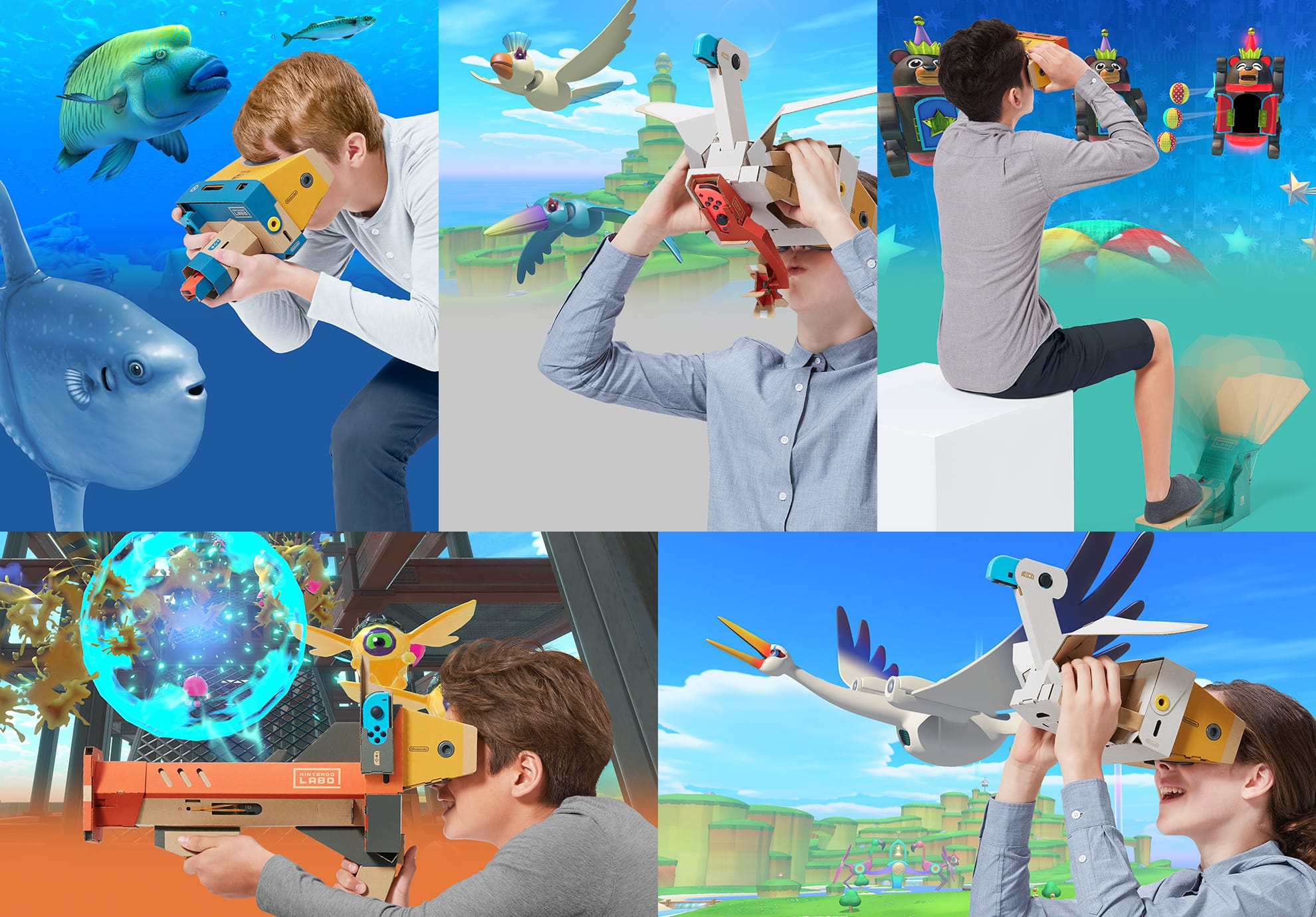
One Nintendo rep recently stated that the discontinued Labo VR, a do-it-yourself cardboard headset that Nintendo released in 2019 as part of their Toy-Con line of Switch accessories, will work just as well as the new cardboard VB headset. However Nintendo was quick to issue a statement saying that this play method is not officially supported, encouraging users to instead buy the new Virtual Boy accessories.
Nintendo's statement issued earlier today, while extremely clear, directly contradicts a previous statement by the company's rep. Of course, that rep could simply have been mistaken and the old cardboard headset may not in fact work with the Virtual Boy's library. The Virtual Boy operates differently than the flat Switch screen that the Labo was designed for, after all.
Then again, the company may simply be keen on everyone forgetting the Labo VR exists so that users buy the new gizmo. It seems the only way to know for sure is to test the Labo VR when Virtual Boy launches on the Switch in under two weeks (which we'll do).
For clarity, Nintendo has stated that Virtual Boy Classics cannot be played on Switch without using a stereoscopic 3D headset.
Unofficial methods for playing Virtual Boy games on modern VR headsets have existed for quite some time. However, this is the first time since the system's discontinuation in 1996 that Nintendo itself has acknowledged the Virtual Boy in terms of releasing a new game product.
Virtual Boy Classics and the two accessory headsets will be available to Nintendo Switch Online + Expansion Pack subscribers beginning February 17th, 2026.
The first official tournament for Glassbreakers: Champions of Moss will cap off a month-long community building campaign for Polyarc Games.
Virtual reality esports, much like the VR ecosystem as a whole, has grown at a slower rate than some would prefer. Companies like Electronic Sports League (ESL) and VRML (Virtual Reality Master League) have been running events as far back as 2019 for a variety of games like Pistol Whip, Blaston, and the now defunct Echo VR, but the overall popularity of esports has never really translated to the VR ecosystem.
Enter Polyarc Games. The developer best known for the Moss series has announced a partnership with VALVR to host its first official tournament, Glassbreakers: Tournament of Champions for its competitive MOBA-like title. Registration is currently open with games scheduled to begin February 15th in the Glassbreakers Discord.
The prizes total $1,000 with $400 going to first place, $250 for second place, $150 for third place, $120 for fourth place, and $80 for fifth place. All players will receive a special cosmetic as a participation reward.
0:00
/1:00
Glassbreakers: Champions of Moss Gameplay Trailer
The tournament is part of a larger, month-long community building campaign with the game being made available to play for free. Glassbreakers is one of February's free featured titles for the Meta Horizon Plus subscription service and Polyarc has also announced a free weekend for SteamVR players running February 5-8.
Glassbreakers: Champions of Moss is currently available on SteamVR and Meta Quest for $19.99 and Apple Vision Pro via Apple Arcade.
Note: The tournament is only open to players on Quest and Steam.
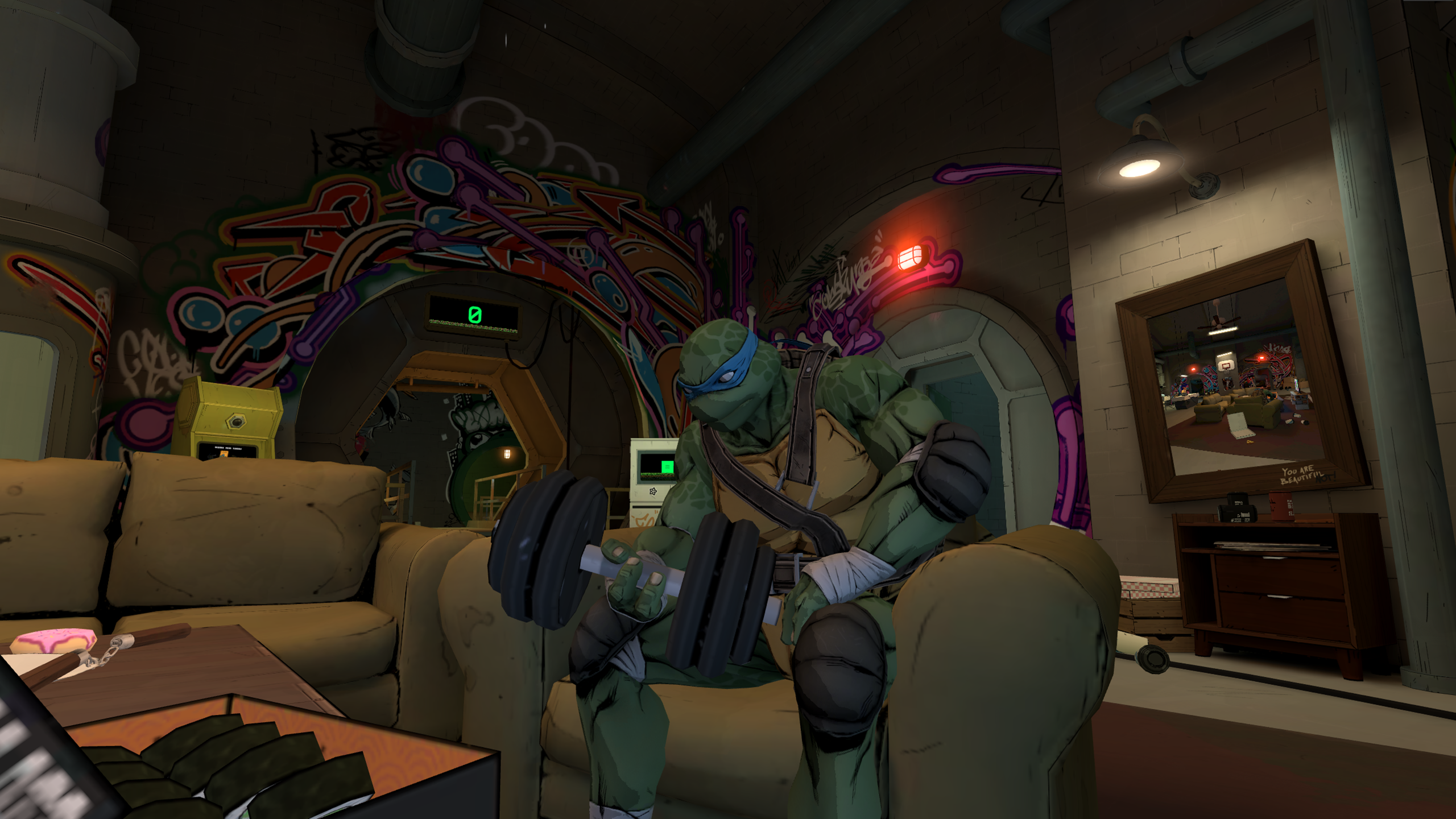
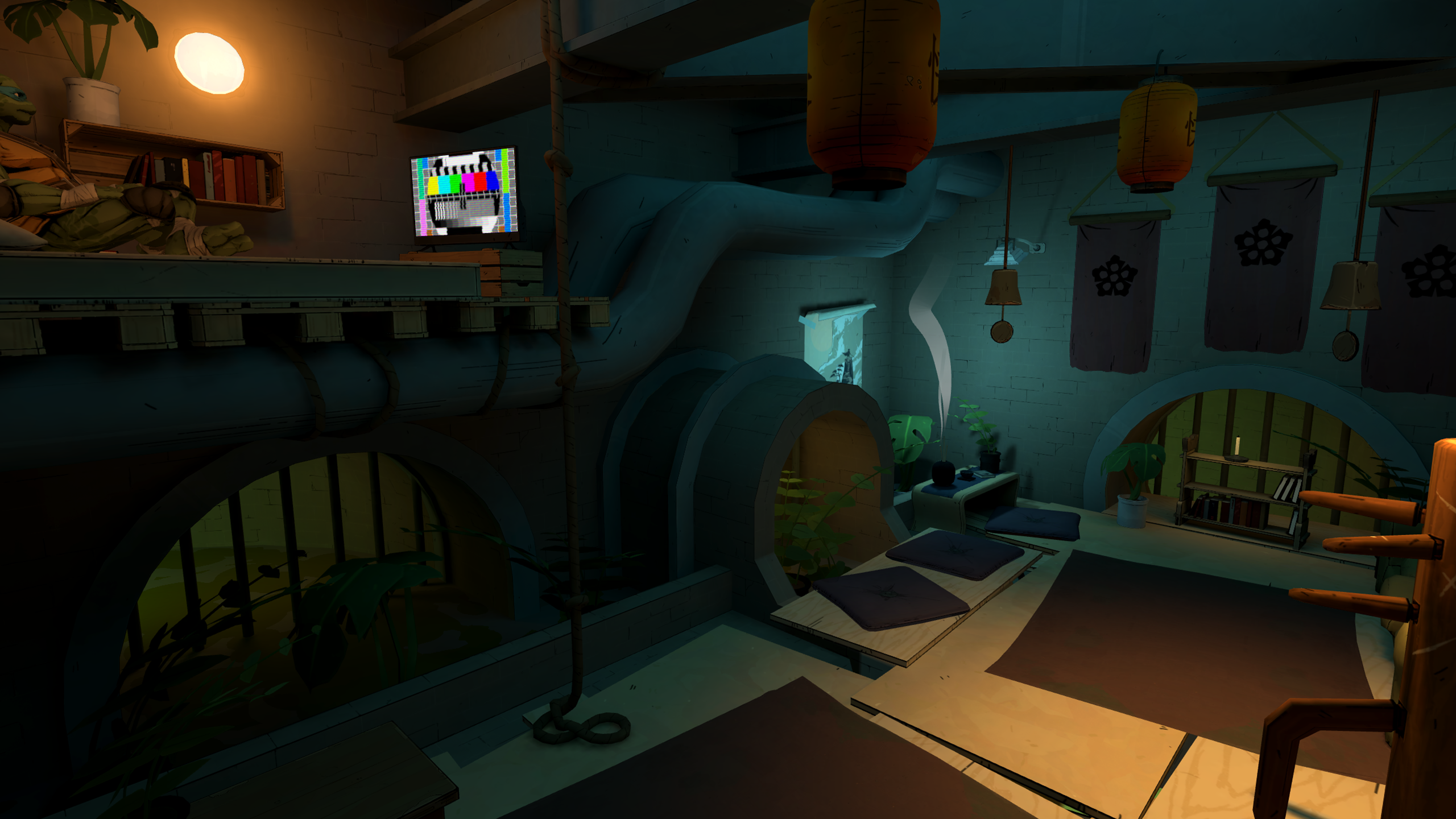
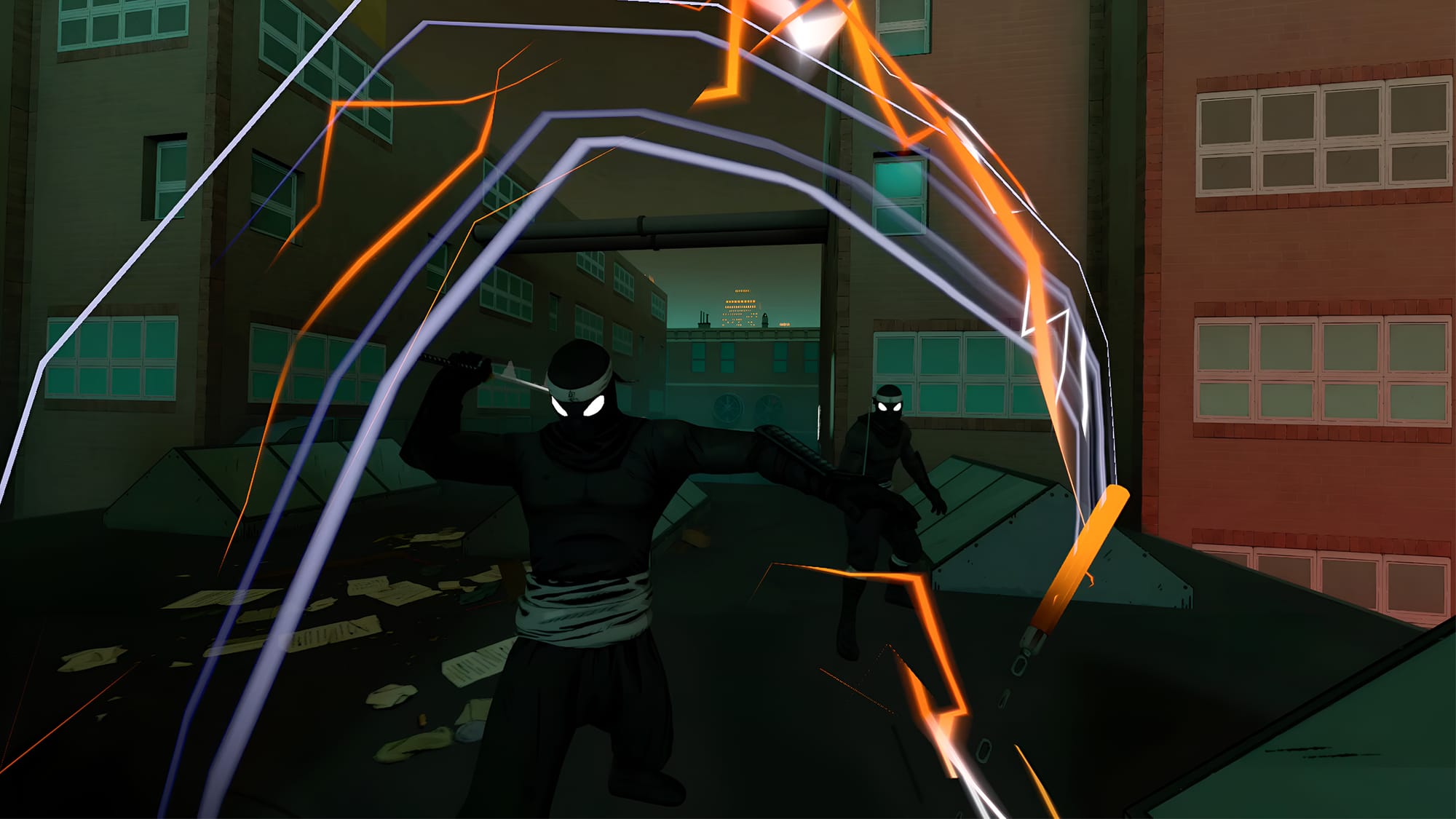
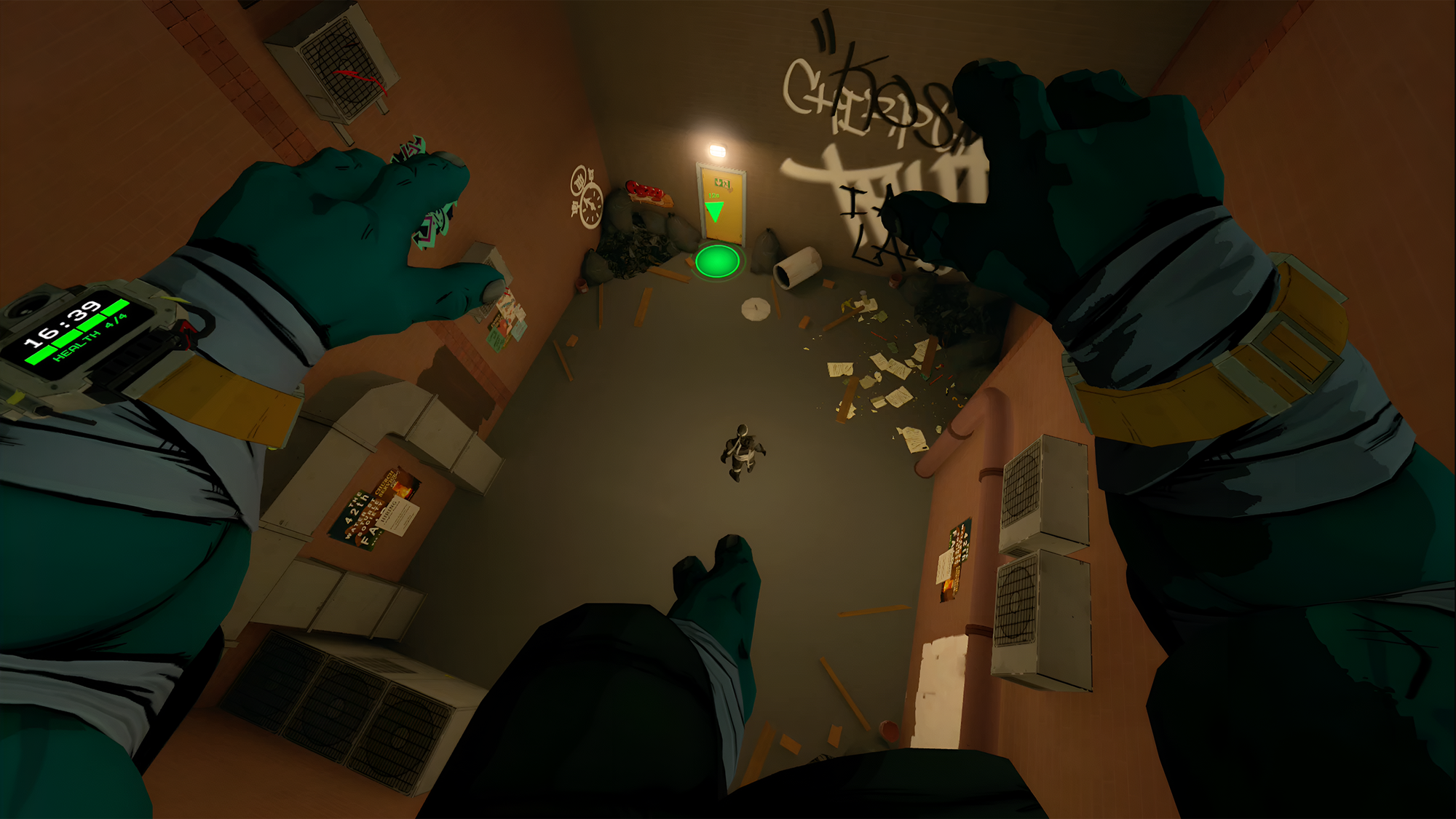
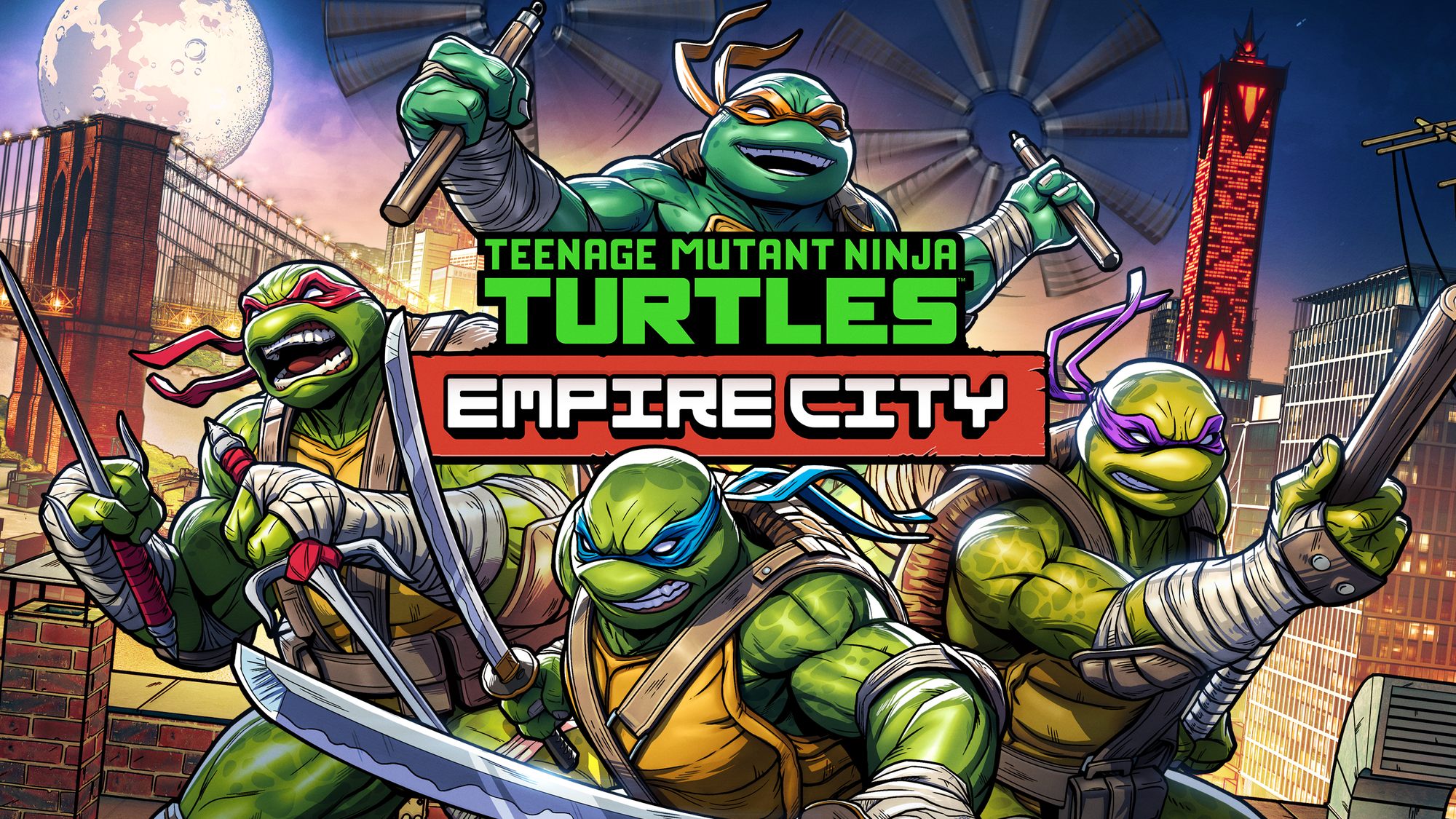
Cortopia Studios and Beyond Frames Entertainment are bringing the Ninja Turtles into virtual reality for the very first time with Teenage Mutant Ninja Turtles: Empire City.
Launching on Meta Quest, SteamVR, and Pico this spring and priced at $24.99, pre-orders are now live on Meta Quest, where buyers can take advantage of a 20% early-bird discount.
A brand new gameplay trailer has also been revealed, highlighting the ways players will scramble, leap, and sneak through and atop the sewers and roofs of an atmospheric, comic-style New York City, battling the infamous Foot Clan and their villainous leader, Shredder.
0:00
/1:25
Designed from the ground up for VR, TMNT: Empire City focuses on immersion and optional co-operative play.
"Empire City isn't about playing one of the Turtles so much as it's about being one of the Turtles," says Ace St. Germain, the game's Creative Director. "Each Turtle has their different strengths, we don’t have traditional, pre-defined classes. Instead, based on your chosen builds, the gear equipped, and playstyle, you can freely organize how you want your sessions to play out.
The team has also released a new developer diary video which dives deeper into the way that combat, traversal, and co-operative play work in Empire City.
A time-limited single-player demo arrives February 23rd as part of Steam Next Fest, giving players the chance to experience the game's first 15 minutes, and to play as each of the four Turtles. This demo disappears back into the ooze on March 2nd.
Check back as release approaches for more coverage of TMNT: Empire City.
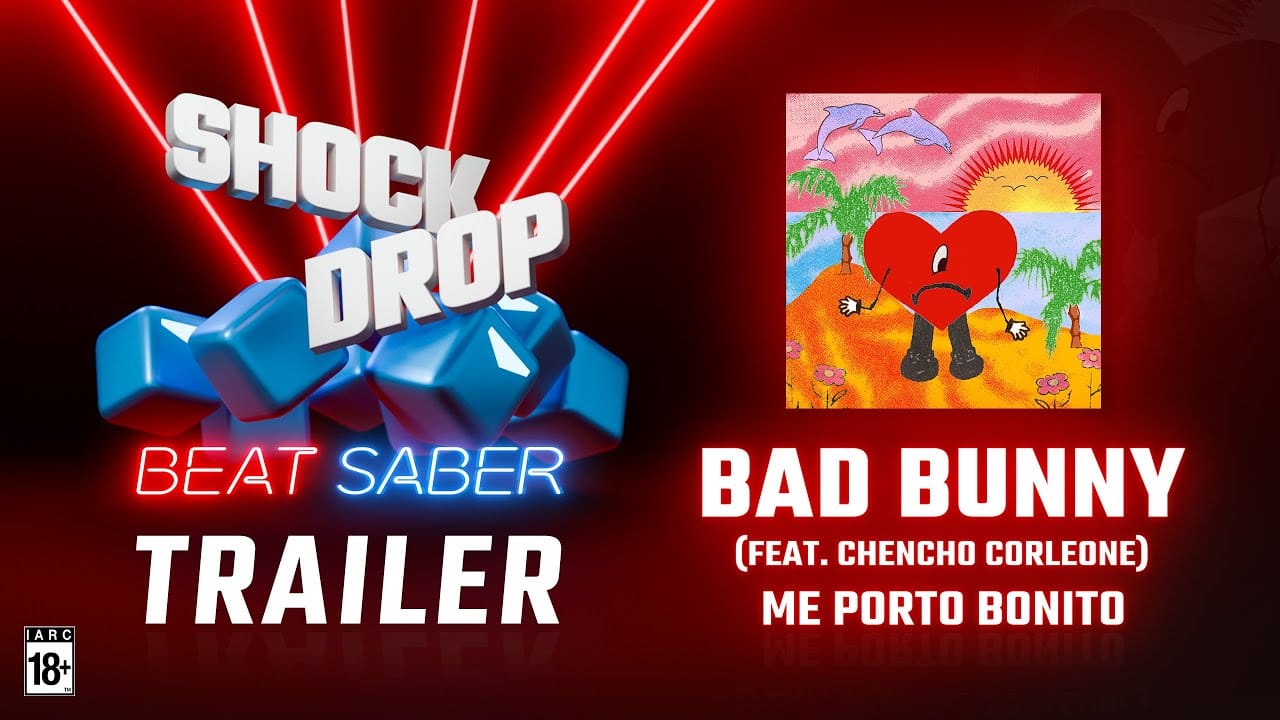
Beat Saber gets Me Porto Bonito (feat. Chencho Corleone) by Bad Bunny in the latest shock drop, now live.
This latest shock drop lands just four days after Bad Bunny's Album of the Year Grammy win, and days before the Latin musician is set to headline the half-time show at the NFL Super Bowl, the USA's most popular televised sporting event.
Though not available on PlayStation VR and PS VR2, where Meta (who owns Beat Saber) is no longer releasing new content, Bad Bunny's Me Porto Bonito is available now on SteamVR and the Meta Horizon Store for $1.99.
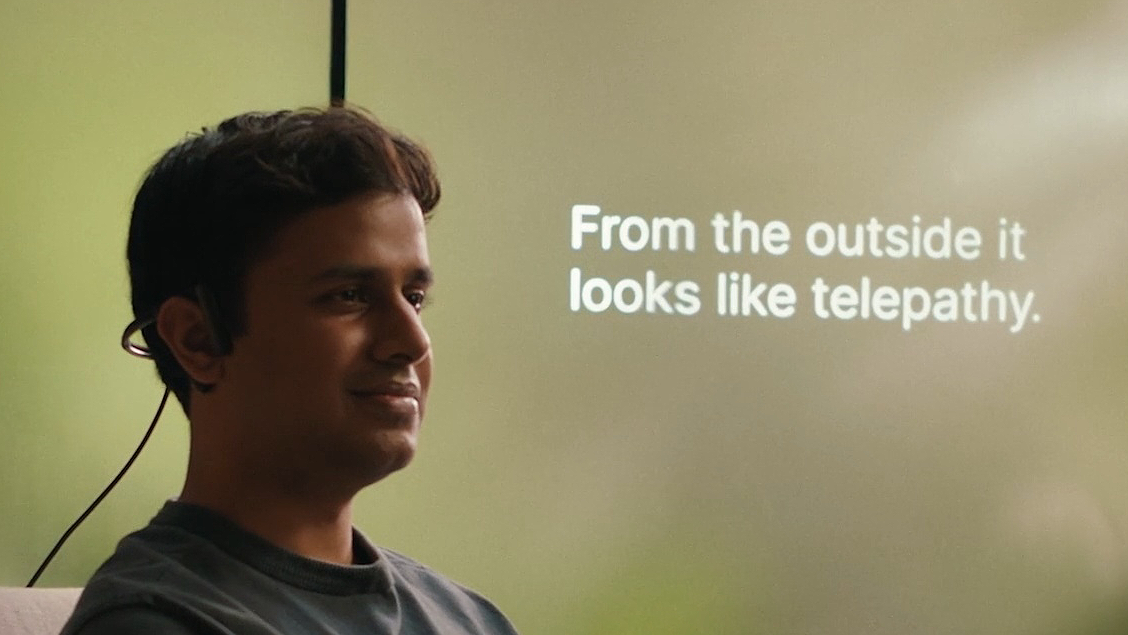
Apple acquired Q.ai, reportedly for $1.6 billion, a startup working on converting "silent speech" into text. The technology could be crucial for AR glasses.
If the $1.6 billion value widely reported by mainstream news outlets such as Reuters is accurate, it would represent Apple's second largest acquisition to date, behind only Beats.
Since its founding in 2022, Q.ai has operated in "stealth mode", staying very secretive about exactly what it's working on. But the background of its three co-founders, as well as details in a patent filing, provide strong hints as to what the technology is.
Aviad Maizels, the CEO, previously founded PrimeSense, the company that Apple acquired in 2013 to build Face ID. PrimeSense also licensed some of its technology to Microsoft for the original Kinect. Dr. Yonatan Wexler, the CTO, is a world-class computer vision expert who was the VP of R&D at OrCam, a company which miniaturized high-end computer vision into a tiny device that clips onto eyeglasses.
The idea of "silent speech" is to let you silently dictate text by sensing the subvocal movements of your speech muscles. You could therefore send a sensitive message while in public, completely privately, or direct an AI assistant without other people around you knowing.
The fundamental idea is not new, and another startup, Alterego, is working on a hardware-based approach that uses sensors attached to your jaw.
What makes Q.ai's approach special, if its patents are any indication, is that it's a computer vision approach, using cameras pointed at your jaw instead of attached to it.
For example, the patent Detection of silent speech refers to a "optical sensing head" located "in proximity to a face of the user" that "senses light reflected from the face and to output a signal in response to the detected light".
Apple could potentially integrate Q.ai's technology into future Apple Vision headsets, AirPods stems, and the smart glasses that Bloomberg's Mark Gurman and supply-chain analyst Ming-Chi Kuo claim the company is working on.
Meta, meanwhile, is betting on letting you scribble letters on a surface such as your leg, sensing it with an sEMG band worn on your wrist.
What's clear already is that regardless of which technology wins out, the ability to enter text privately while wearing smart glasses in public will be crucial if the form factor ever hopes to supplant the smartphone.
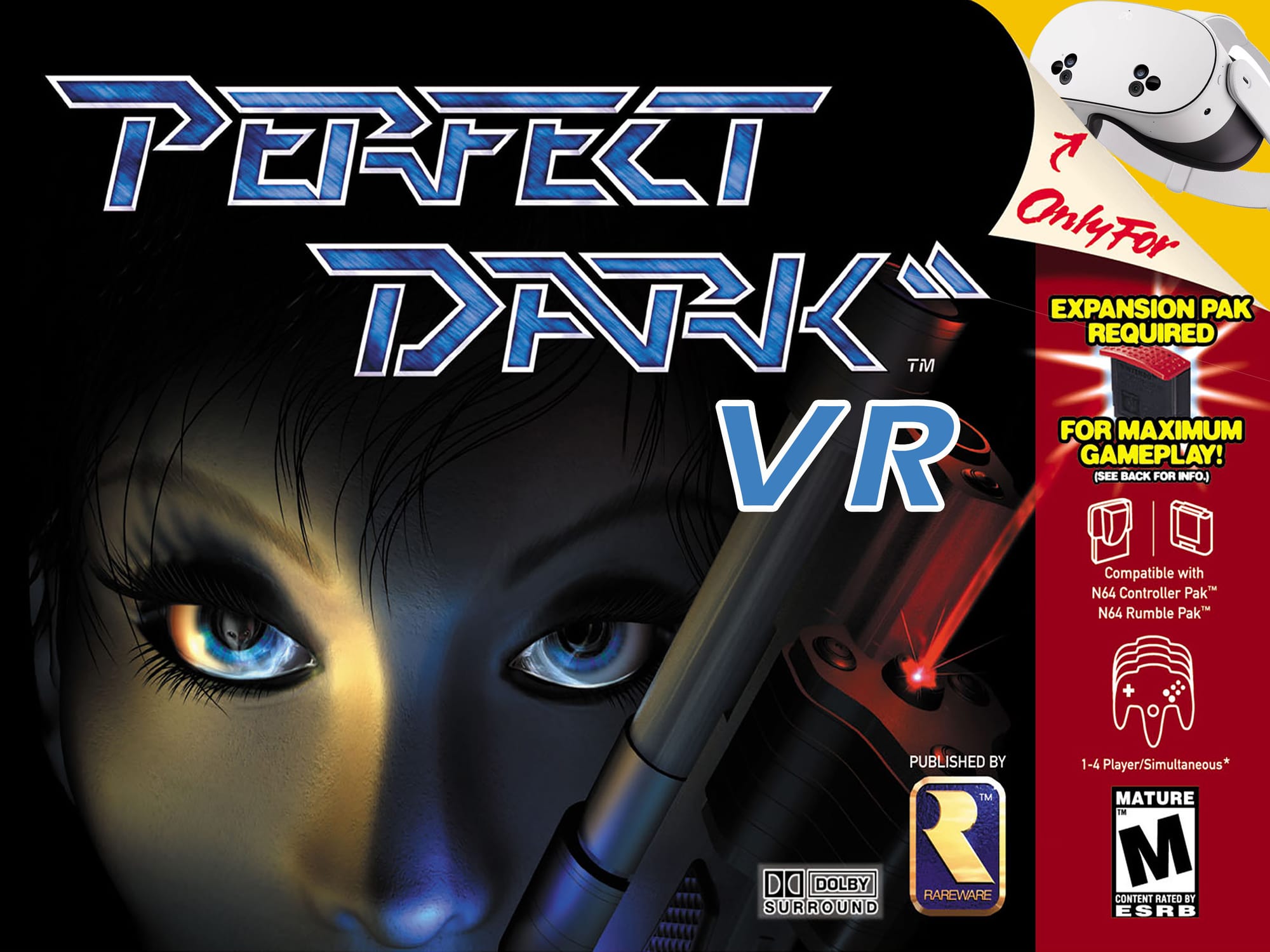
An unofficial VR port of the classic N64 first-person shooter Perfect Dark is well underway.
Created by Alex Le Tux, the VR port will be coming as a standalone app for Meta Quest headsets, and is derived in part from the Perfect Dark decompilation project from 2022.
Alex Le Tux recently uploaded footage of the VR port to their YouTube channel, where the video description lists the build as "experimental" and not suitable for public release. That said, the video, which shows the player running through Perfect Dark's memorable opening level "dataDyne Central: Defection," seems to be running beautifully with head tracking and motion control aiming.
If the response on social media is any indication, the quality of this Perfect Dark port has people pretty excited, with many commenters frothing over the possibility that we'll soon see a fully playable build, plus other VR ports of classic decompiled games.
VR ports of classic games have become an increasingly popular idea in recent years, almost exclusively driven by fans, indie devs, and open-source communities. Among the notable contributions are those from Team Beef, whose unofficial VR ports of classic PC games like id Software's Doom, Quake II, and LucasArts' Jedi Knight games have been so well-received that they even grabbed the attention of id co-founder John Carmack.
Beyond ports alone, excitement around VR emulation of classic games and consoles has also blossomed in recent years. For instance, Virtual Boy Go is an open-source emulator that allows Nintendo's infamous foray into "VR" hardware to live on via Quest headsets. Projects like this demonstrate the ways that VR can serve not only as a preservation tool for classic games, but as a better, more immersive way to experience the classics.
 Connexion
 UploadVRDavid Heaney